Moldova May 2026
Once again, my good fortune in hiring sight unseen an overseas assistant has continued. Mr. Aurel Alexa had an immediate grasp of my interests, and because of him this trip was successful beyond my wildest expectations.
This page is divided into 12 different galleries:
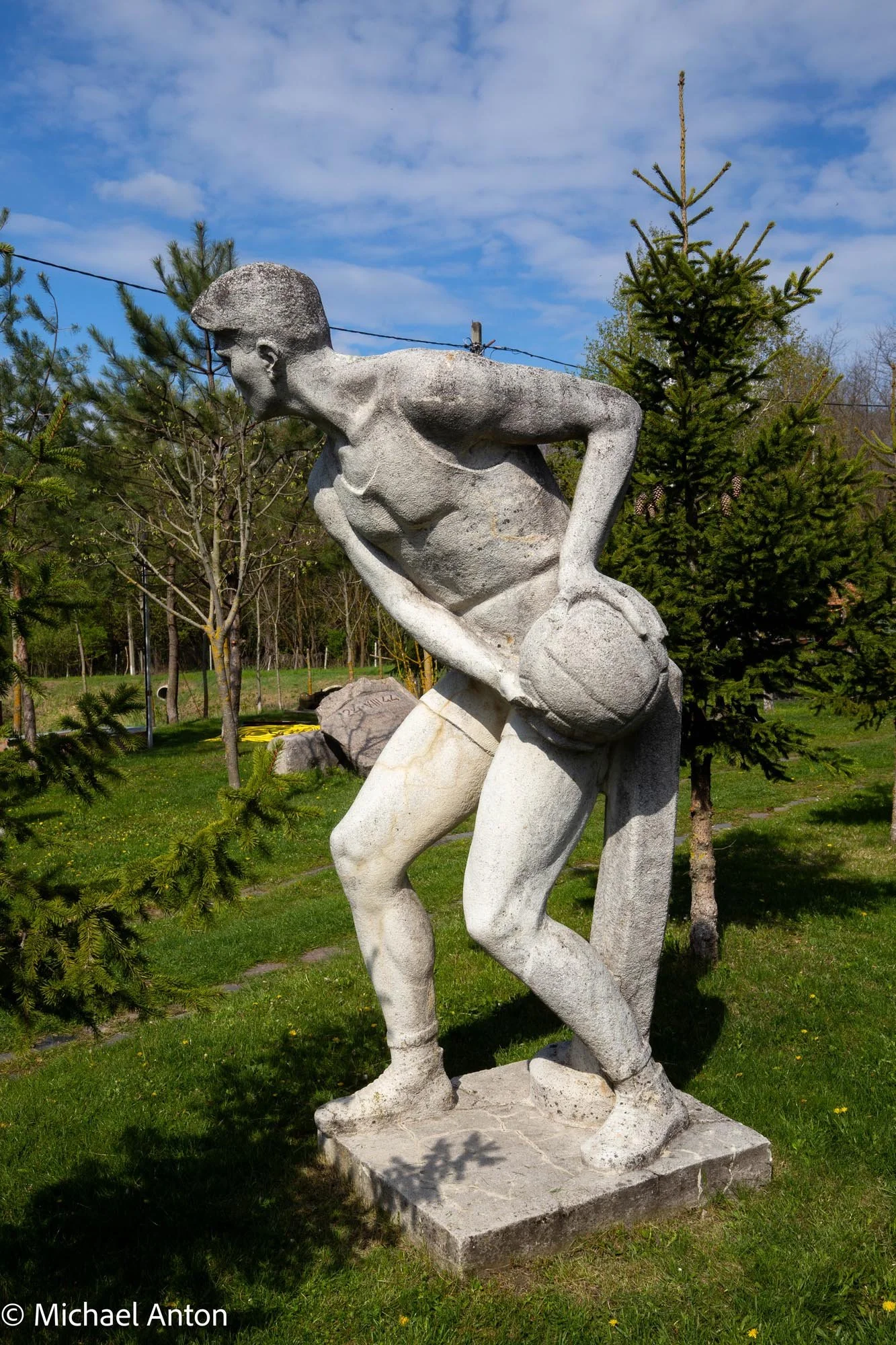
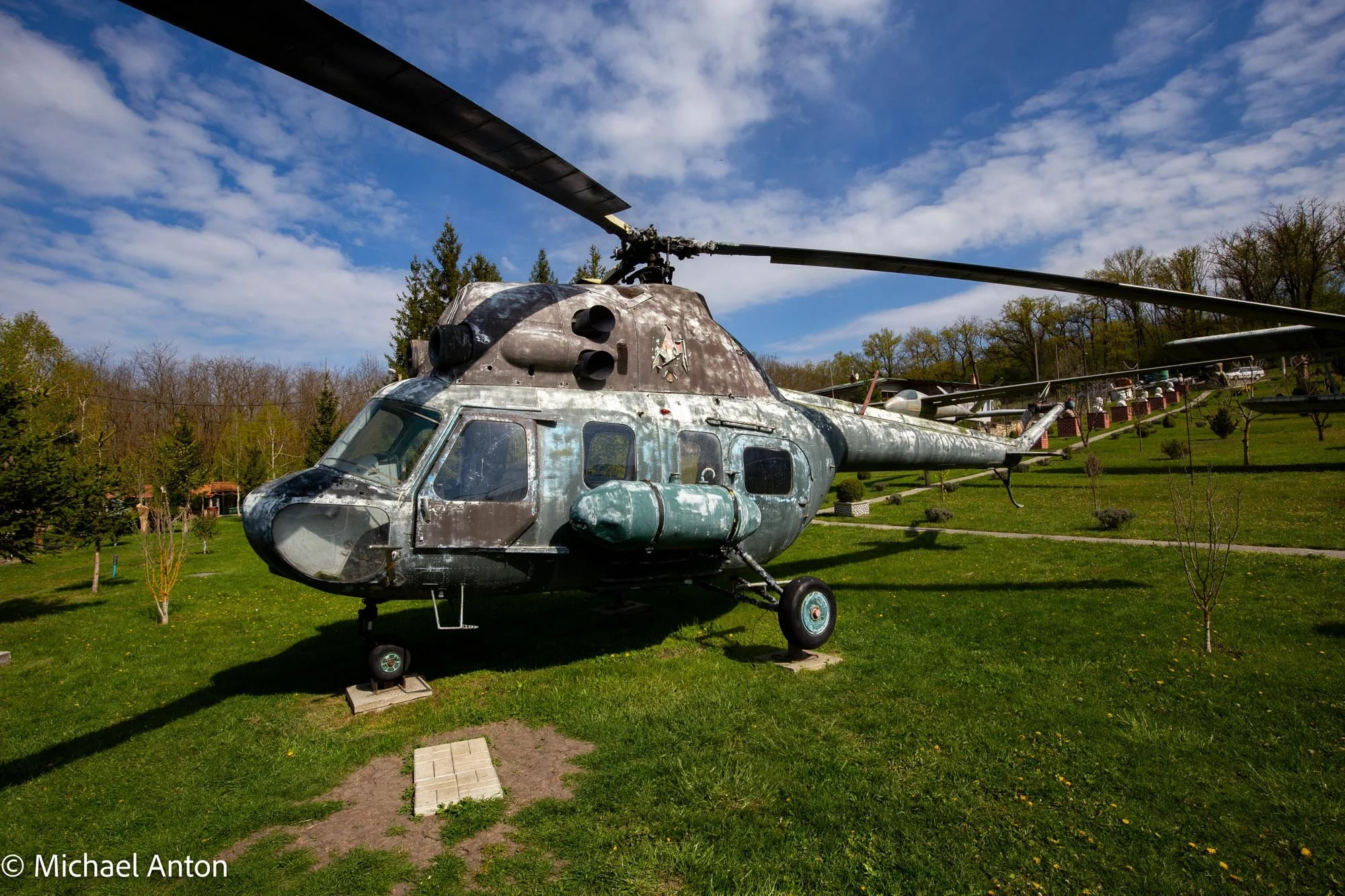
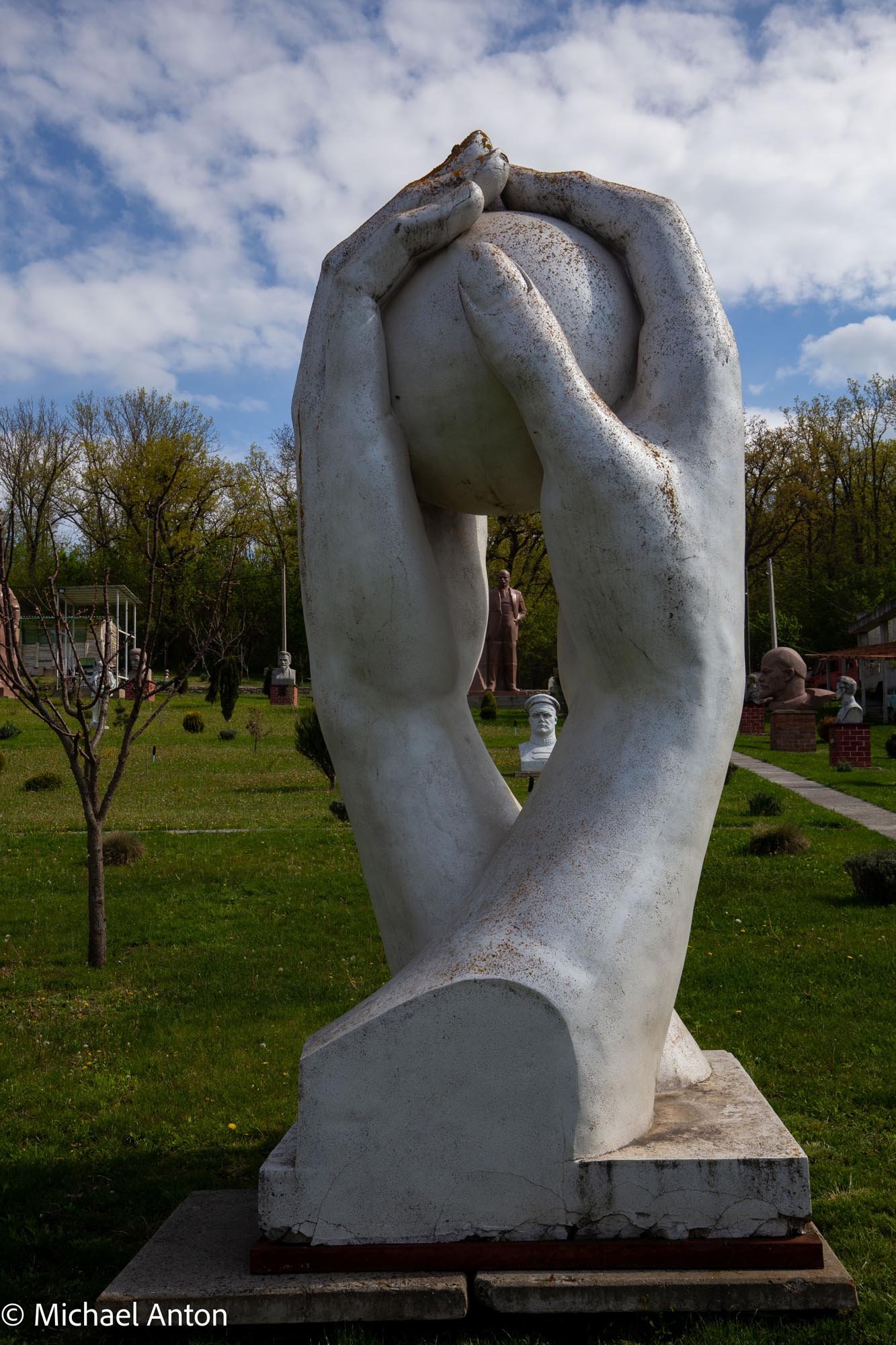
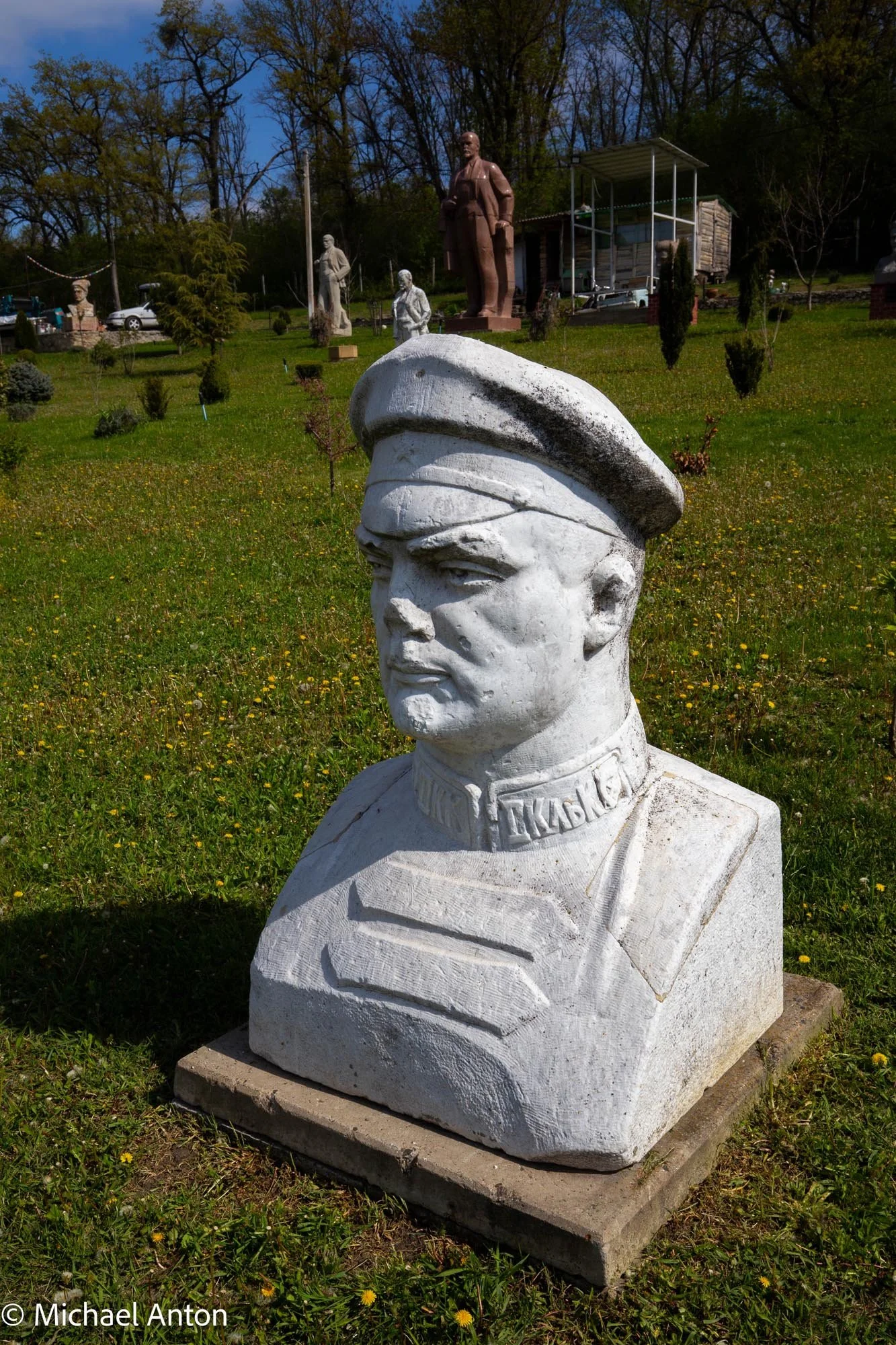
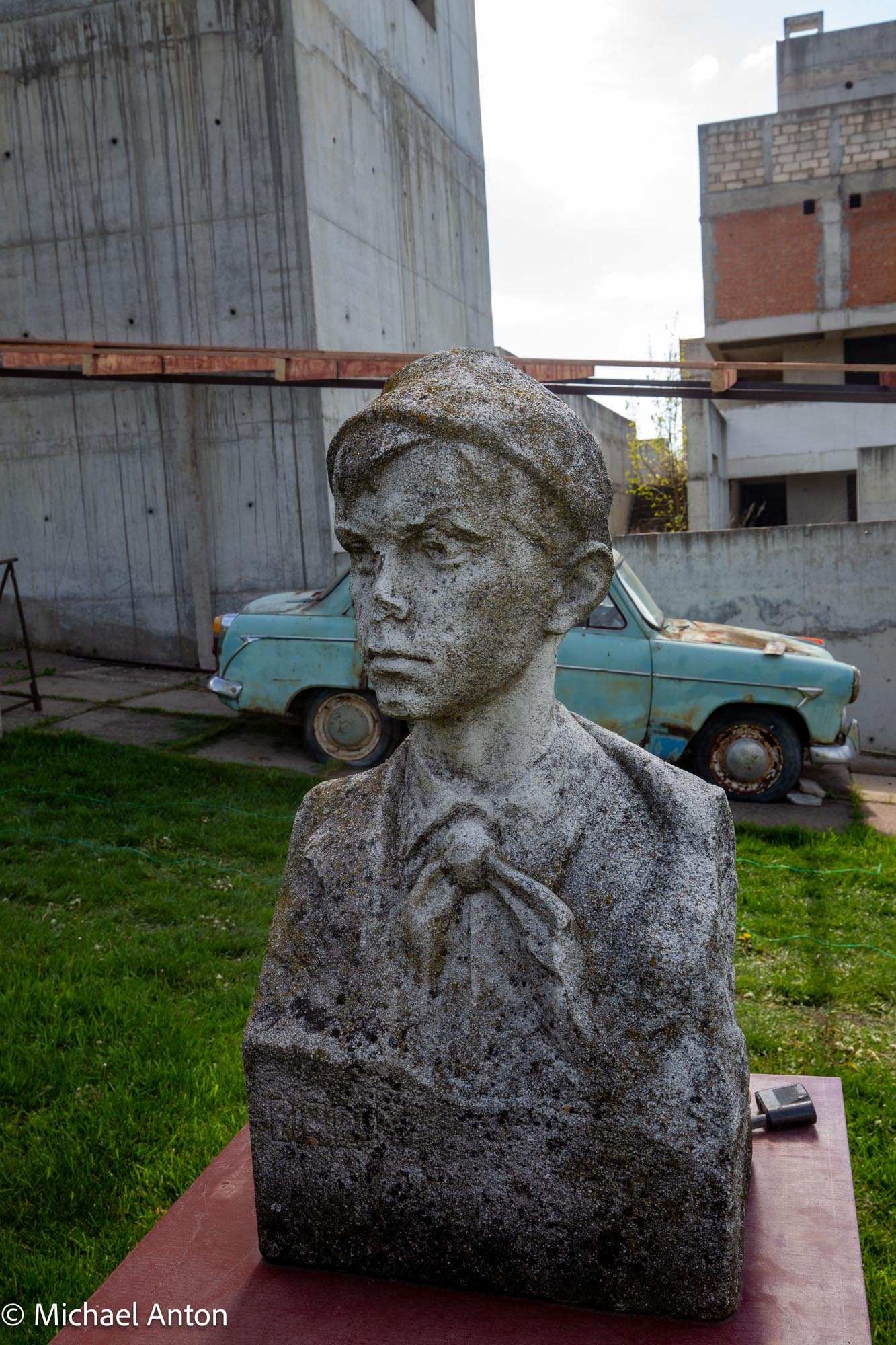
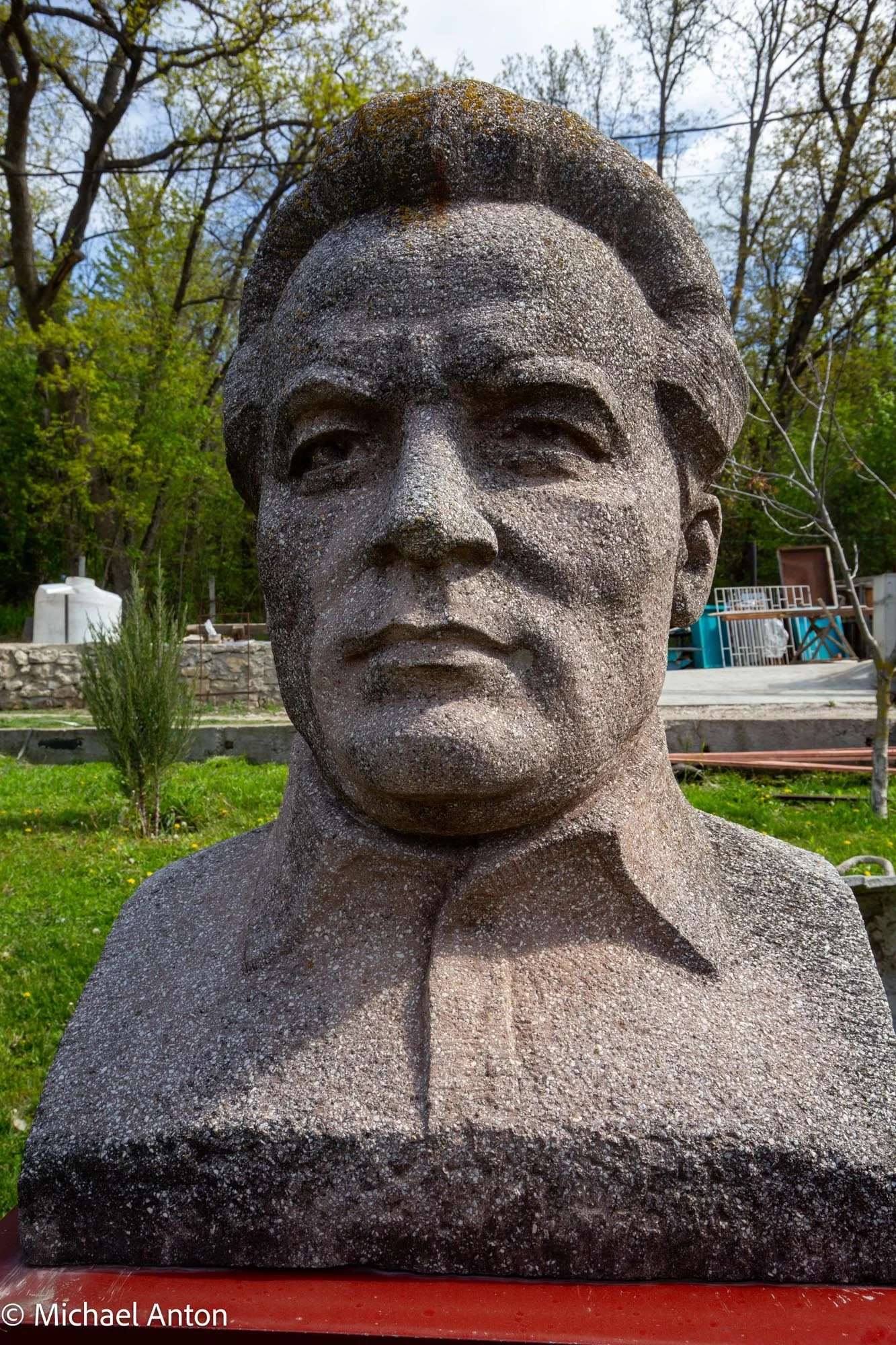
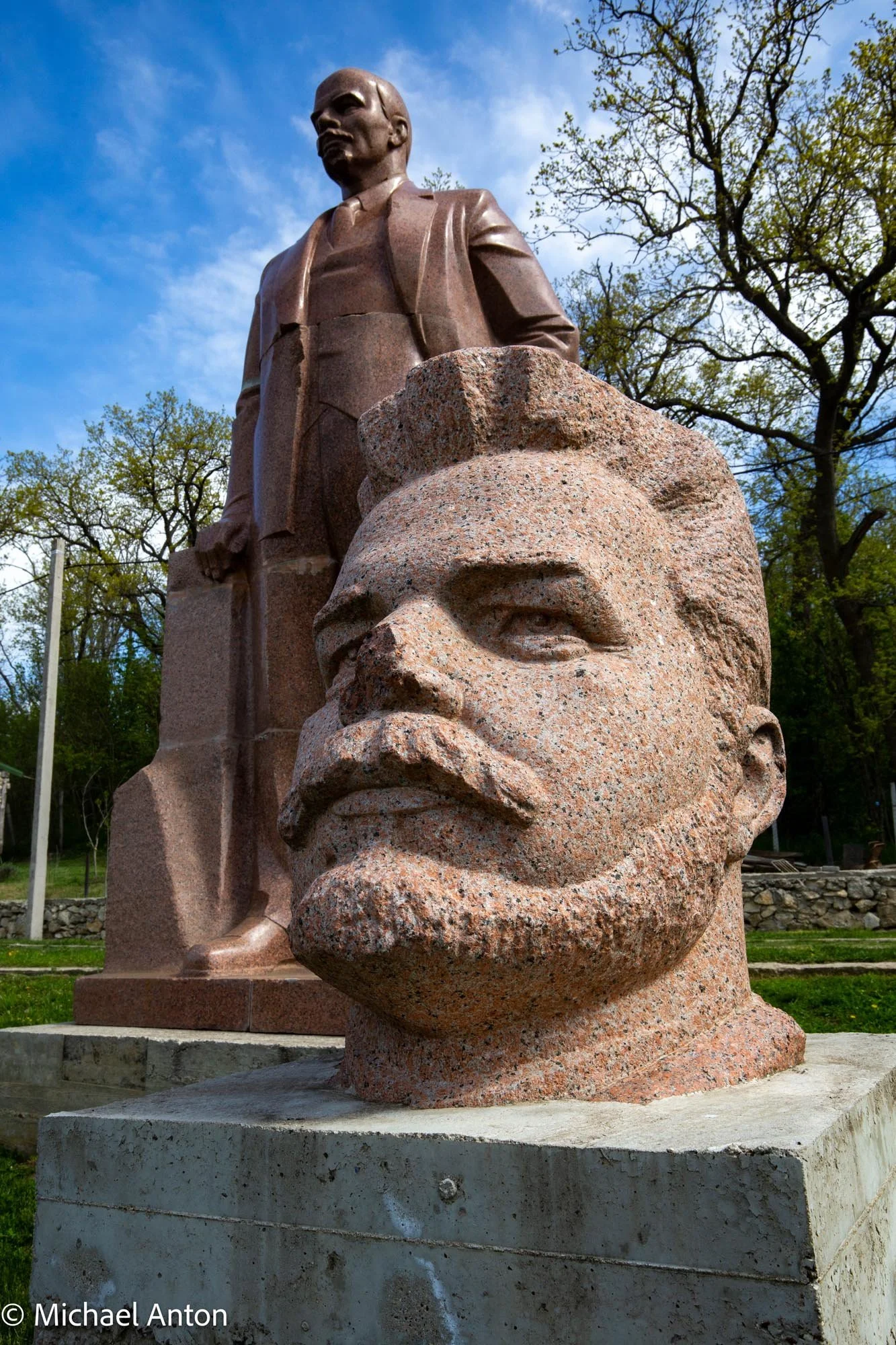
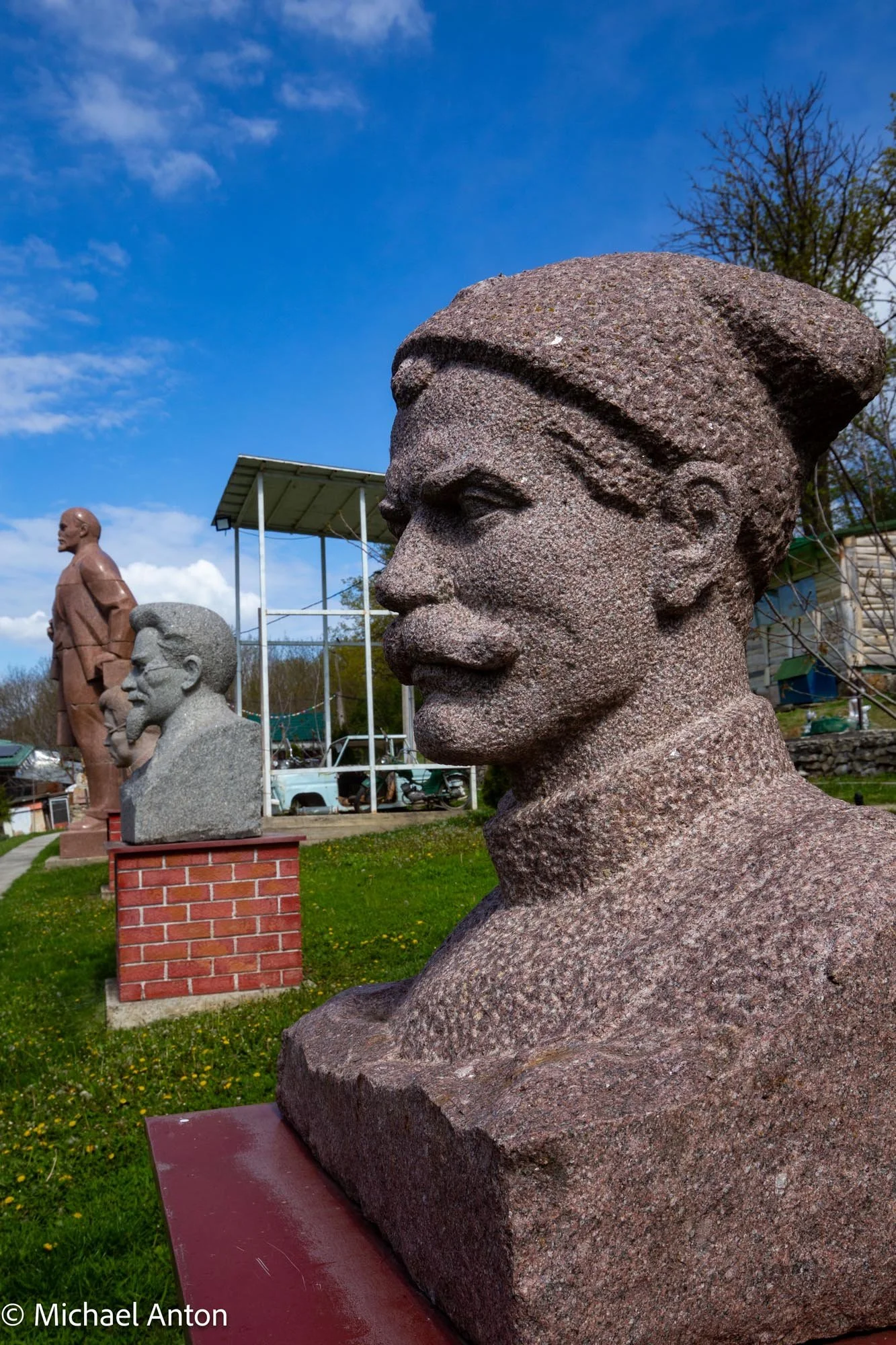
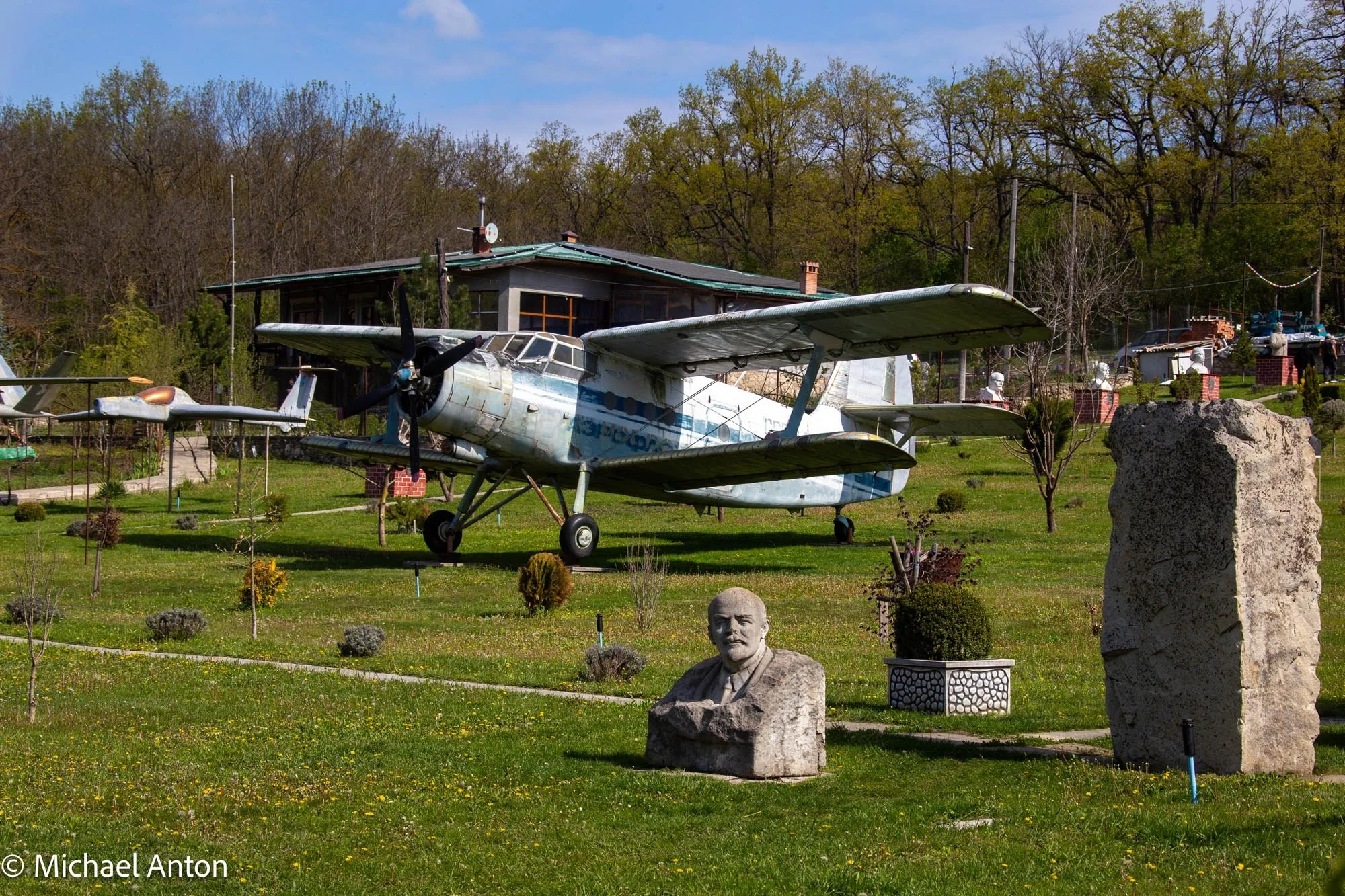
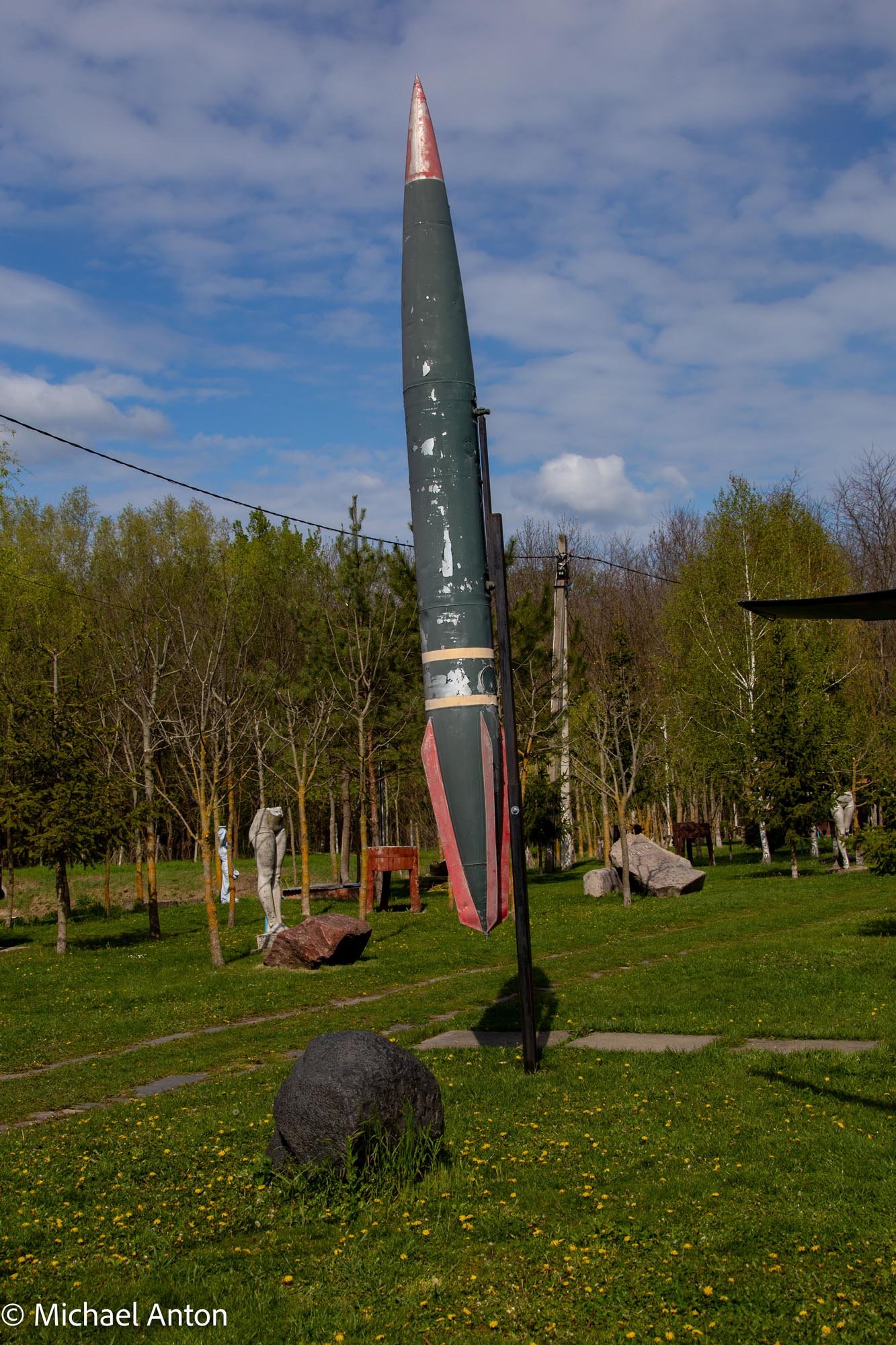
“Vestiges of the Socialist Era” Outdoor Museum
Gagauzia Province Saint Day Celebration
This may a bit much to take in in one sitting, but it is my tribute to the Moldovan people. Please enjoy.
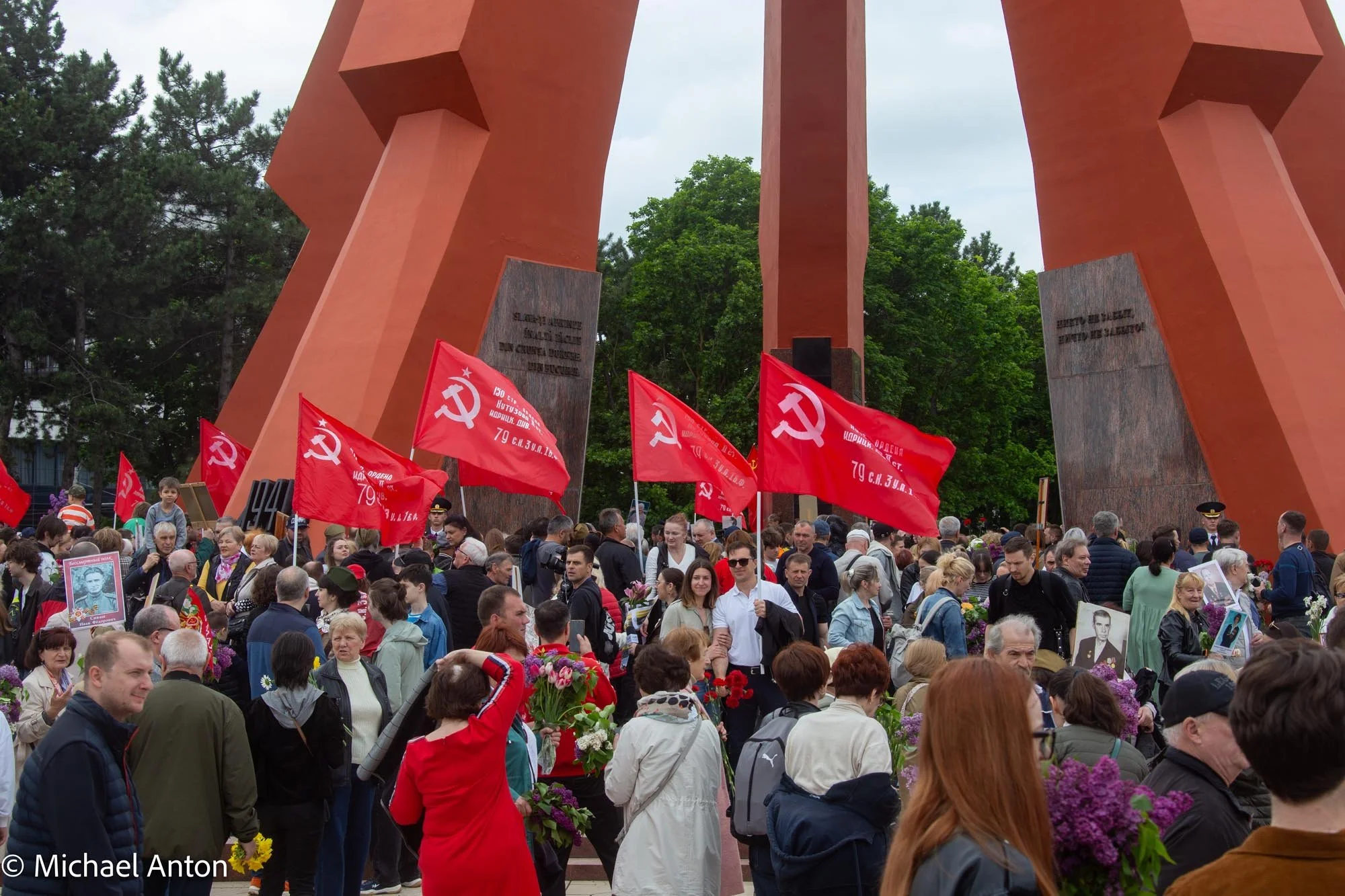
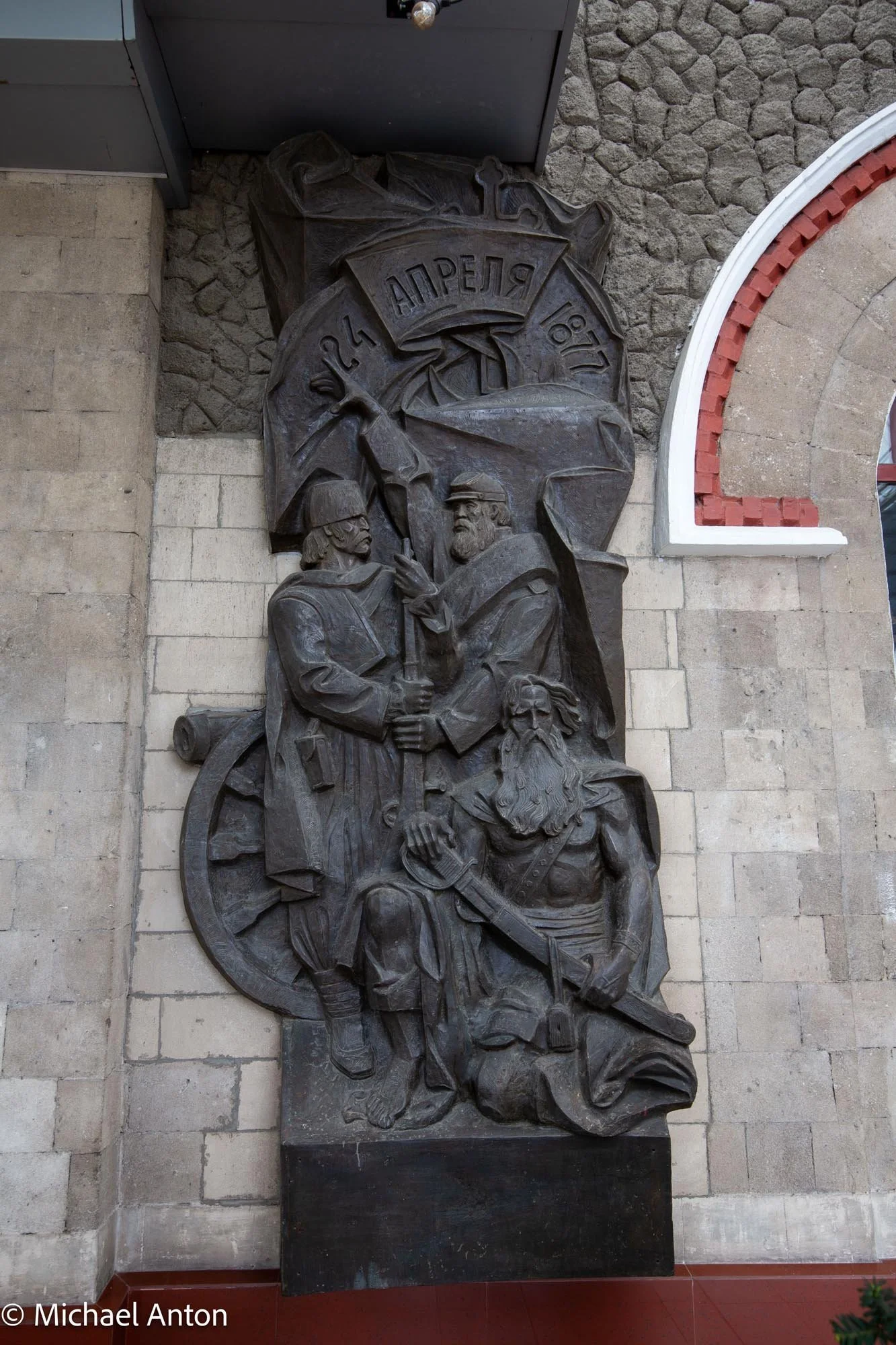
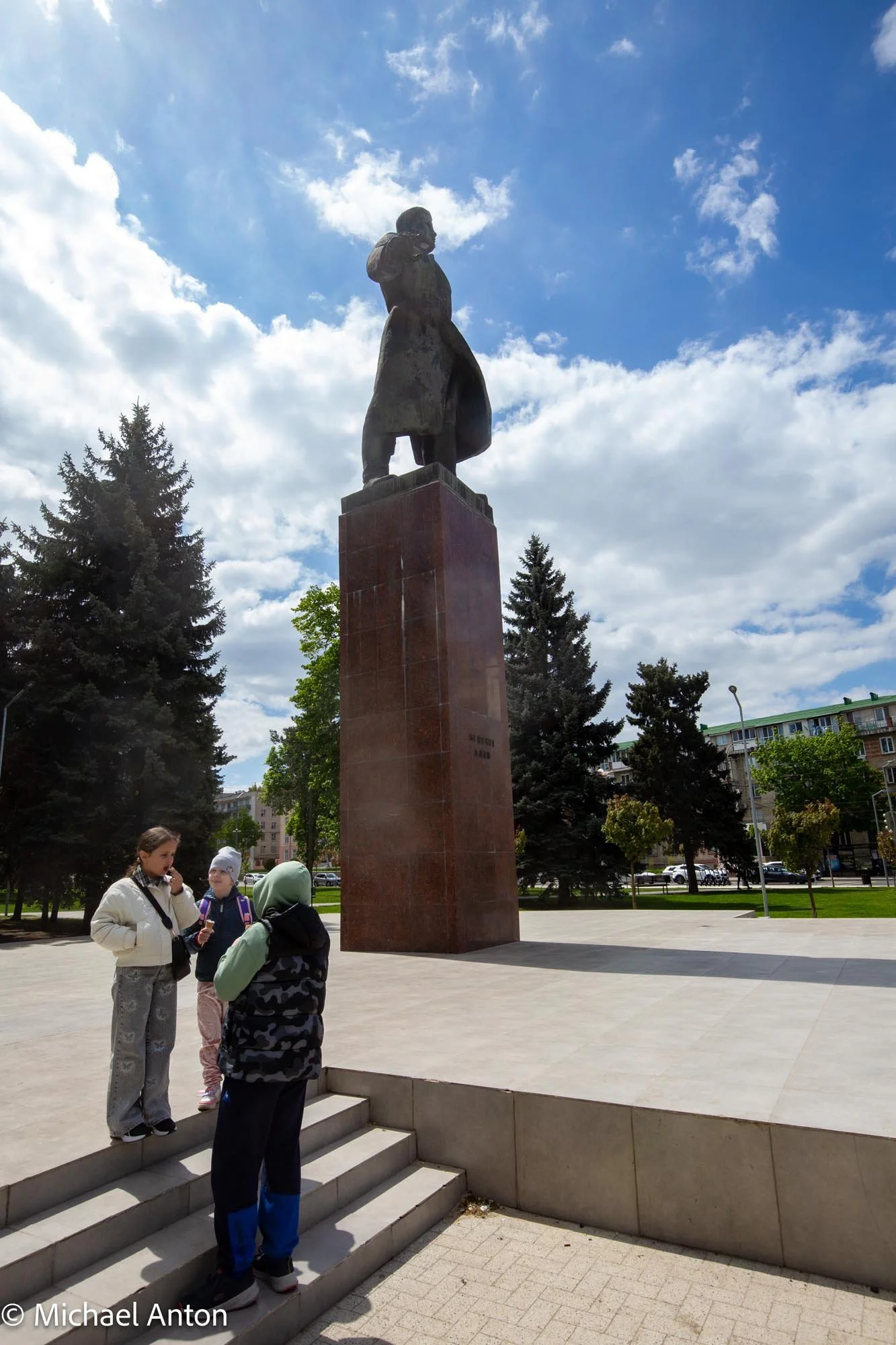
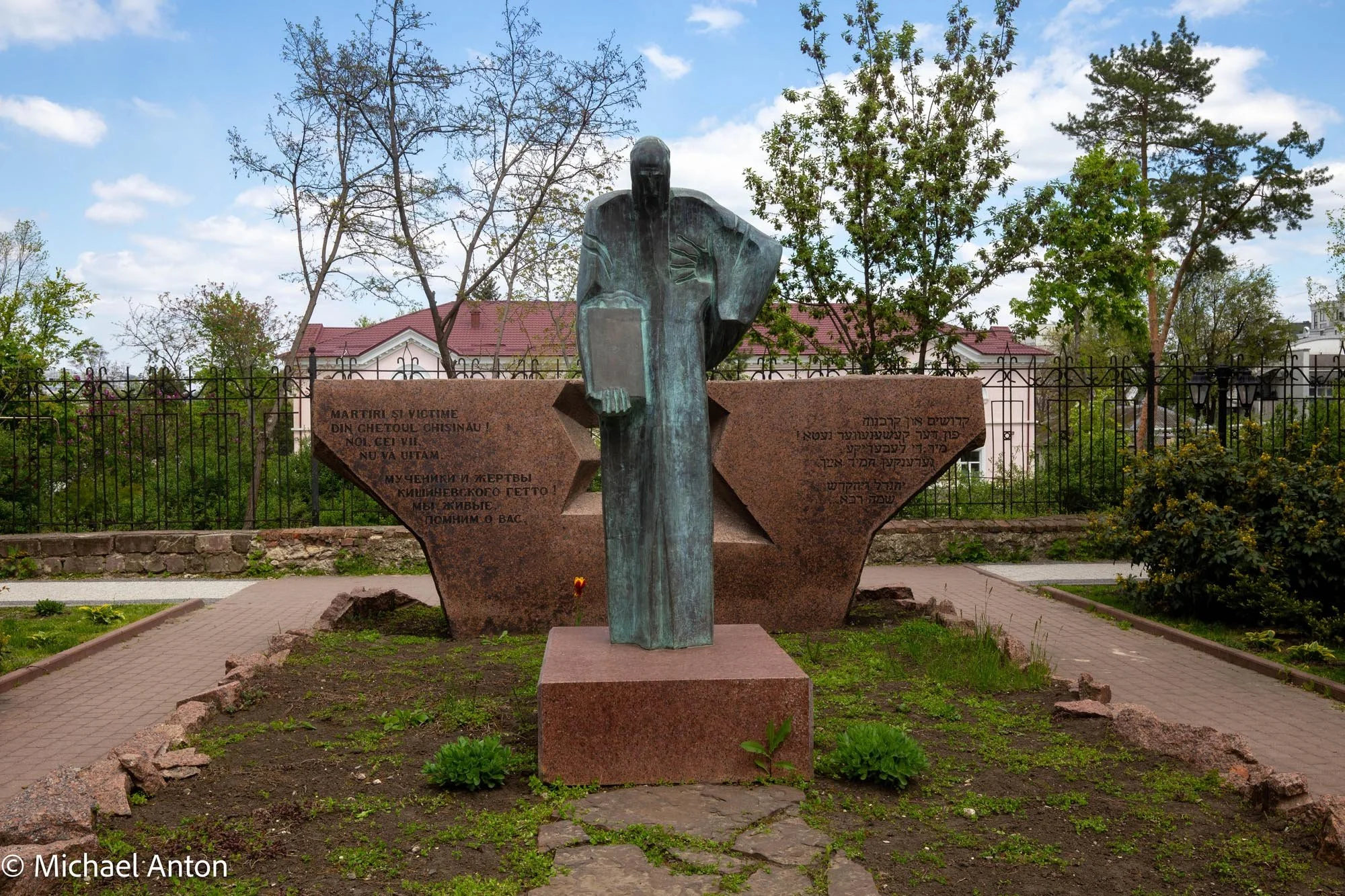
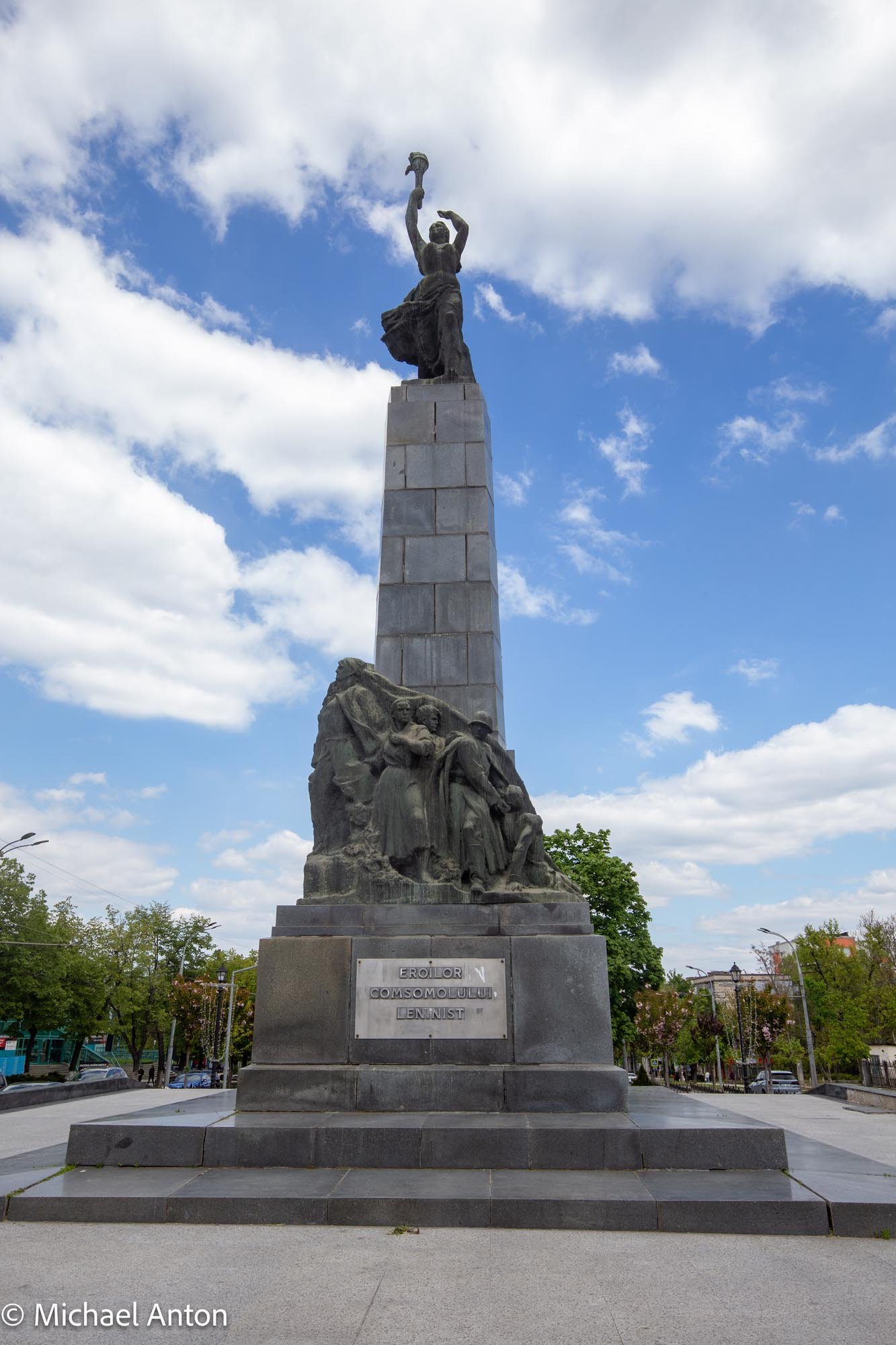
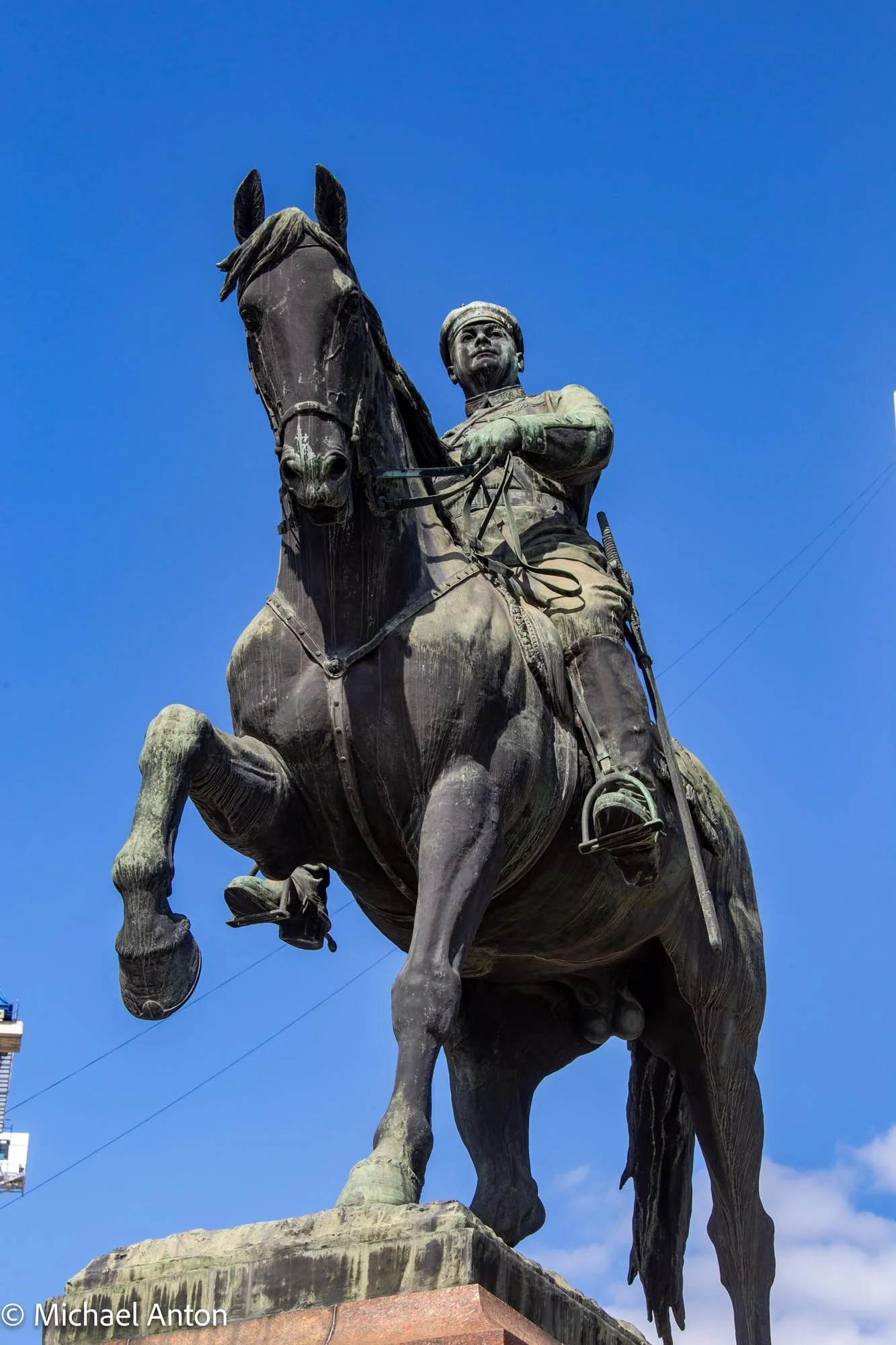
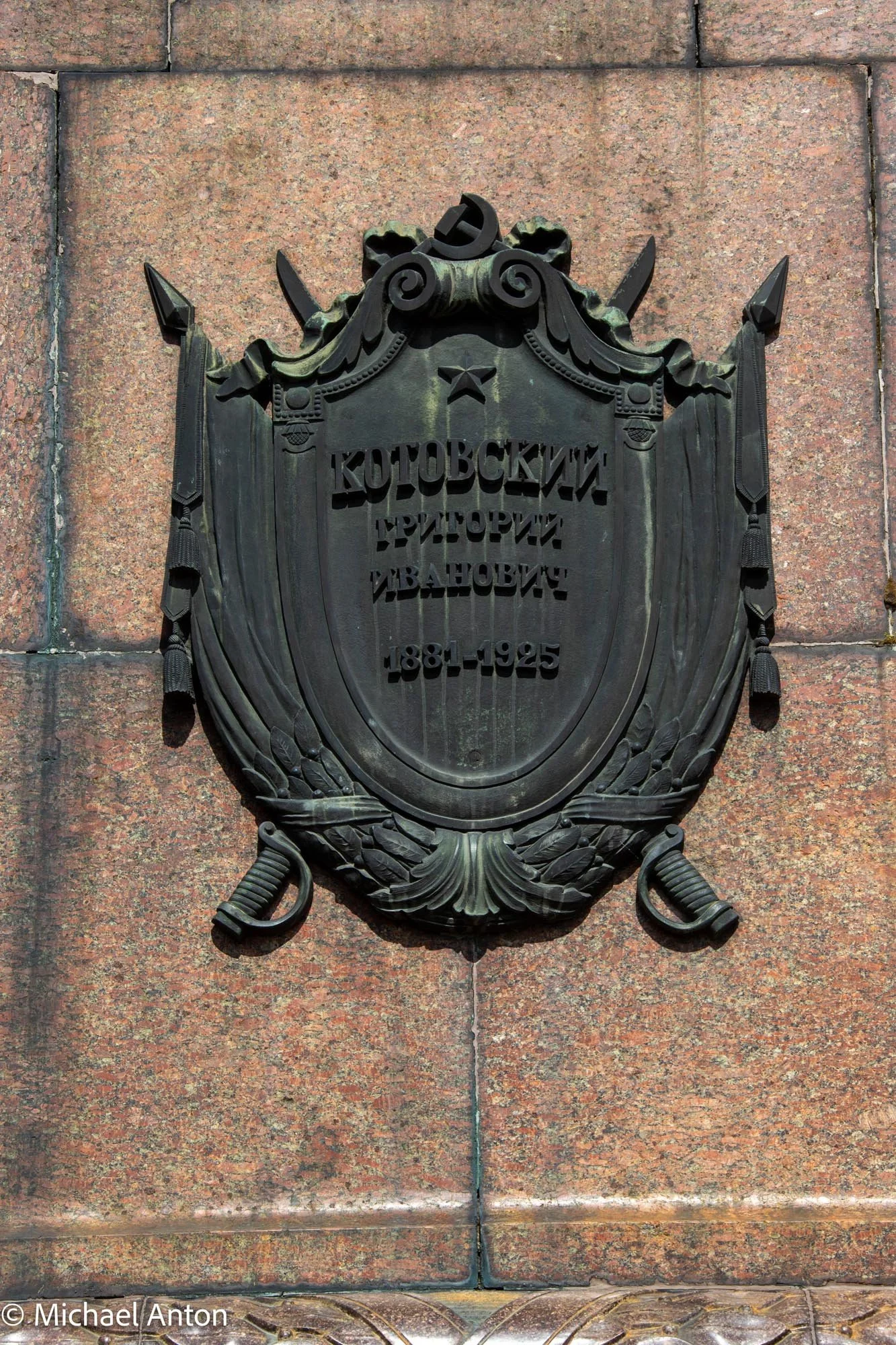
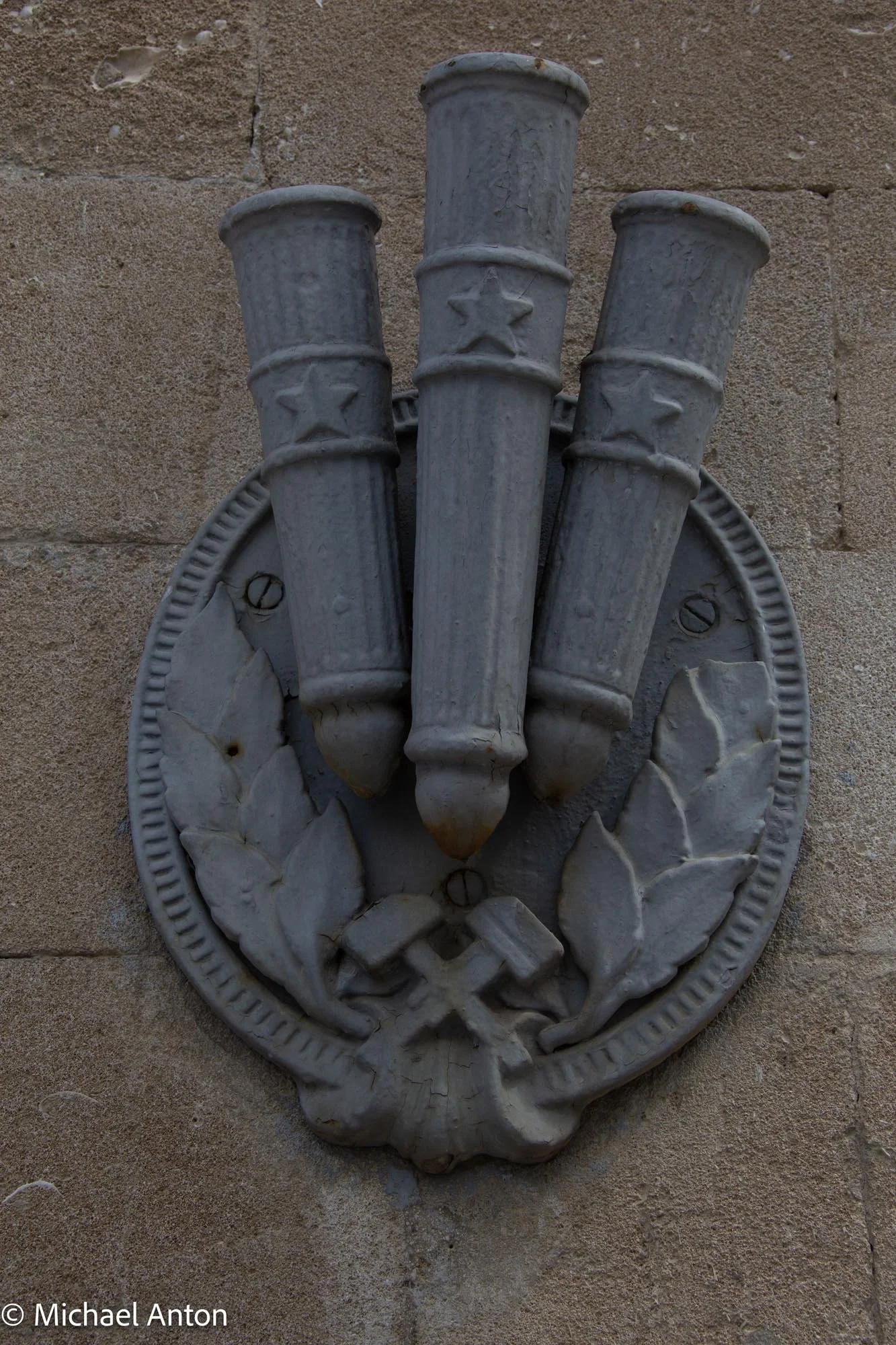
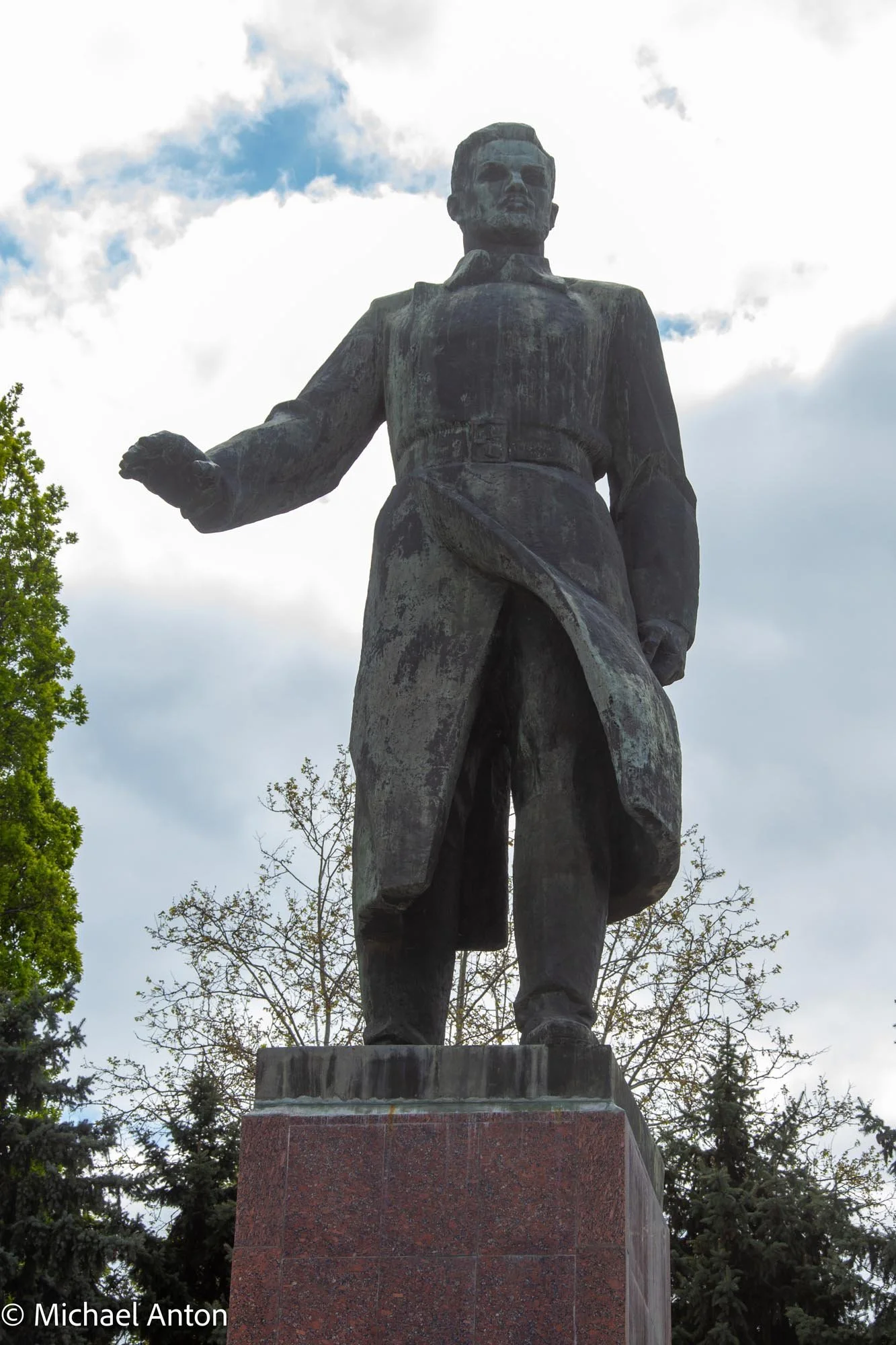
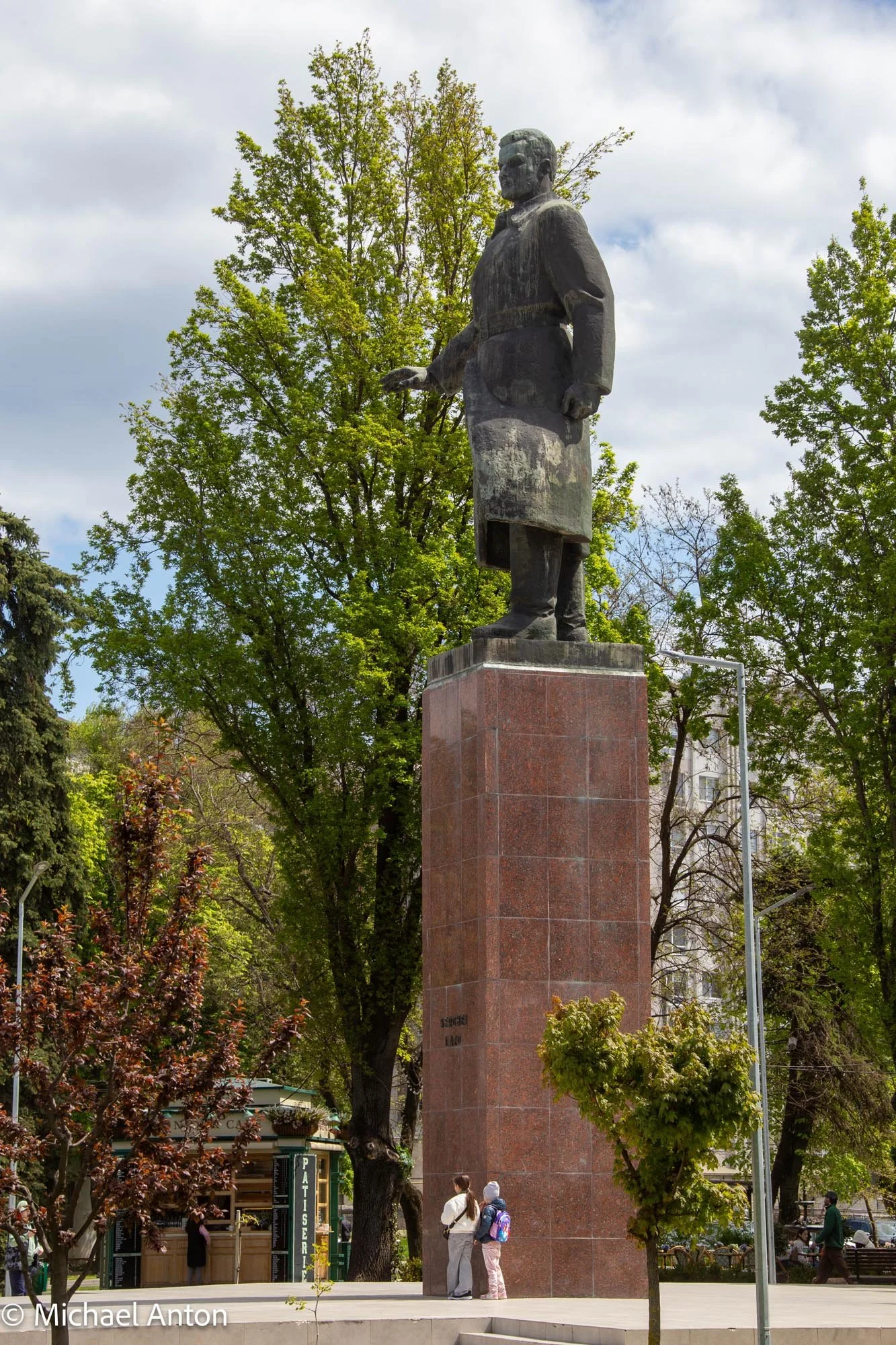
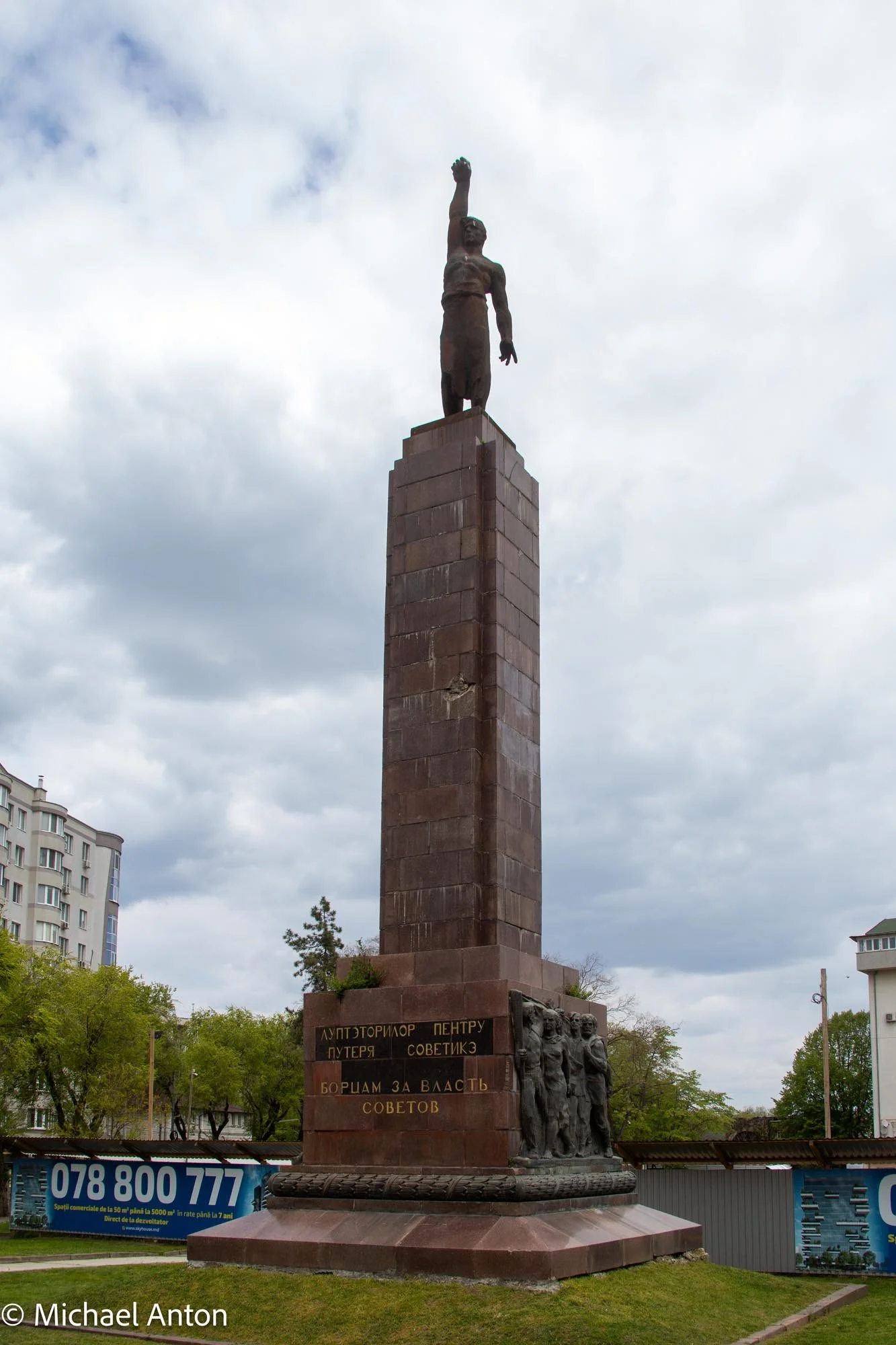
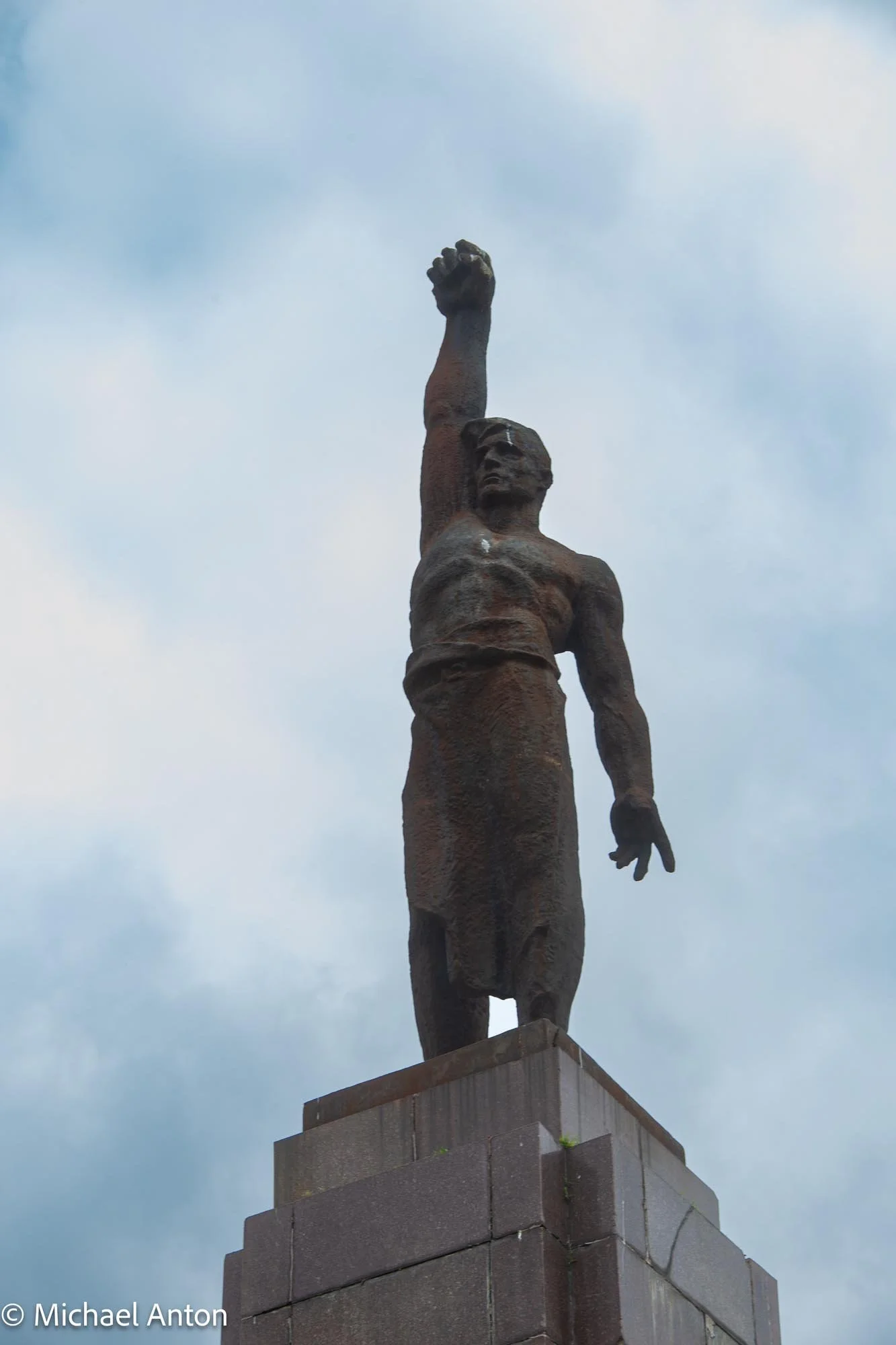
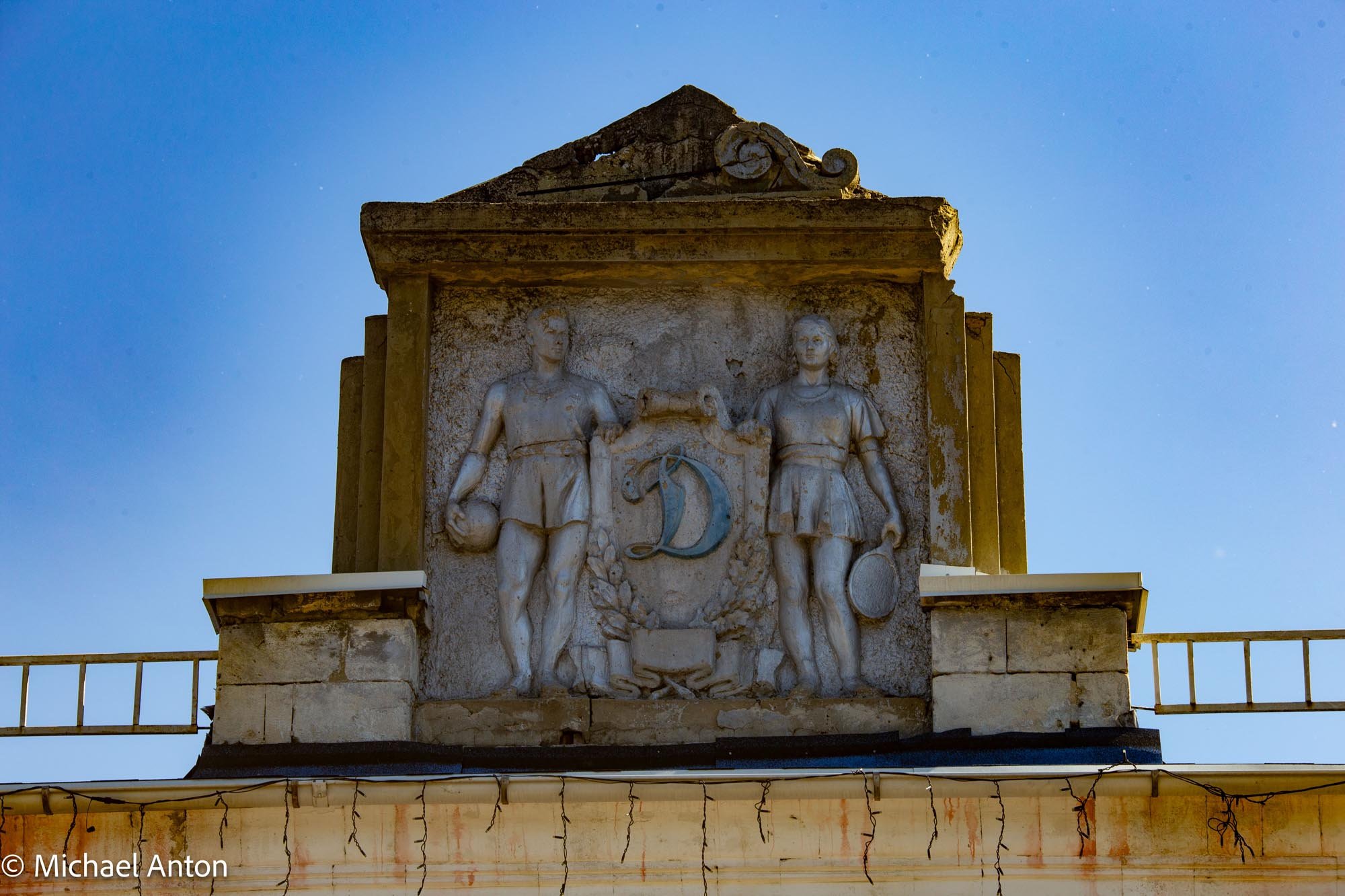
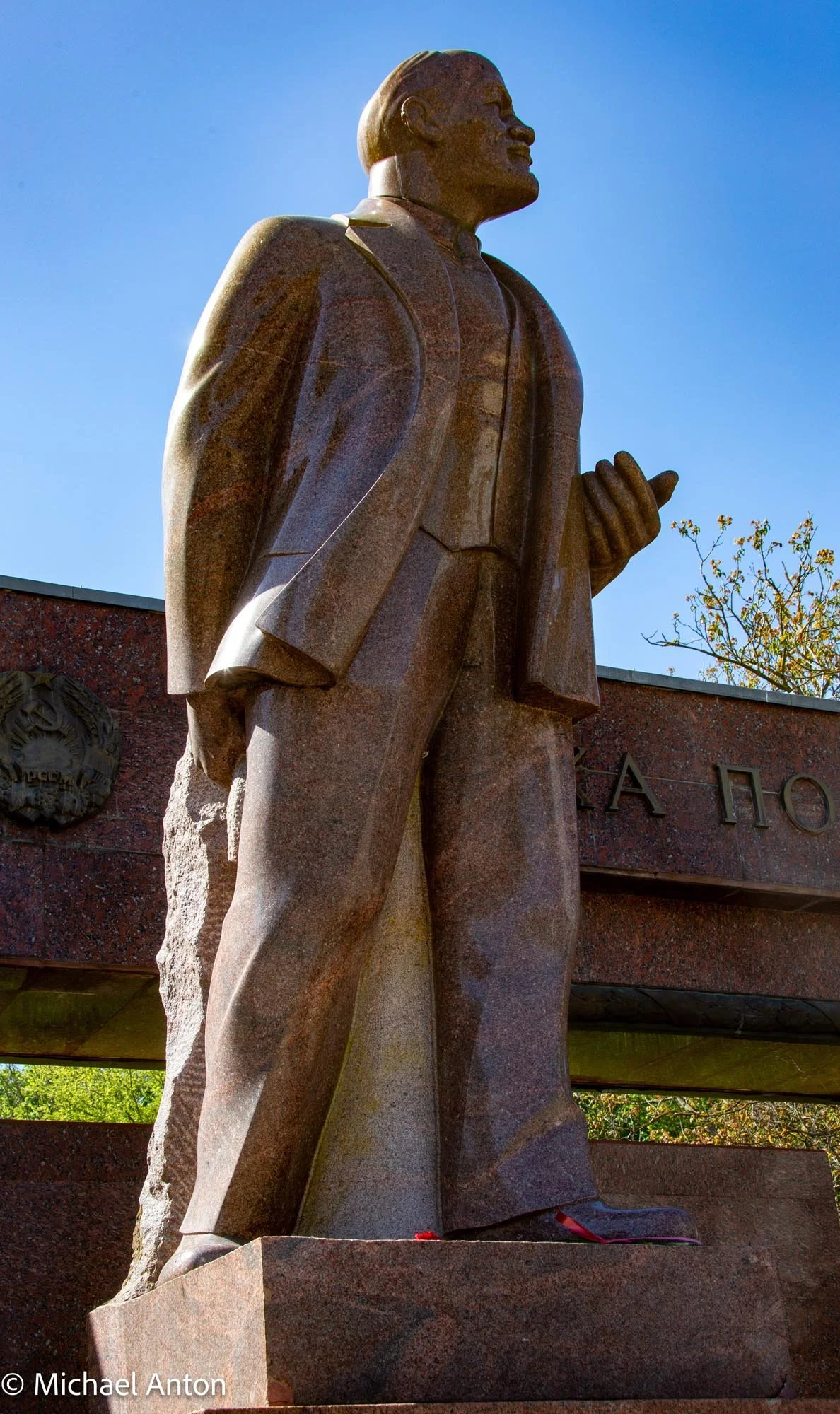
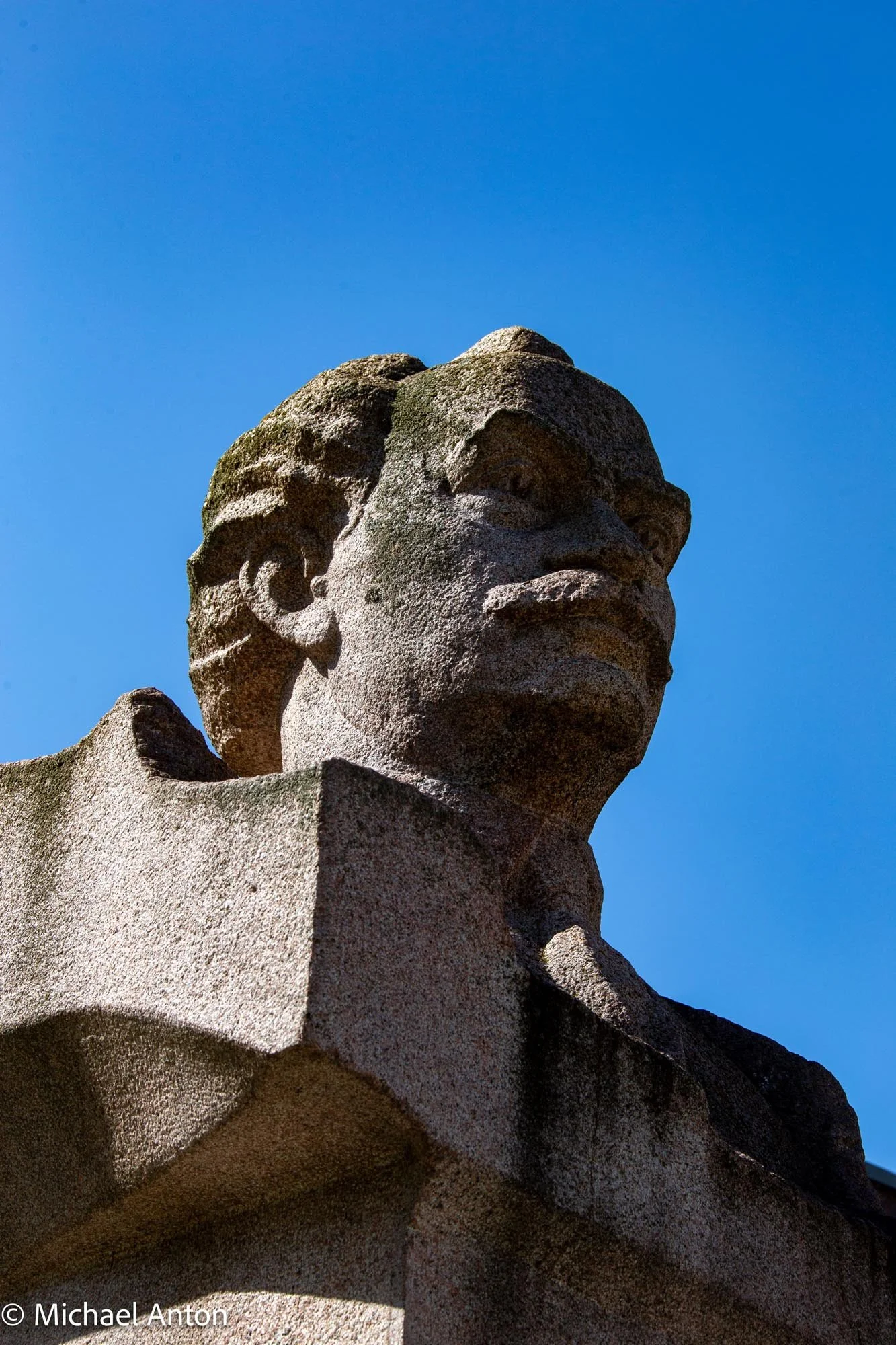
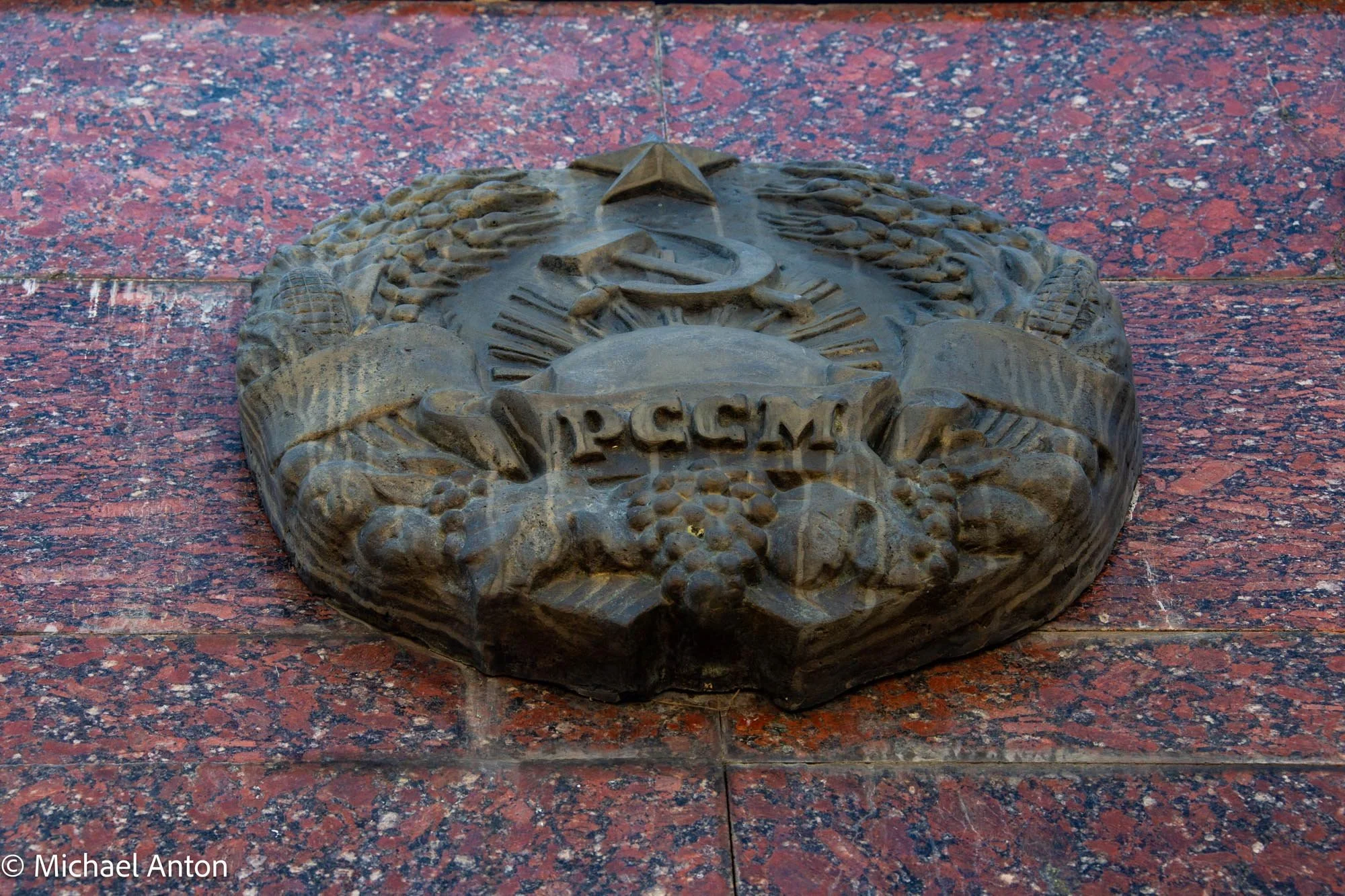
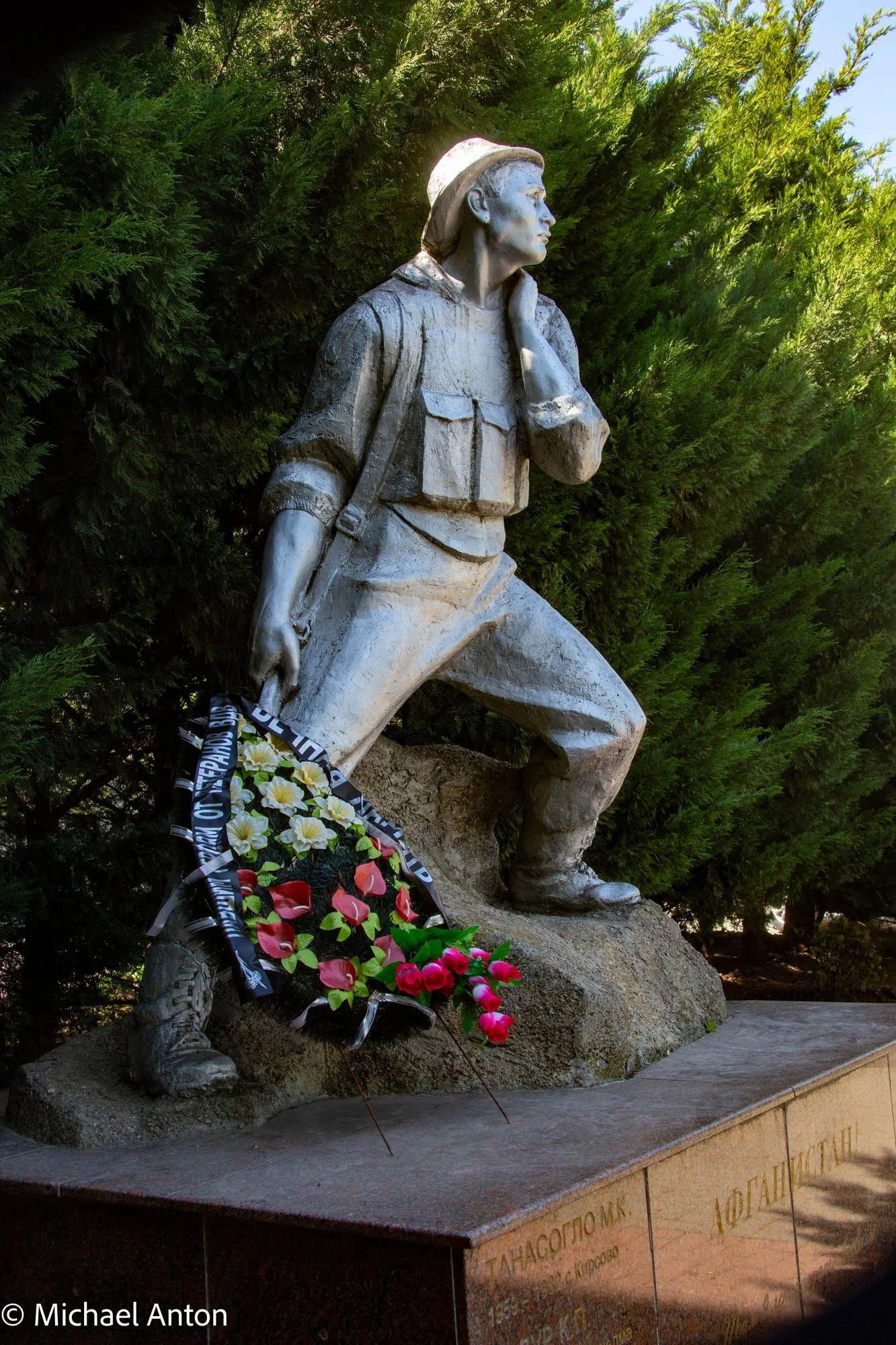
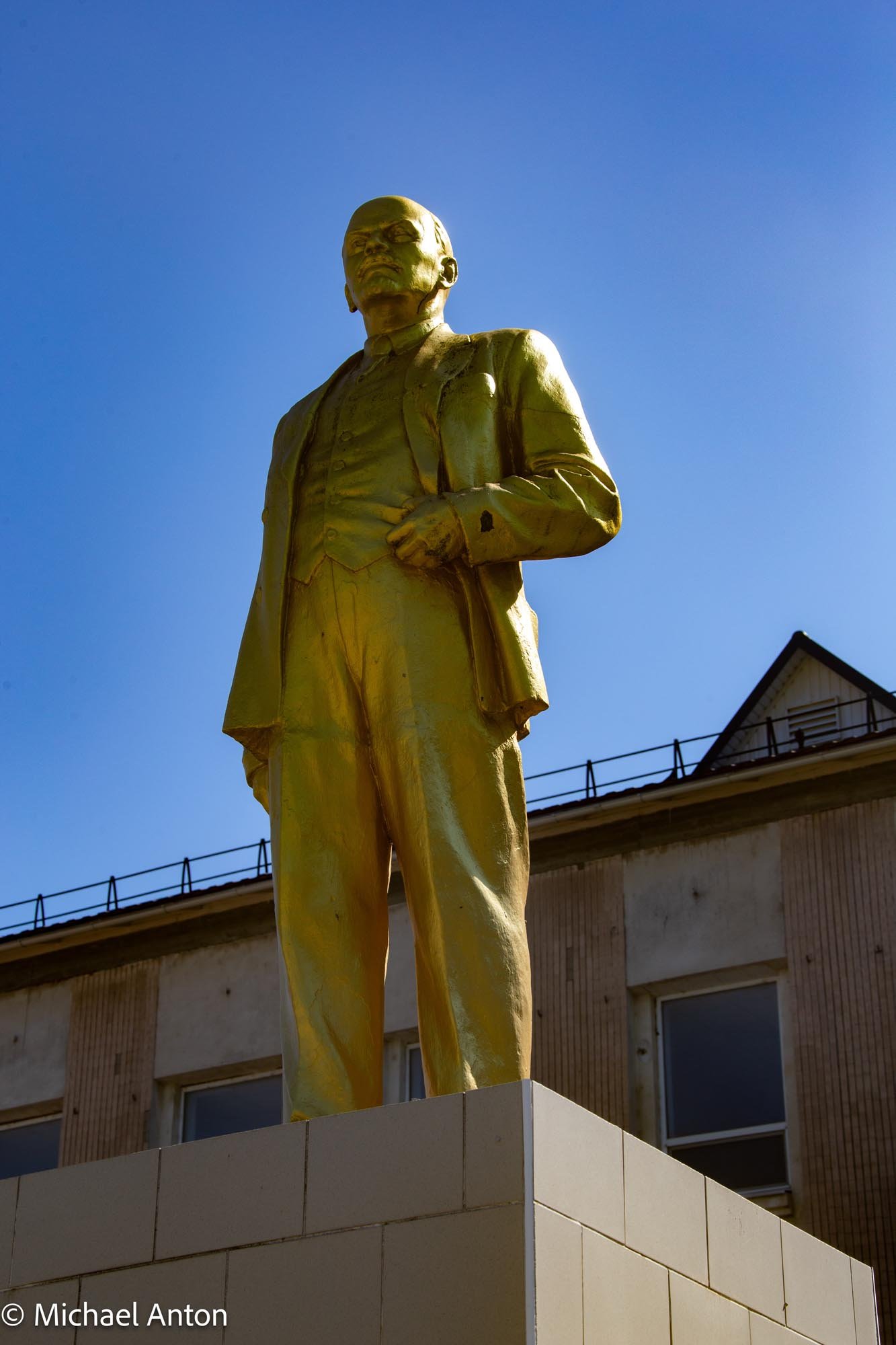
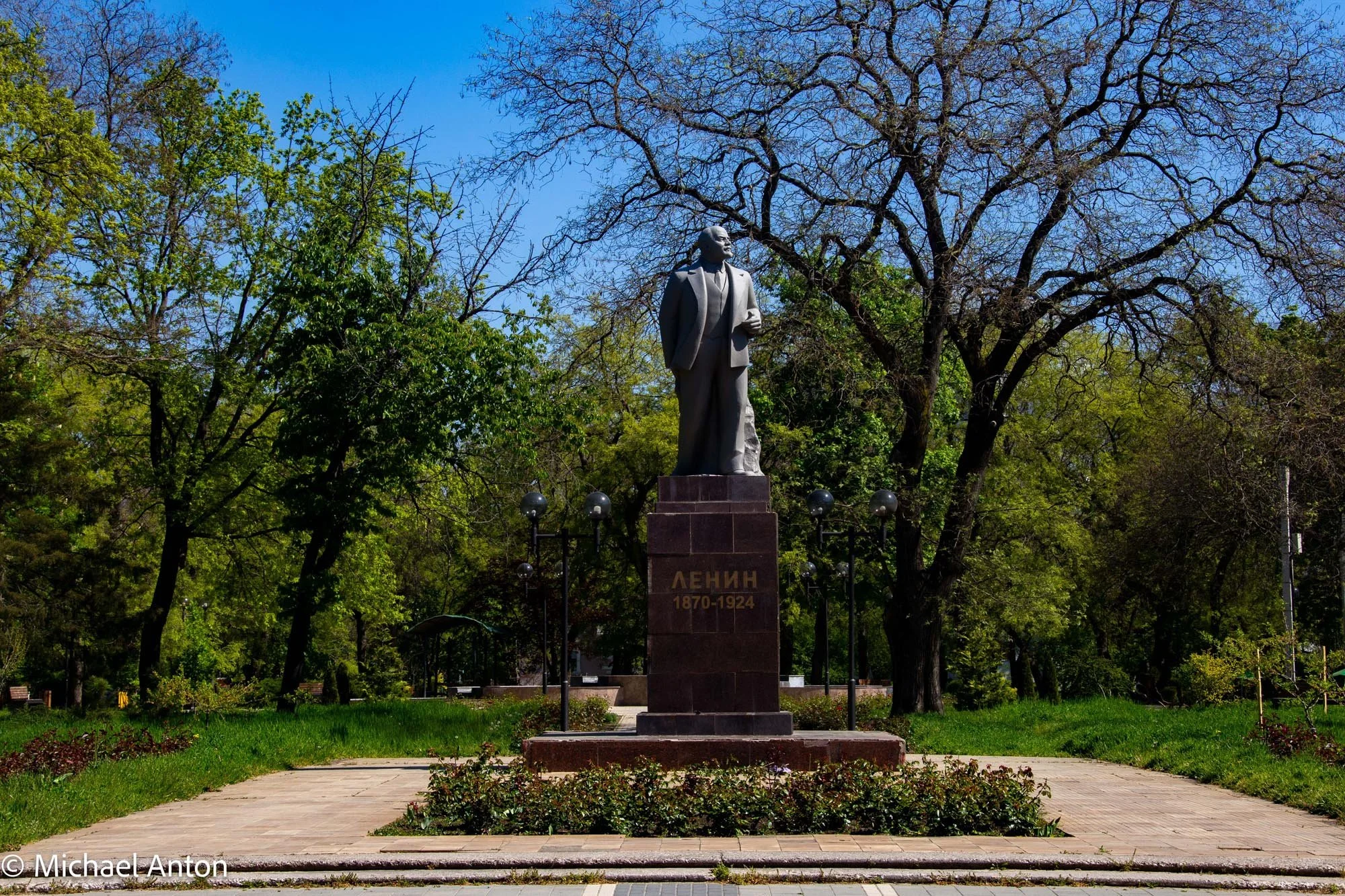
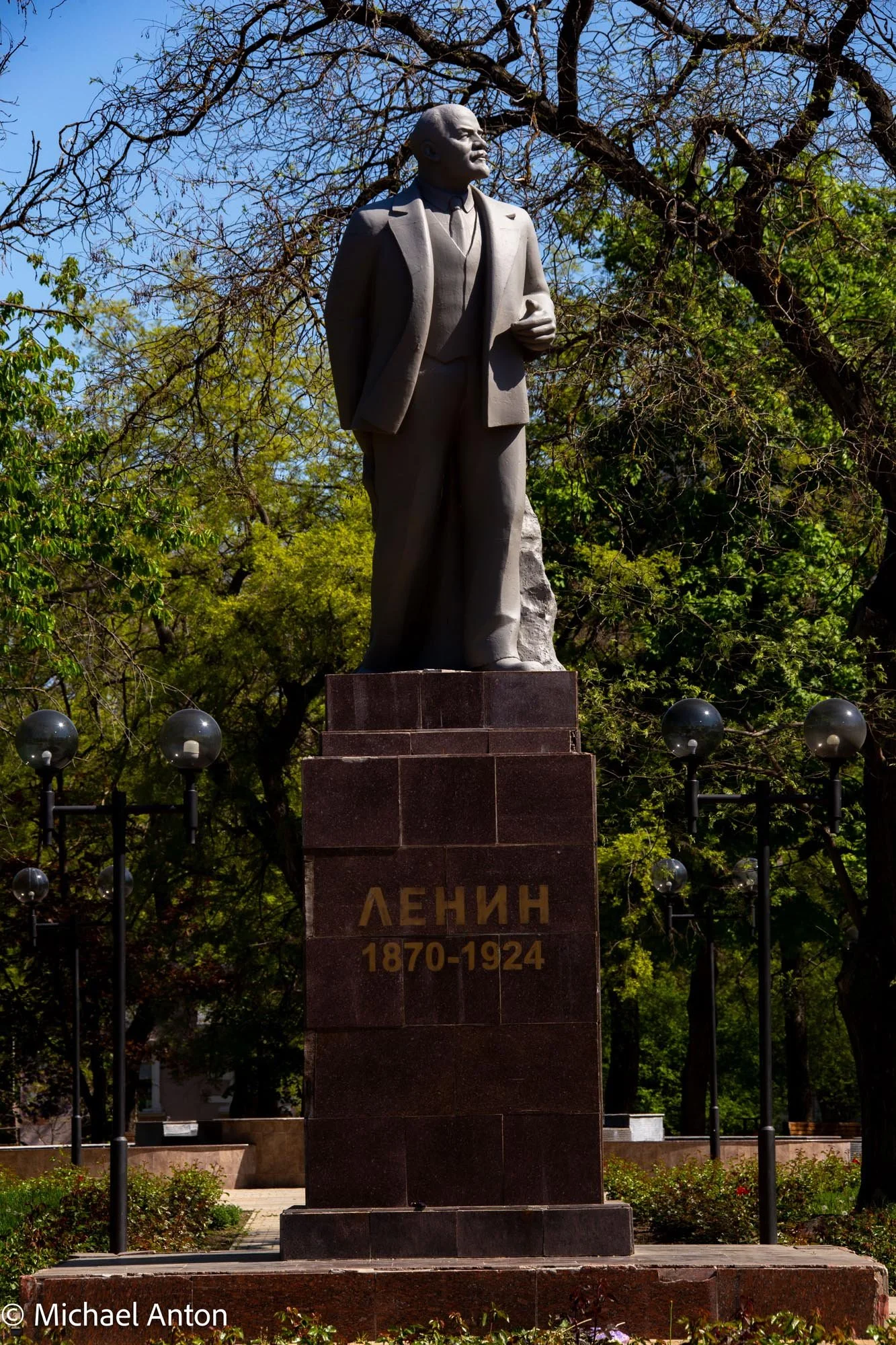
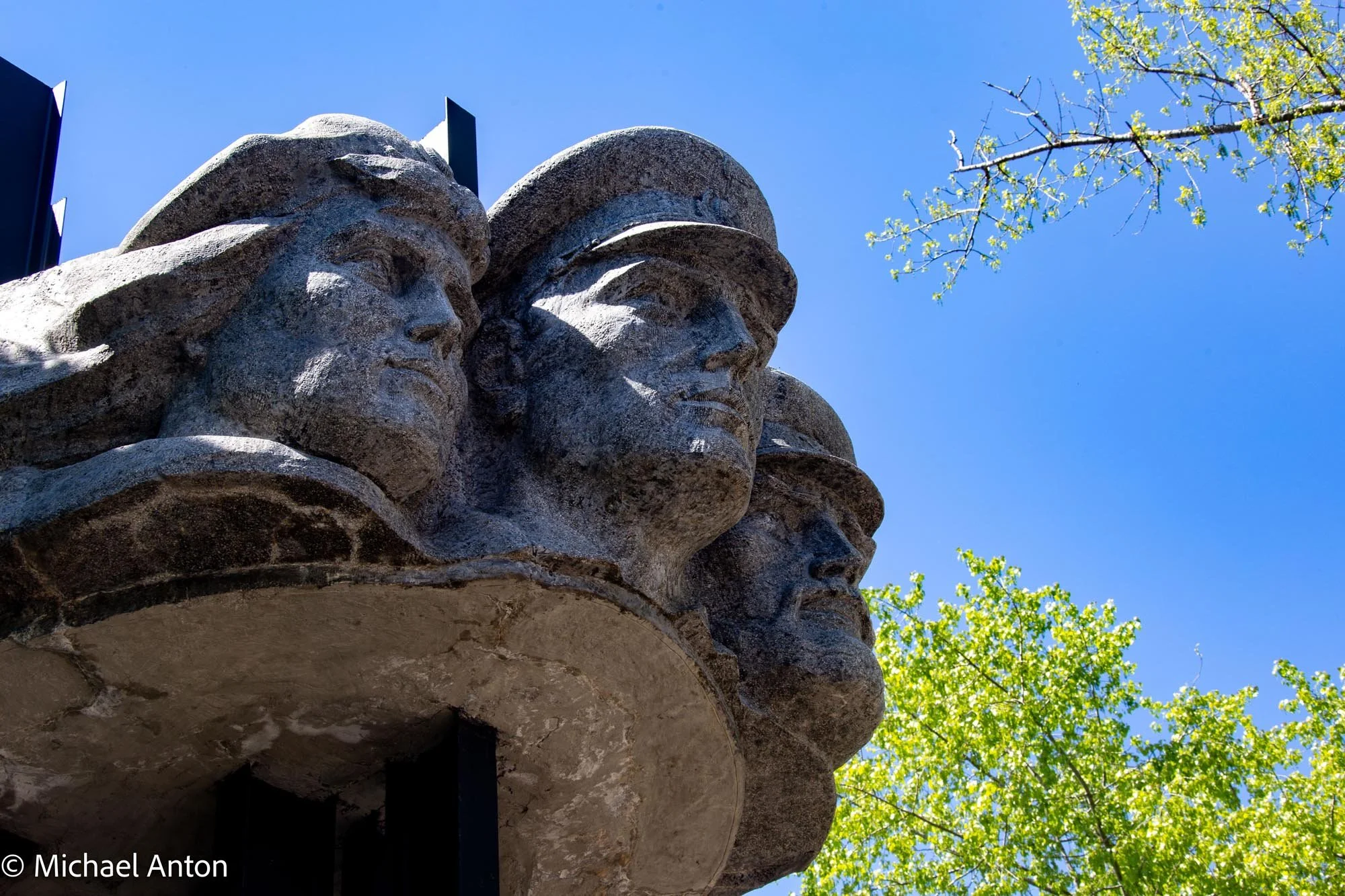
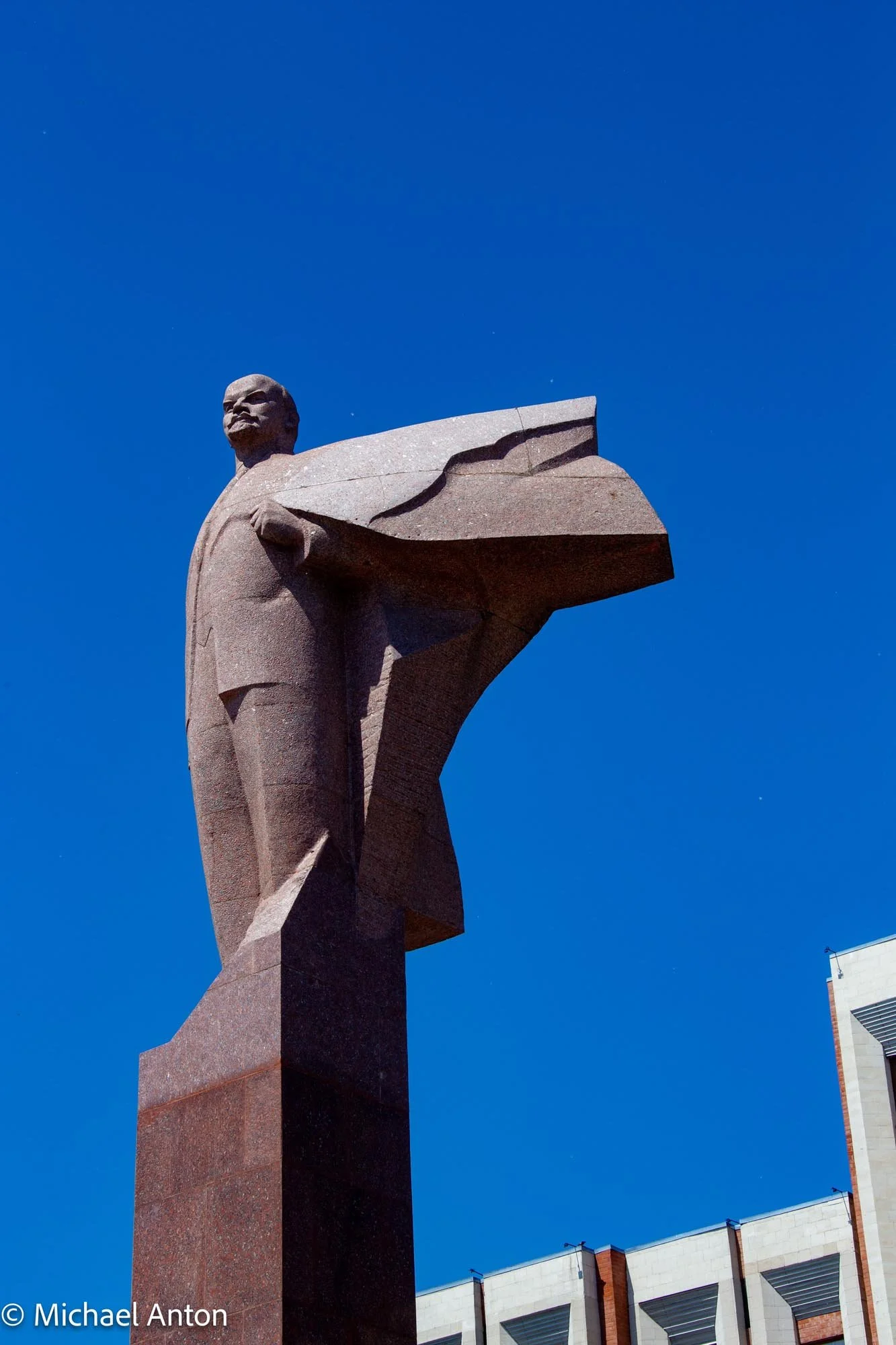
Soviet Iconography
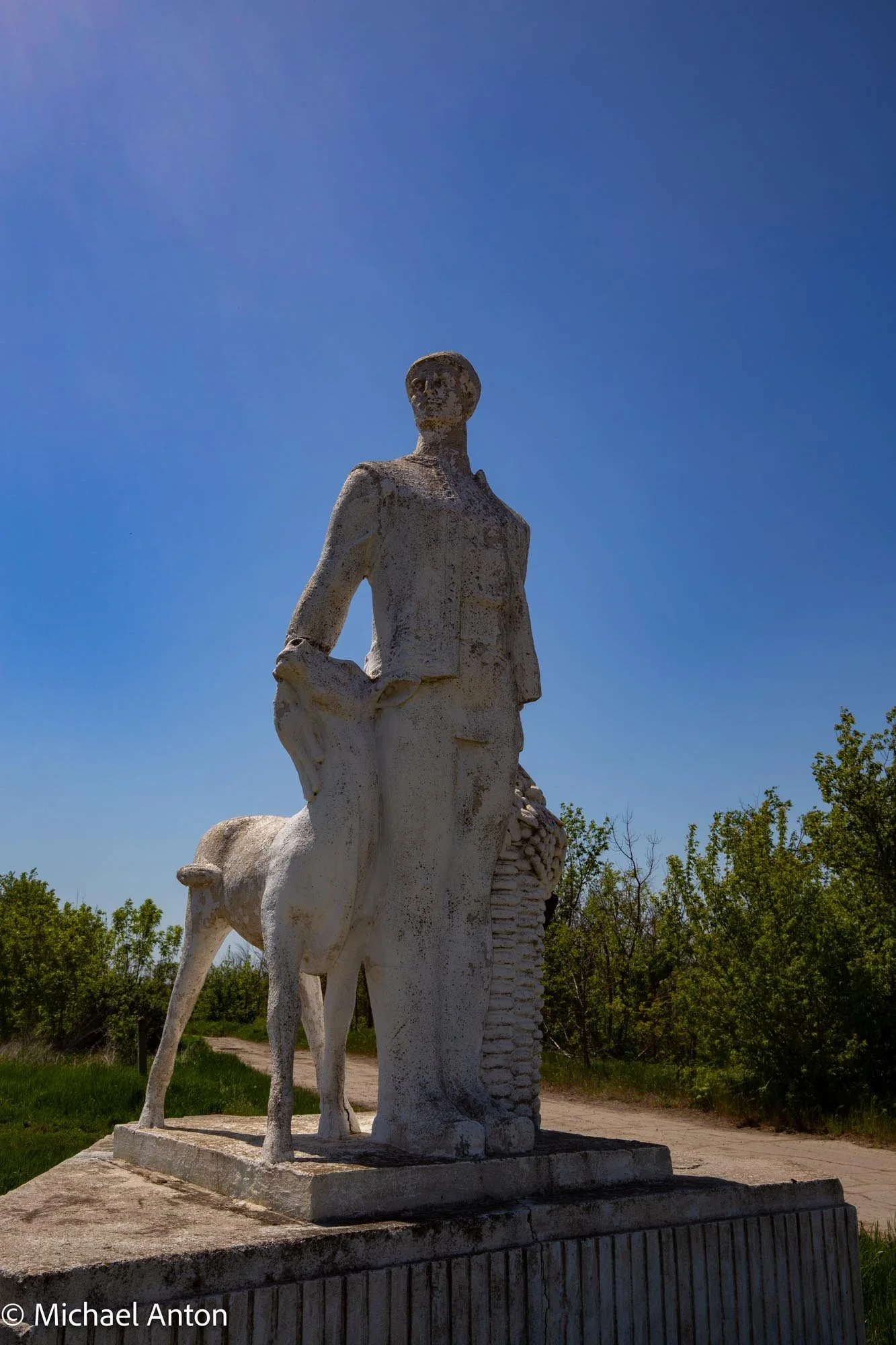
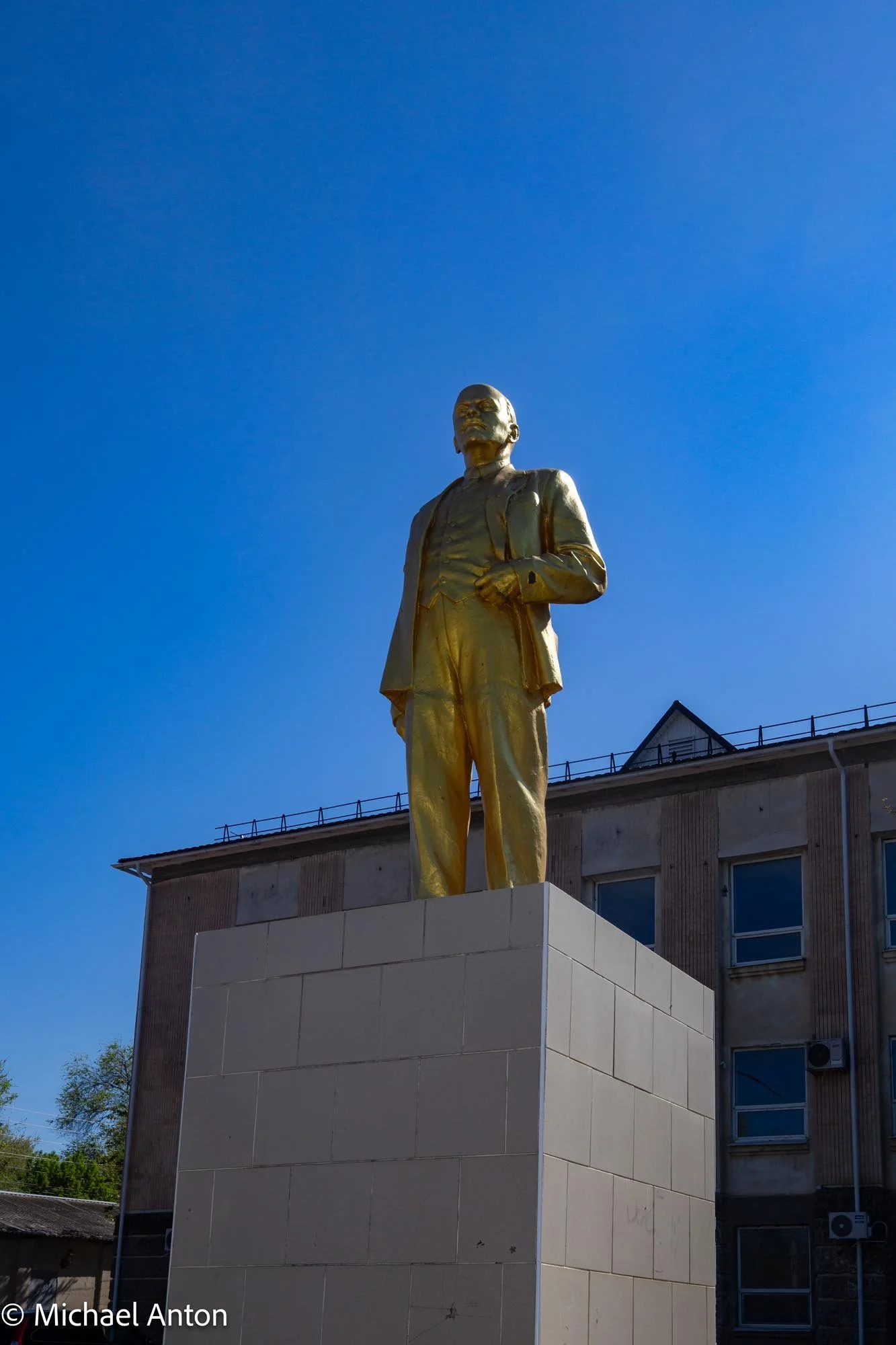
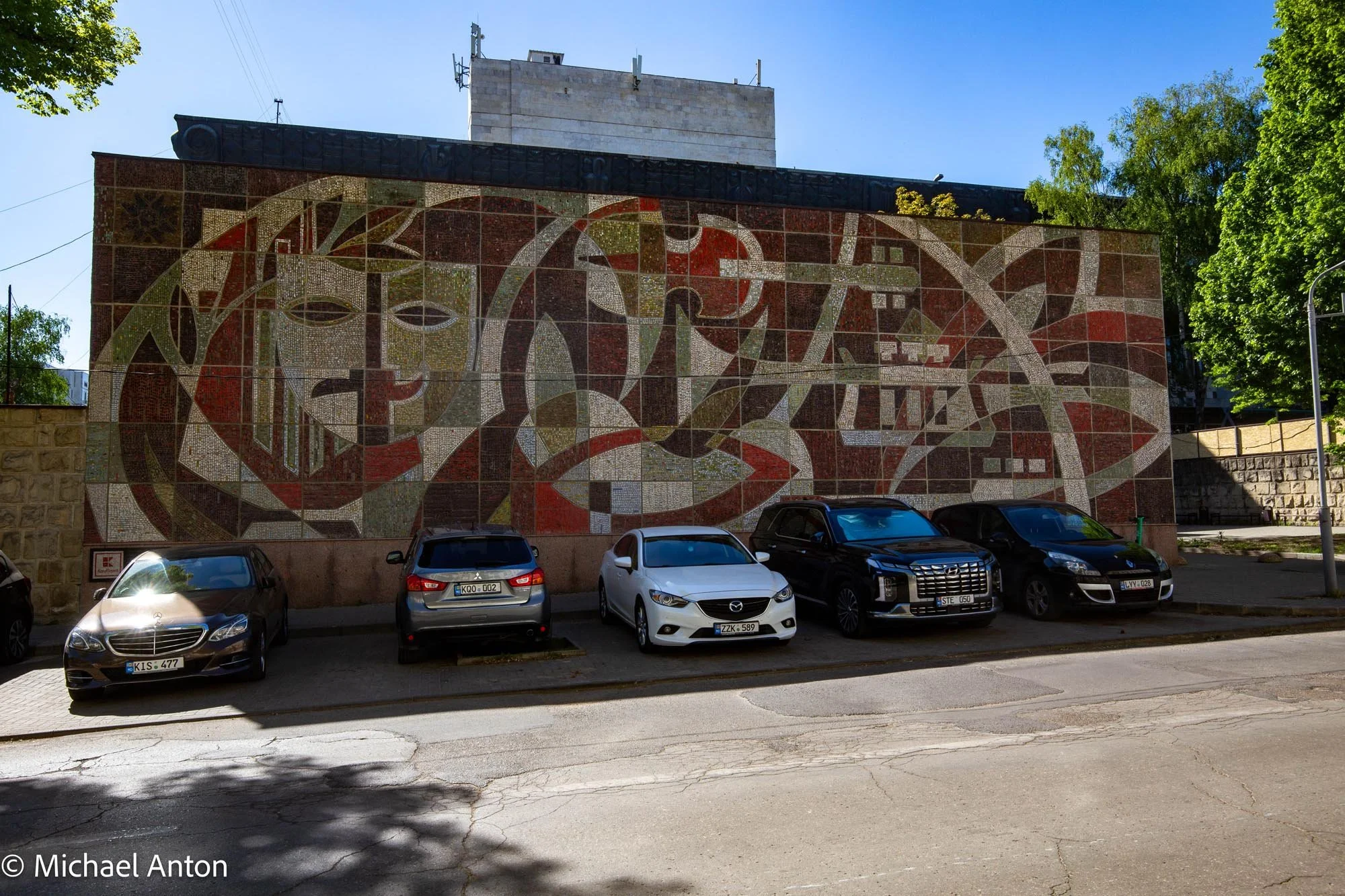
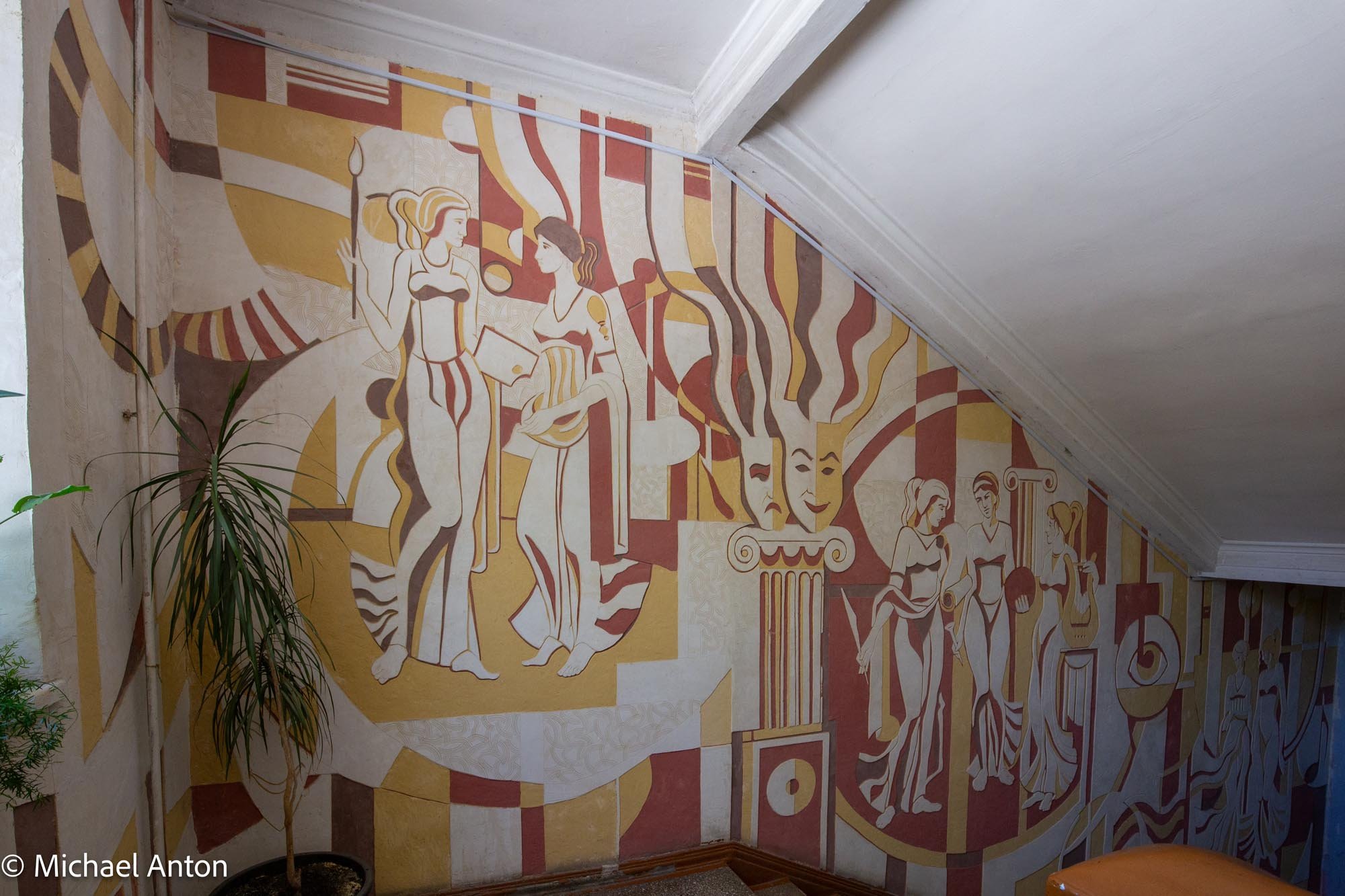
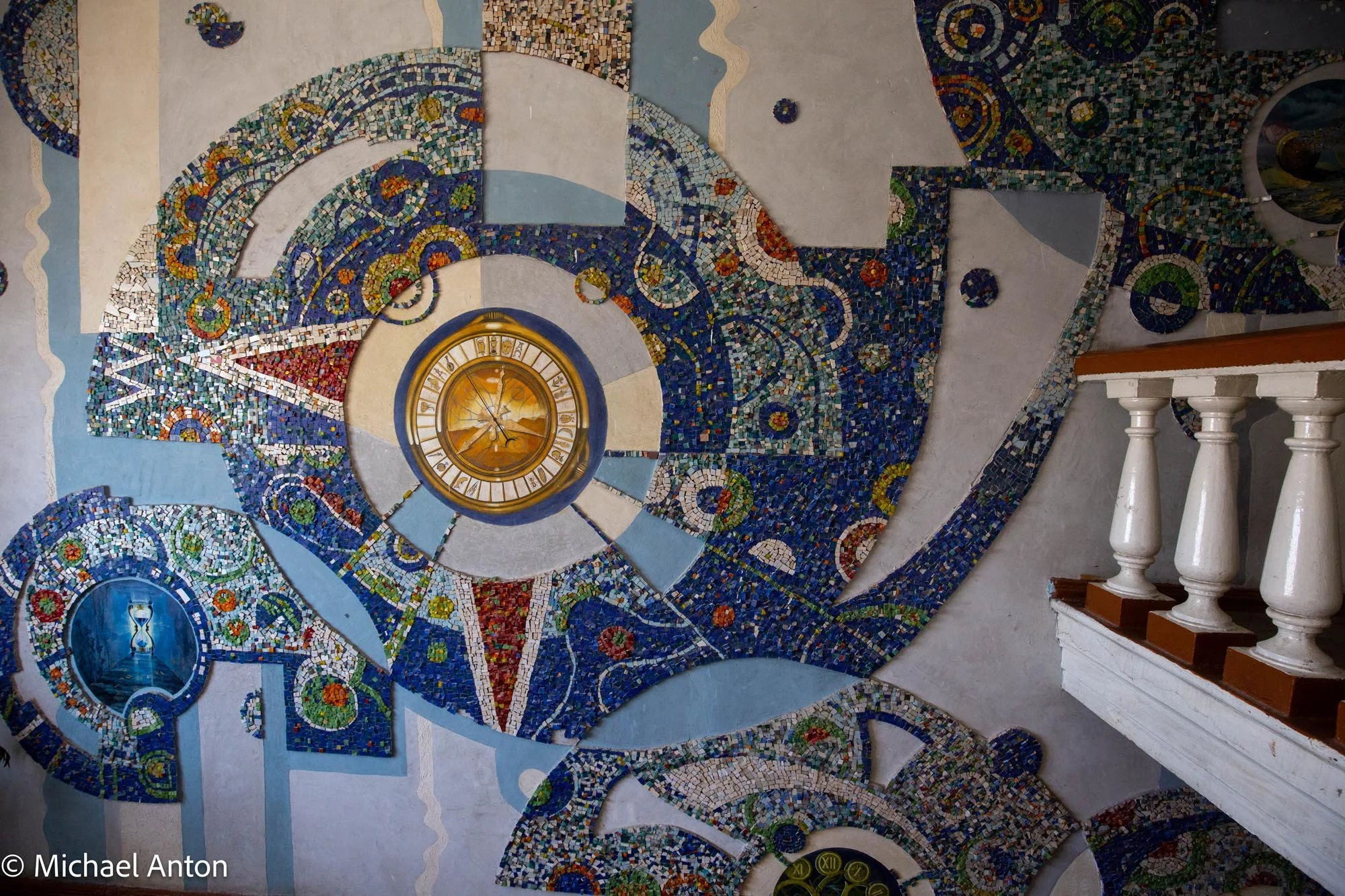
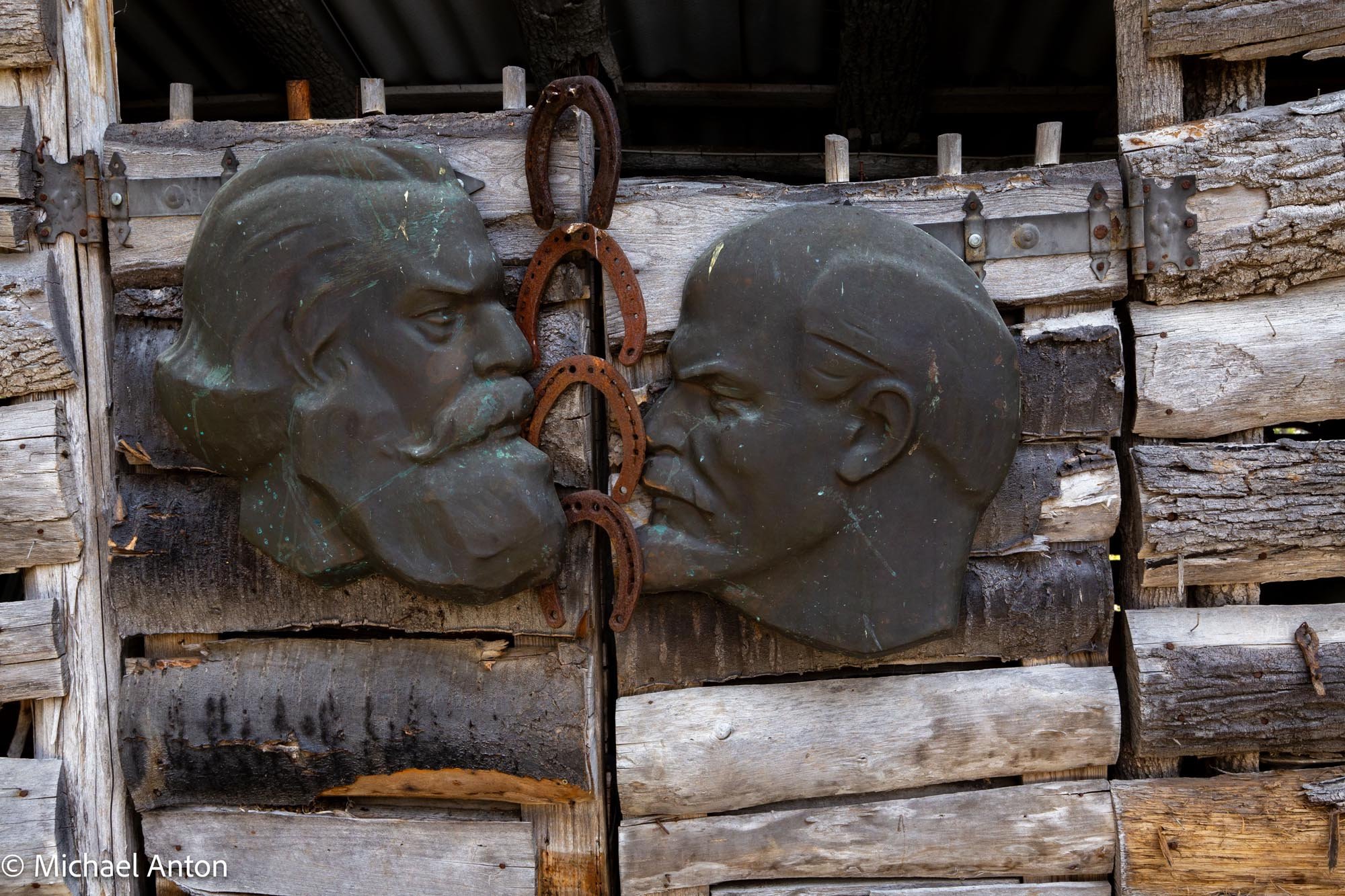
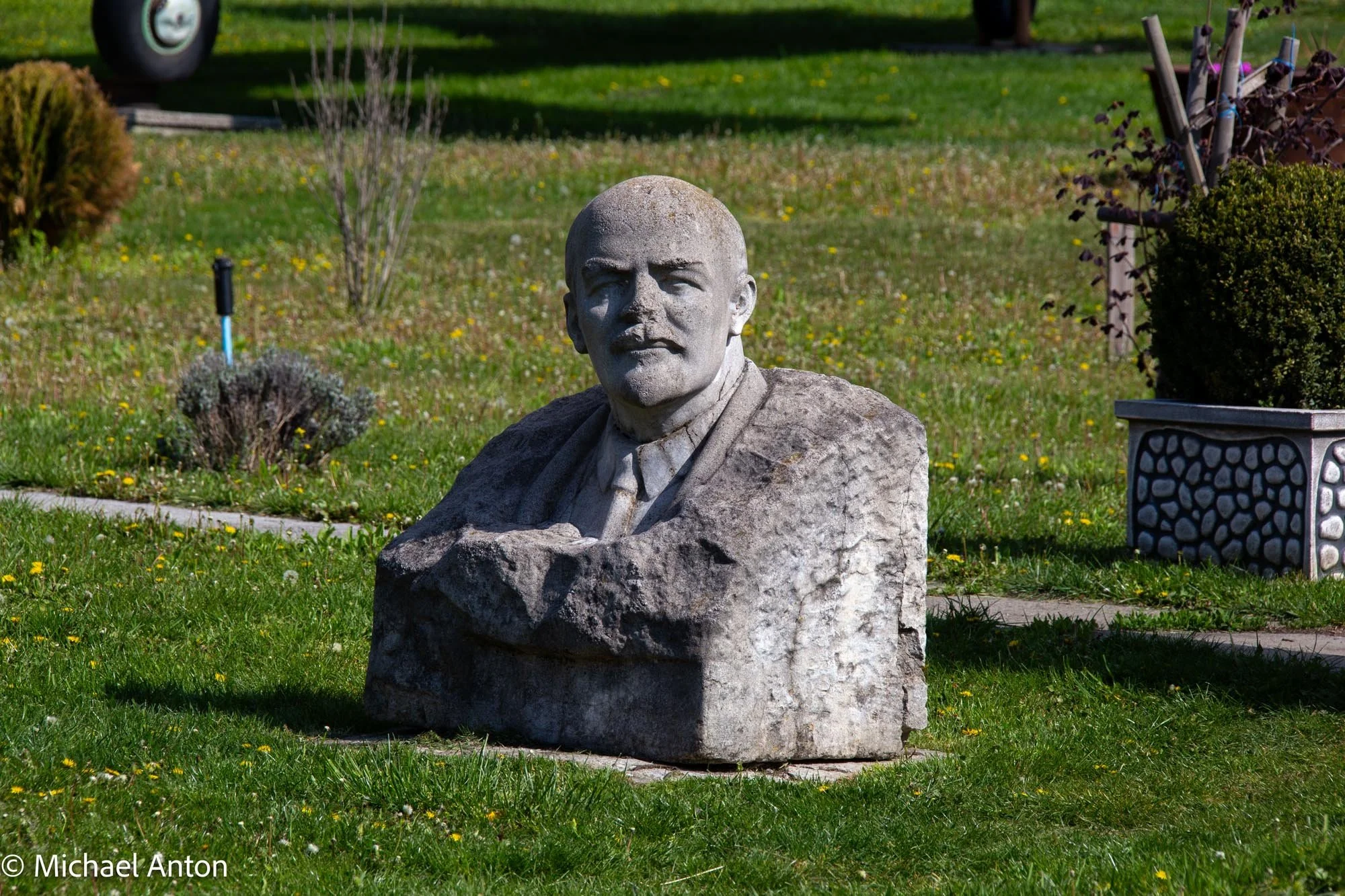
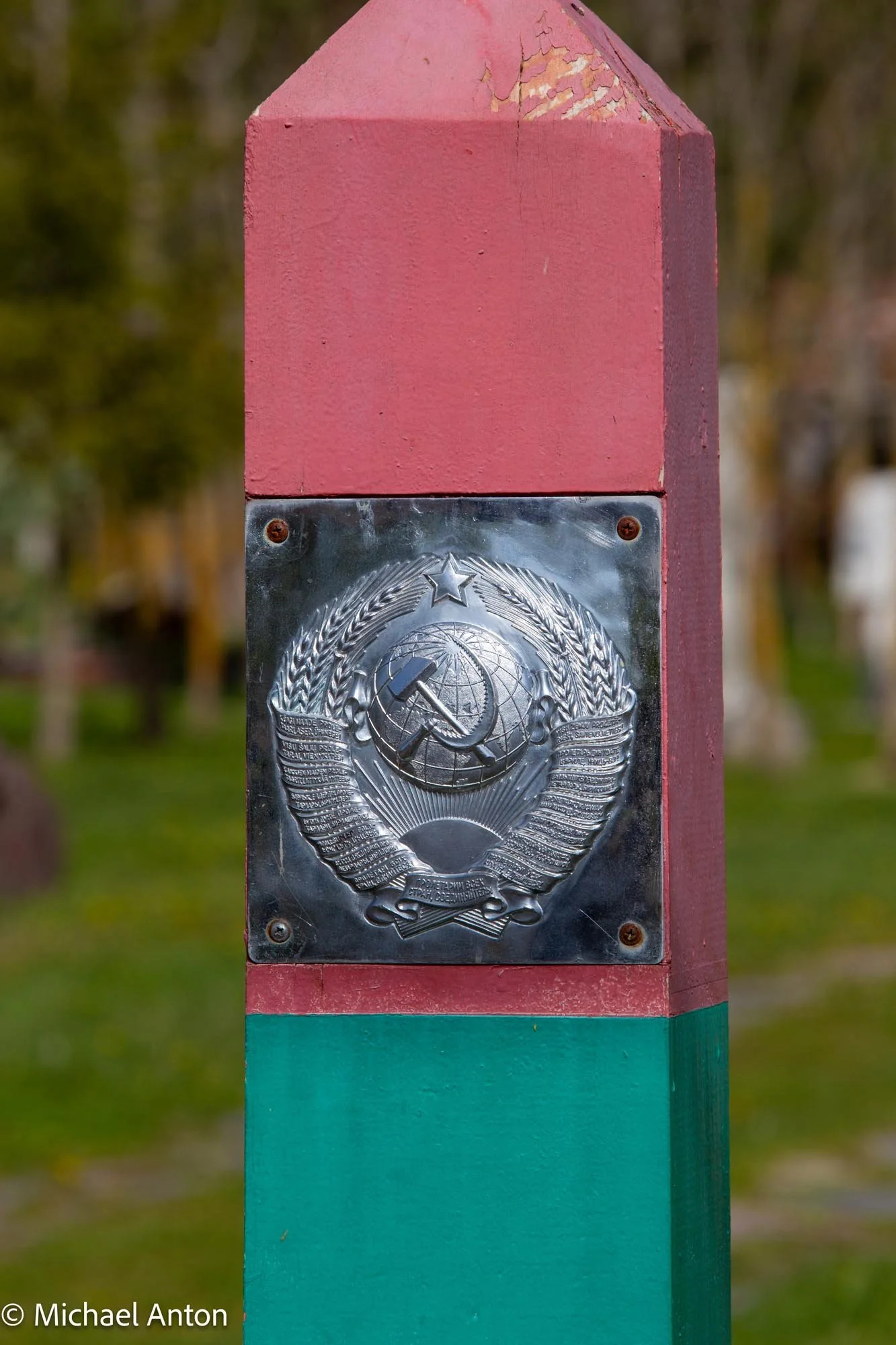
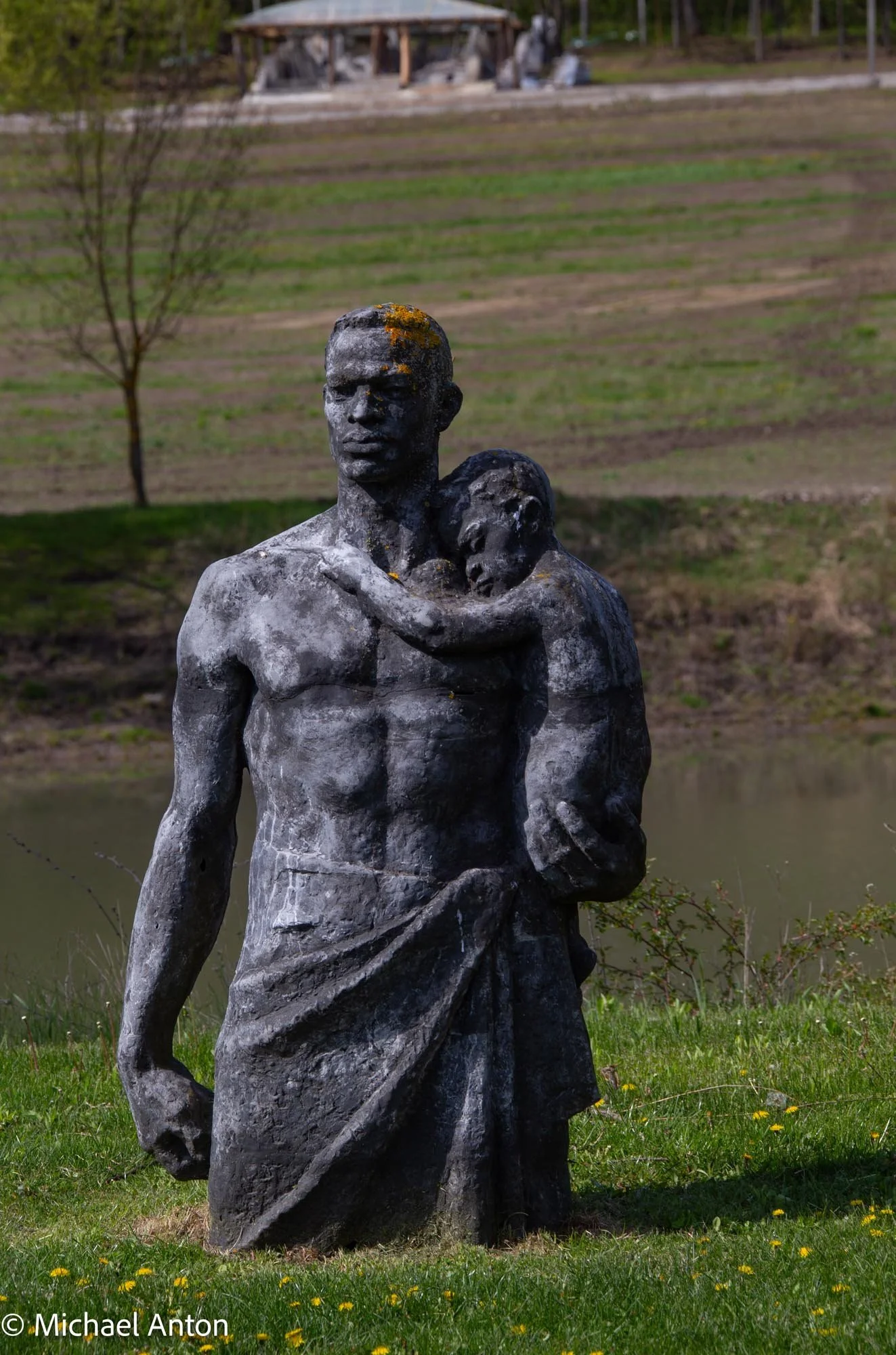
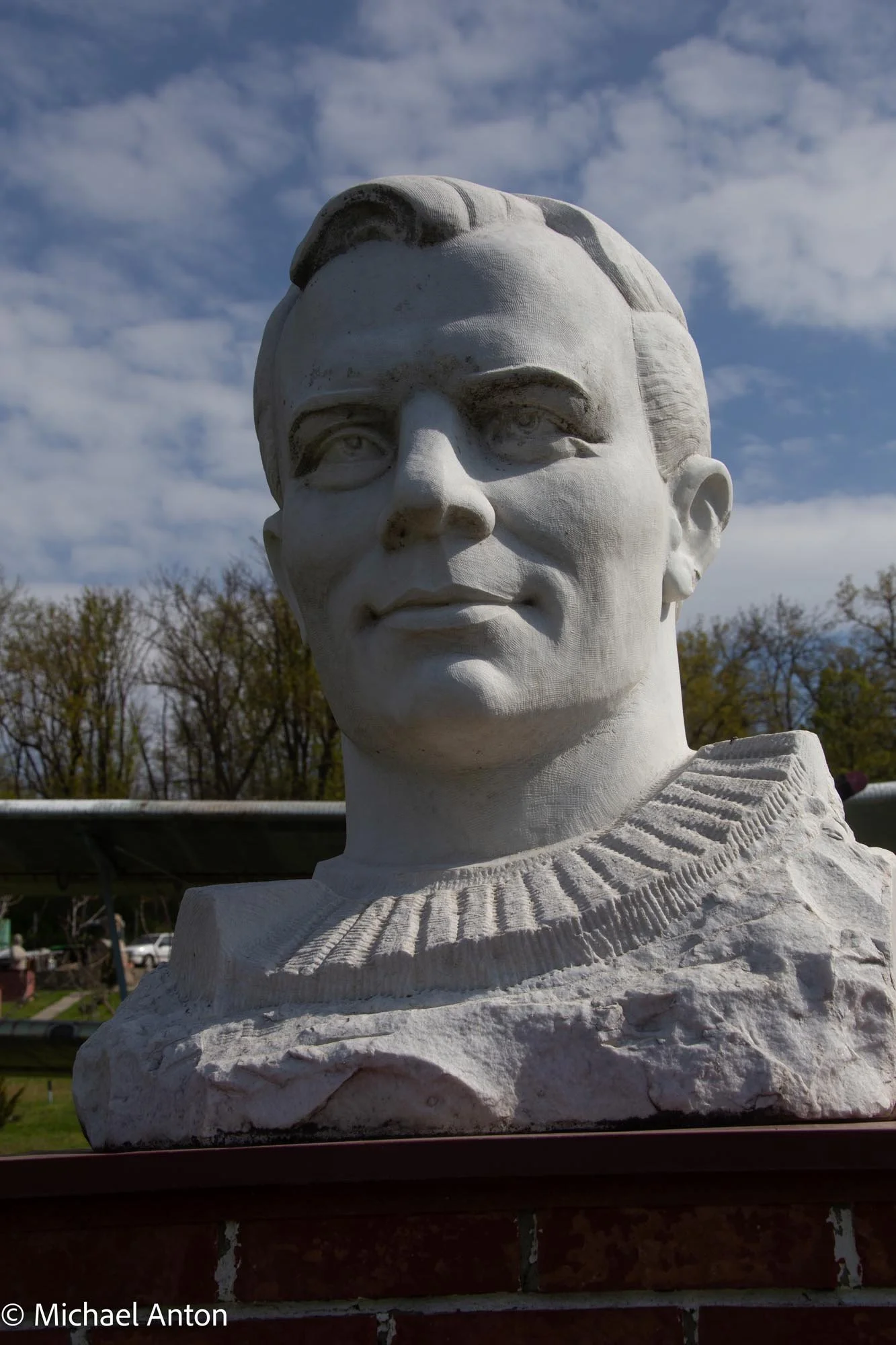
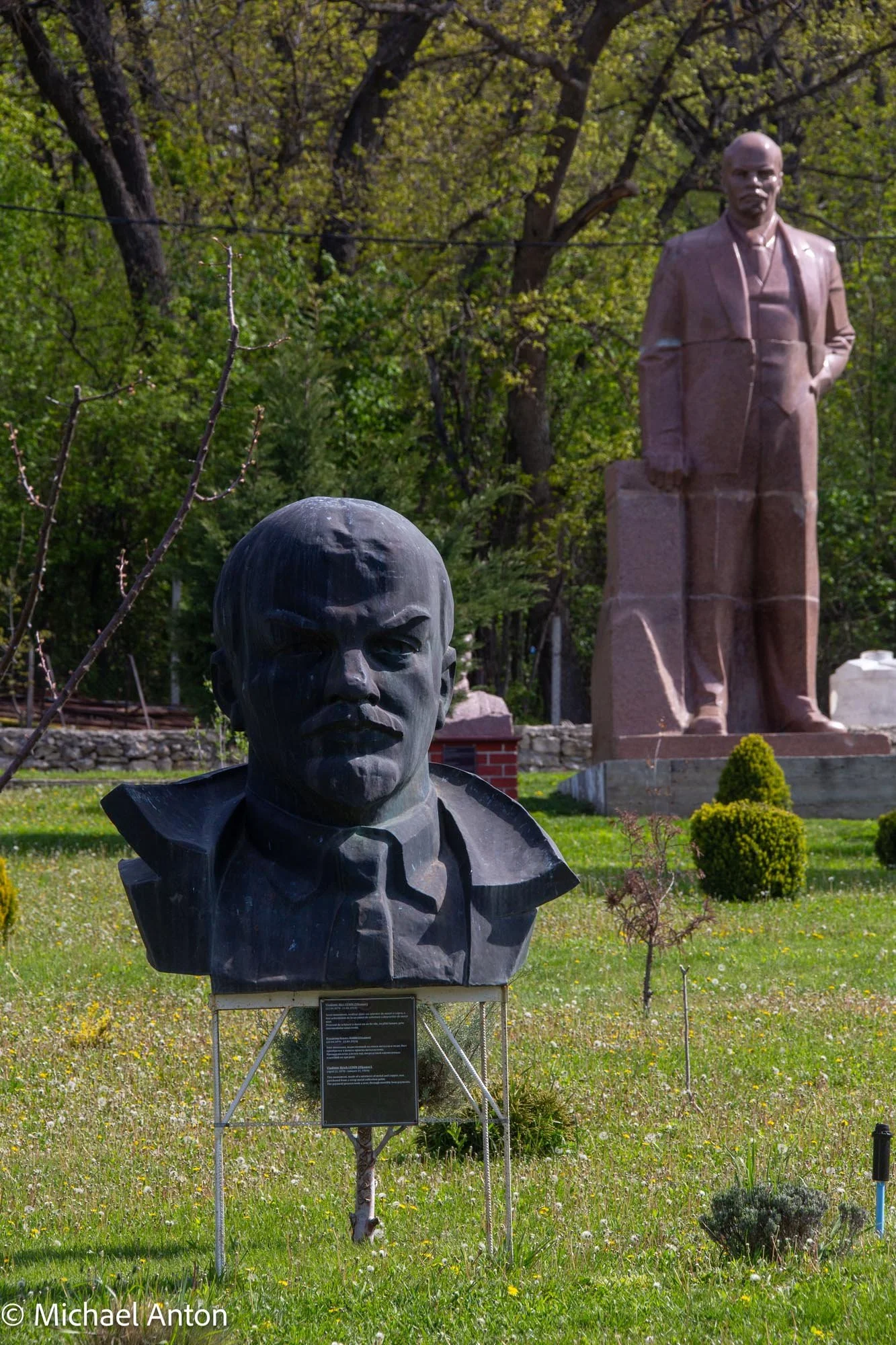
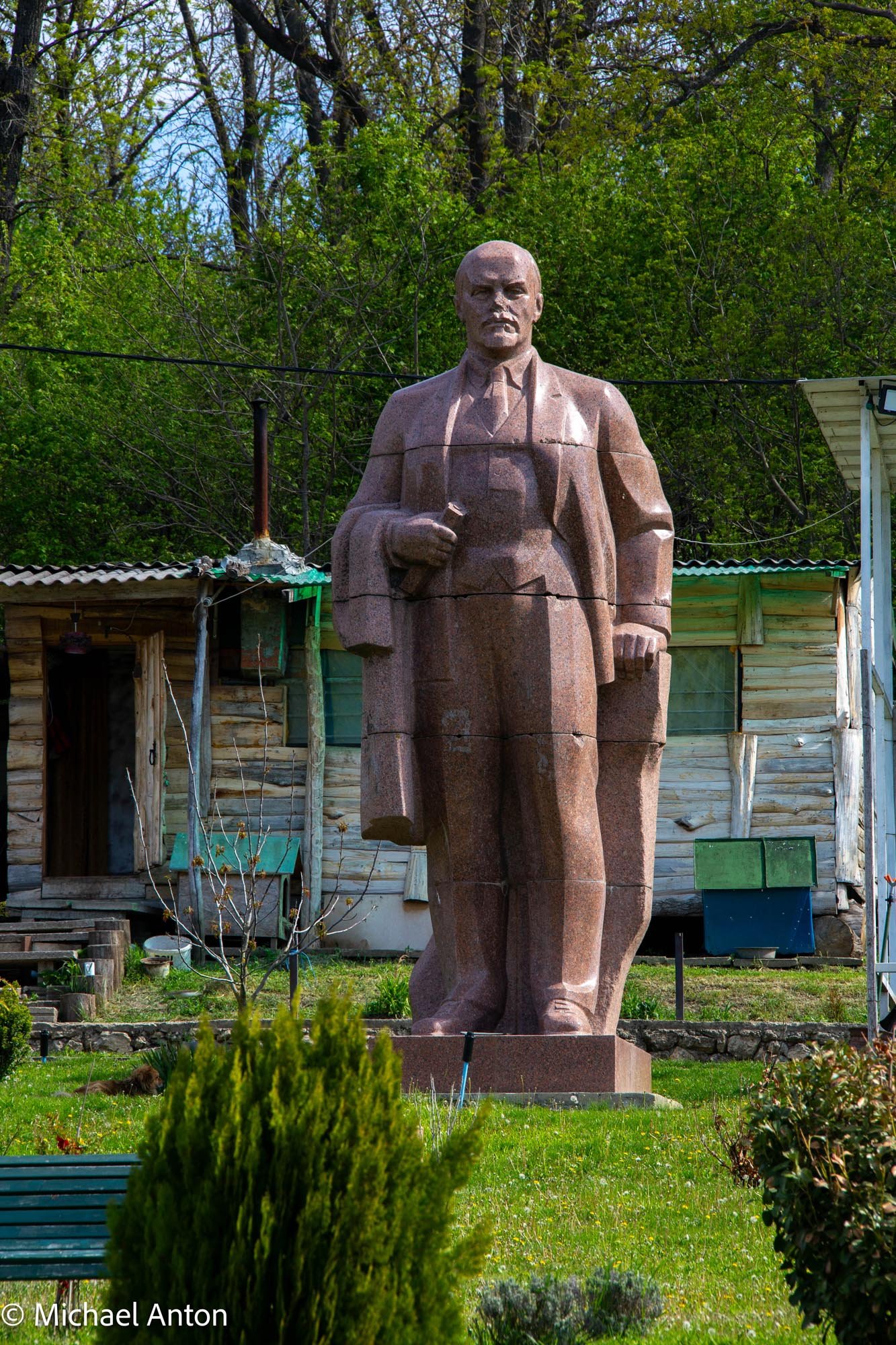
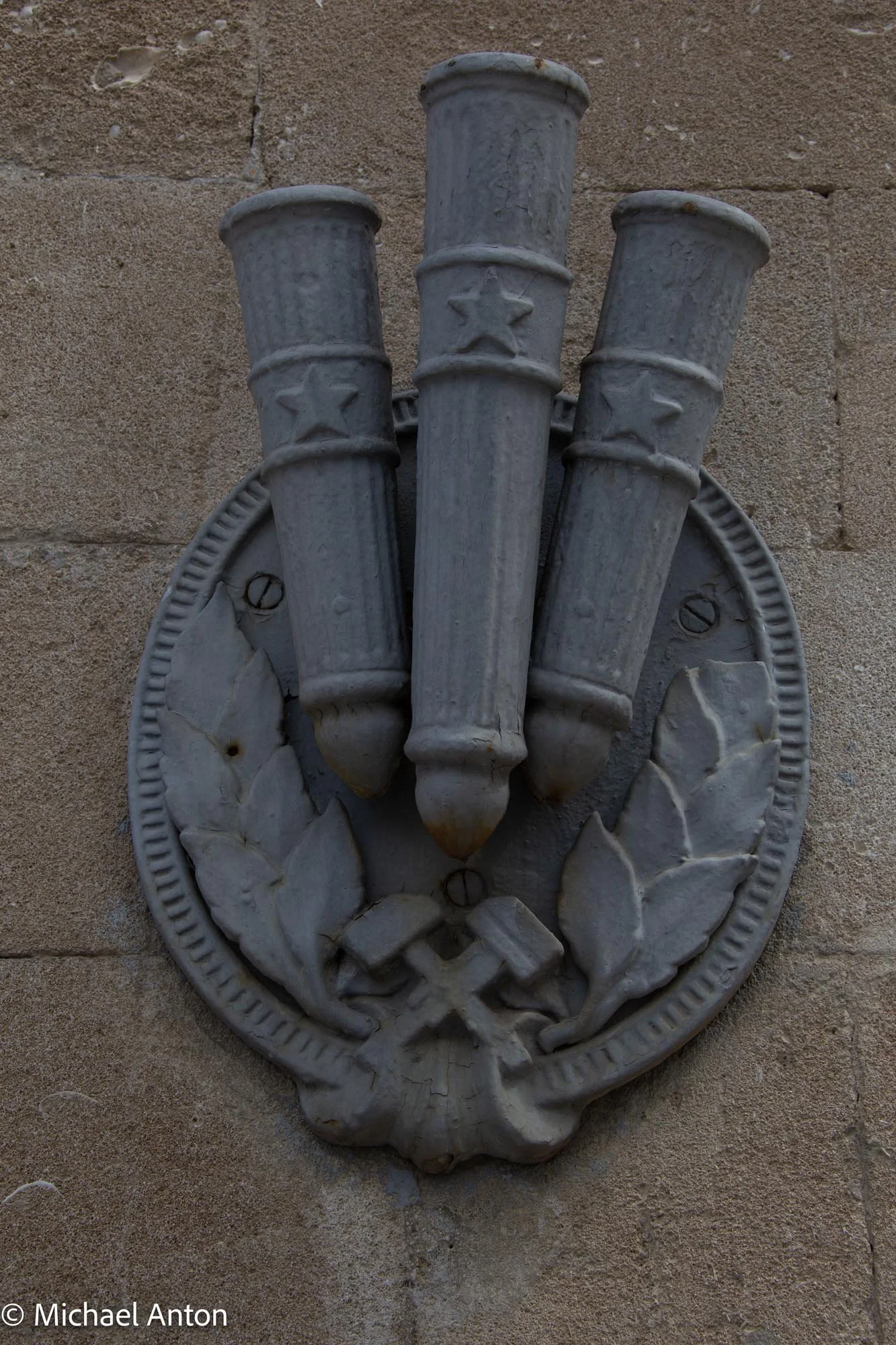
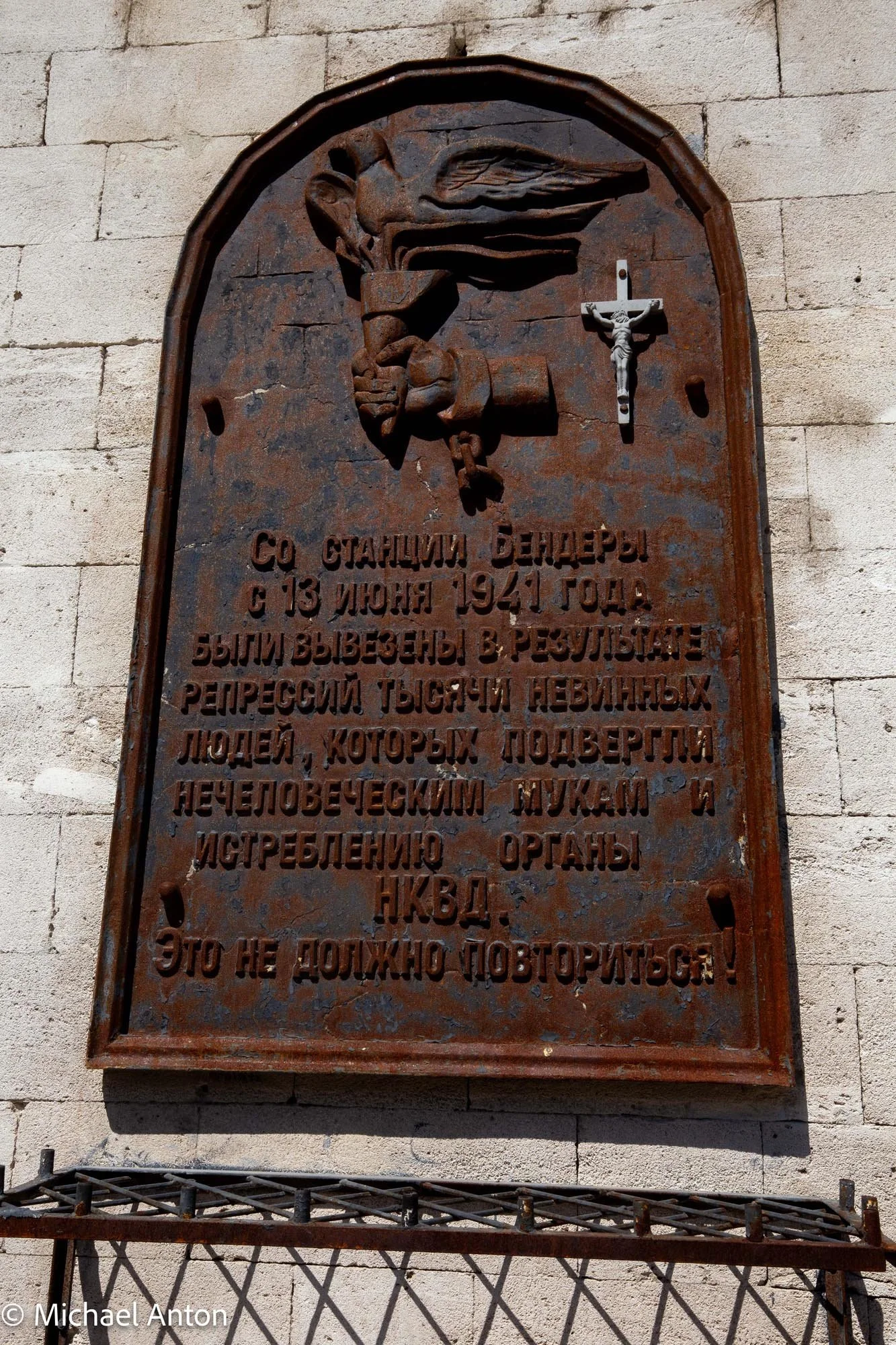
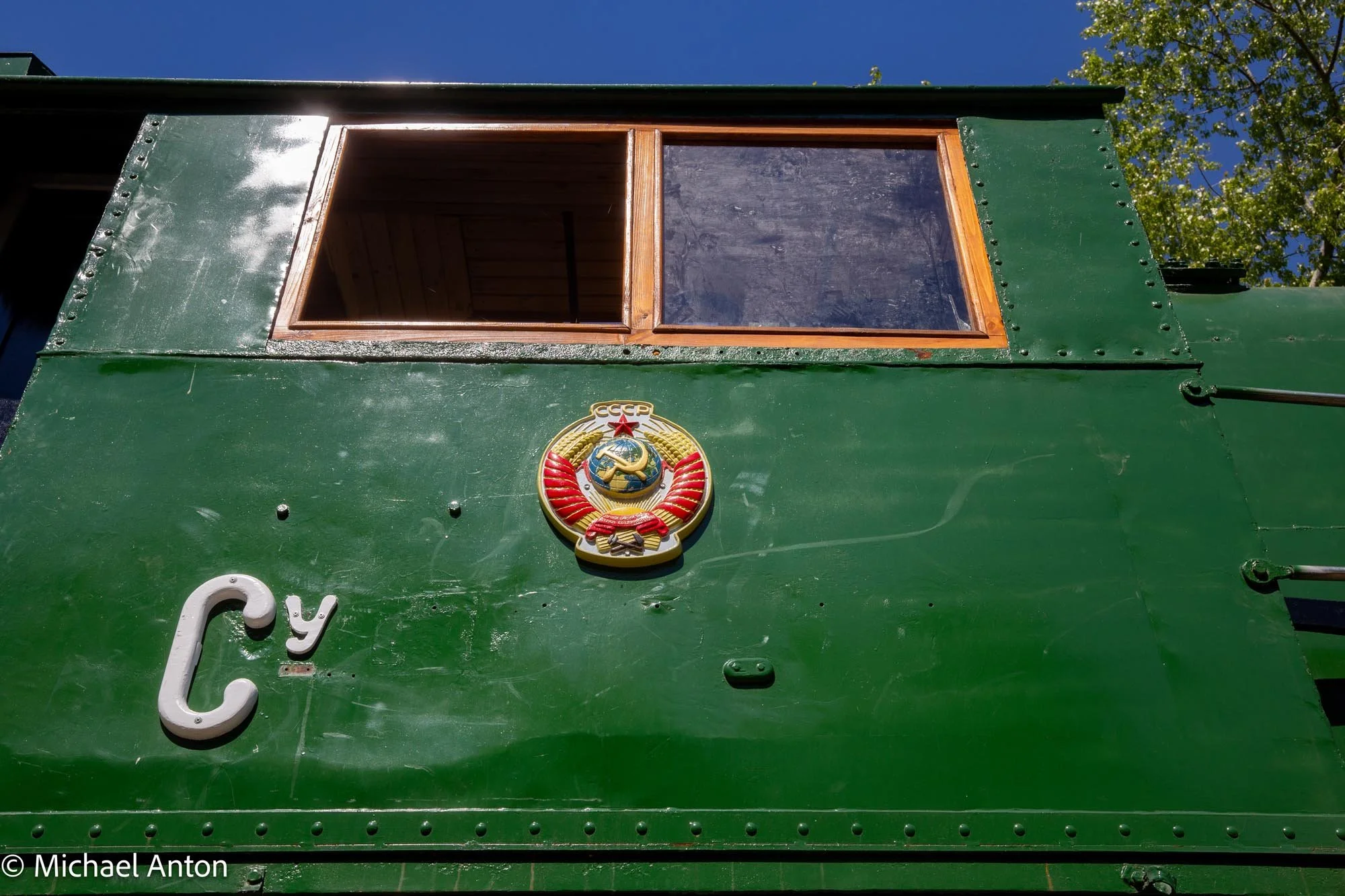
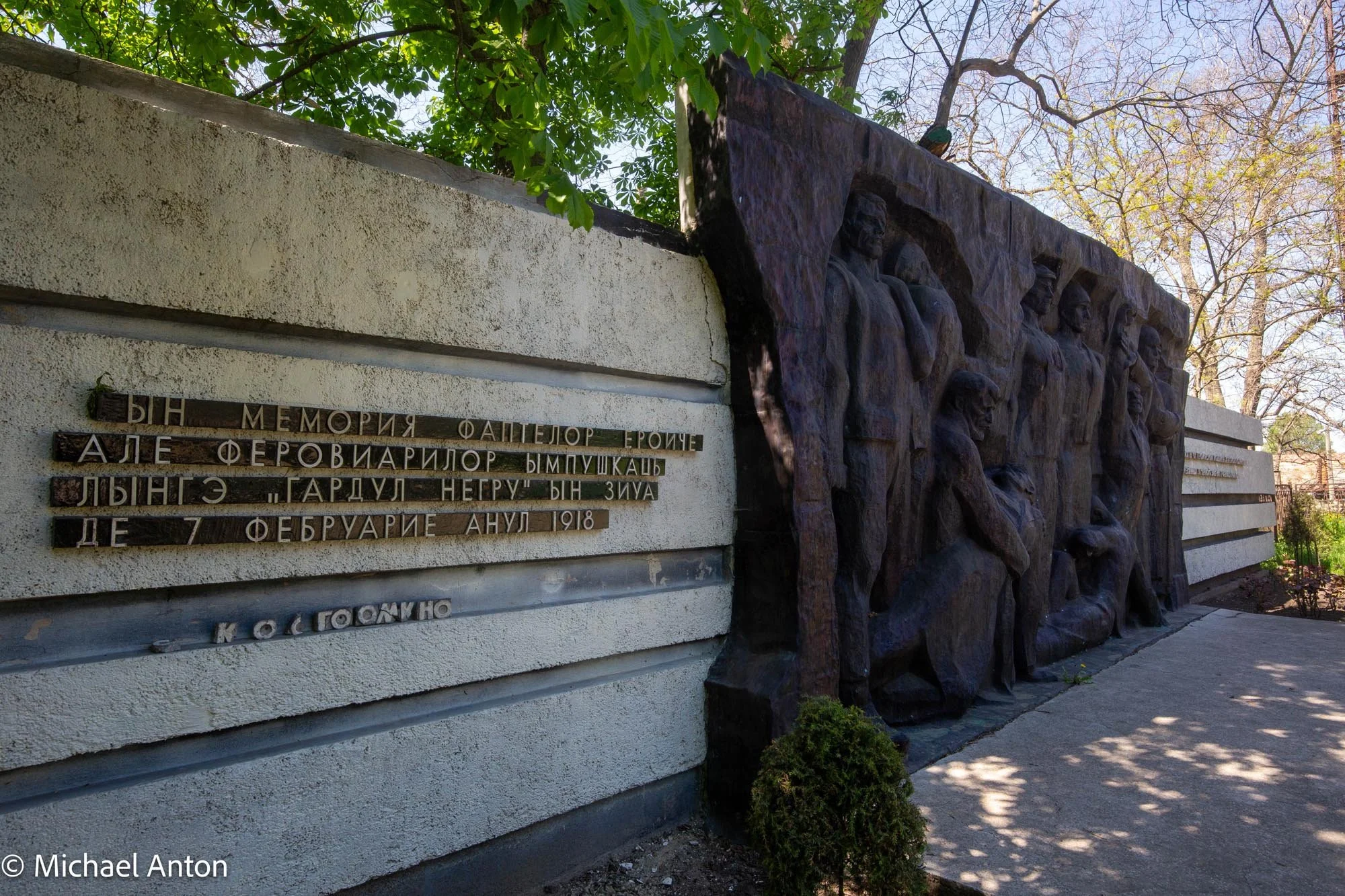
In some of the poorer former Soviet republics hammer&sickle insignia, images of Lenin, tributes to Soviet youth organizations etc. are everywhere.
Either out of nostalgia, inertia or a decision that funds are better spent elsewhere, they remain.
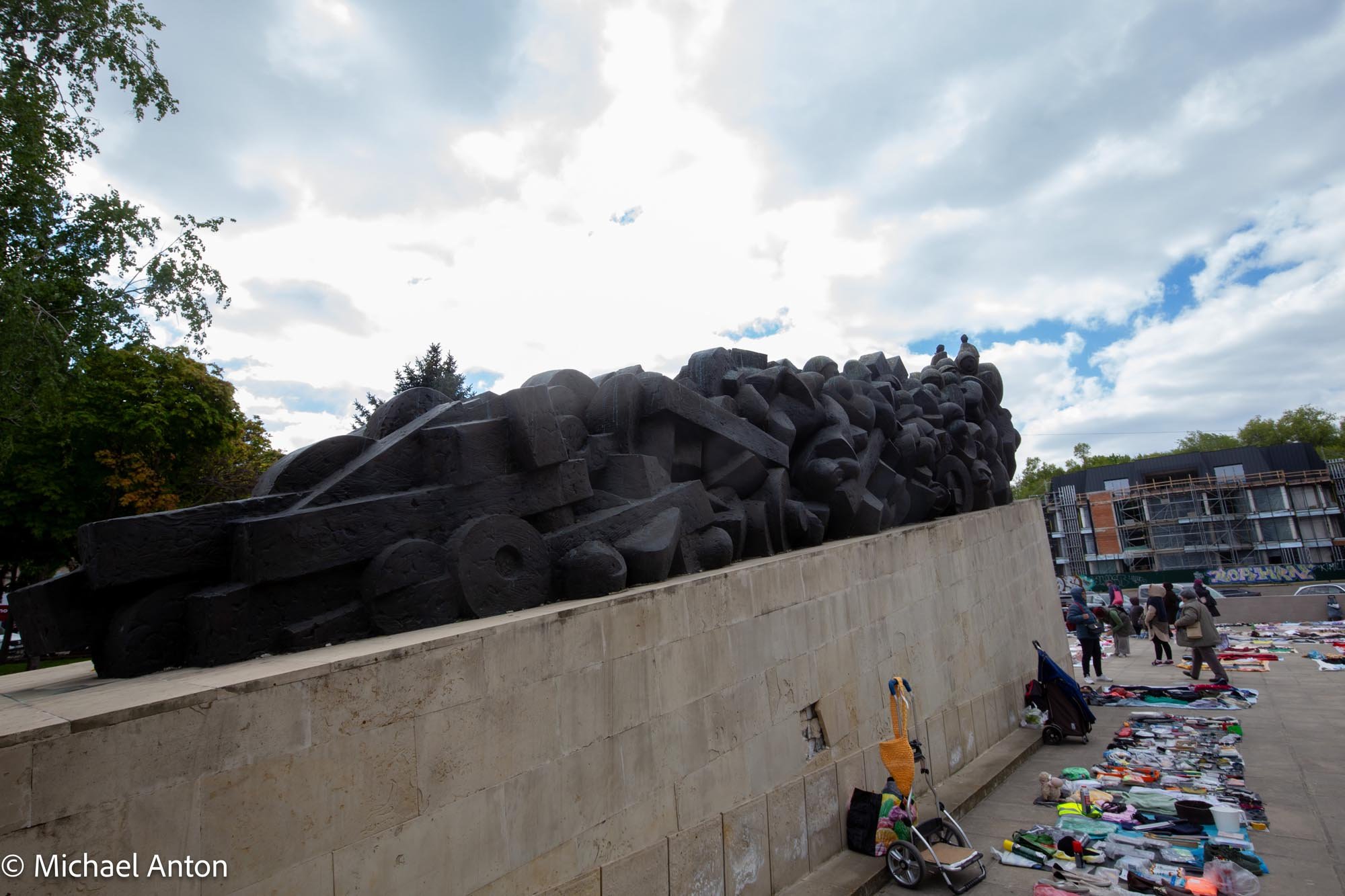
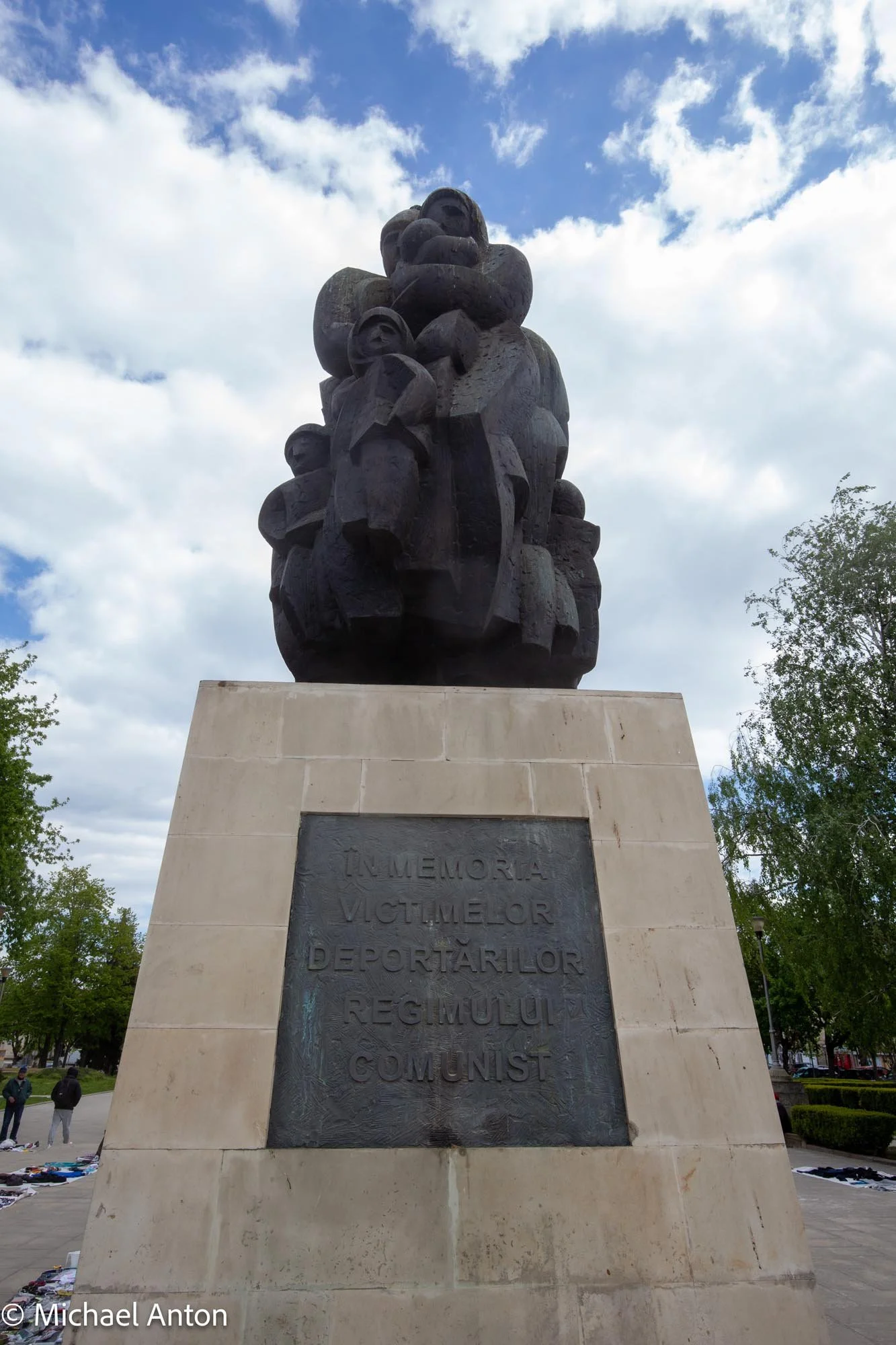
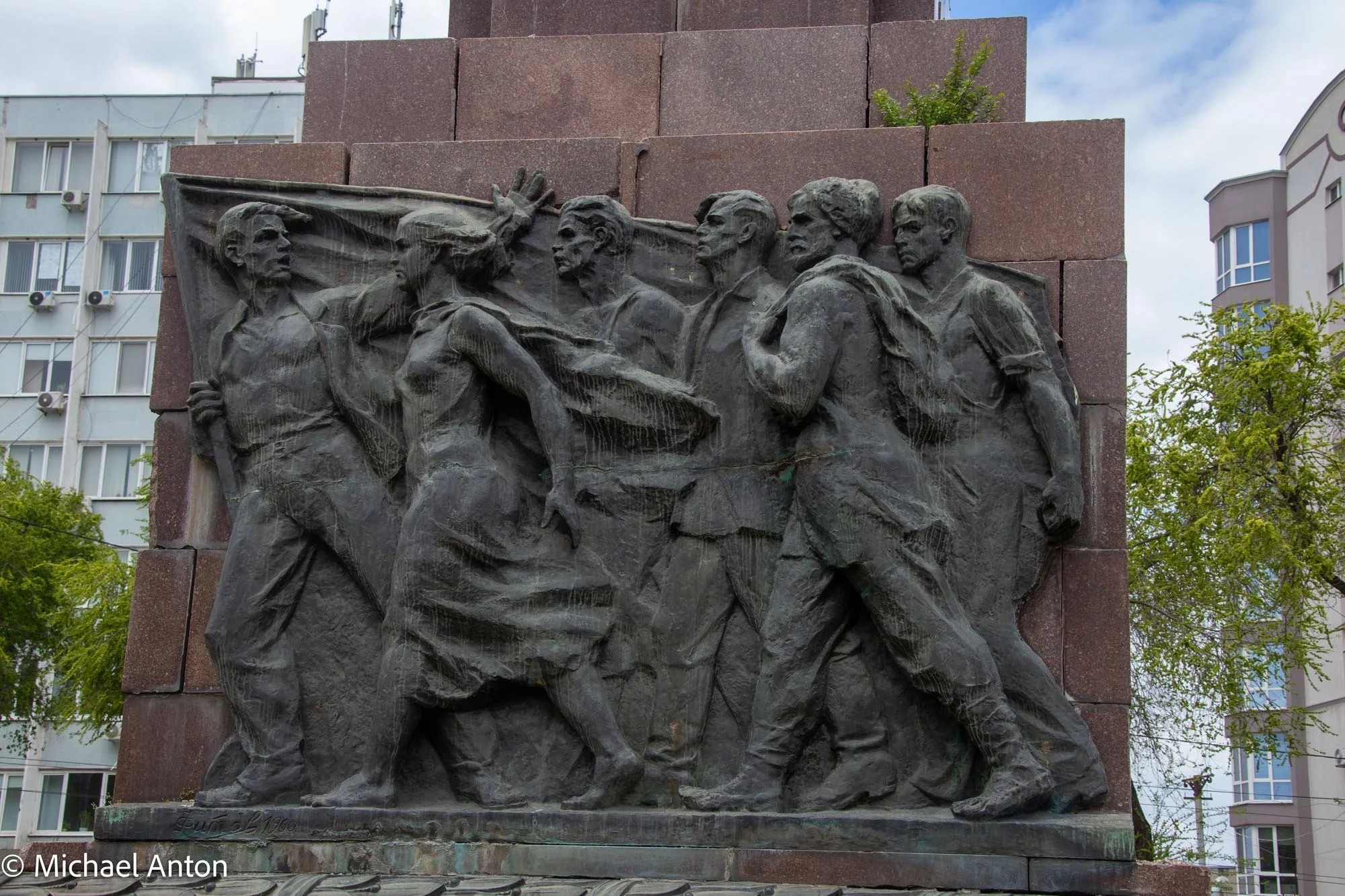
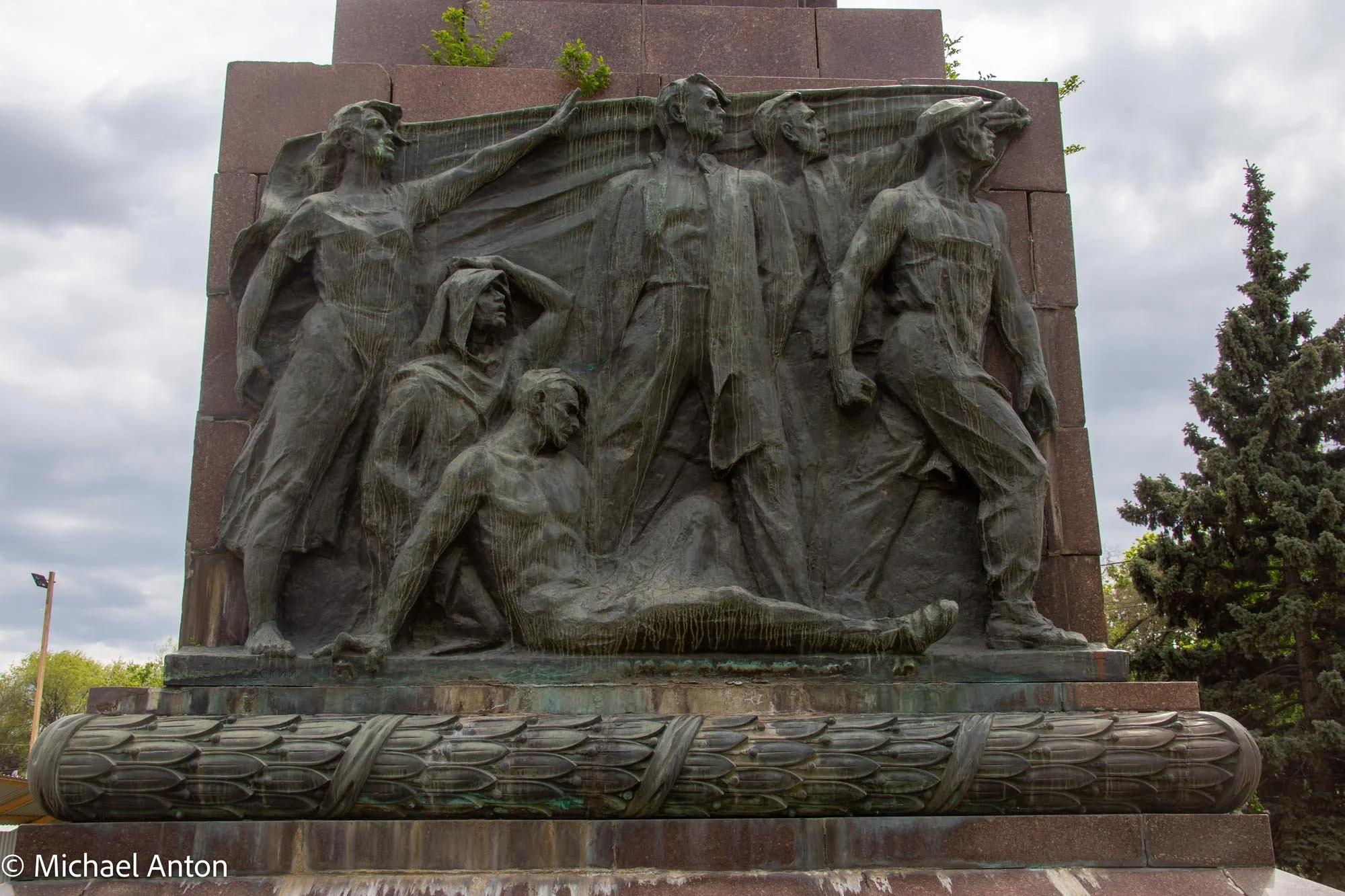
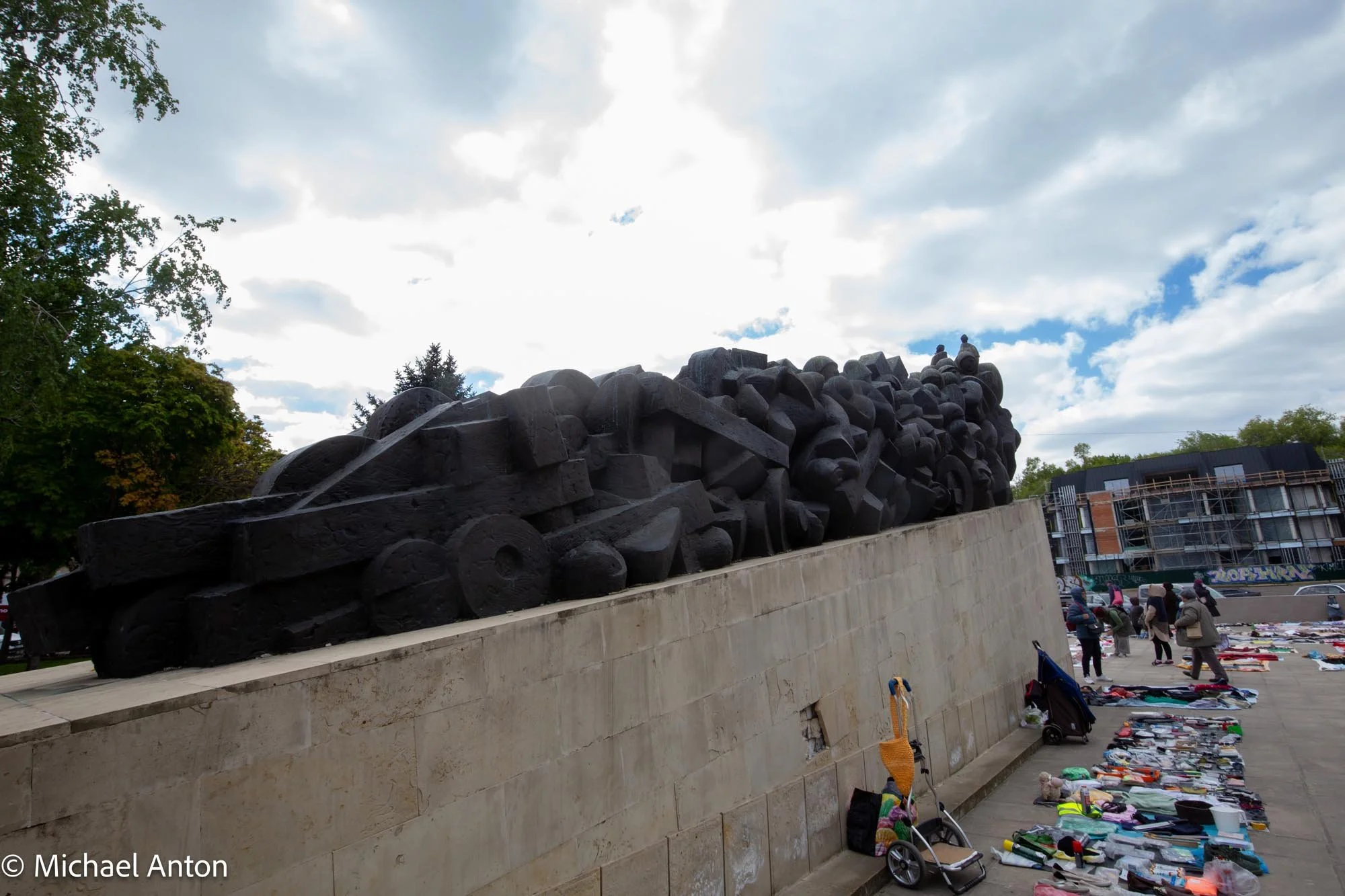
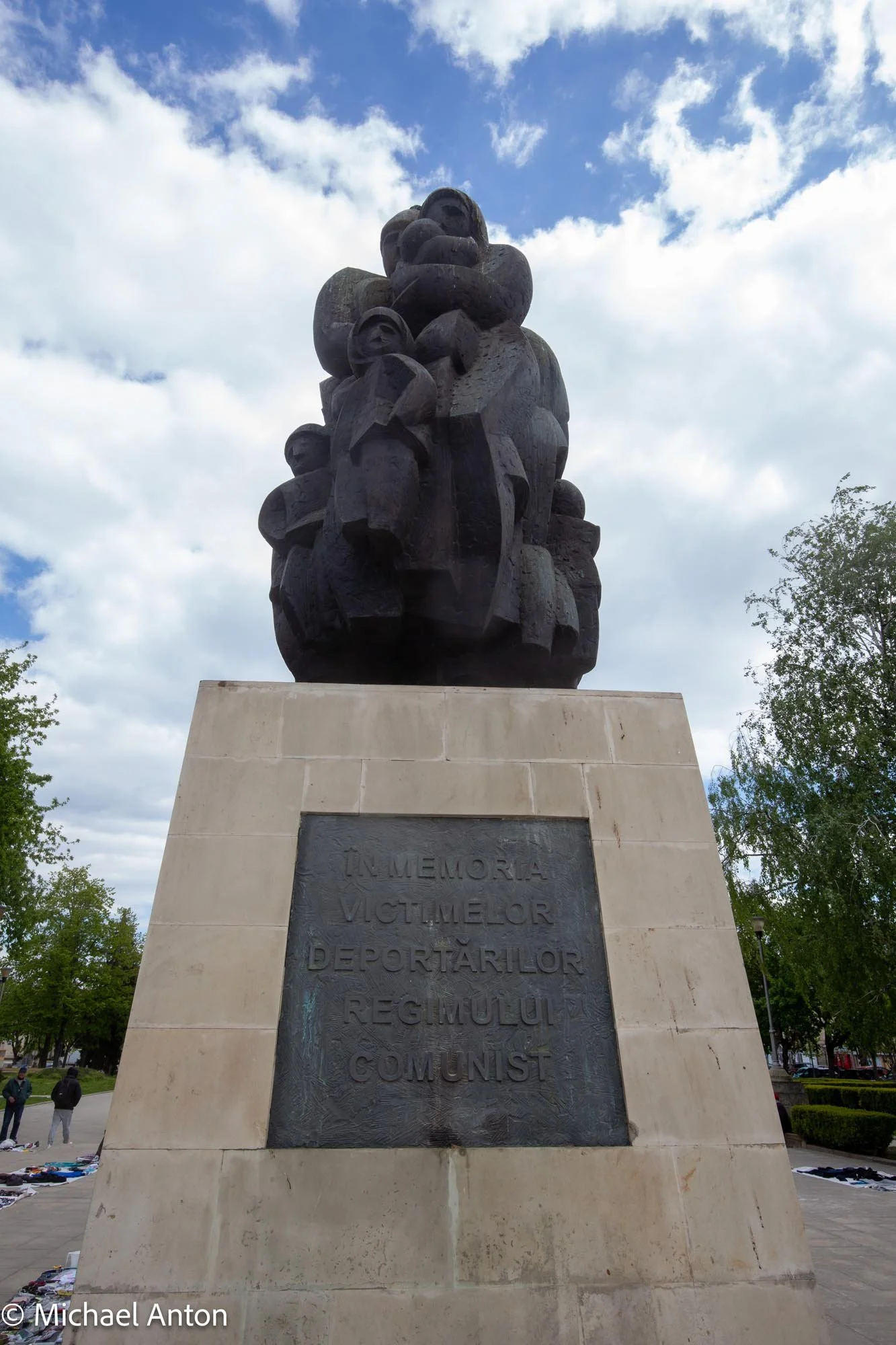
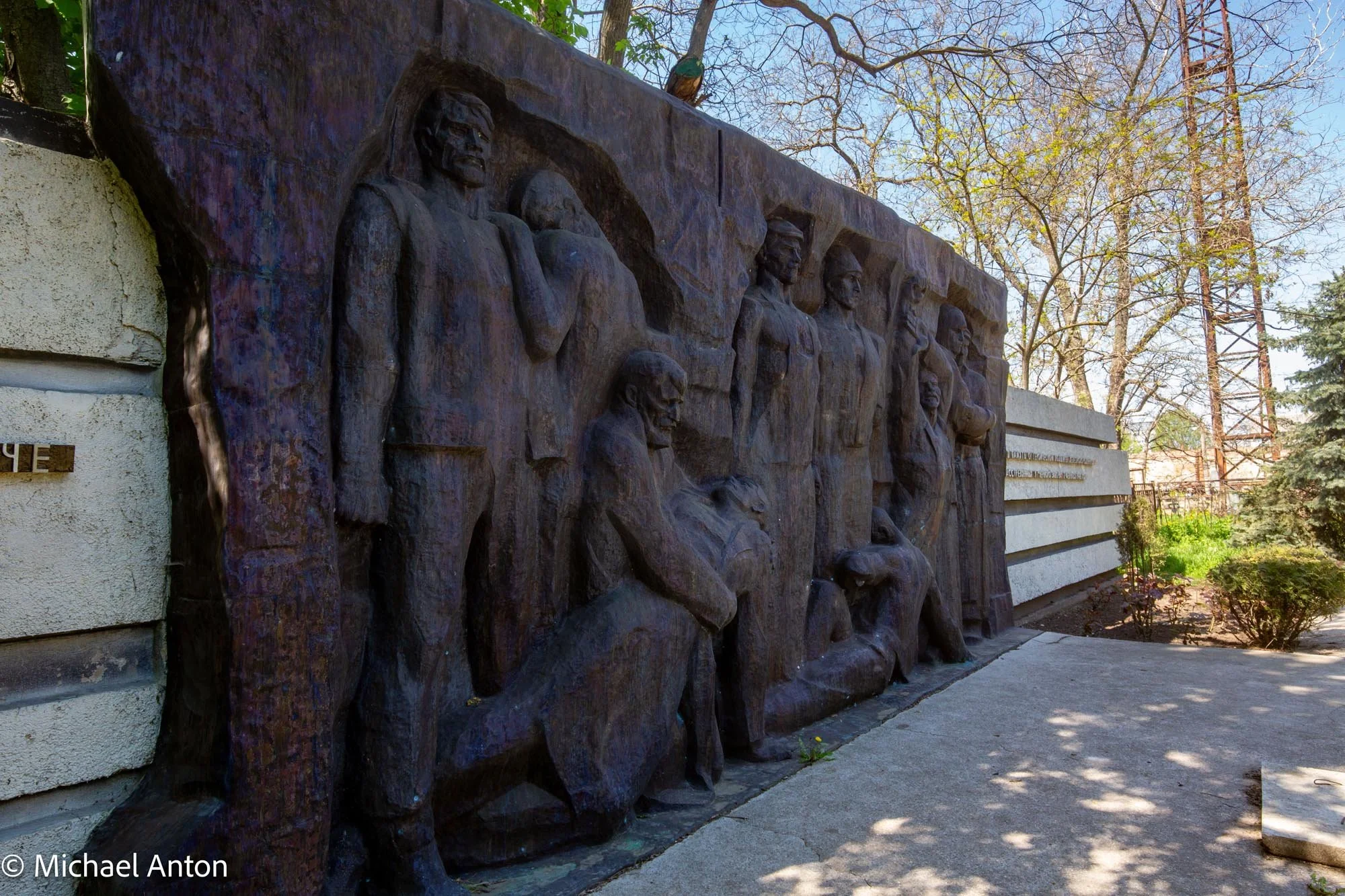
The only exceptions are the first two images shown here: they are a tribute to the unfortunate souls who were deported by Stalin to Kazakhstan, yet still rendered in the Soviet style.
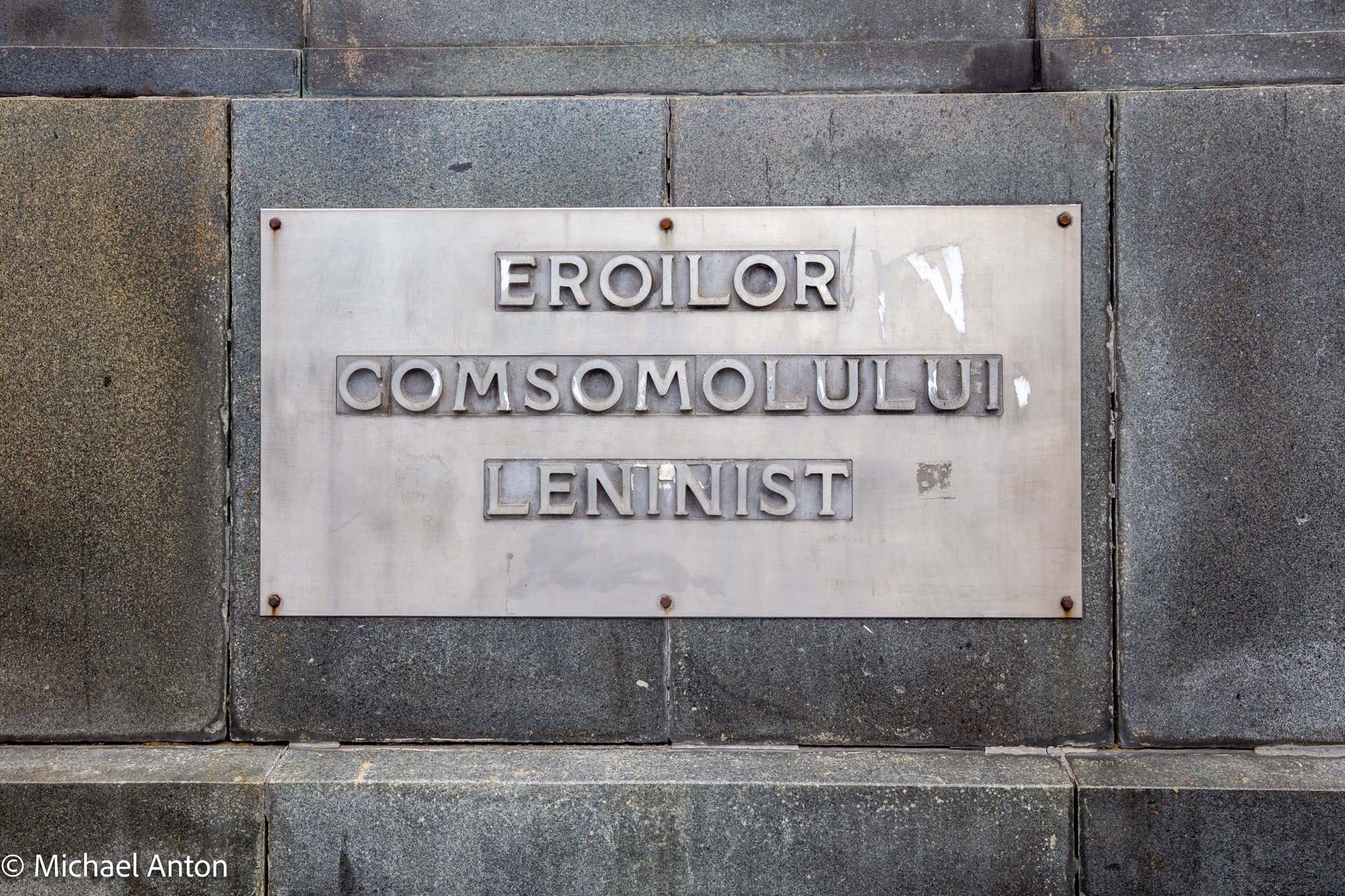
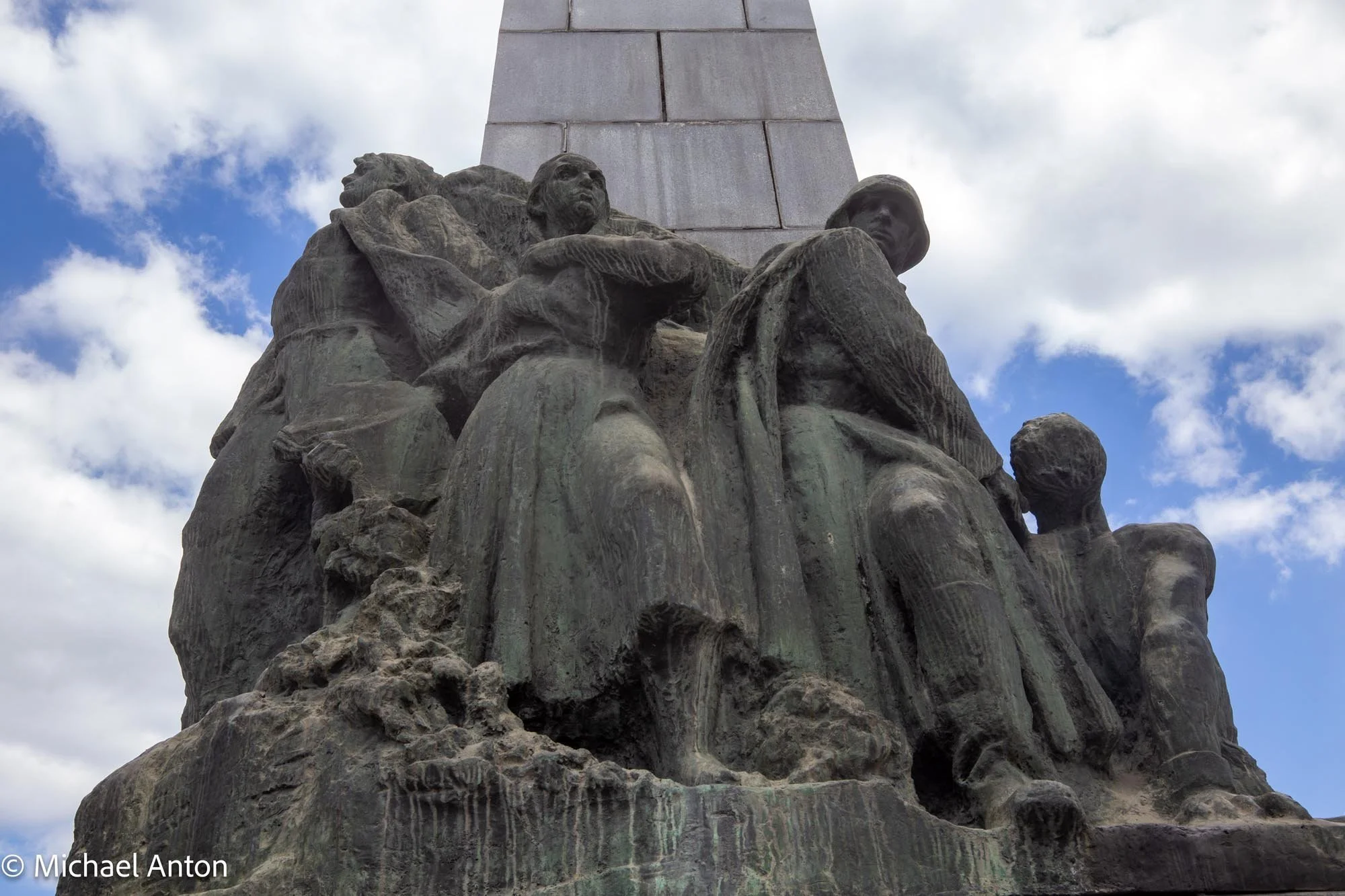
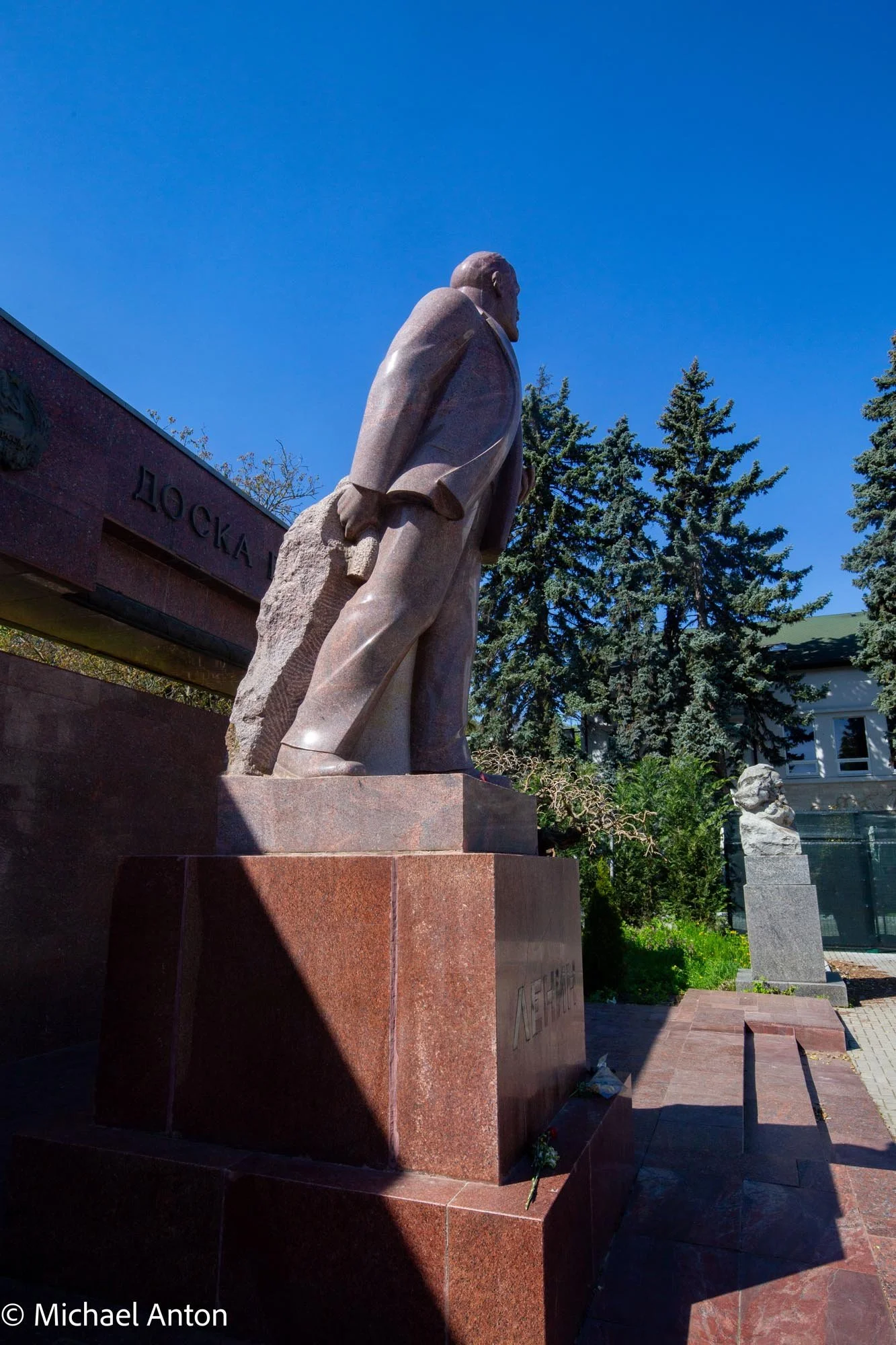
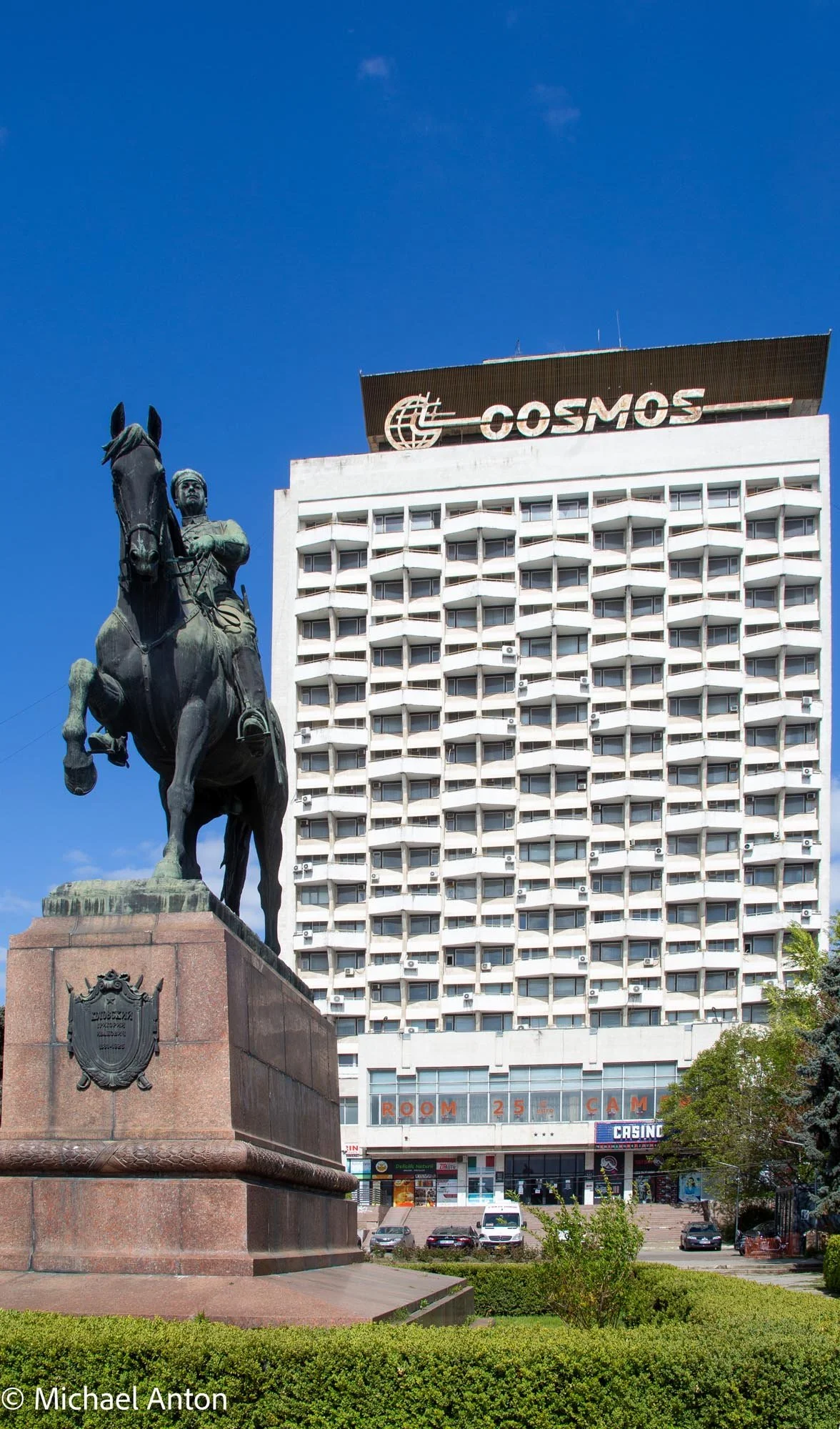
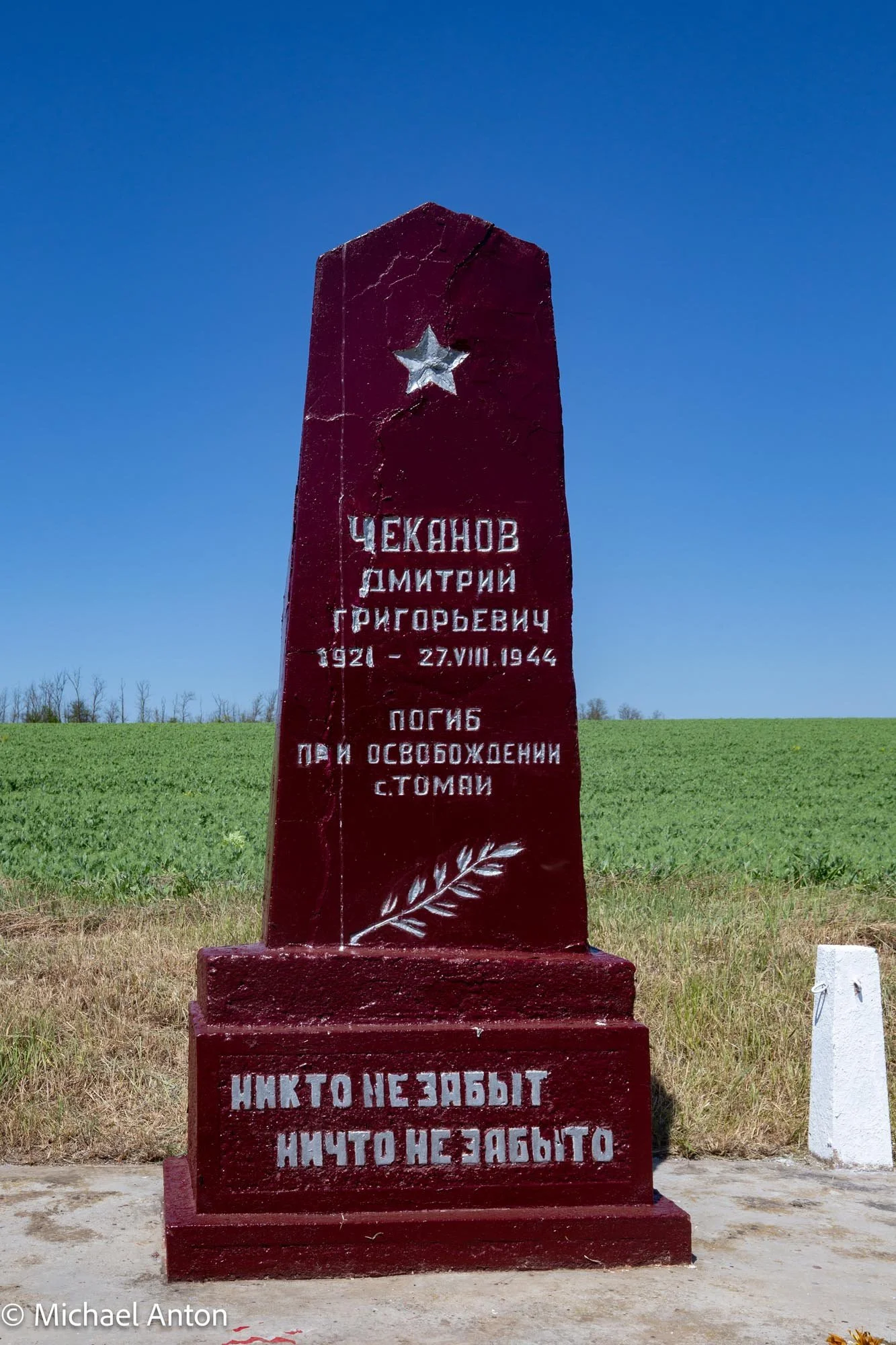
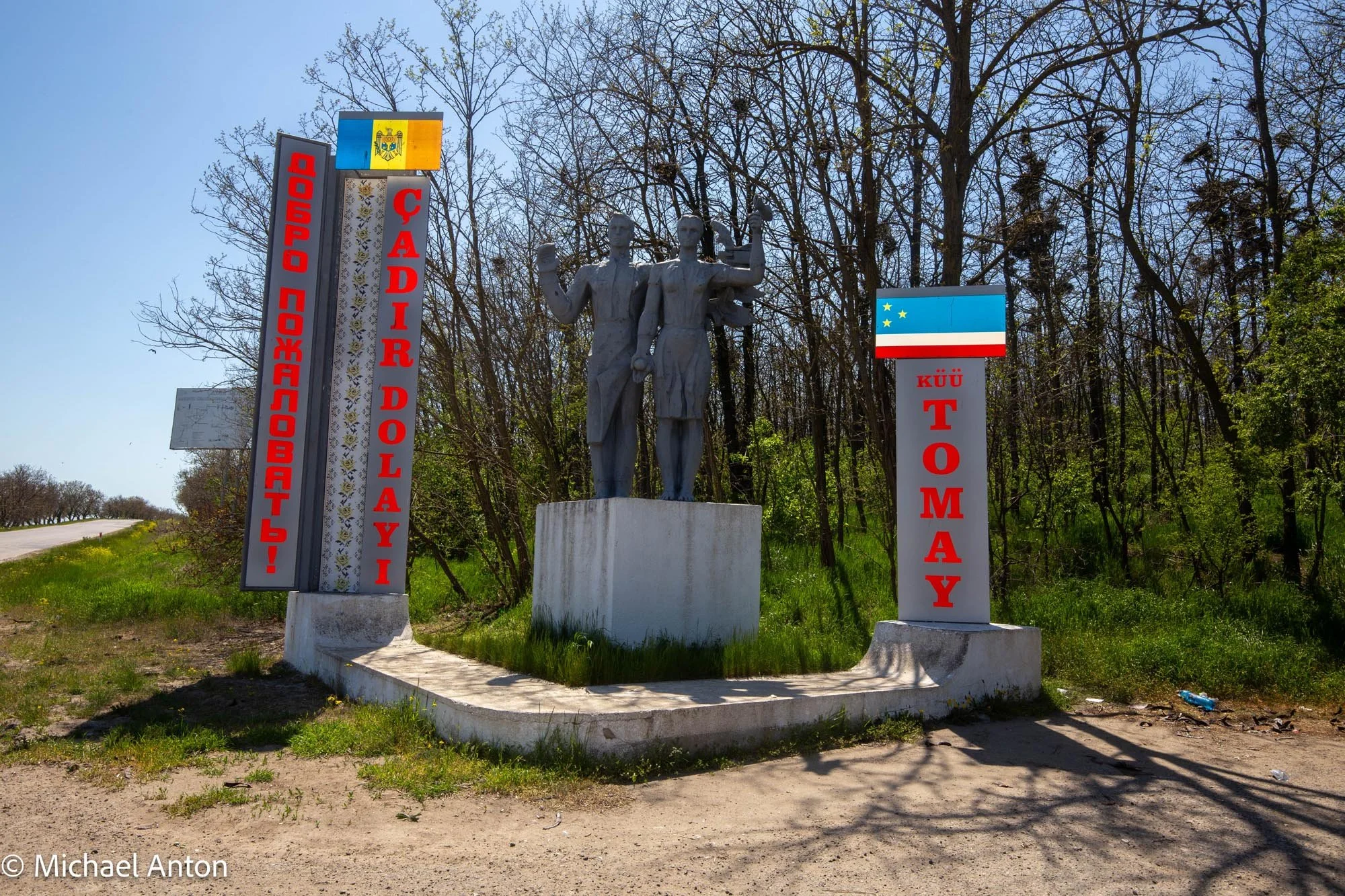
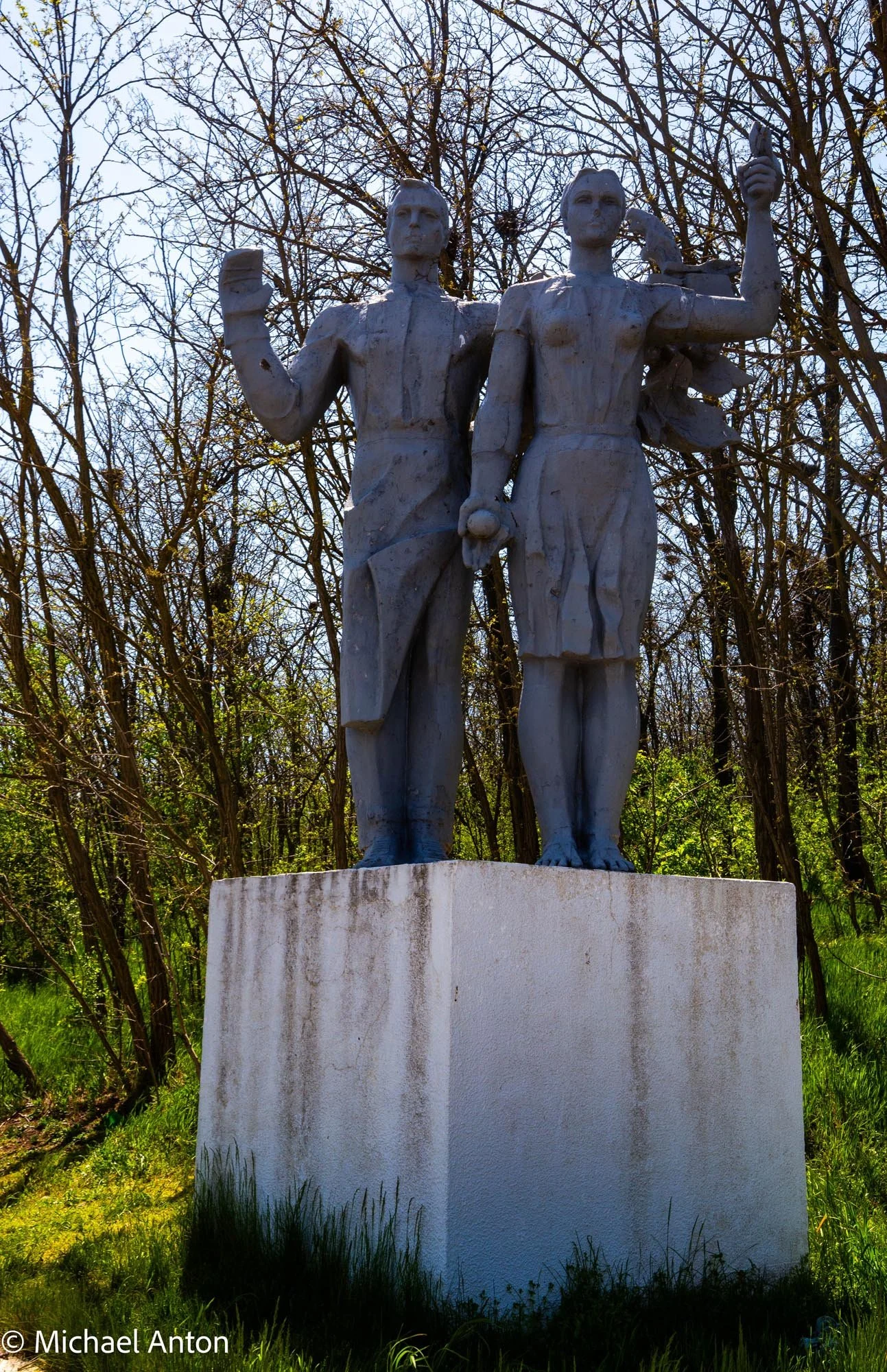
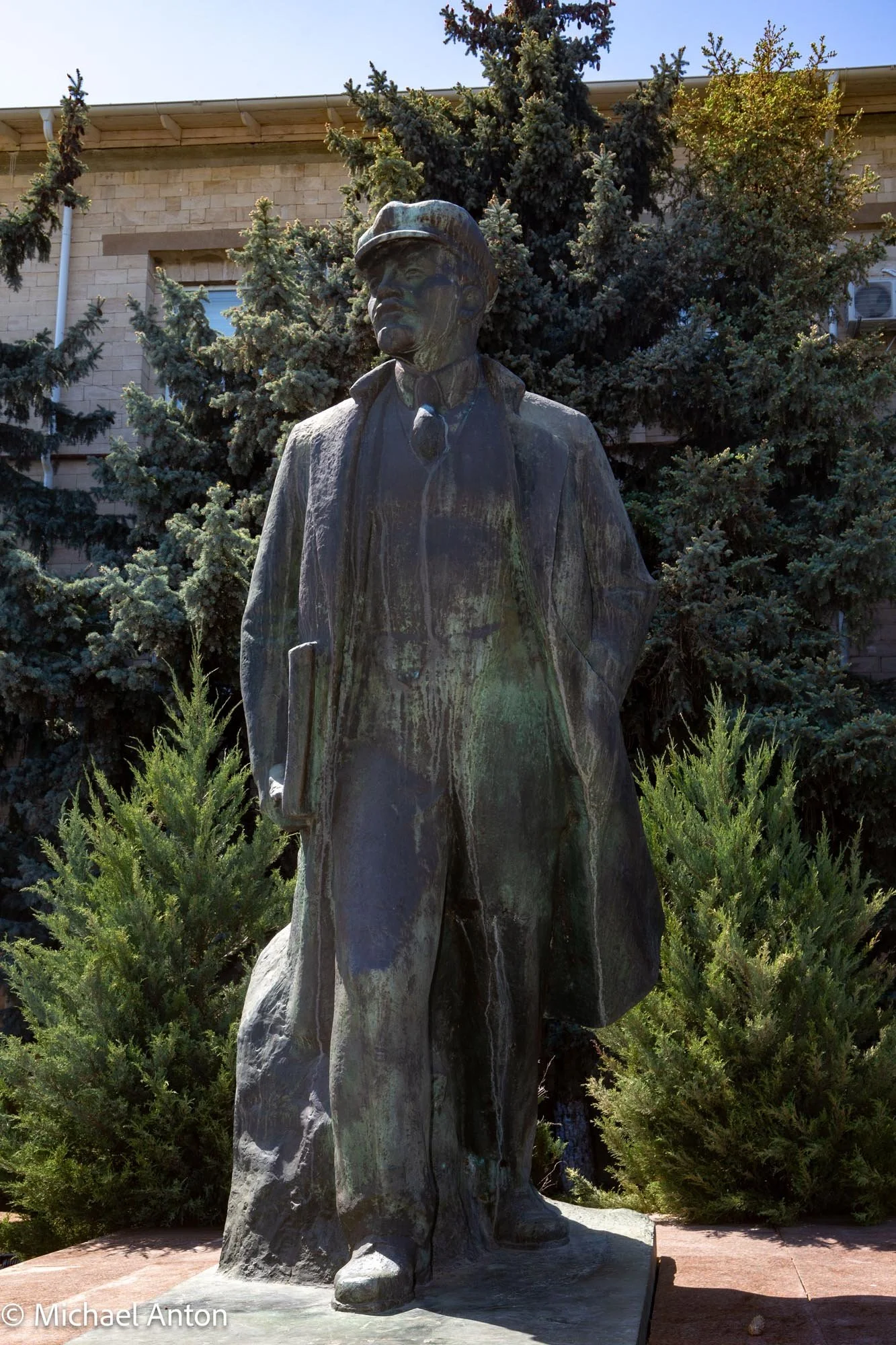
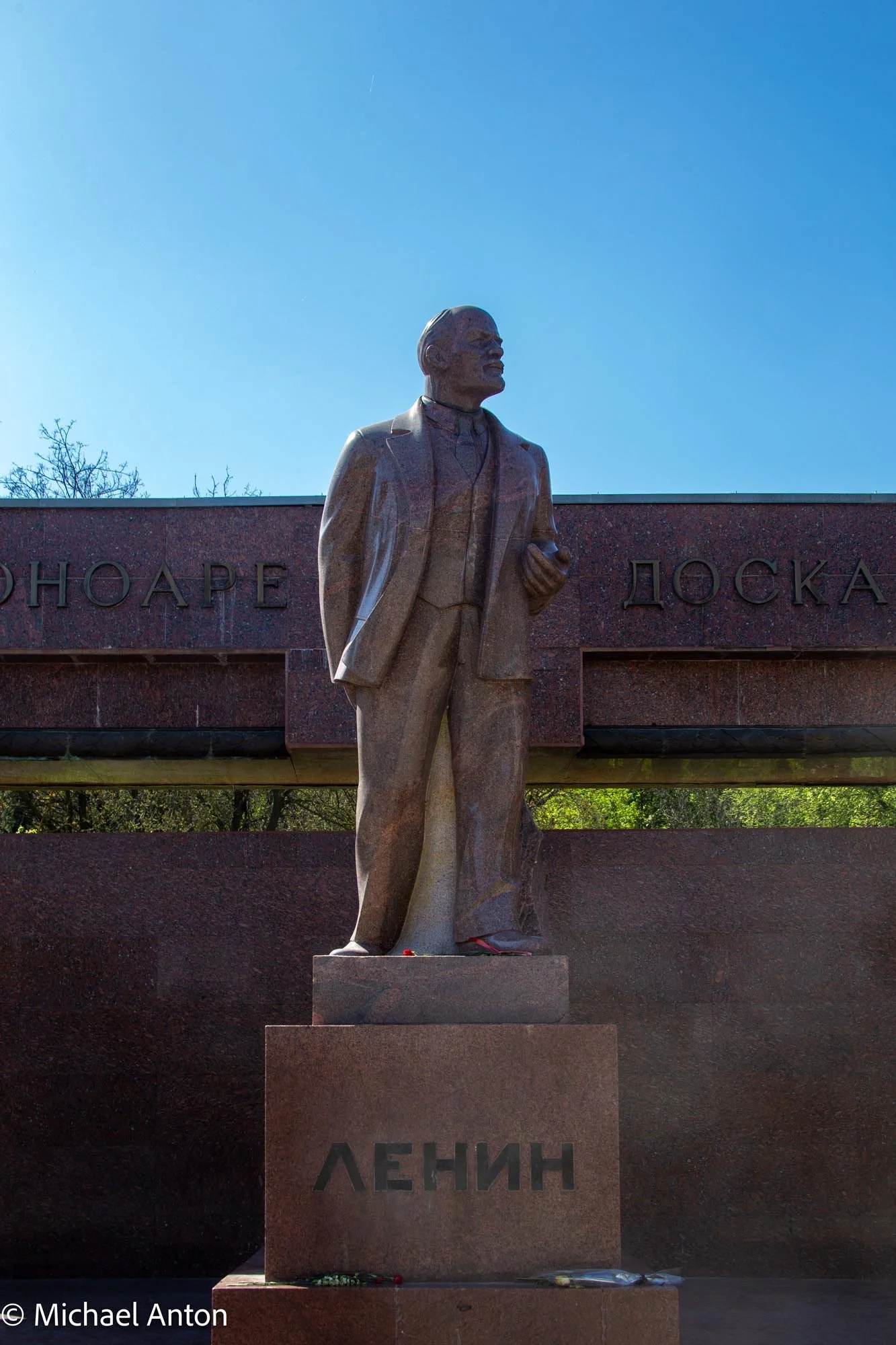
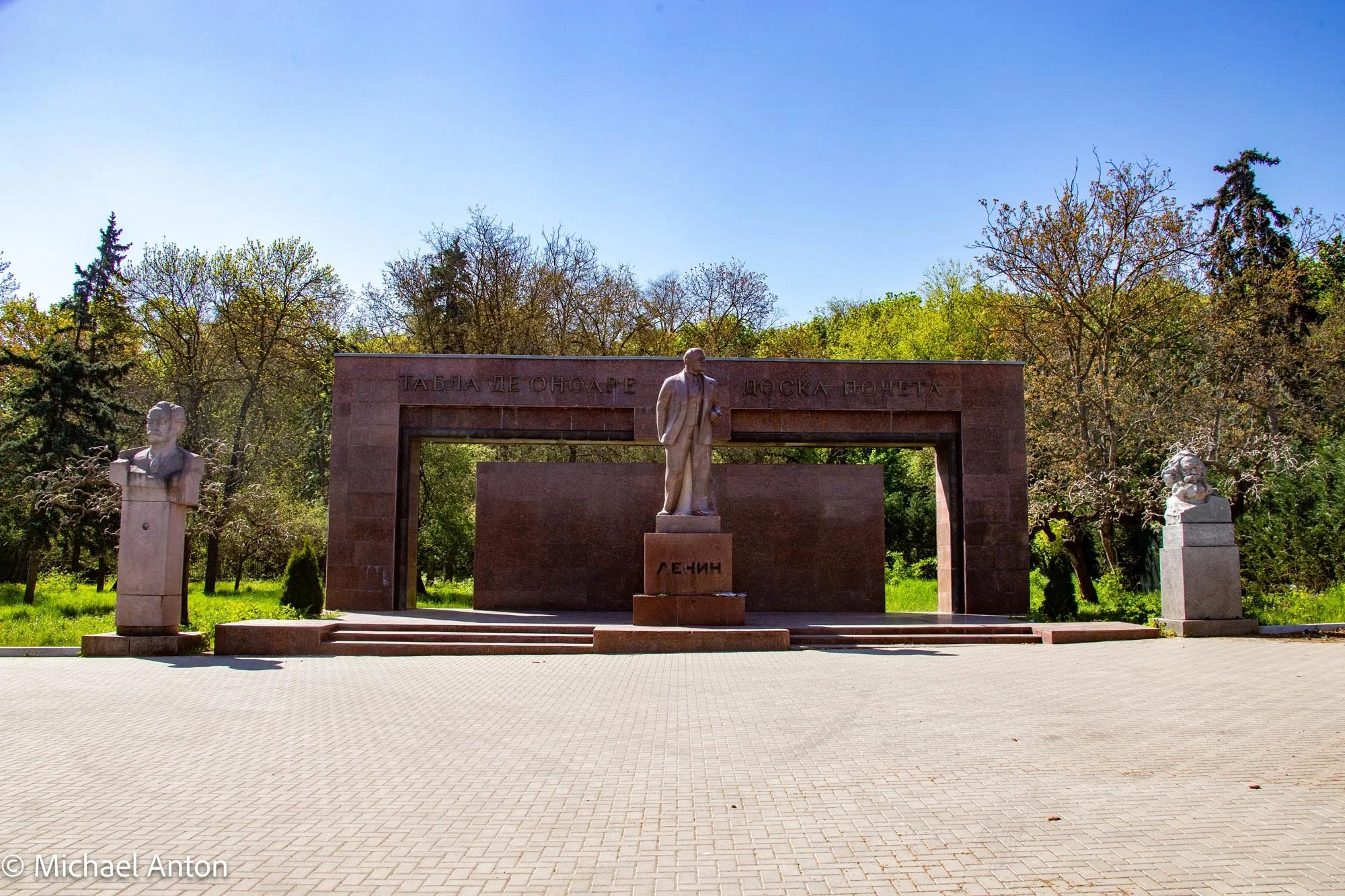
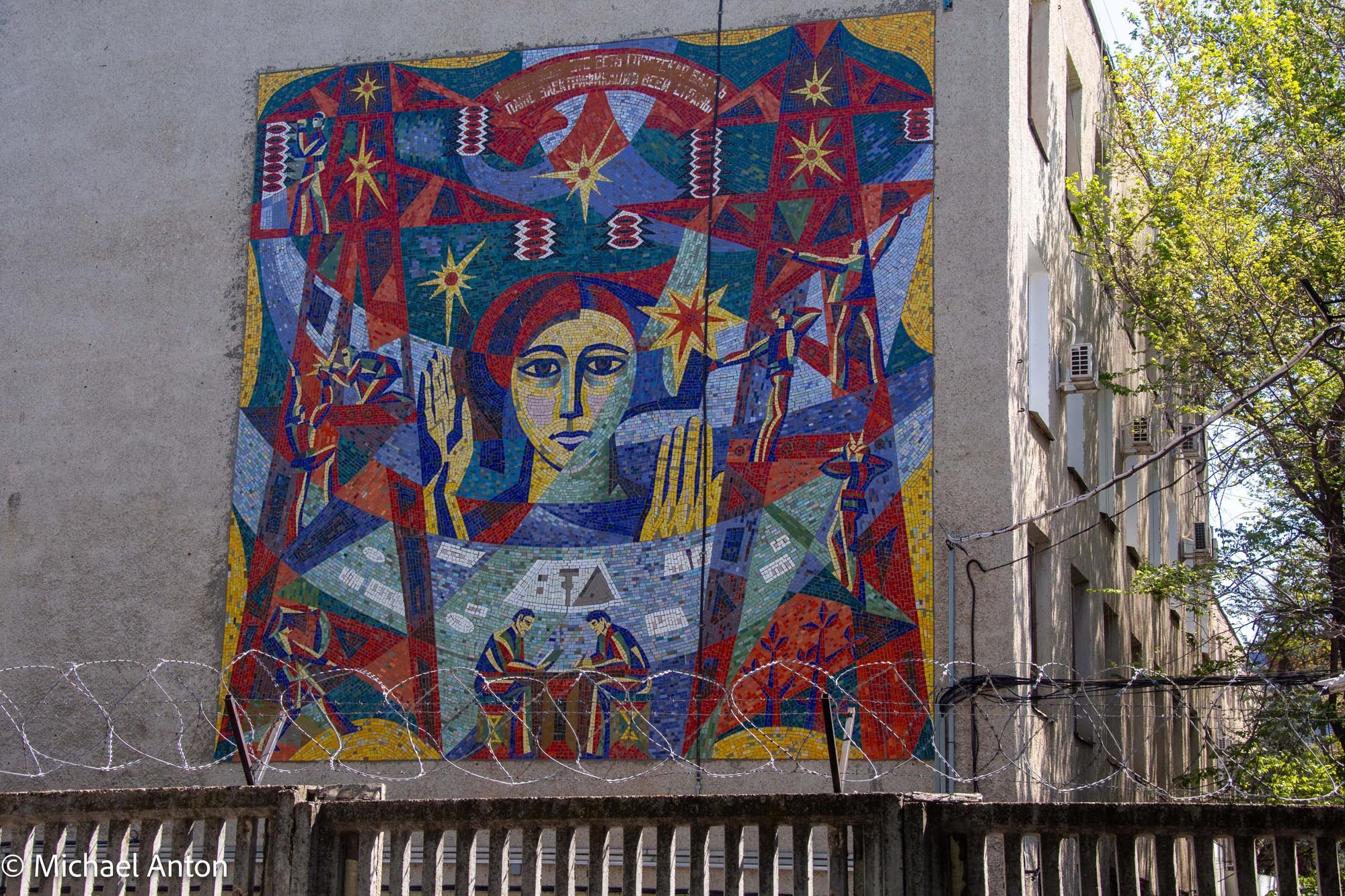
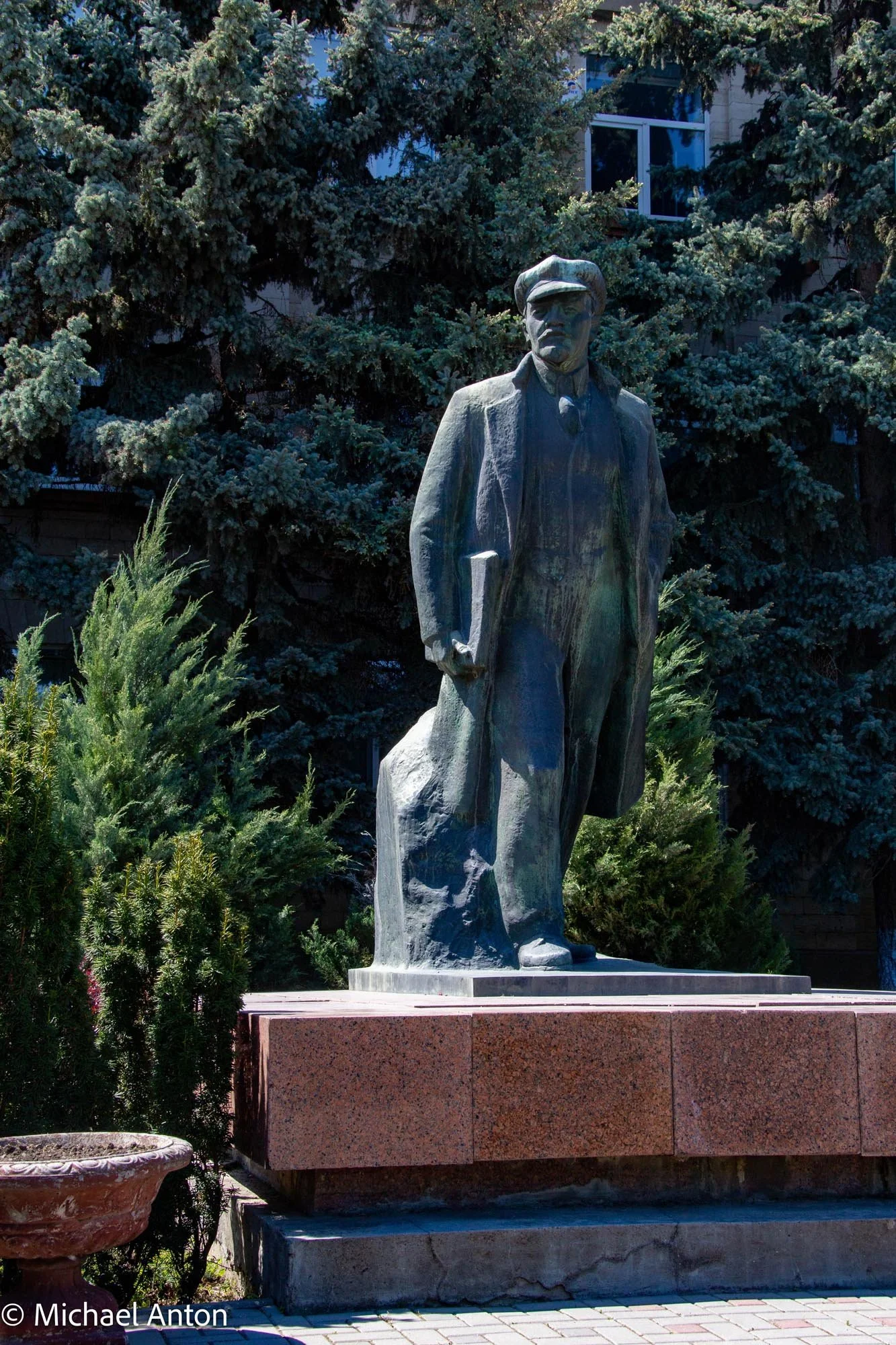
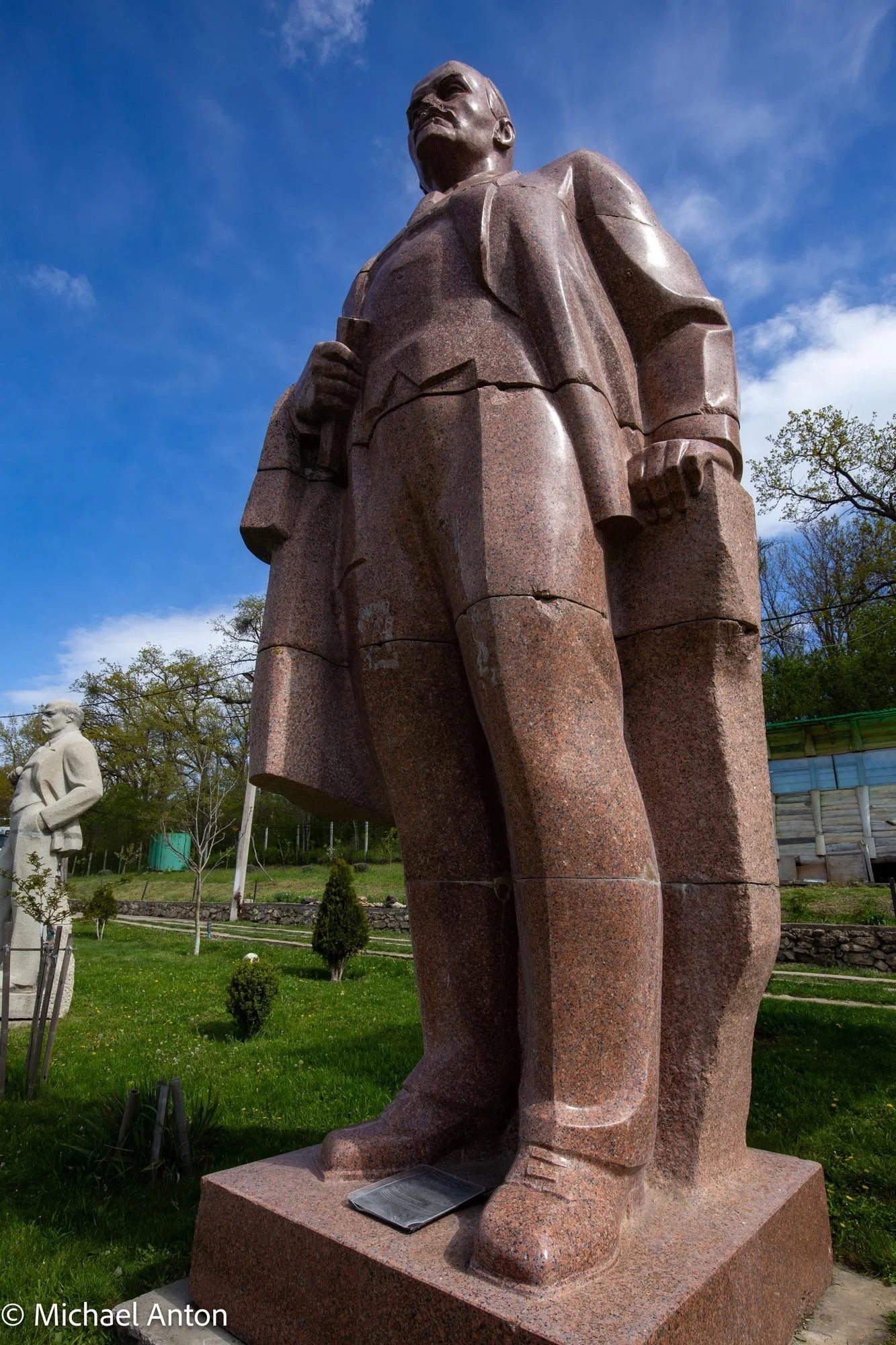
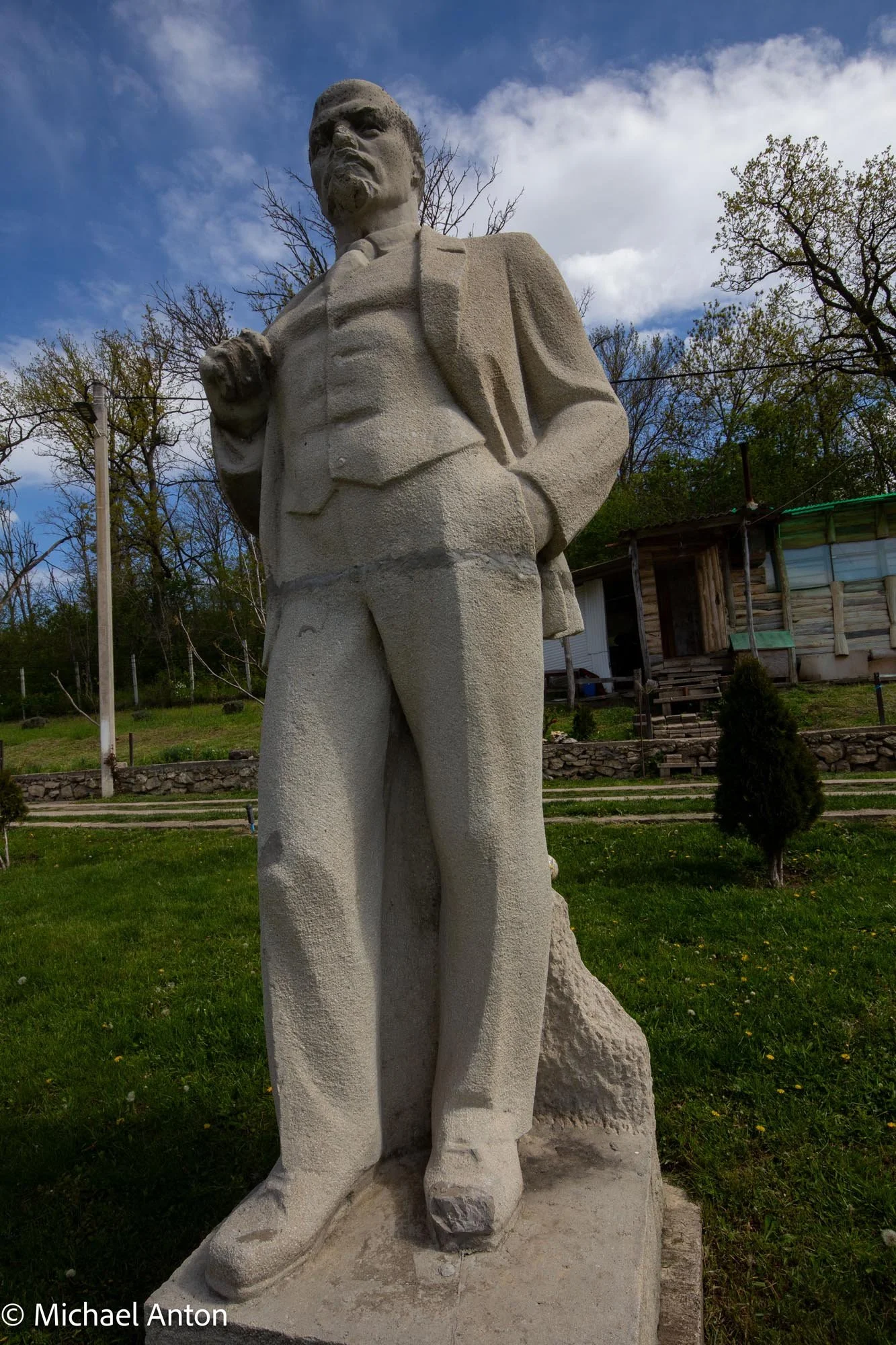
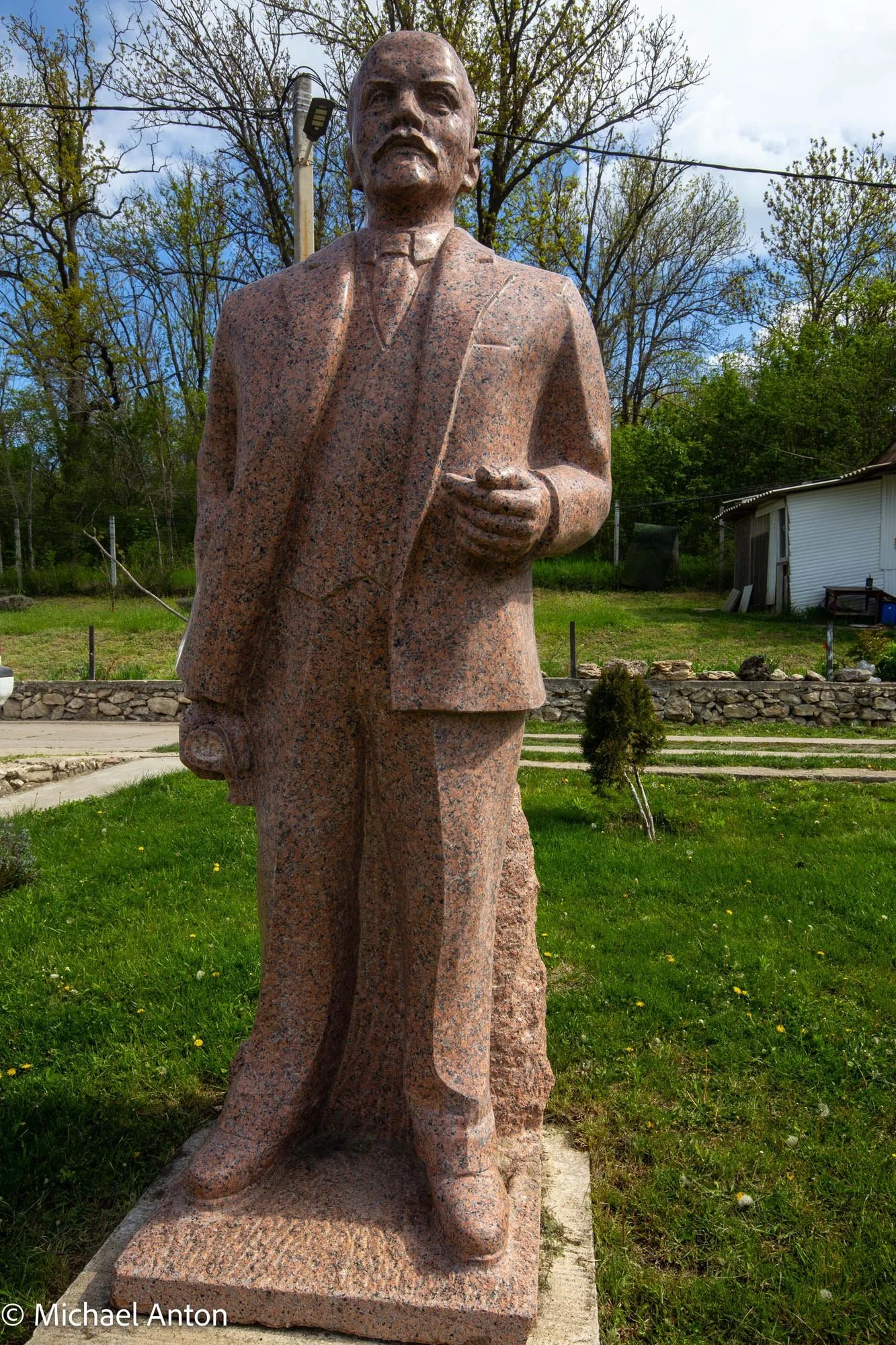
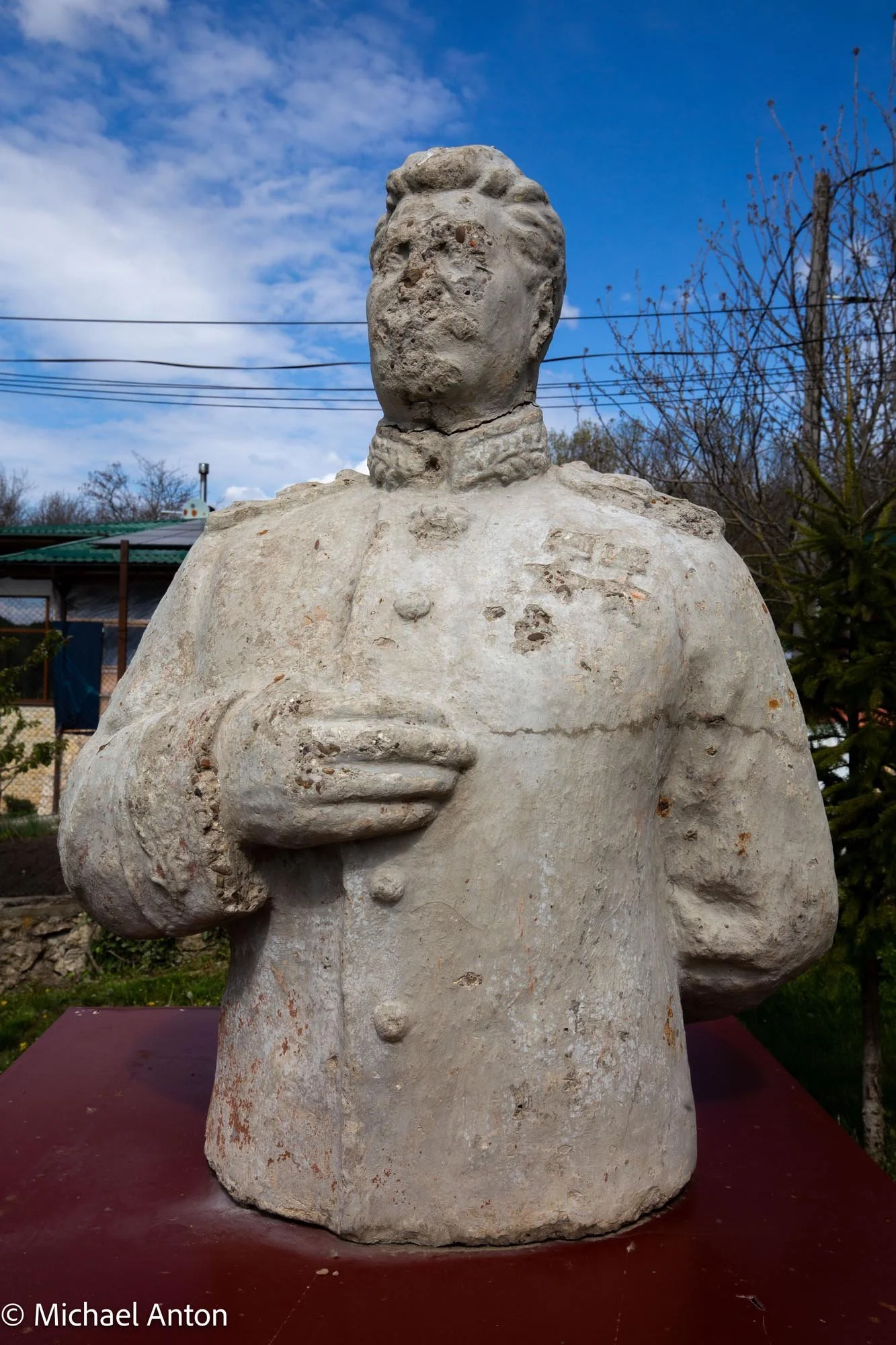
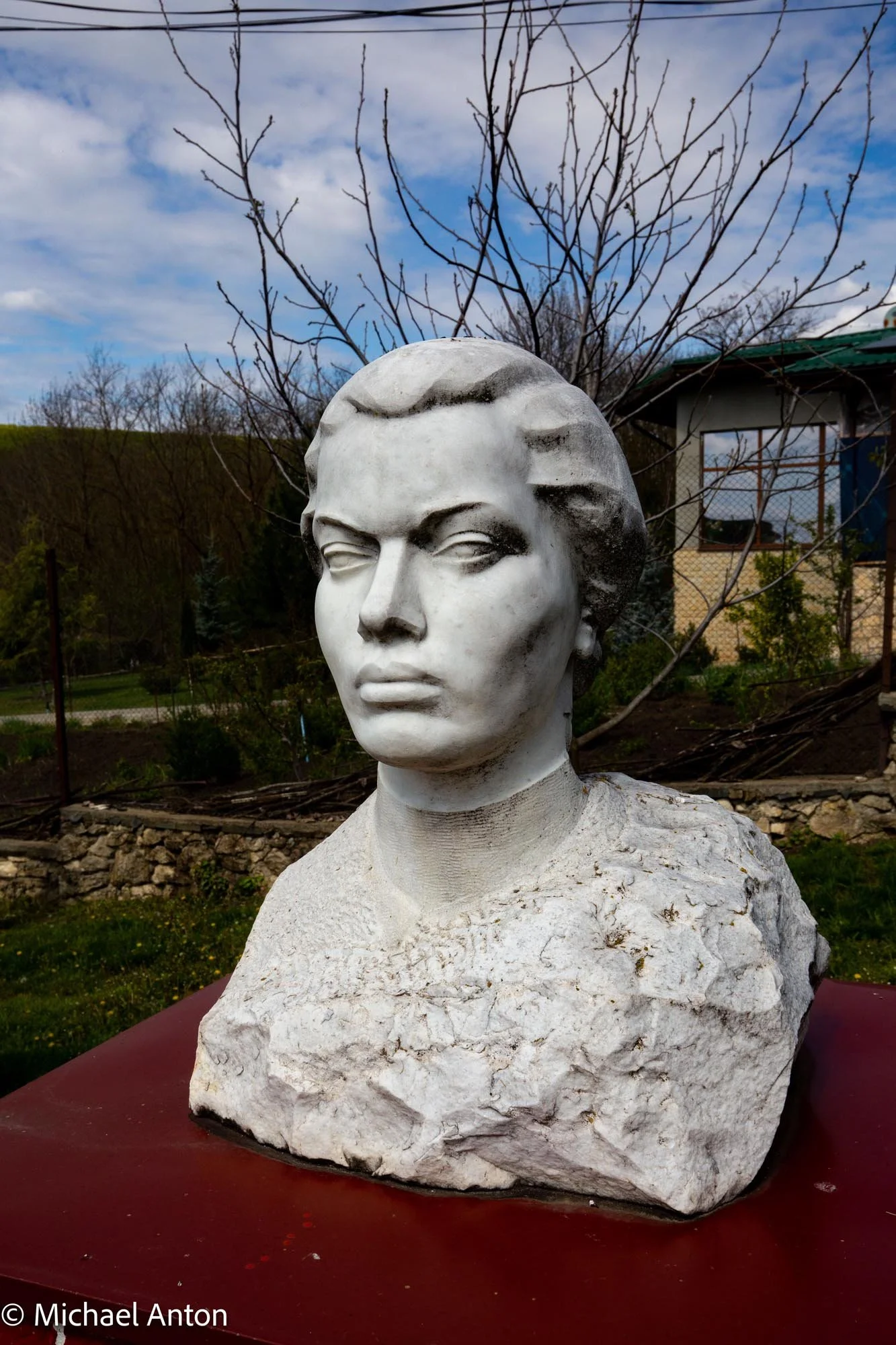
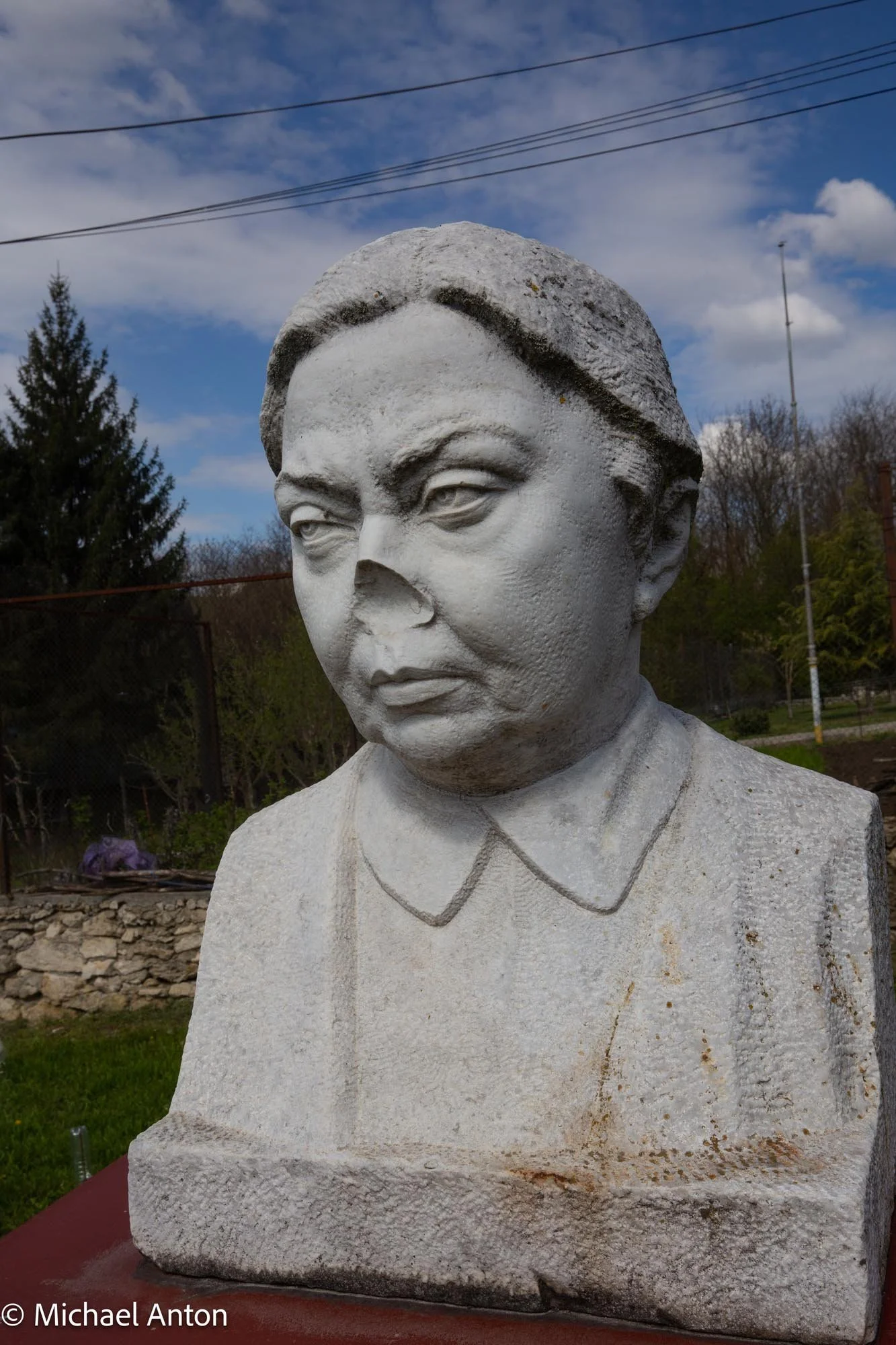
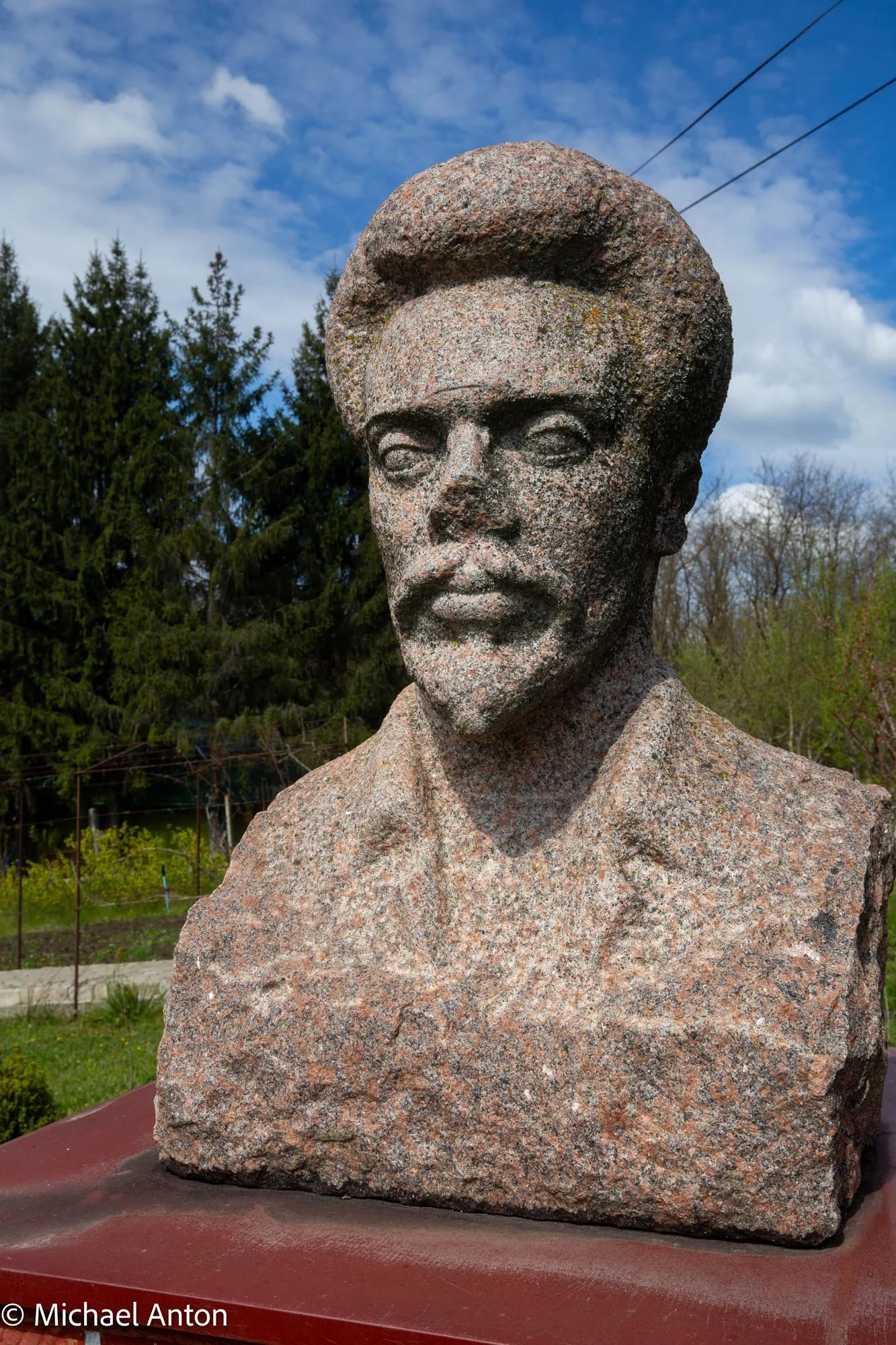
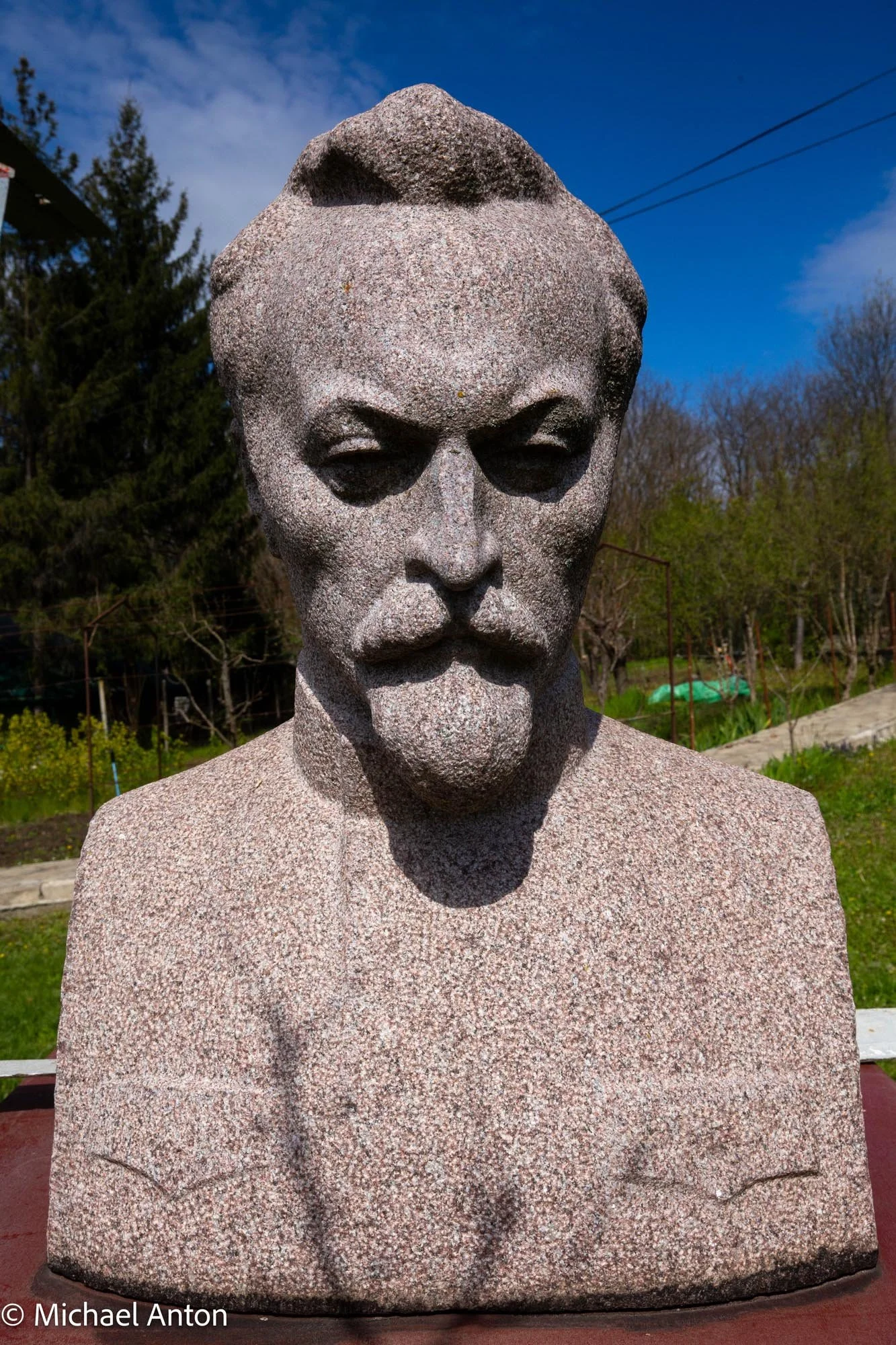
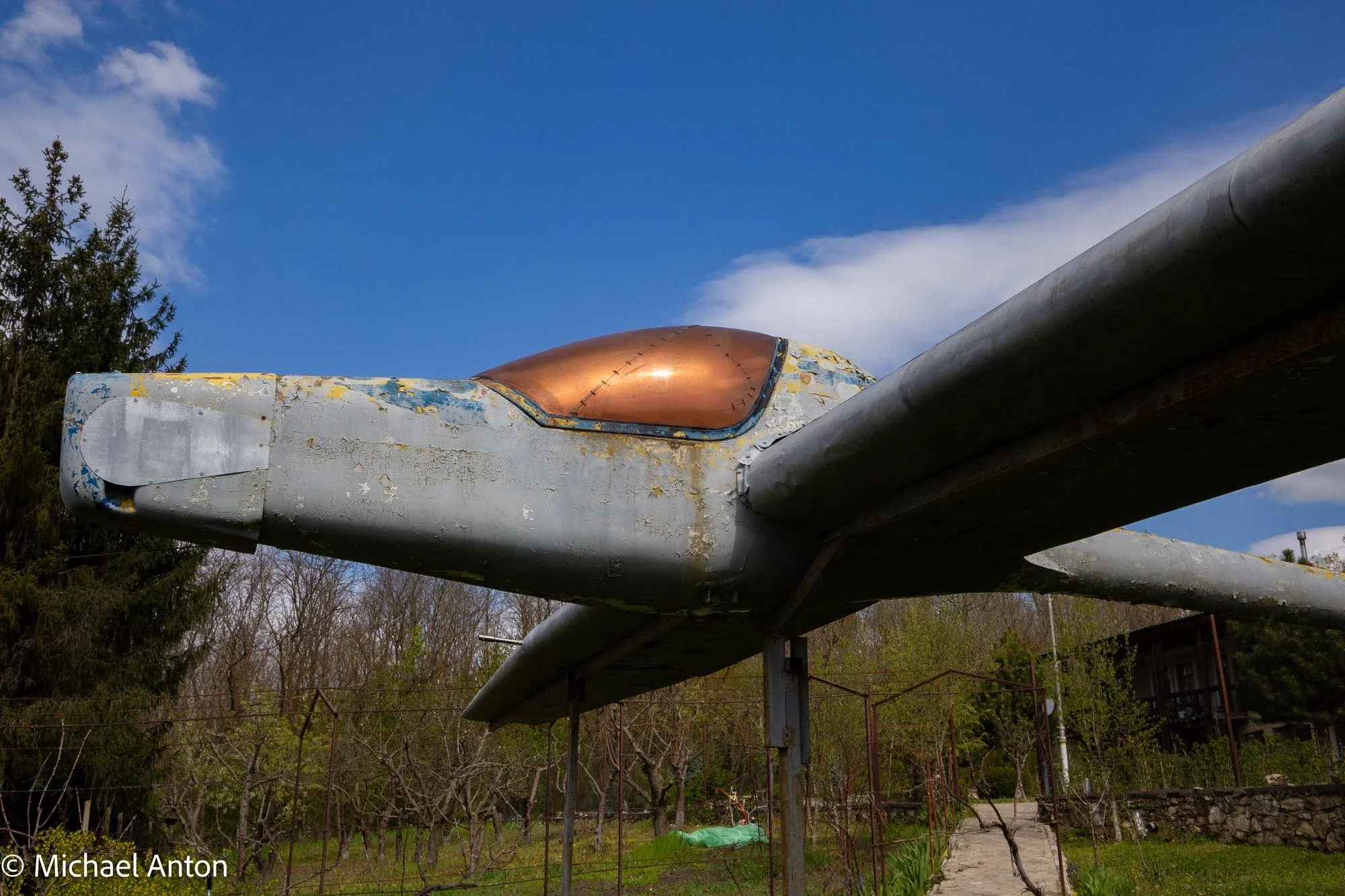
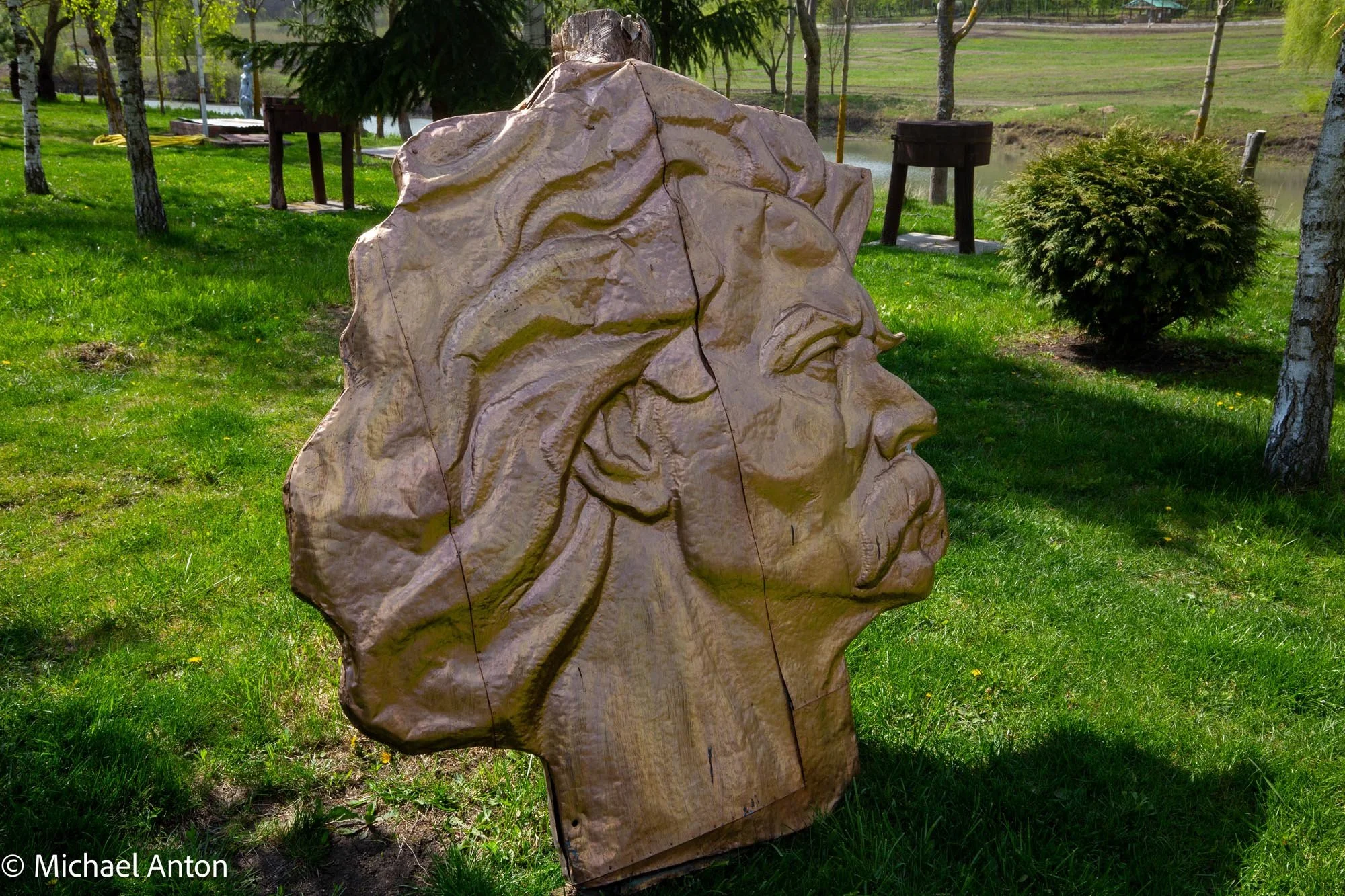
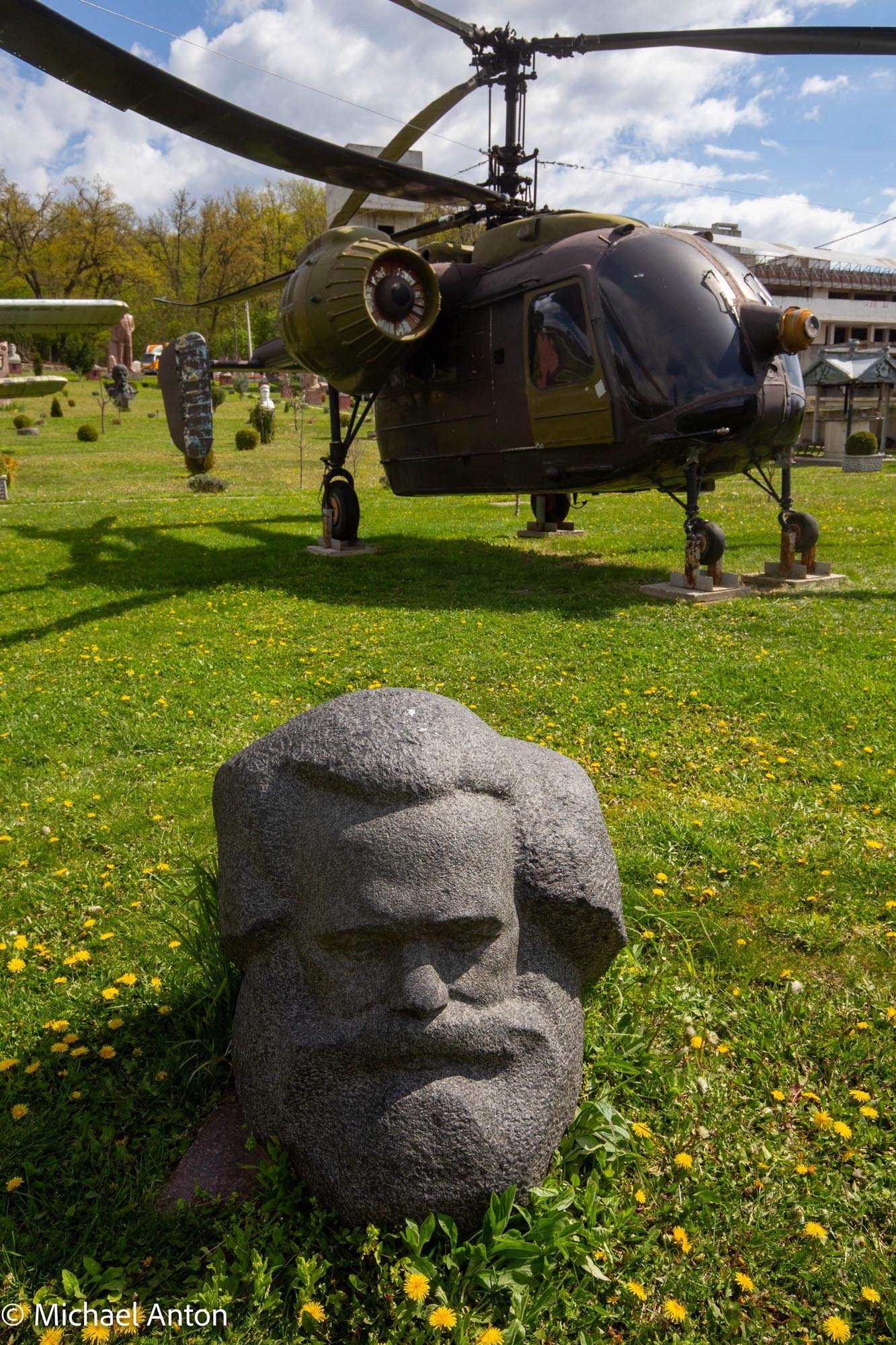
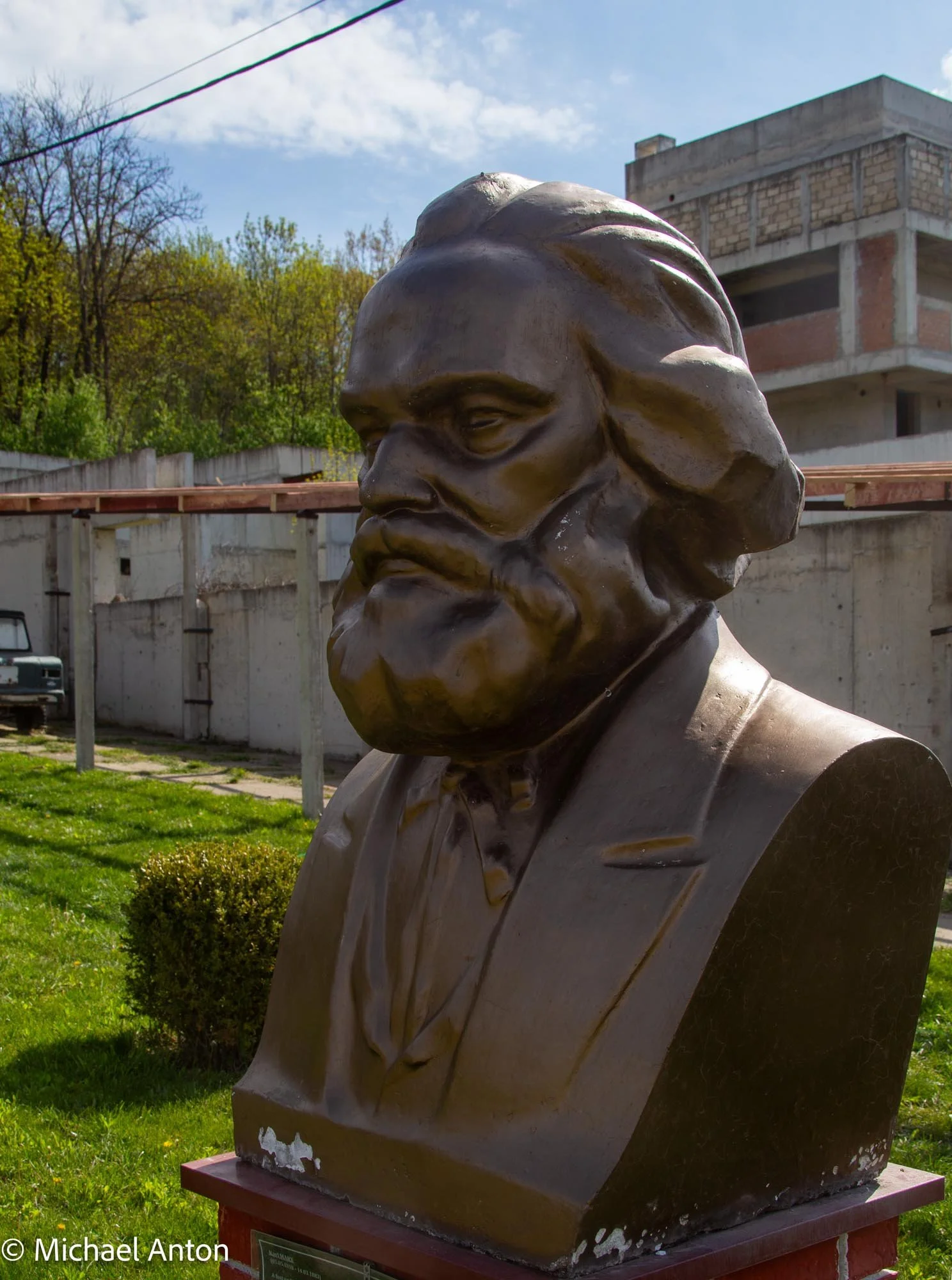
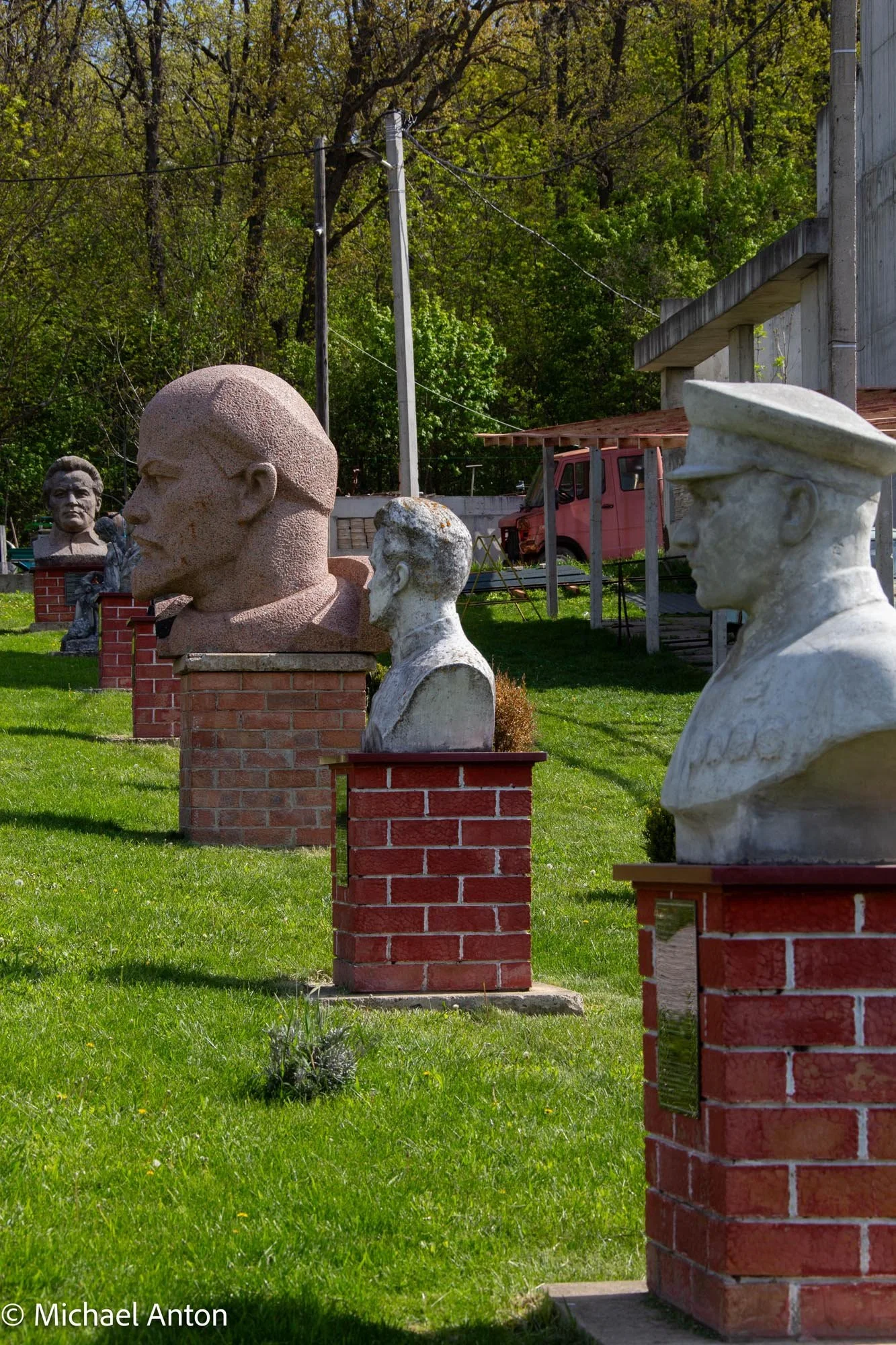
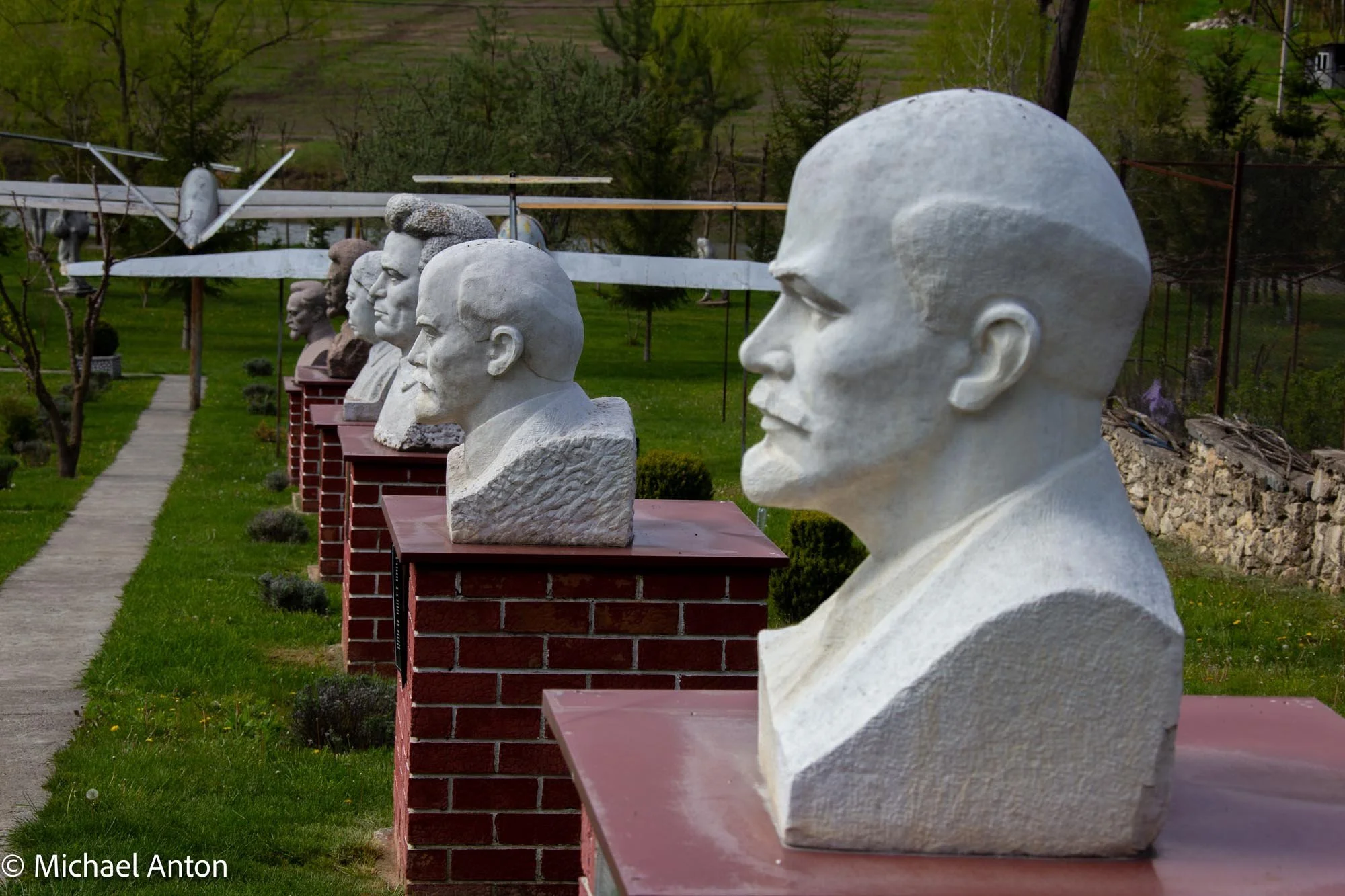
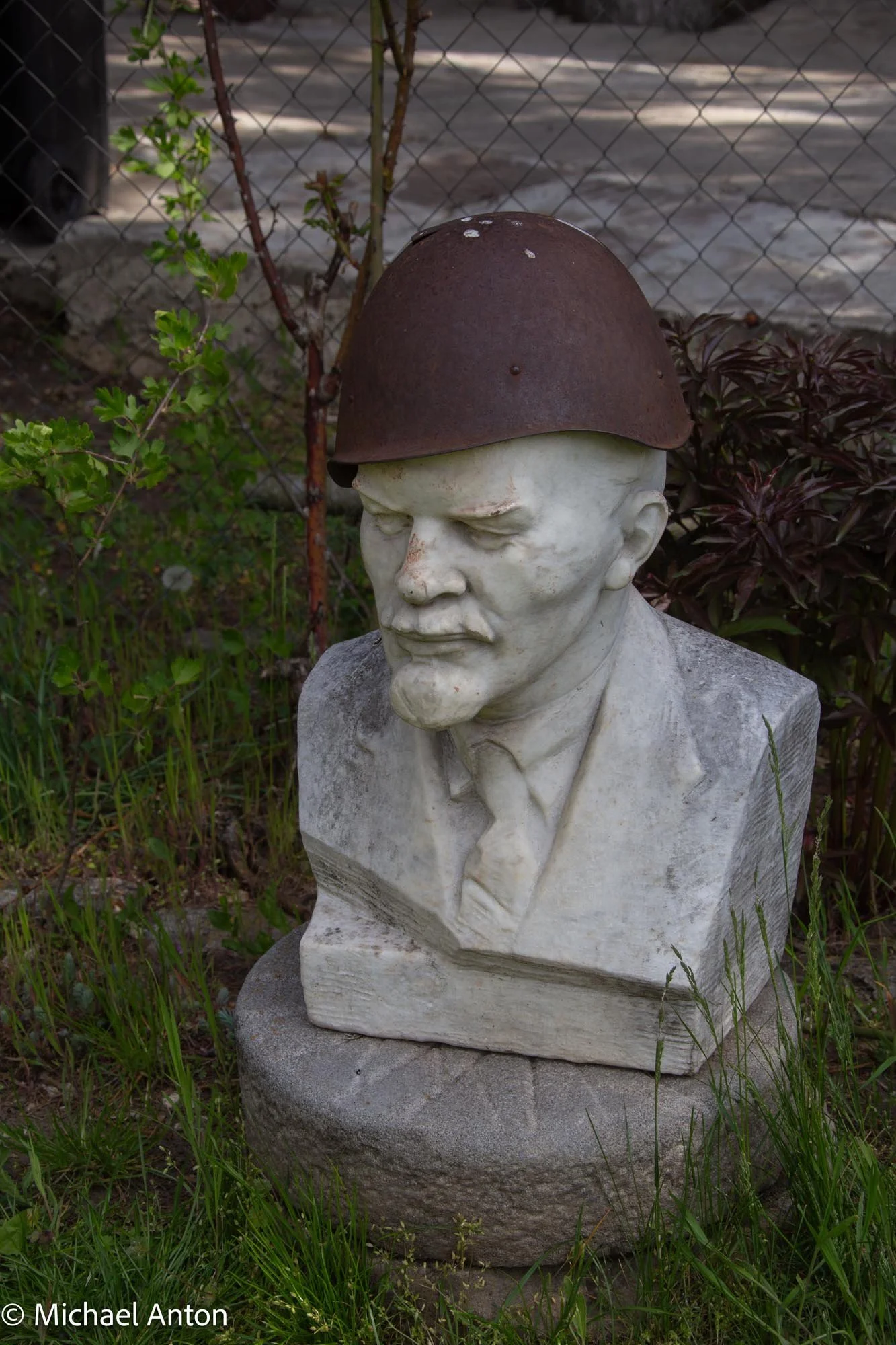
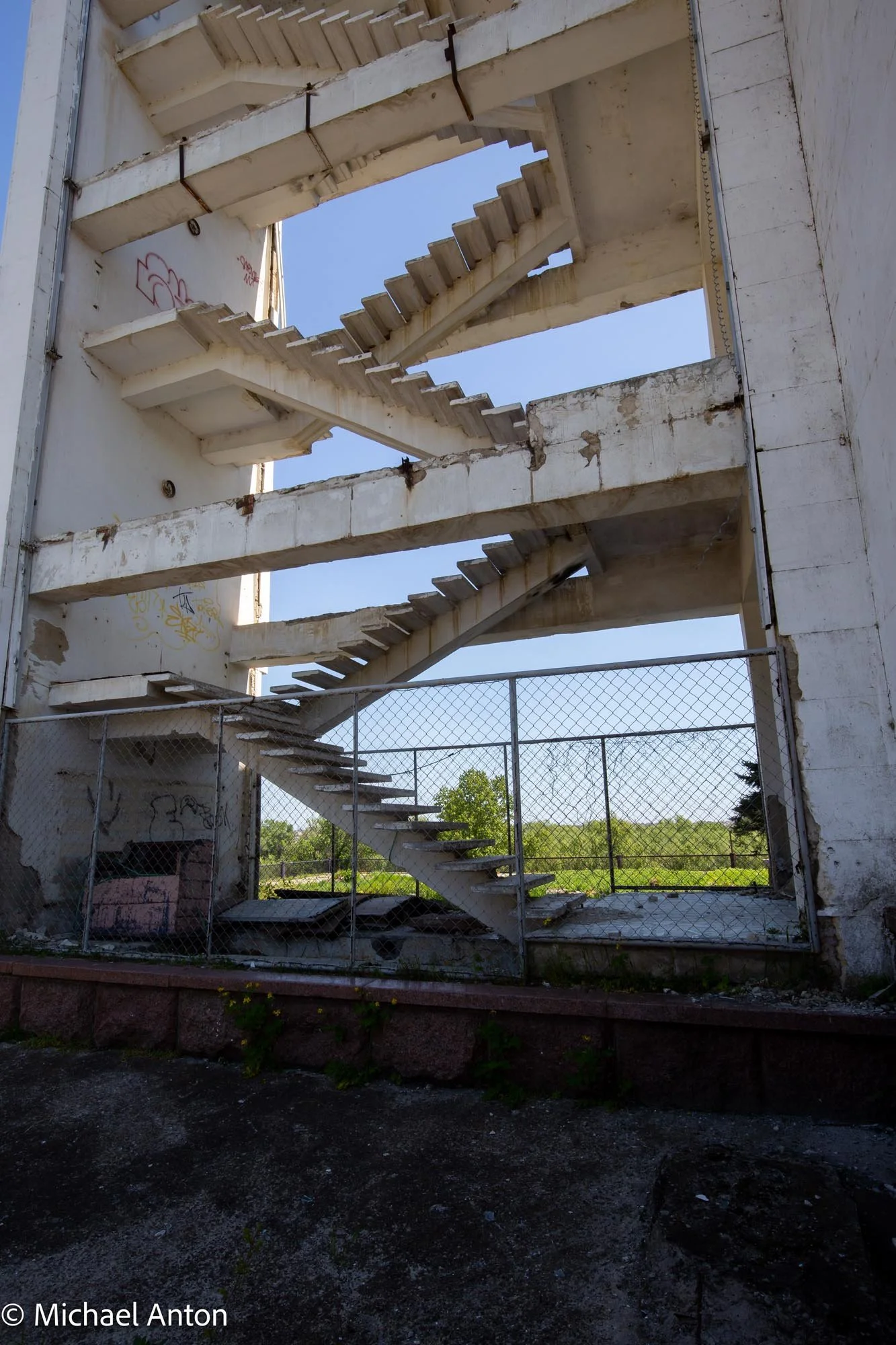
“Vestiges Of The Socialist Era” Garden
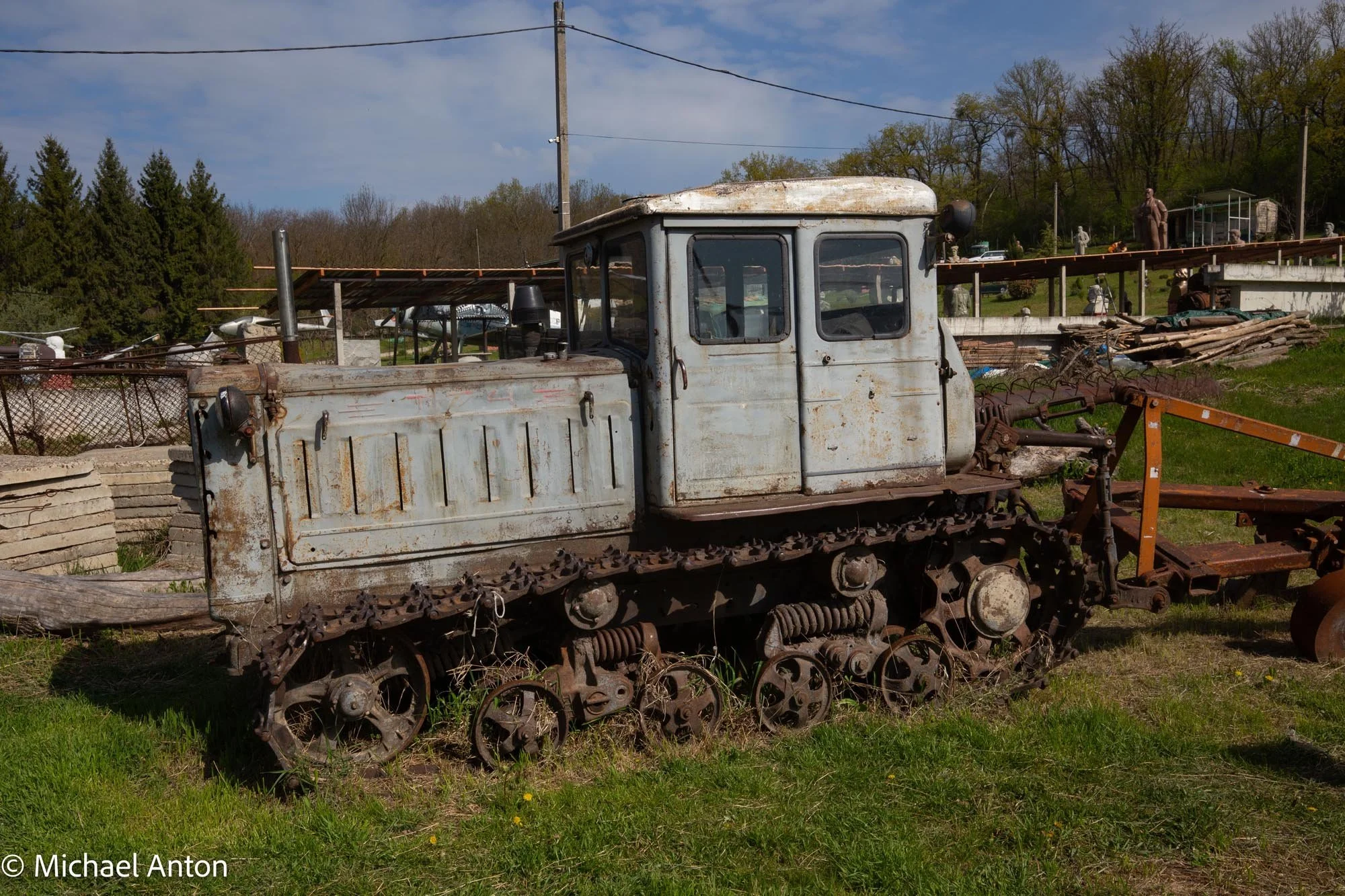
The first image in this gallery is of a tractor that wouldn’t have looked out of place in the great Soviet musical TRACTOR DRIVERS 1939, available on YouTube.
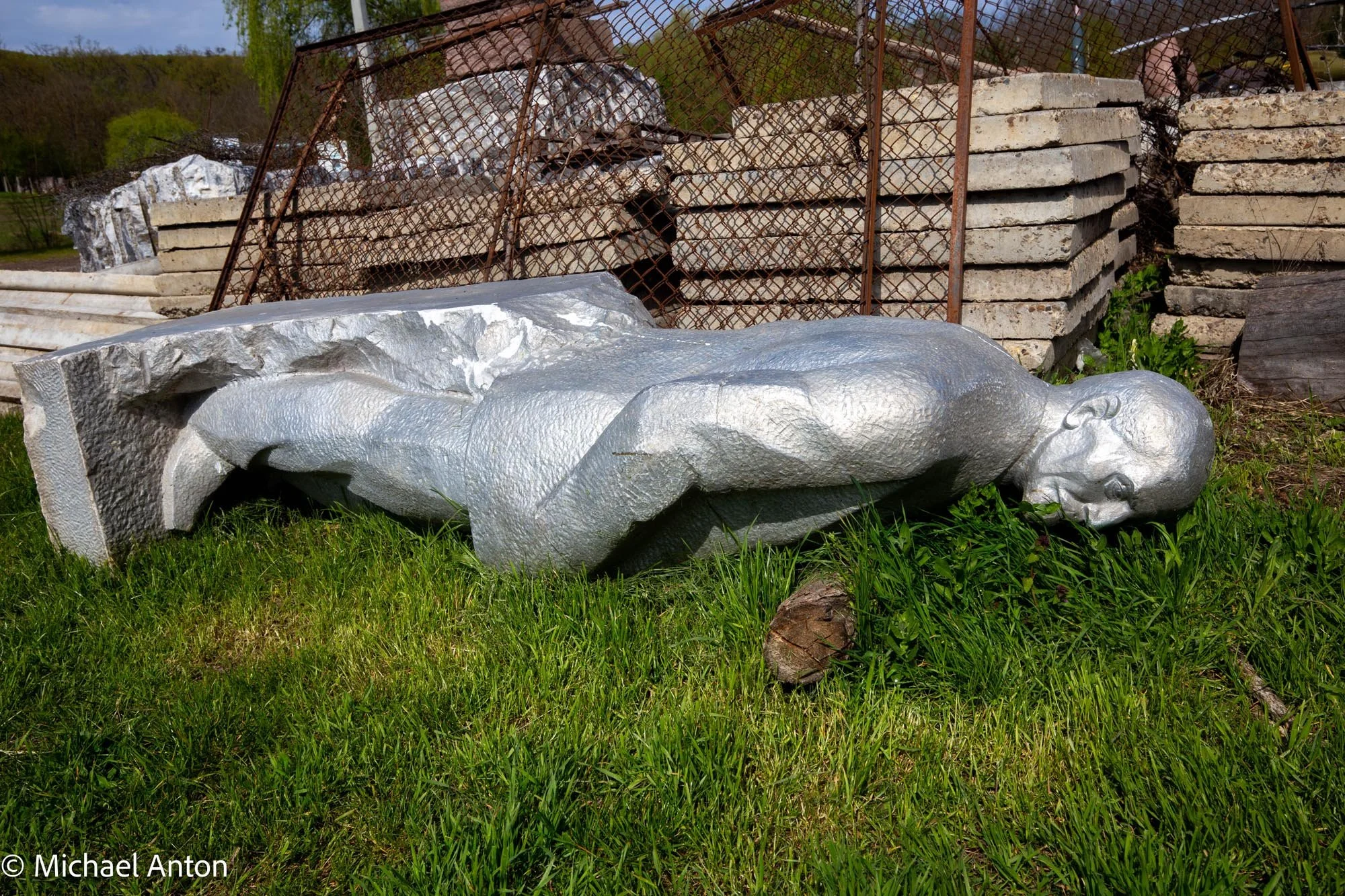
The second image is a statue laying down in the grass of Feliks (Iron Feliks) Dzerzhinsky, director of the Cheka, the first Bolshevik secret police. The Cheka became the NKVD and eventually the KGB.
But don’t worry, there is an intact bust of him on a pedestal a little further on.
There are also two busts of Krupskaya, the wife of Lenin, one with her nose broken off. As well as a bust of Stalin whose entire face has been blasted off.
Interestingly, there’s also a bust of Mark Twain, whose work along with John Steinbeck and Earnest Hemmingway were taught in the Soviet school systems.
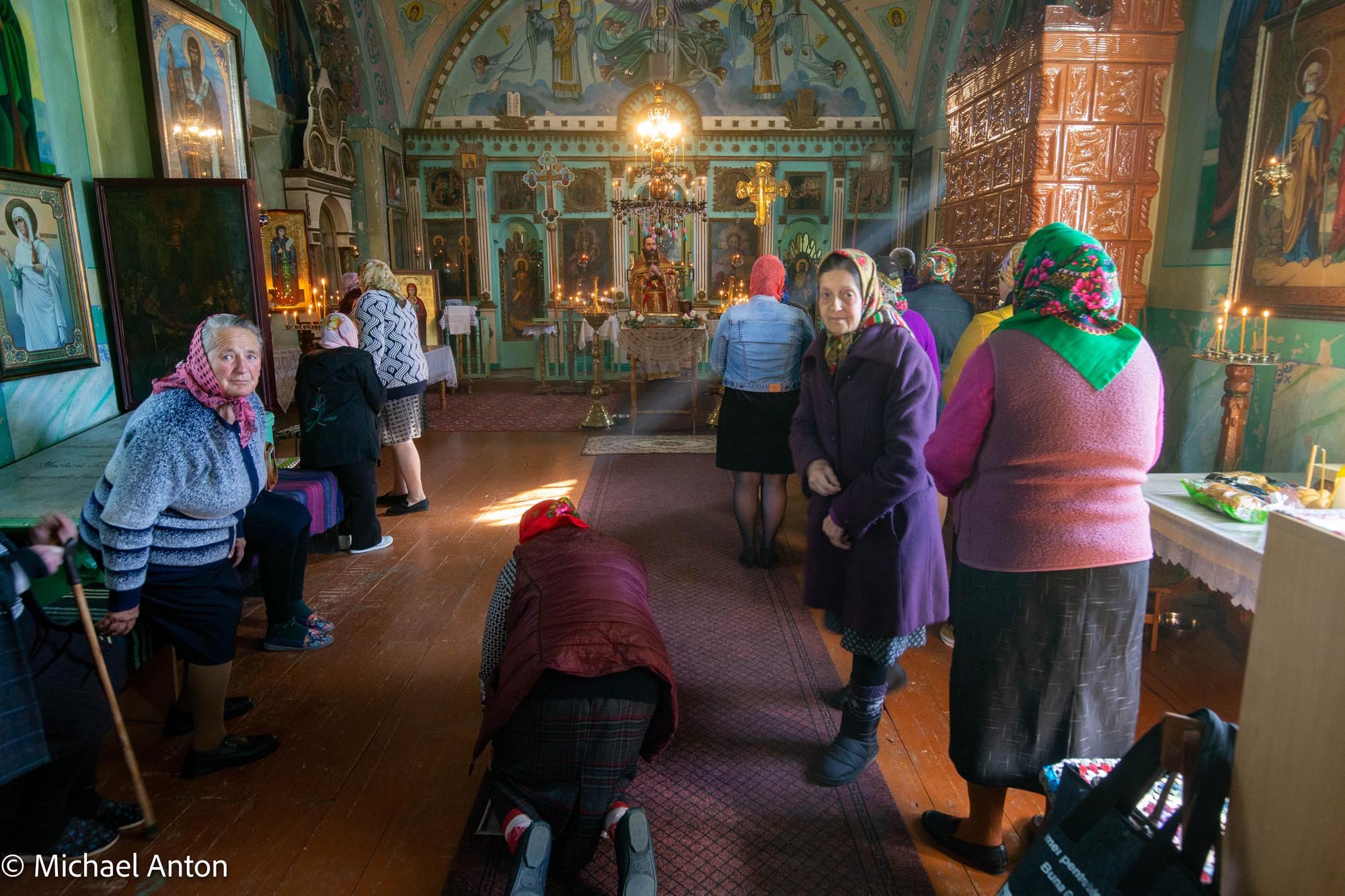
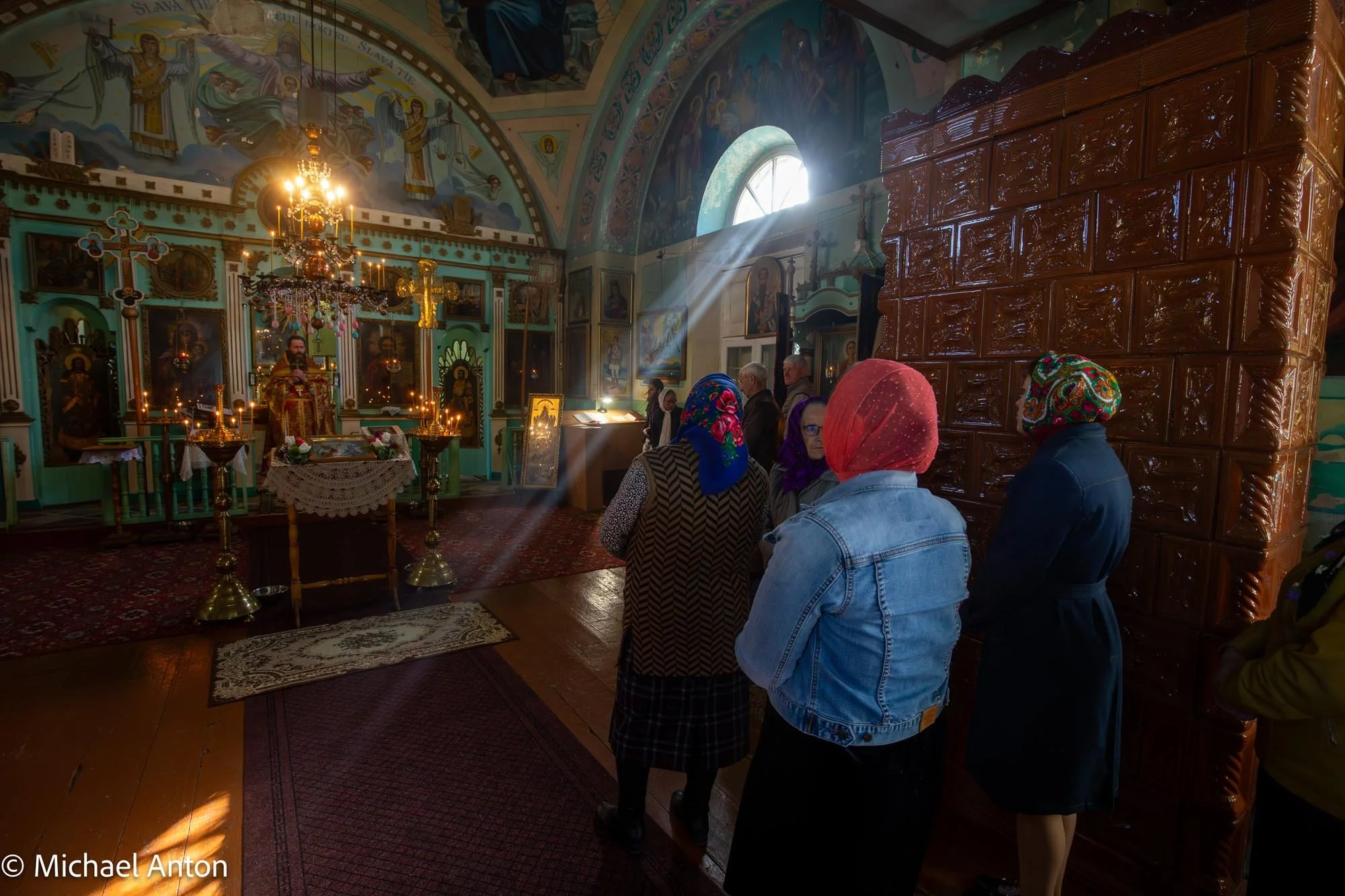
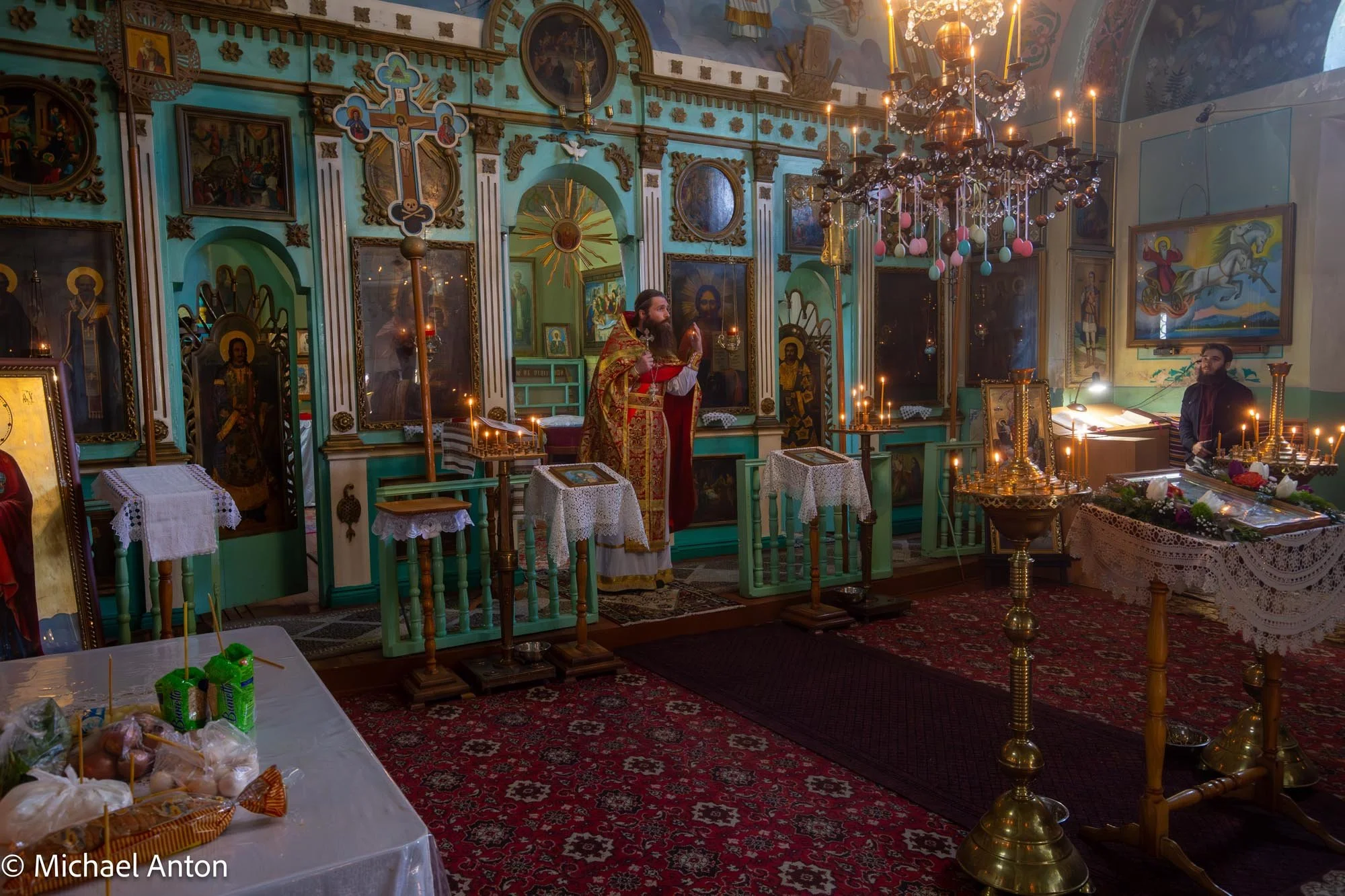
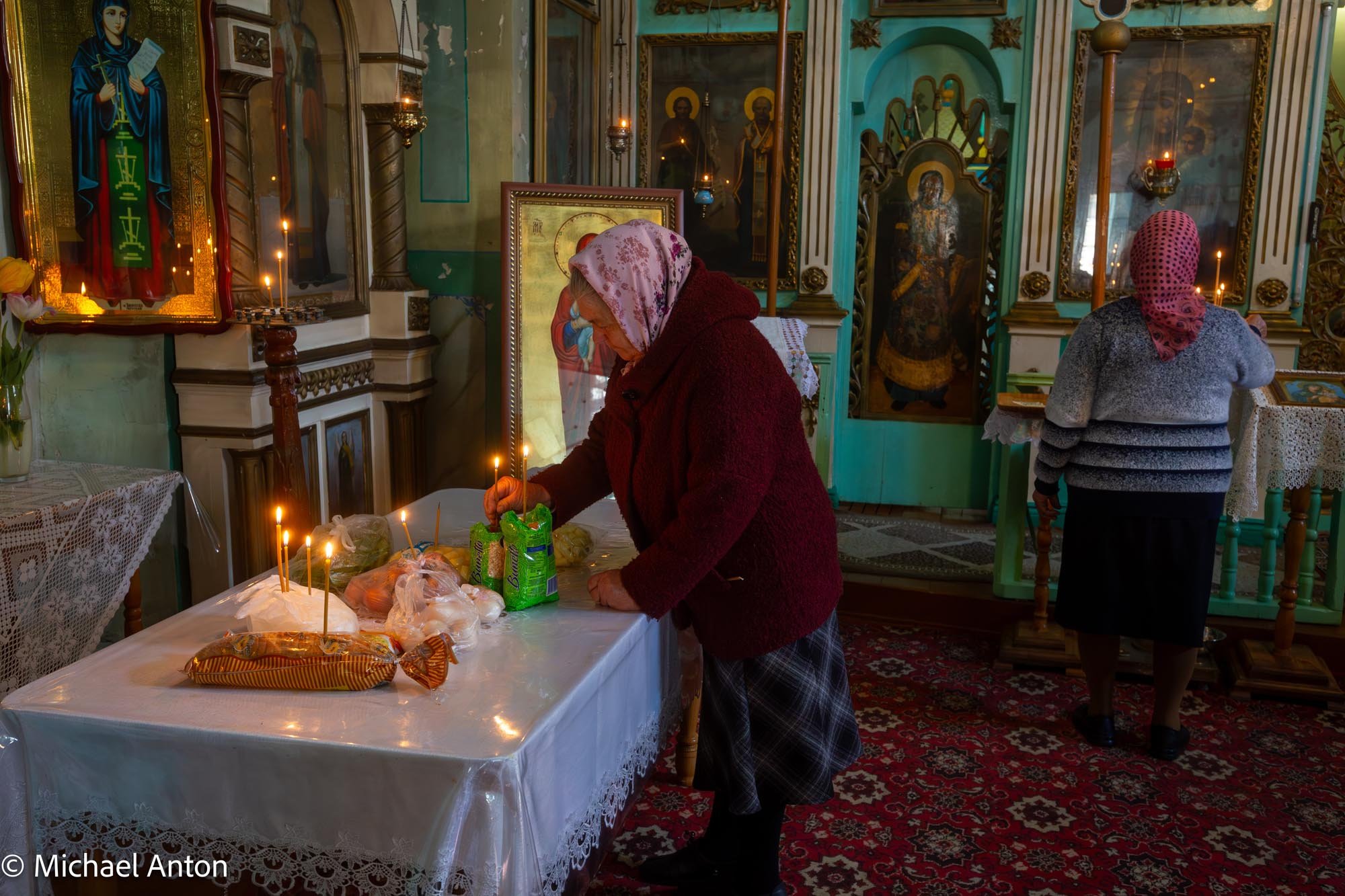
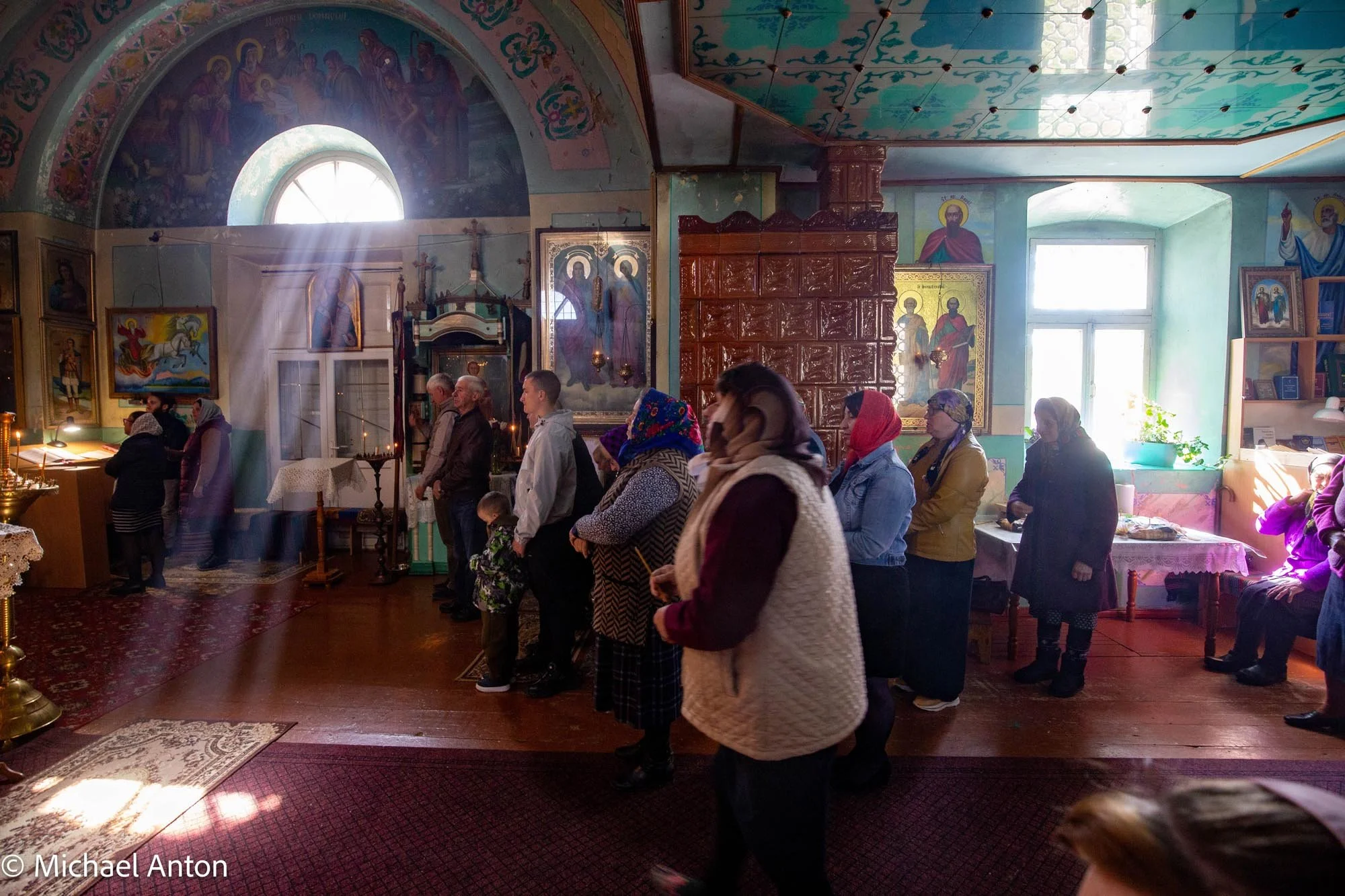
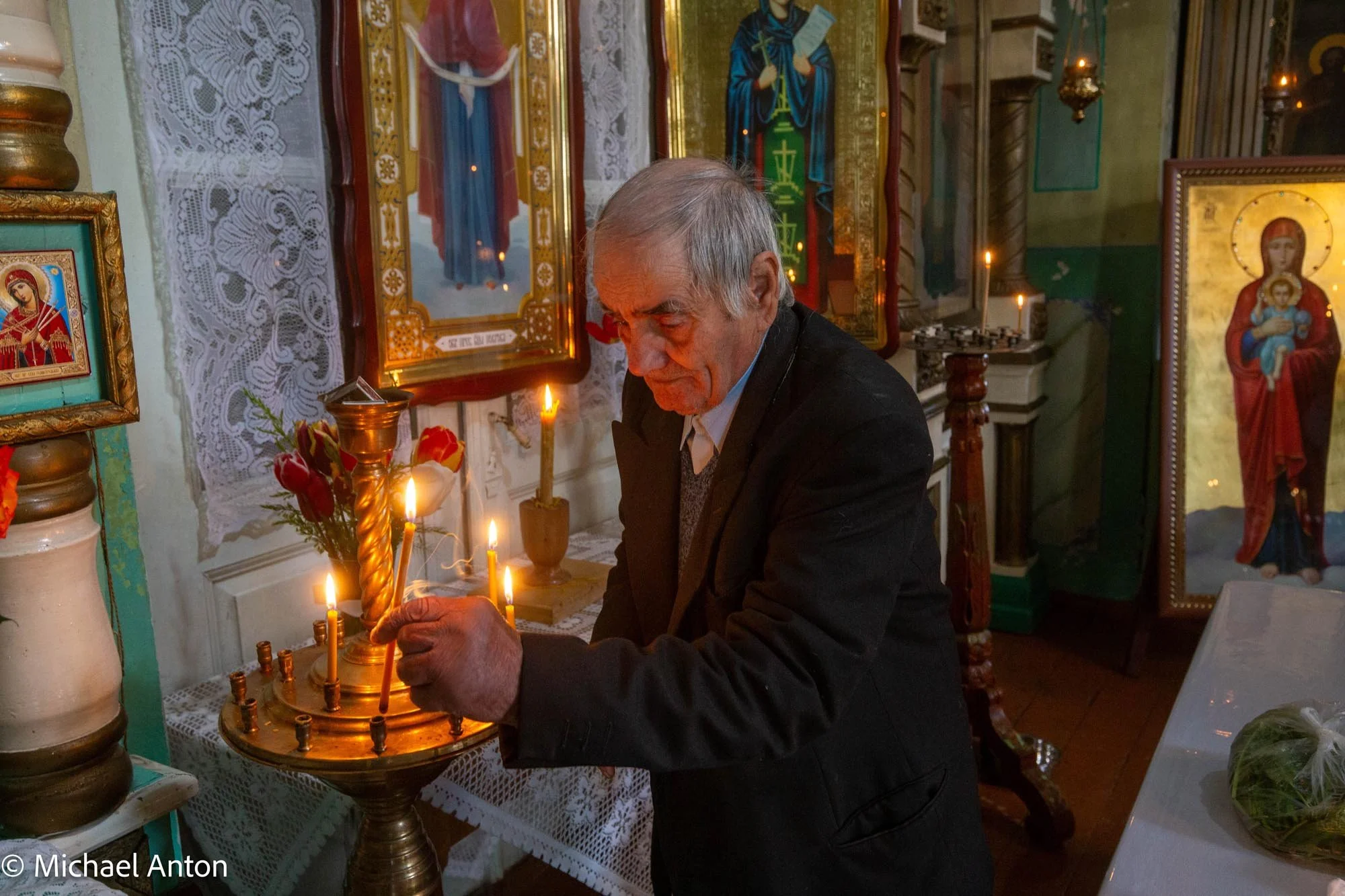
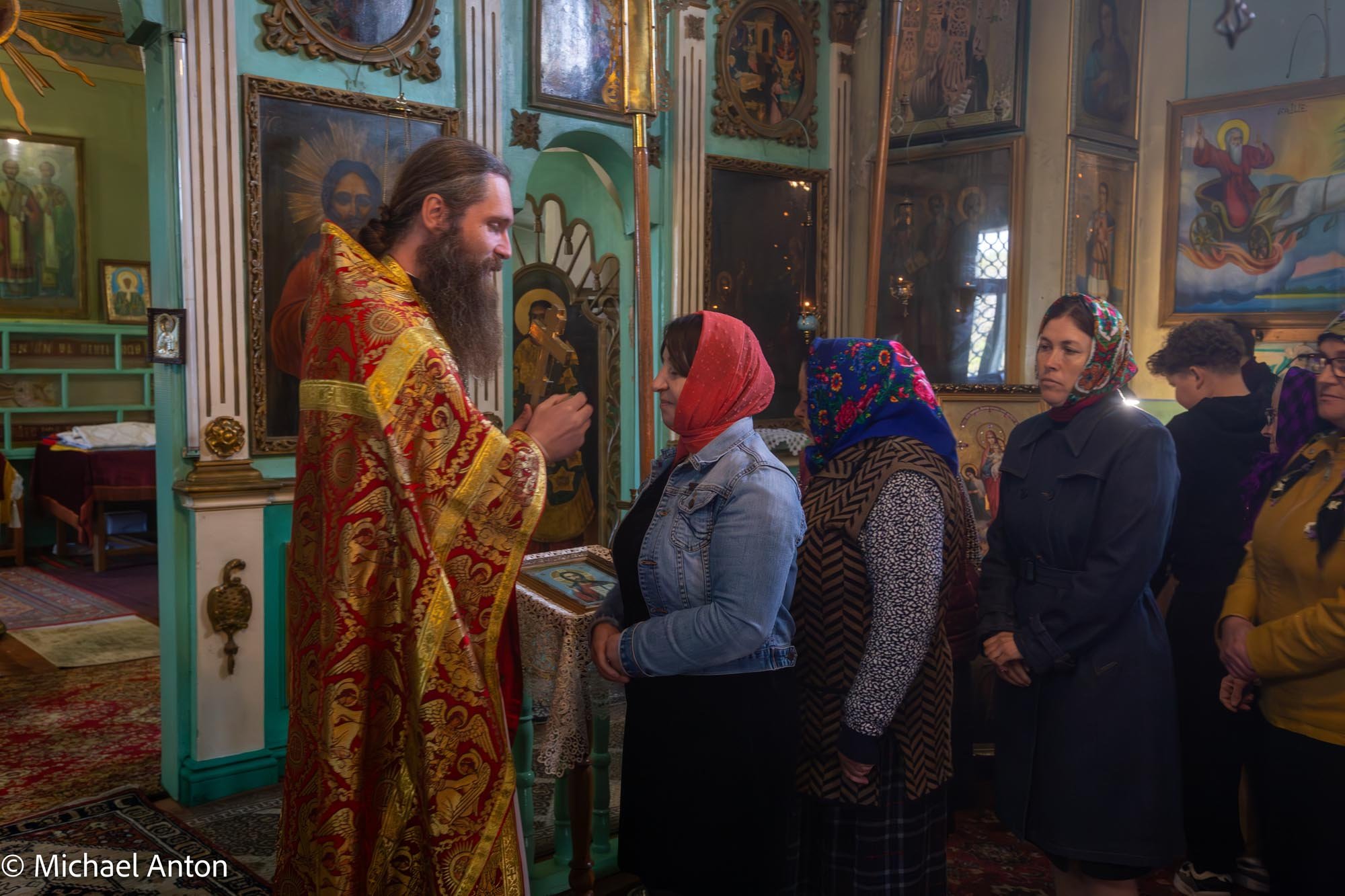
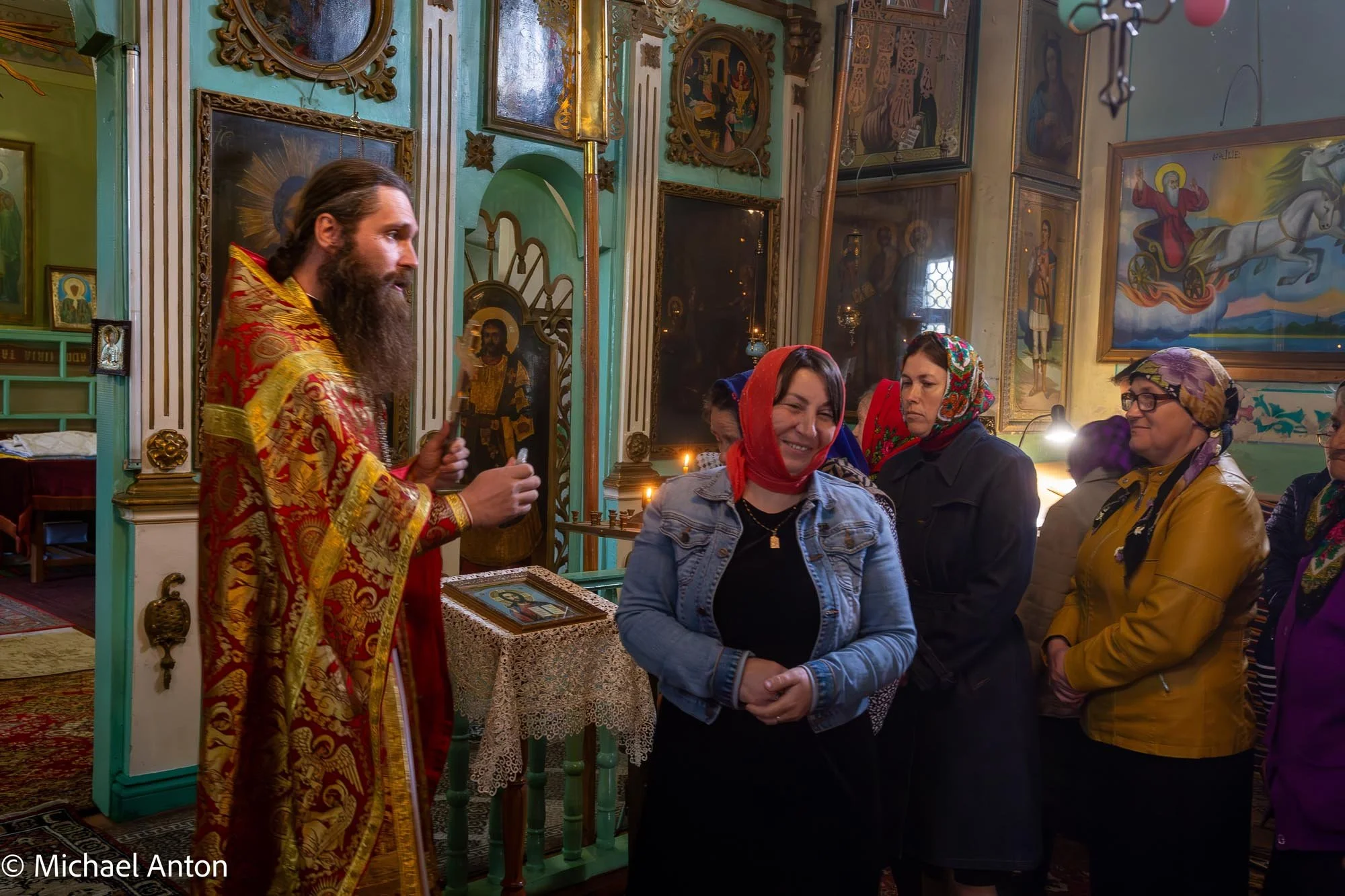
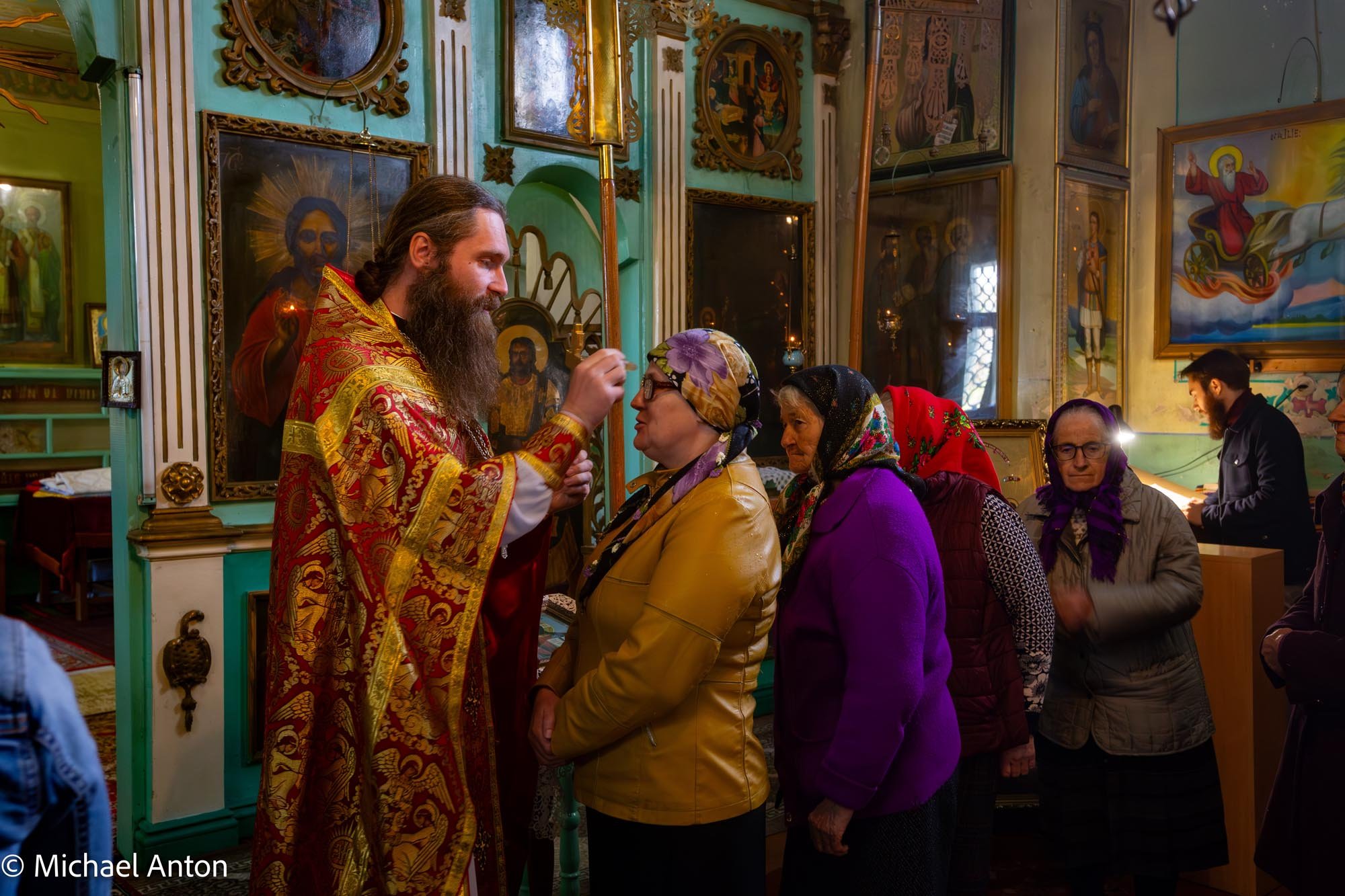
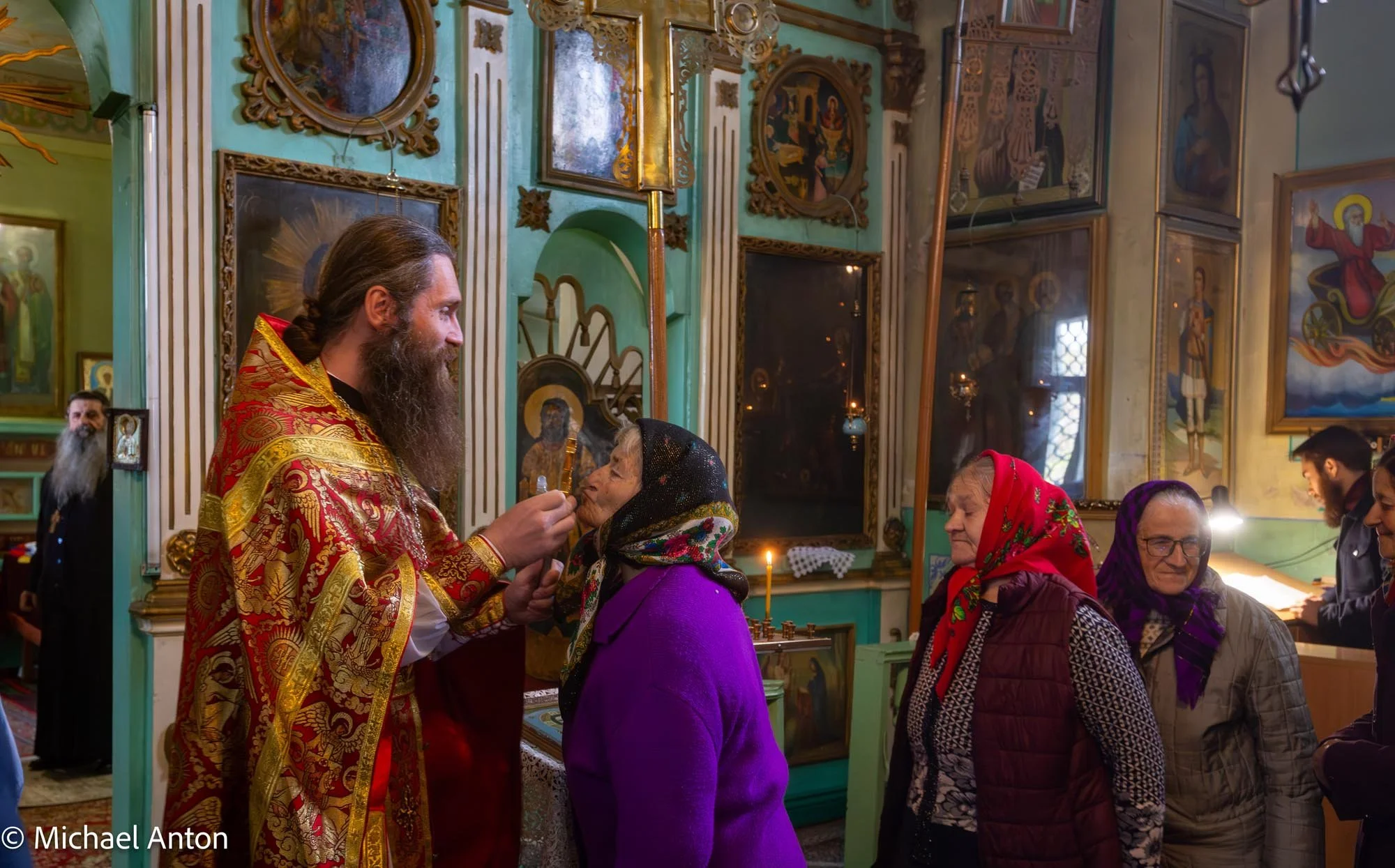
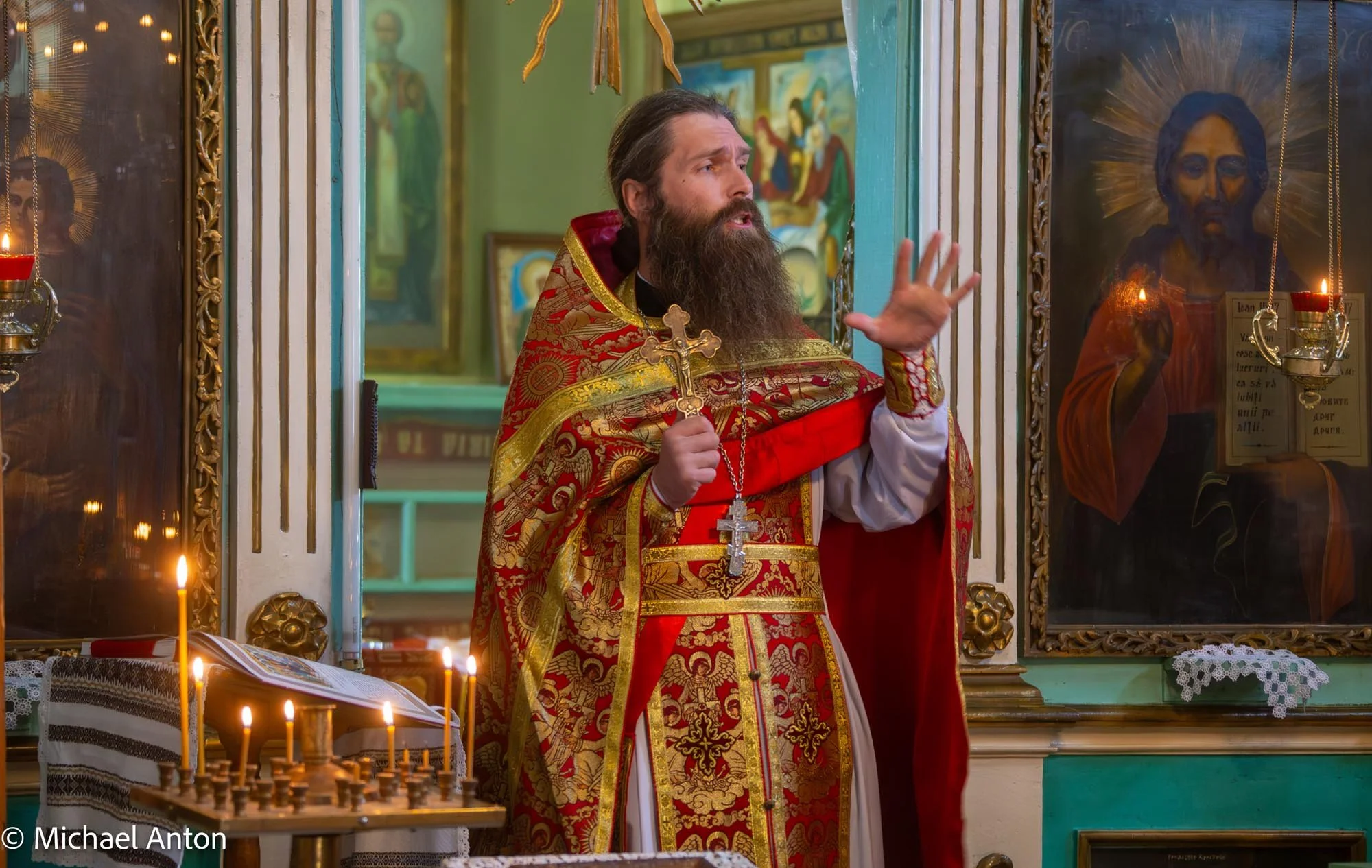
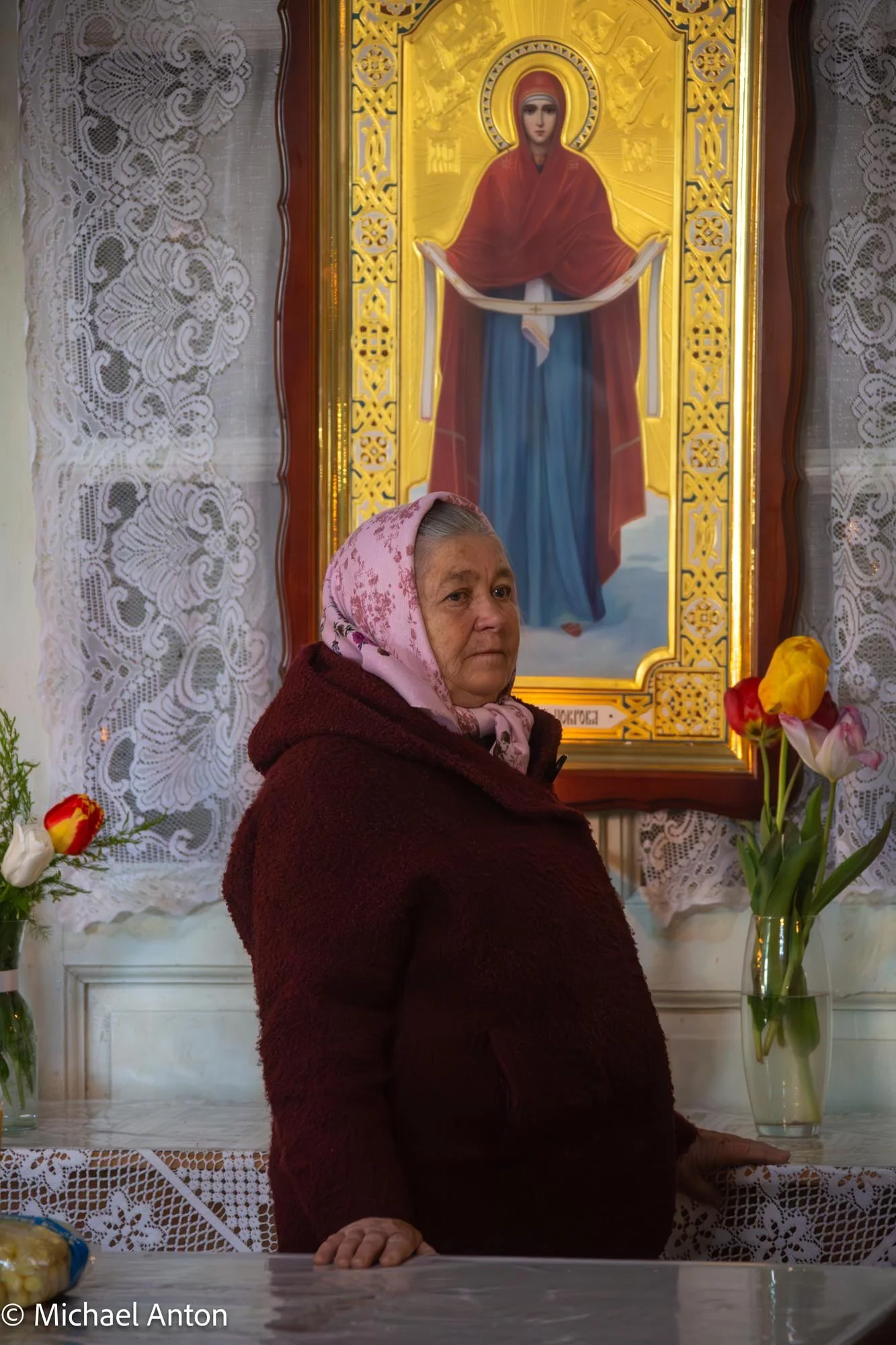
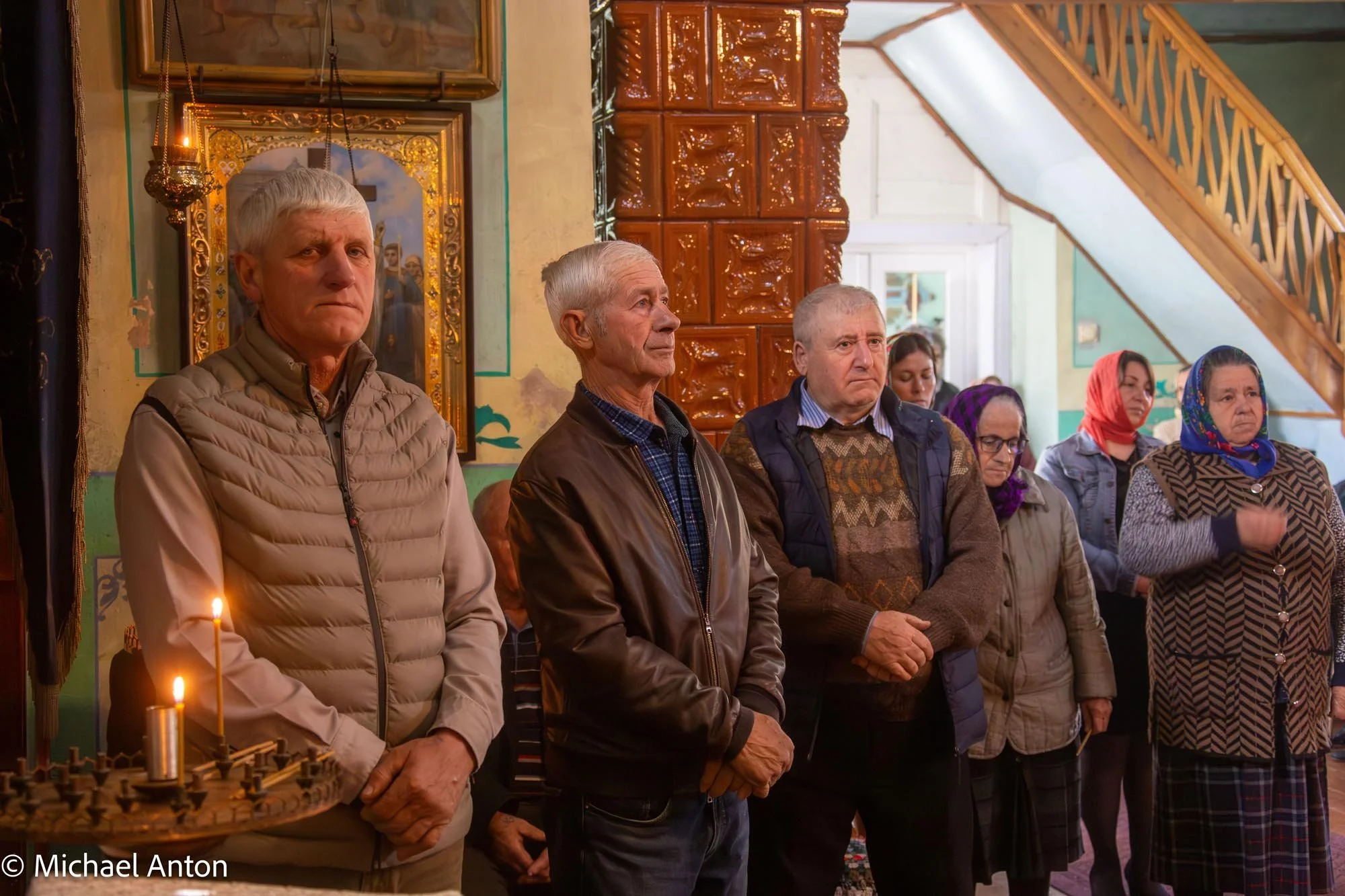
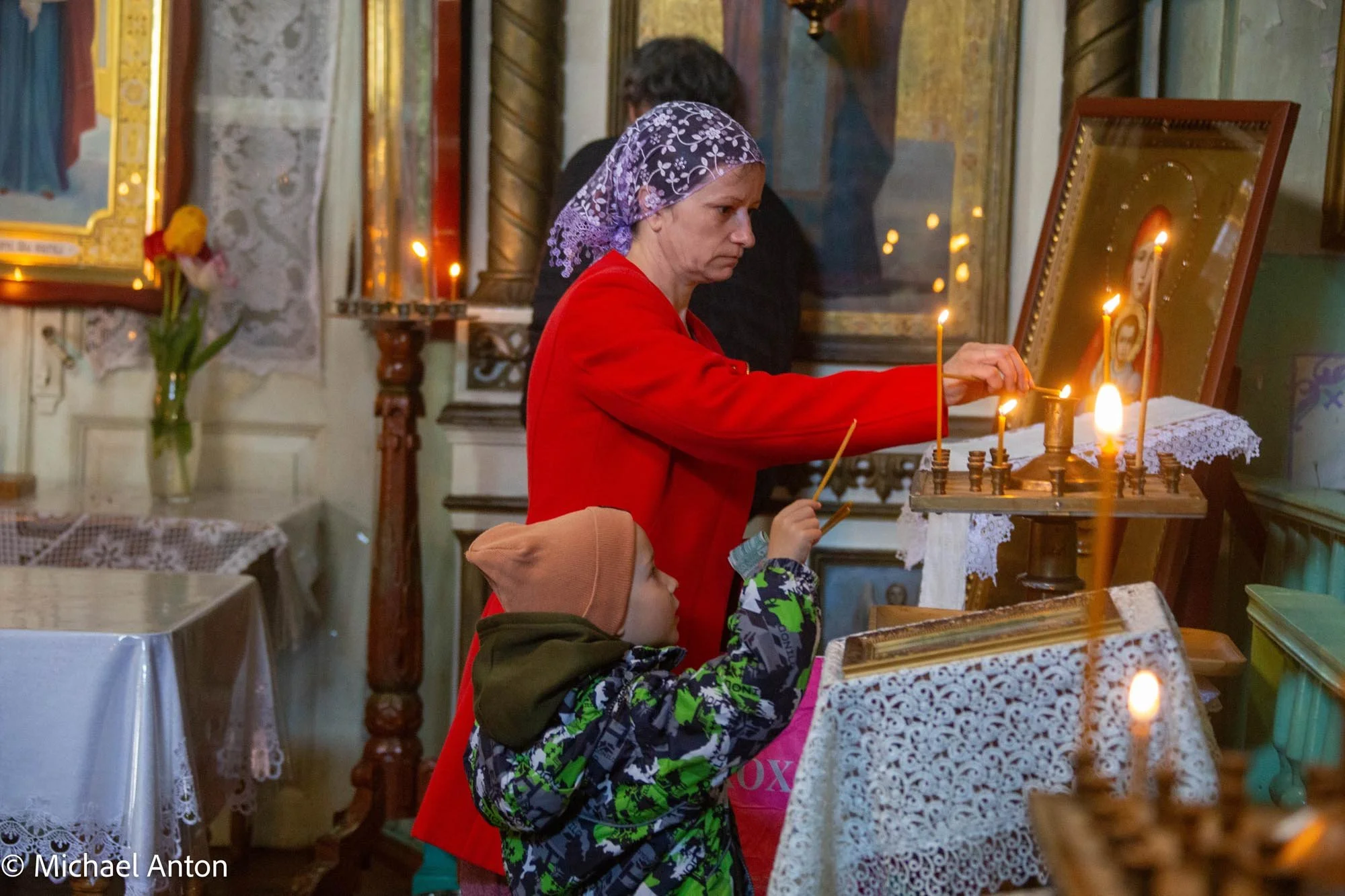
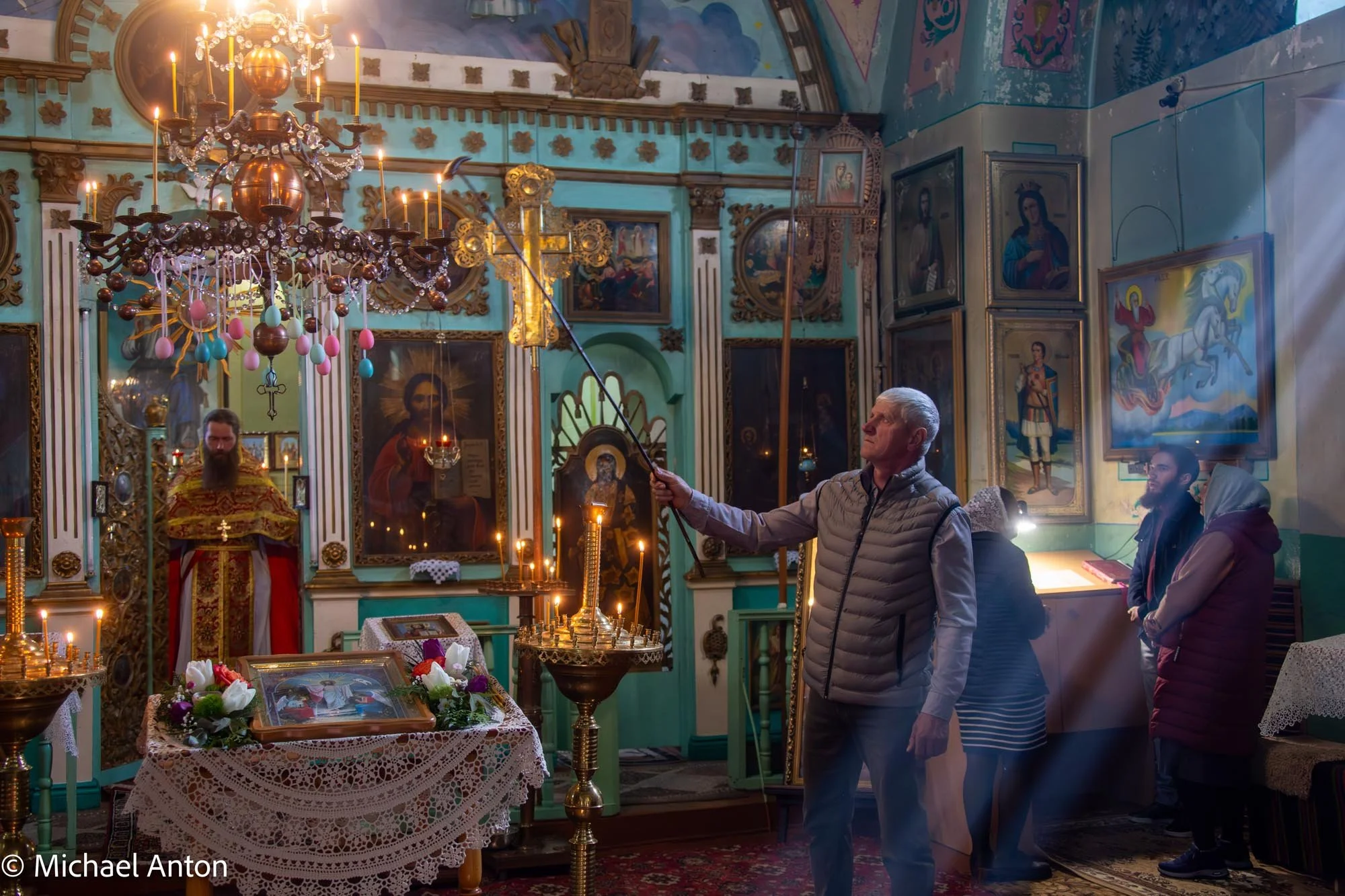
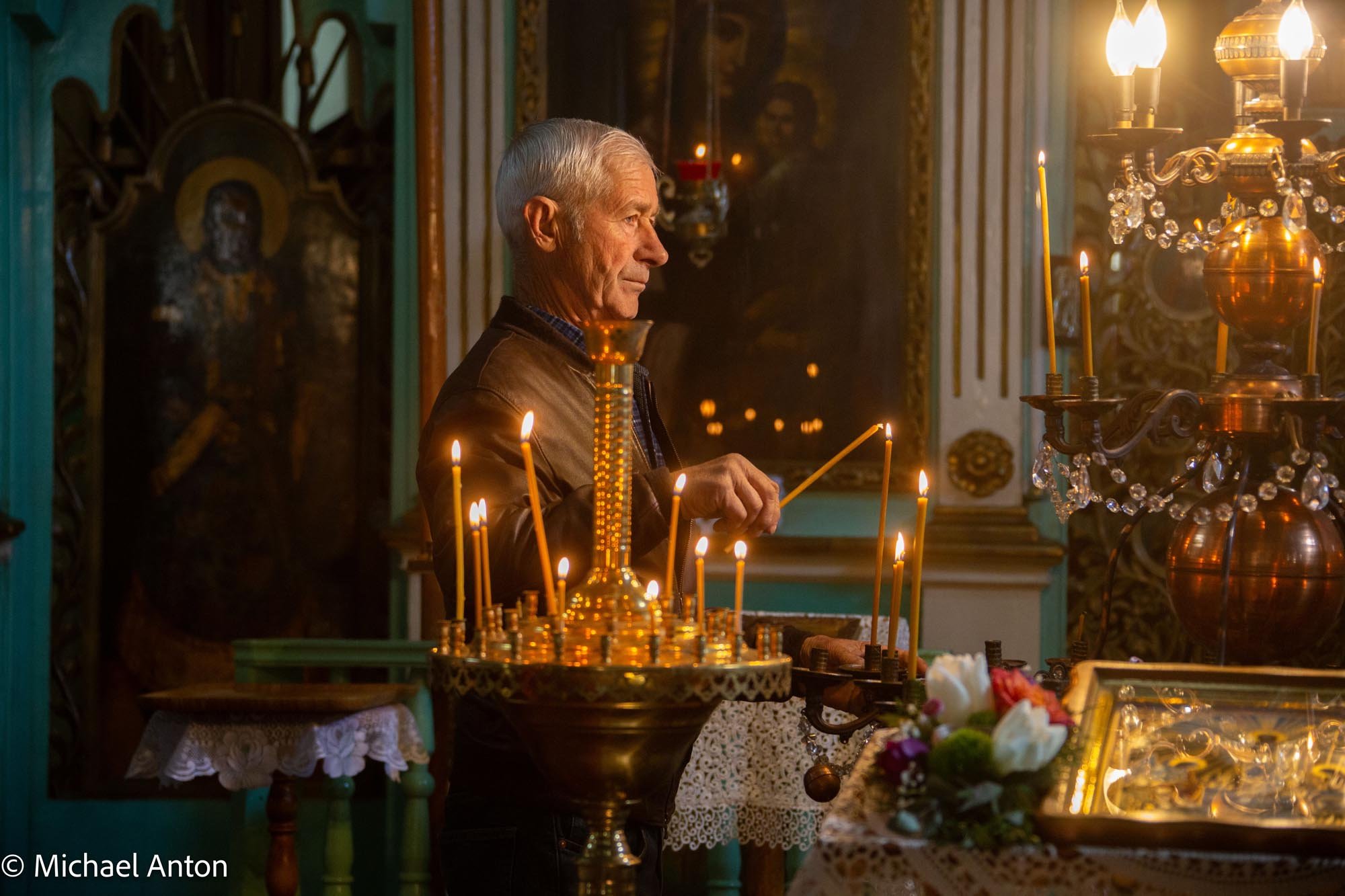
Orthodox Church Service
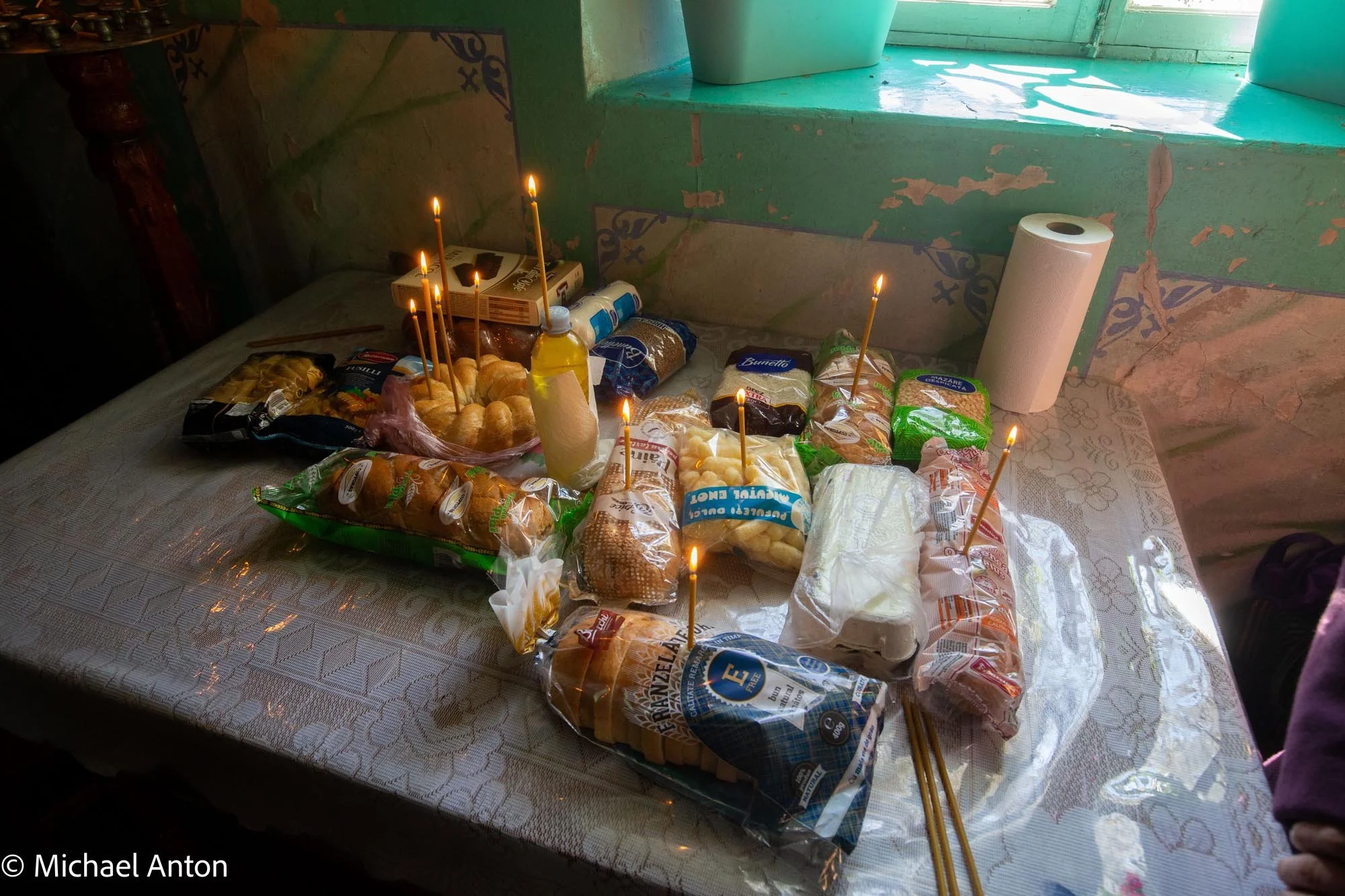
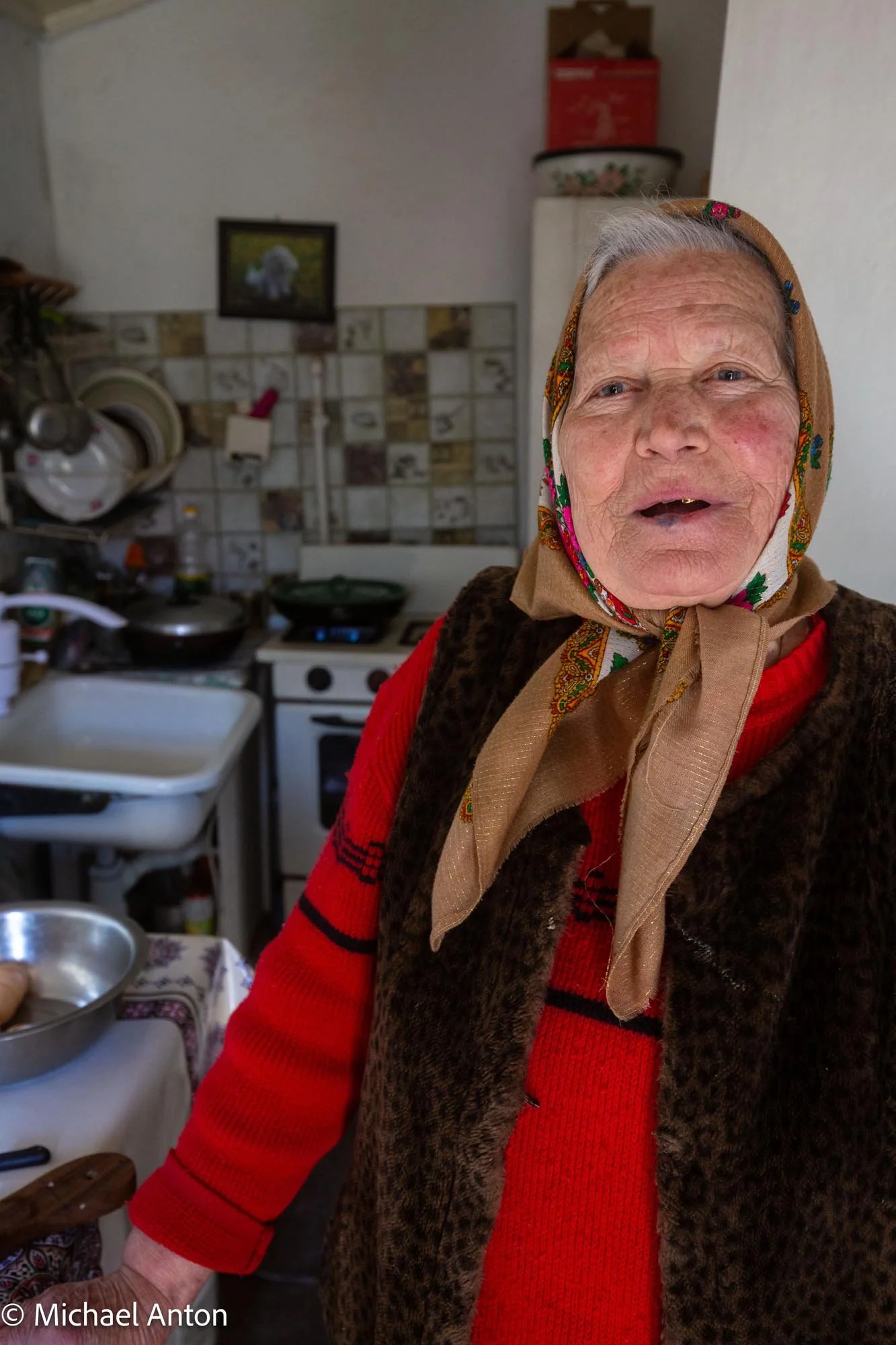
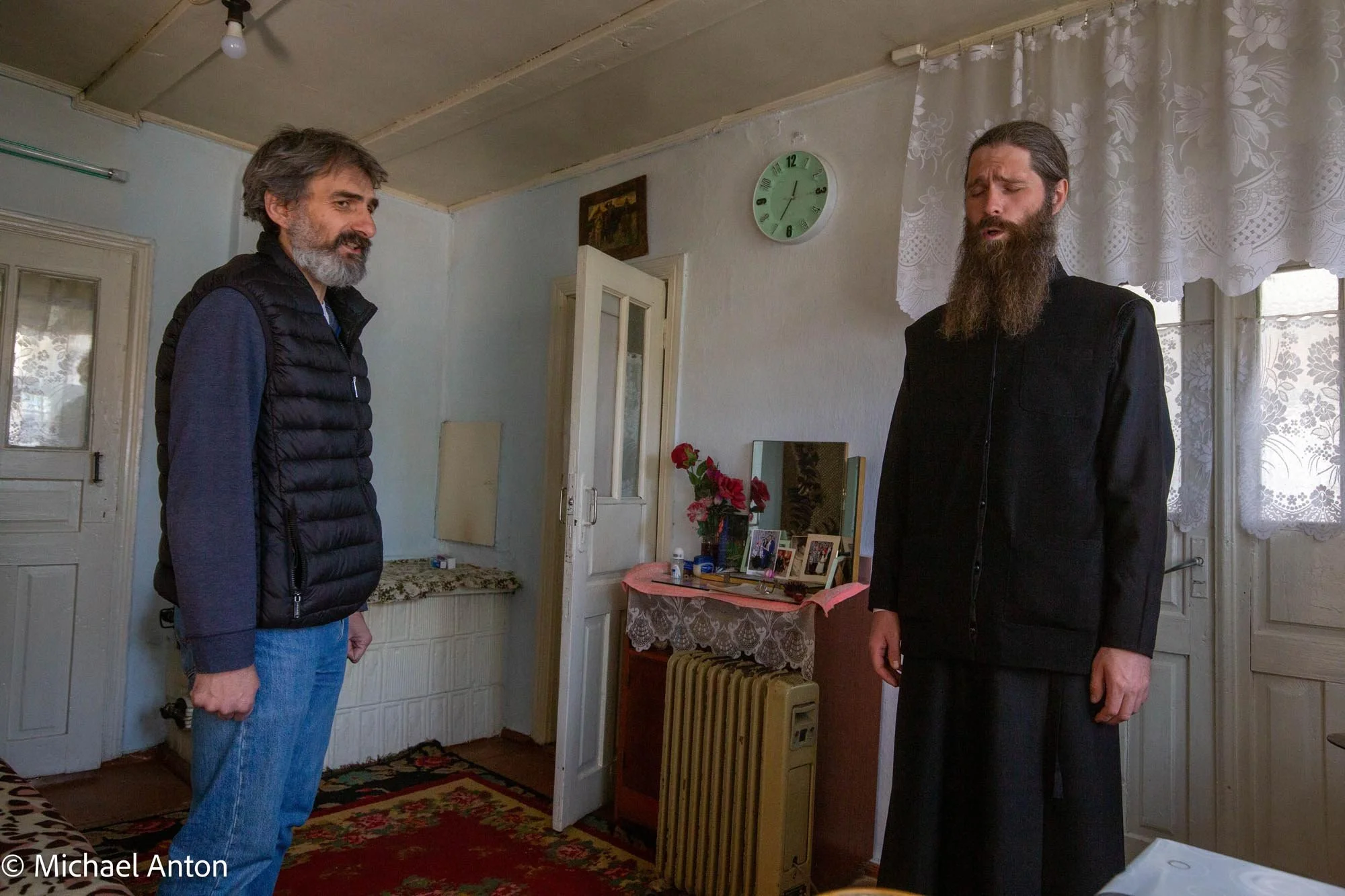
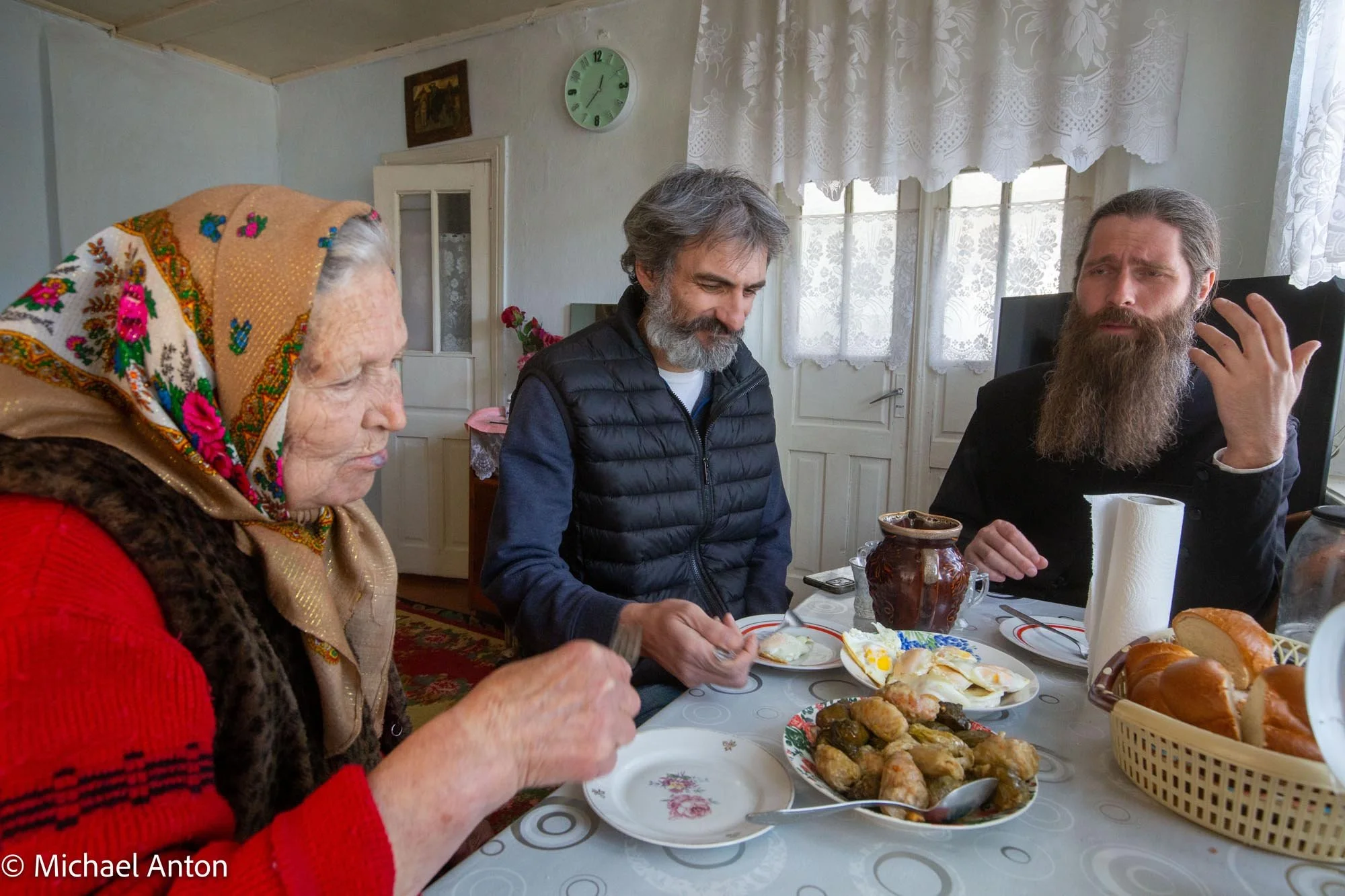
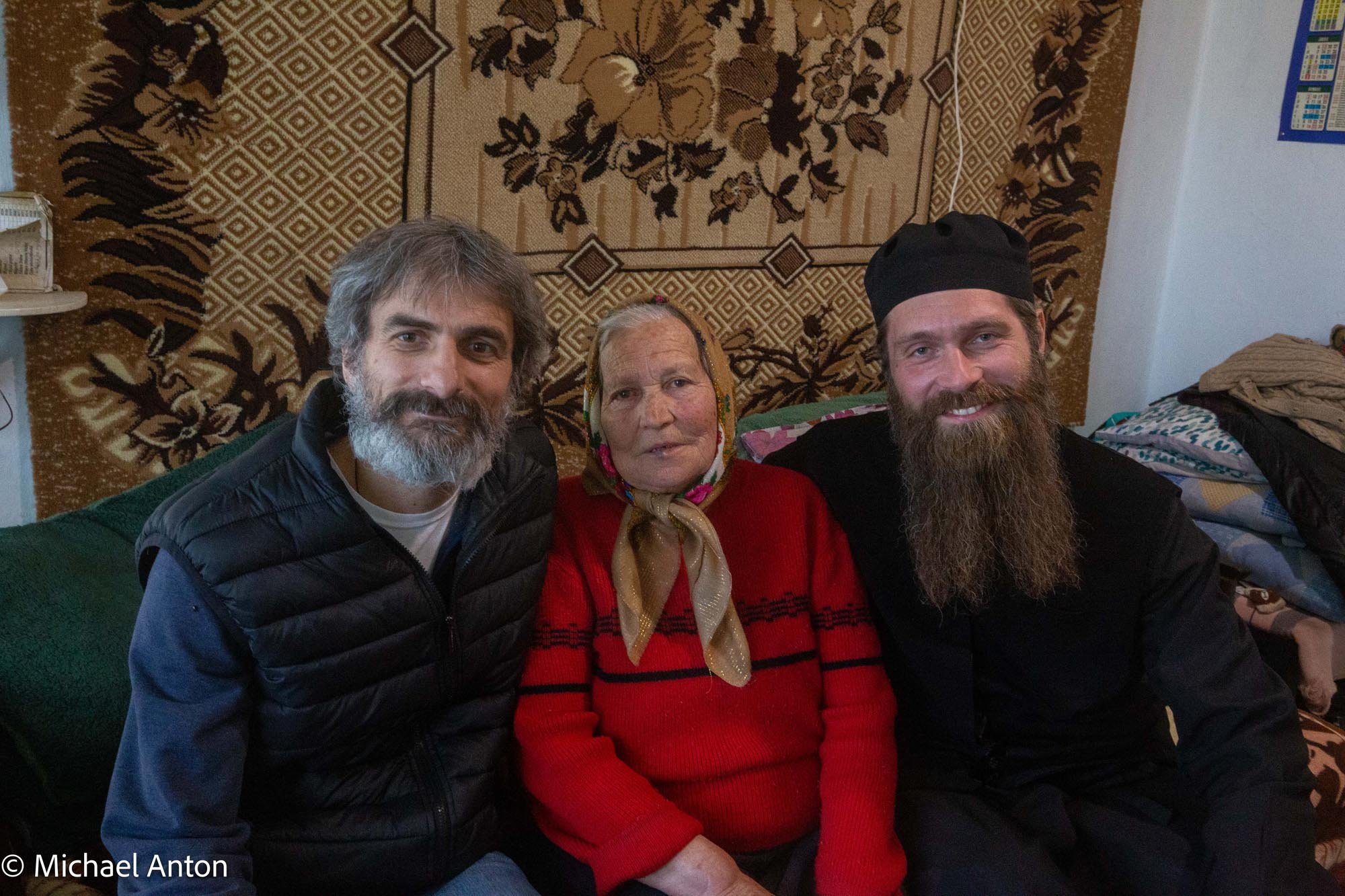
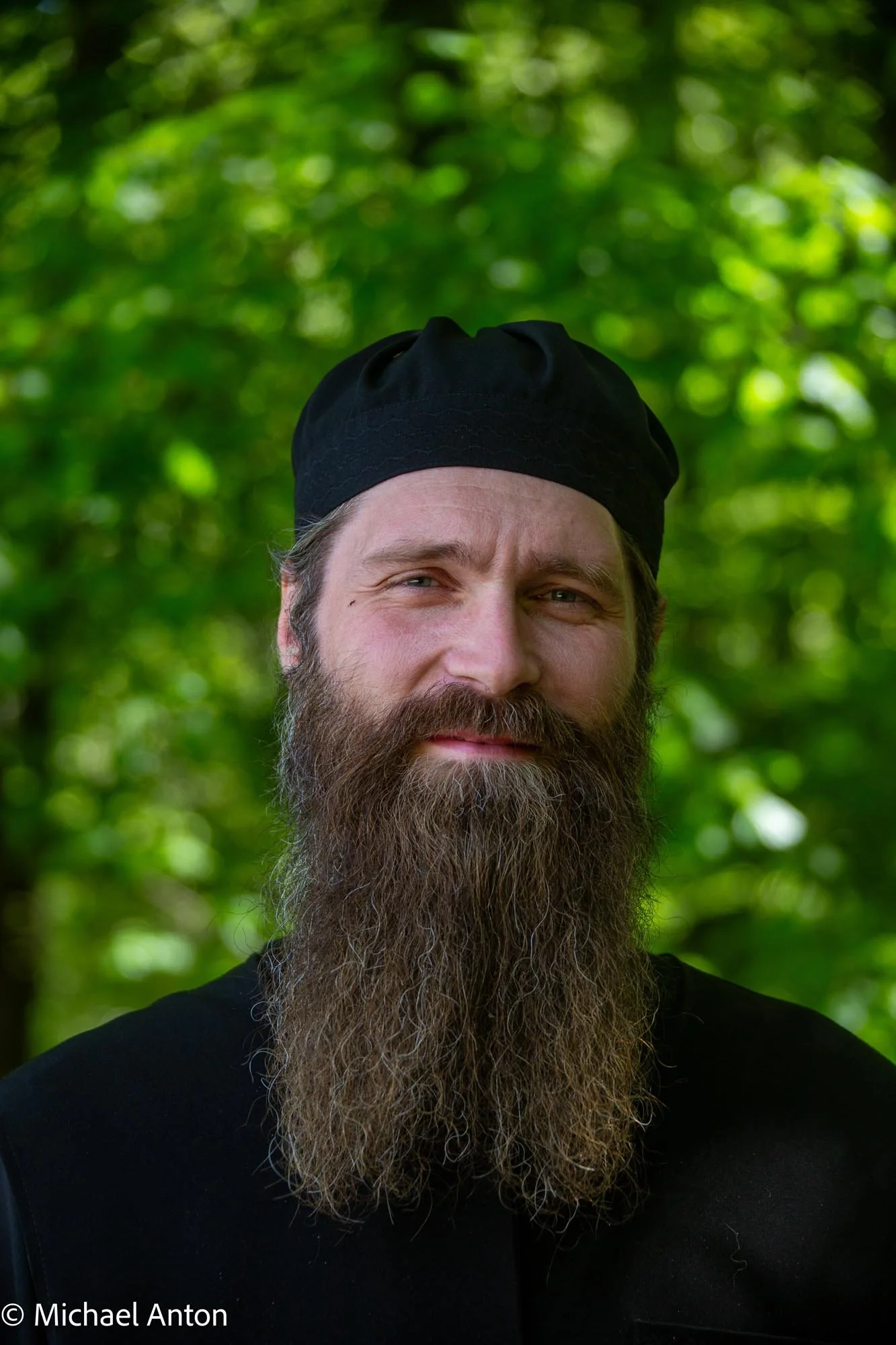
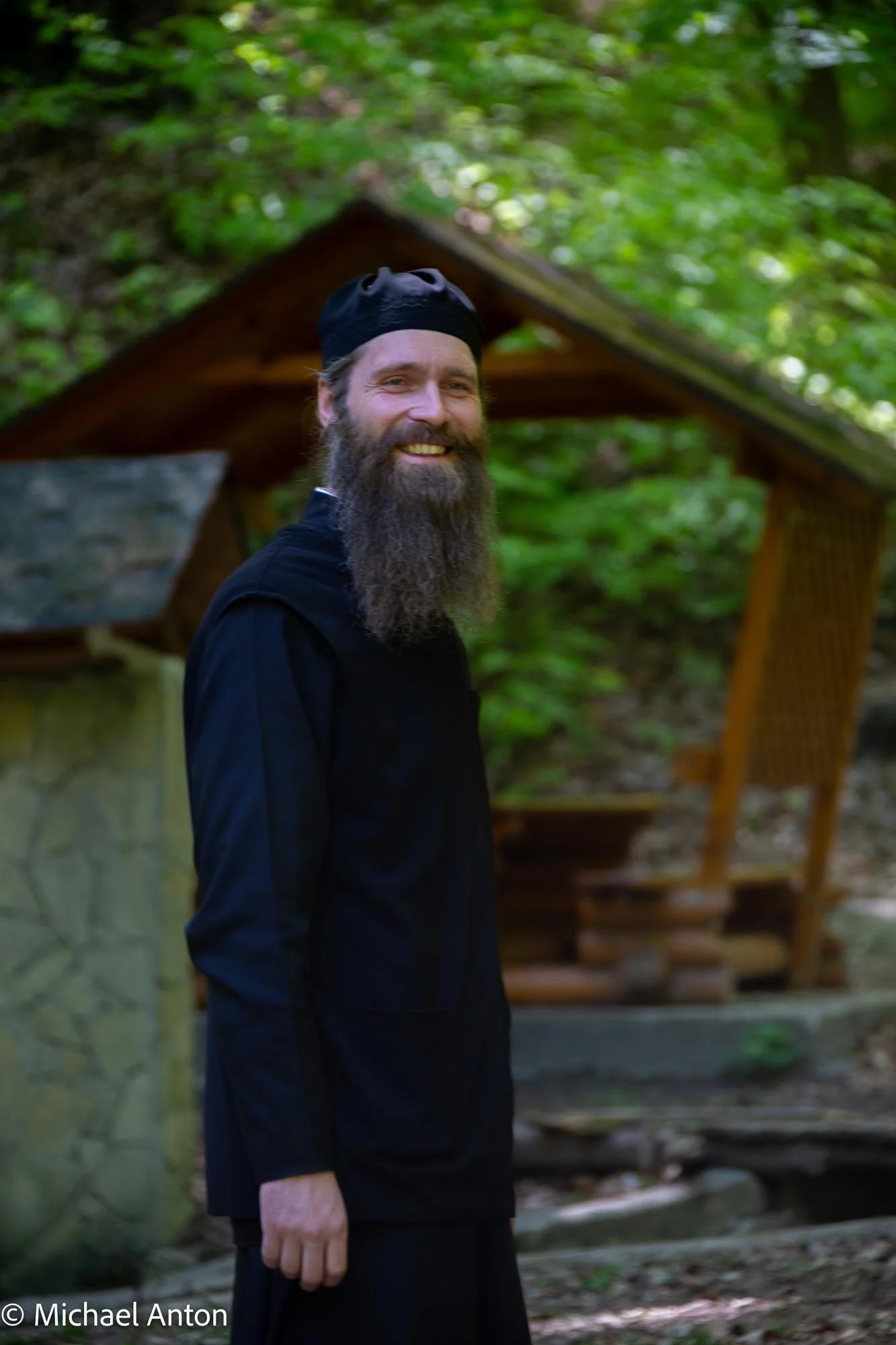
Led by a very cool 35 year old Father Anatolie, Aurel and I were invited to have a “snack” at the home of what the good Father called “Grandma Mary”, though she’s not his grandmother.
This was in a remote village, that like all the villages in this country are slowly dying. Father Anatolie had some surprisingly positive things to say about the communist era. Villages then were supported by the central government. Each had local schools and health clinics. All gone now. A pregnant woman needing delivery services must go to Chisinau, the capitol. I saw many children and babies in the city, very few in the villages.
And about that “snack”…more like a feast. Stuffed grape leaves, the best stuffed cabbage since my Hungarian grandmother’s, eggs, wine. All of it from Grandma Mary’s garden.
Moldova is a wine producing powerhouse, and our table wine came from an enormous barrel in the cellar.
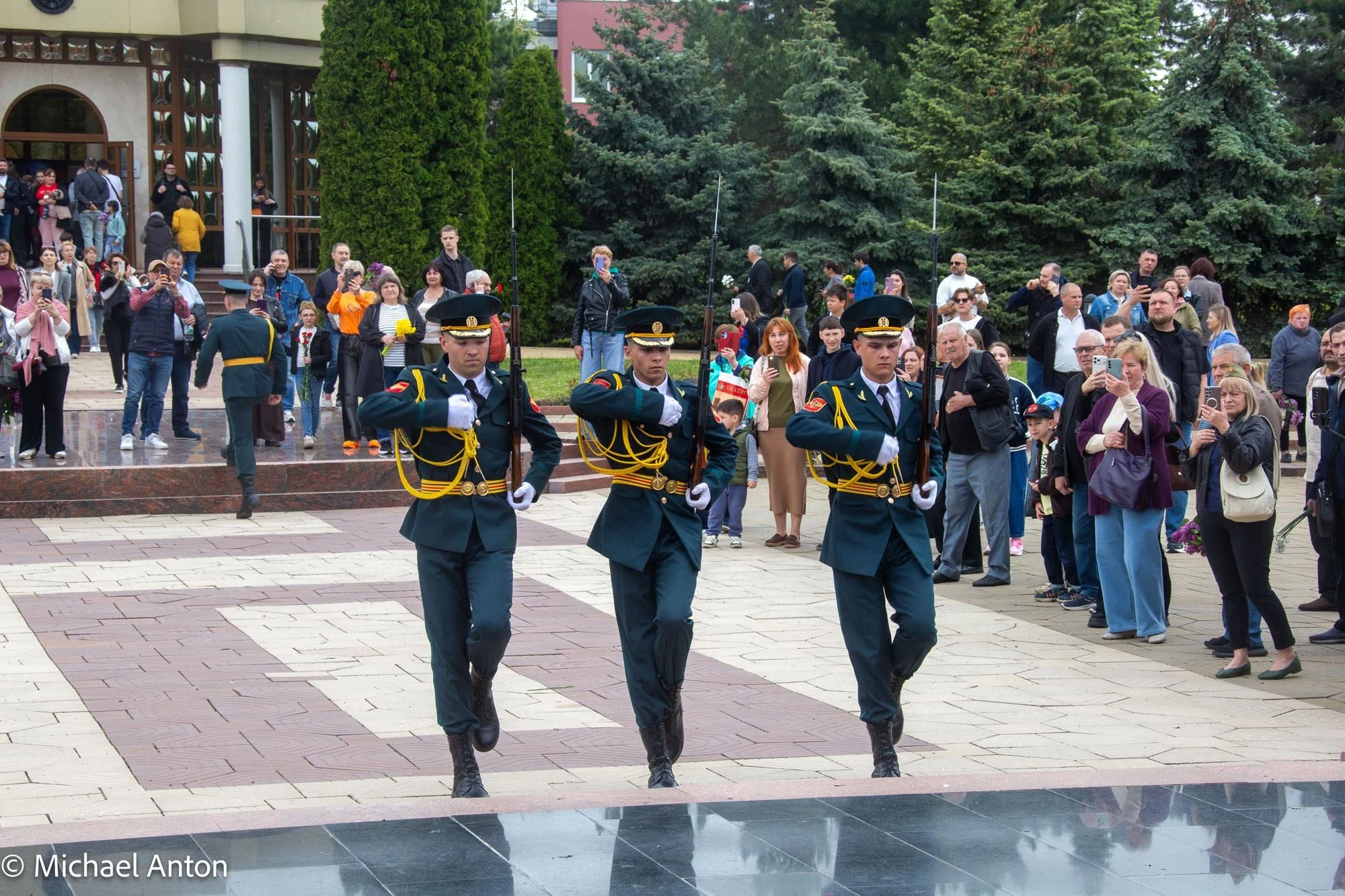
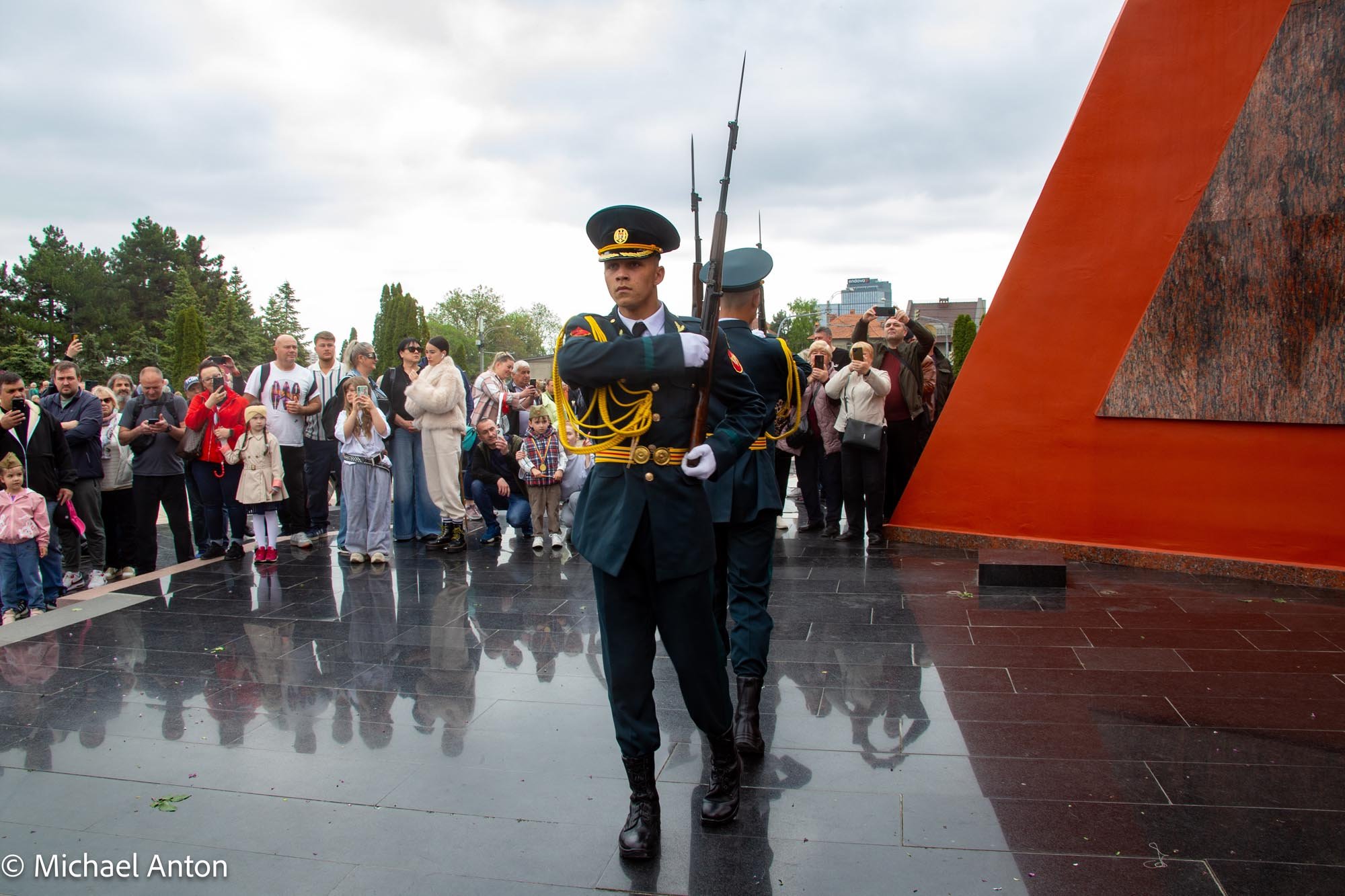
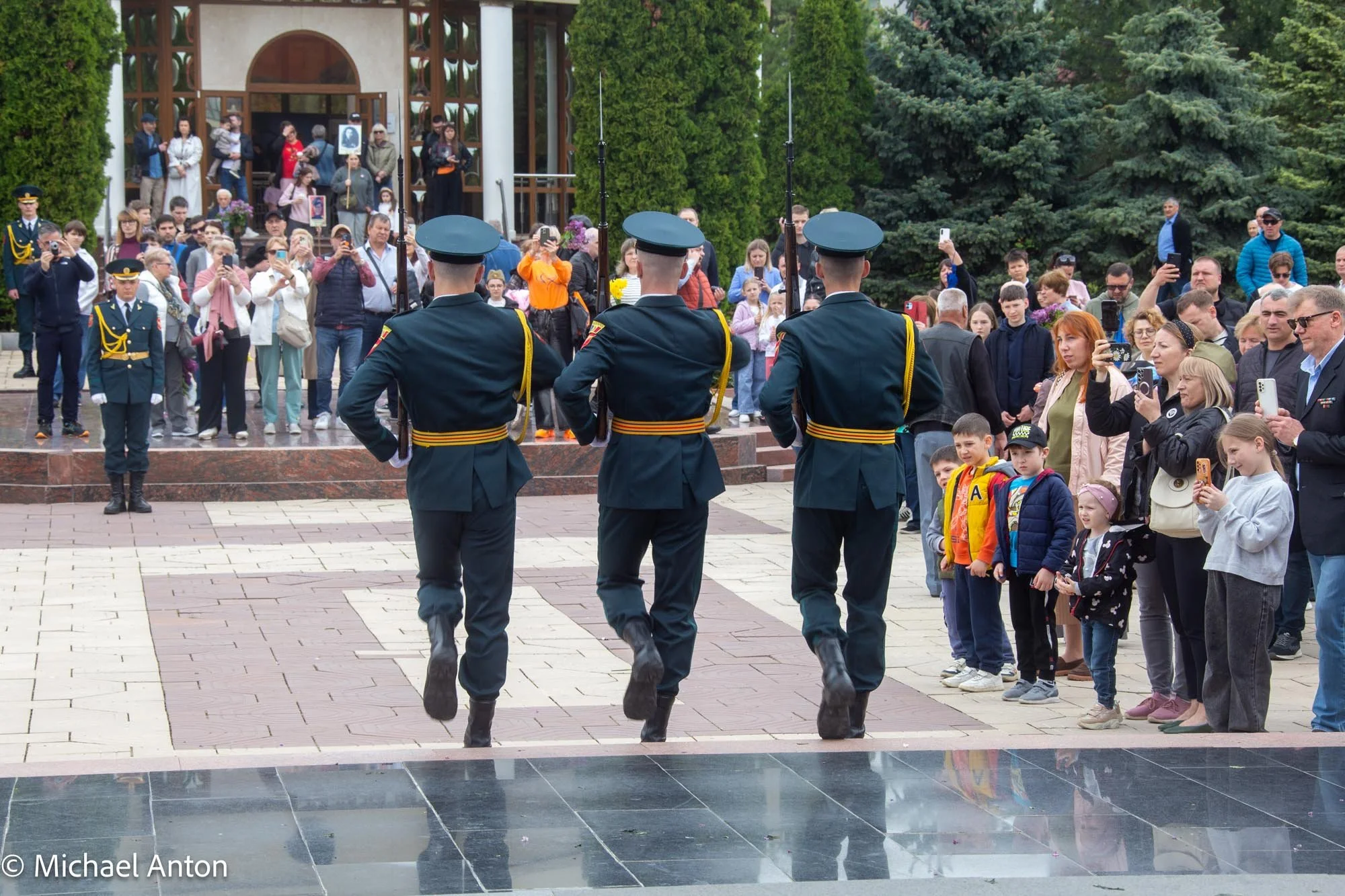
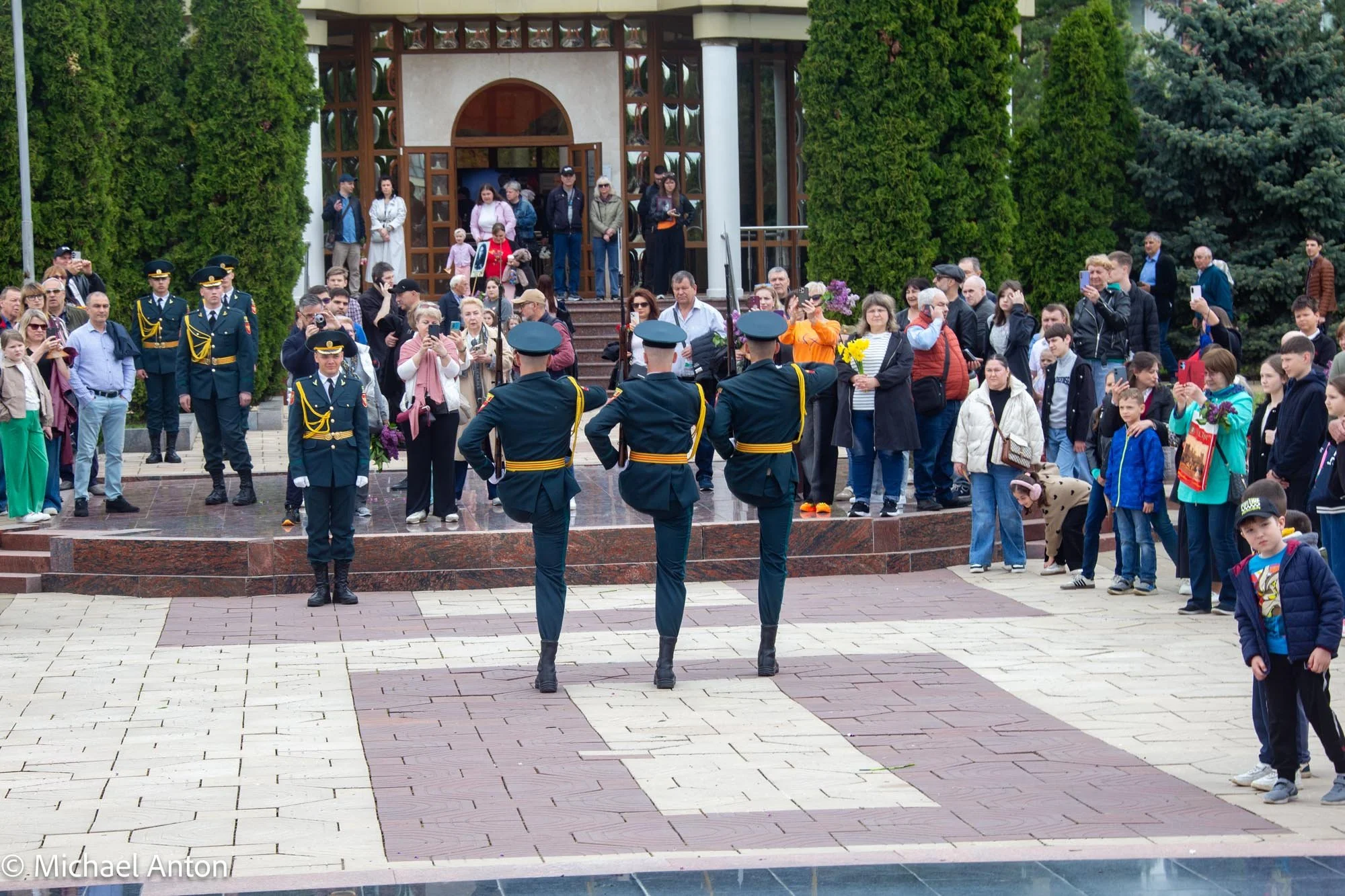
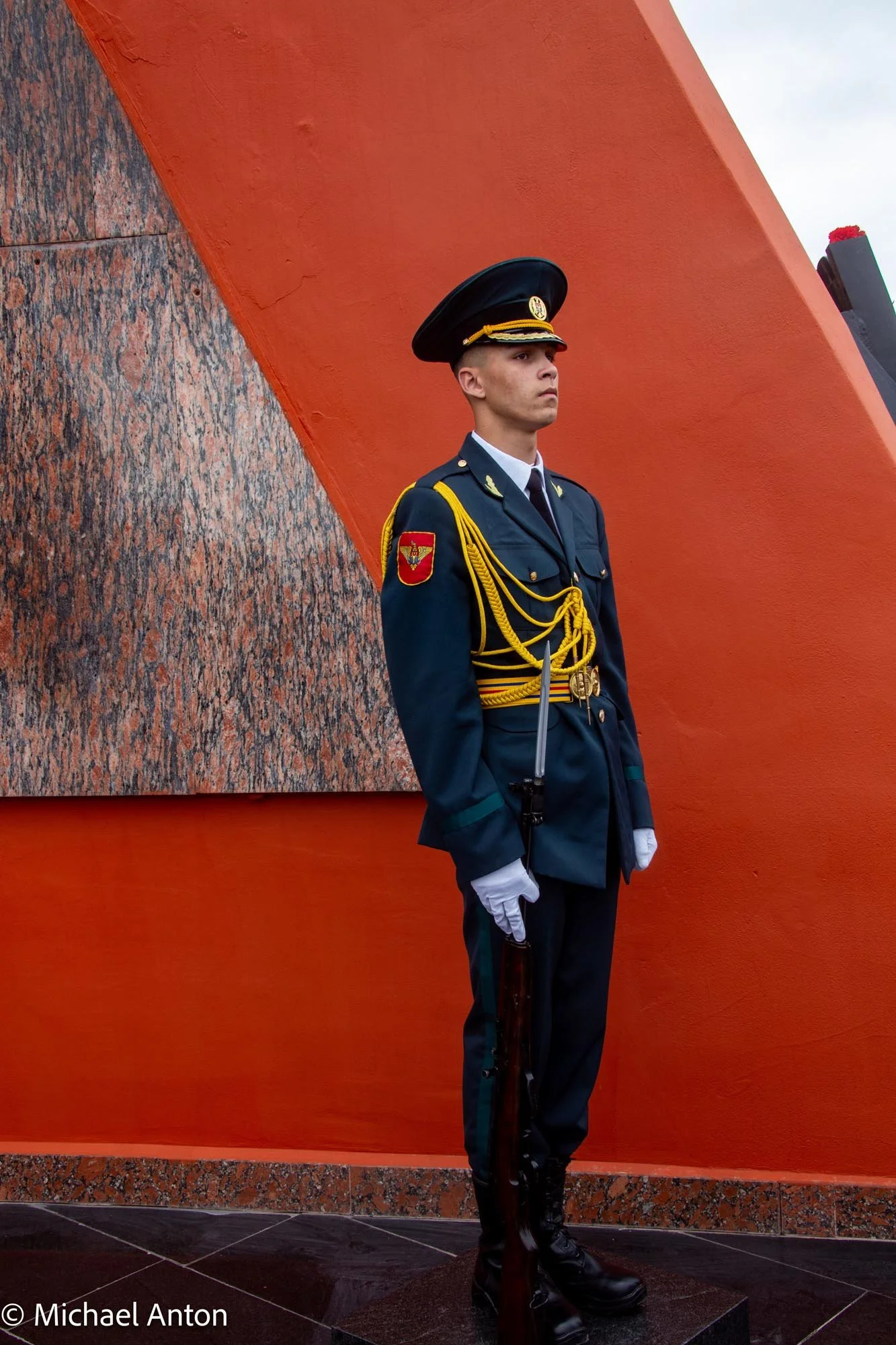
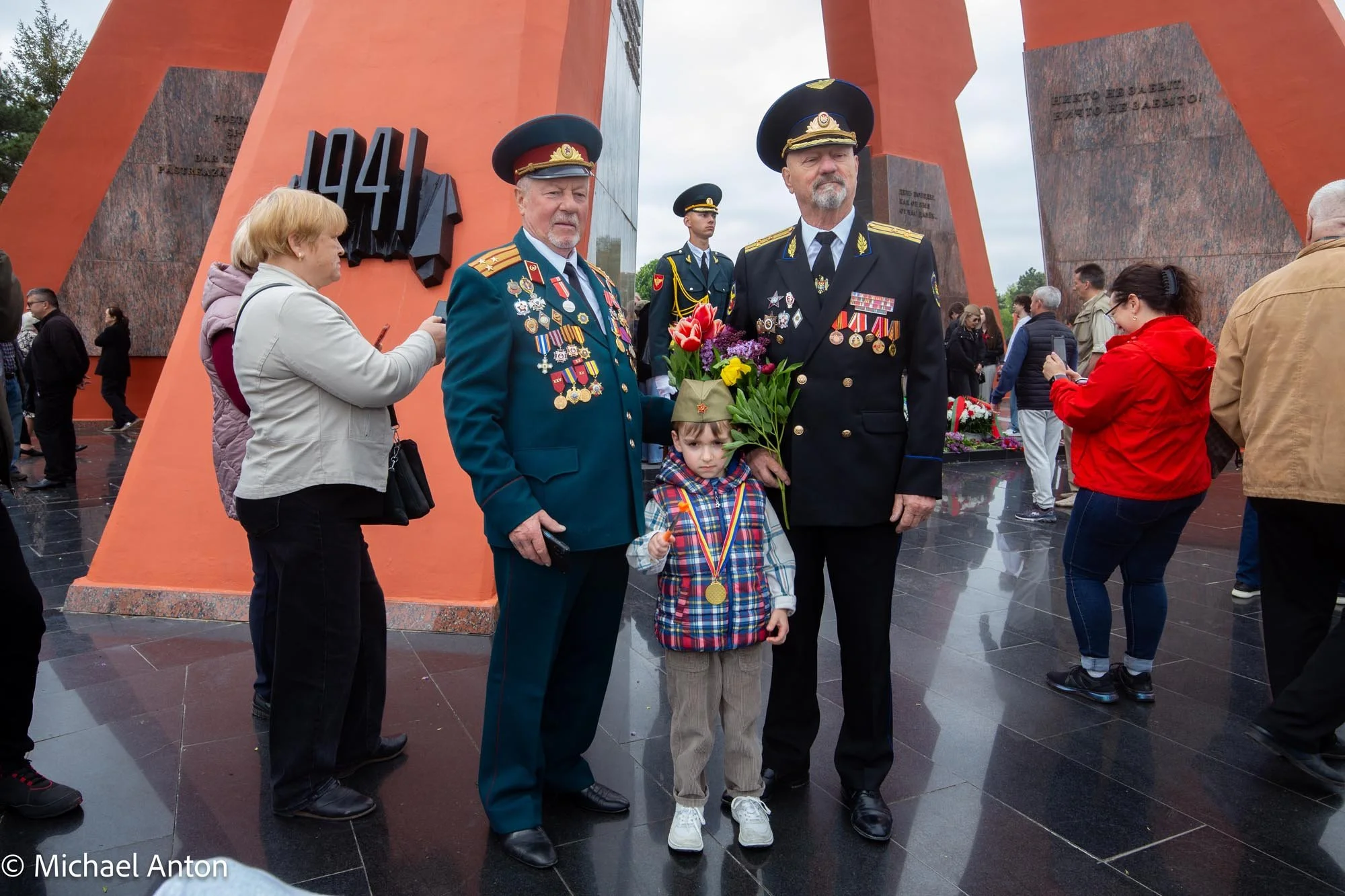
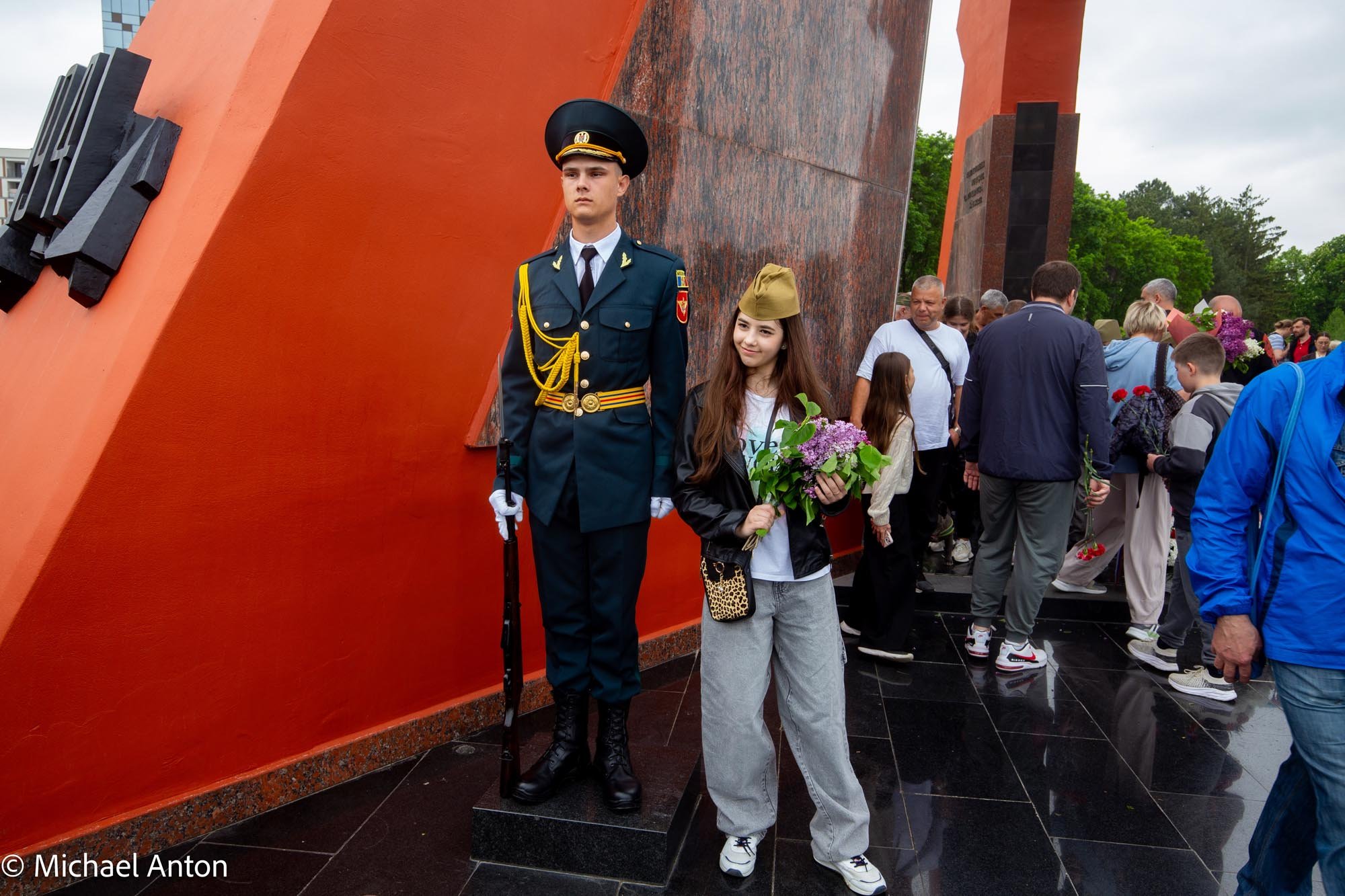
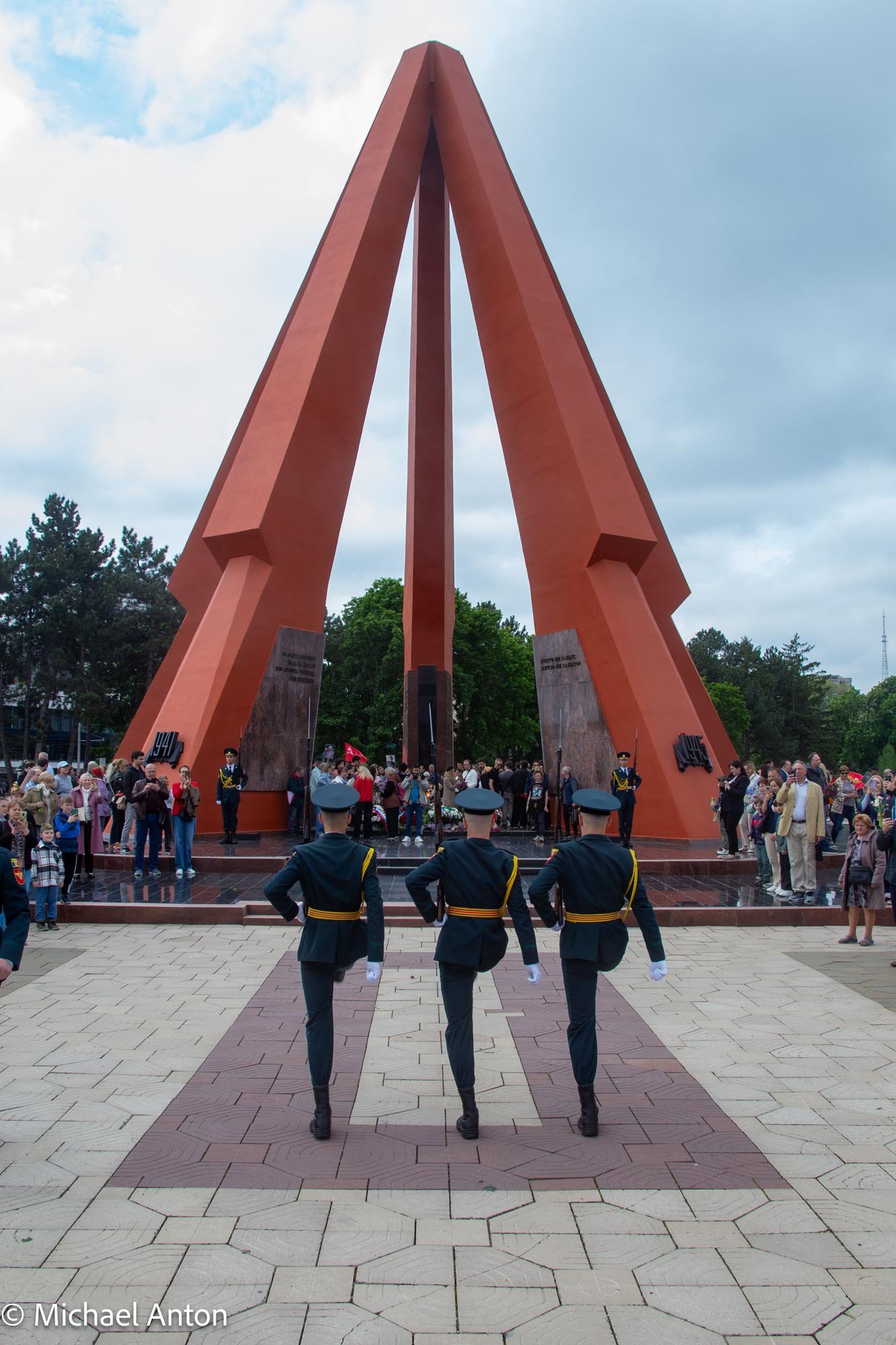
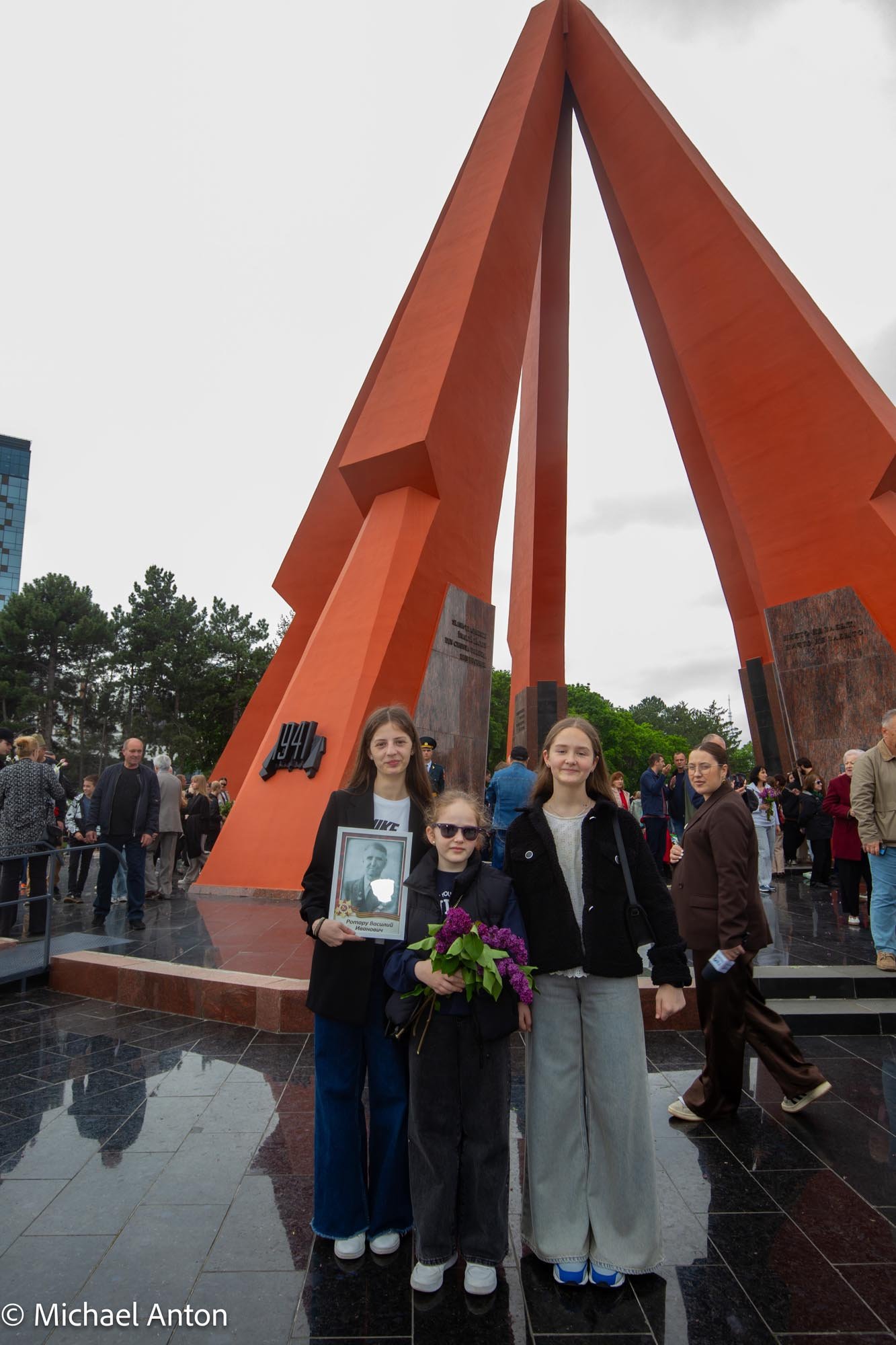
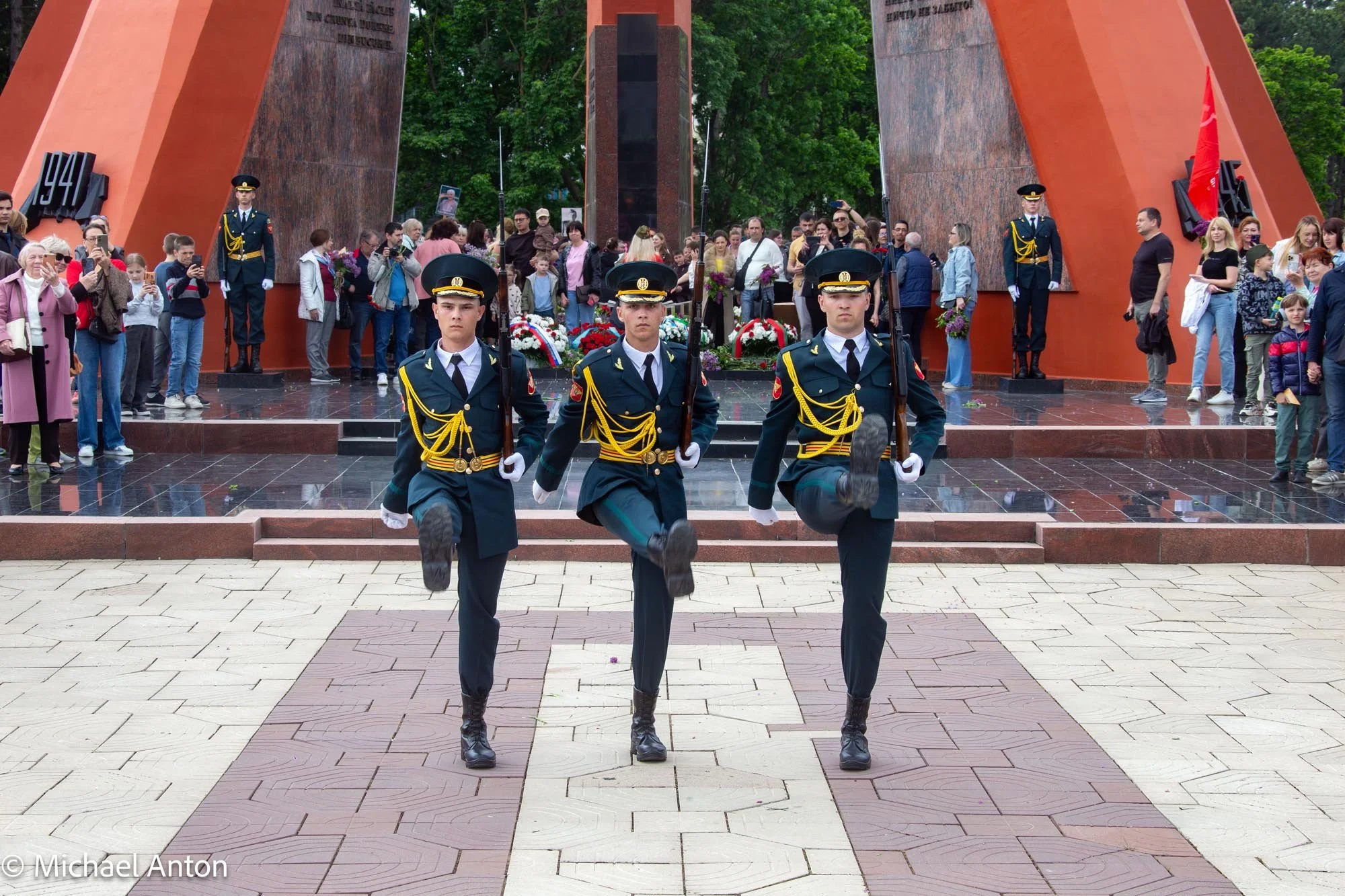
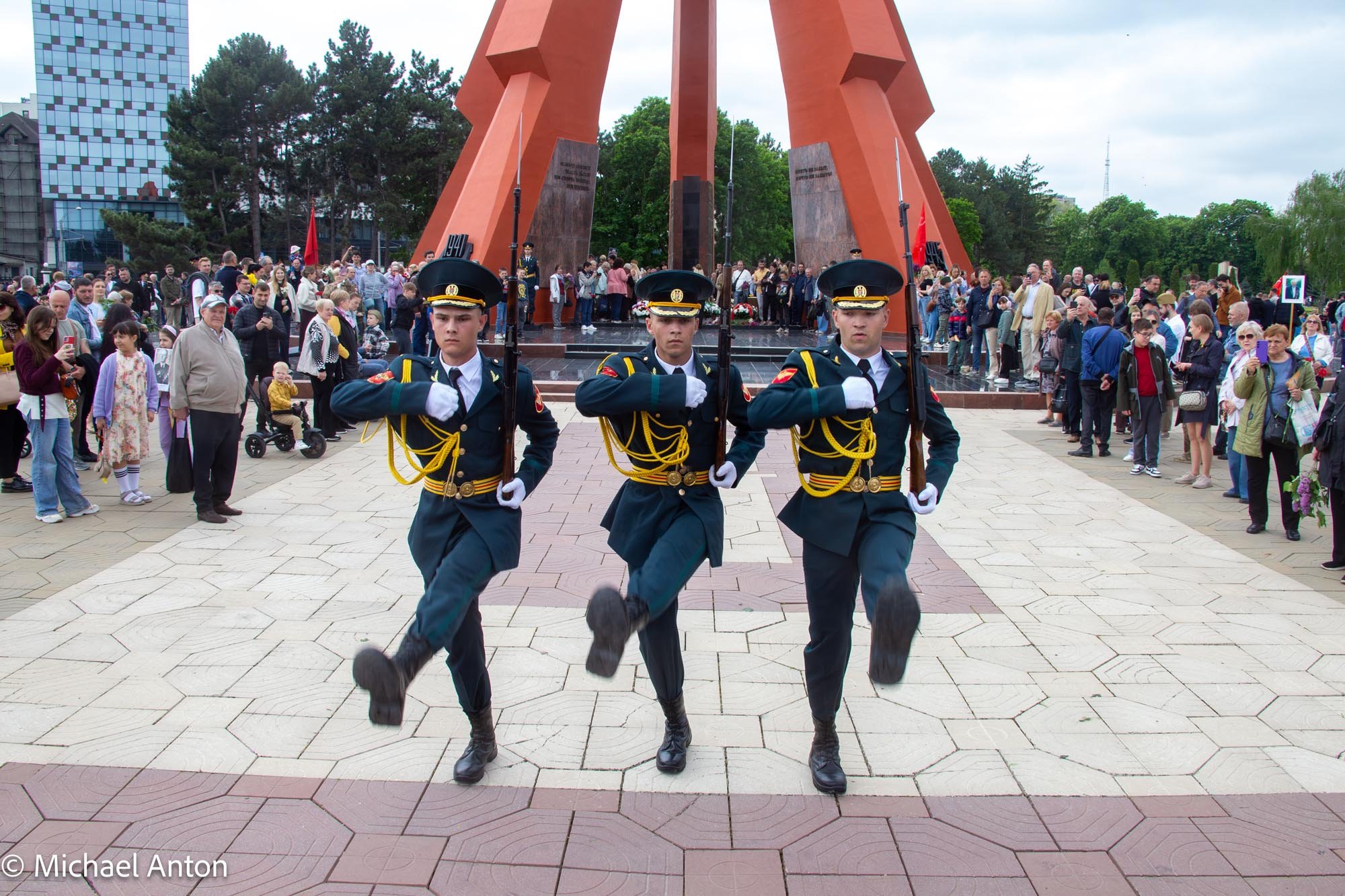
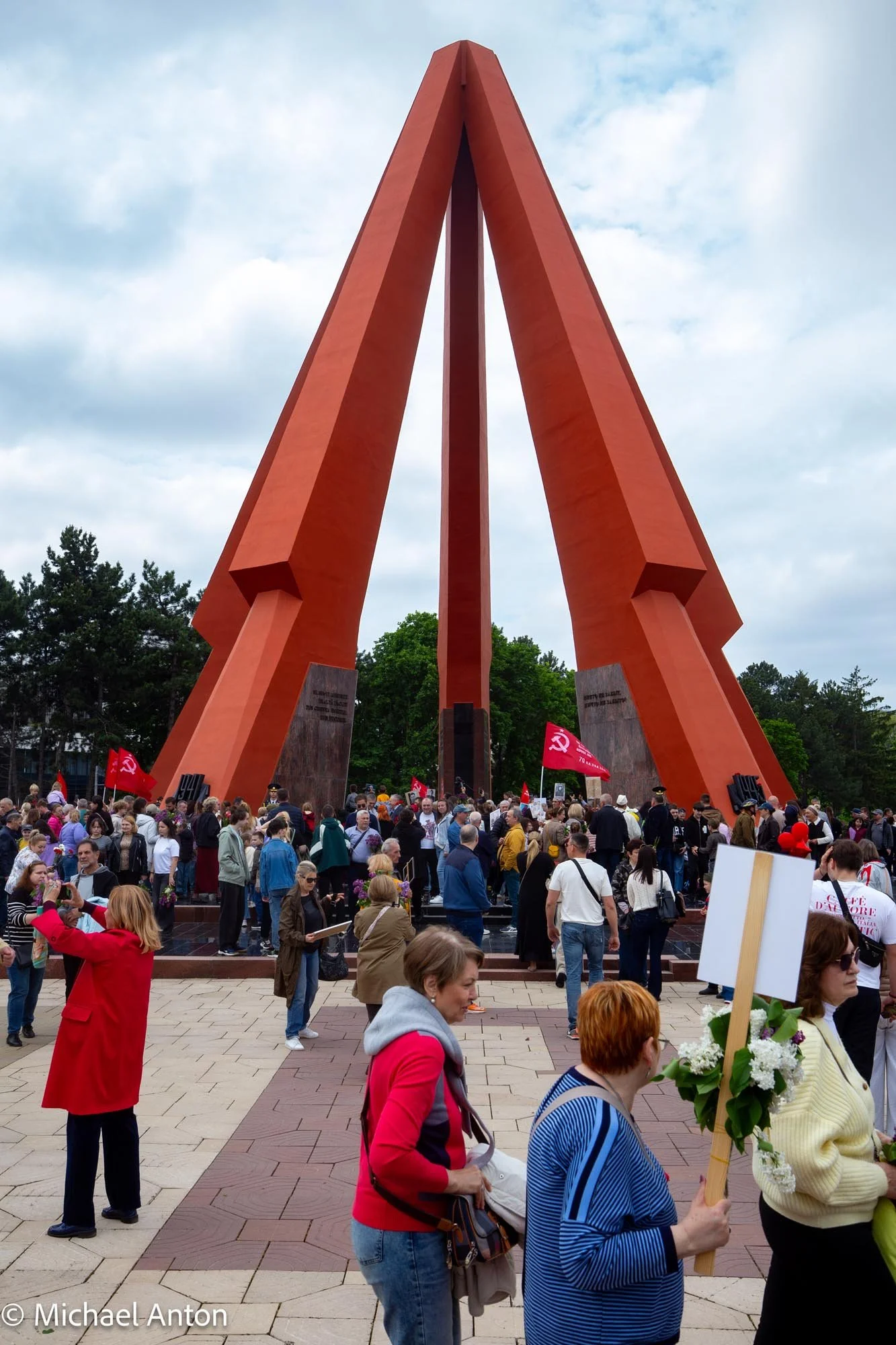
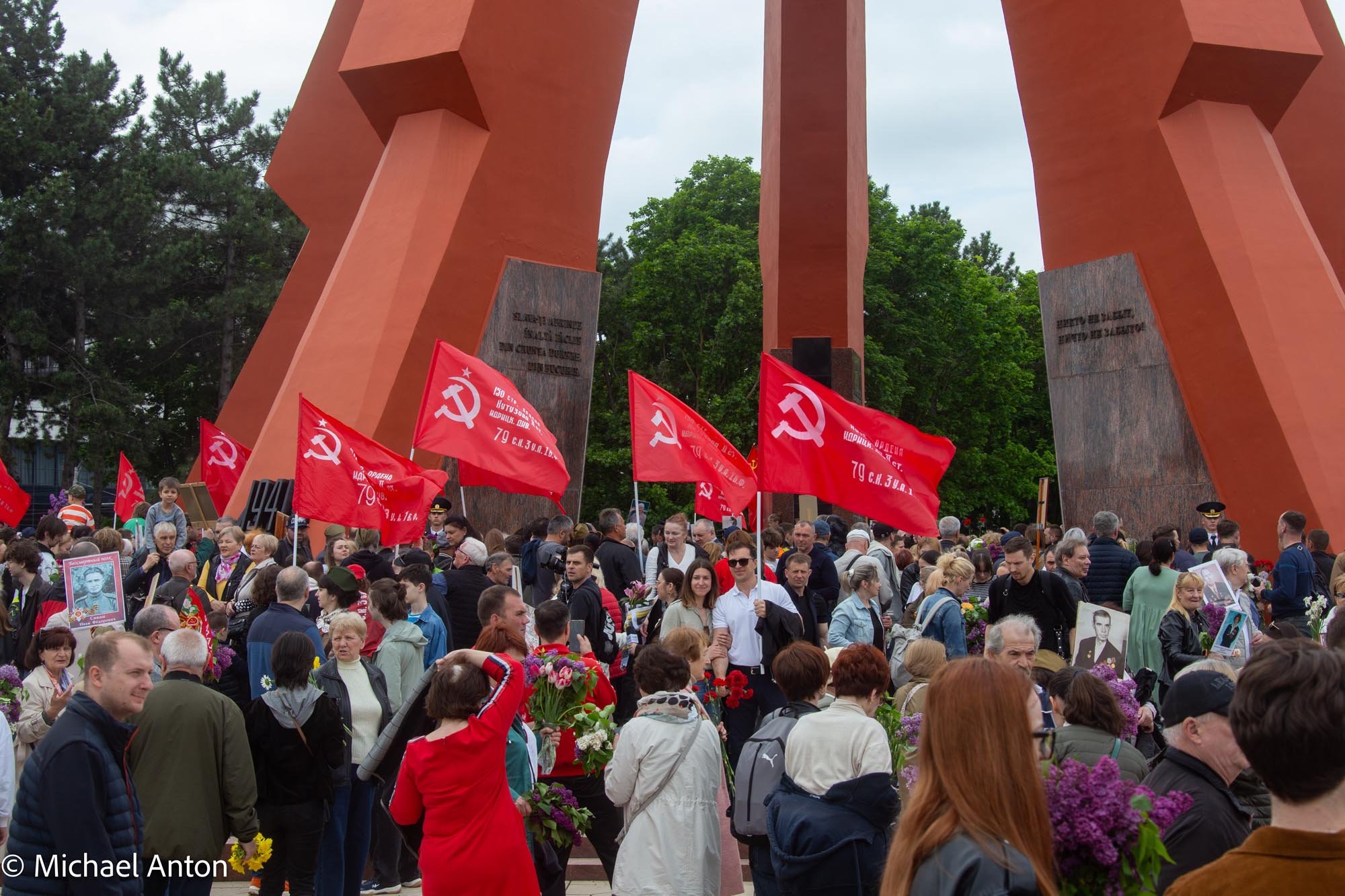
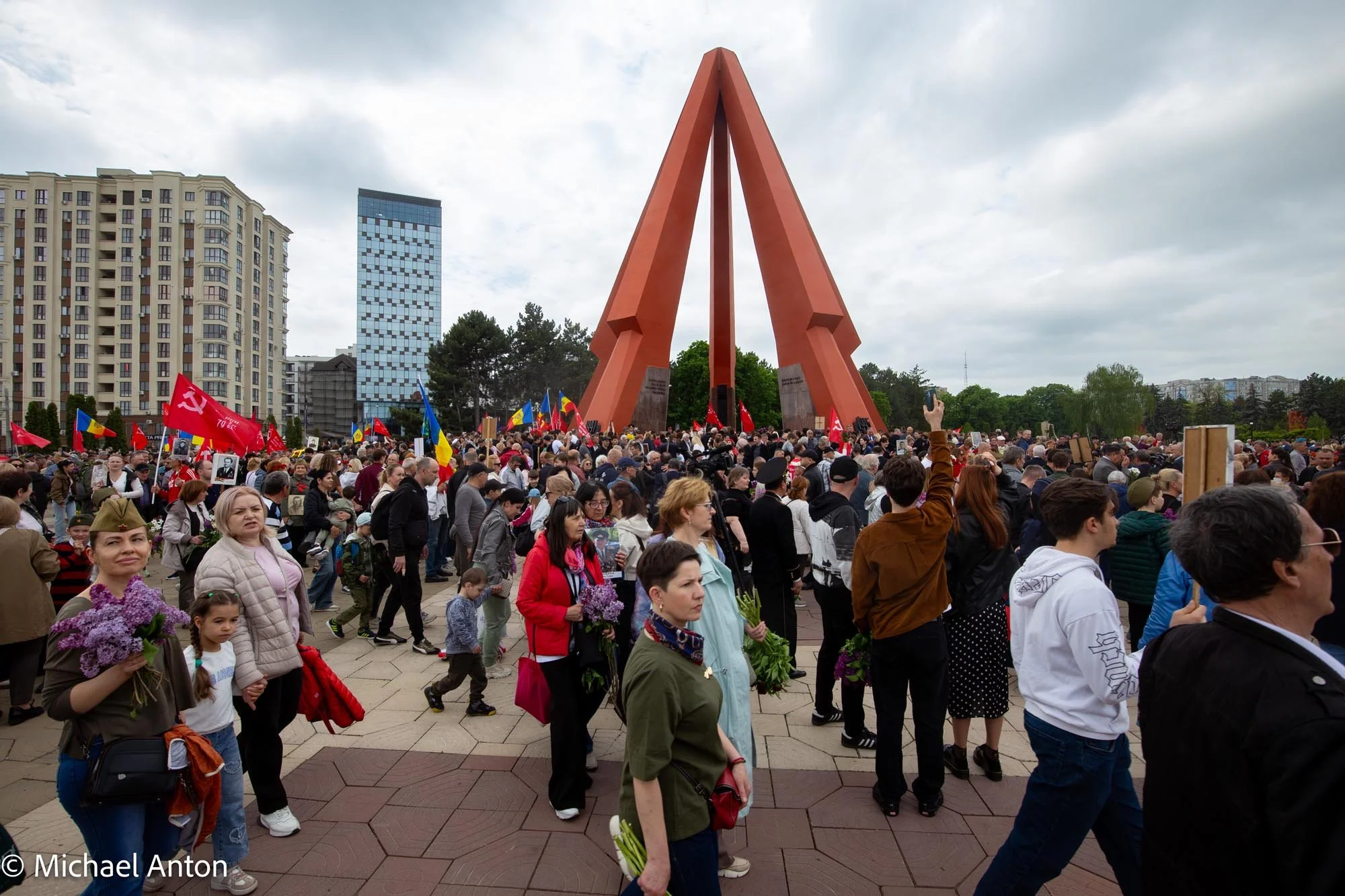
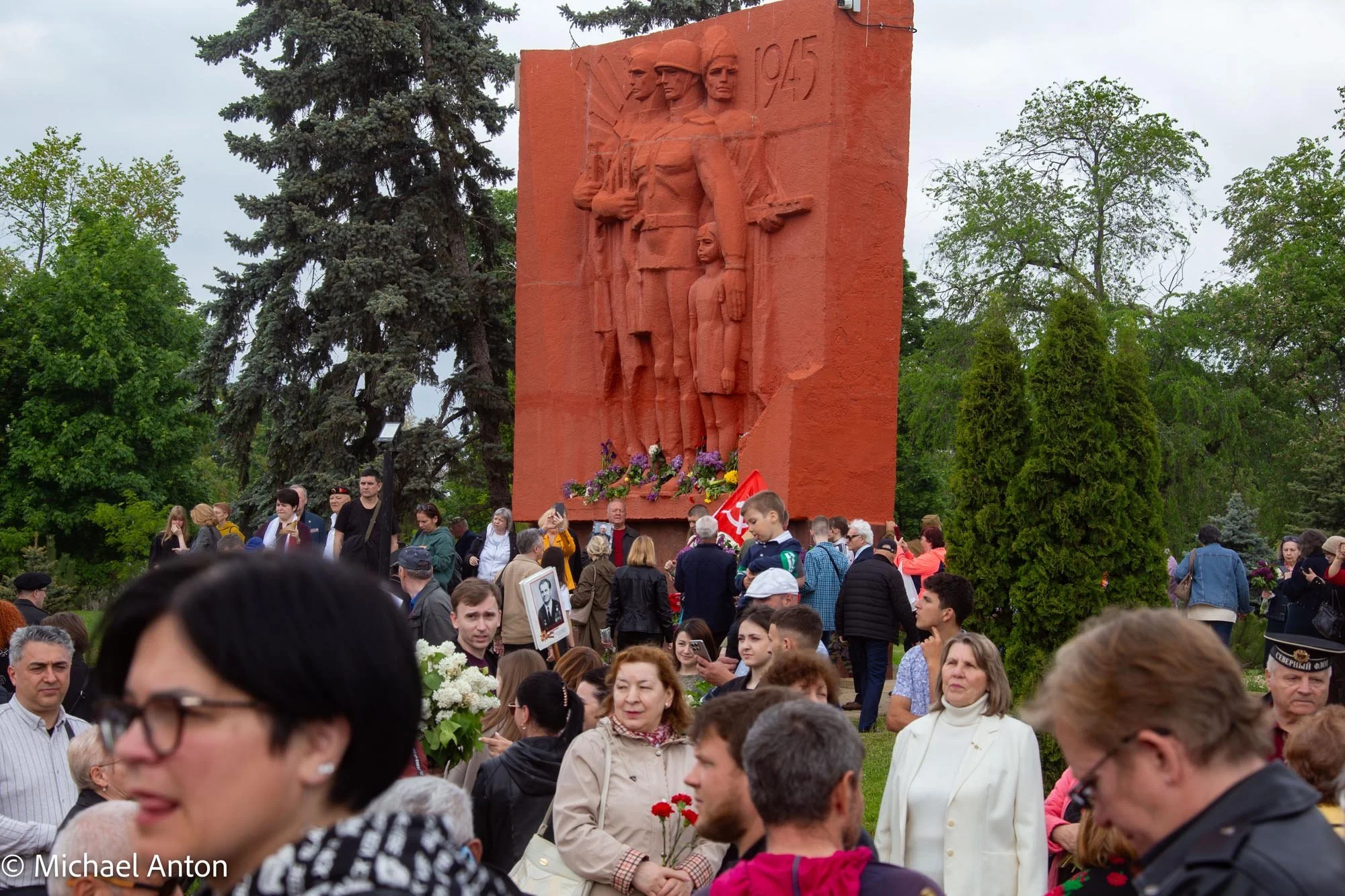
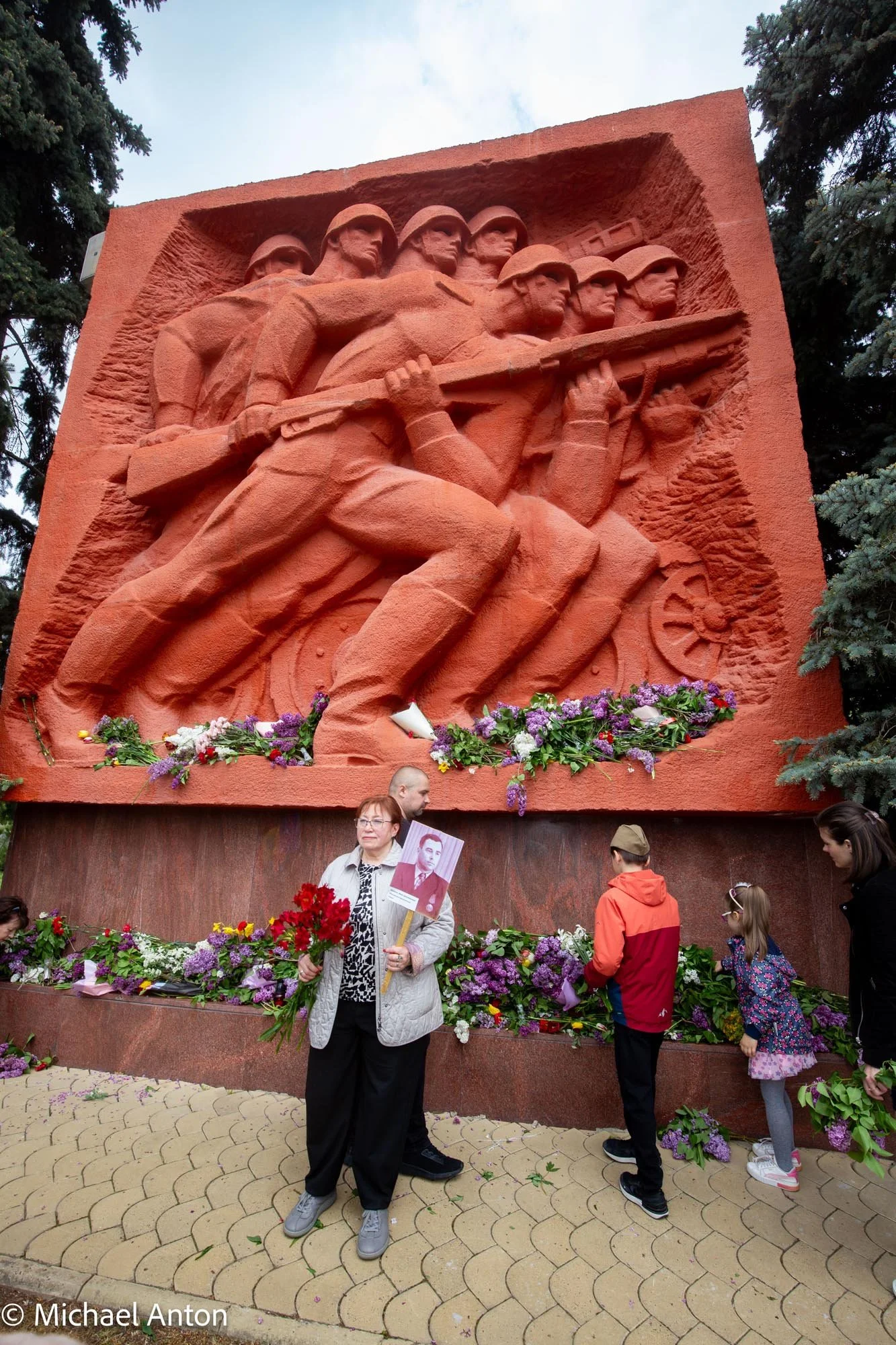
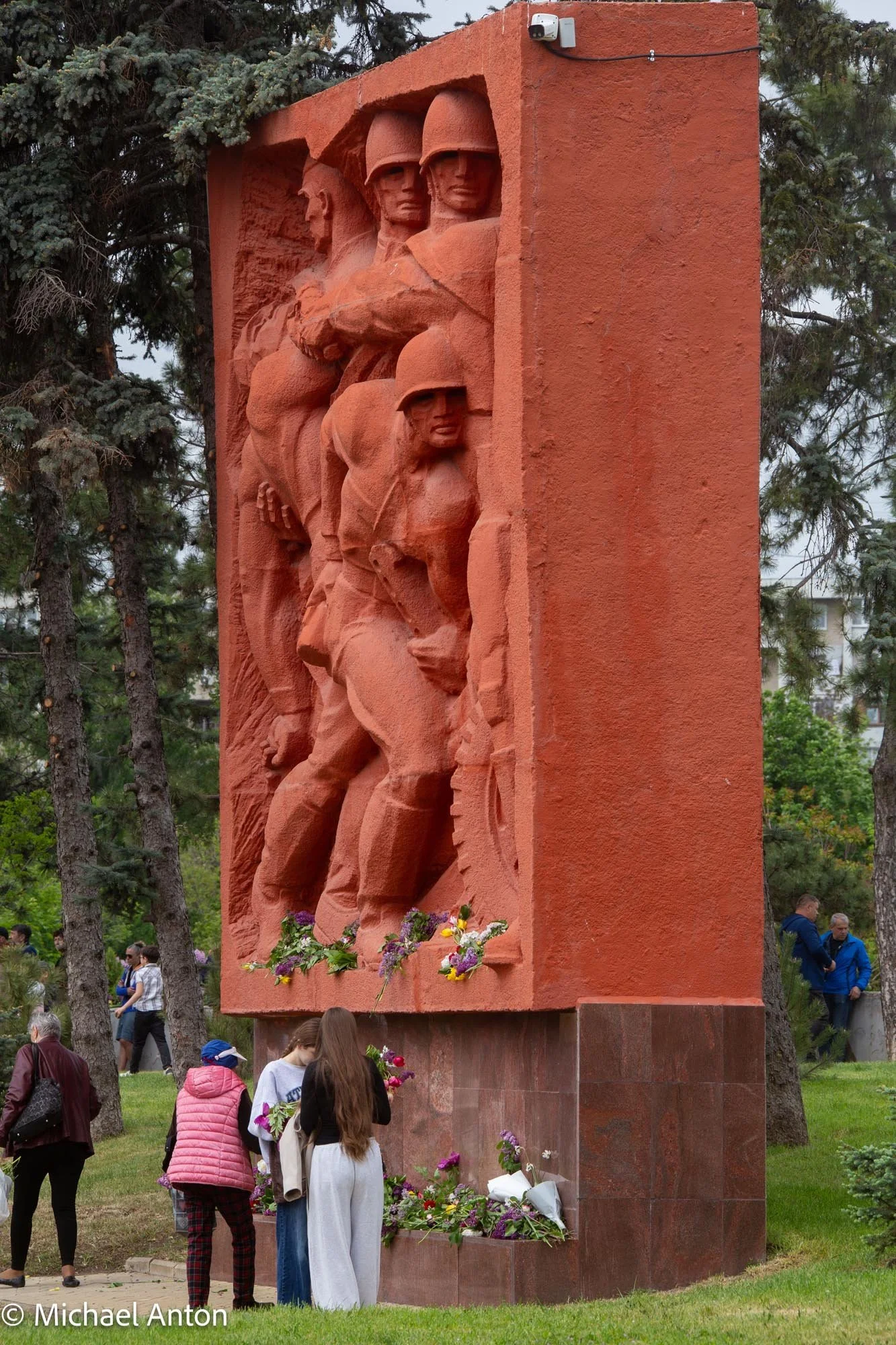
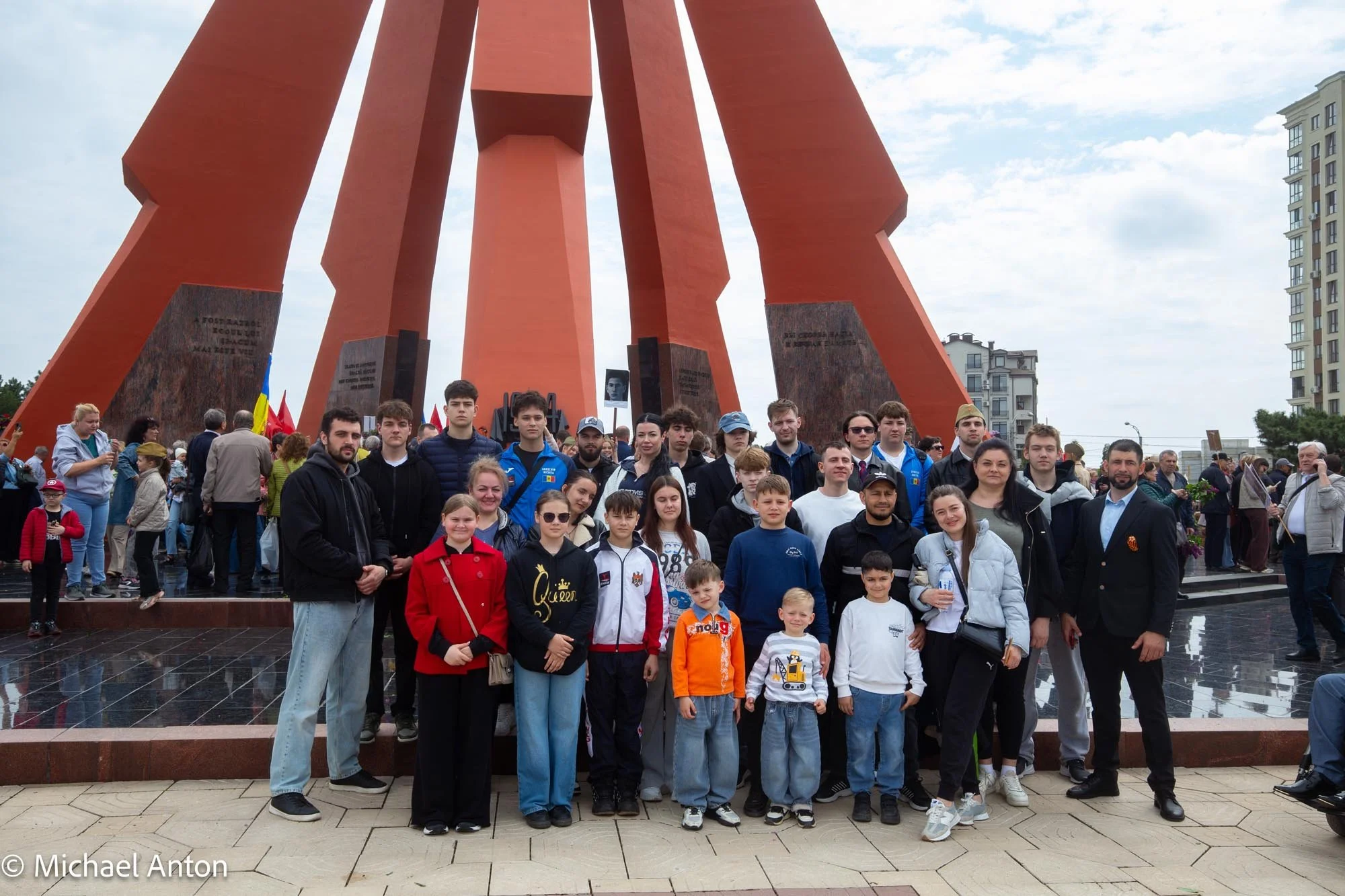
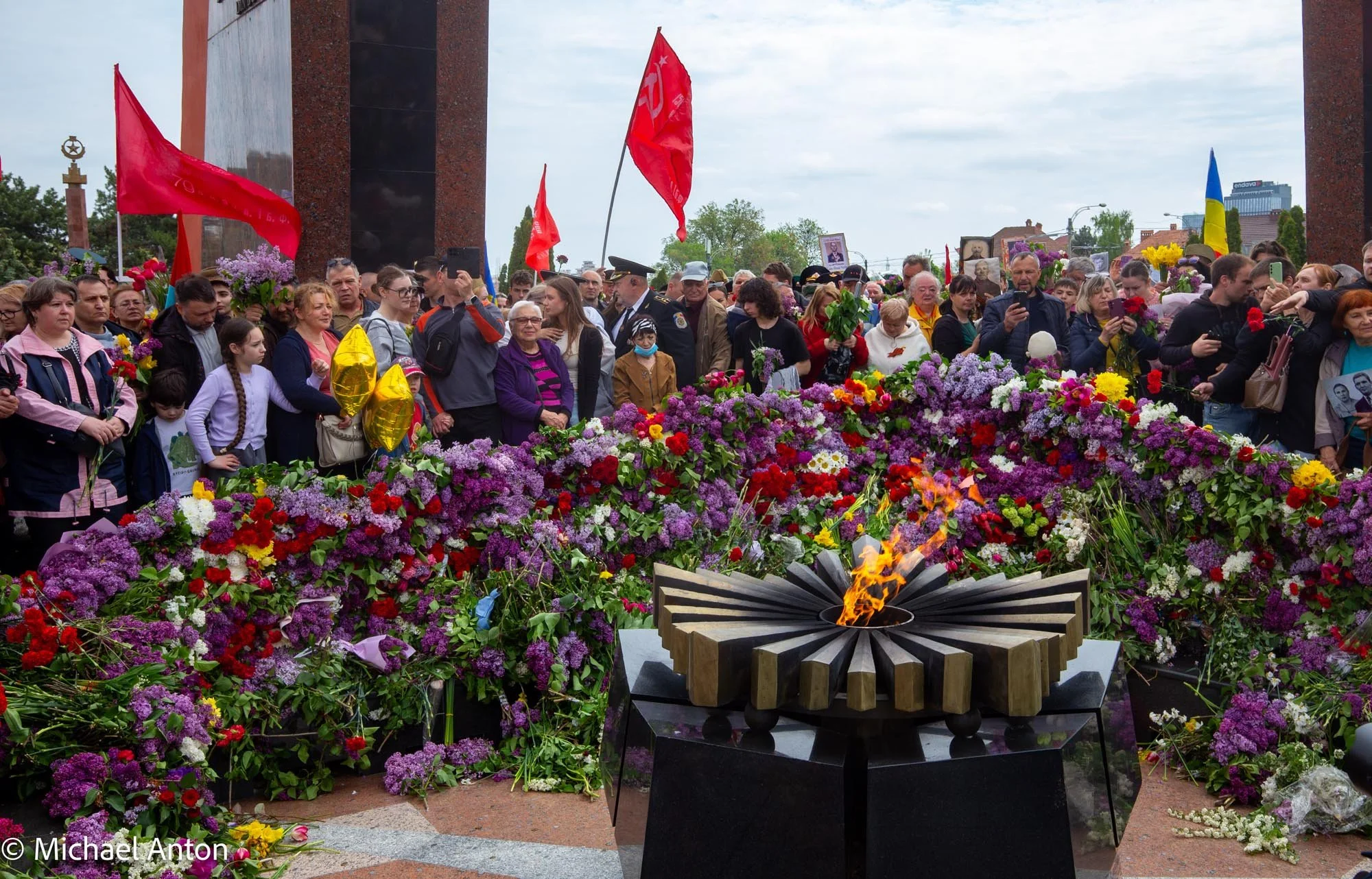
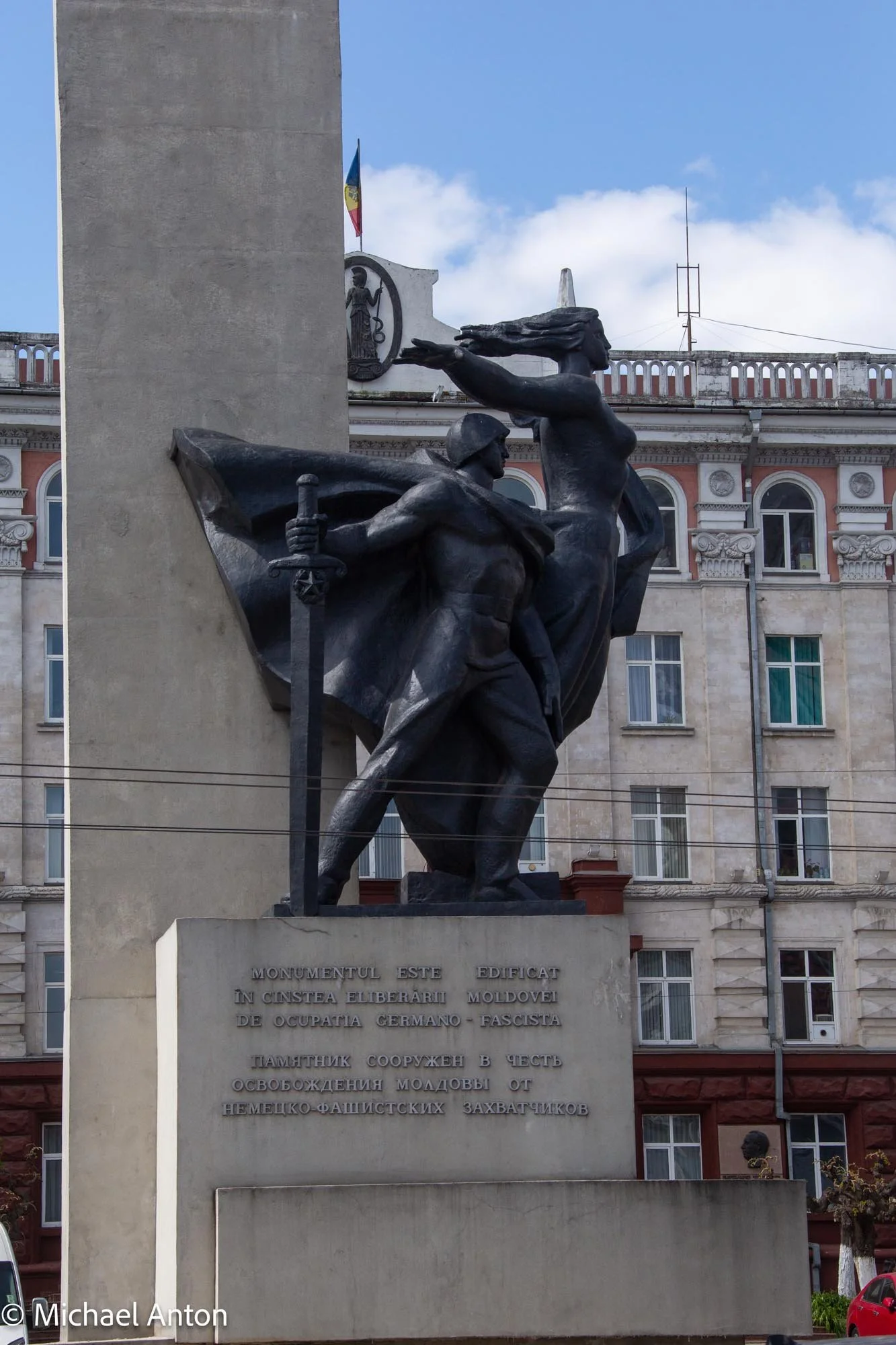
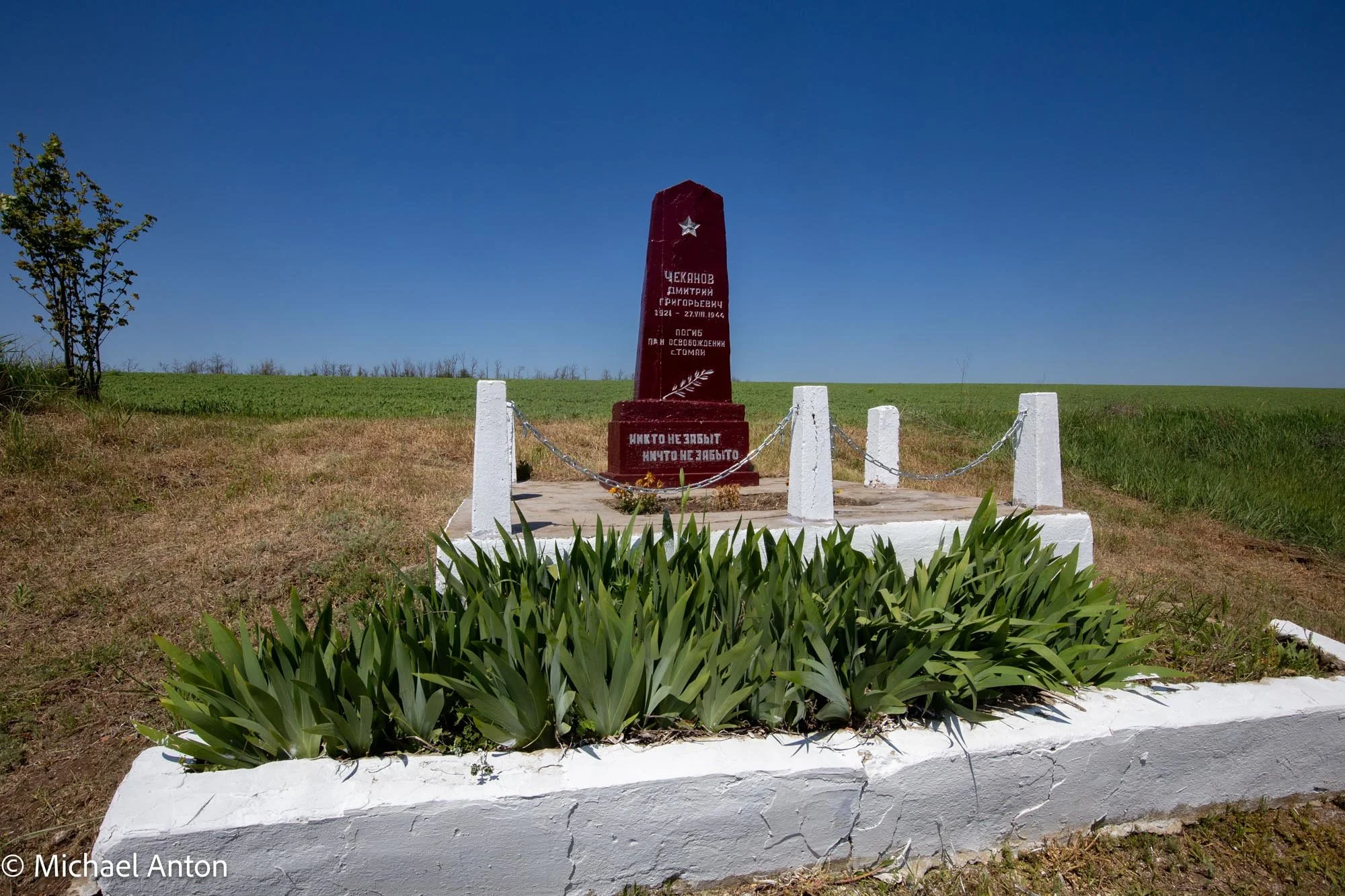
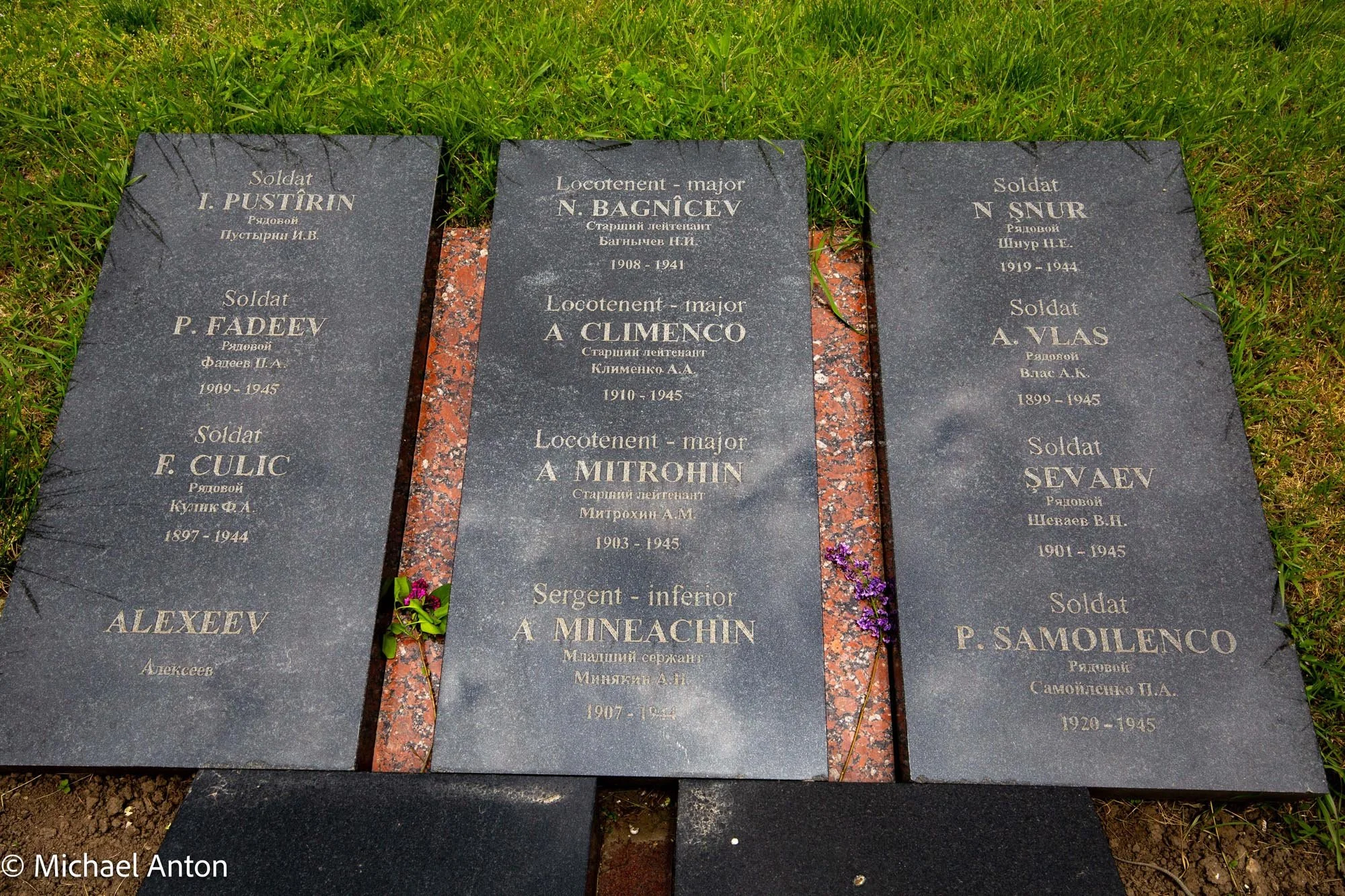
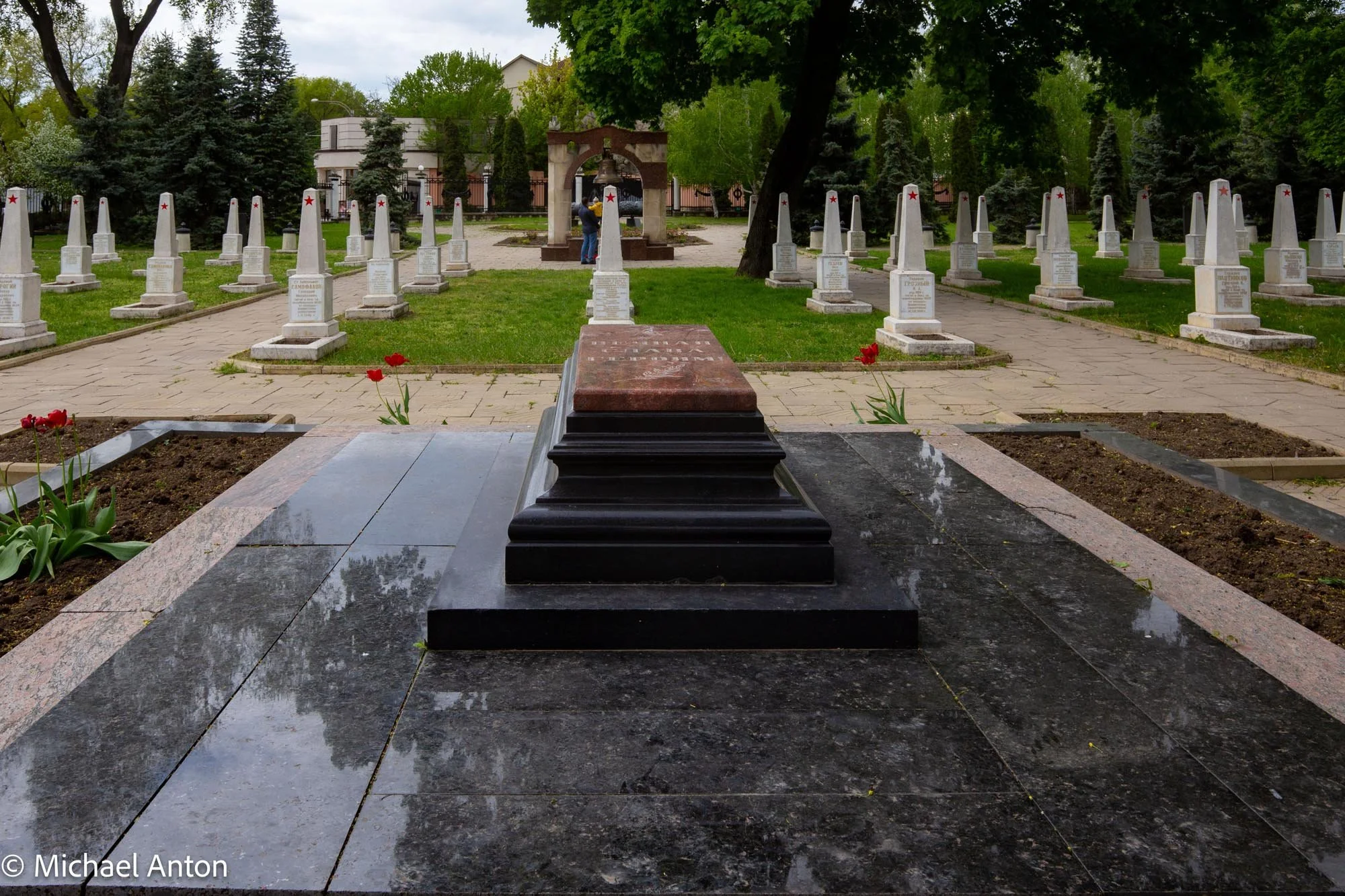
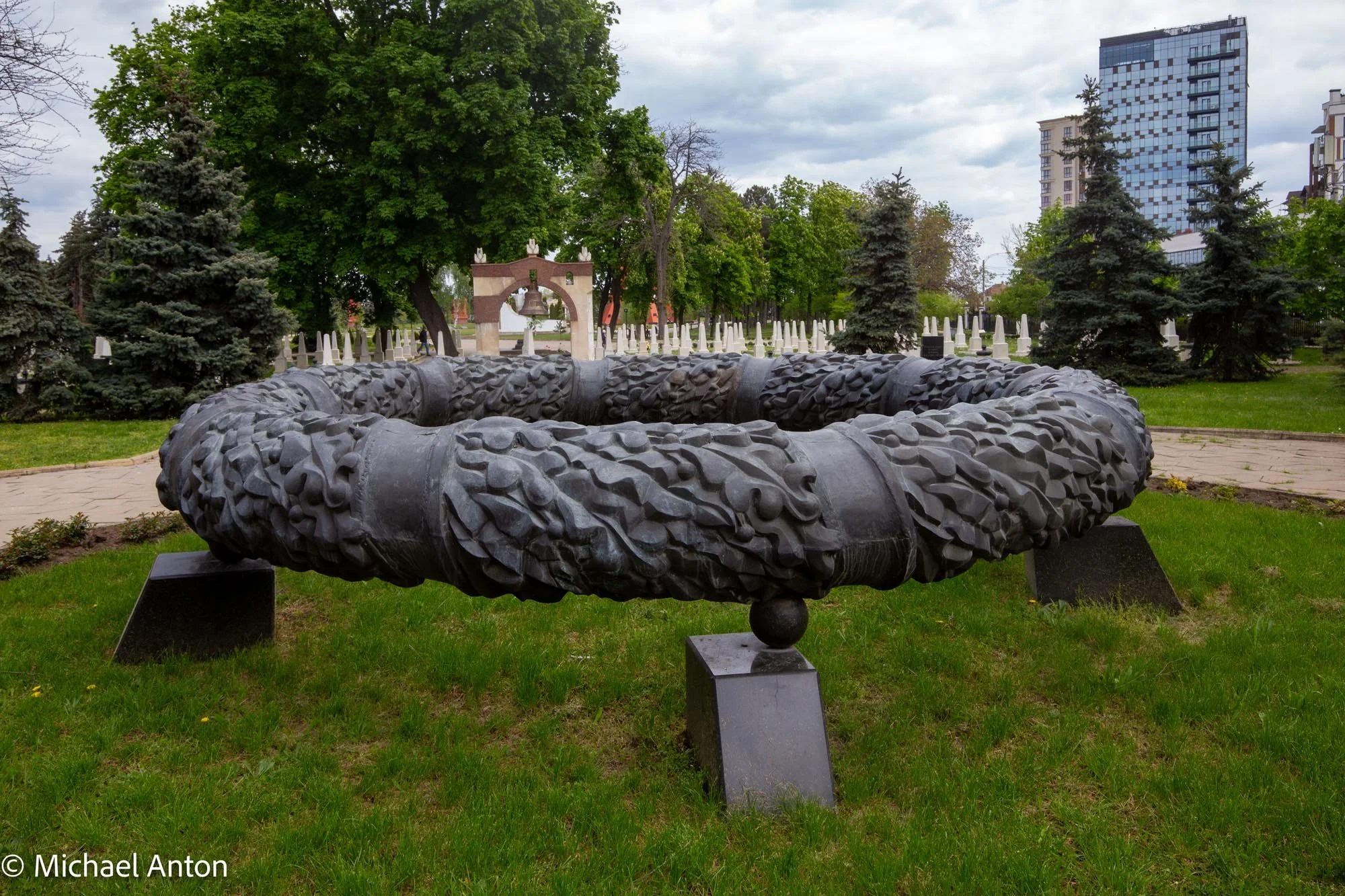
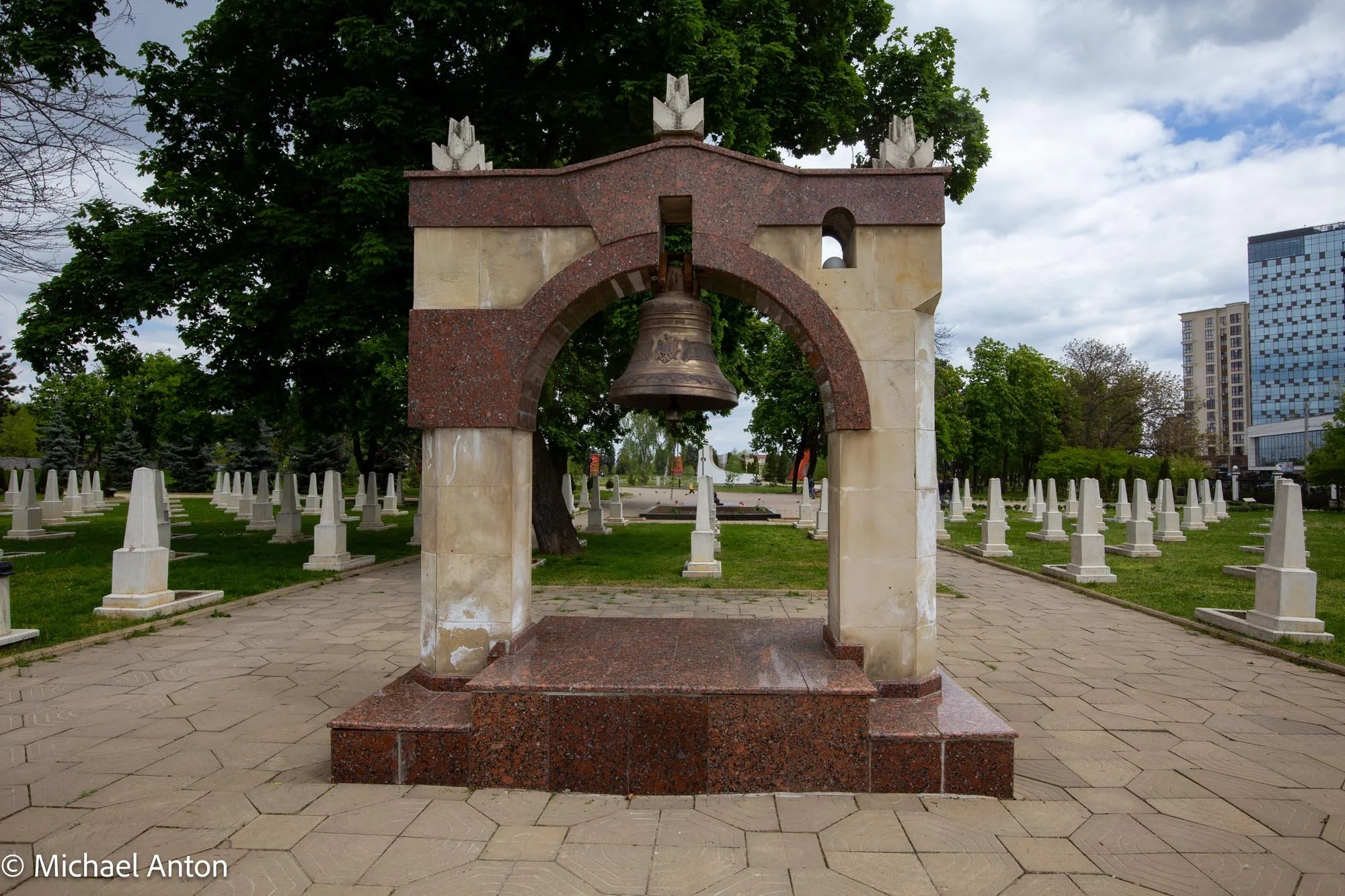
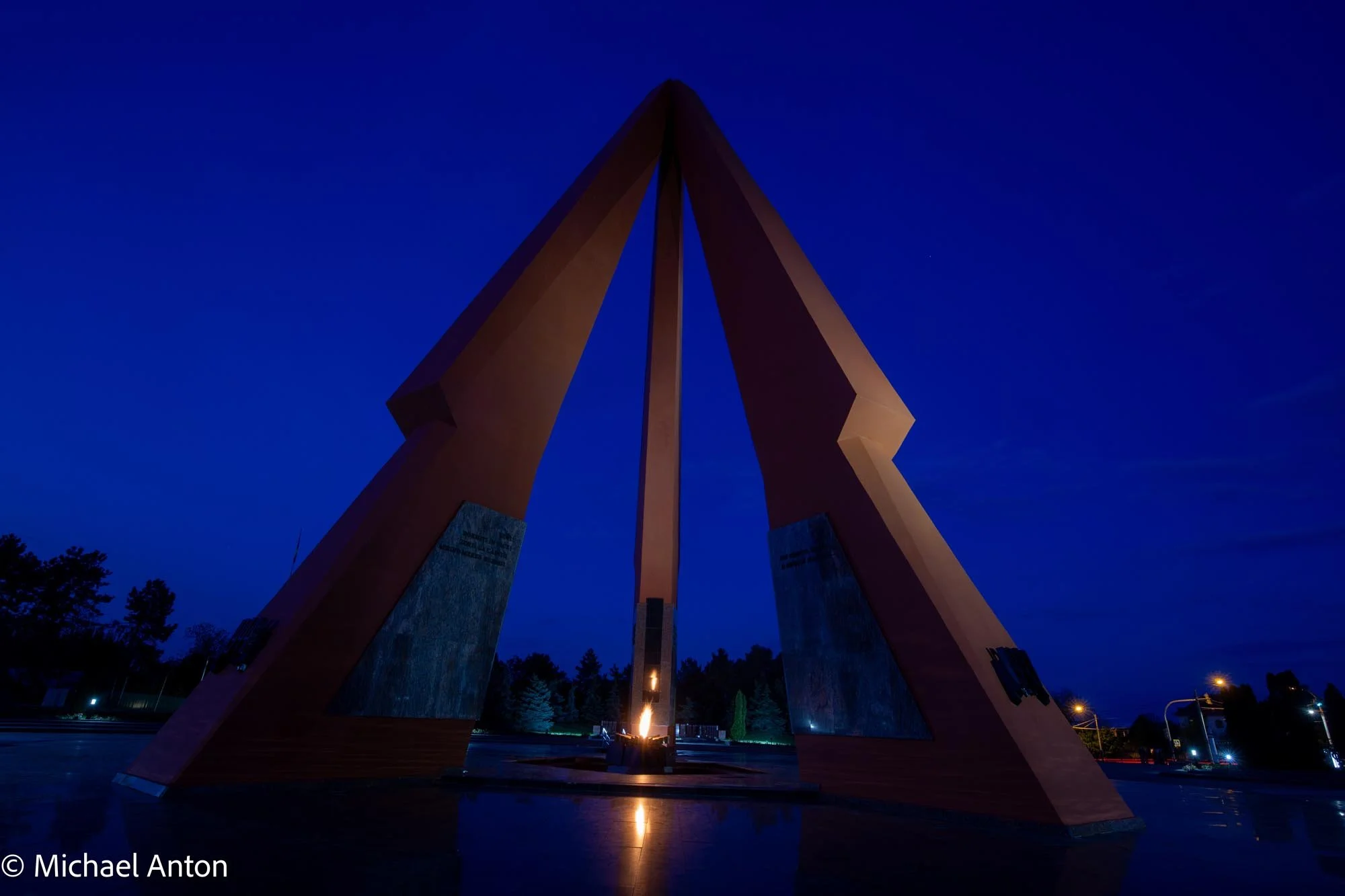
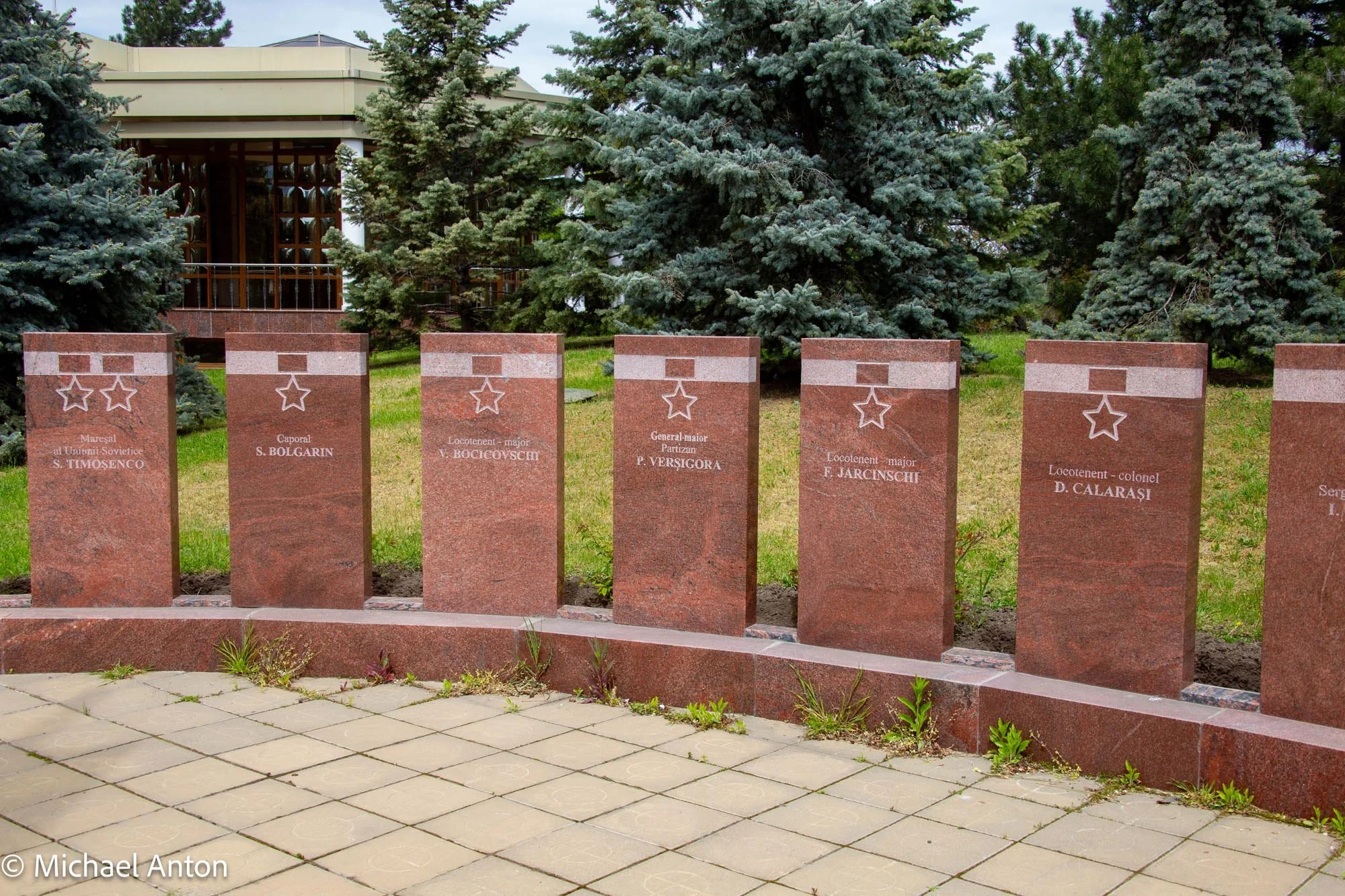
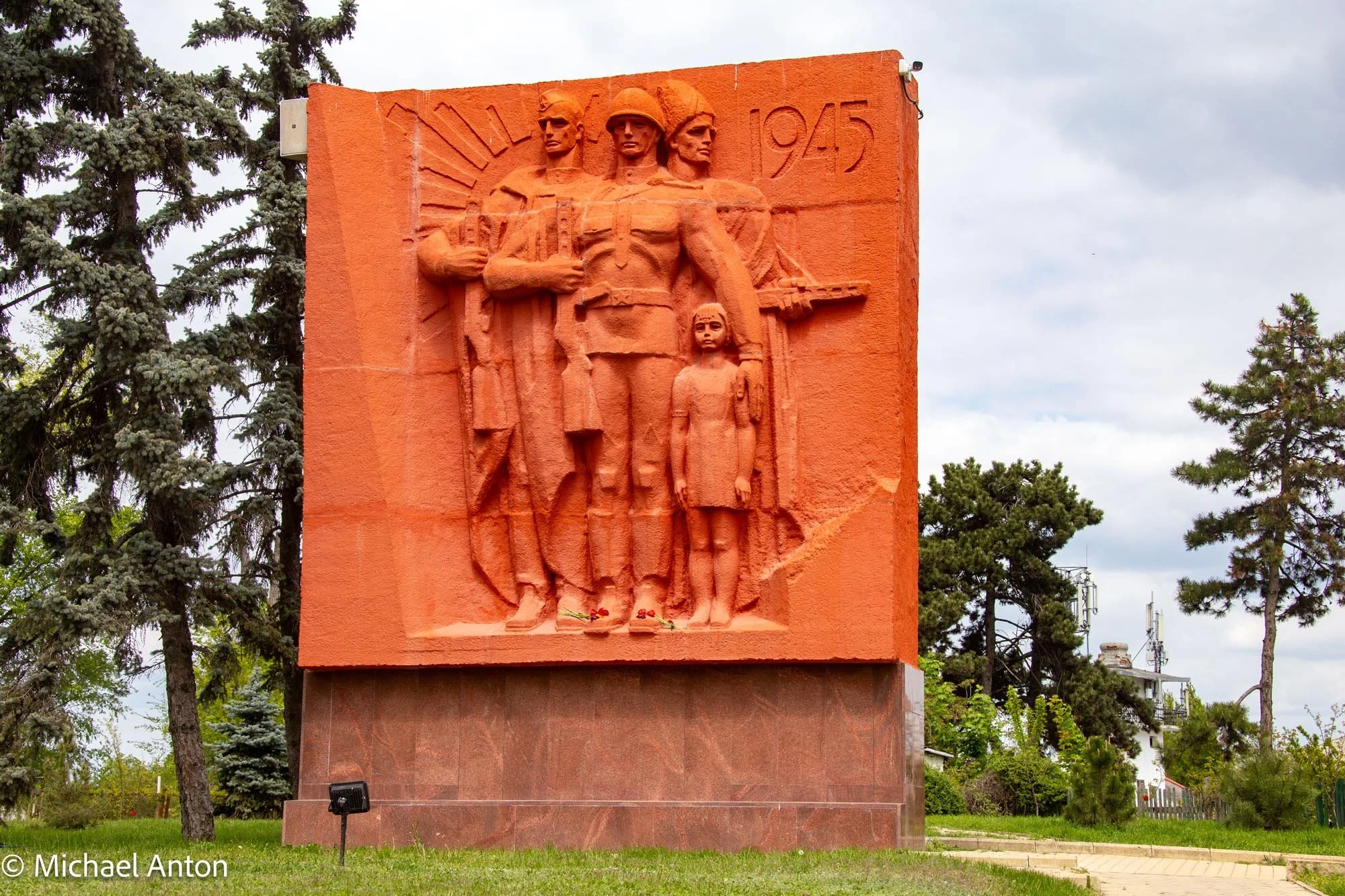
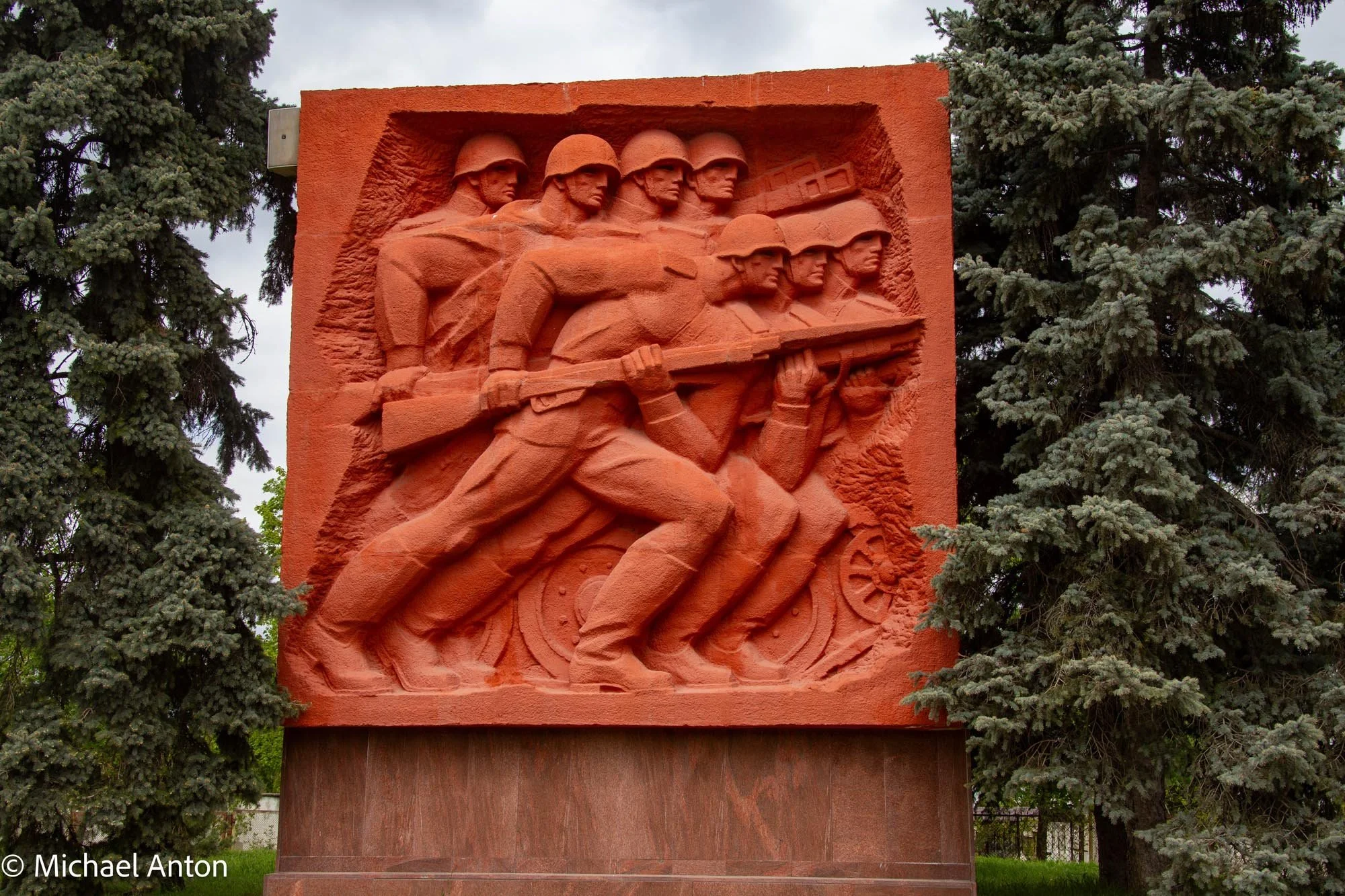
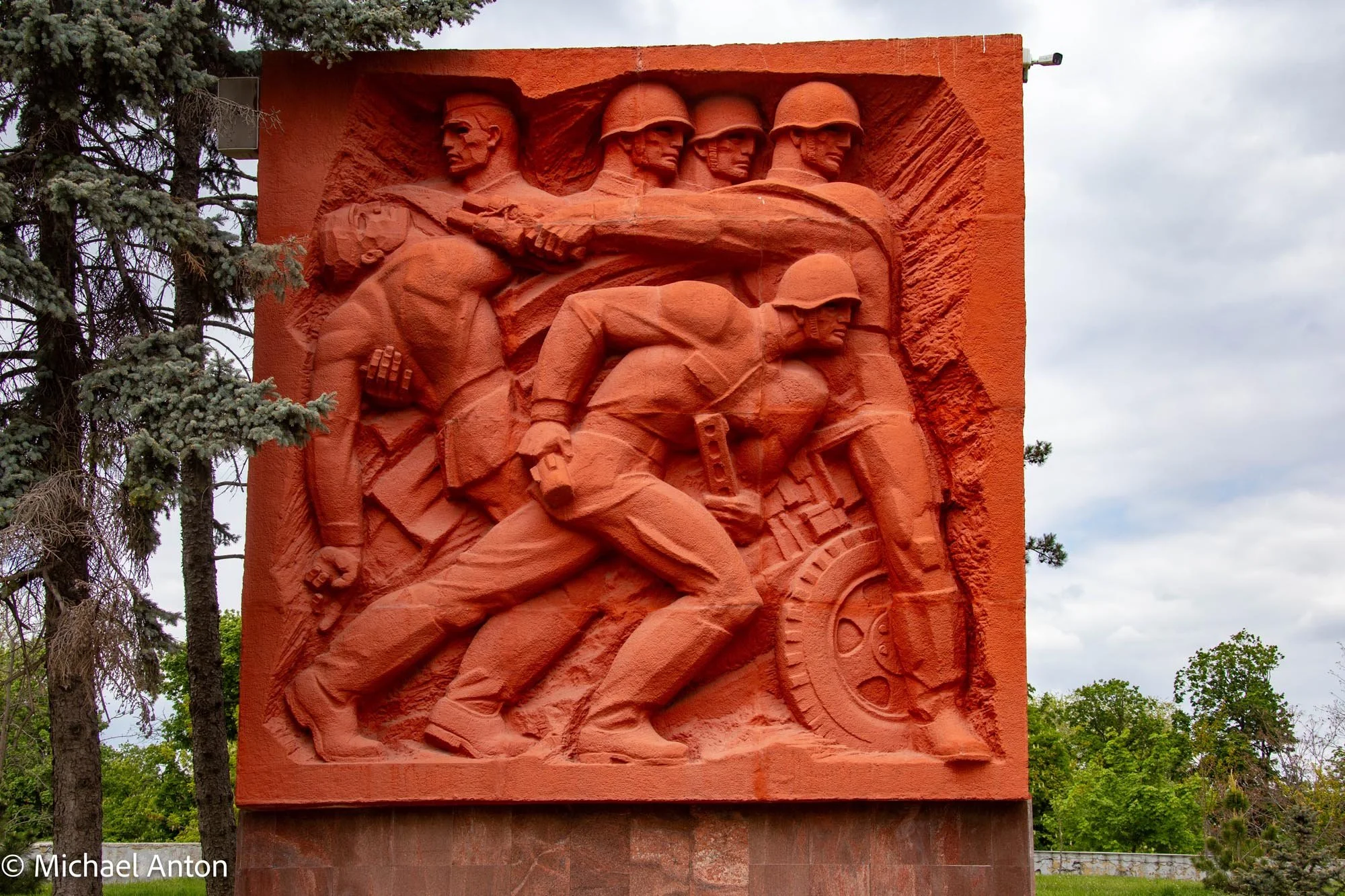
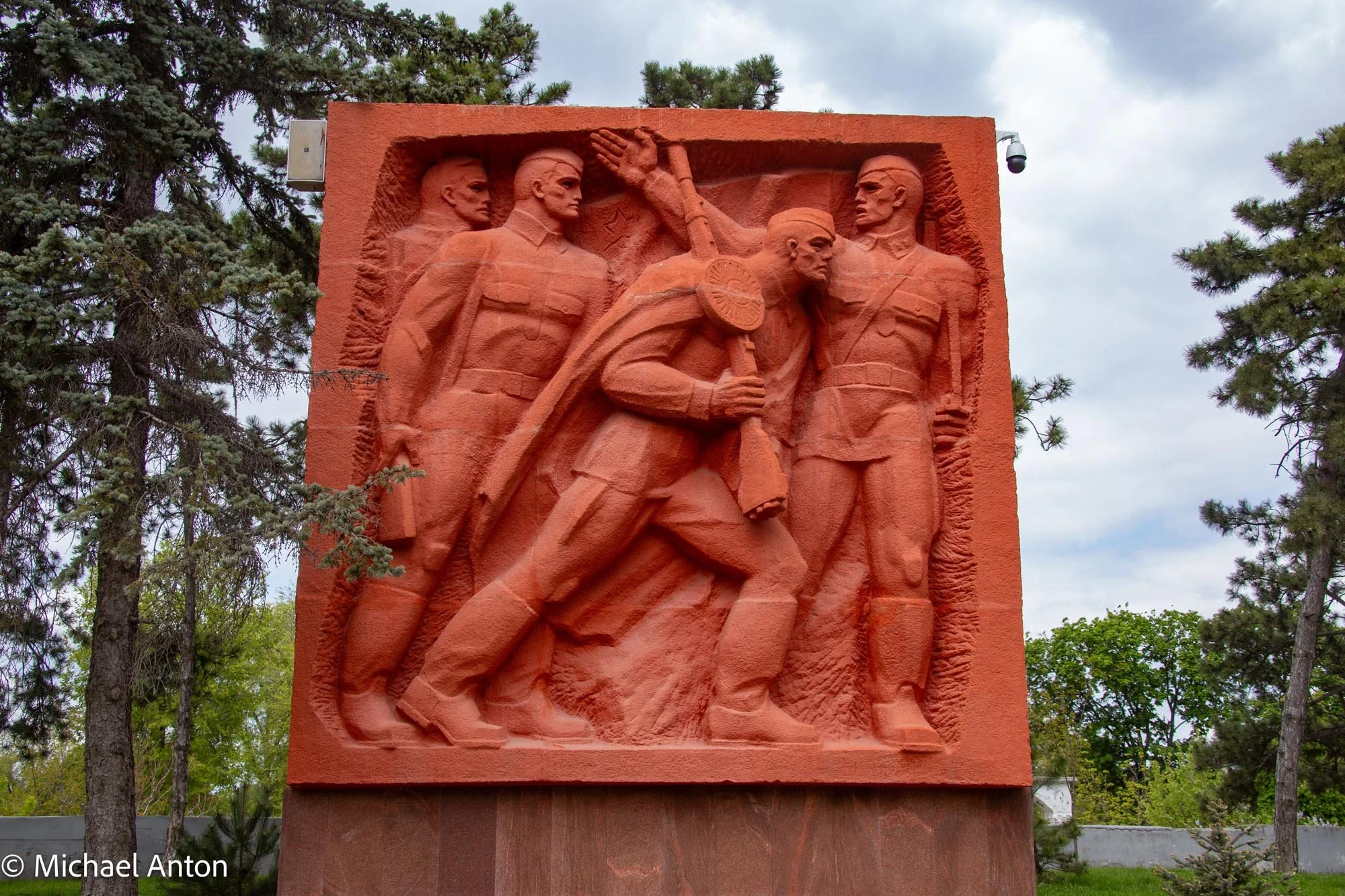
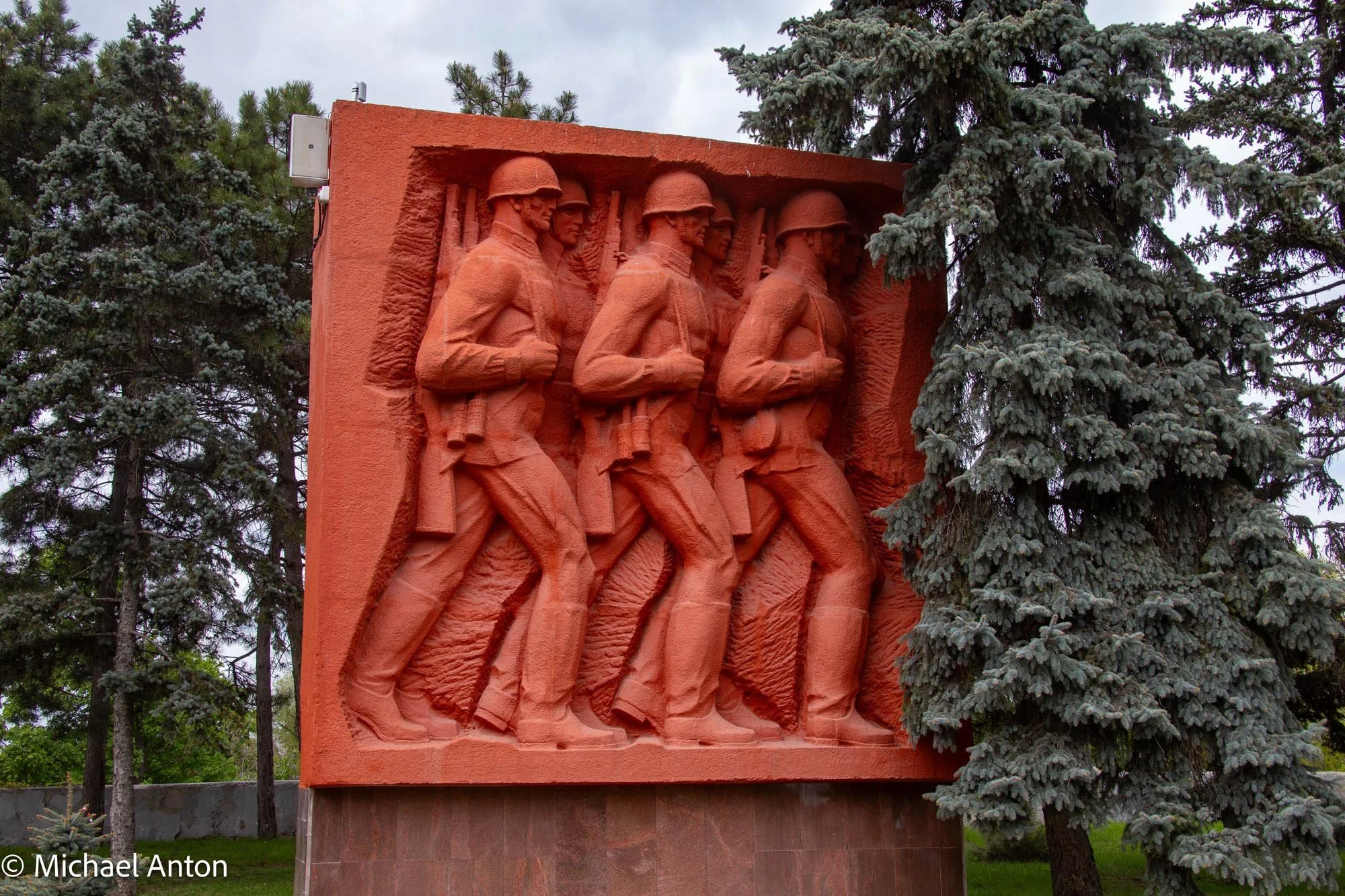
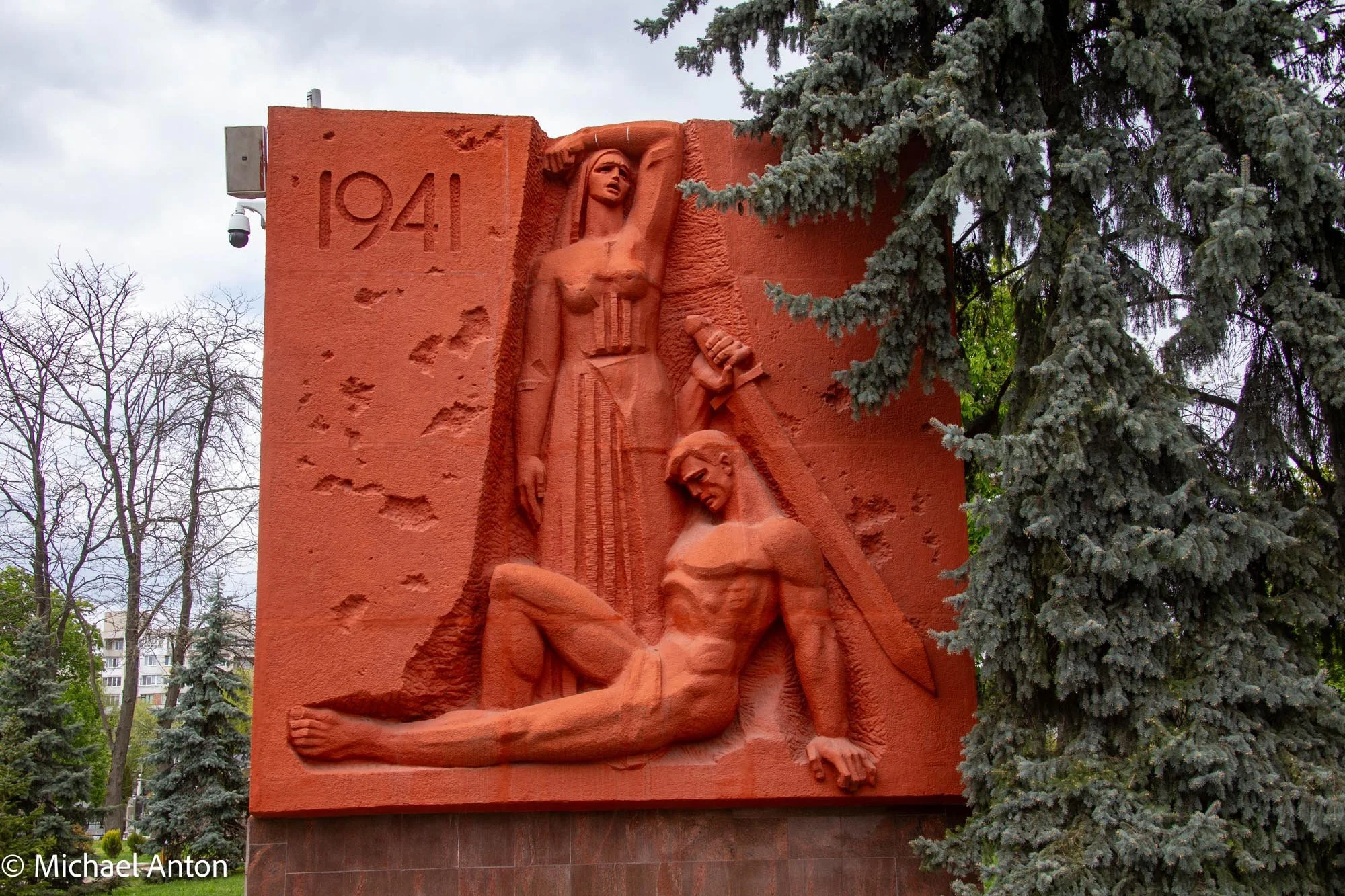
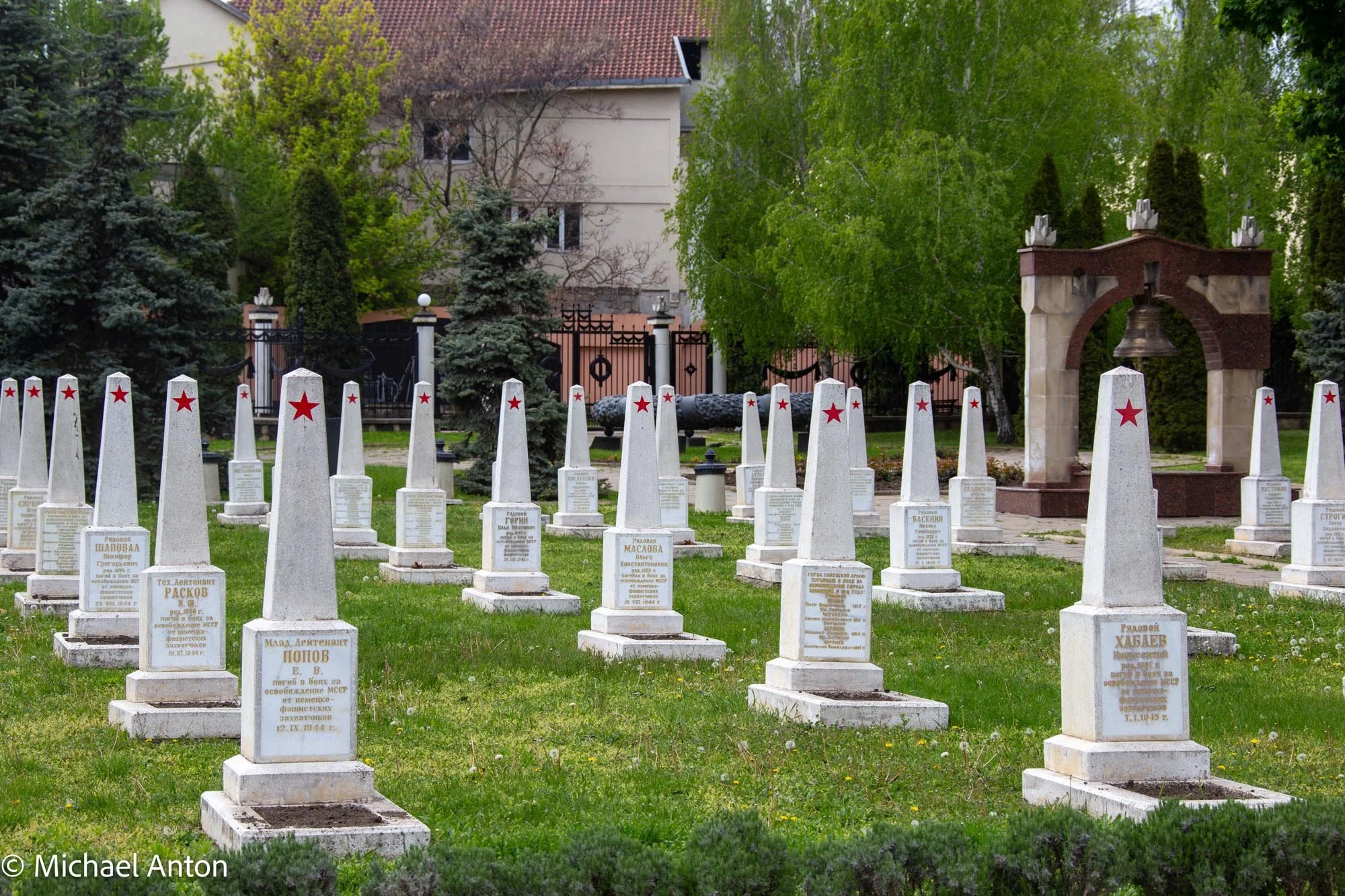
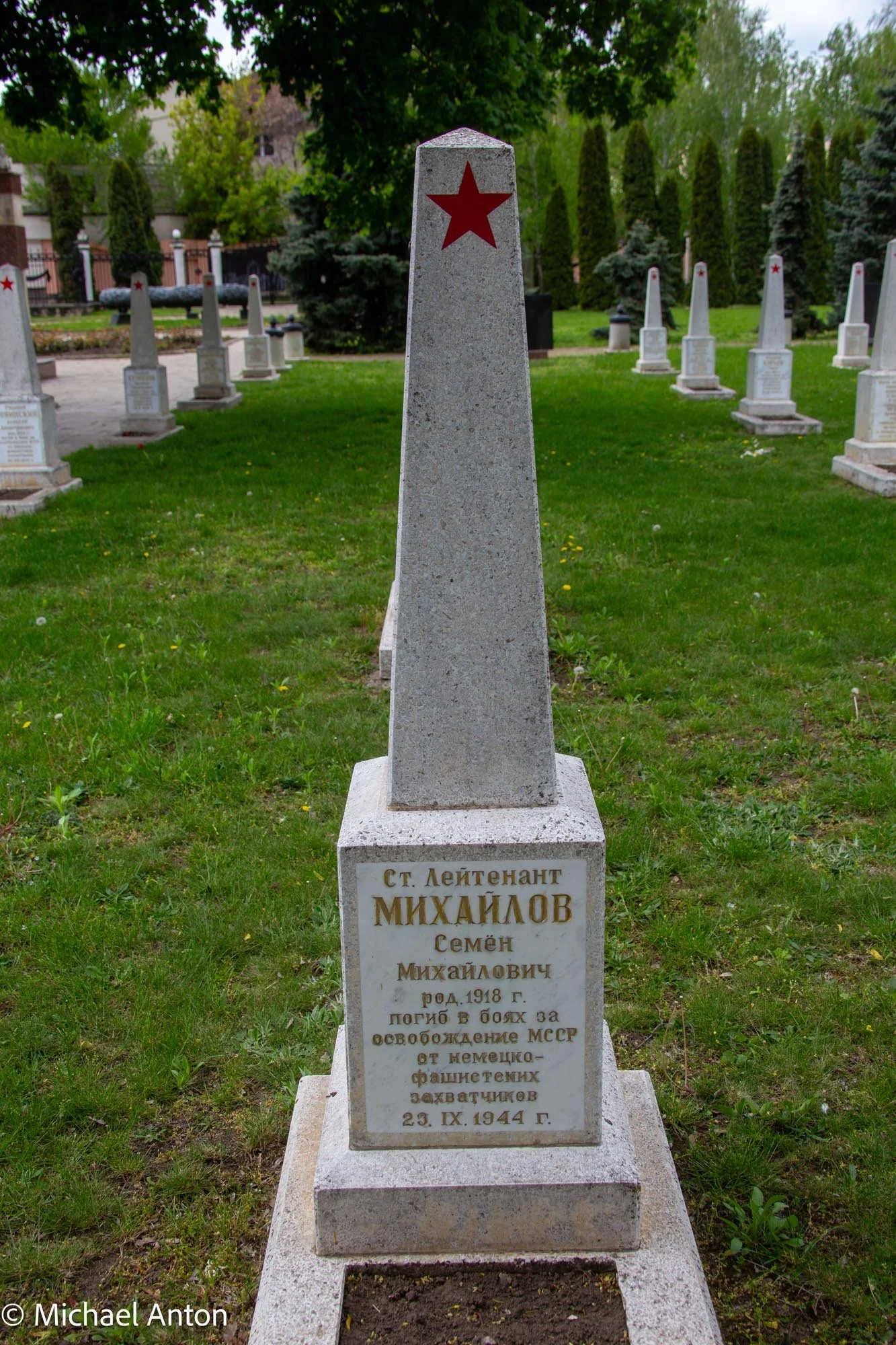
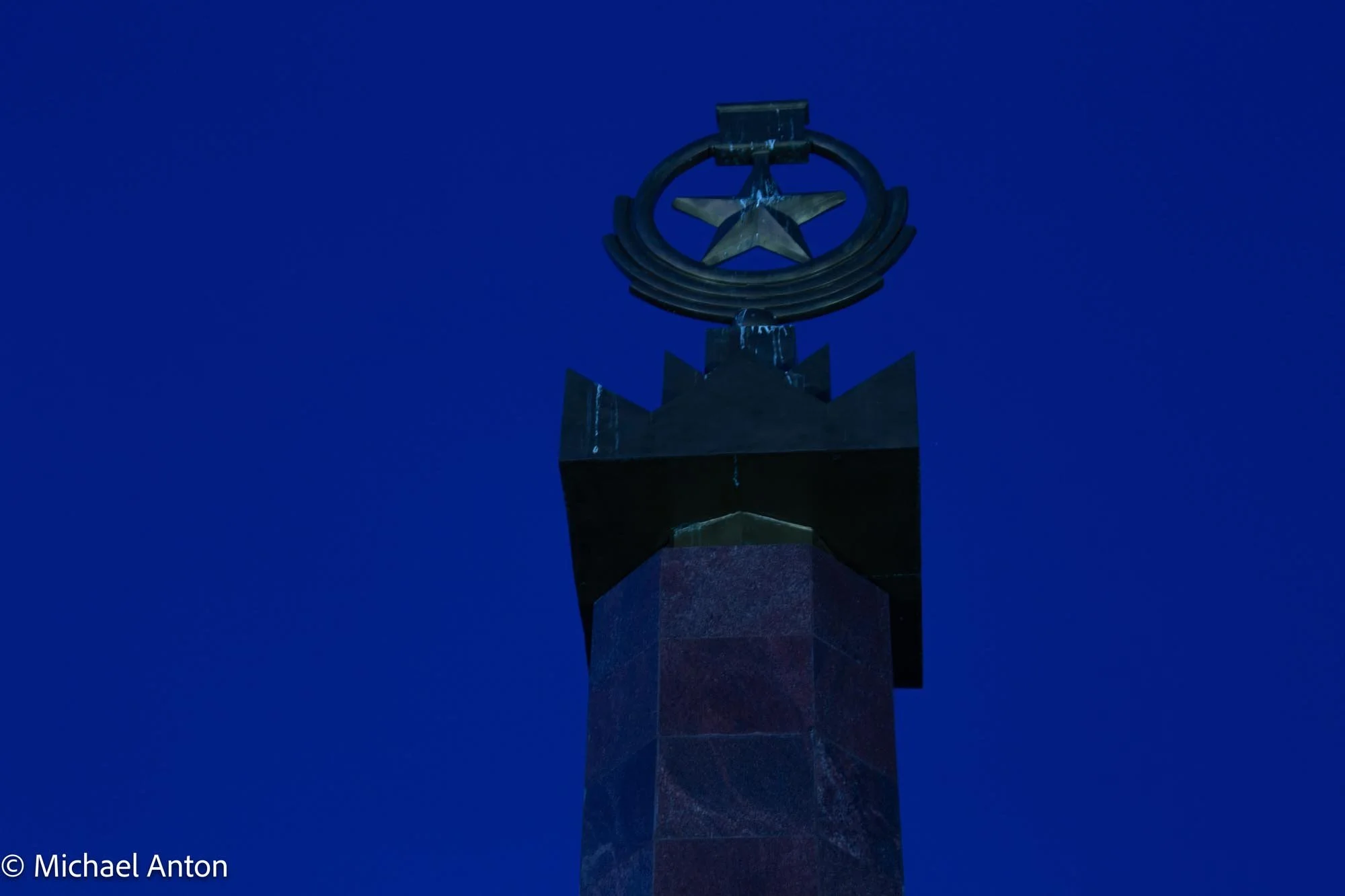
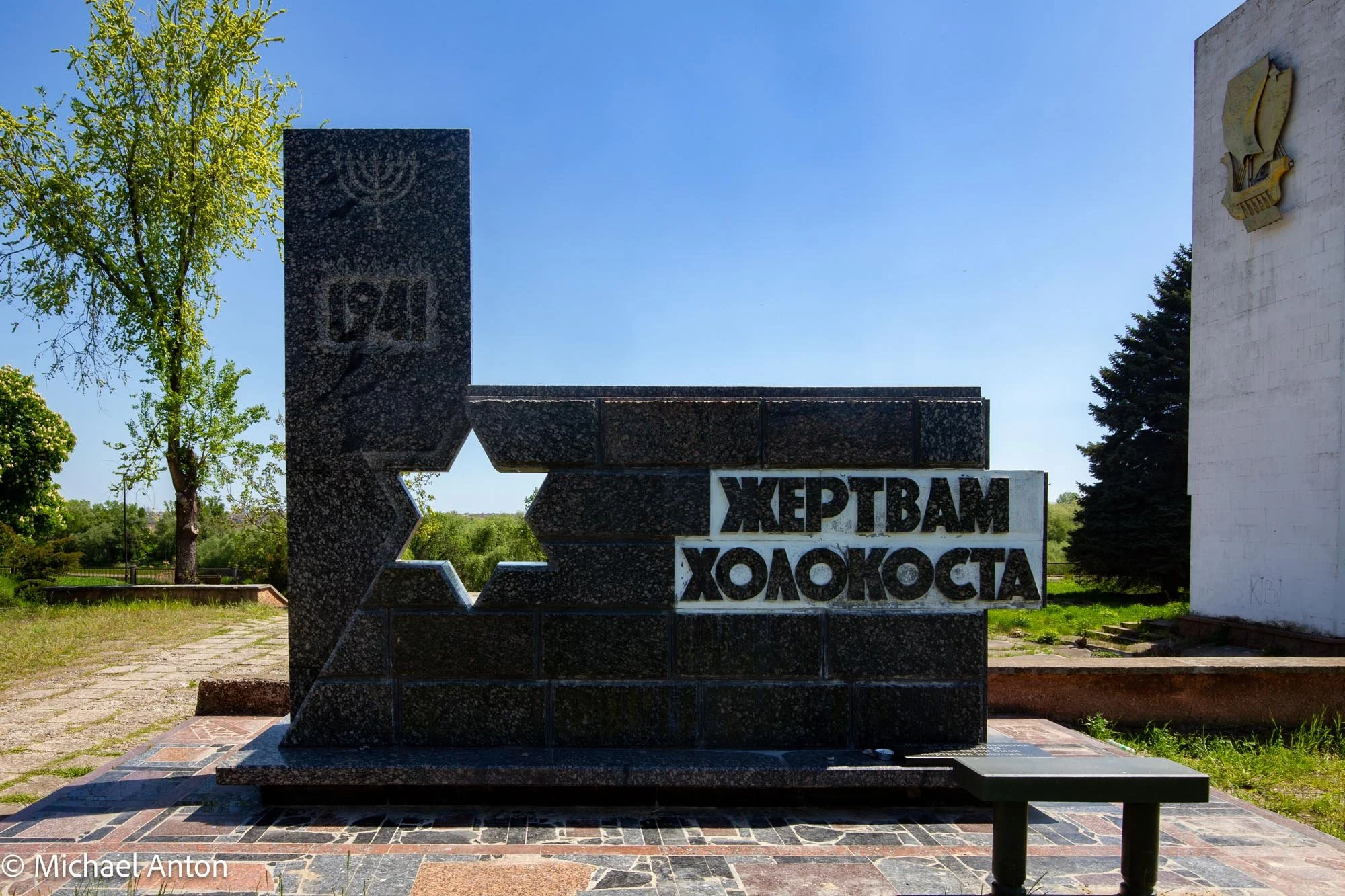
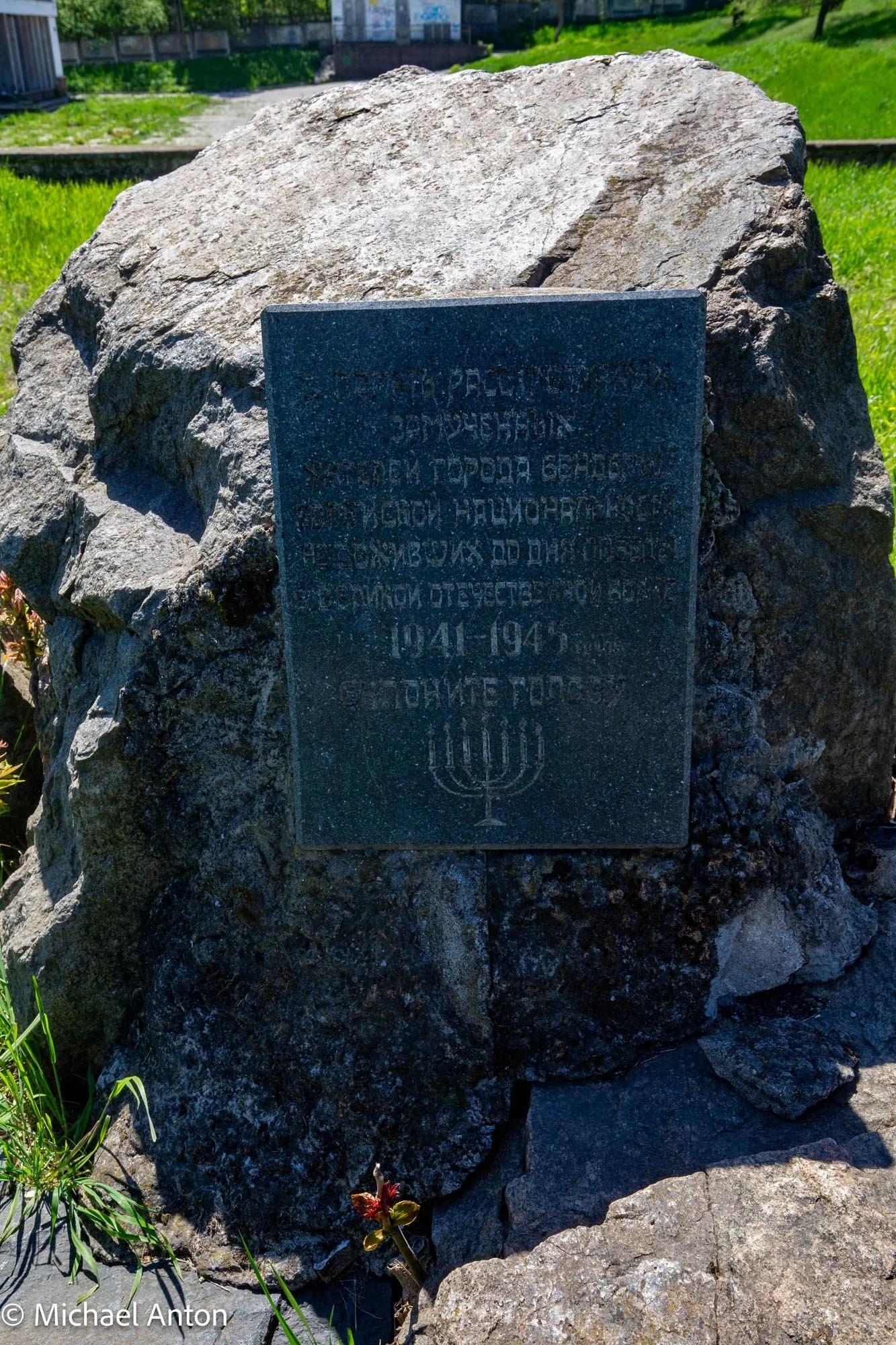
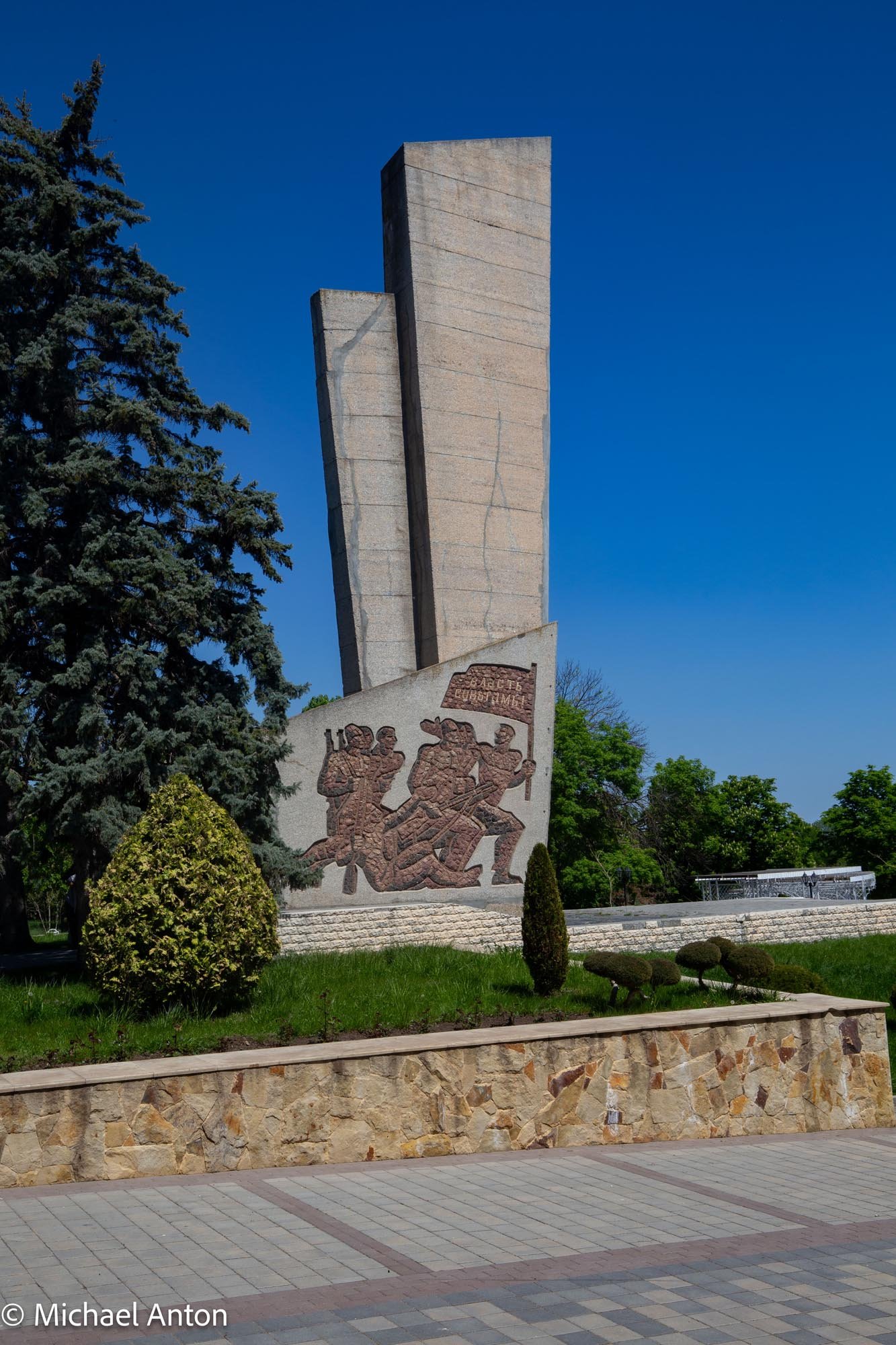
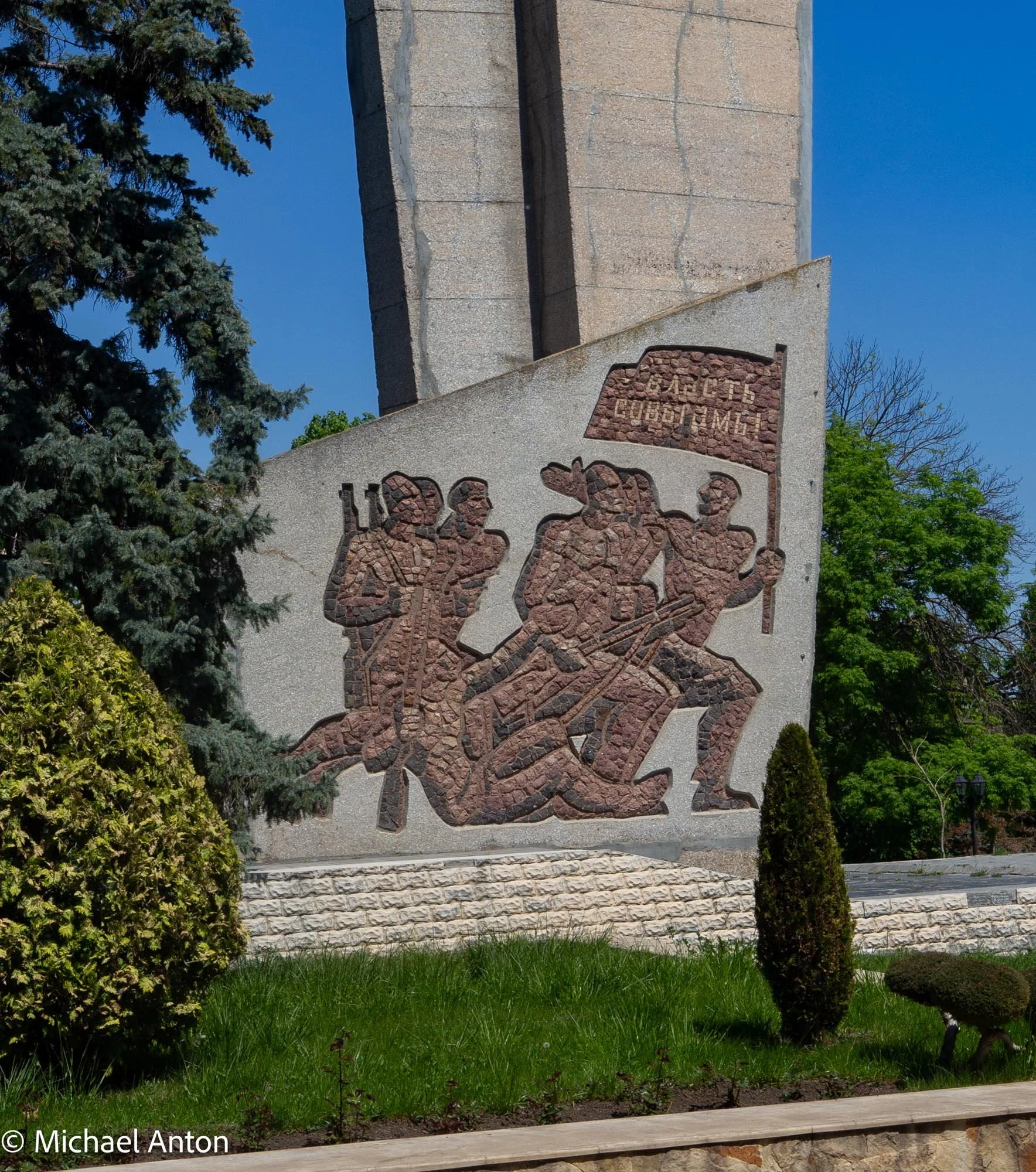
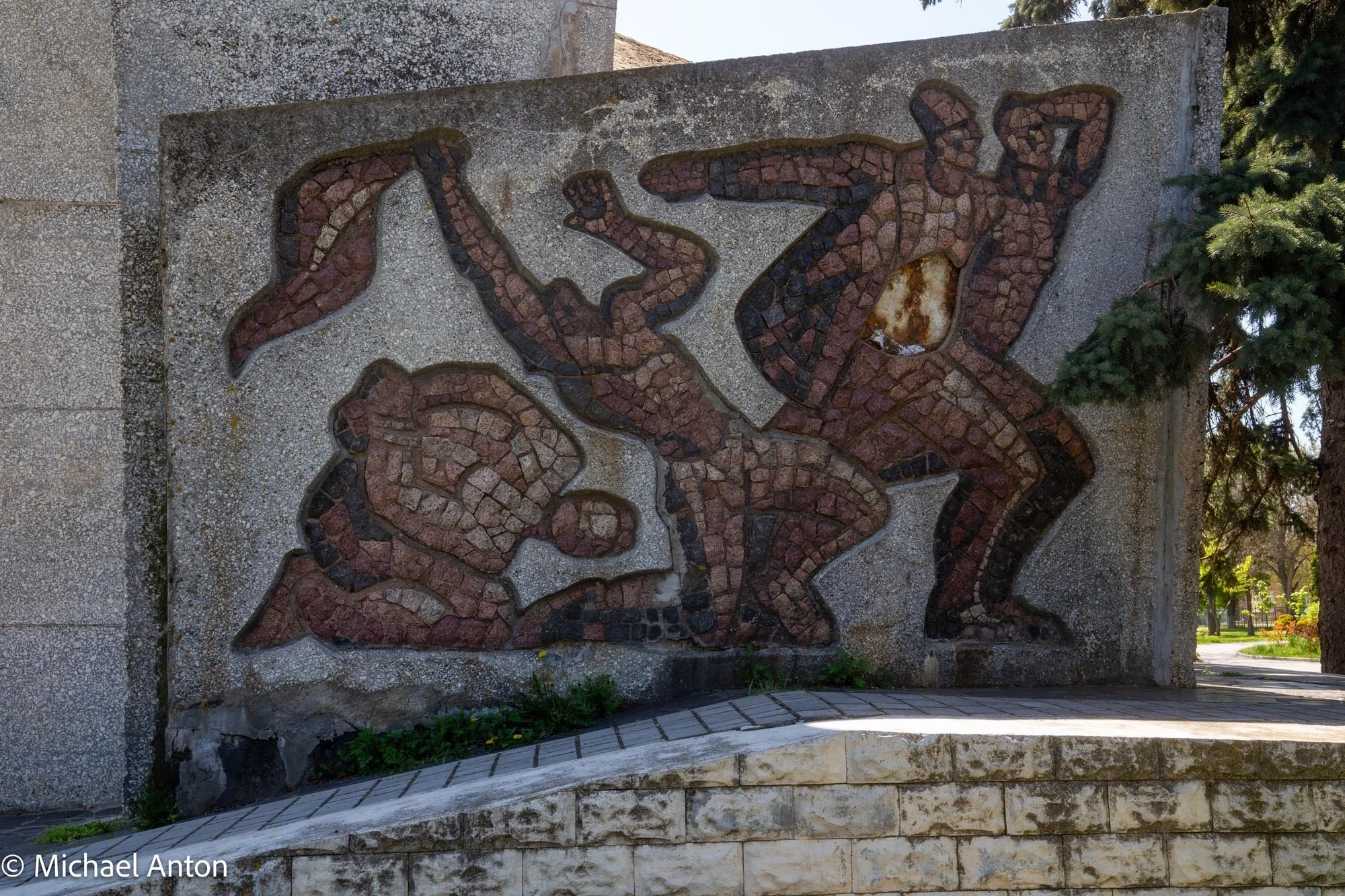
World War II Memorial
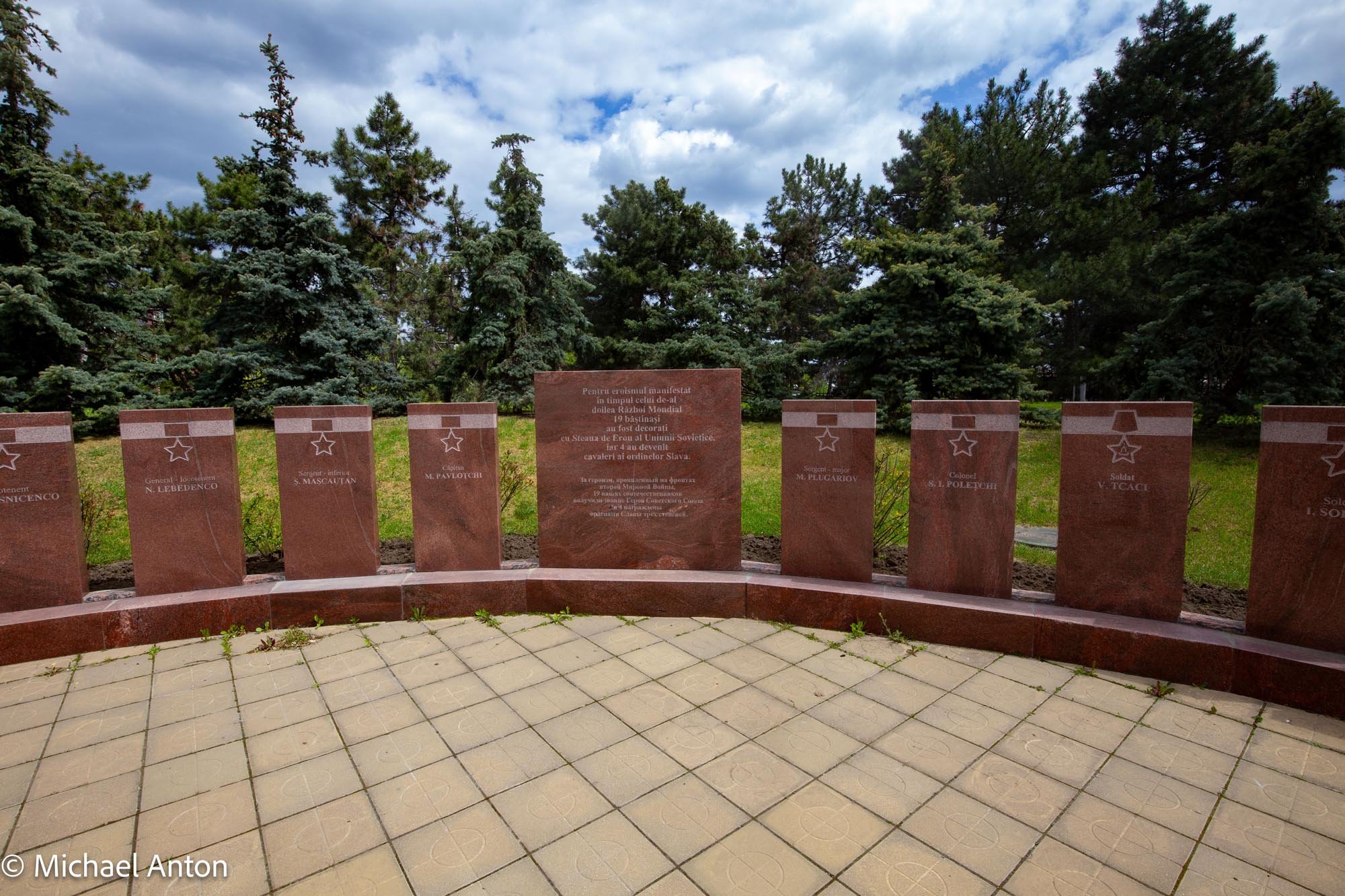
The Second World War occupies a much larger space in the consciousness of the people of Eastern Europe and Central Asia than it does to us here in the West.
That’s due to the staggering losses of the Soviet people during that conflict. No country invaded by Germany ever came close. While exact numbers are difficult to calculate, it is reliably estimated that between 26-27 million people perished: Red Army deaths between 8.7 million, civilian between 16-19 million.
The civilian deaths were due to air raids, starvation (the 1,000-day siege of Leningrad) and the deranged racial policies of the Turd Reich.
By the end of the war 13-14% of the pre-war population had perished, an impact felt for decades.
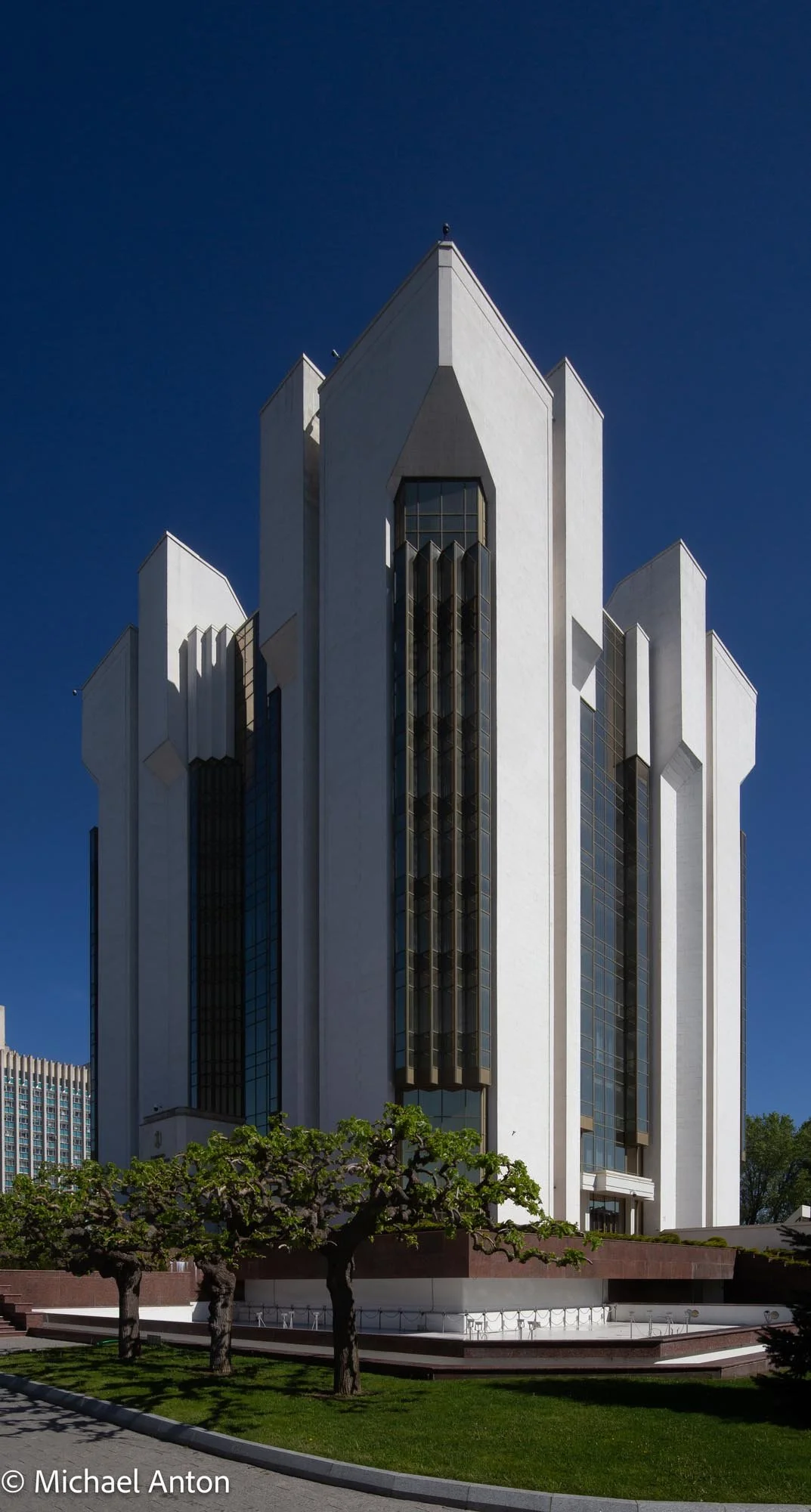
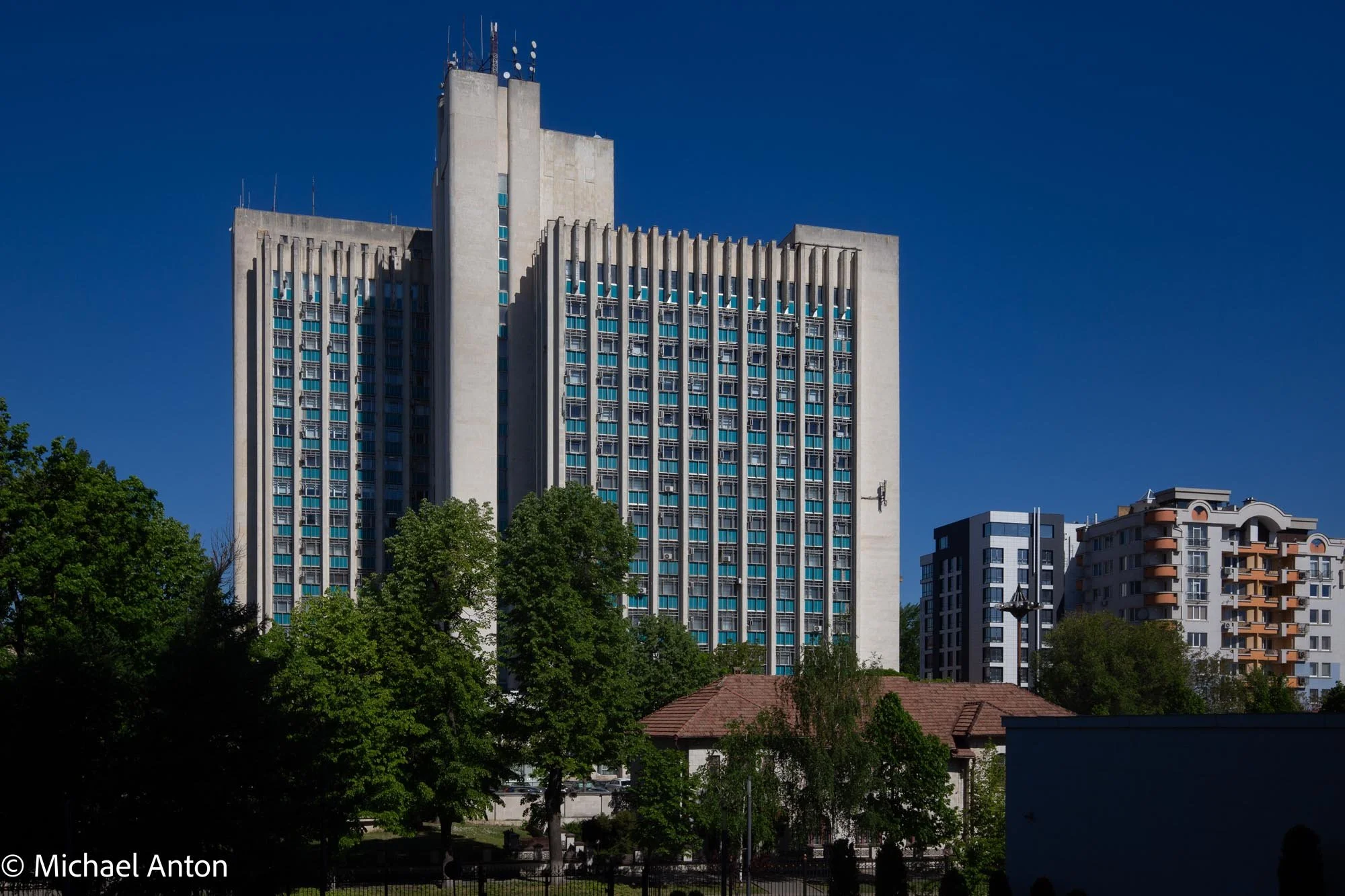
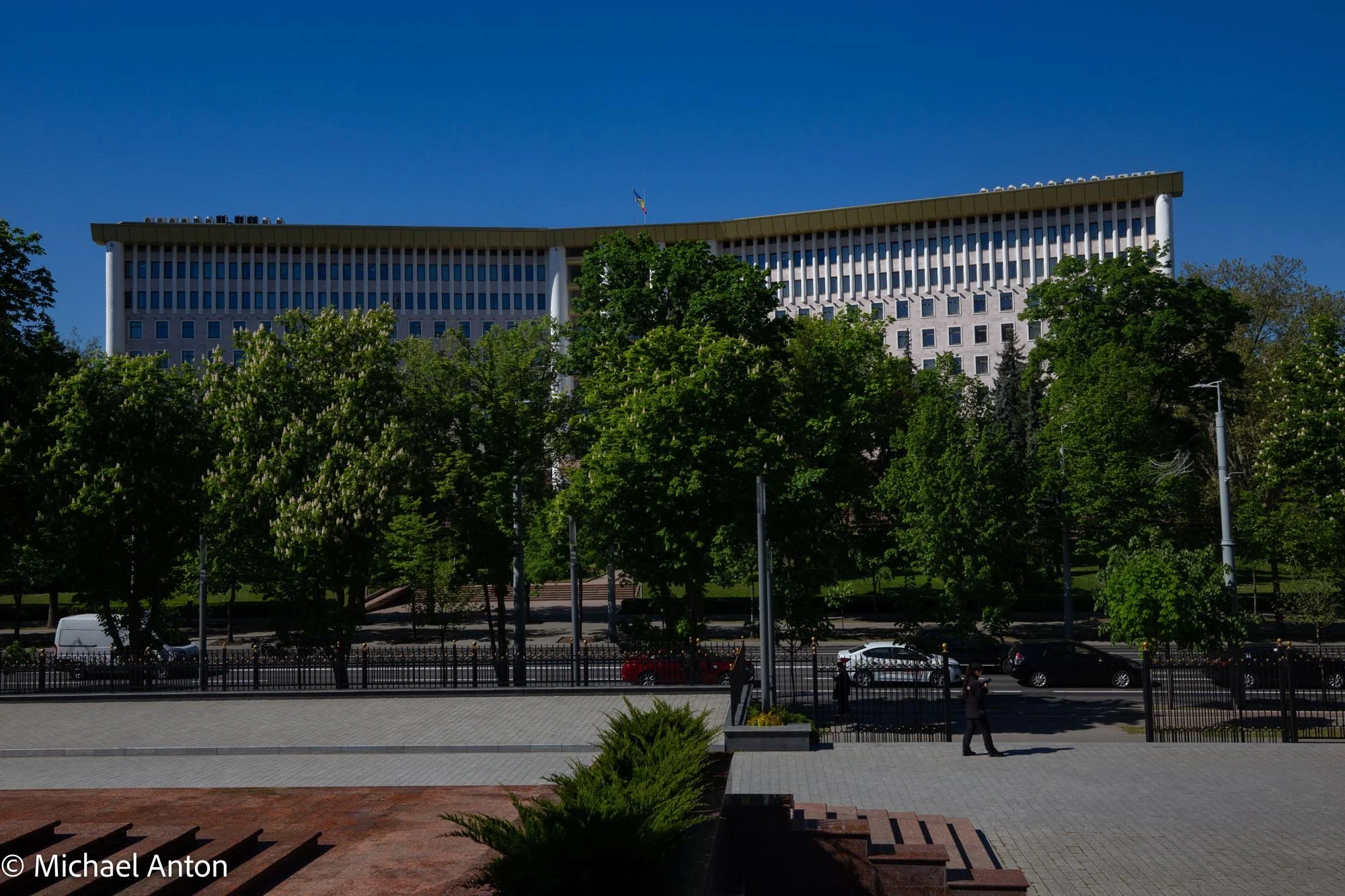
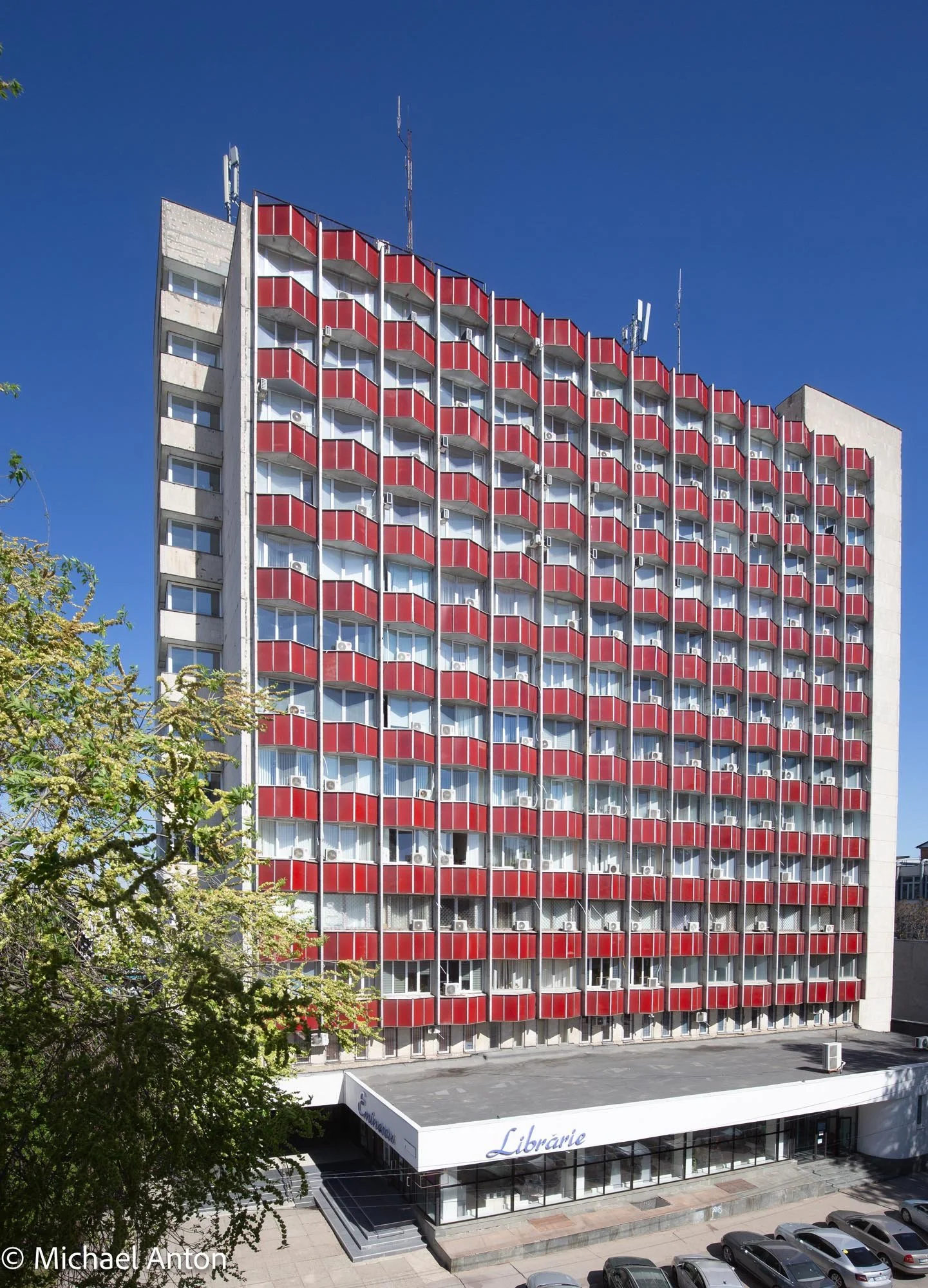
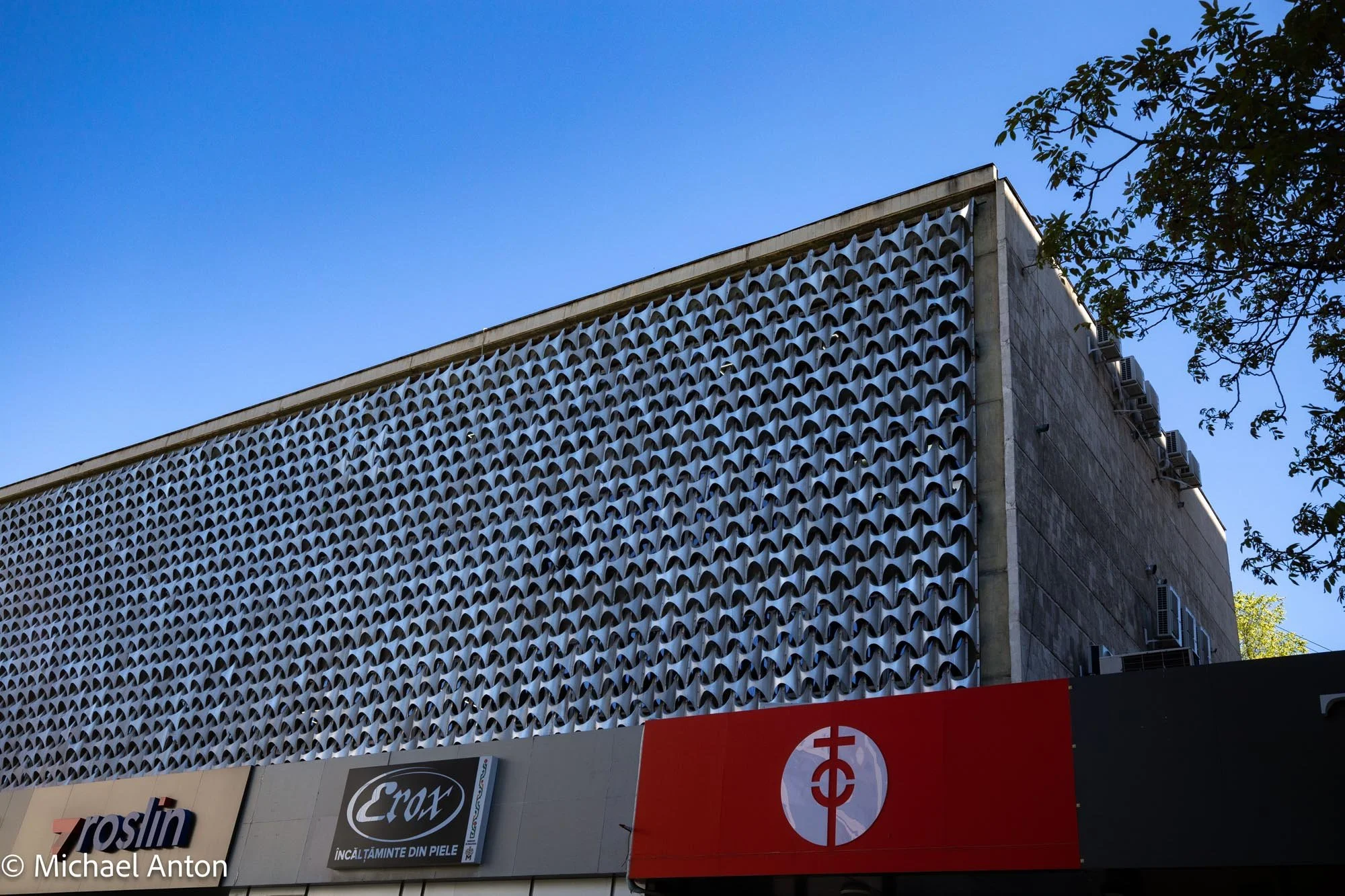
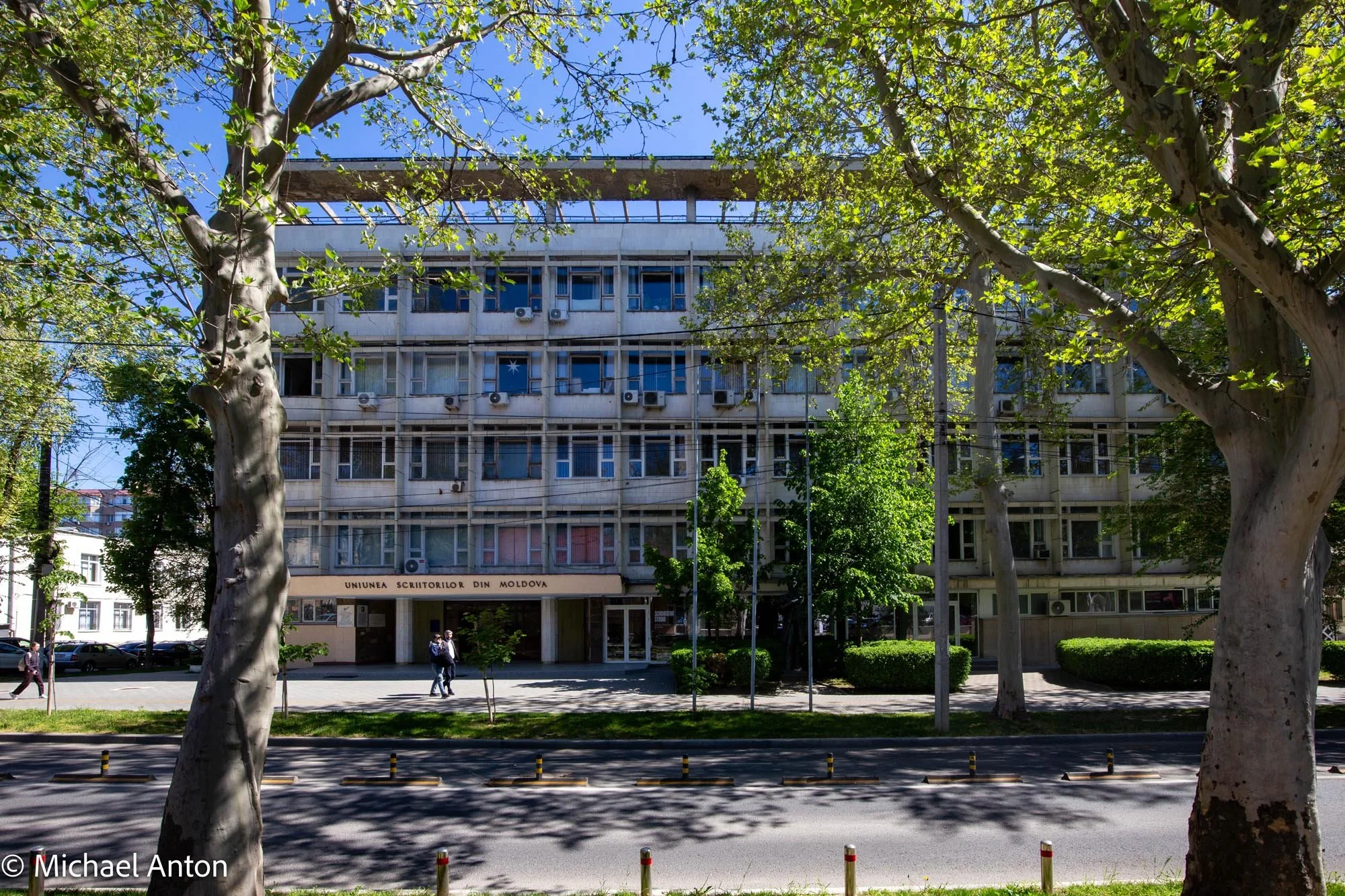
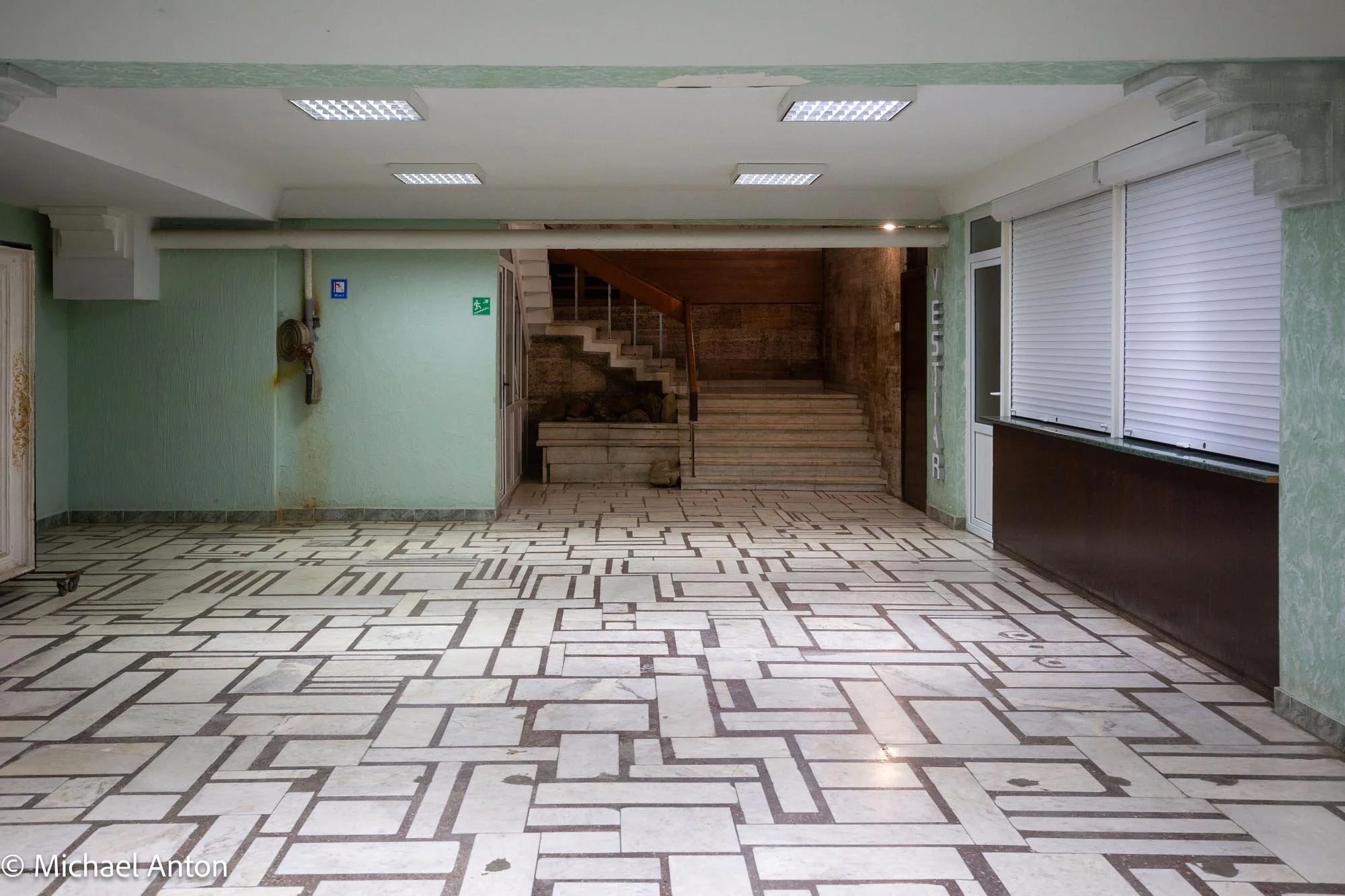
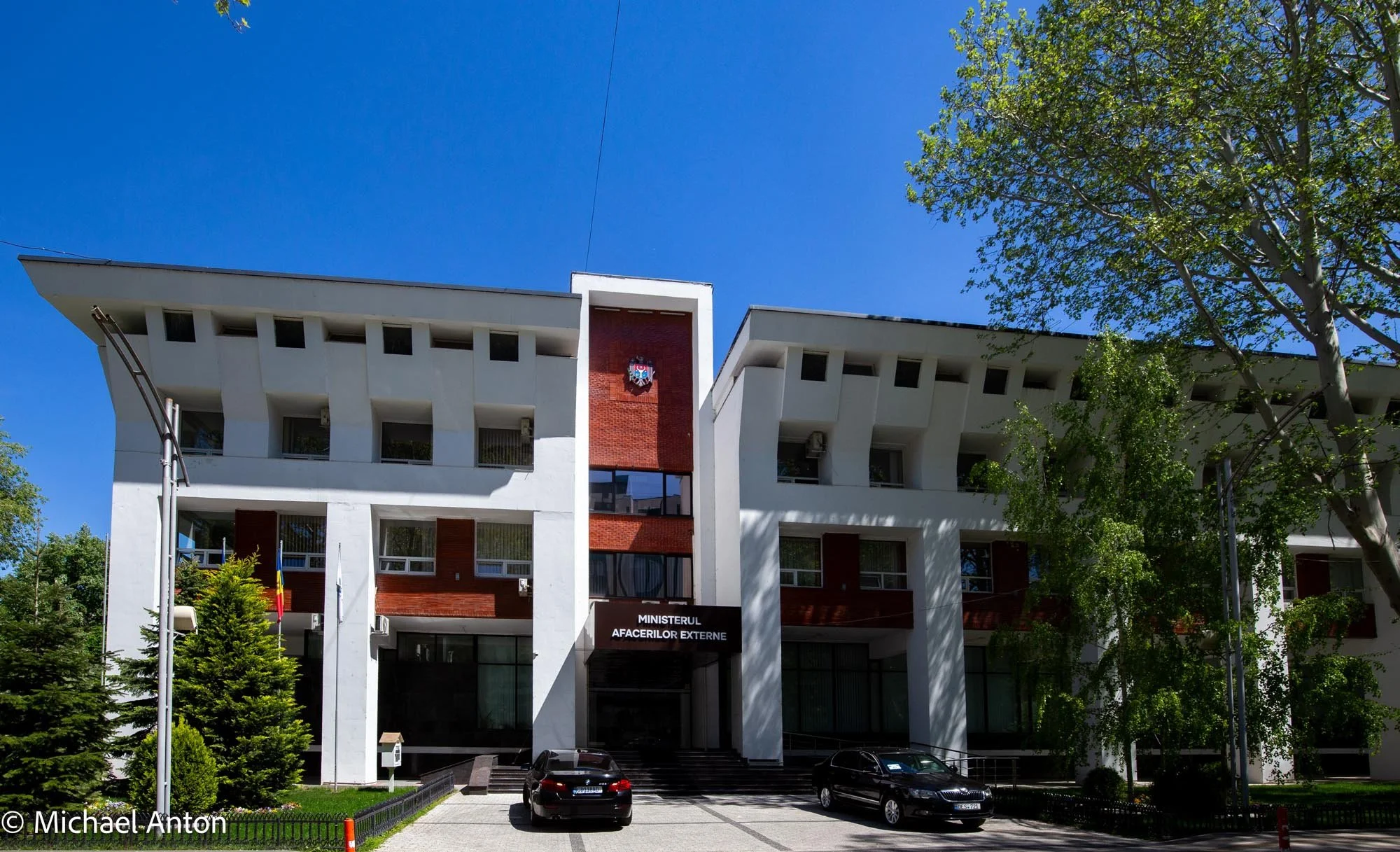
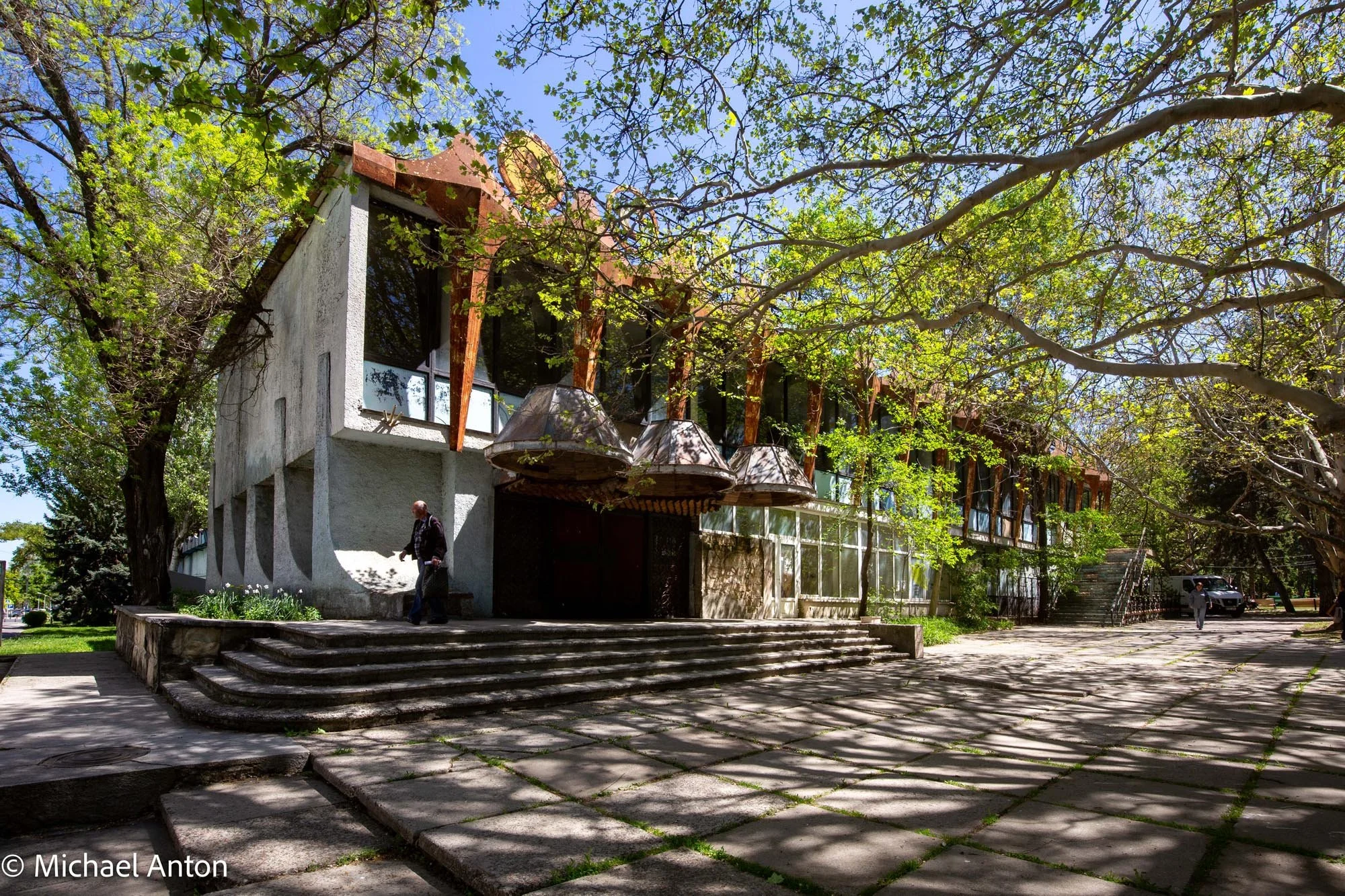
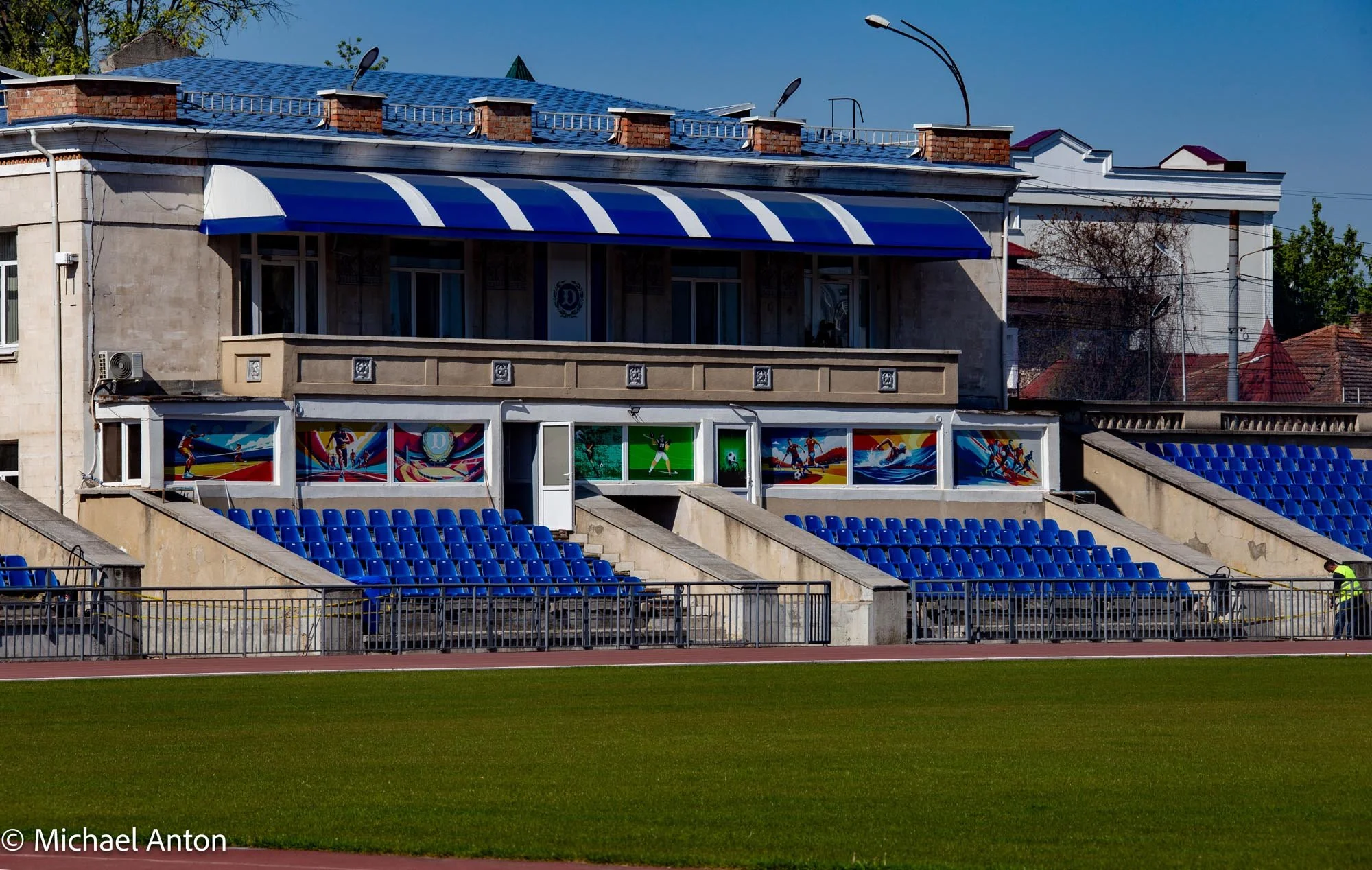
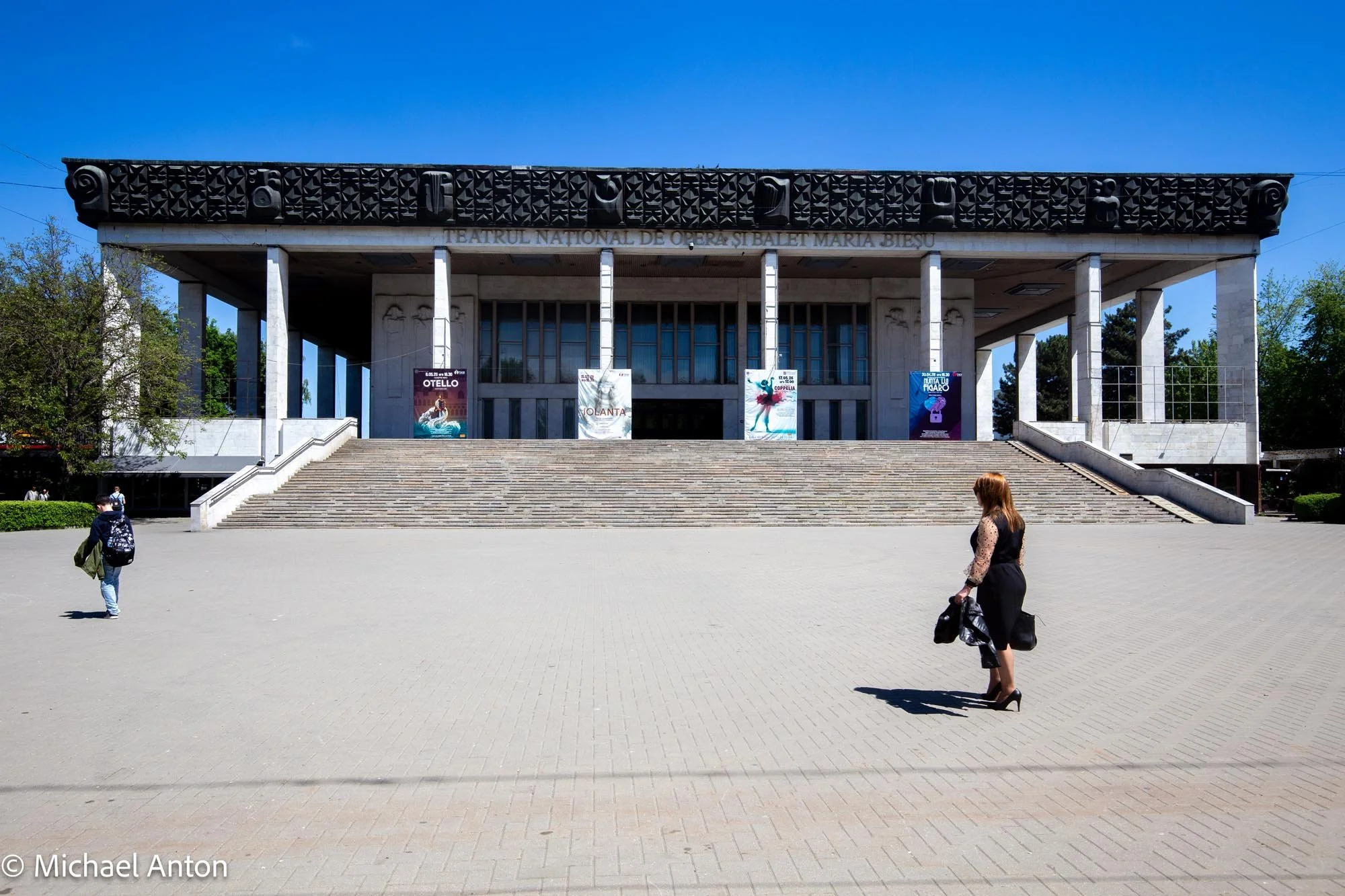
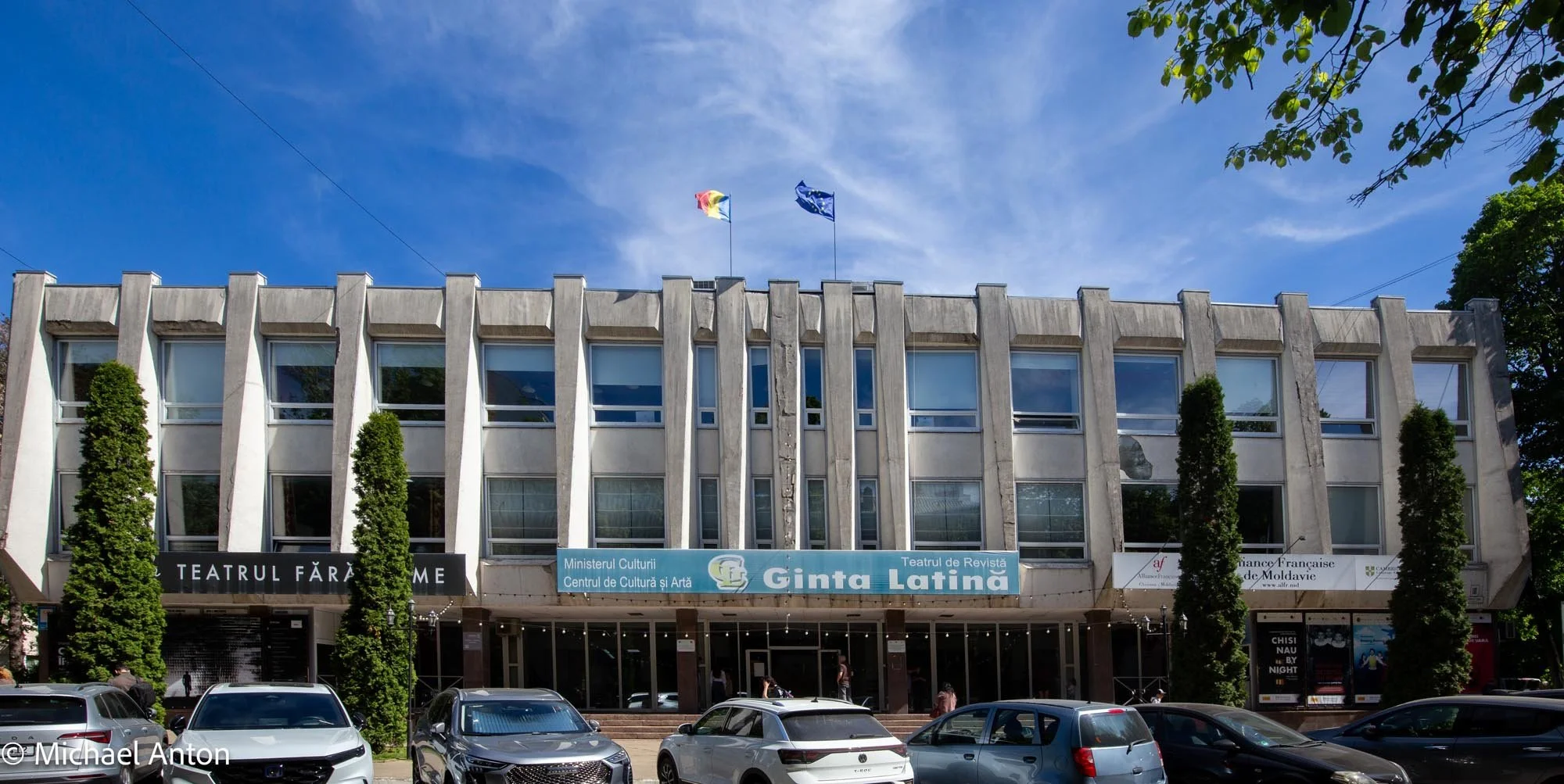
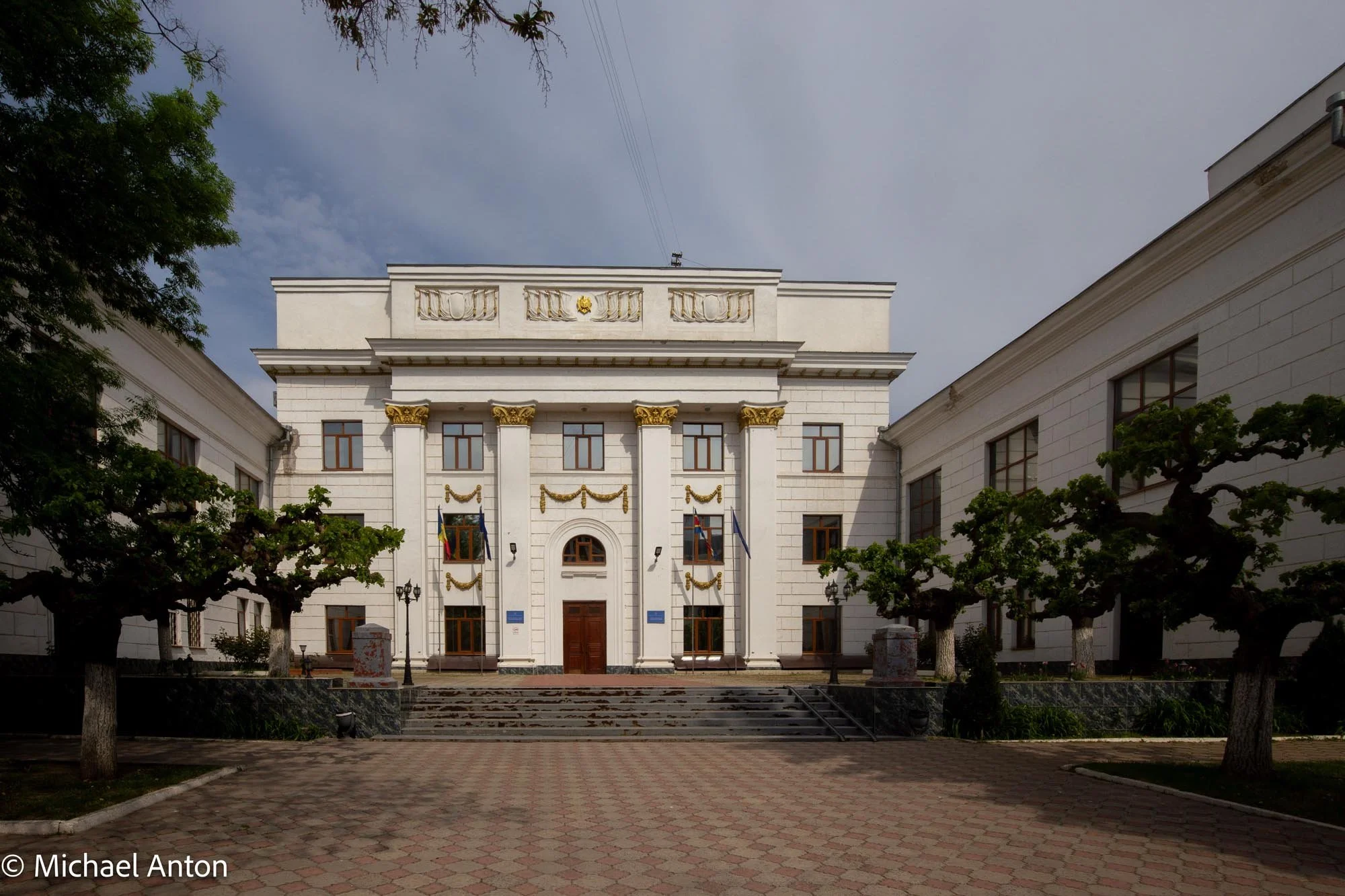
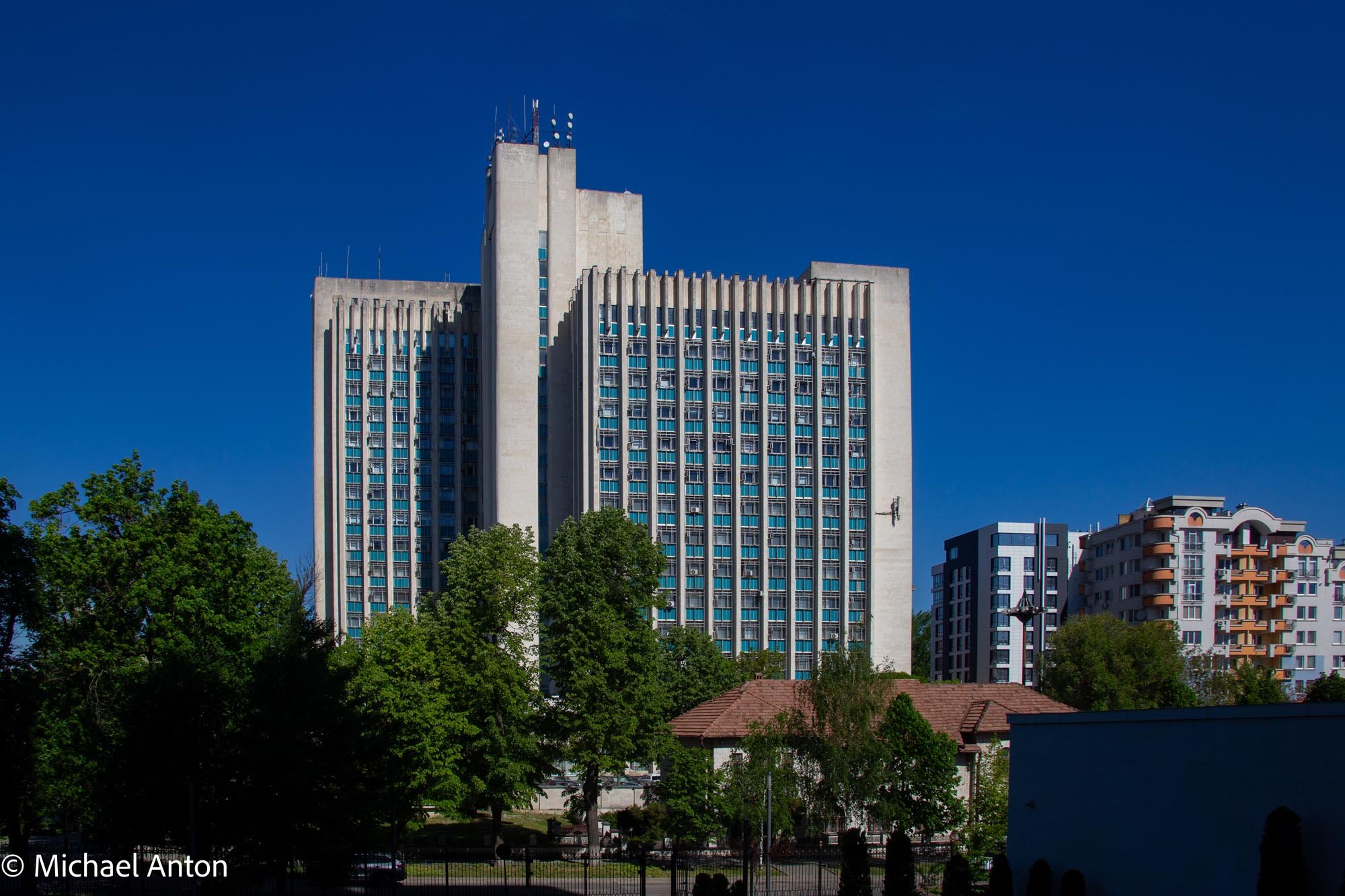
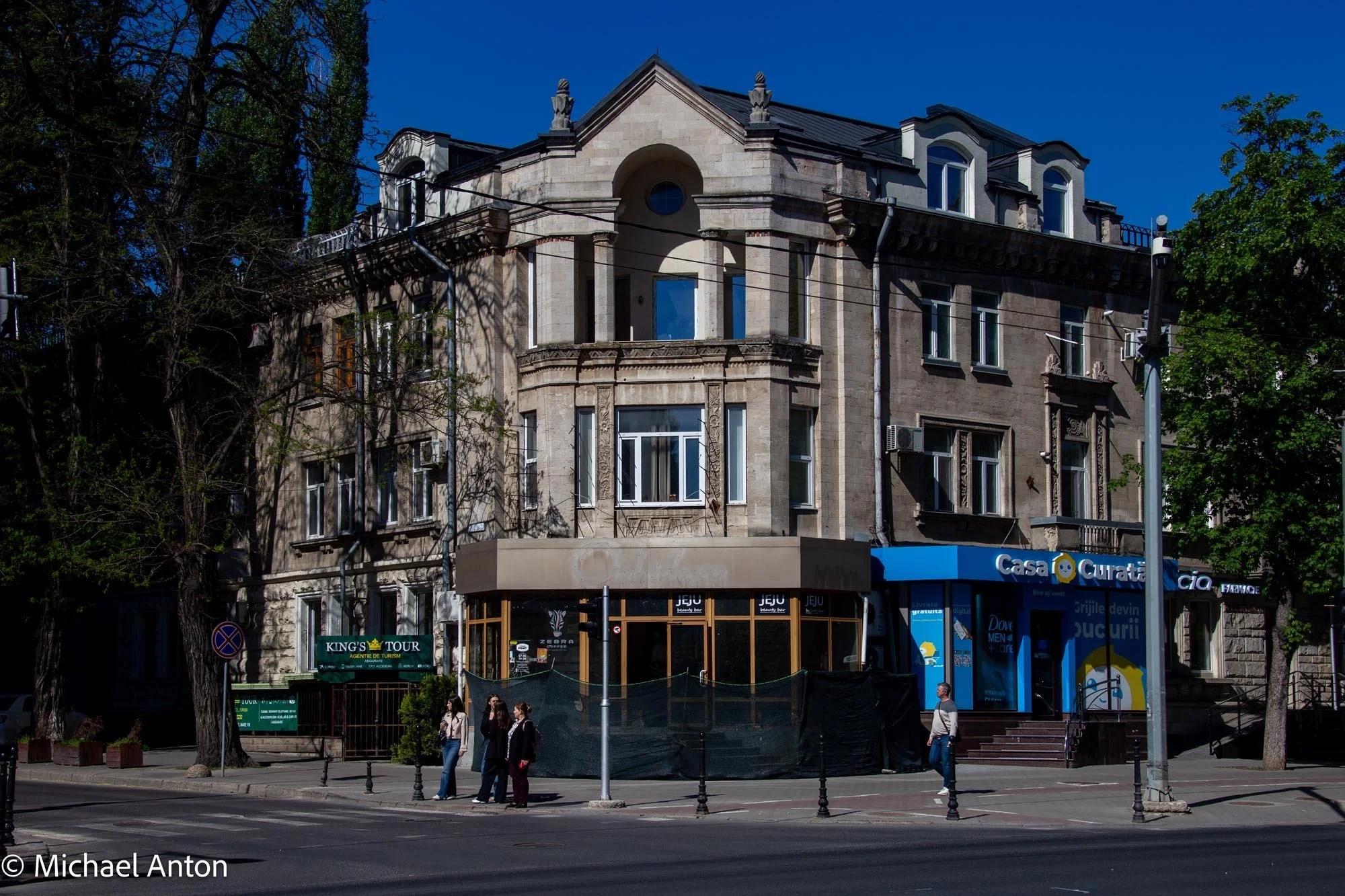
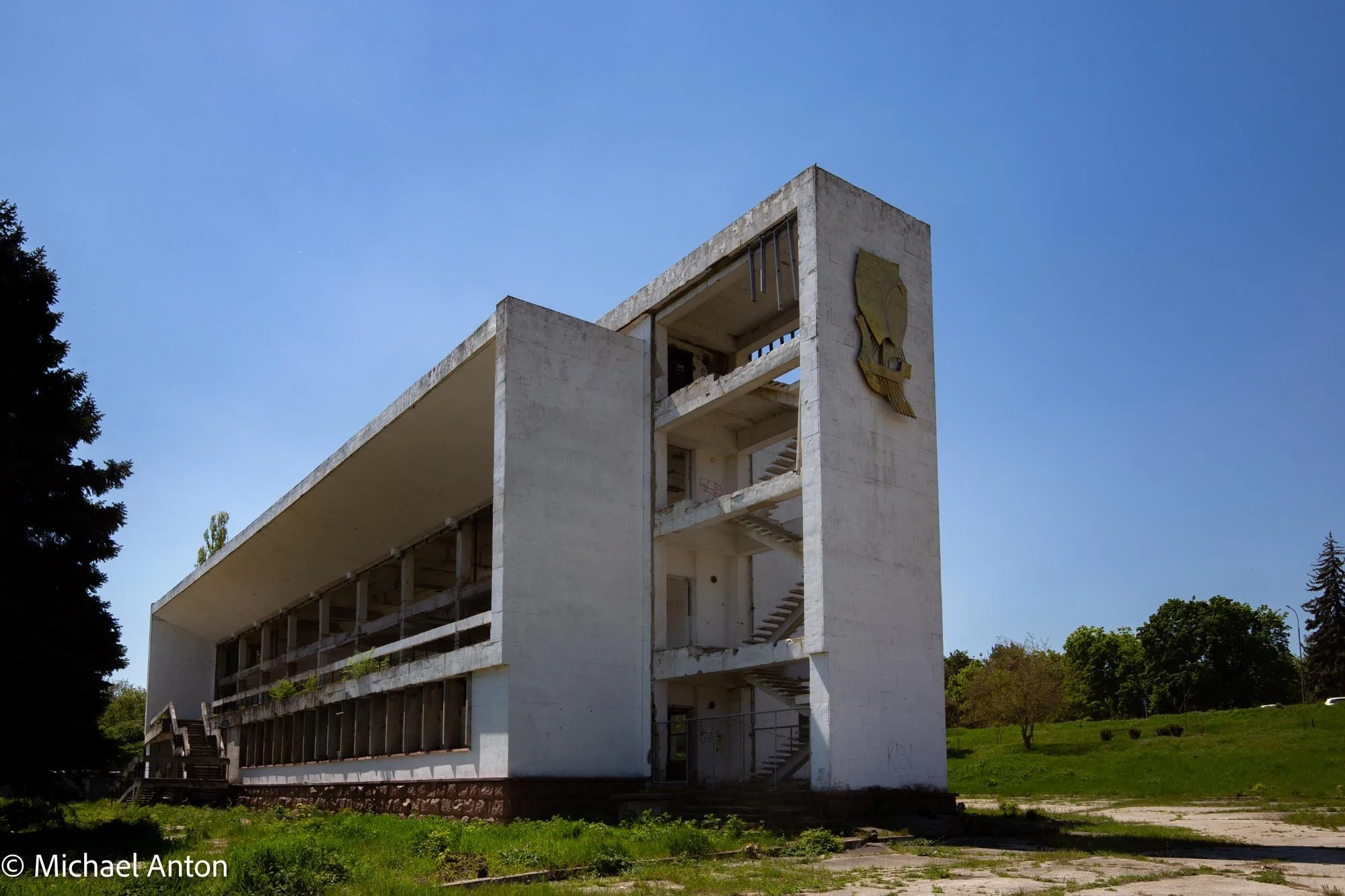
Soviet Design
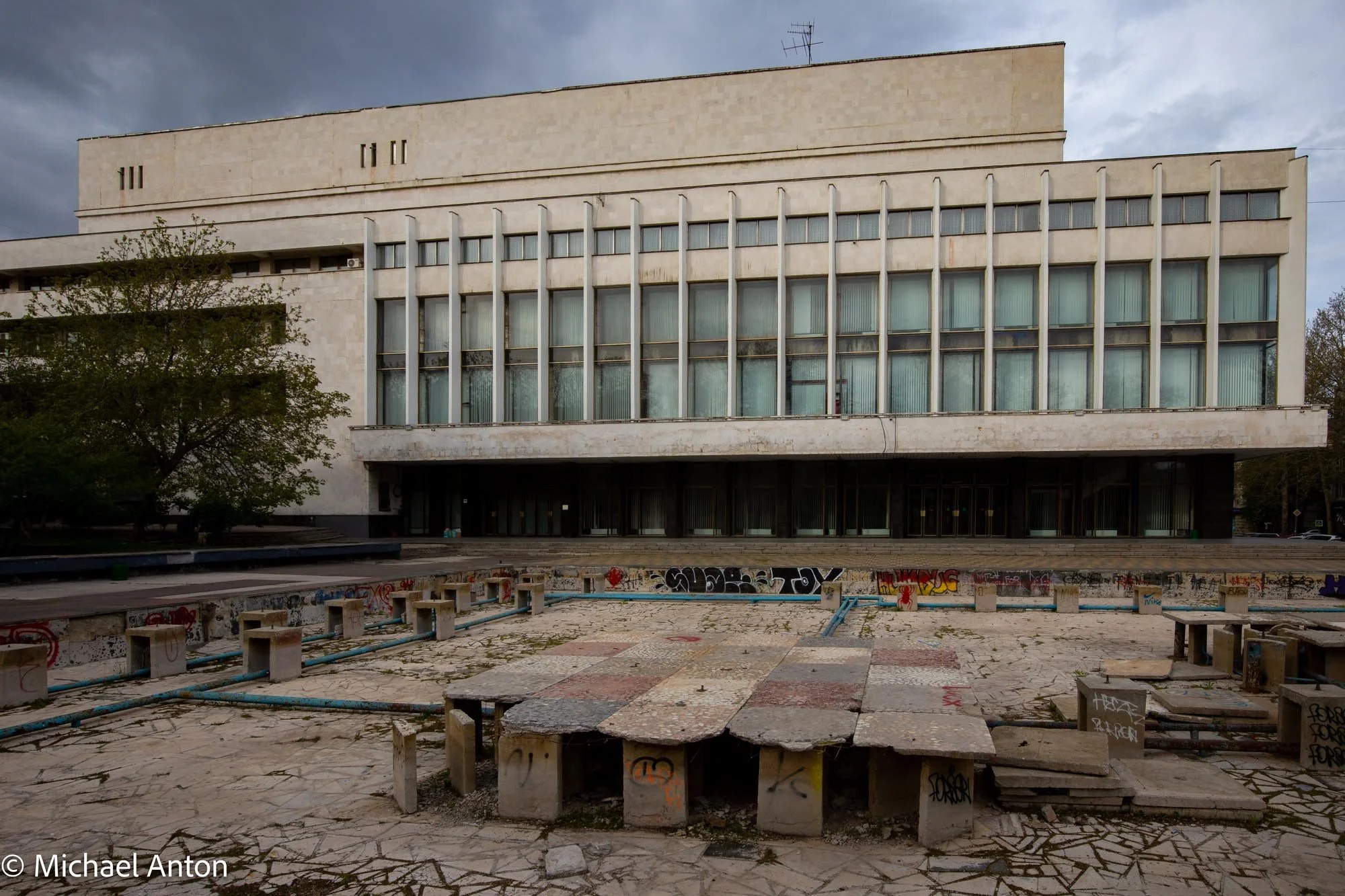
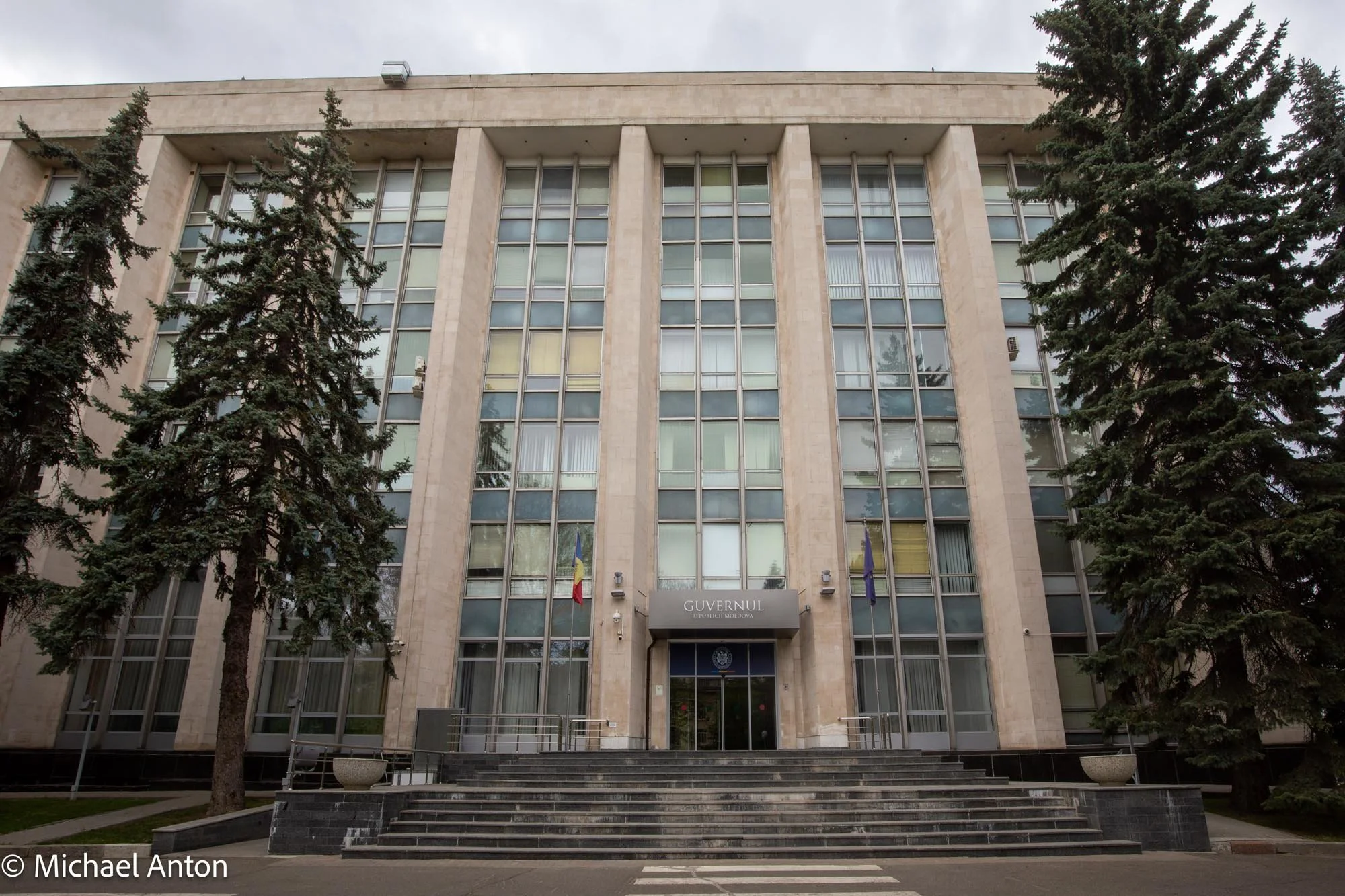
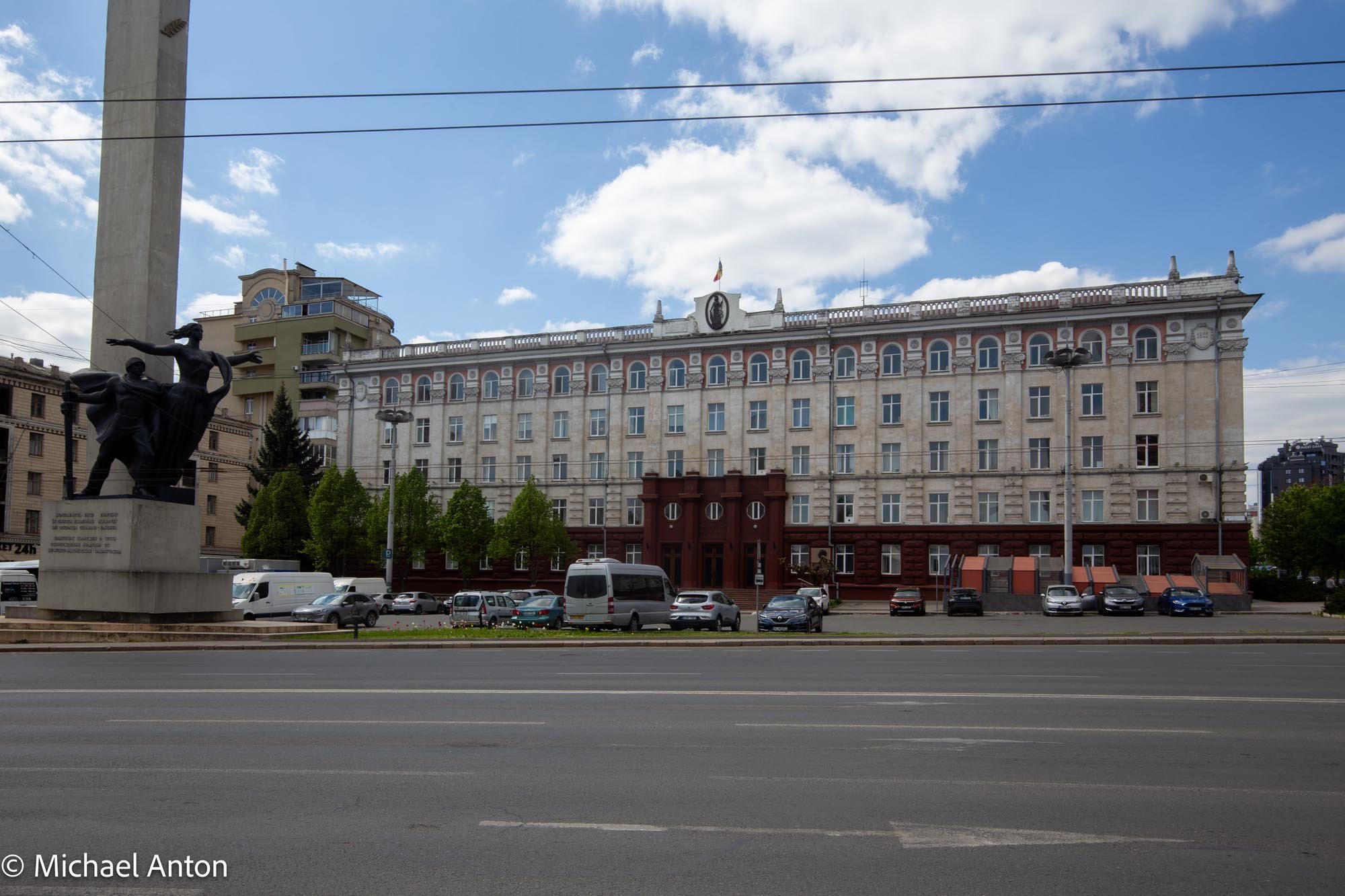
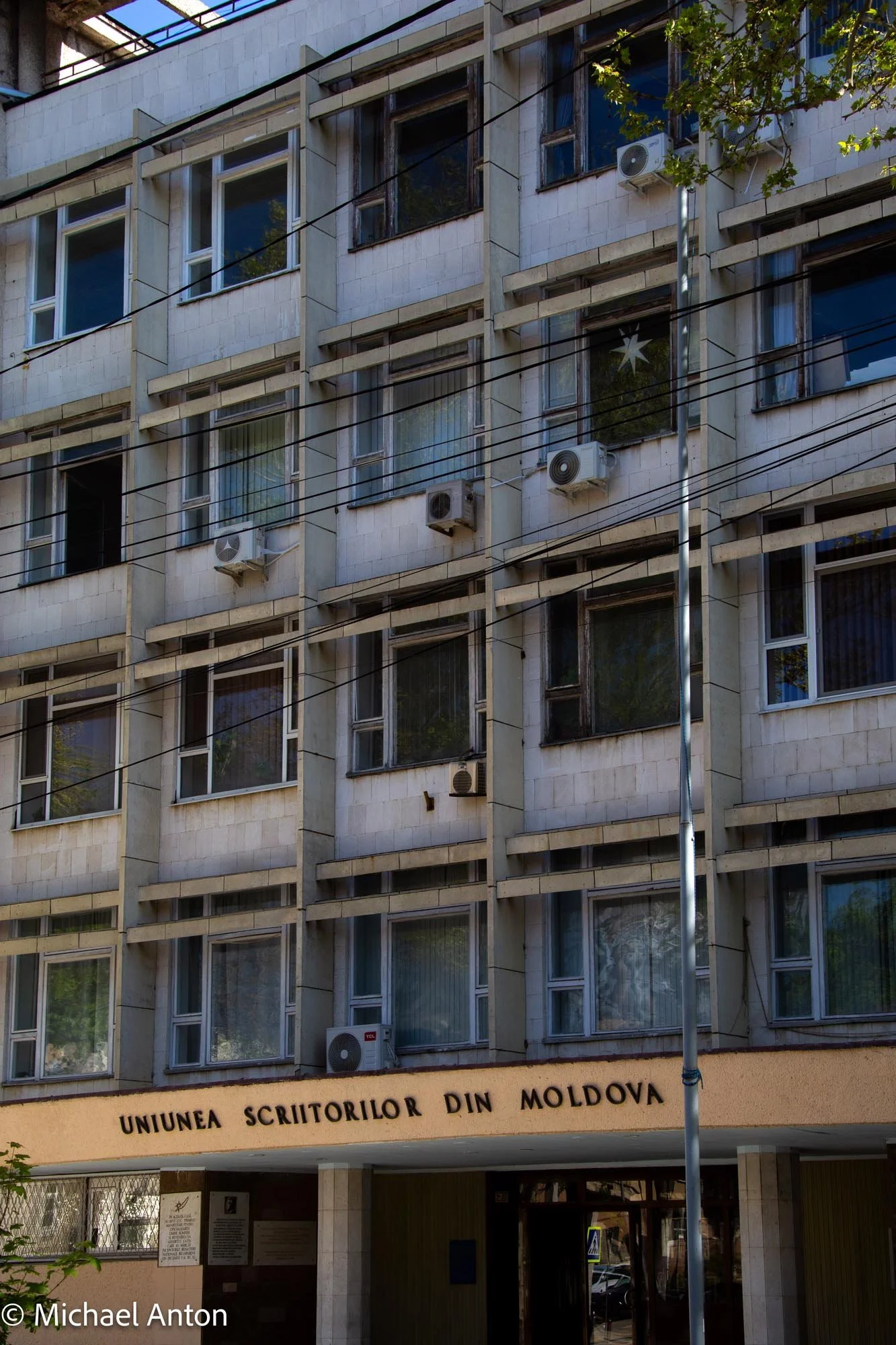
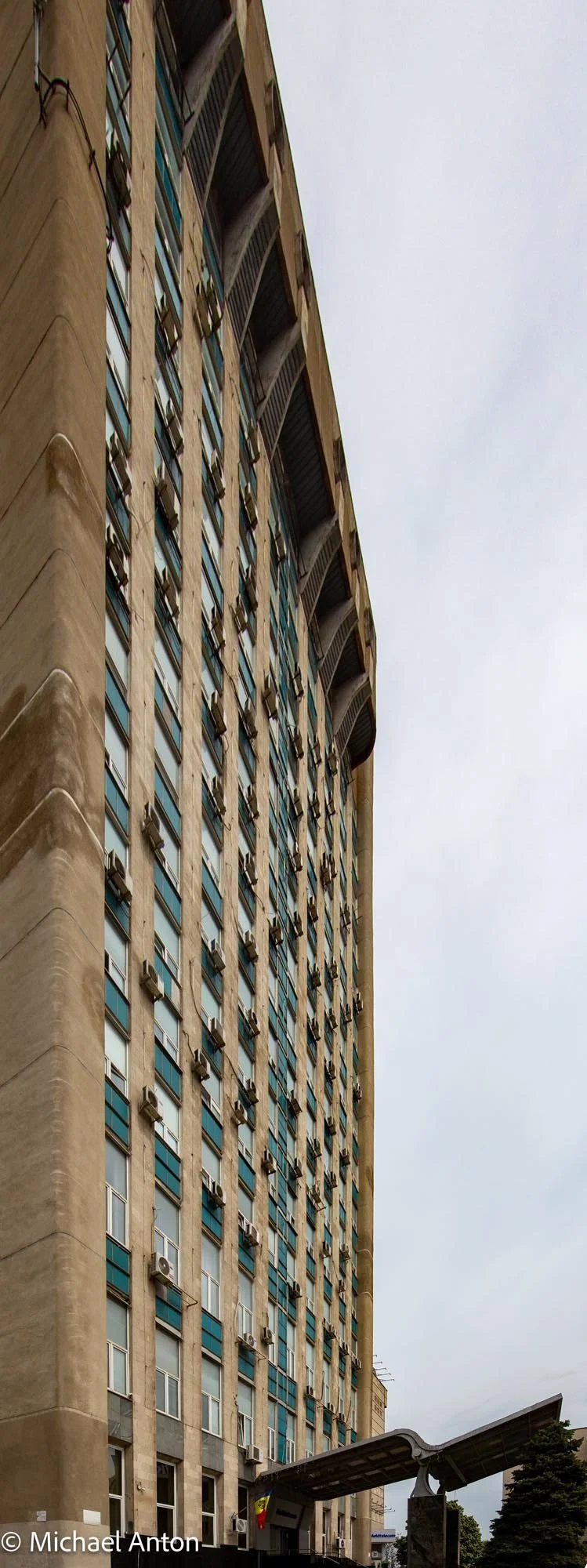
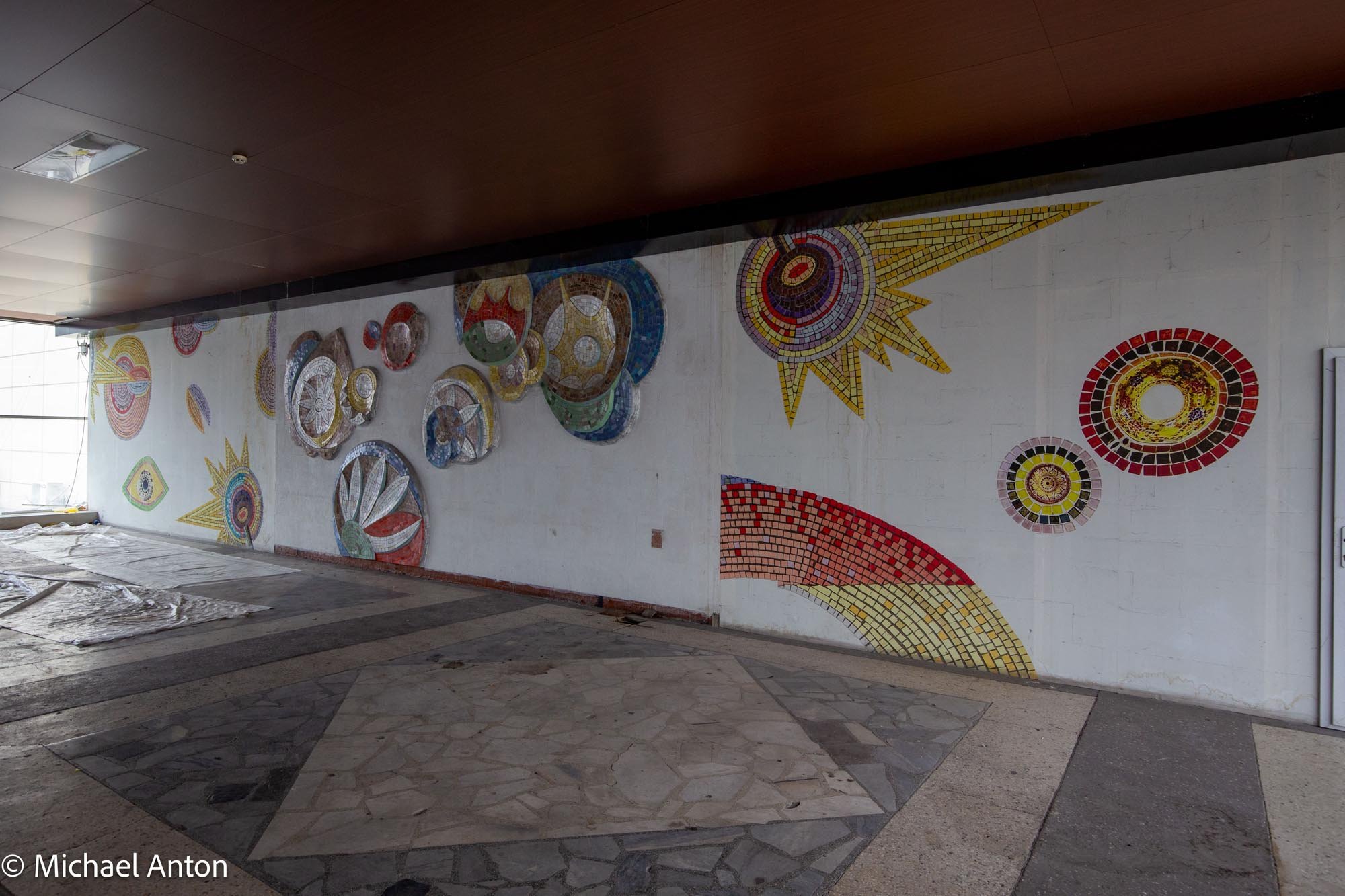
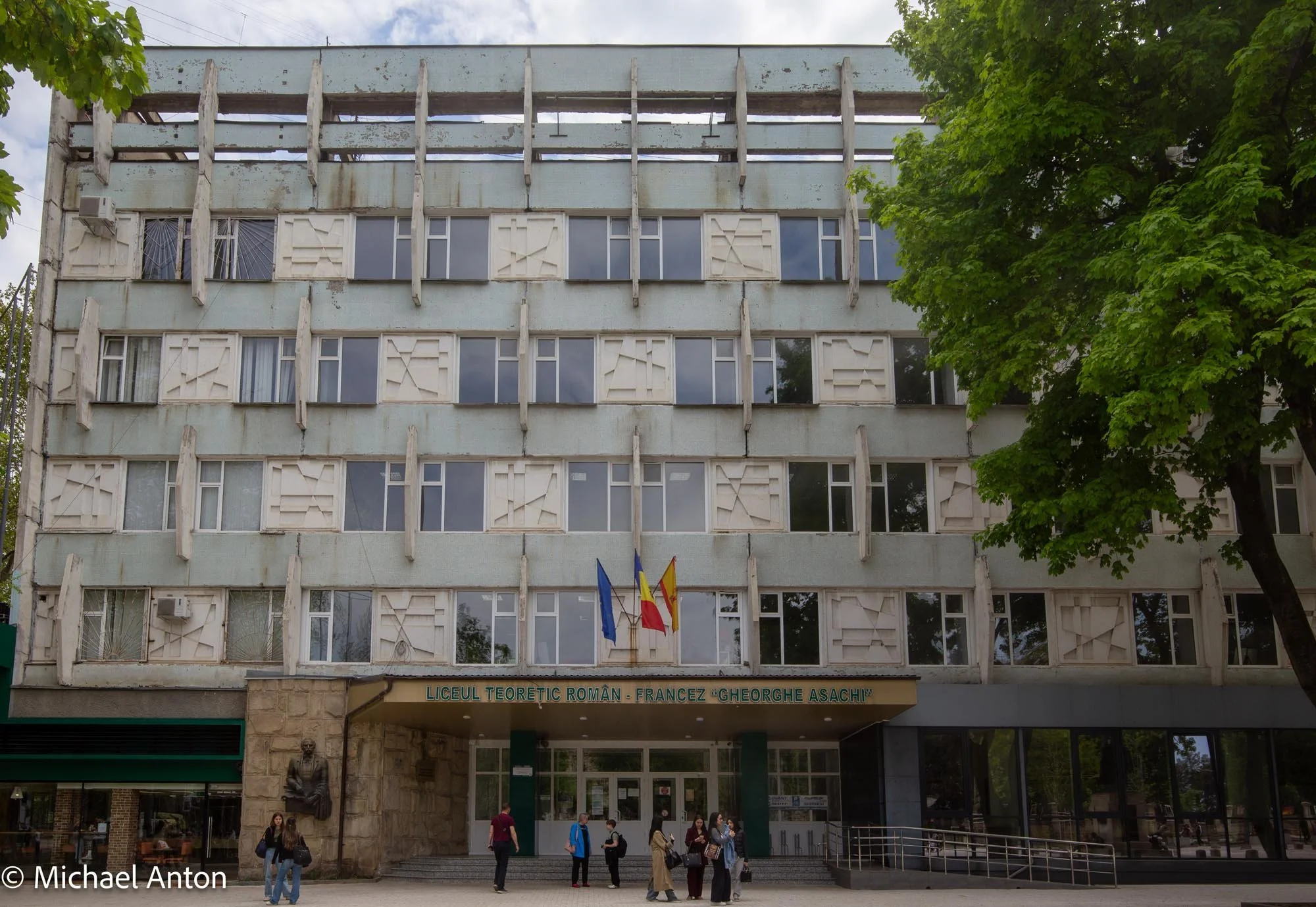
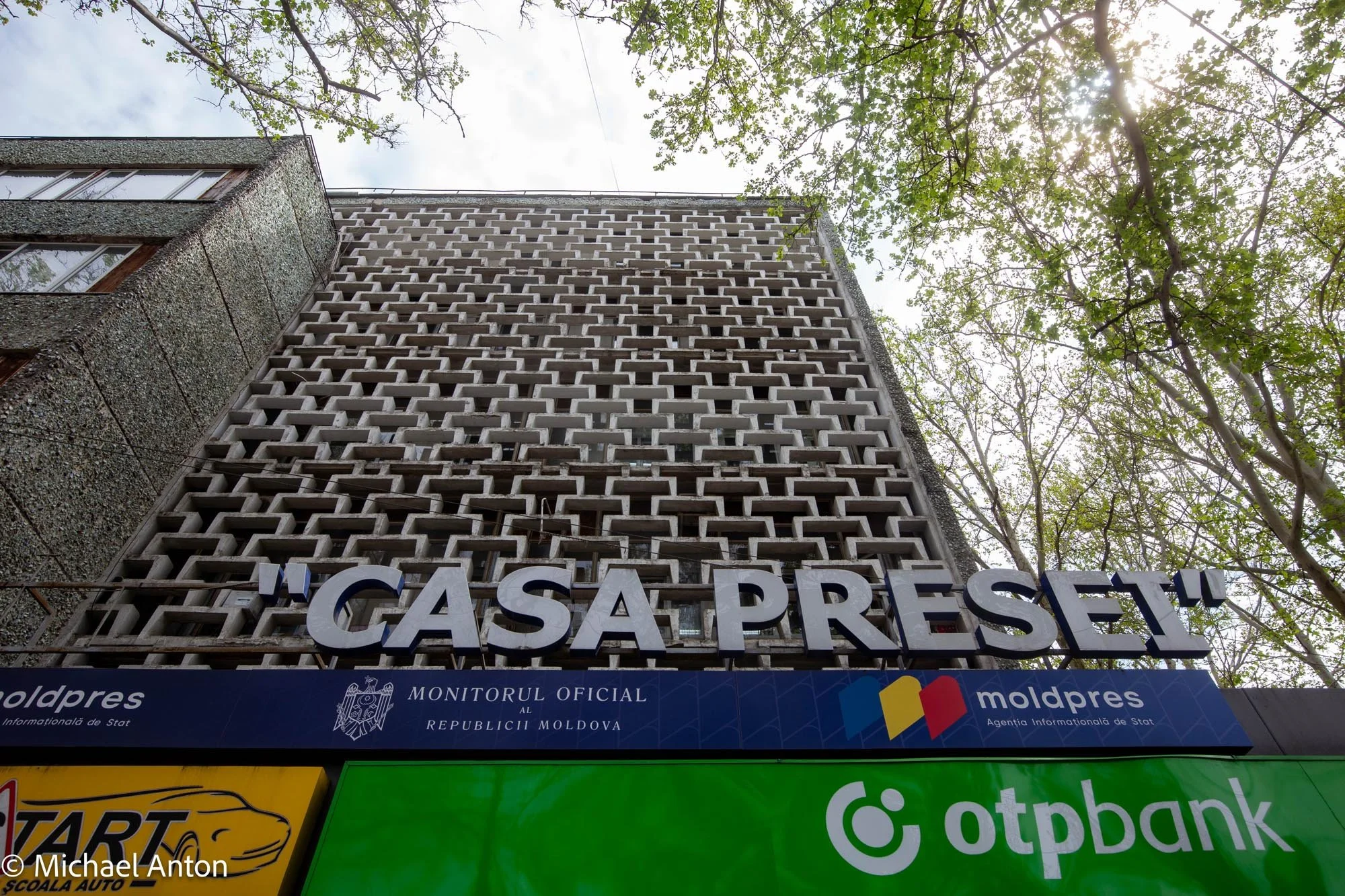
So much of Chisinau was destroyed during the war that certain structures were built using German POWs after the war. The last POWs weren’t released from custody until 1956, 11 years after the end of the war. The Soviets needed their labor.
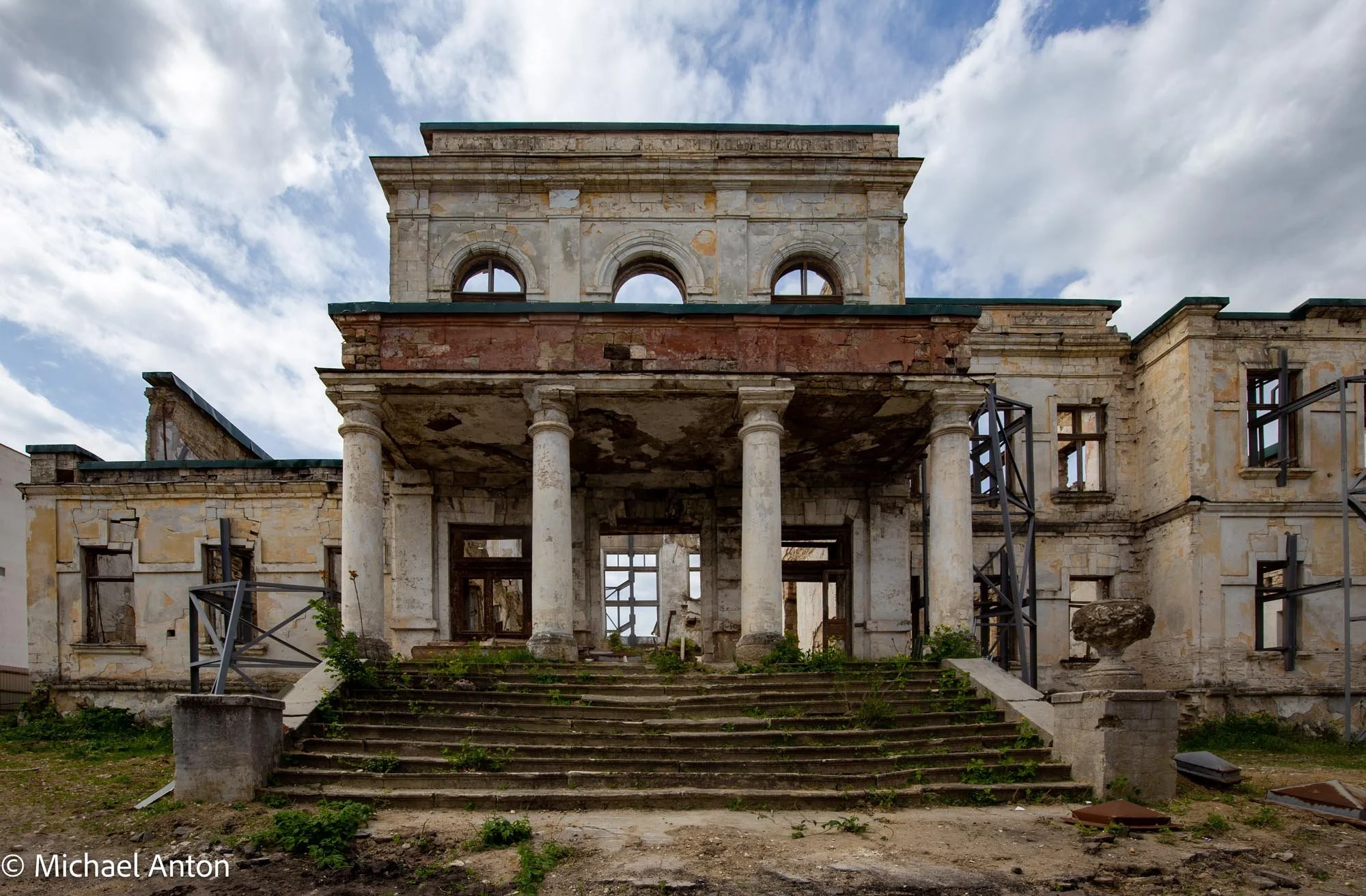
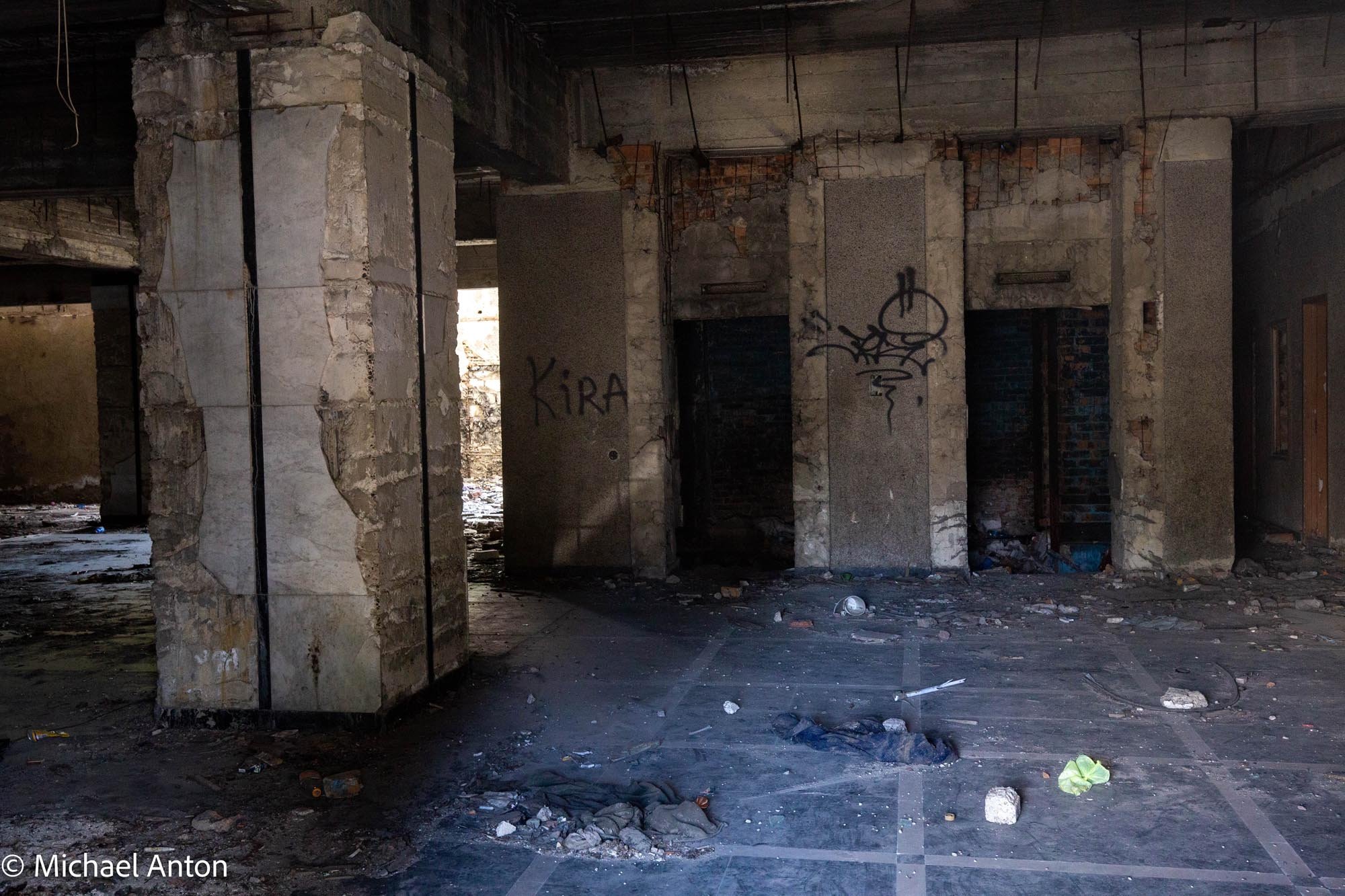
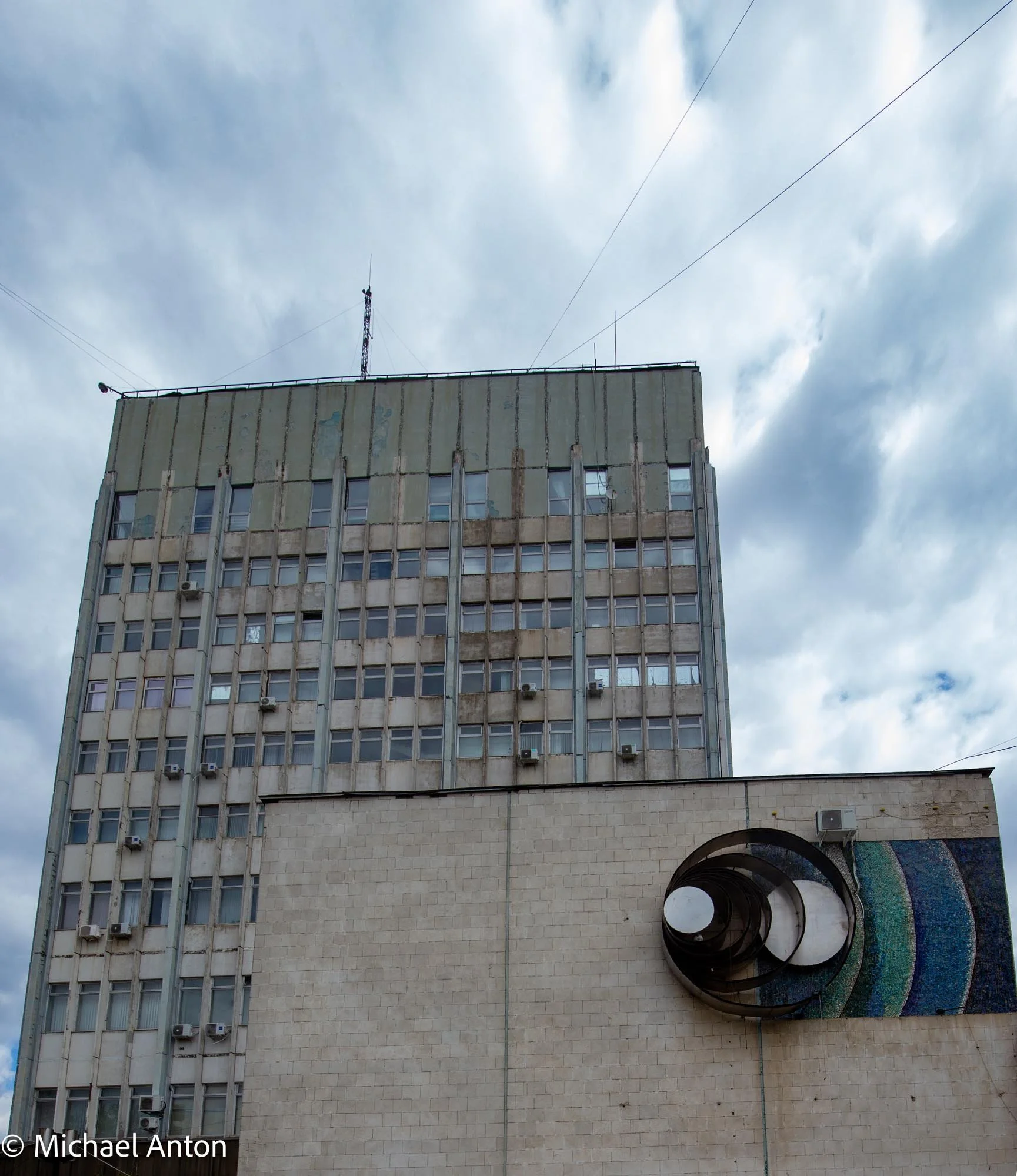
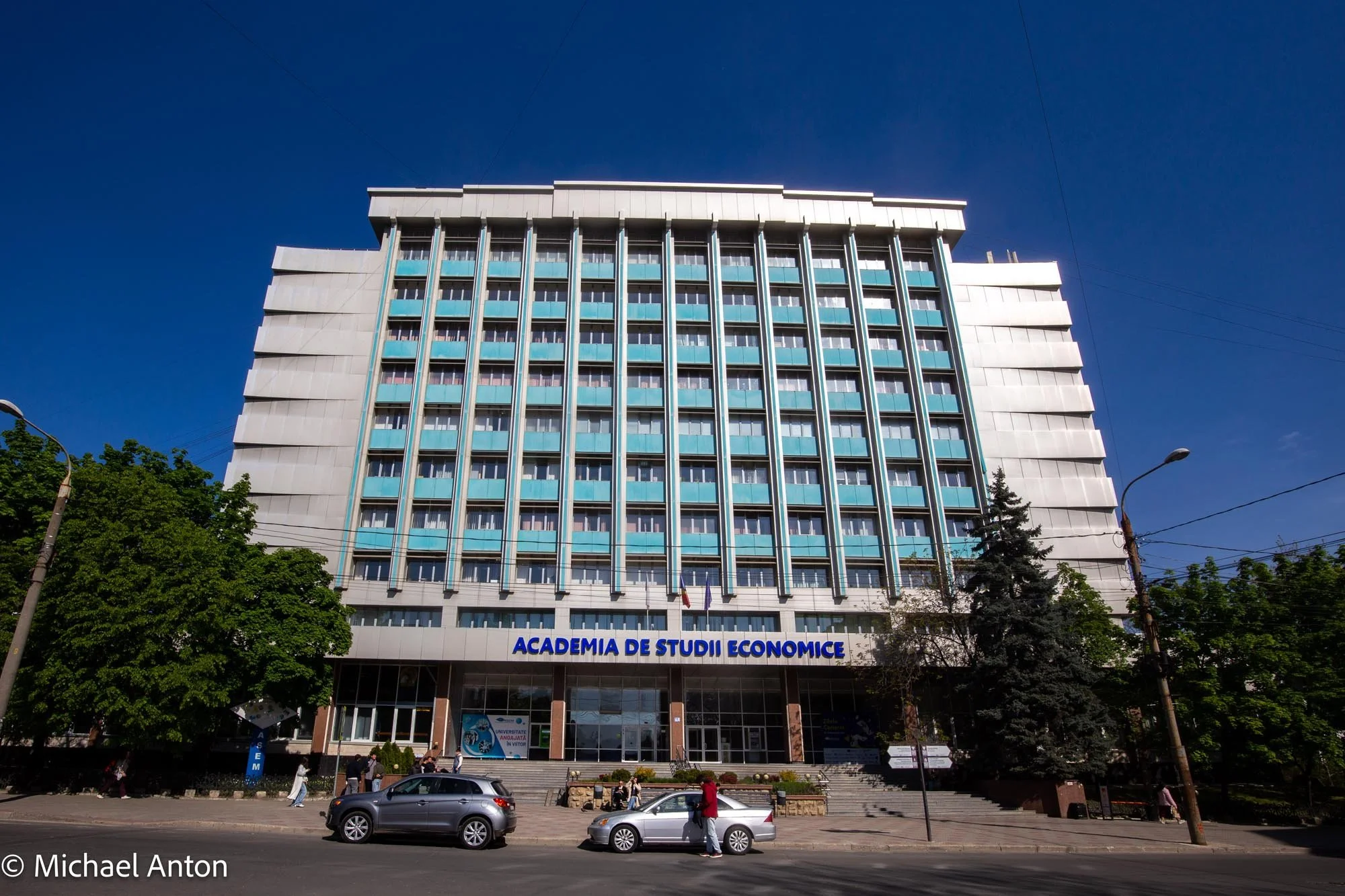
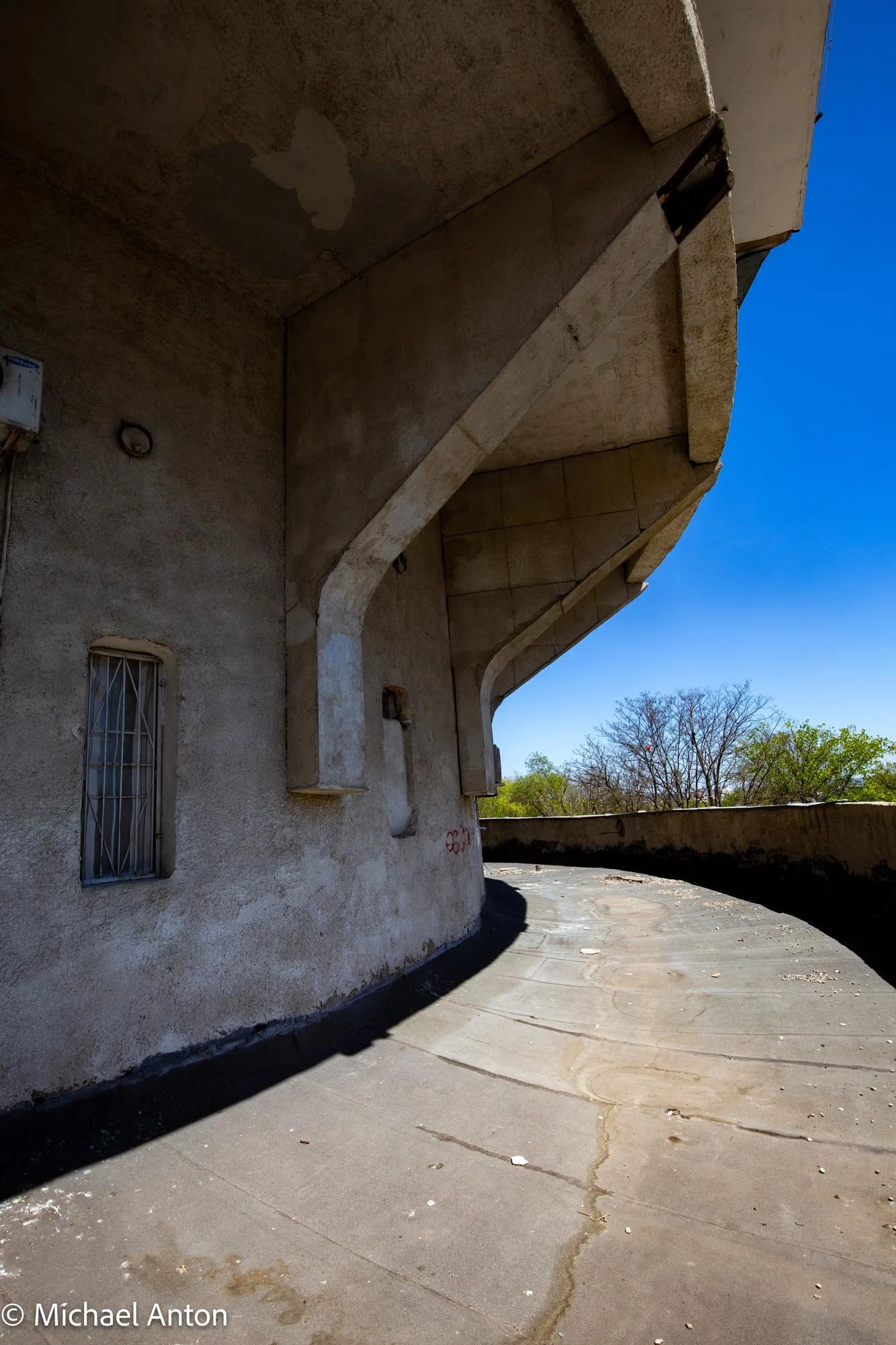
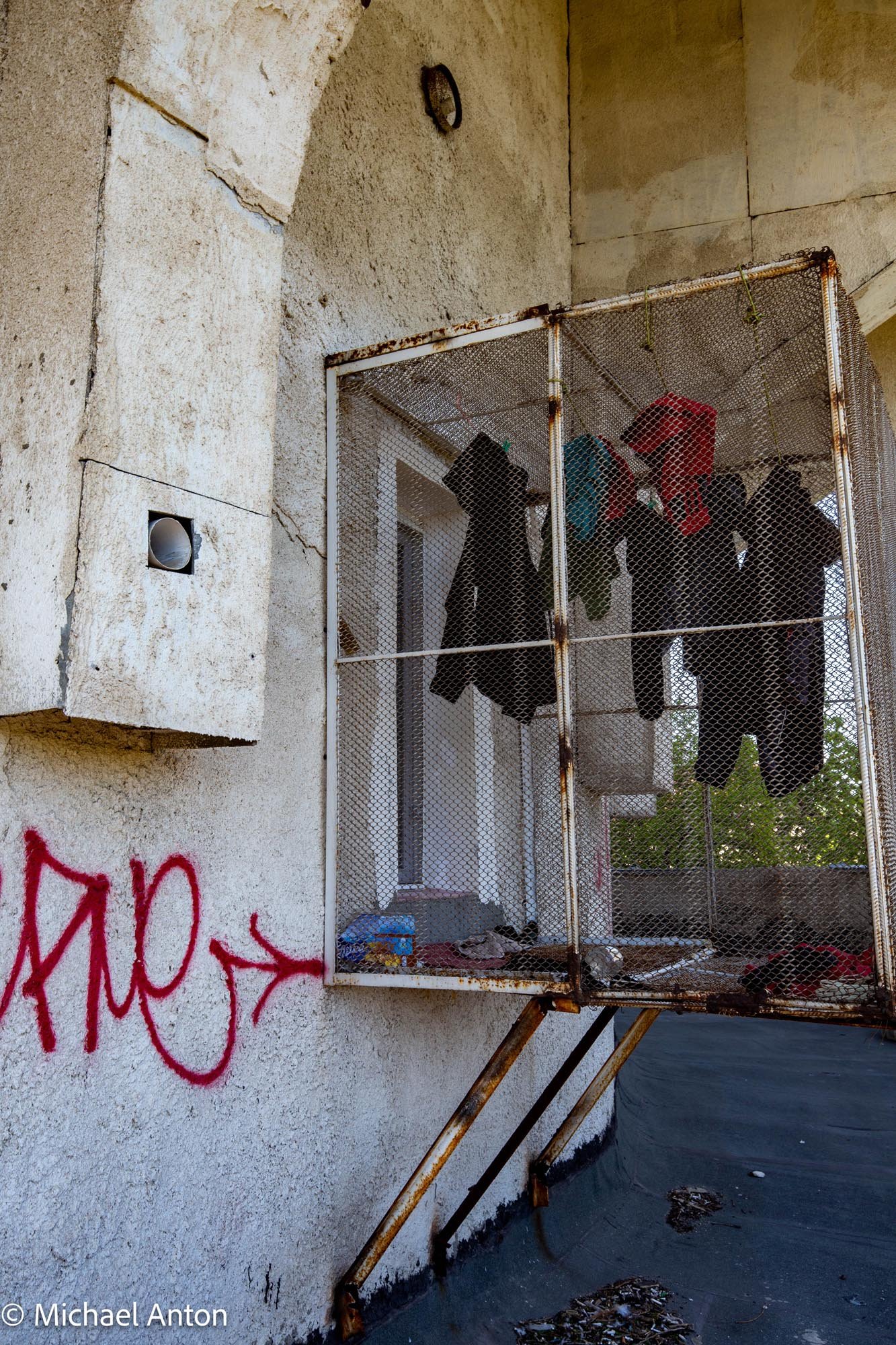
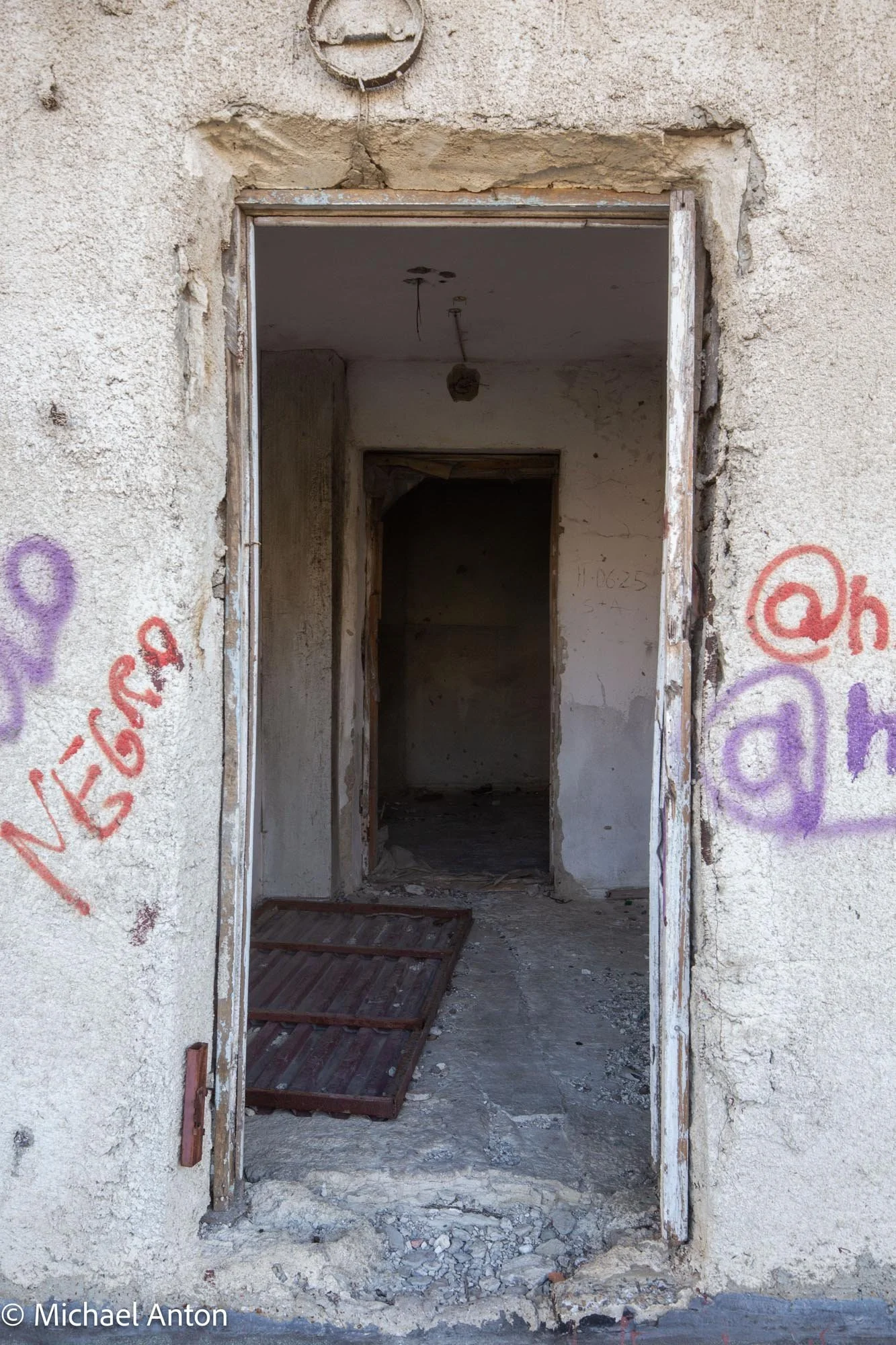
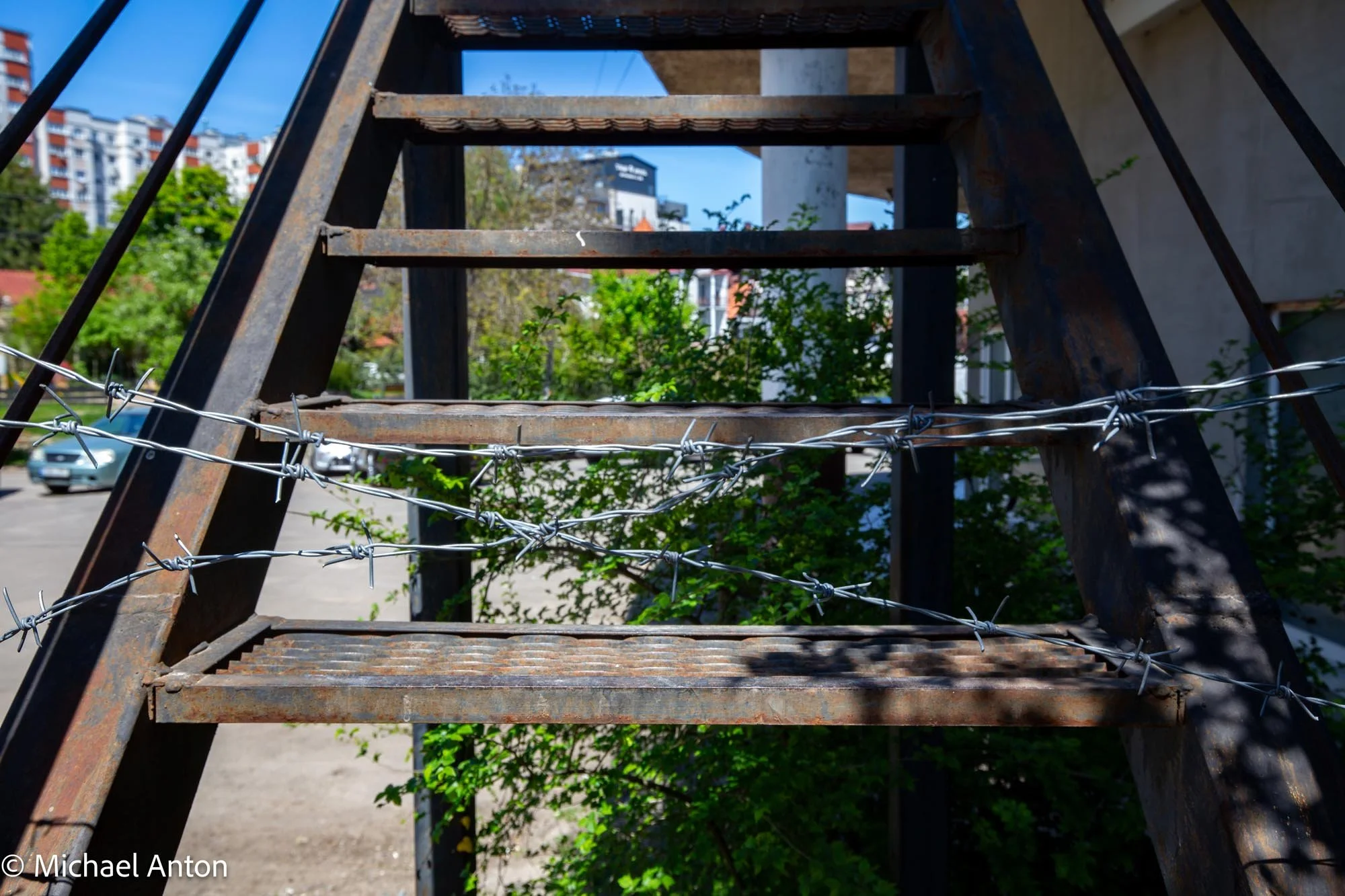
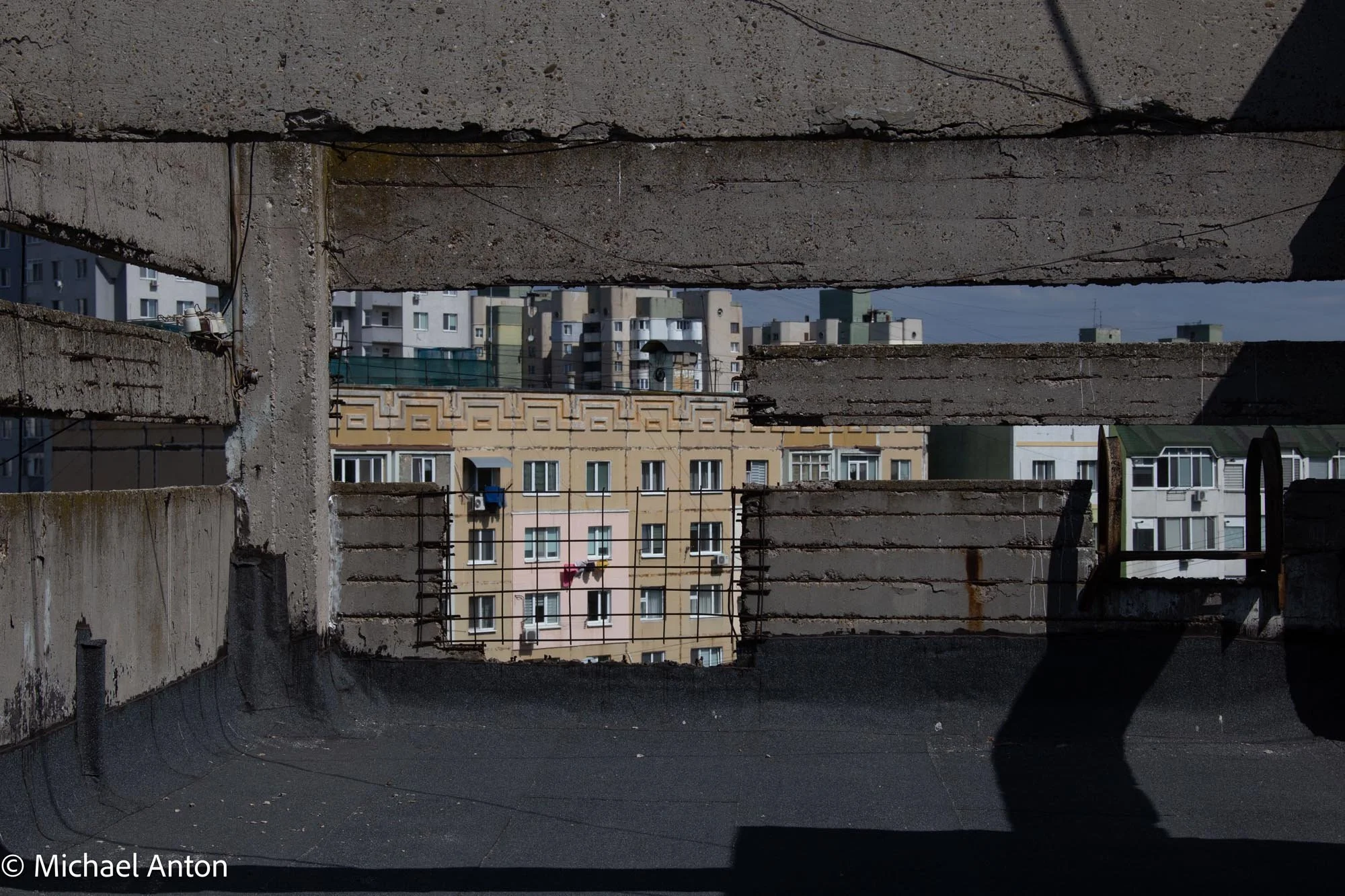
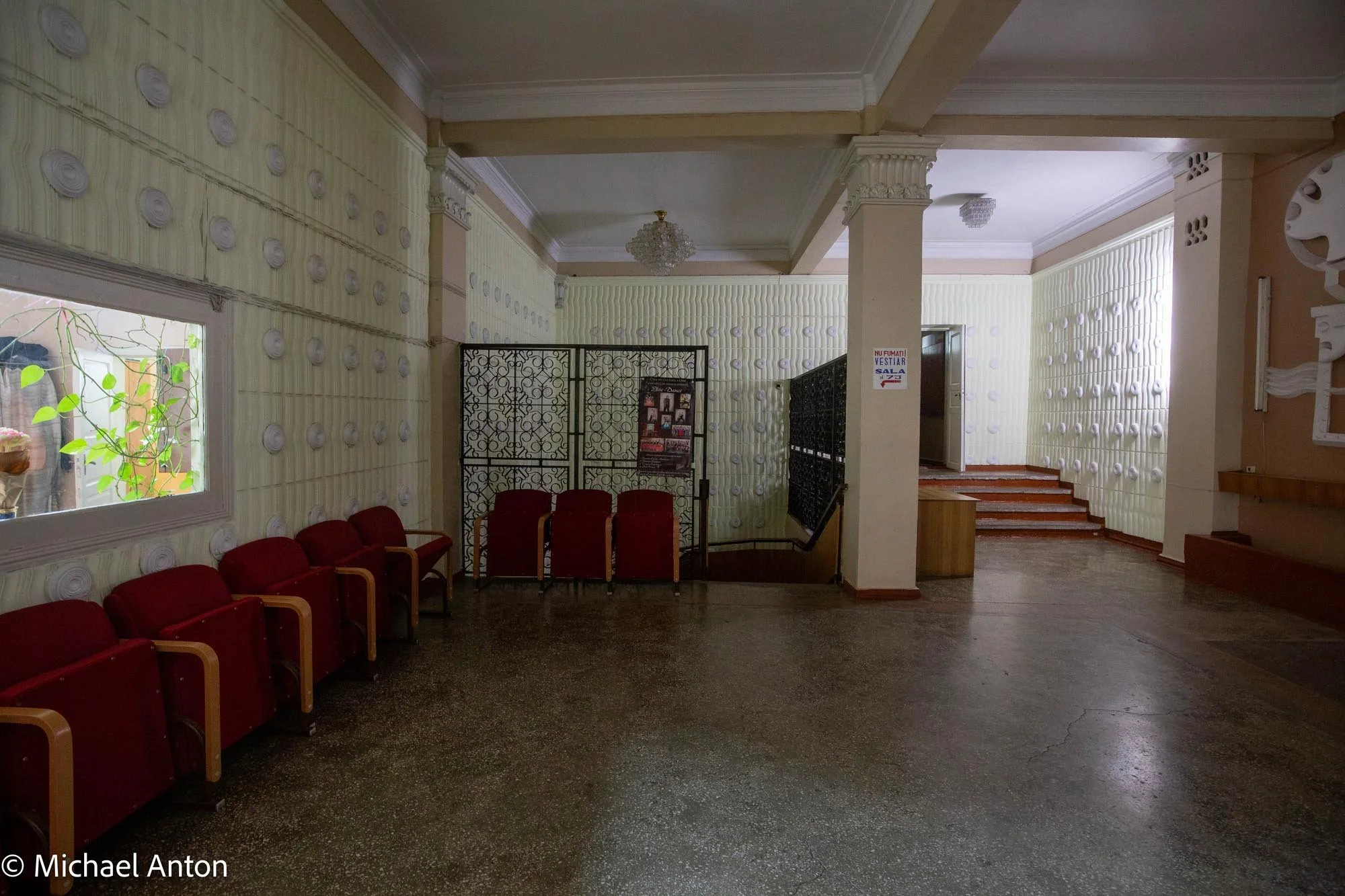
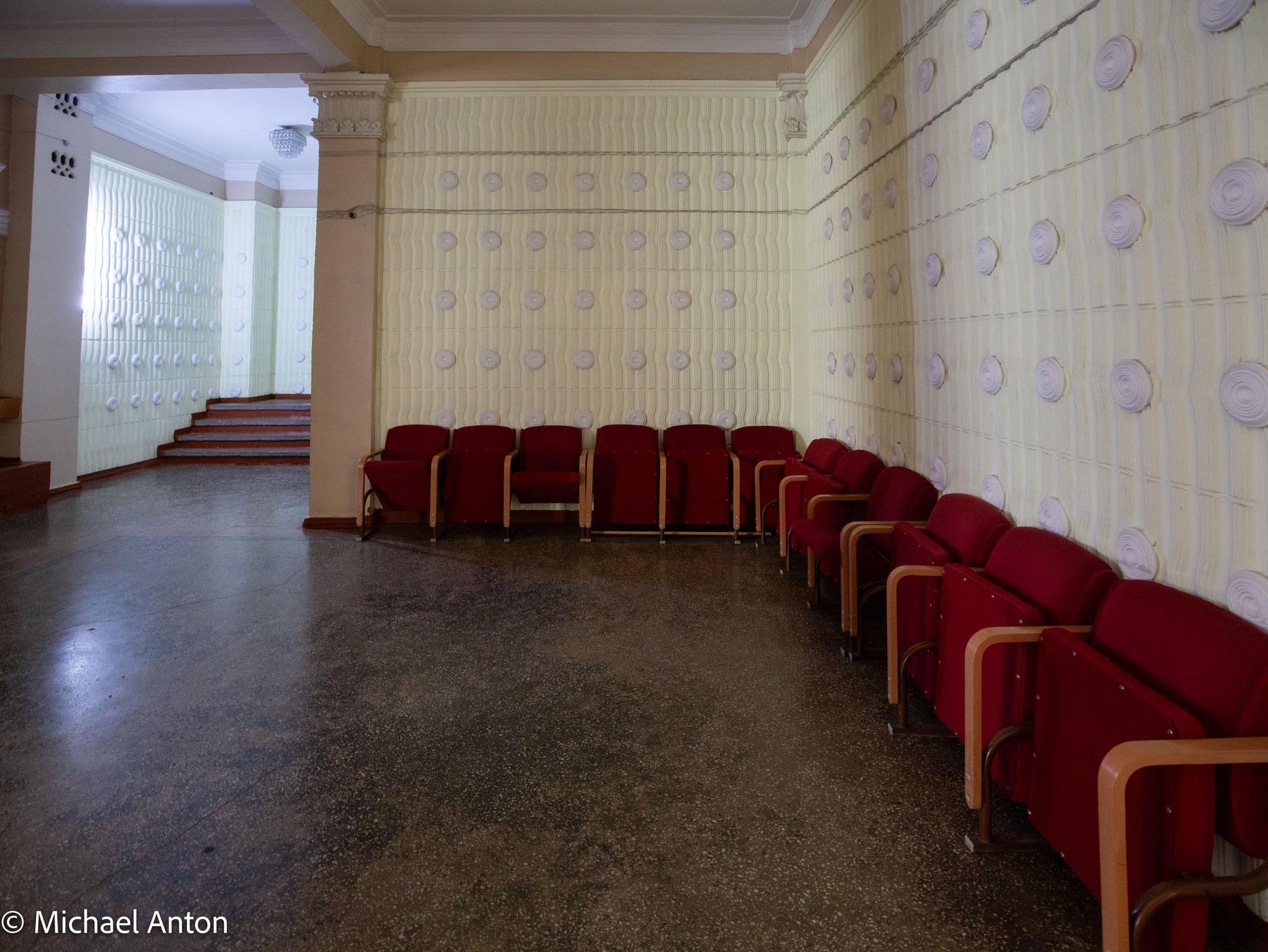
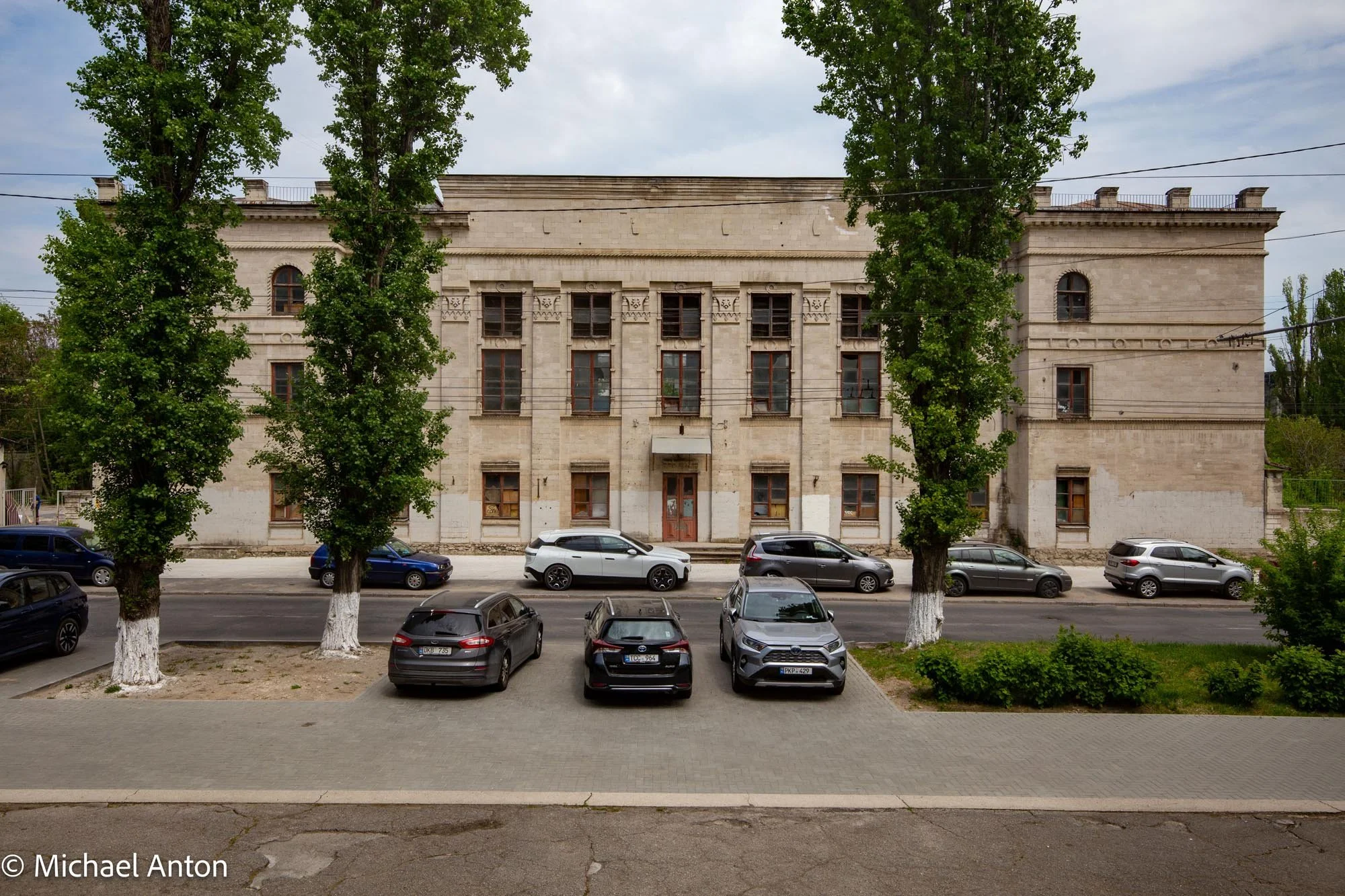
The first image seen here was the boarded up former headquarters of the Moldovan Communist Party, and Leonid Brezhnev’s residence during the two year stretch in the 1950s when he was General Secretary of the Moldovan party. While it was all boarded up with “danger” and “no trespassing signs” Aurel and I found a way in.
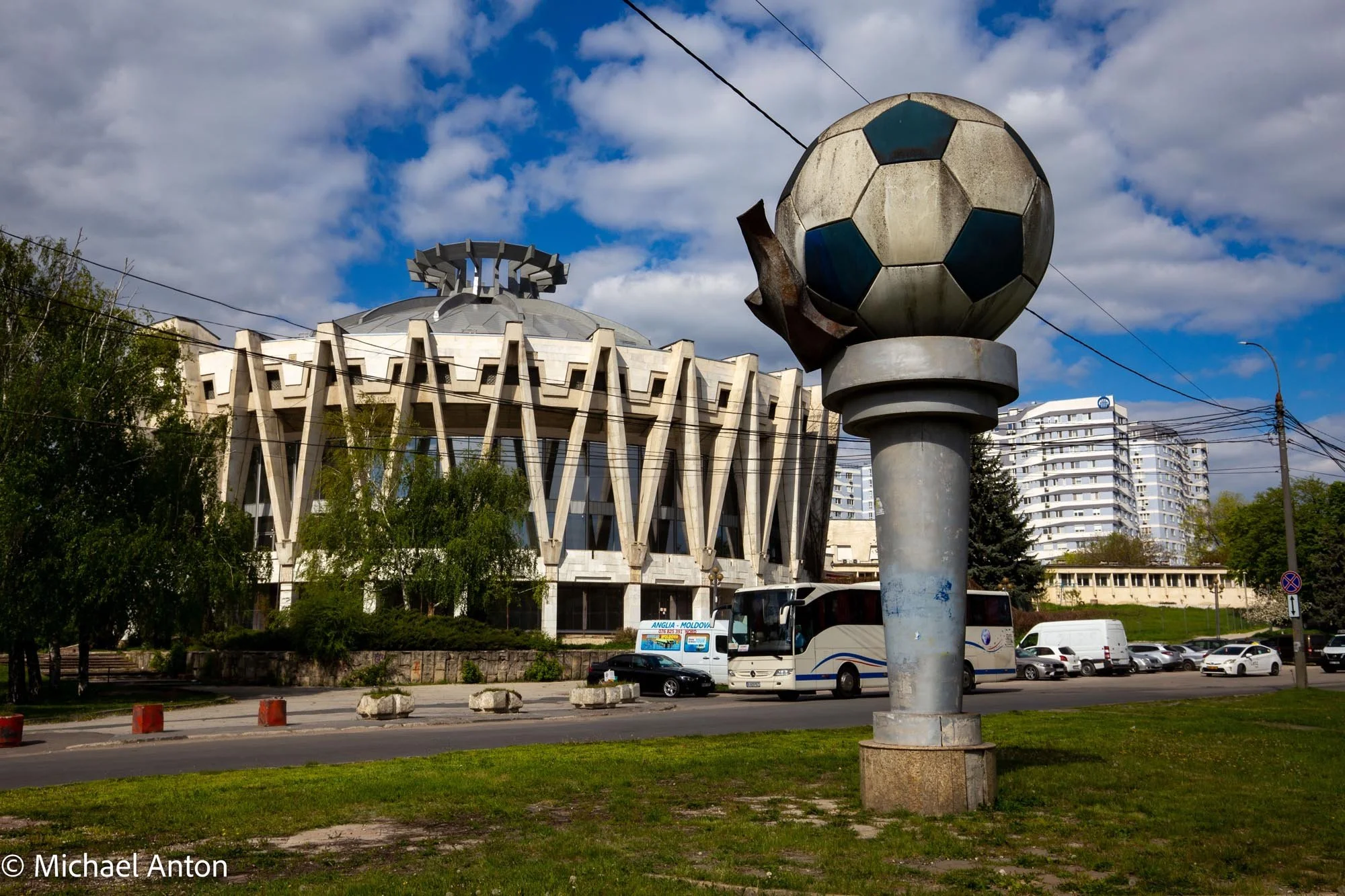
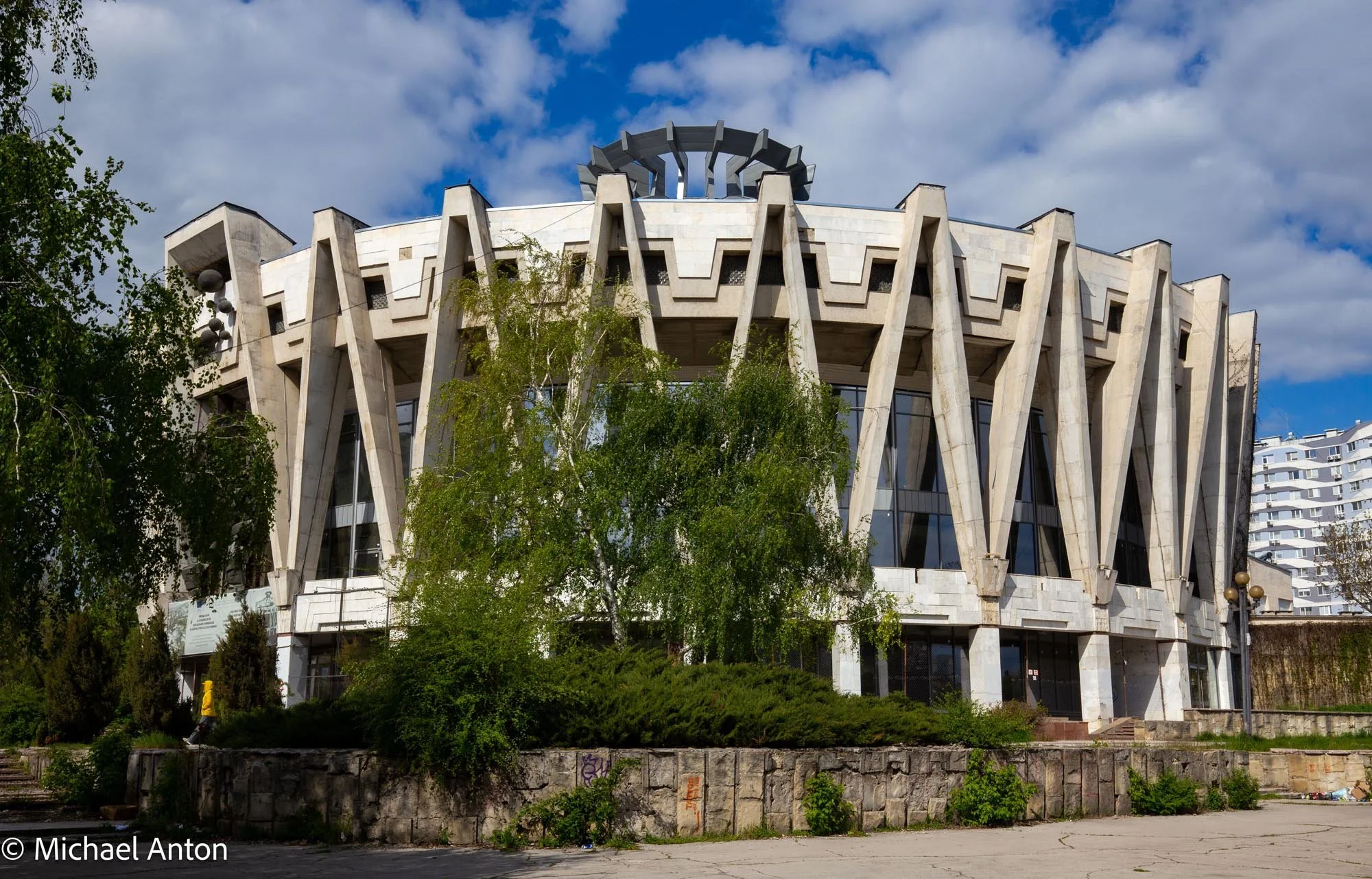
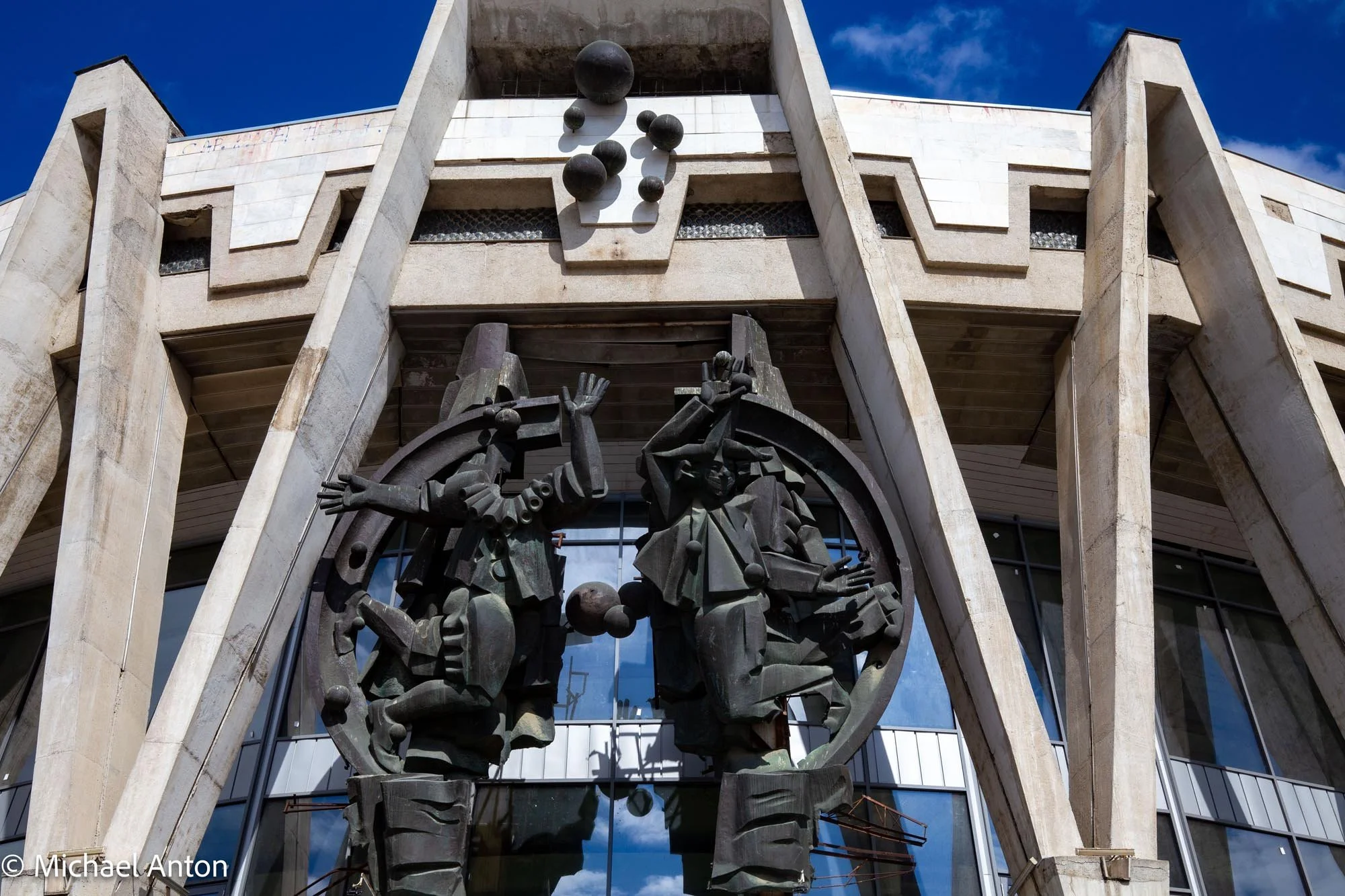
The round structure with the large soccer ball was Europe’s largest circus. It is clearly being renovated, but we were unable to gain access.
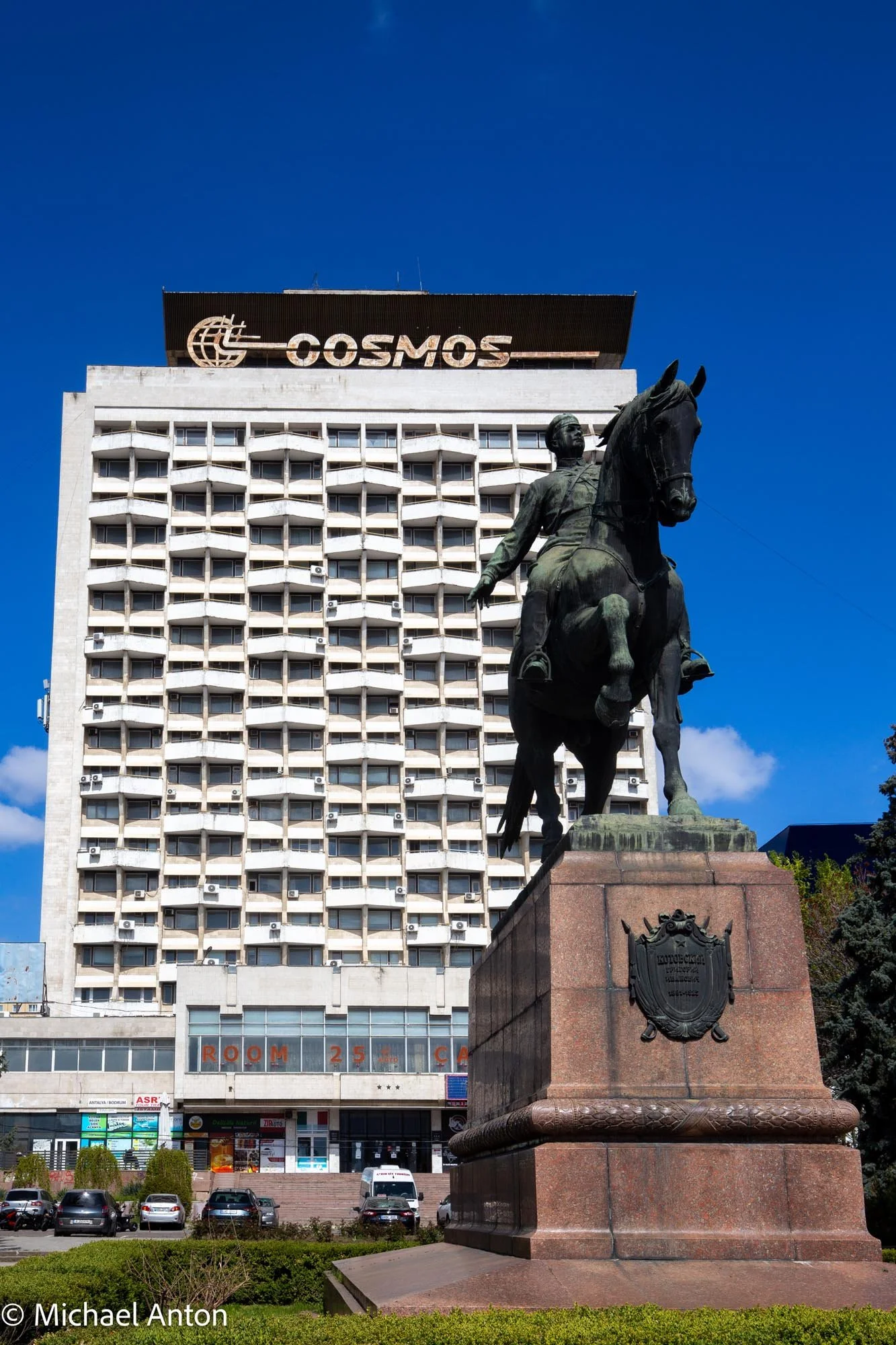
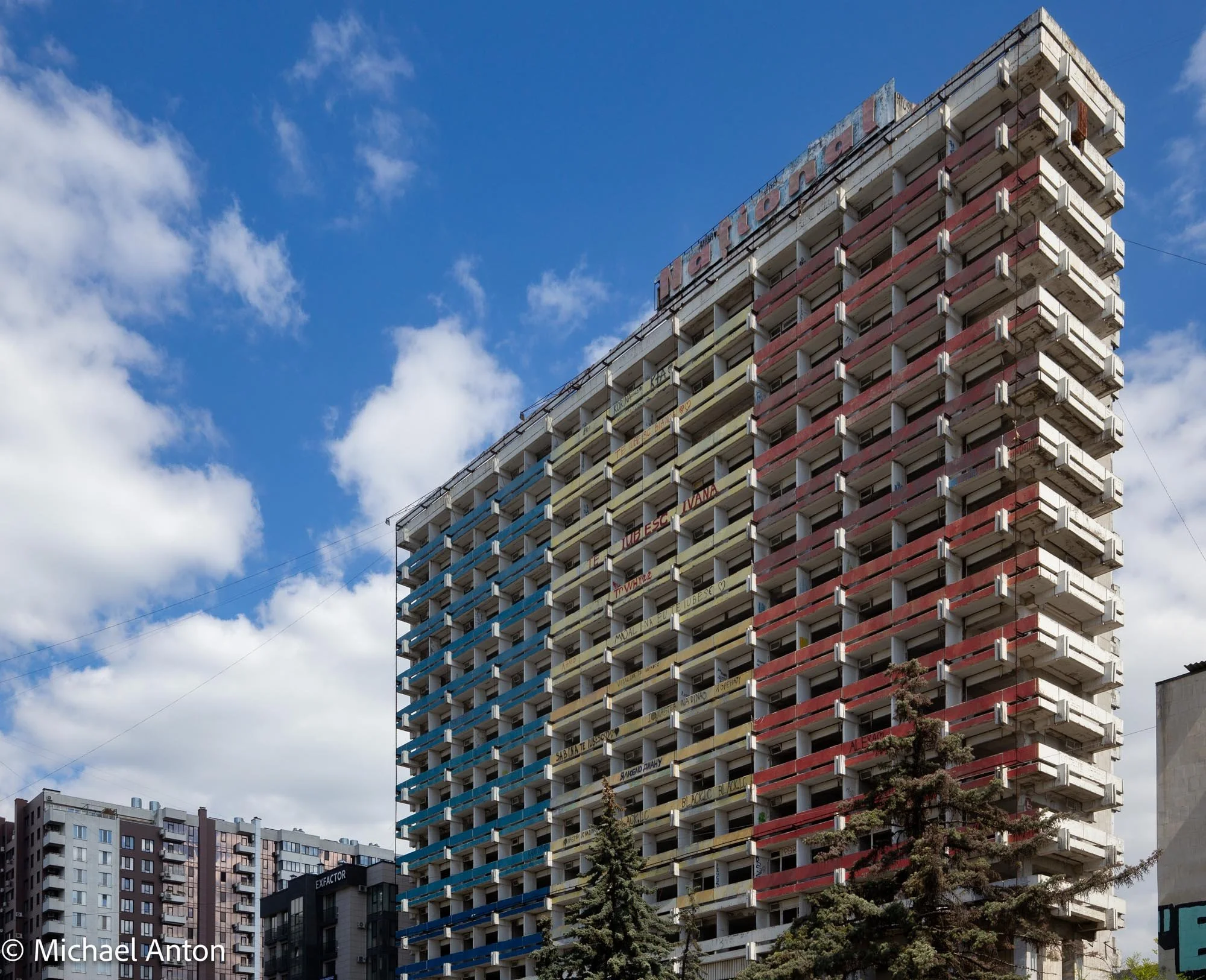
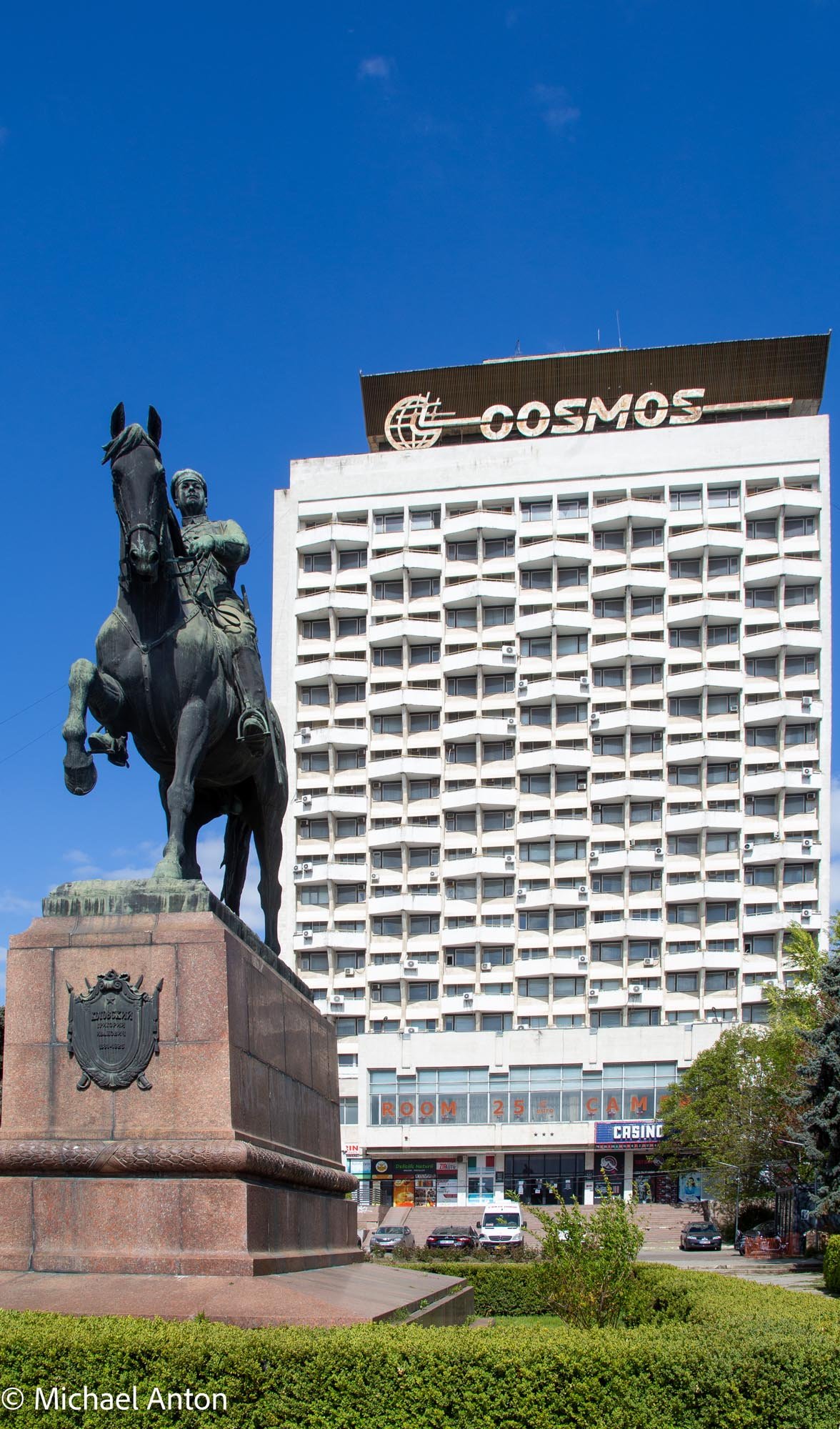
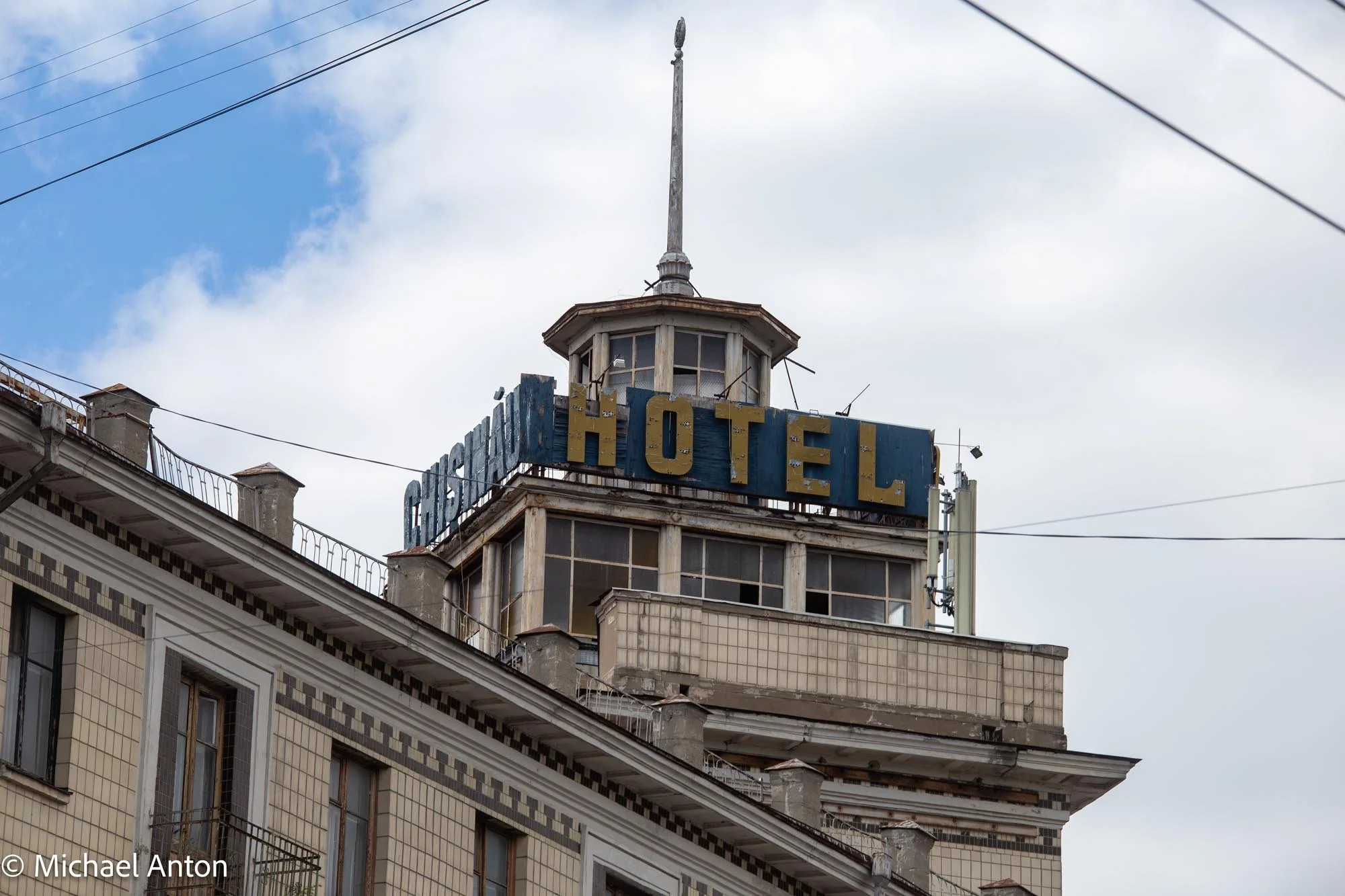
There was then a building spree in the 1960s when the Soviet tourism authority Intourist, was trying to lure Western visitors with their hard currency. That’s the origin of the Cosmos Hotel.
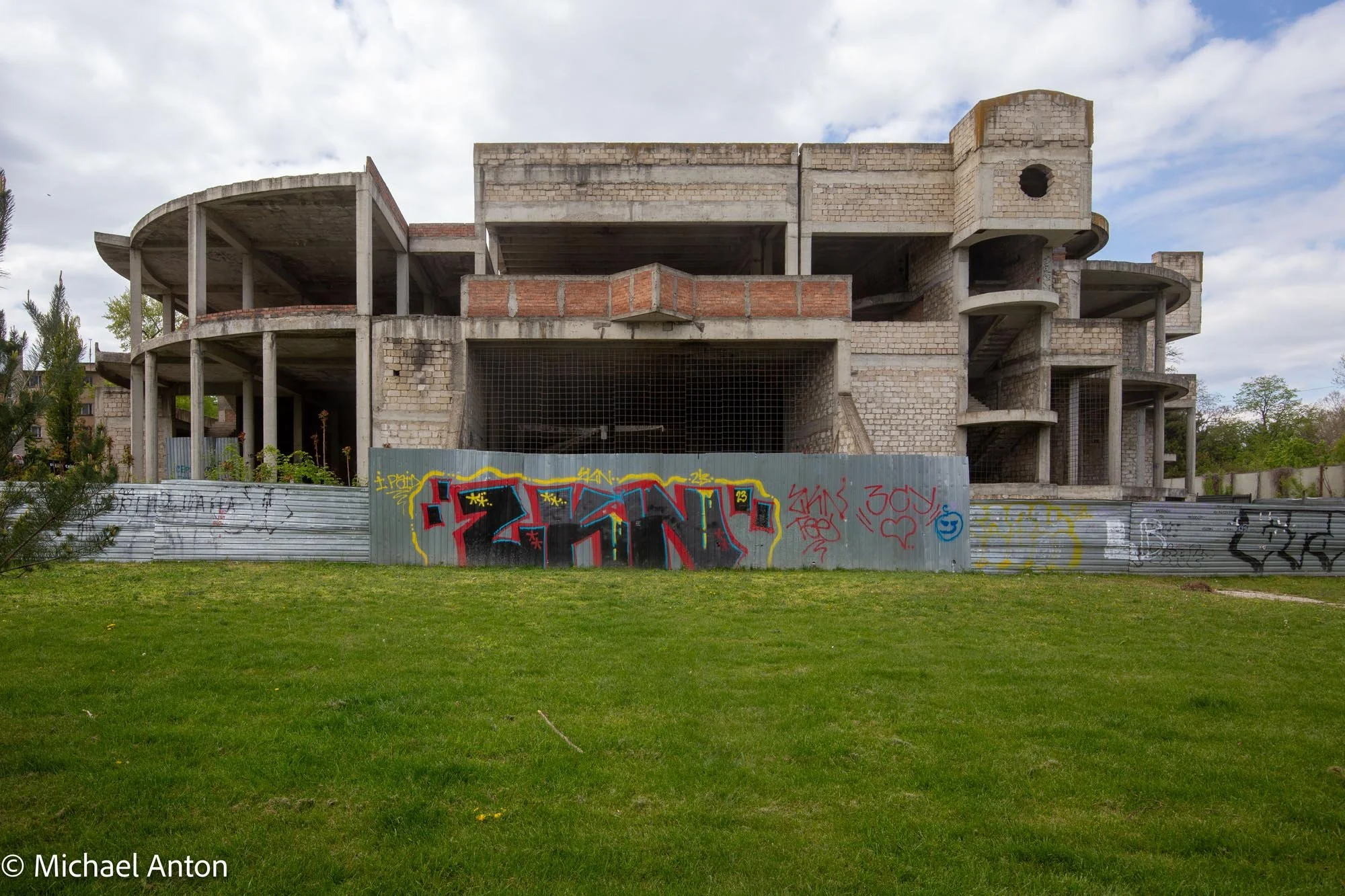
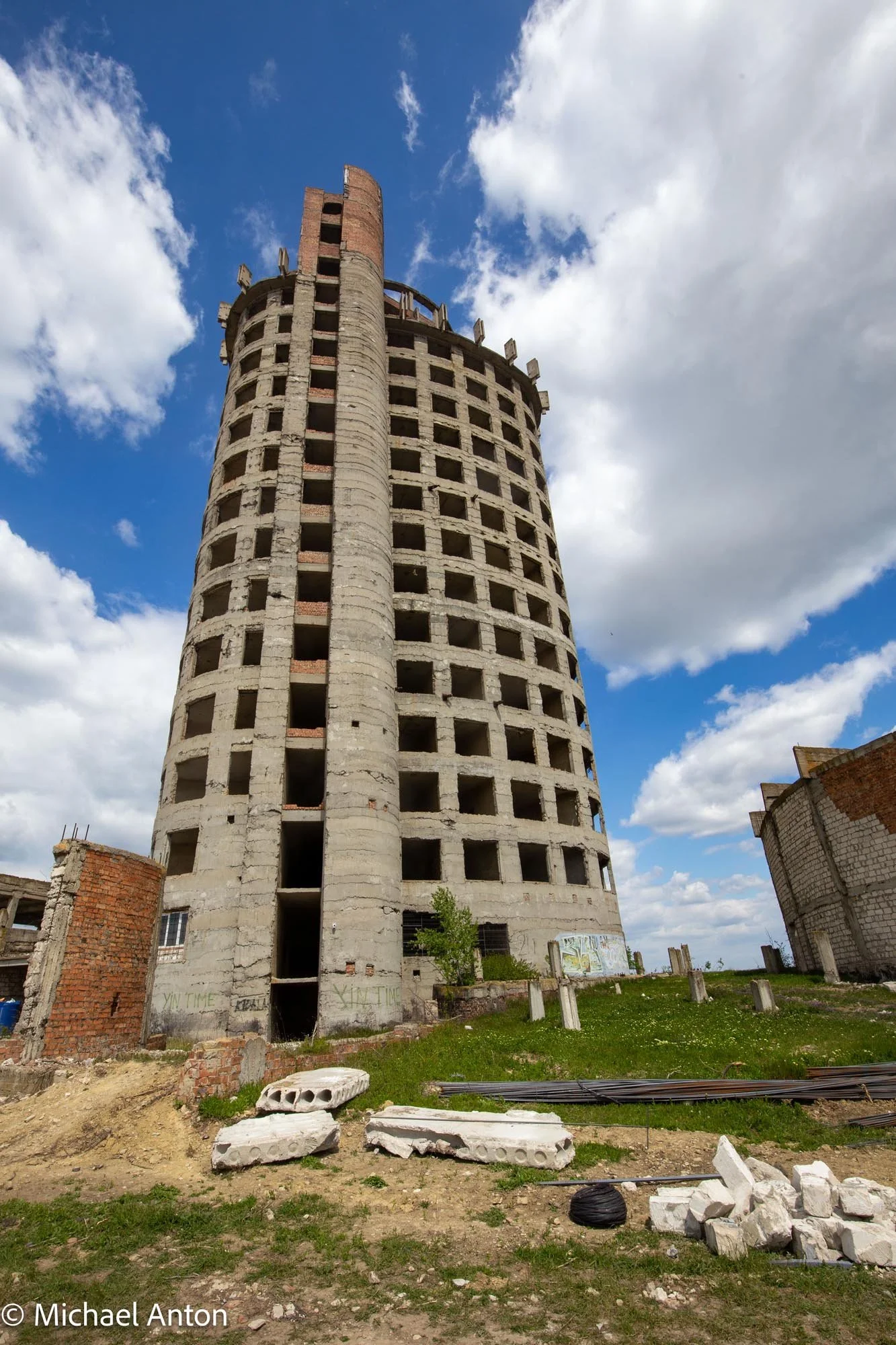
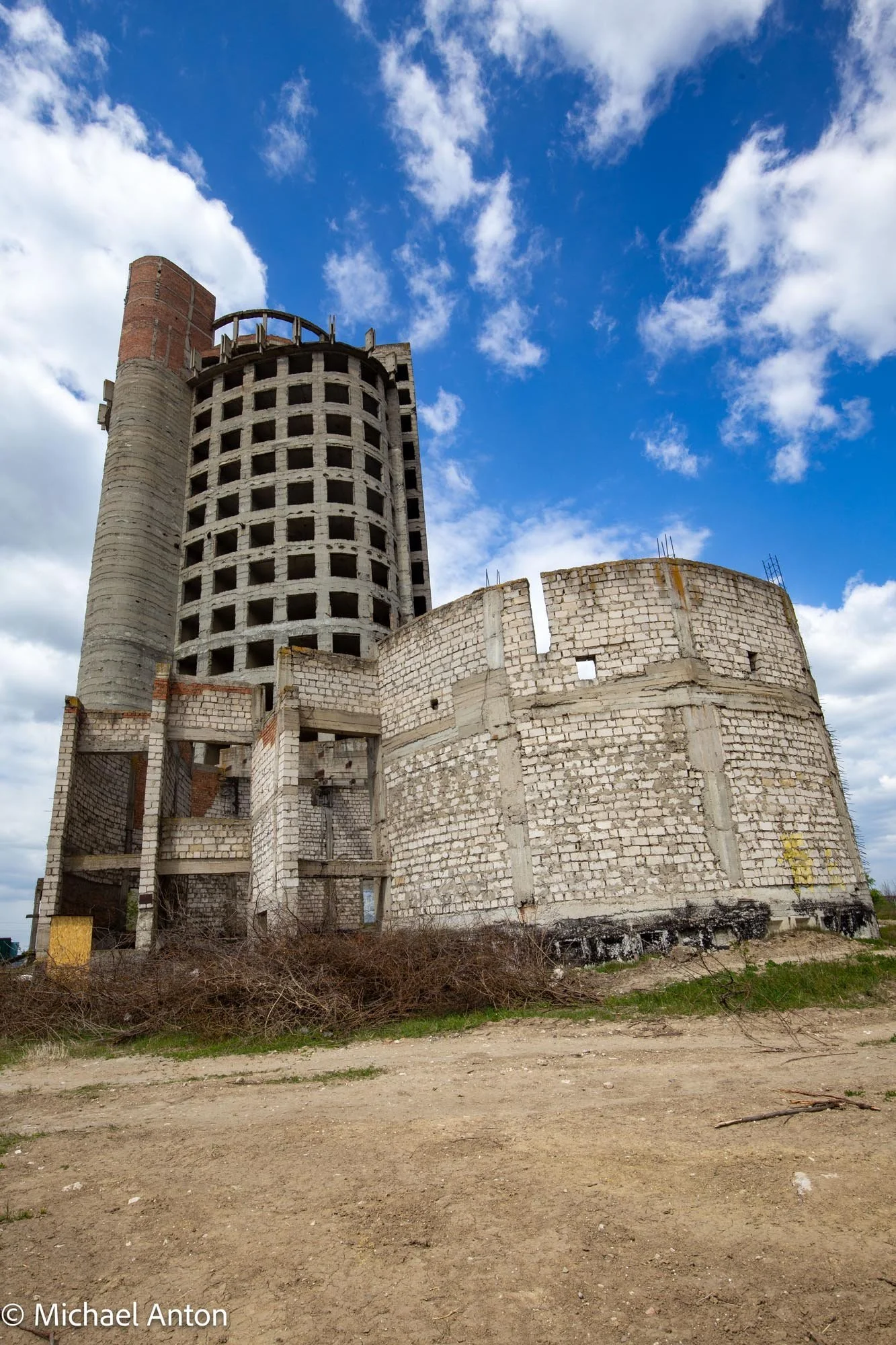
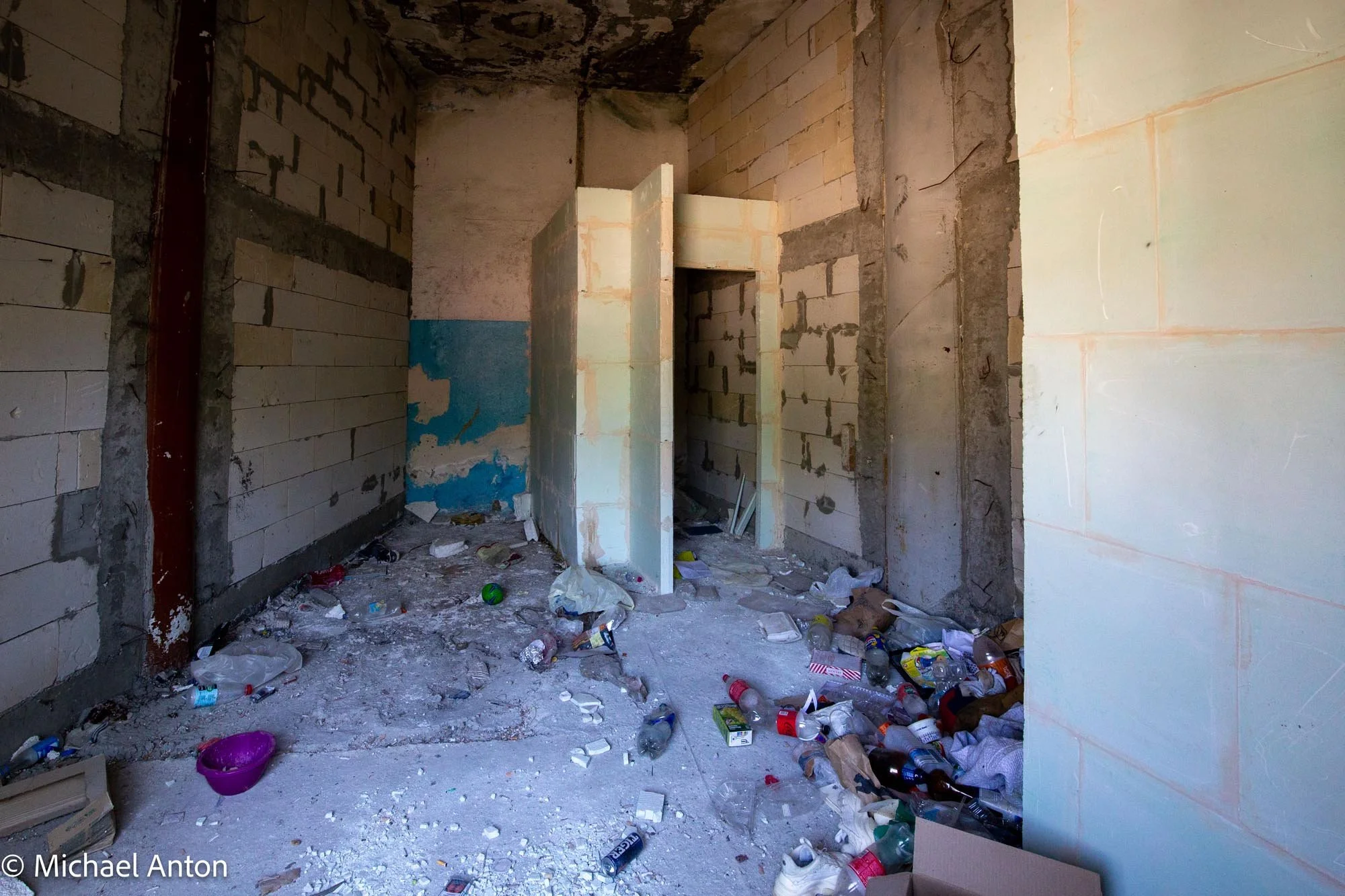
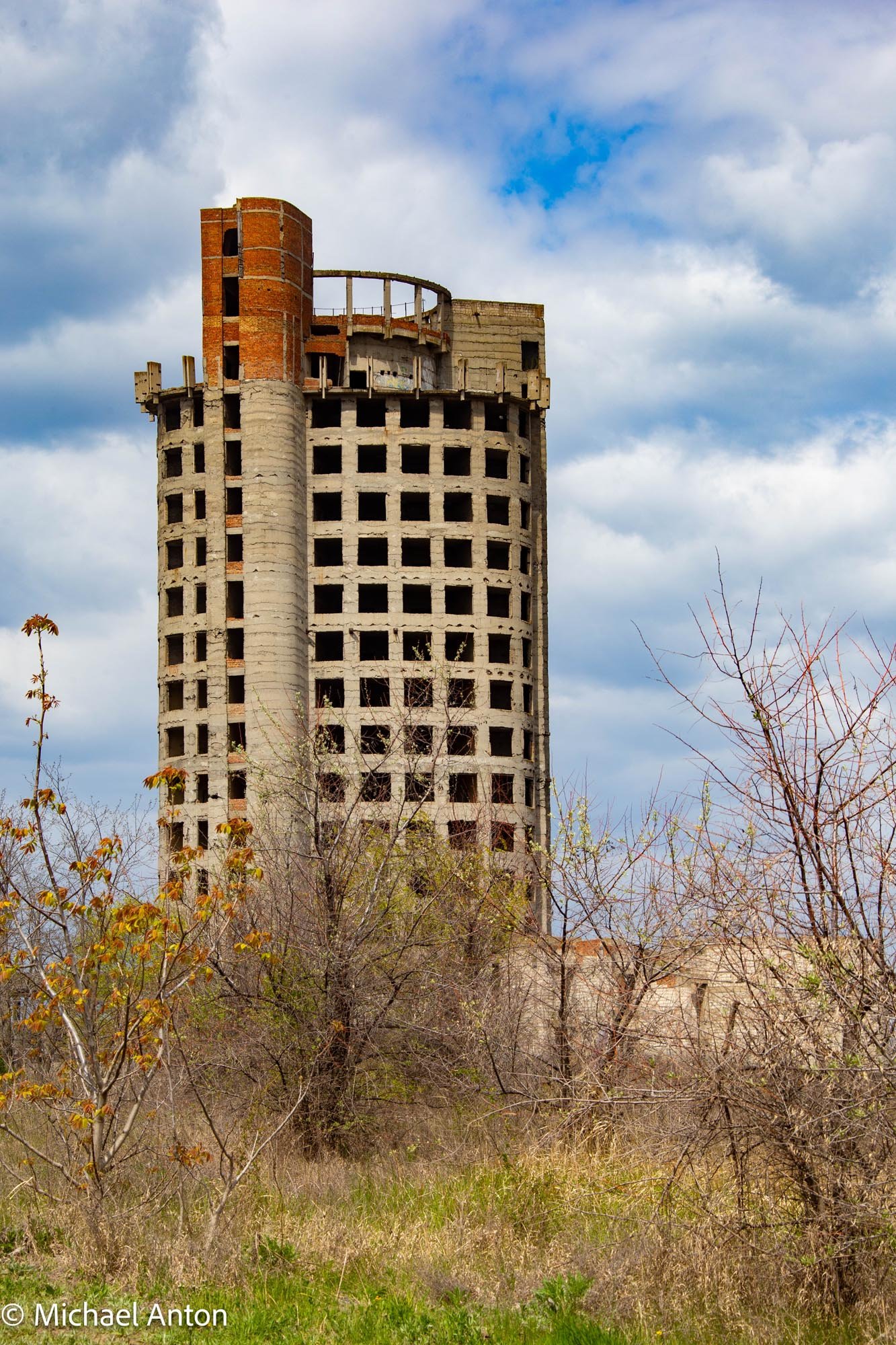
There is an abandoned windowless construction site, a round imposing building in the middle of nowhere. This was intended to be an Institute of Viniculture, but funding dried up with the 1991 collapse of the Soviet Union.
Moldova makes some great wines.
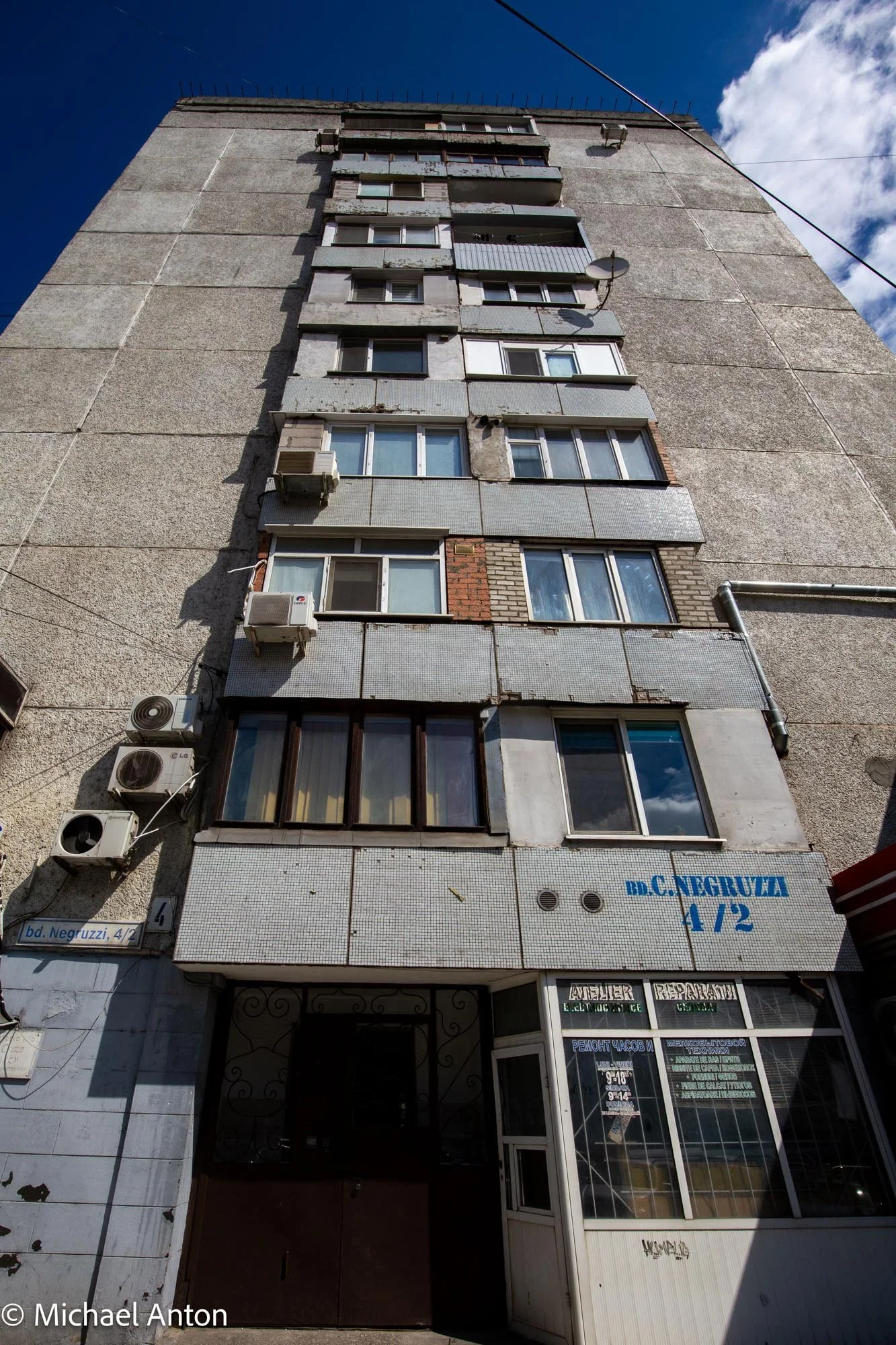
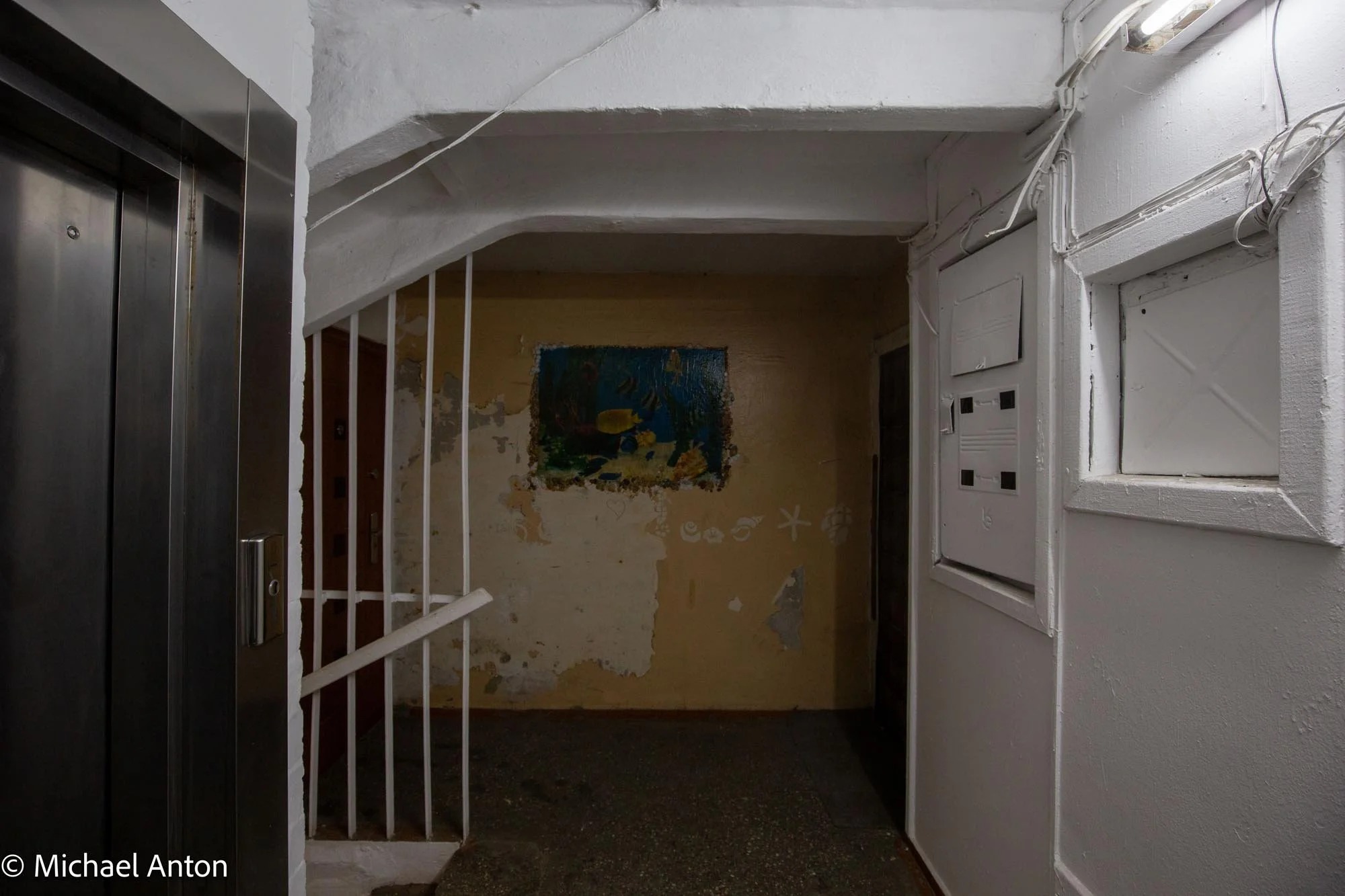
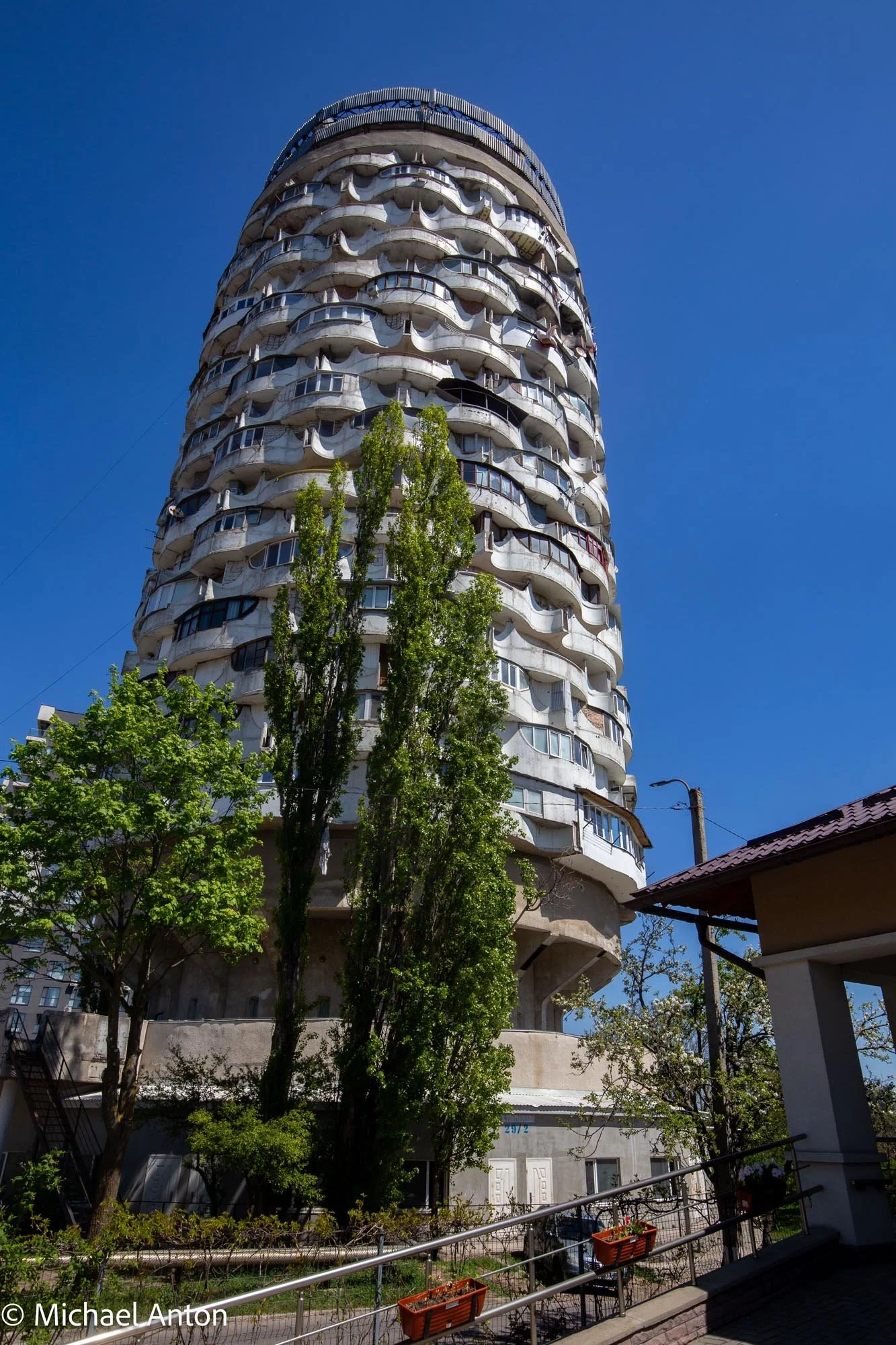
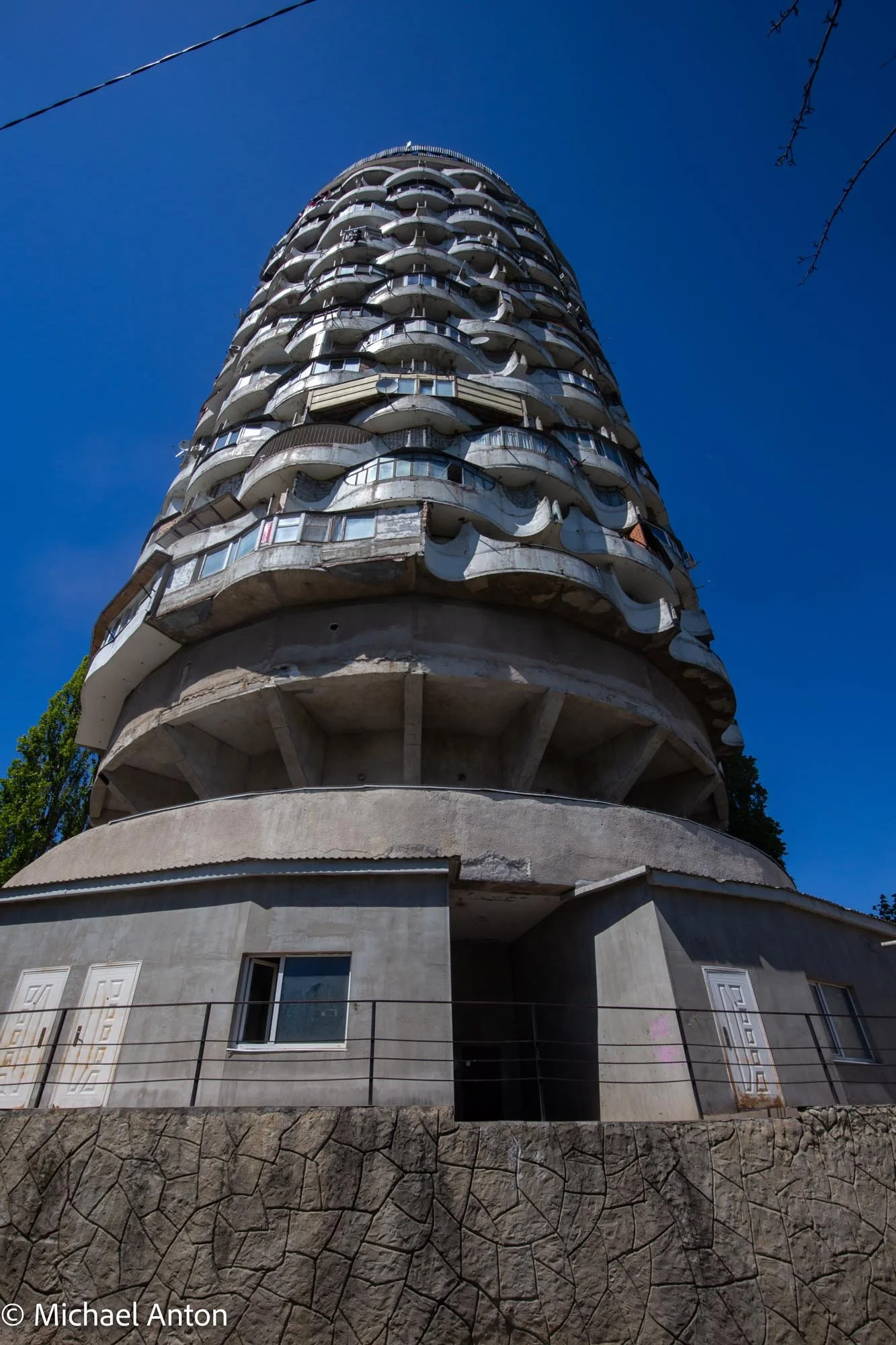
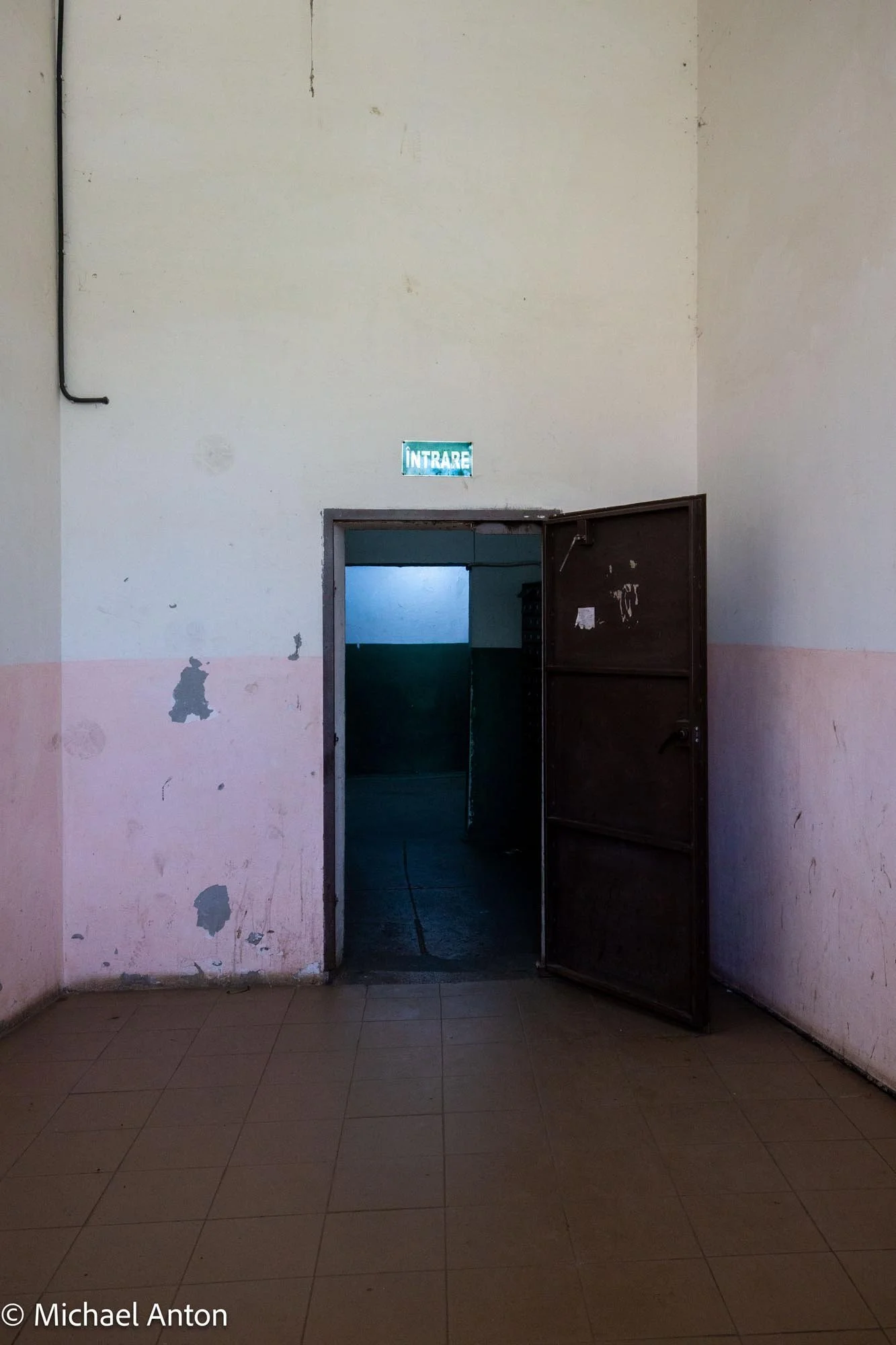
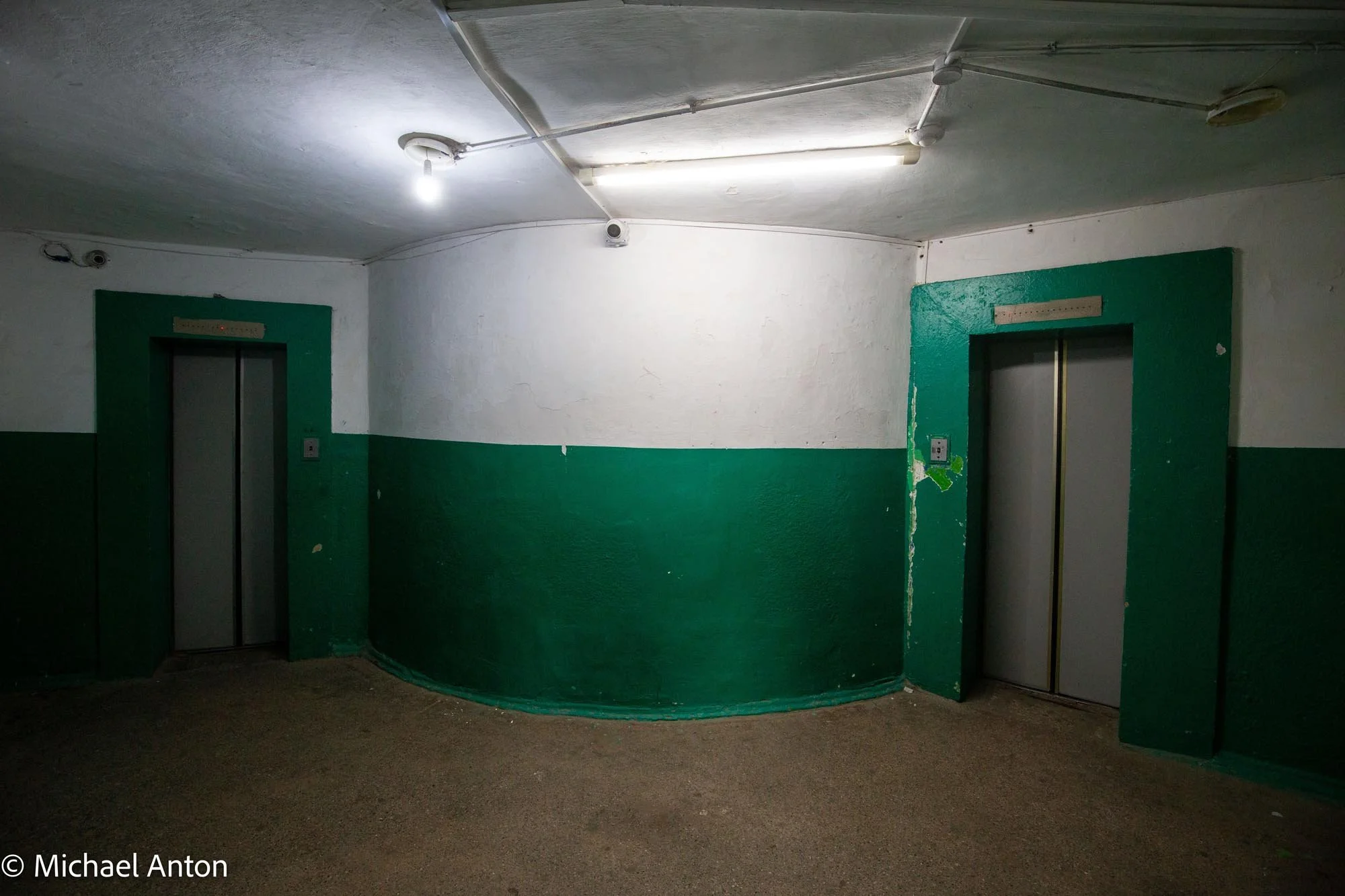
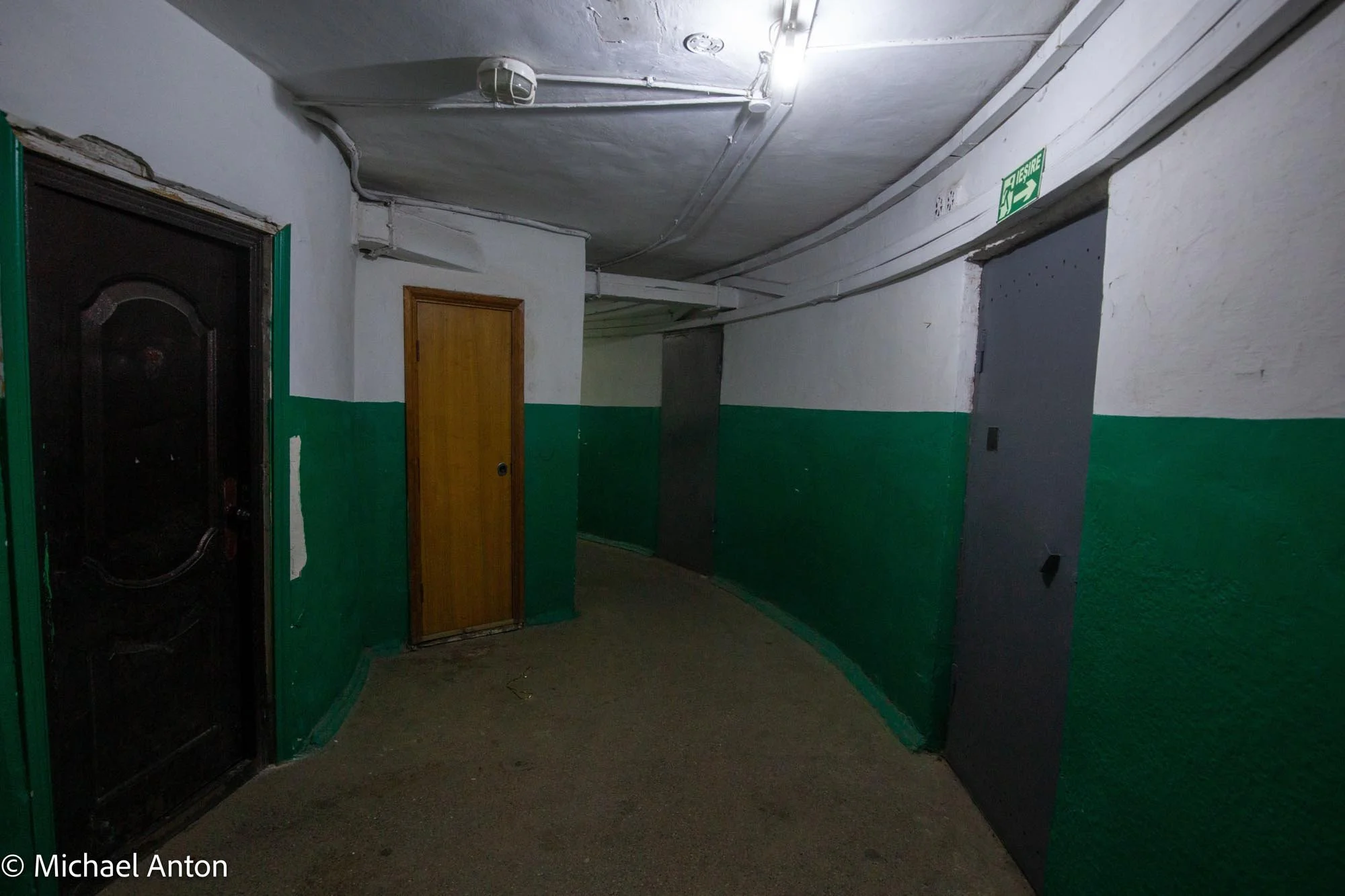
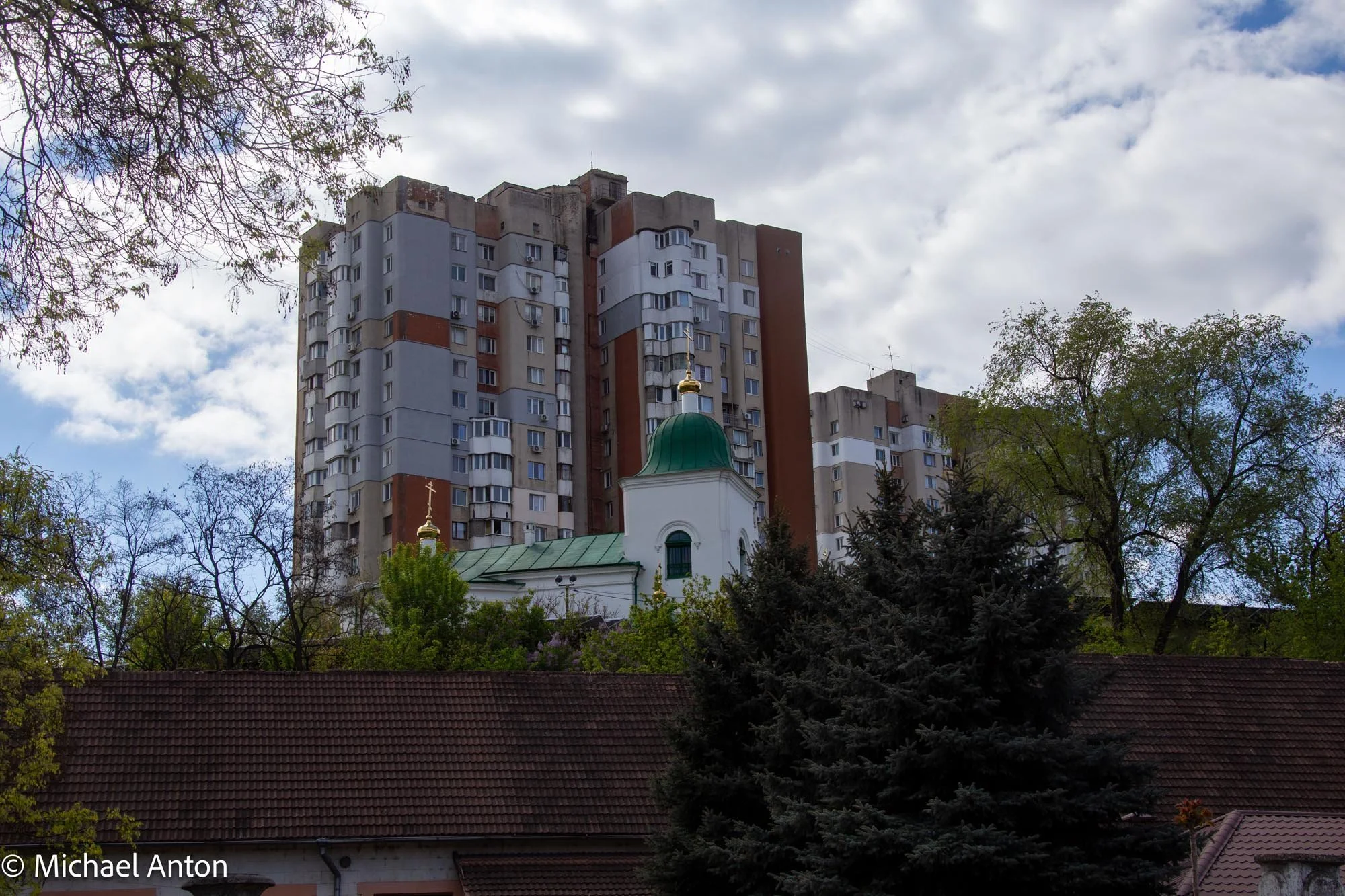
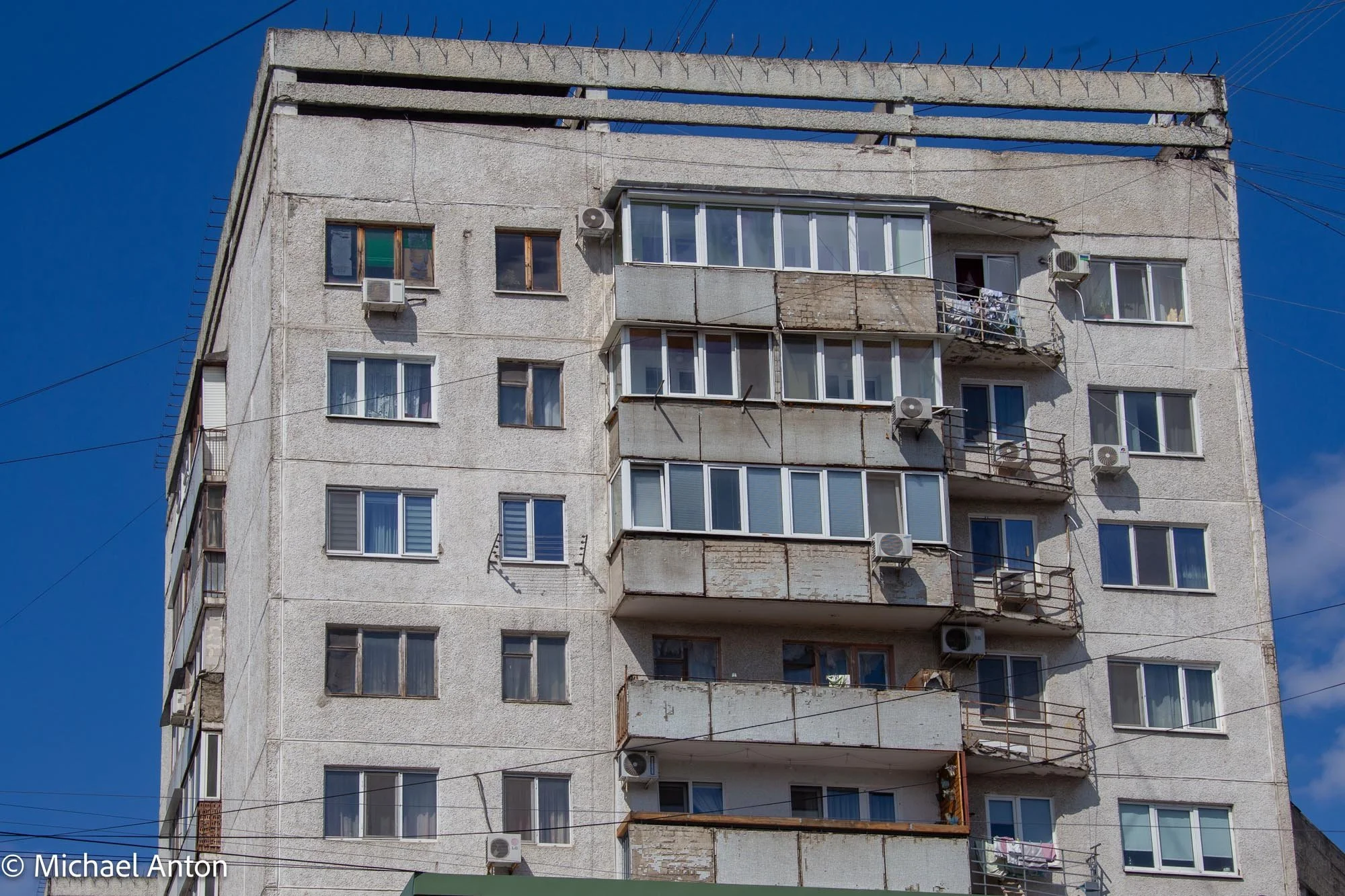
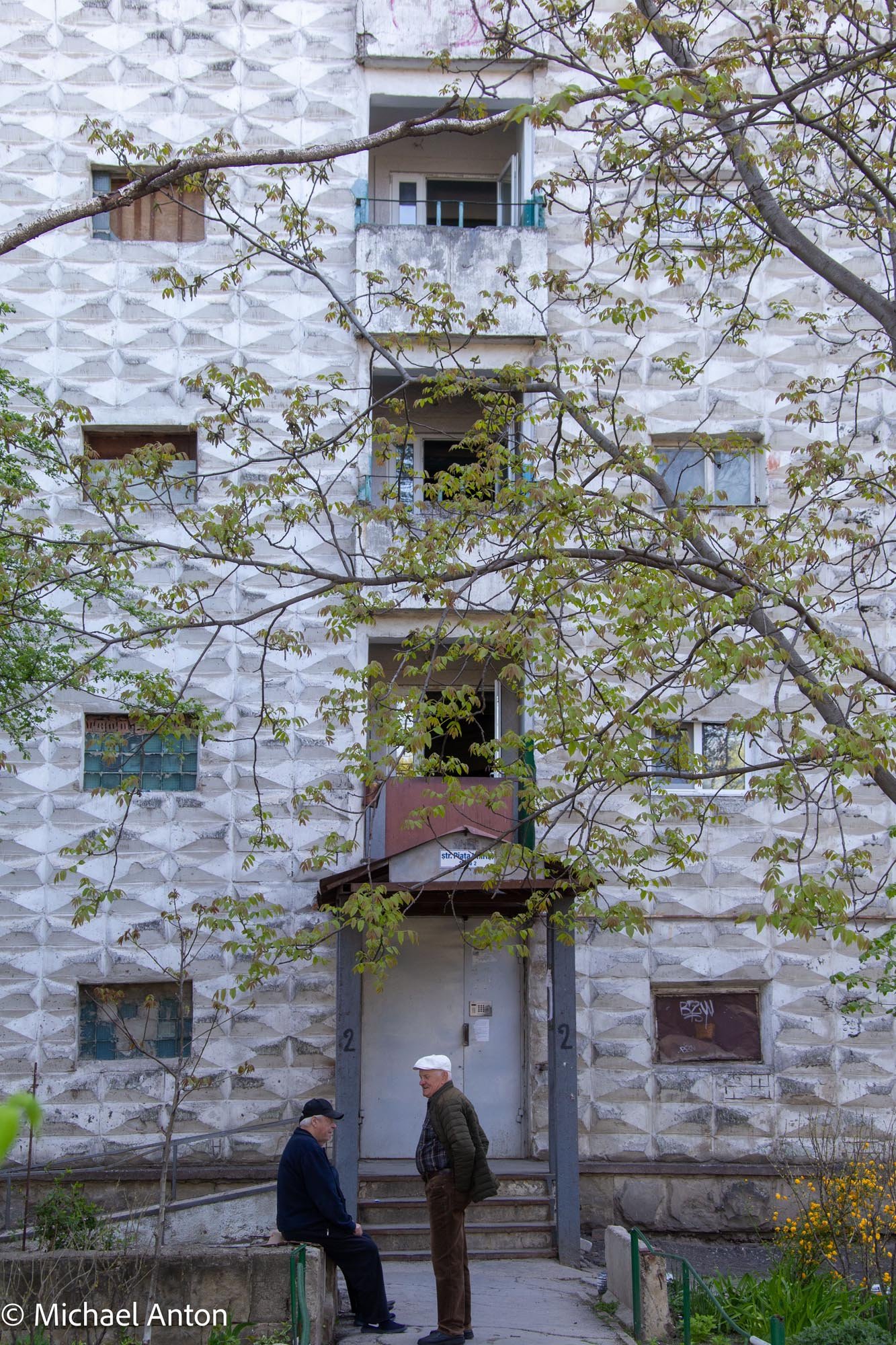
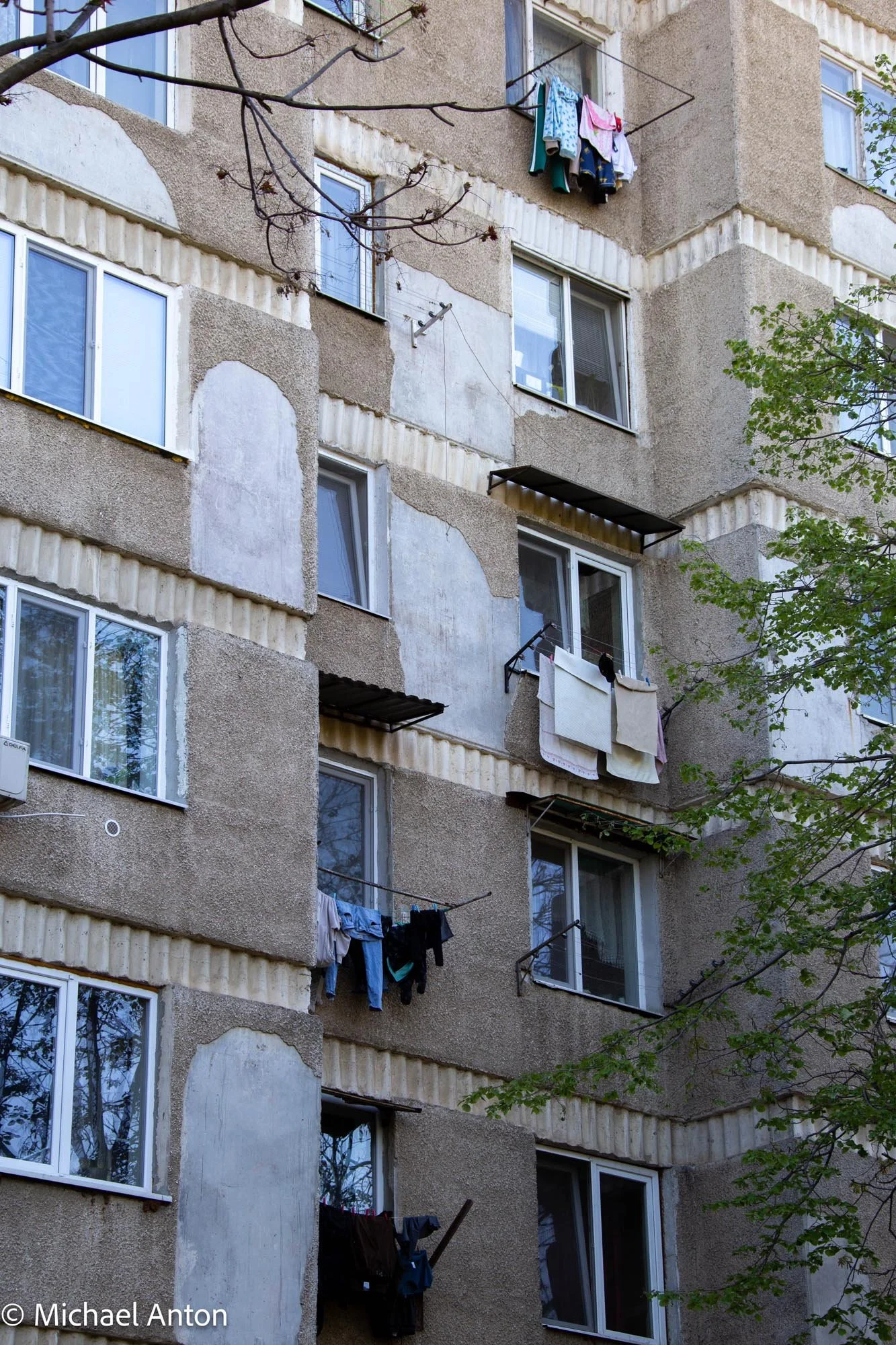
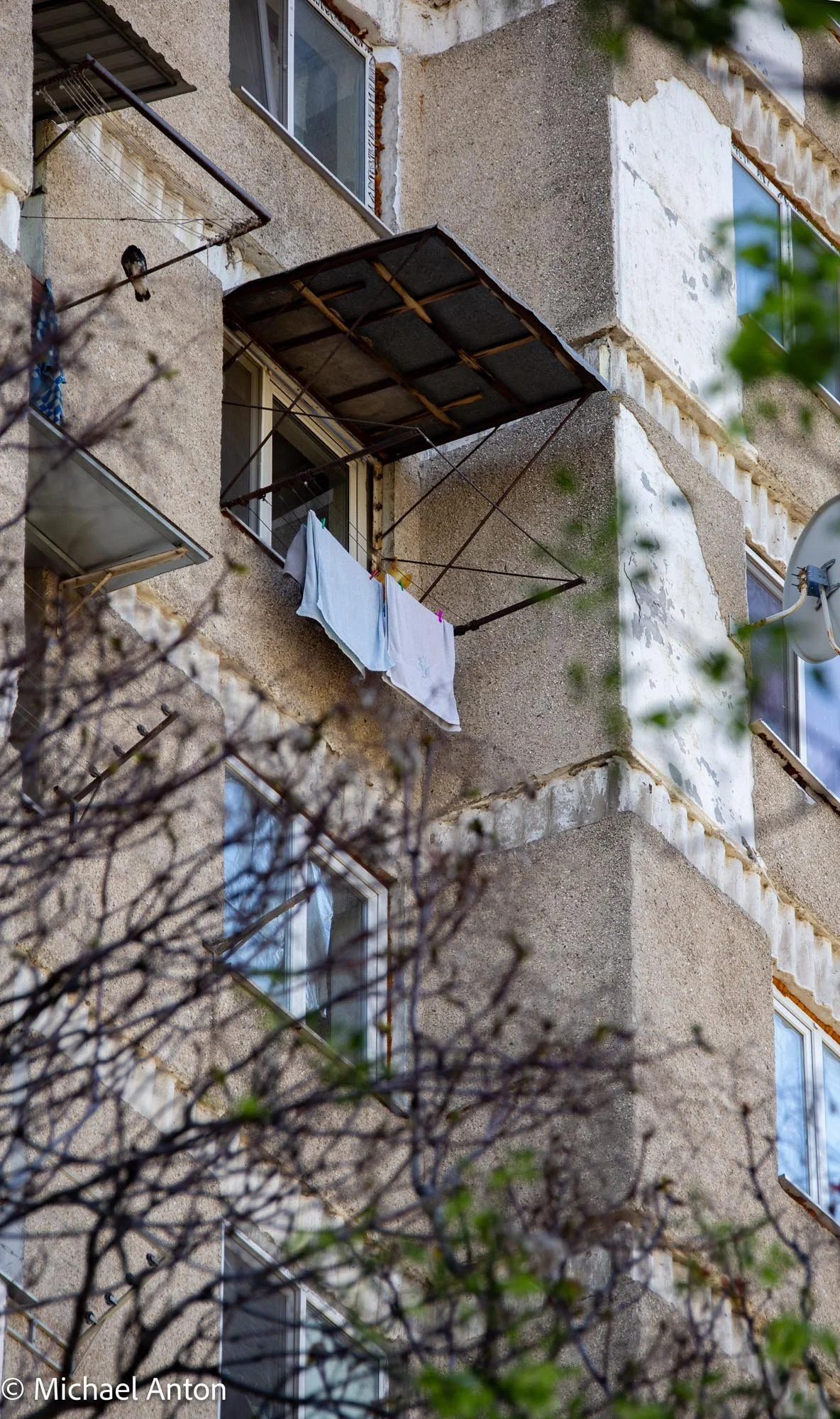
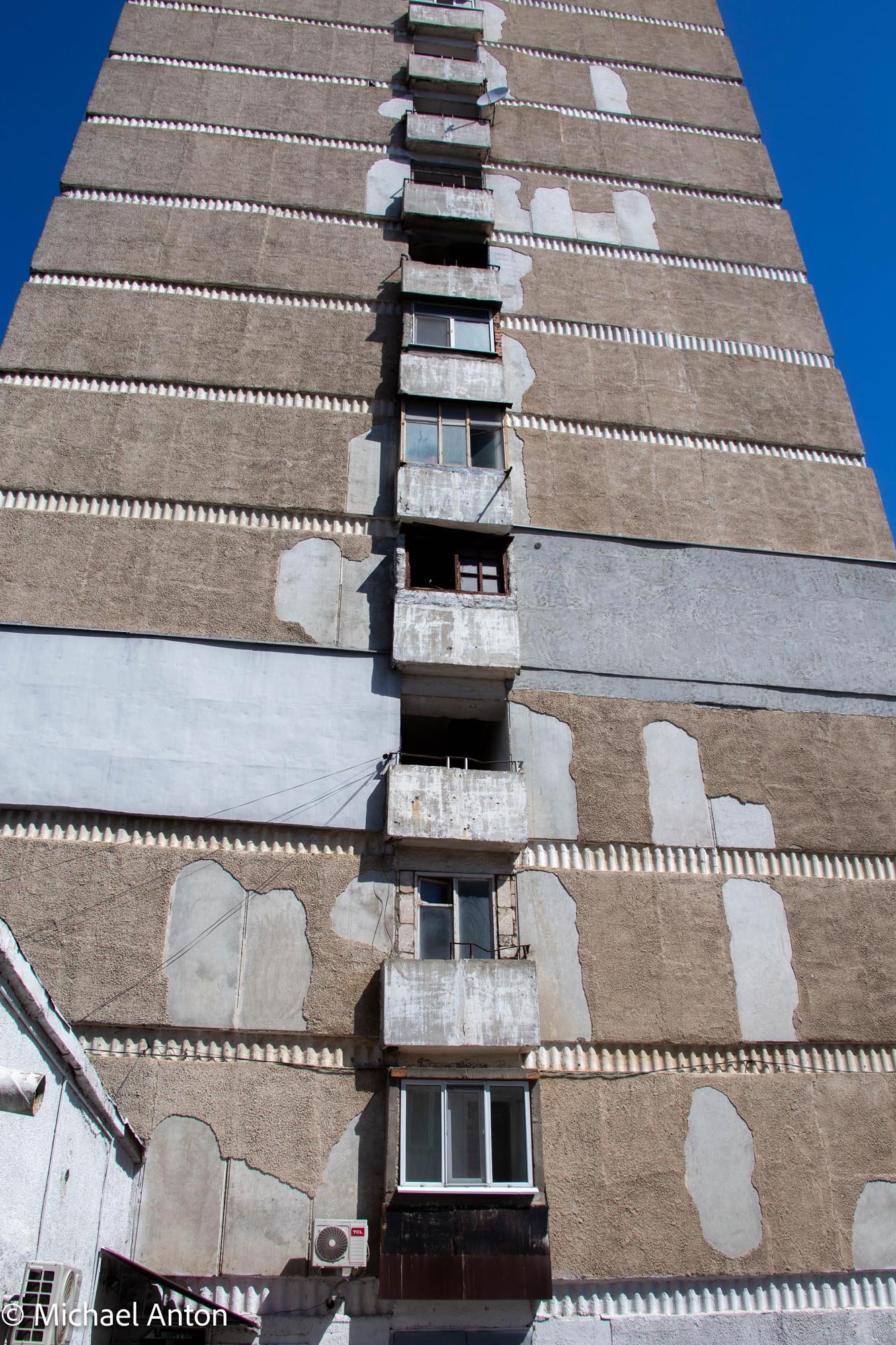
There are the usual grim apartment blocs from the 1950s and 60s, though I can’t say the American public housing built in that era is any more aesthetically pleasing. One curiosity is a rounded apartment building. As I’m tired of right angles in architecture, it is only one I could see myself living in.
Then there’s the fenced off rounded two-story former Sparkle Cinema. I don’t know if it’s being torn down or reused.
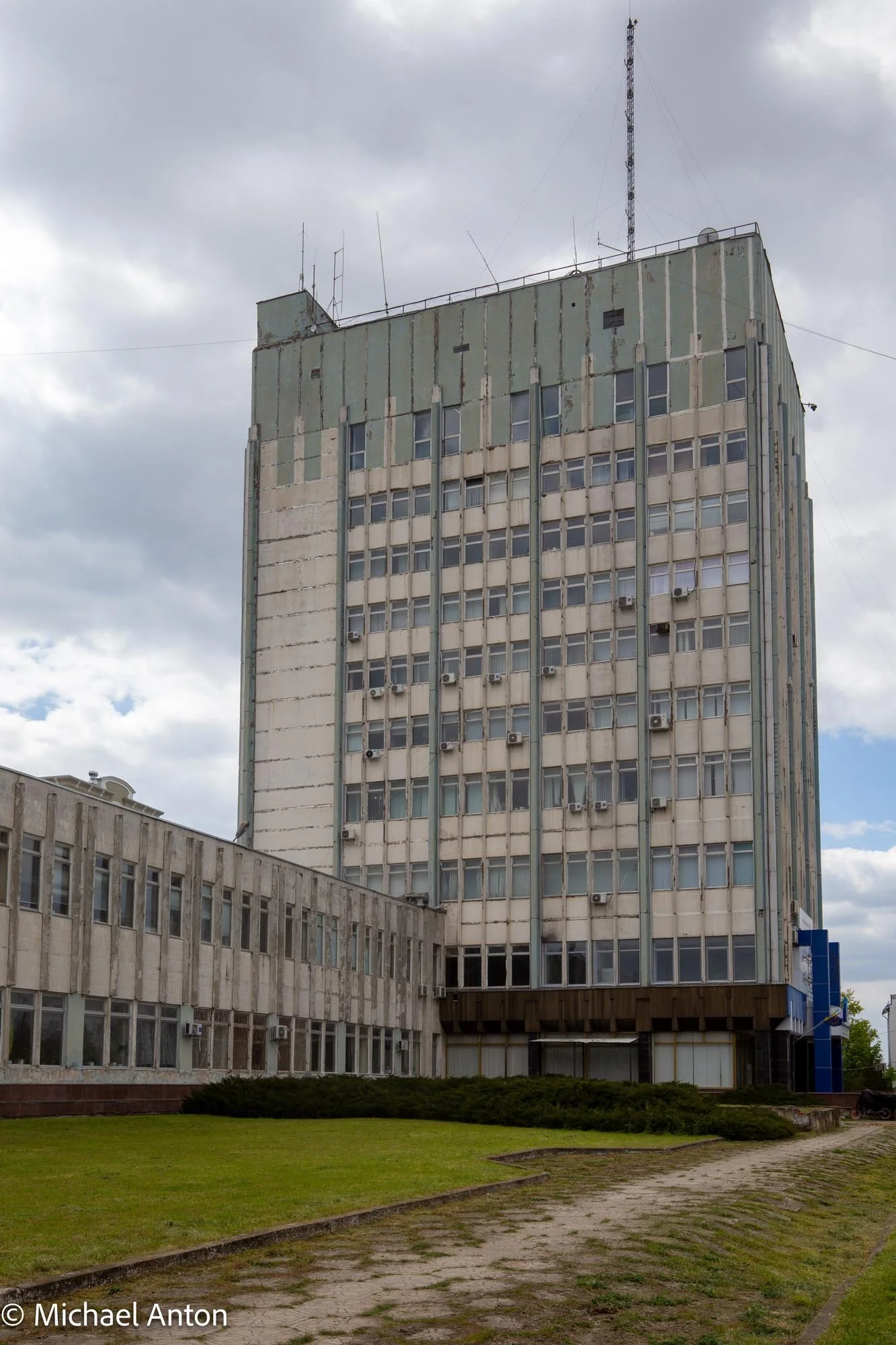
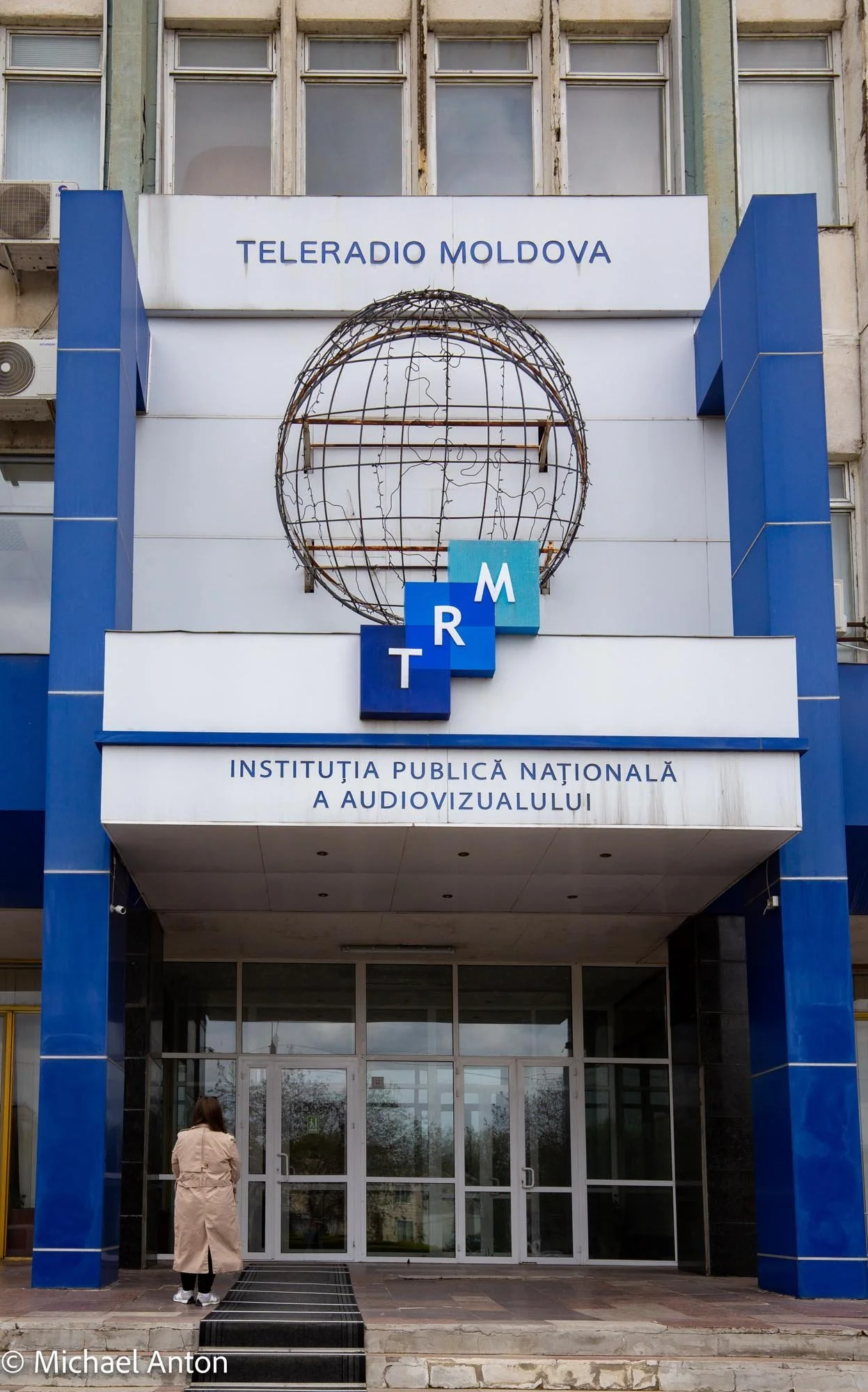
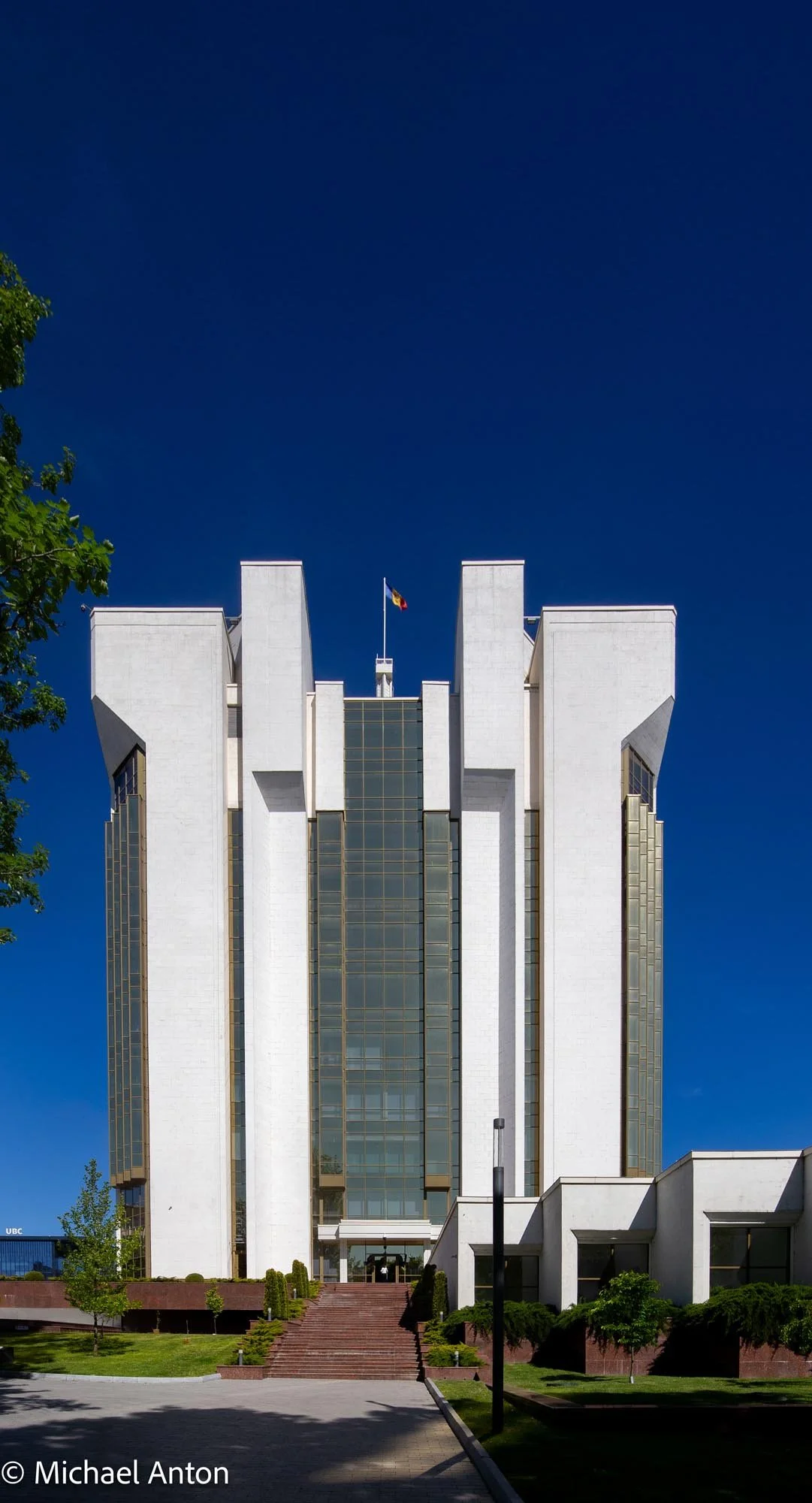
The Soviet Radio and Television HQ is still in use, though no longer broadcasting propaganda.
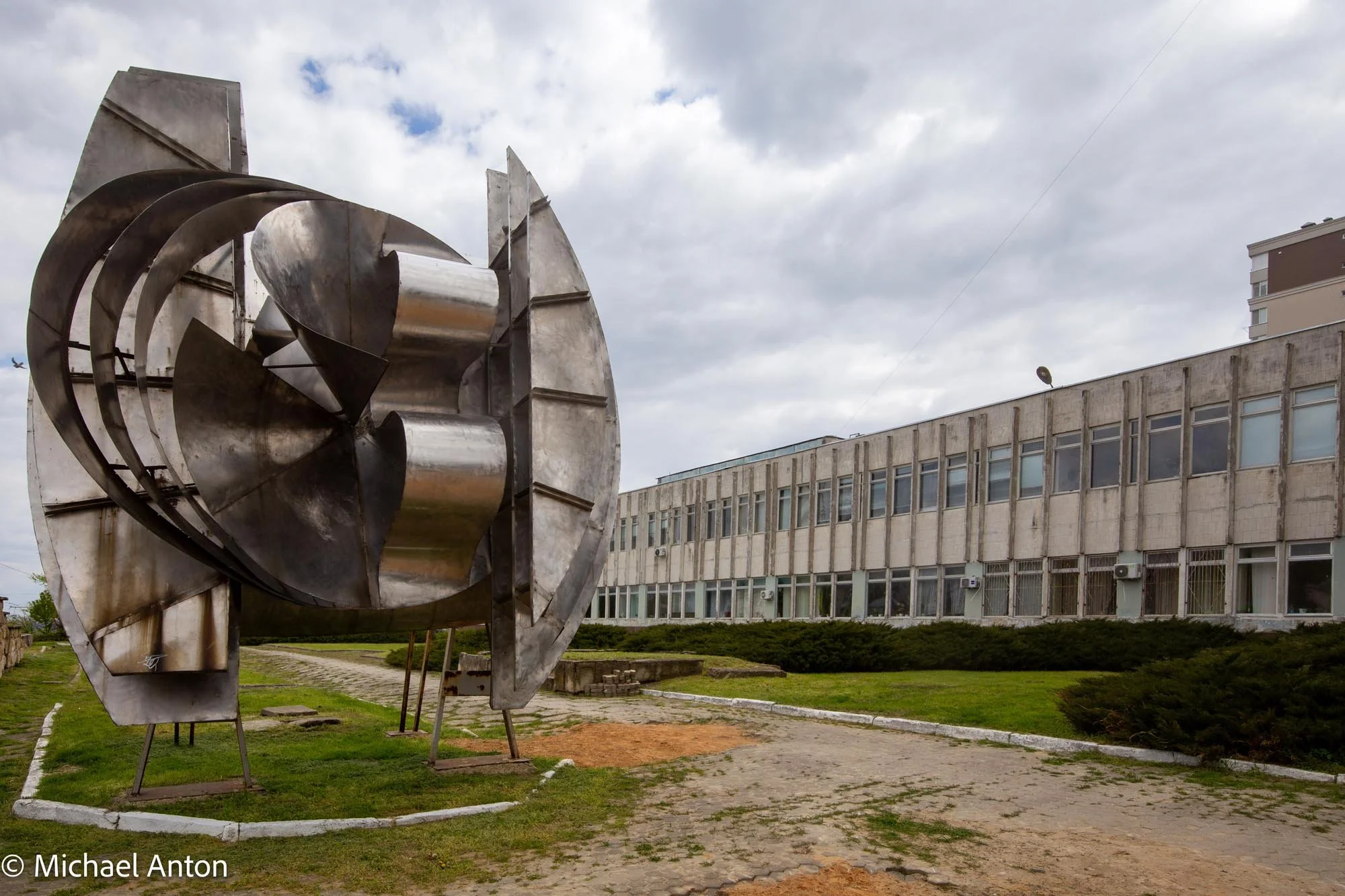
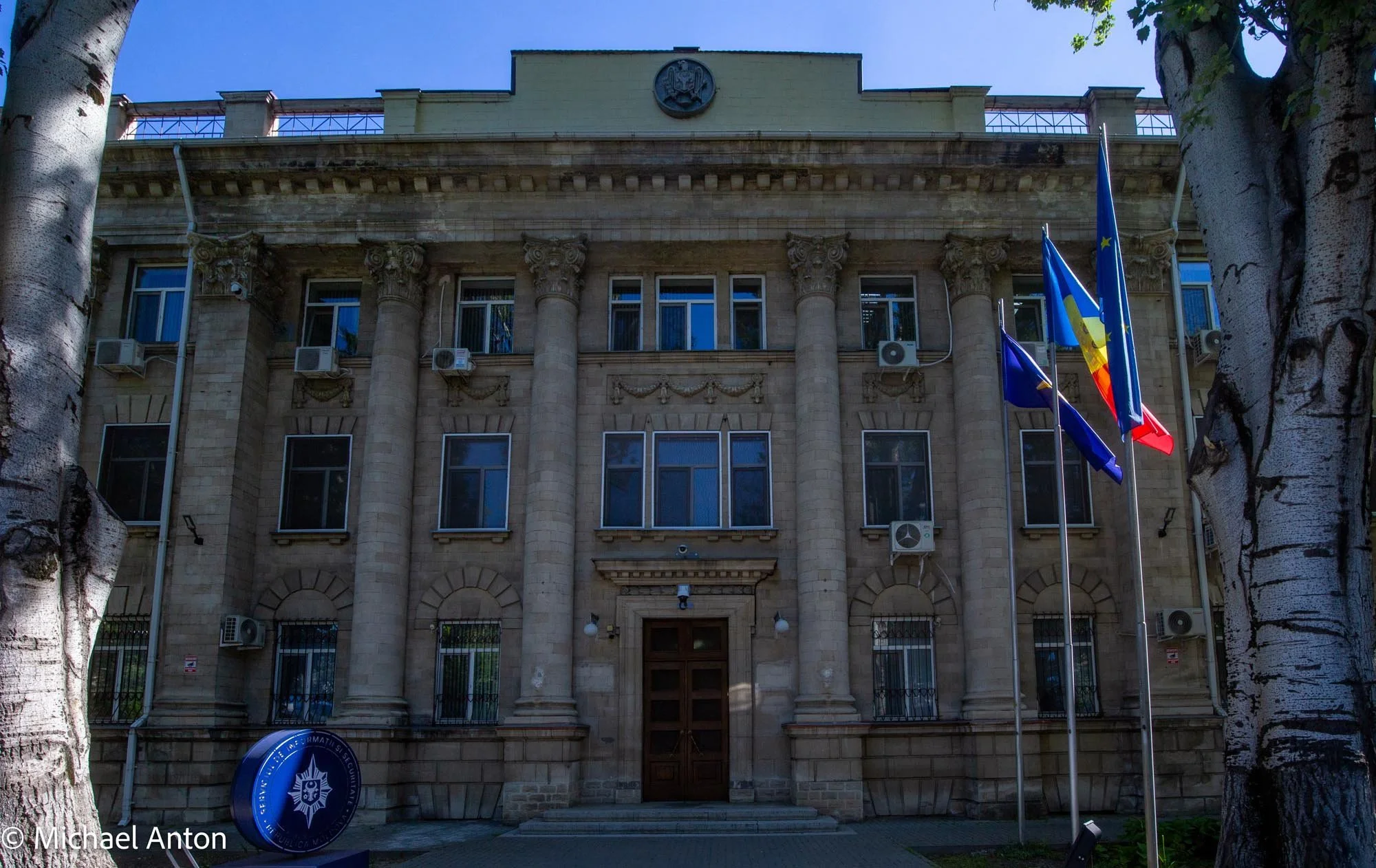
The building with the blue disc in front is the former KGB HQ, now repurposed for the Moldovan security apparatus.
There is a boarded up building of former grandeur that the U.S. Government would like to purchase as the site for a new embassy.
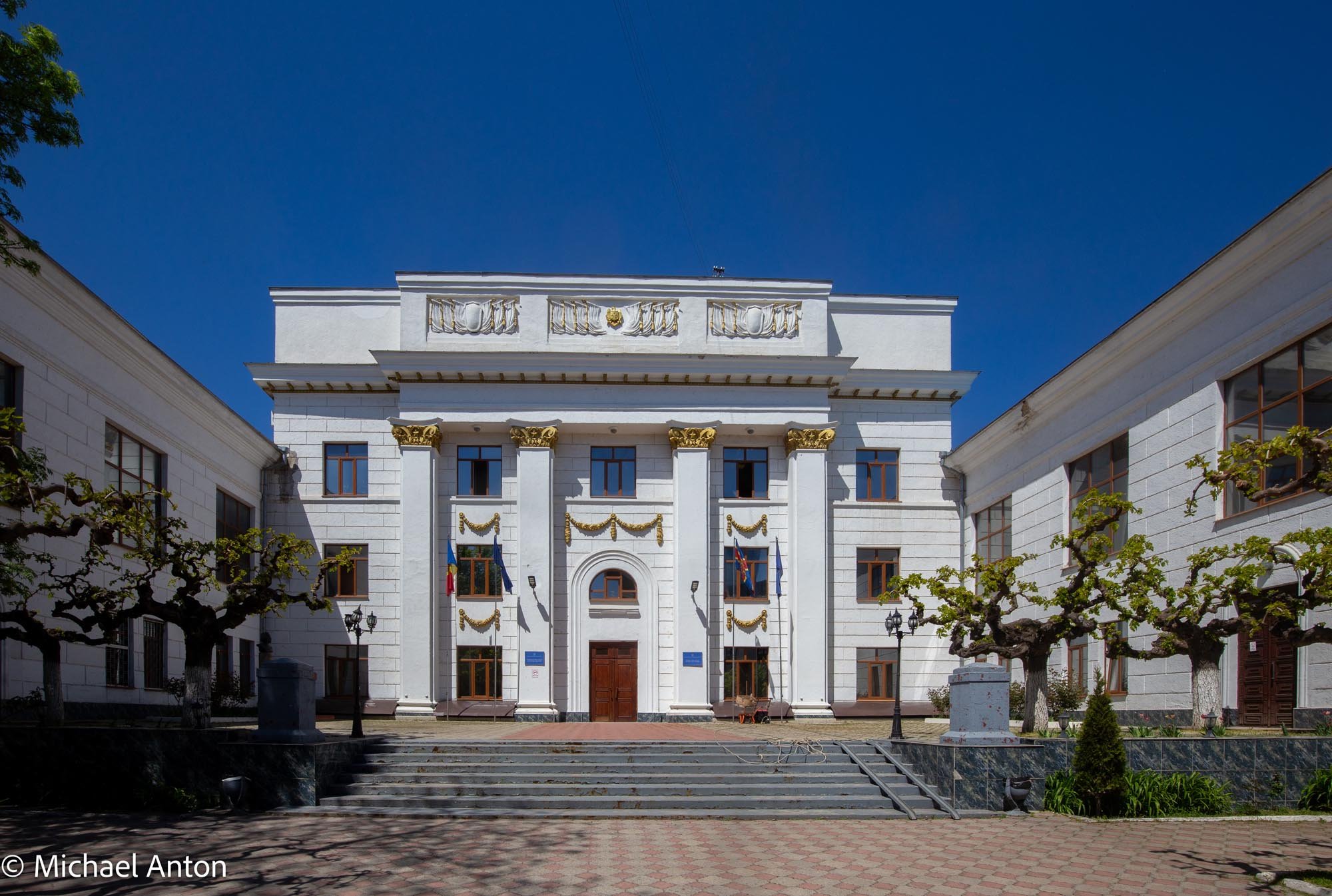
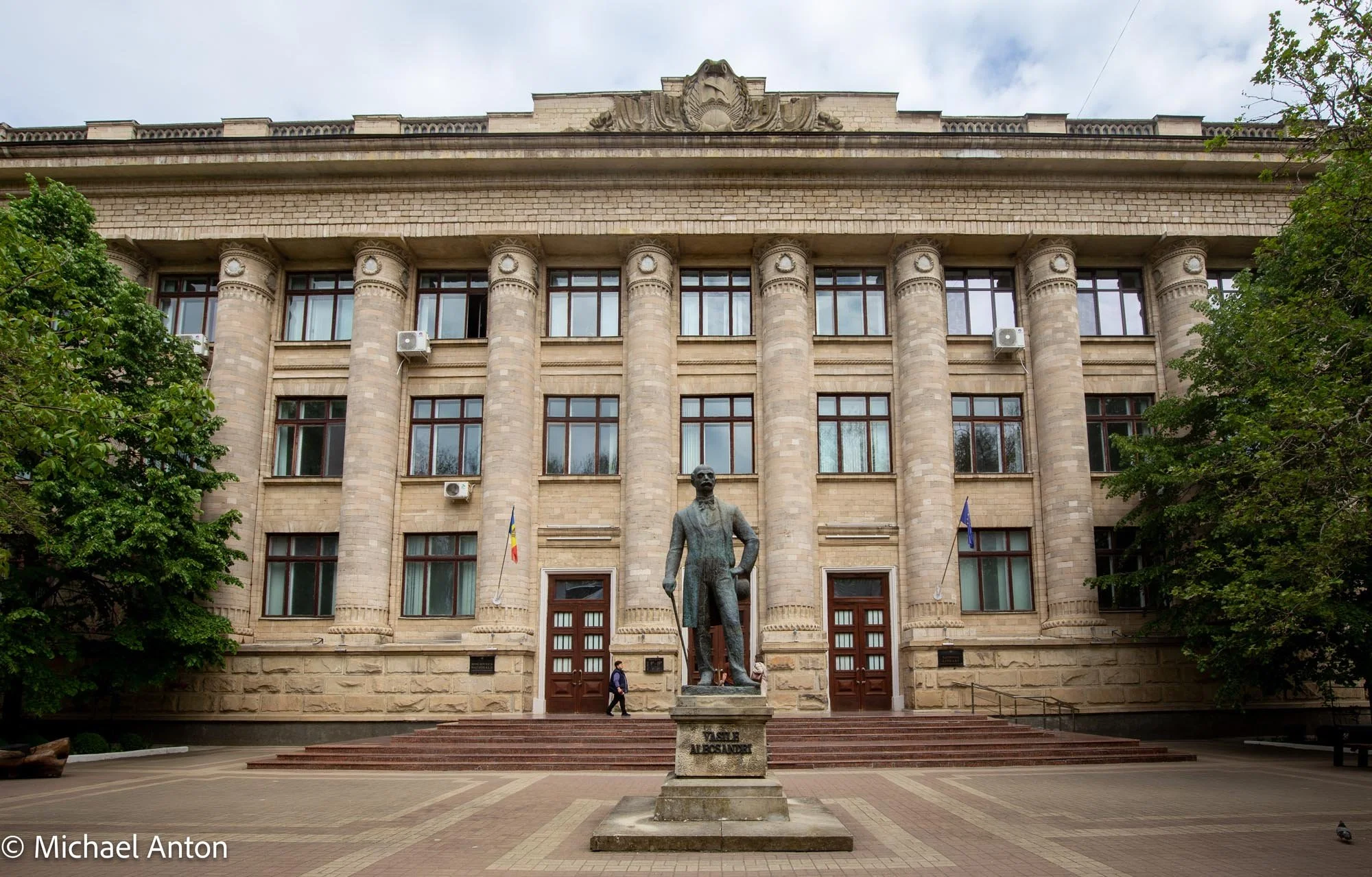
And finally there is a the National Library, a lovely structure from the late 1800s. During the communist era it was named the Krupskaya Library. Nadezhda Krupskaya was a leading Bolshevik revolutionary and the wife of Lenin.
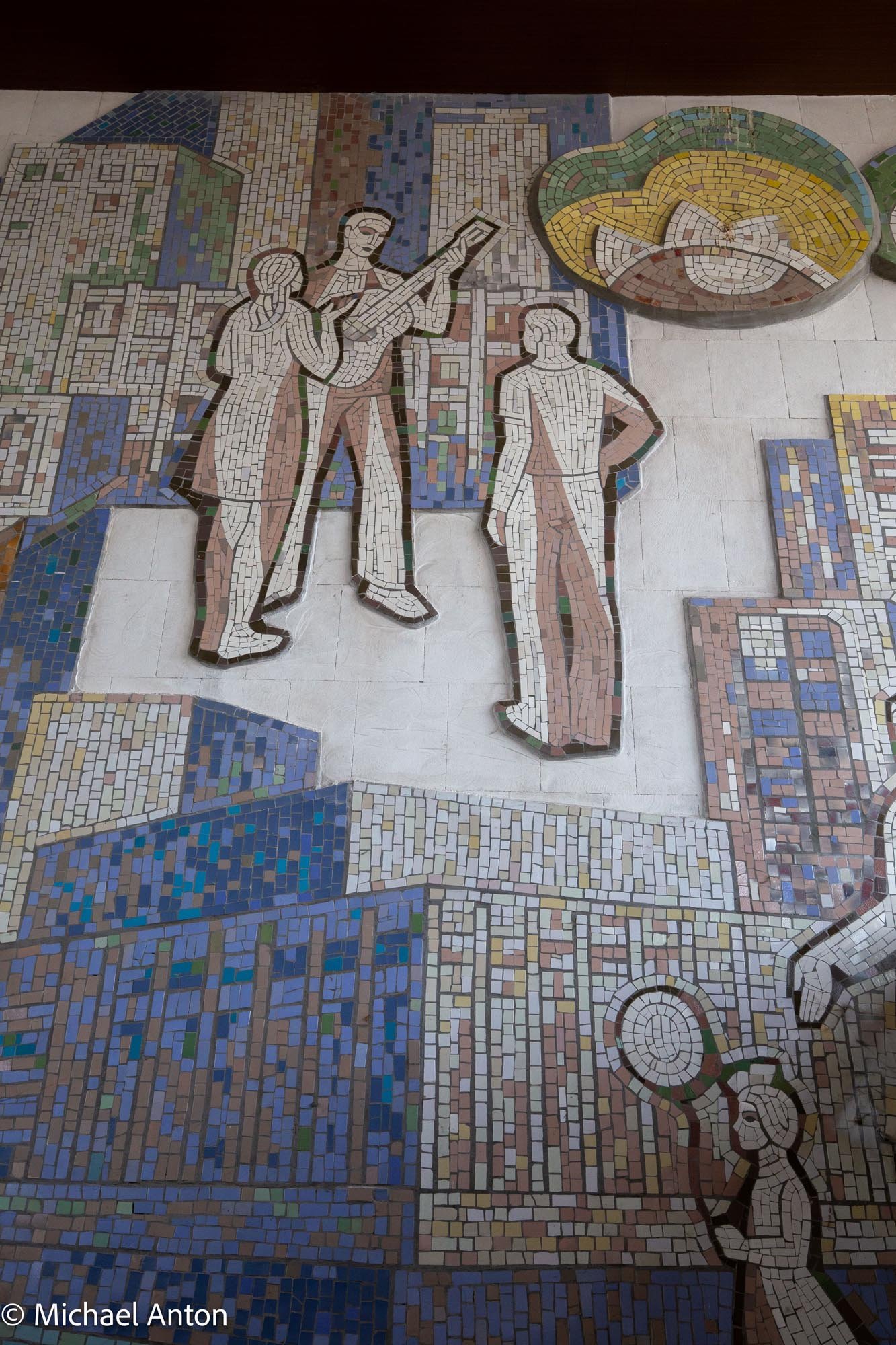
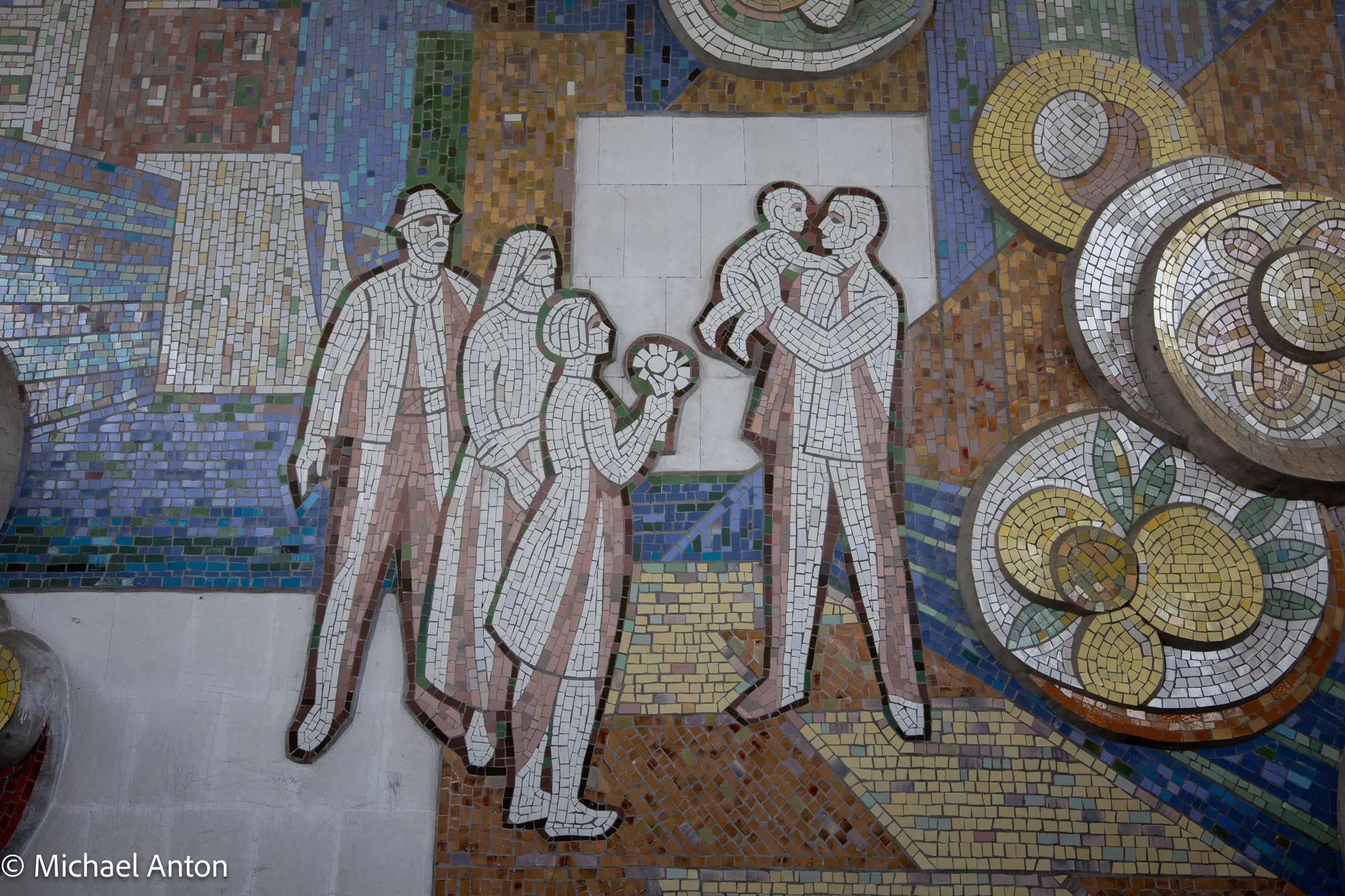
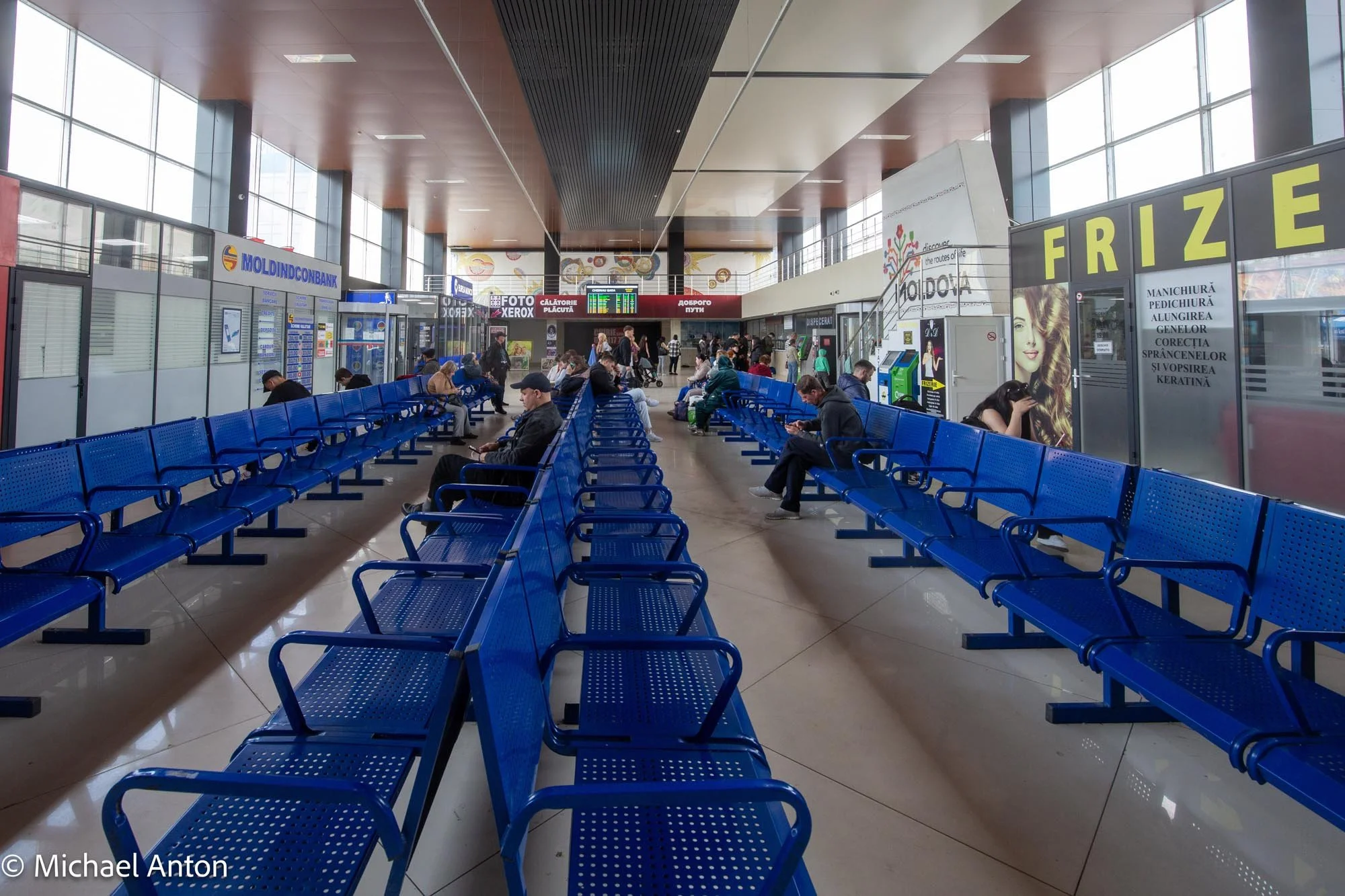
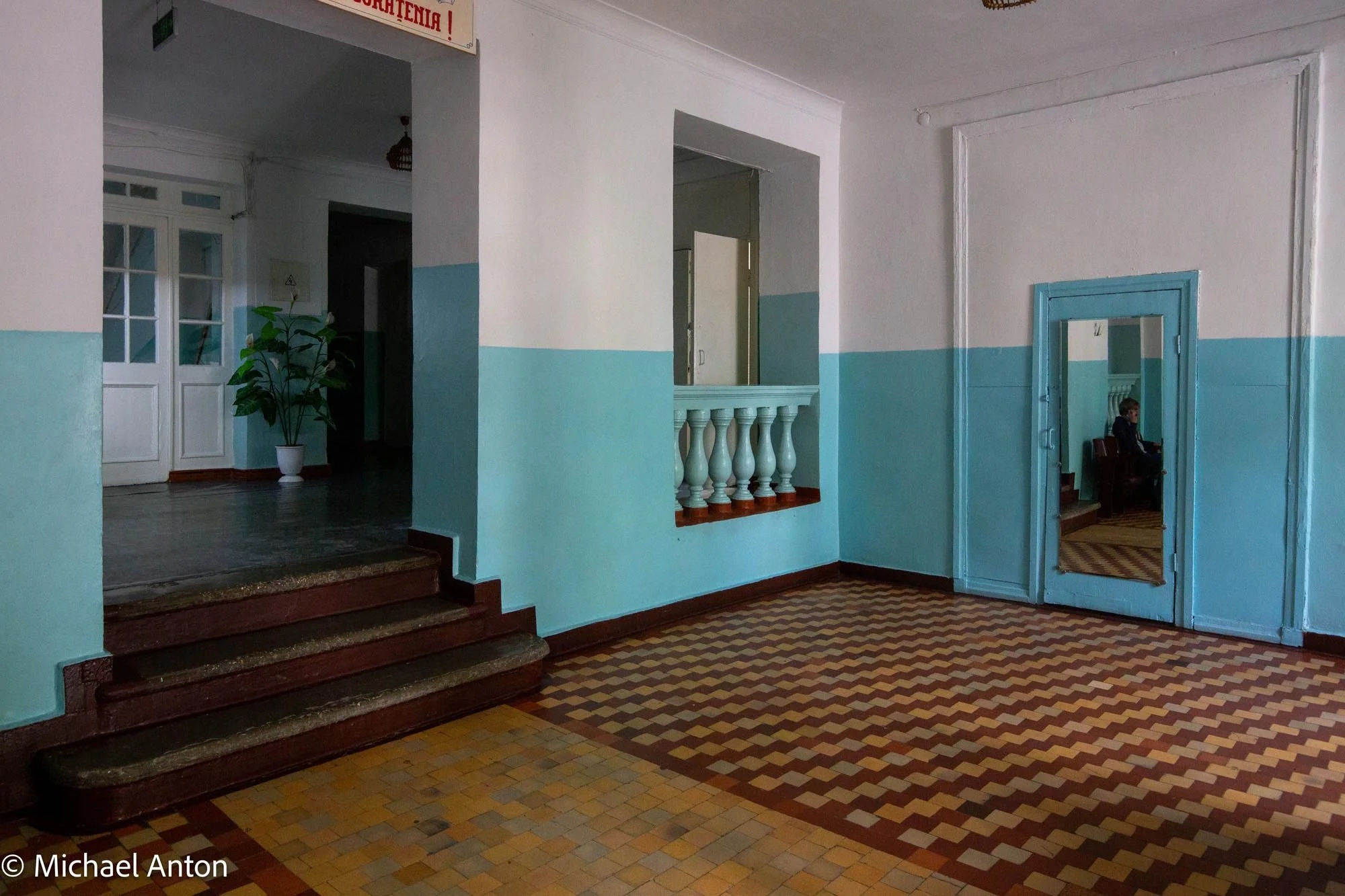
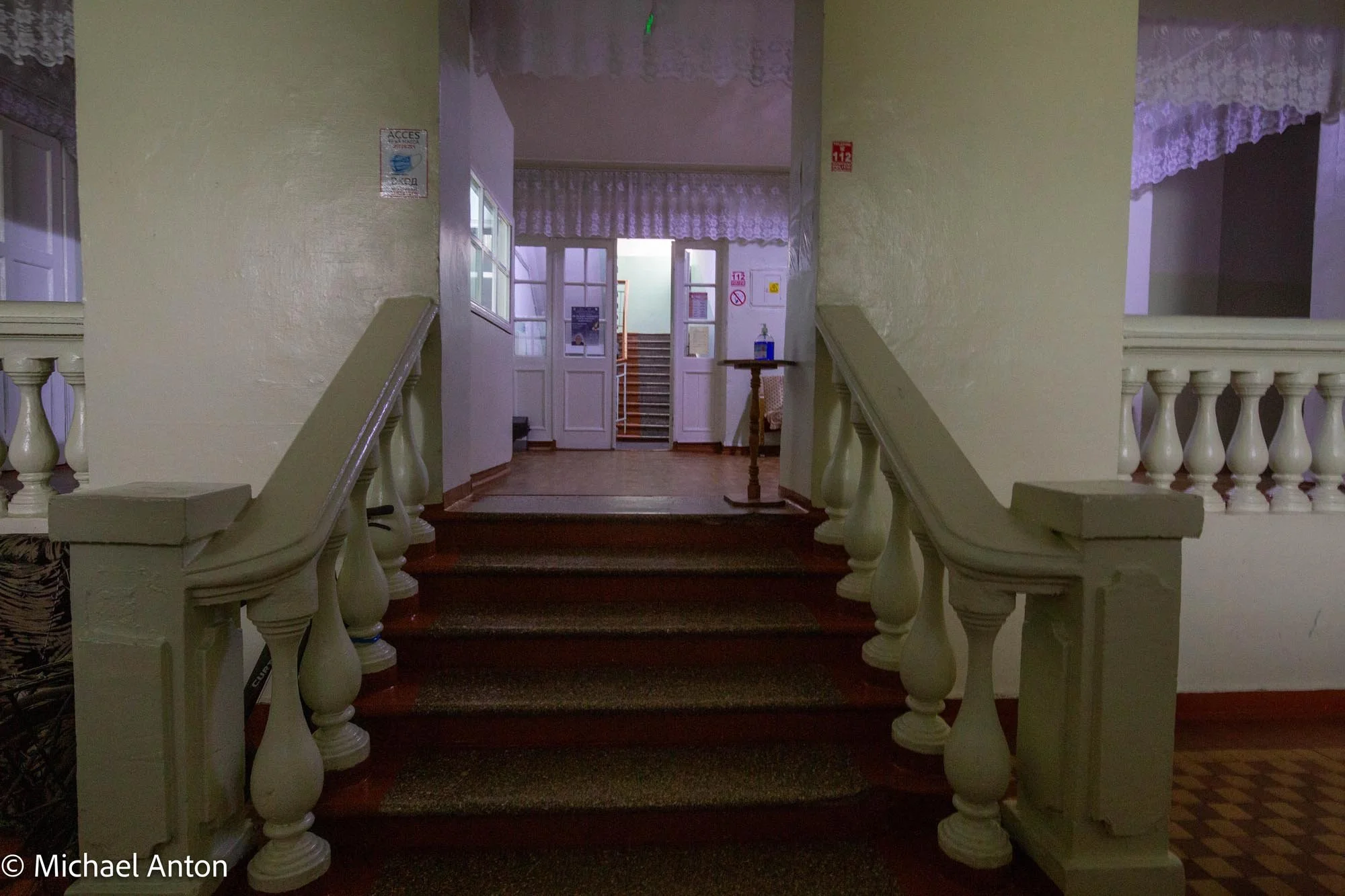
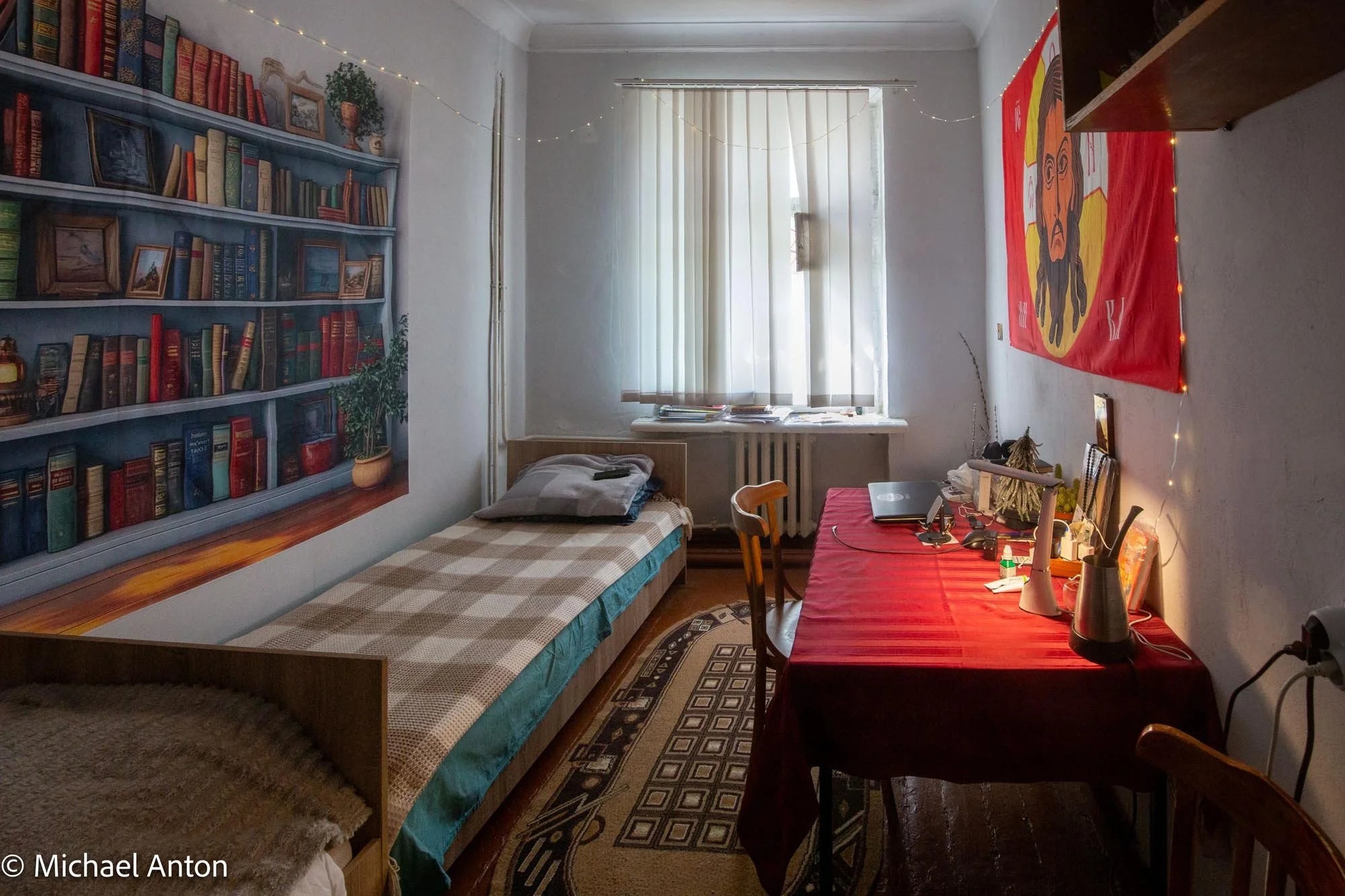
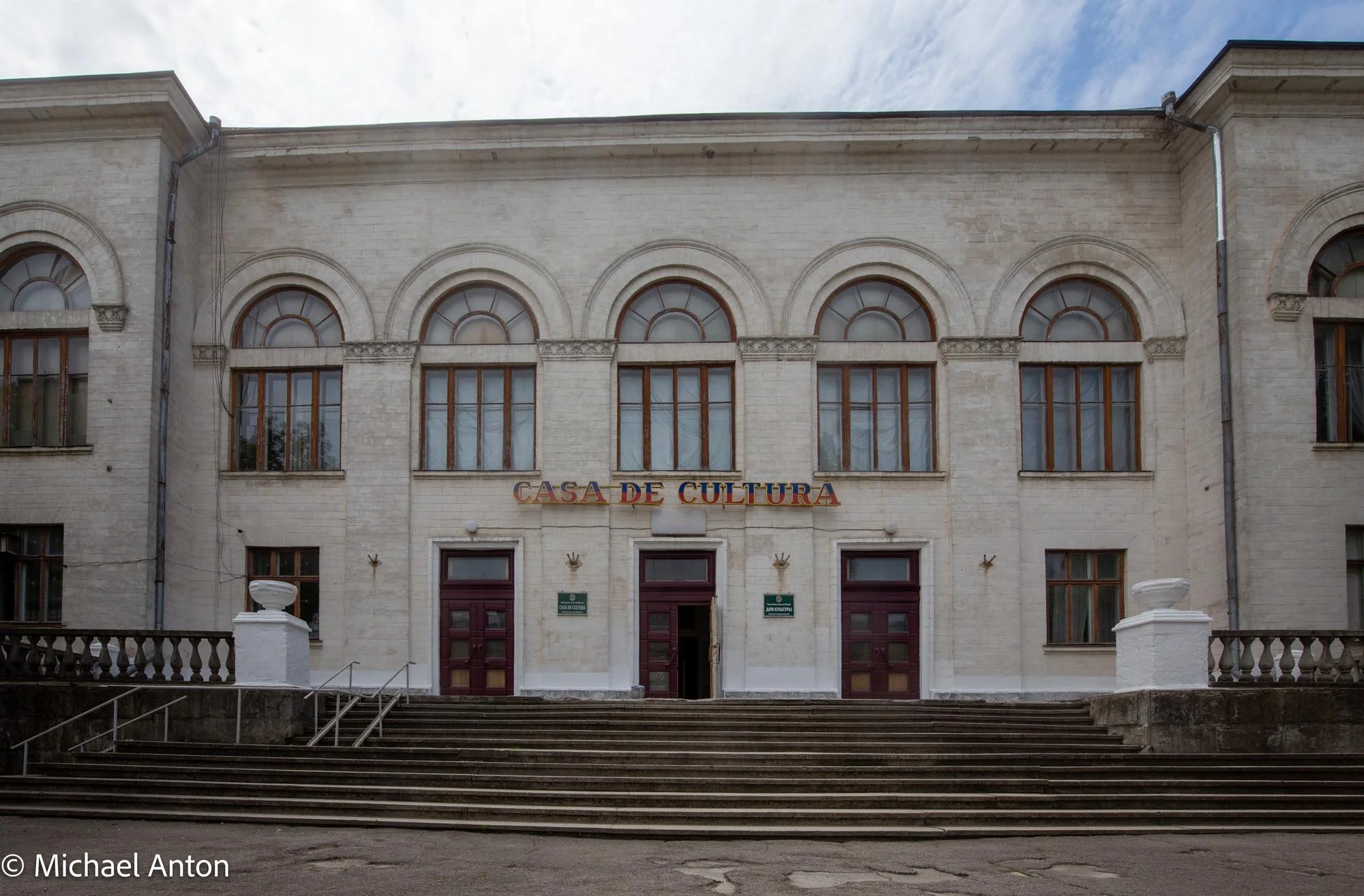
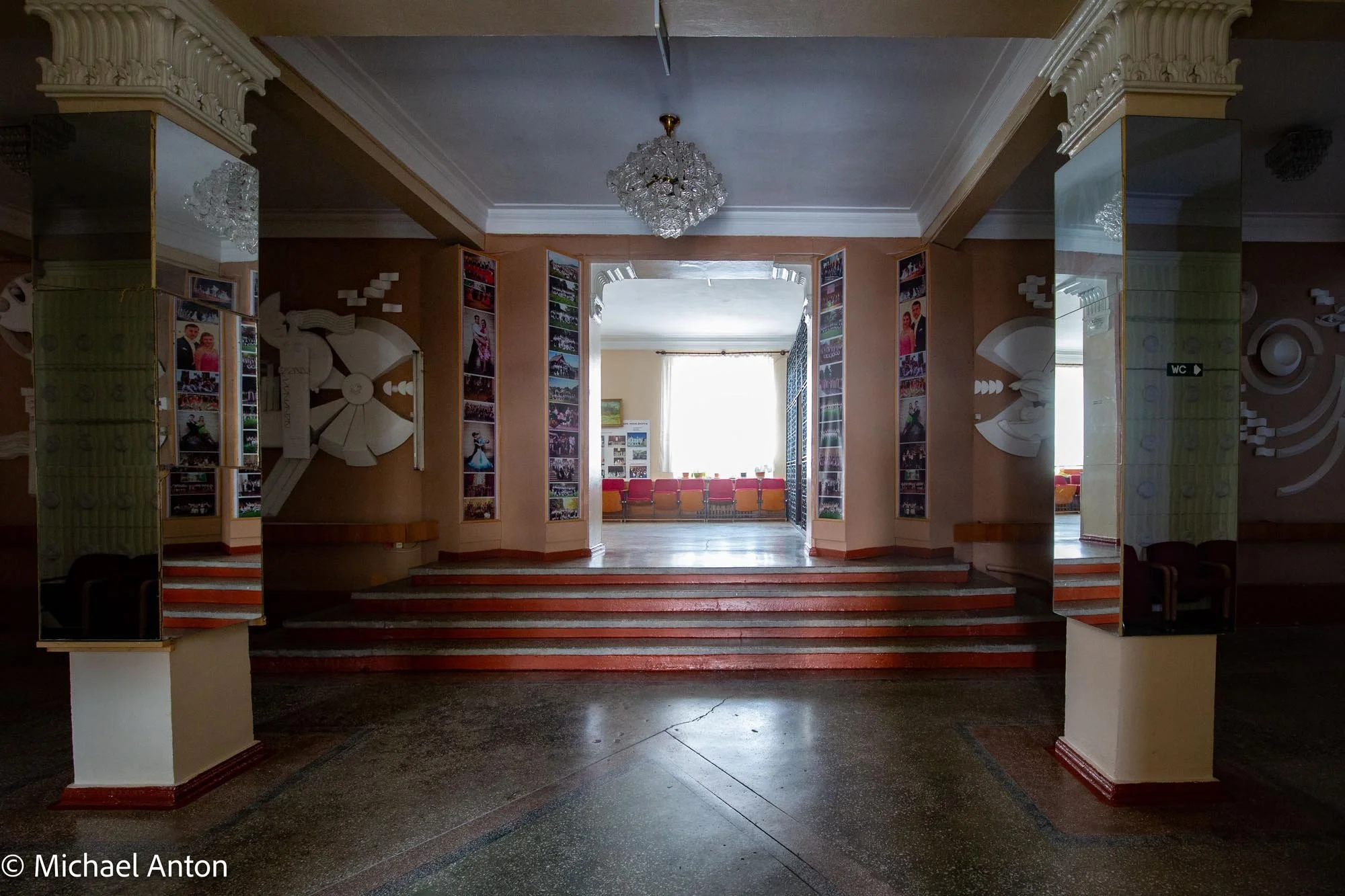
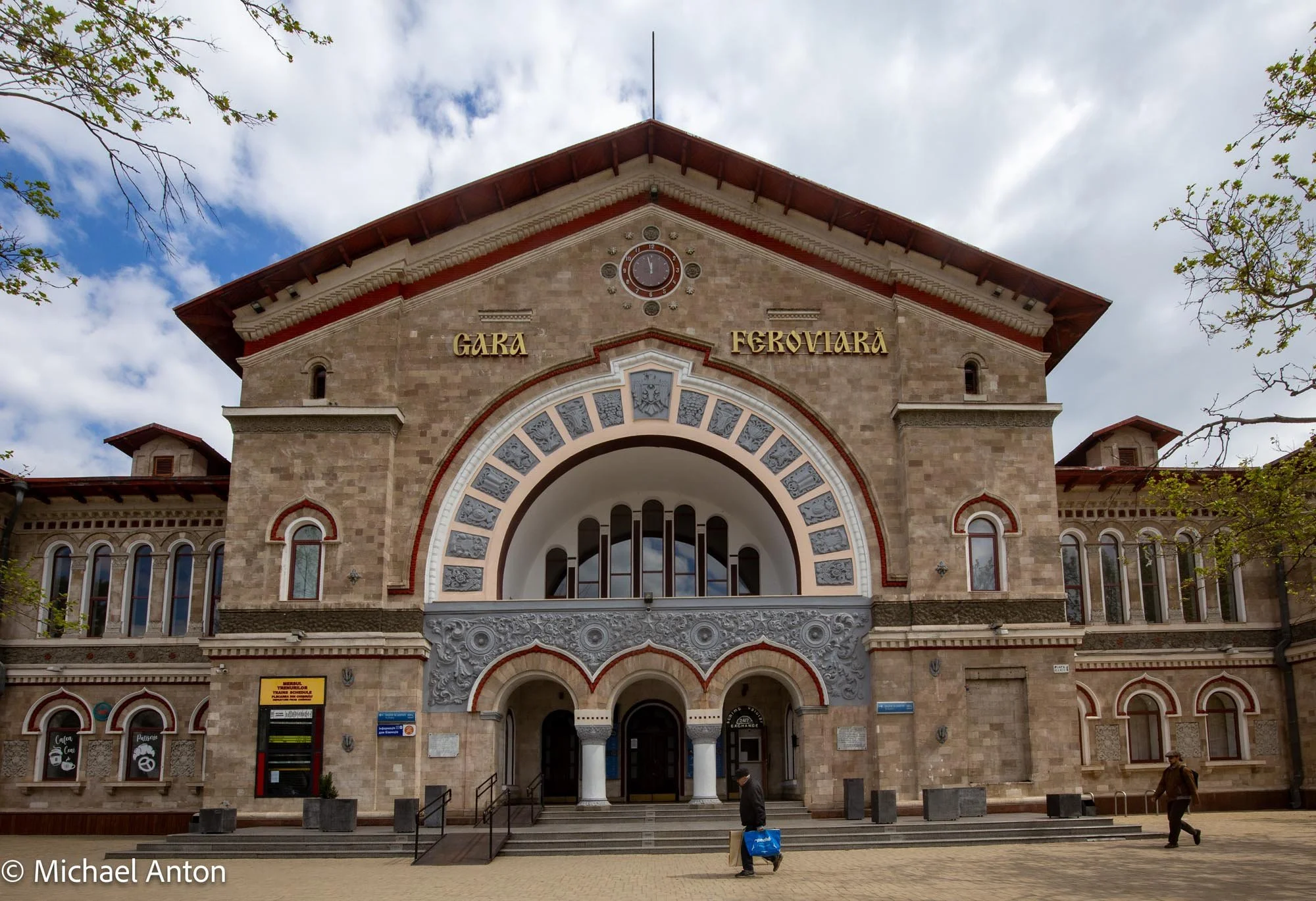
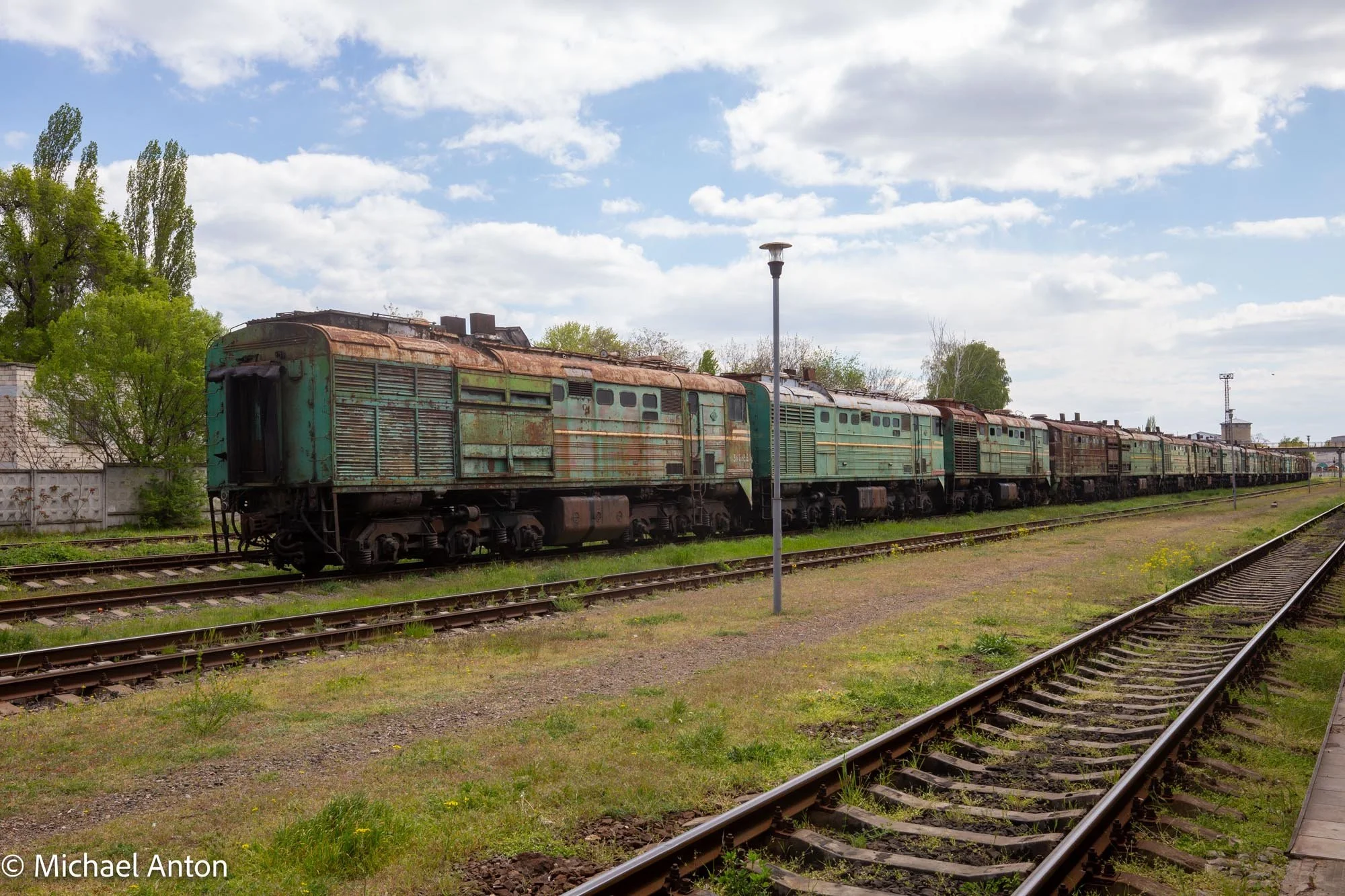
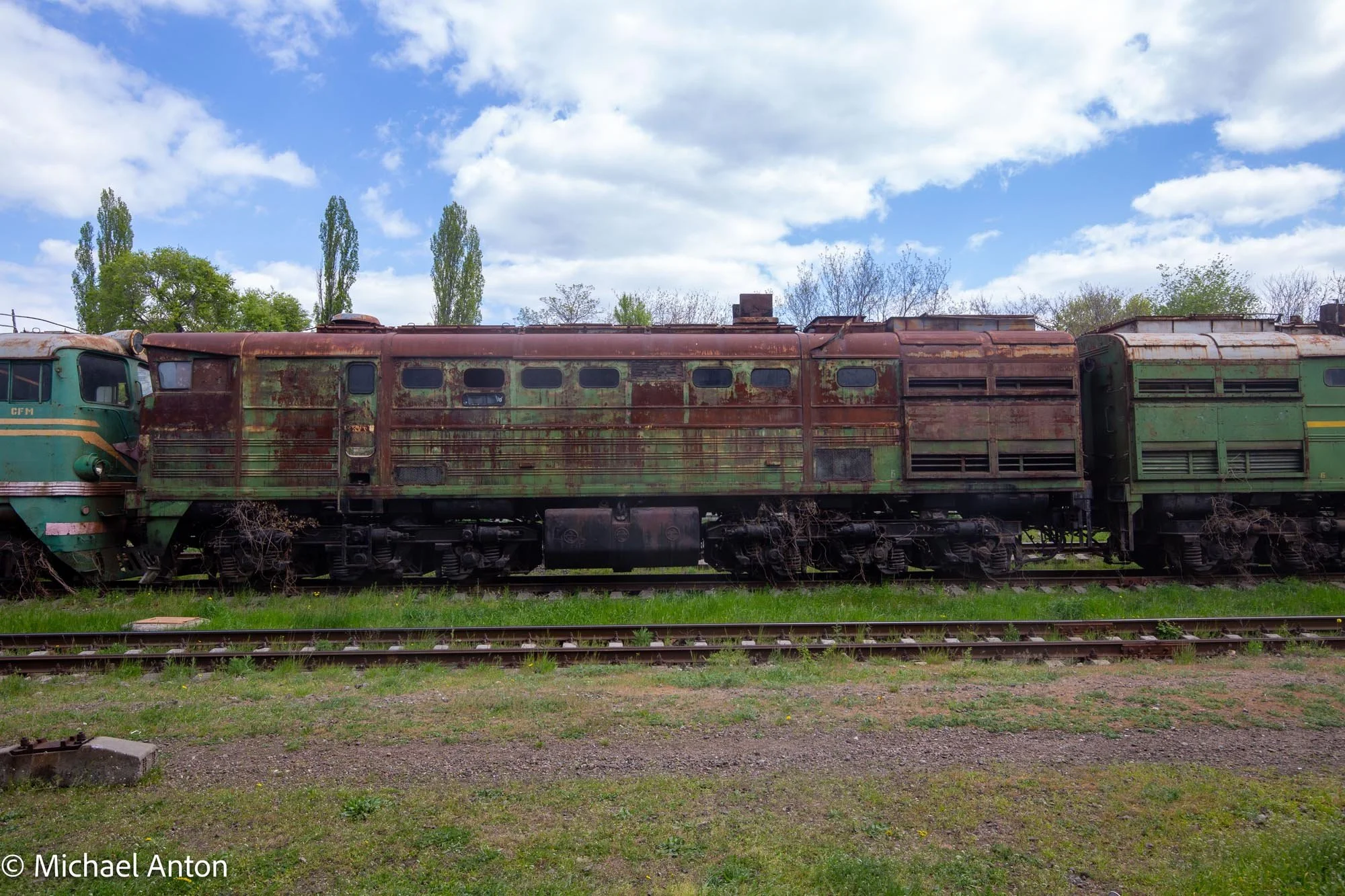
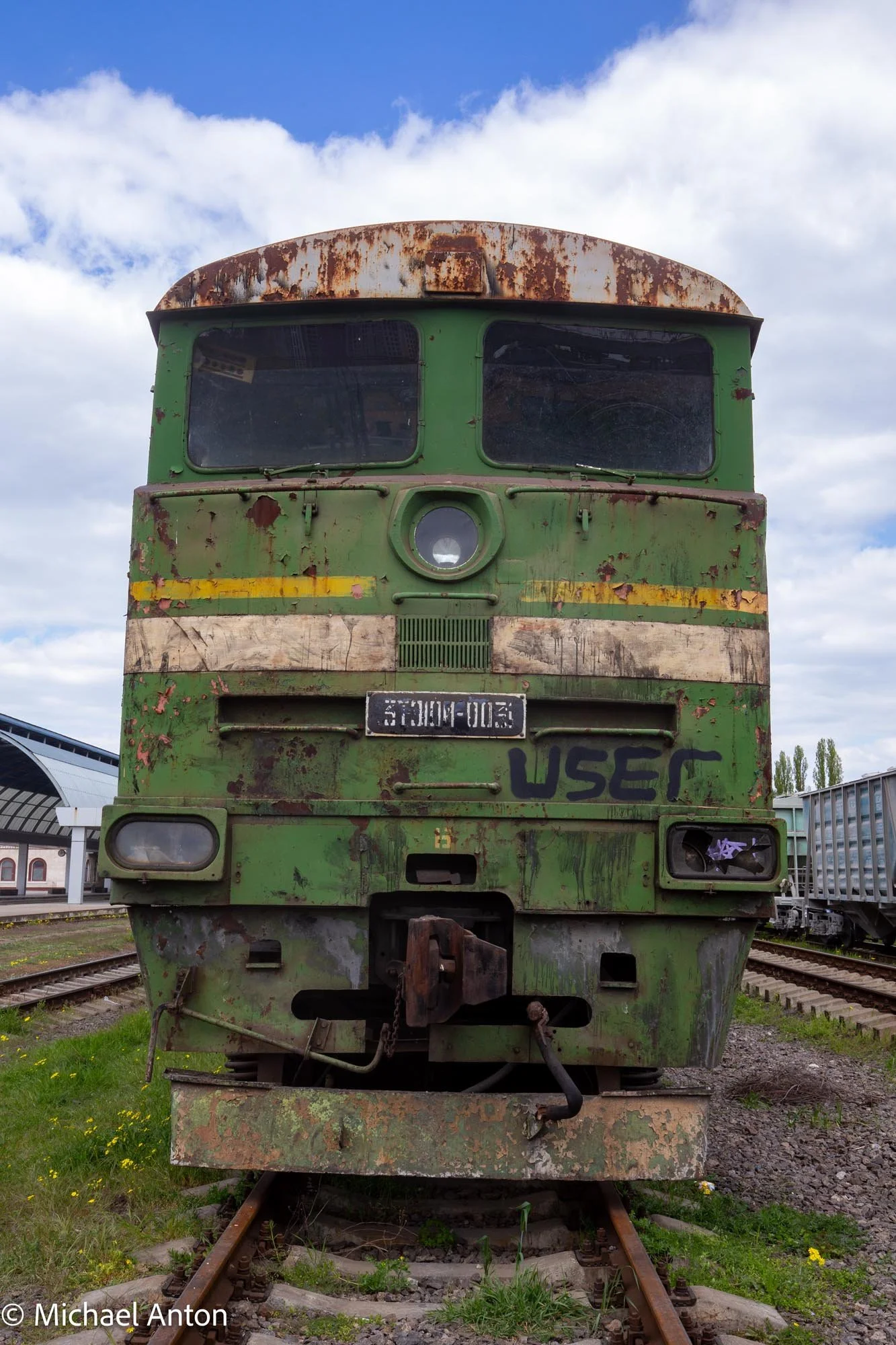
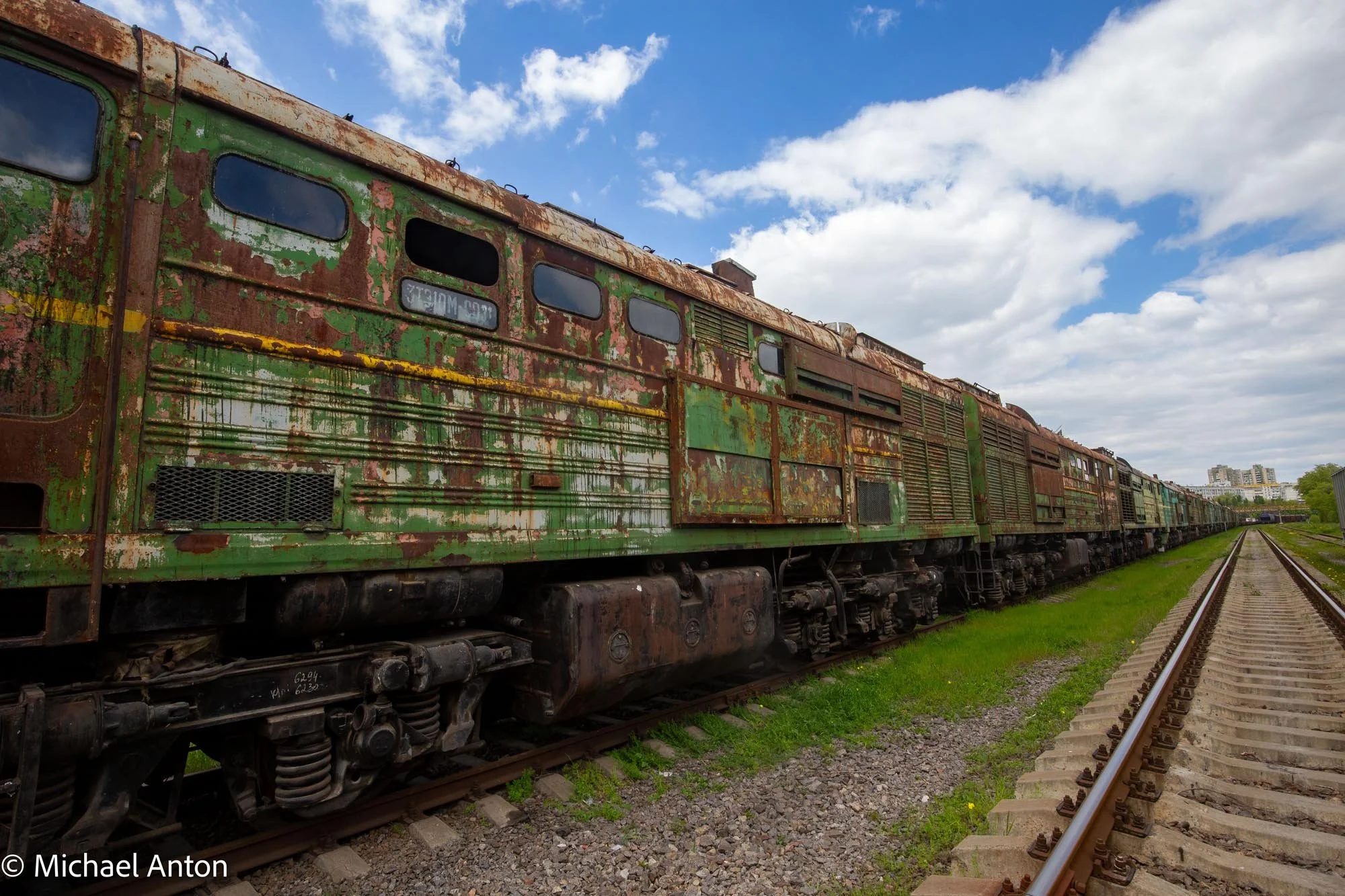
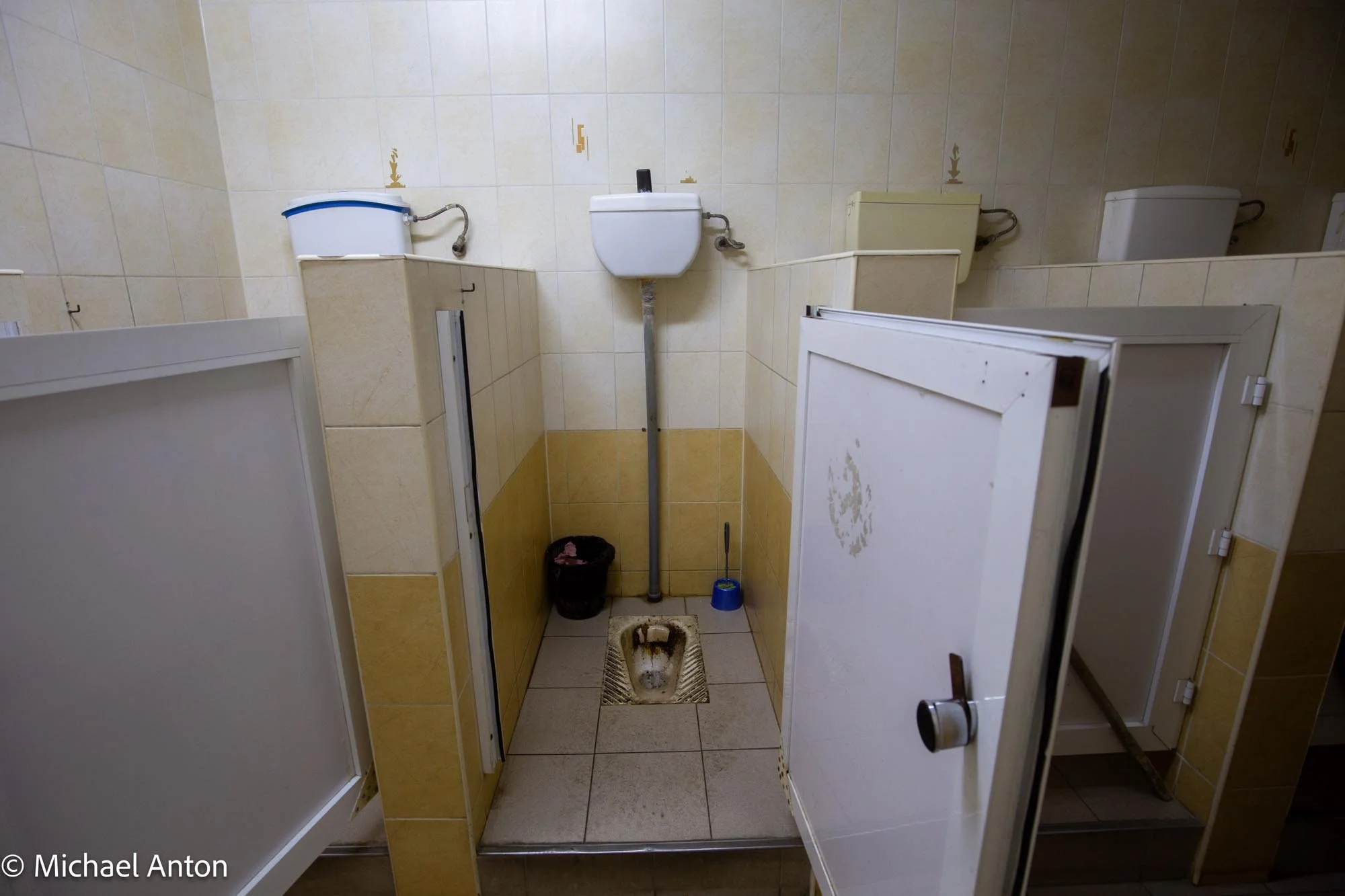
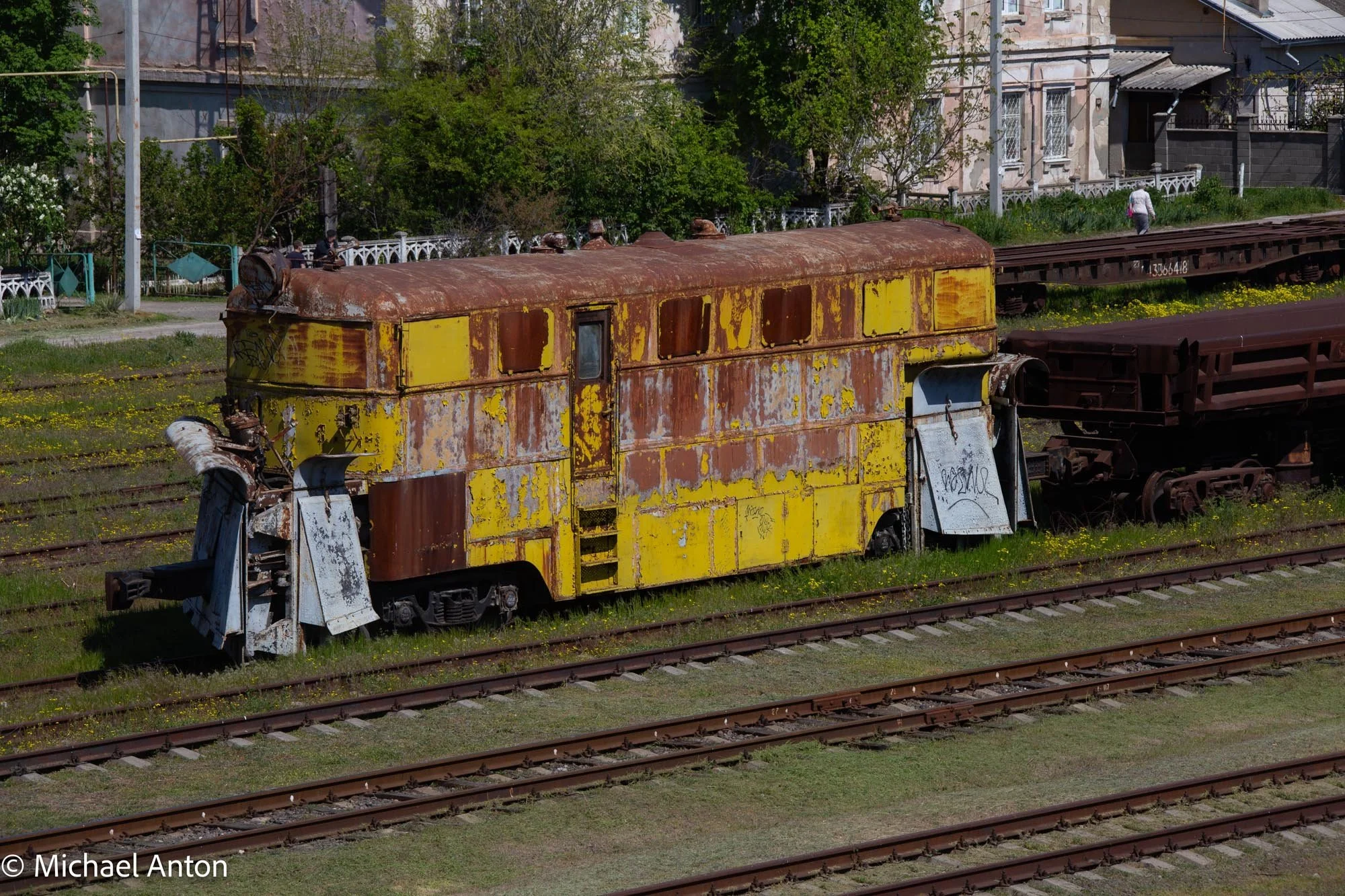
Chisinau Rail Station
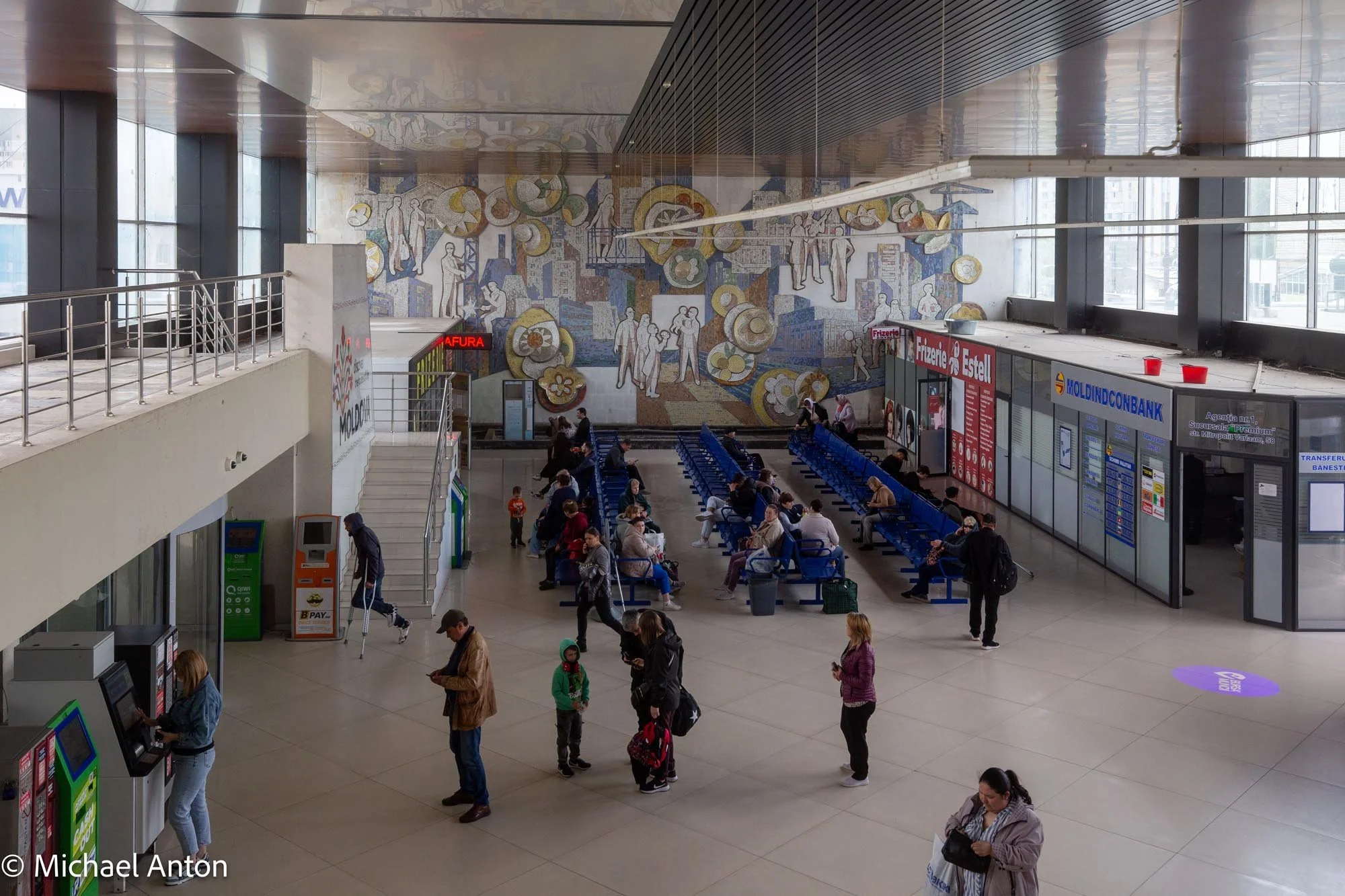
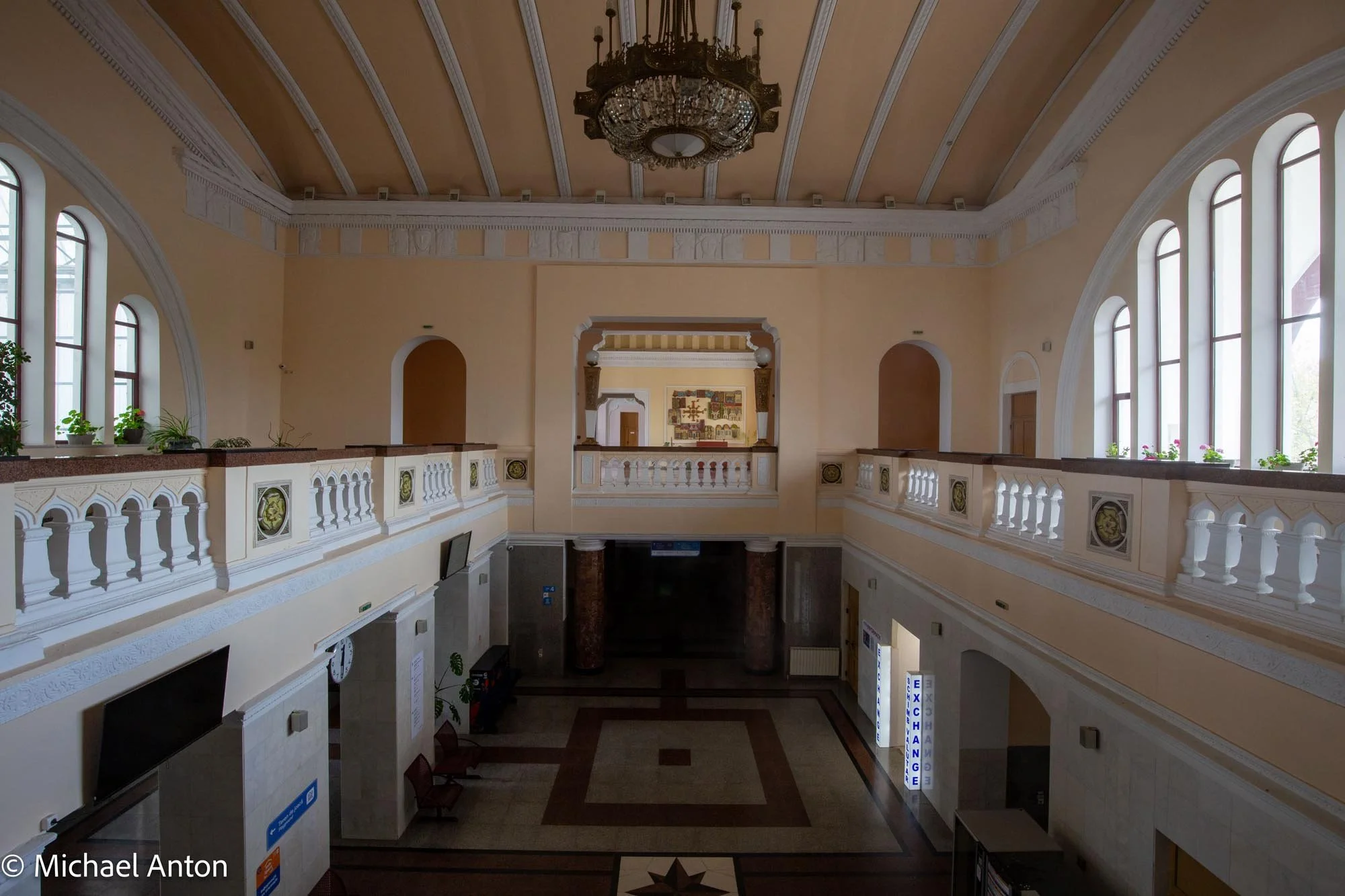
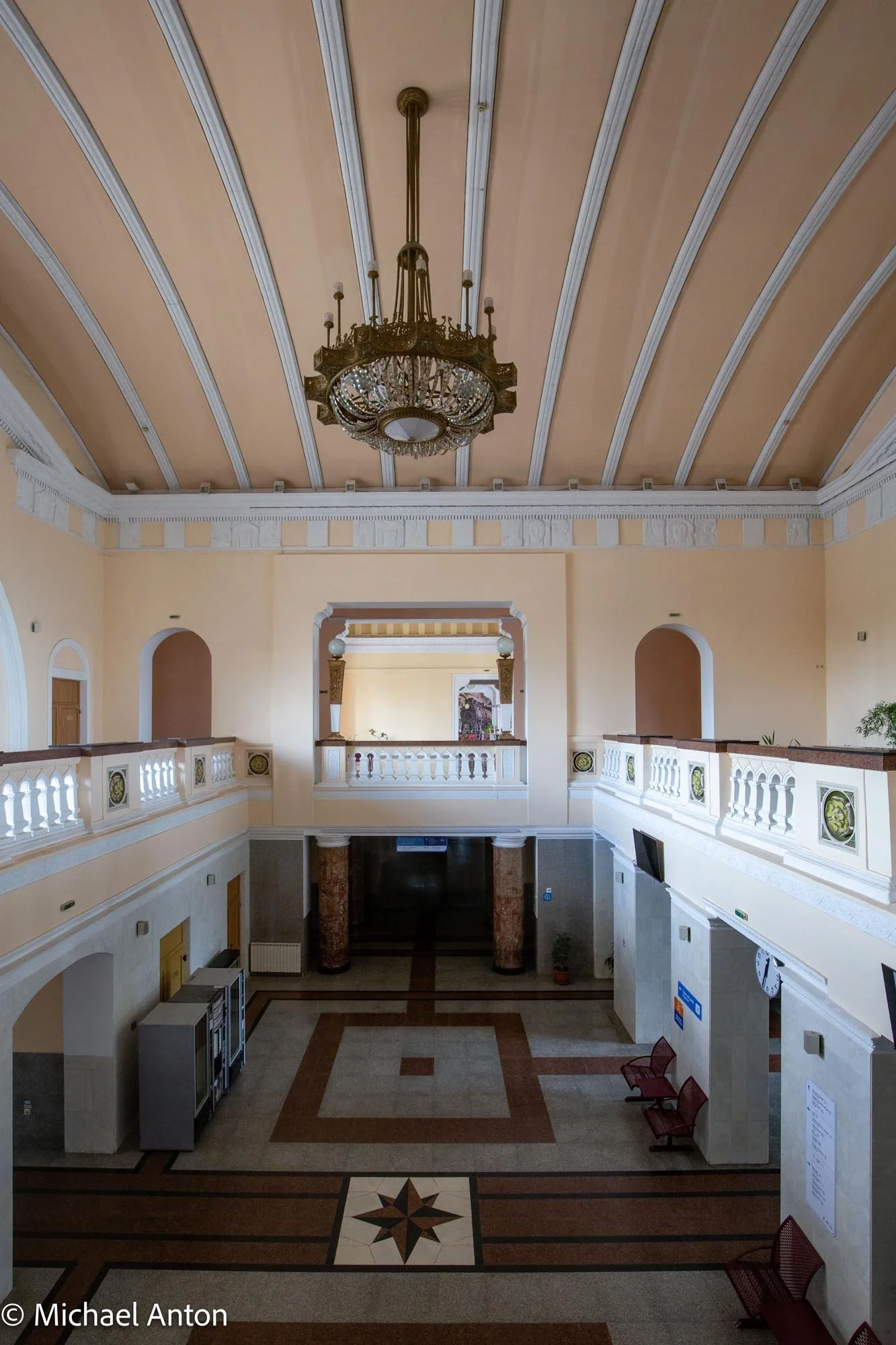
The original station was largely destroyed by German bombing during the war.
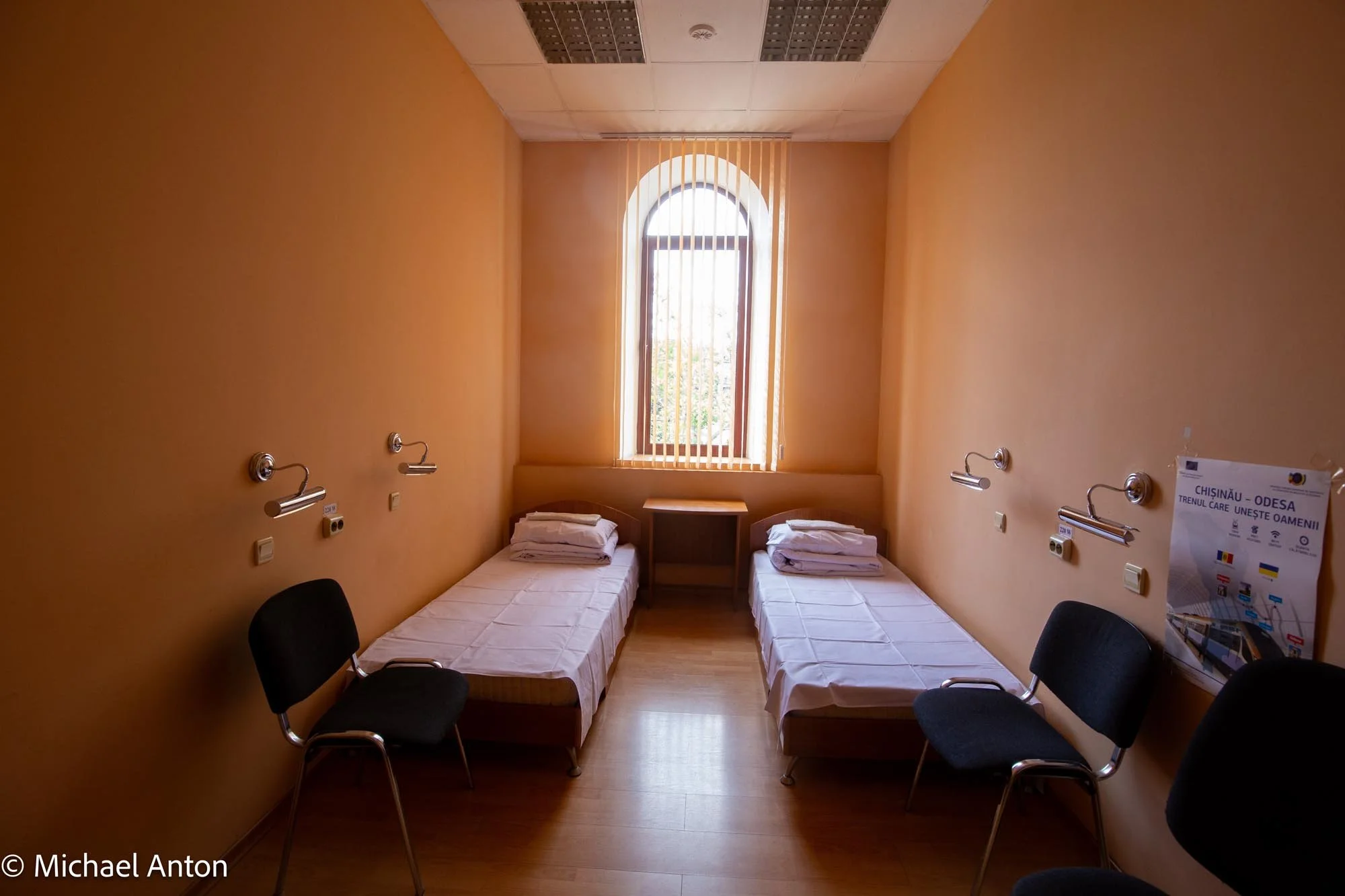
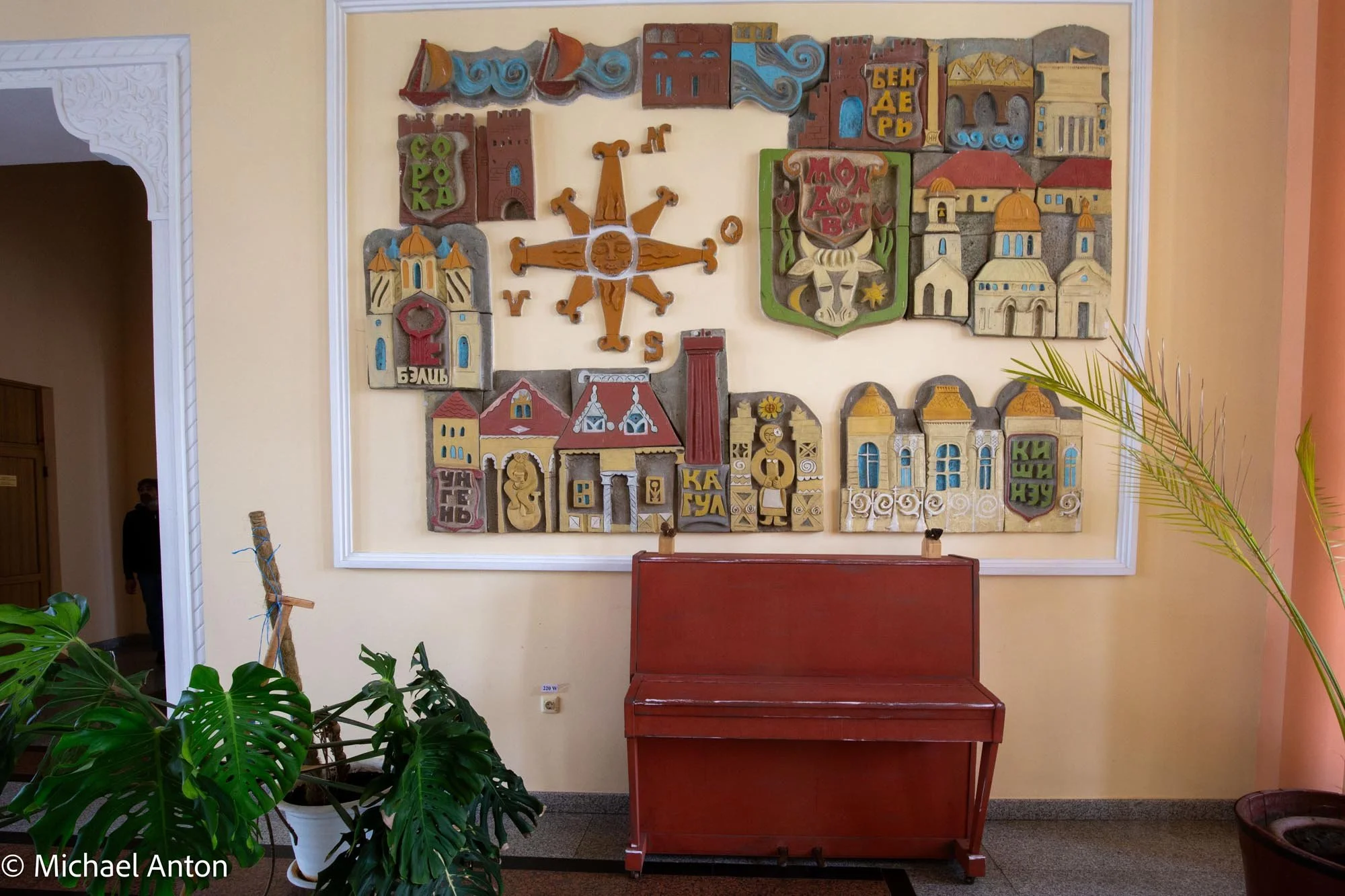
The new station is a loving recreation of the original, with a few added touches like a hostel.
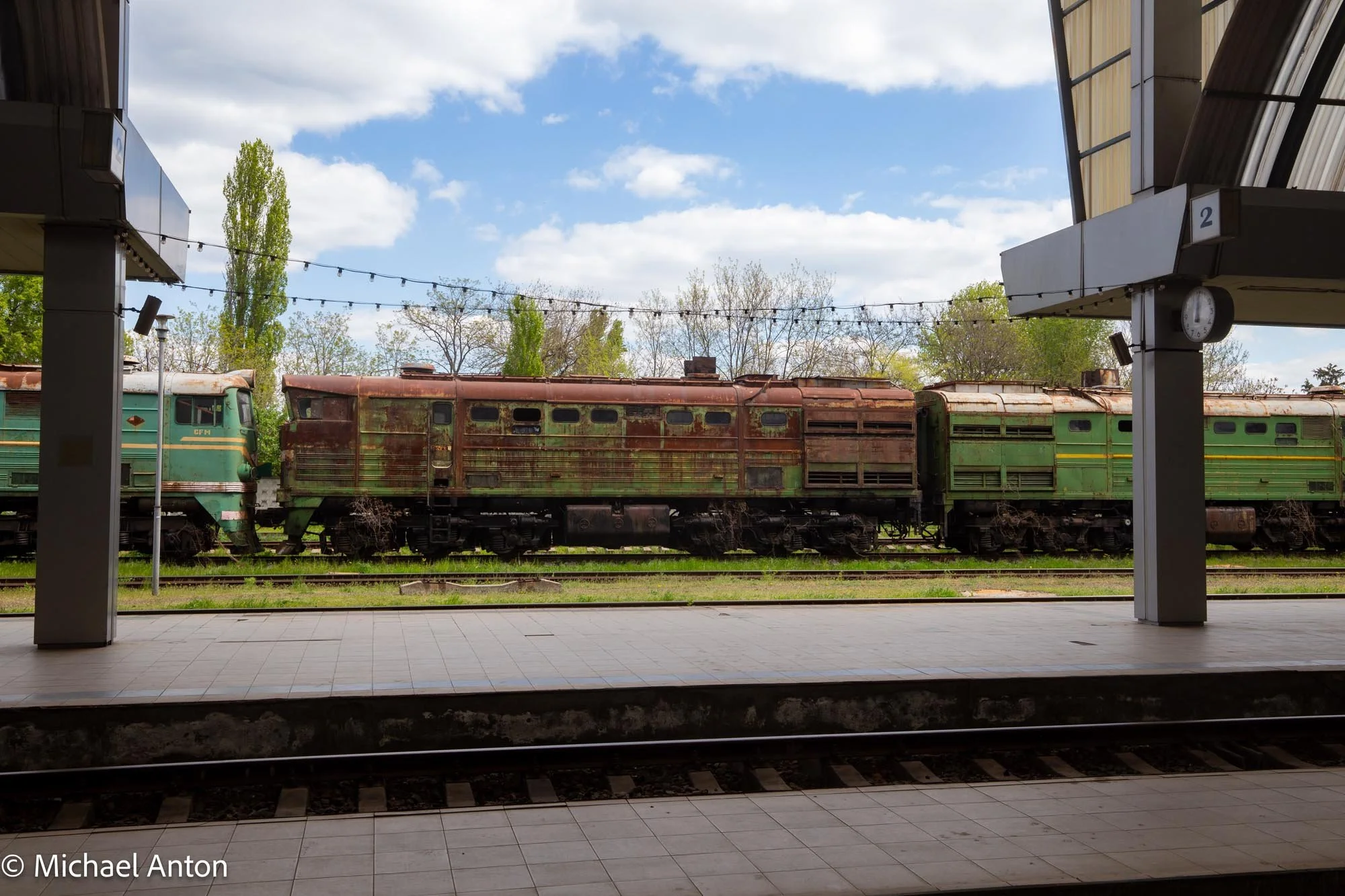
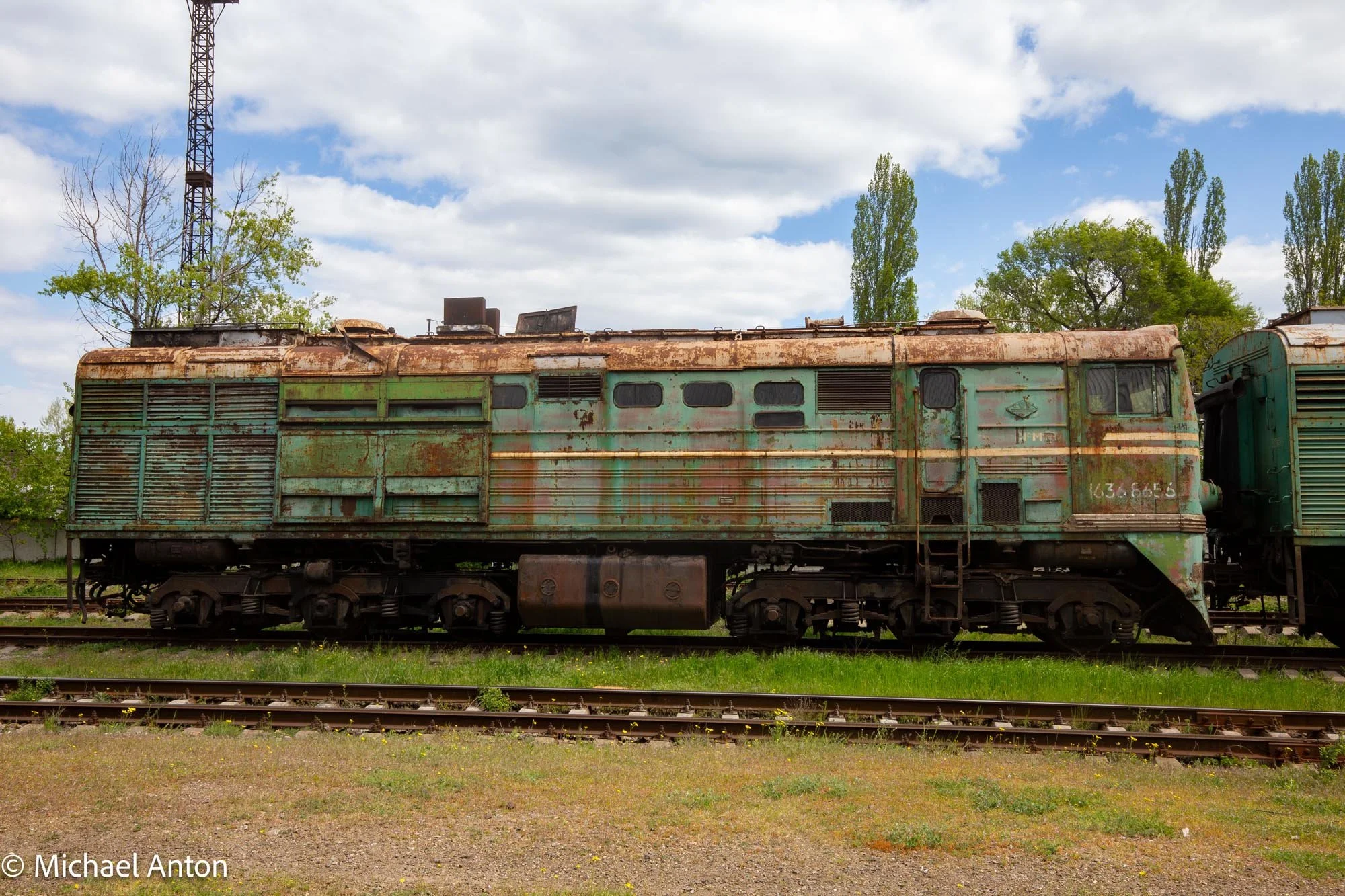
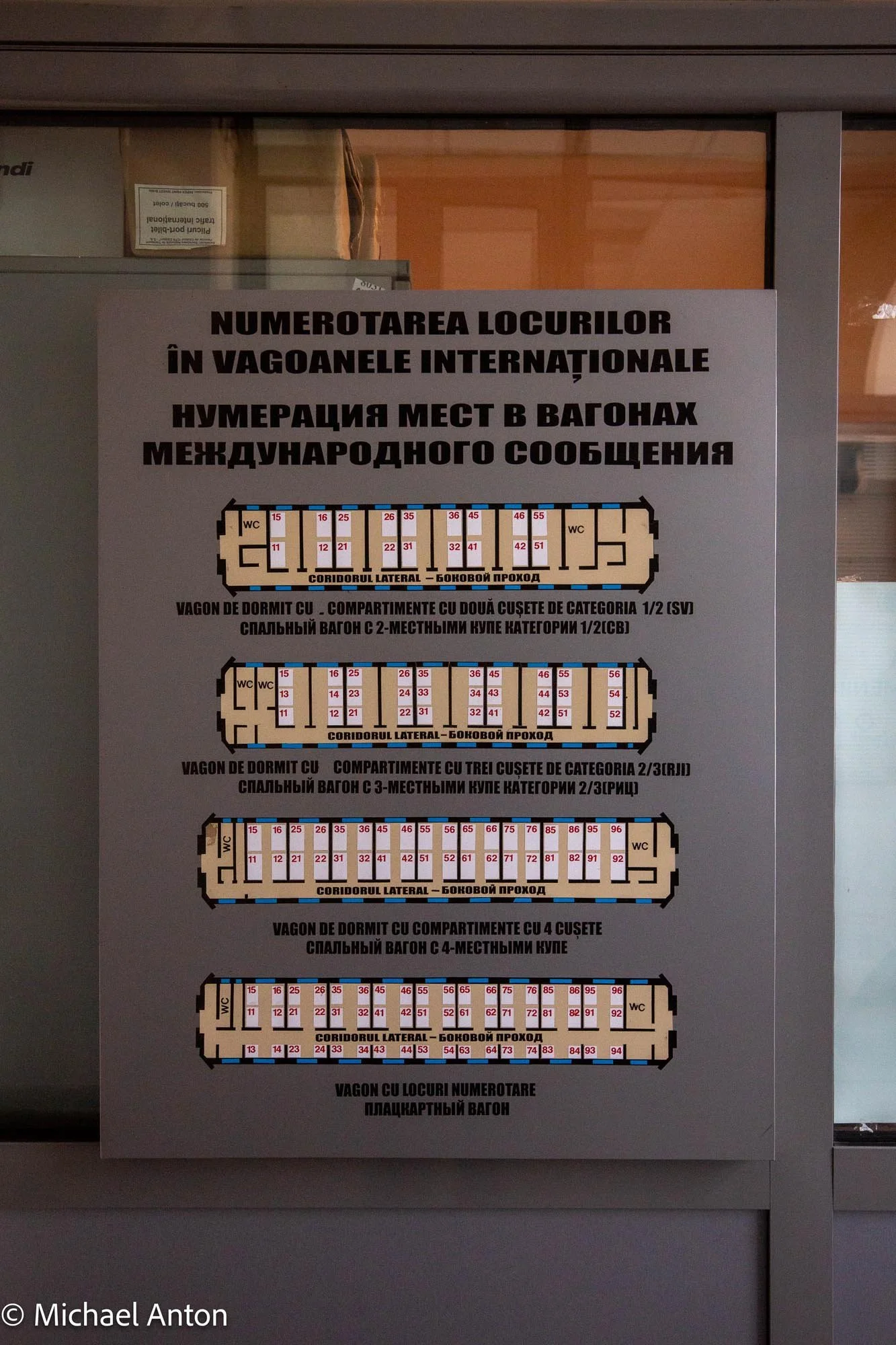
The abandoned Soviet era trains are all welded shut, but I’d have loved to photograph their interiors. There is still Soviet era sleeping car service between Chisinau and Bucharest.
Maybe another trip.
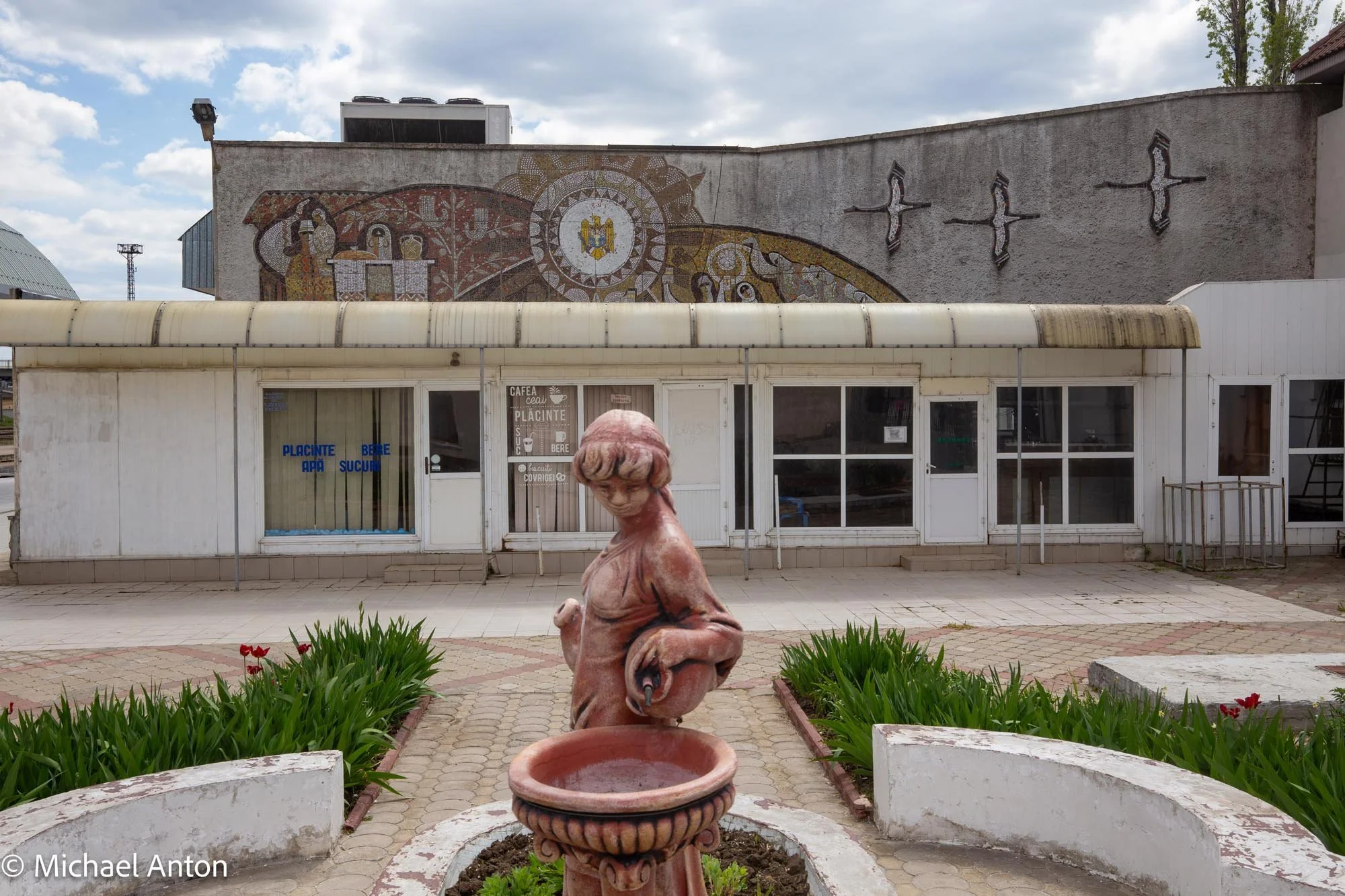
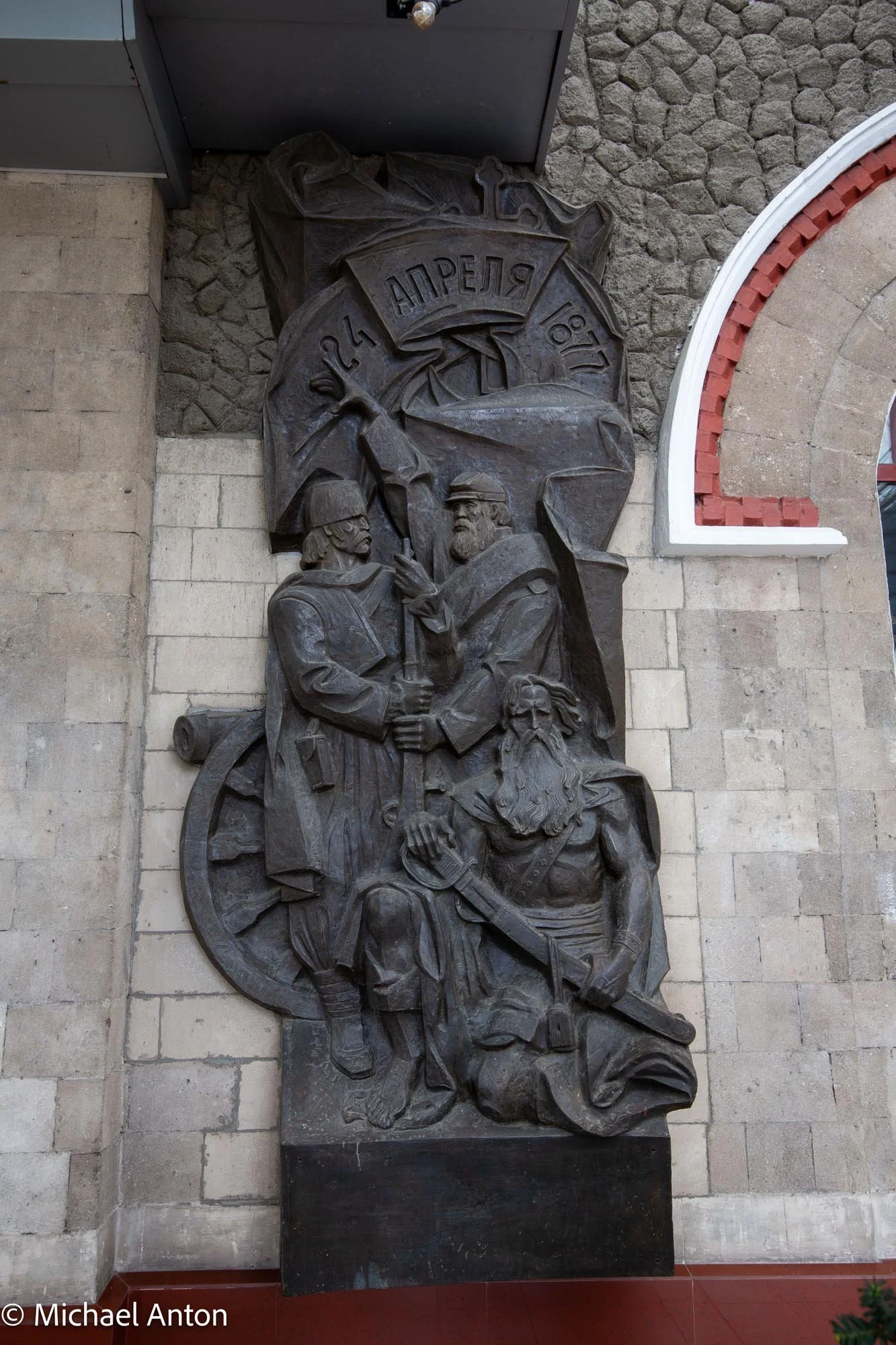
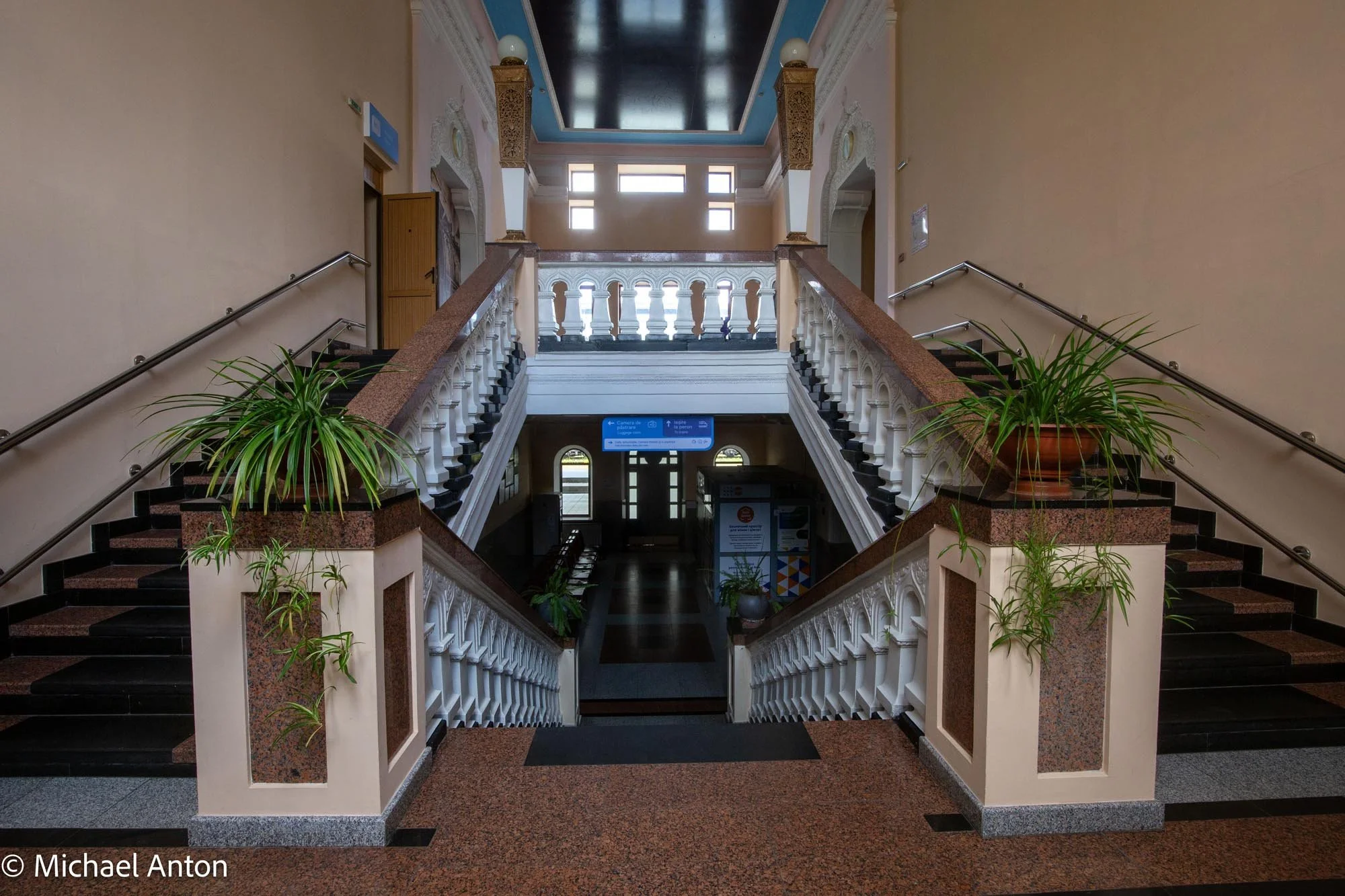
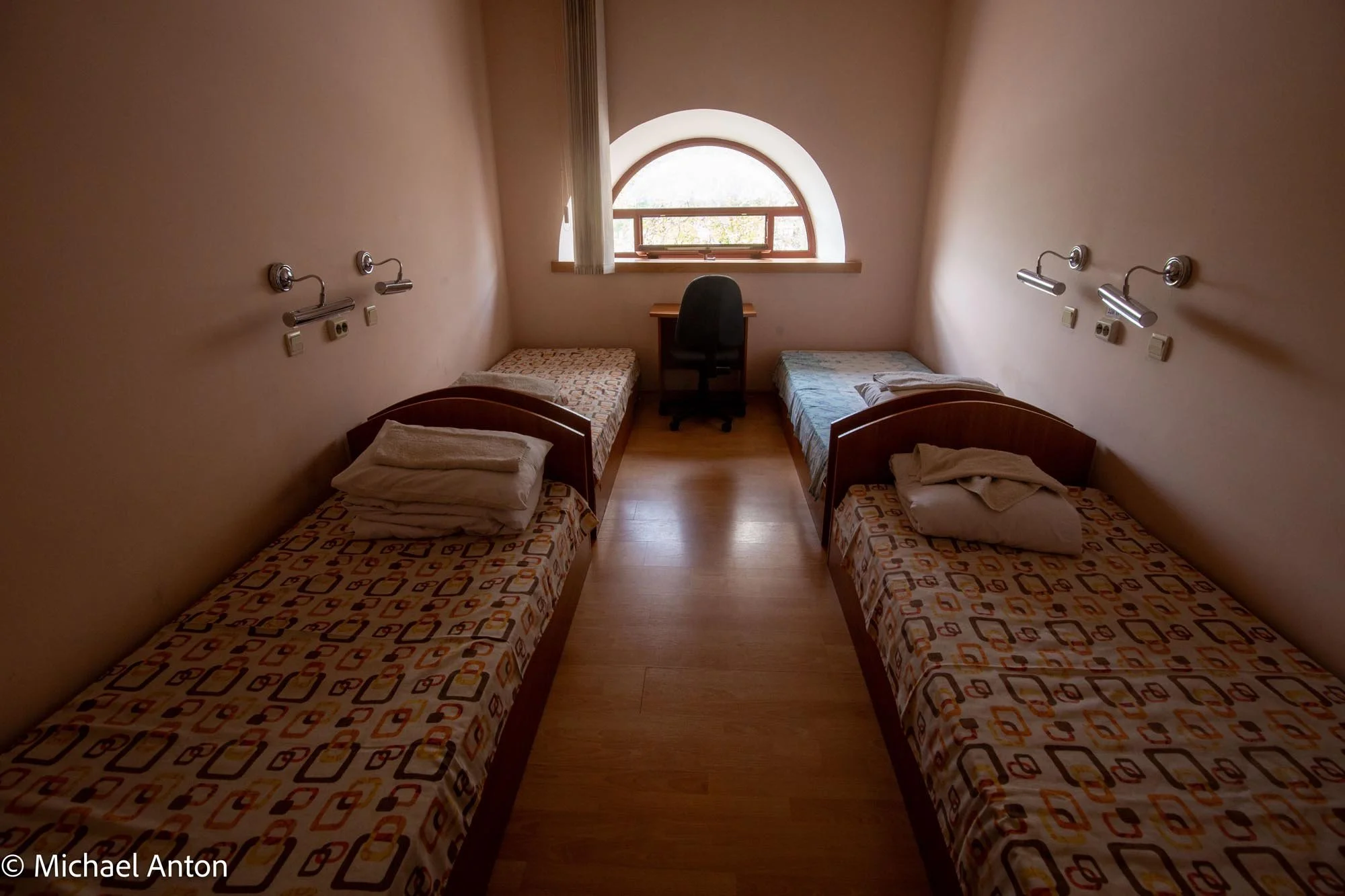
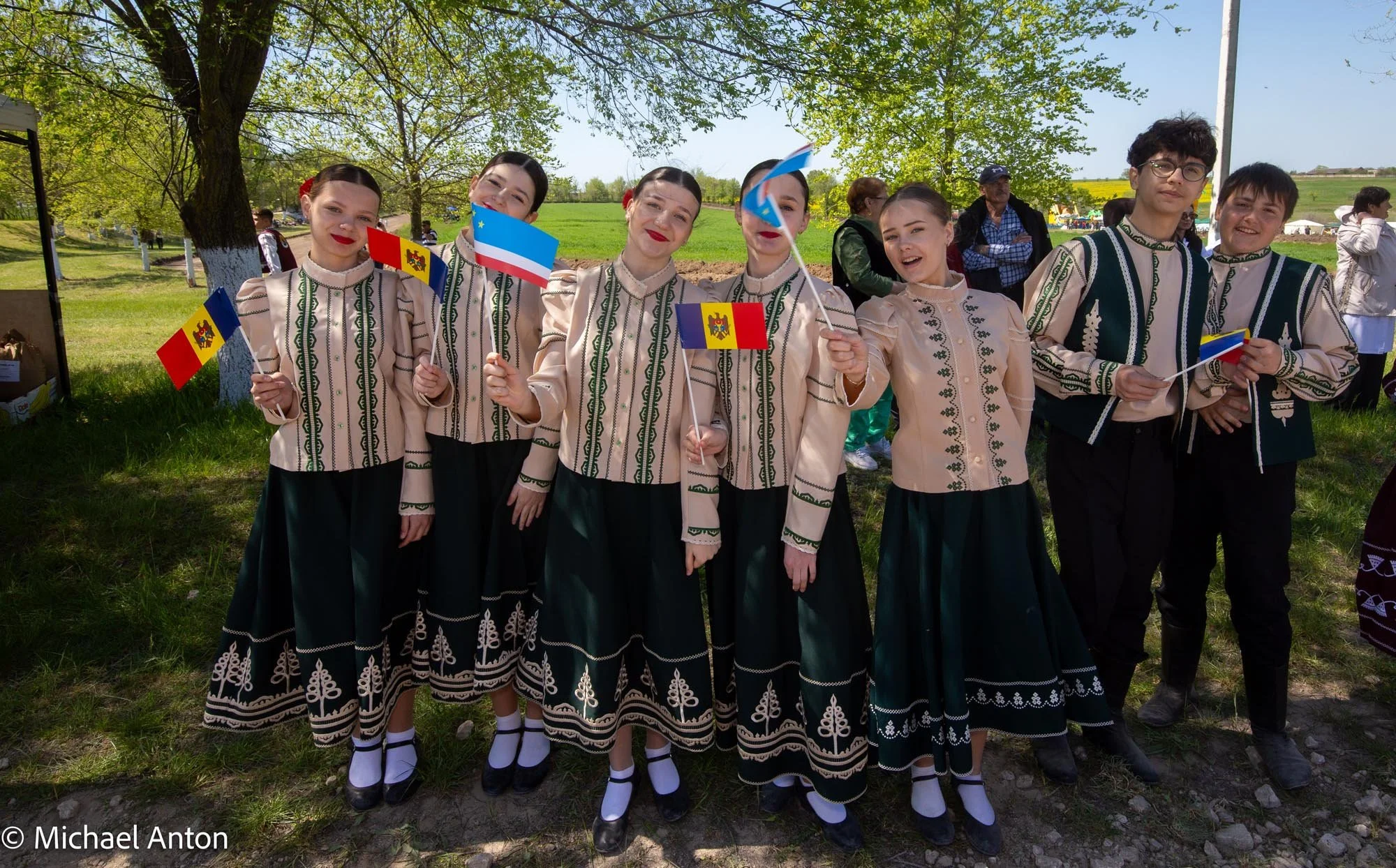
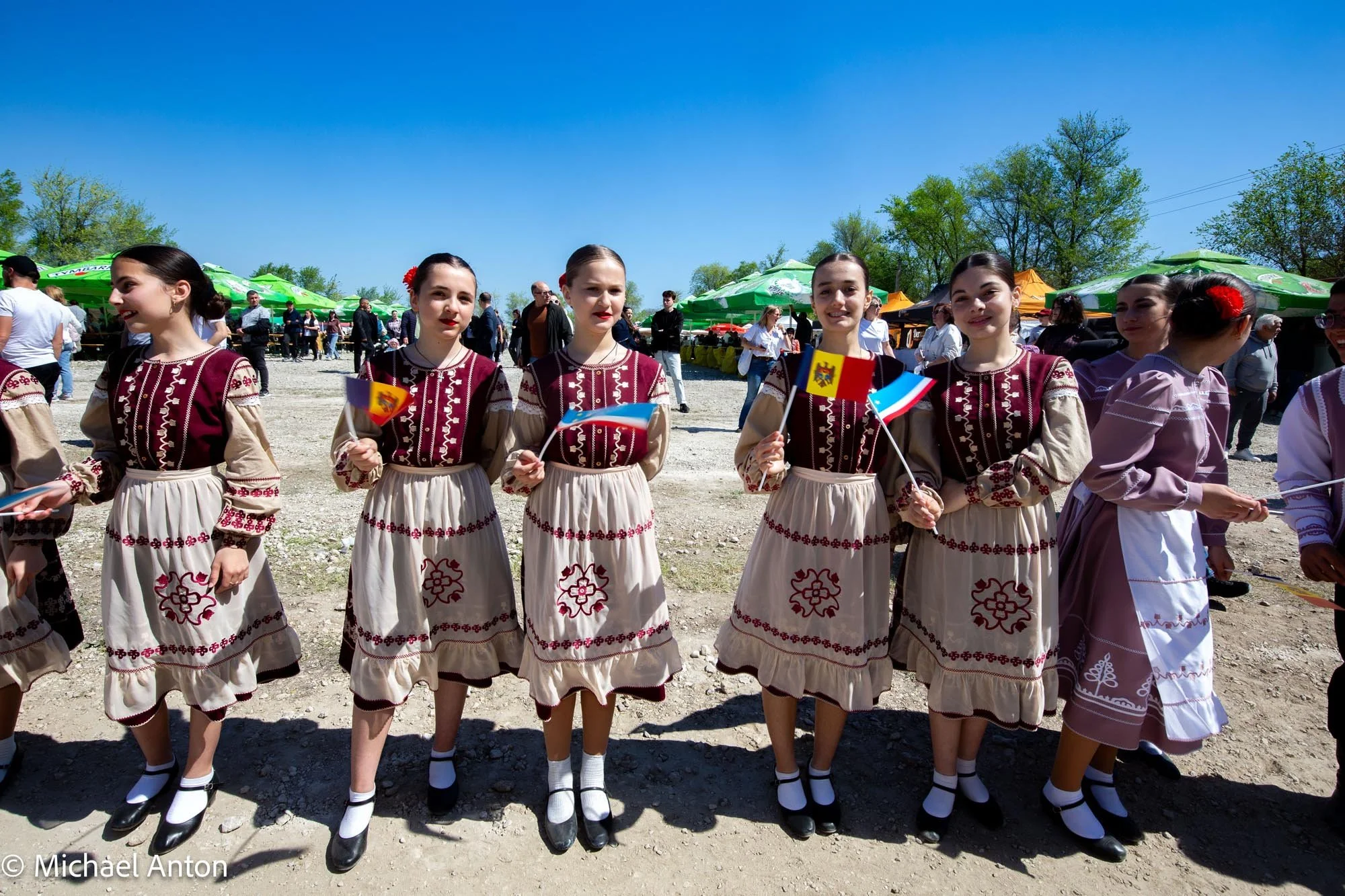
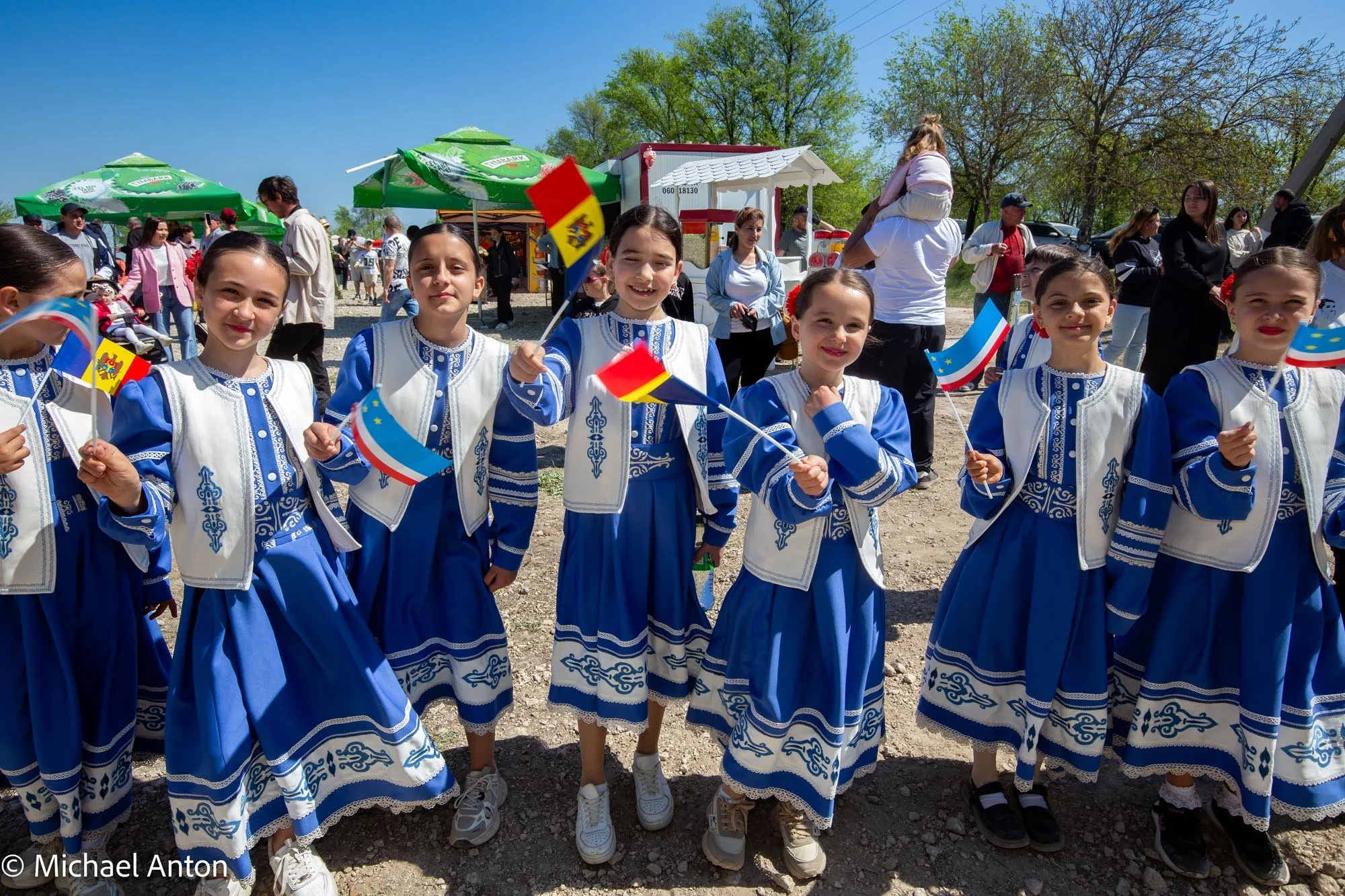
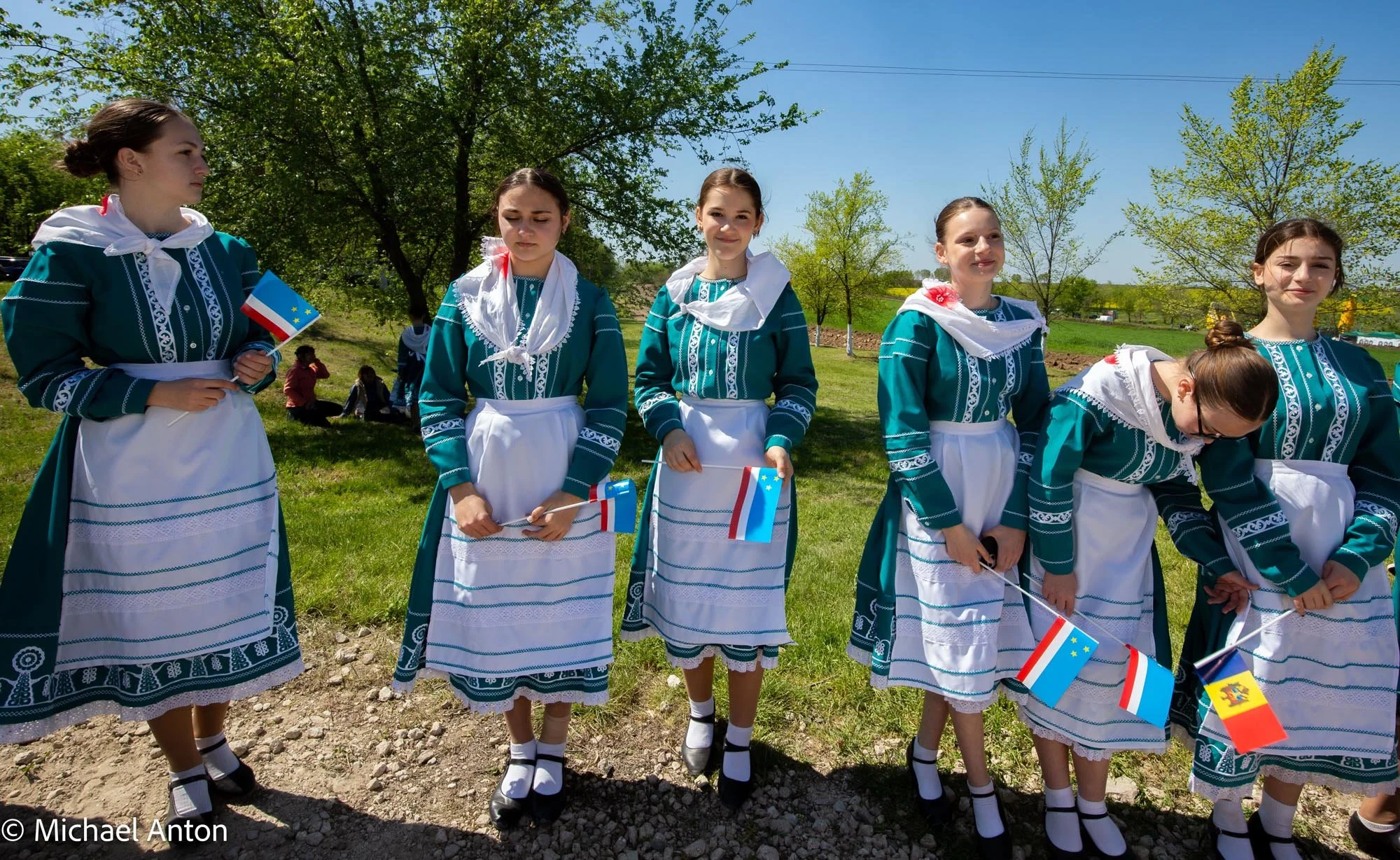
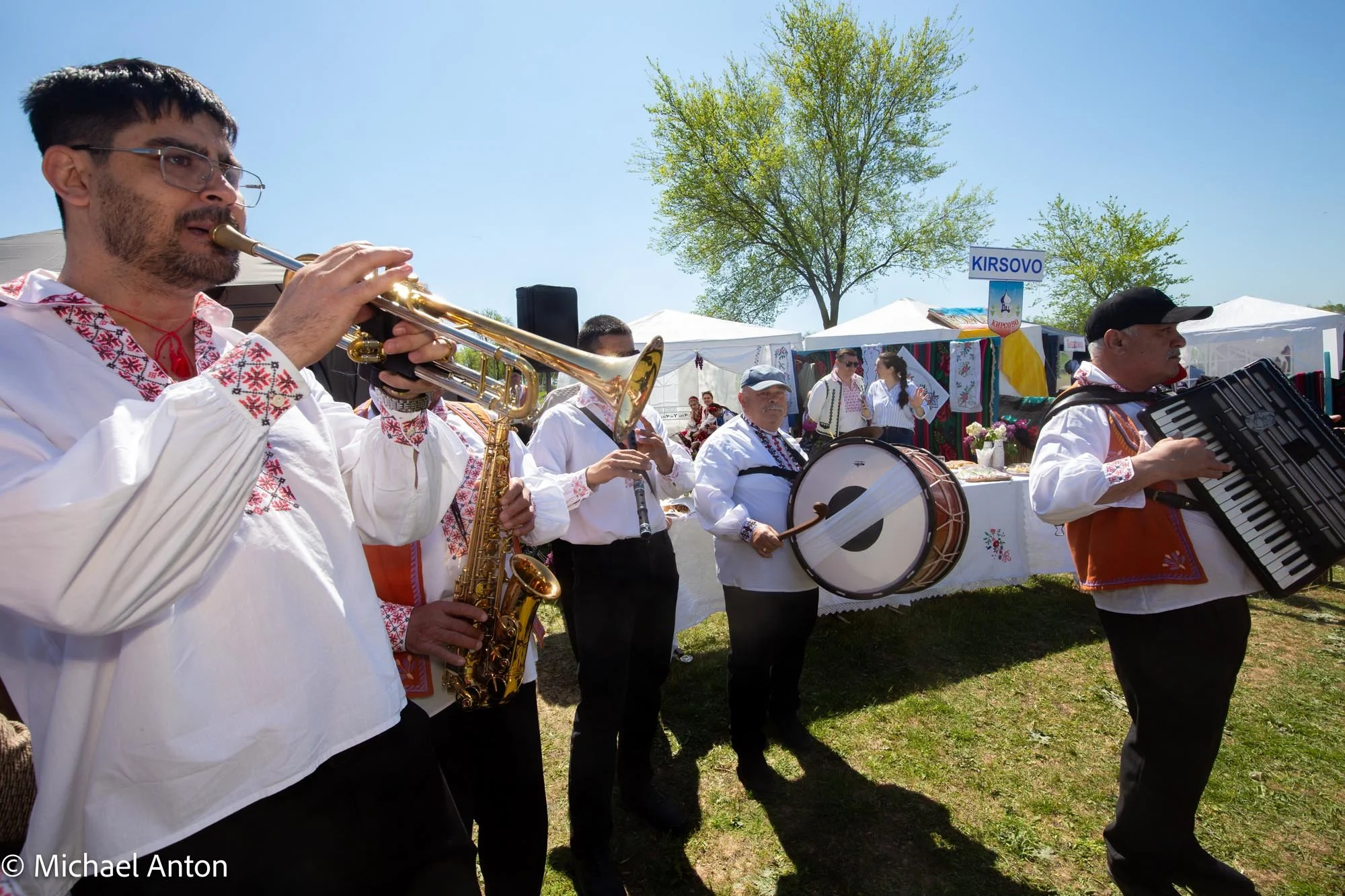
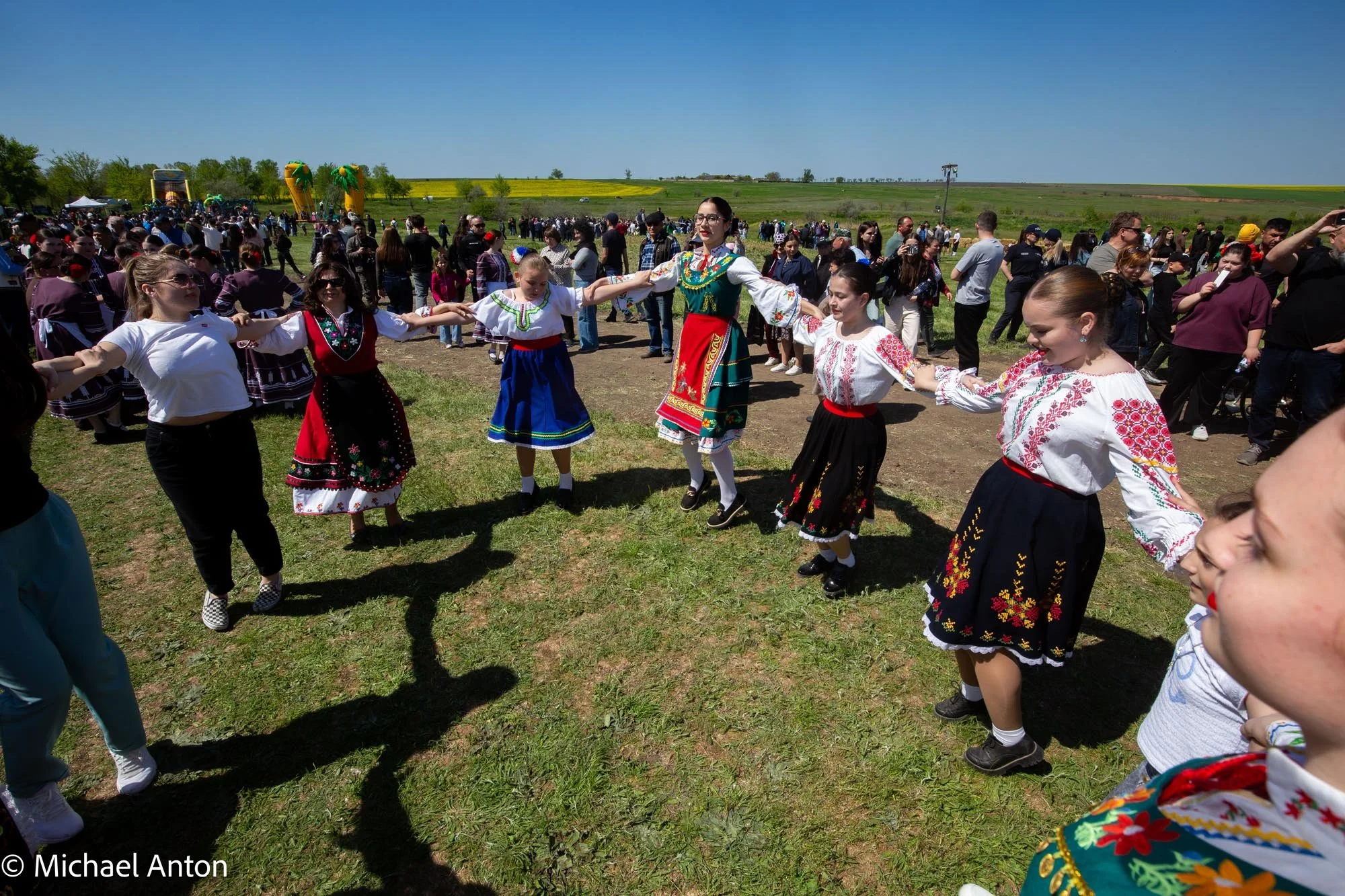
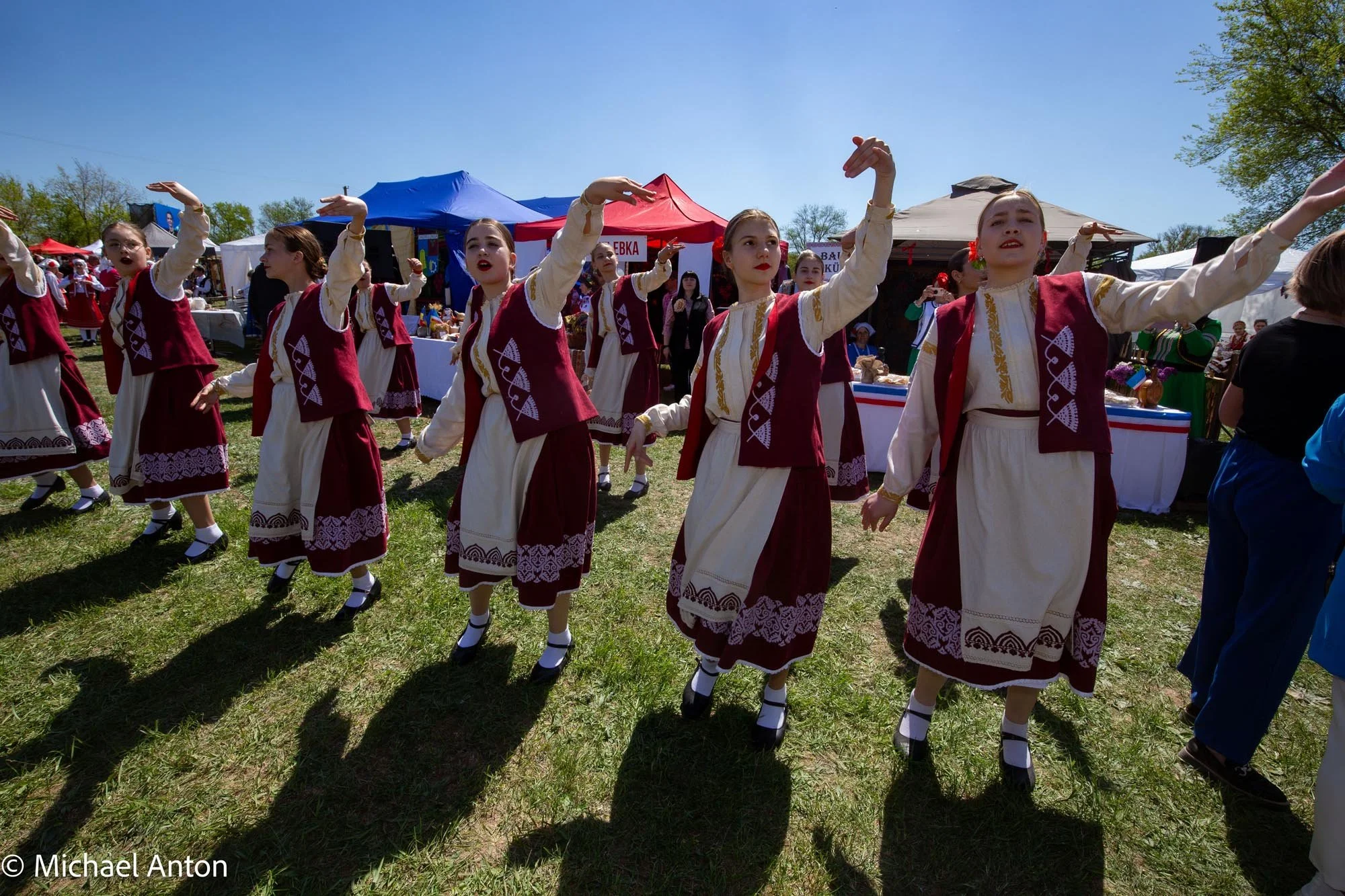
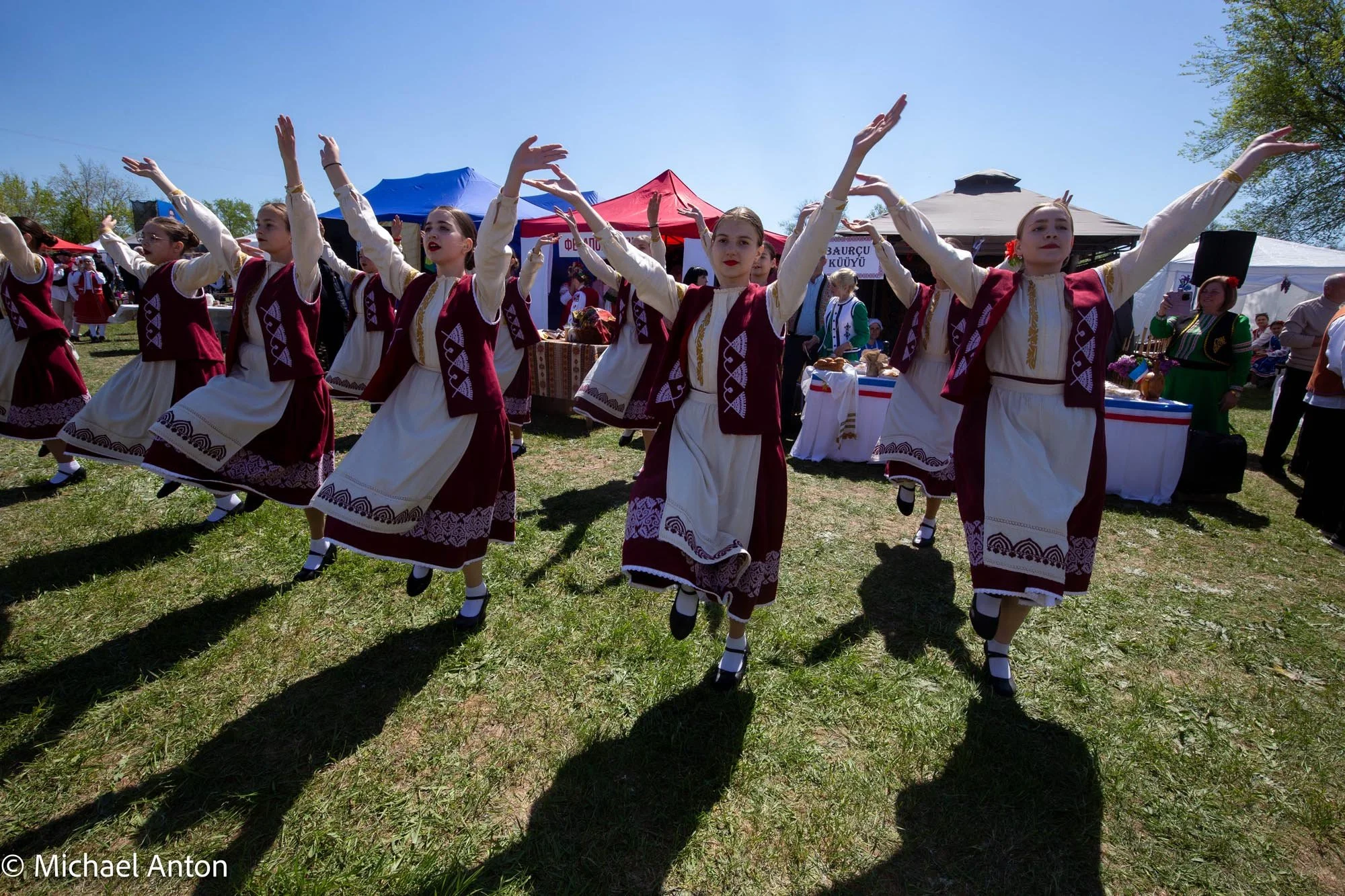
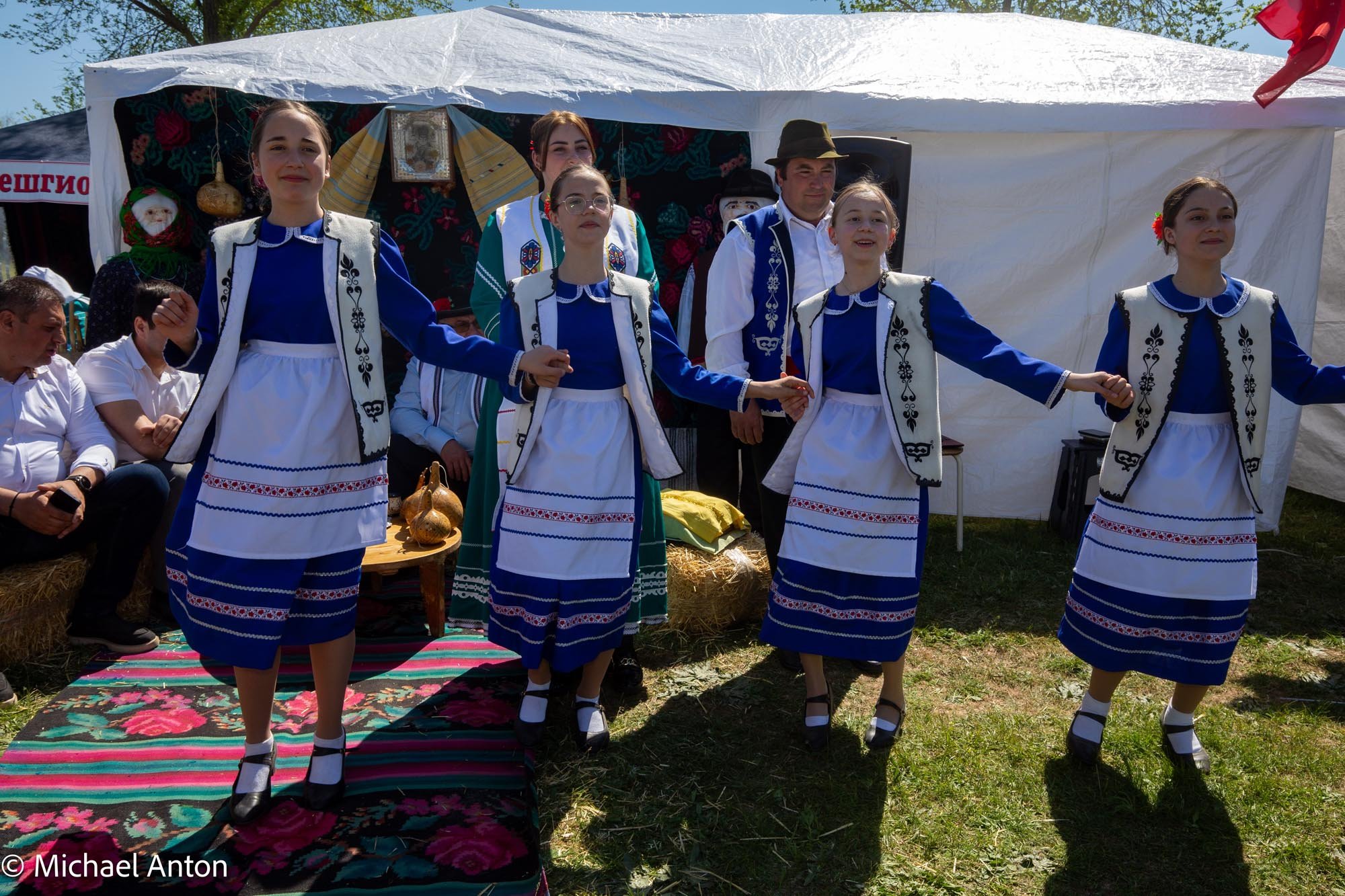
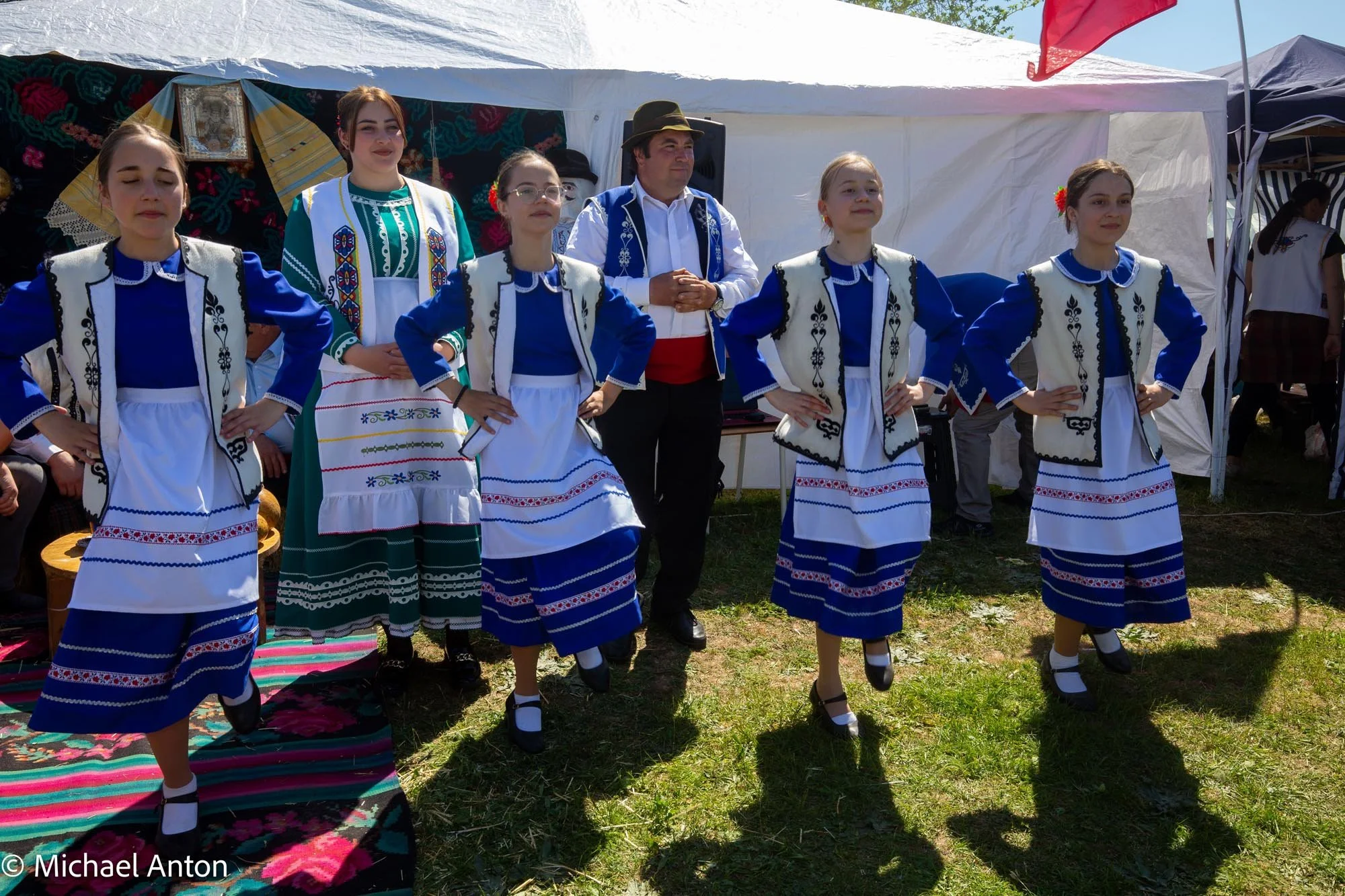
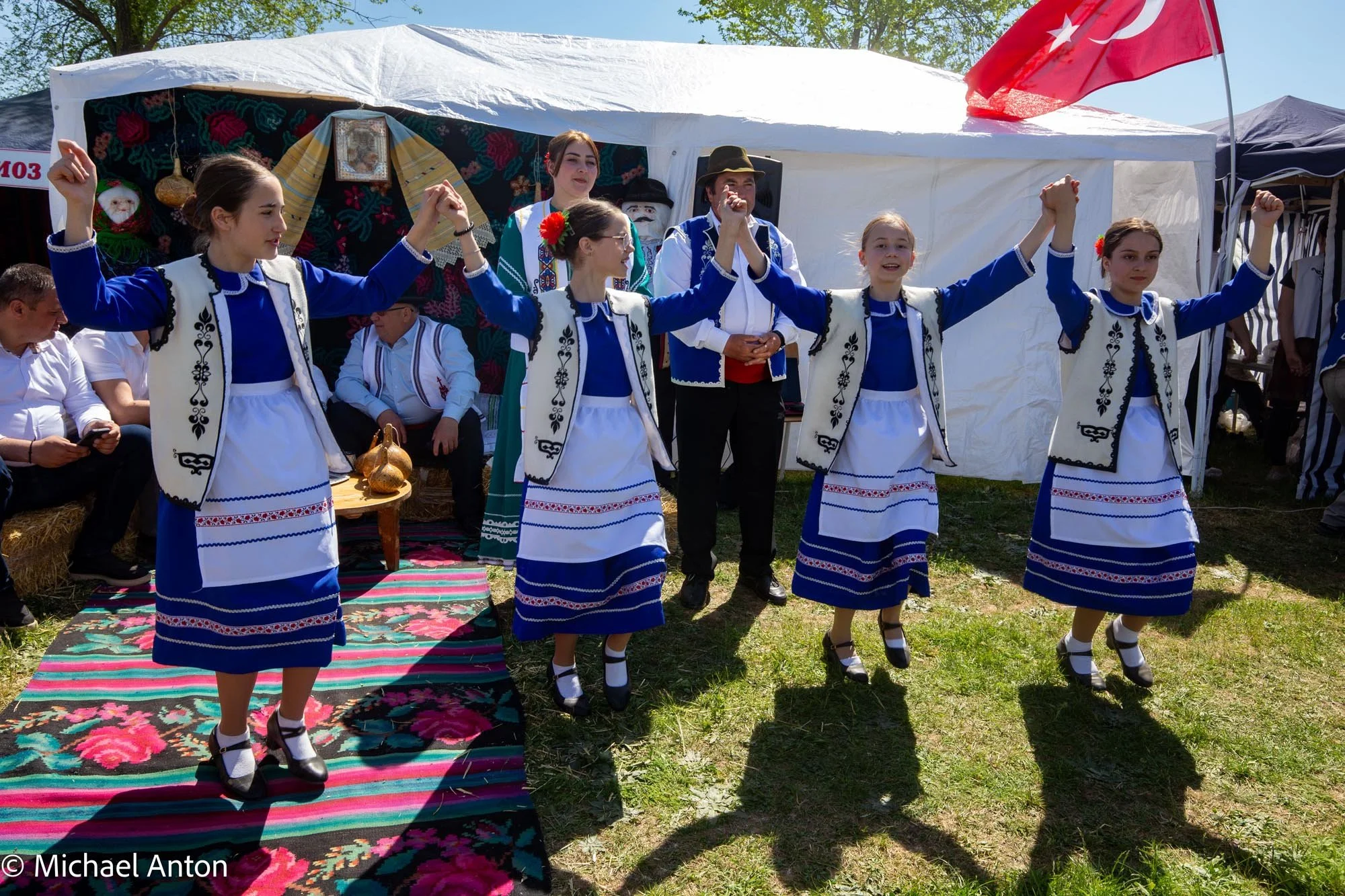
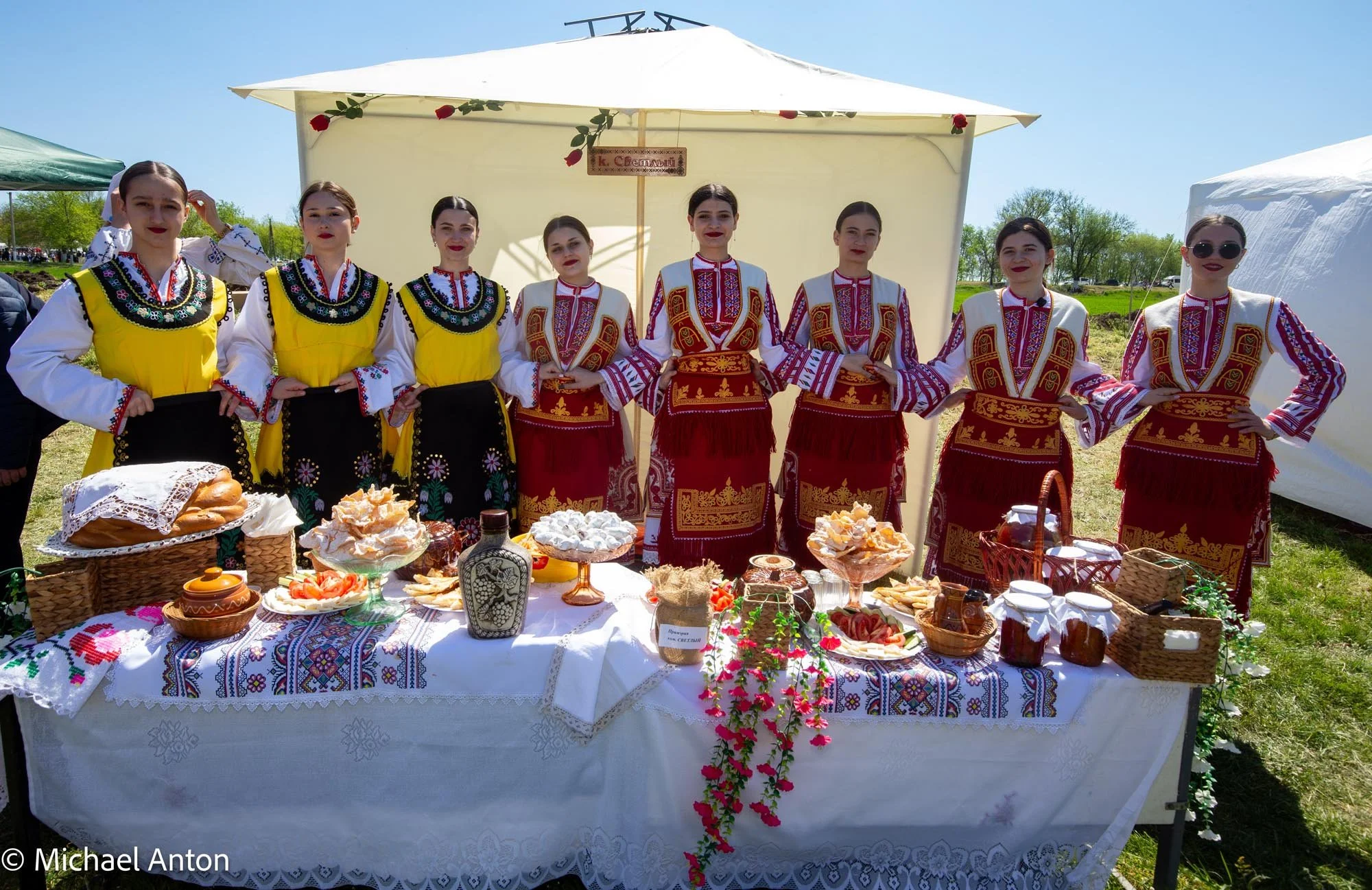
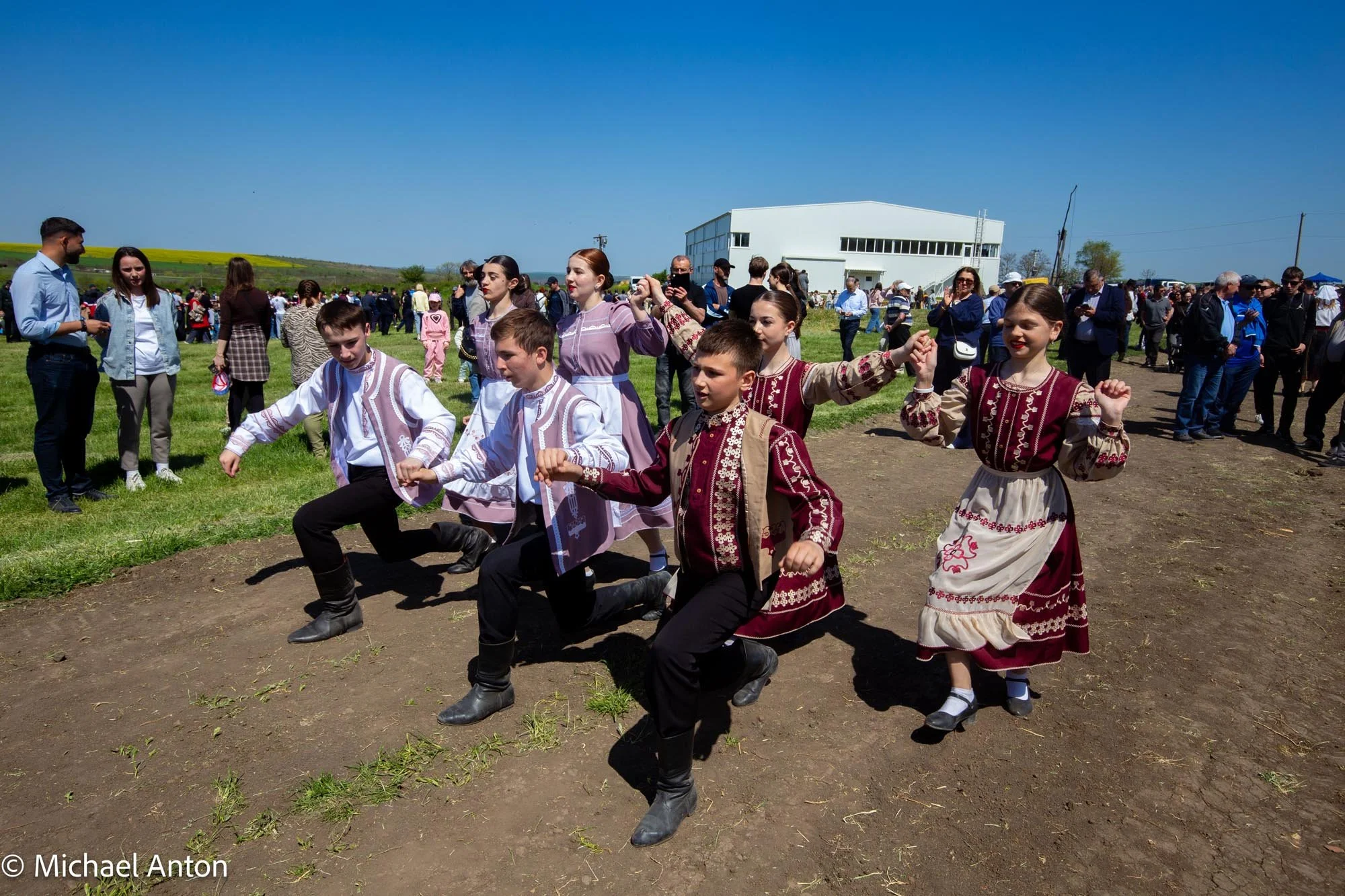
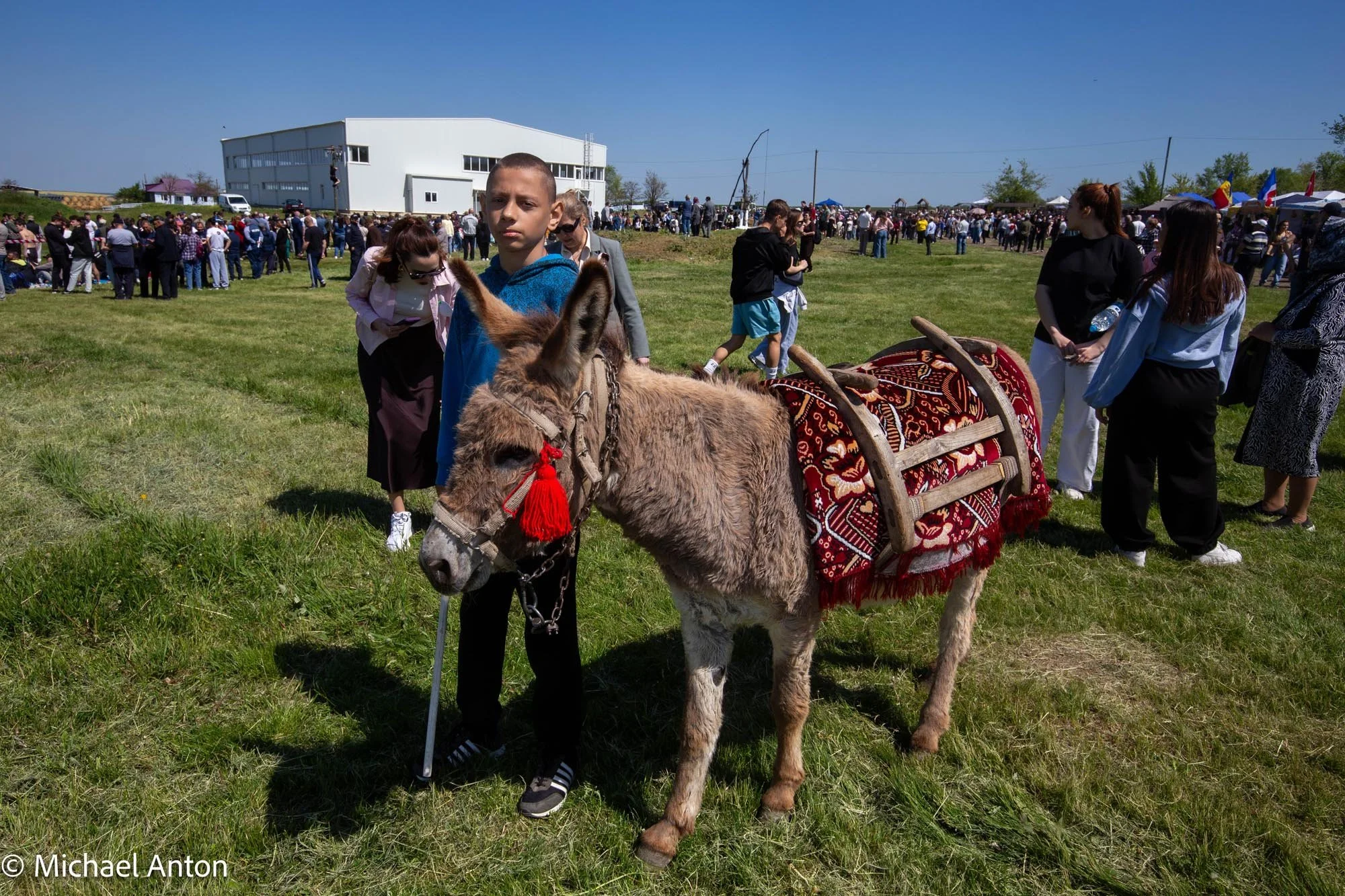
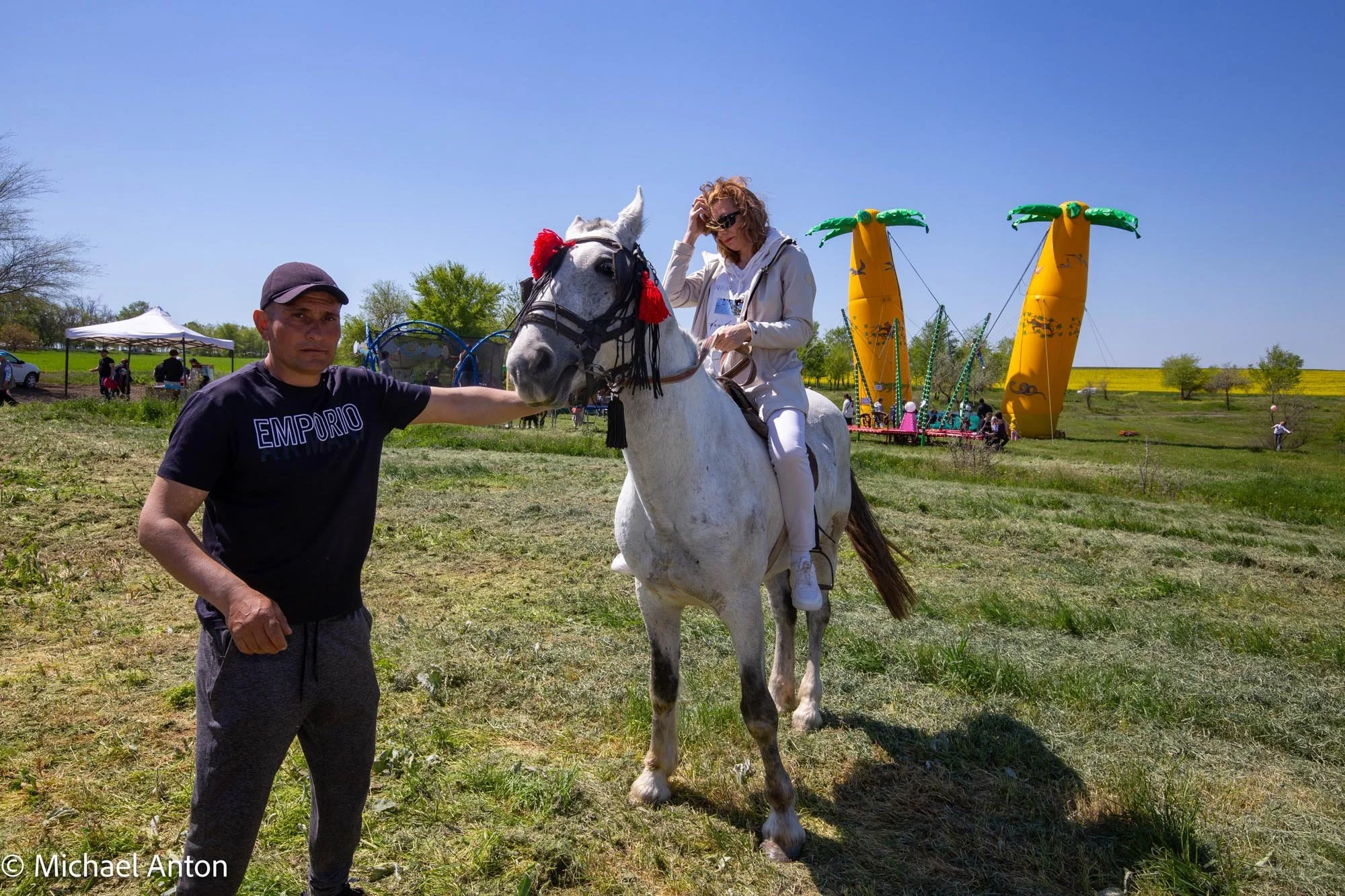
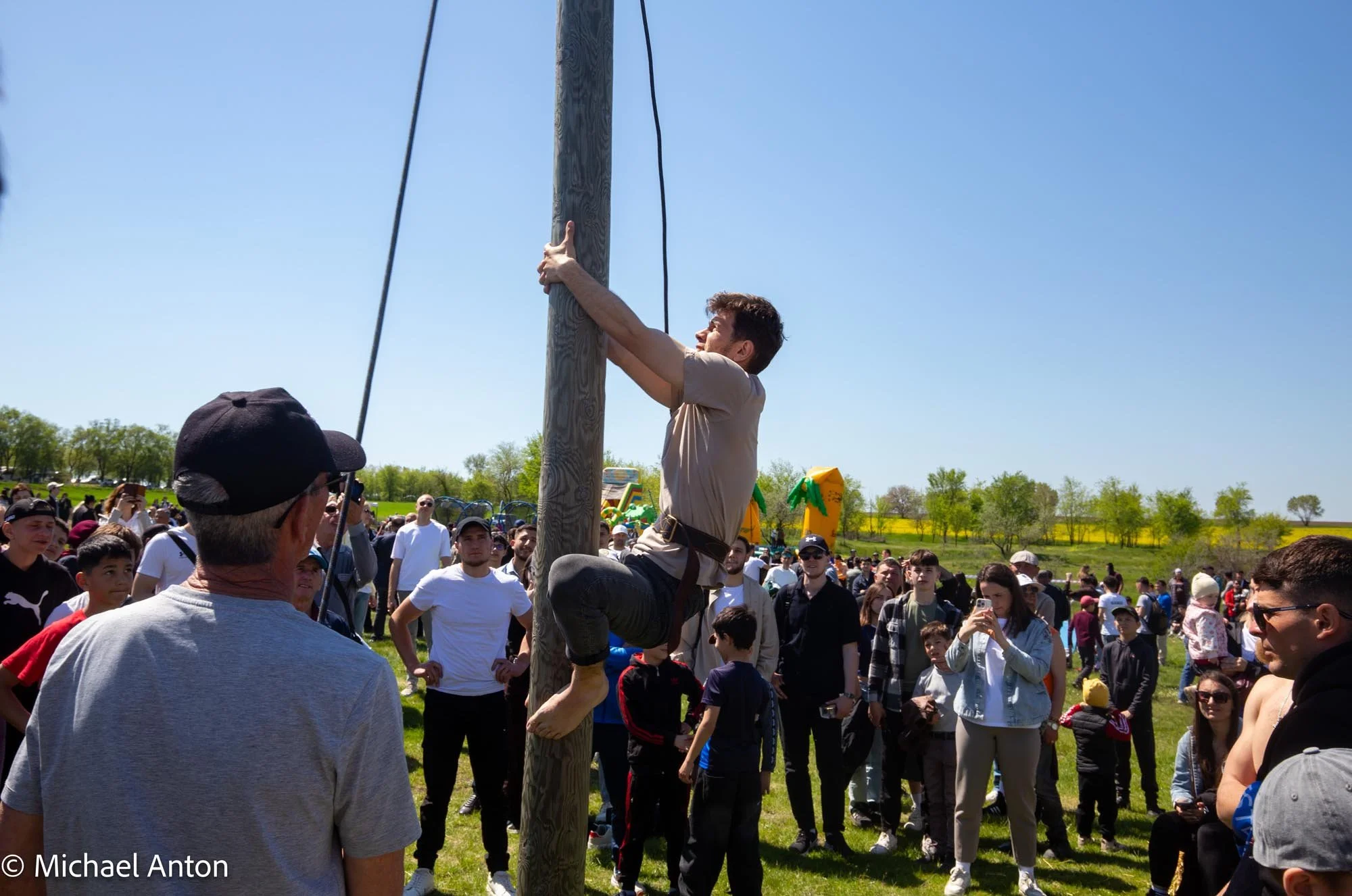
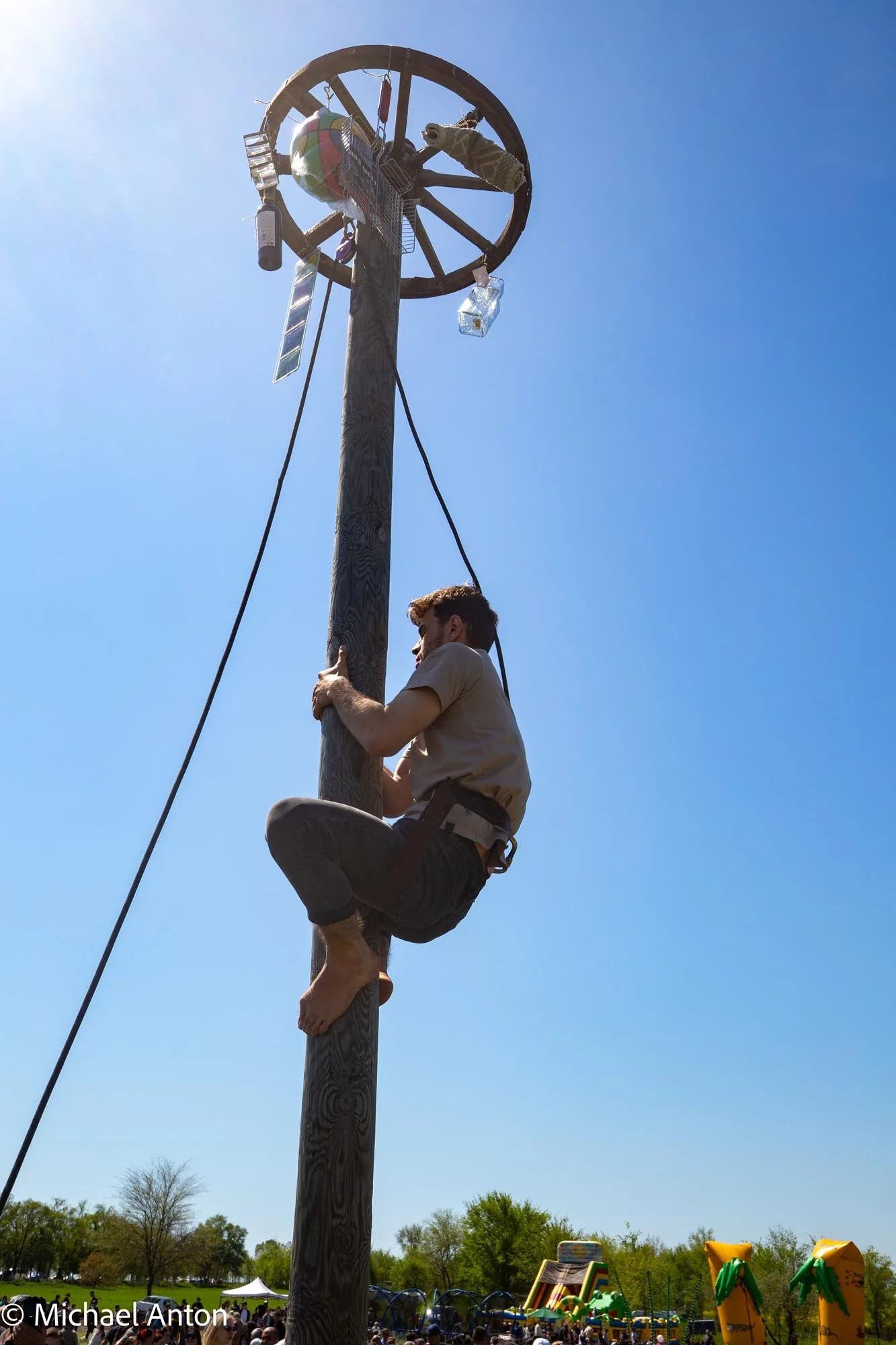
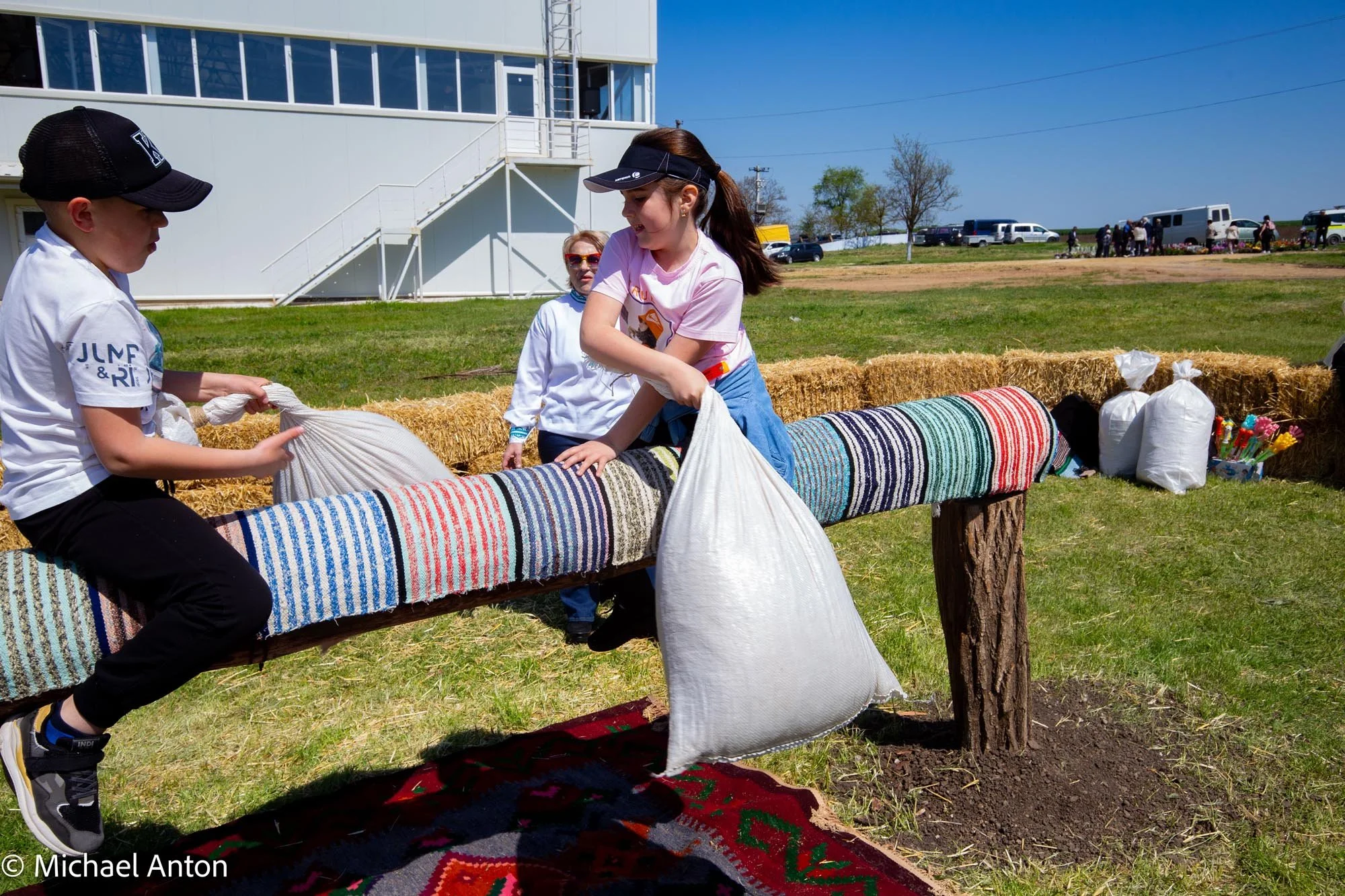
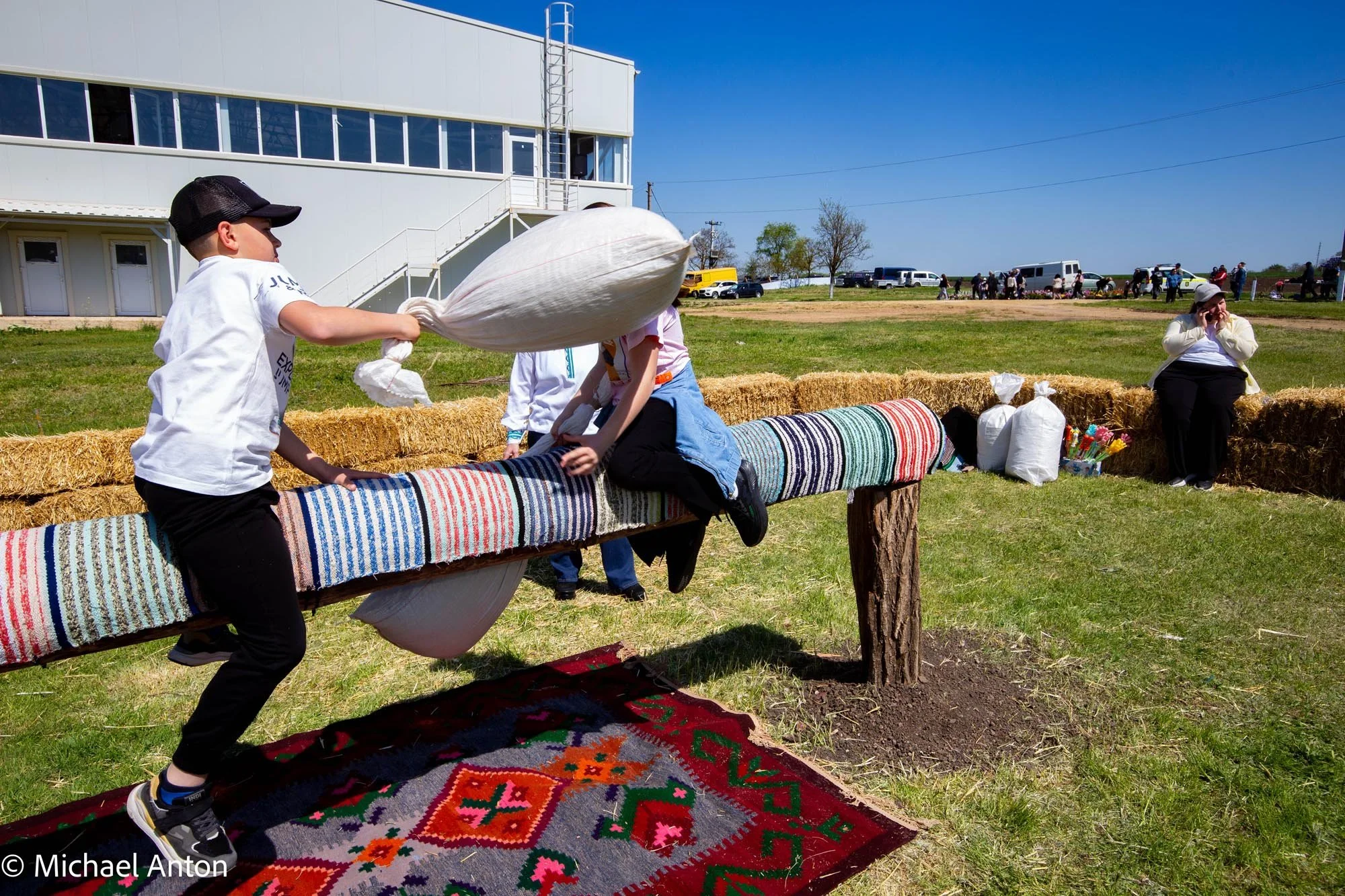
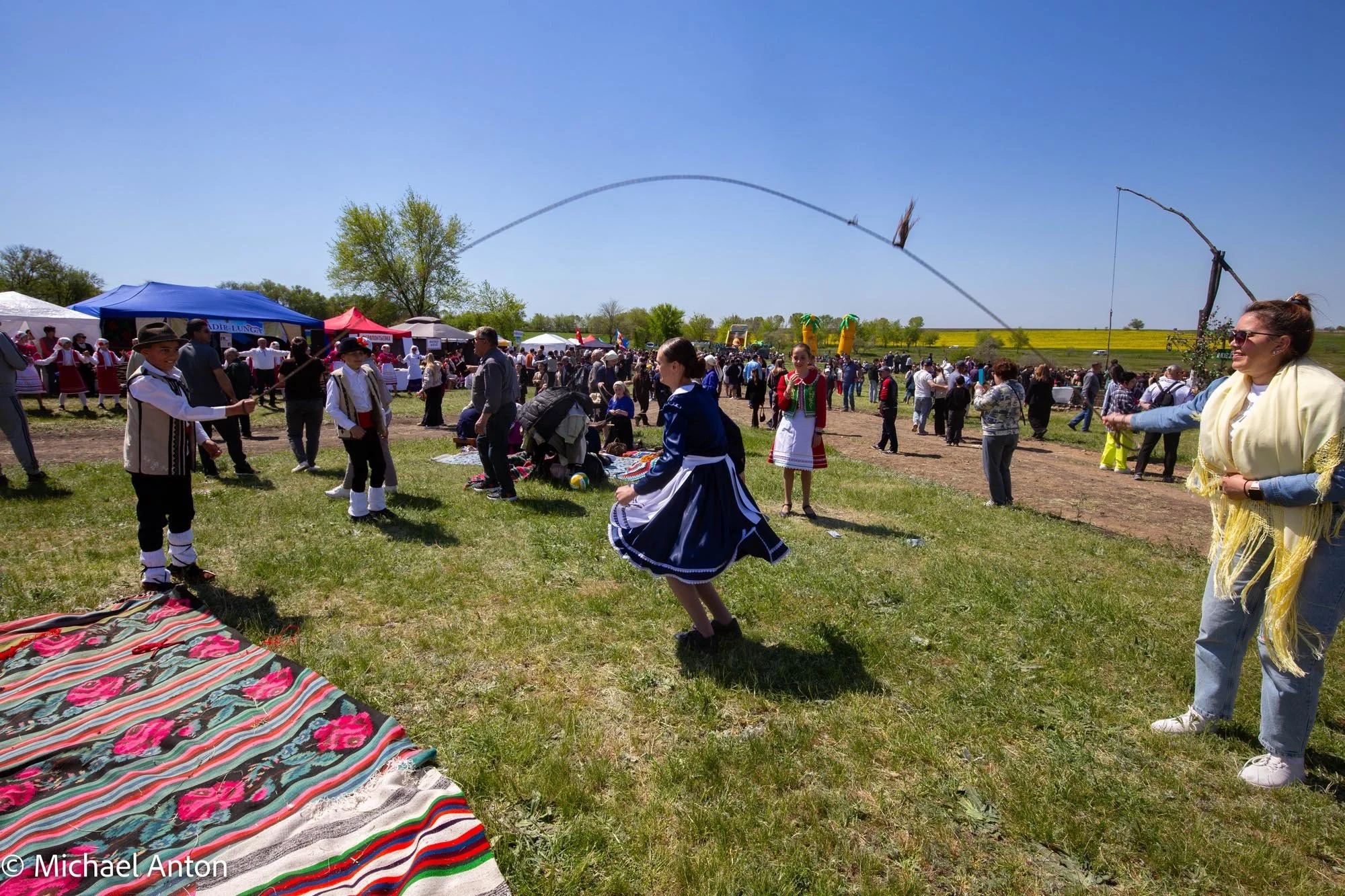
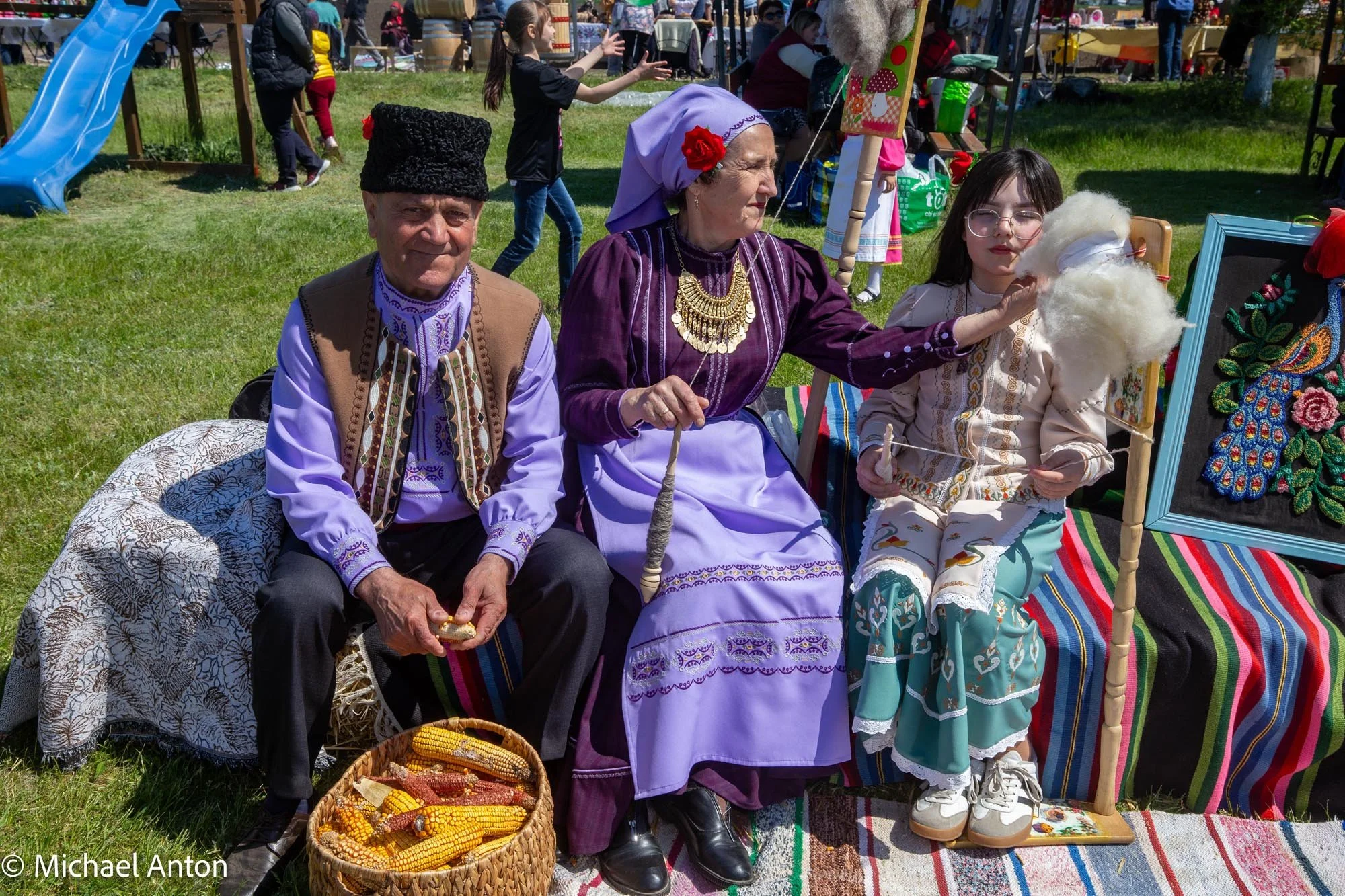
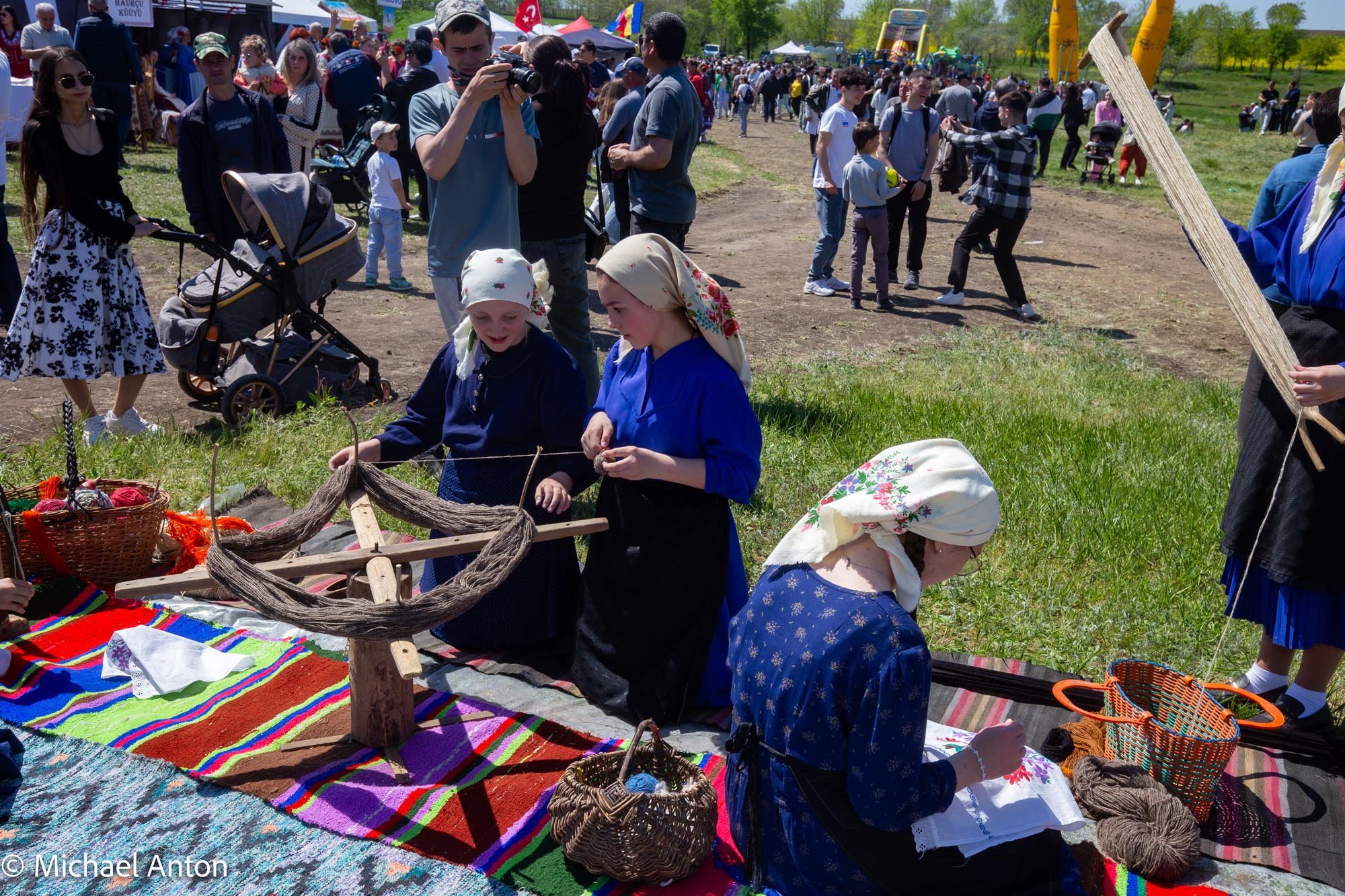
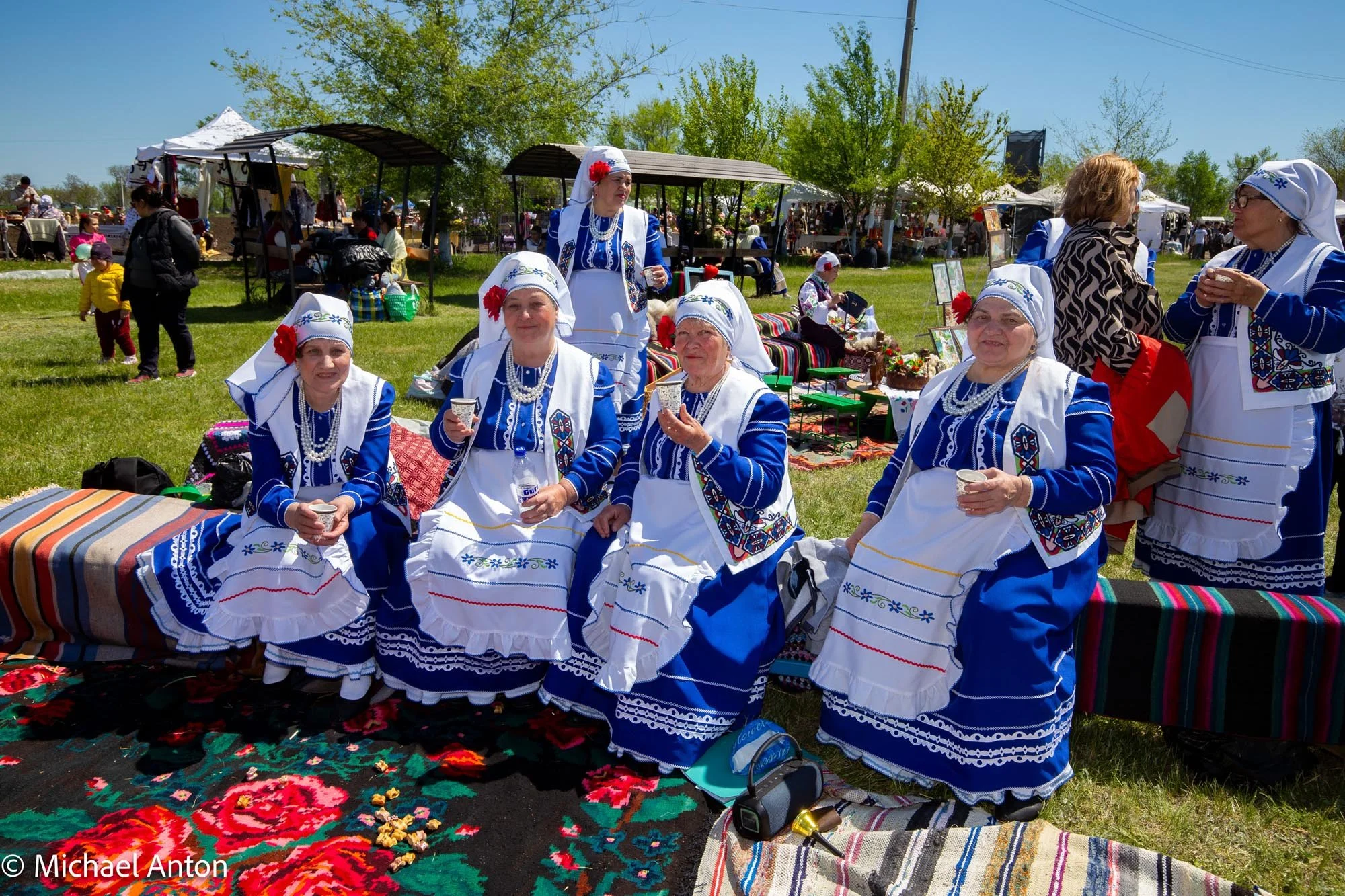
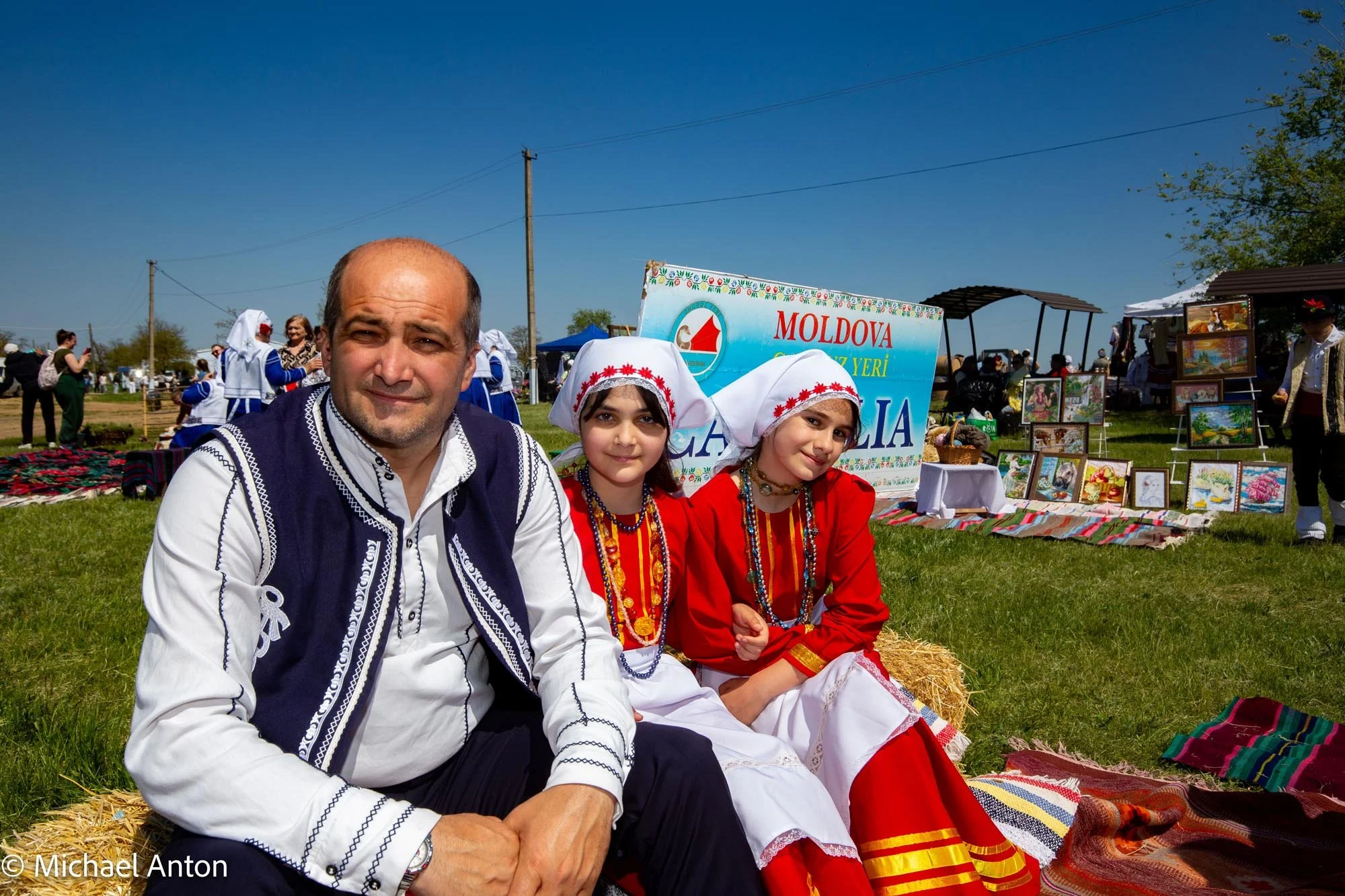
Gagauzia Saint Day Festival
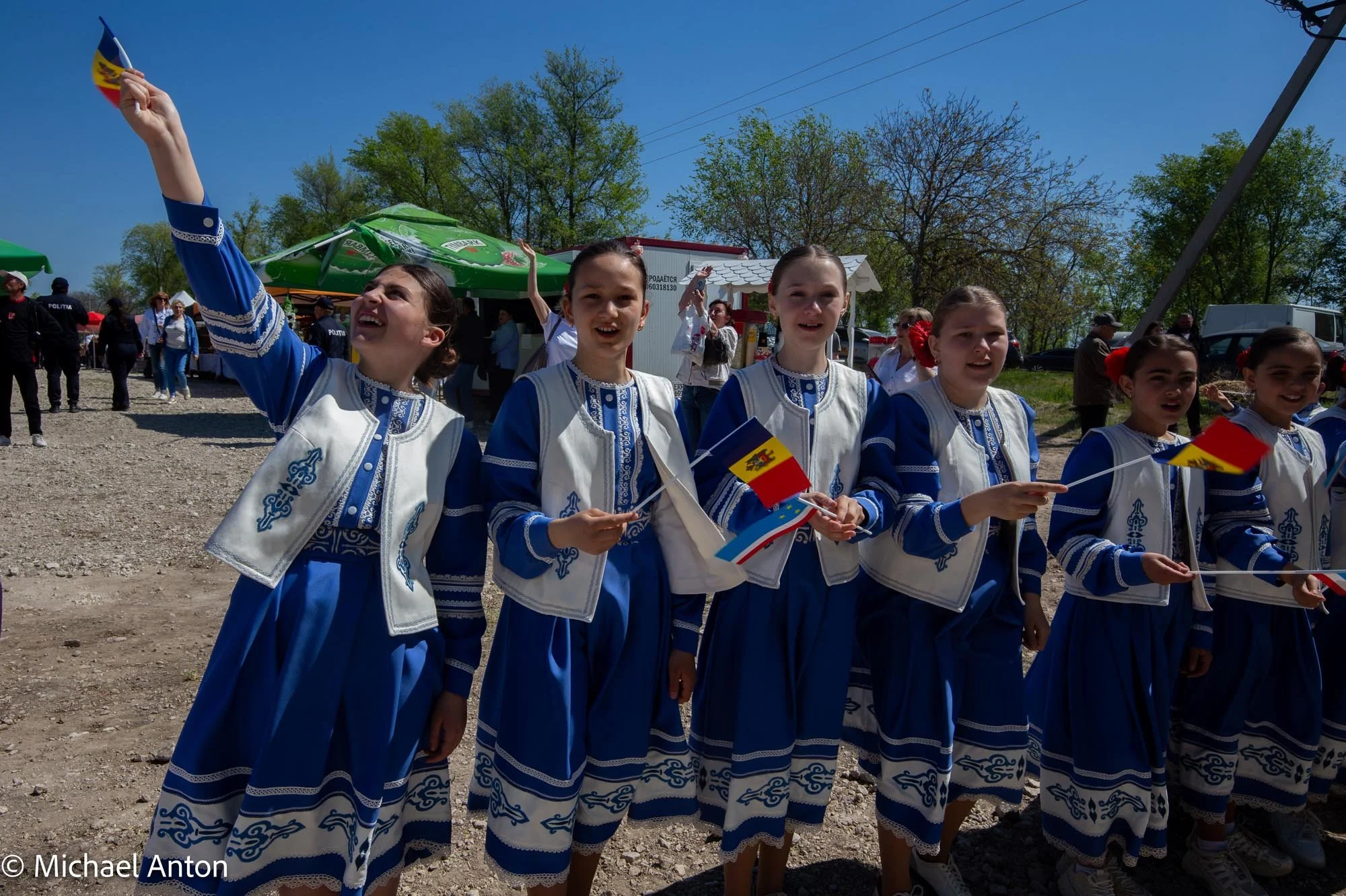
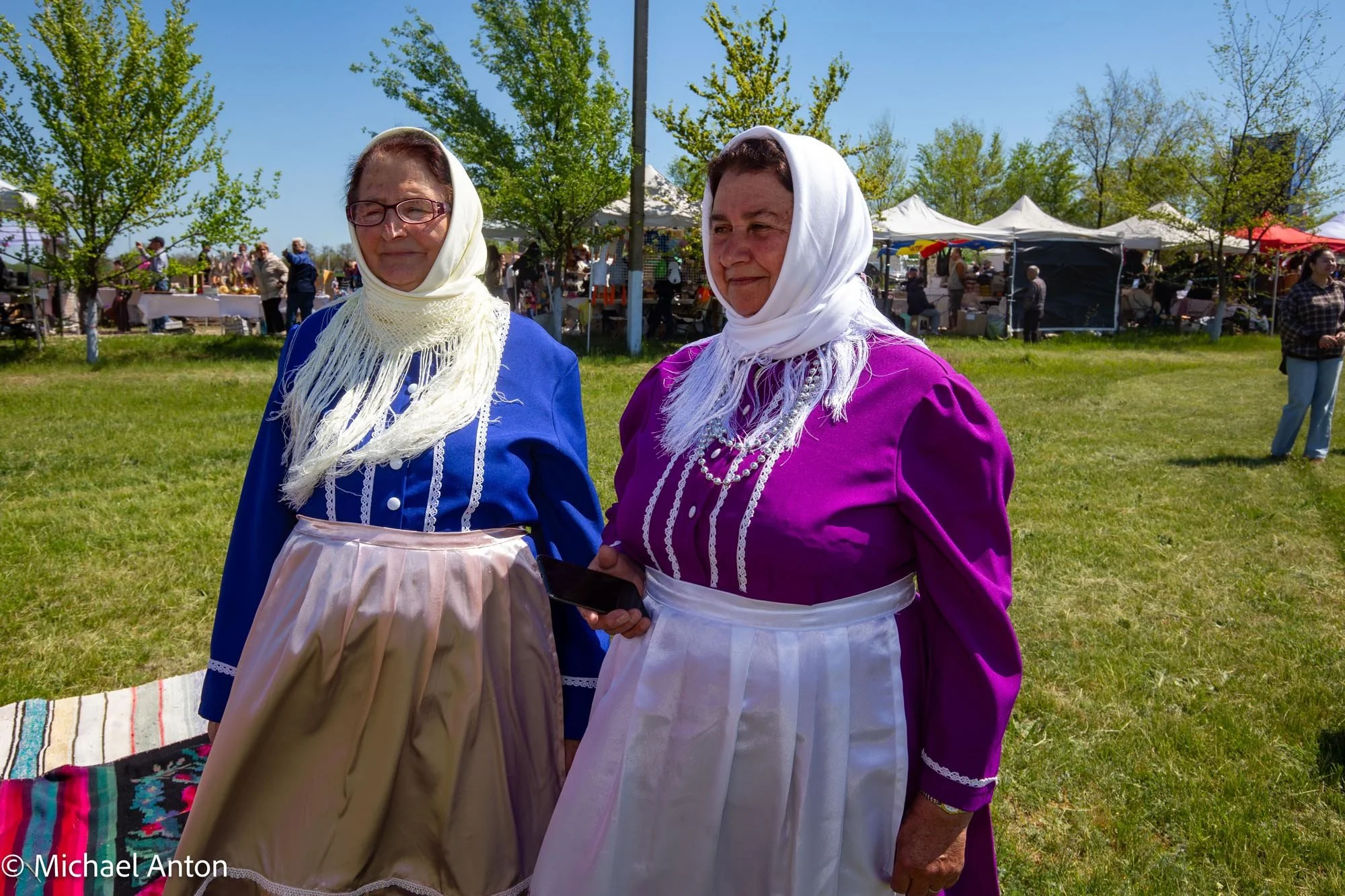
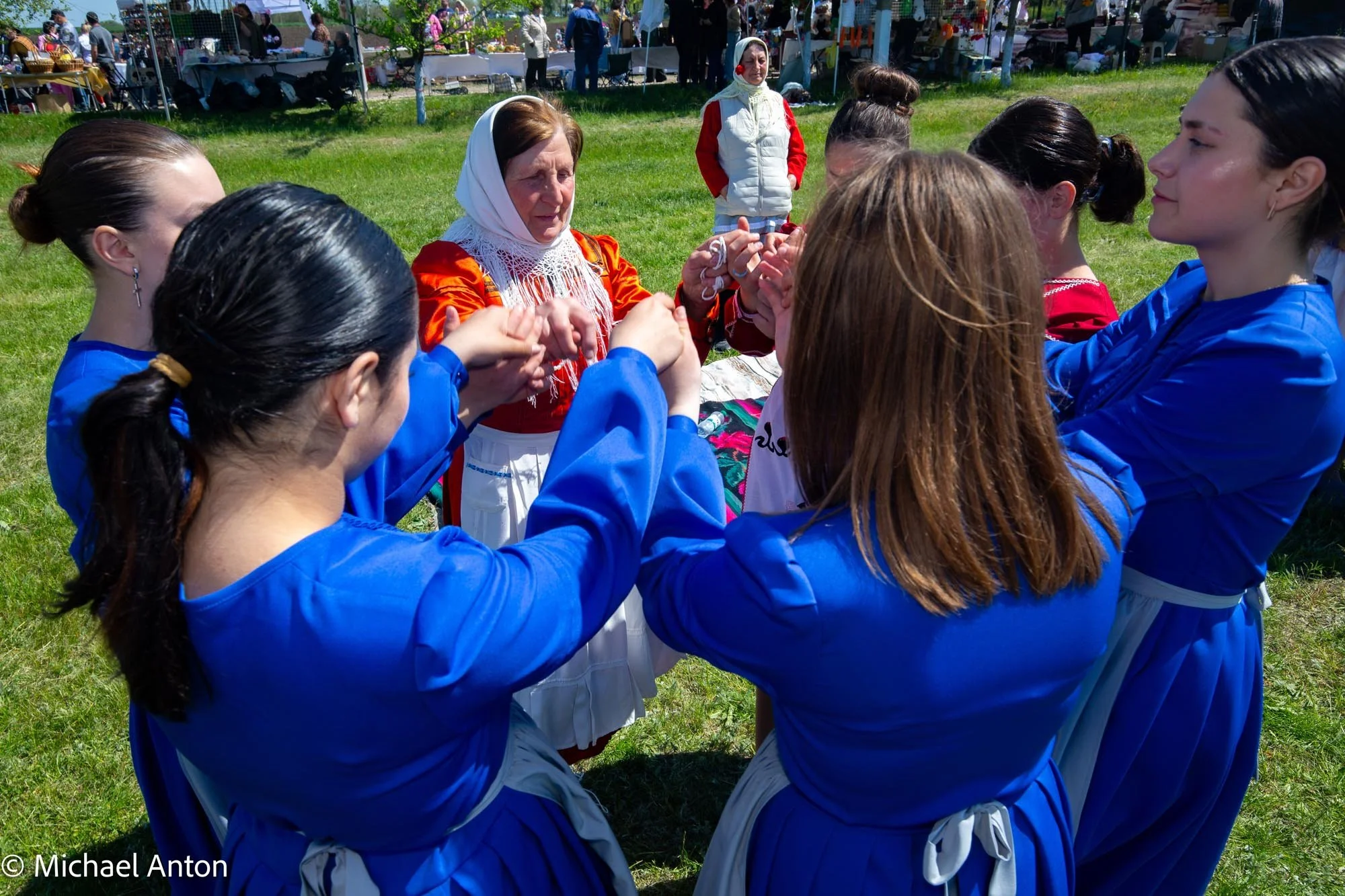
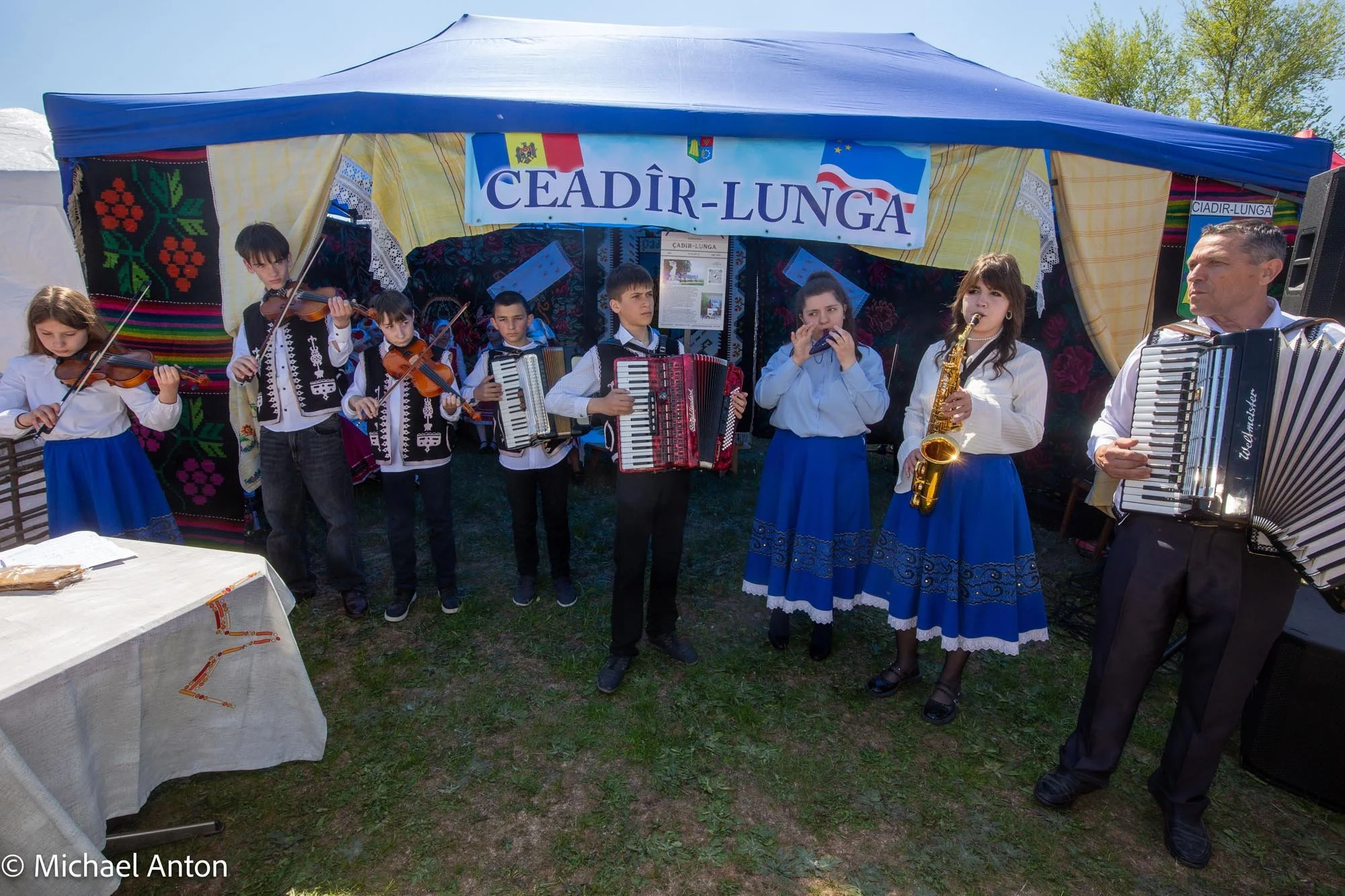
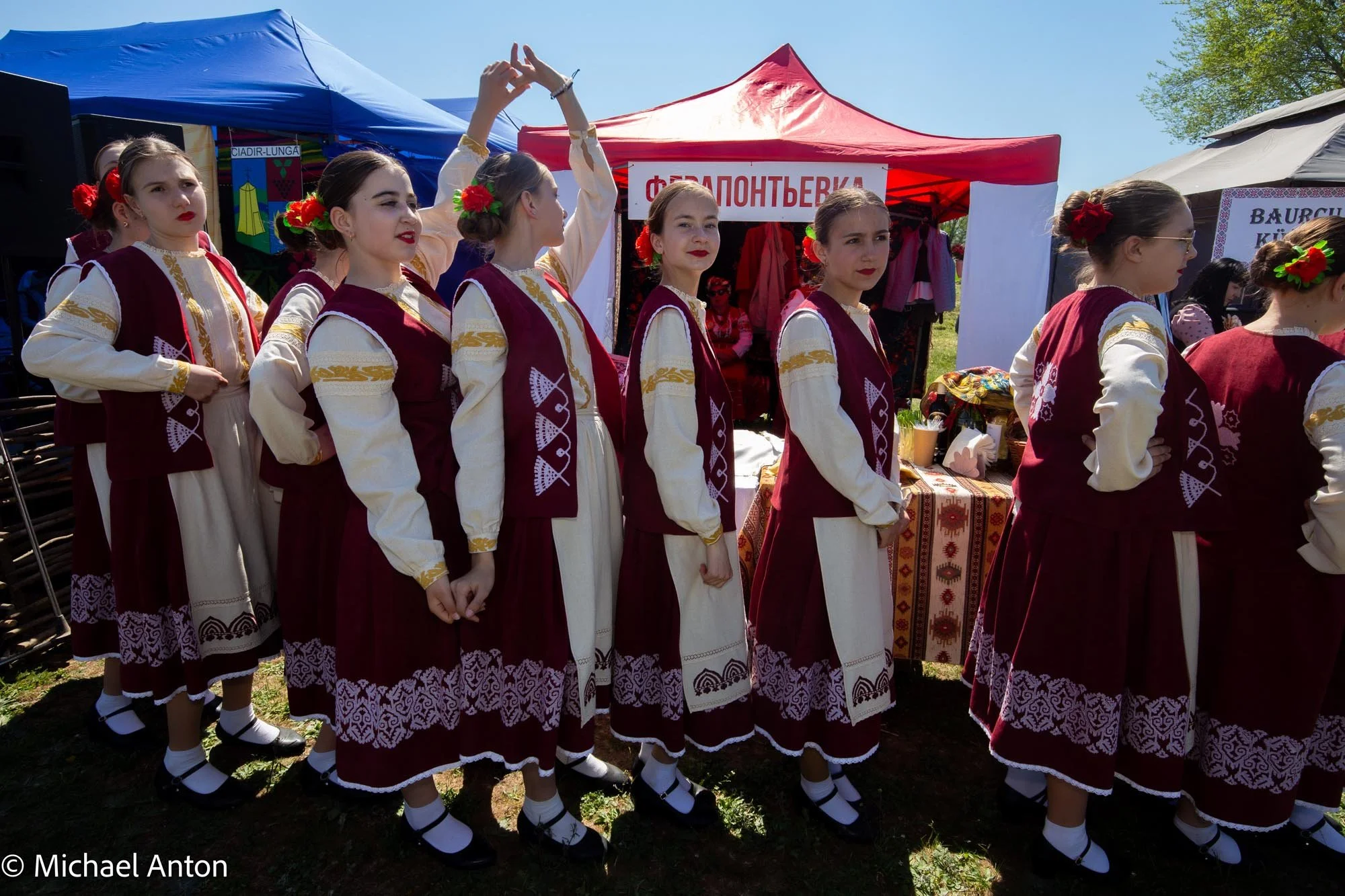
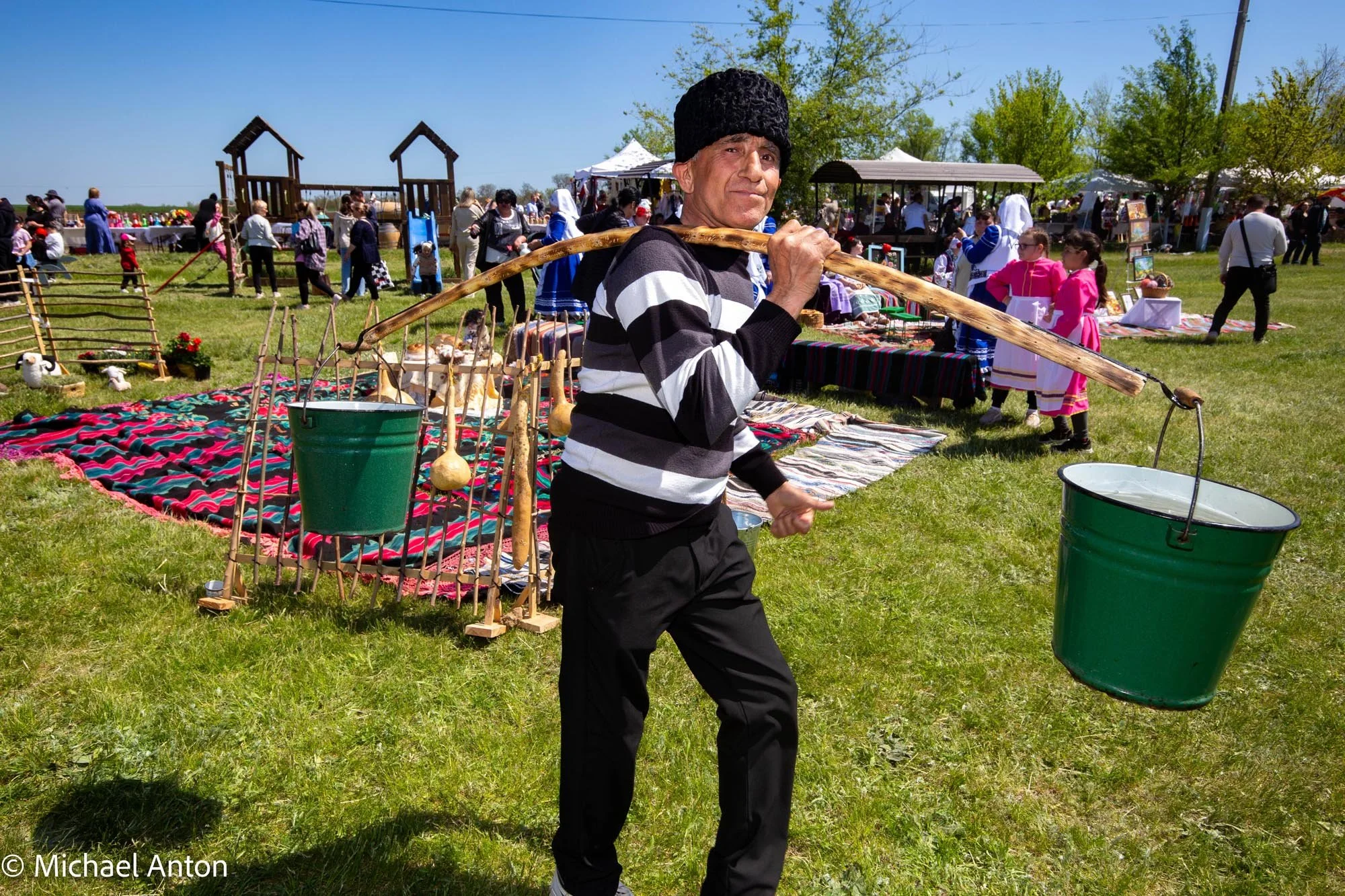
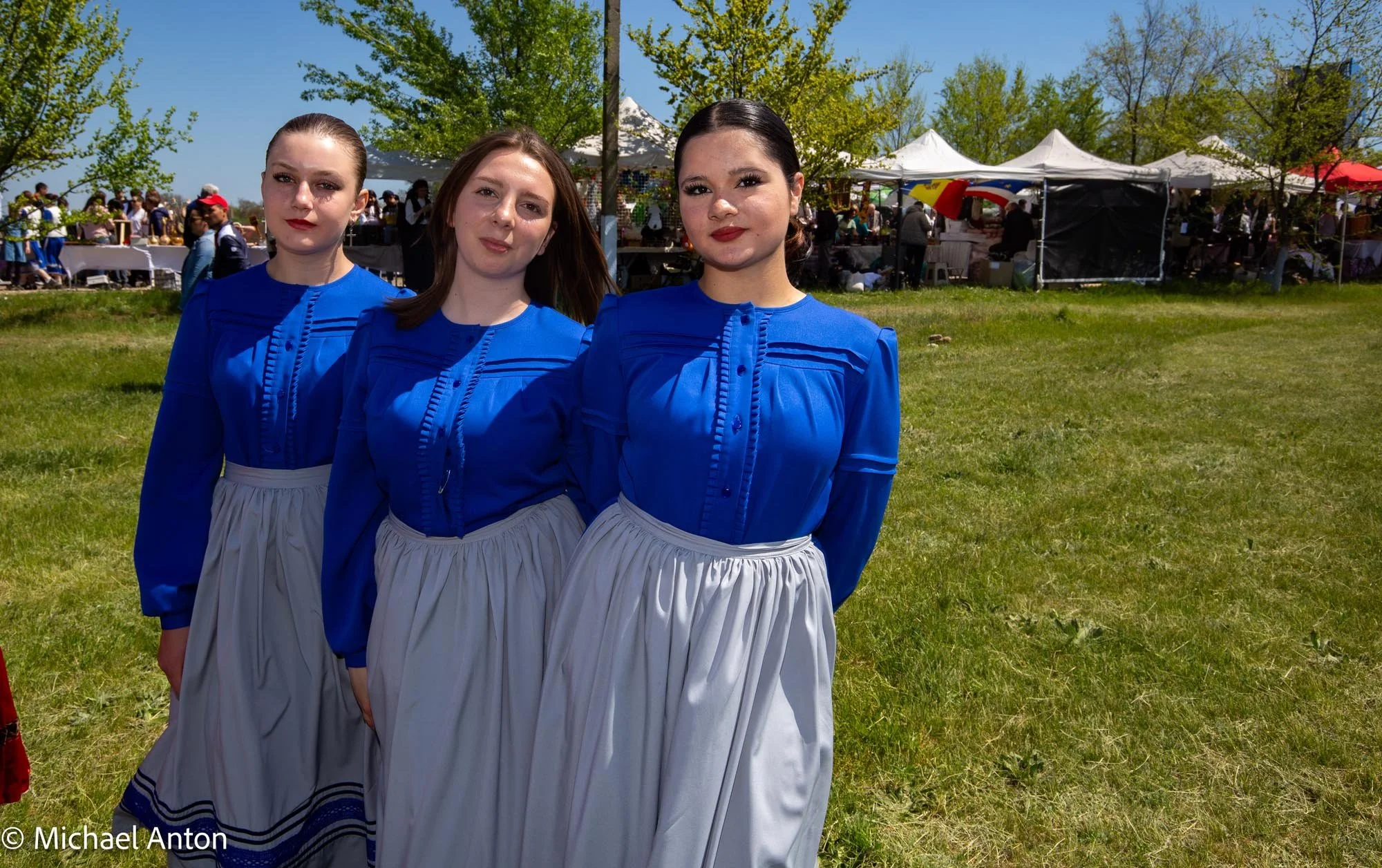
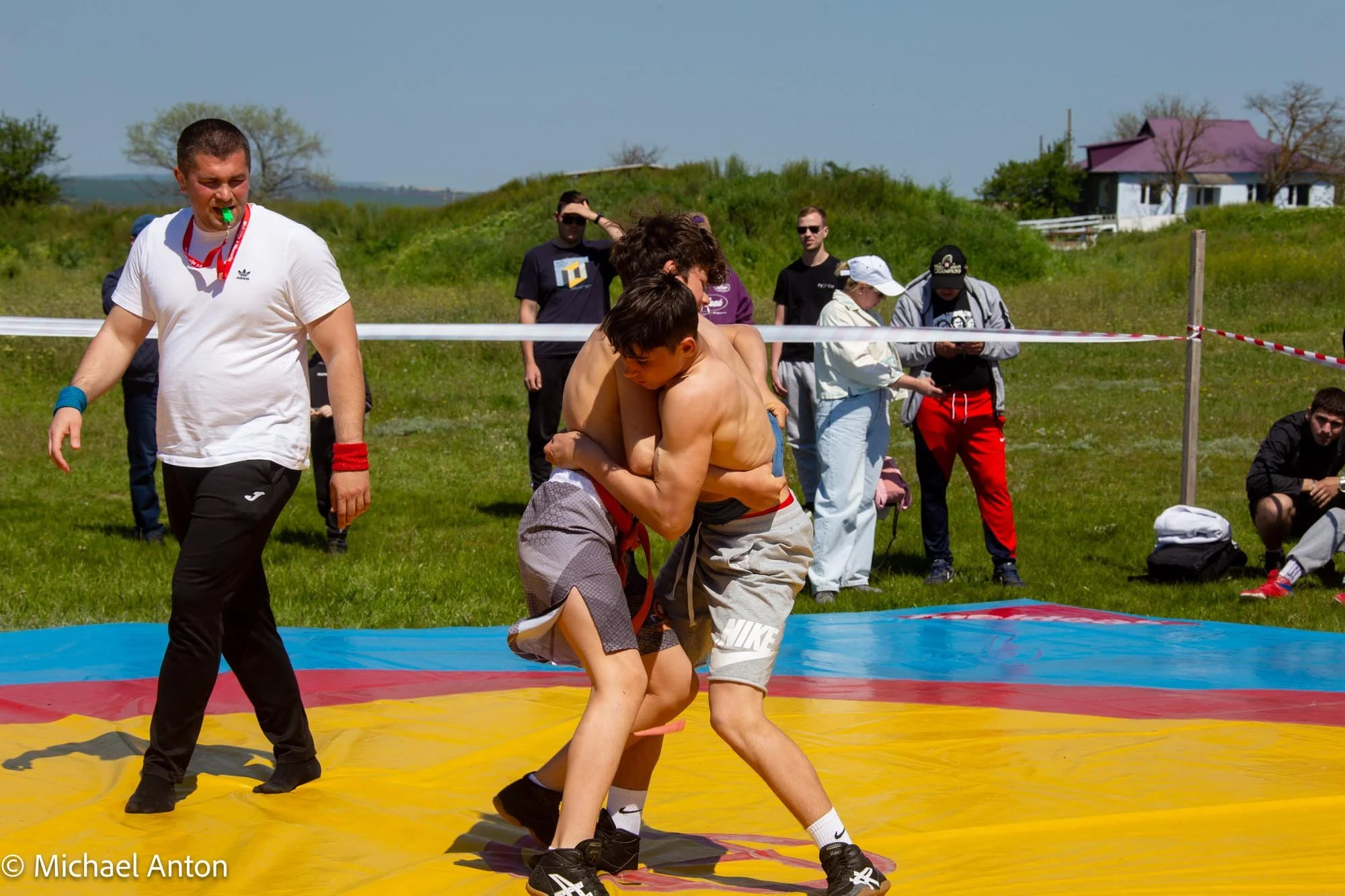
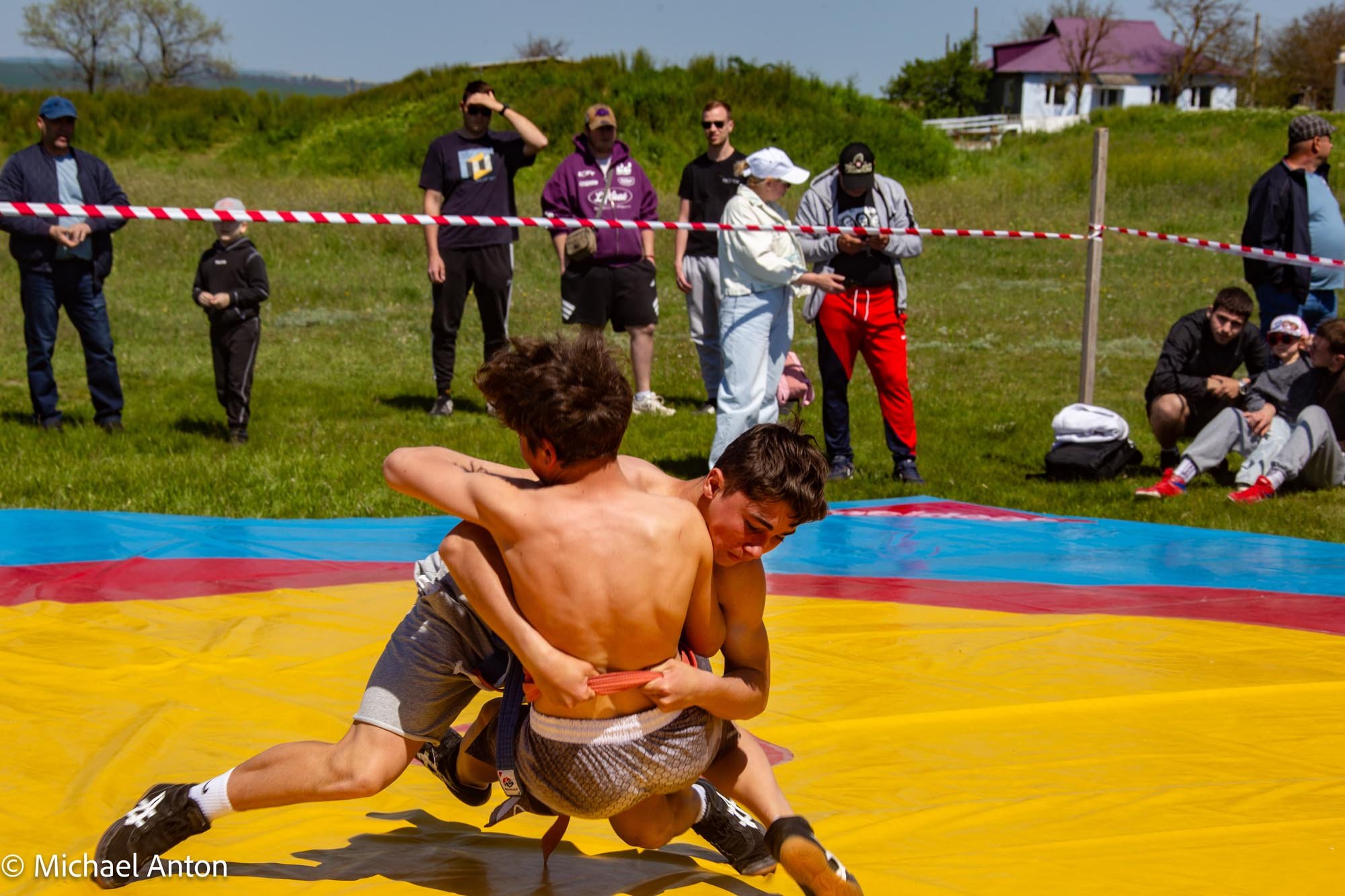
Gagauzia is one of Moldova’s provinces and every year they have a festival to honor St. George, their patron saint.
On our way there we picked up a hitchhiker, and elderly gentleman who was looking forward to seeing his children and grandchildren who now lived in Romania but returned every year for this festival.
A former mechanic, he had worked in the Soviet space program in Kazakhstan.
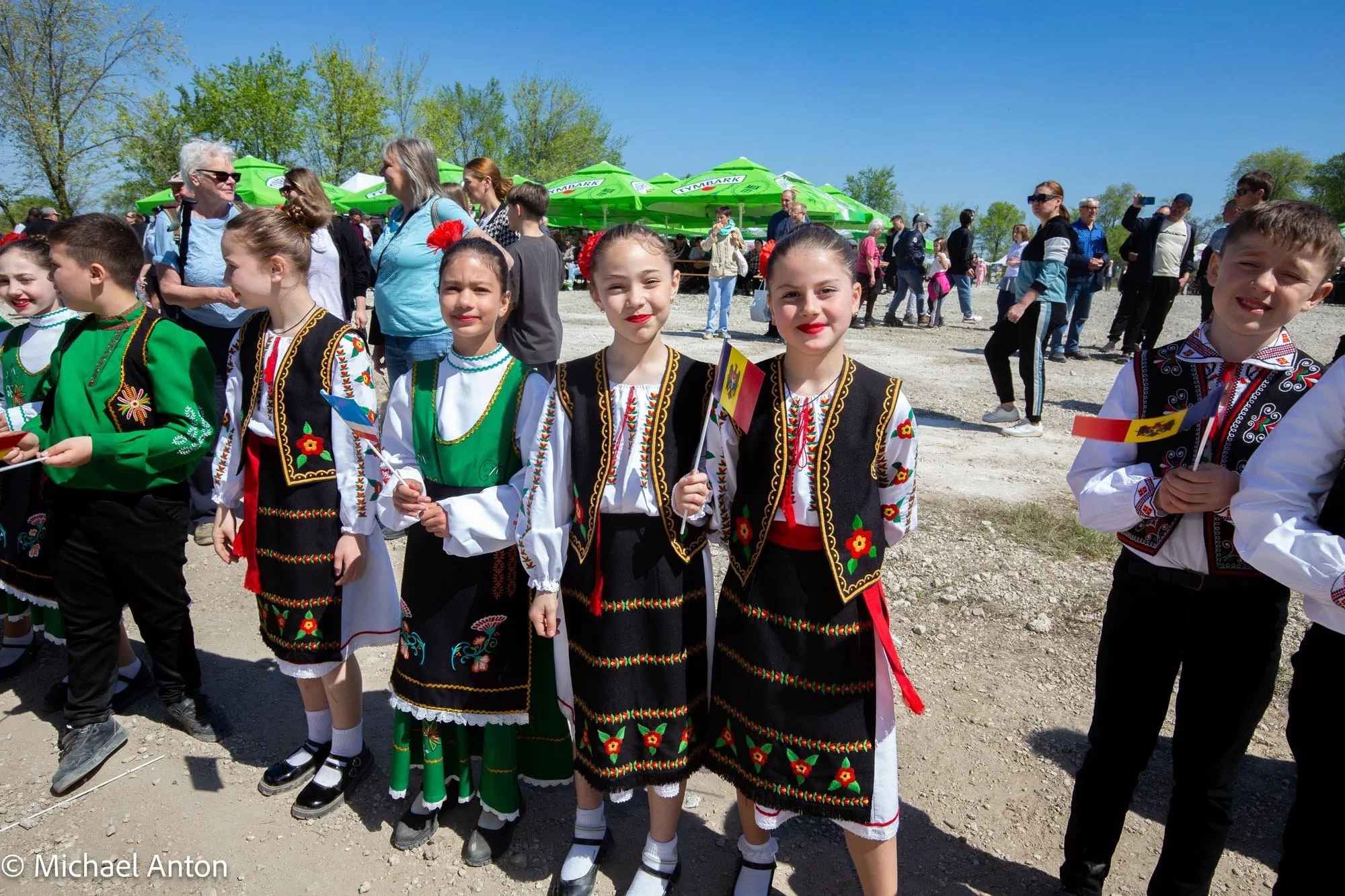
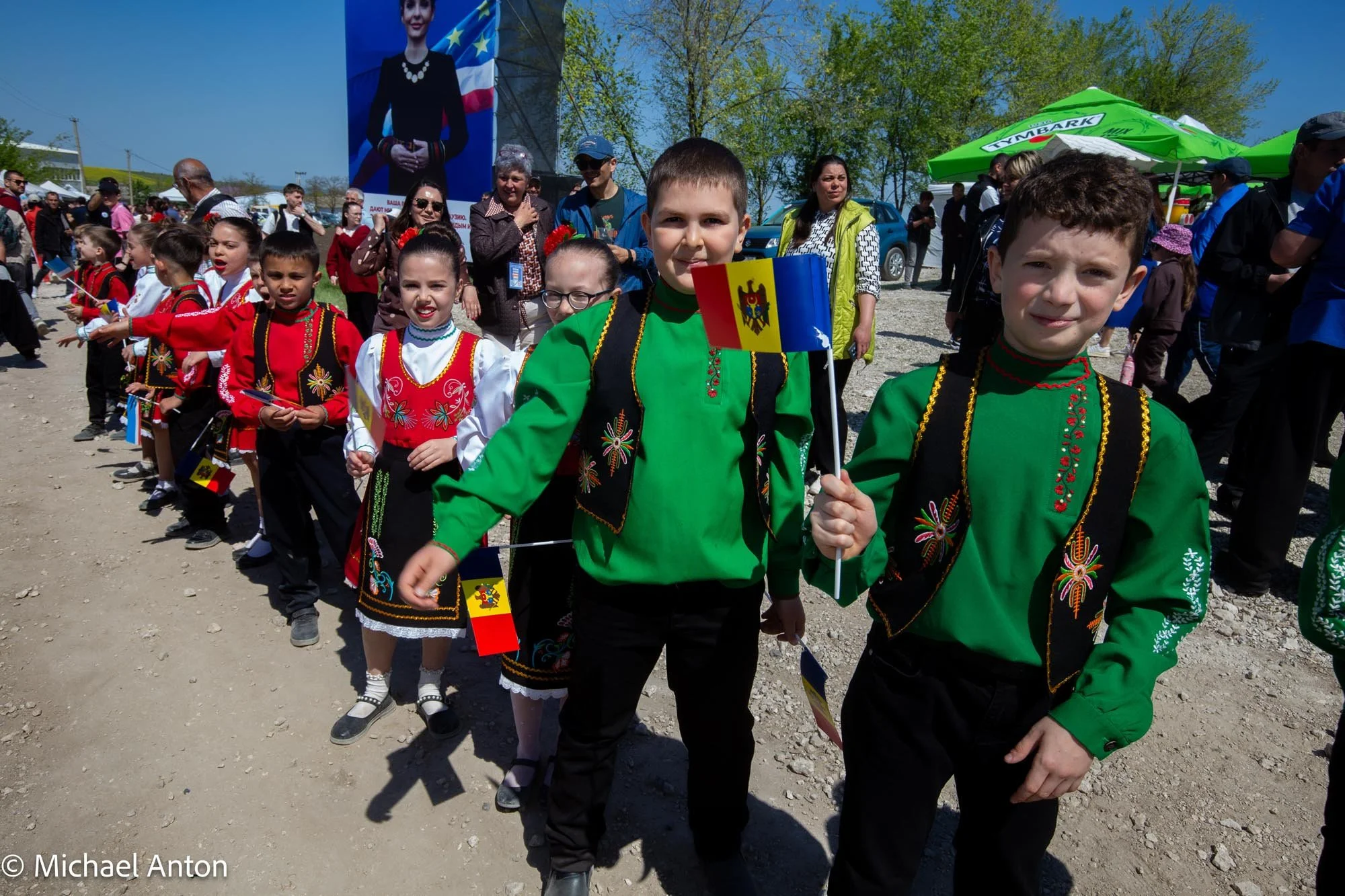
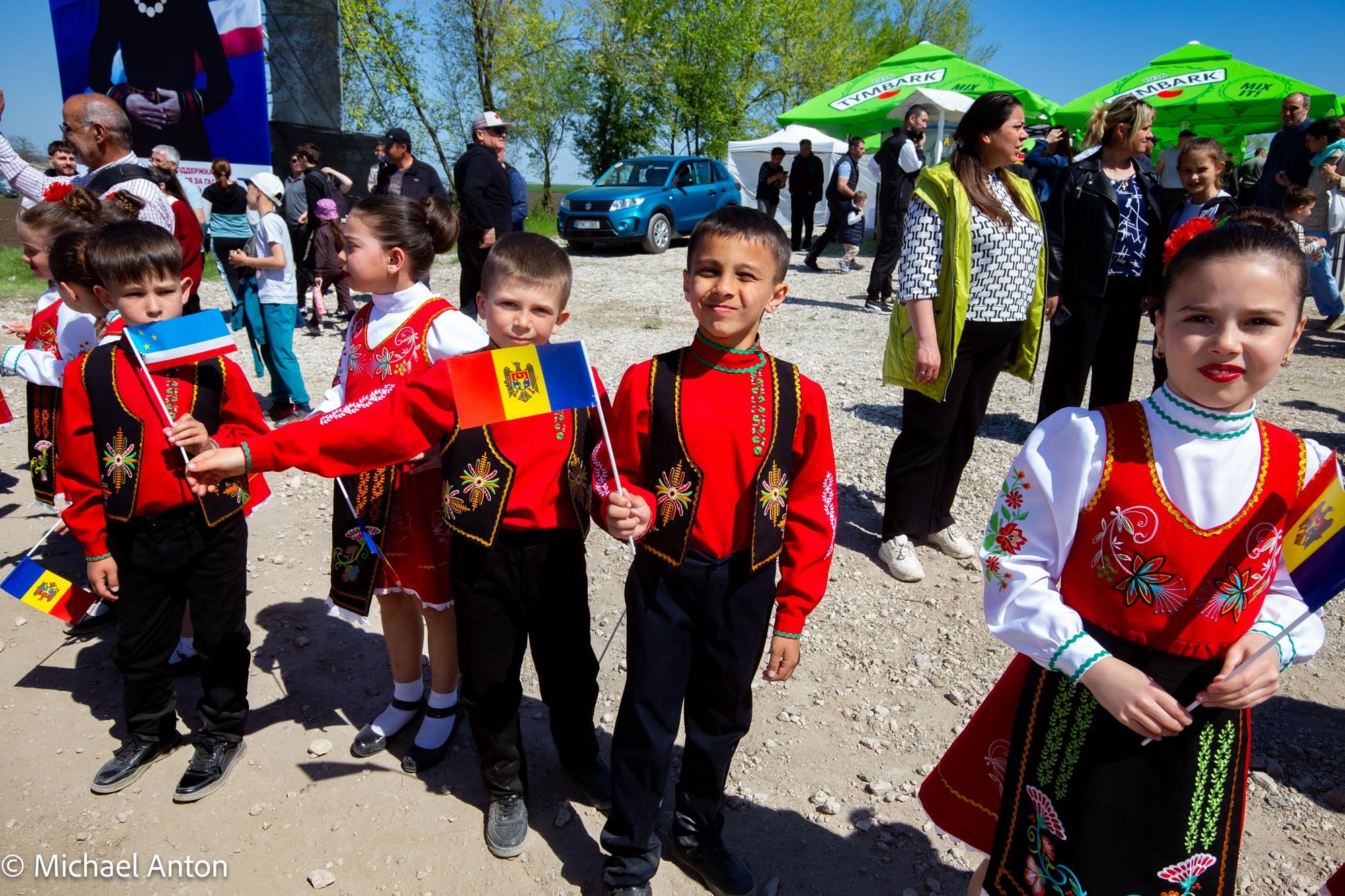
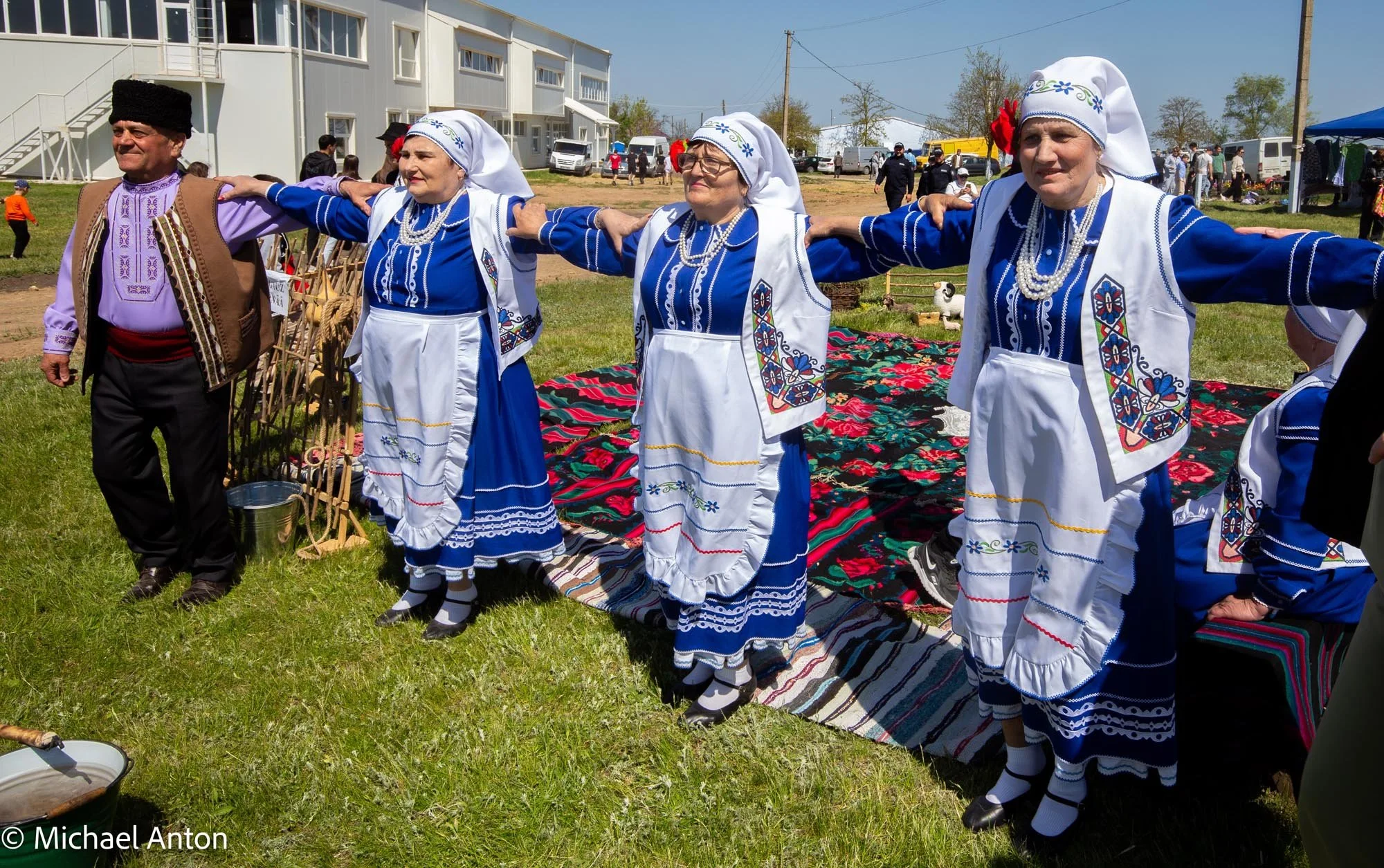
Jewish Cemetery
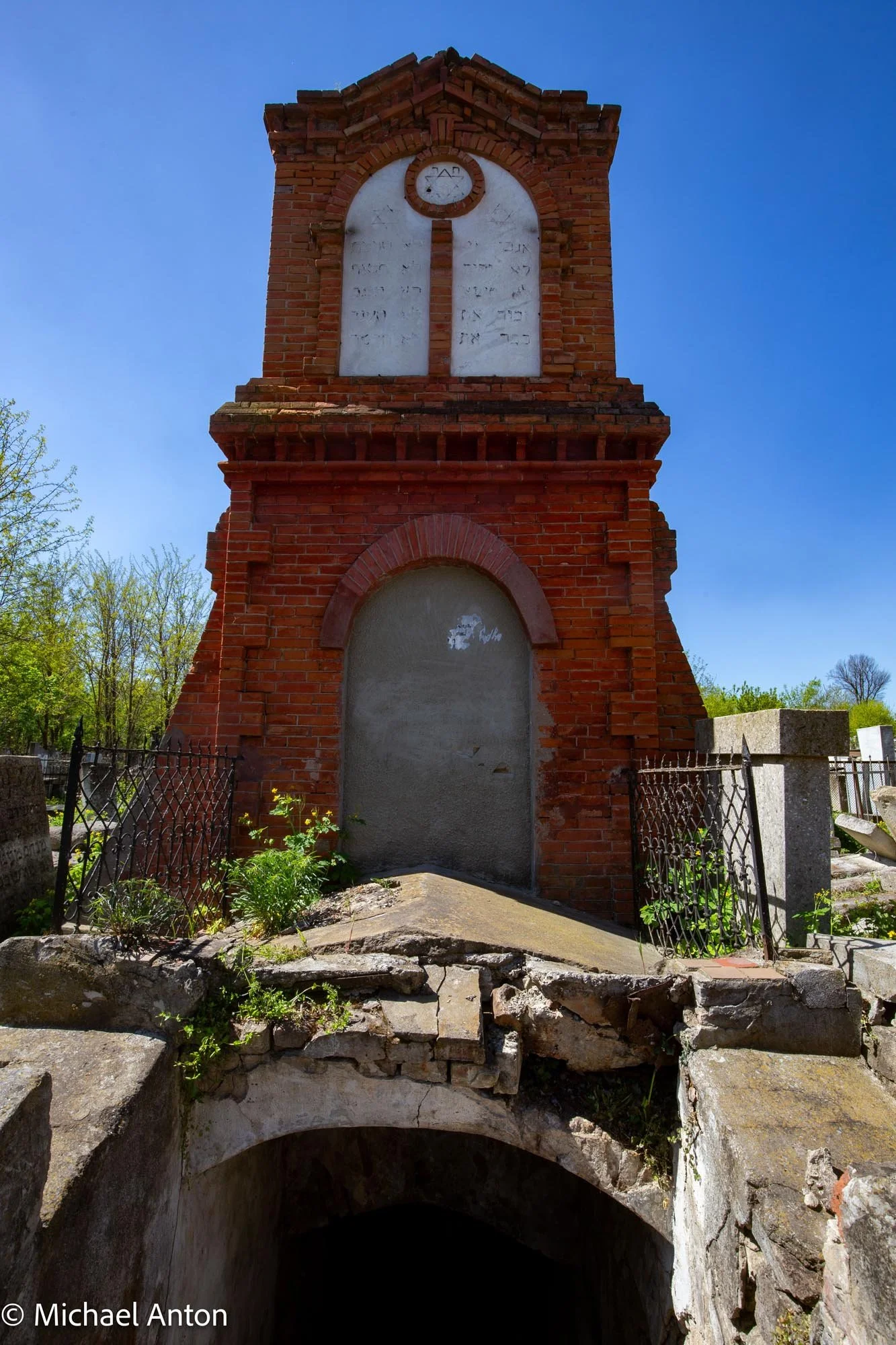
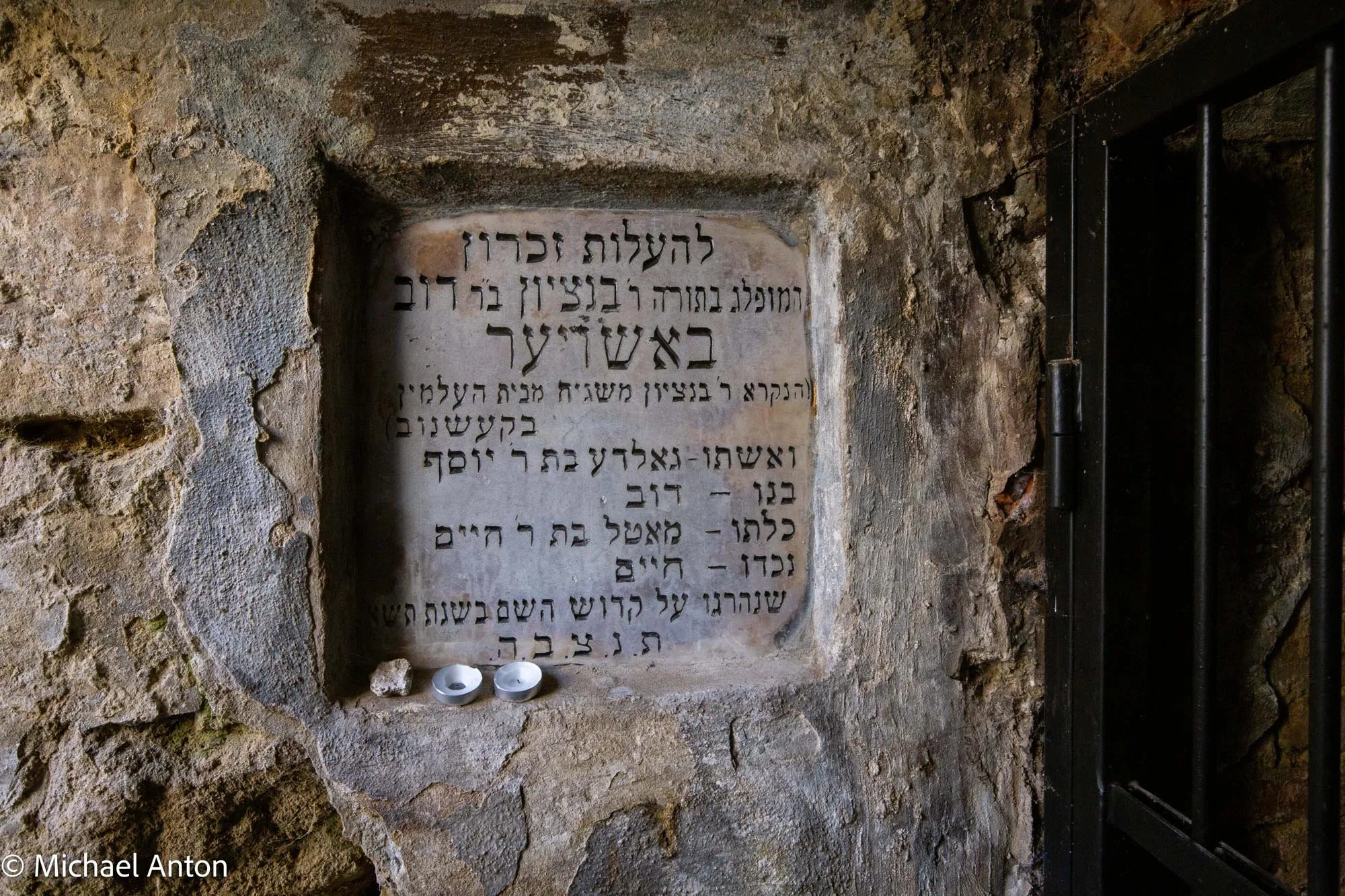
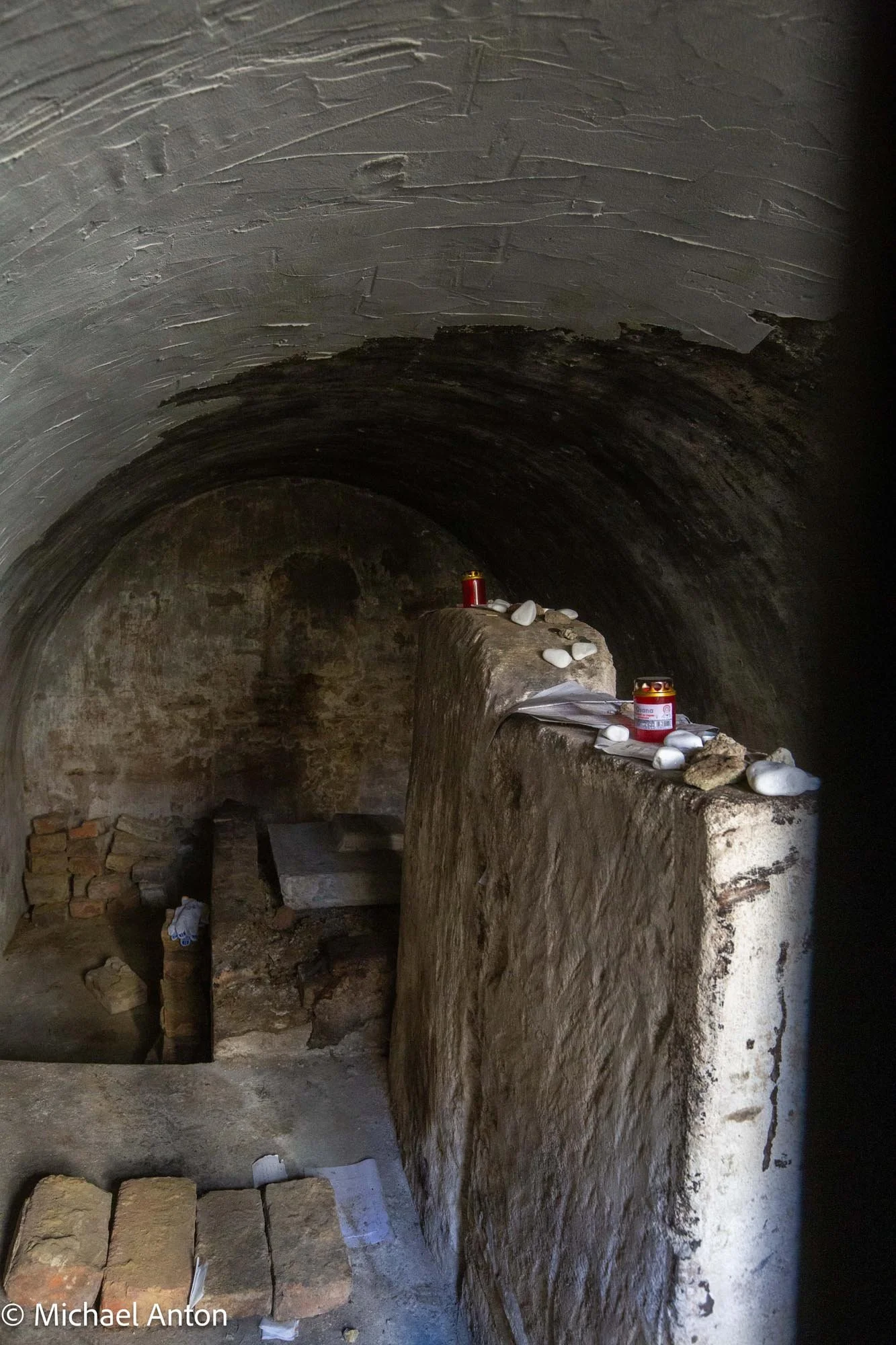
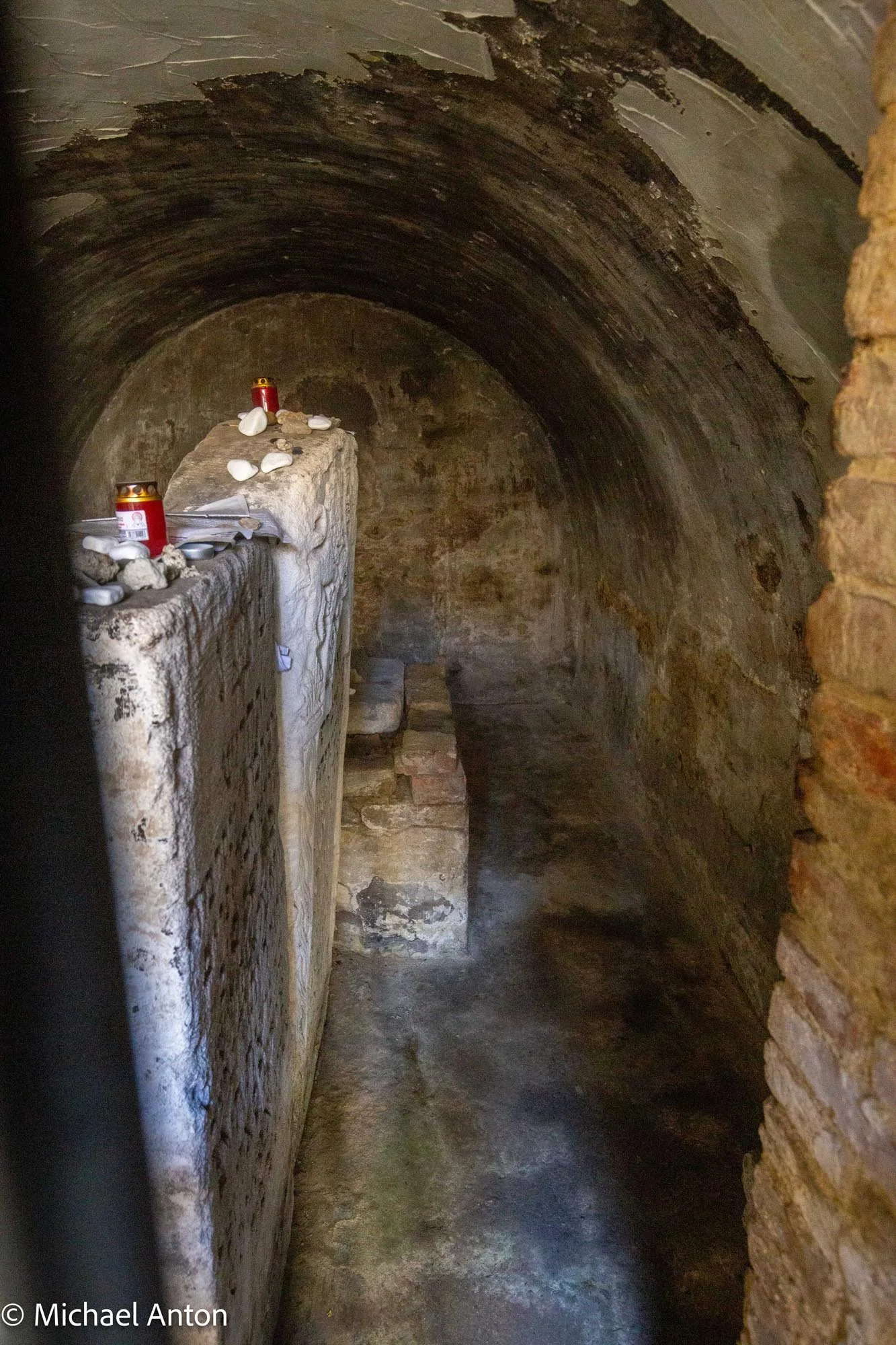
The Grand Rebbe of Chisinau was killed during one of the first air raids of the war, and I was able to photograph his underground tomb only through the bars of the entrance.
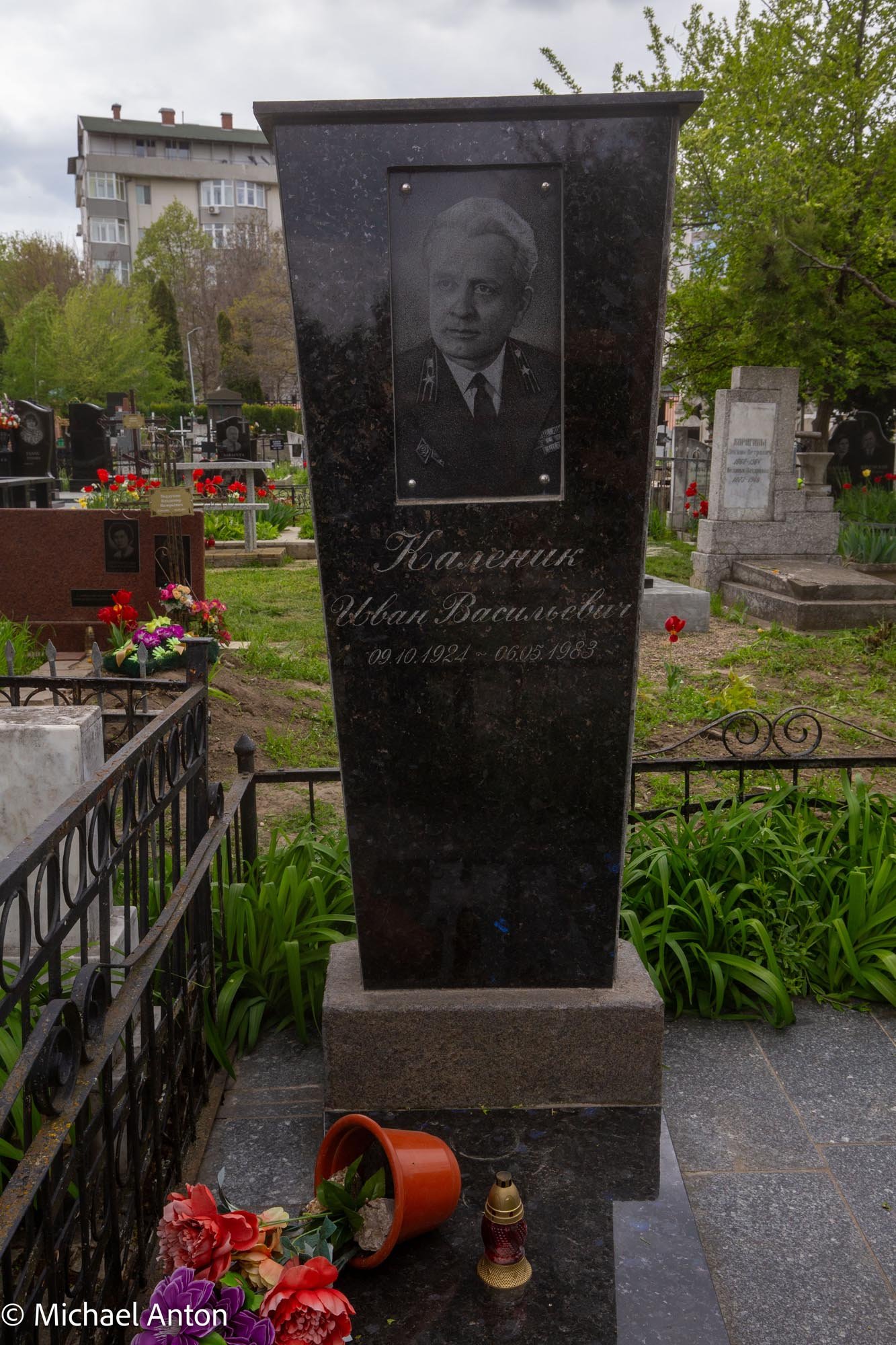
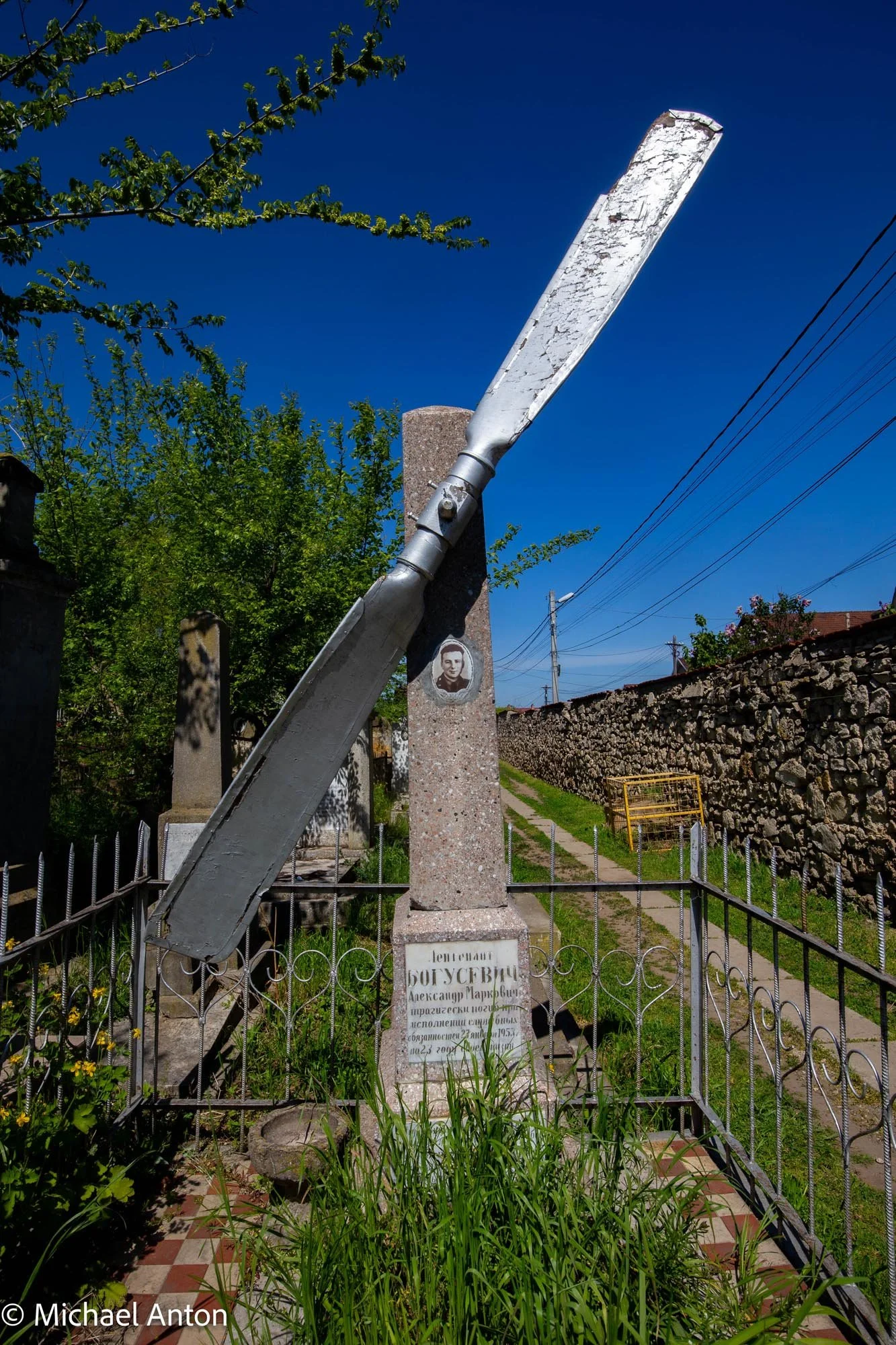
The first image is of the grave is of a young air force pilot who perished during training…the propeller could be turned.
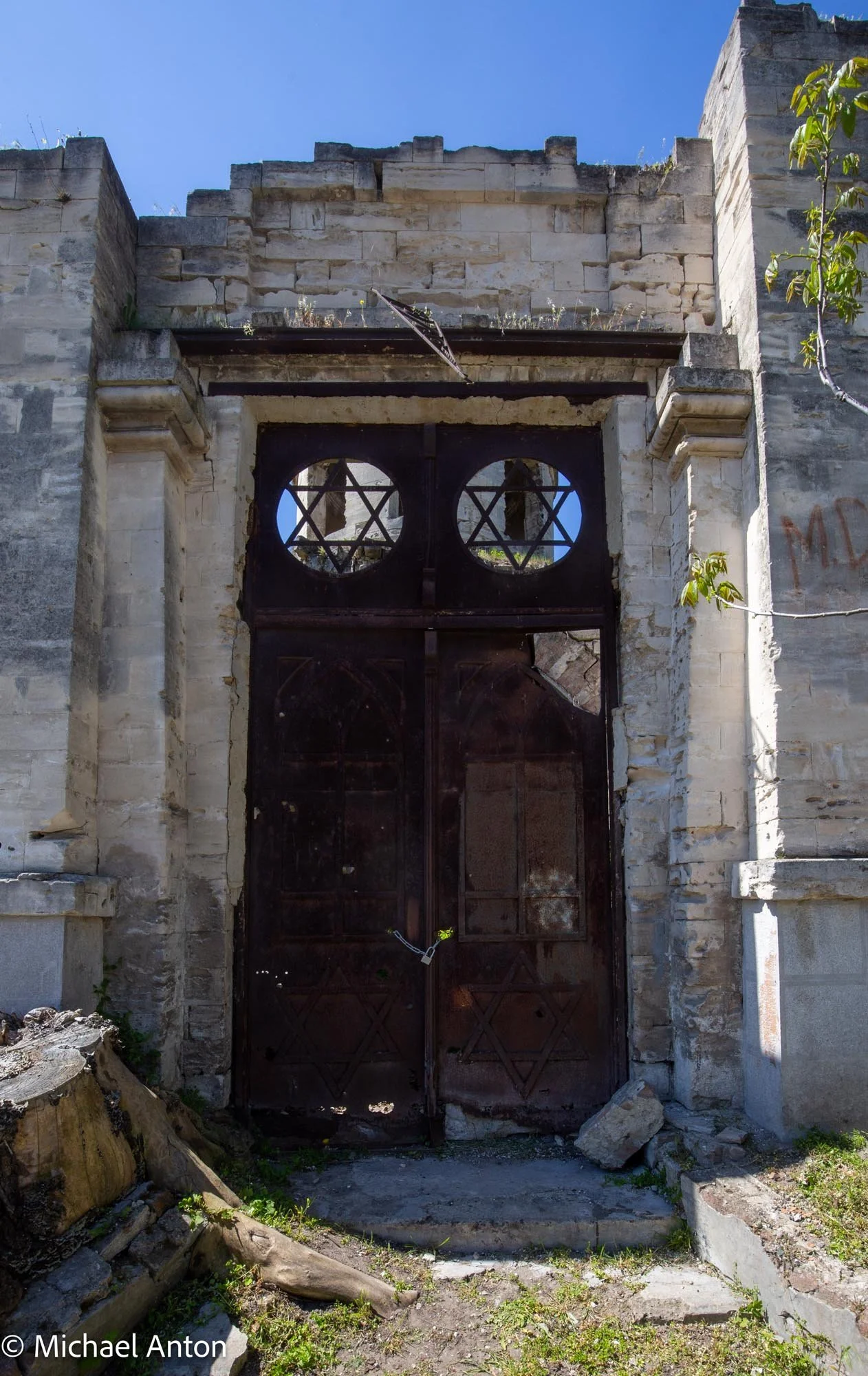
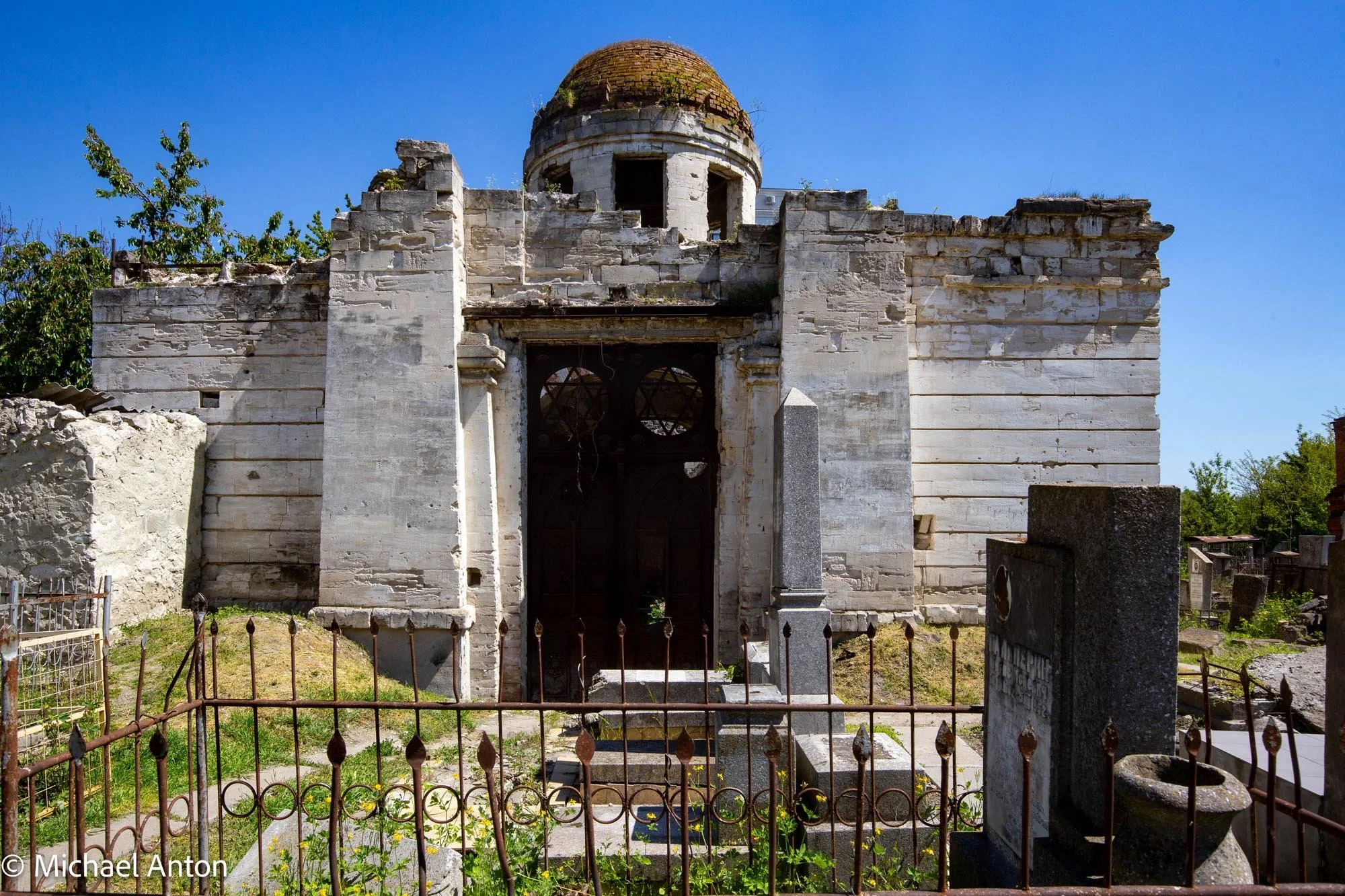
The large building where bodies had previously been prepared for burial was damaged during the war and never repaired.
I tended to a few graves, brushing off leaves and dirt, and then in the Jewish tradition, left a small stone on the grave to let the deceased know they had been visited.
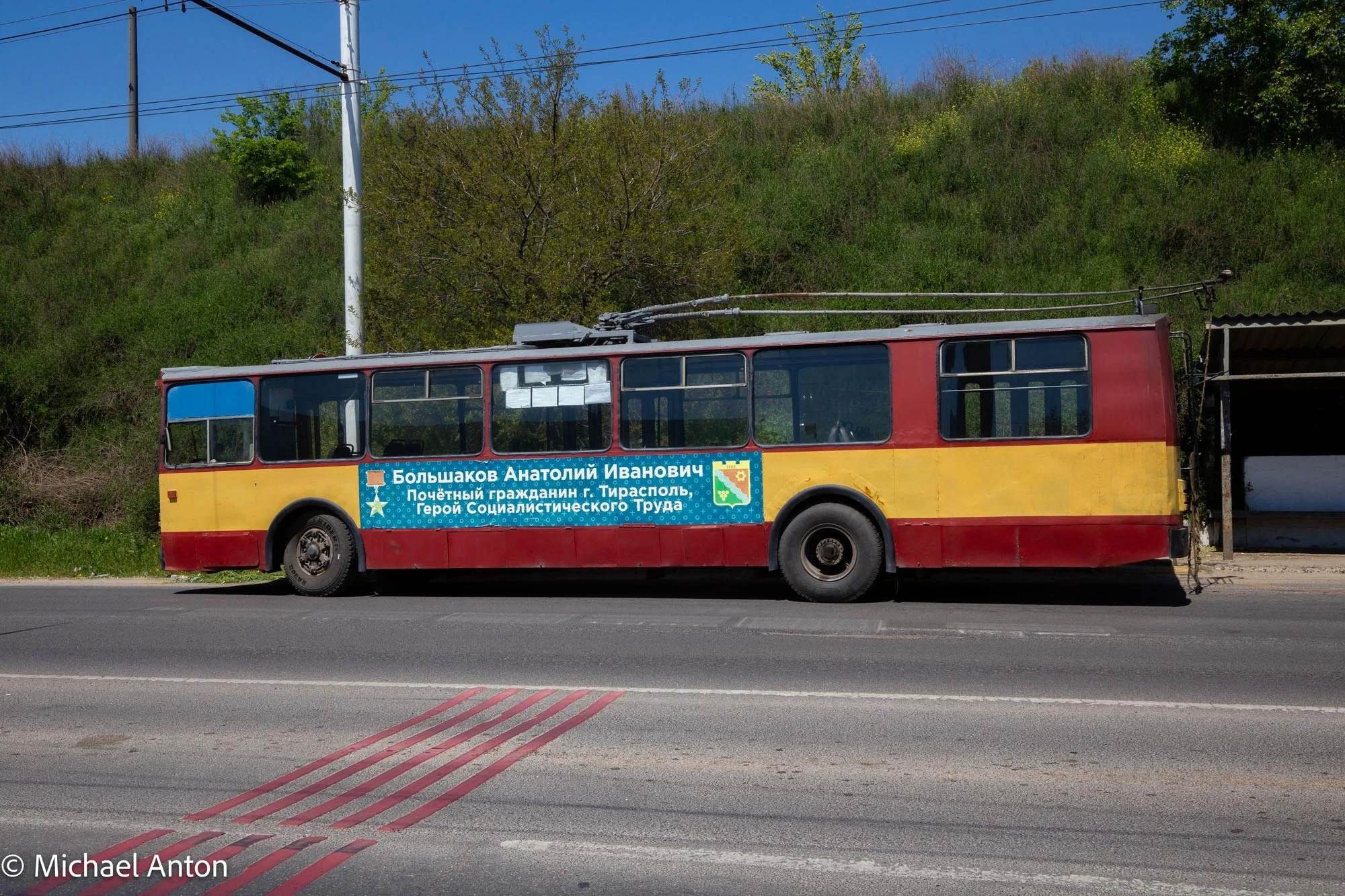
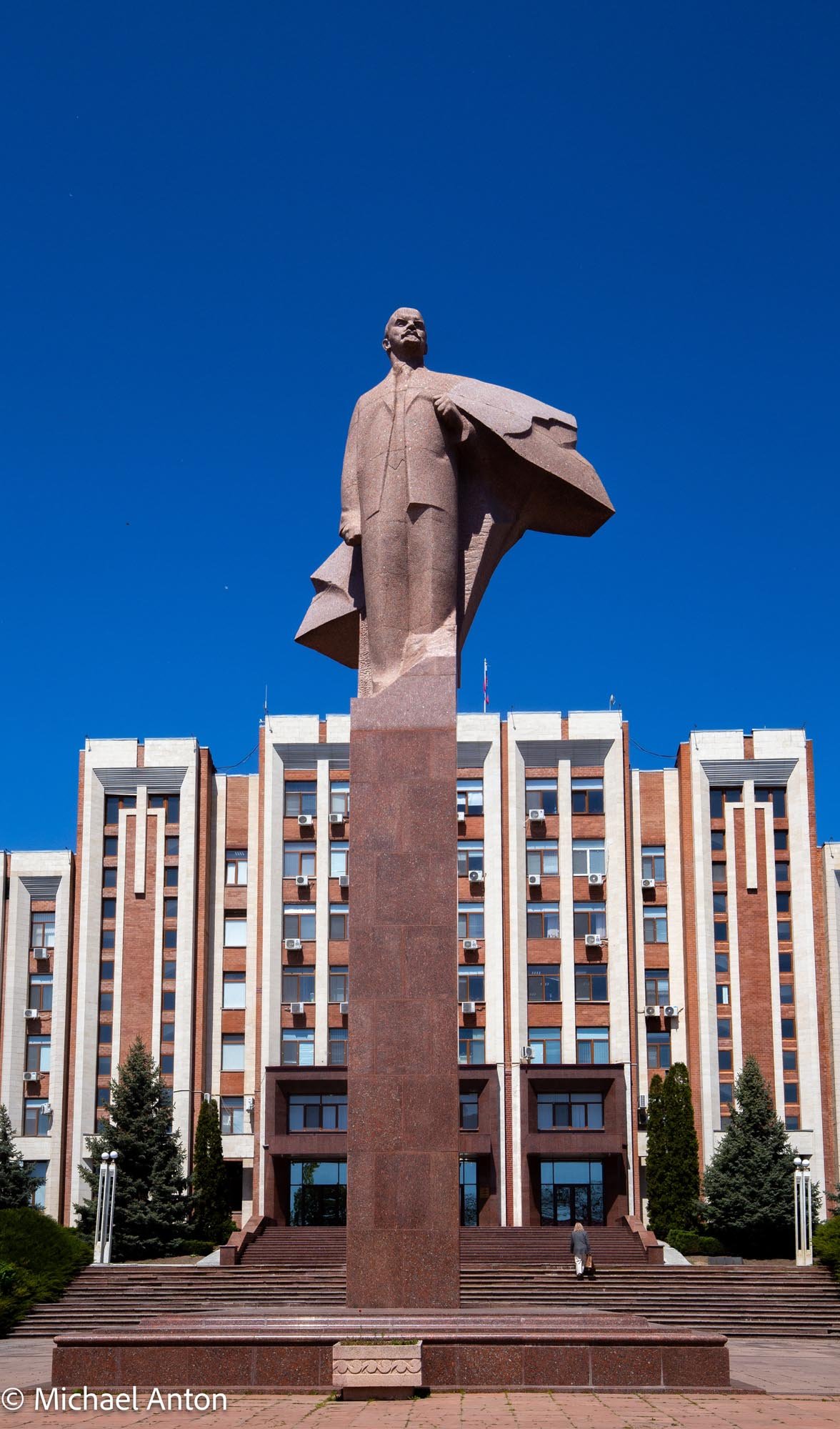
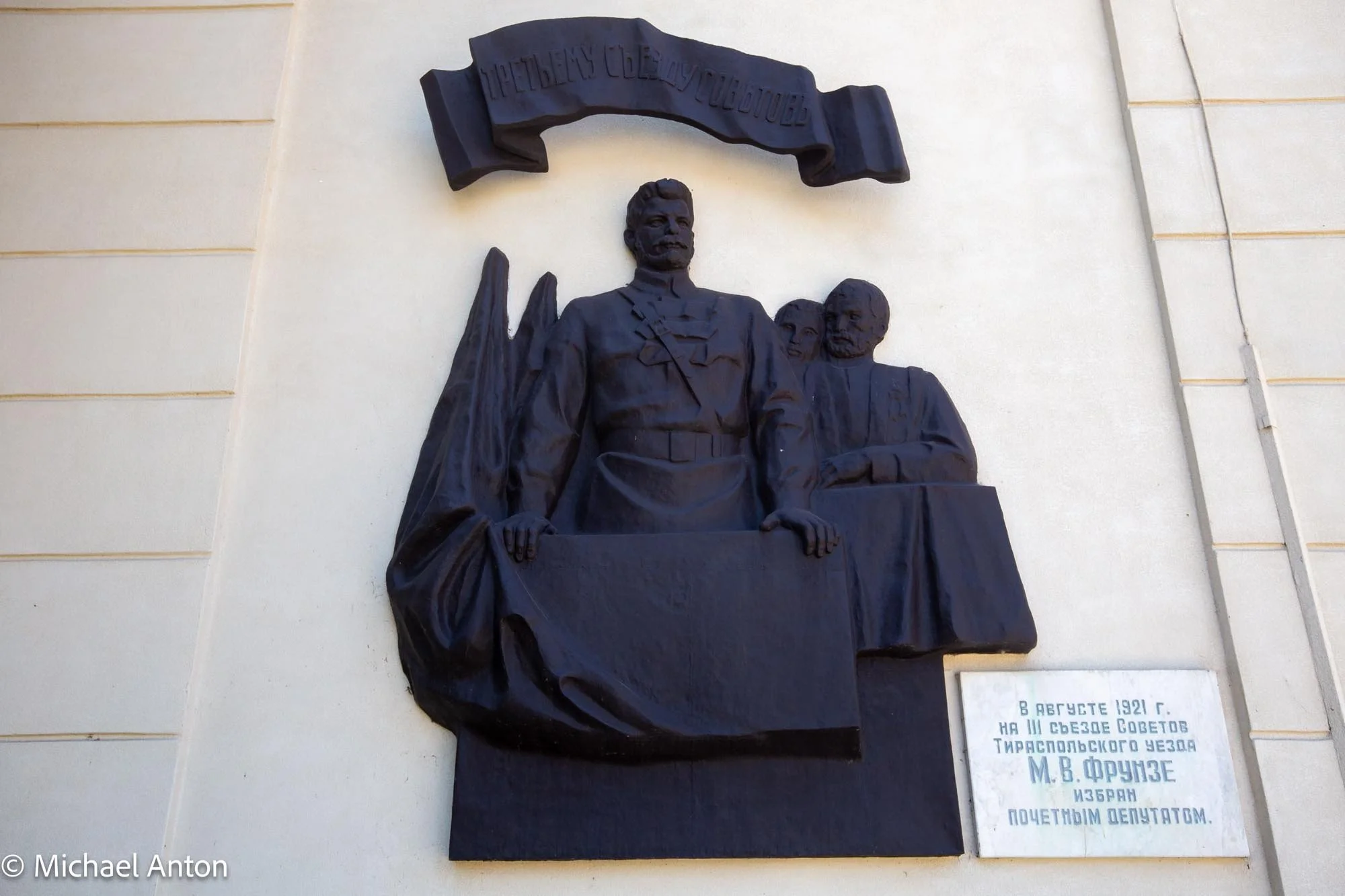
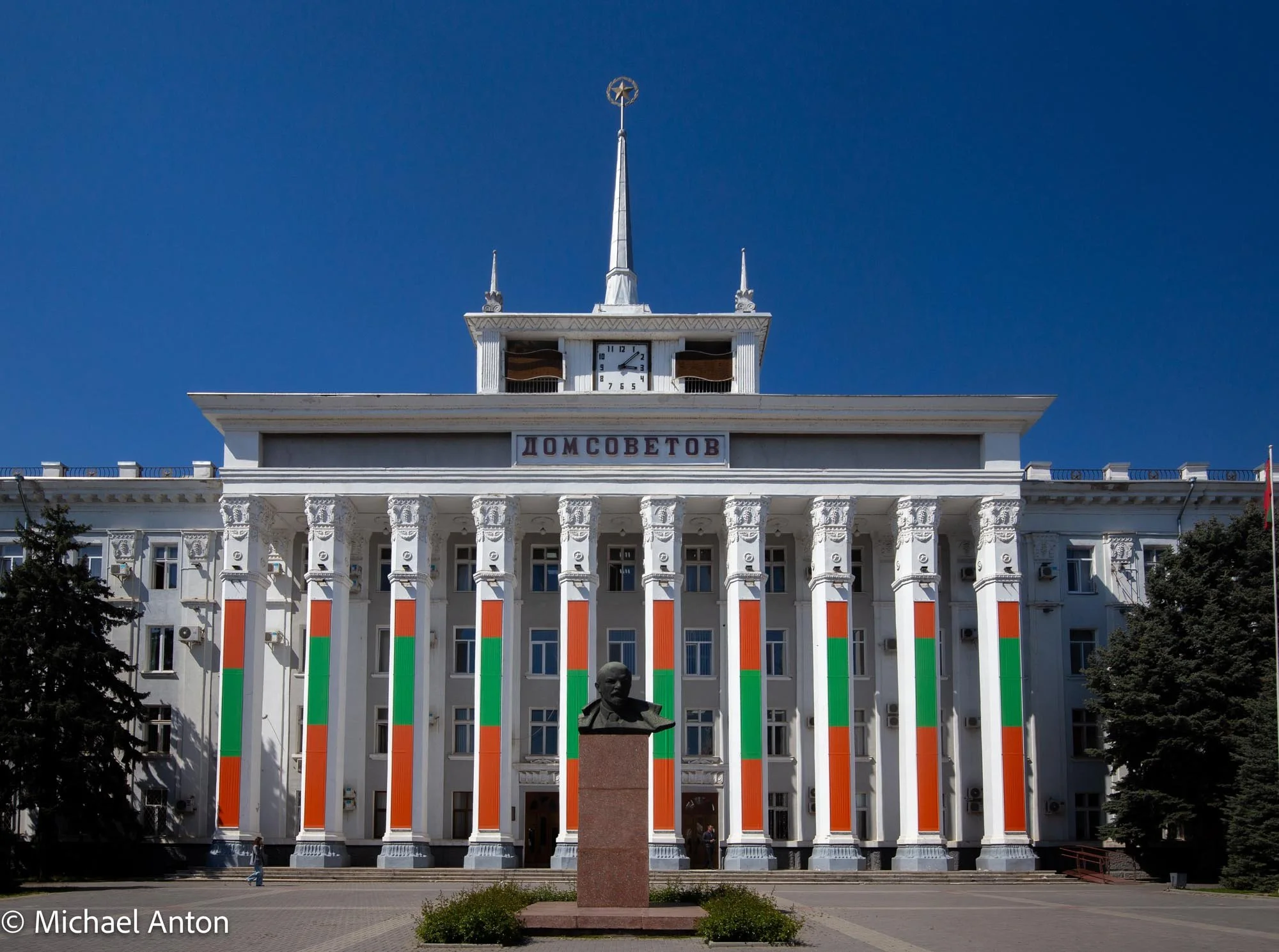
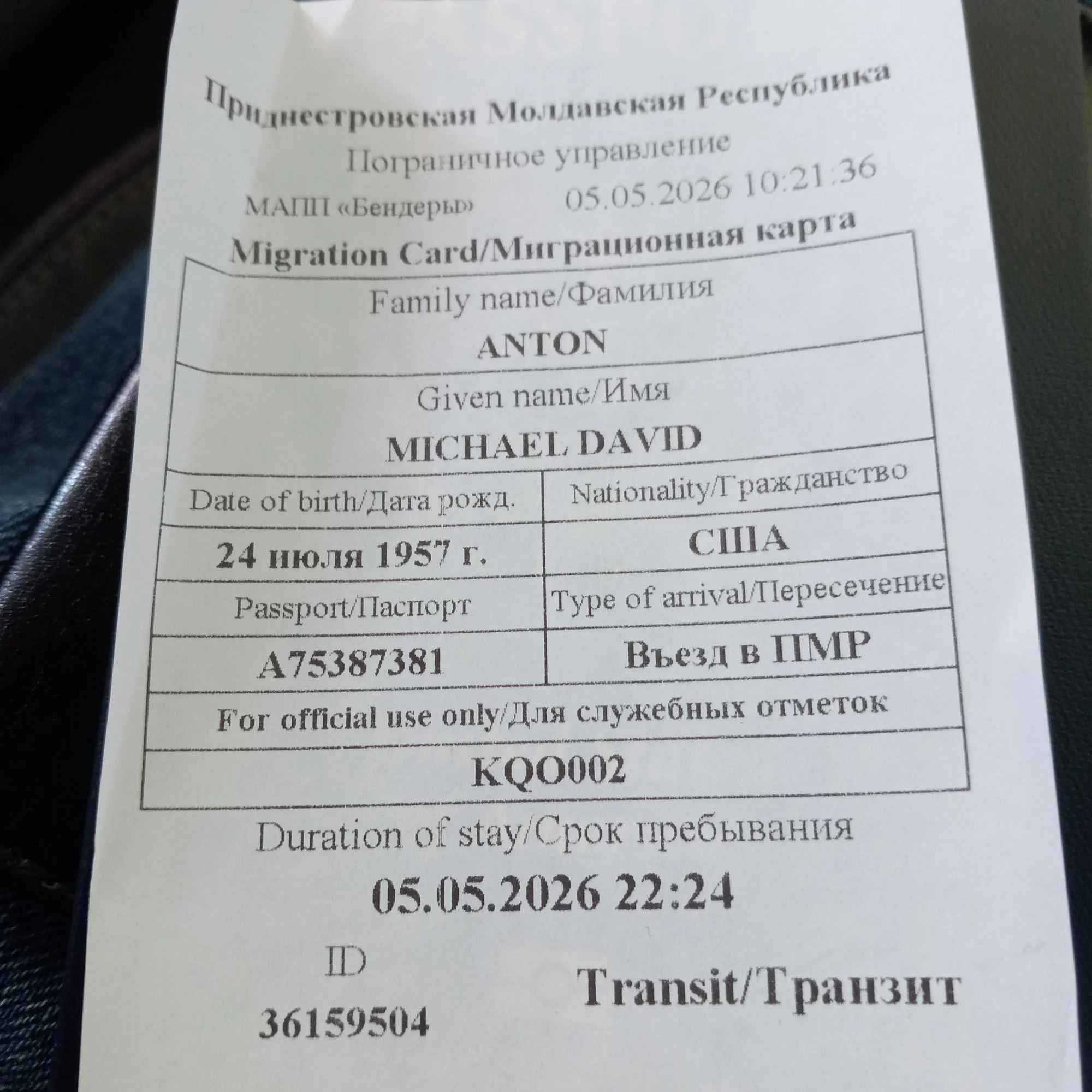
Transnistria
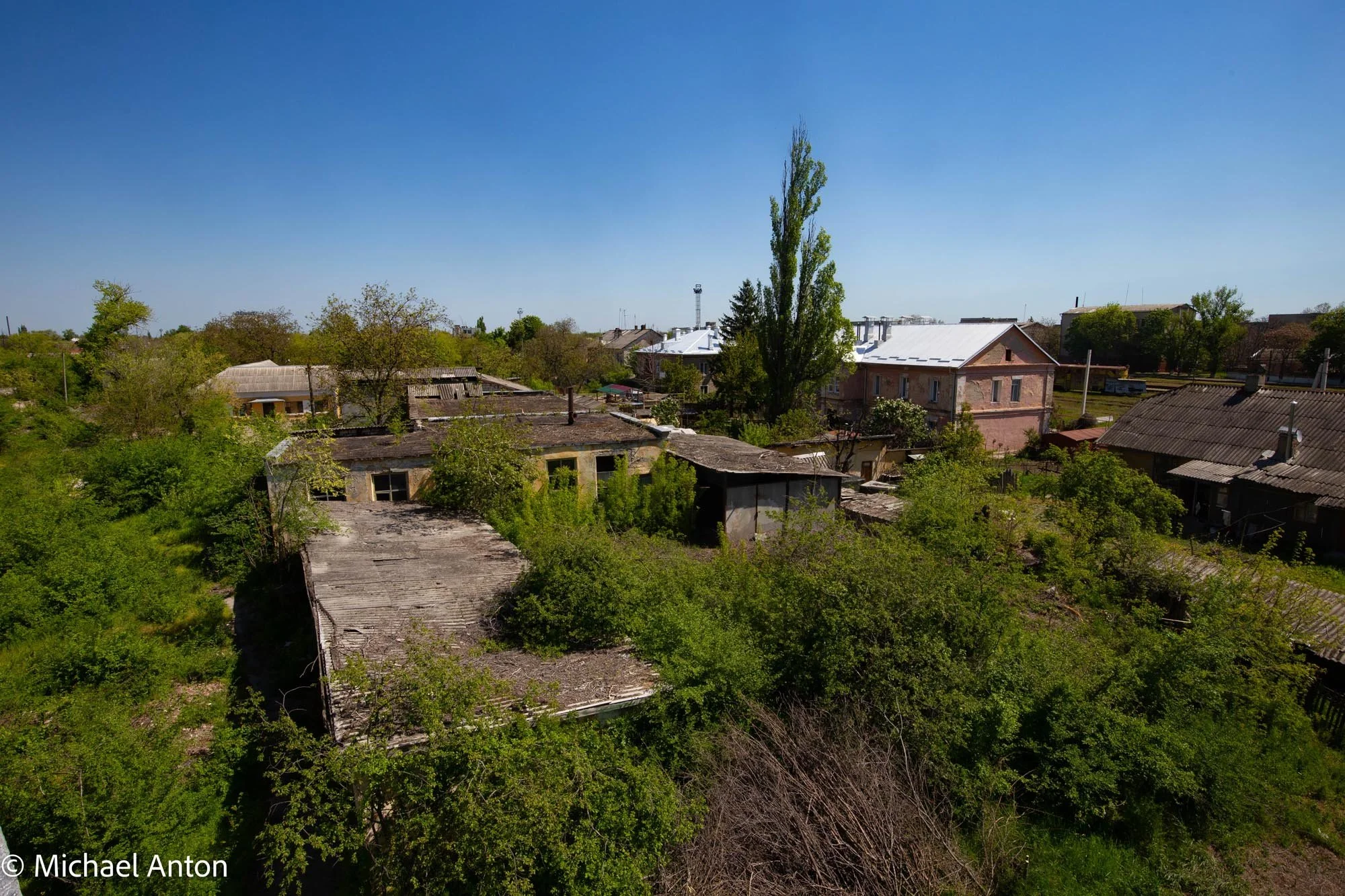
Declared its independence from Moldova in 1991, and there was a brief but nasty shooting war the following year that caused much misery to soldiers and civilians alike.
A ceasefire was negotiated by Russia that has held and there has been a cold peace ever since. There’s a lot of back and forth between Moldovans and Transnistrians, with the boundary patrolled by Russian soldiers, ahem…I mean peacekeepers.
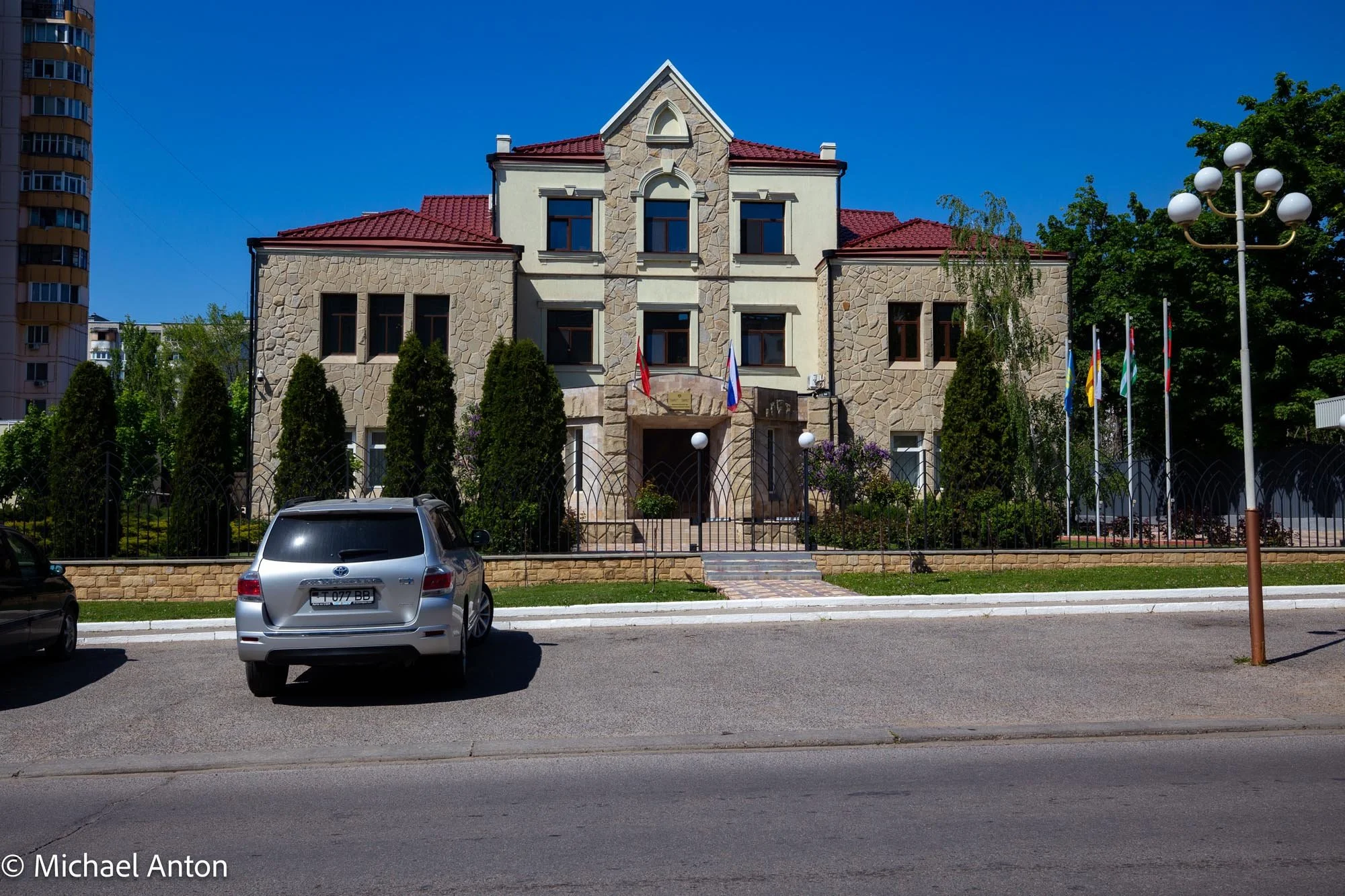
Transnistrian independence has been recognized by absolutely no other country in the world, all of whom consider it to be a province of Moldova. However, it is not entirely without friends on the world stage: South Ossetia, Abkhazia and Artsakh (formerly Nagorno-Karabakh) recognize Transnistria.
Artsakh no longer exists due to a war with Azerbaijan, and the first two are breakaway regions of Georgia, heavily supported by Russia. The Foreign Ministry building in Tiraspol (the Capitol) flies all four flags.
So there.
Entering was a little anxiety producing, with armed Russian soldiers, I mean peacekeepers observing. We hid the cameras on the back seat under Aurel’s jacket, and we had to be very discreet about taking photos. No professional photographer I, just a silly ole’ American tourist.
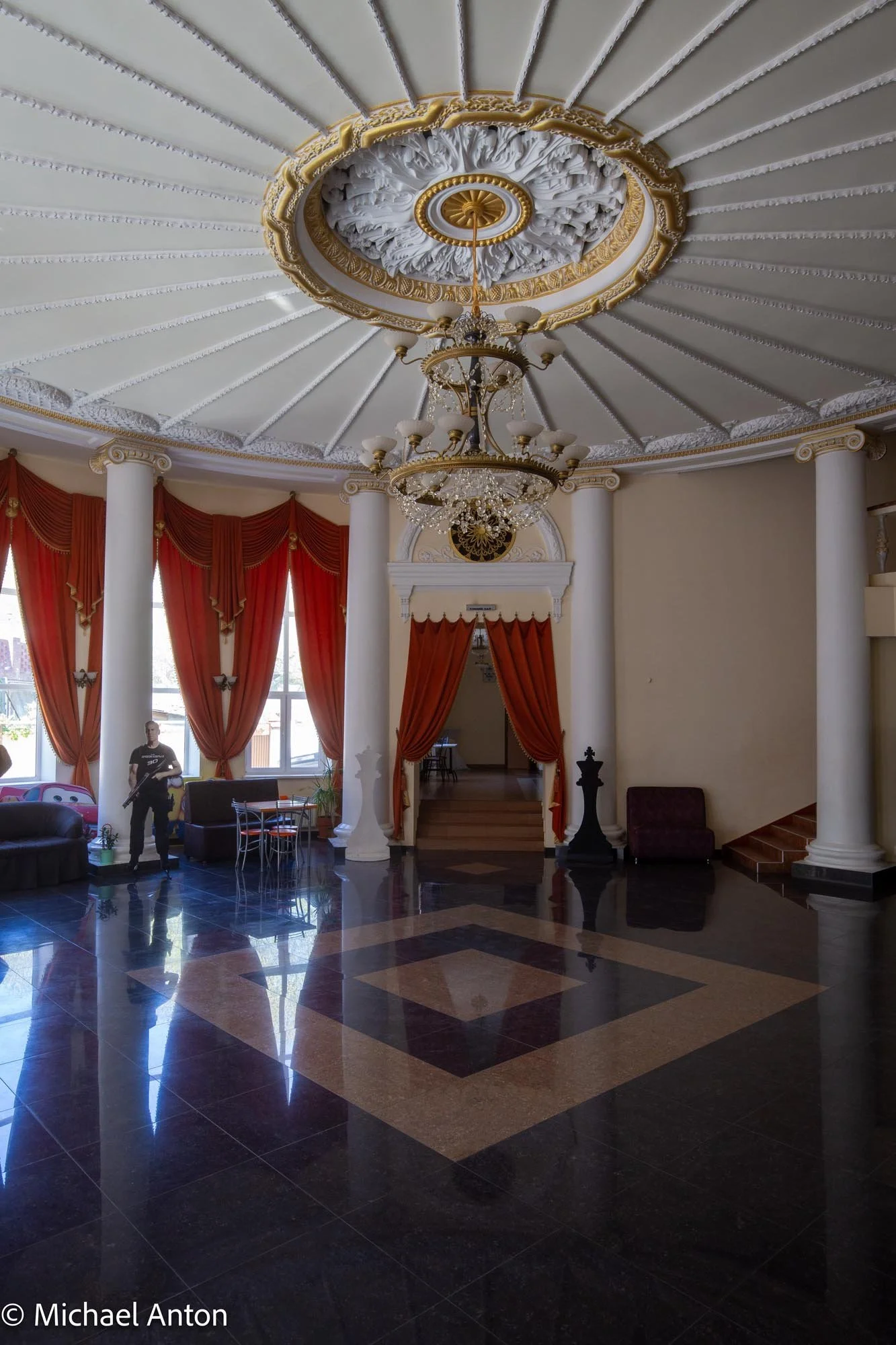
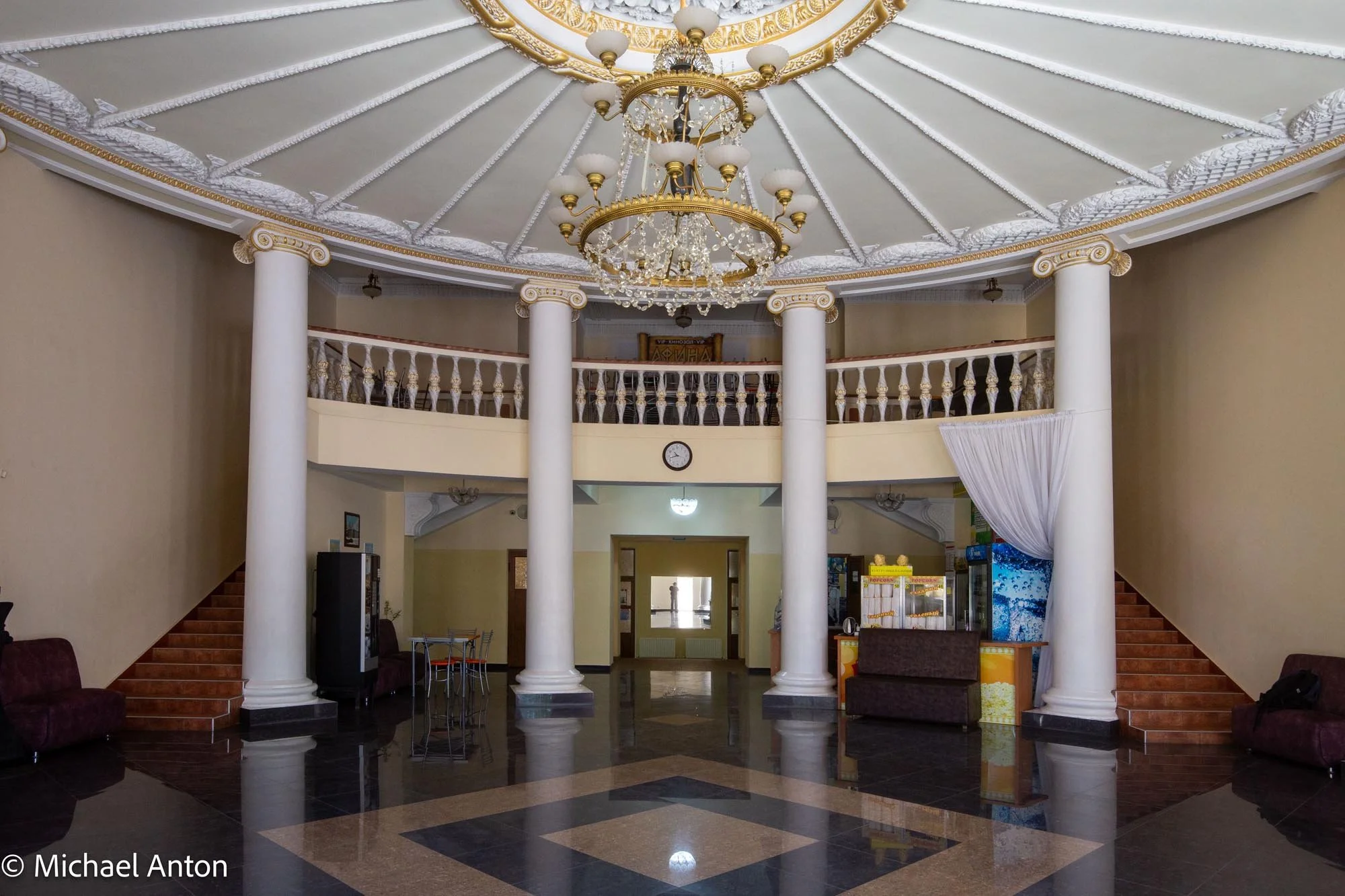
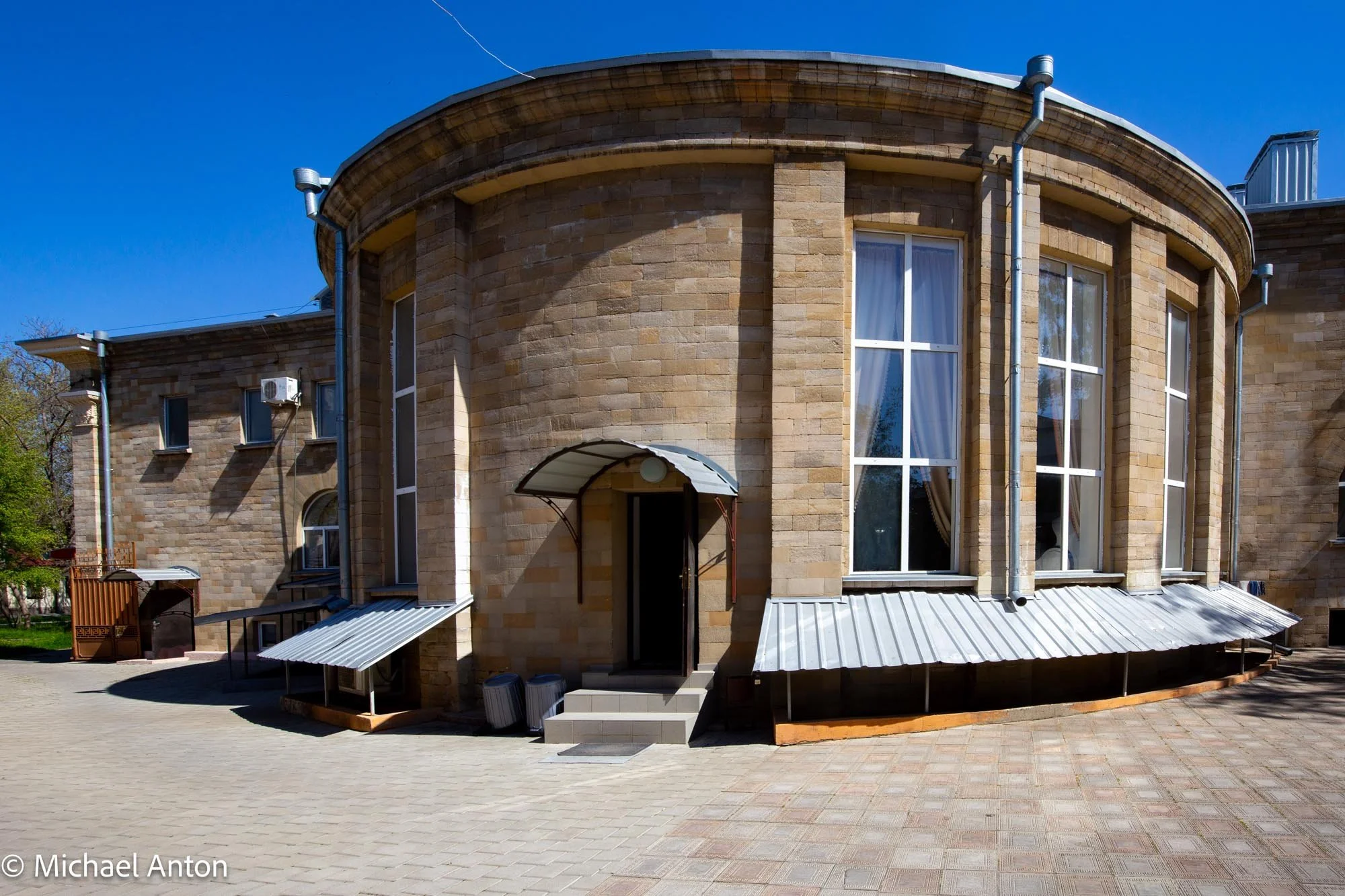
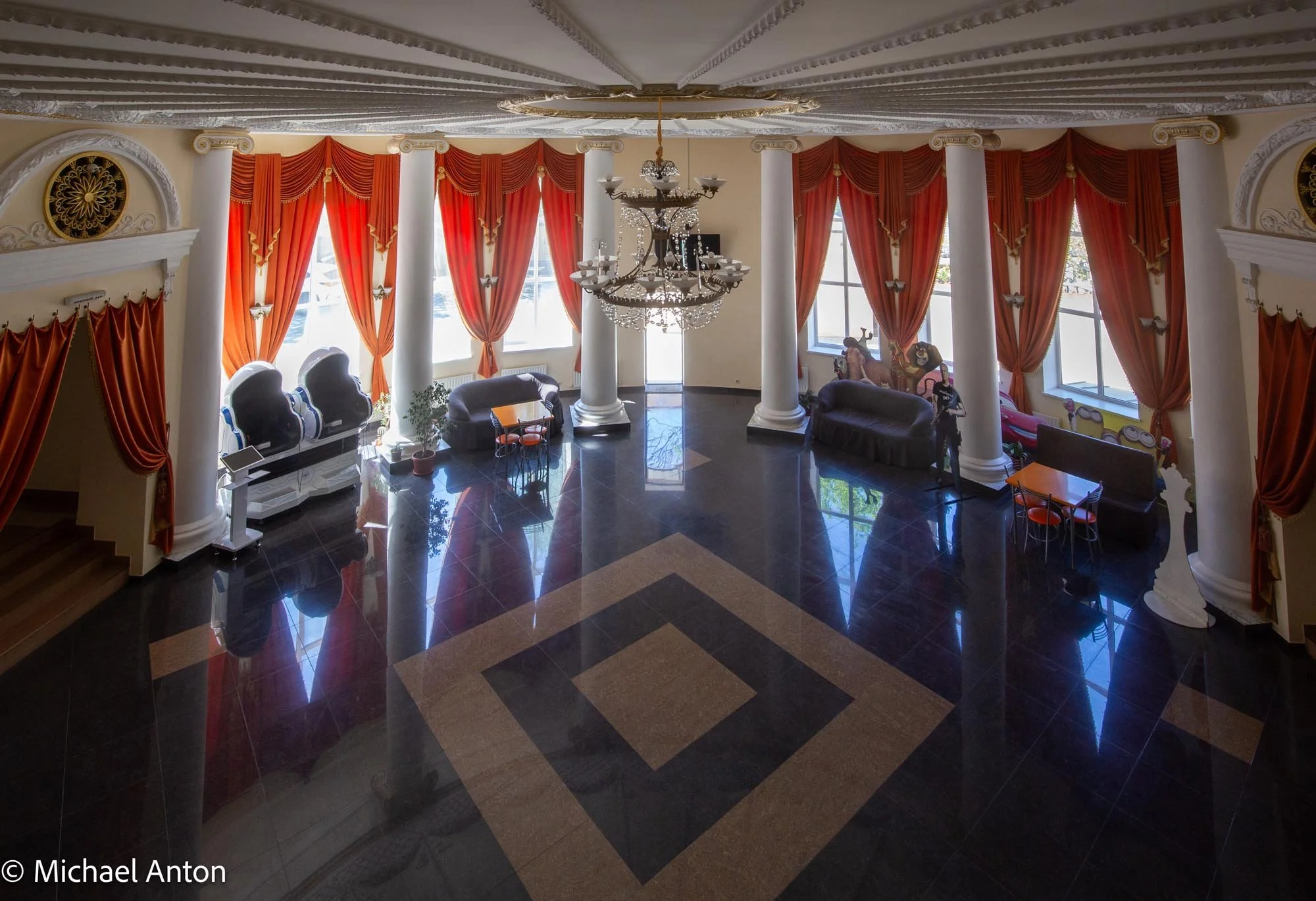
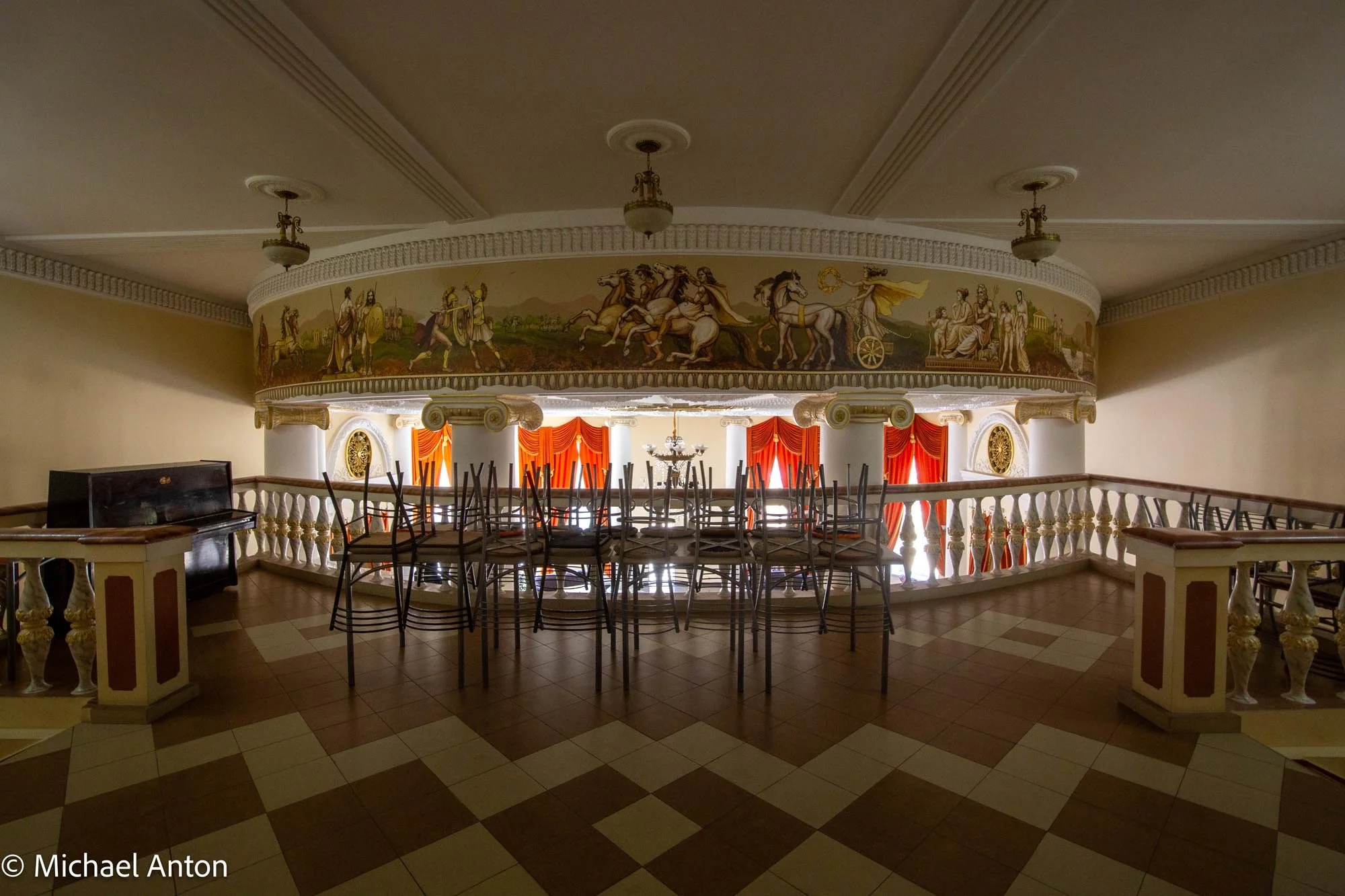
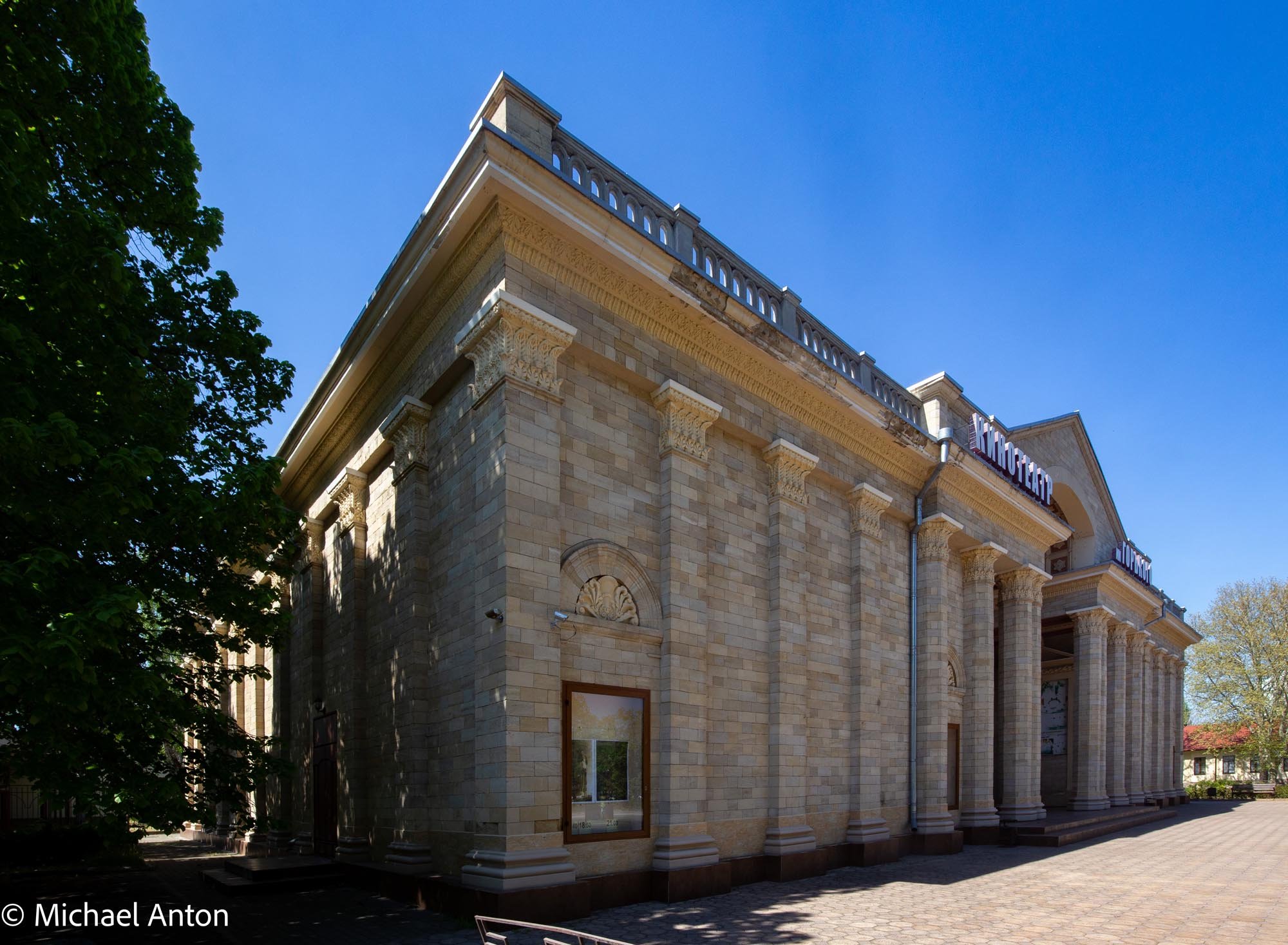
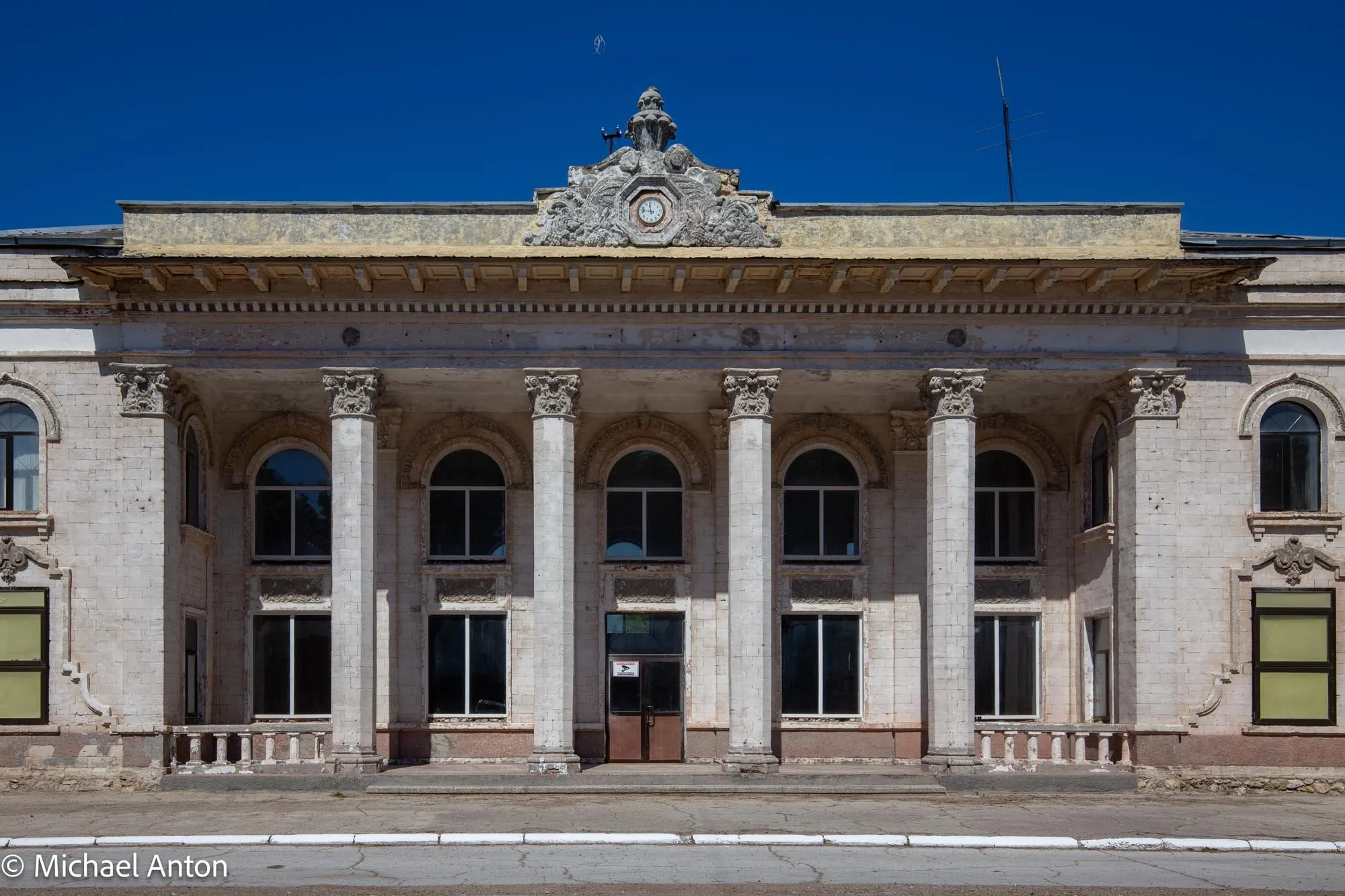
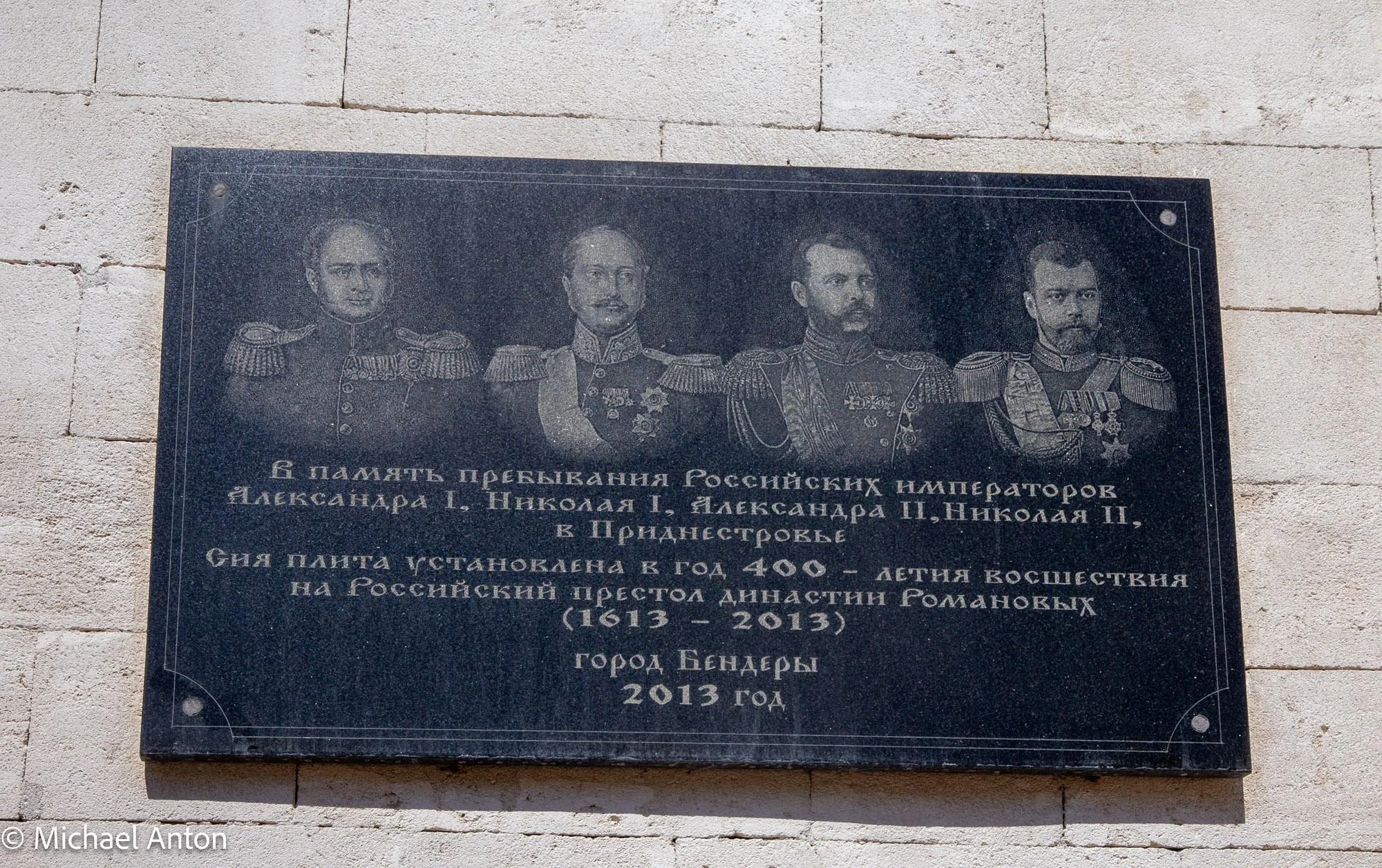
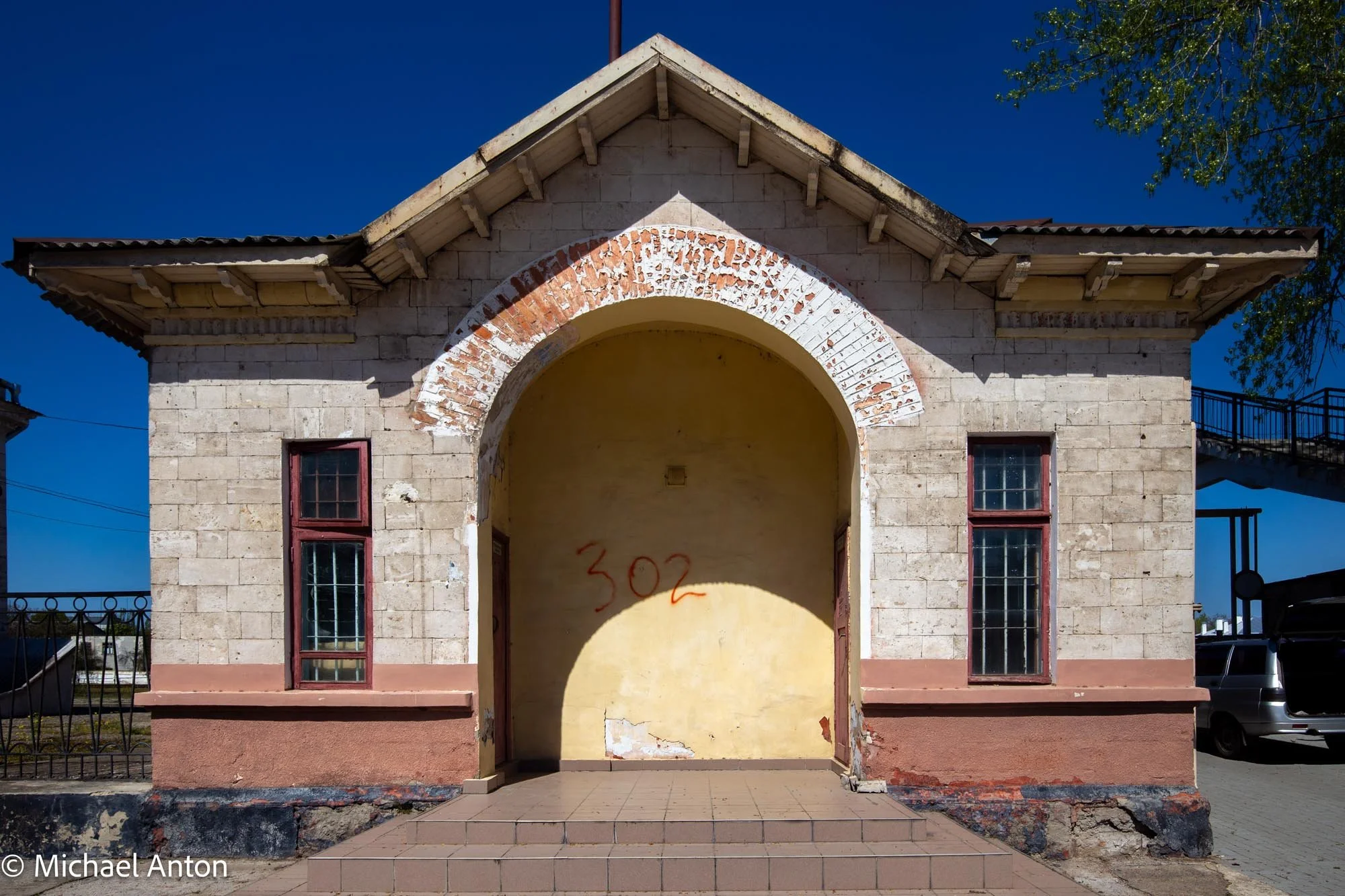
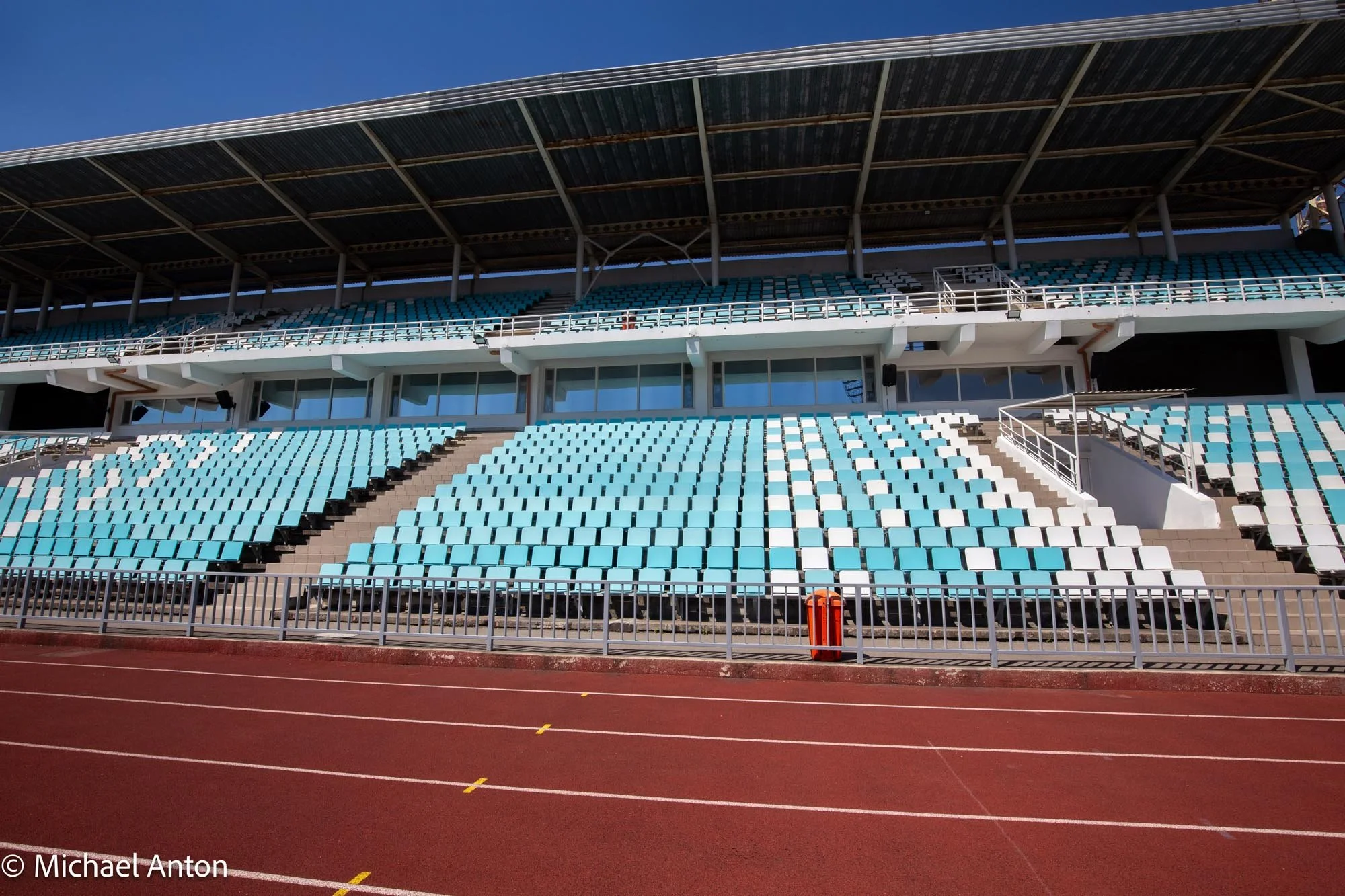
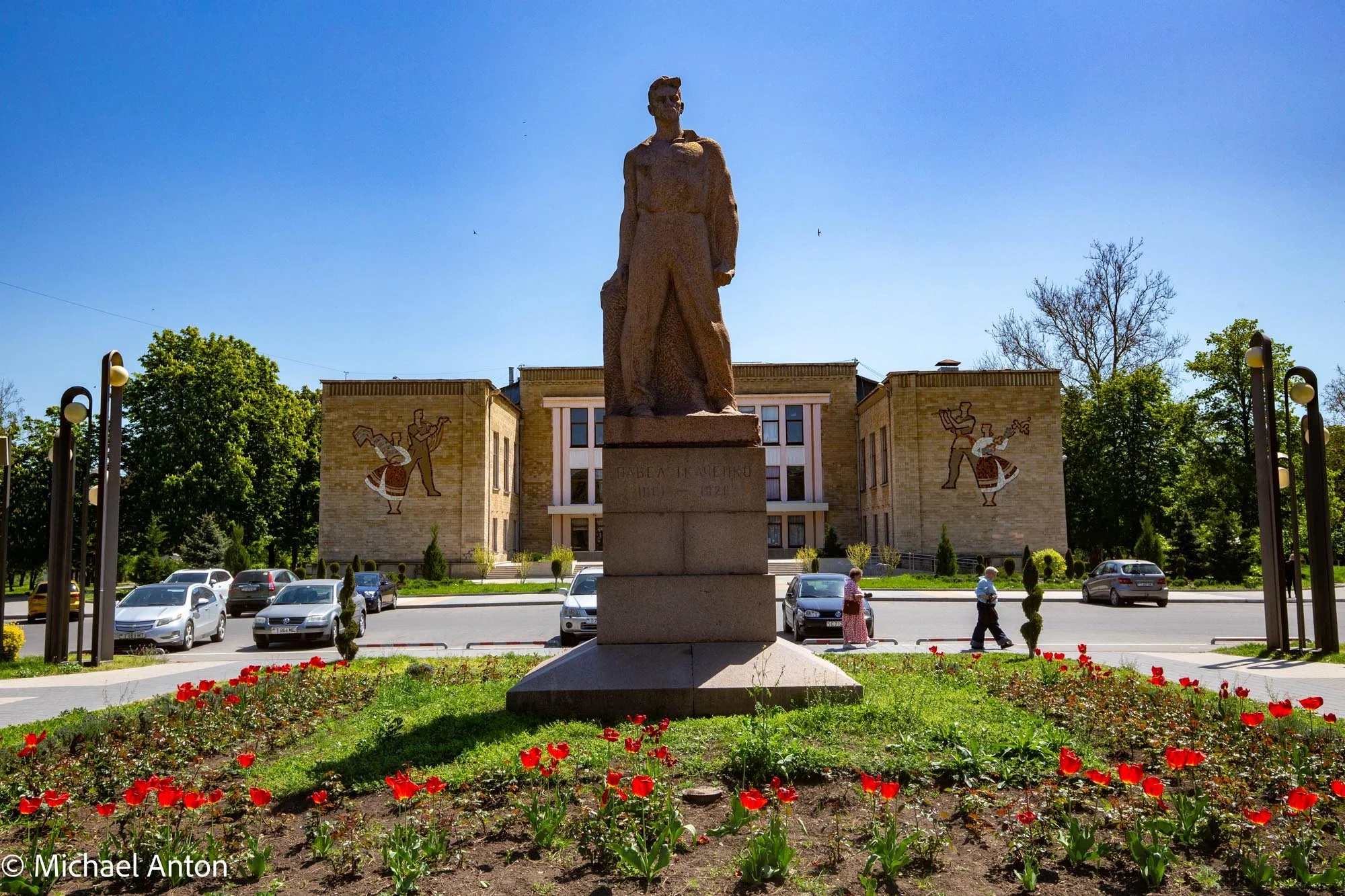
I did photograph a beautiful Soviet era cinema. There was a boarded-up train station I’d have loved to access, but it’s around 30 years since a train has left or arrived in the province.
Regarding the Russian peacekeepers: they must feel as if they’ve won the lottery to be stationed here instead of the meat grinder Putin has turned Ukraine into. I wonder how much their families bribed the Russian government for the assignment.
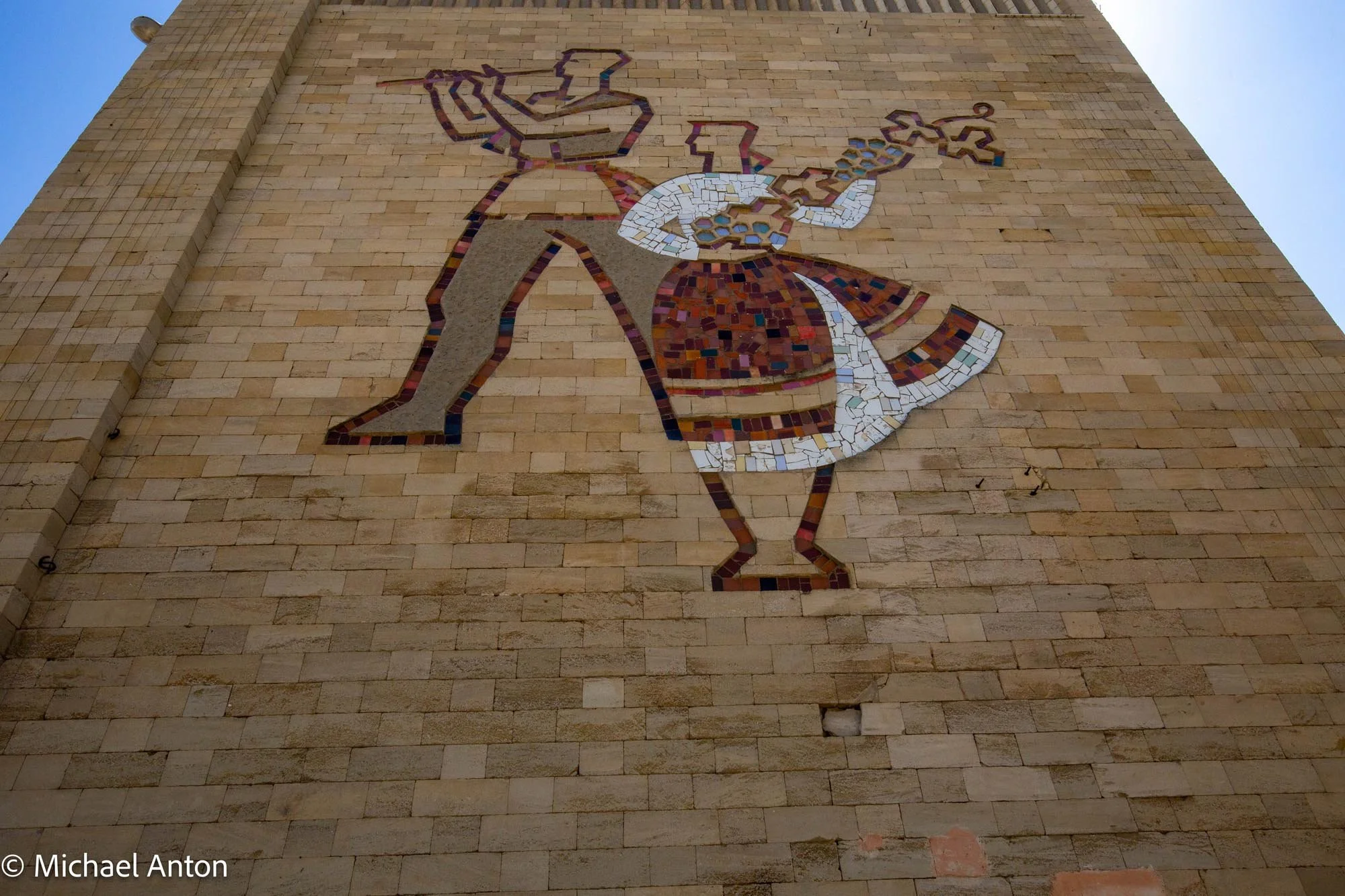
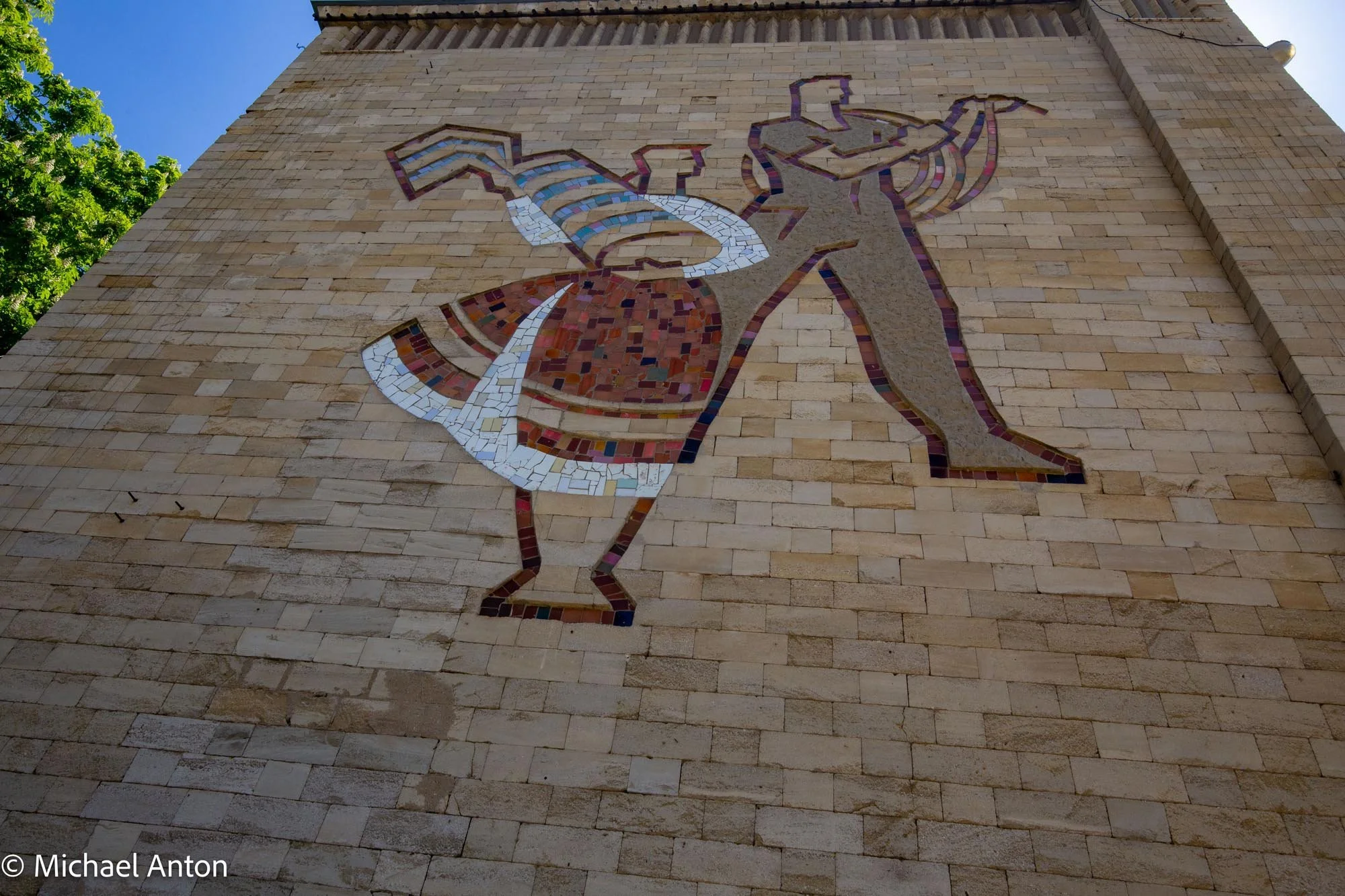
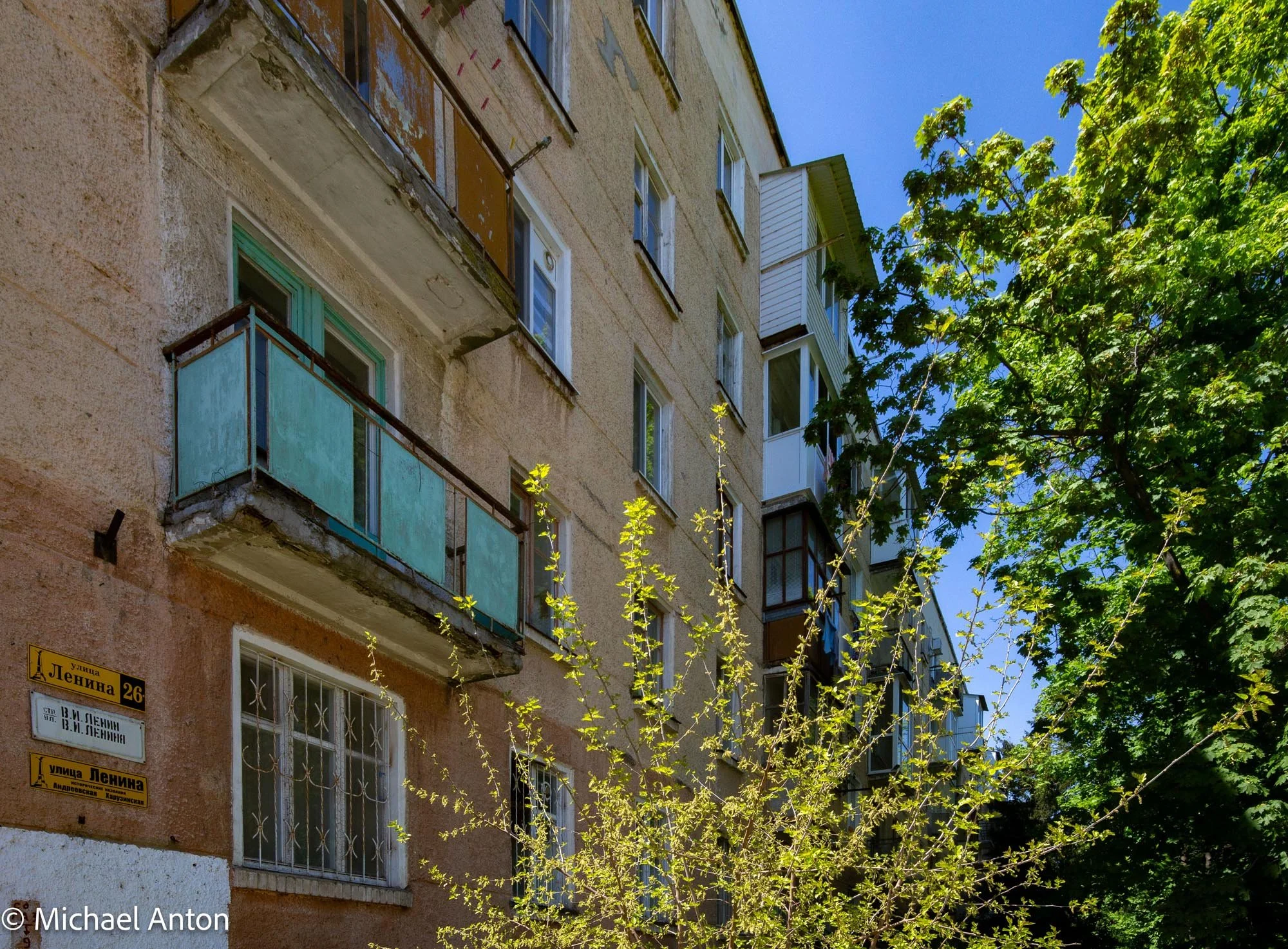
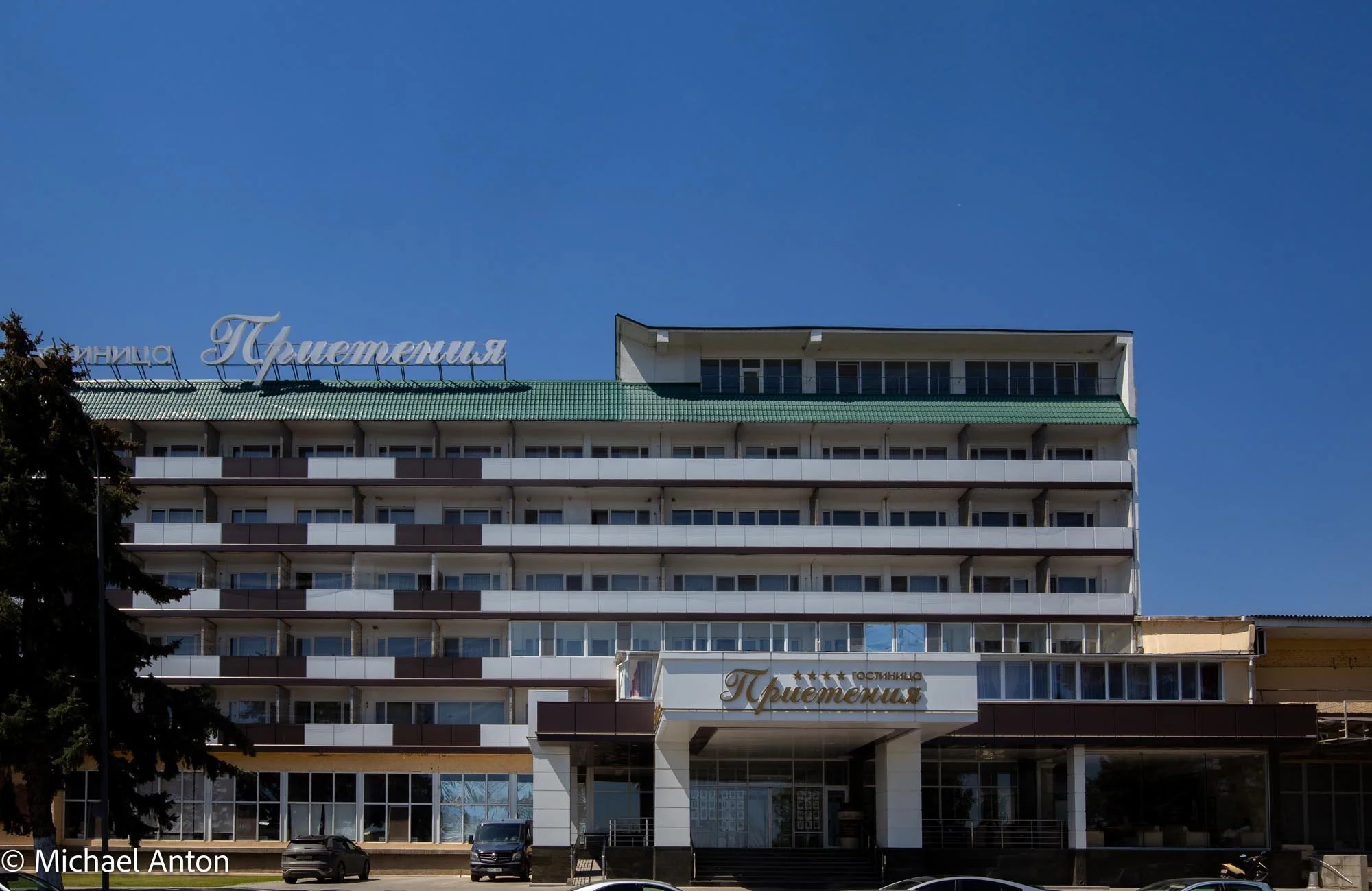
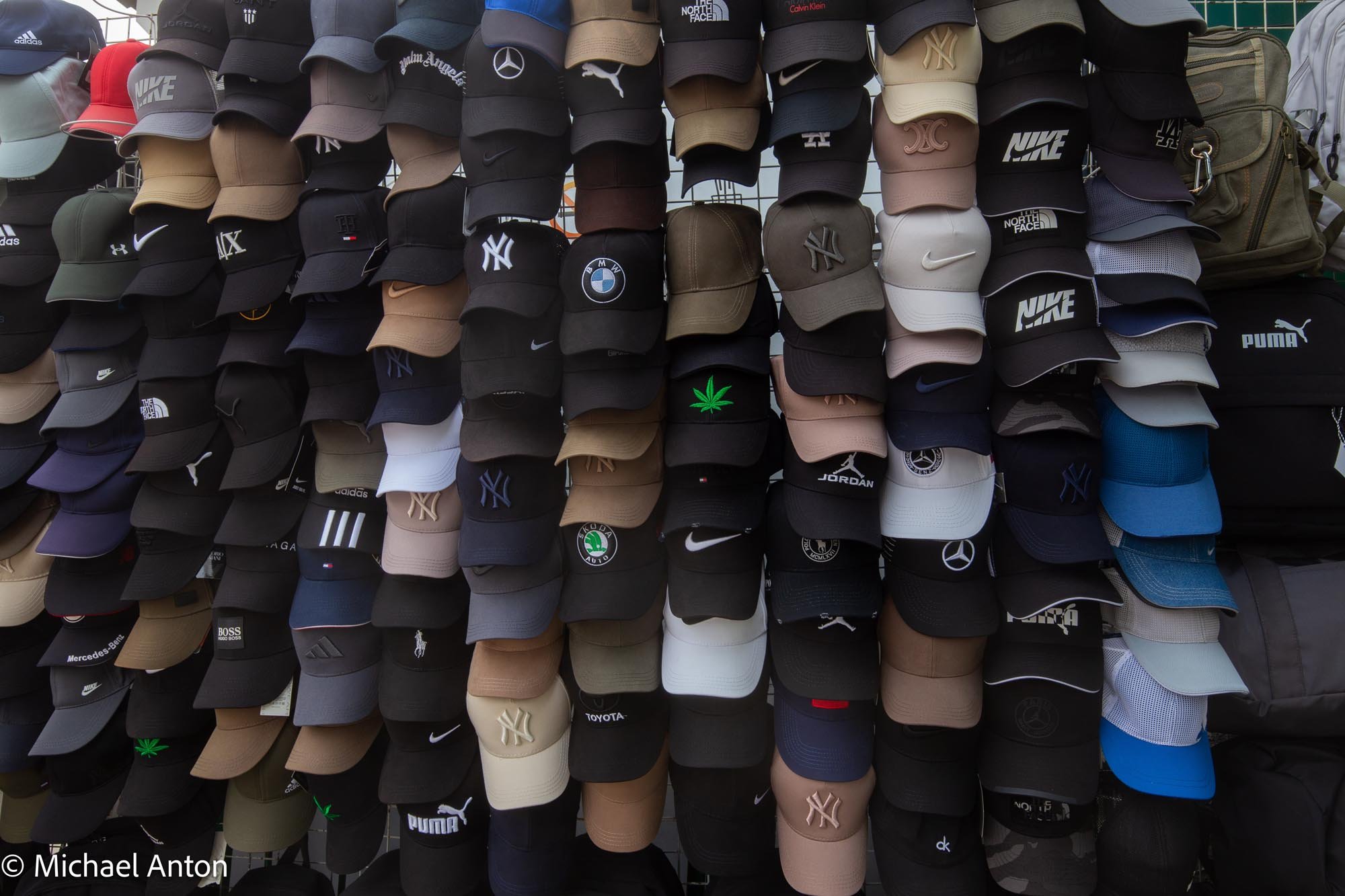
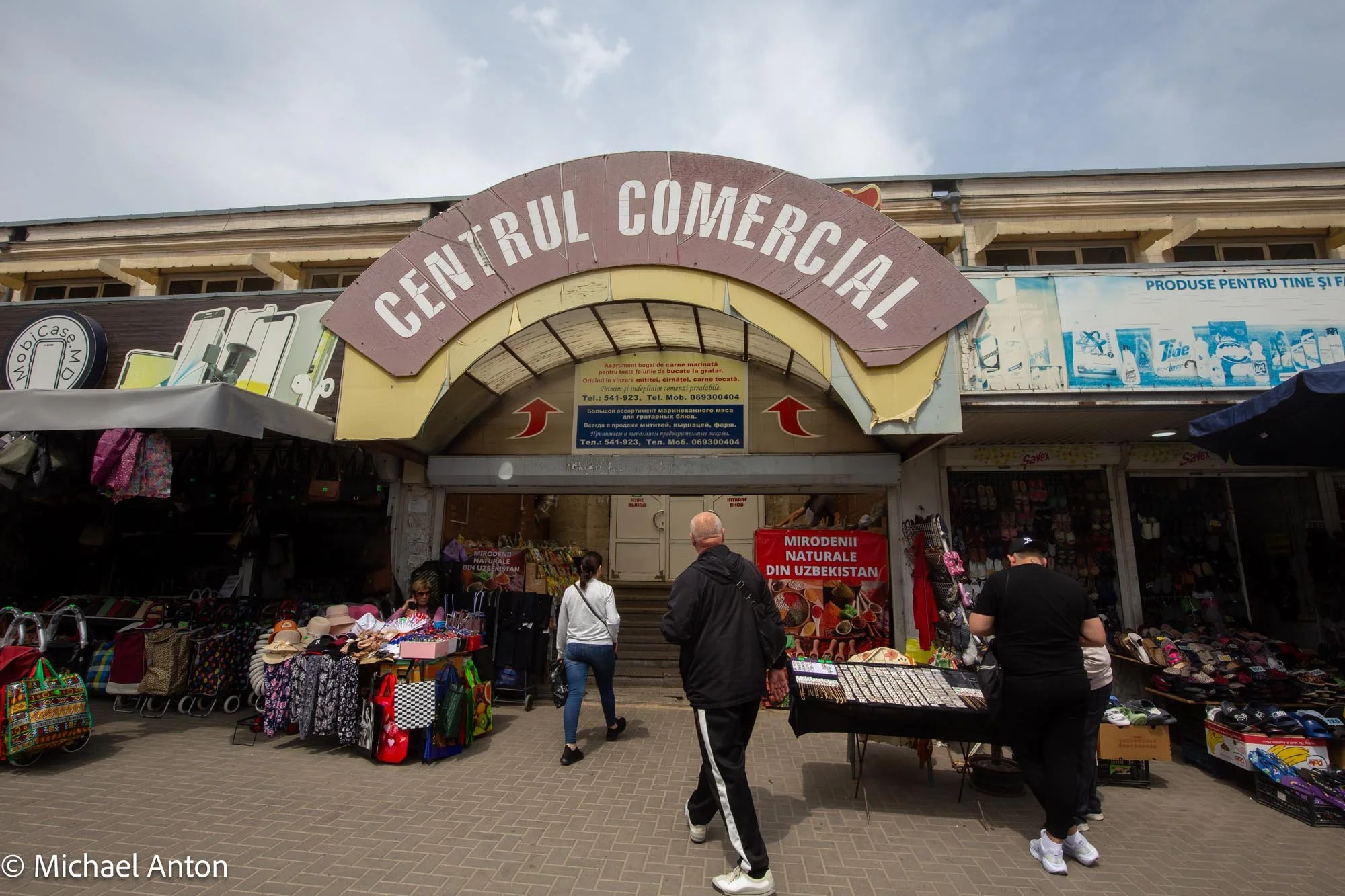
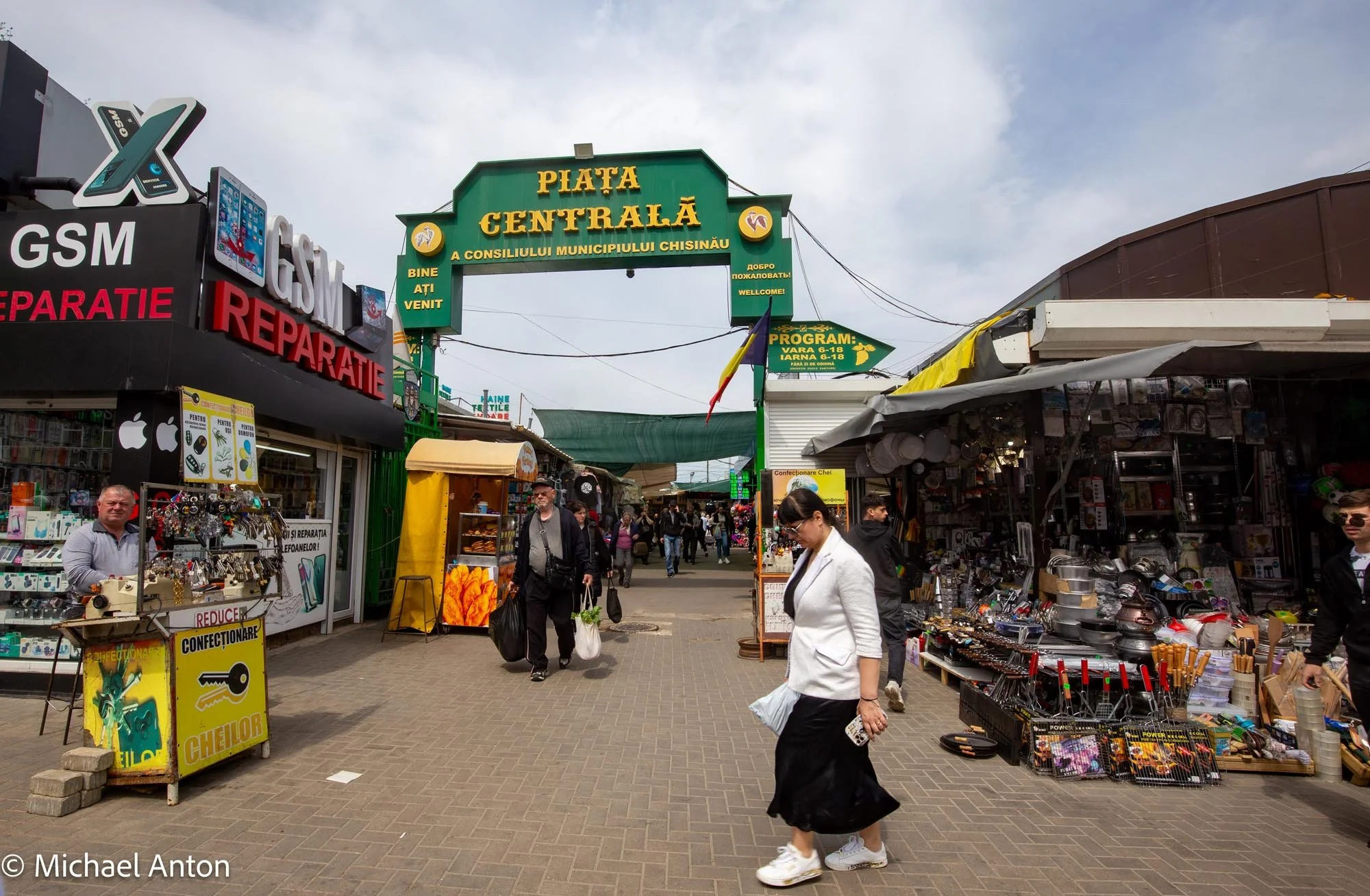
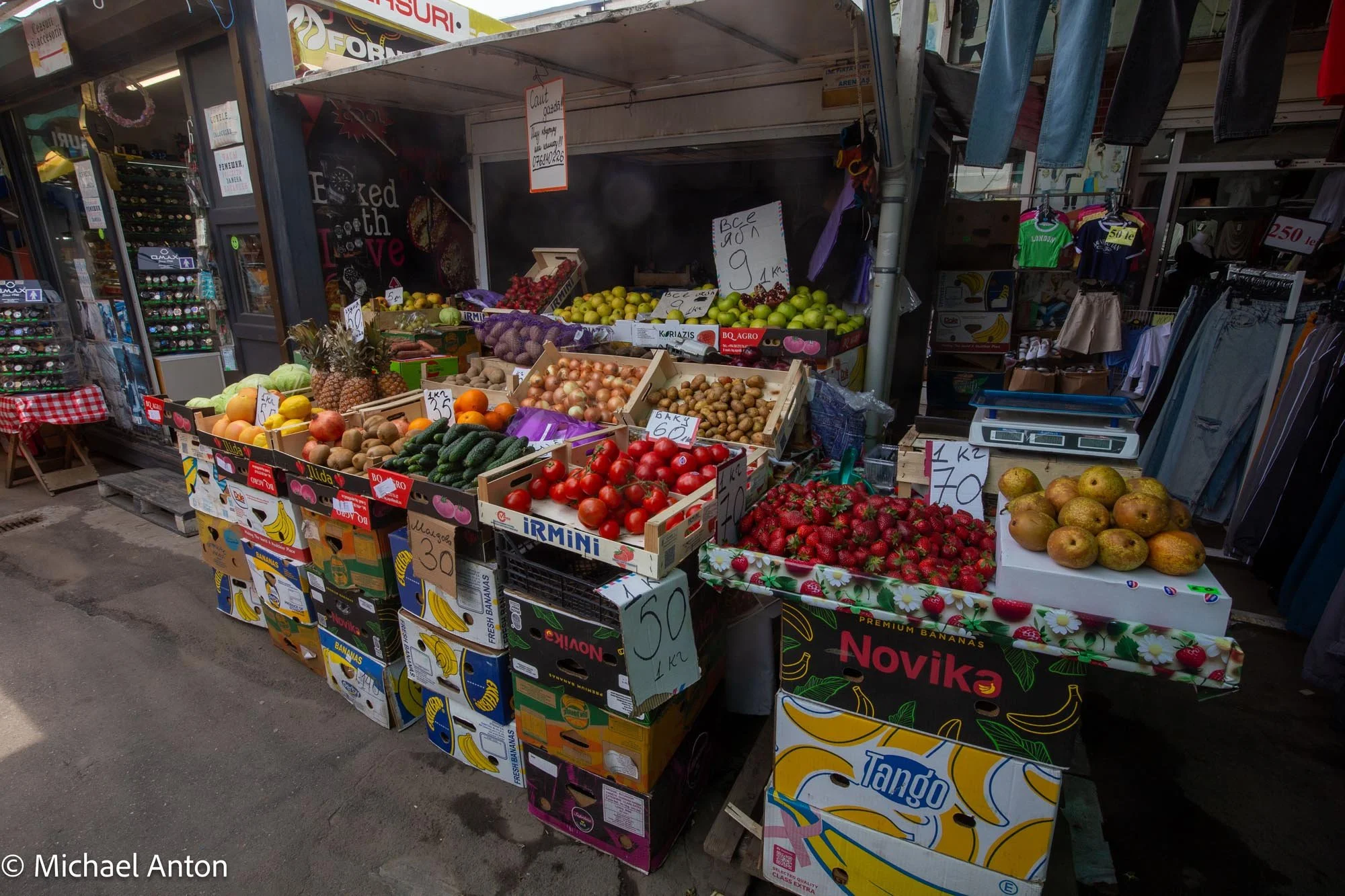
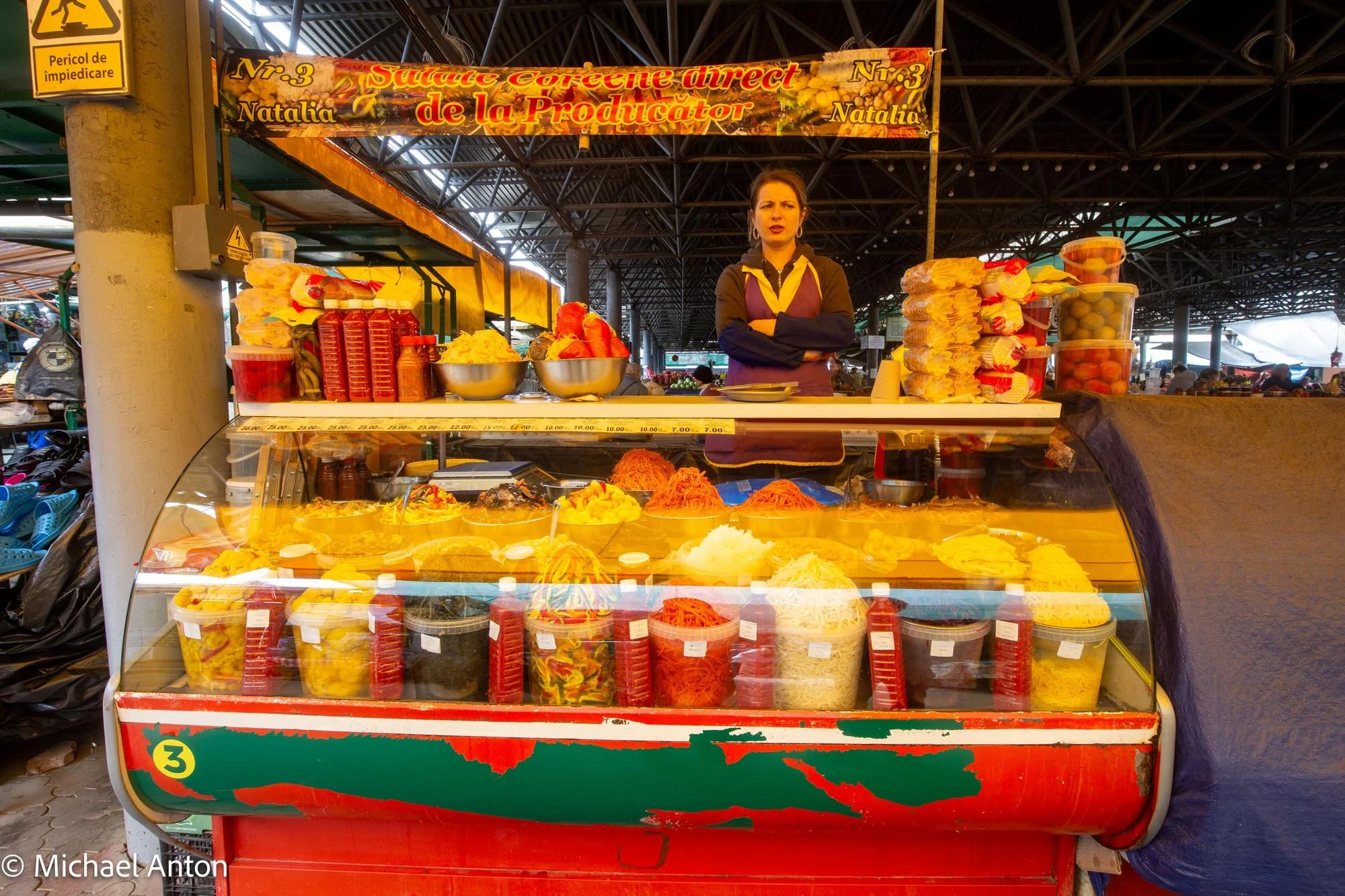
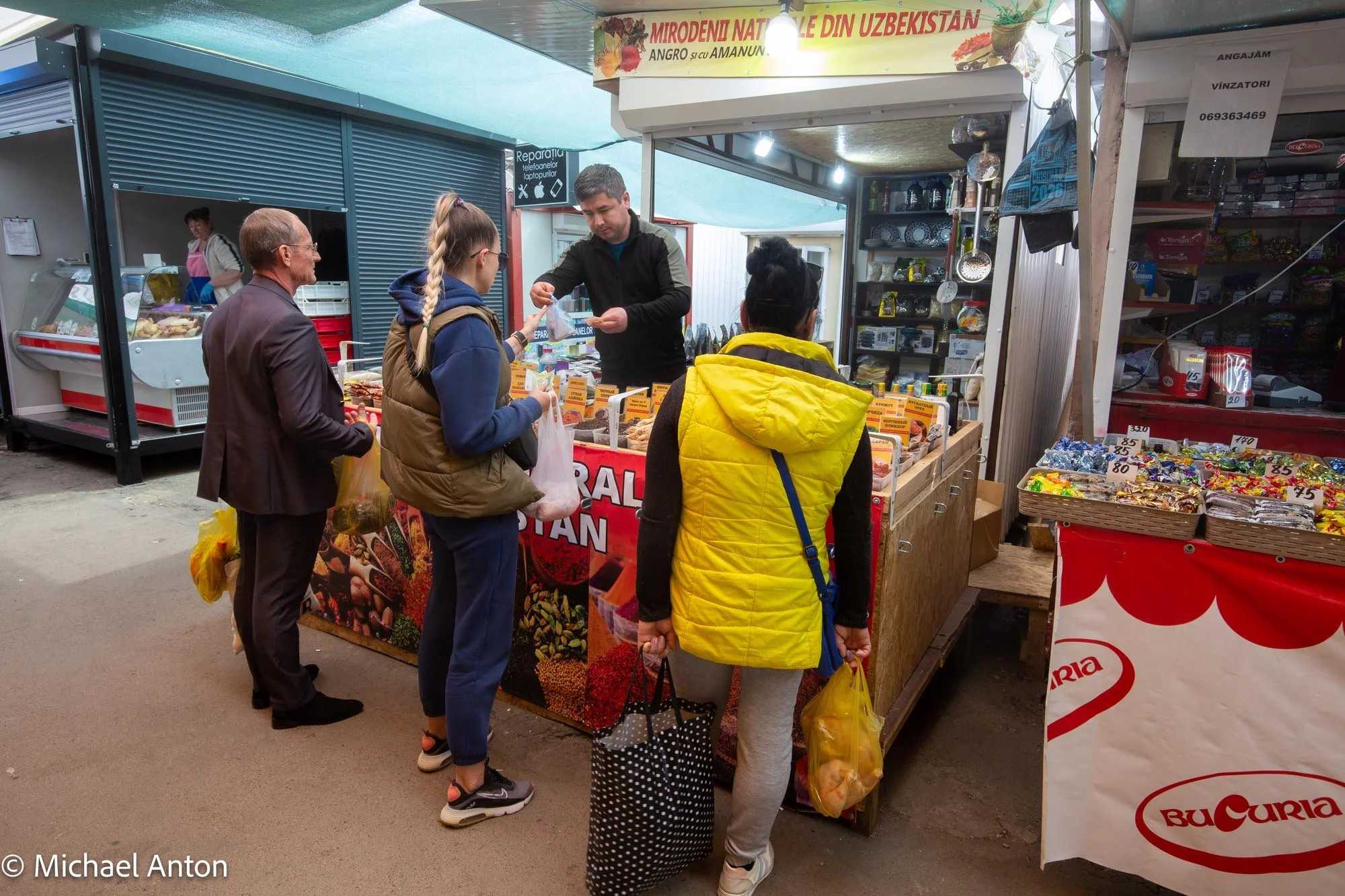
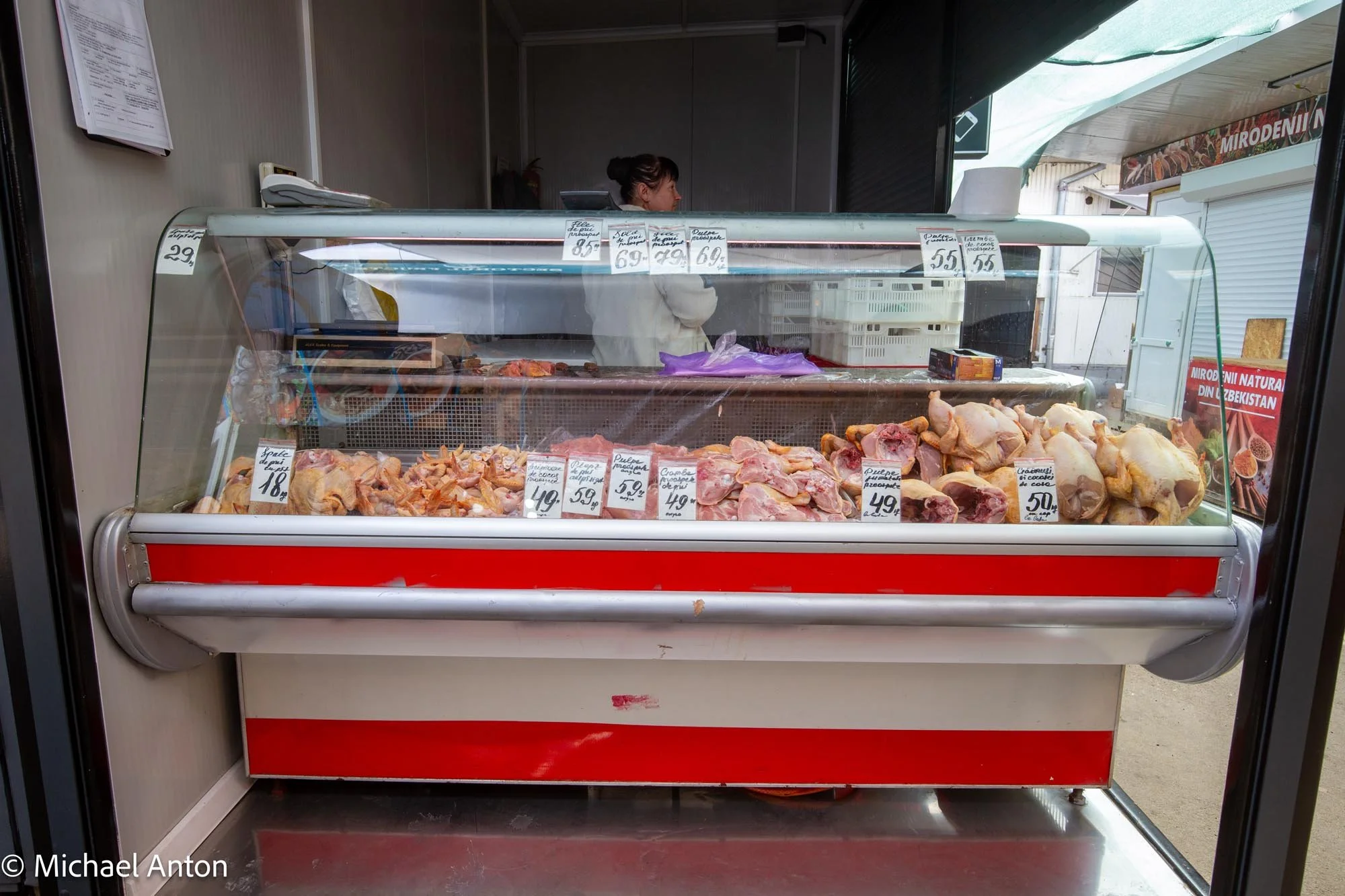
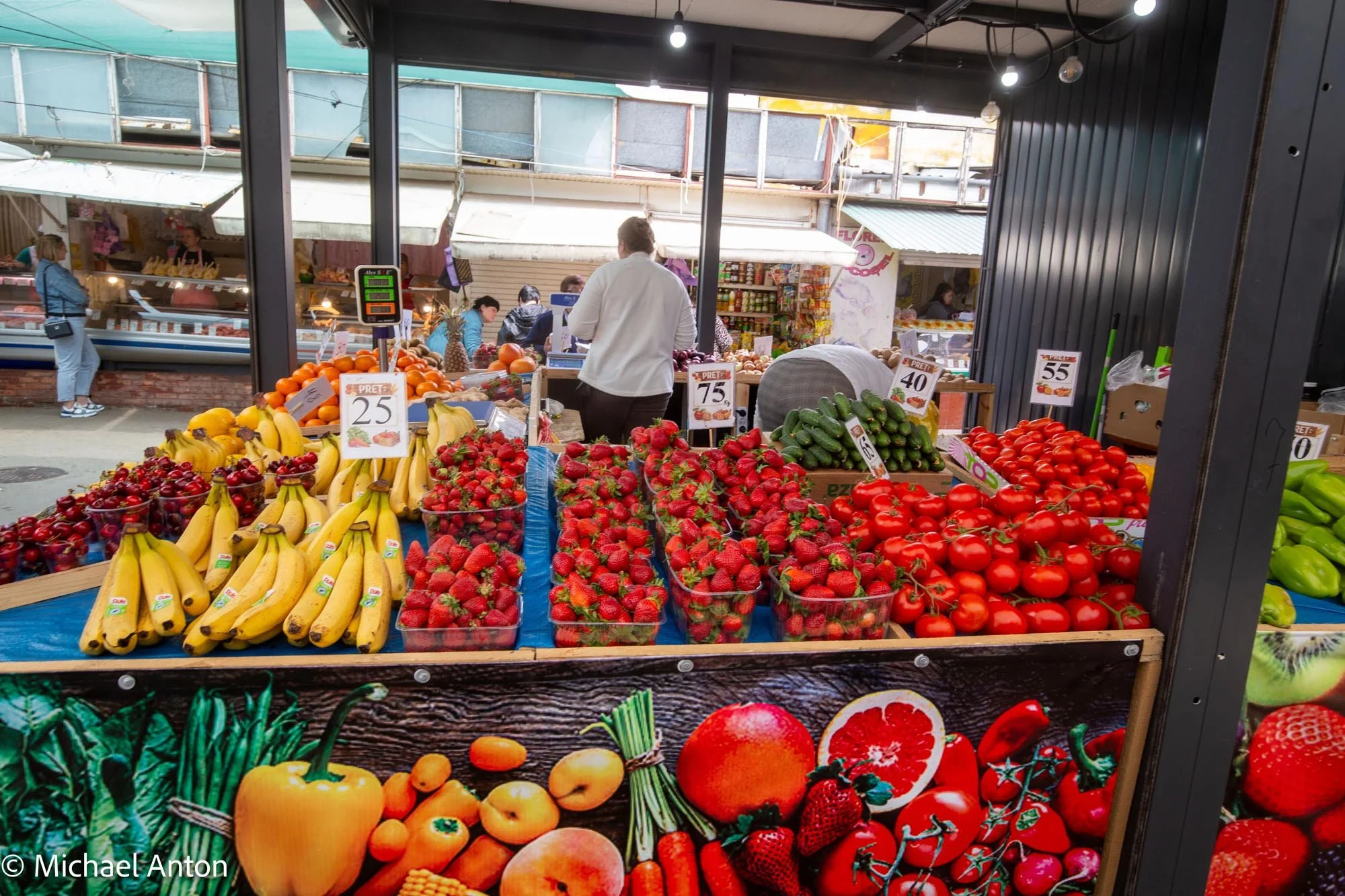
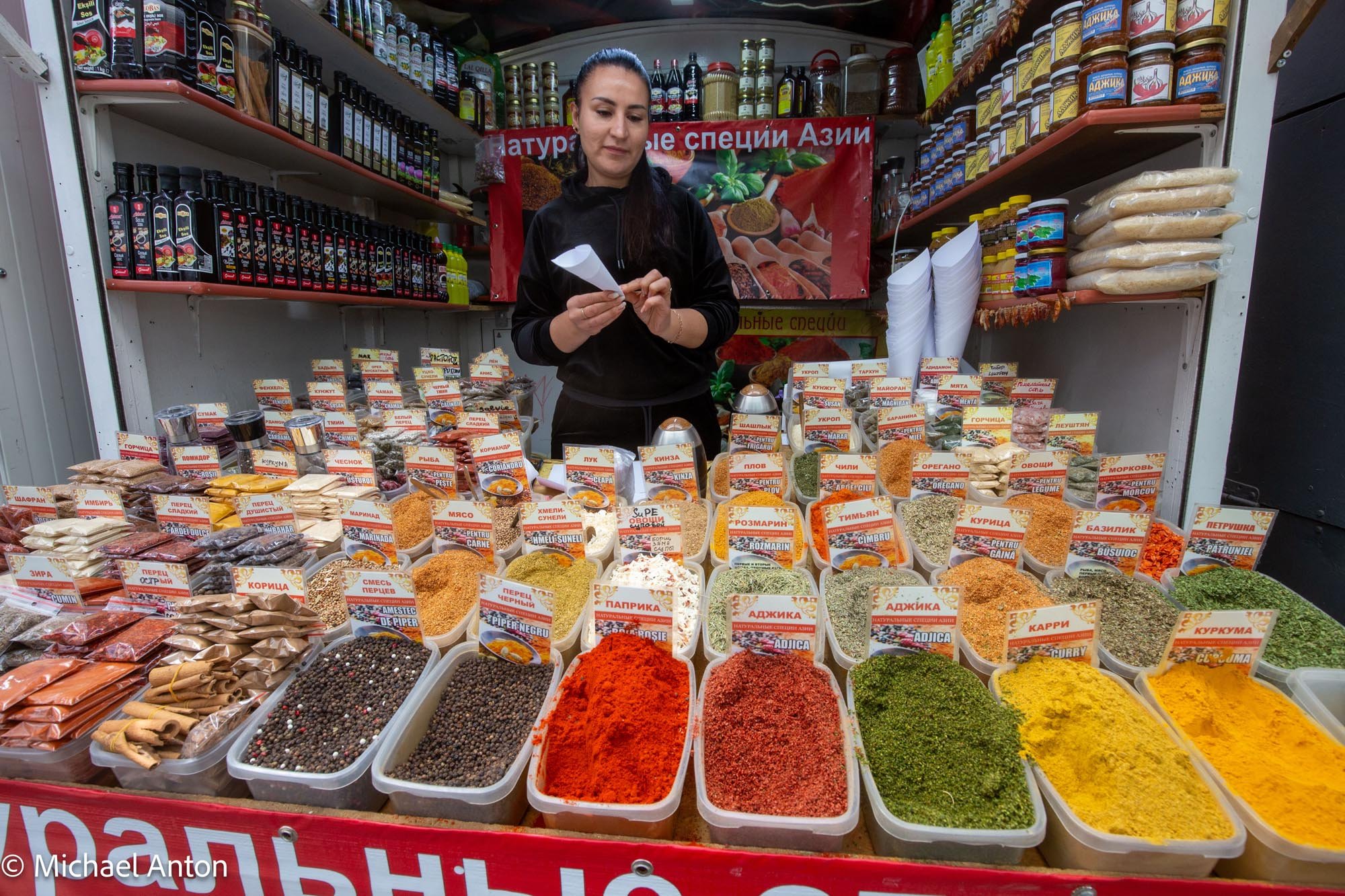
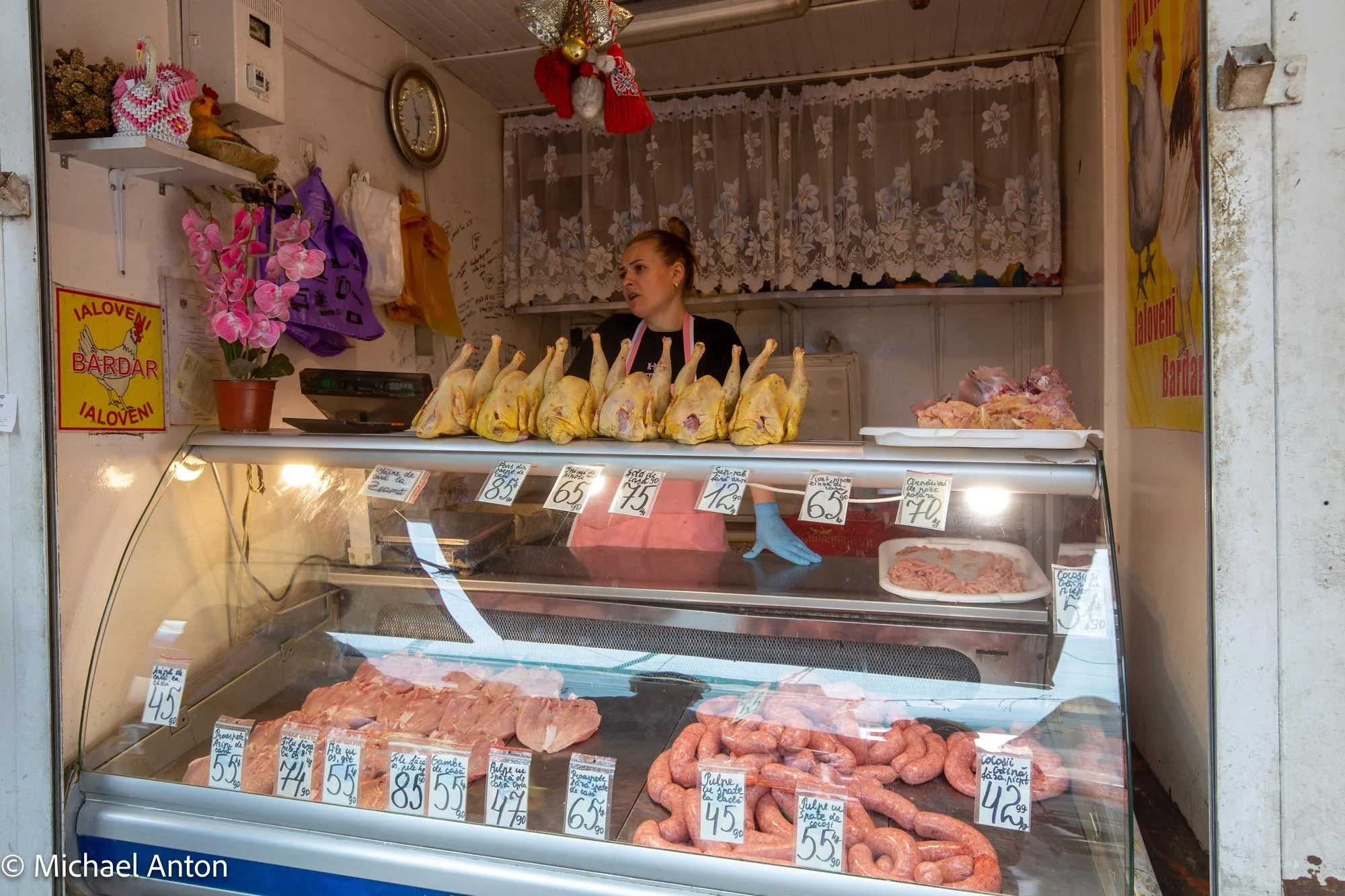
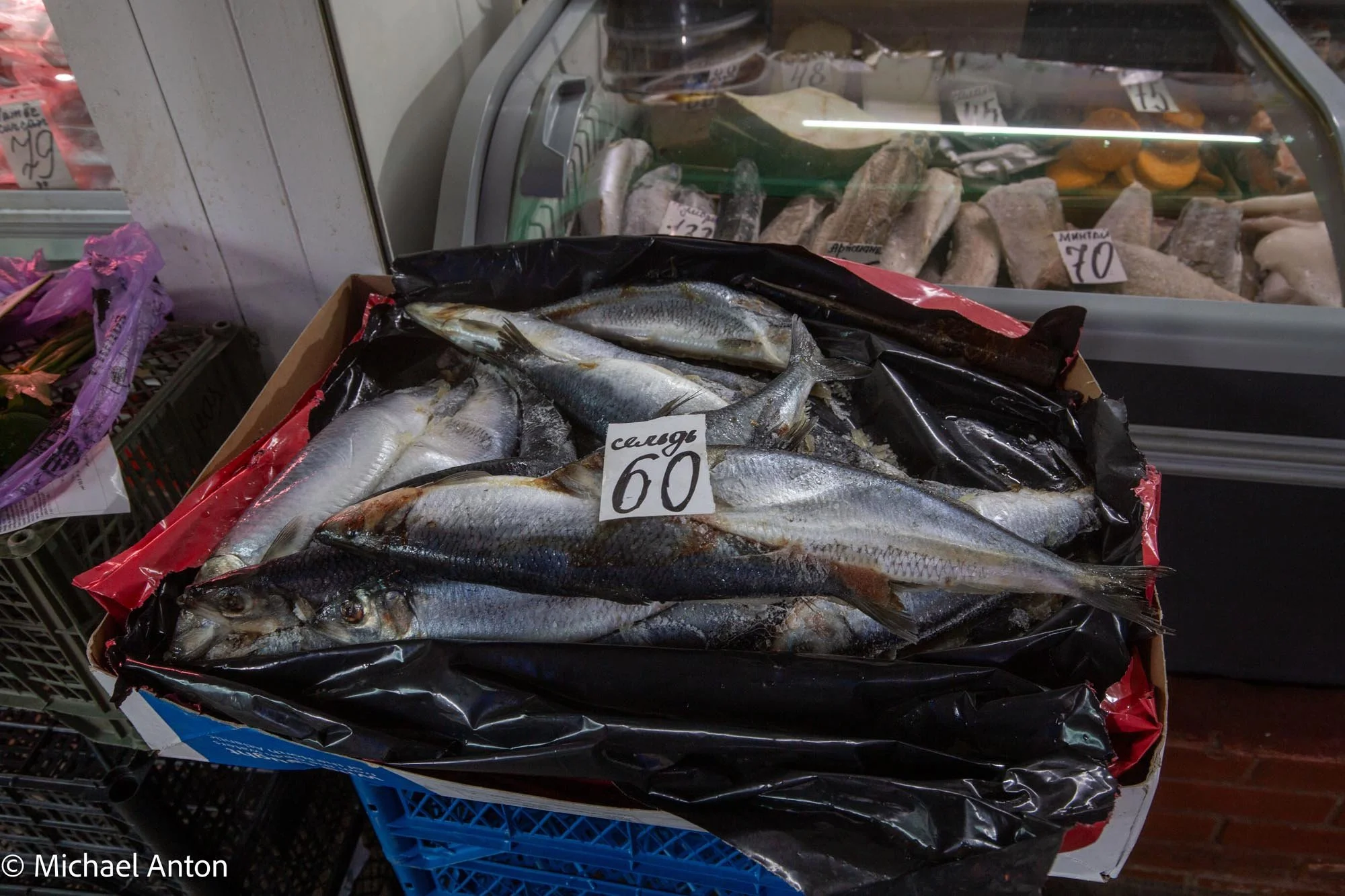
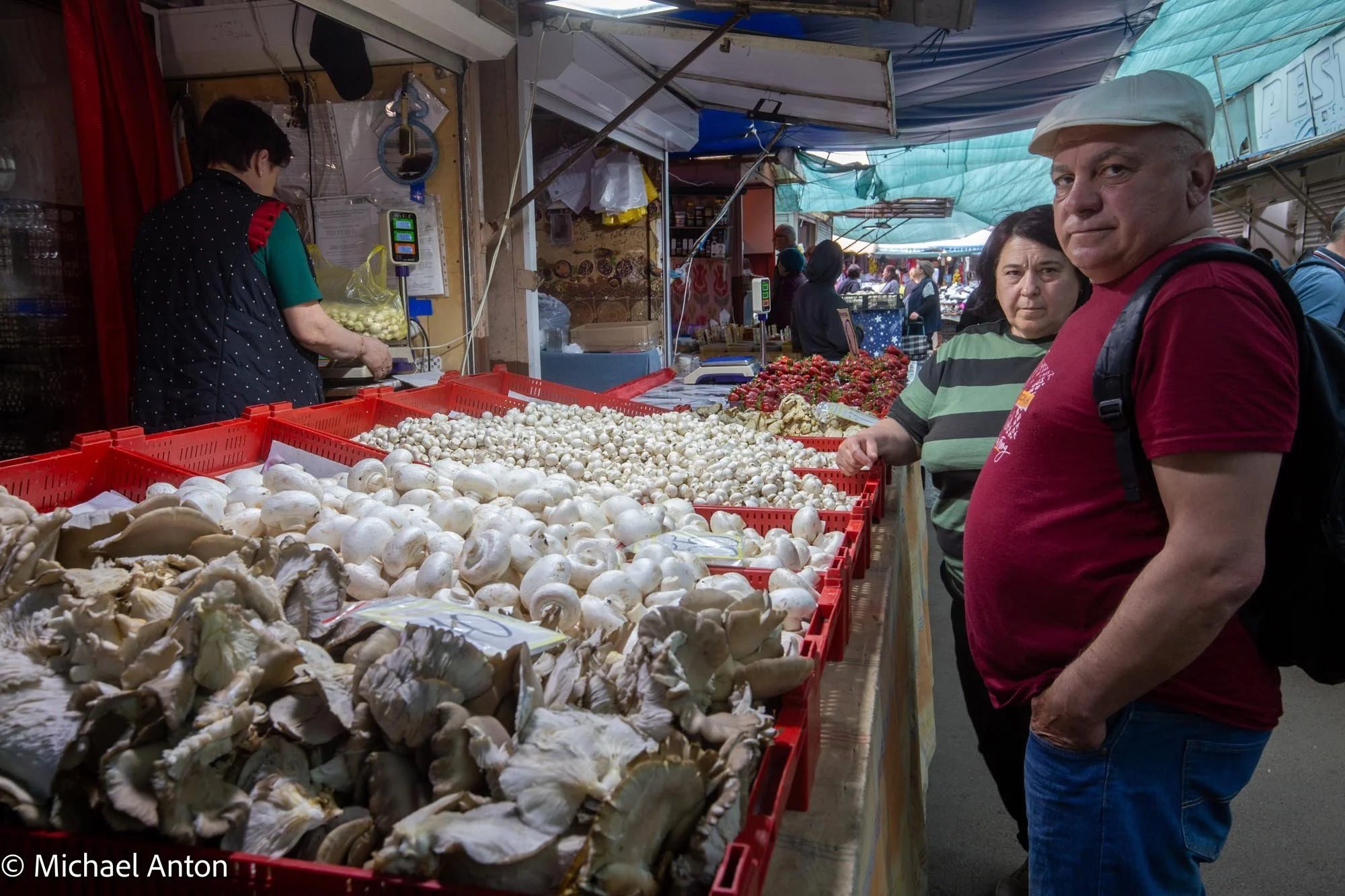
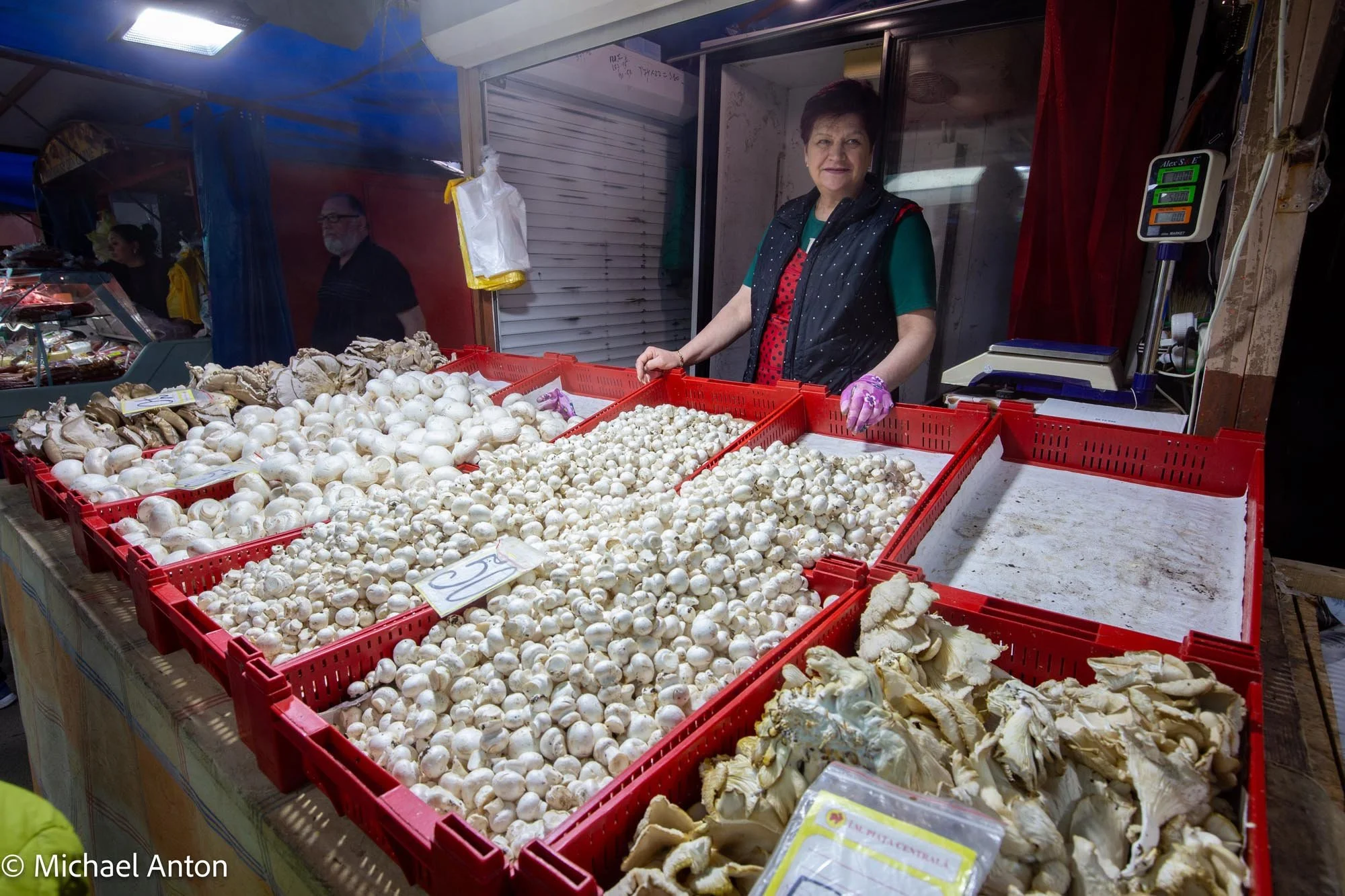
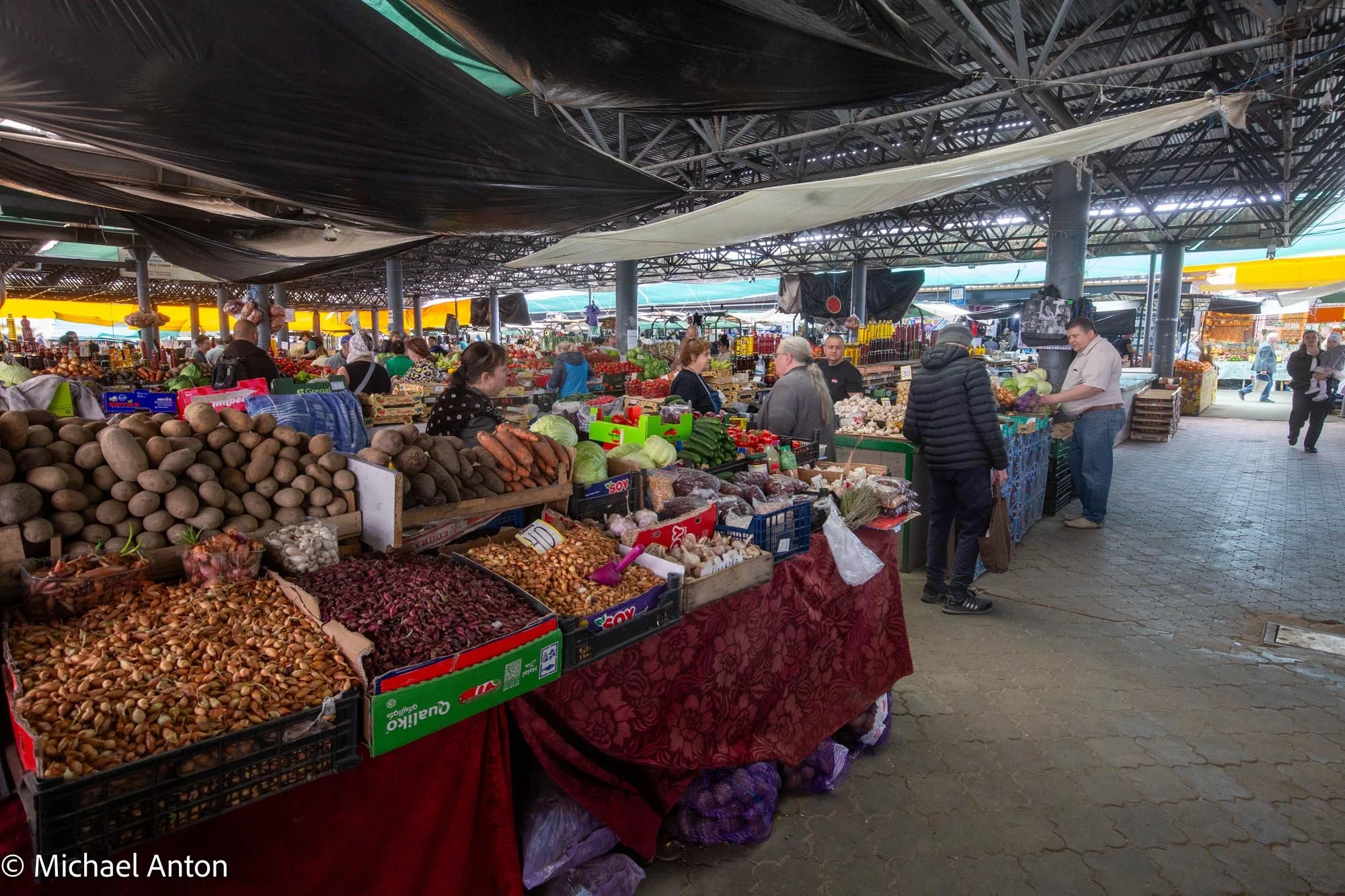
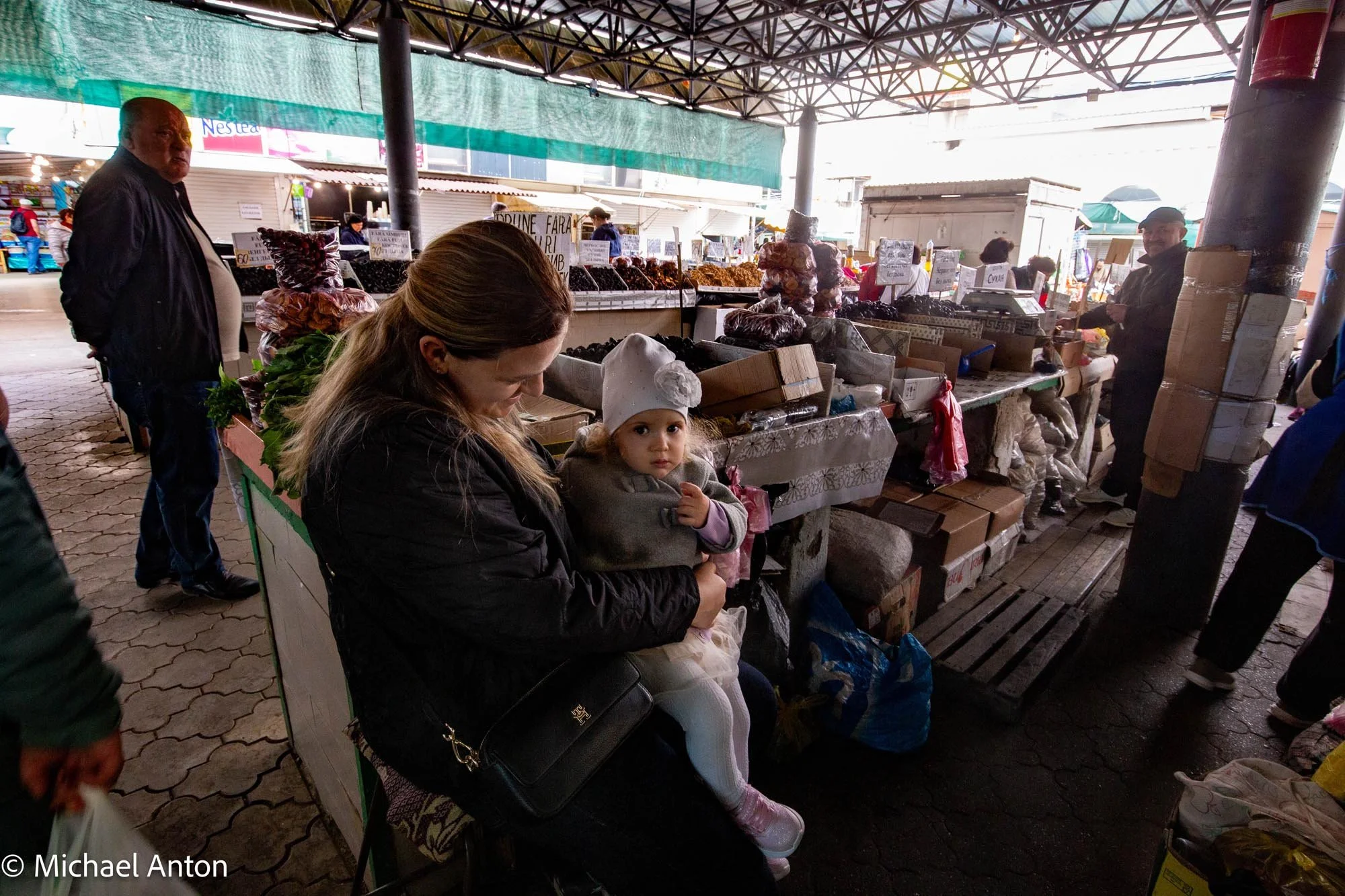
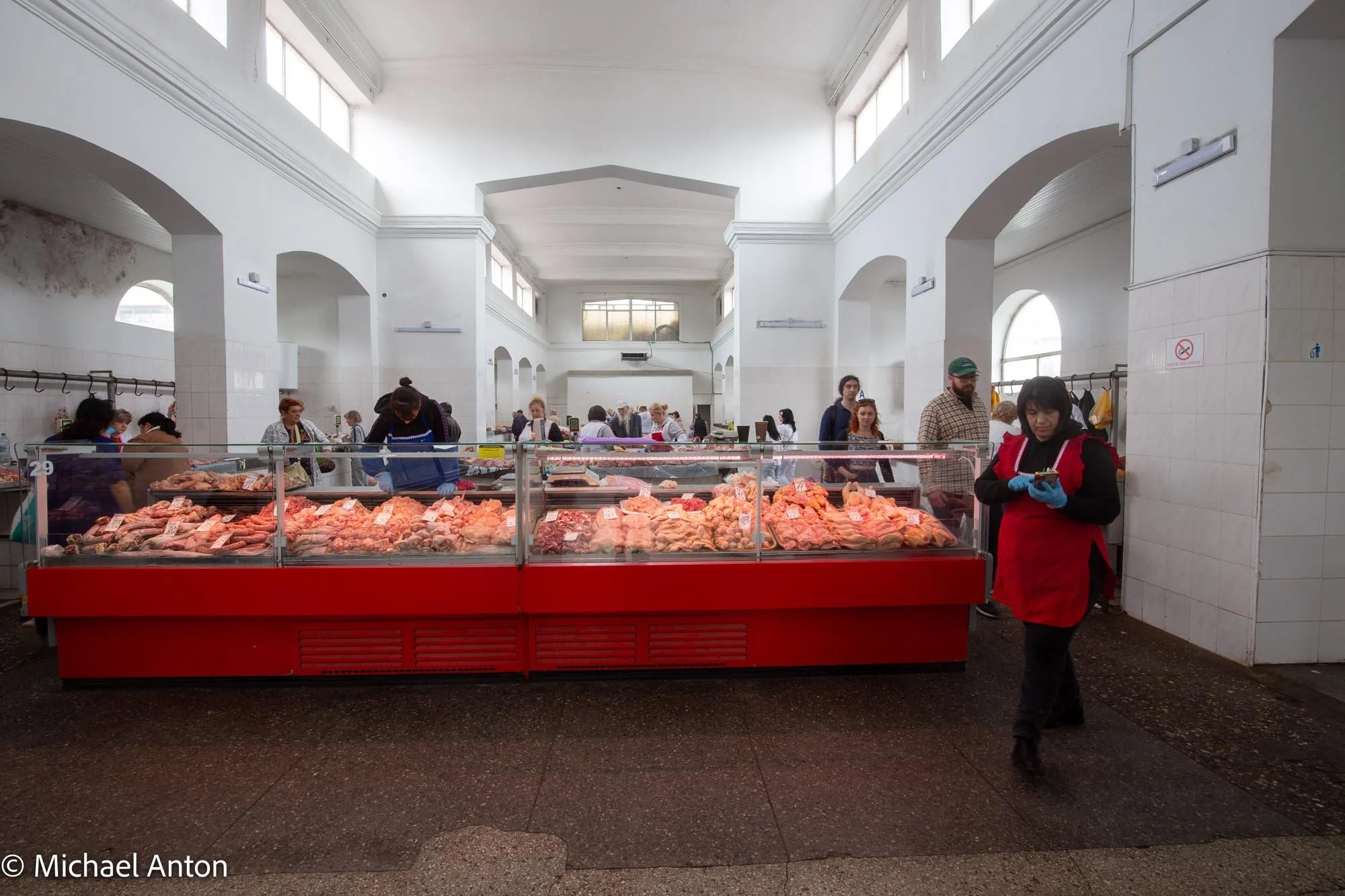
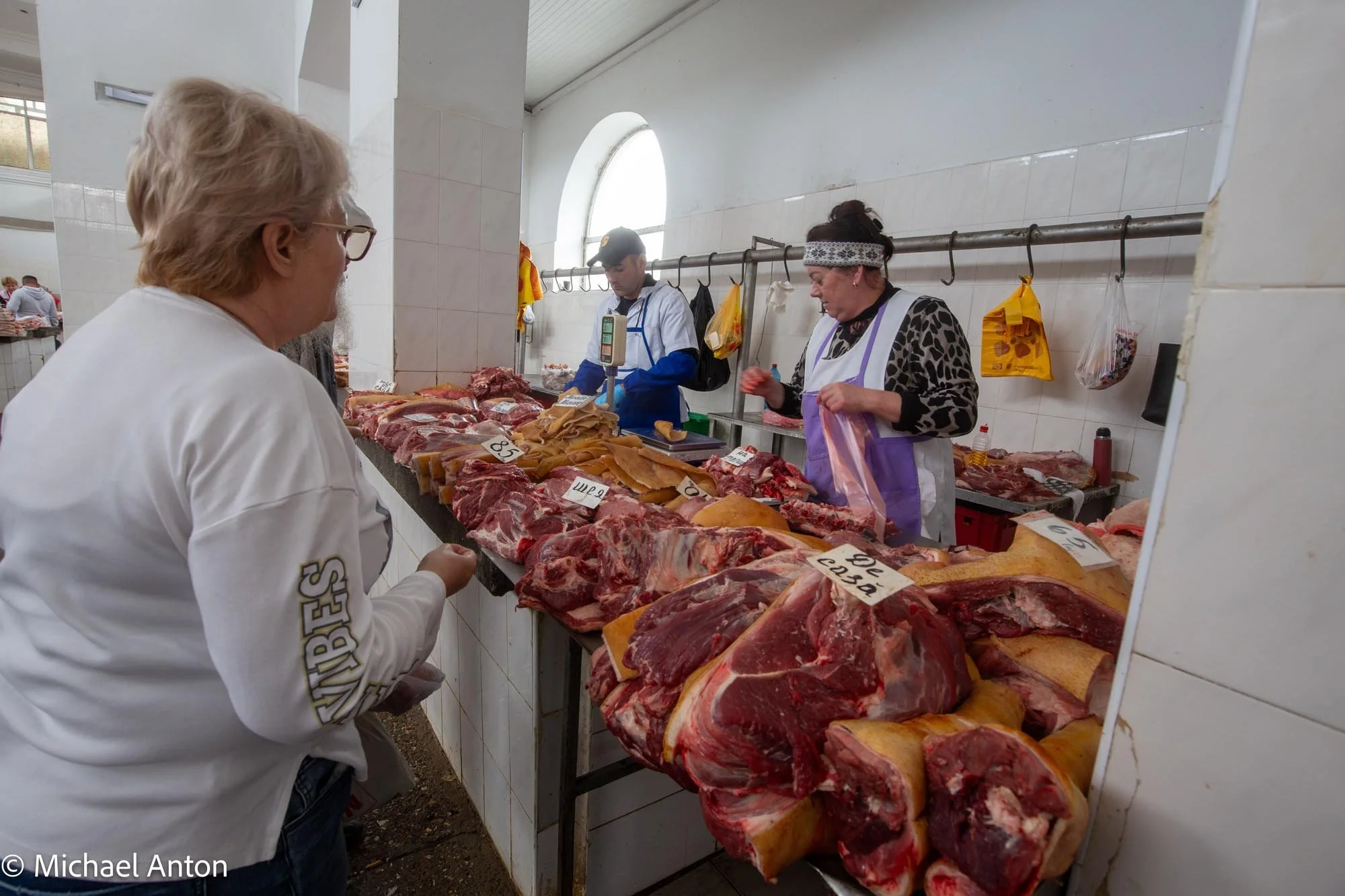
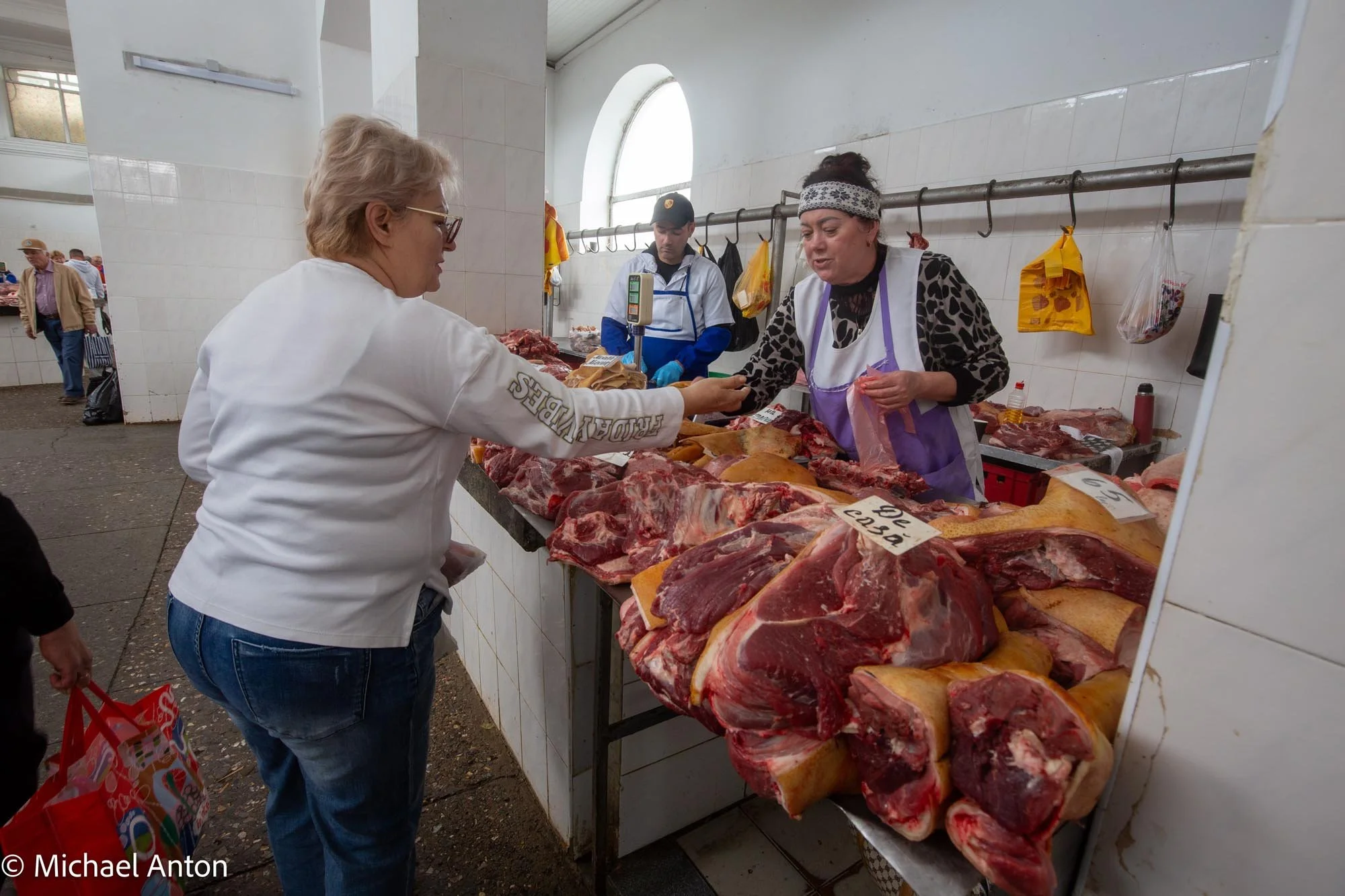
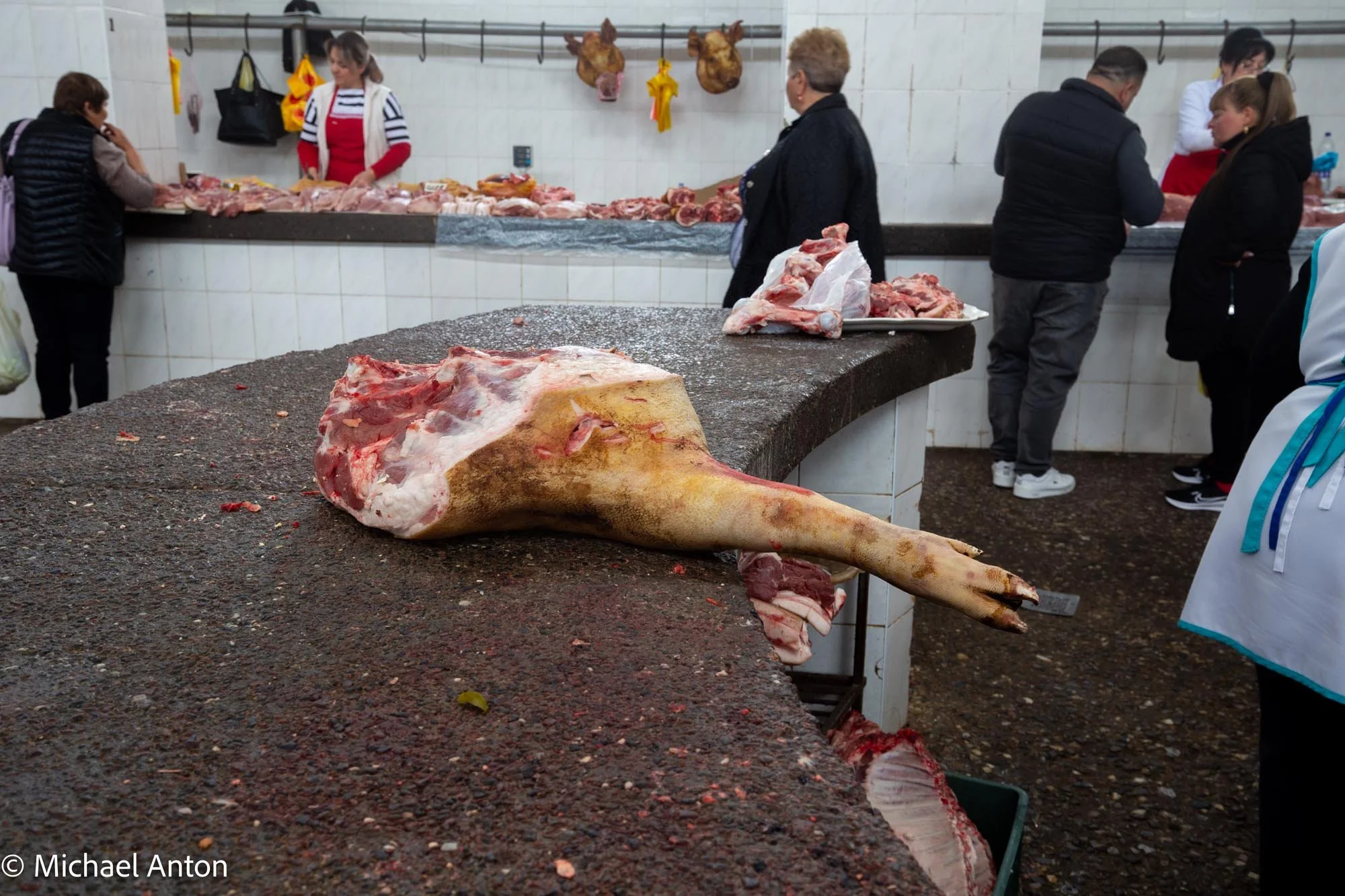
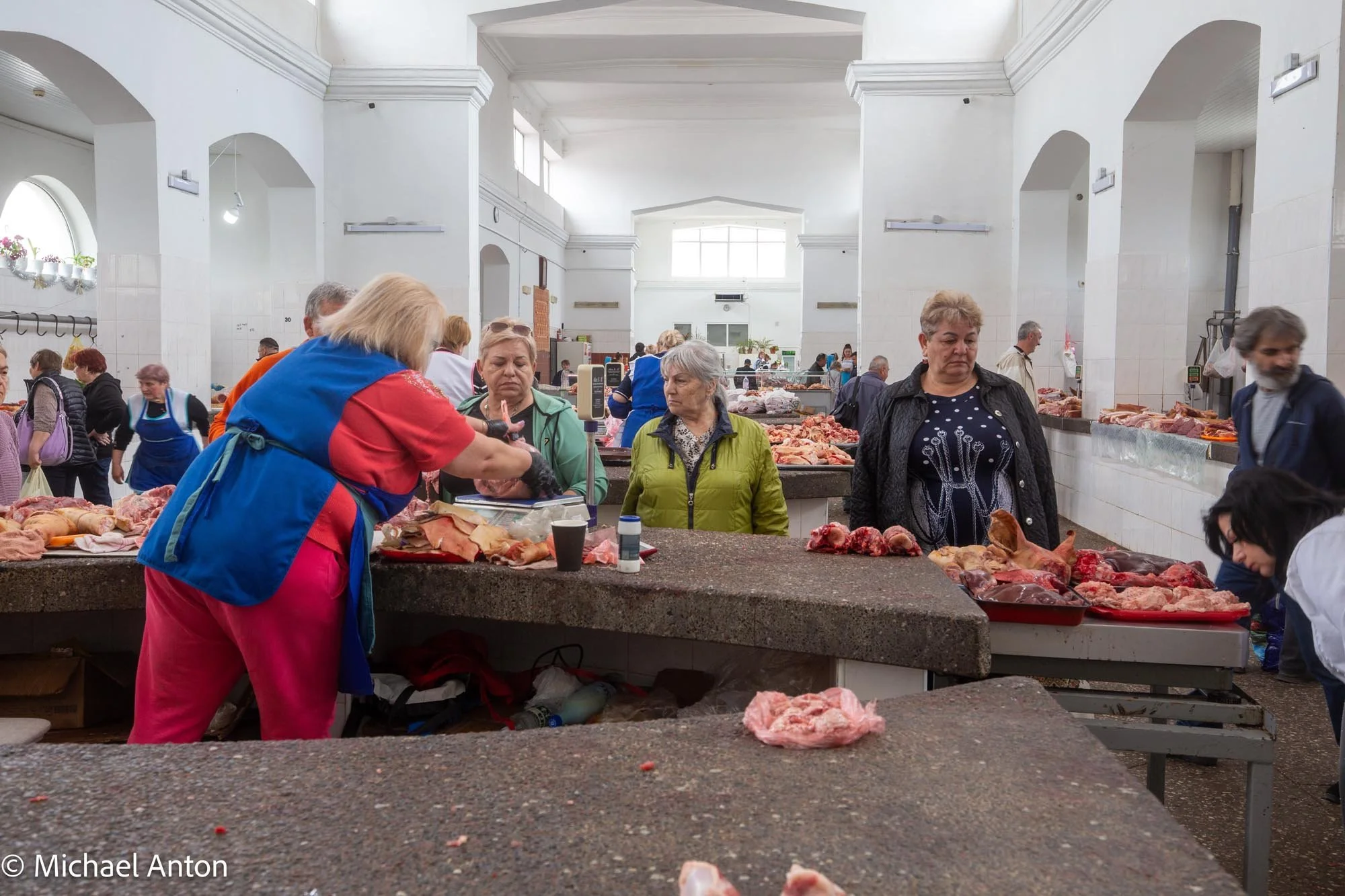
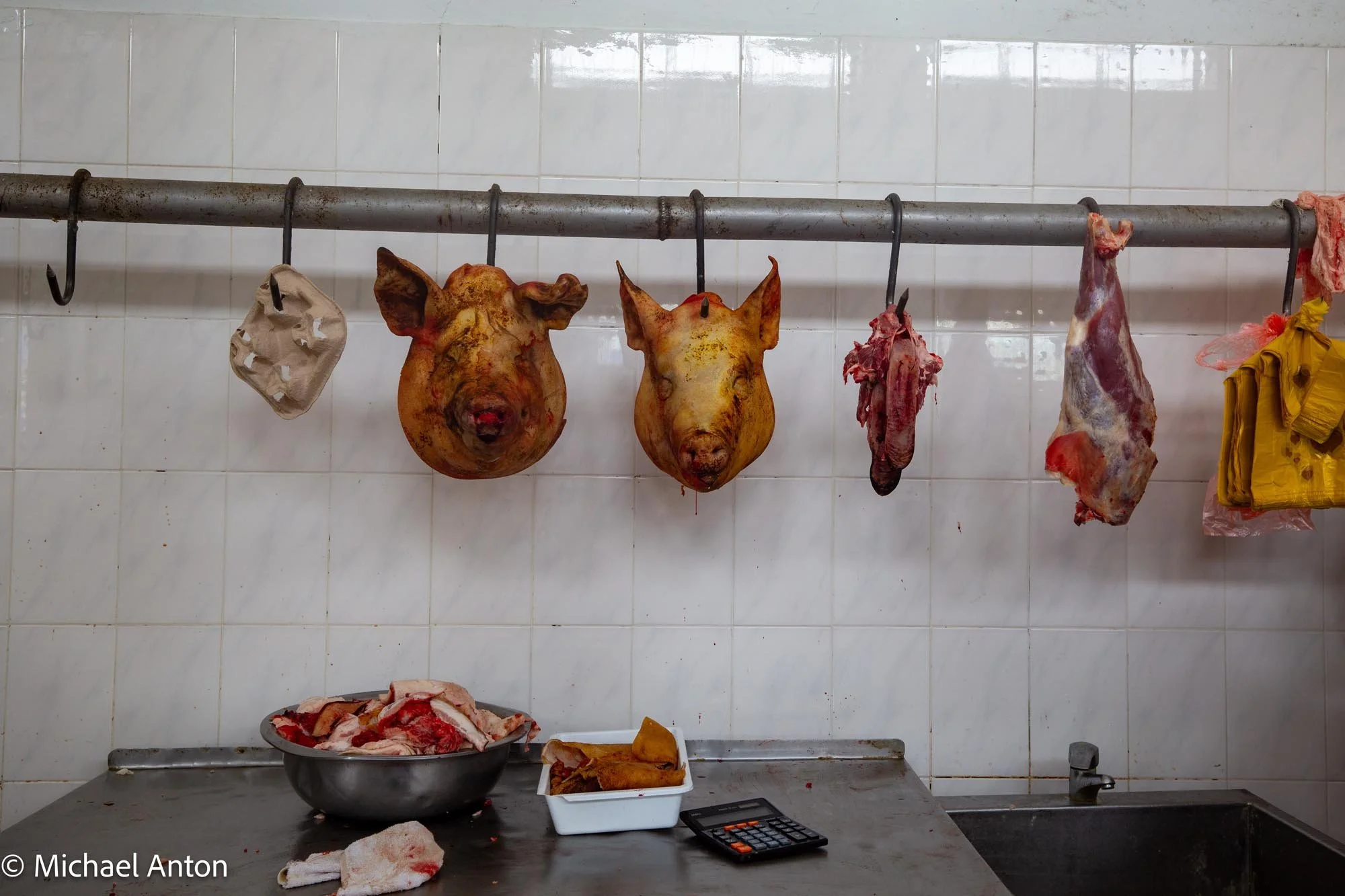
Markets
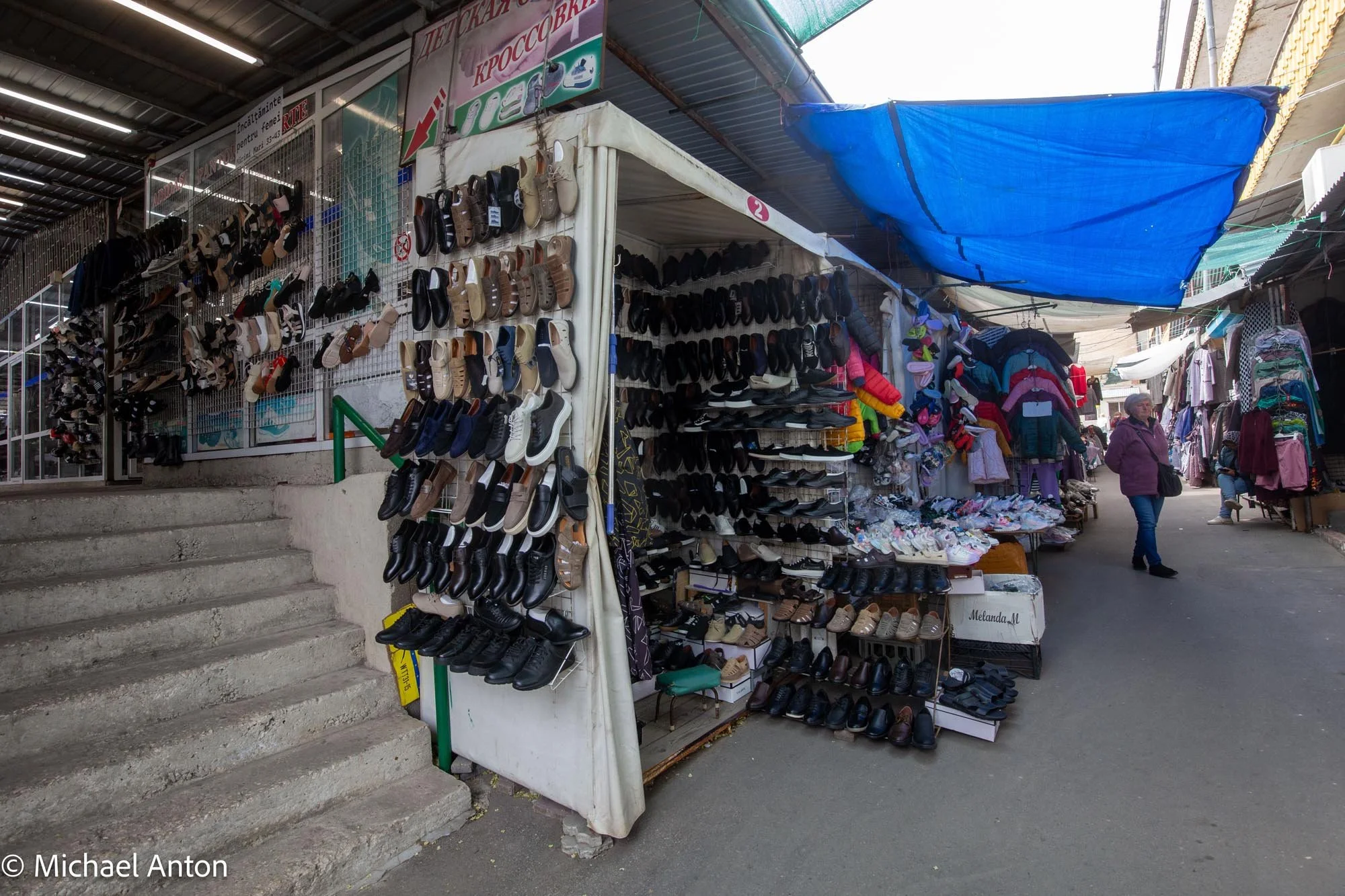
I love visiting markets when I travel. They always make me wish my hotels would let me cook.
For reasons I cannot articulate I think that a country’s essence is revealed in its markets.
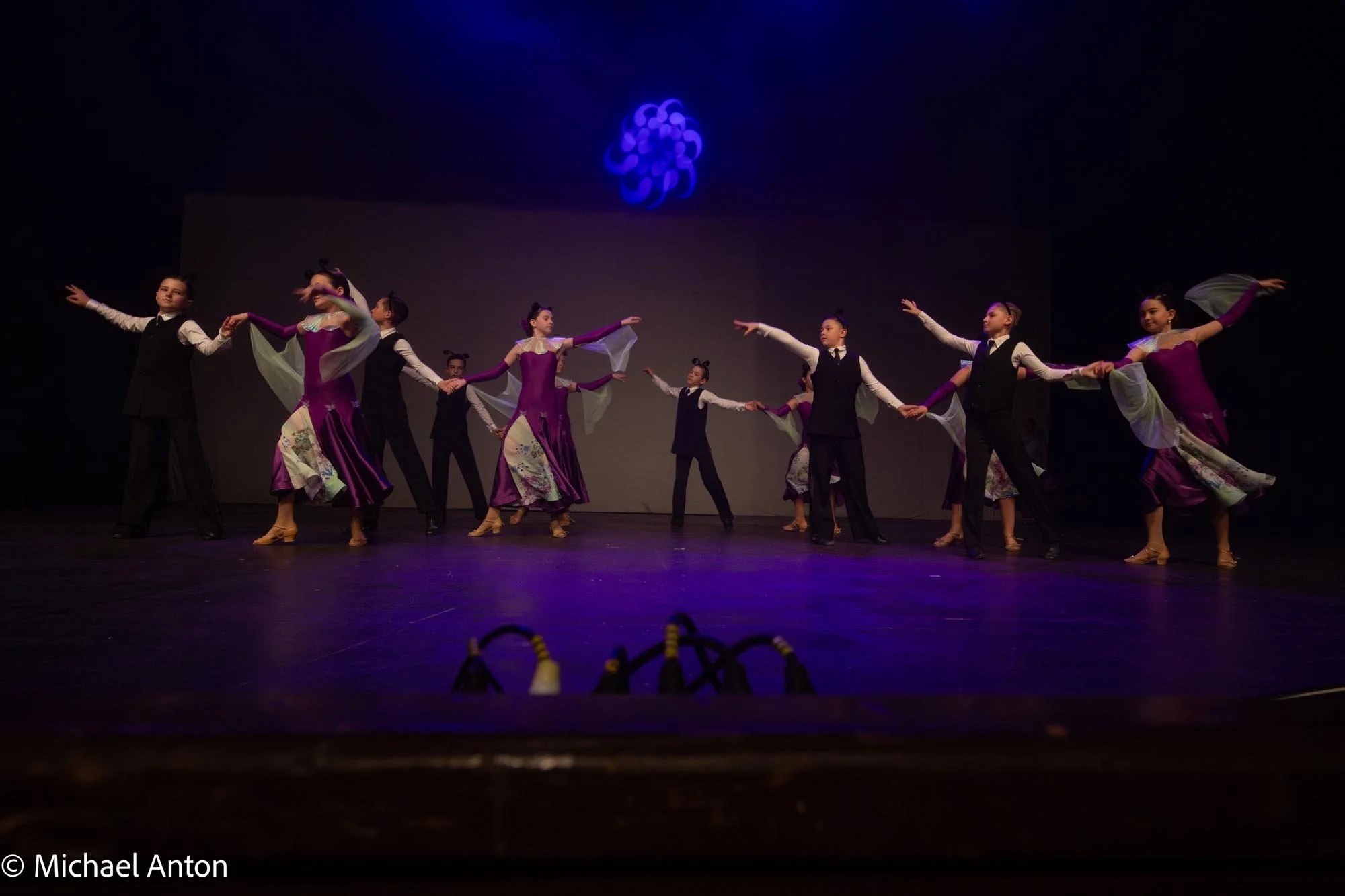
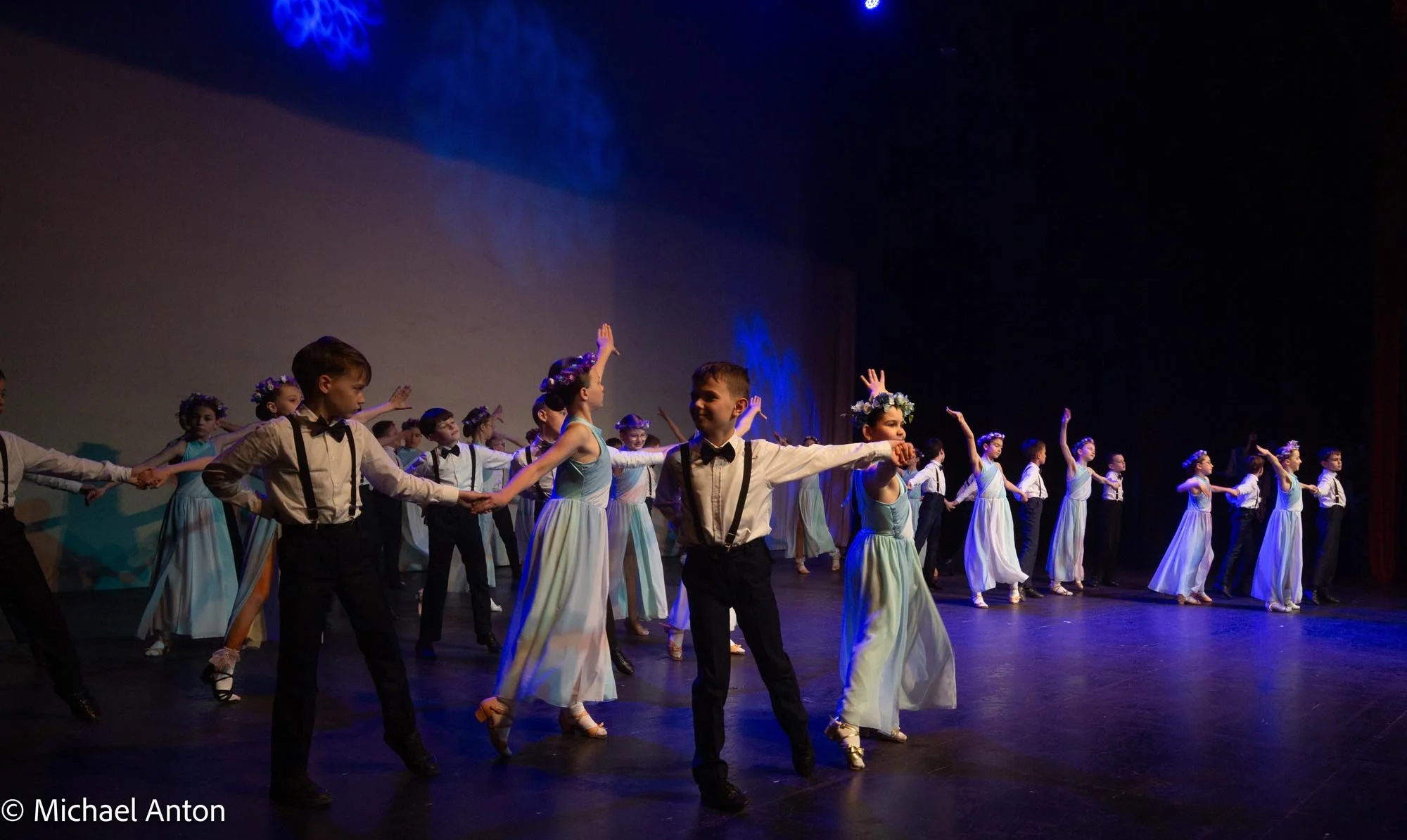
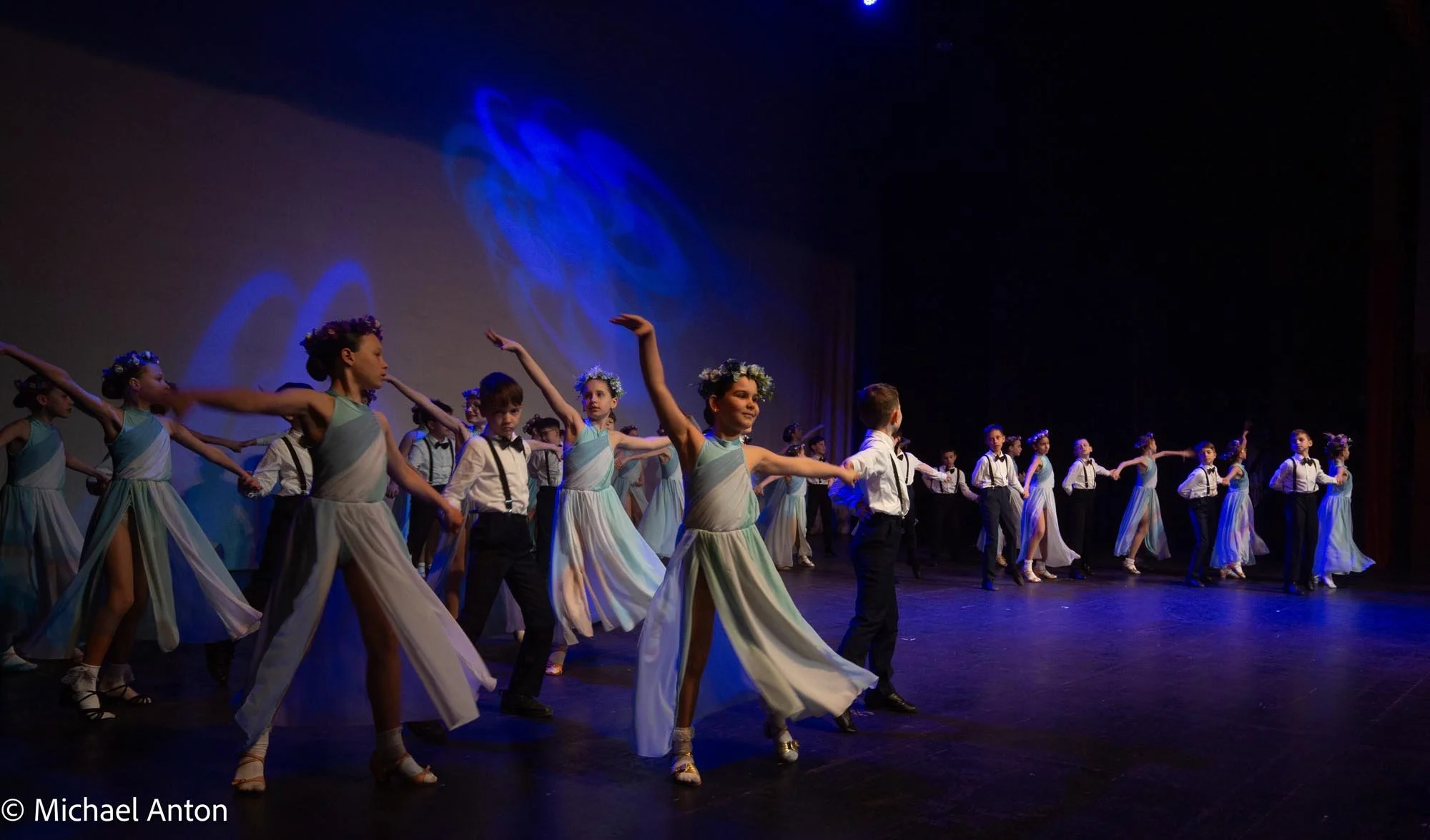
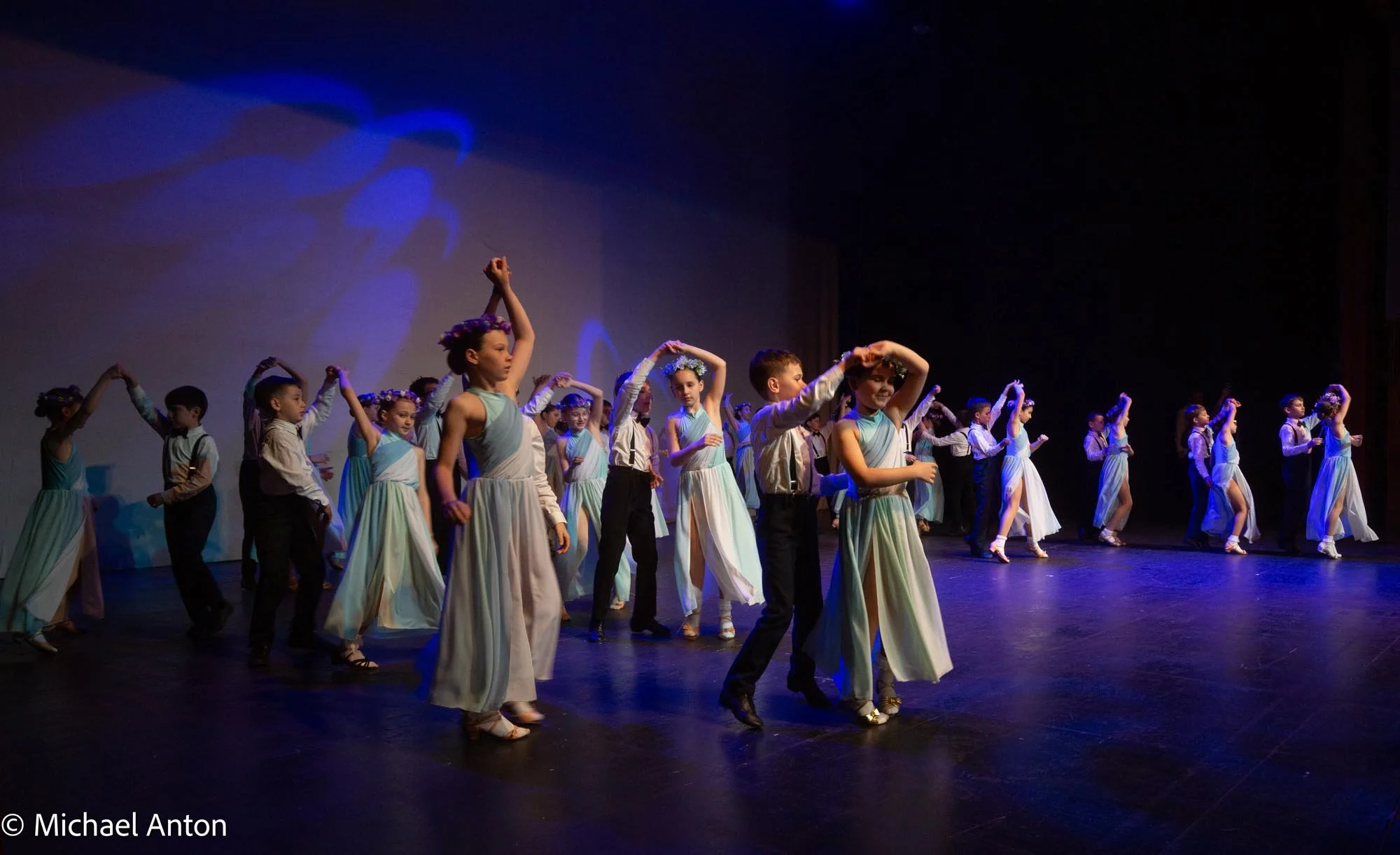
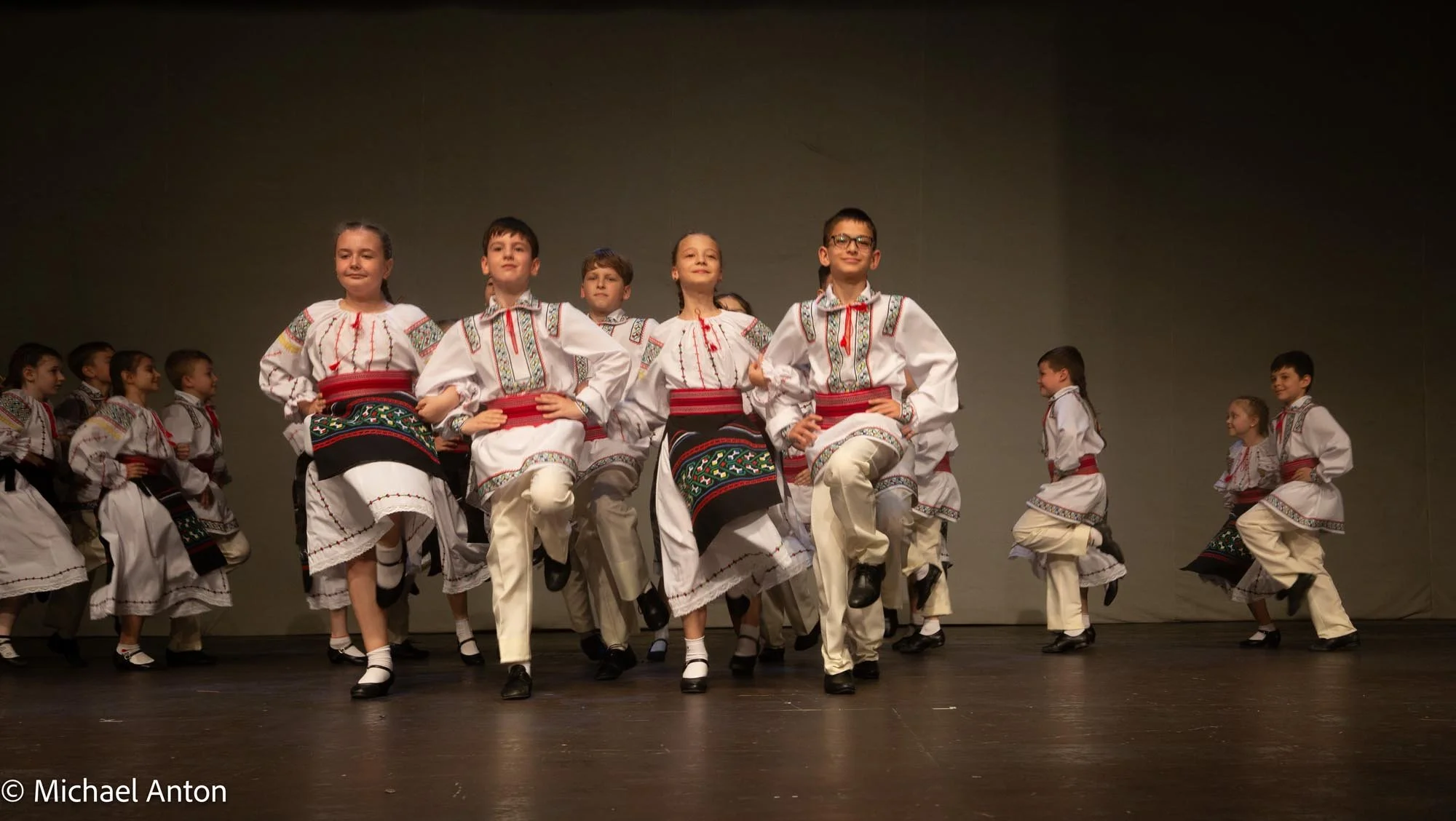
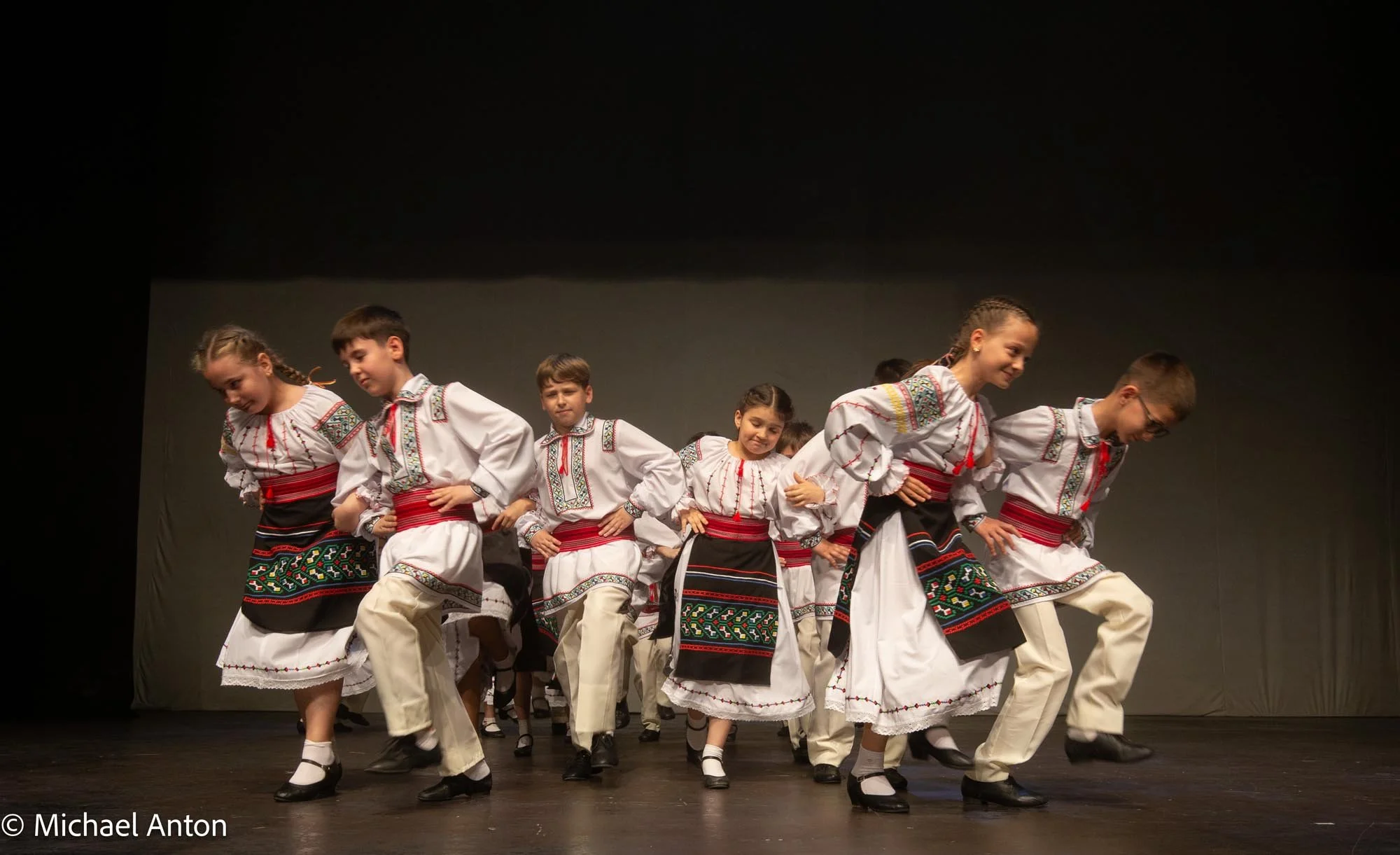
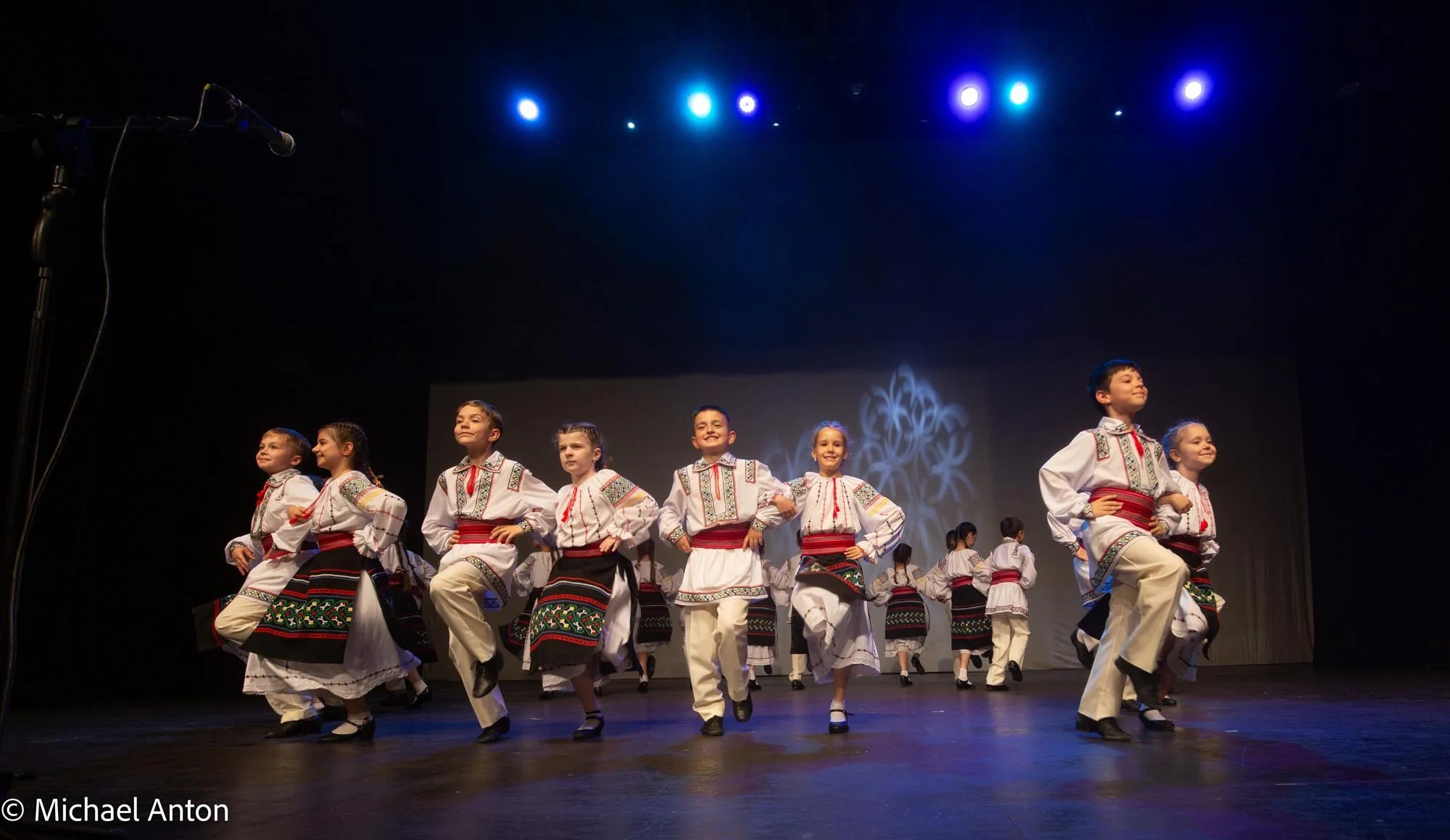
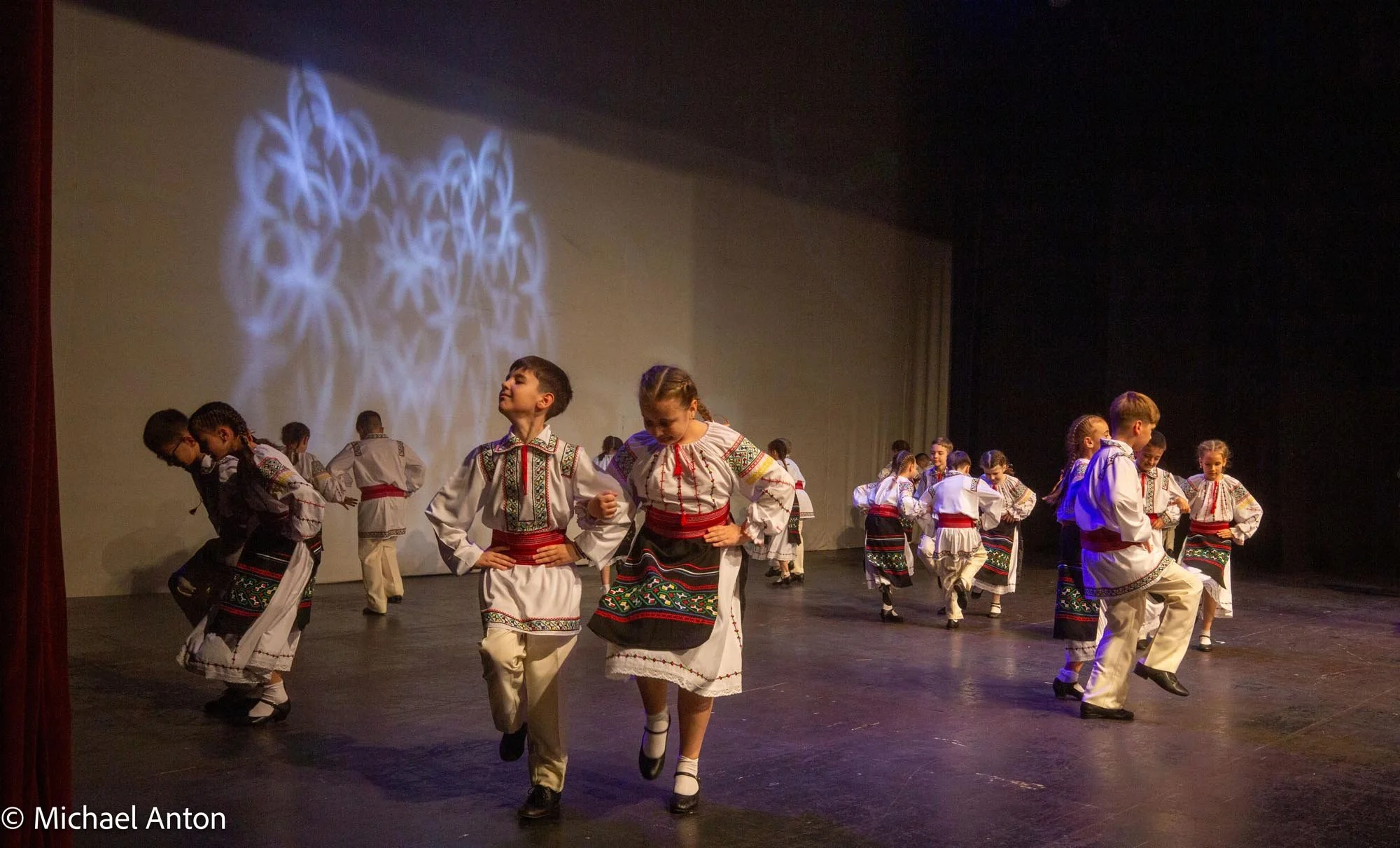
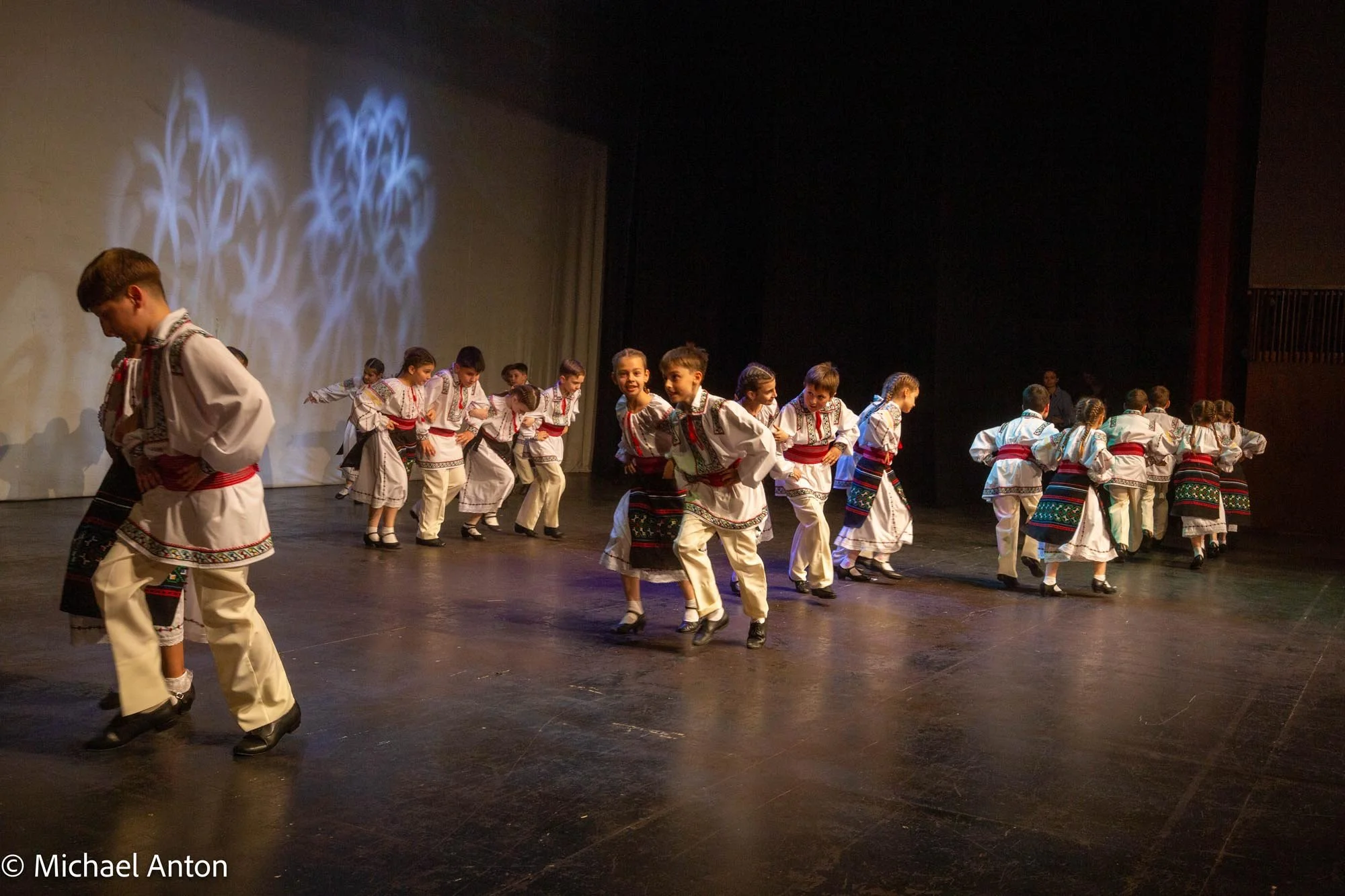
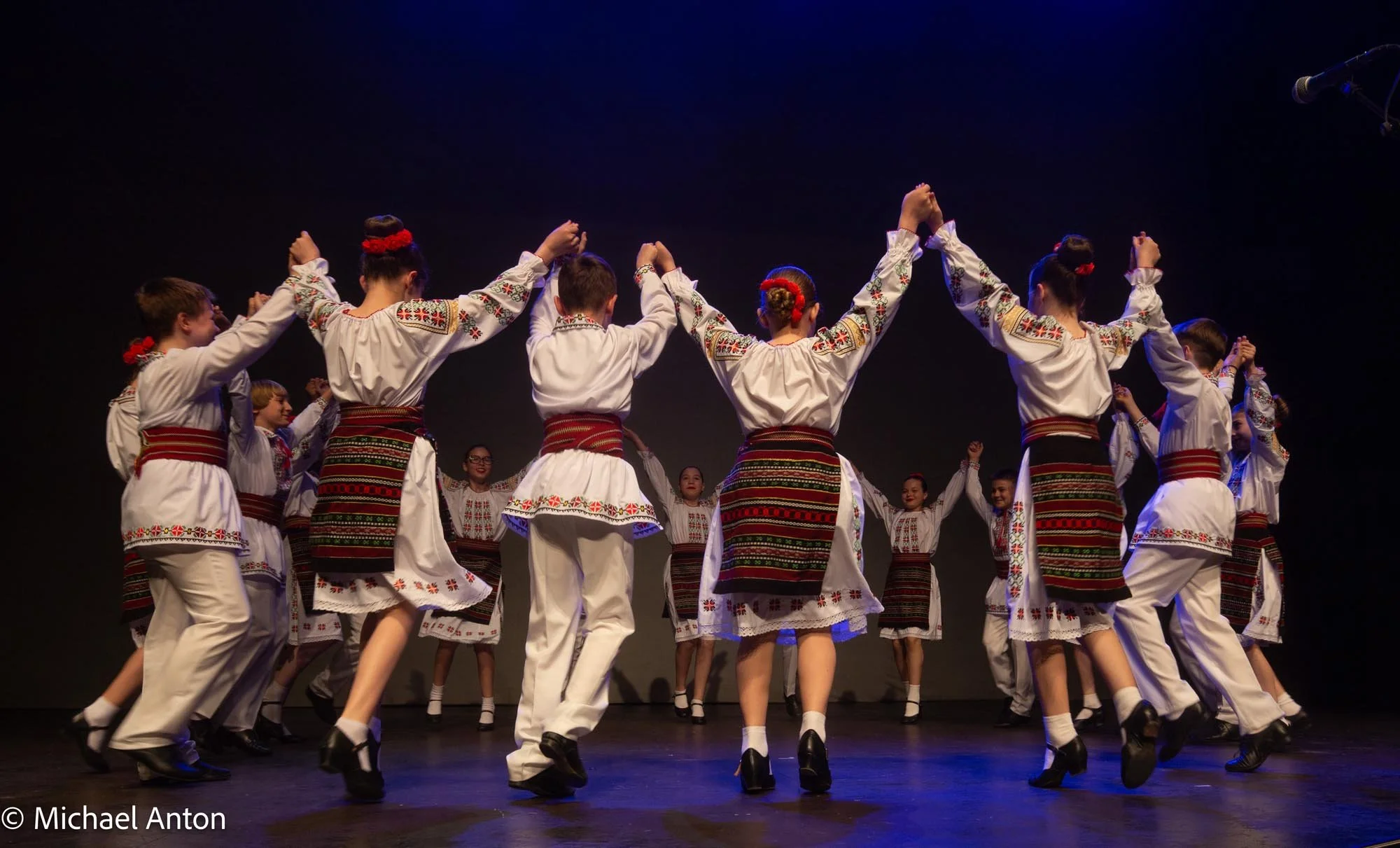
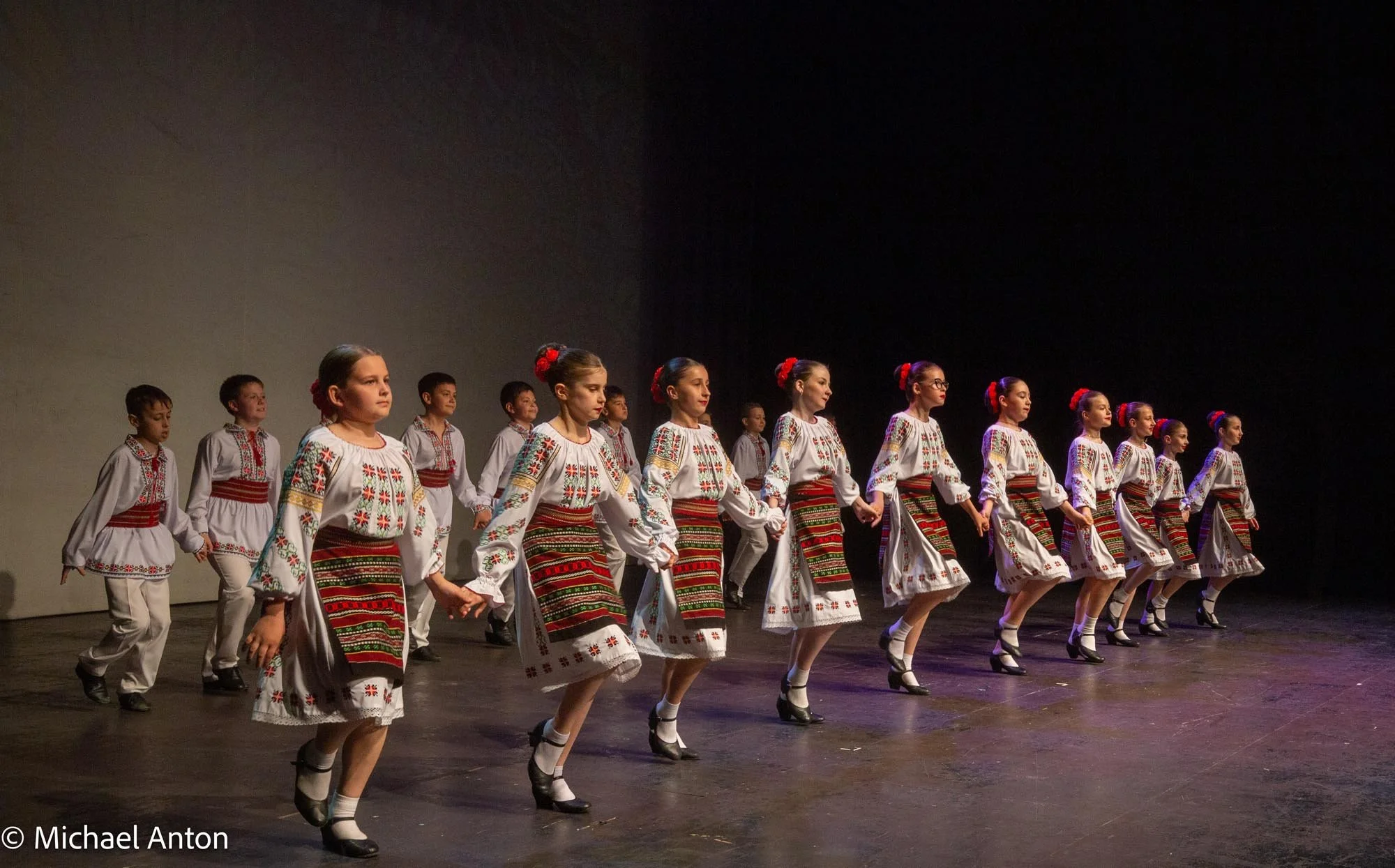
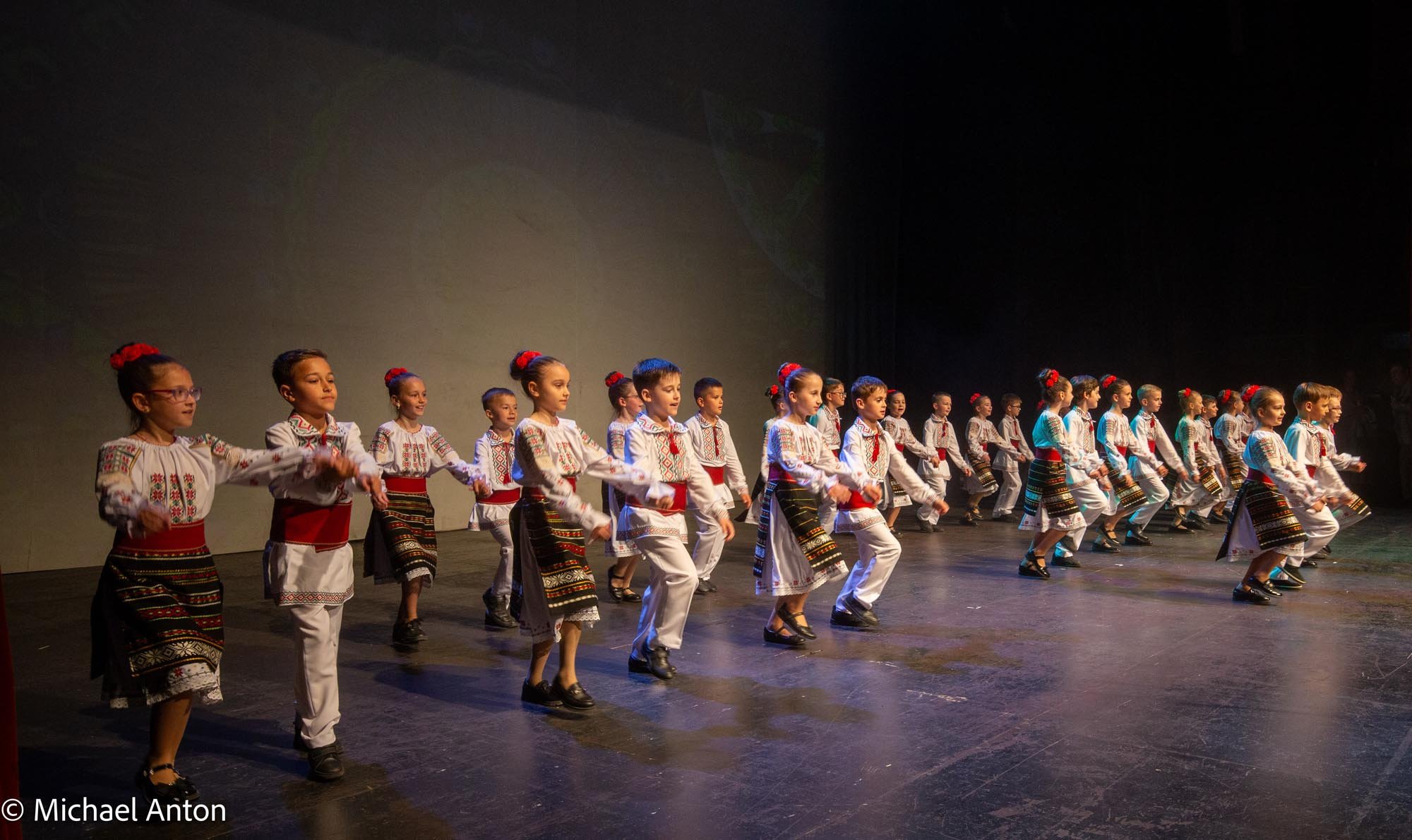
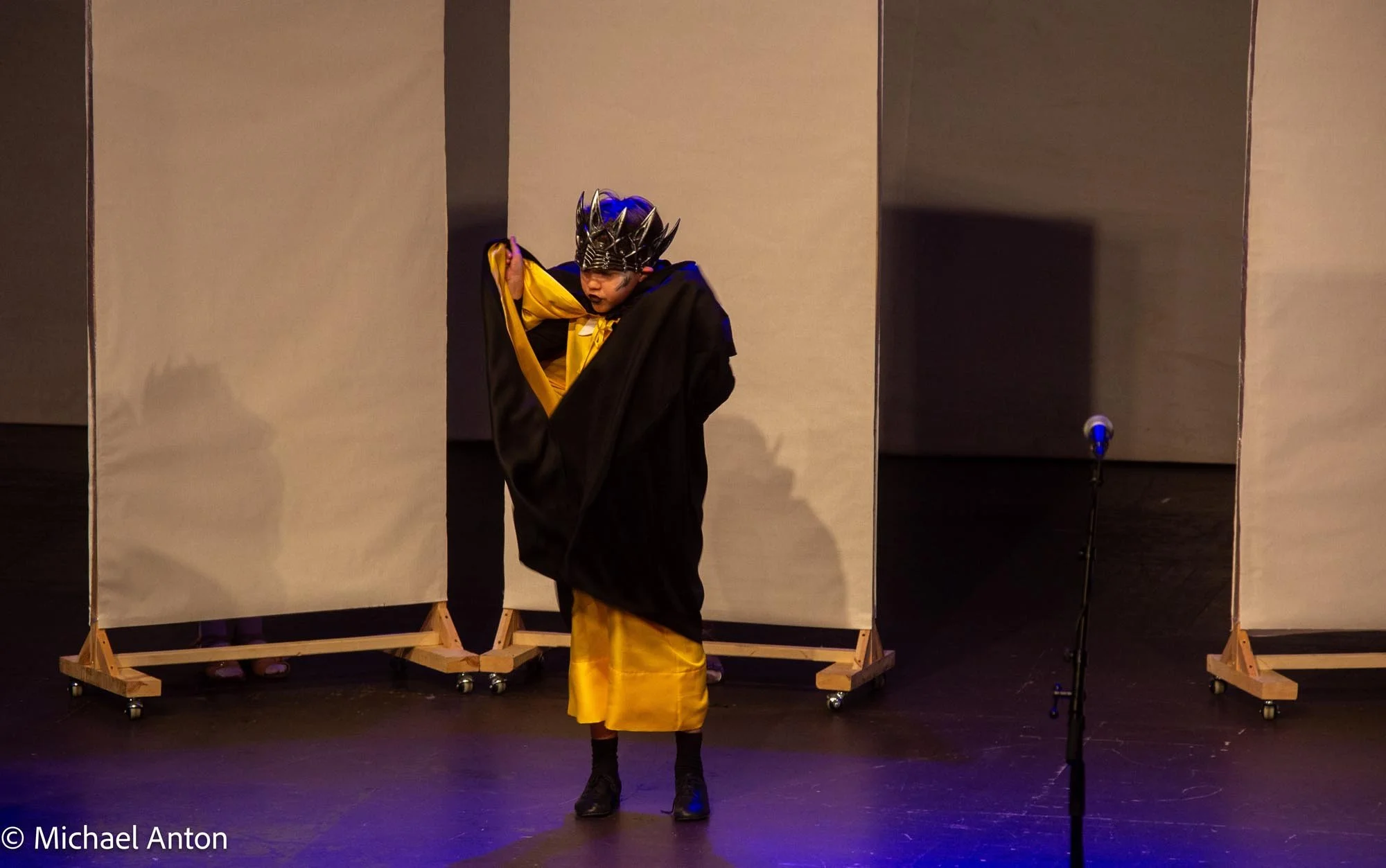
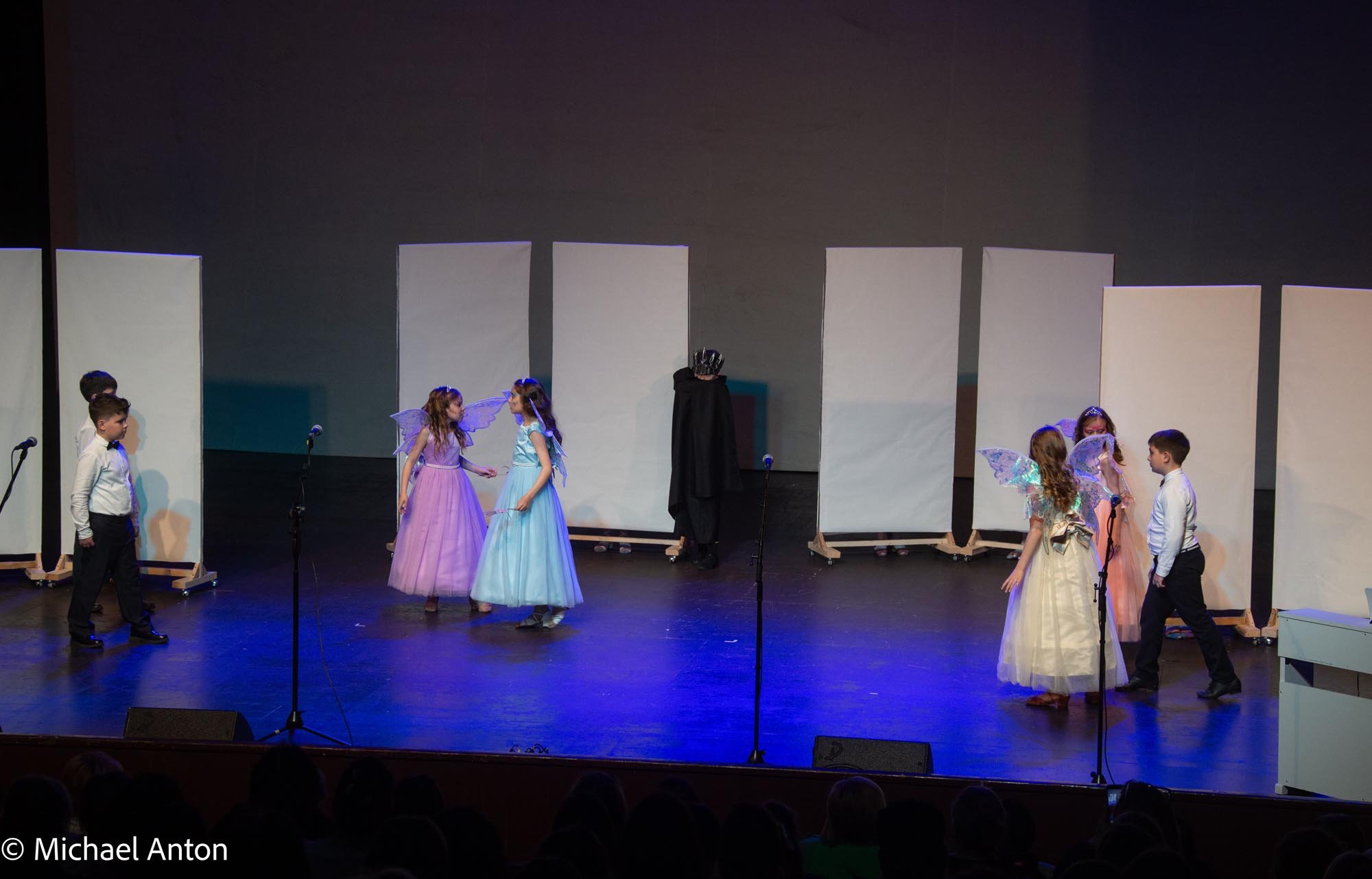
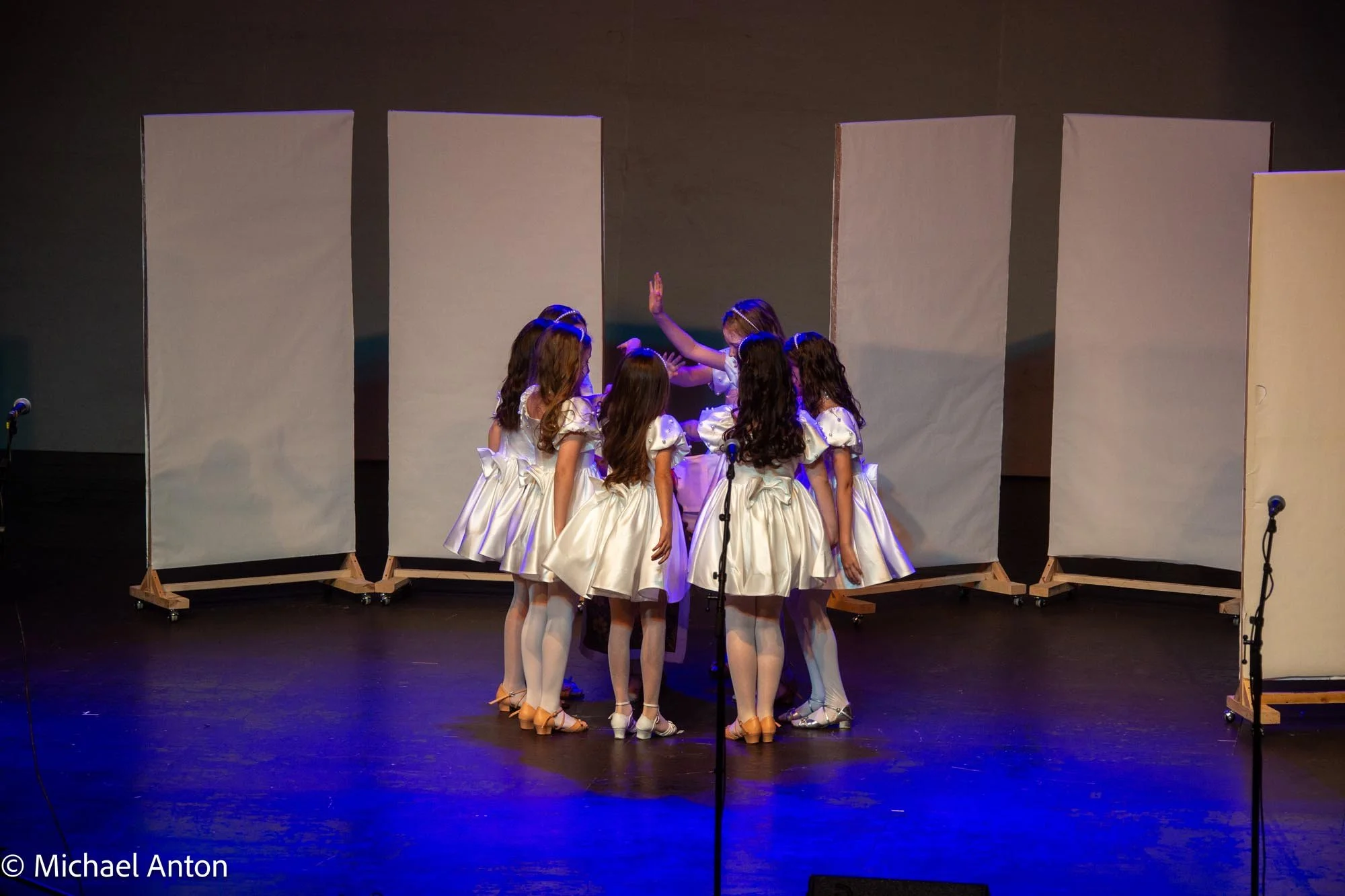
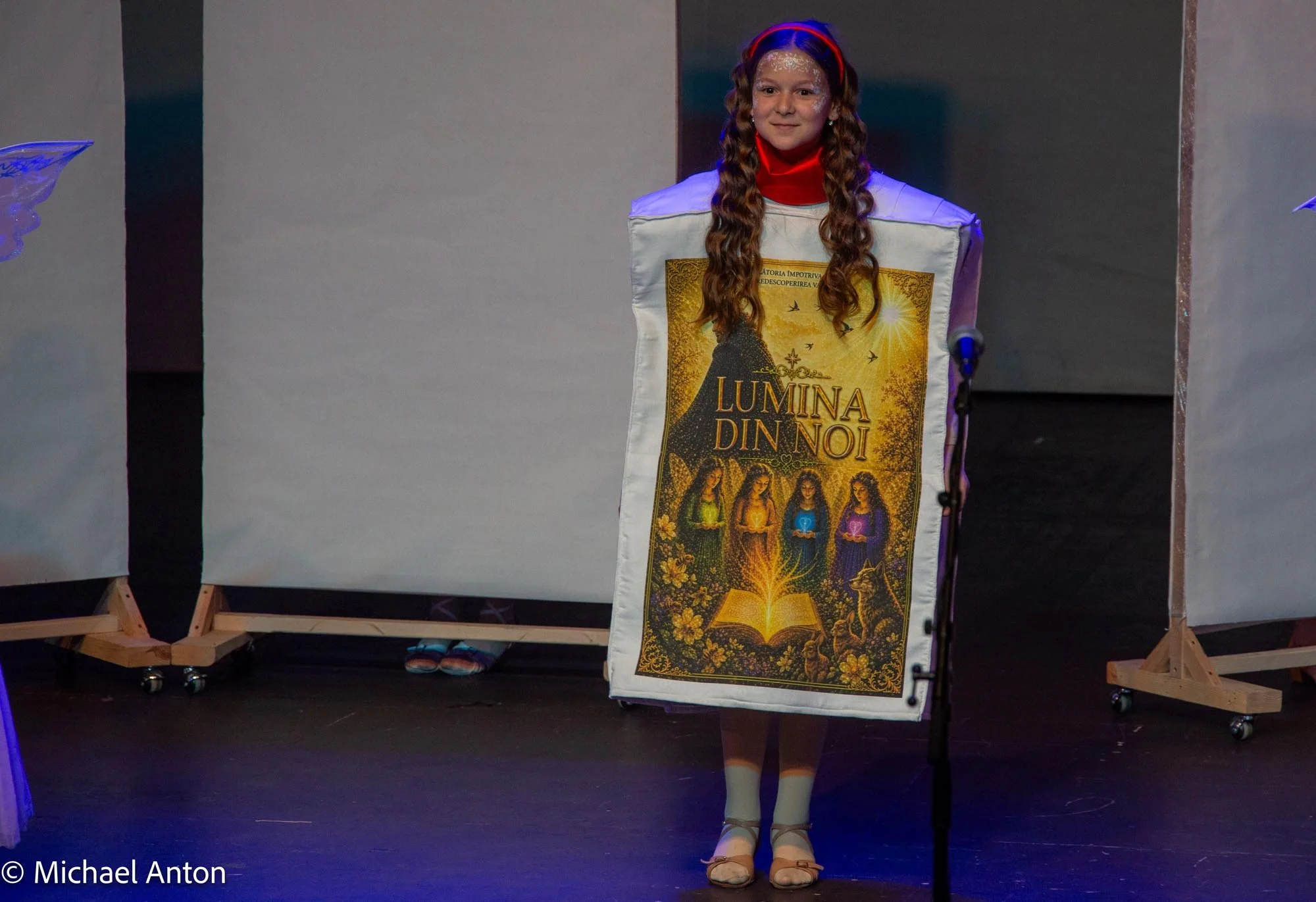
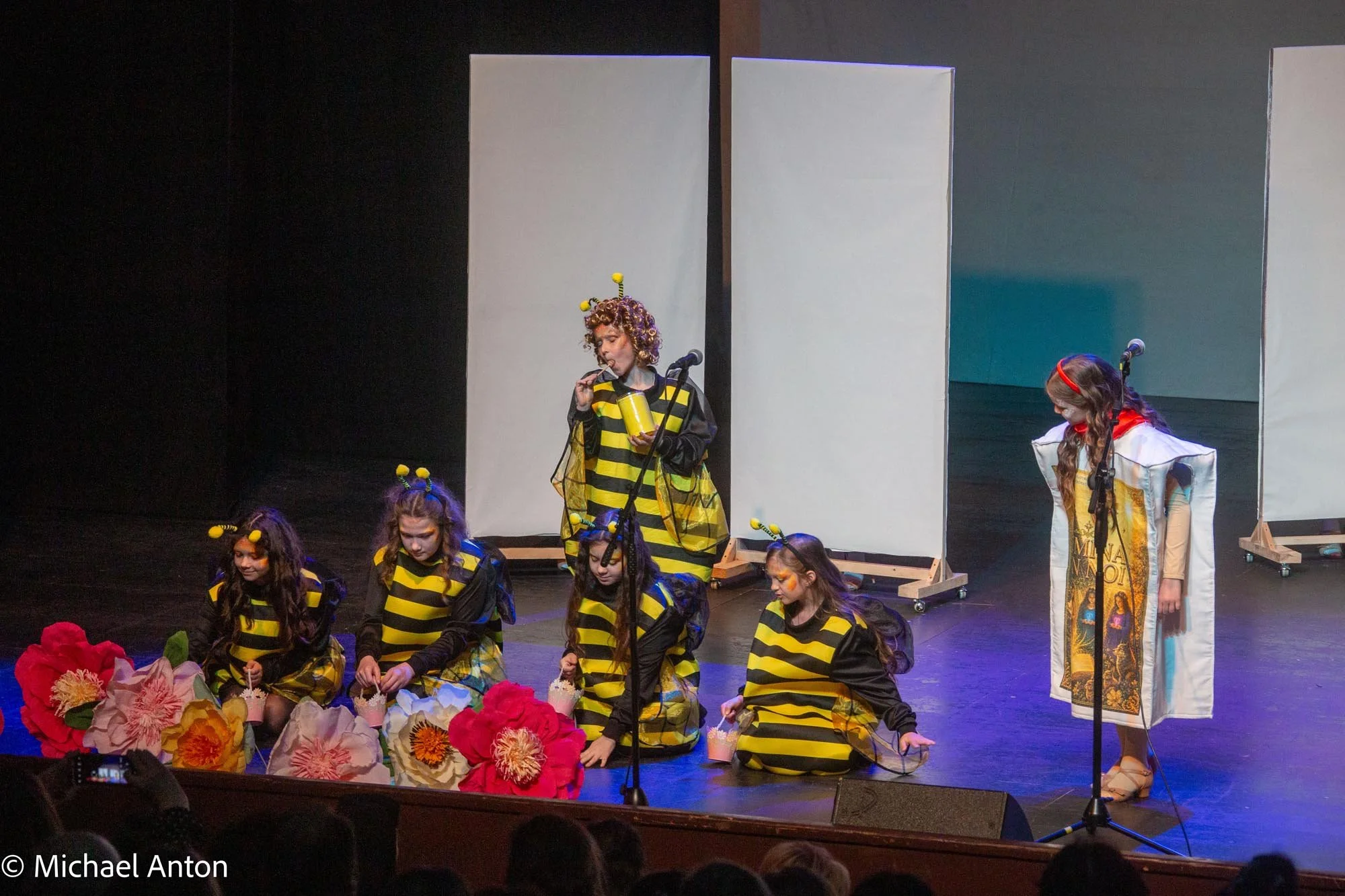
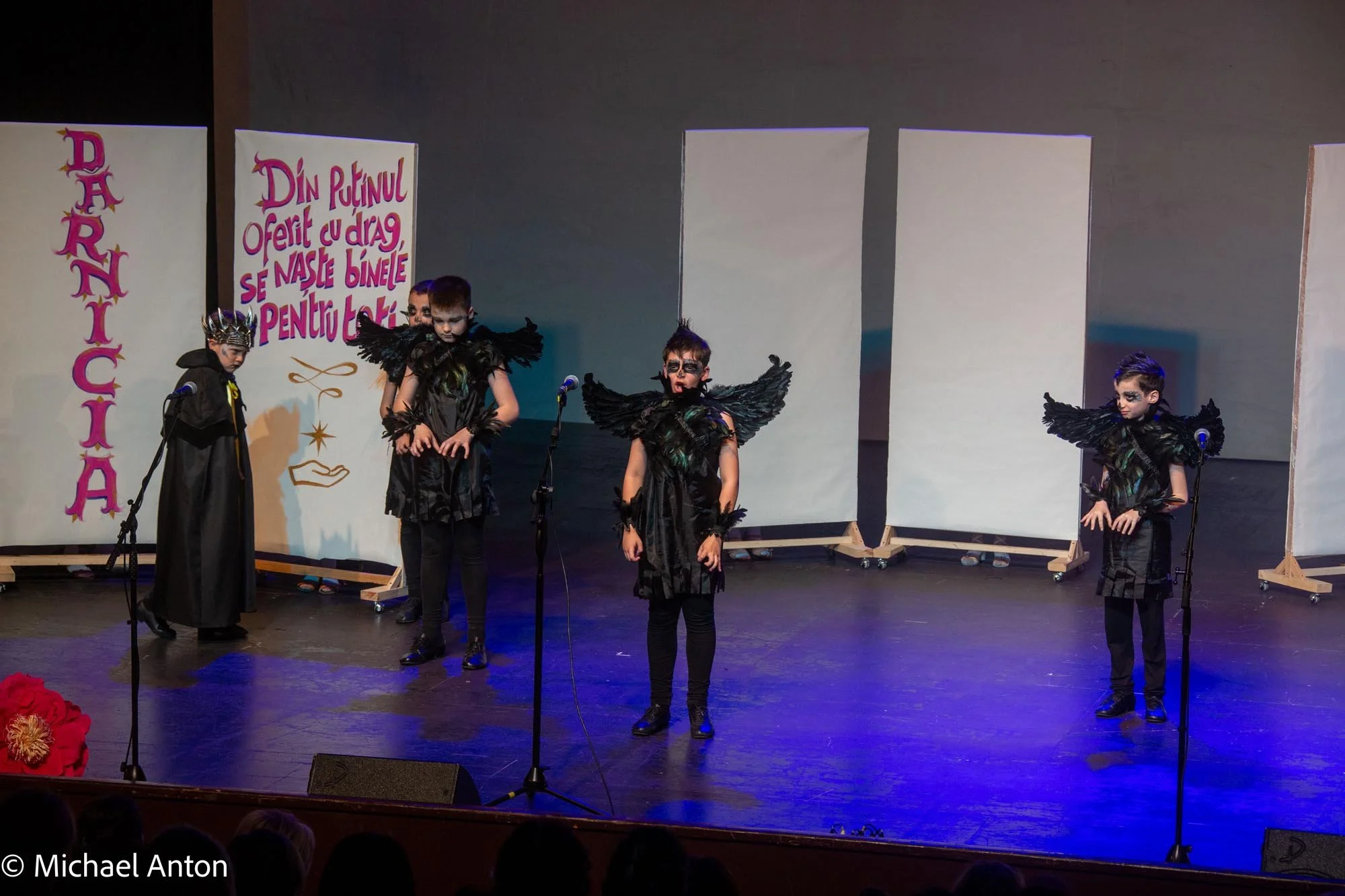
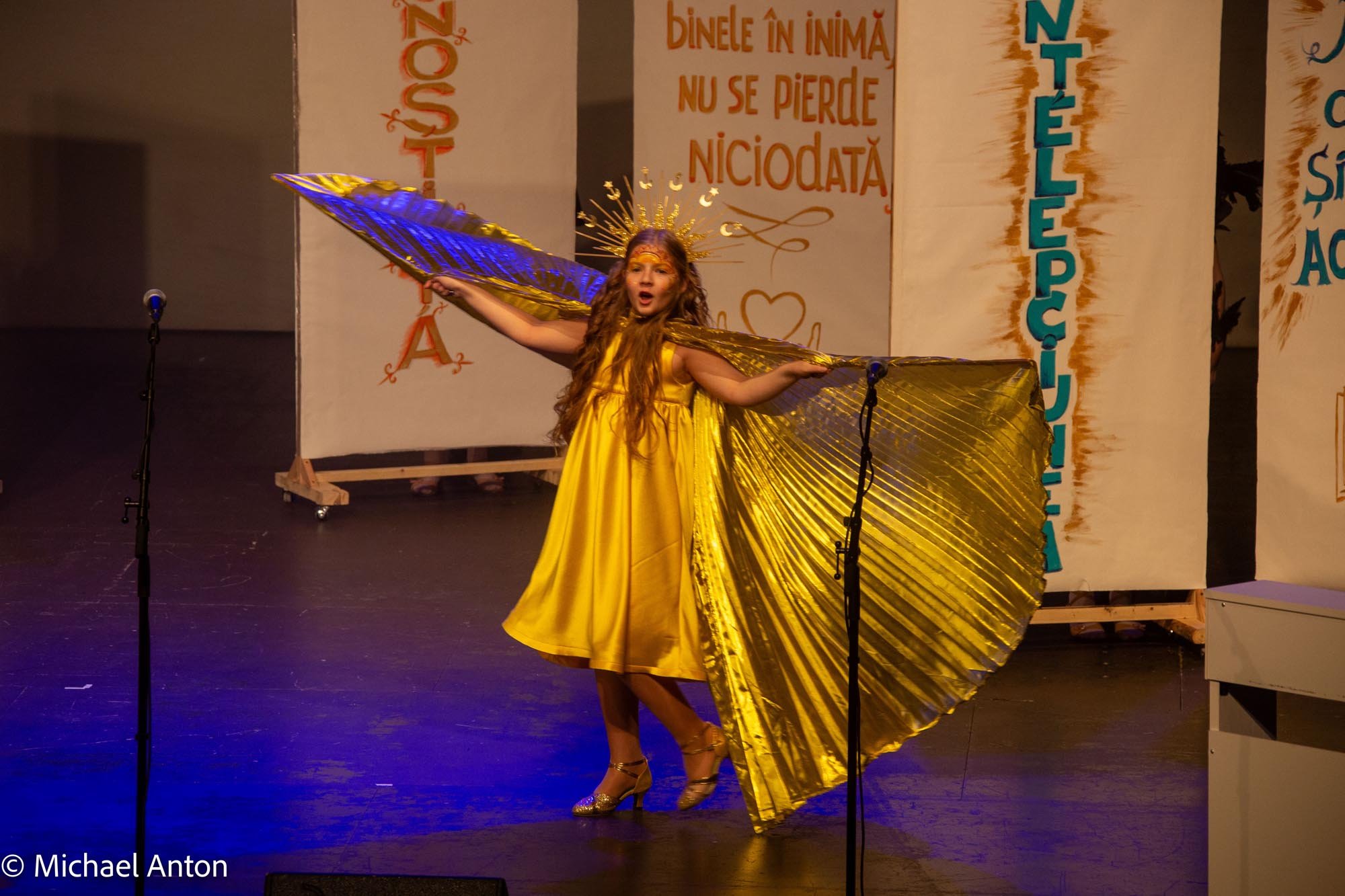
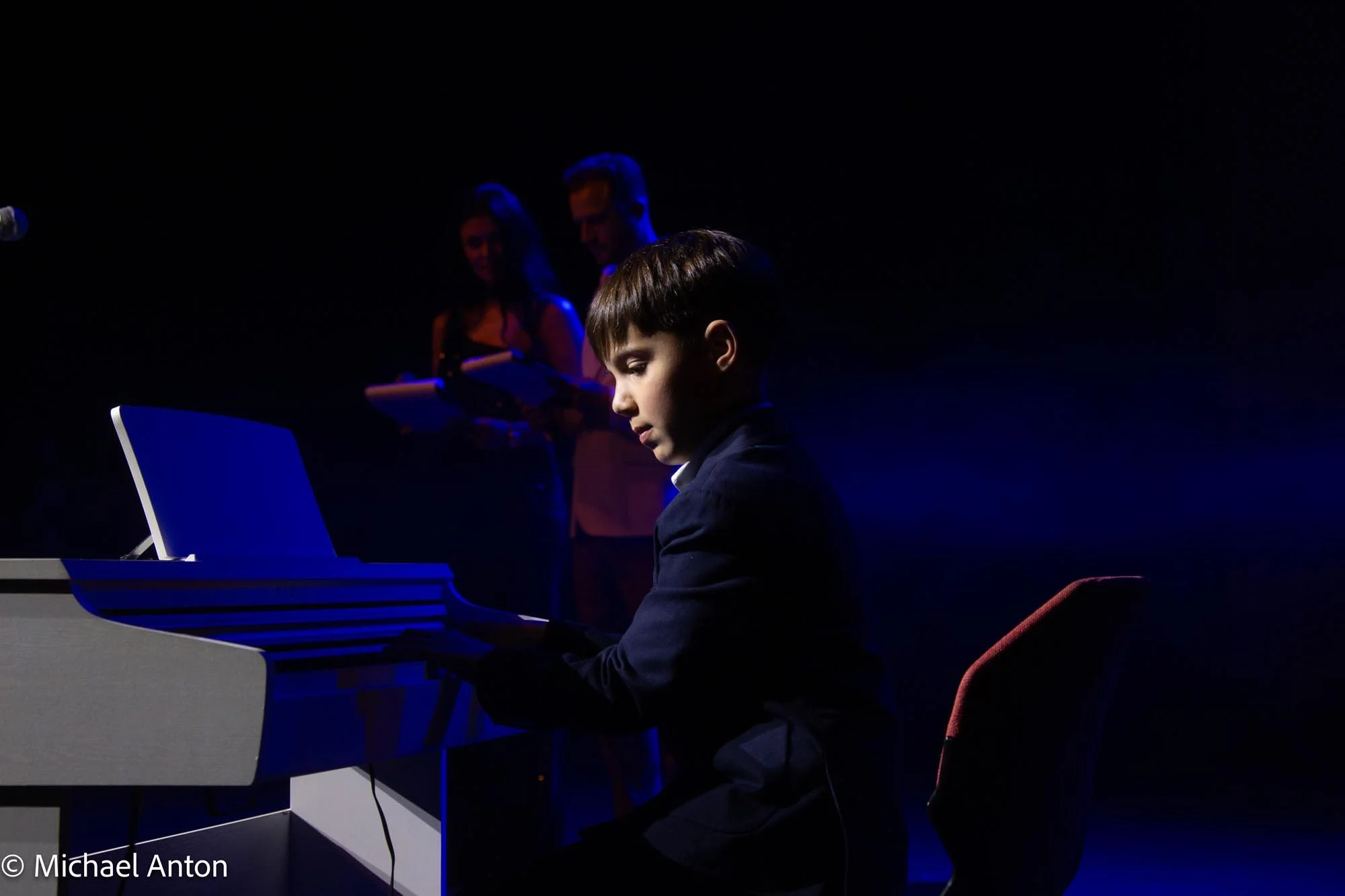
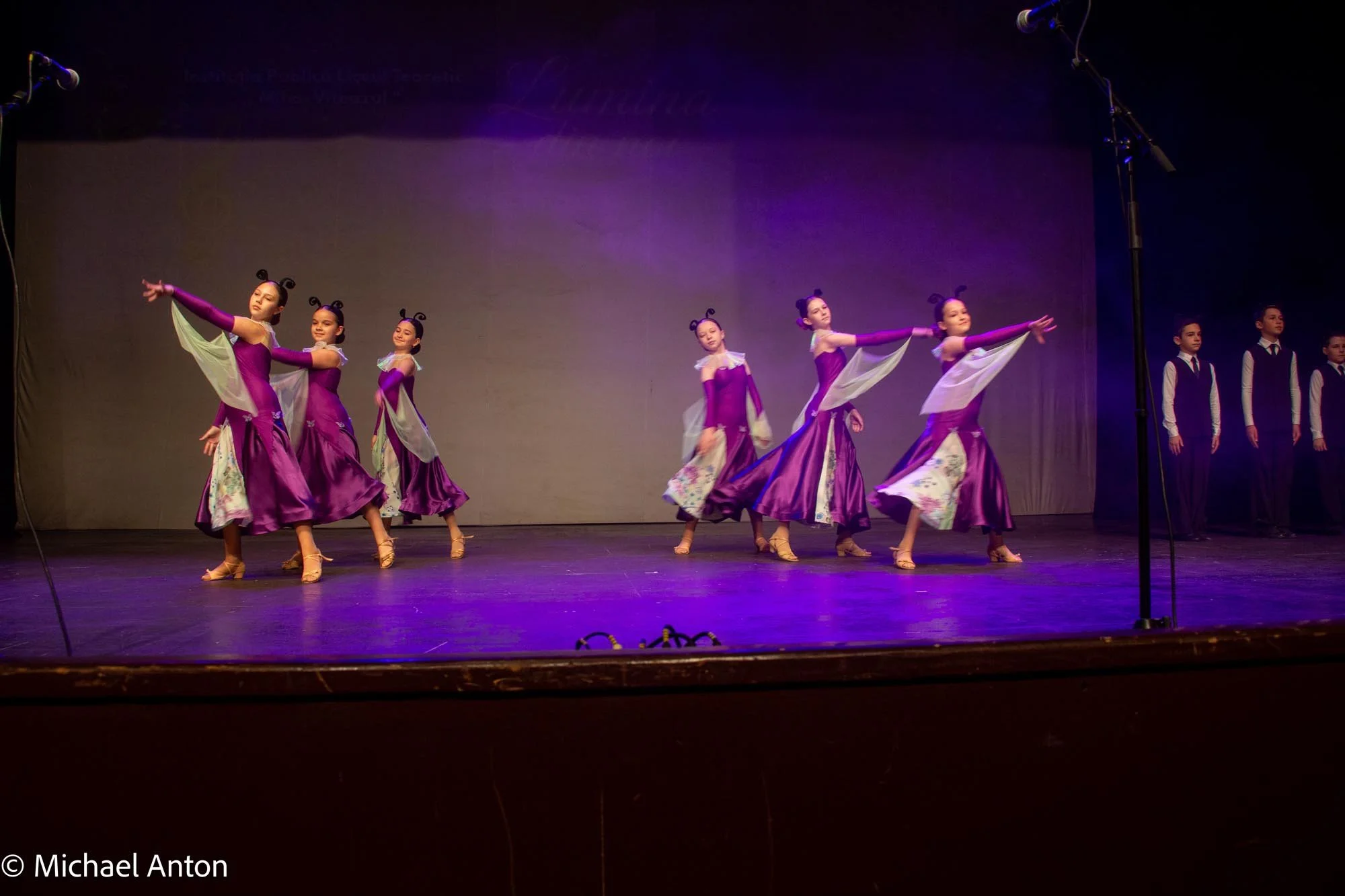
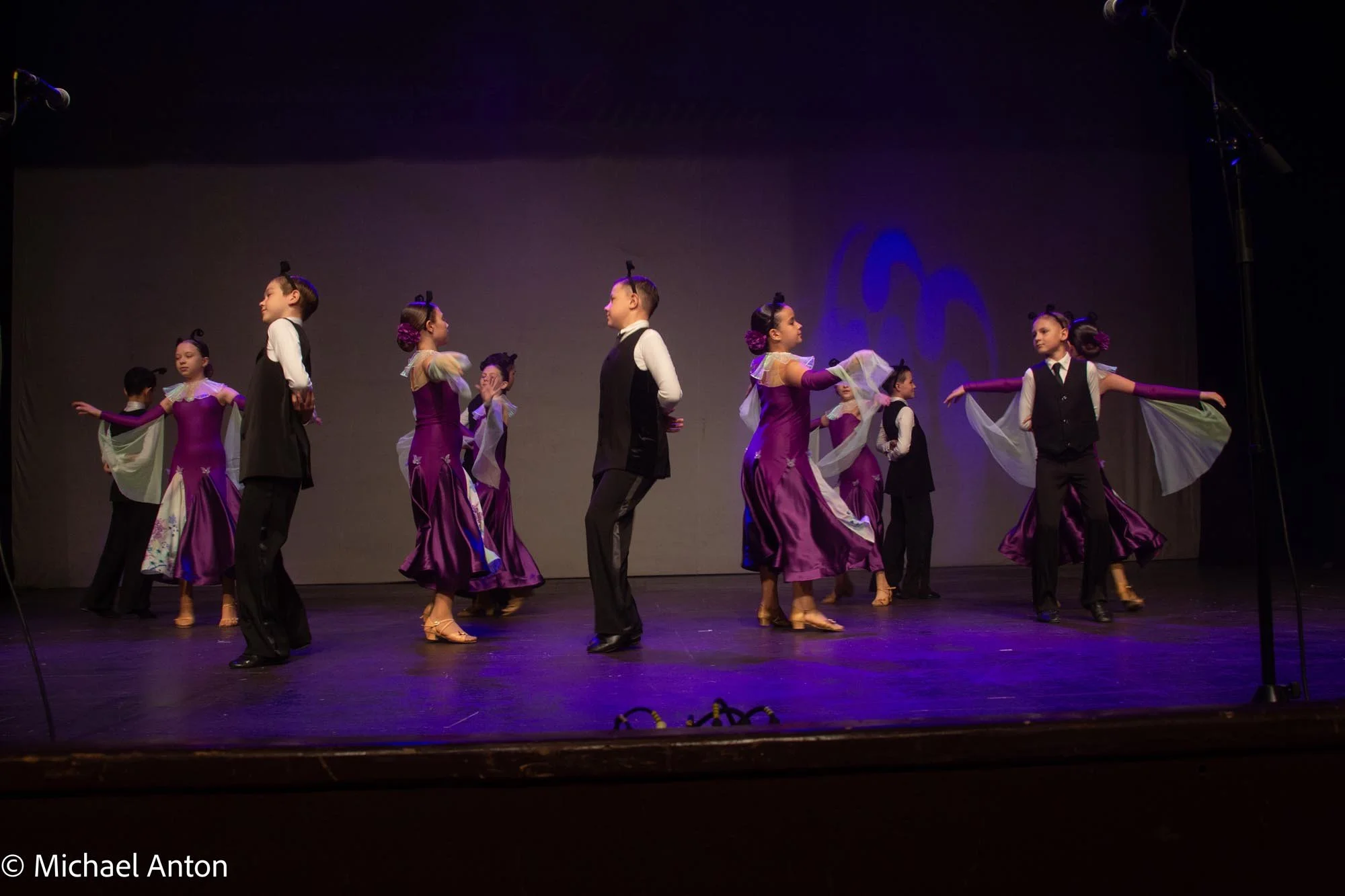
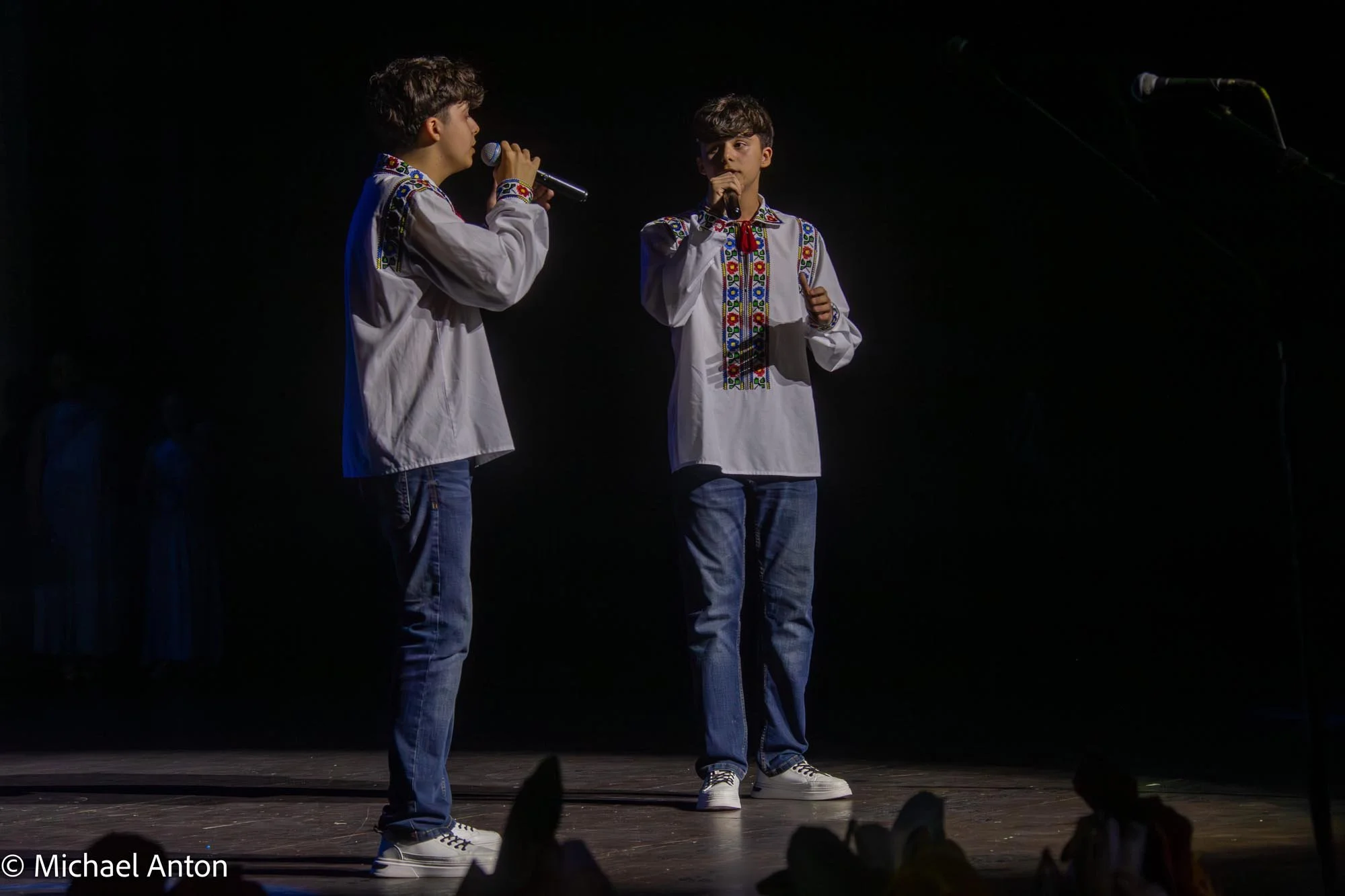
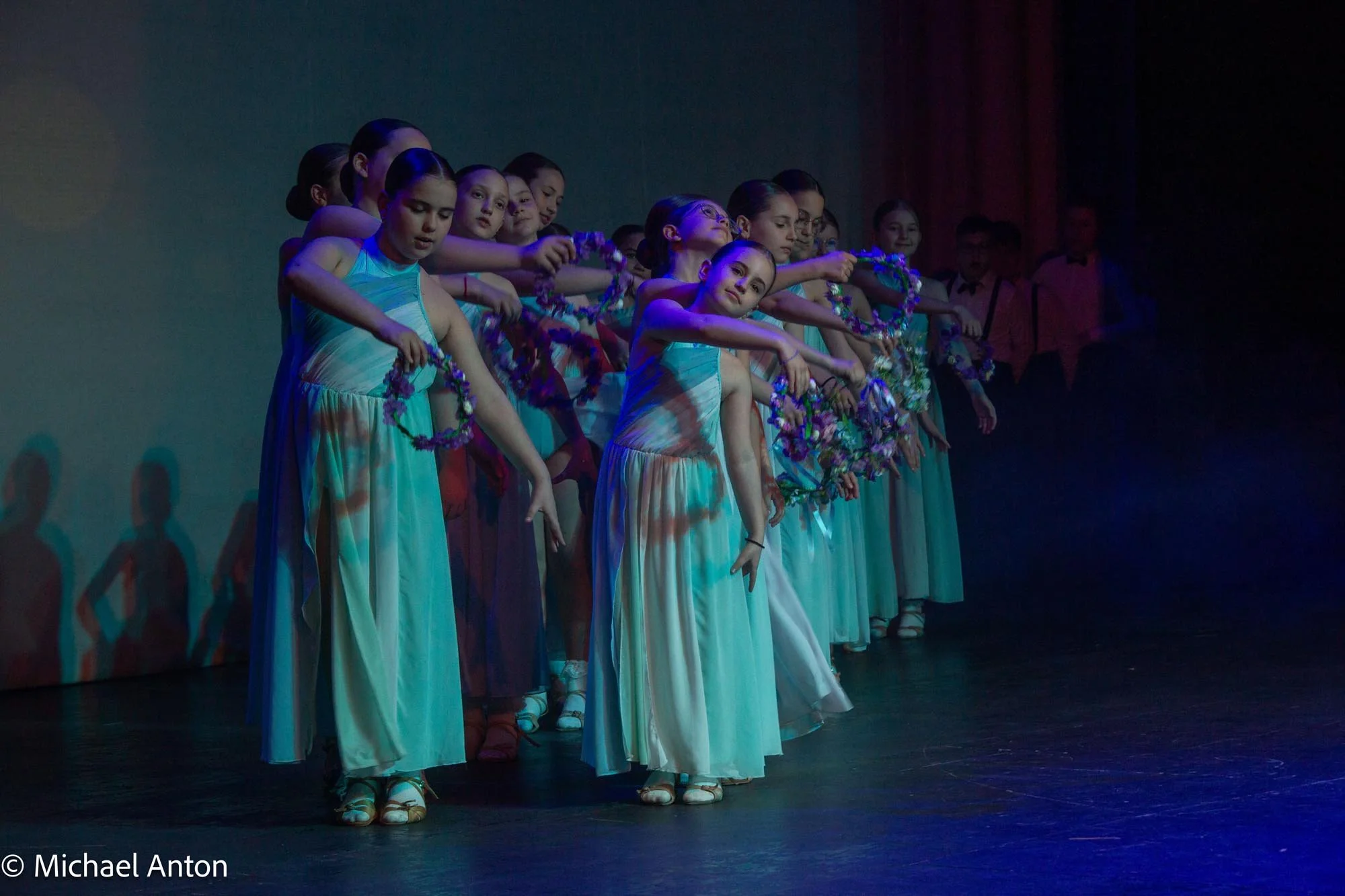
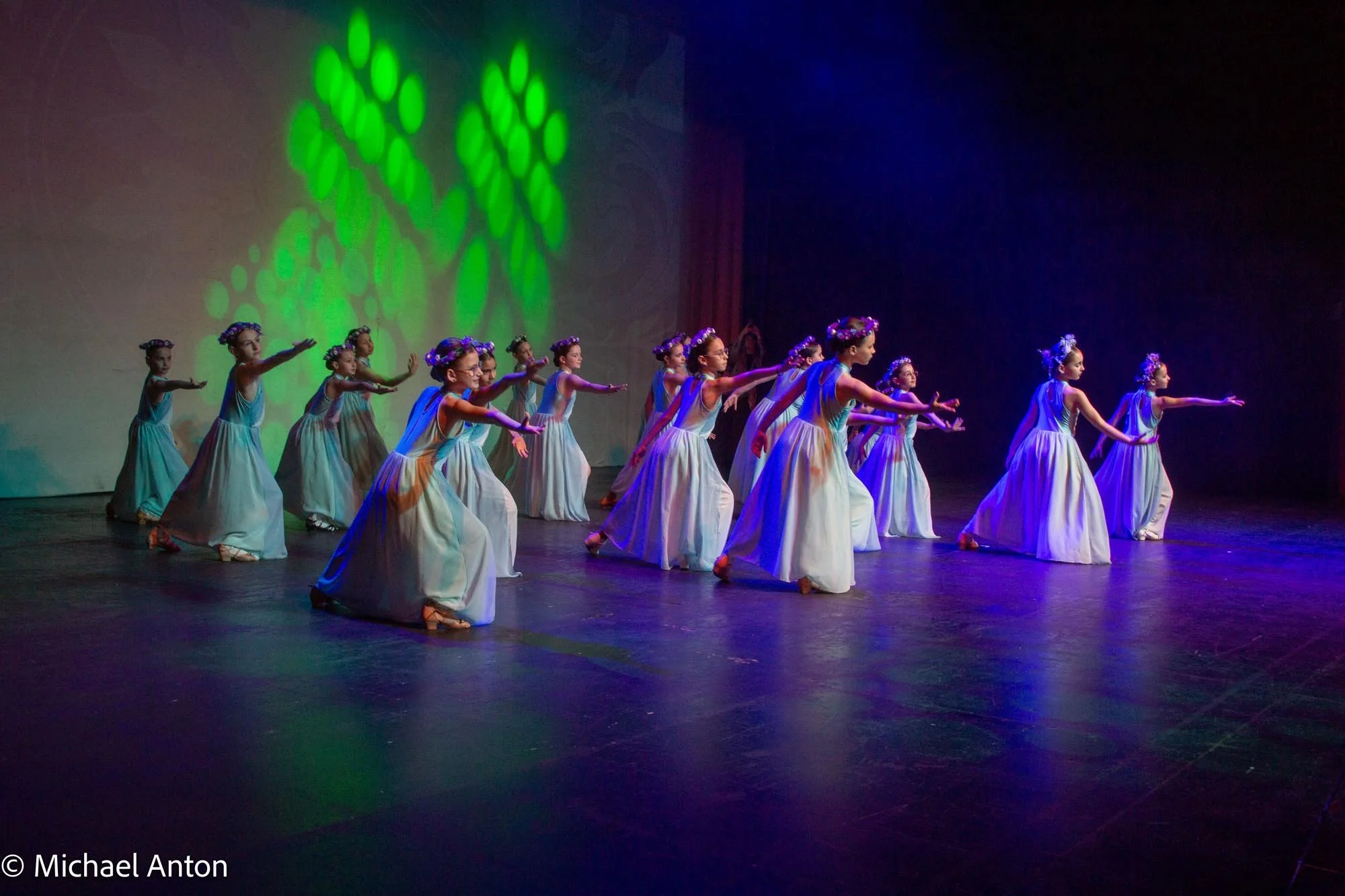
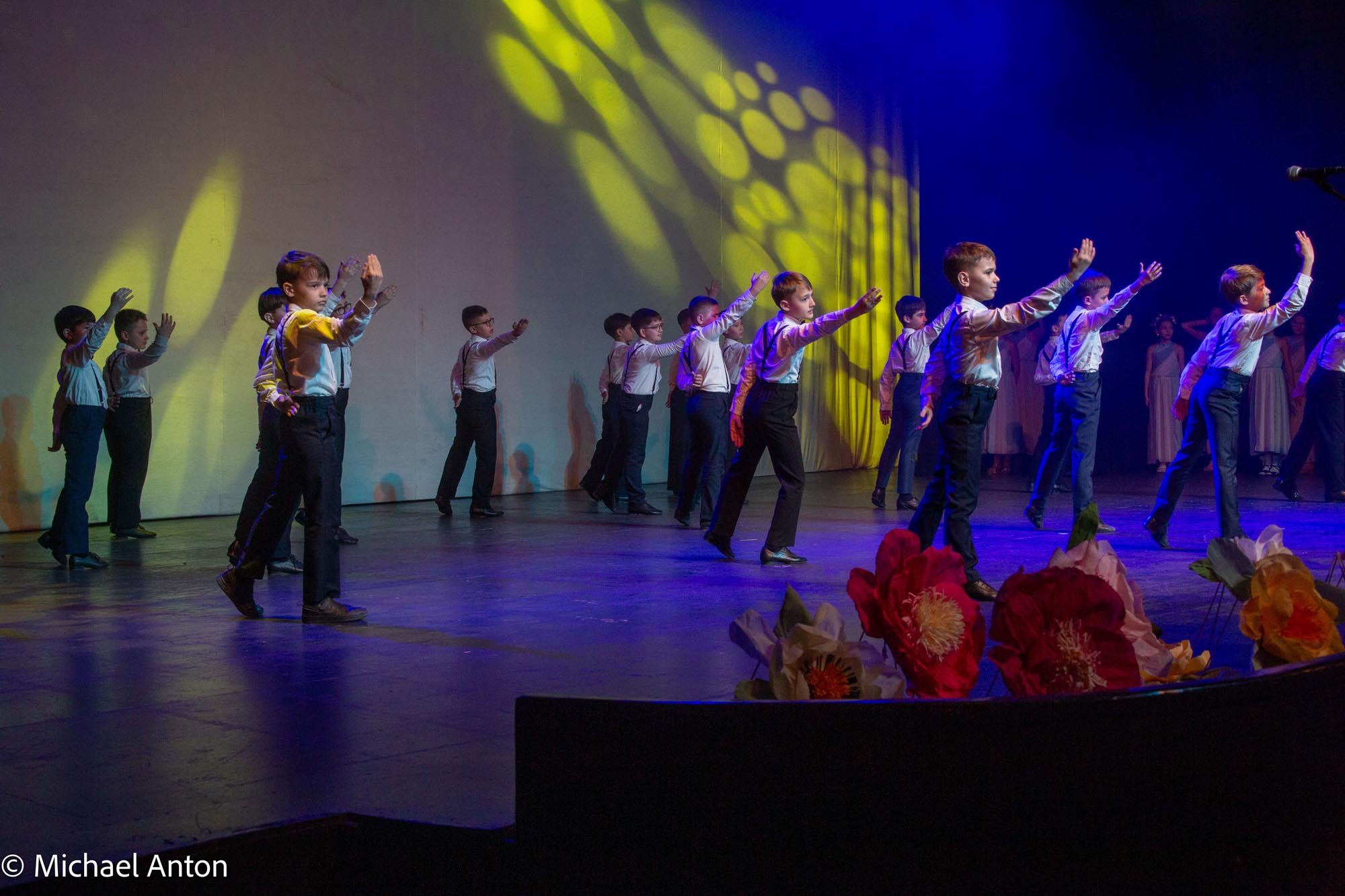
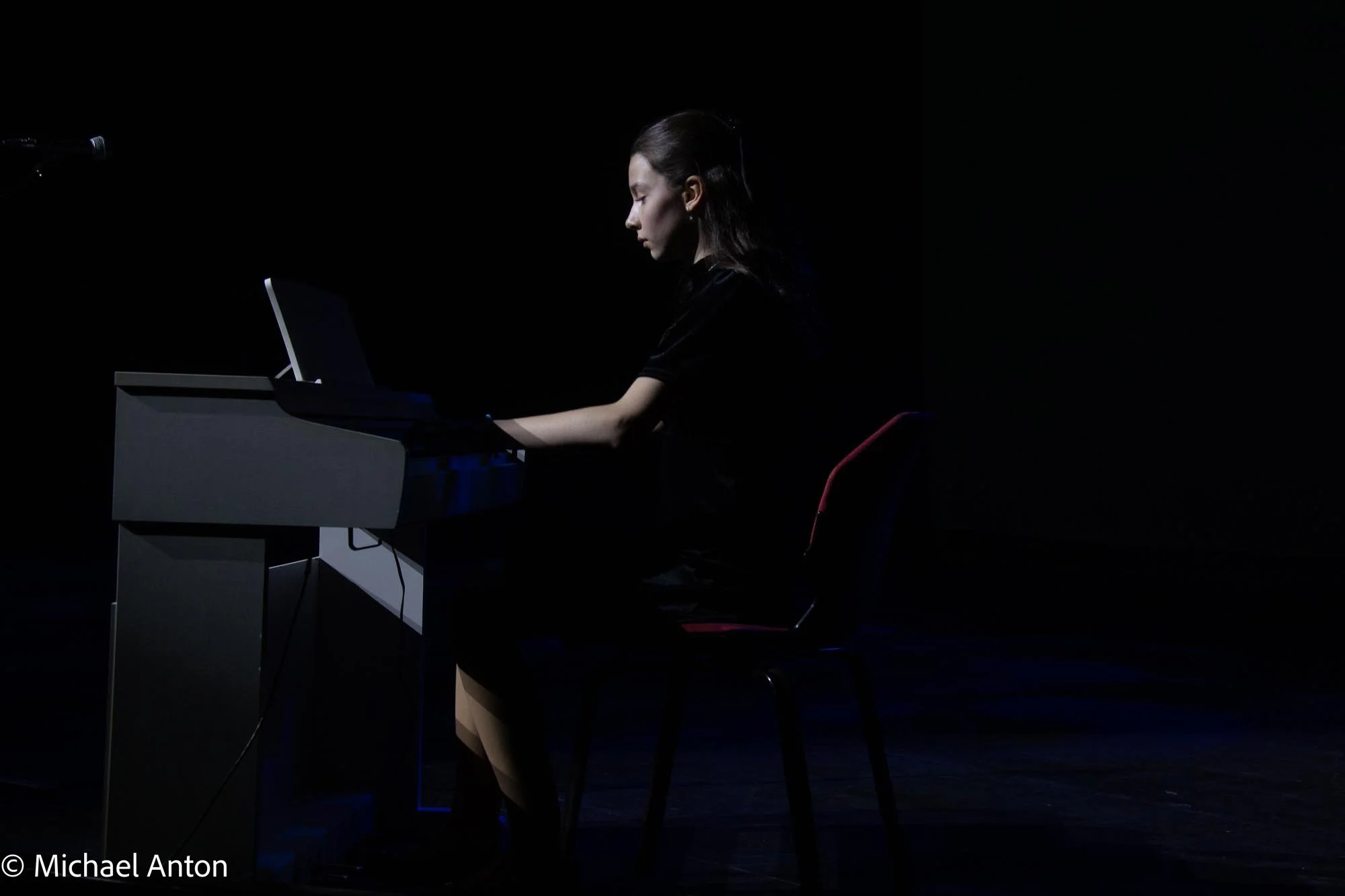
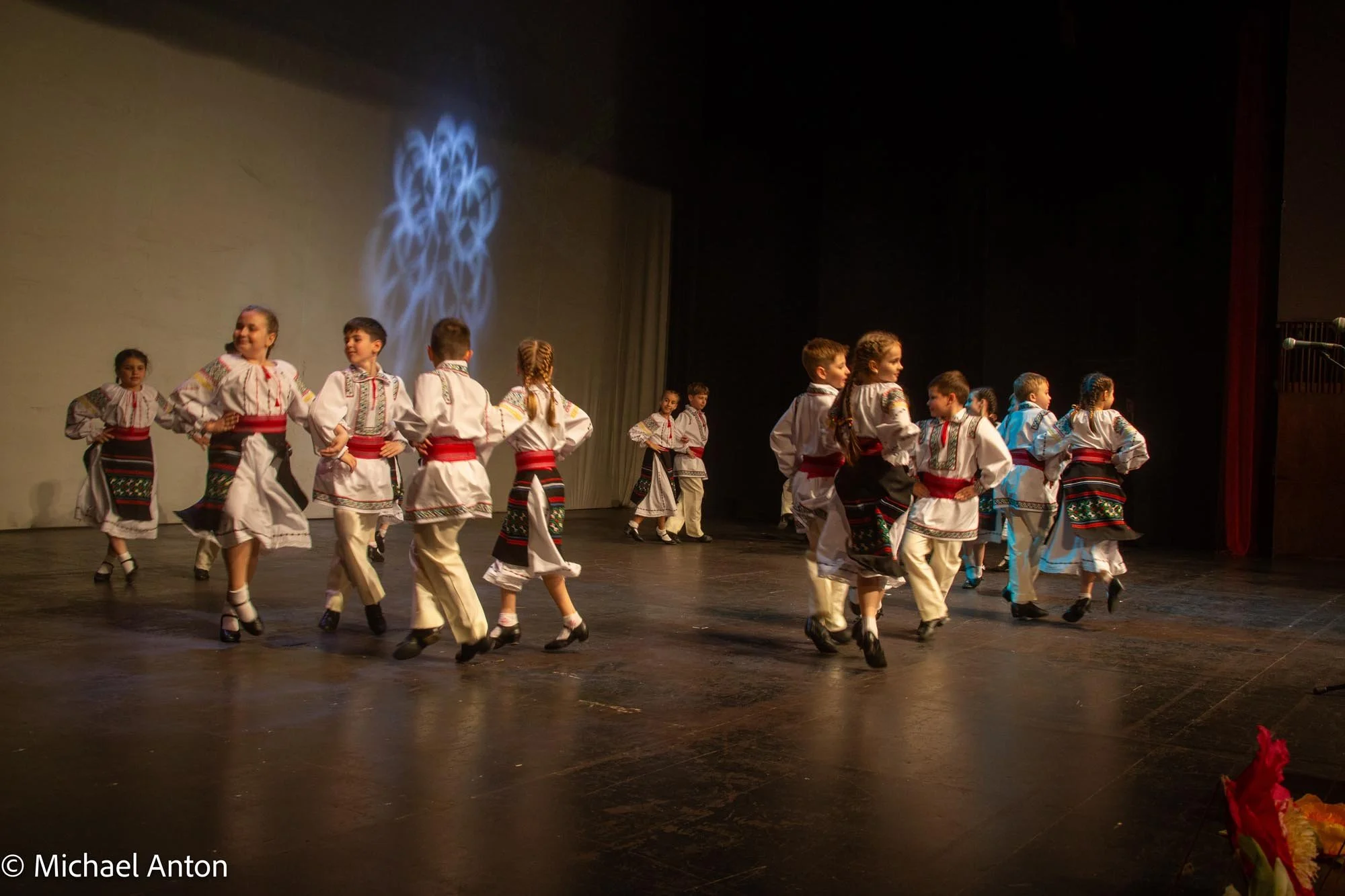
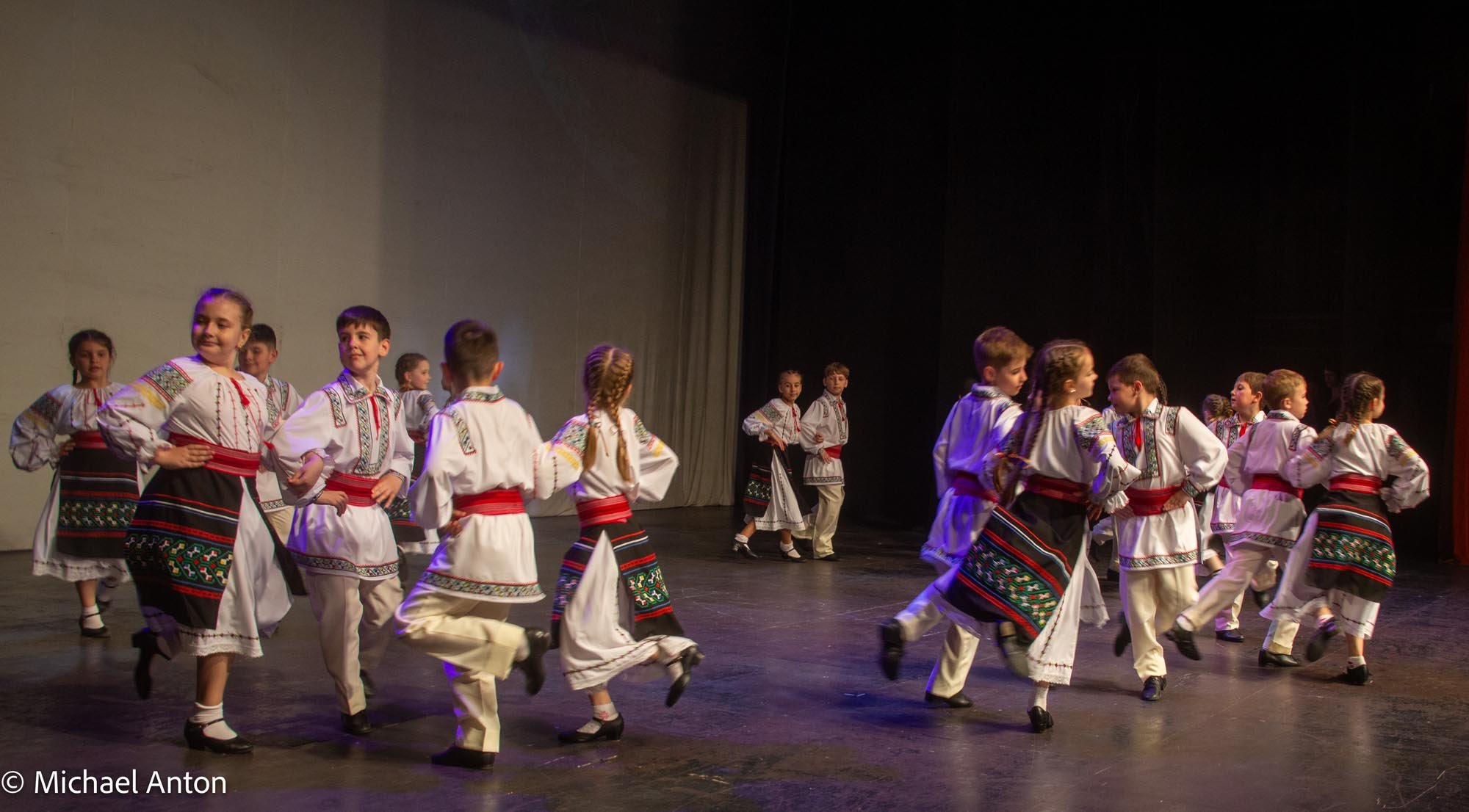
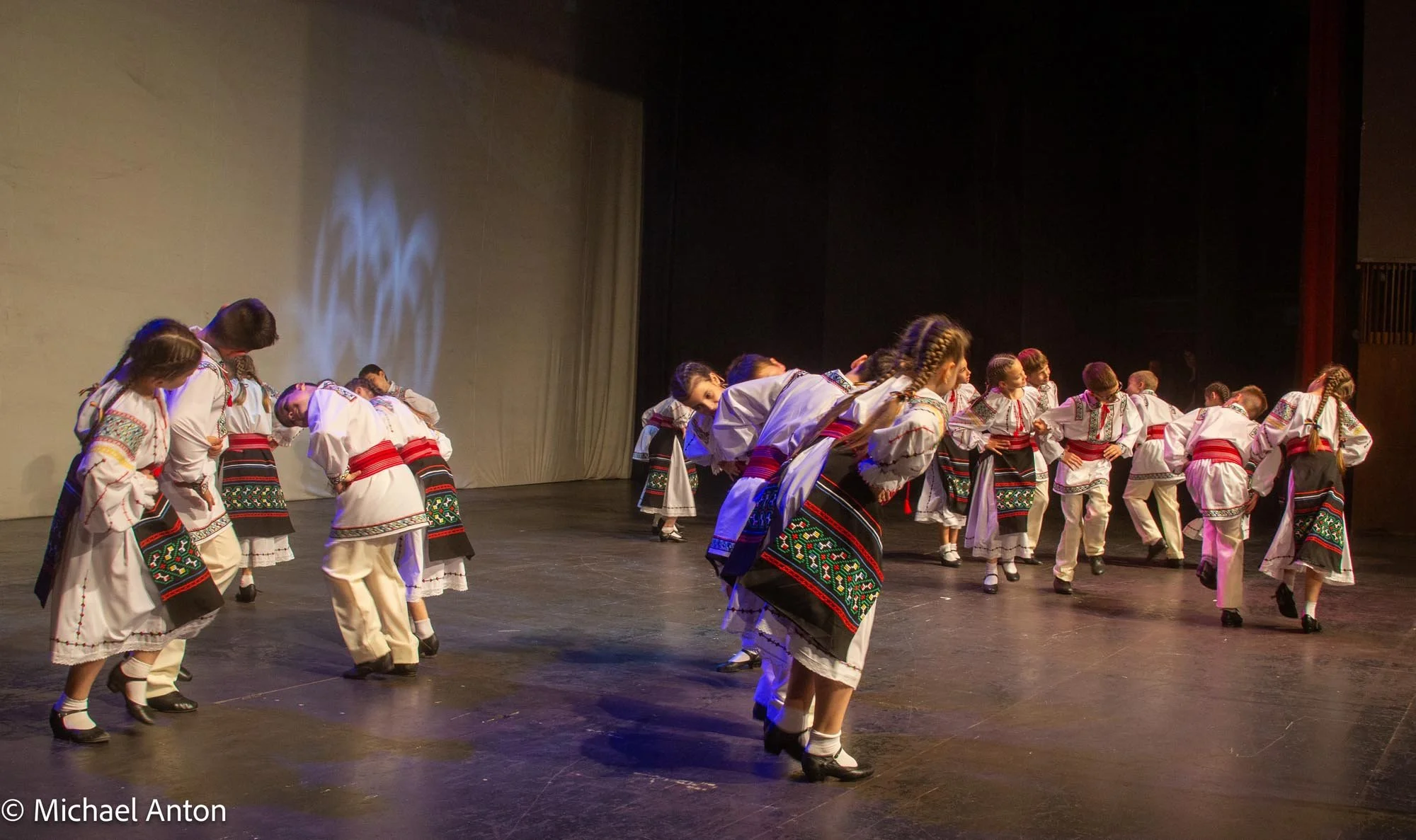
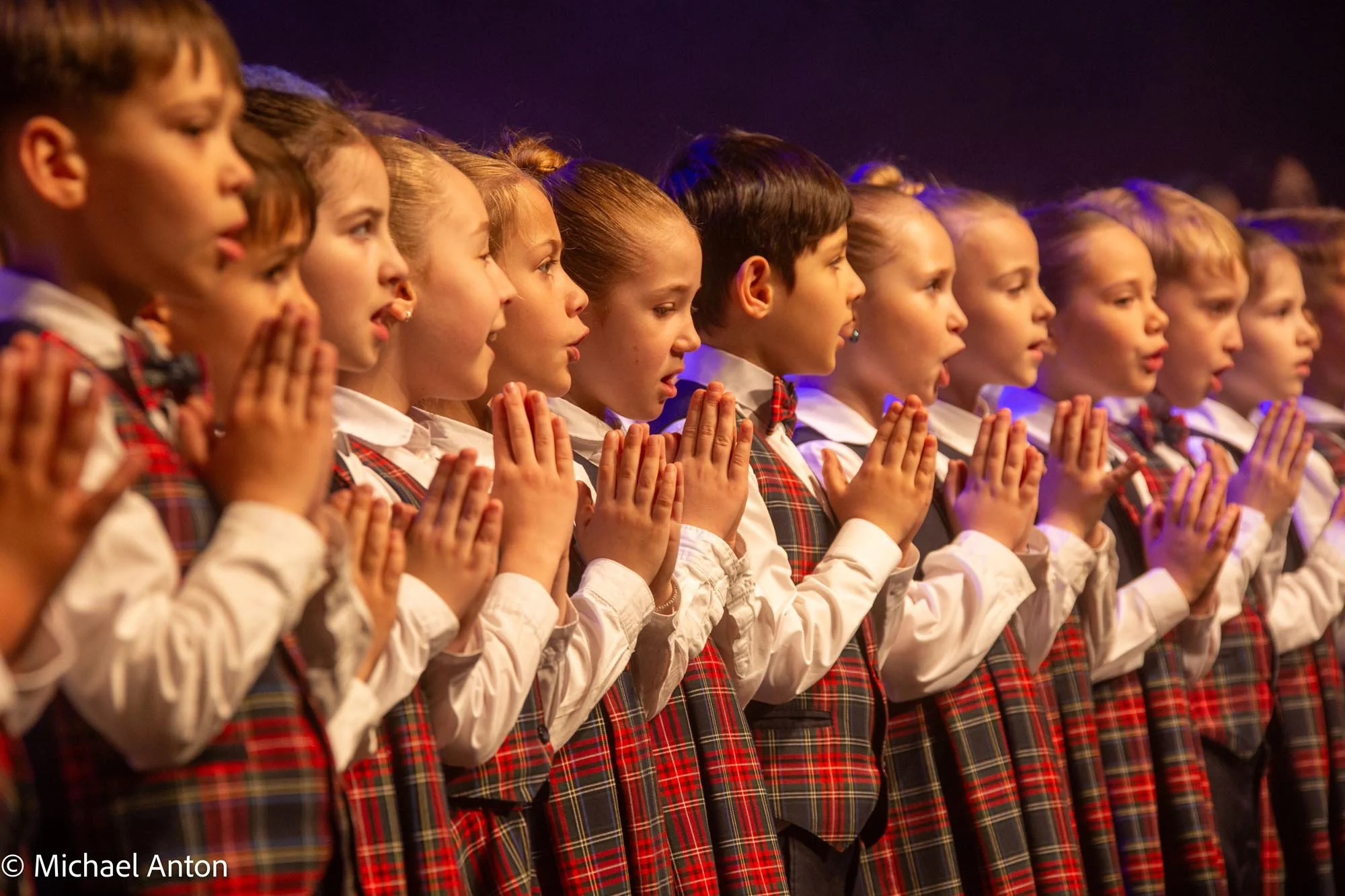
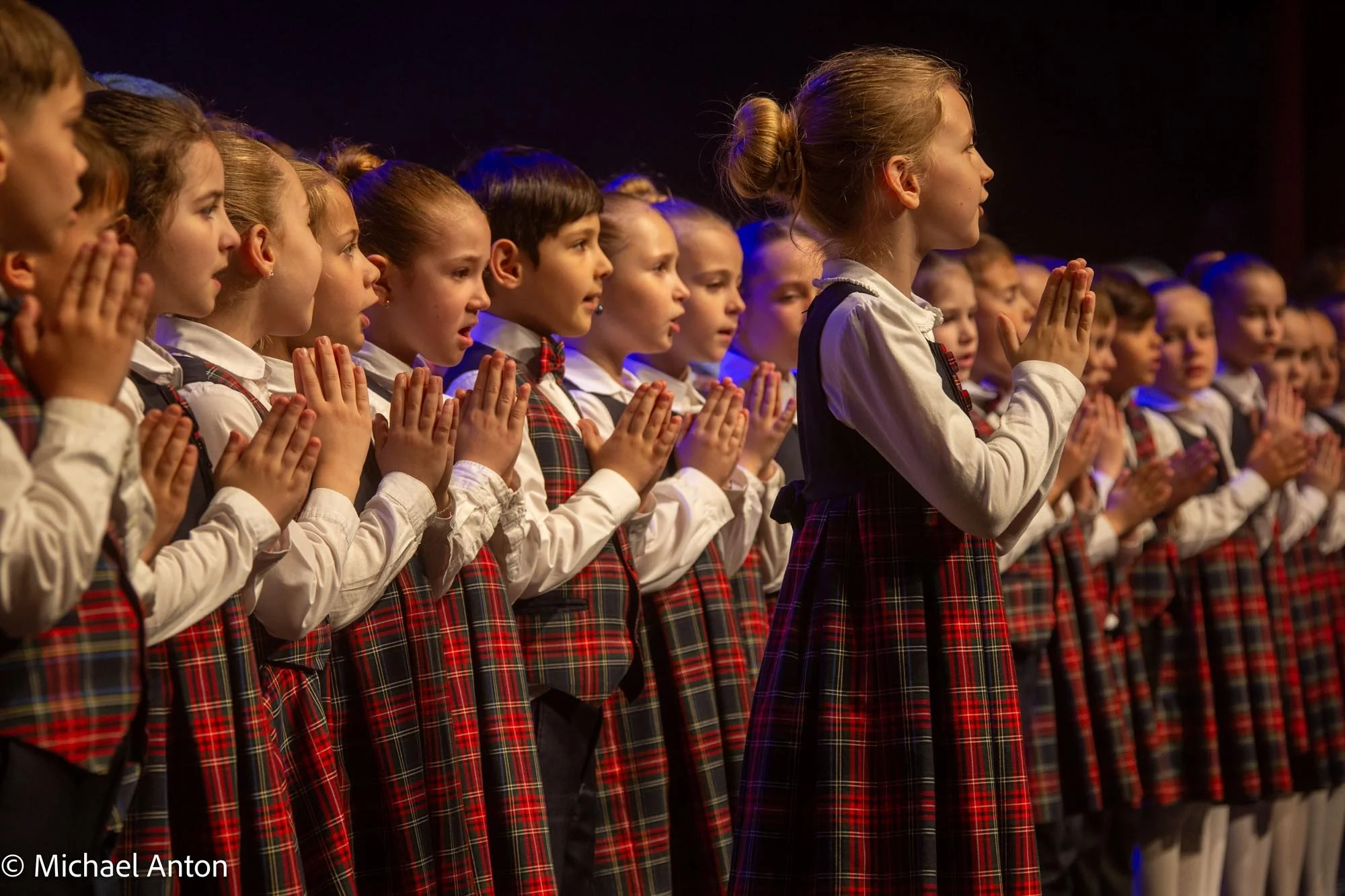
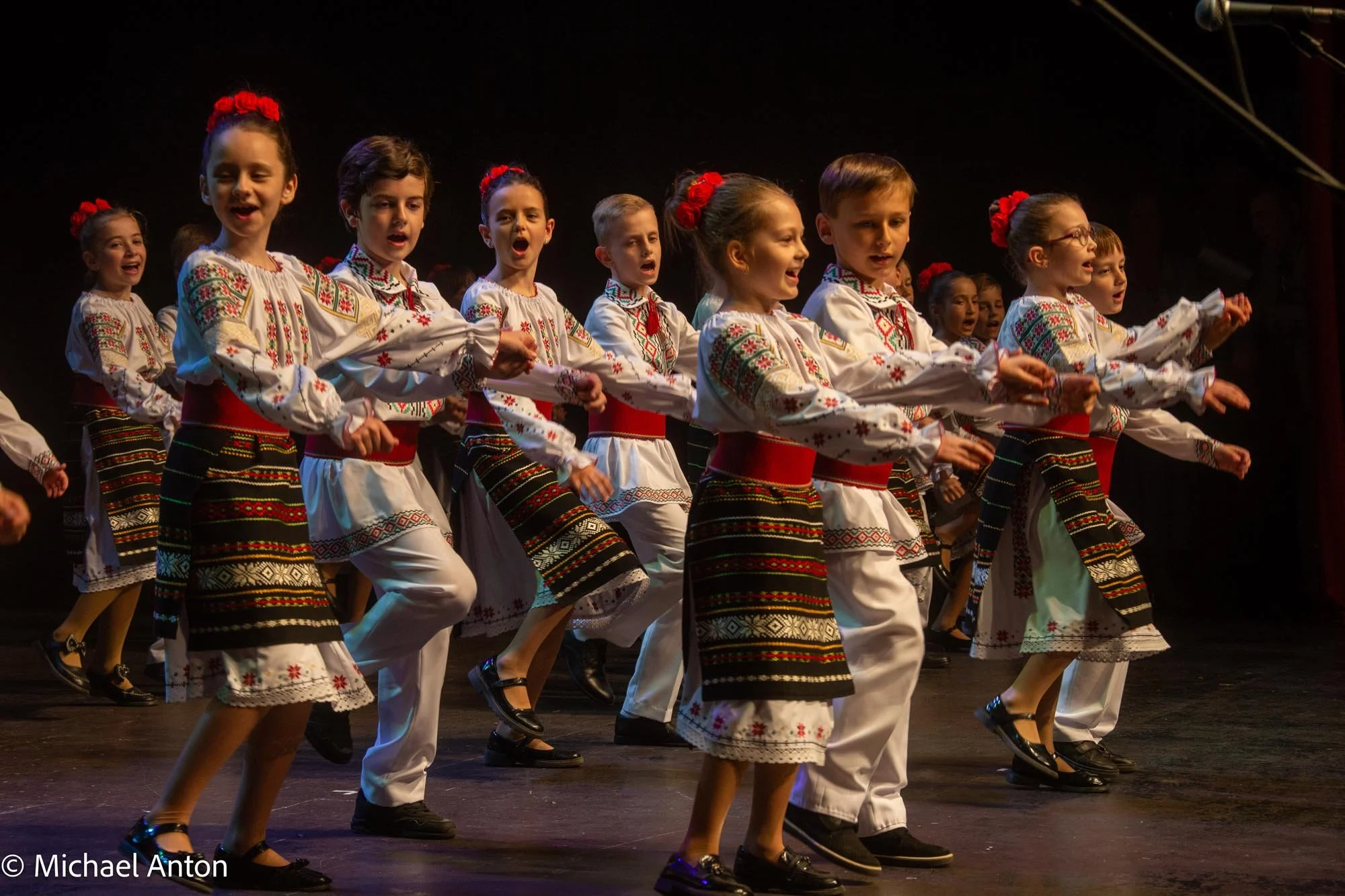
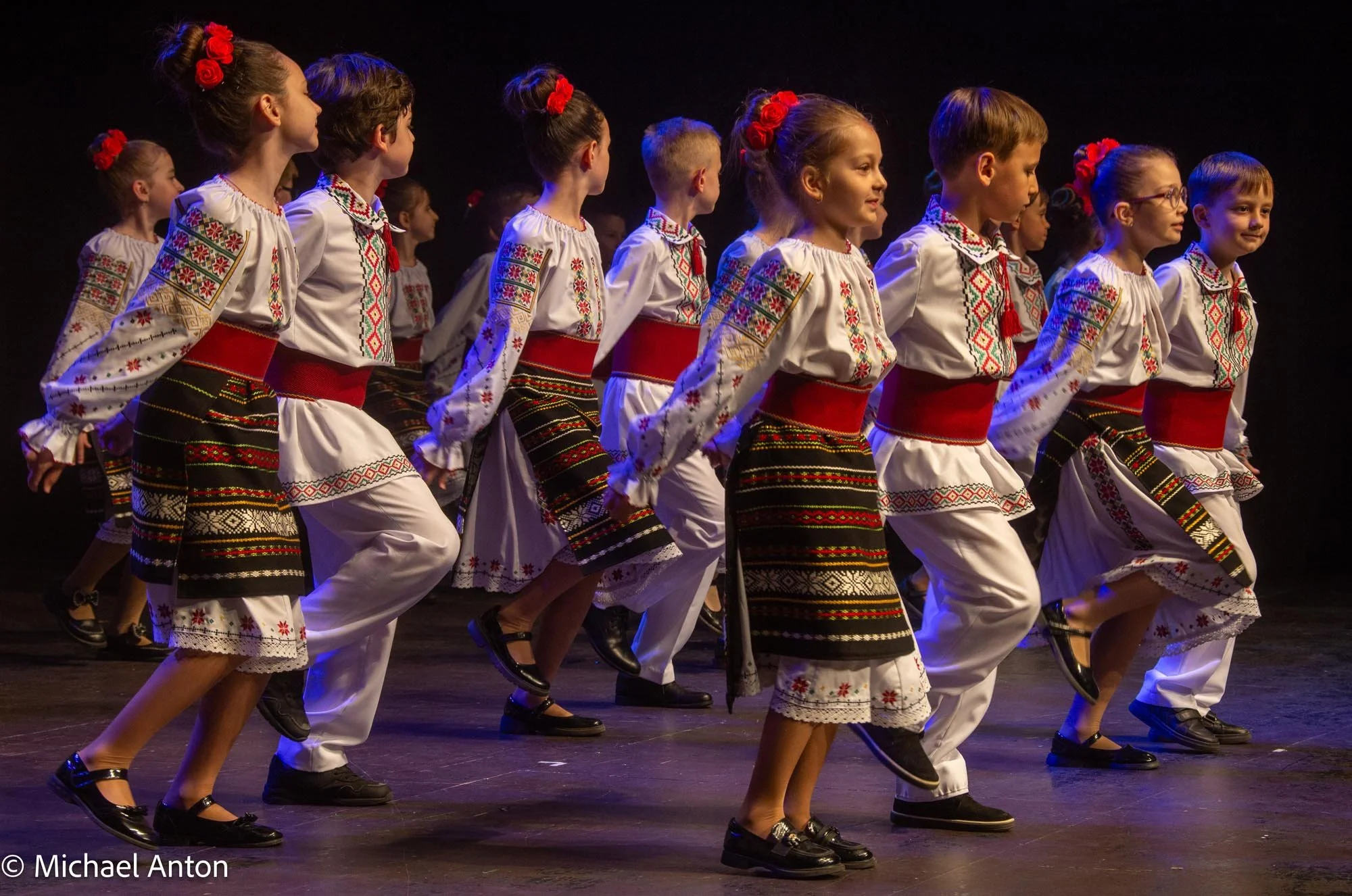
Children's Performance
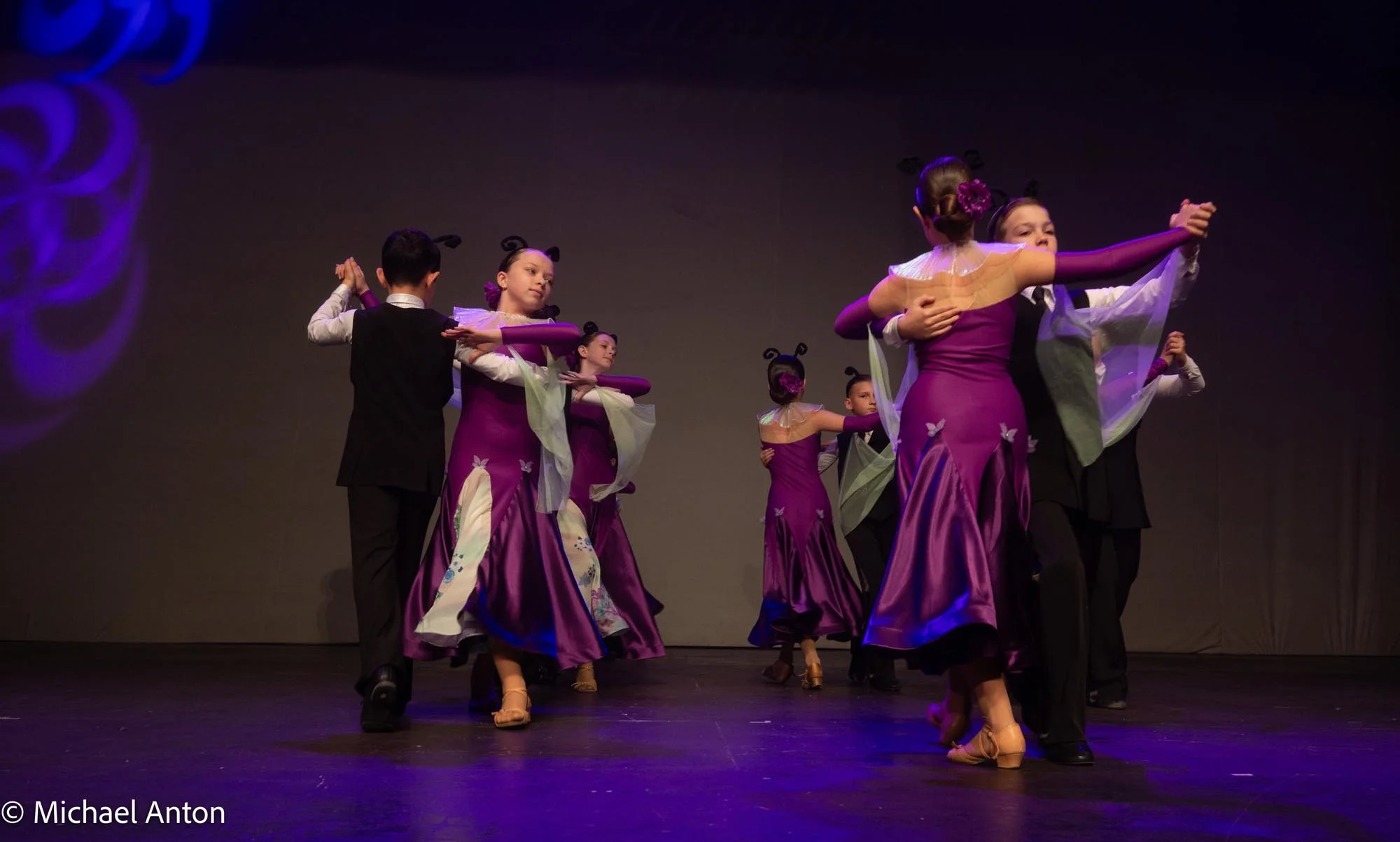
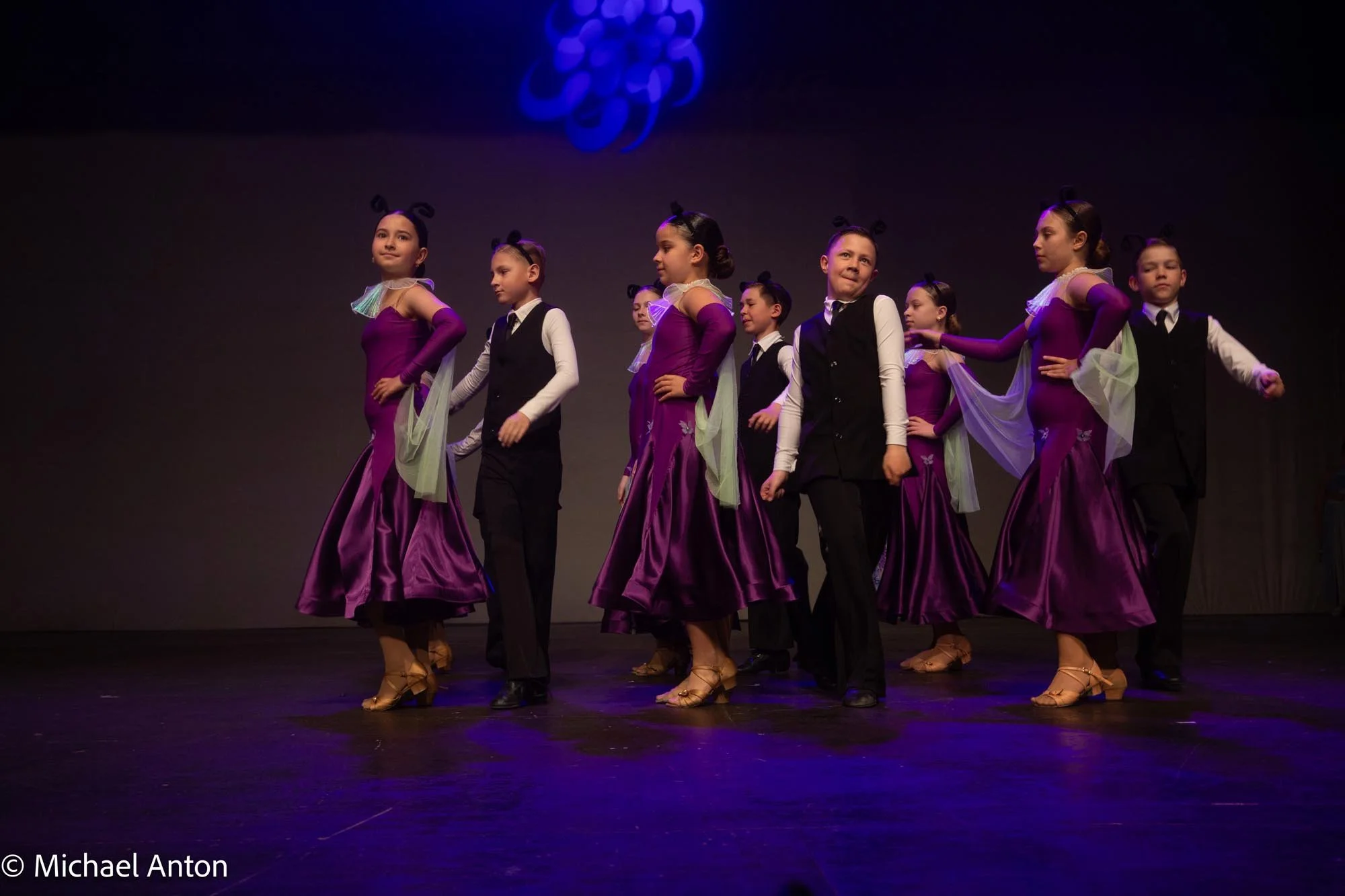
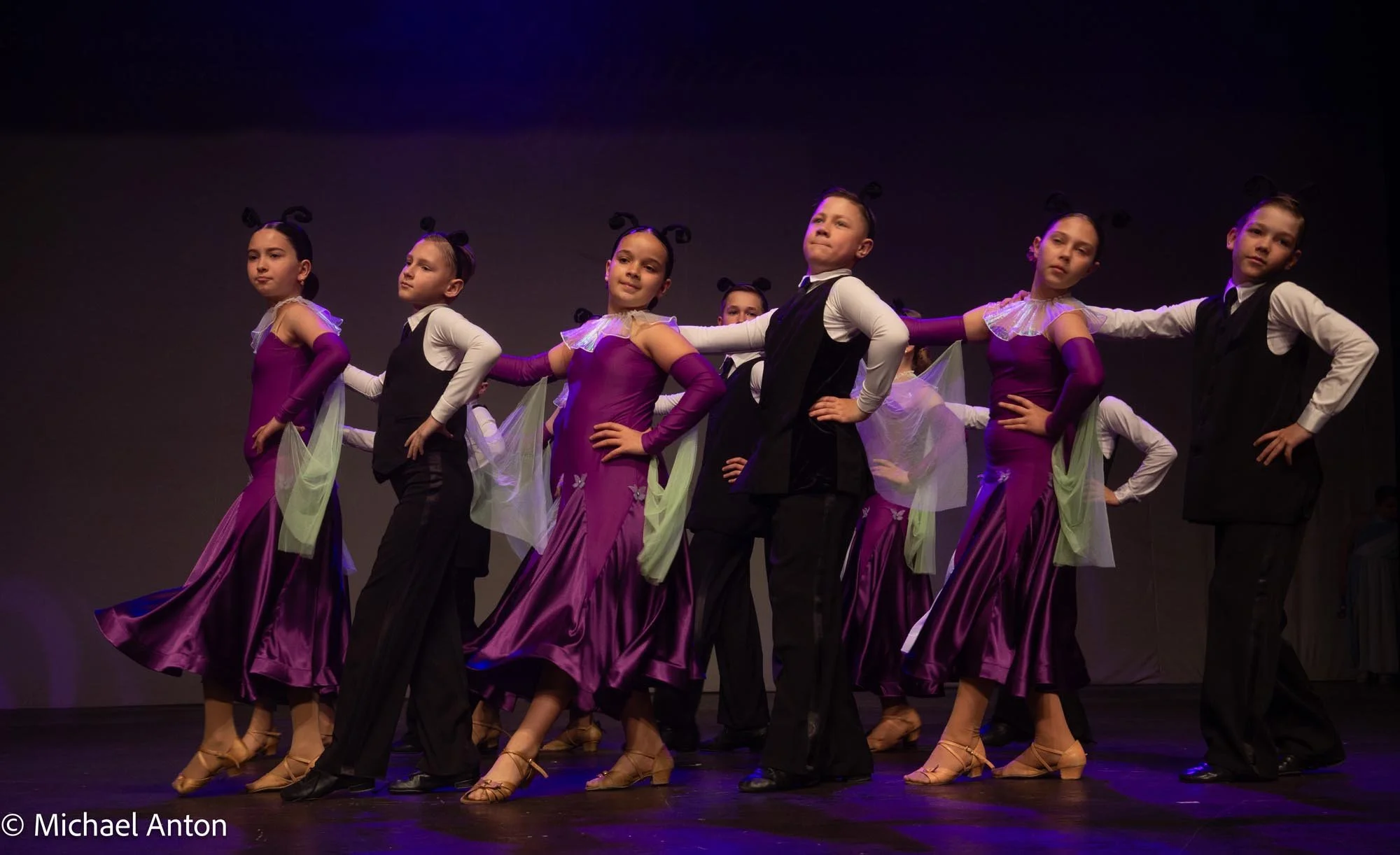
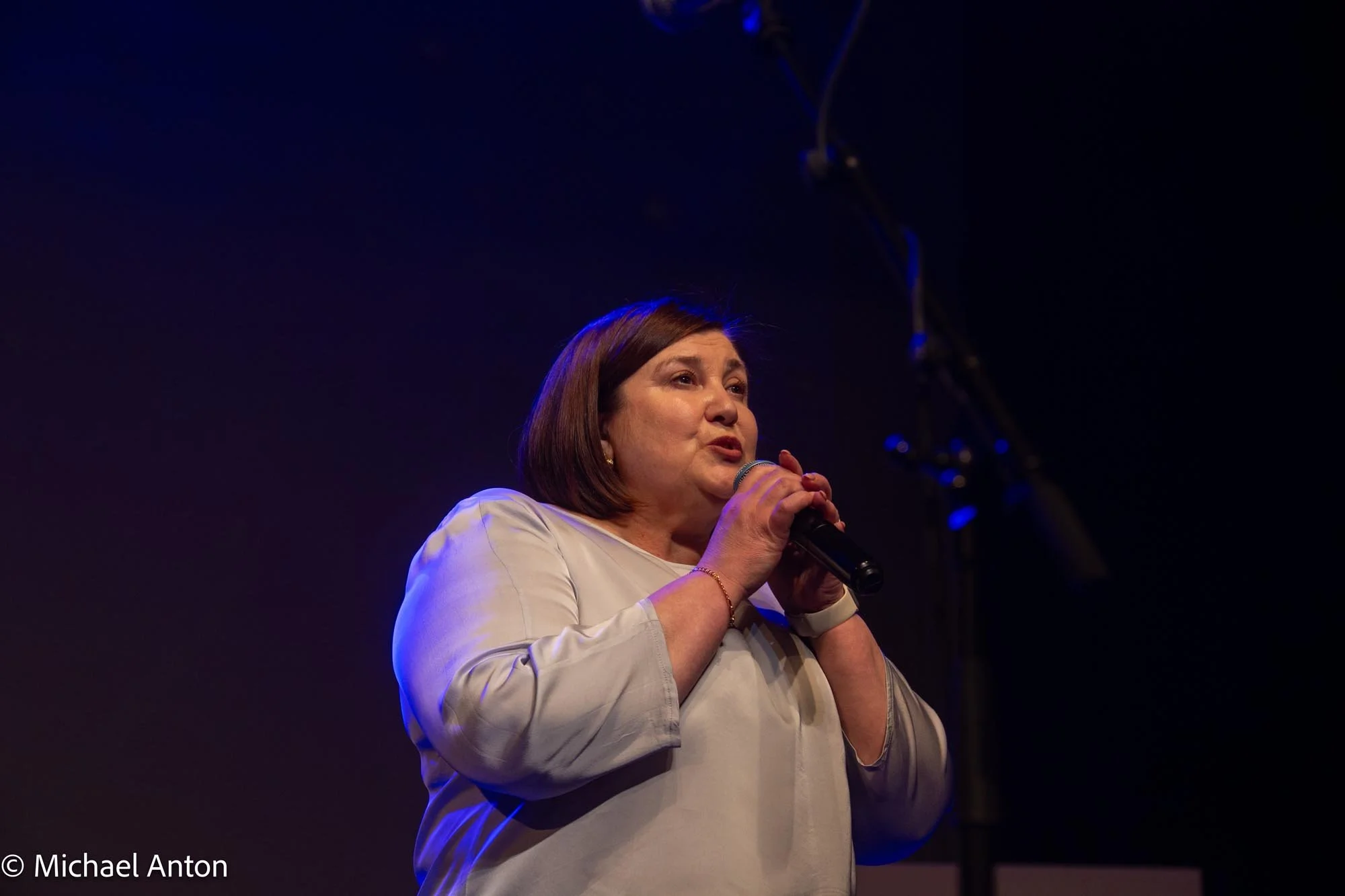
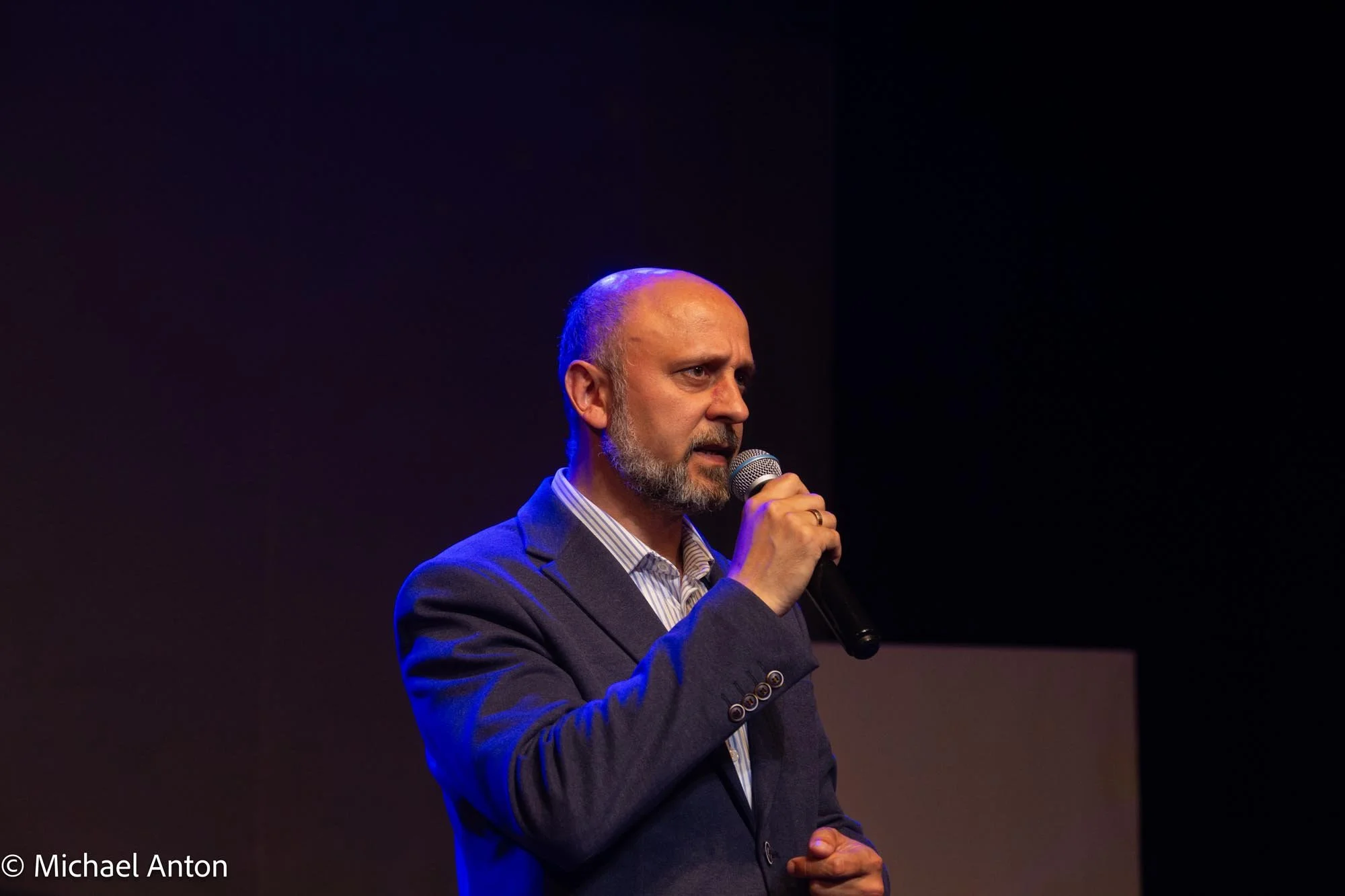
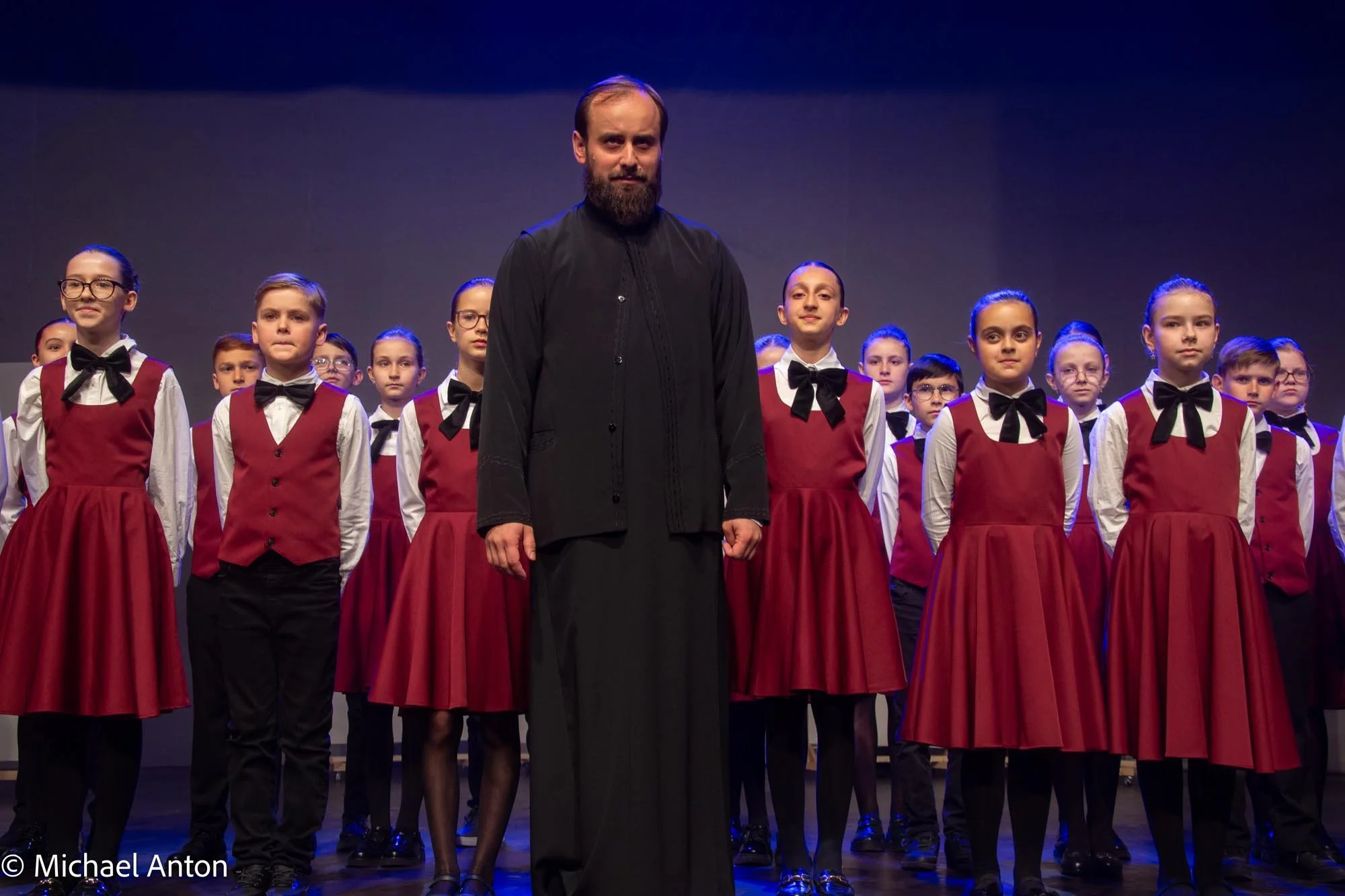
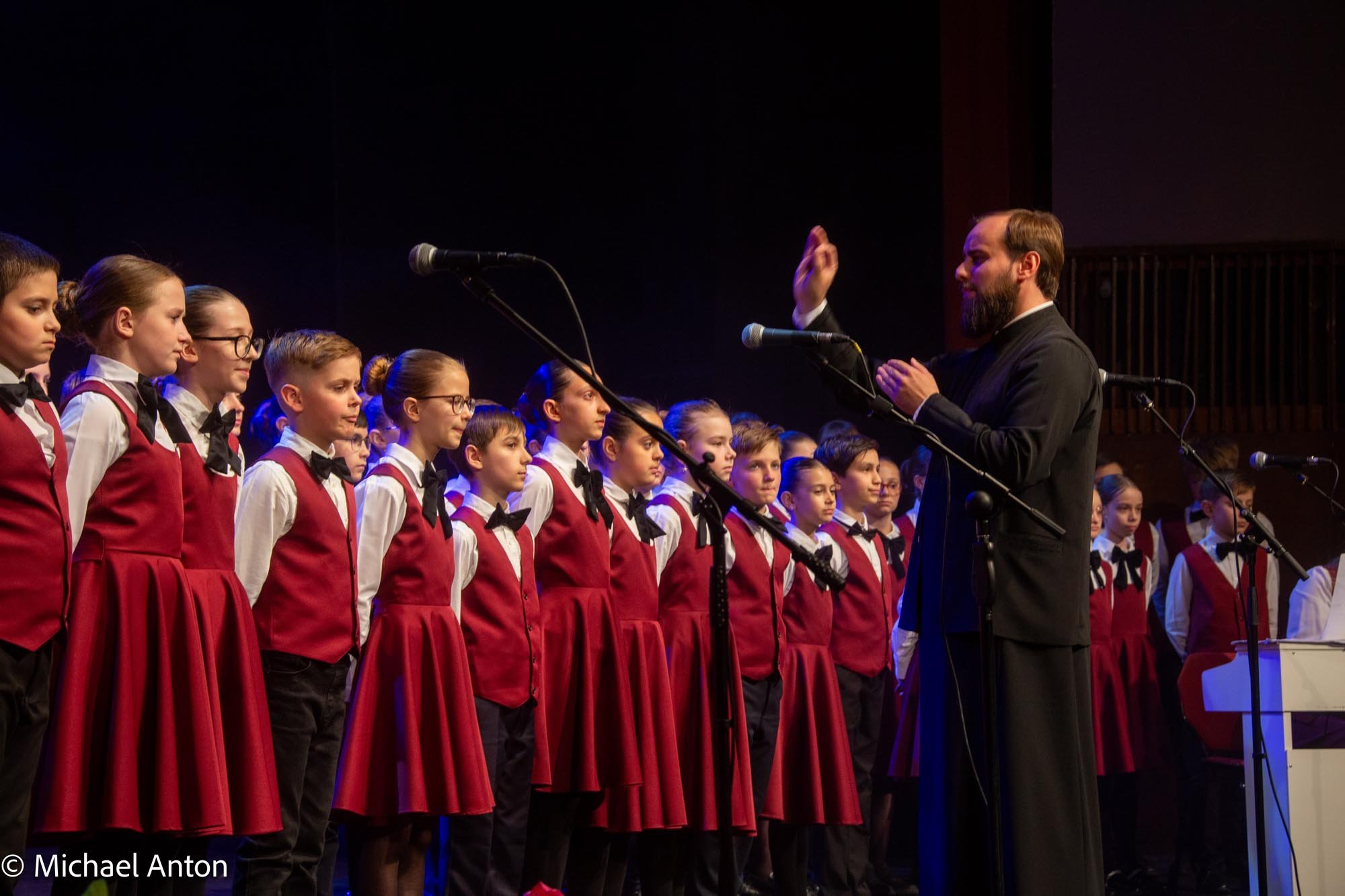
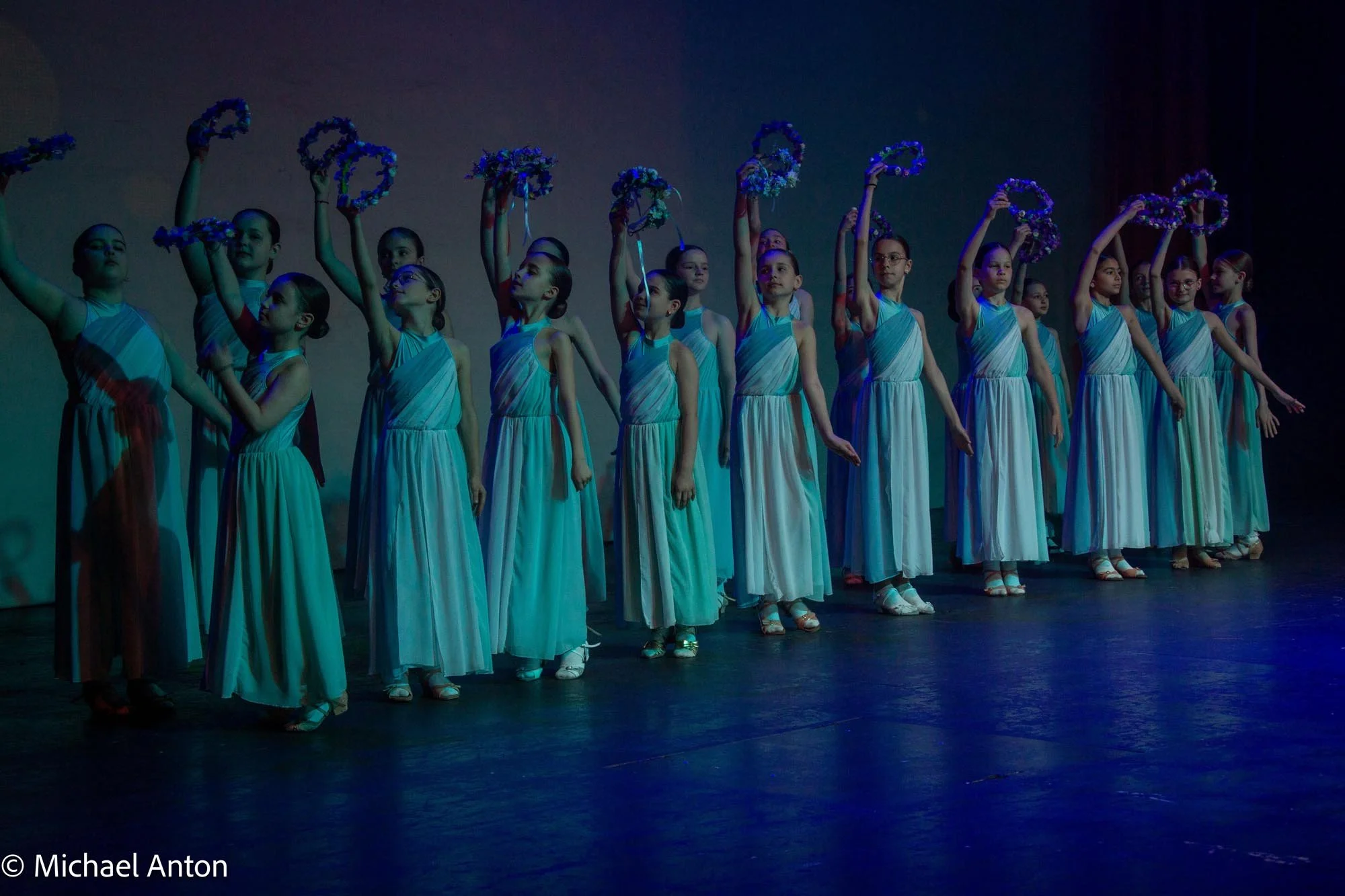
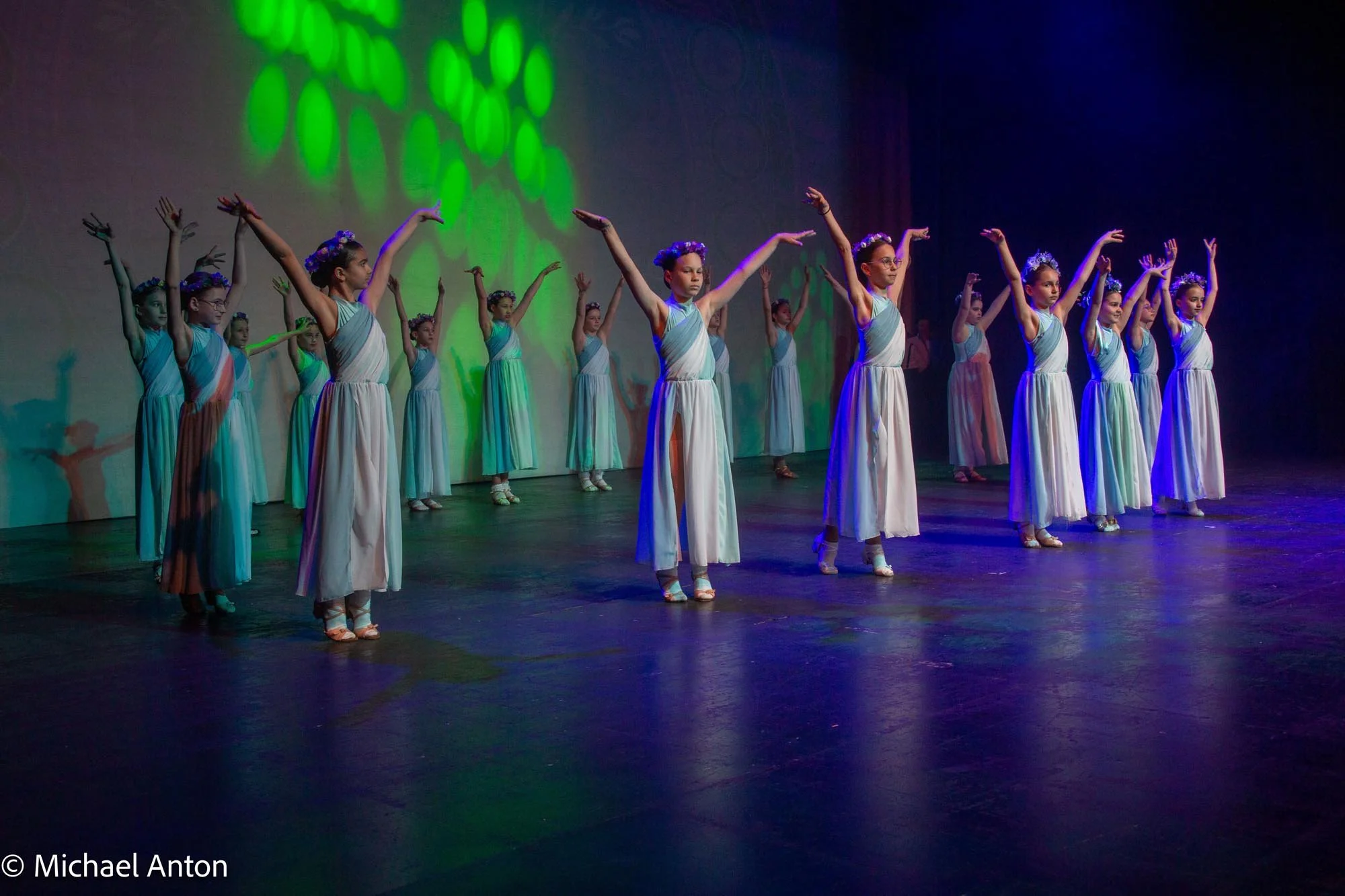
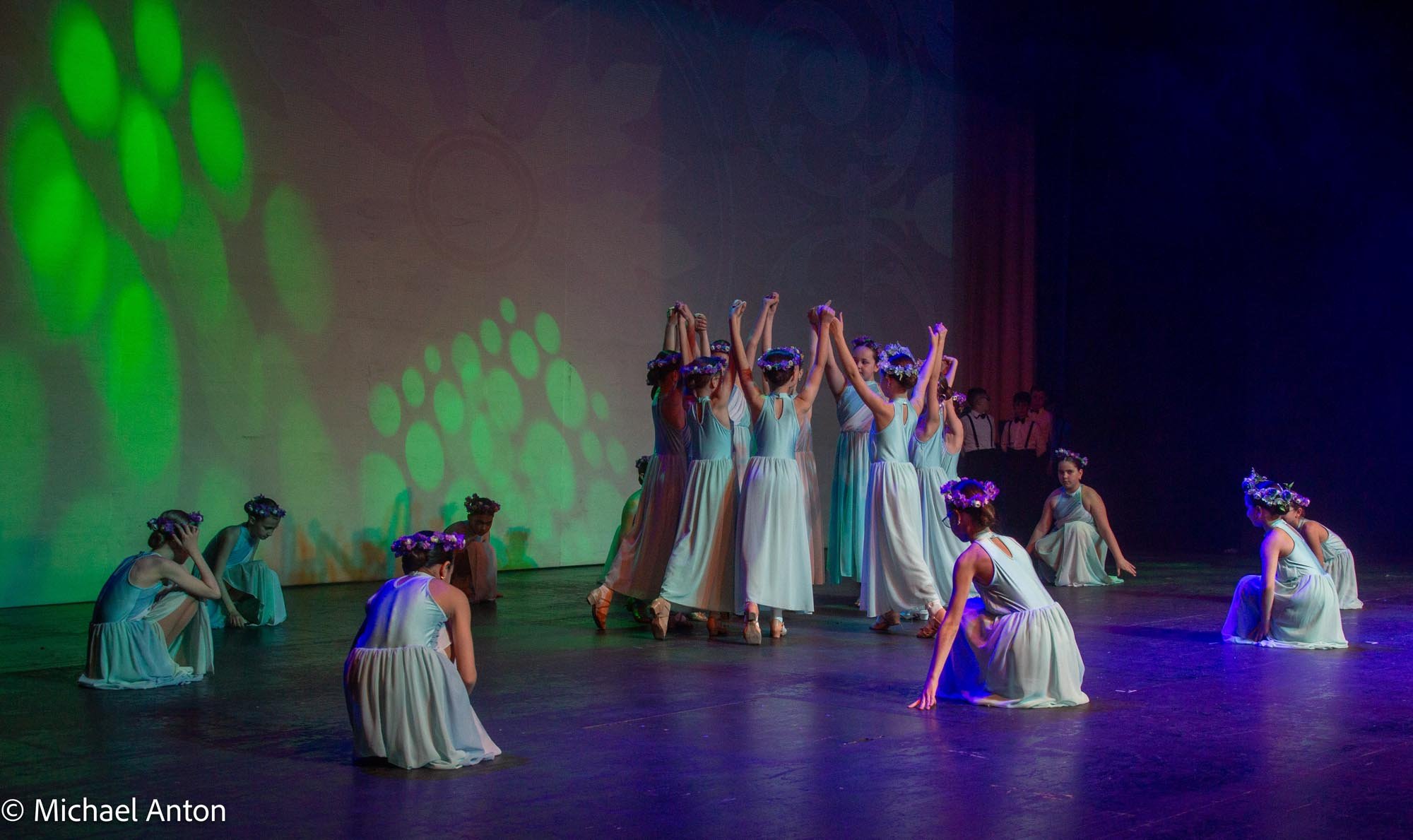
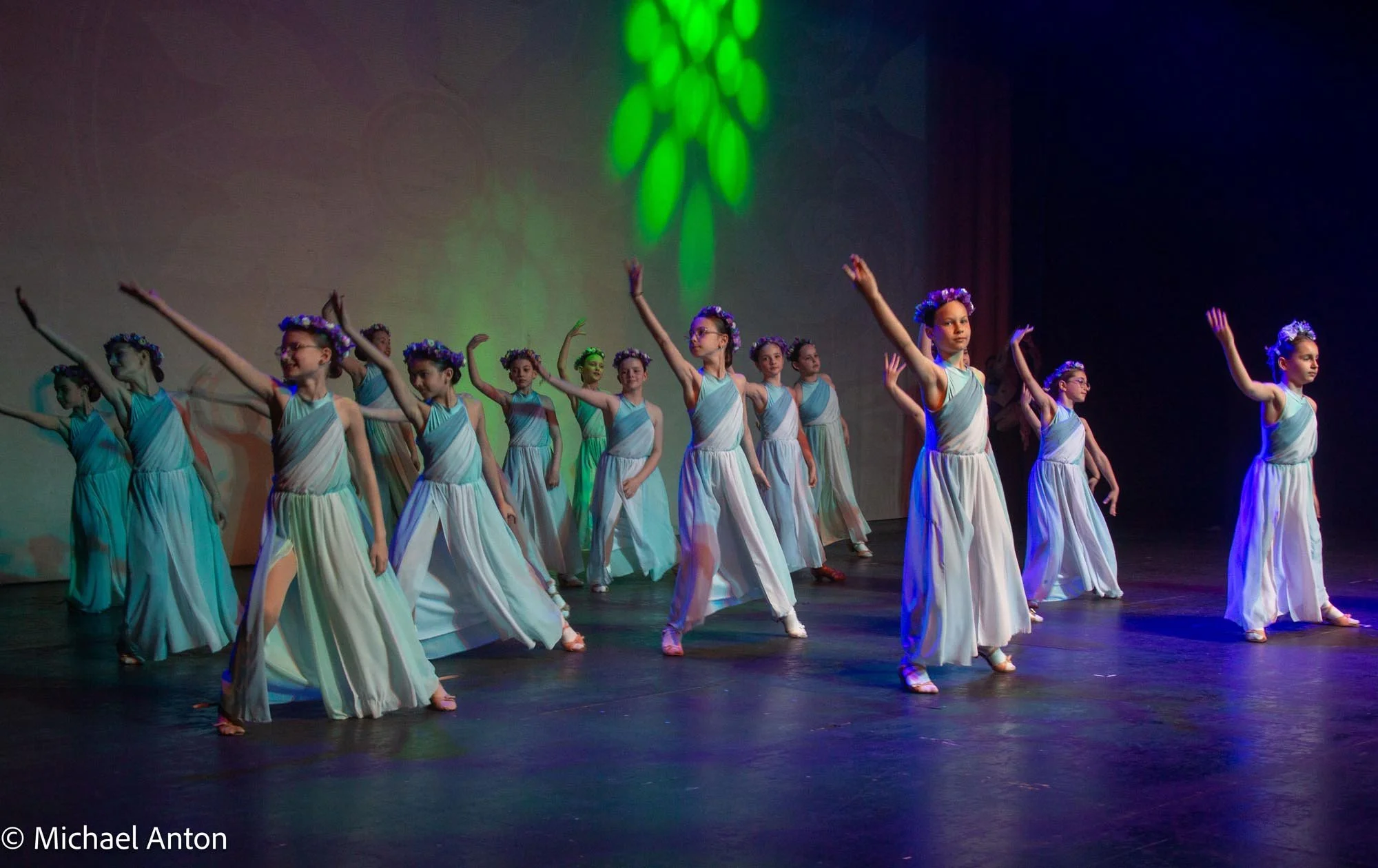
I’m a little unclear as to how it came about, but I was invited to photograph a children’s dance and choral performance.
I was only too happy to. There were even two teenage boys who gave a rap performance. Romanian (that’s the language spoken here) rap. Who knew?
Apparently, it was a pretty high-level event, as the country’s Culture Minister was in attendance and spoke.
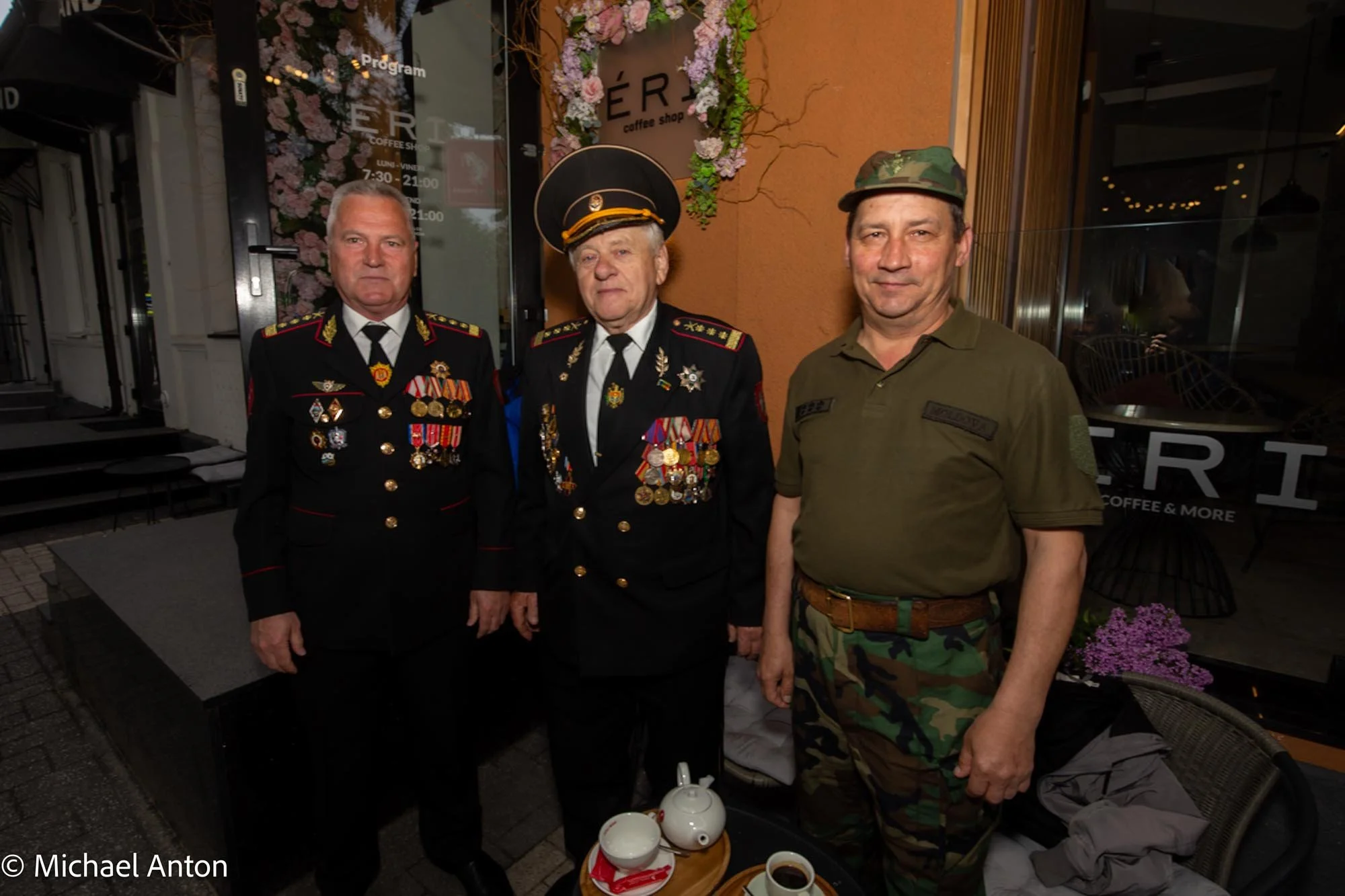
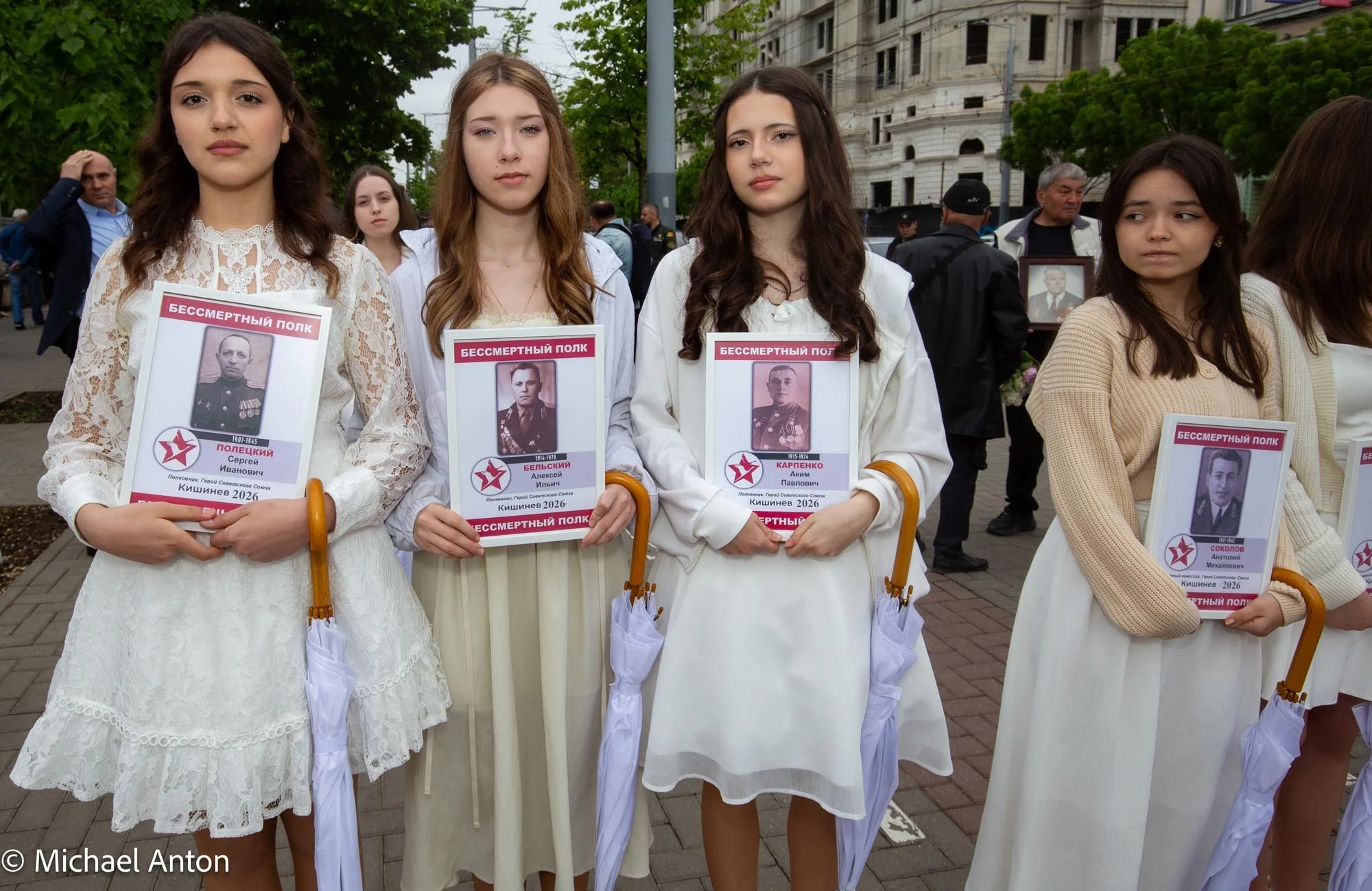
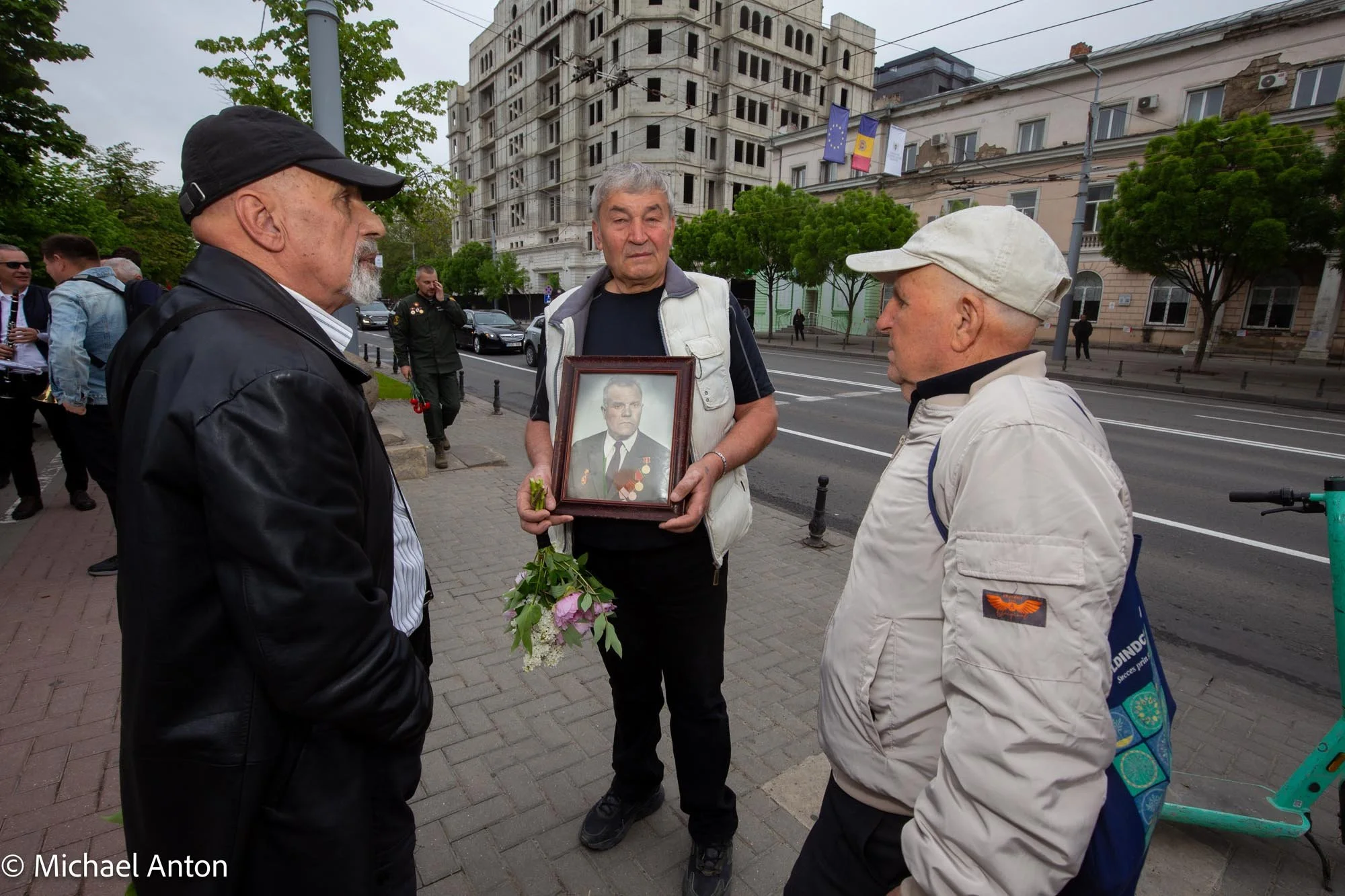
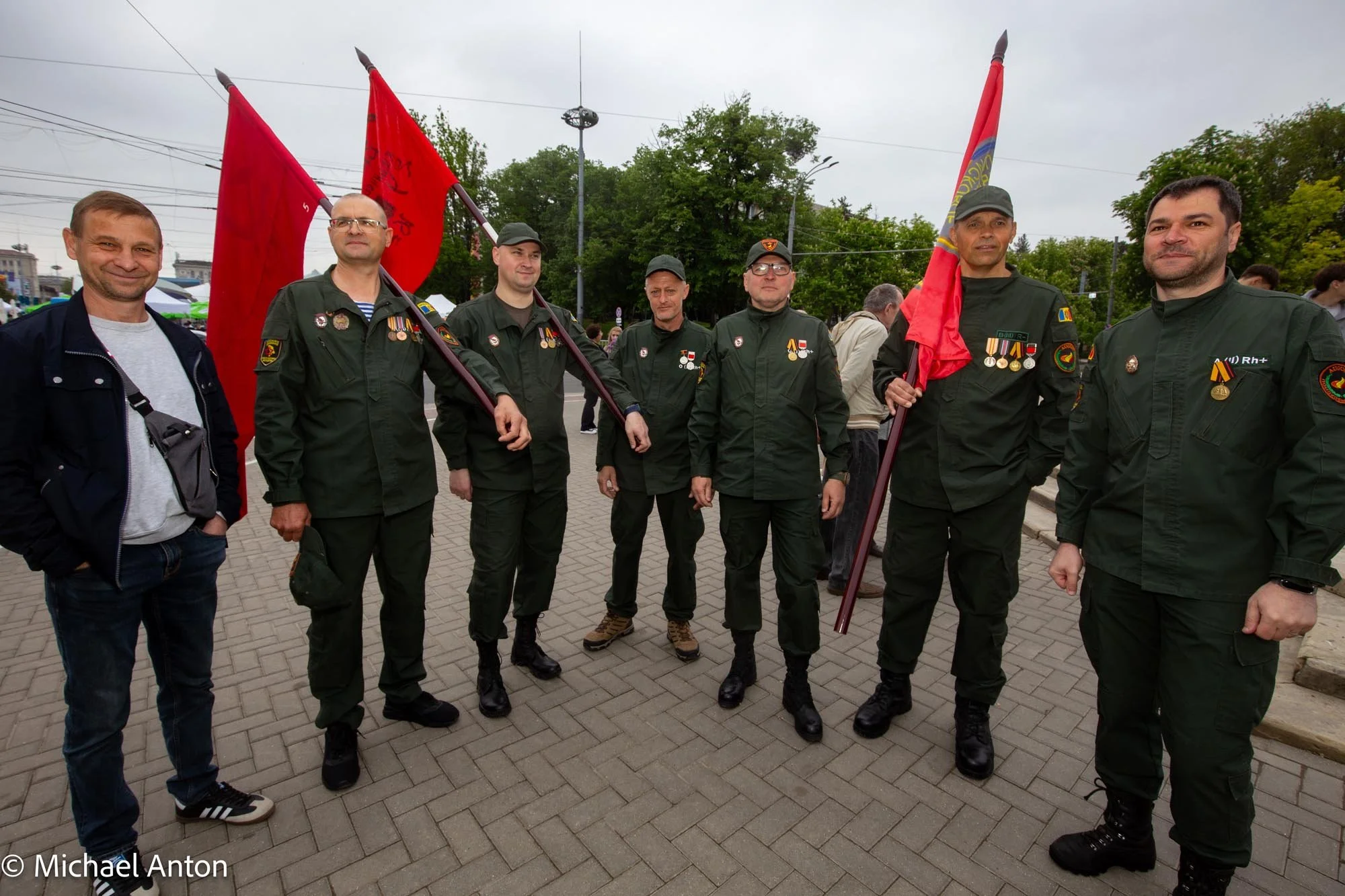
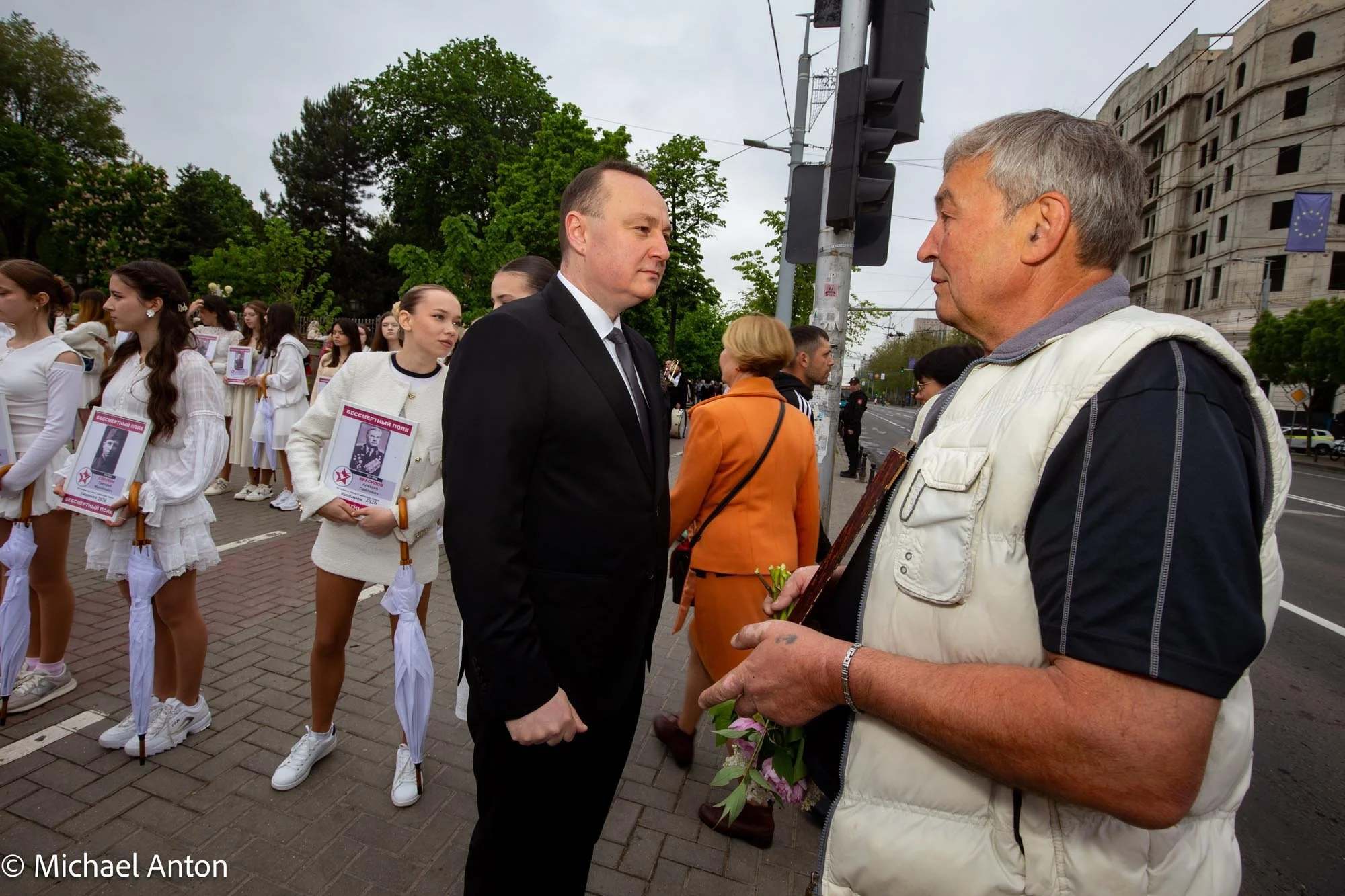
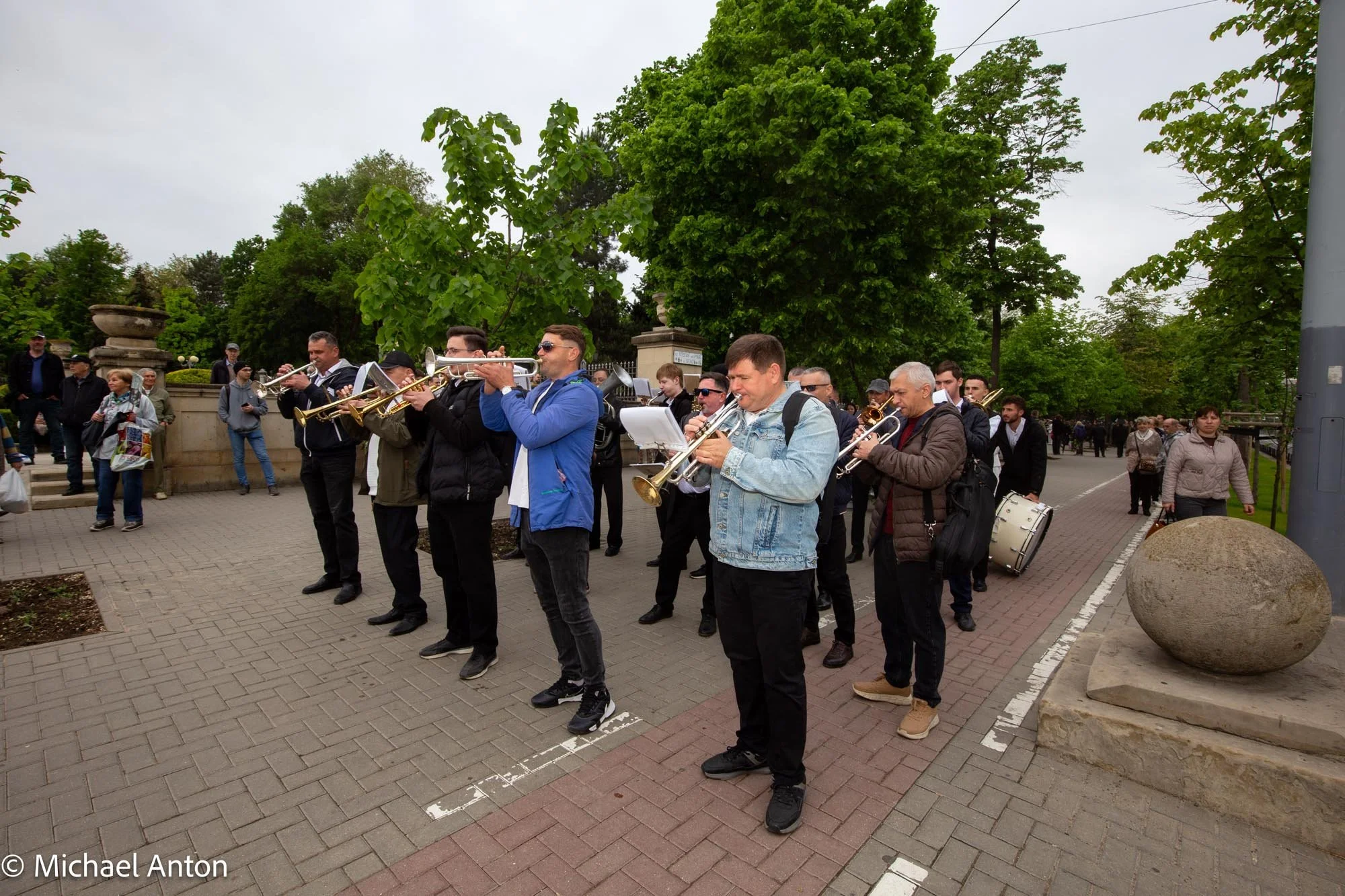
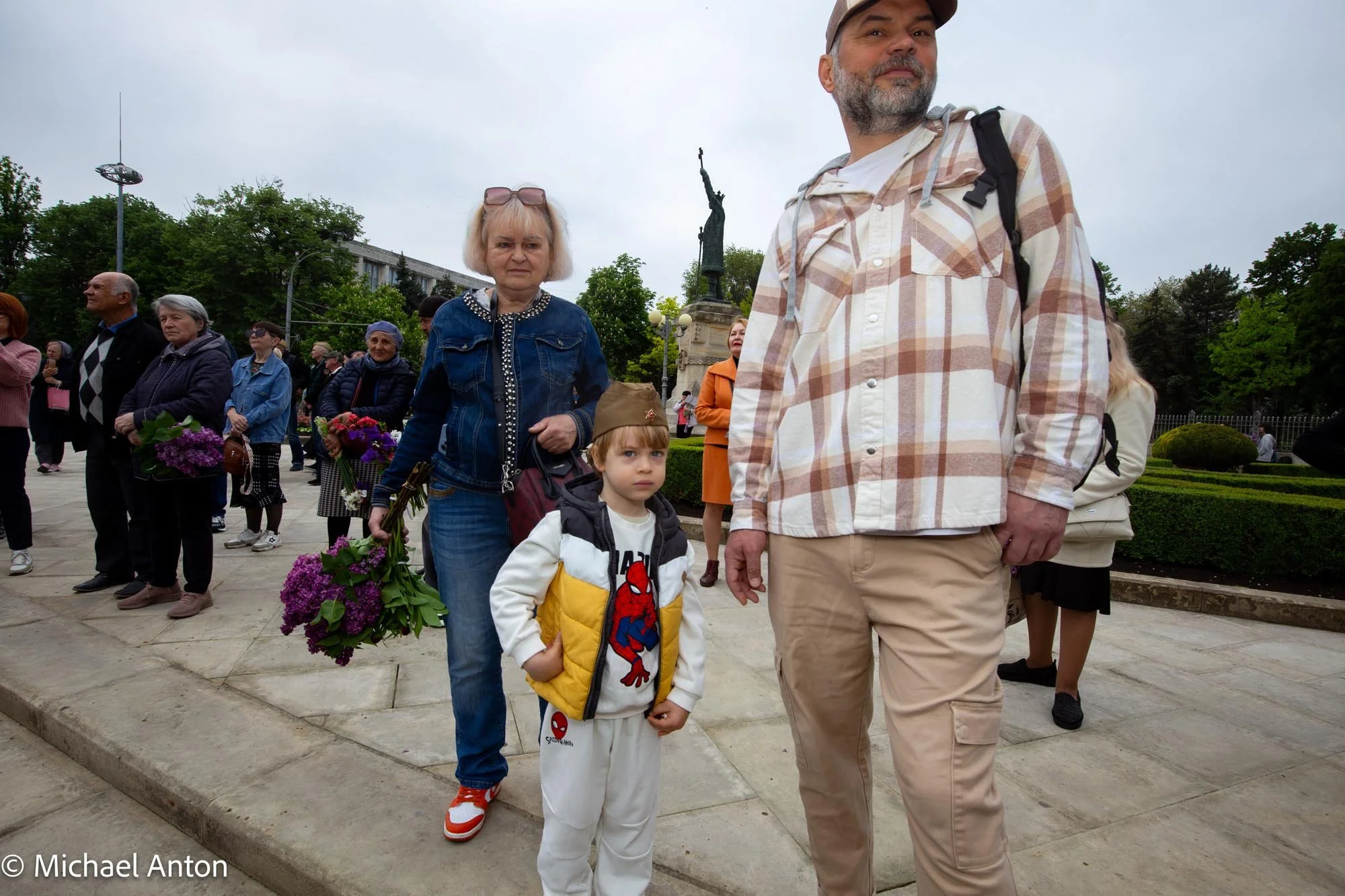
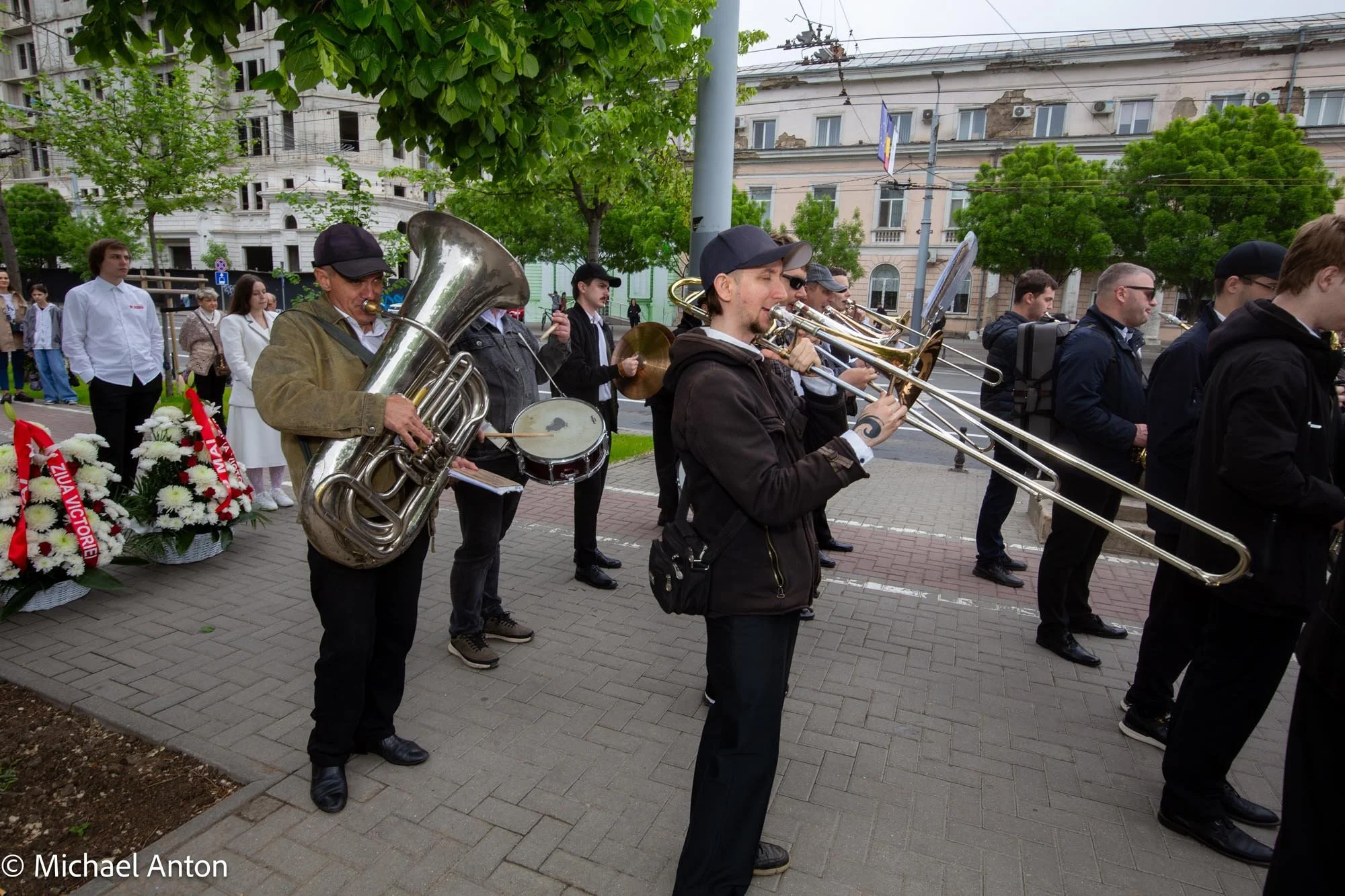
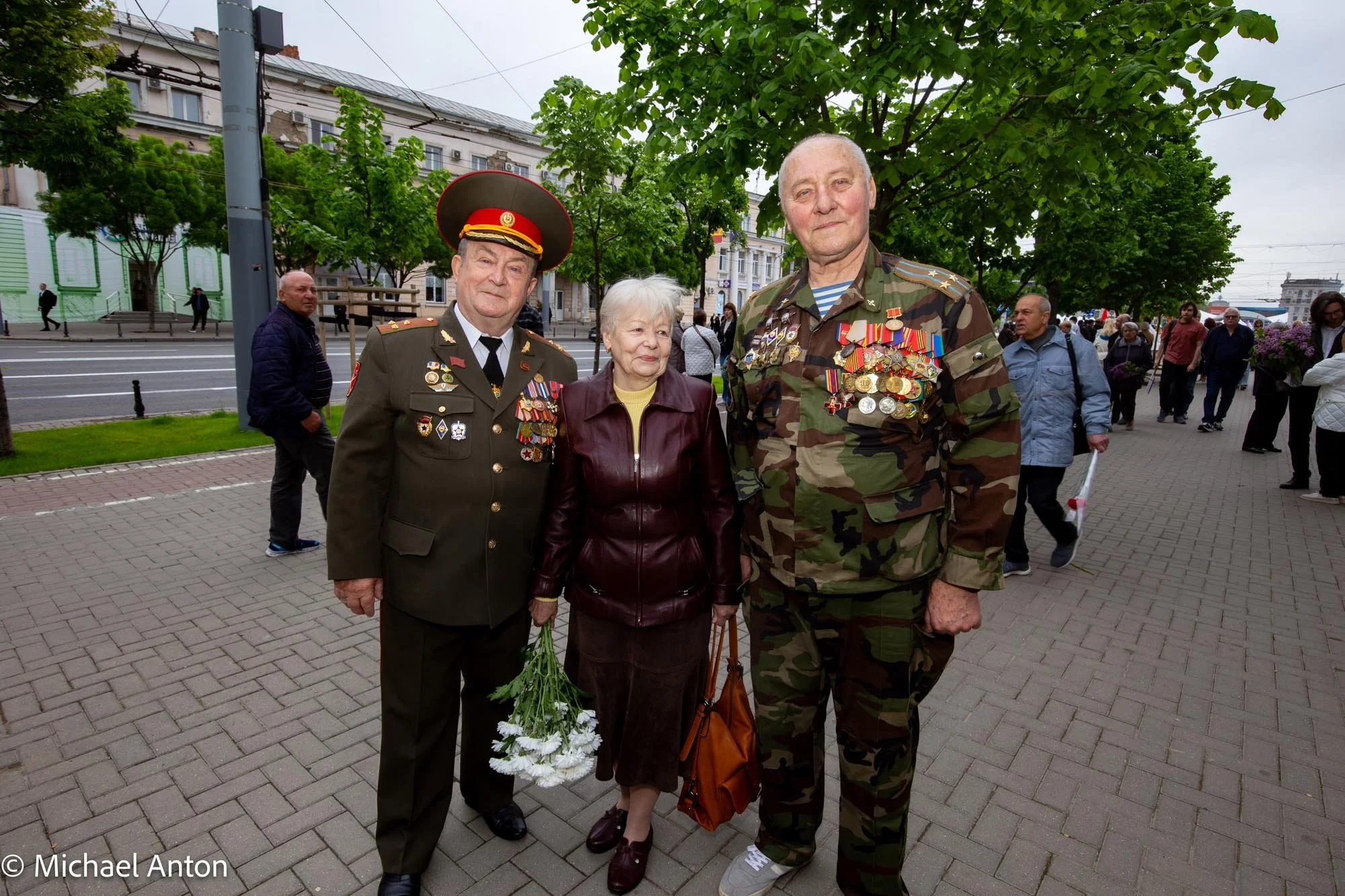
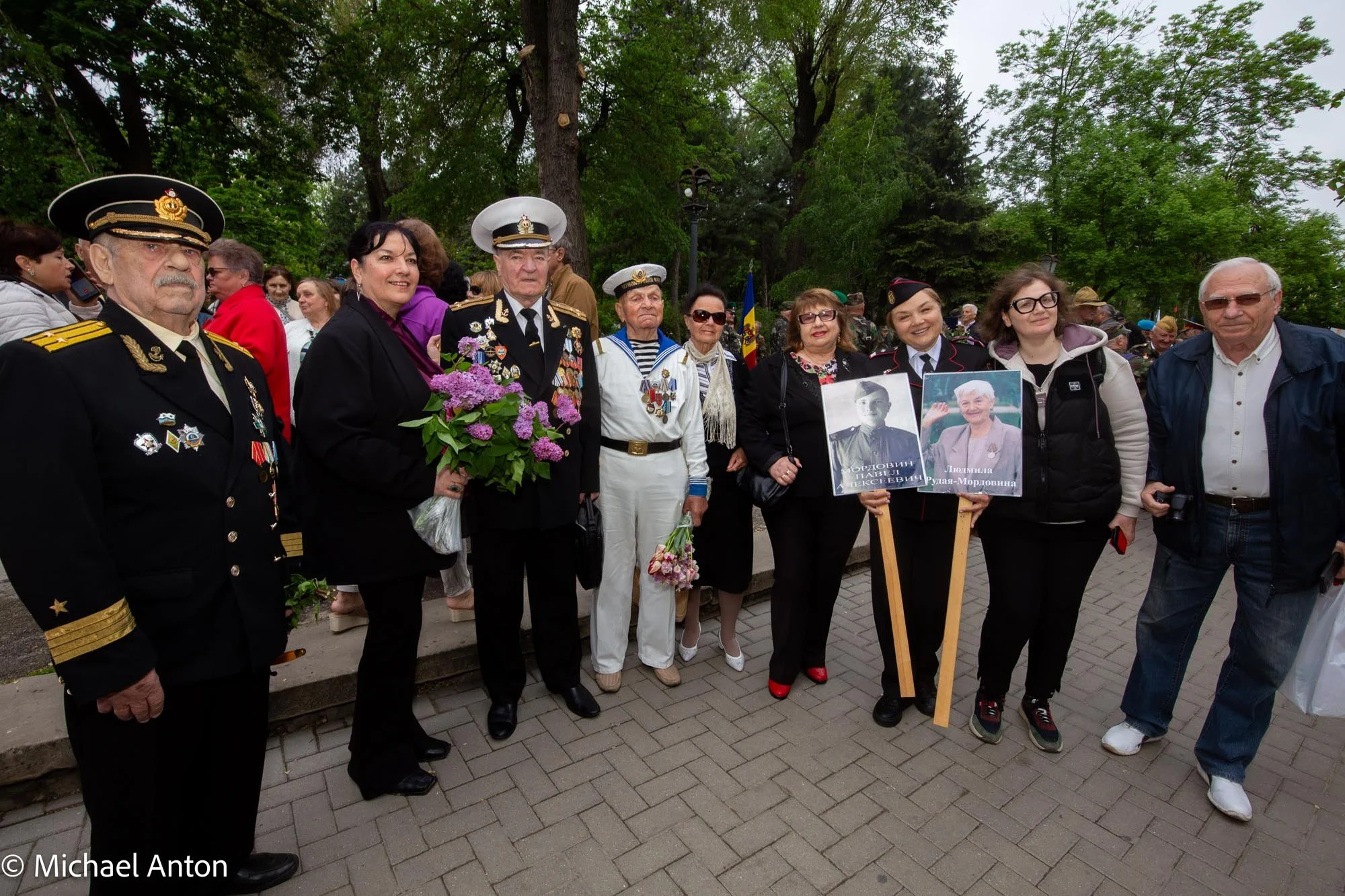
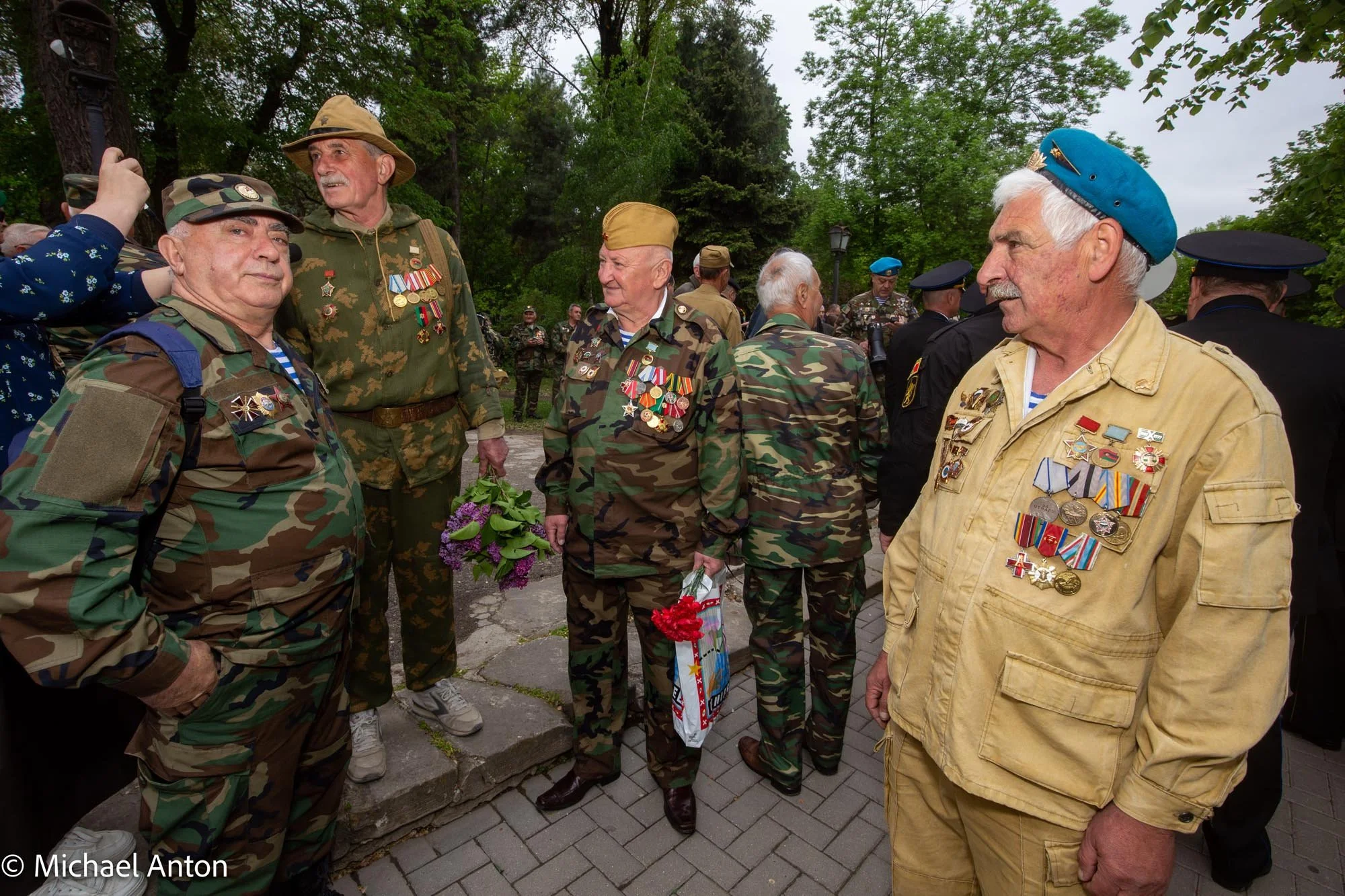
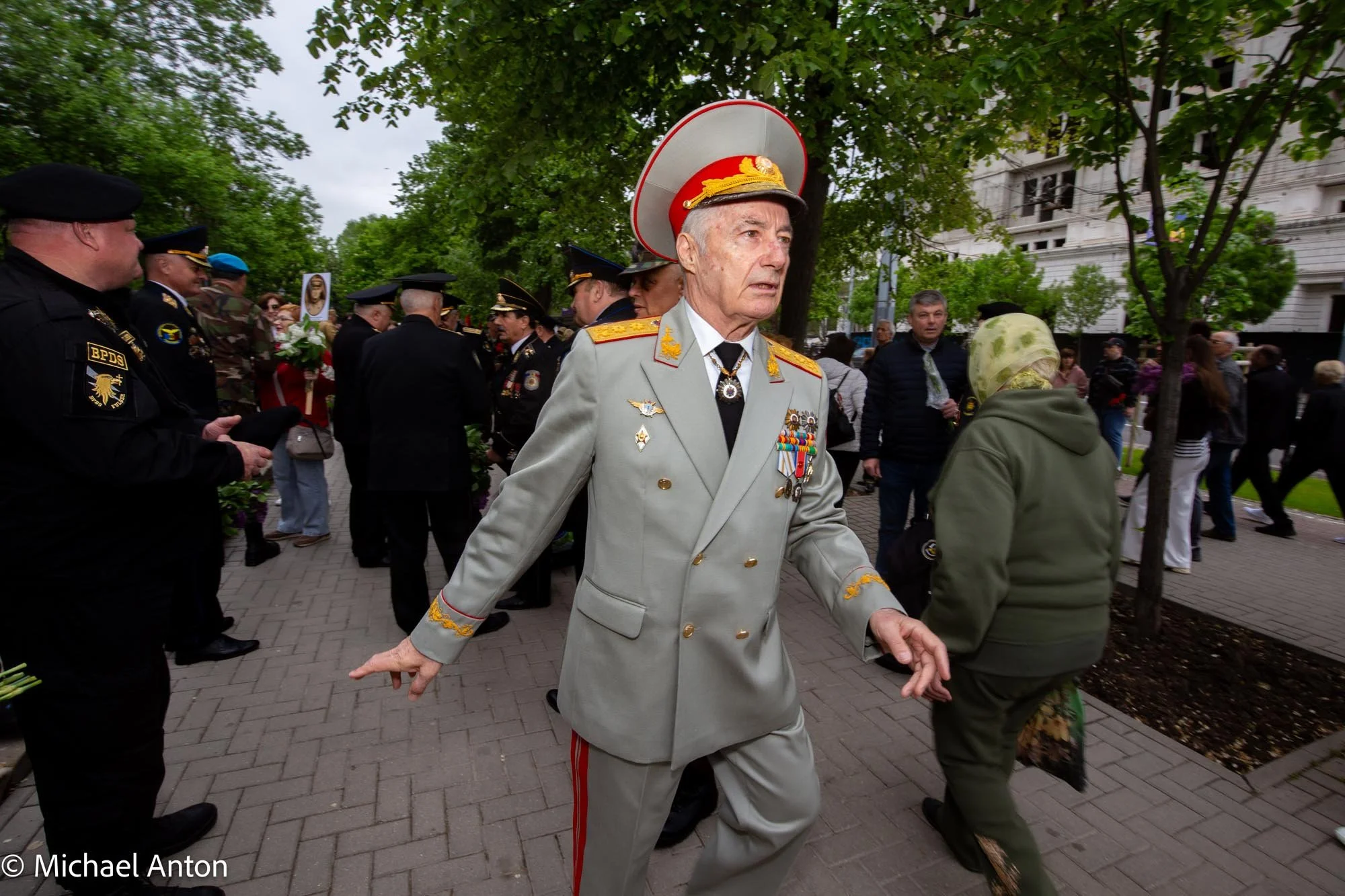
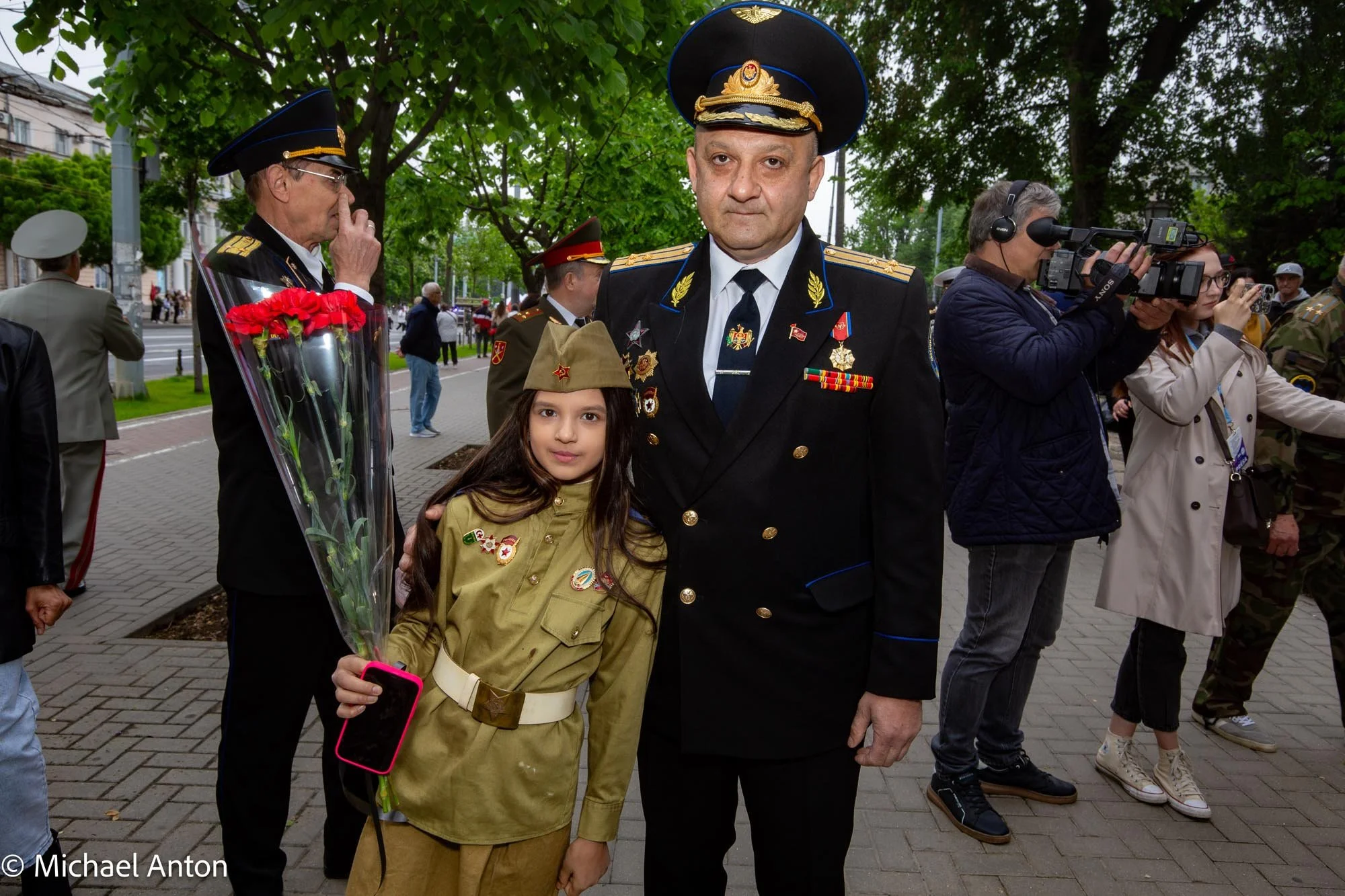
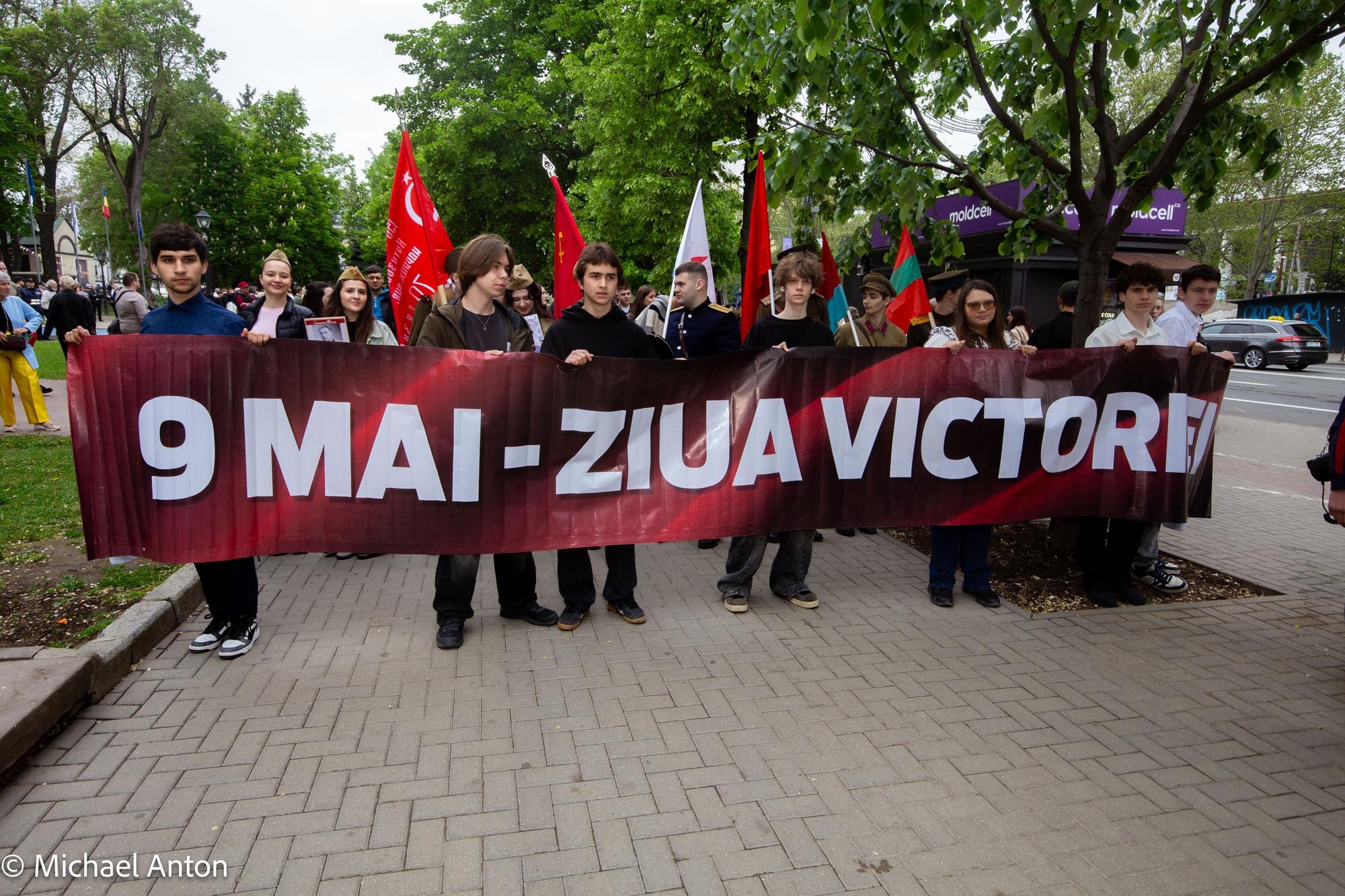
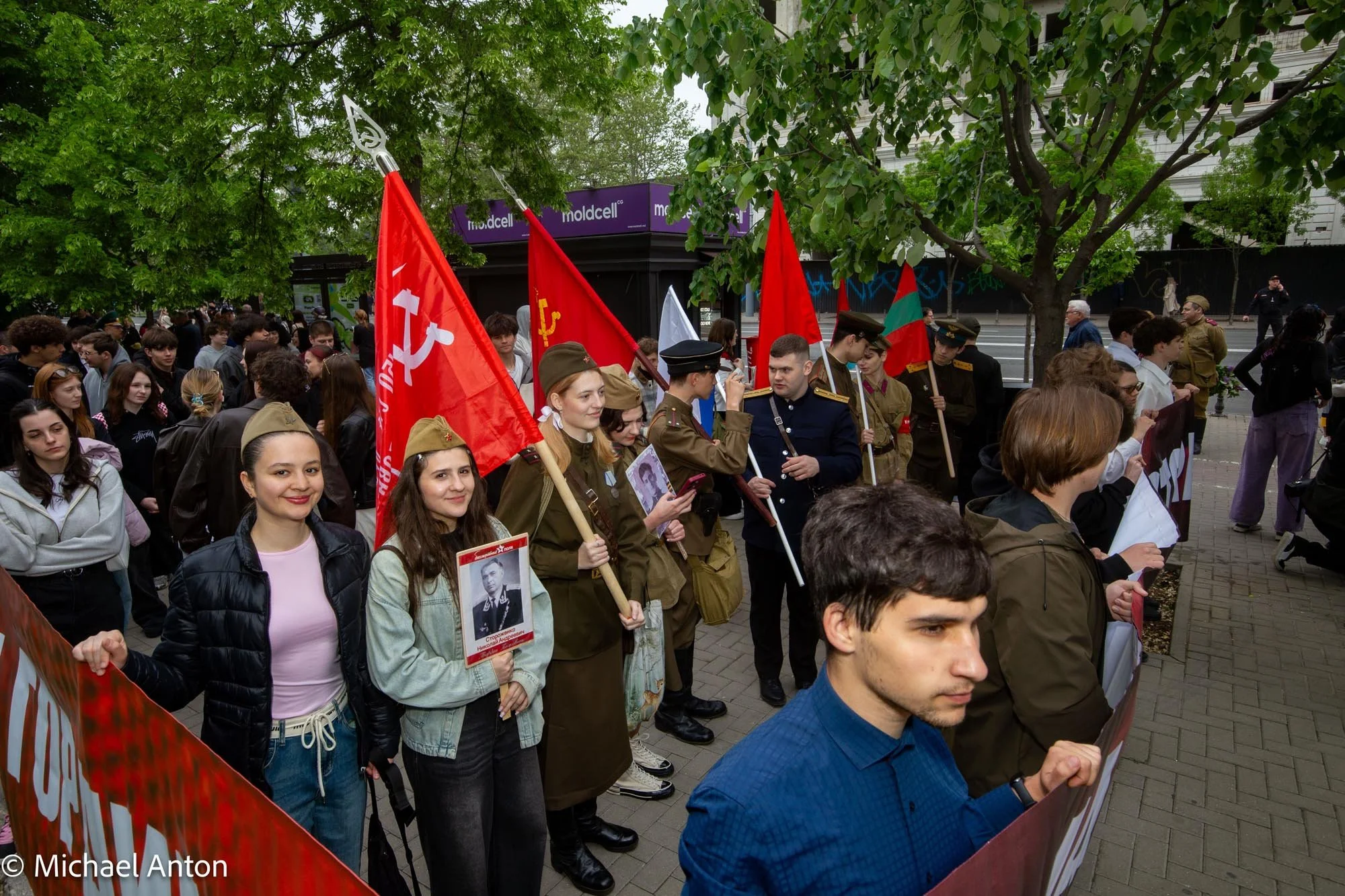
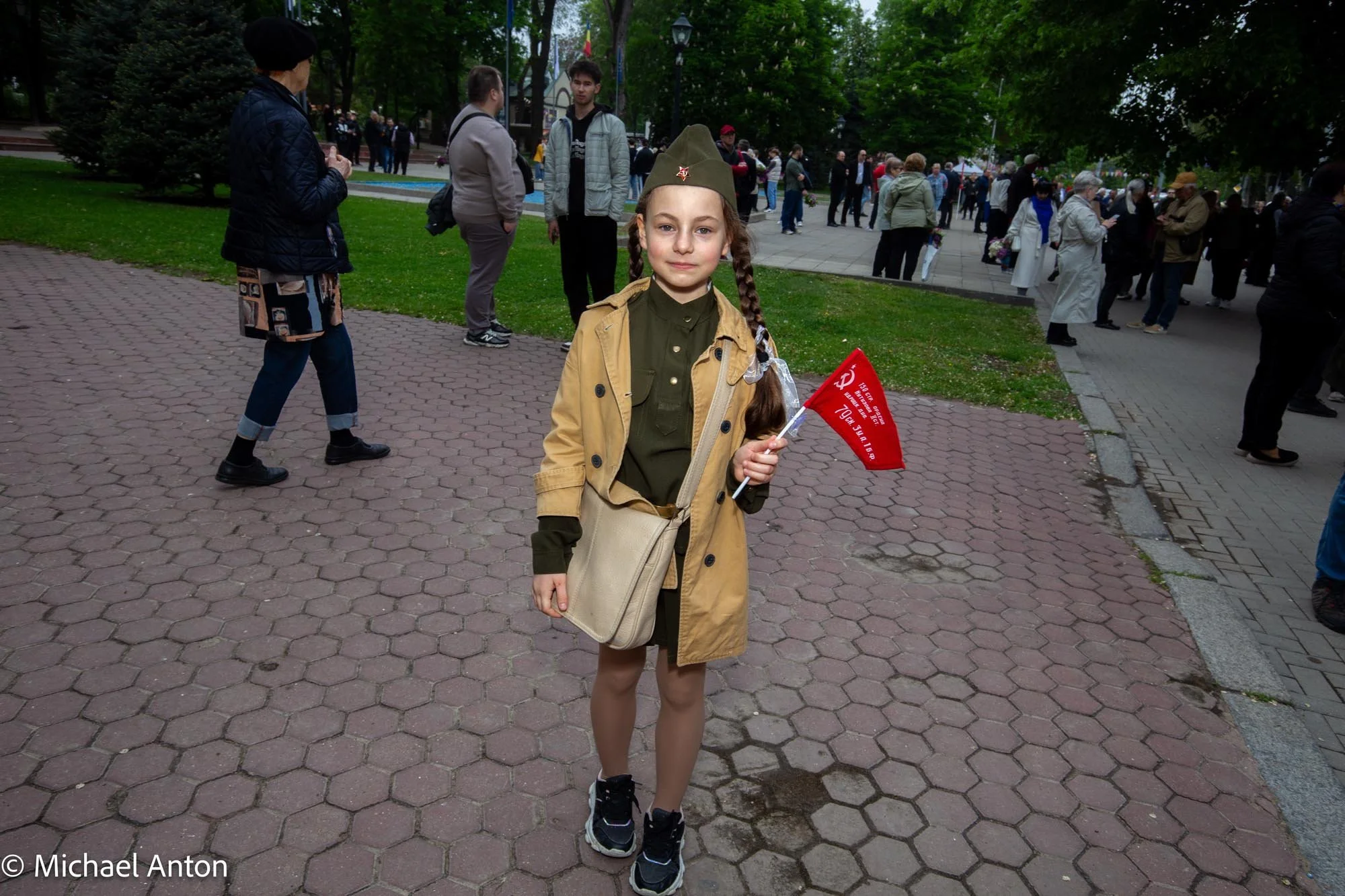
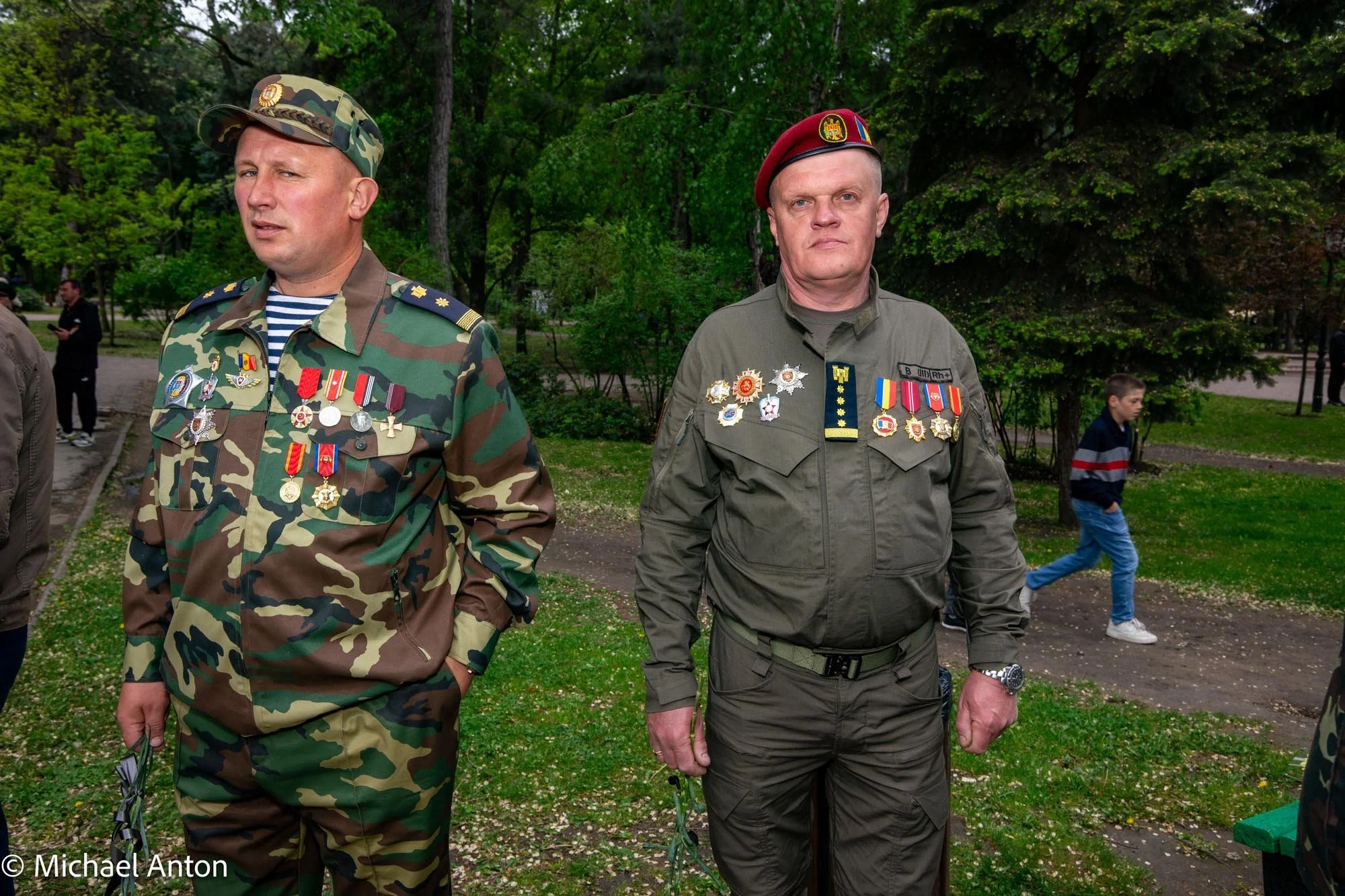
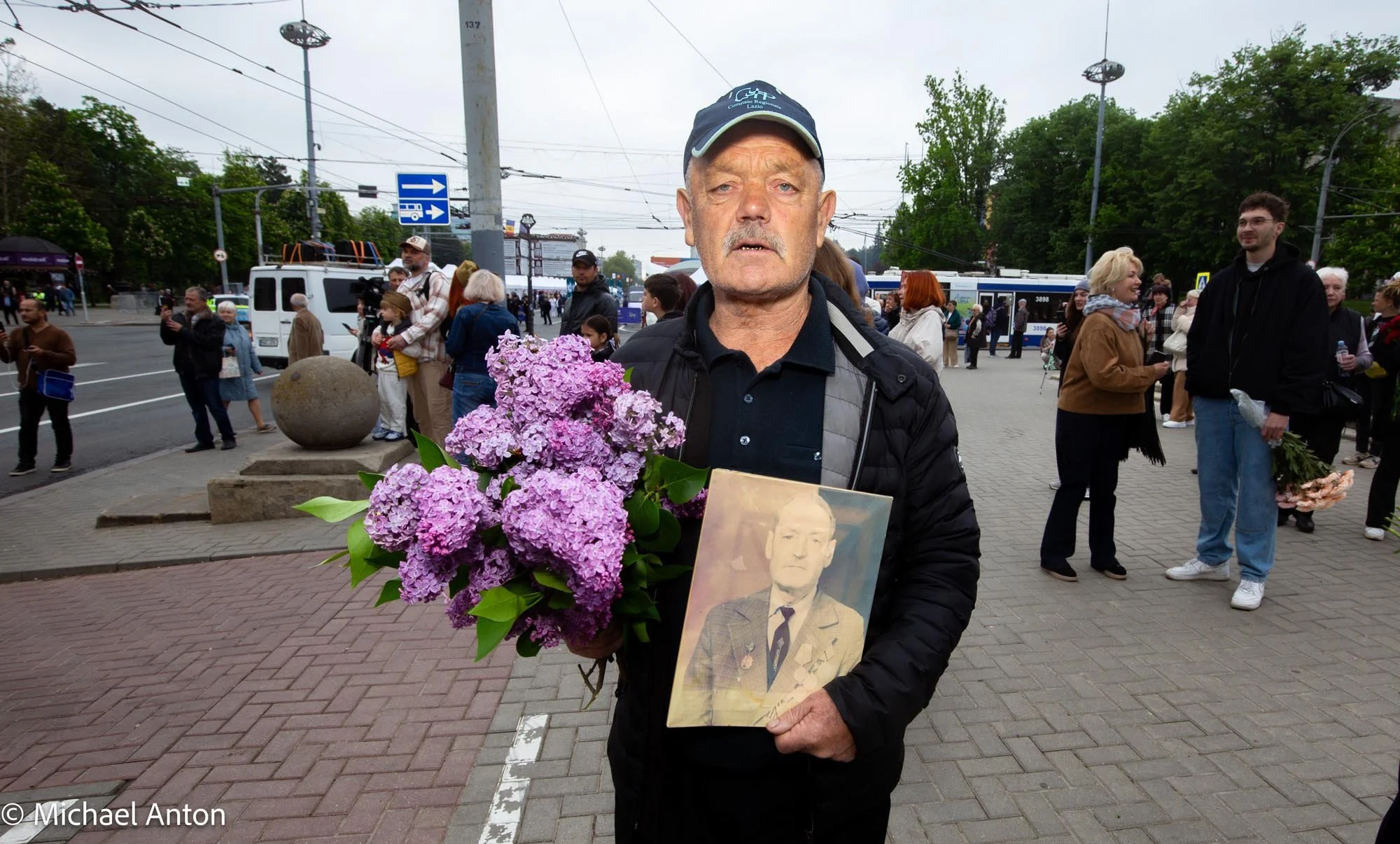
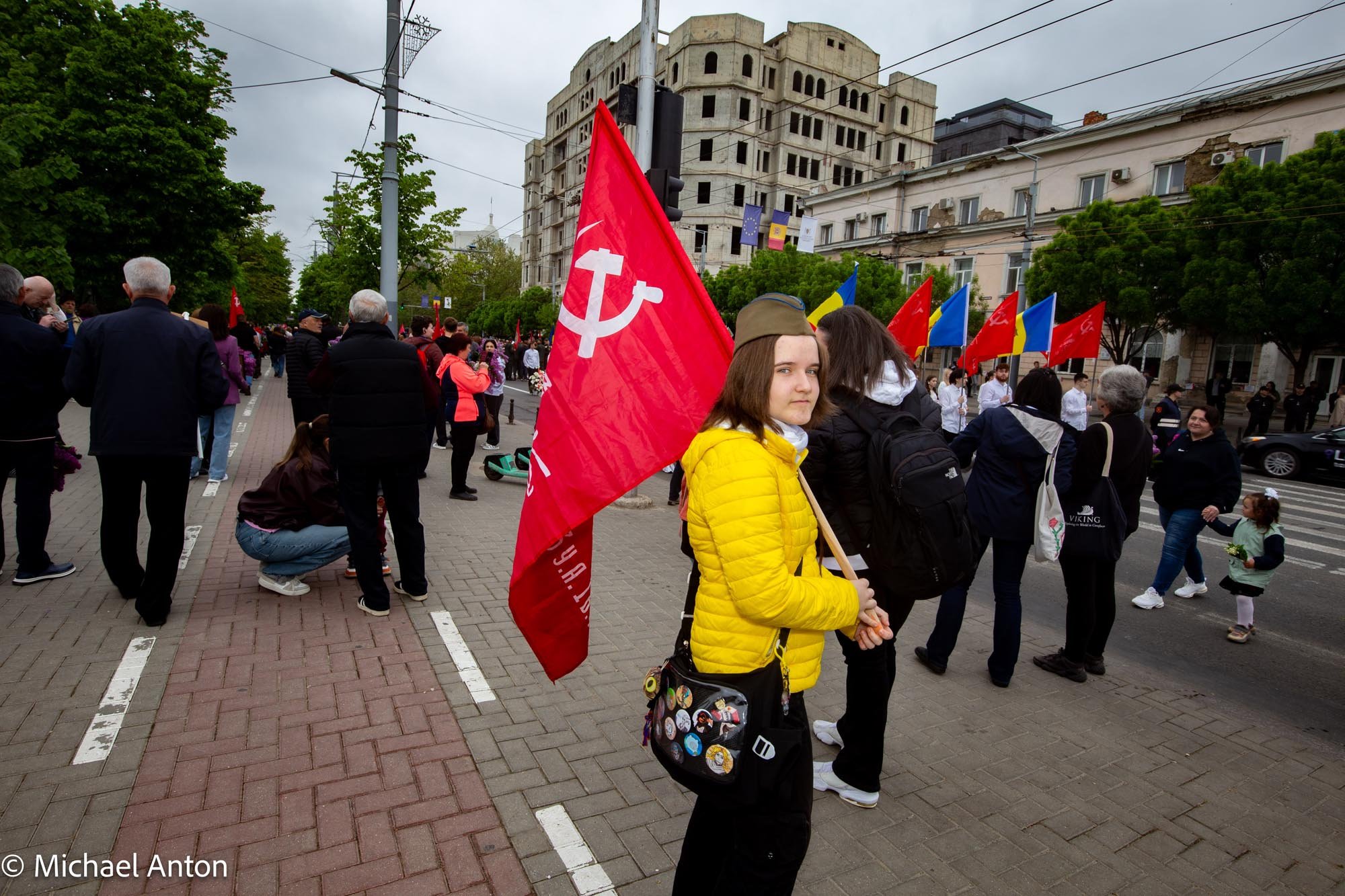
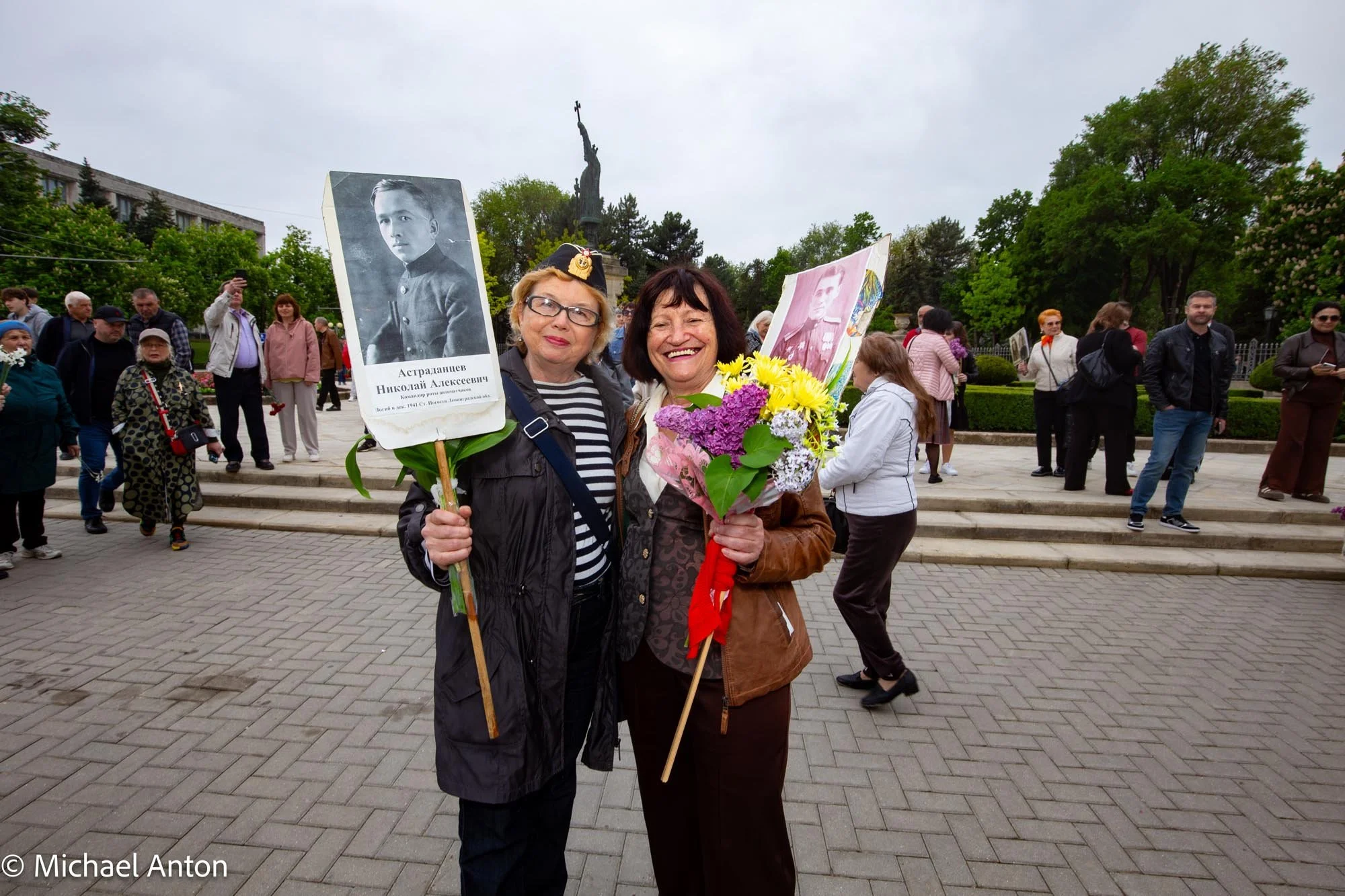
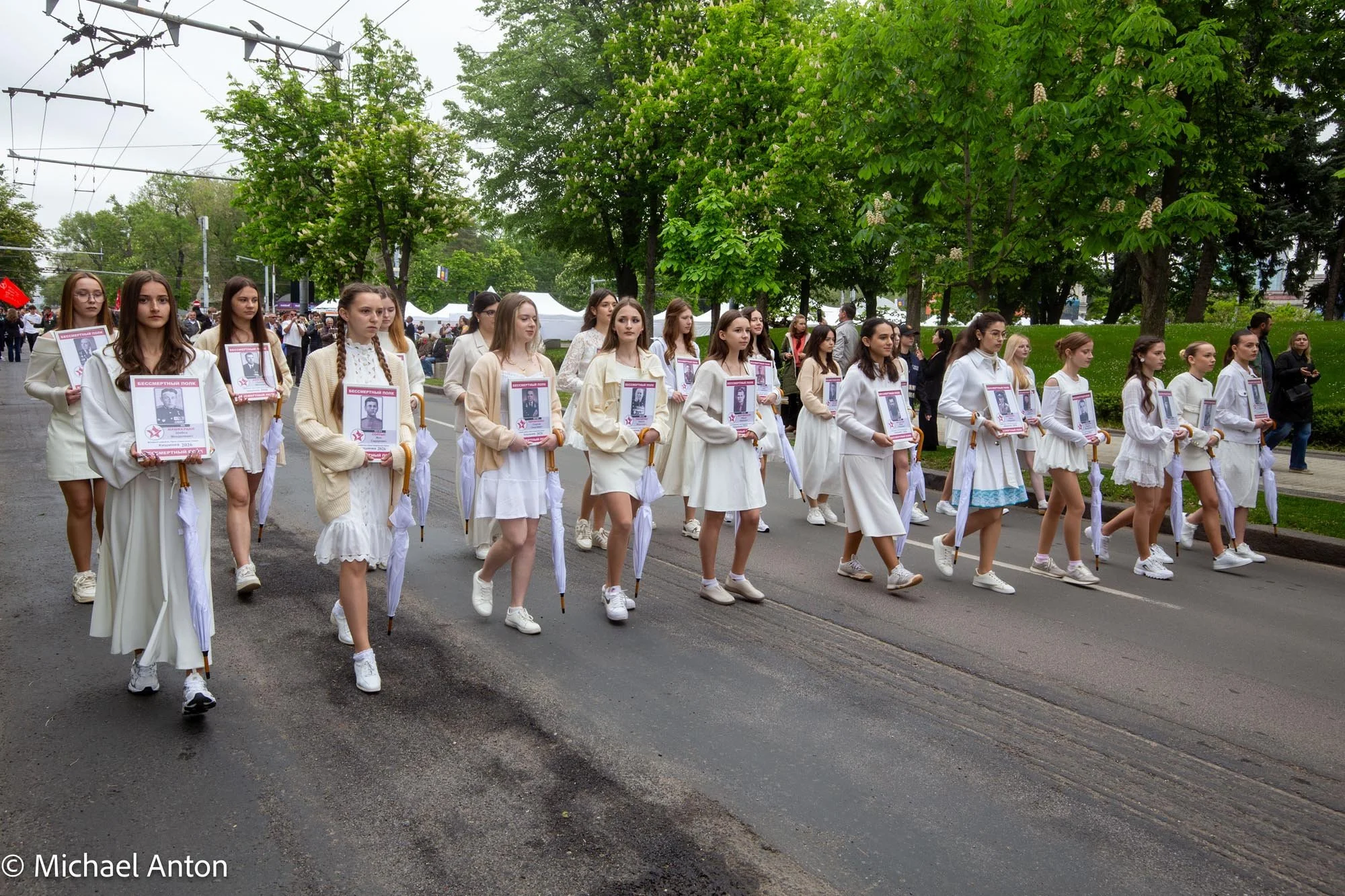
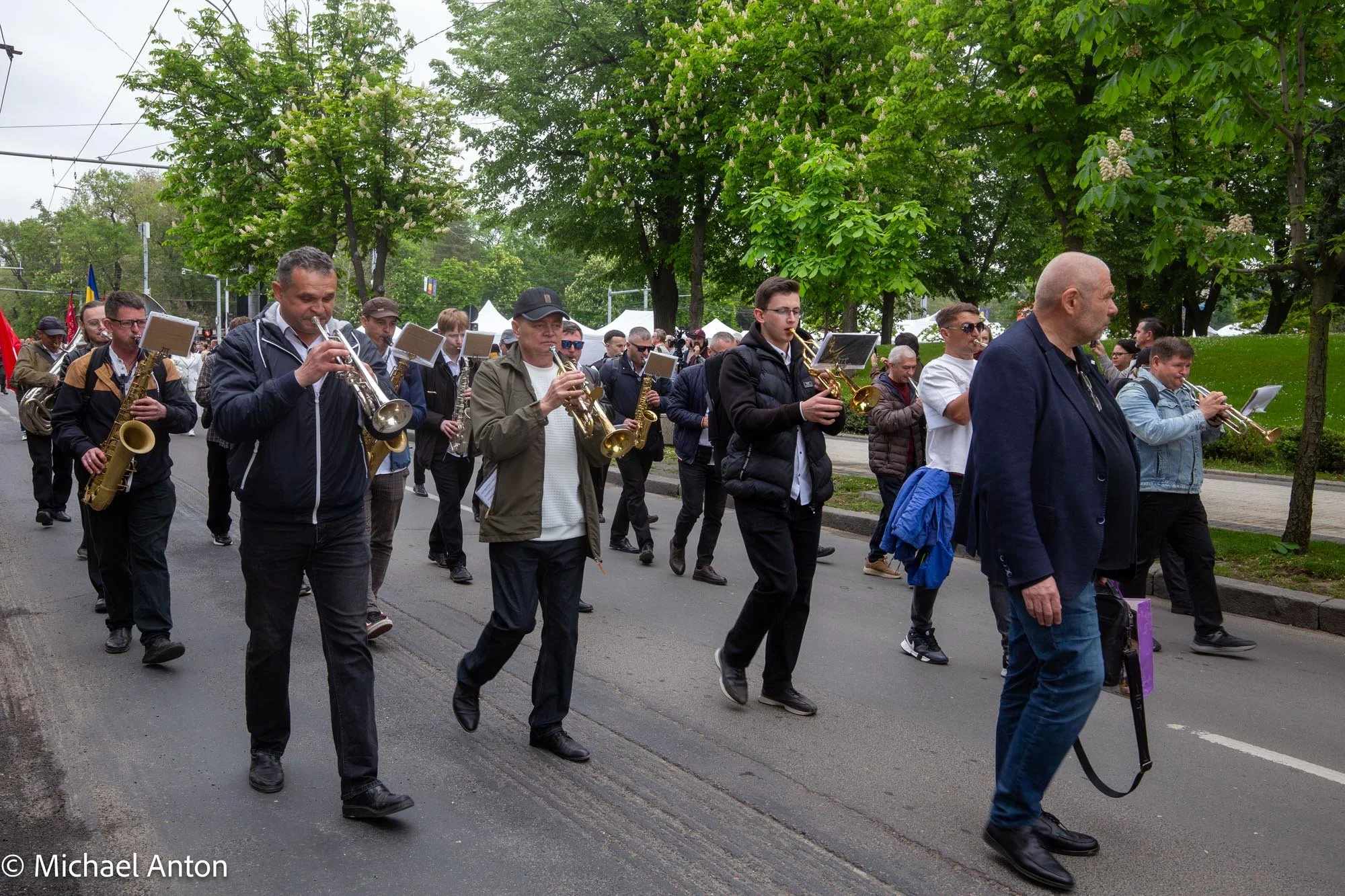
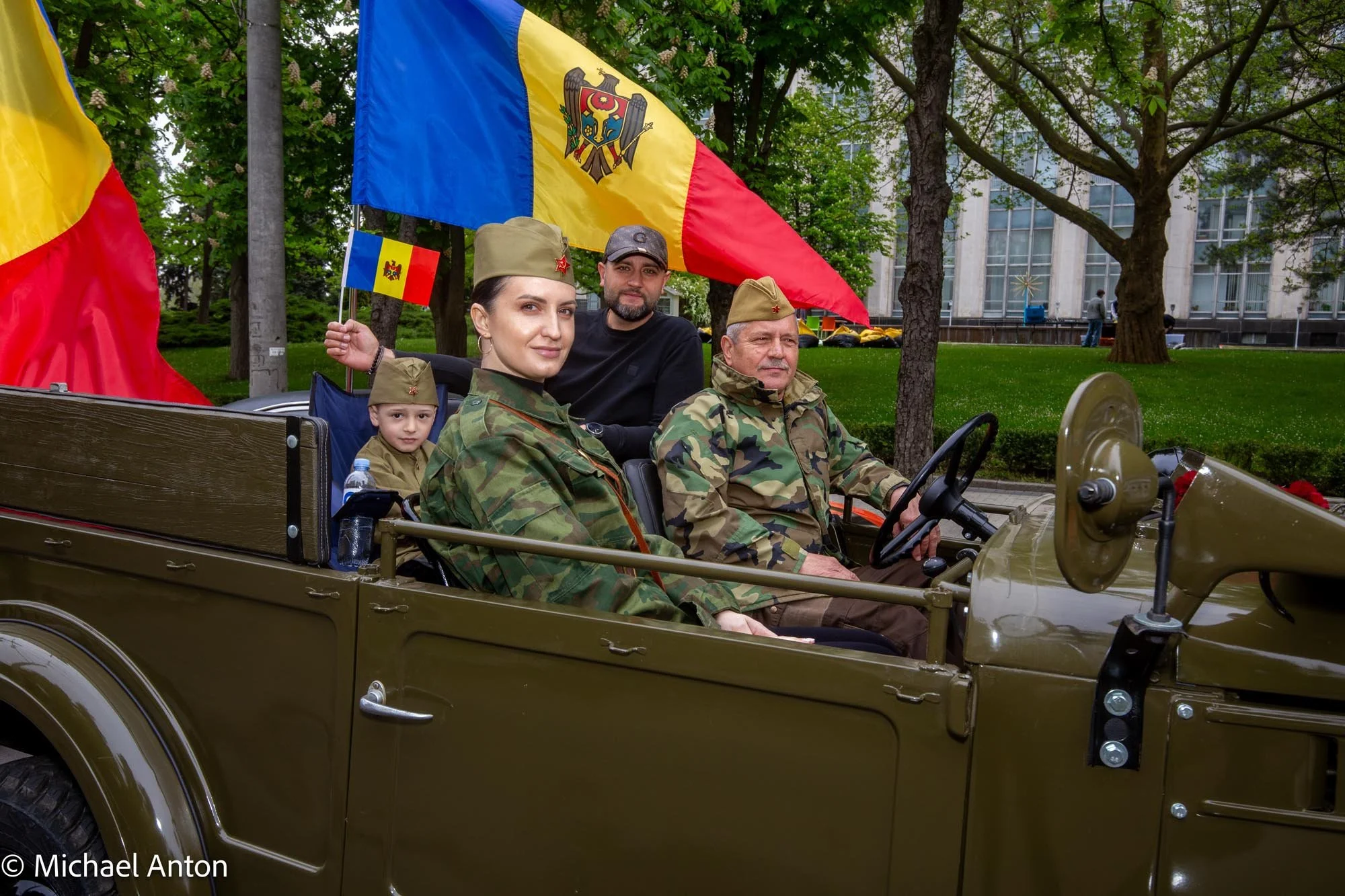
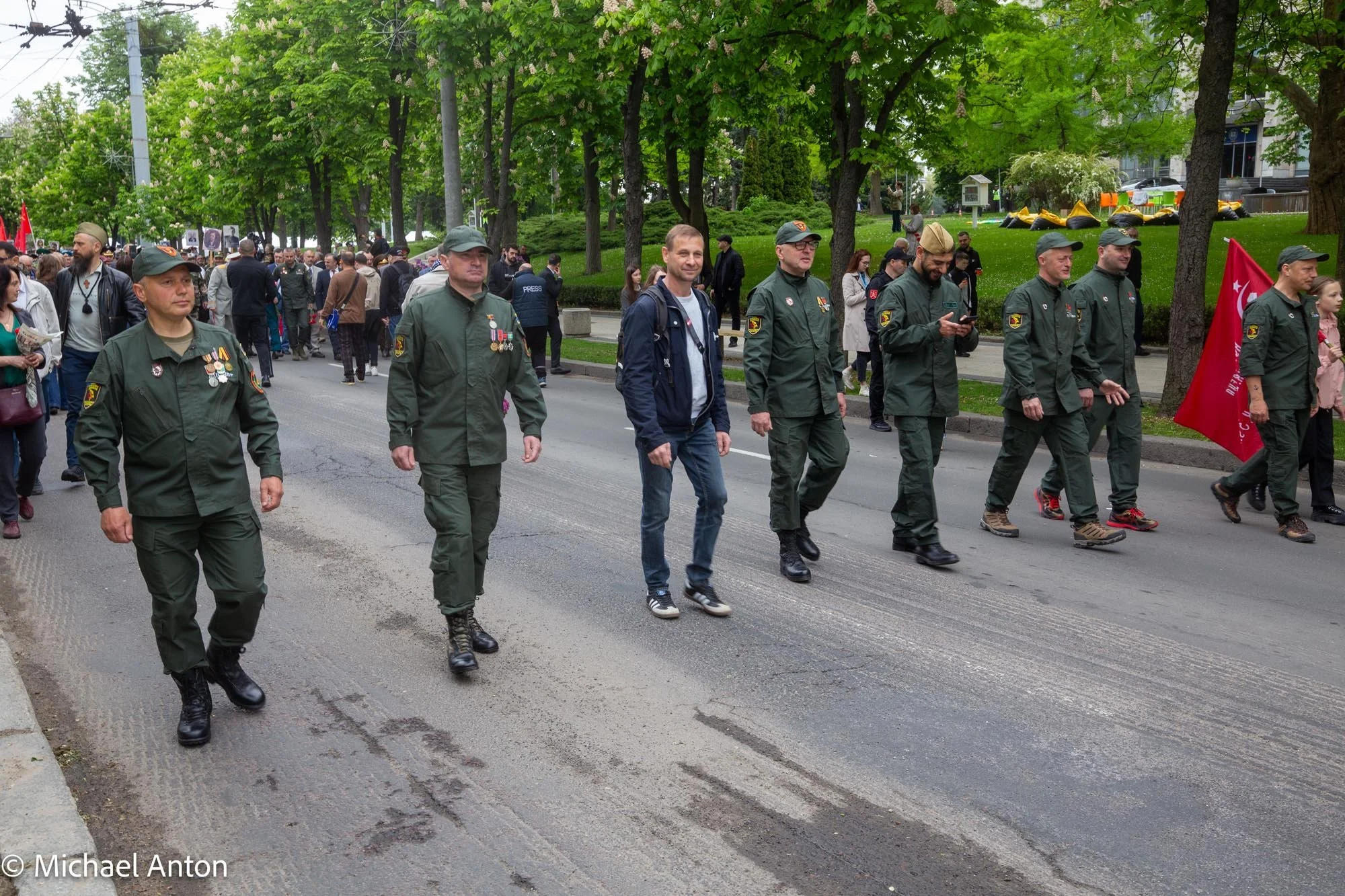
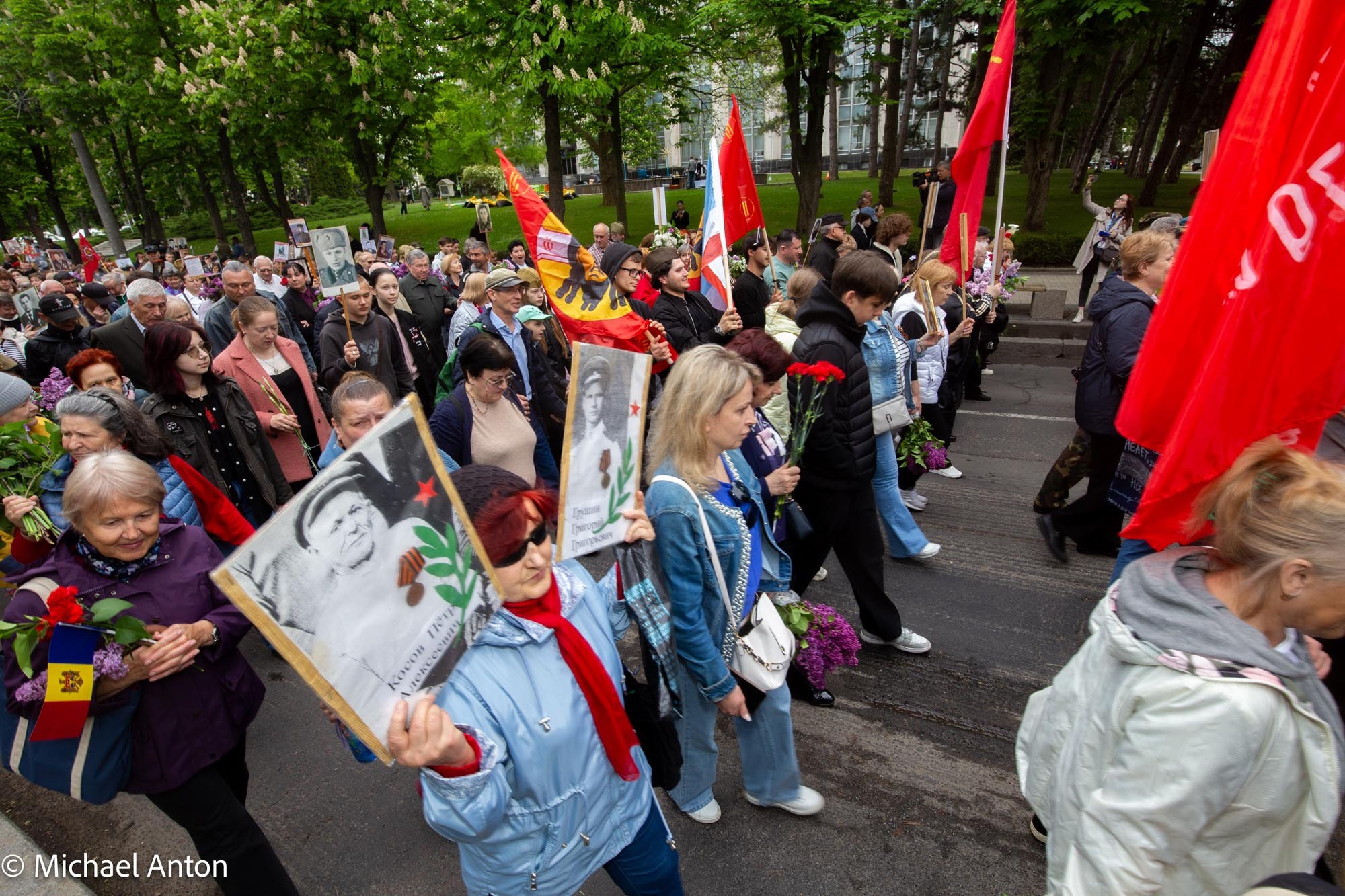
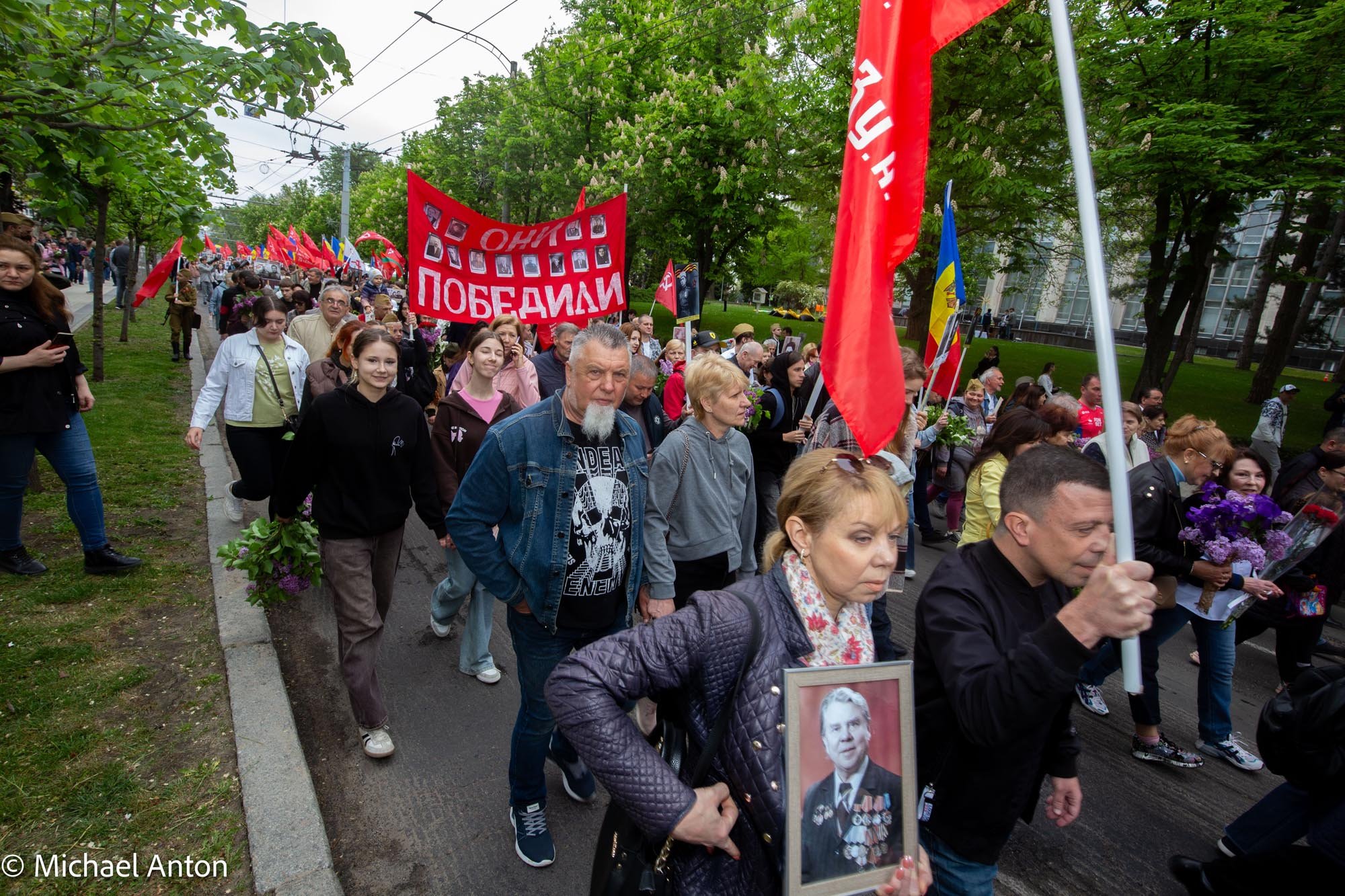
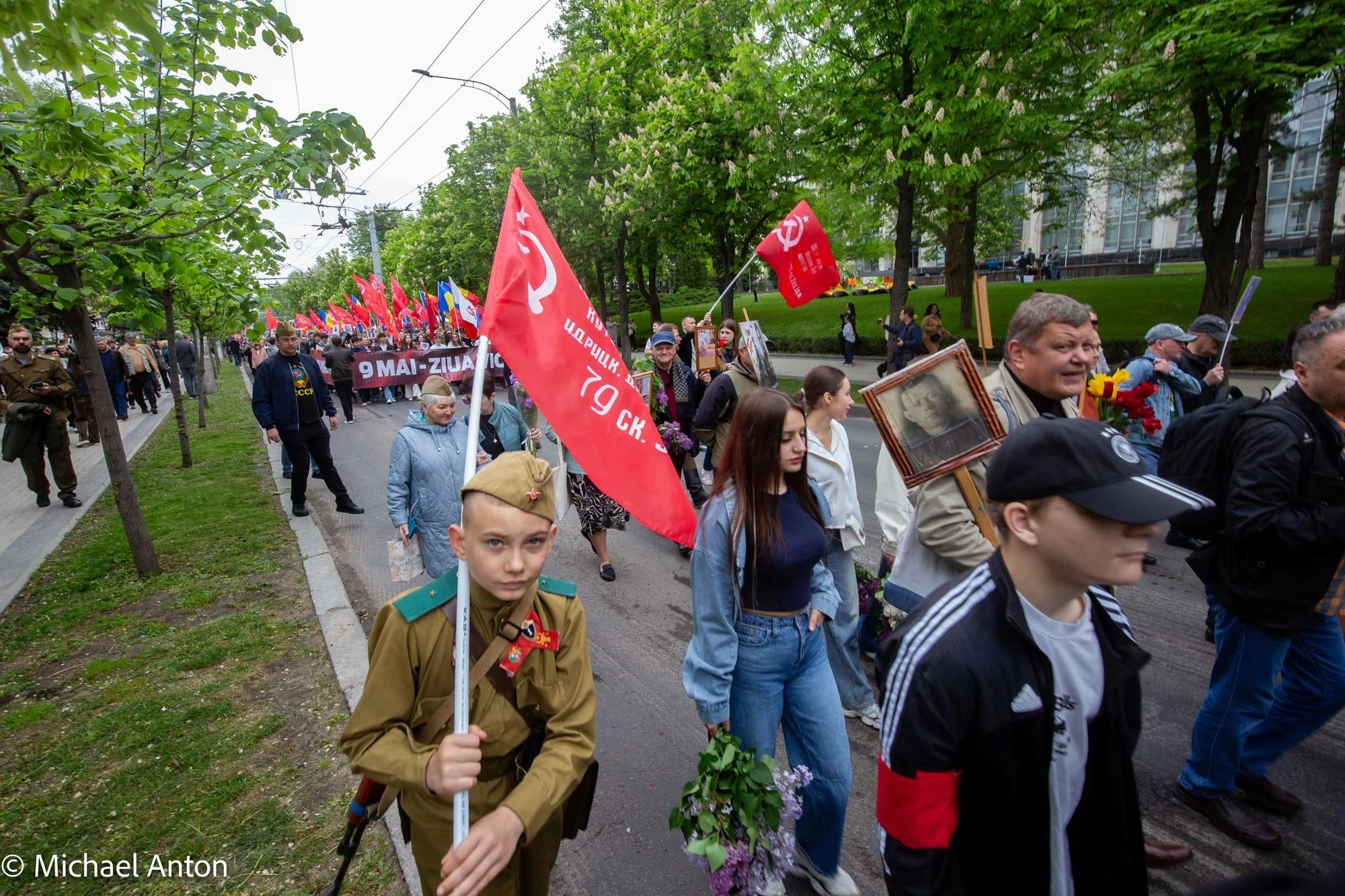
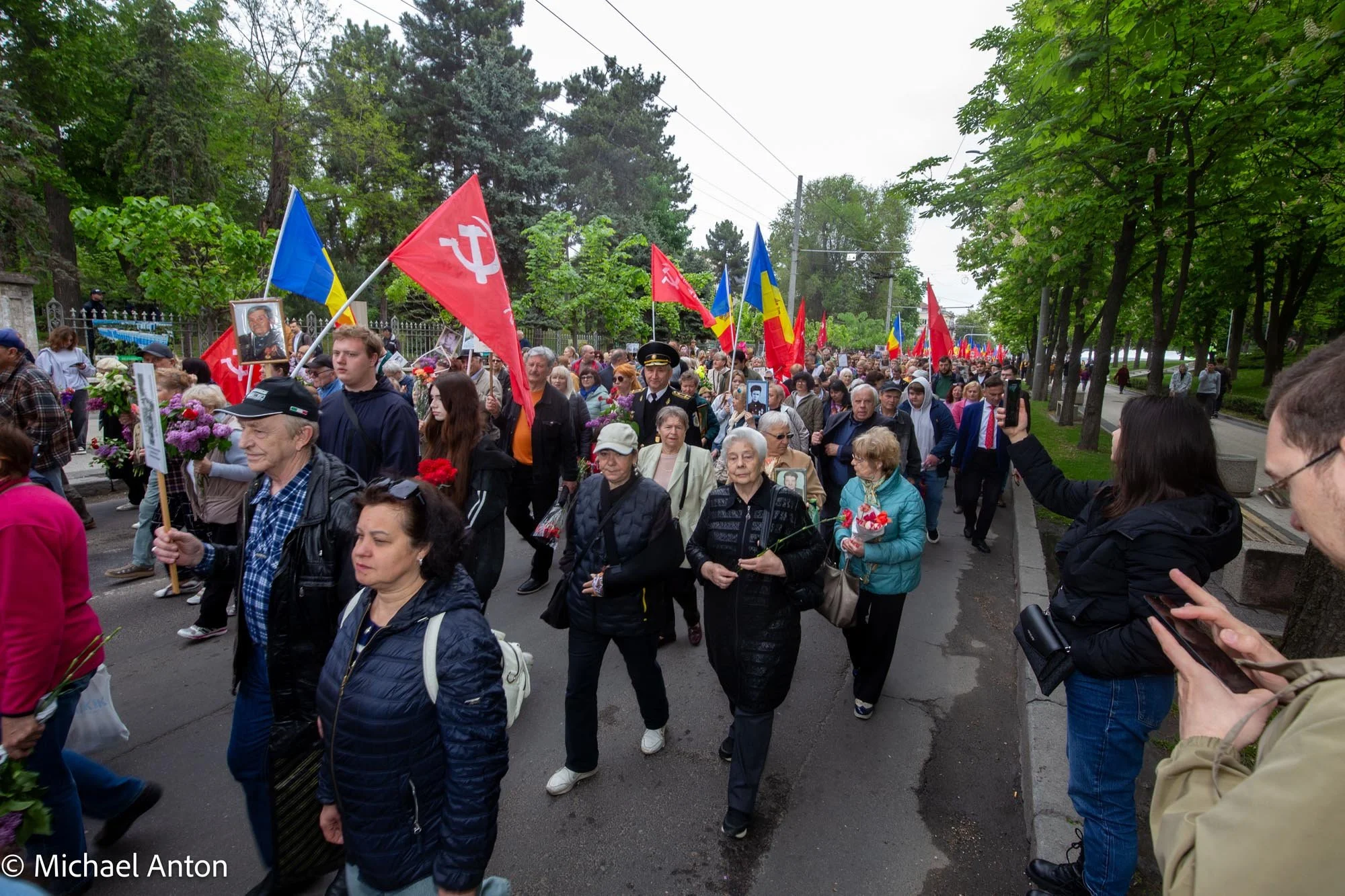
Victory Day Parade
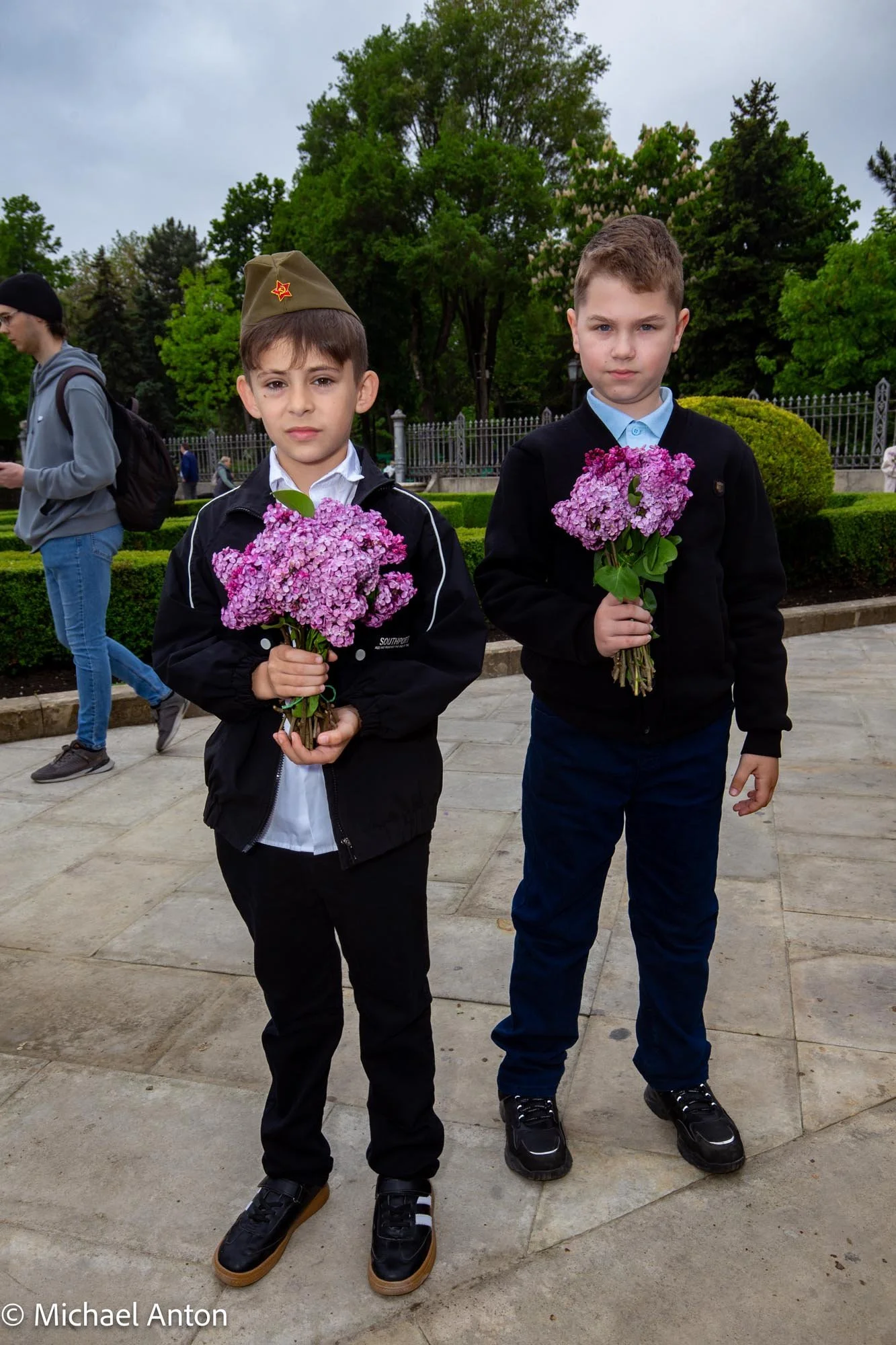
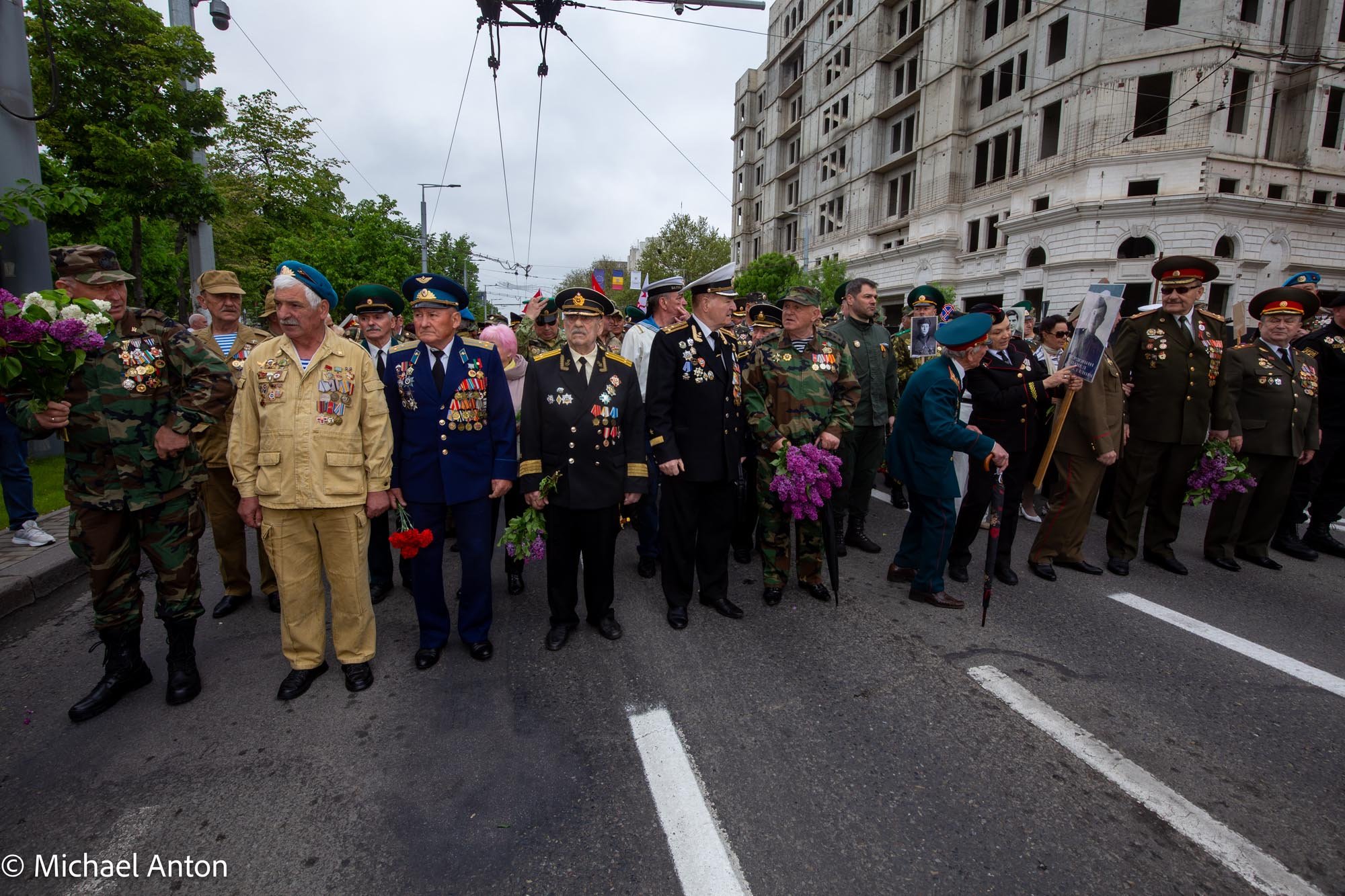
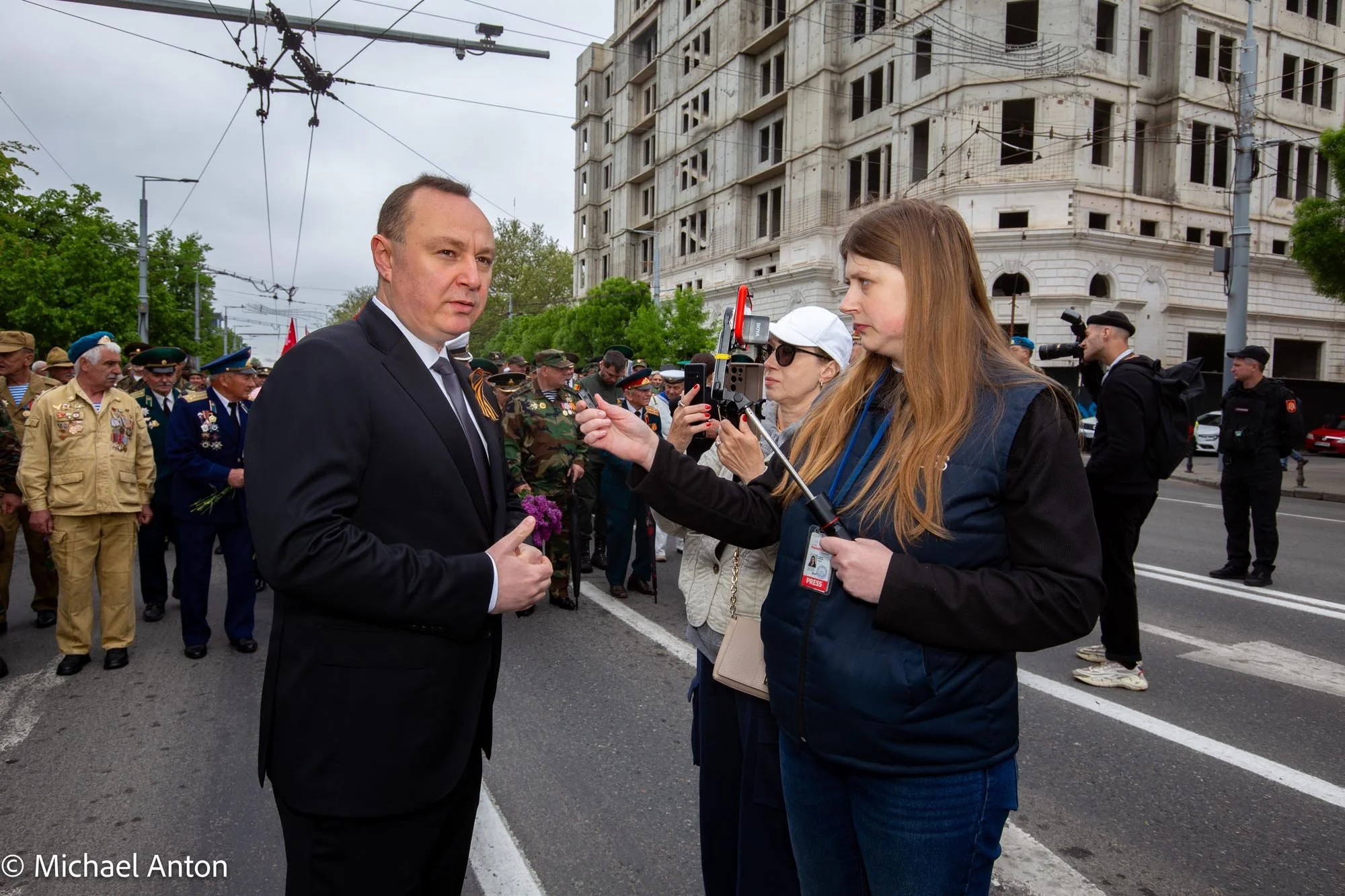
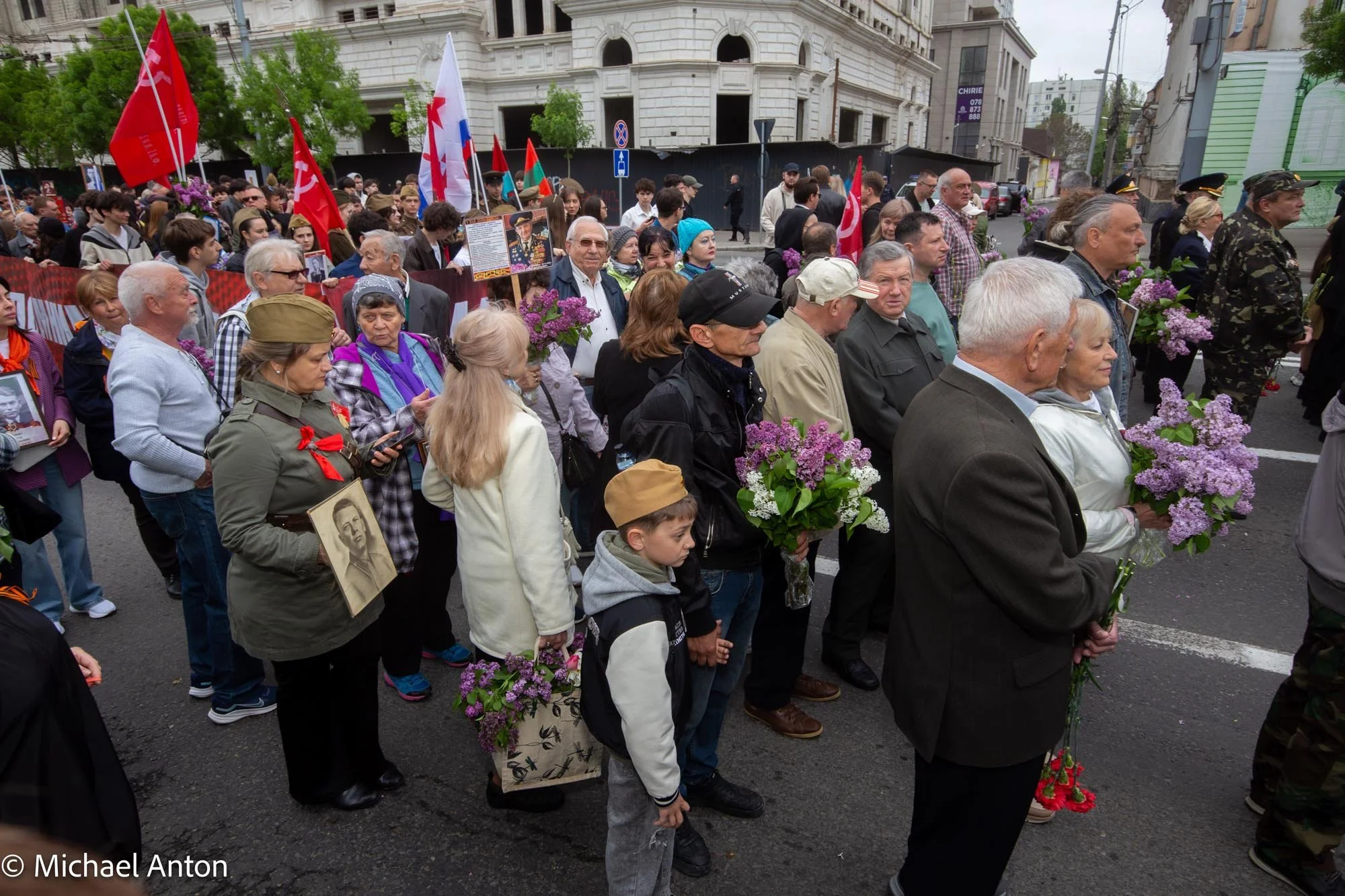
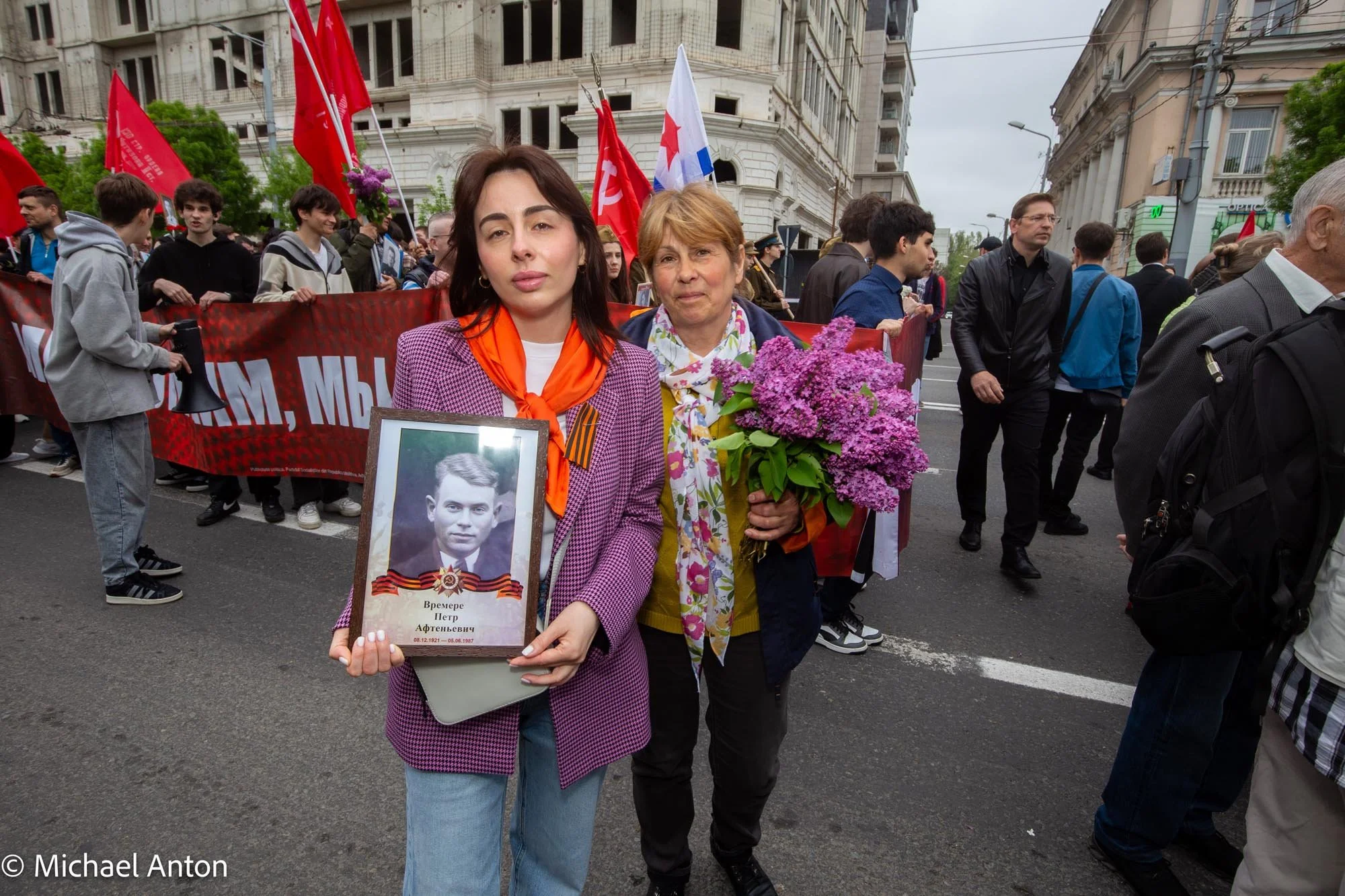
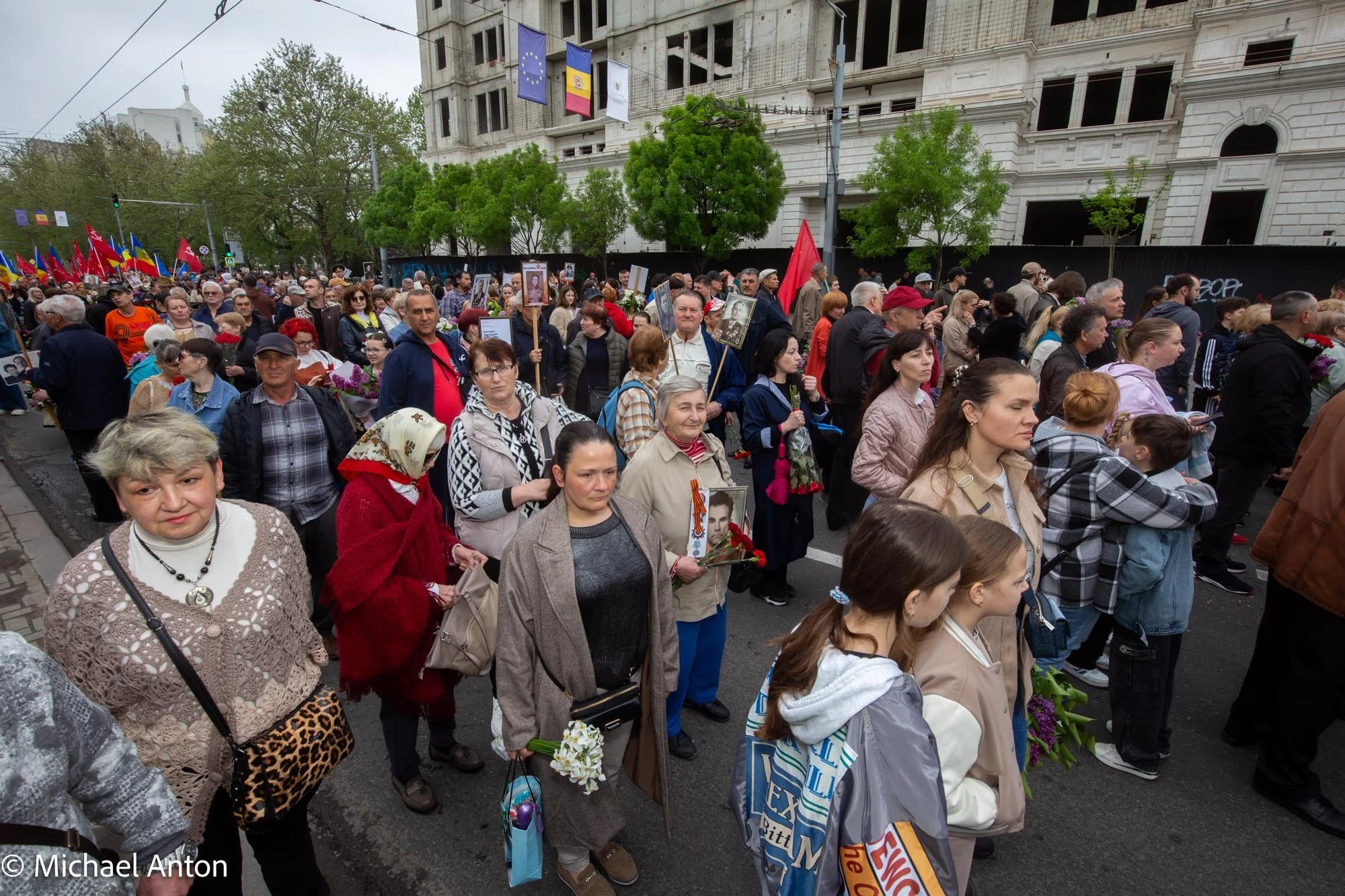
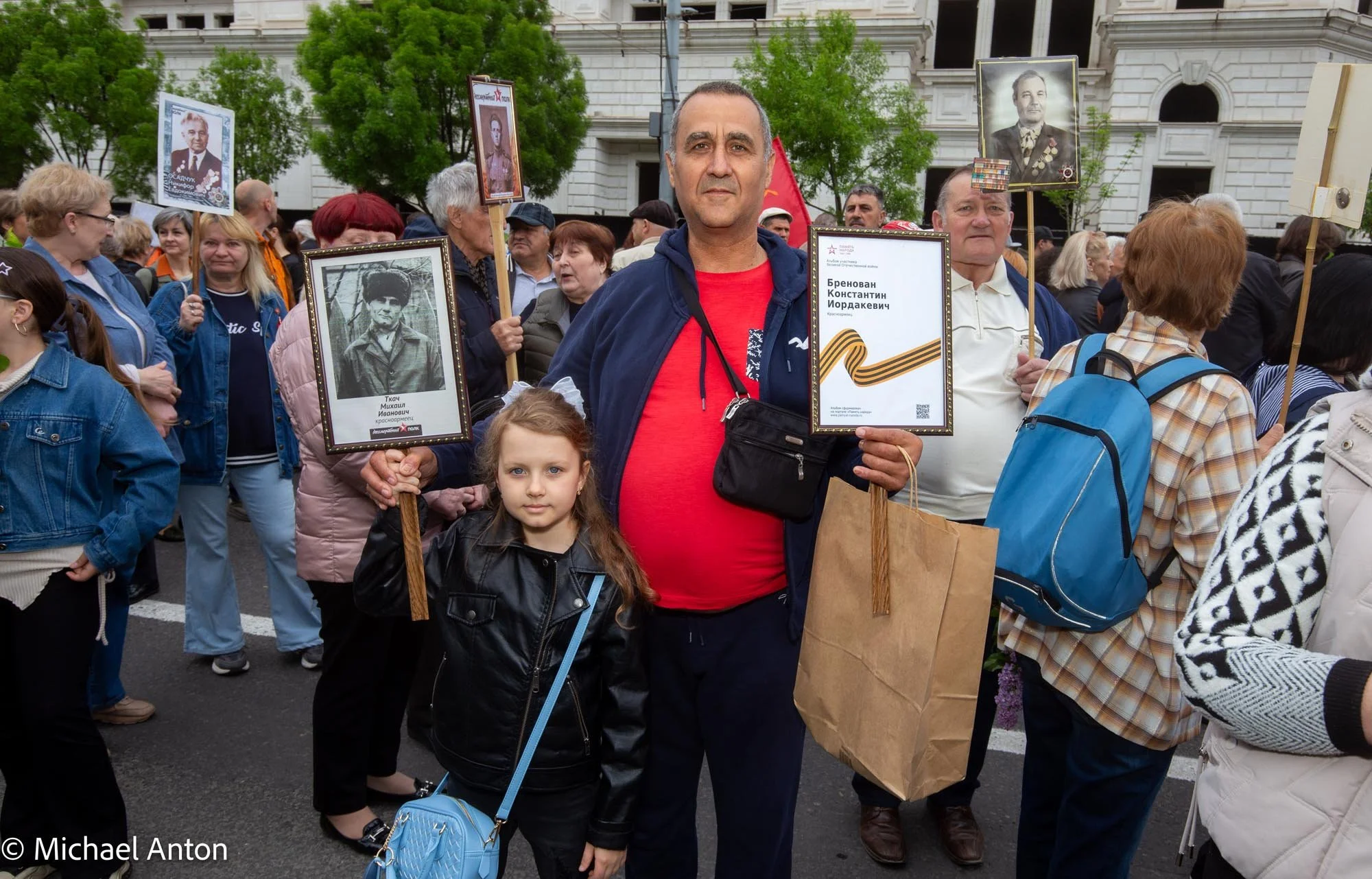
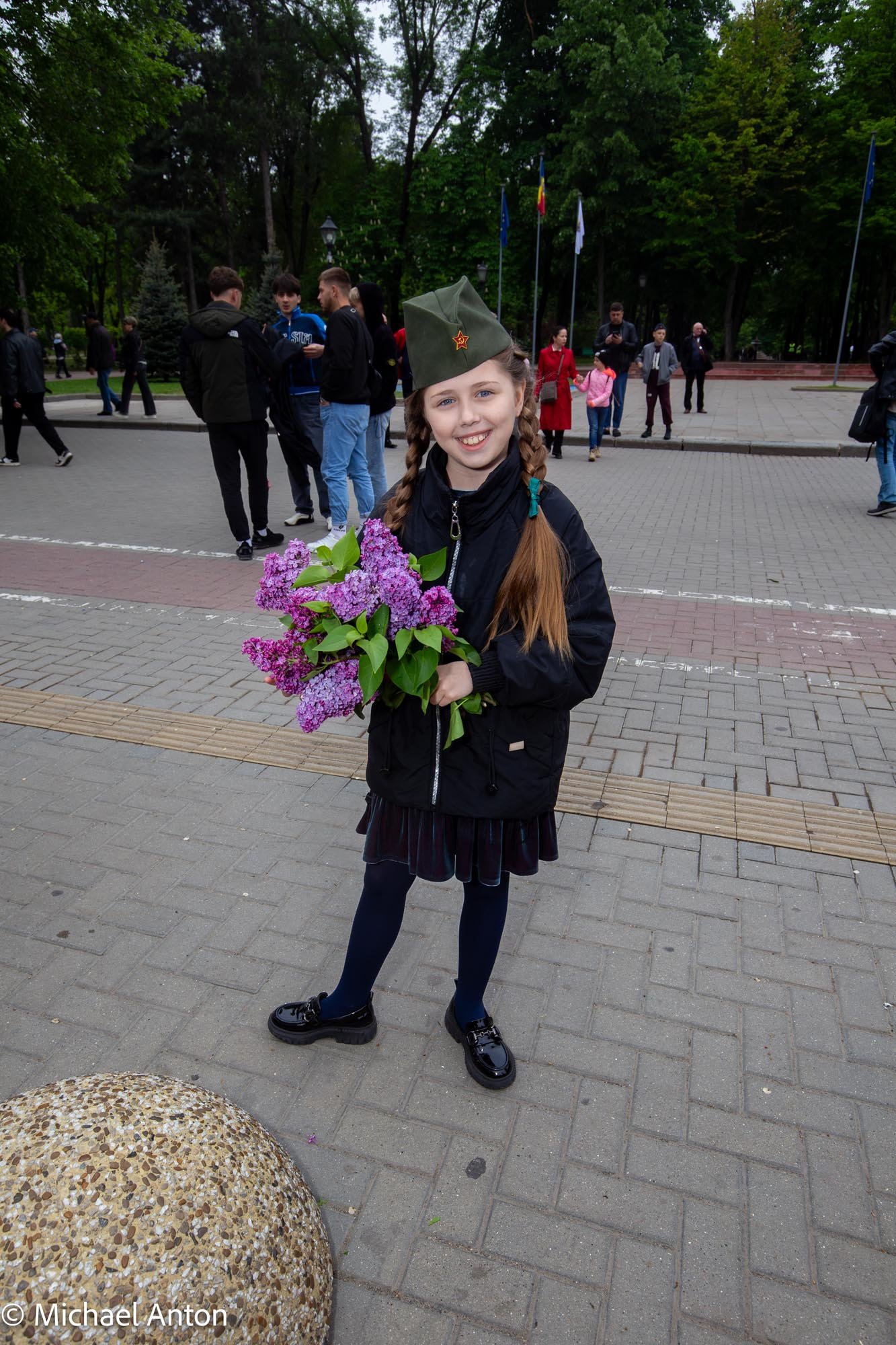
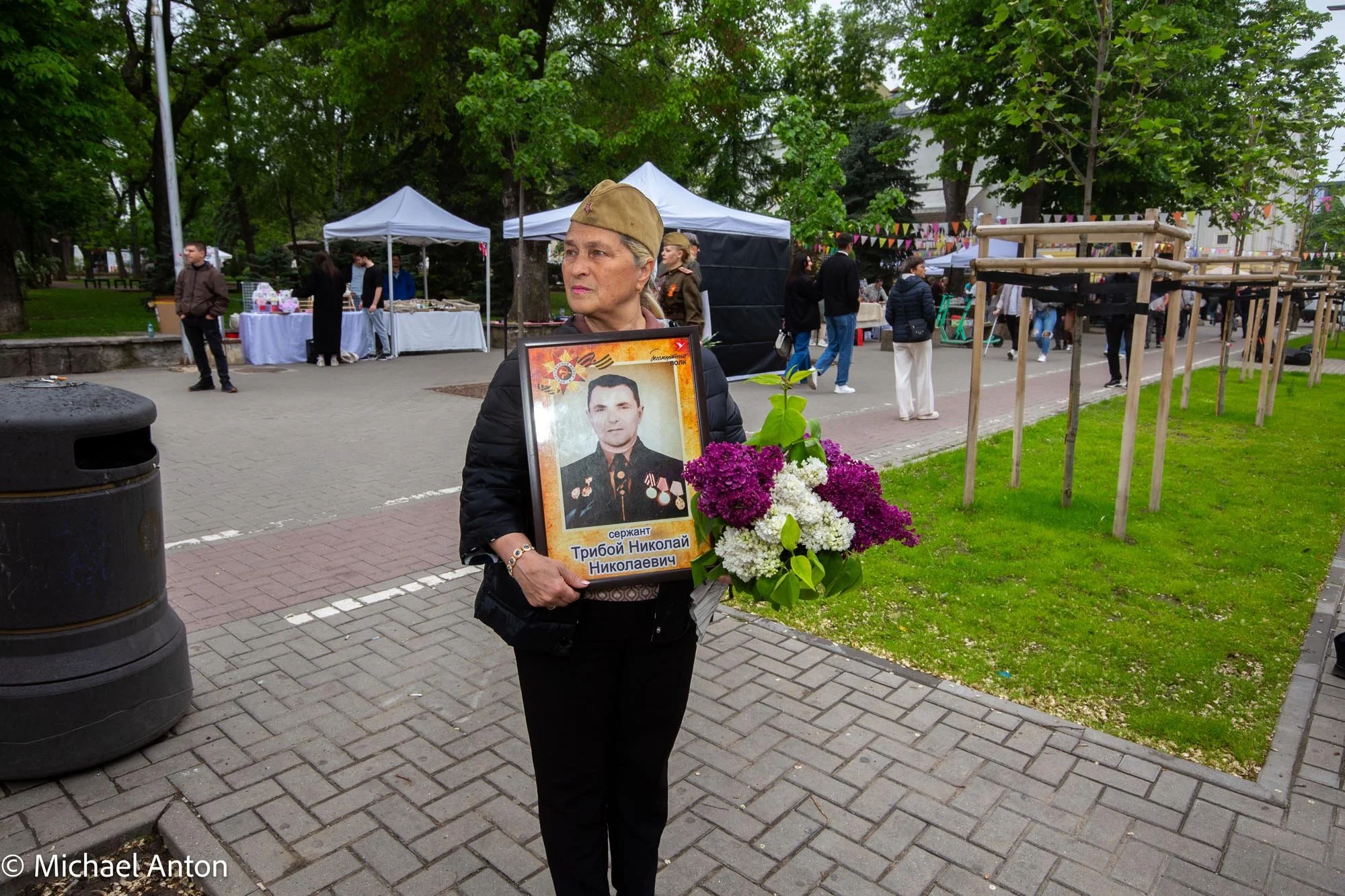
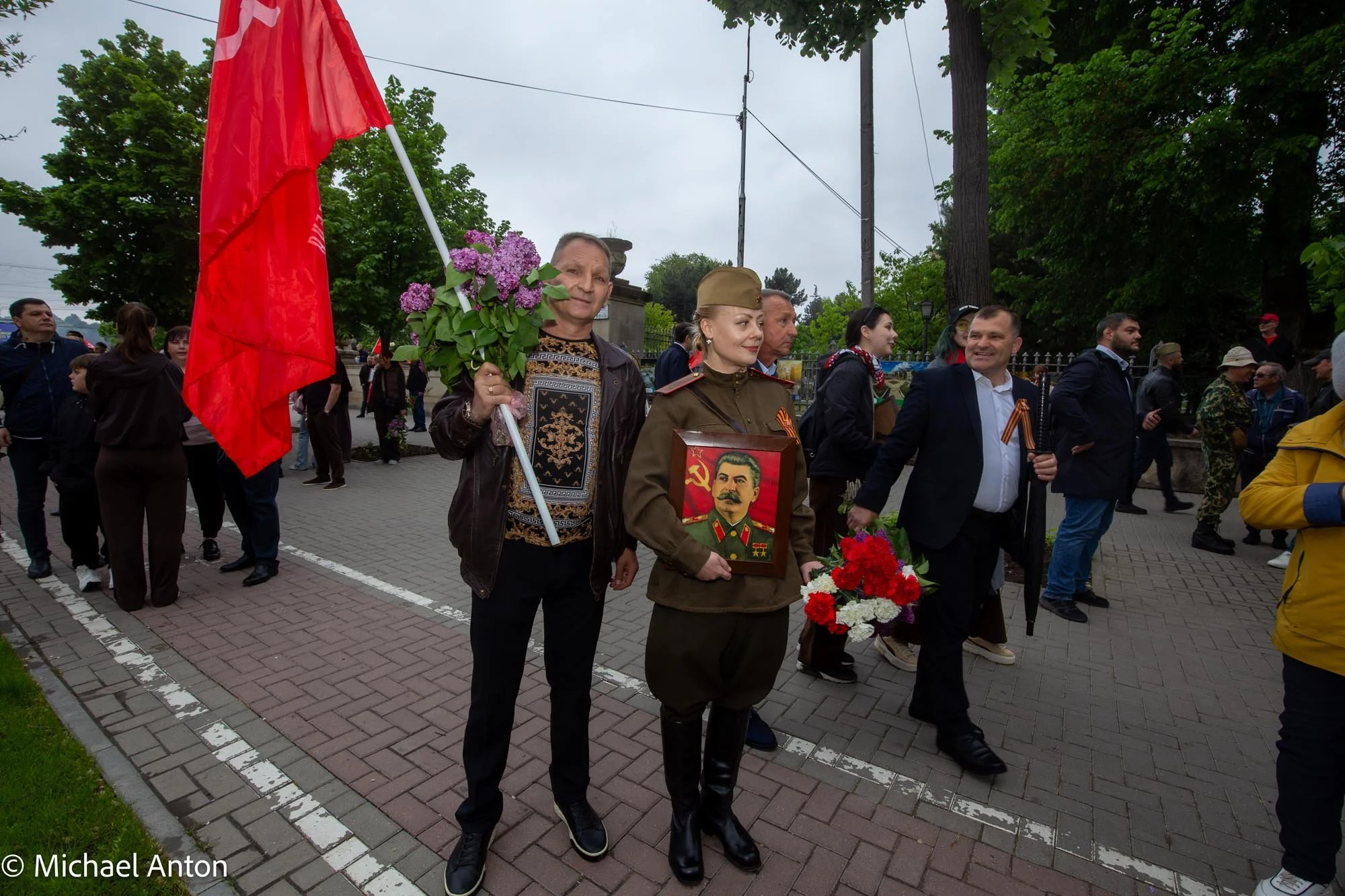
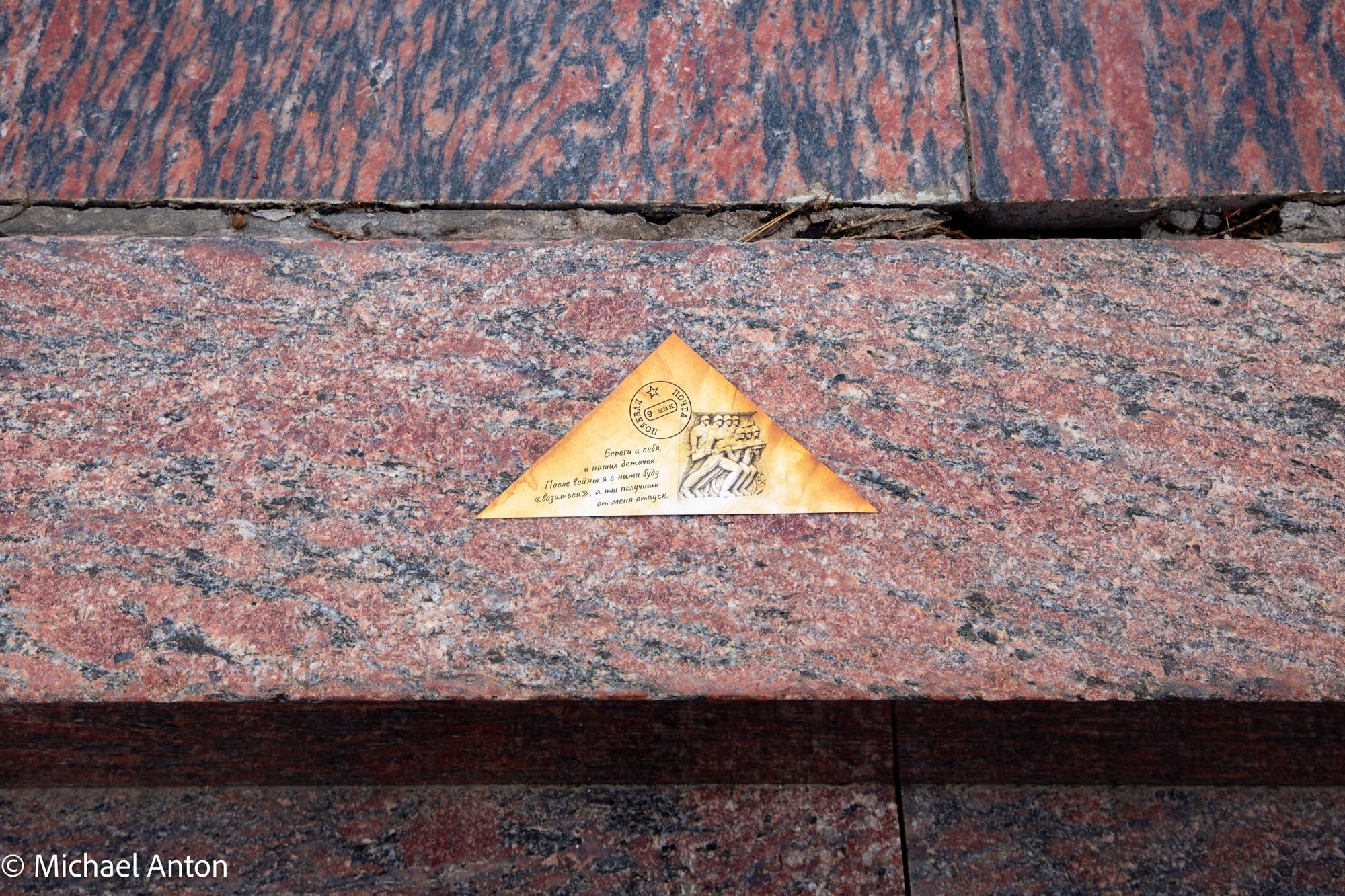
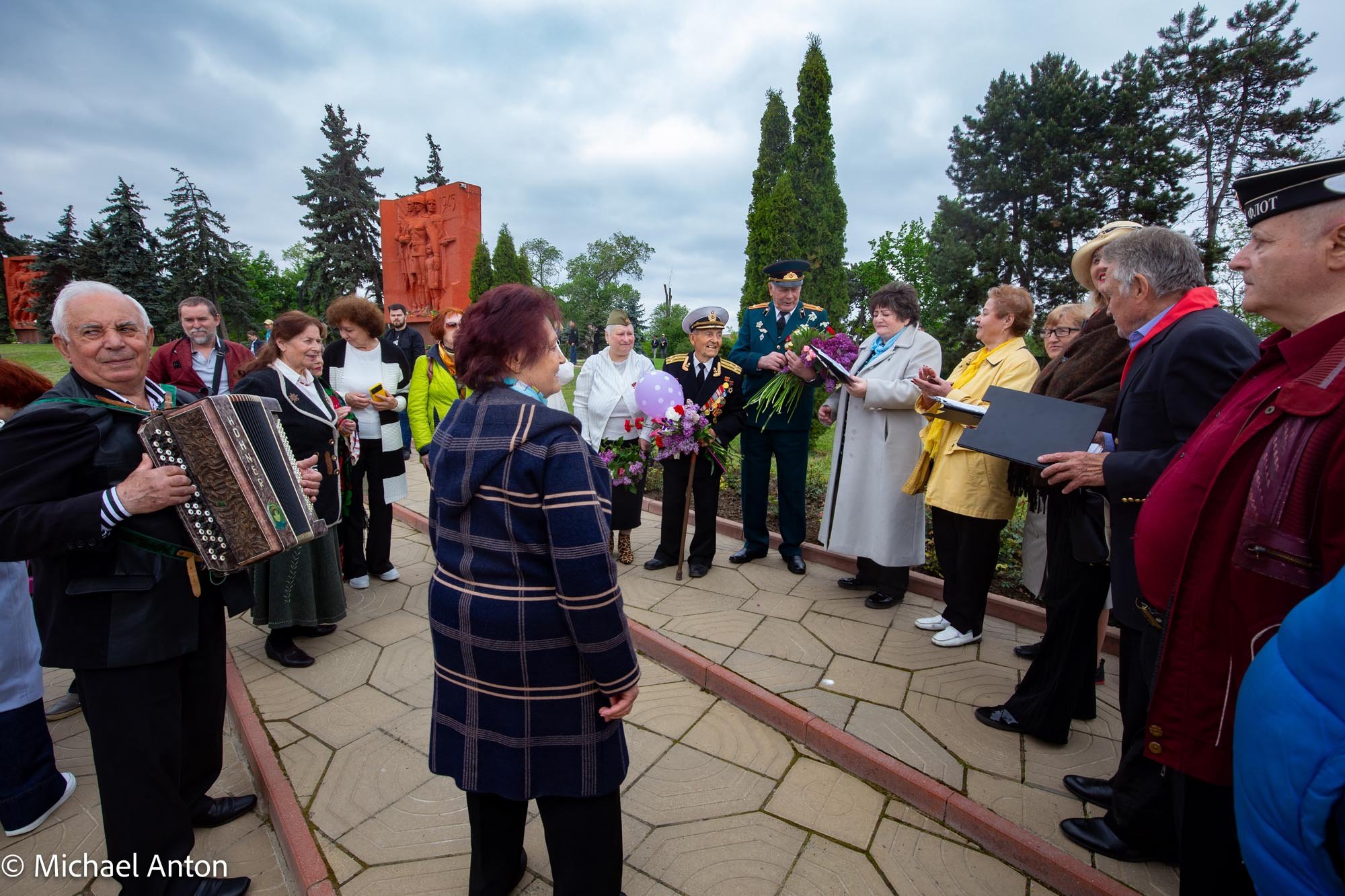
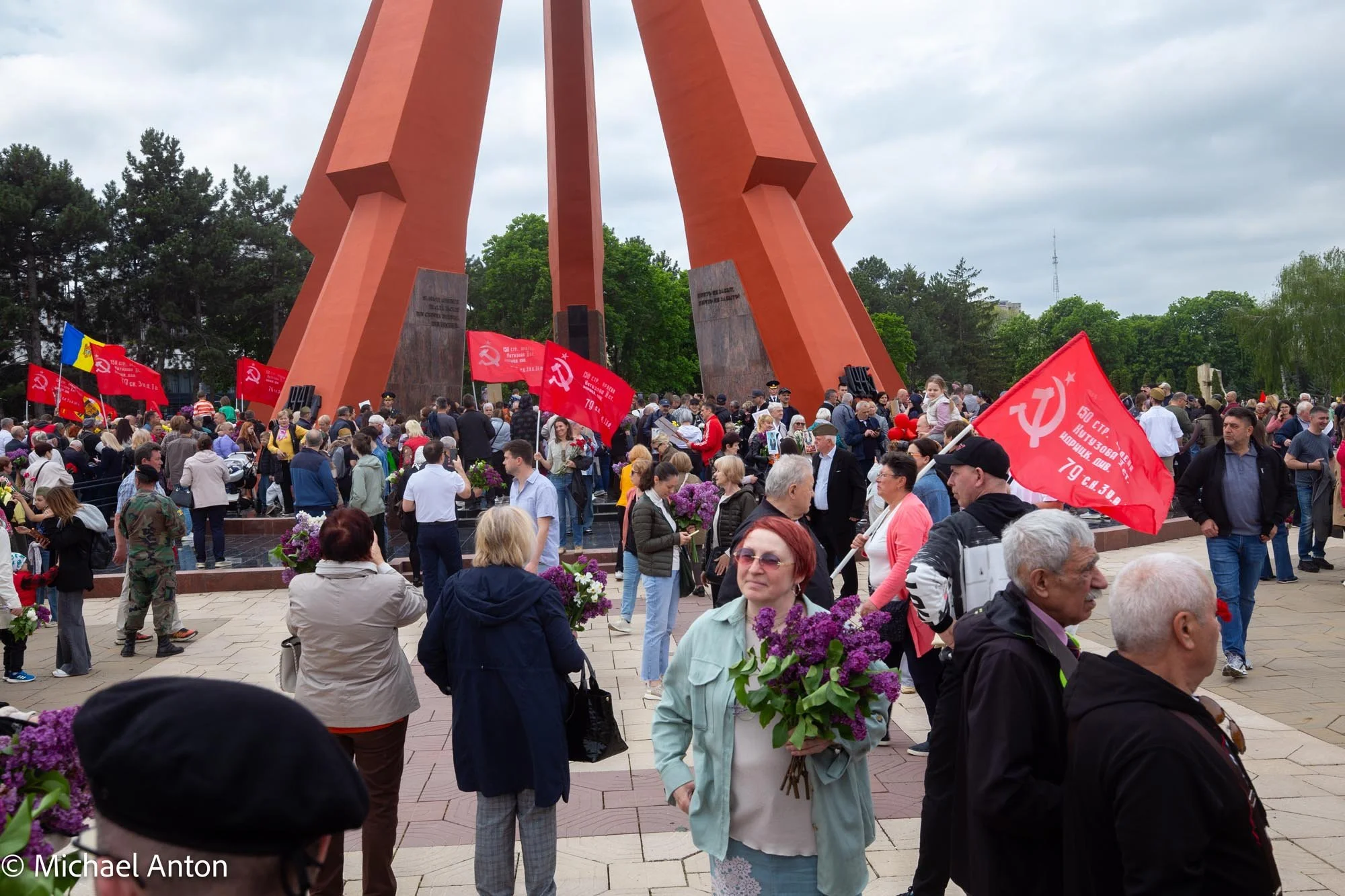
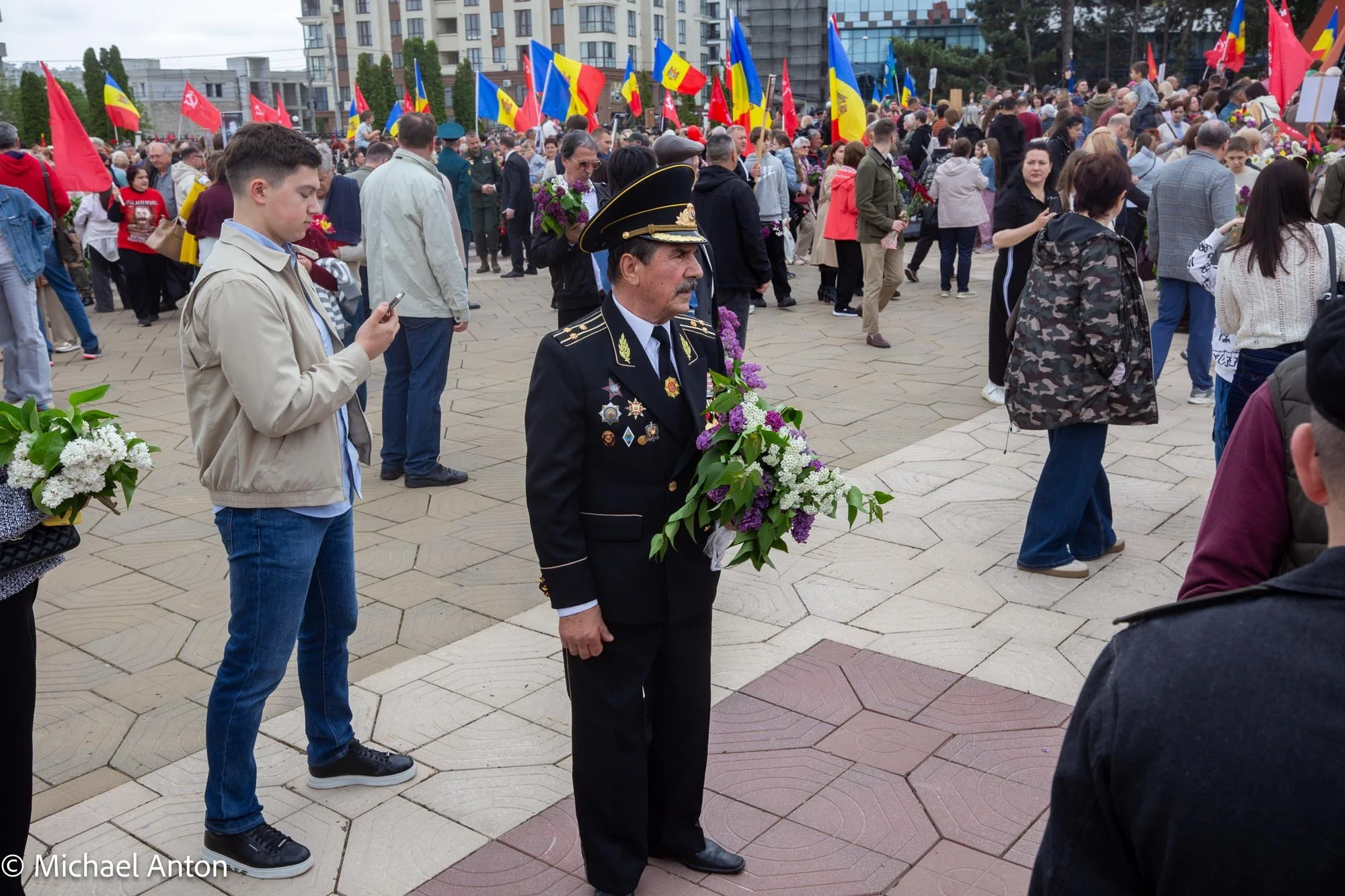
May 9th is celebrated throughout the former Soviet Union as the date in 1945 that Nazi Germany signed an unconditional surrender. This was about 10 days after sHitler’s suicide, and two days after the same surrender to the allies in the west of Europe.
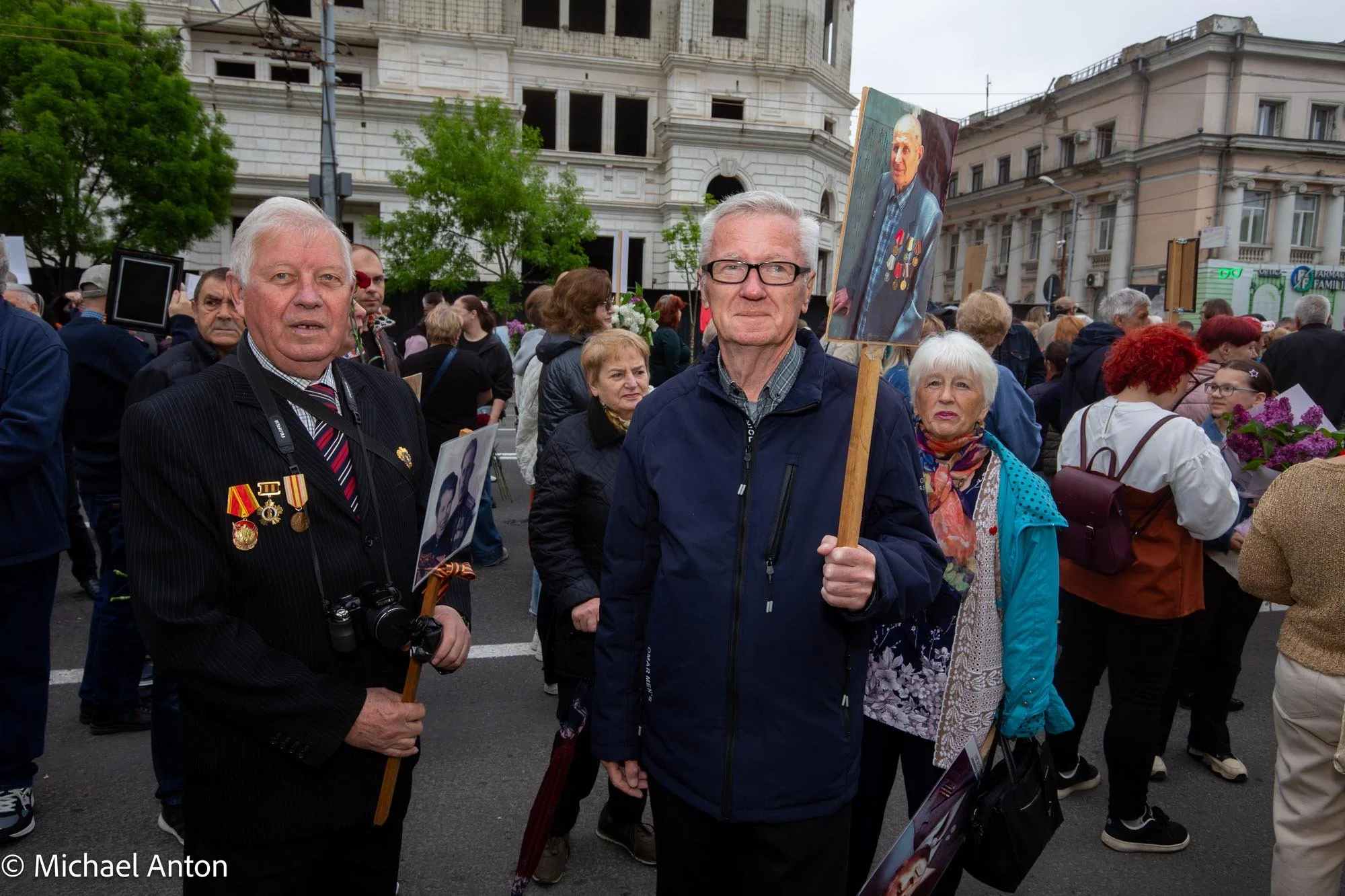
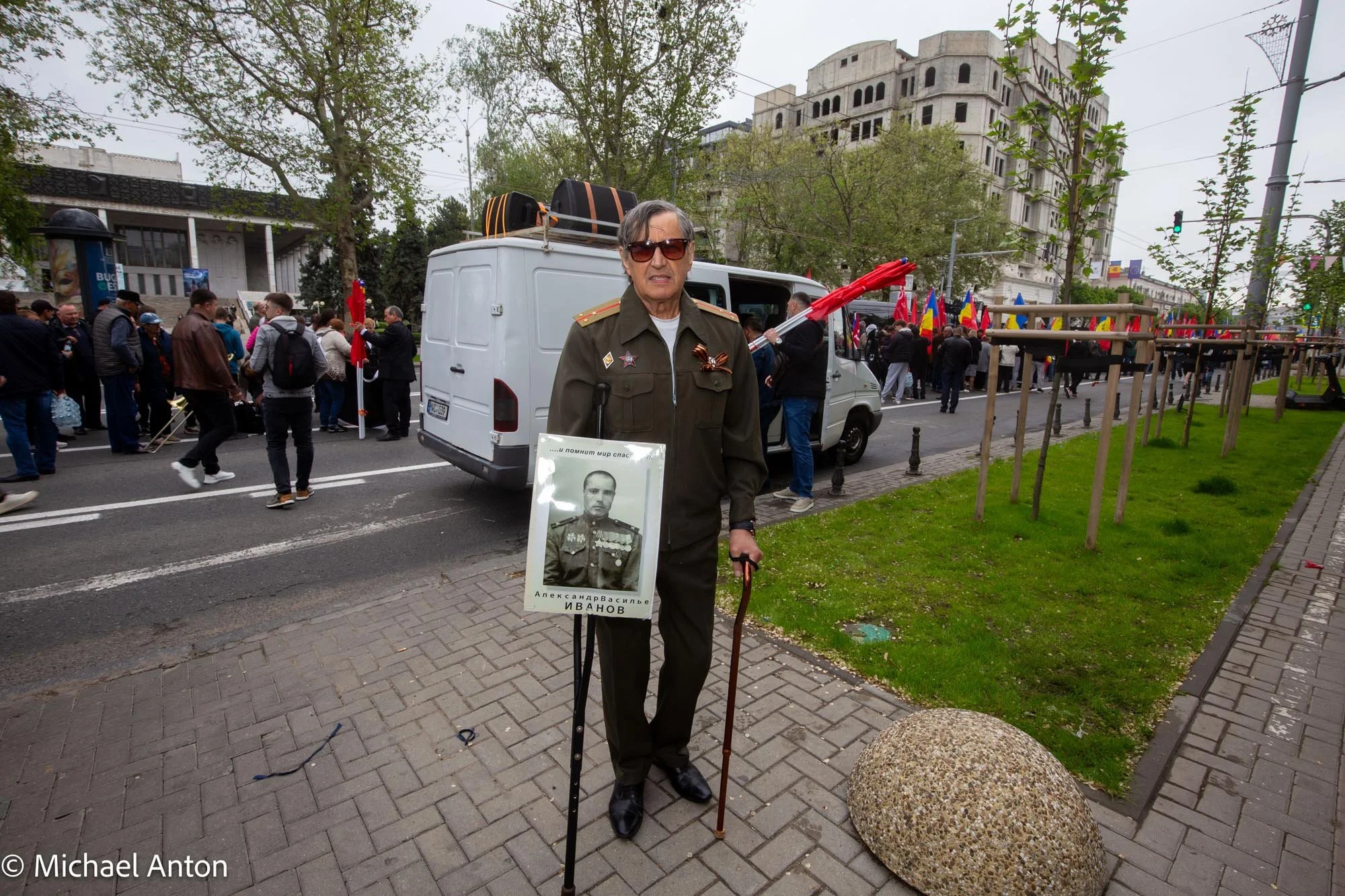
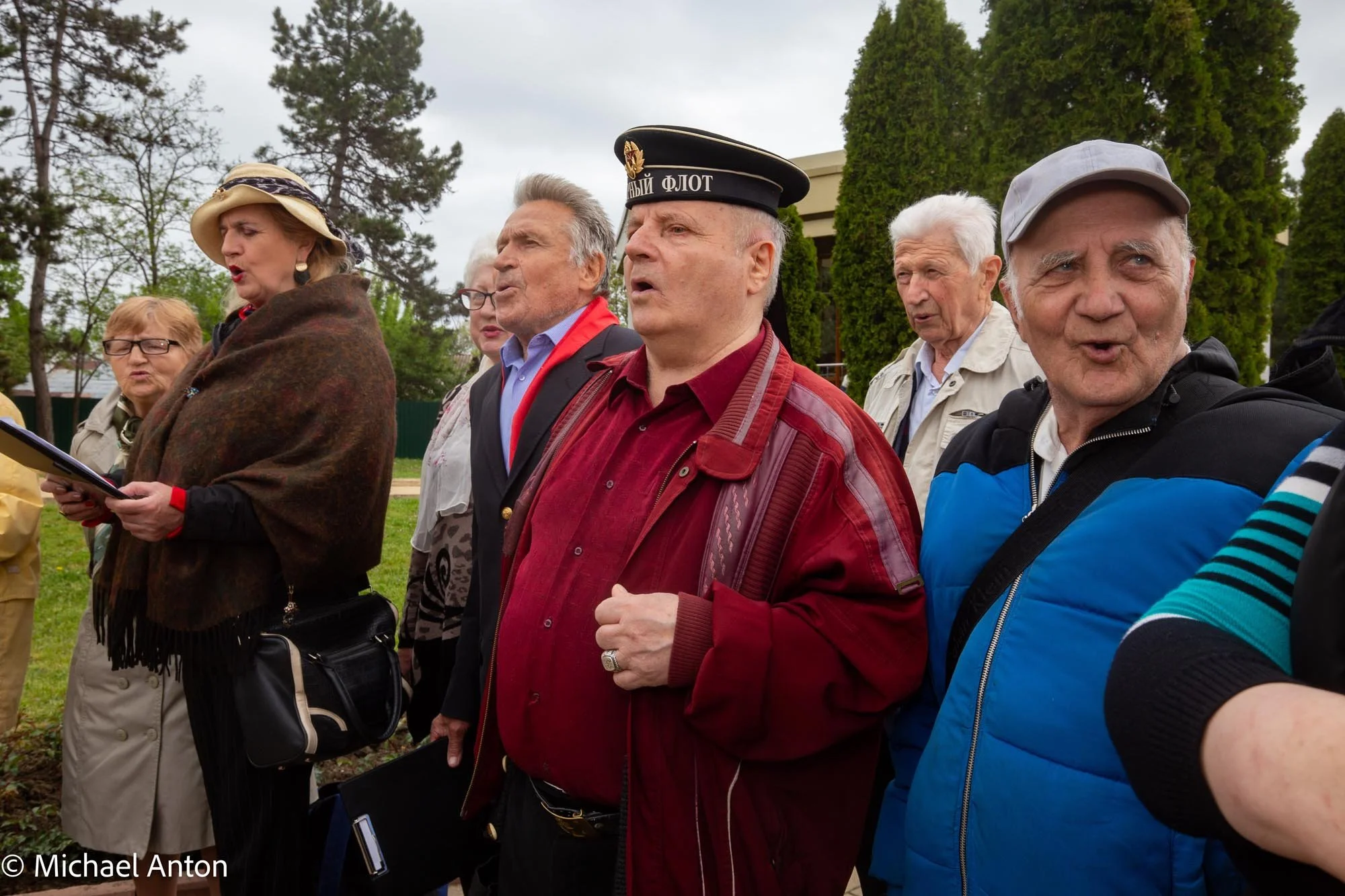
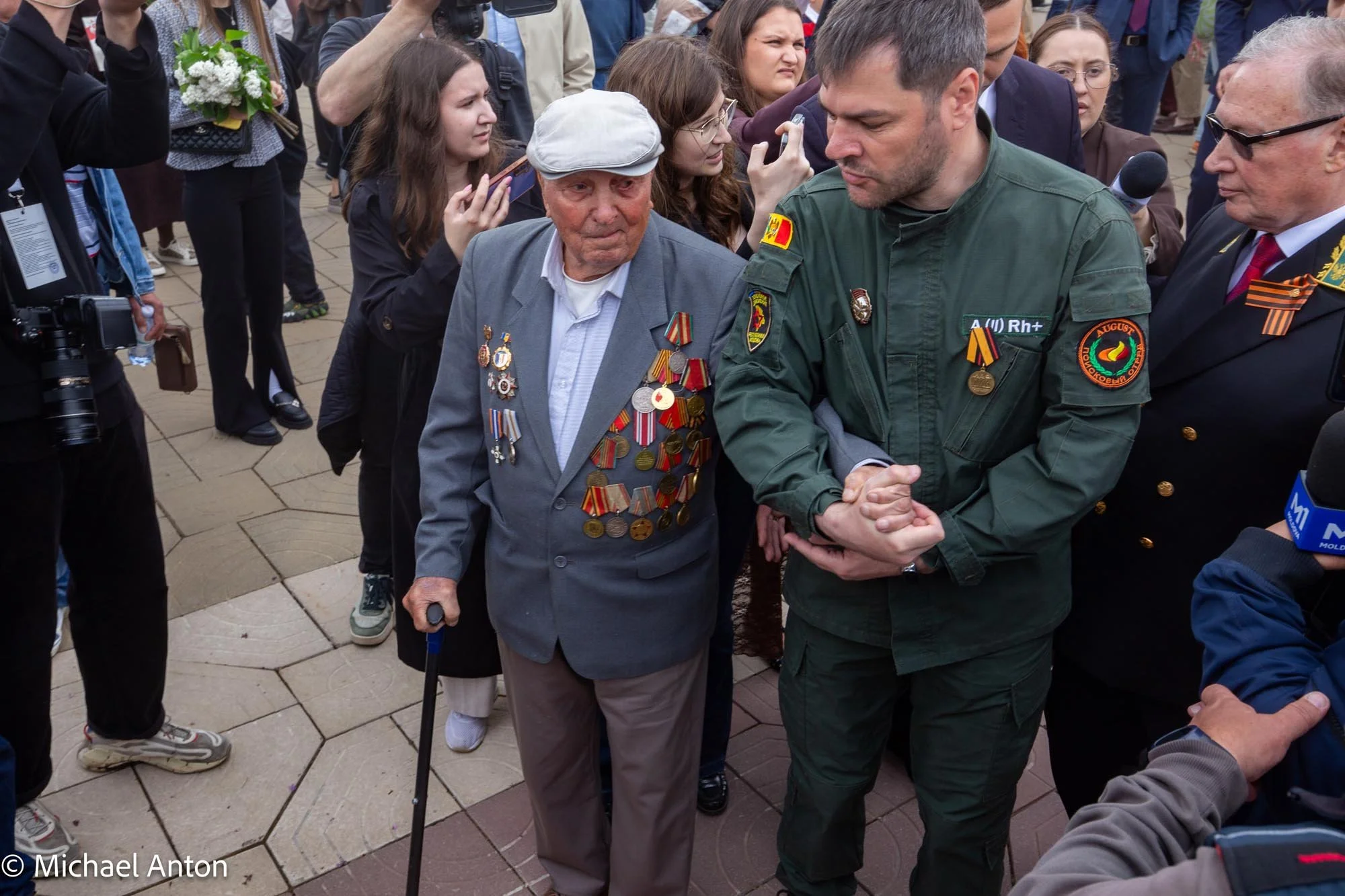
People march carrying photos of their family members who served in the Red Army, many of whom perished in that conflict. They also wear the medals their family member earned.
That generation is largely gone from the scene, but there was one old fellow, a veteran with a cane and supported by a younger man who had fought in the war.
May the world never again see such slaughter.