Armenia
Prior to my October 2025 visit, I knew very little about this jewel of the caucuses beyond two devastating 20th century events: The genocide perpetrated by Turkey and the 1988 ruinous earthquake.
Regarding the first (something Turkey still has not acknowledged over a century later) sHitler interpreted to mean that the world community would not step in to prevent genocide. On this one point he has sadly been proven correct too many times.
Of the second event, shoddy construction and materials led to a higher death toll than would have otherwise occurred.
Combine that with wars with neighboring Turkey and Azerbaijan, plus the six years Armenians lived in the “dark years” 1991-1997. For those years the country was without gas or electricity. The collapse of the Soviet Union in 1991 allowed long suppressed ethnic hatreds to resurface, and neighboring Azerbaijan severed its rail and communication links and stopped providing gas. Russia stopped providing uranium for Armenia’s Soviet built nuclear power plants.
This series of photos is my tribute to these hardy people.
Once again, my luck in local hiring has held up. Mr. Mkrtich Tonayan had an instant grasp of my interests, and of the ten or so locations I went to Armenia to photograph, I think I captured about 20. There was always just one more thing he knew about that would spark my passion. These images would not have been possible without him.
Rail Stations, Active And Abandoned, Plus One Active Bus Terminal
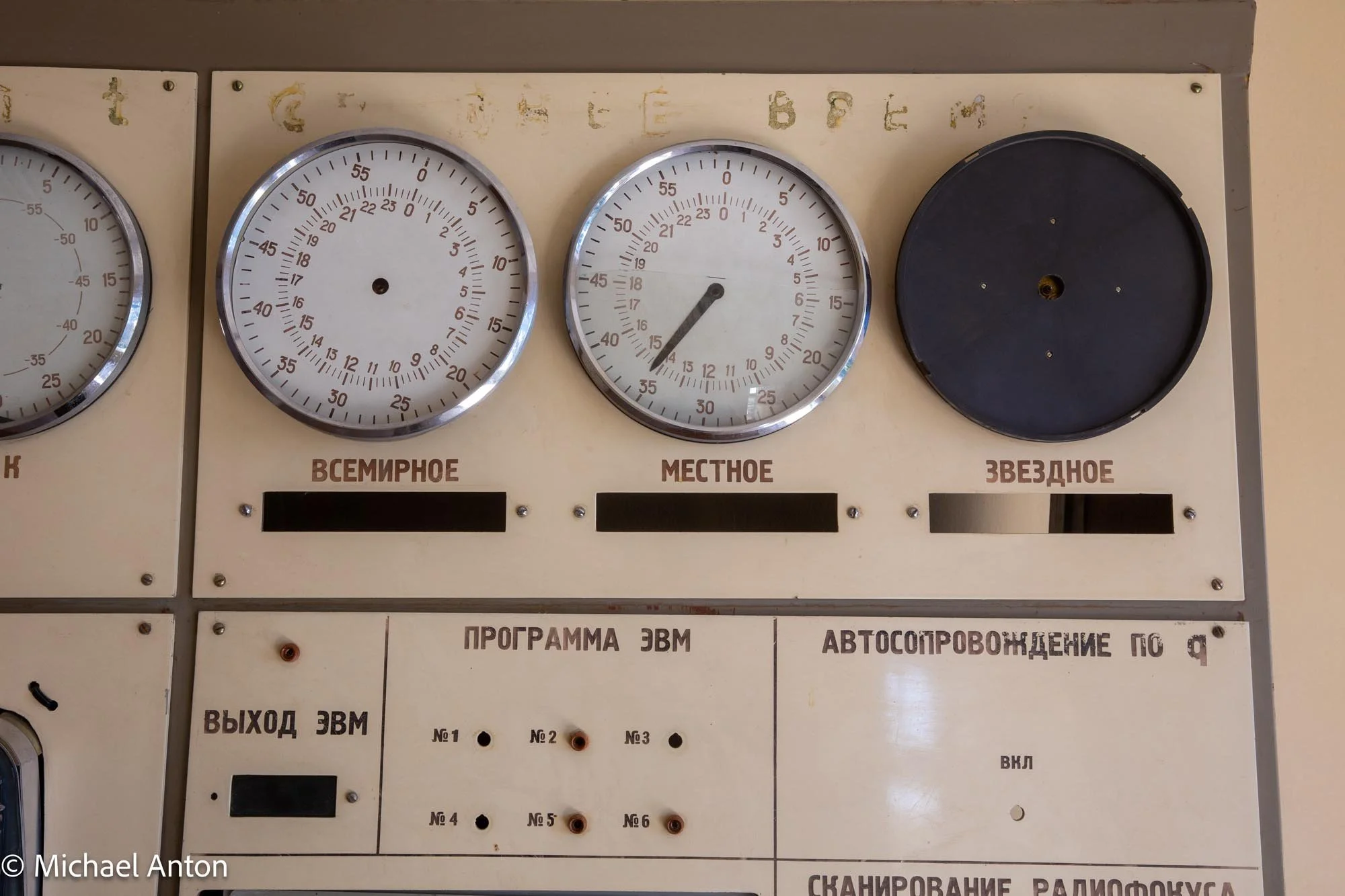
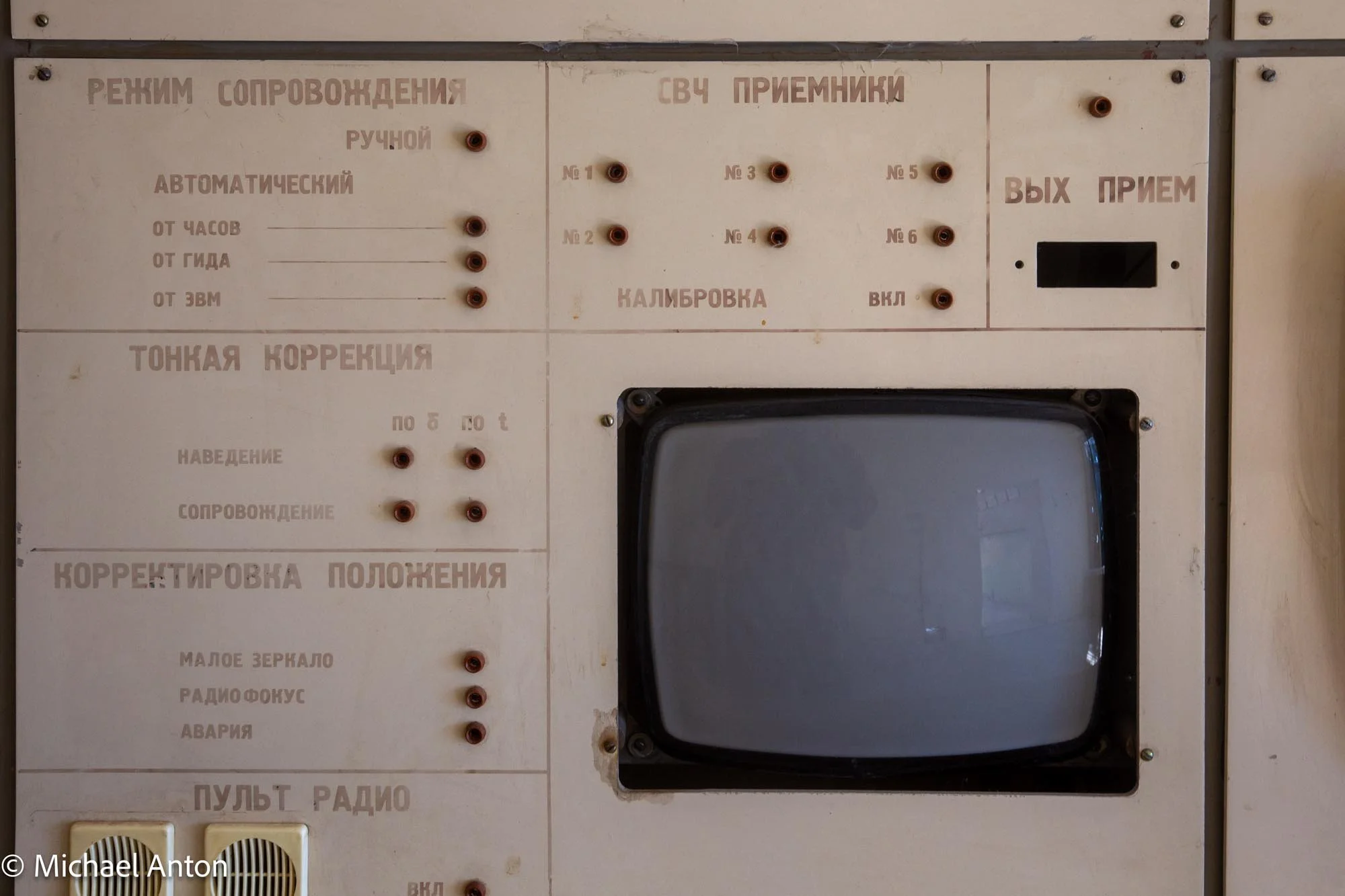
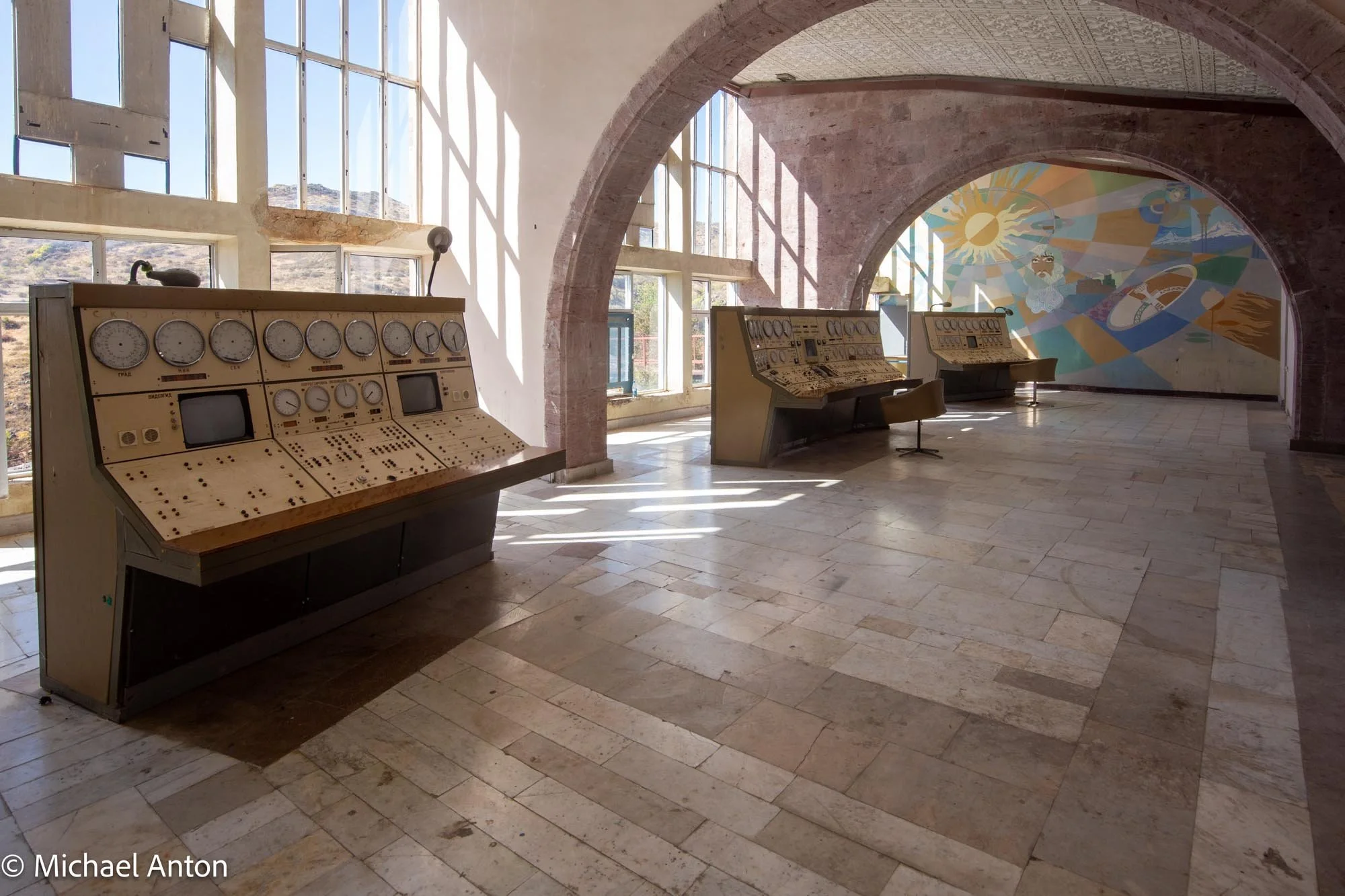
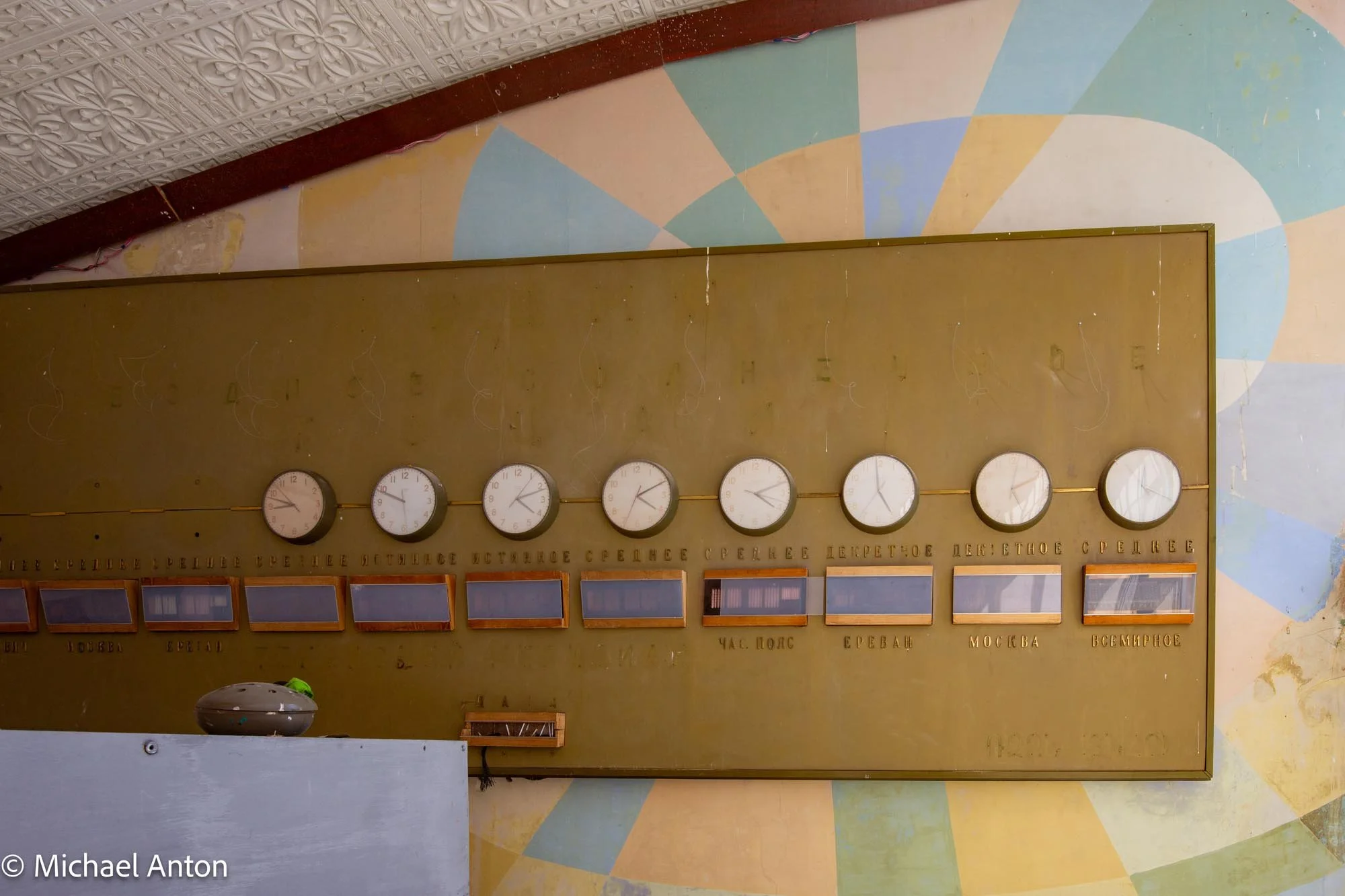
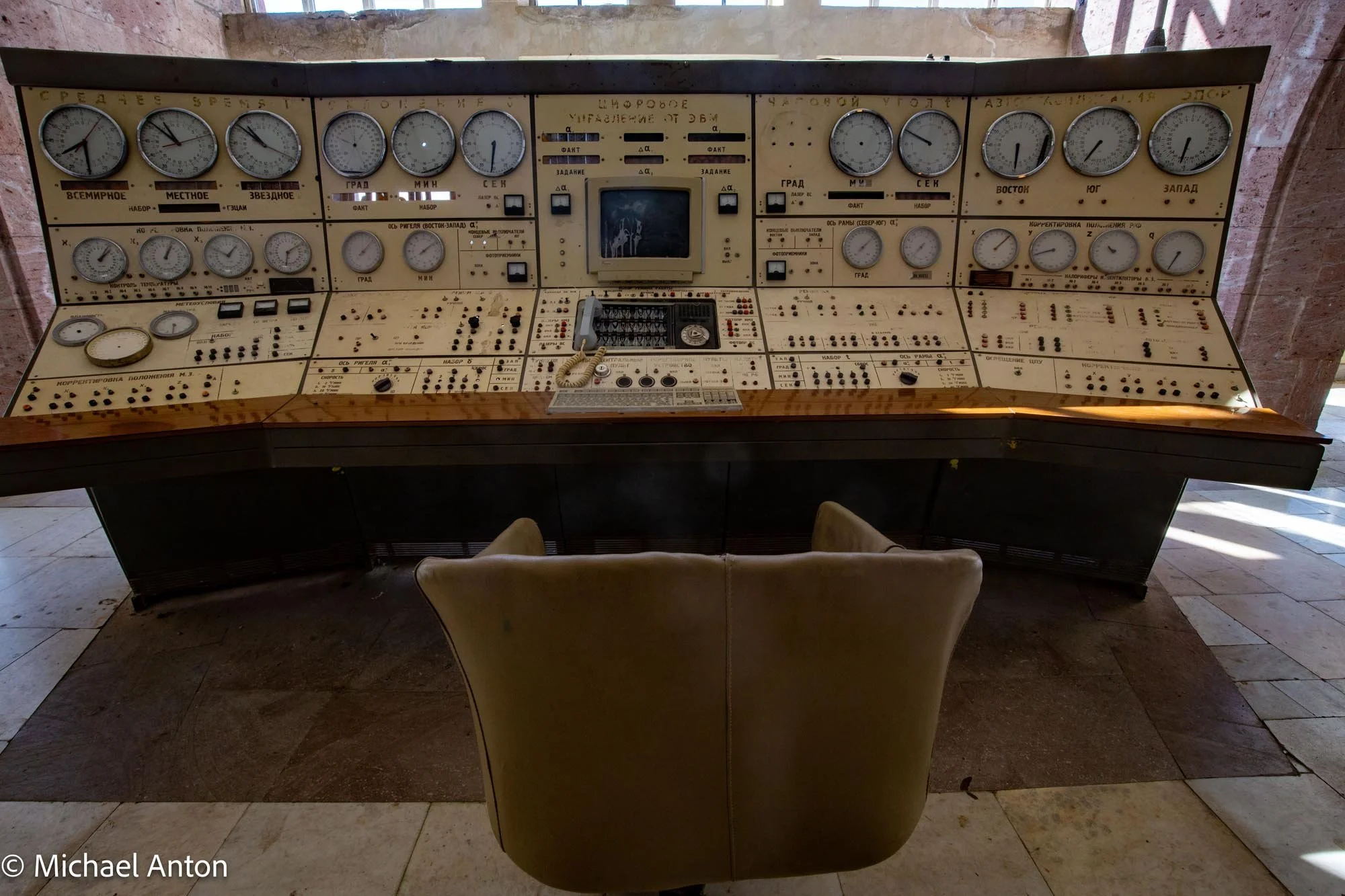
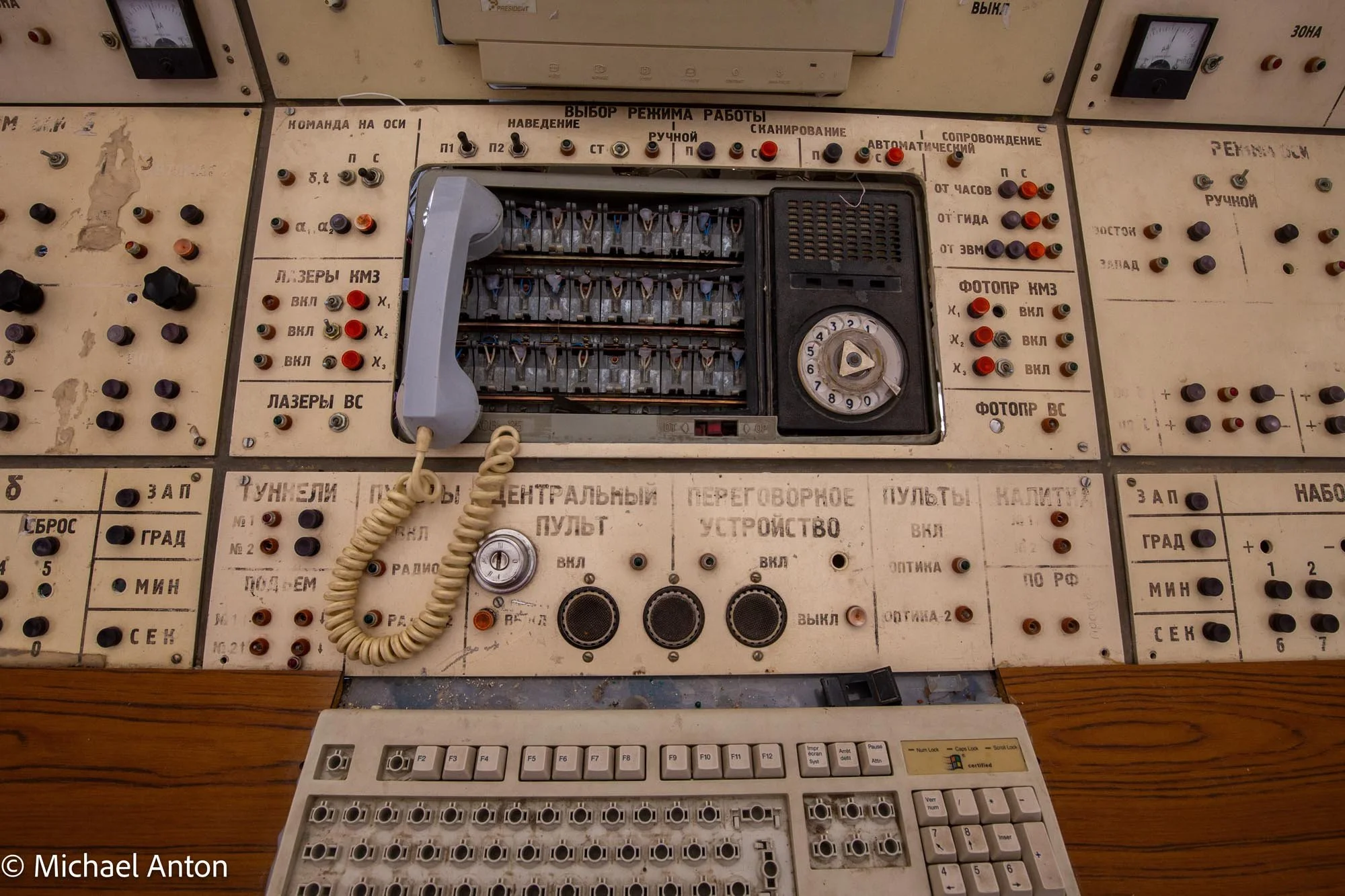
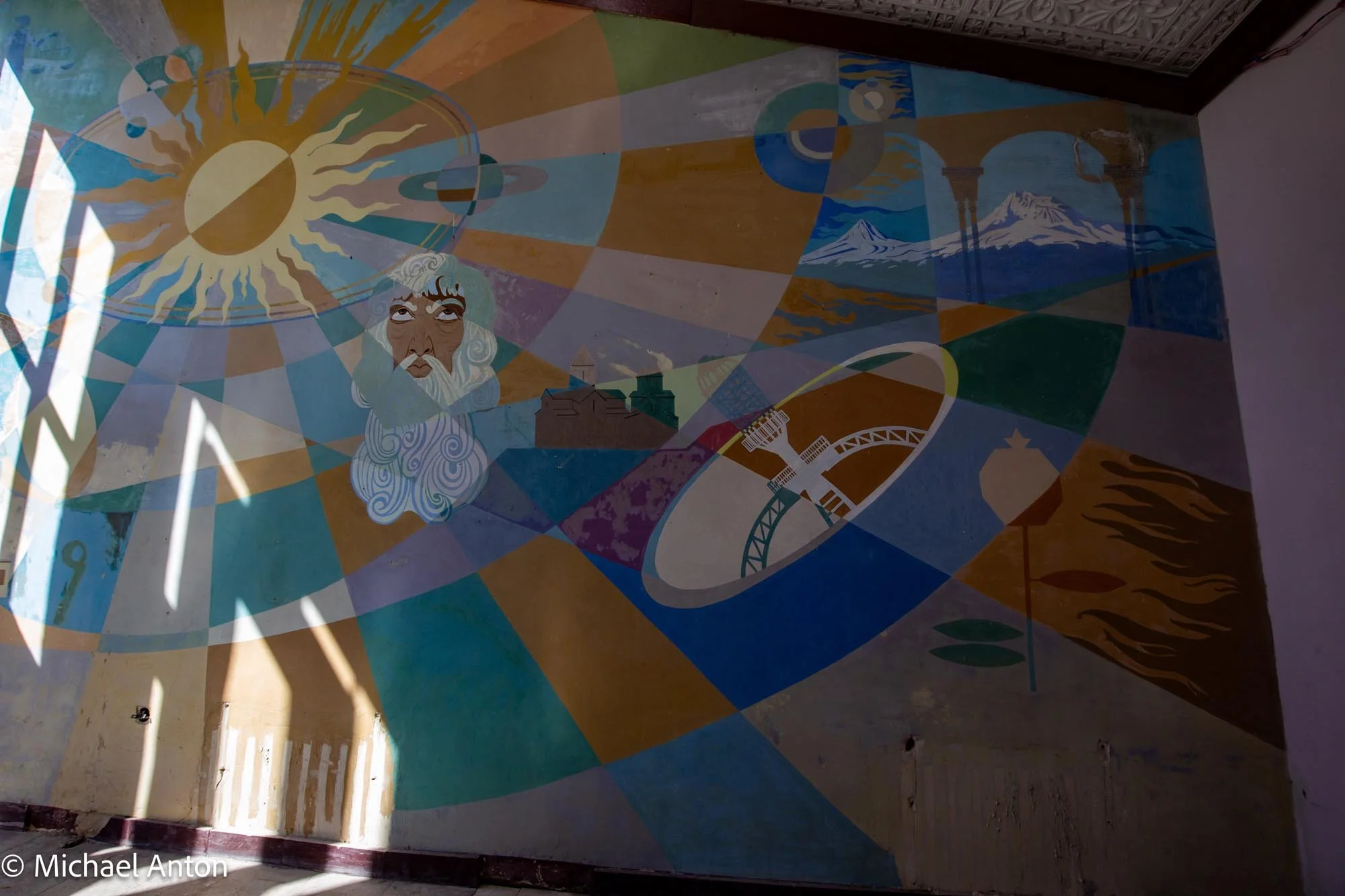
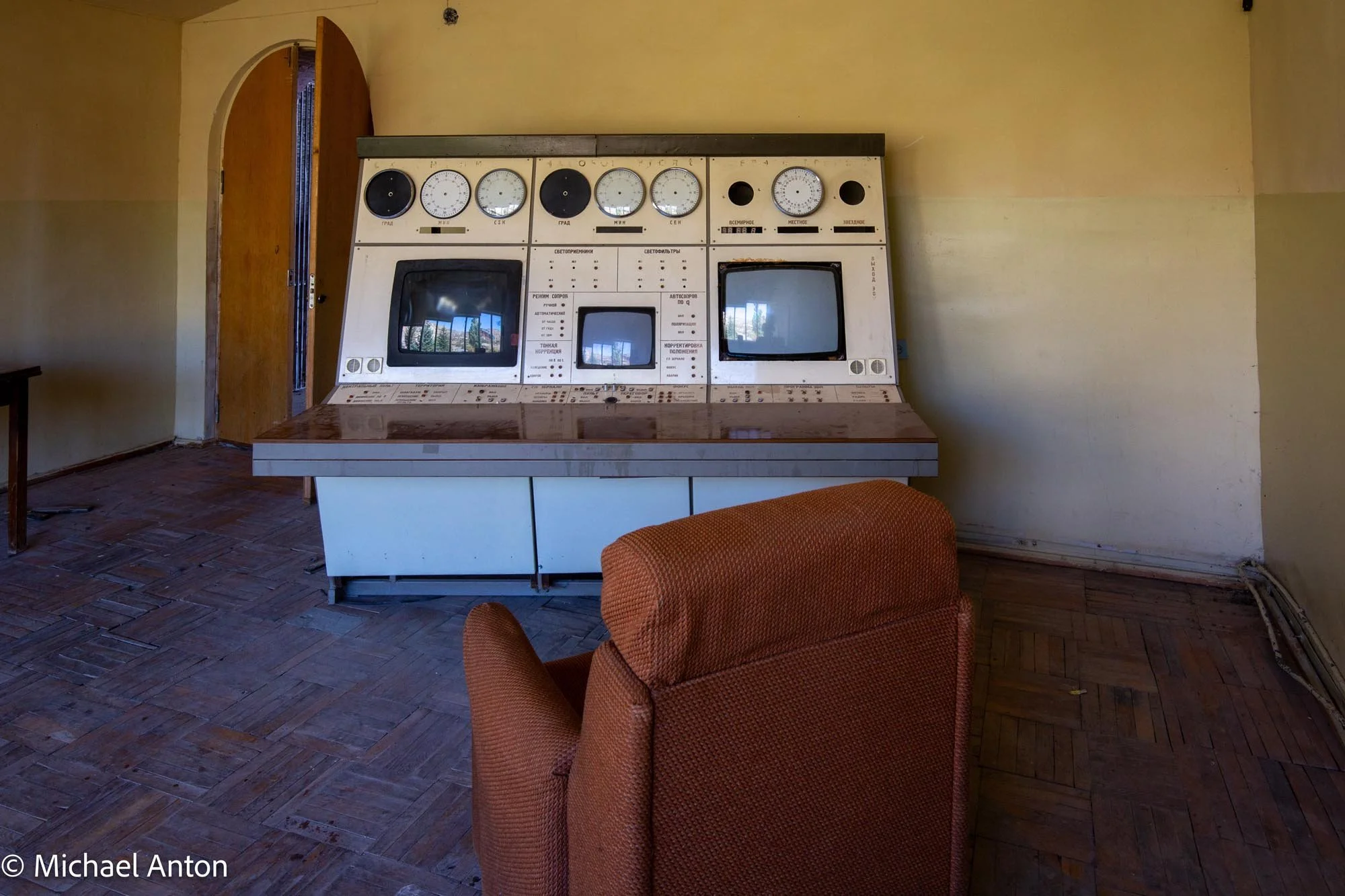
Radar Stations And Observatories
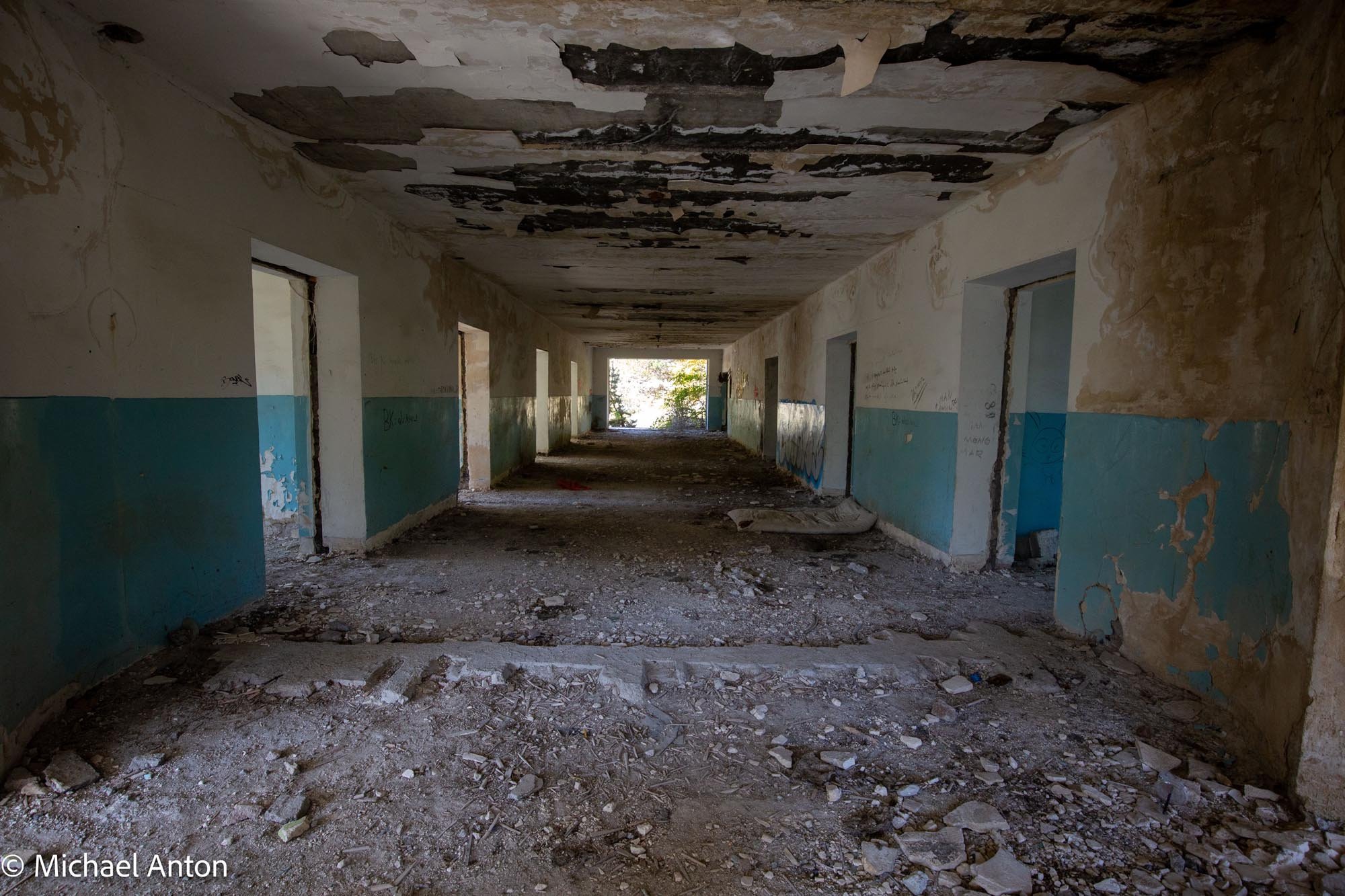
Abandoned Soviet Era Industria
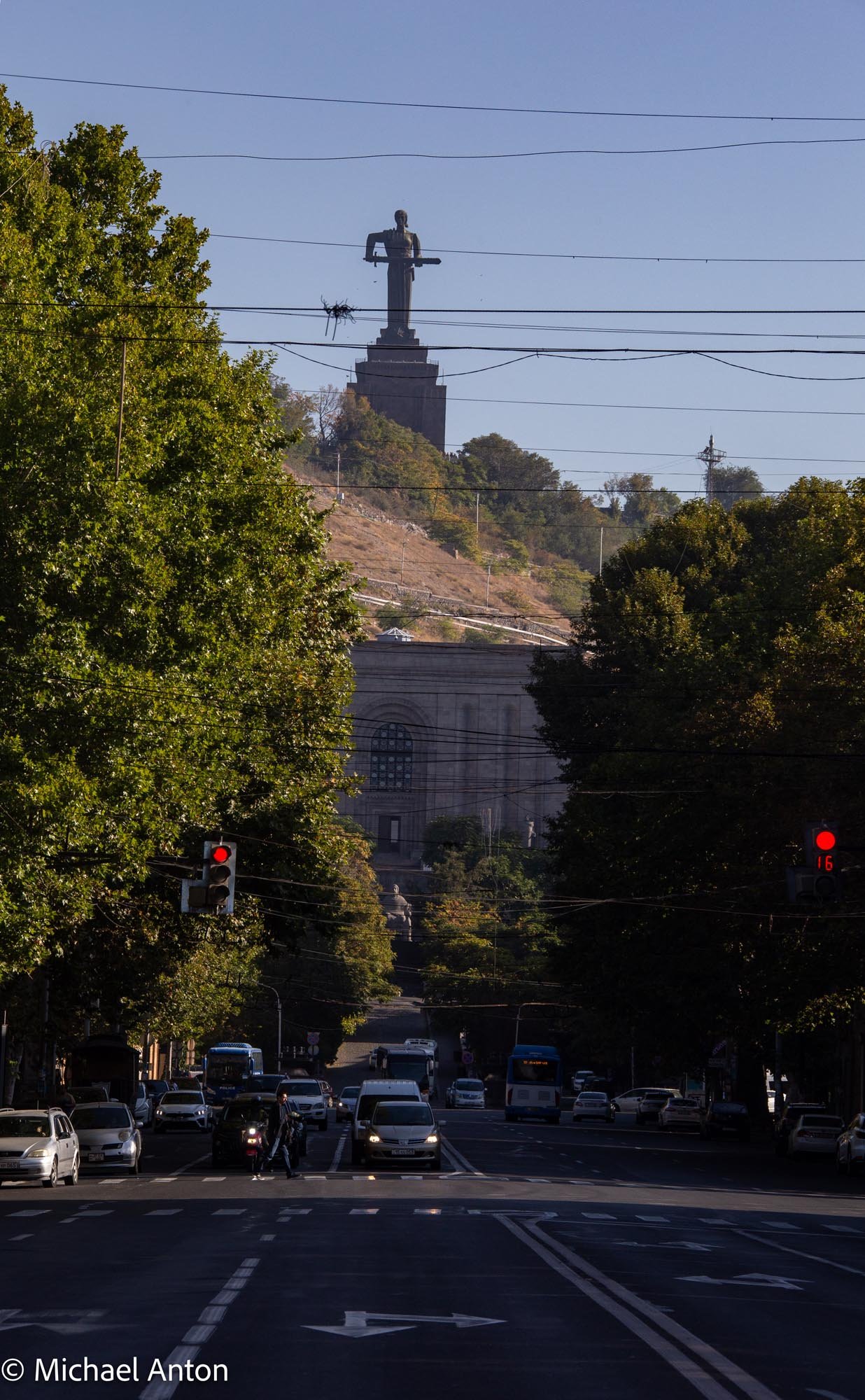
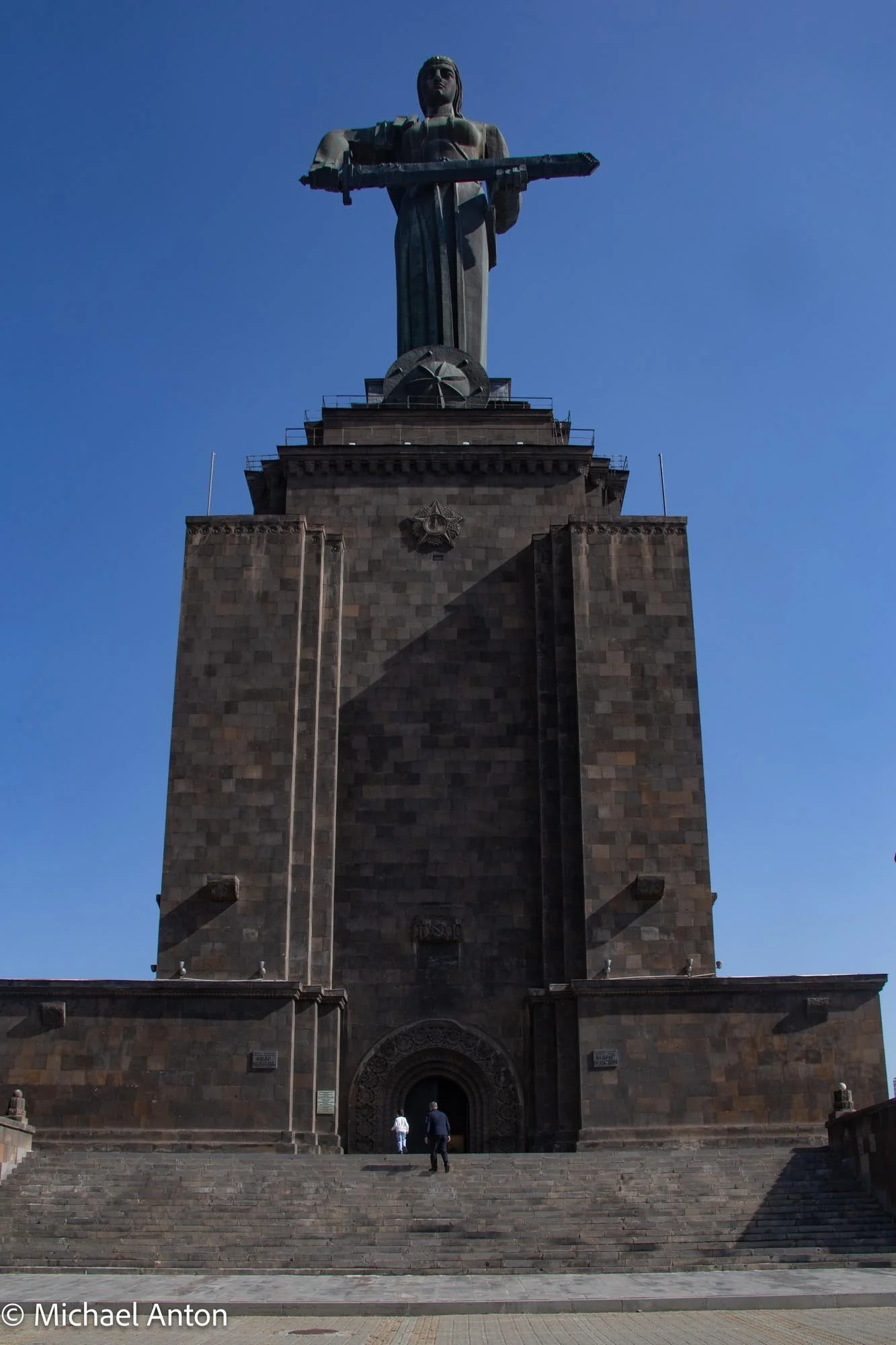
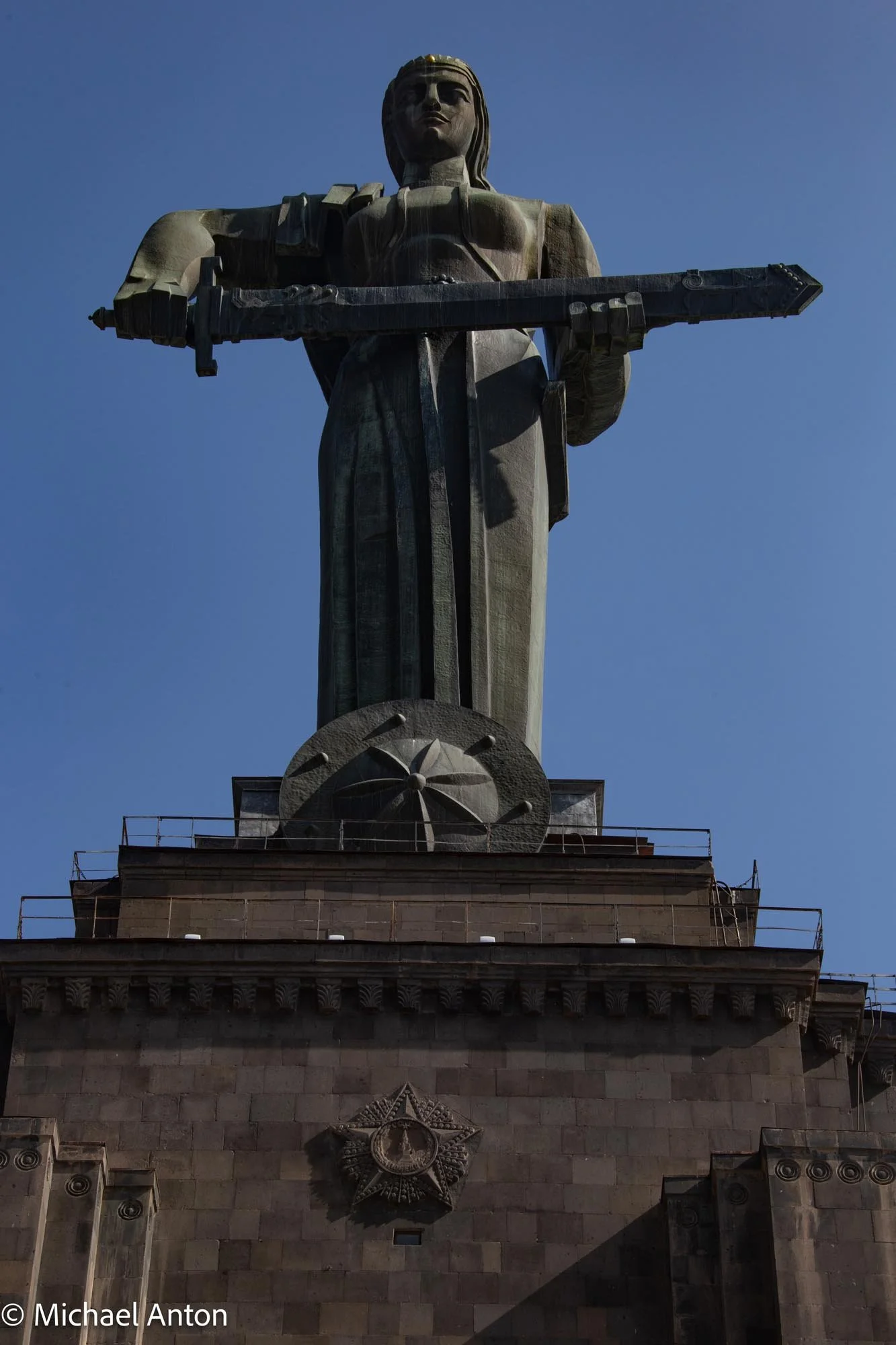
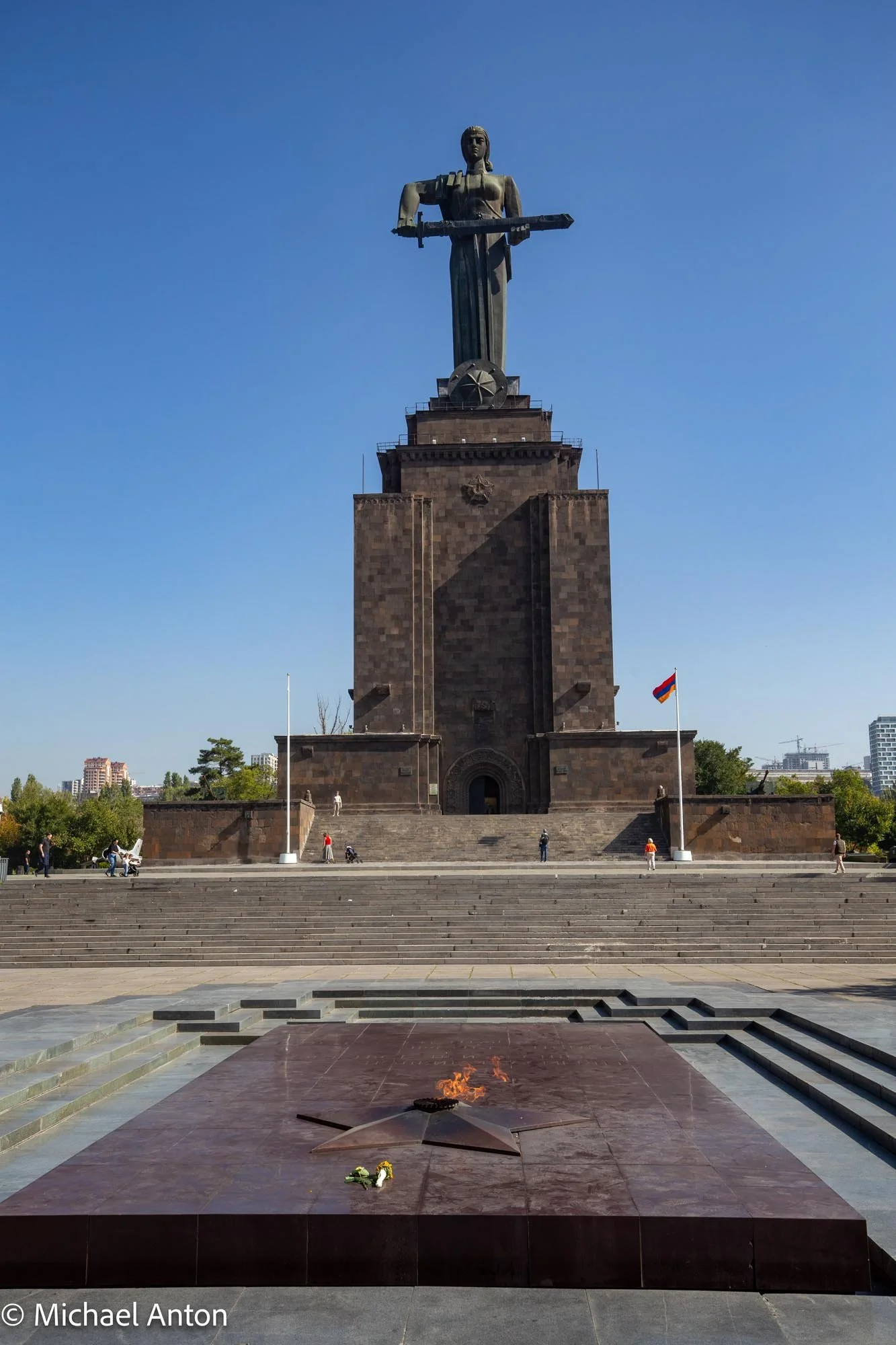
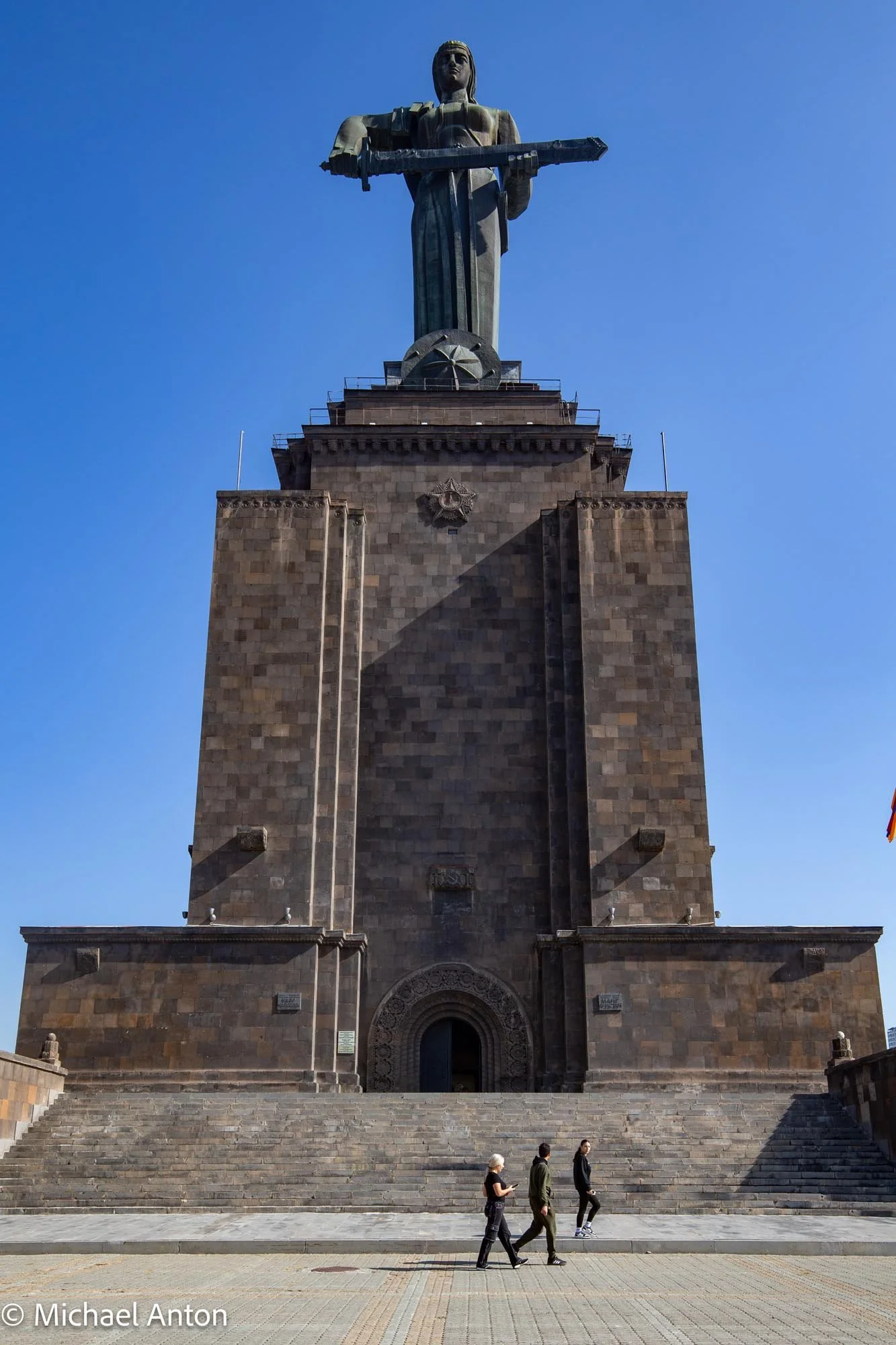
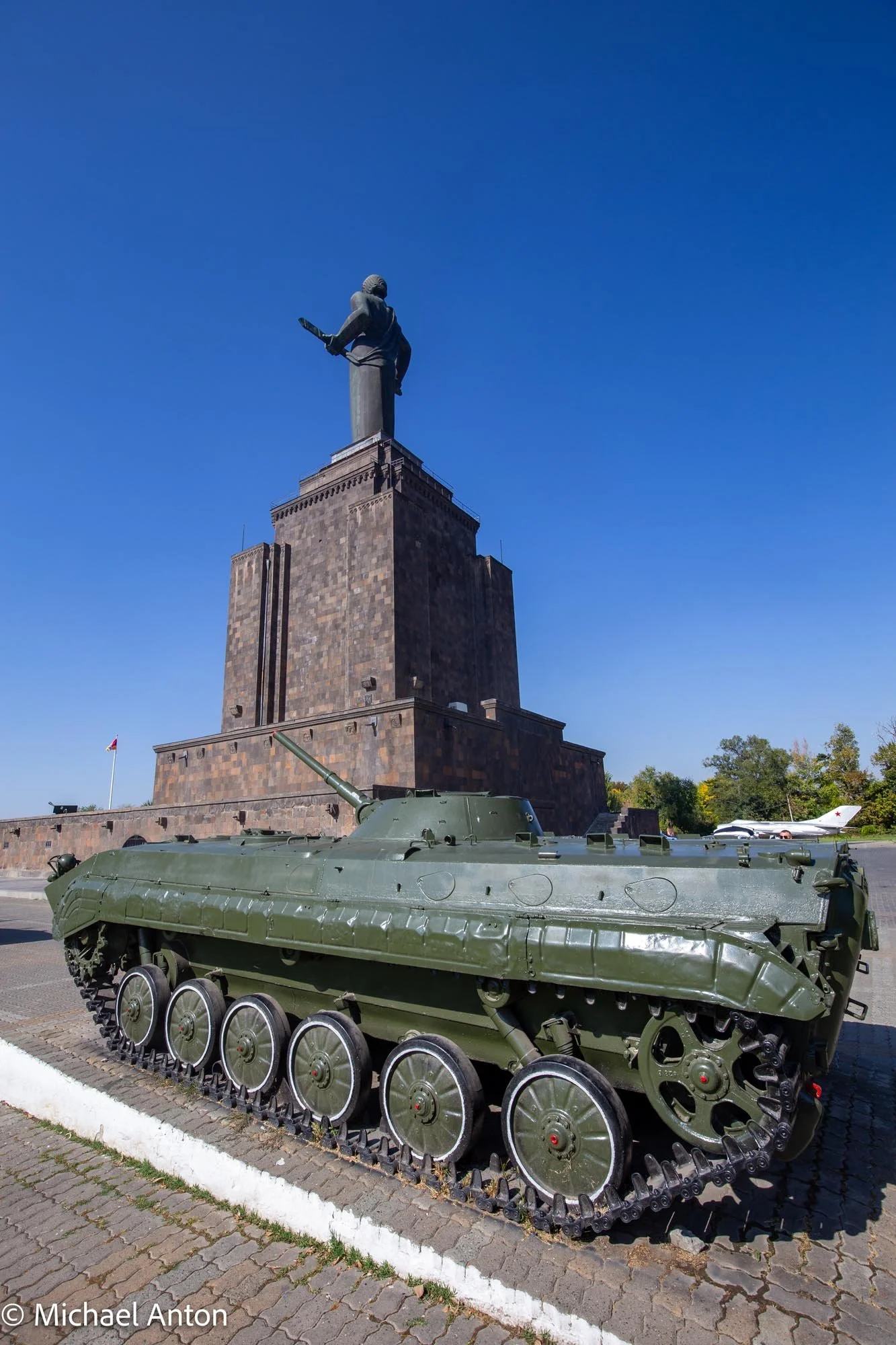
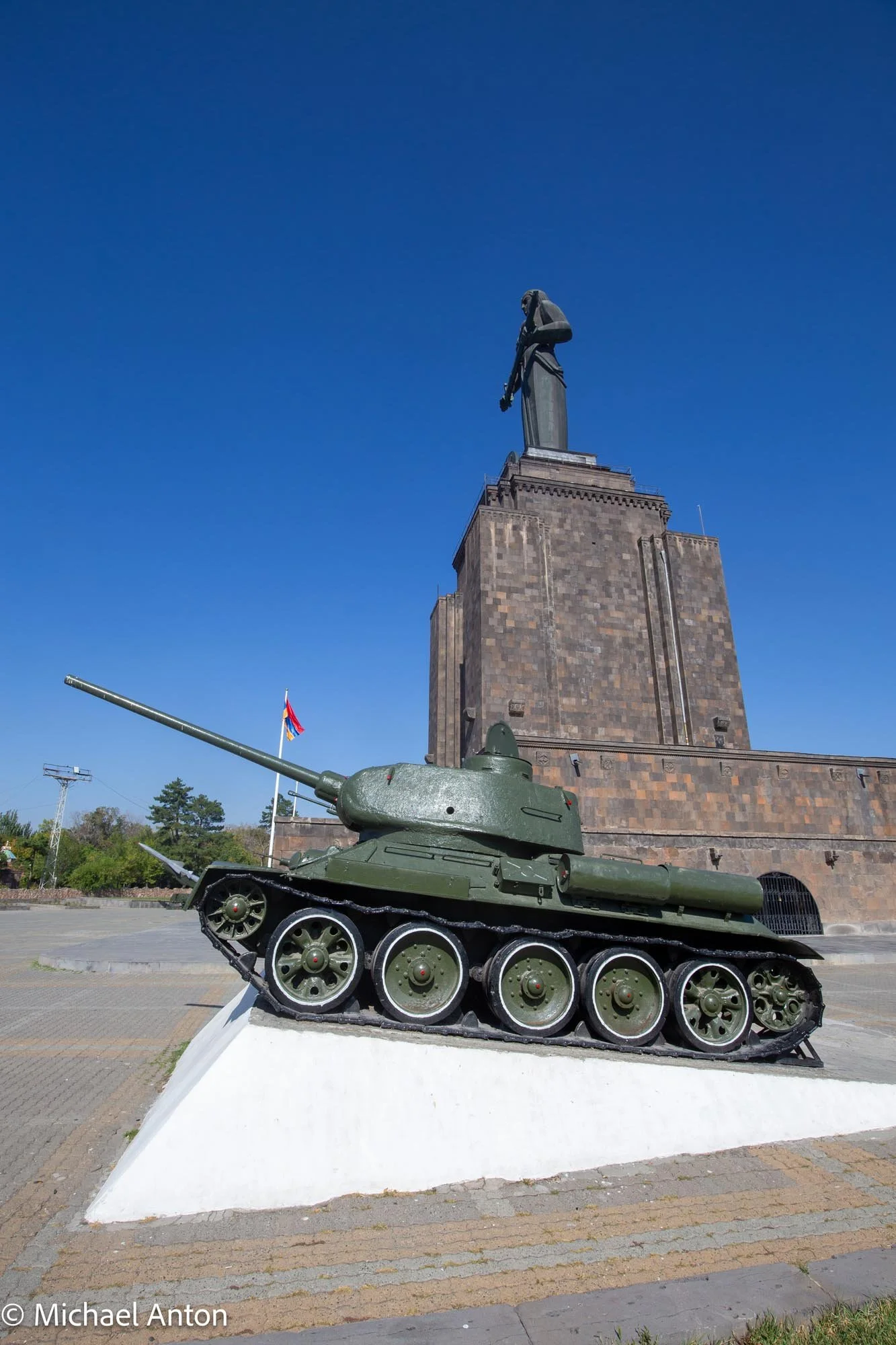
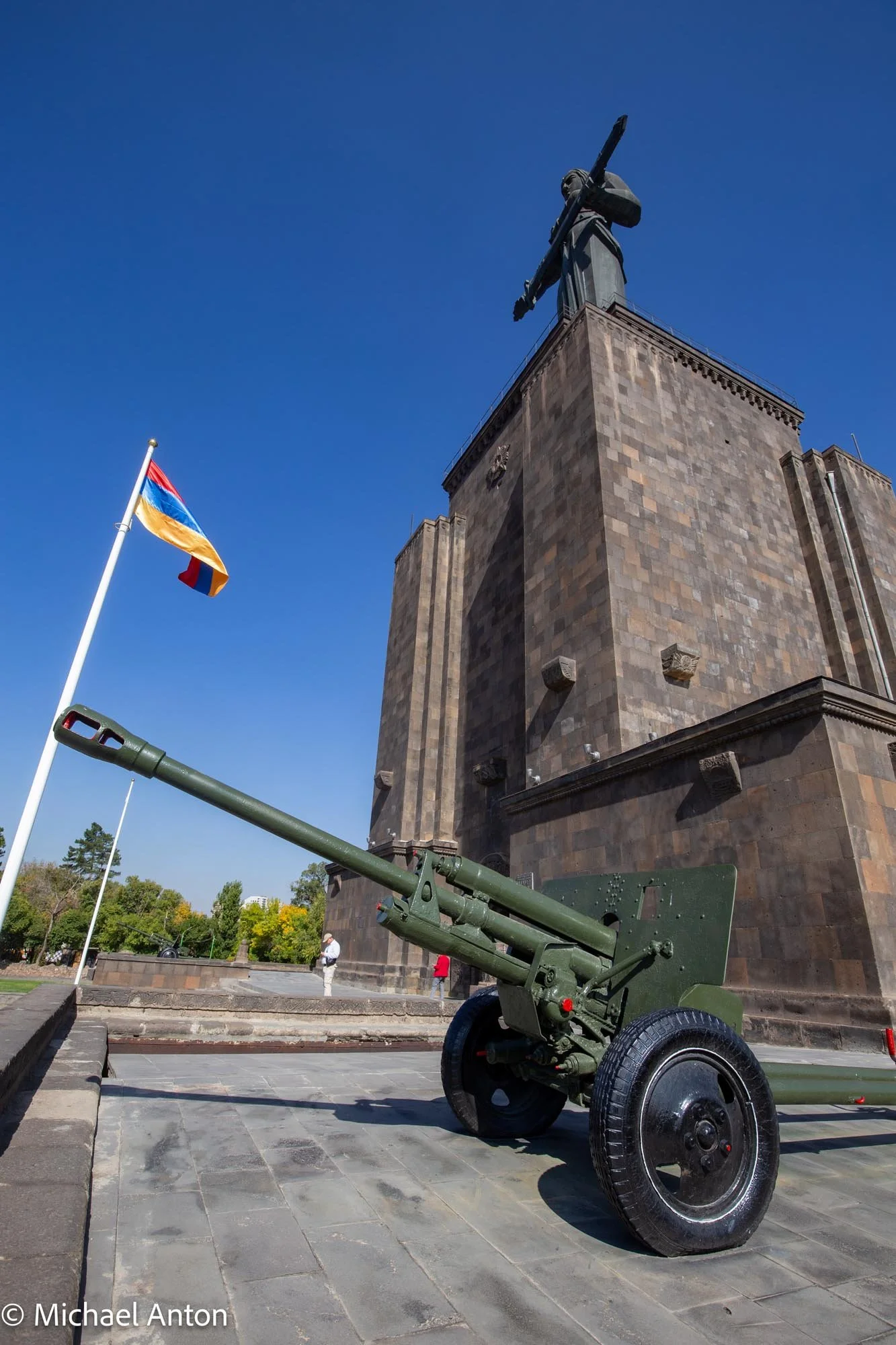
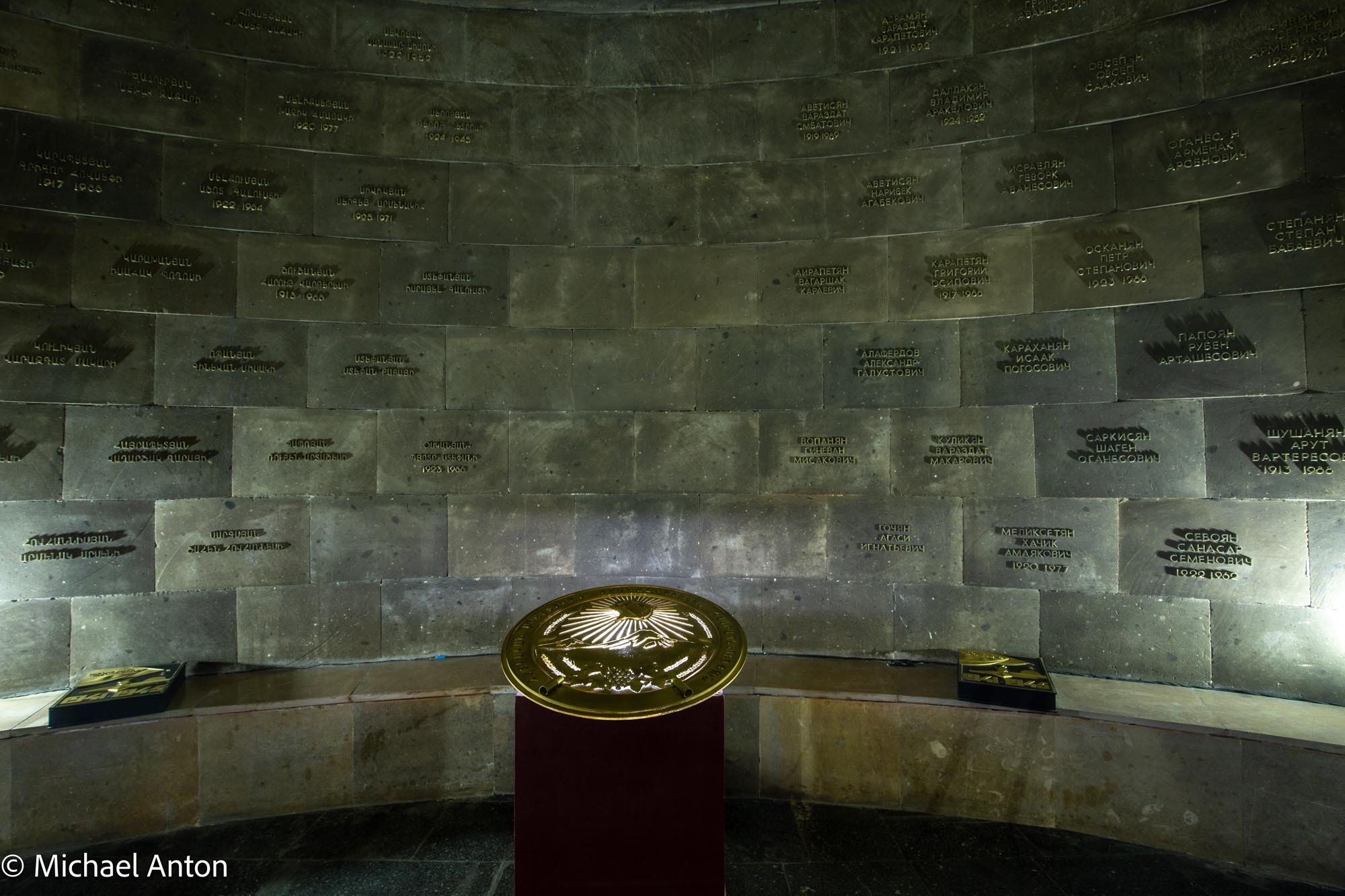
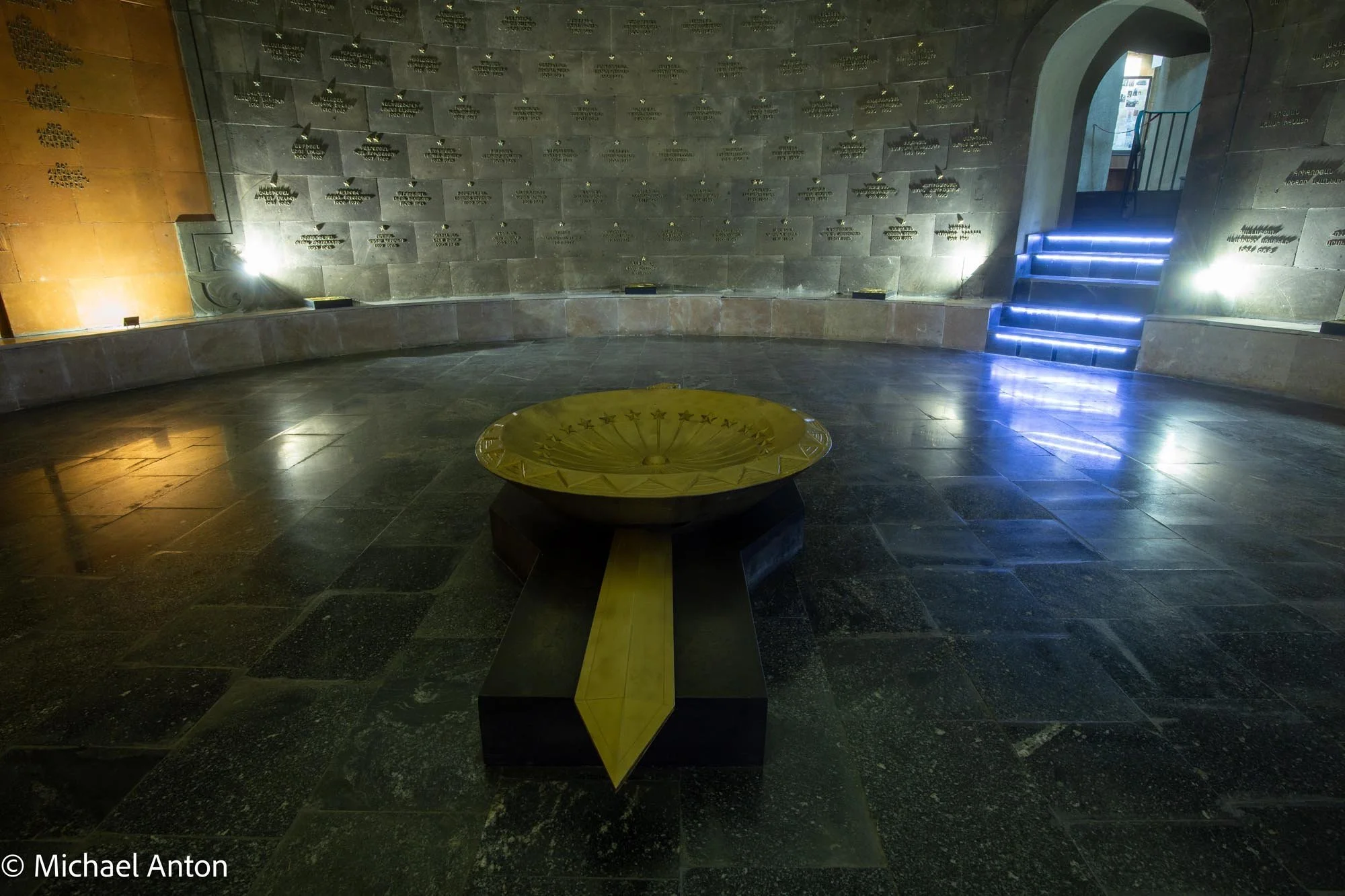
Mother Armenia Statue
Previously a same sized statue of Stalin stood there with the people of Yerevan going about their day’s activities under his benevolent gaze.
While the dictator died in 1953, it wasn’t until 1962 that his likeness was replaced with hers.
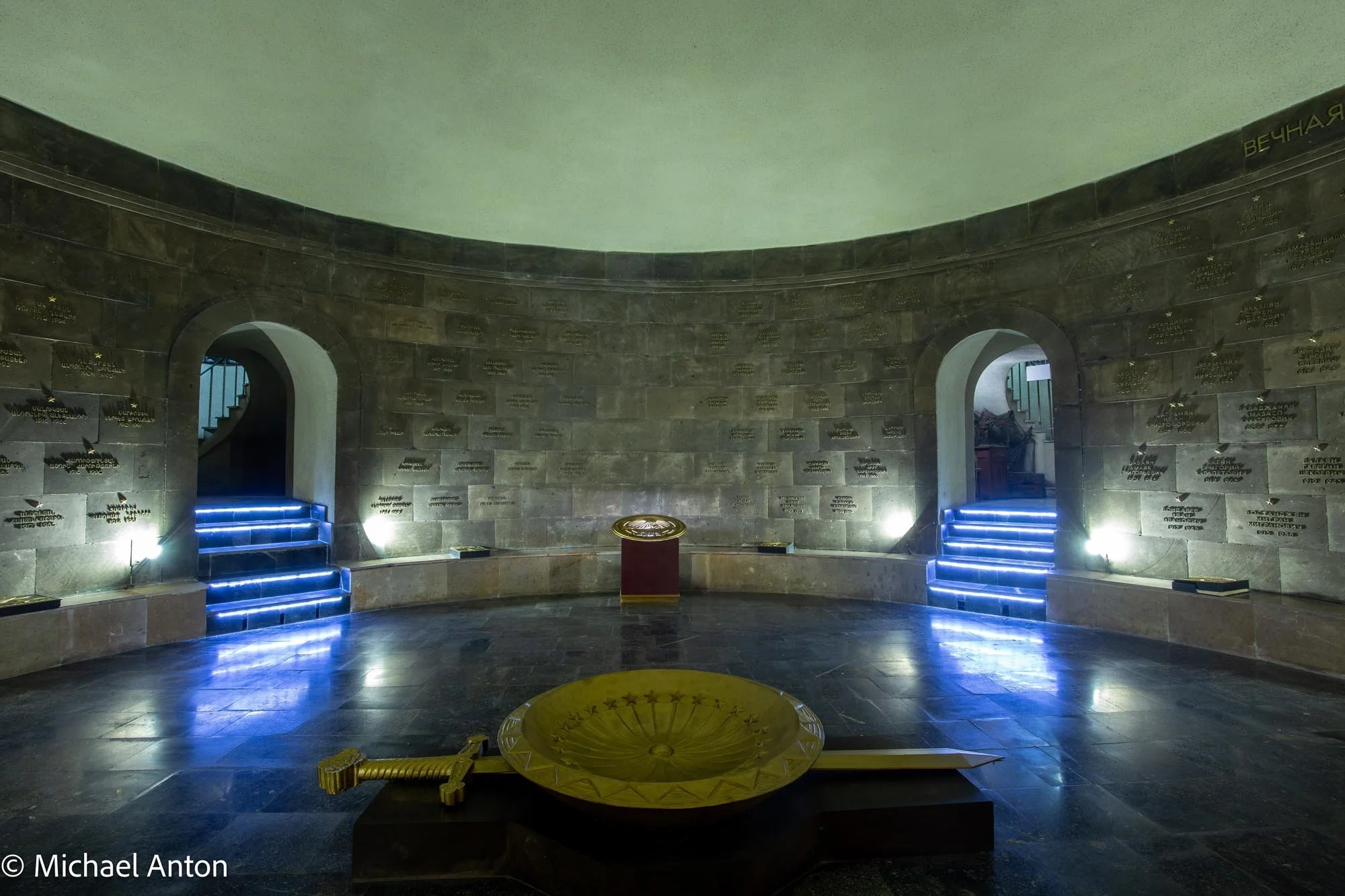
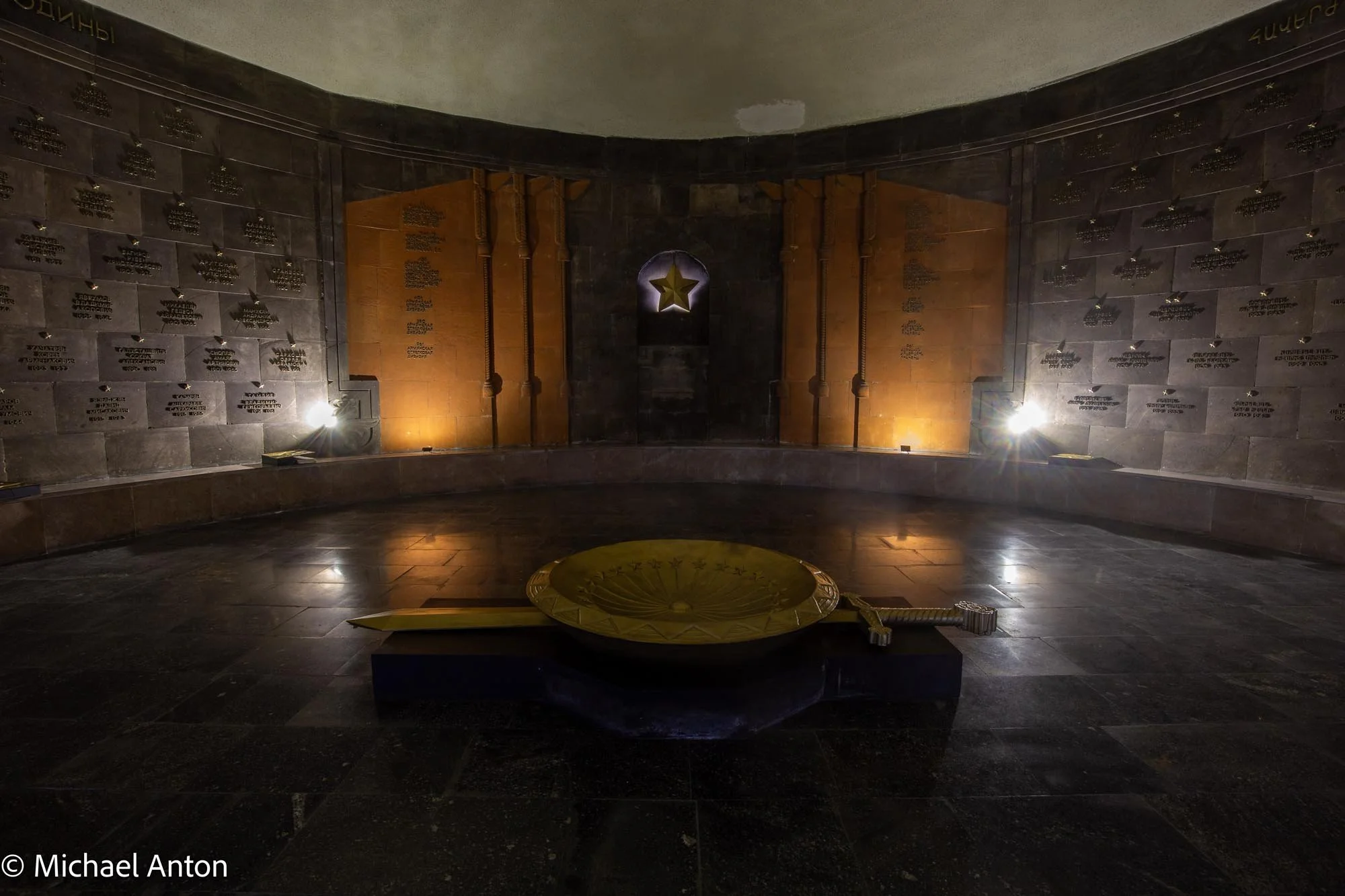
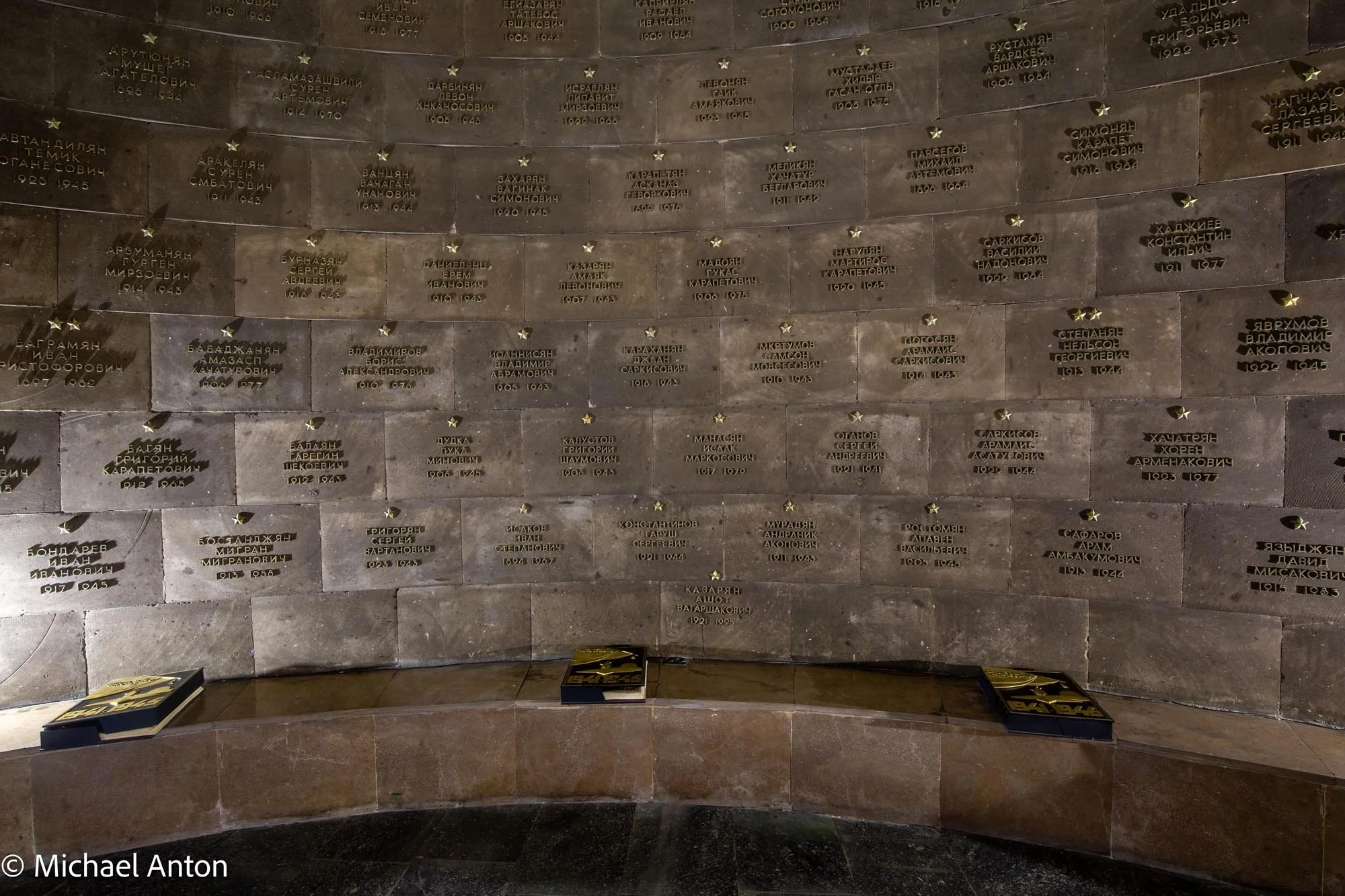
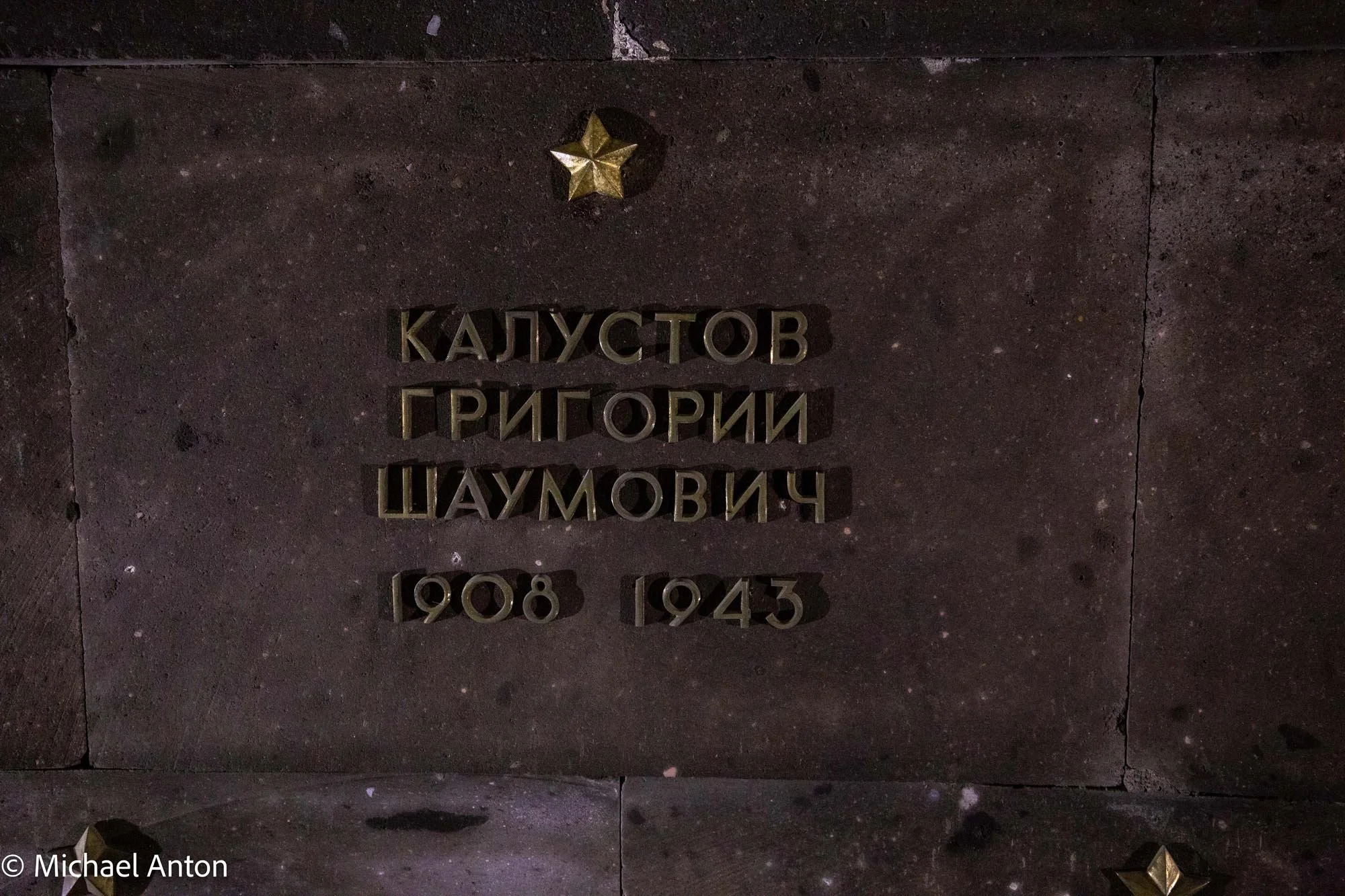
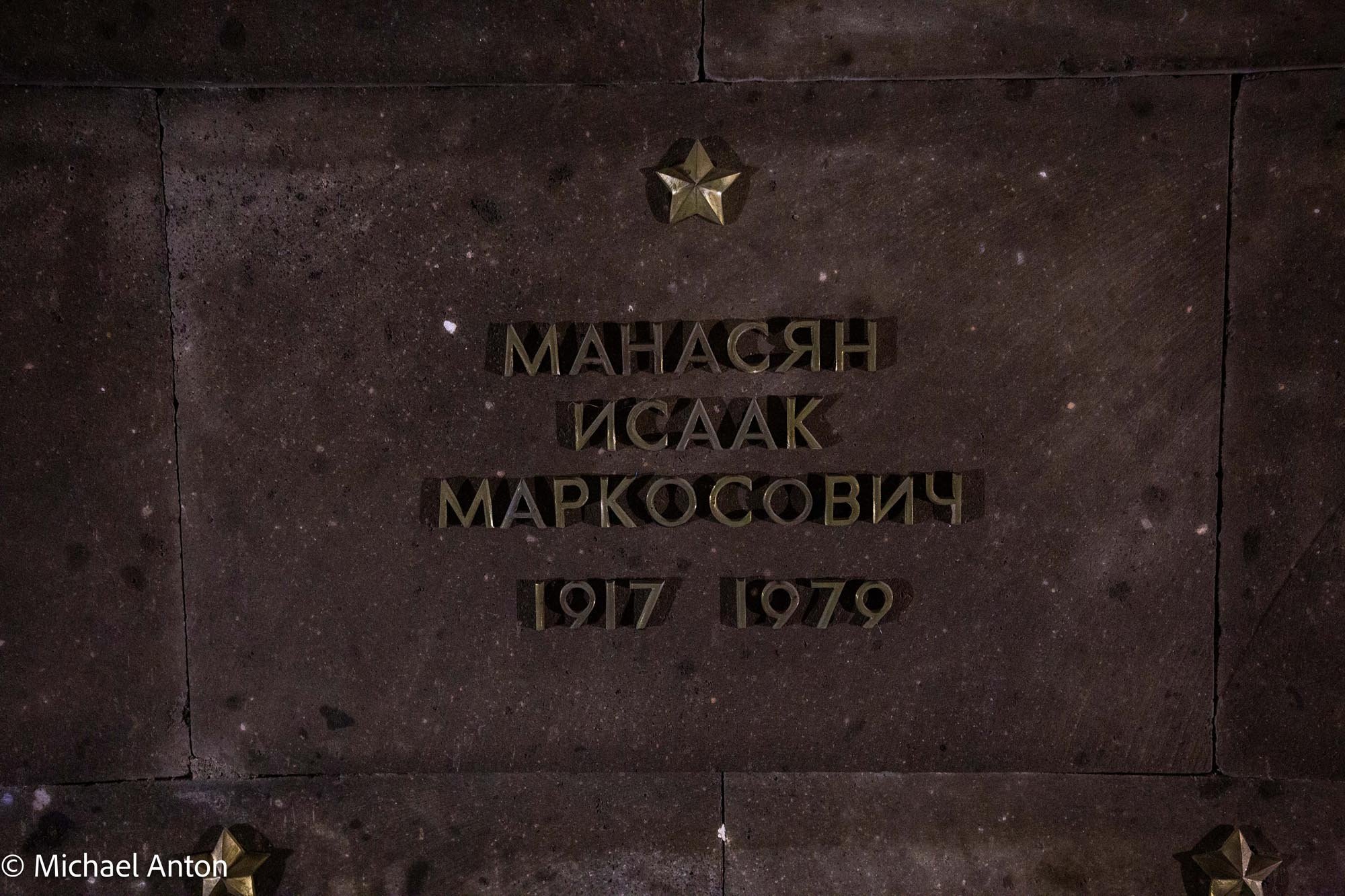
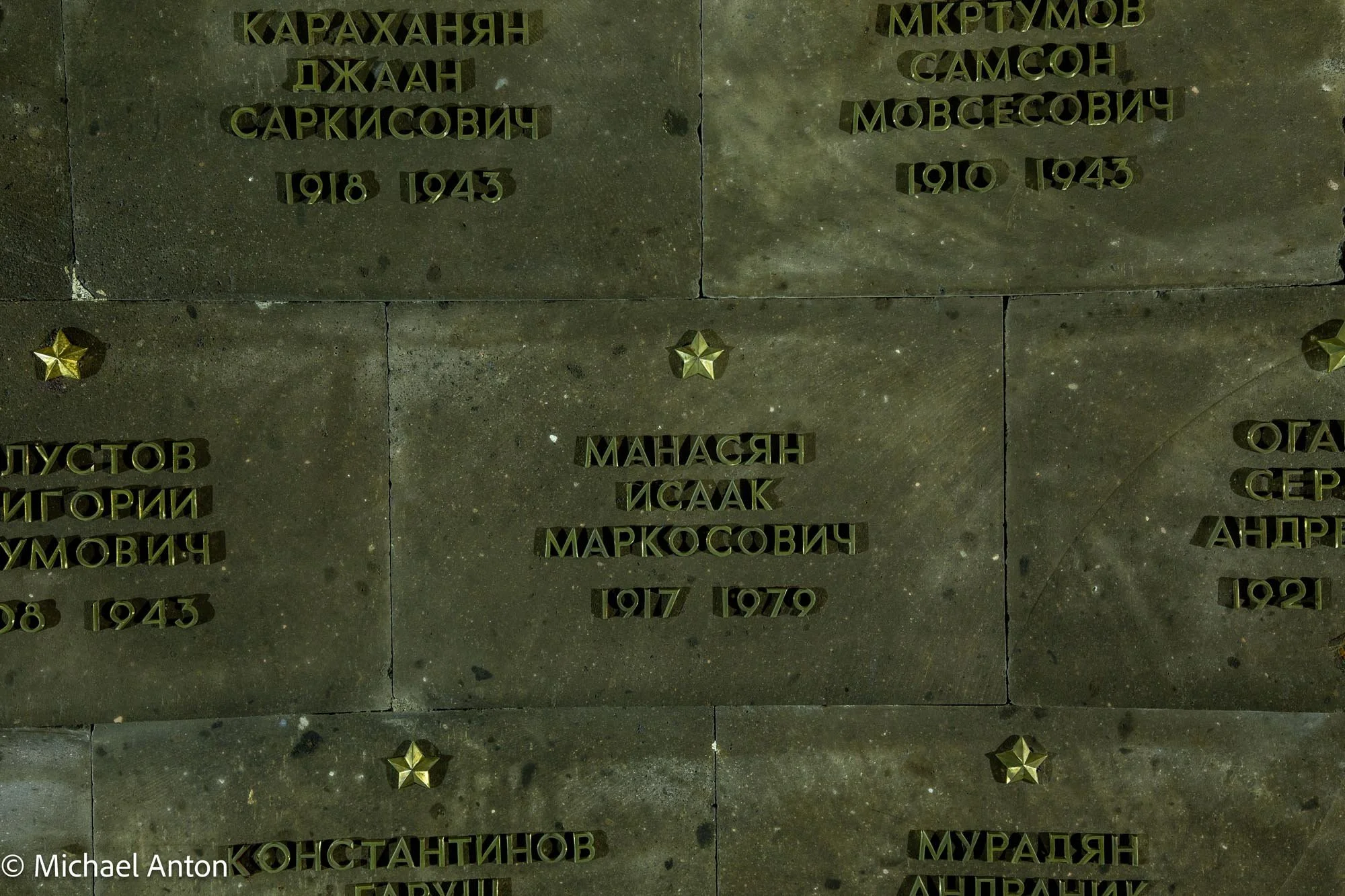
The interior of the statues’ base bears the names of some of the many Armenians who served the Red Army during what is called there The Great Patriotic War 1941-1945. The dates of their births and deaths are inscribed with far too few living into old age.
The staggering losses of the Soviet Union during those four years defy my ability to comprehend.
Rail Stations, Active And Abandoned, Plus One Active Bus Terminal
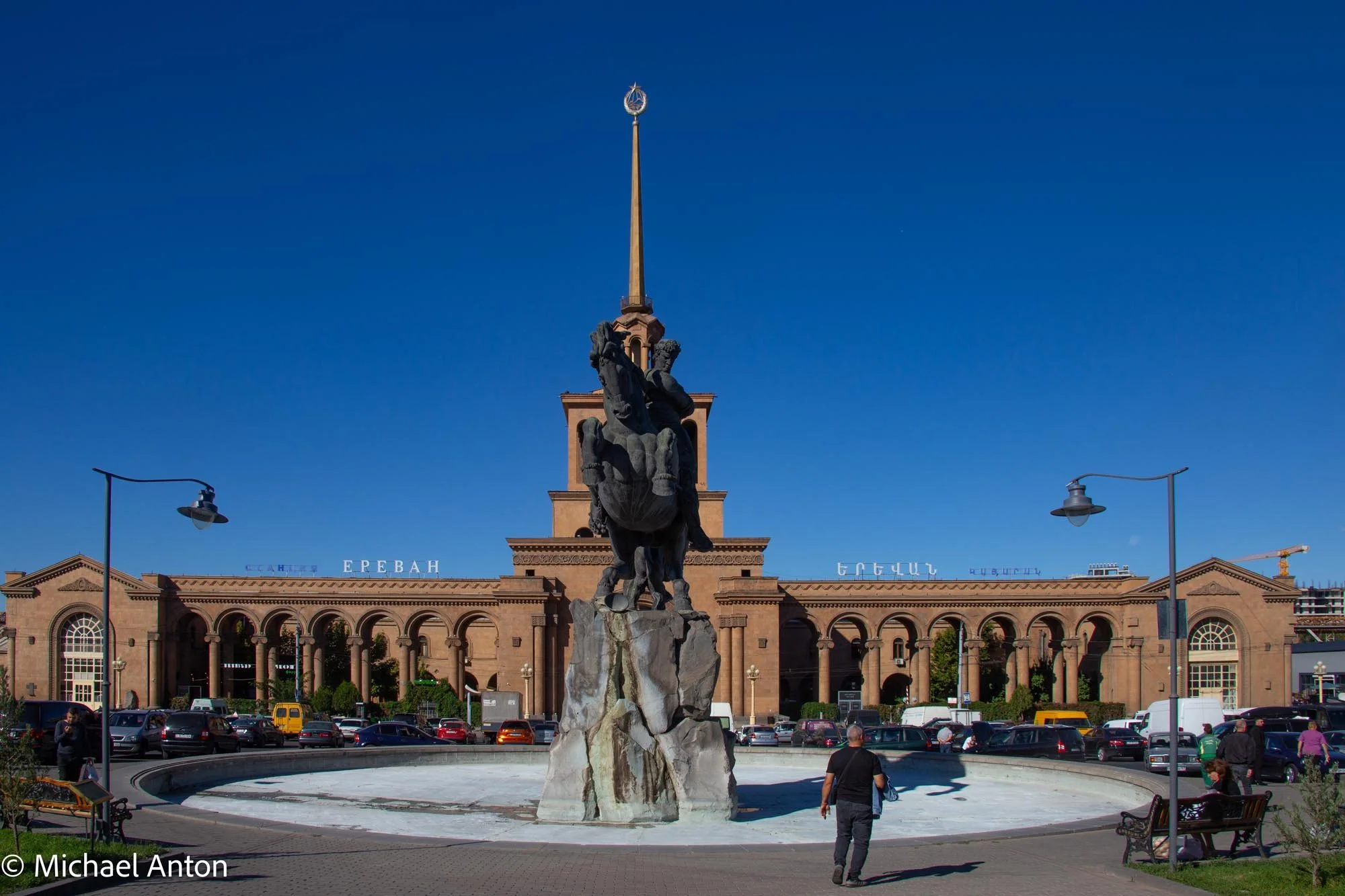
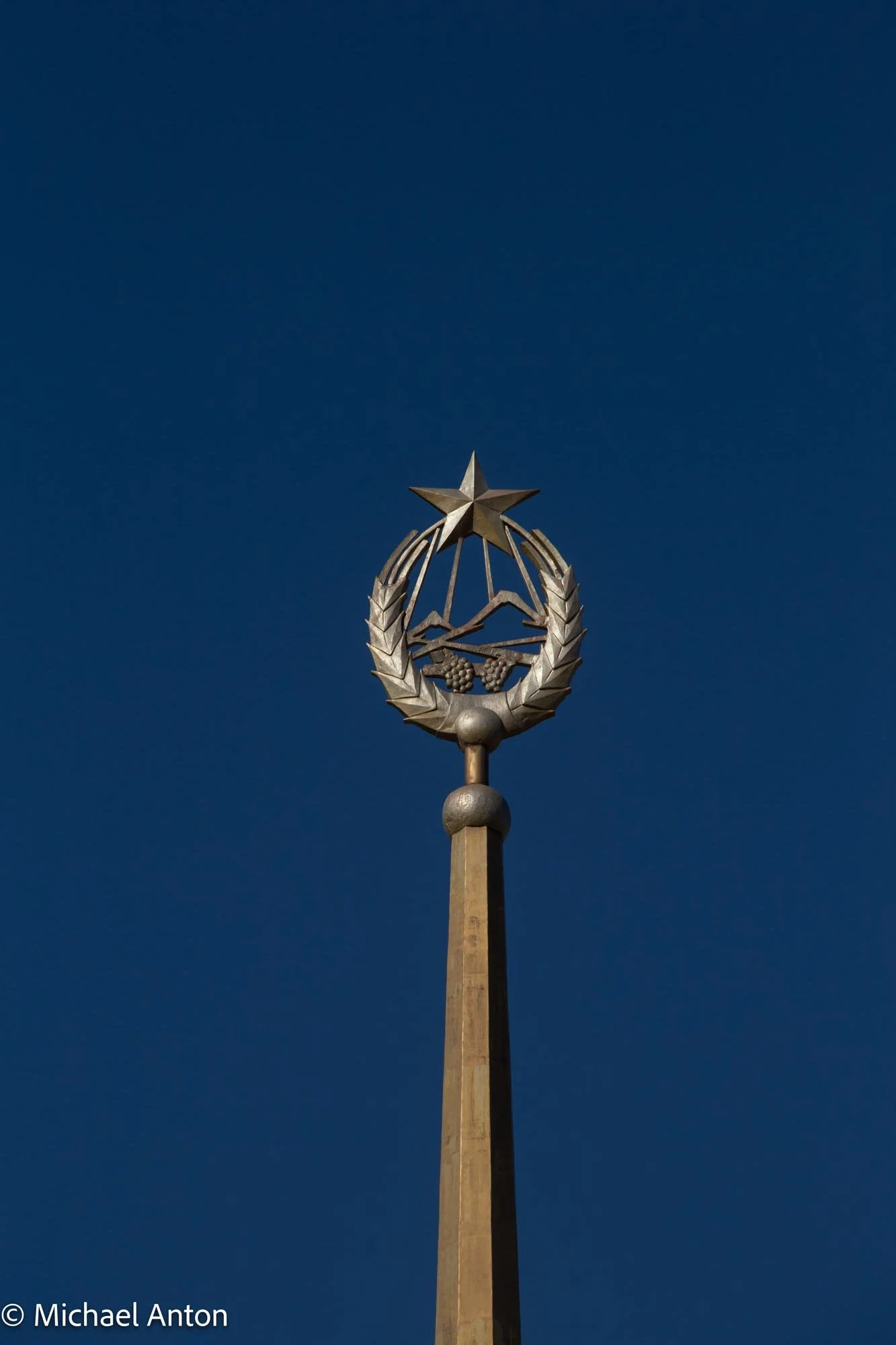
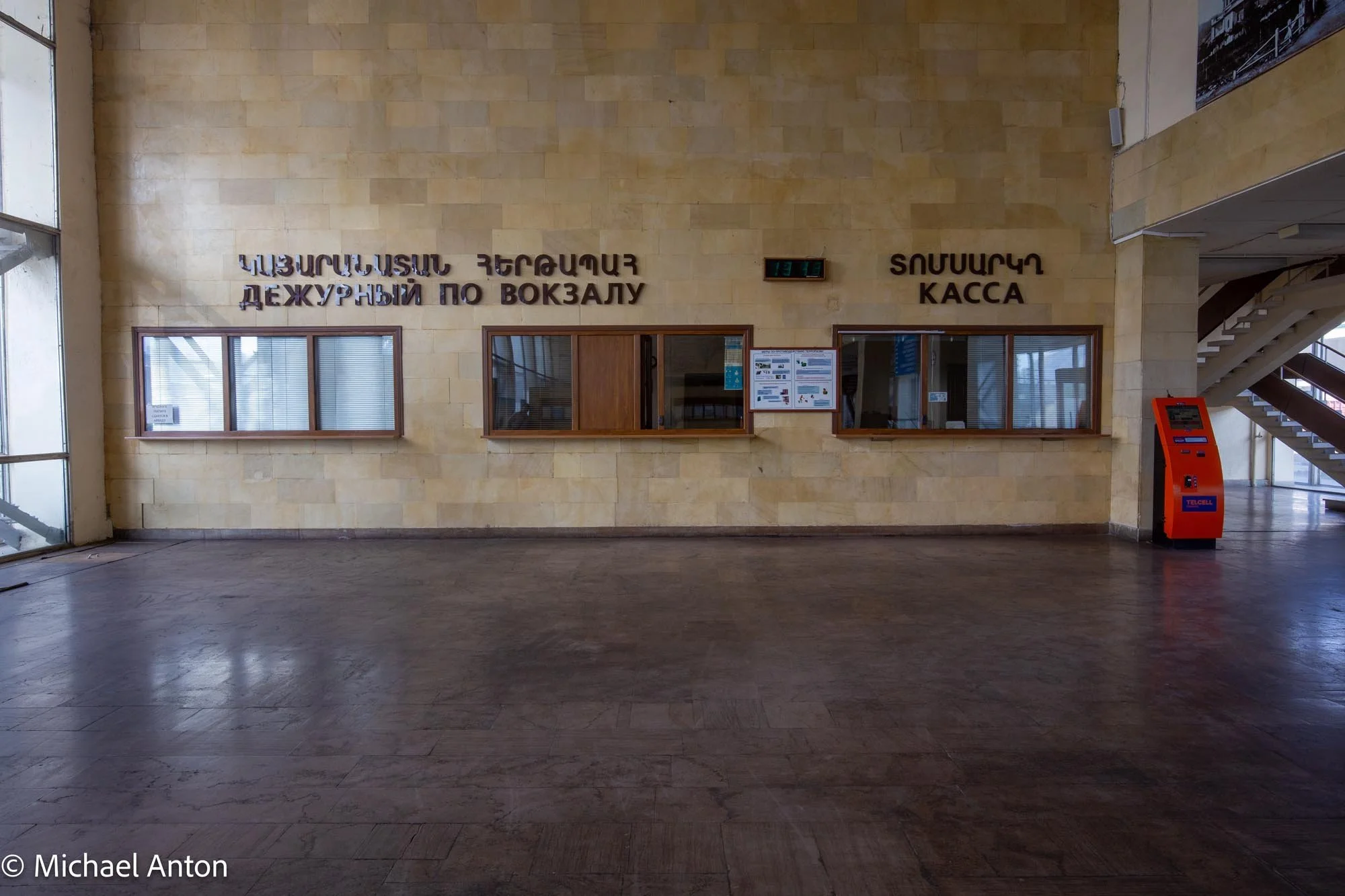
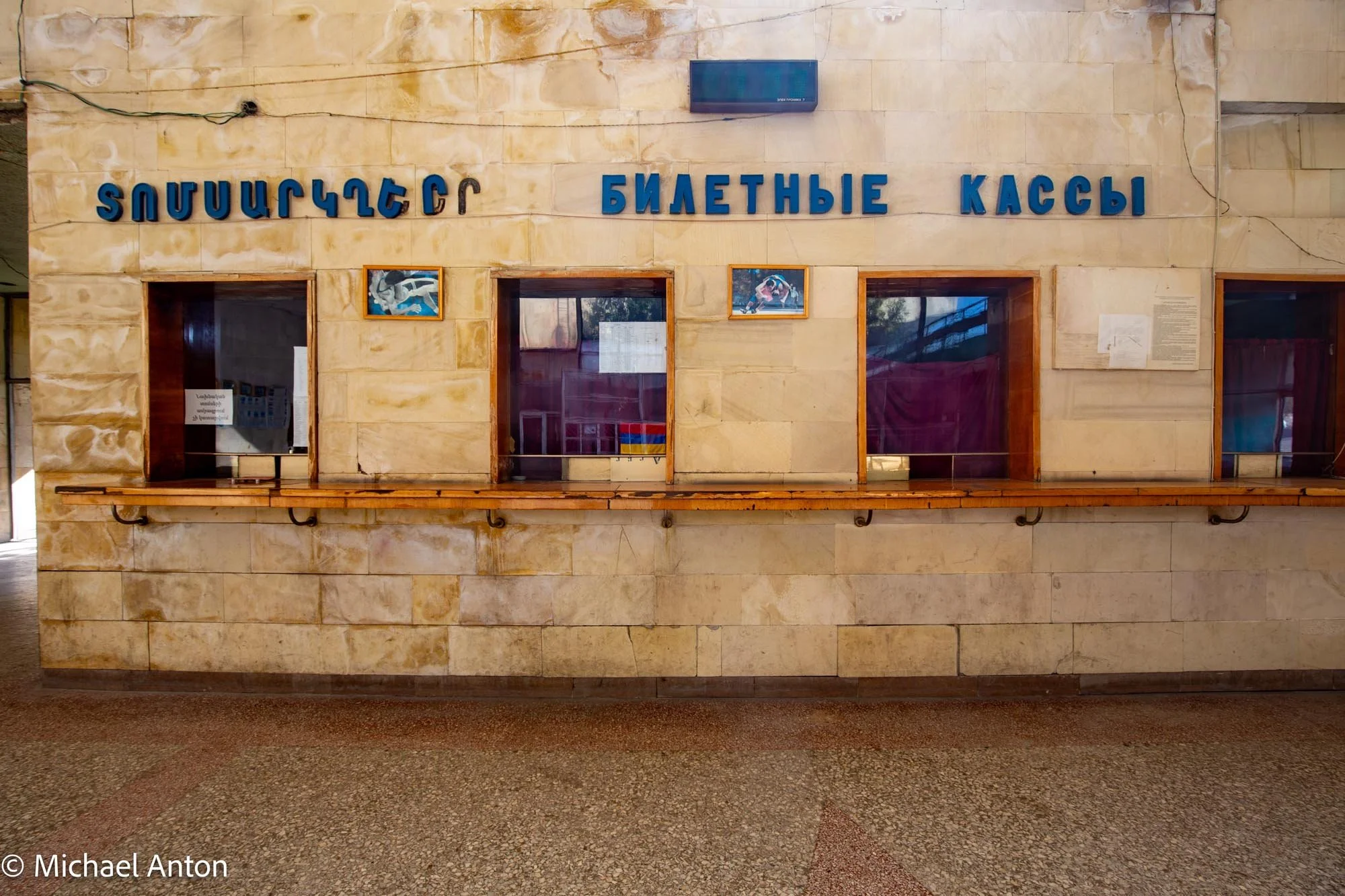
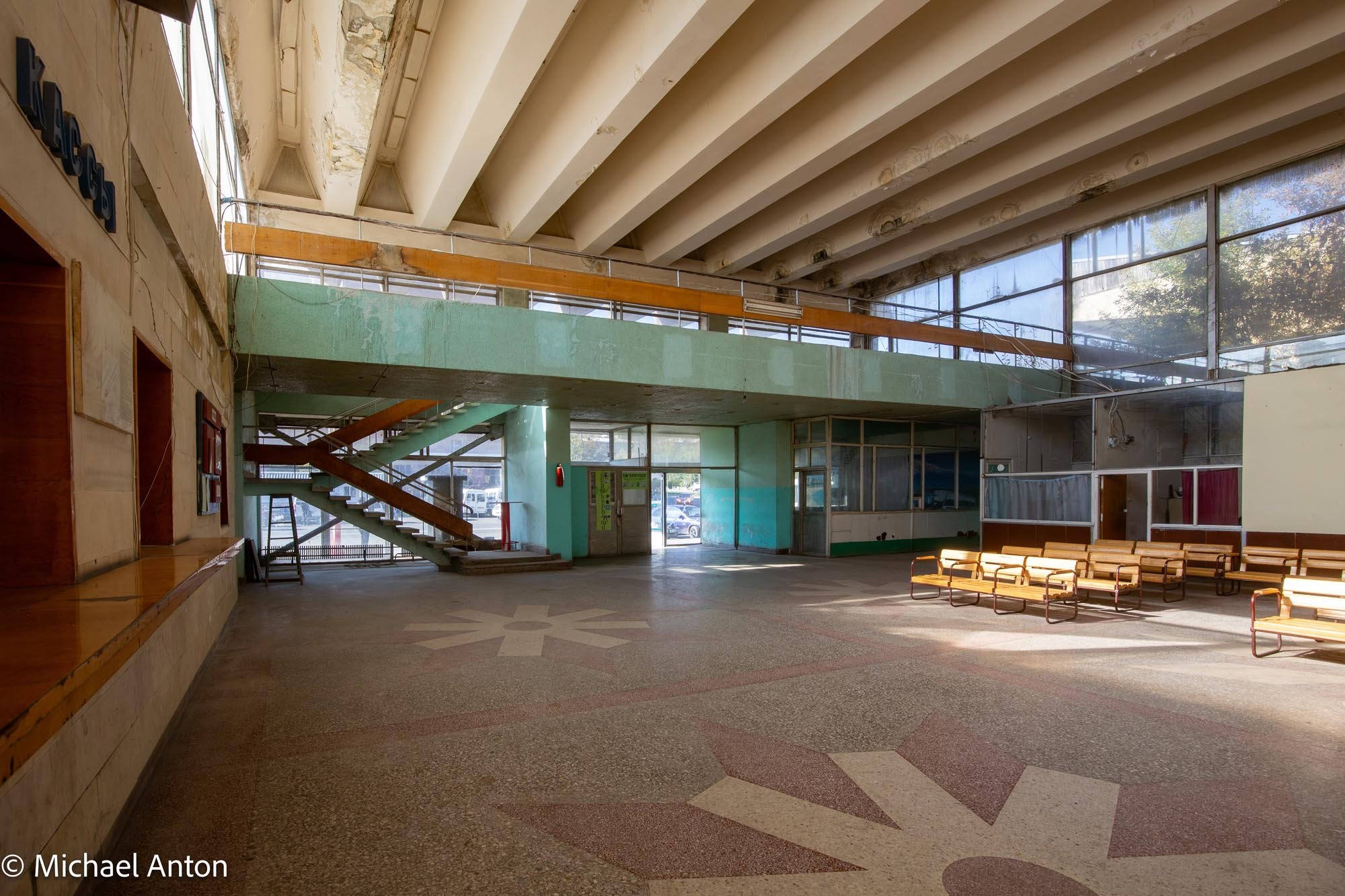
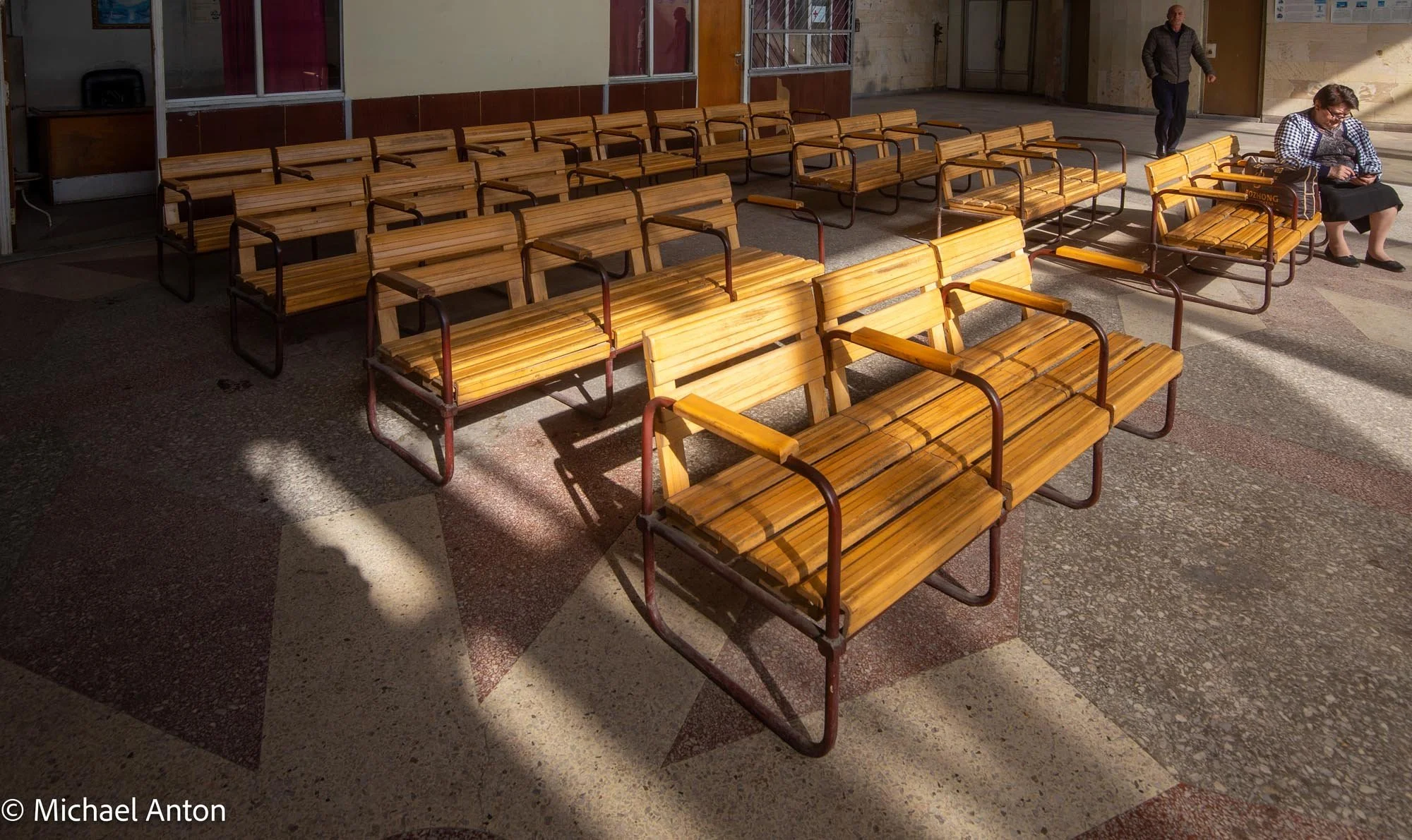
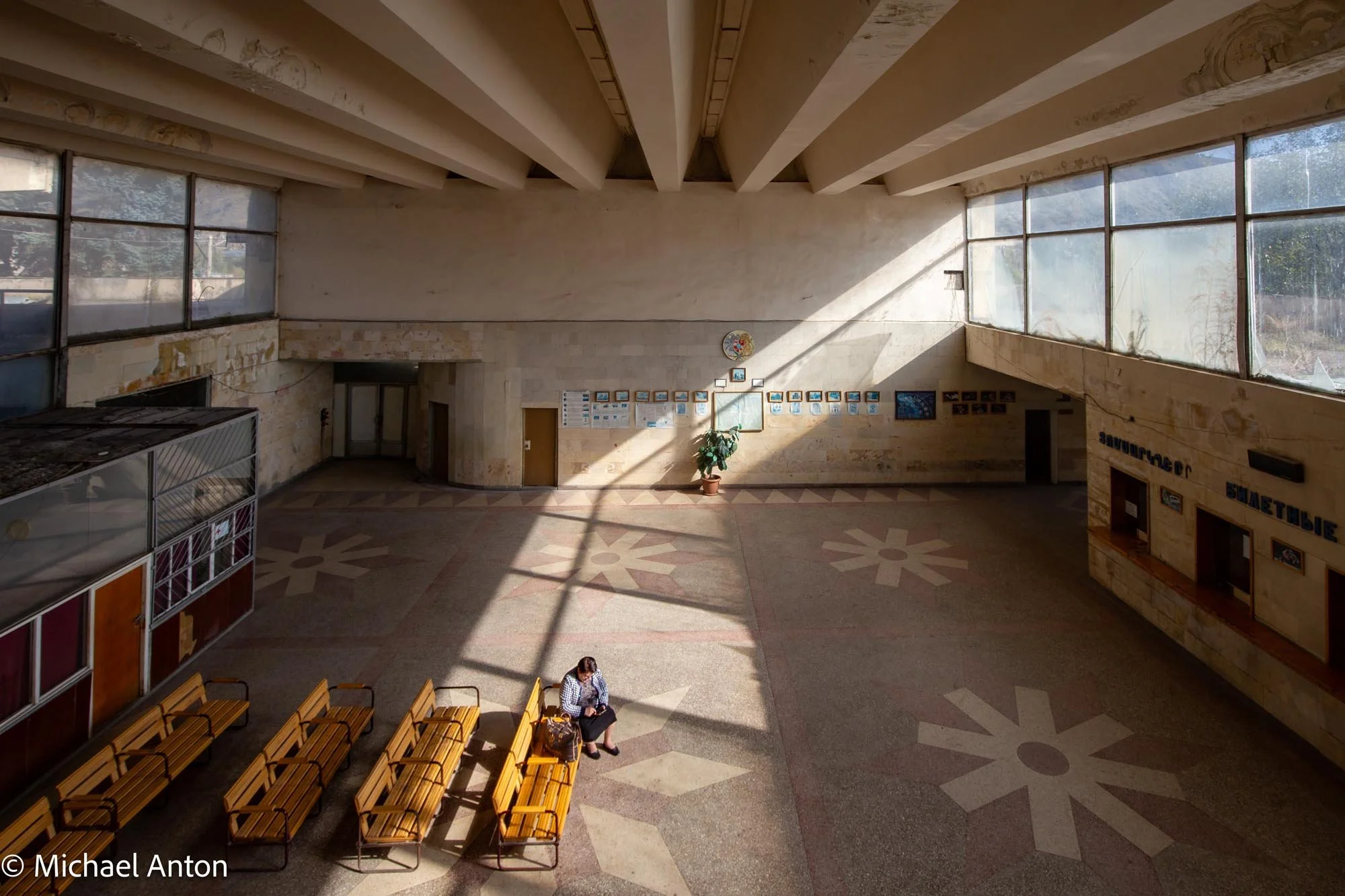
The first two images in this collection are of the train station in central Yerevan, Armenia’s capitol city.
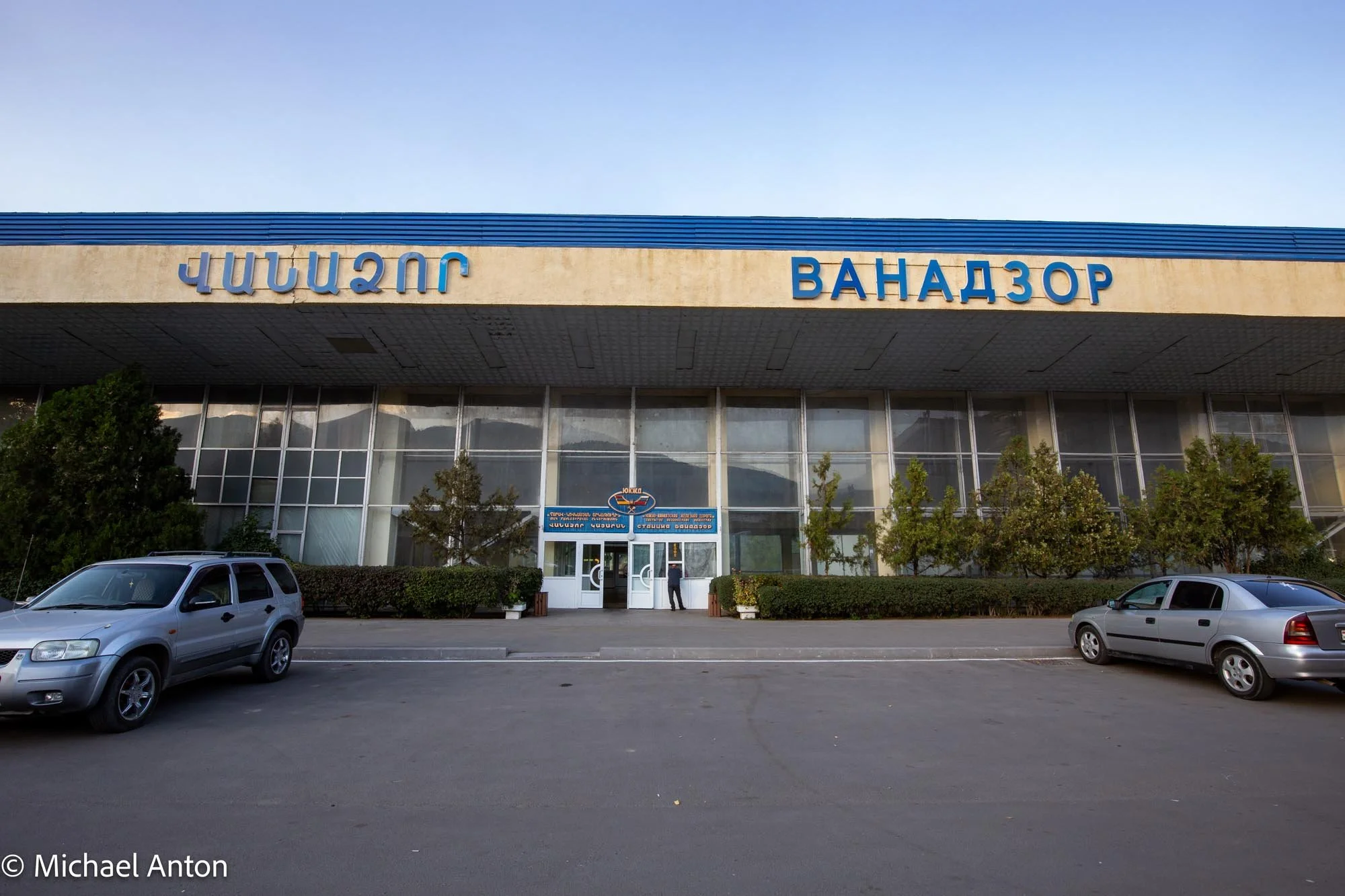
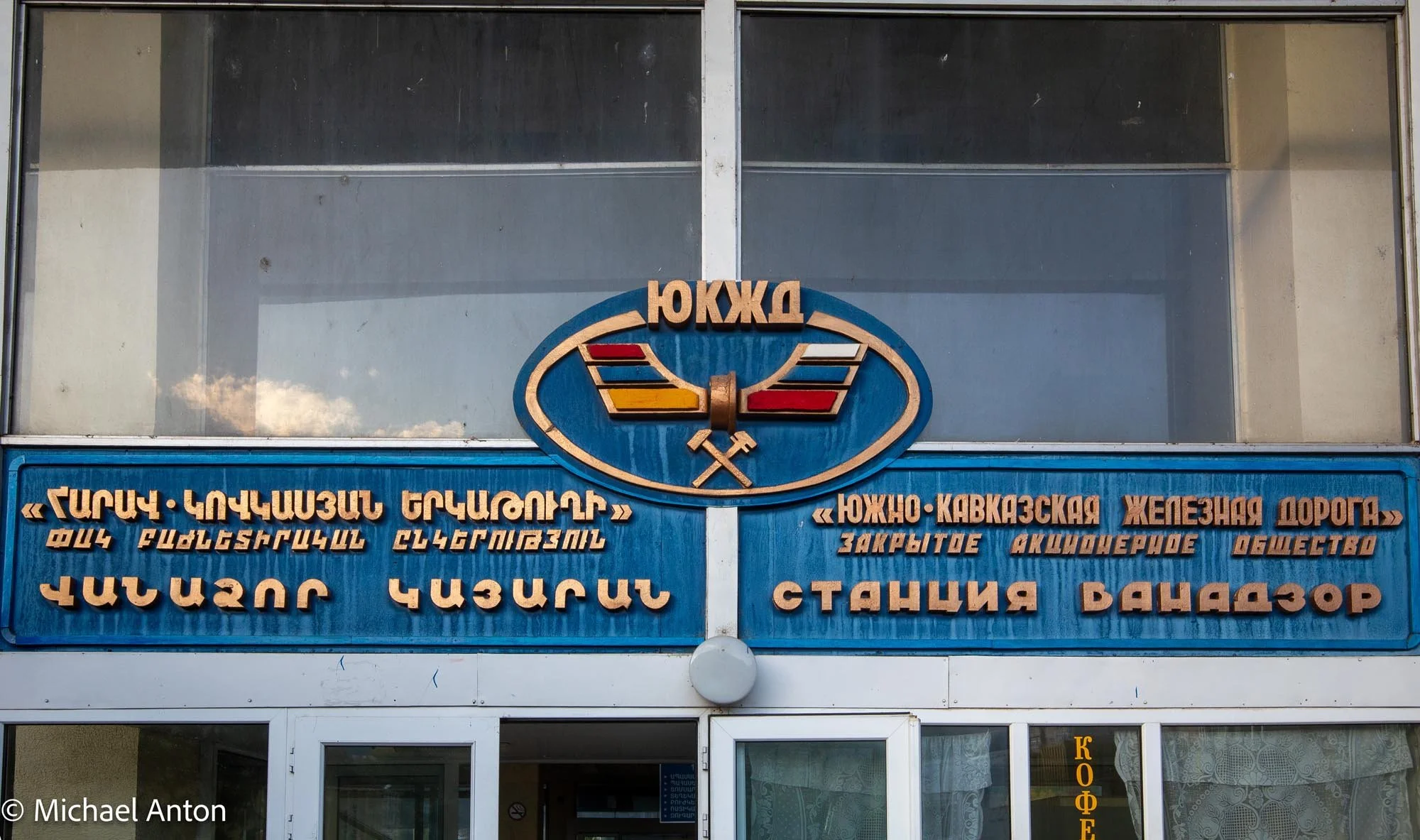
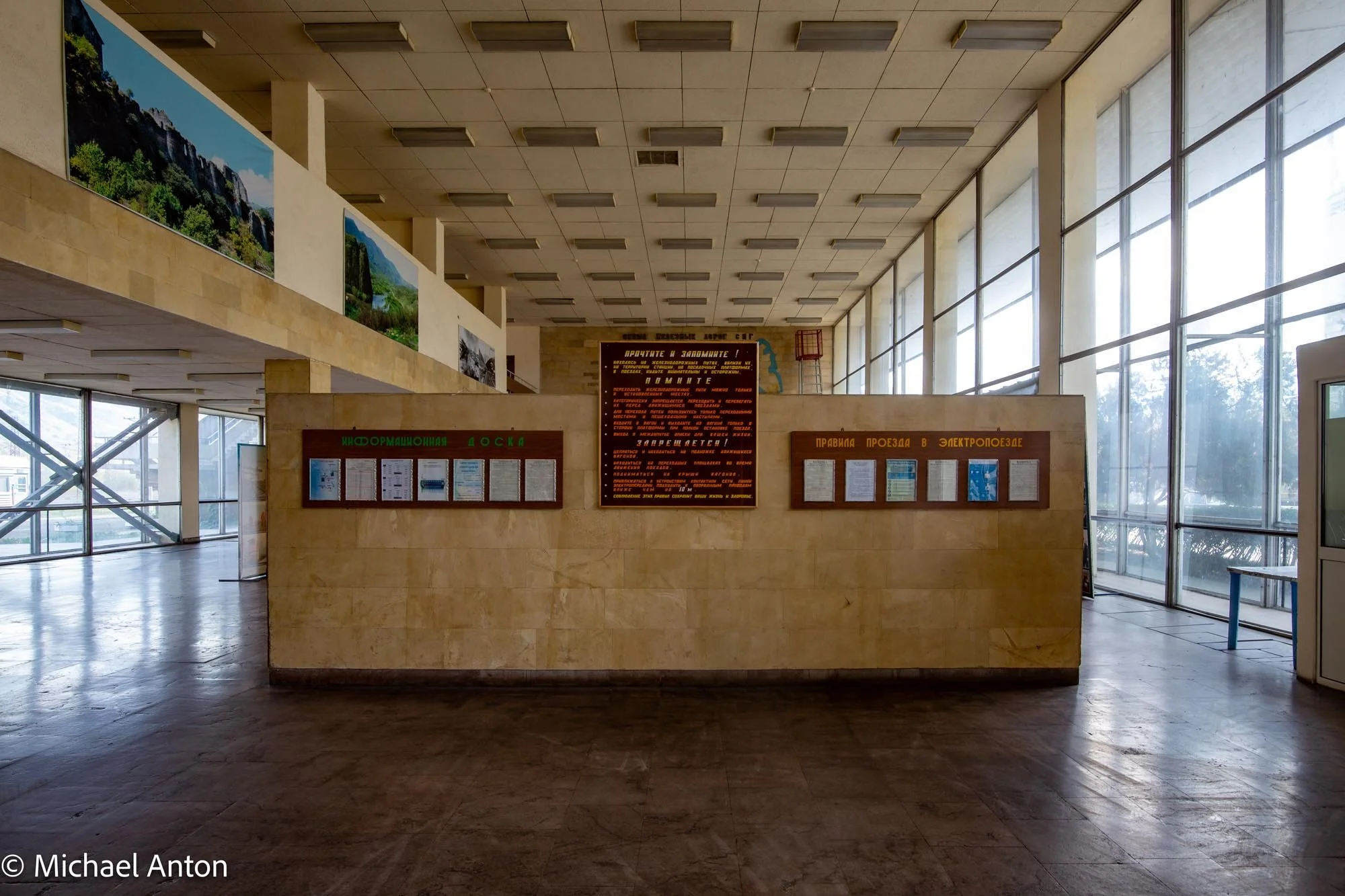
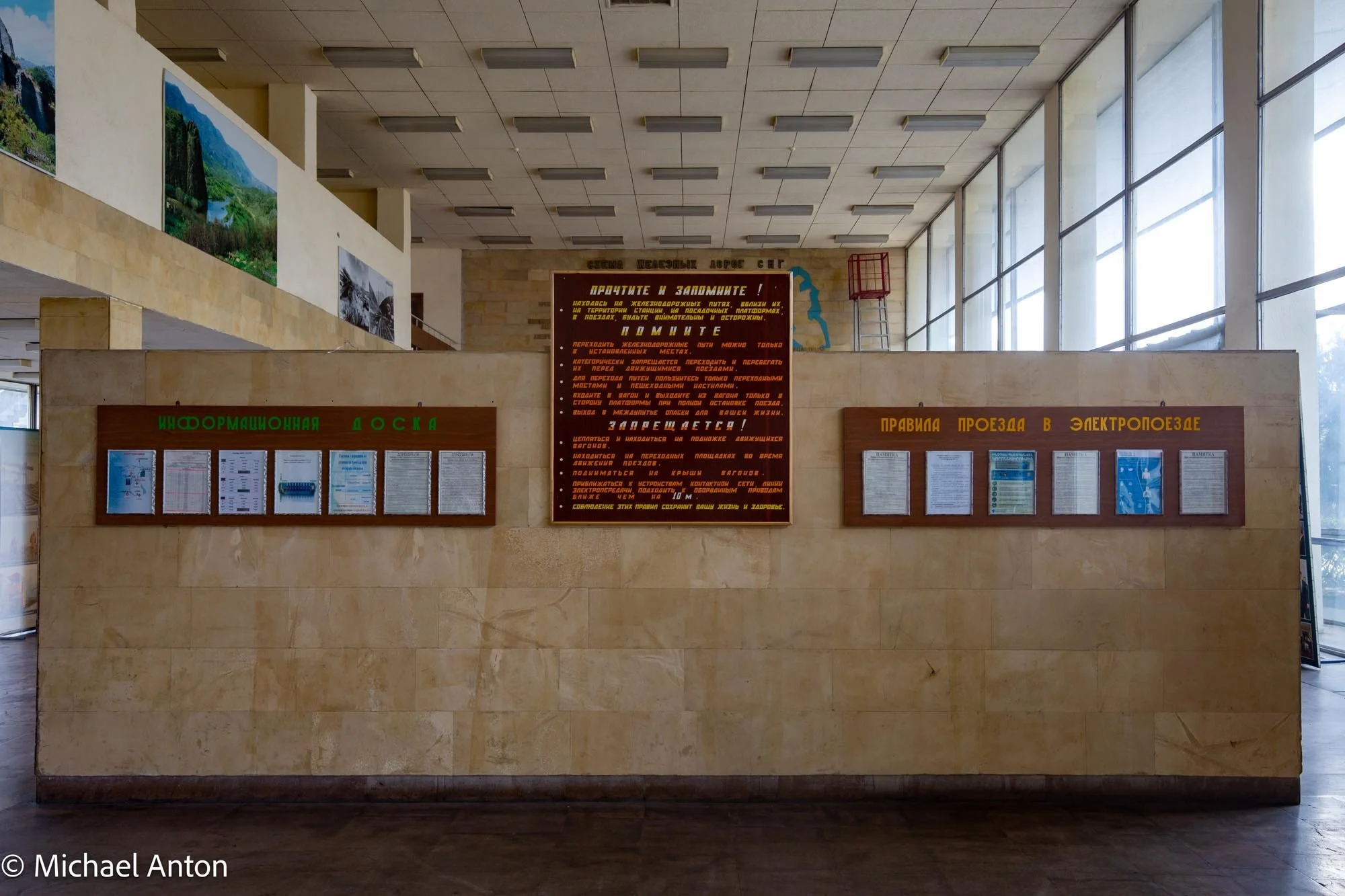
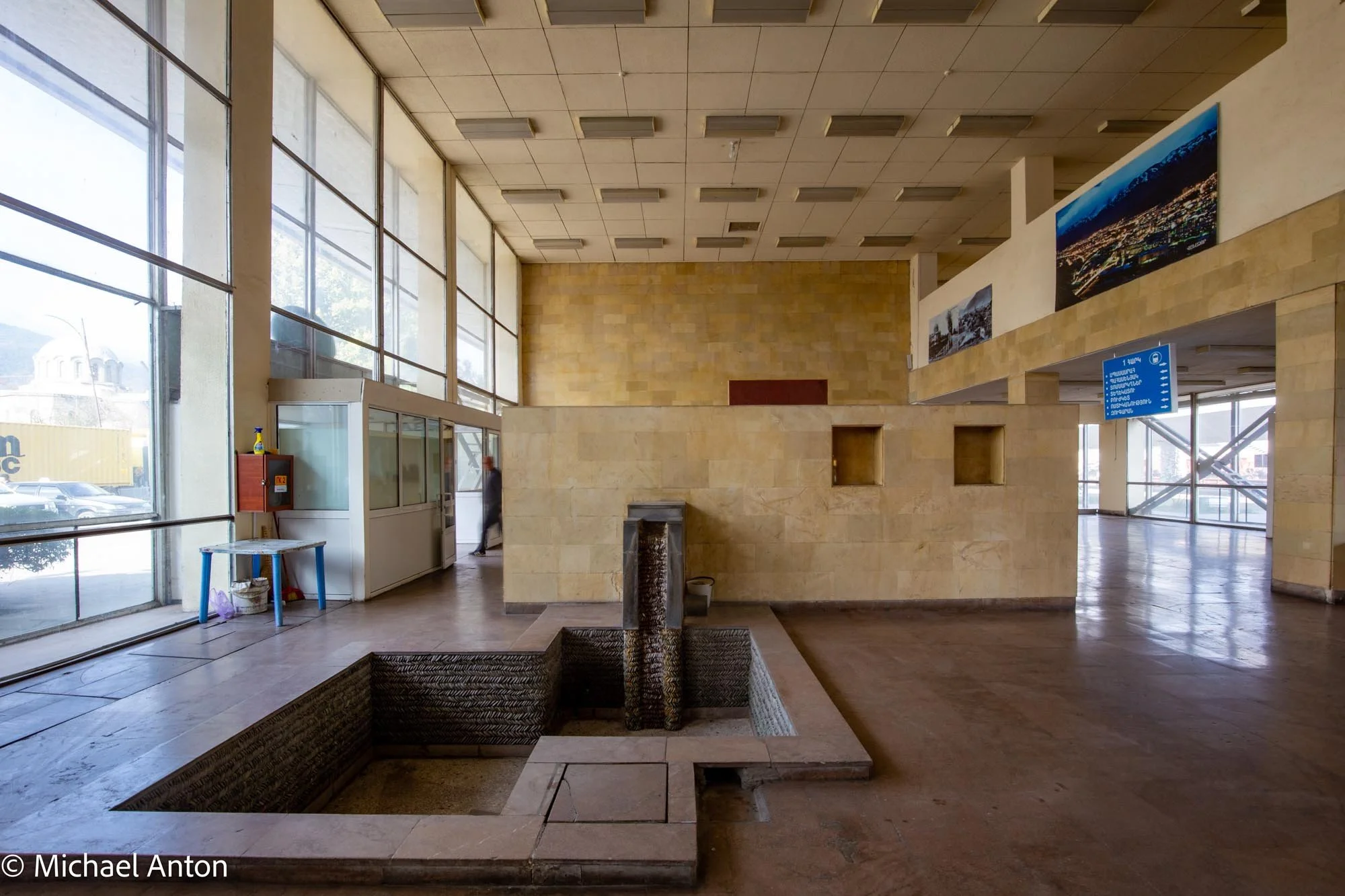
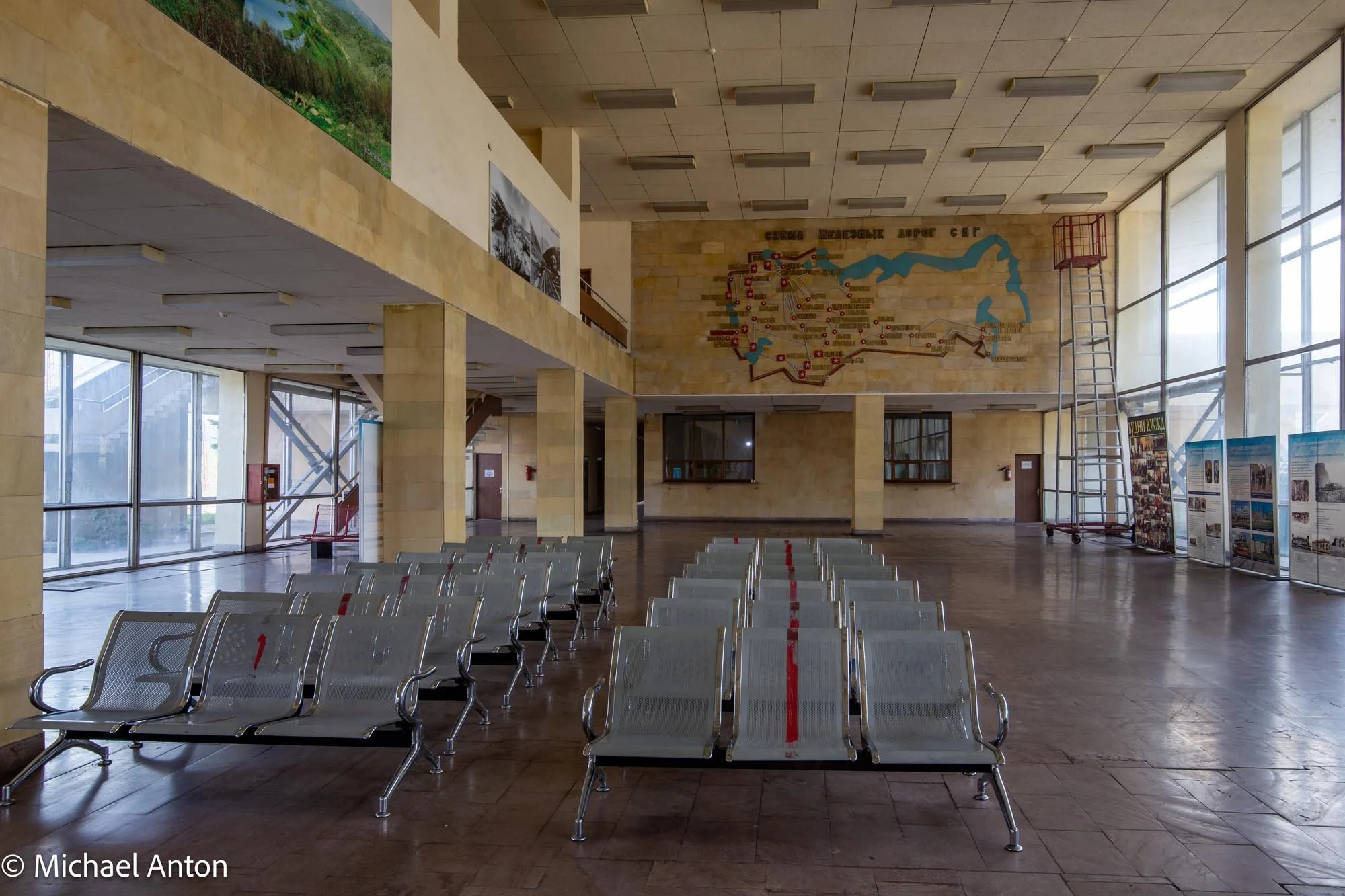
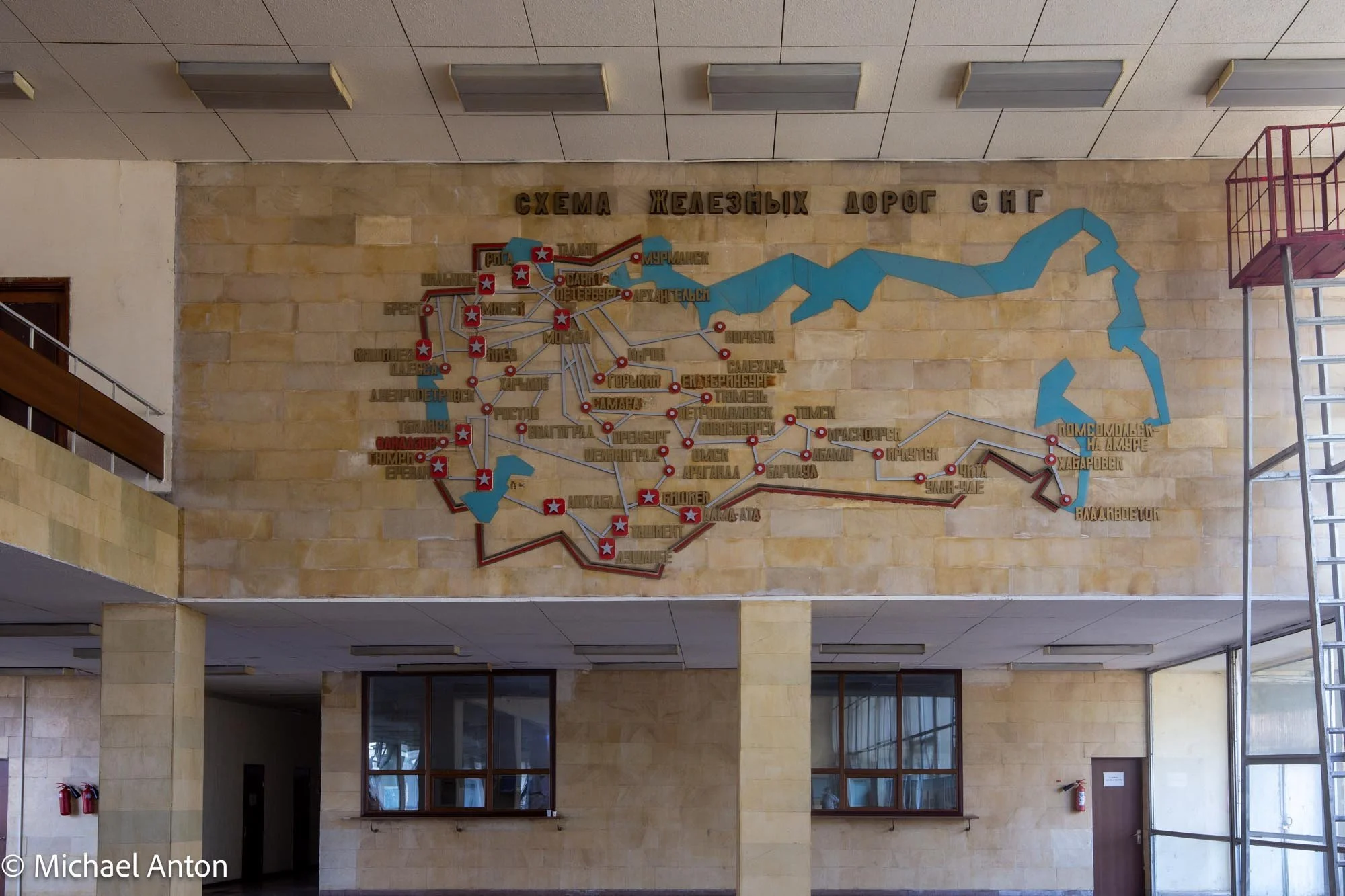
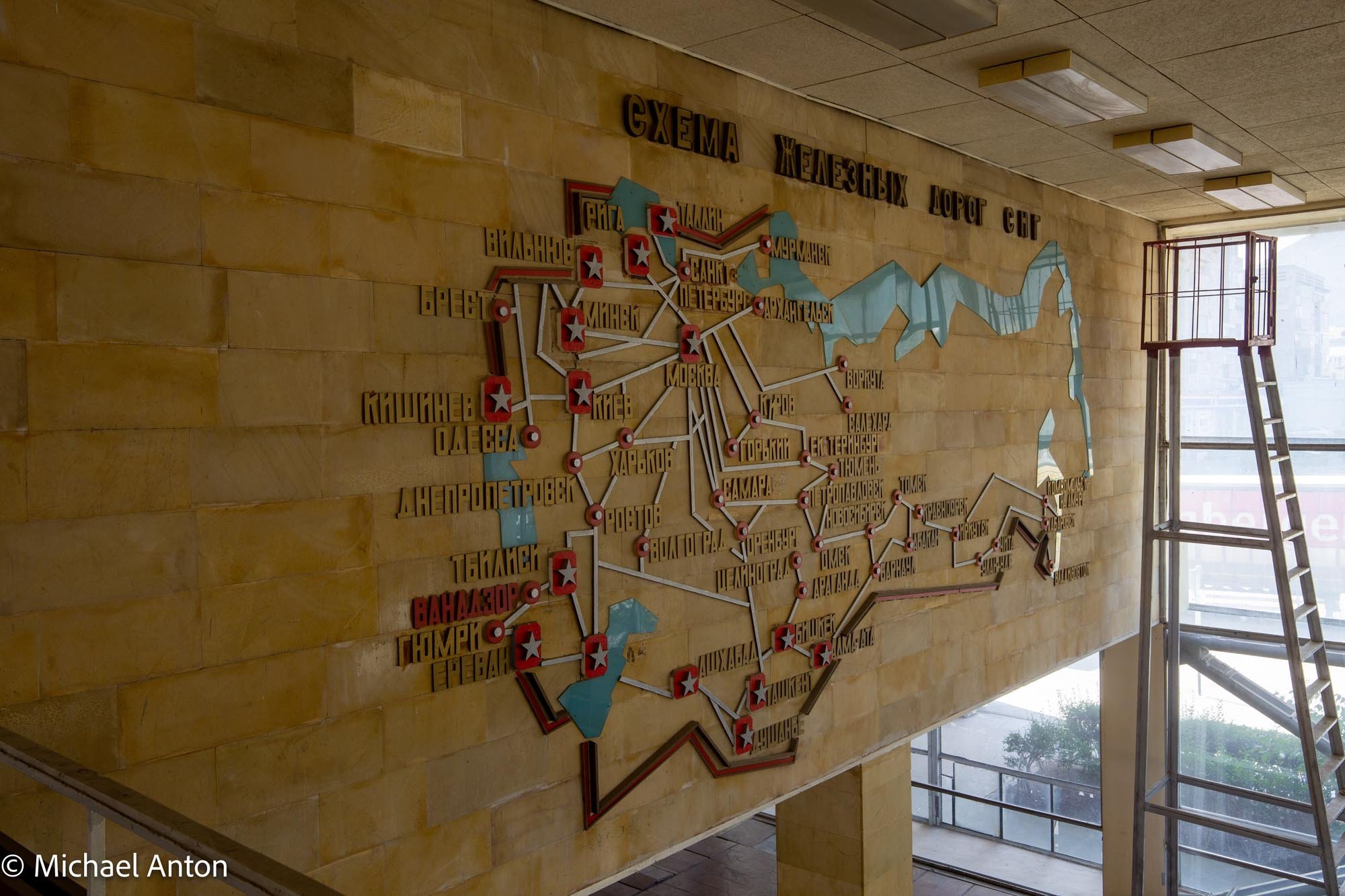
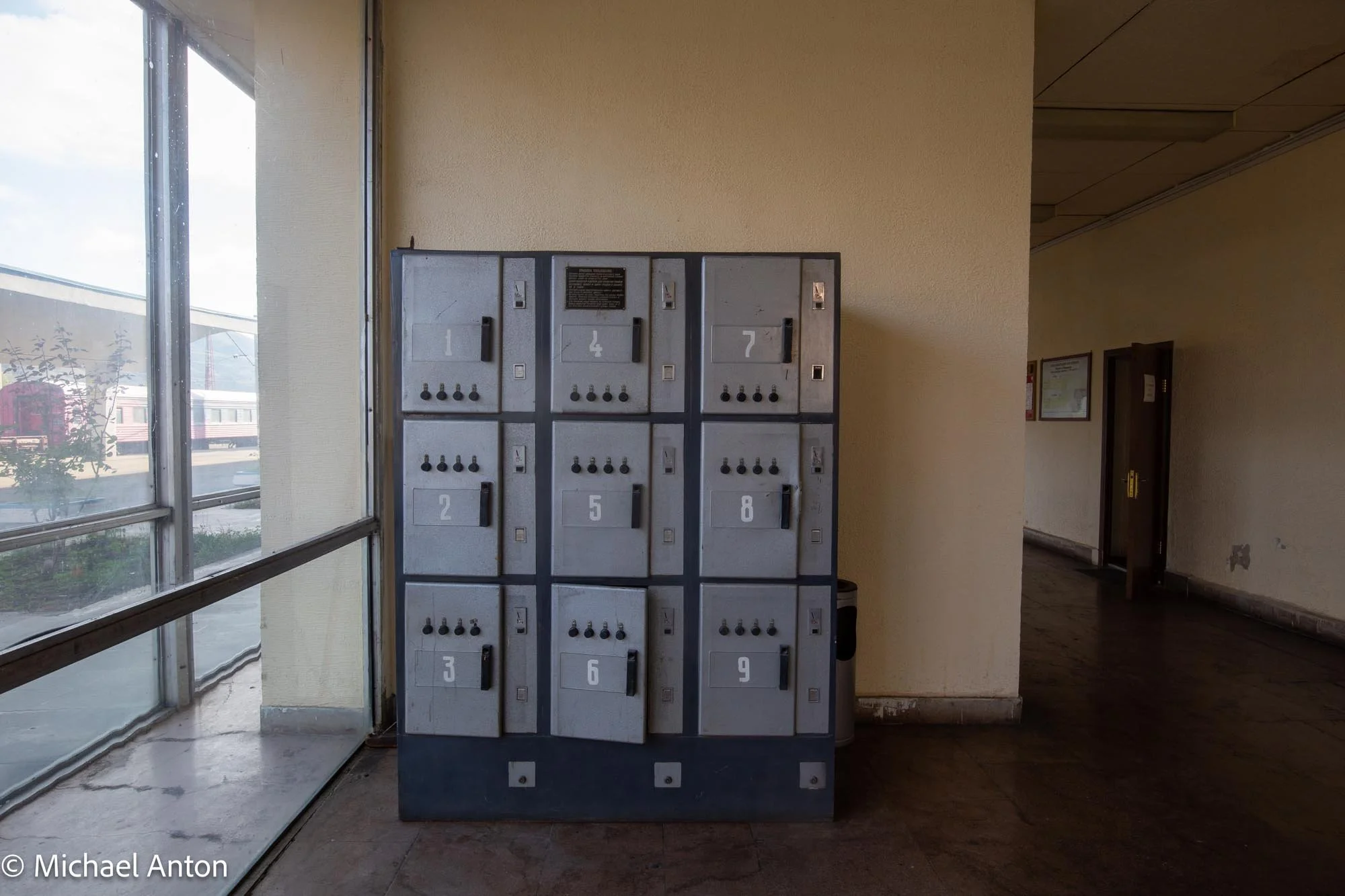
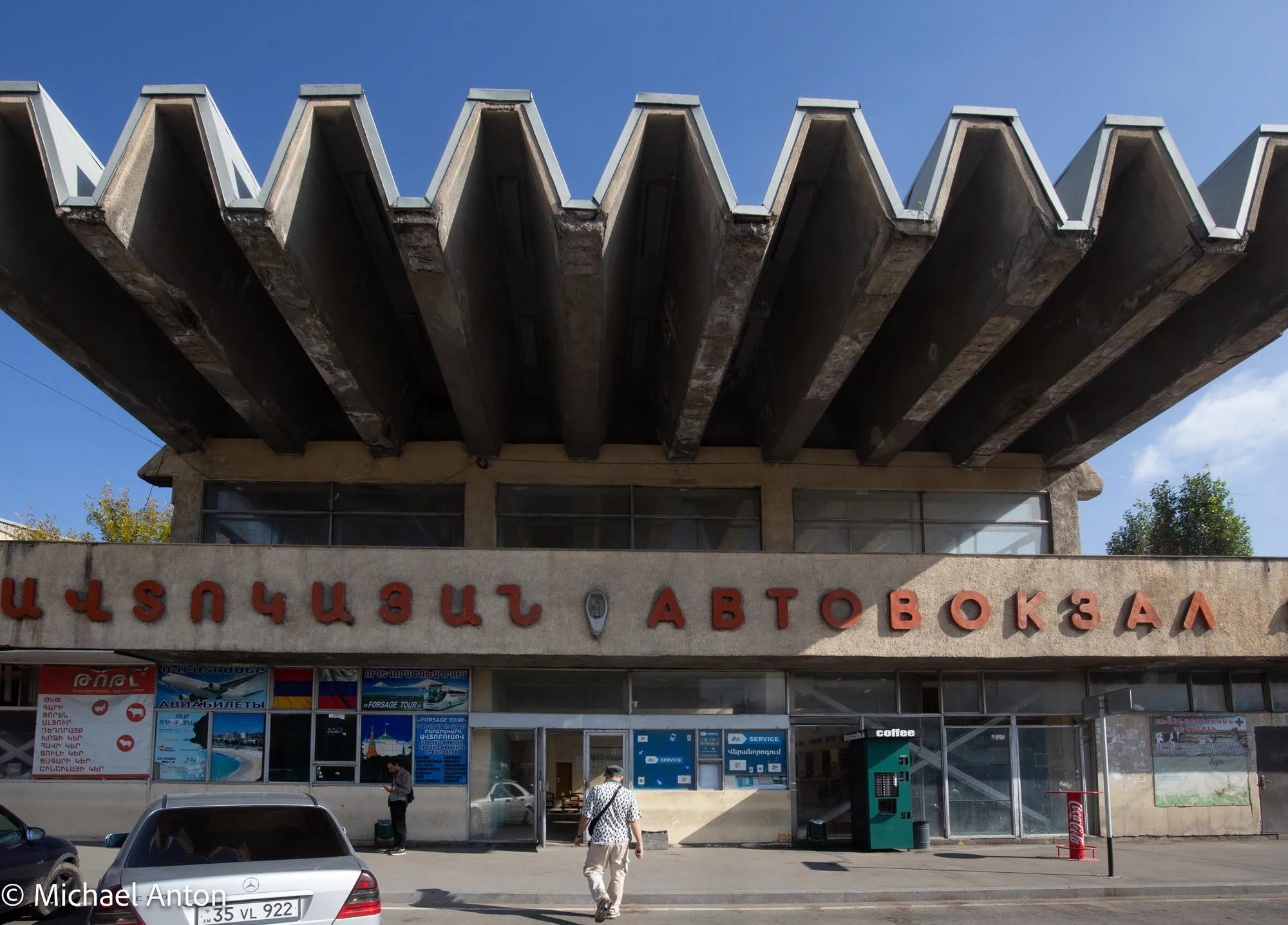
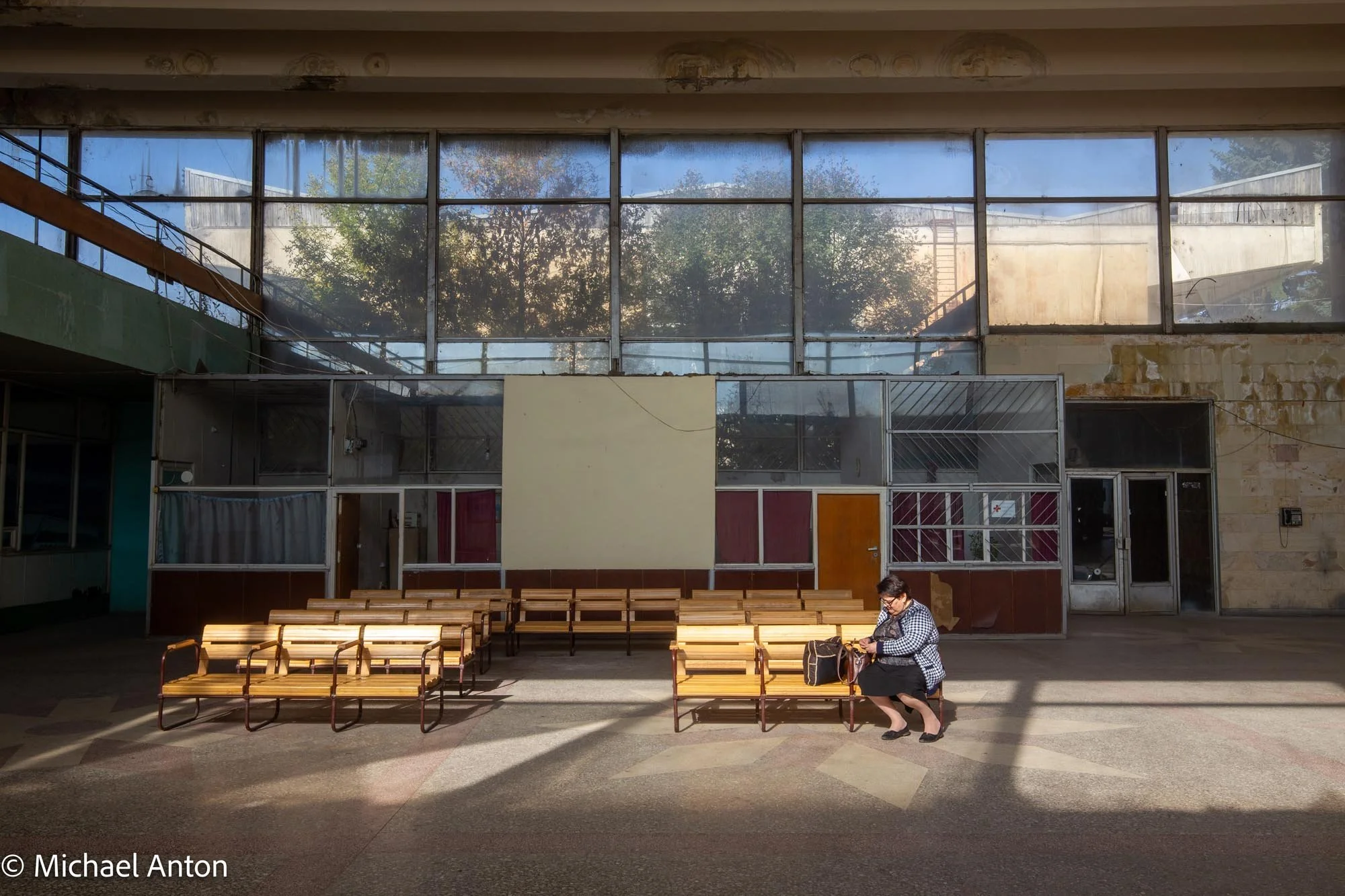
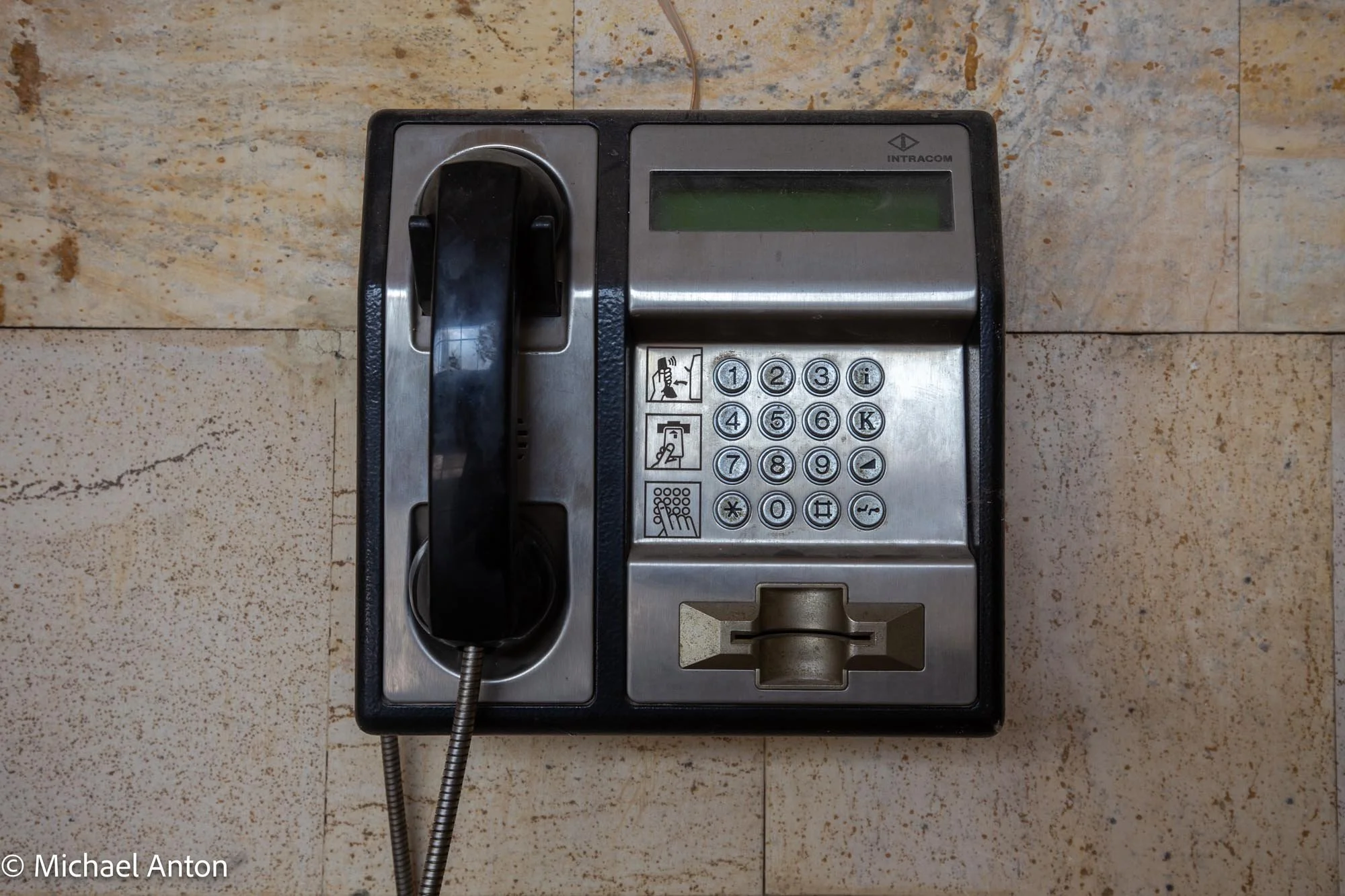
Three through twenty are of the active rail station in Vanadzor, with a large map showing all the places the old Soviet rail system reached, as well as a still active bus terminal right next door.
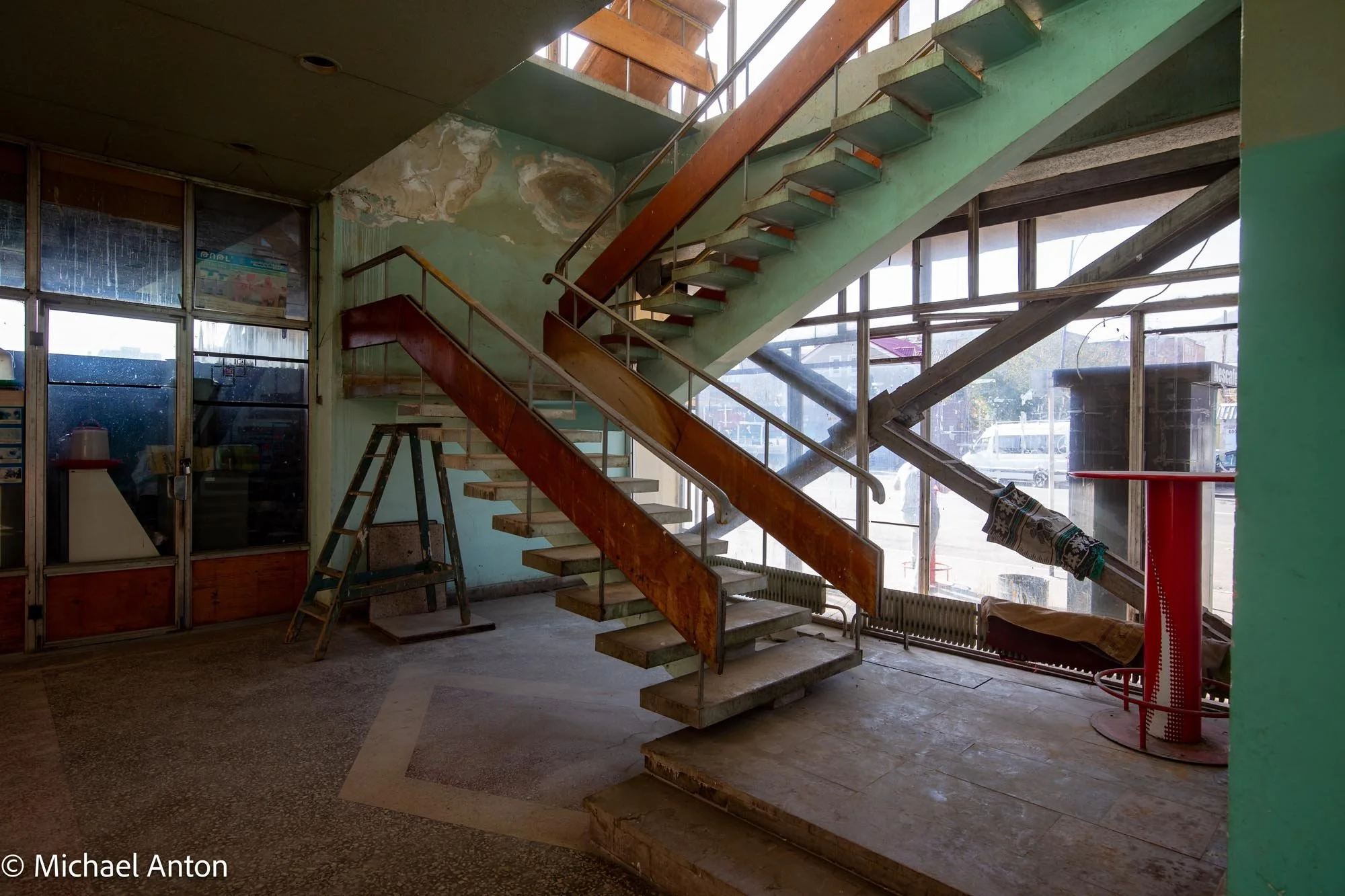
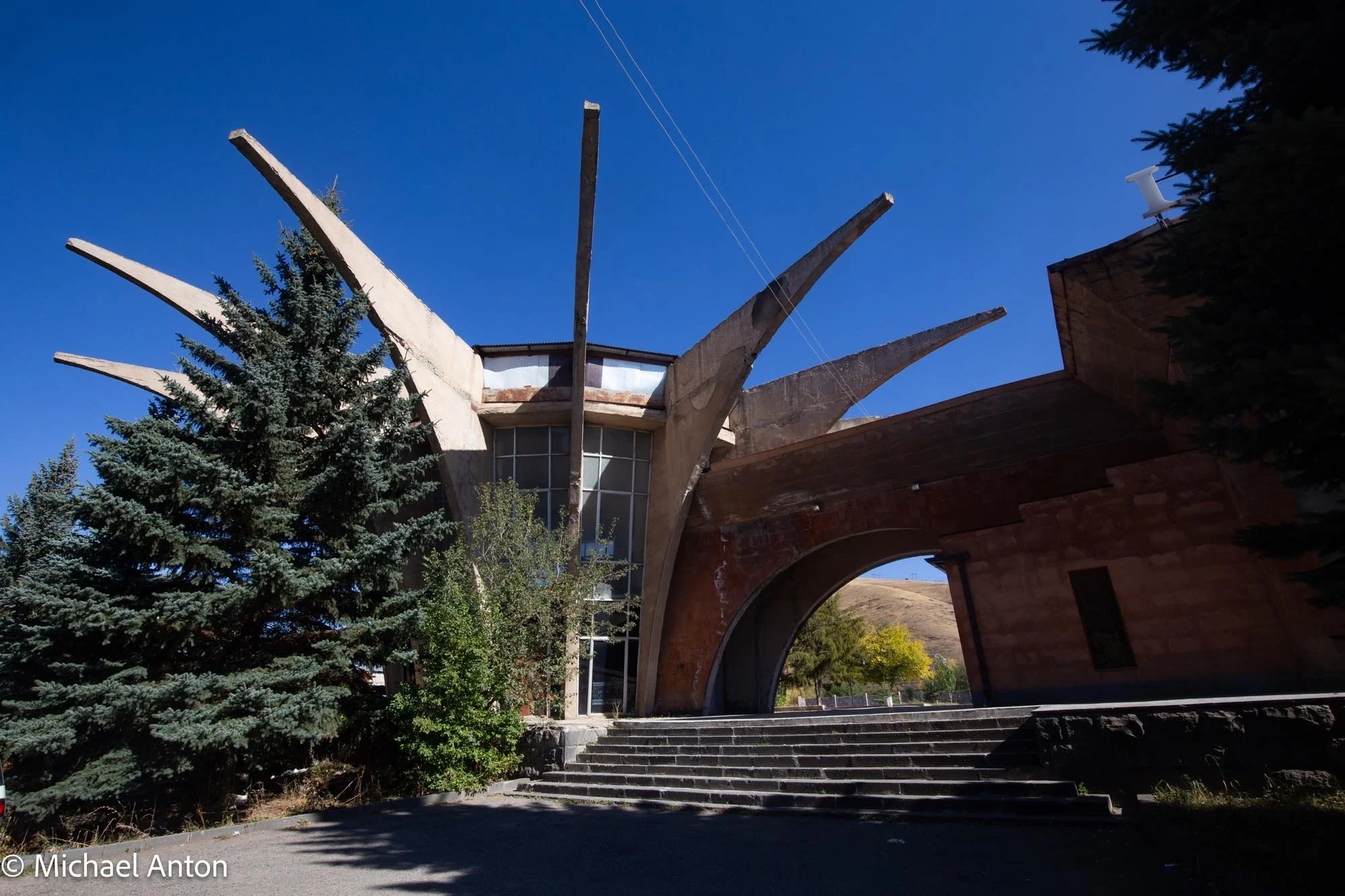
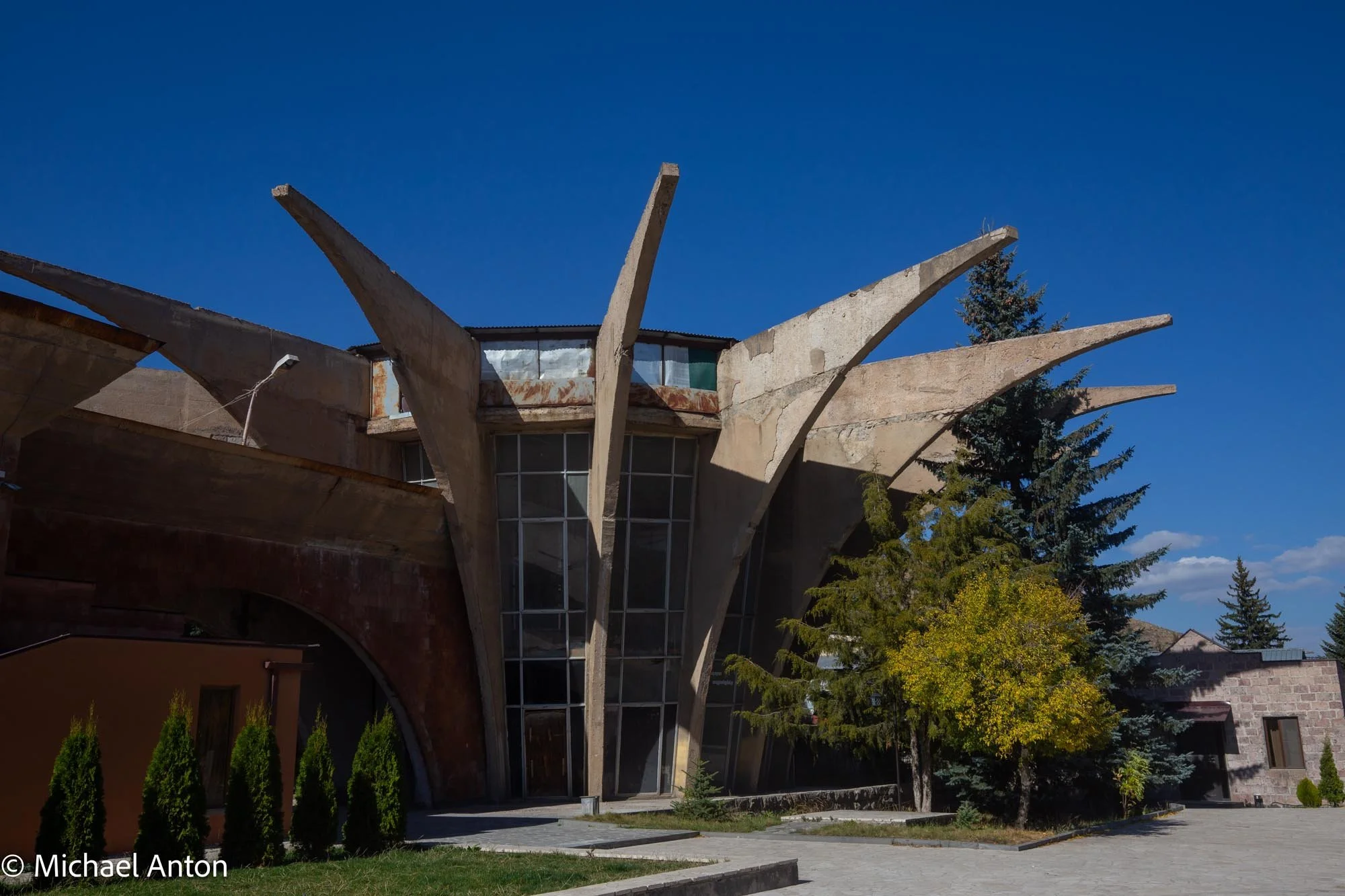
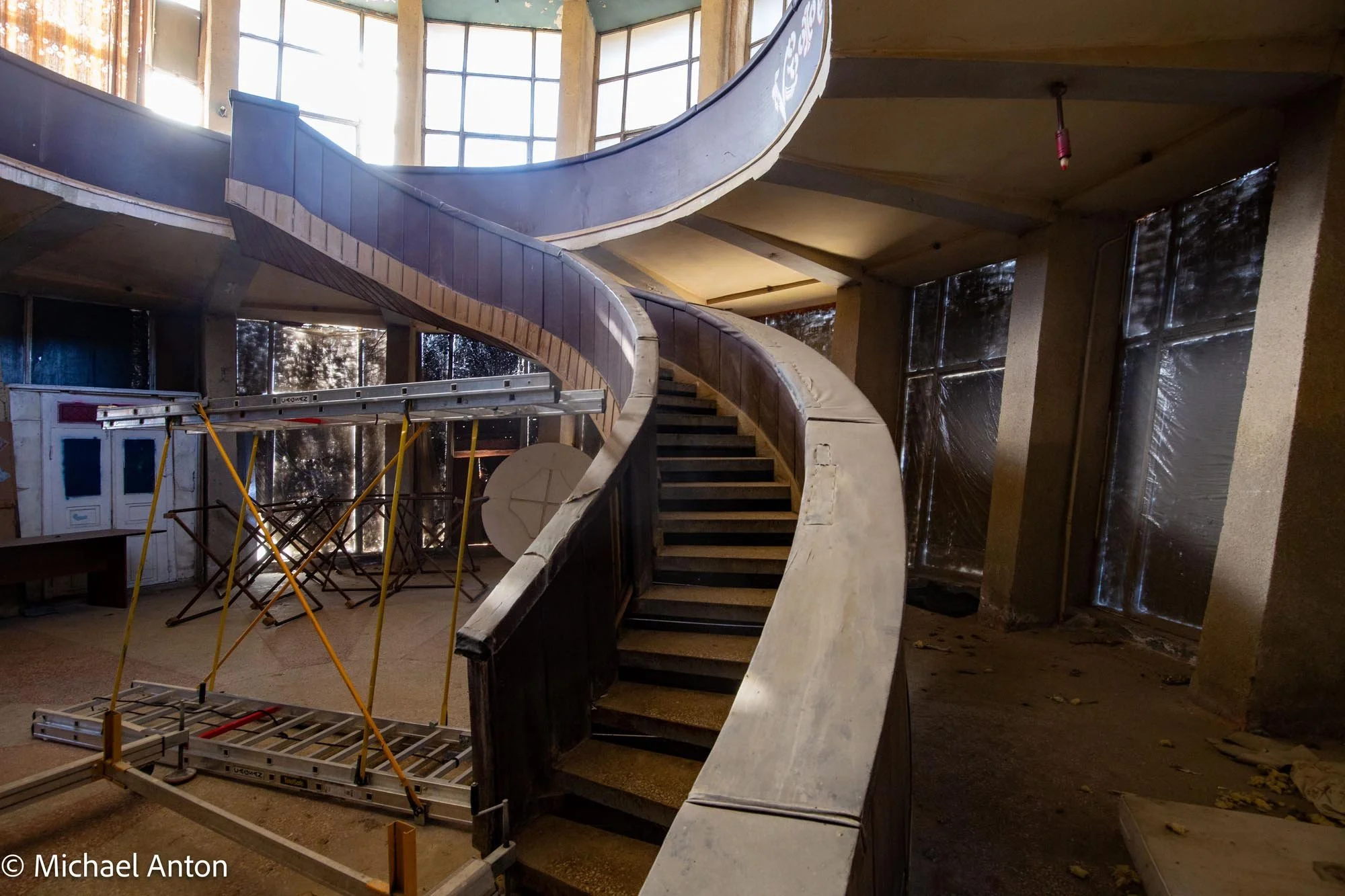
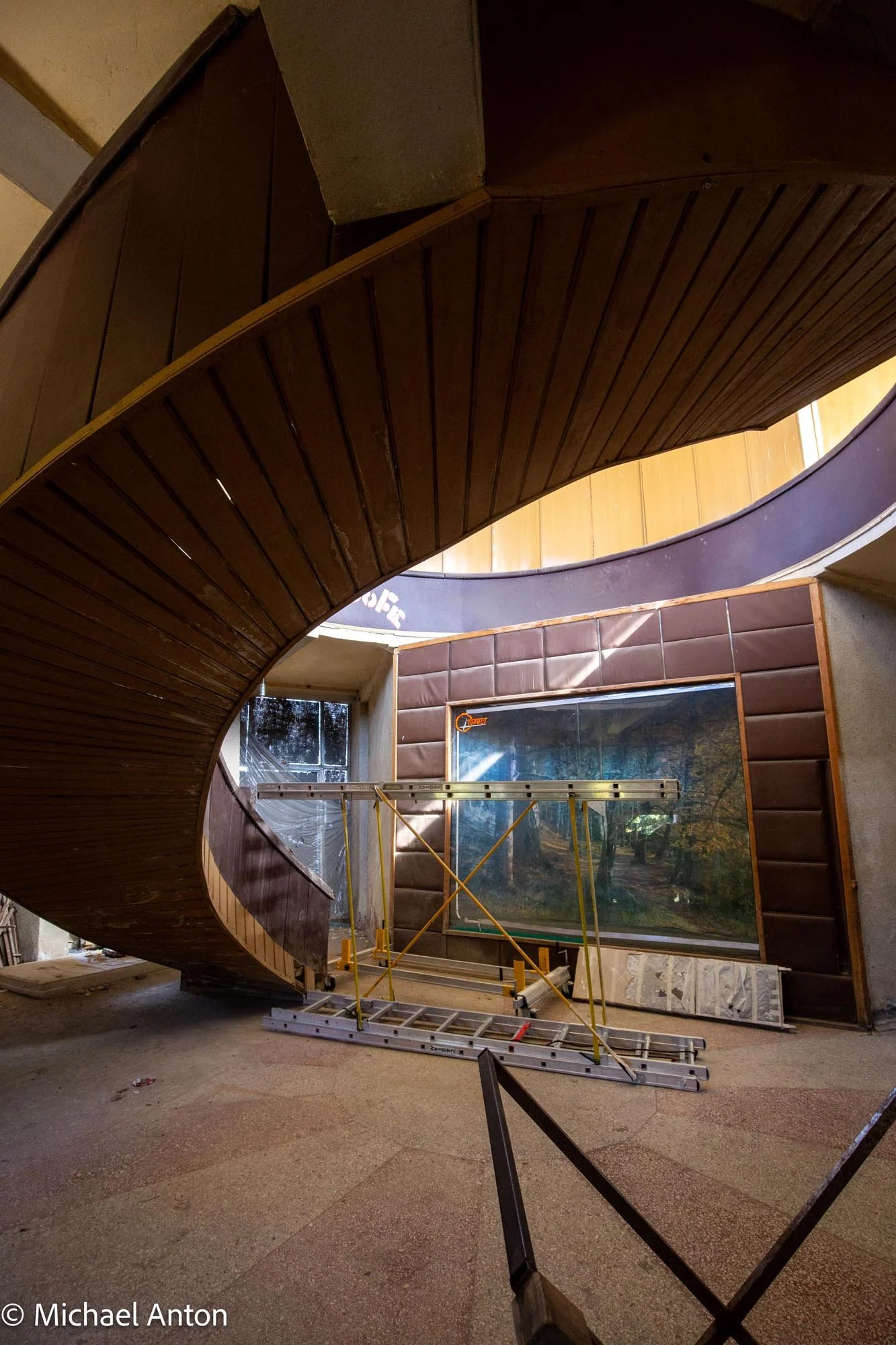
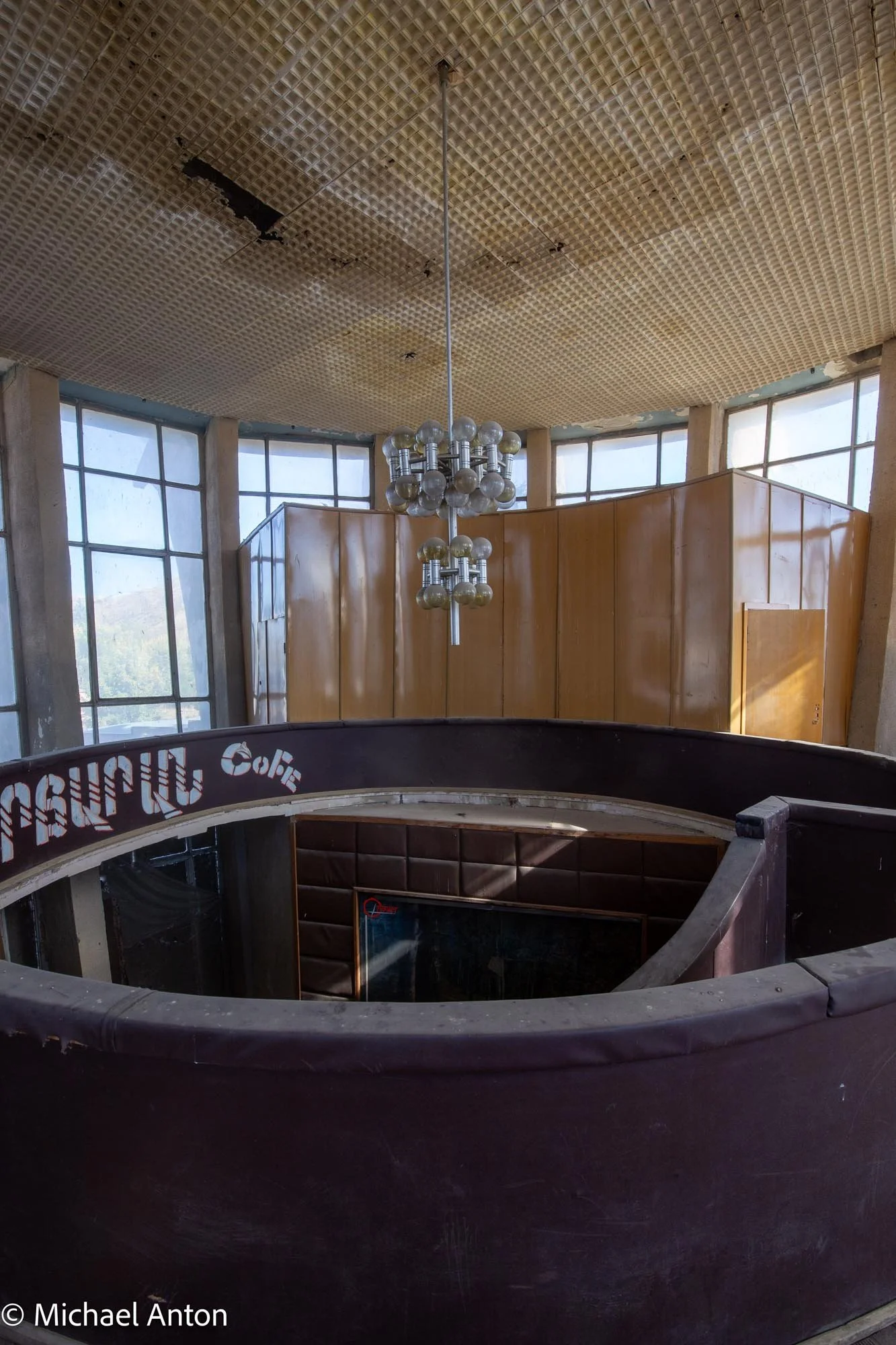
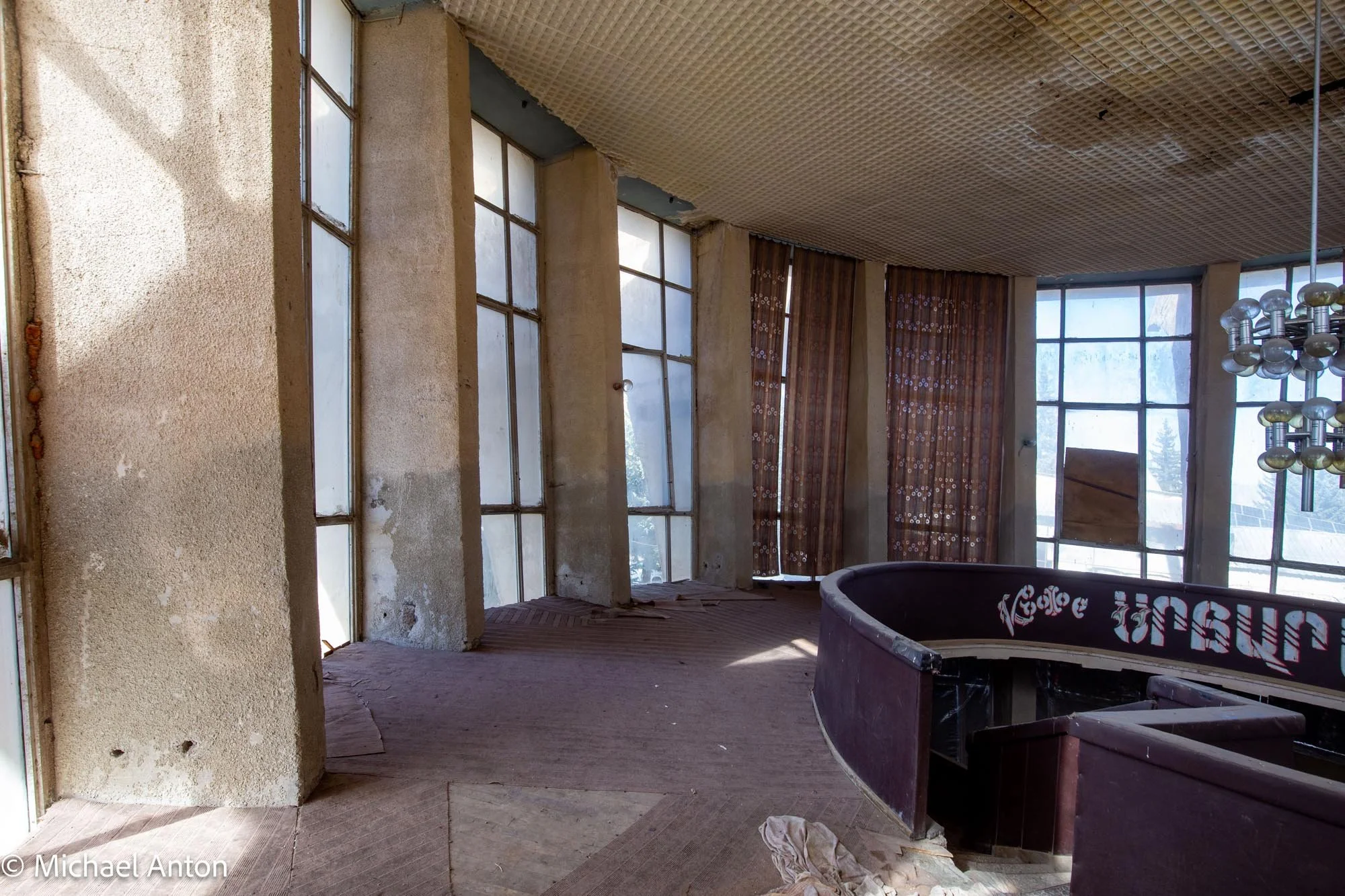
Next are photos of a now abandoned rail station, built in a futuristic style. It was all locked up, but I did find a way in after assessing the risk of being cut by broken glass.
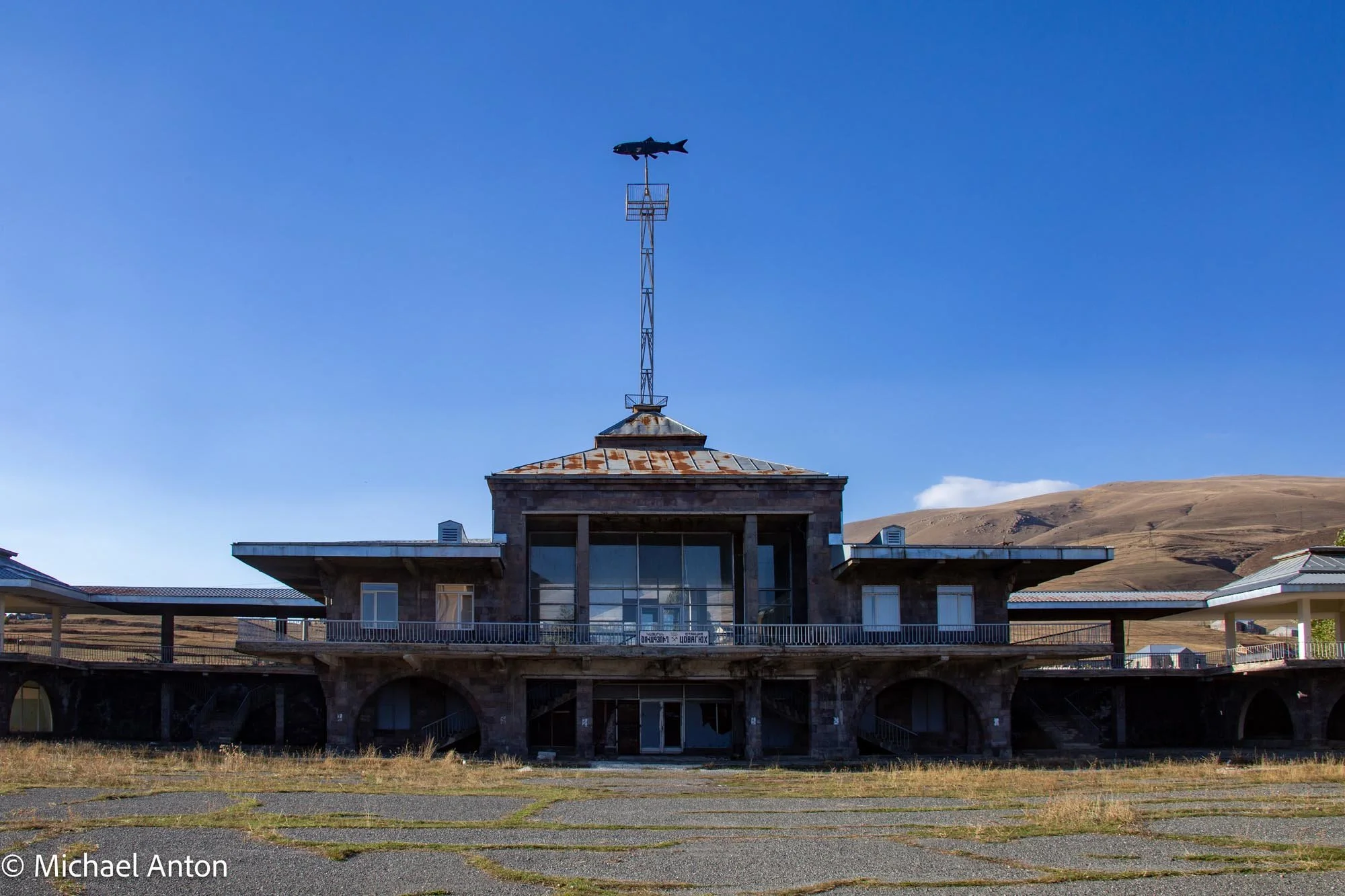
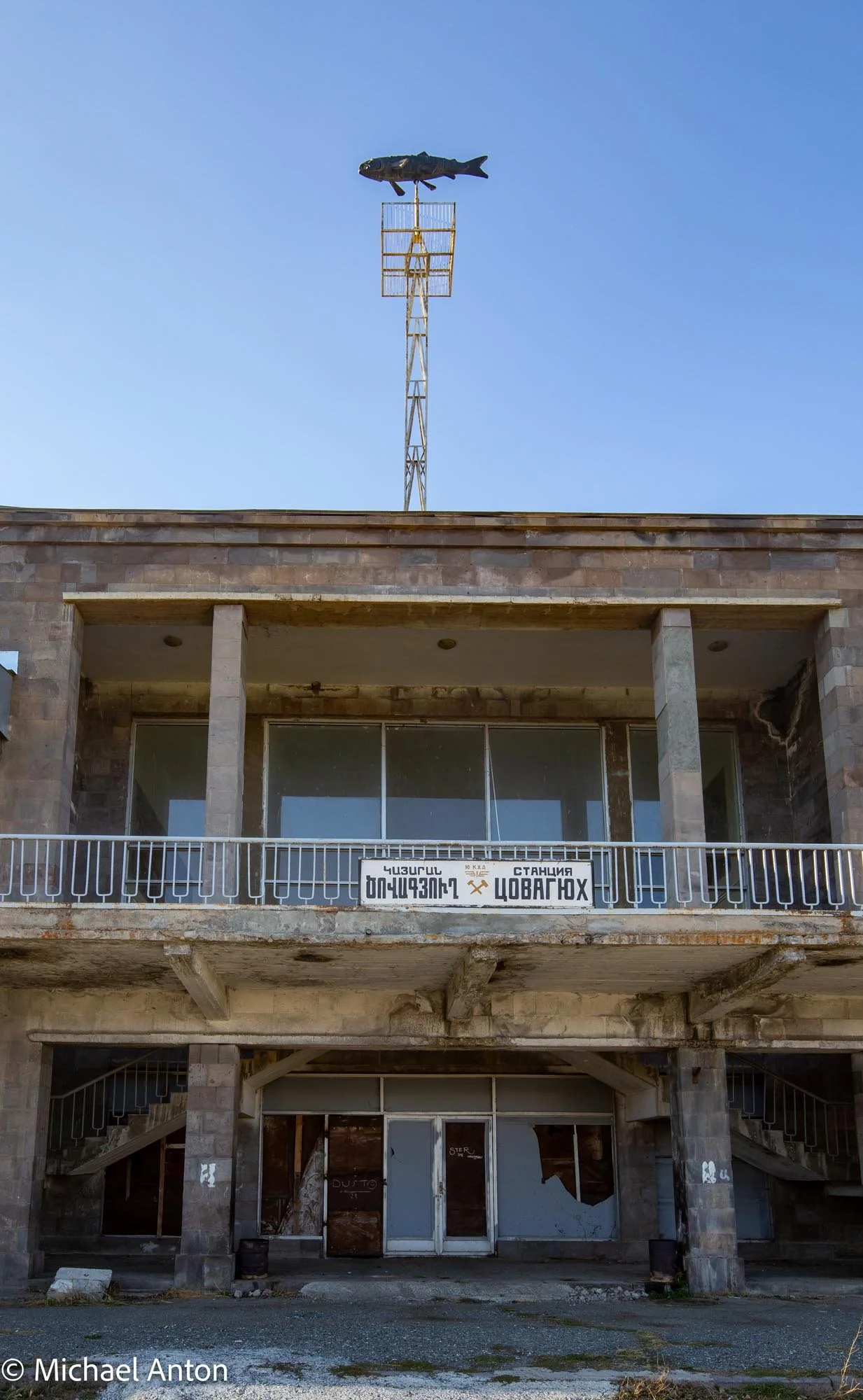
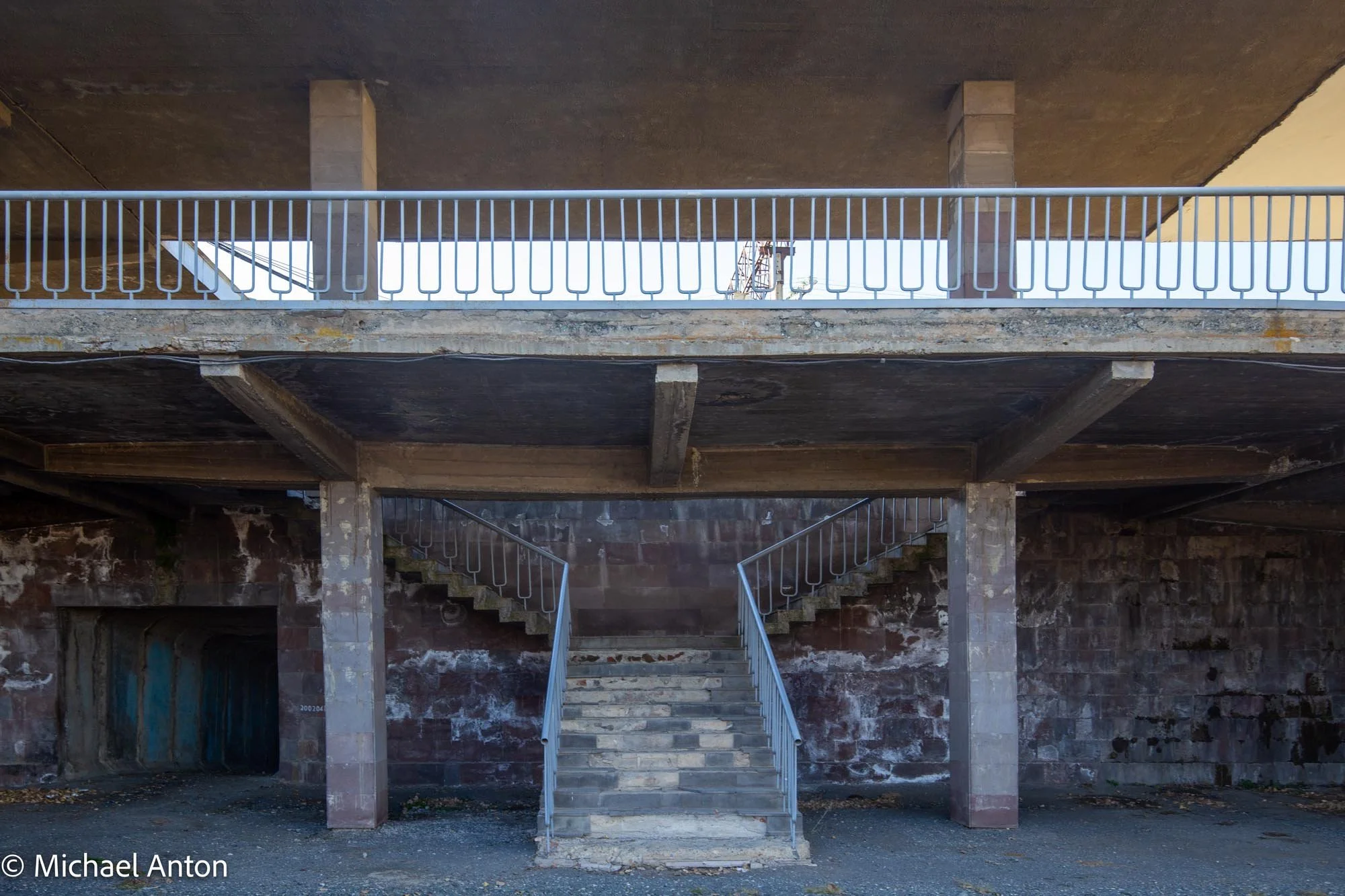
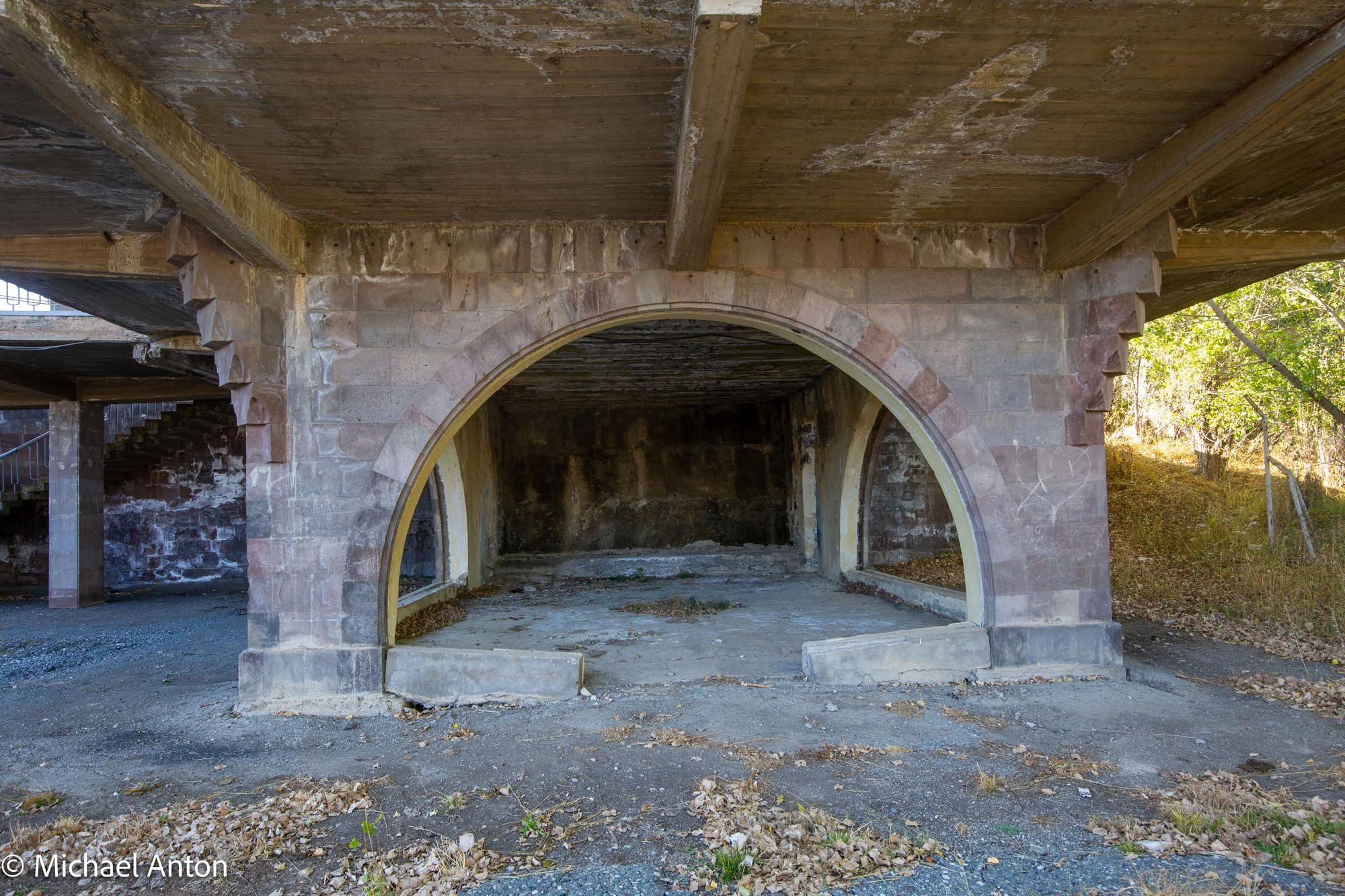
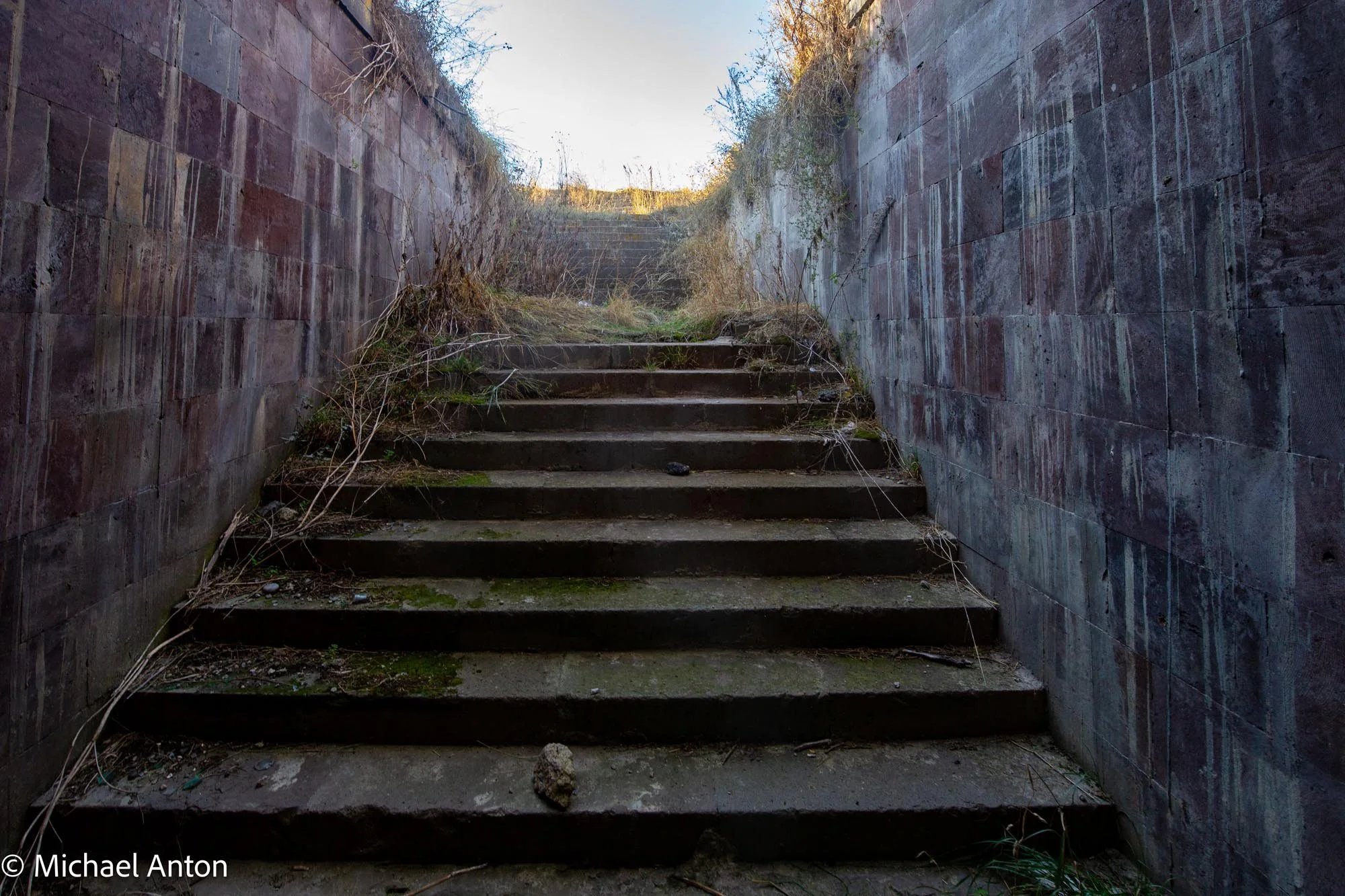
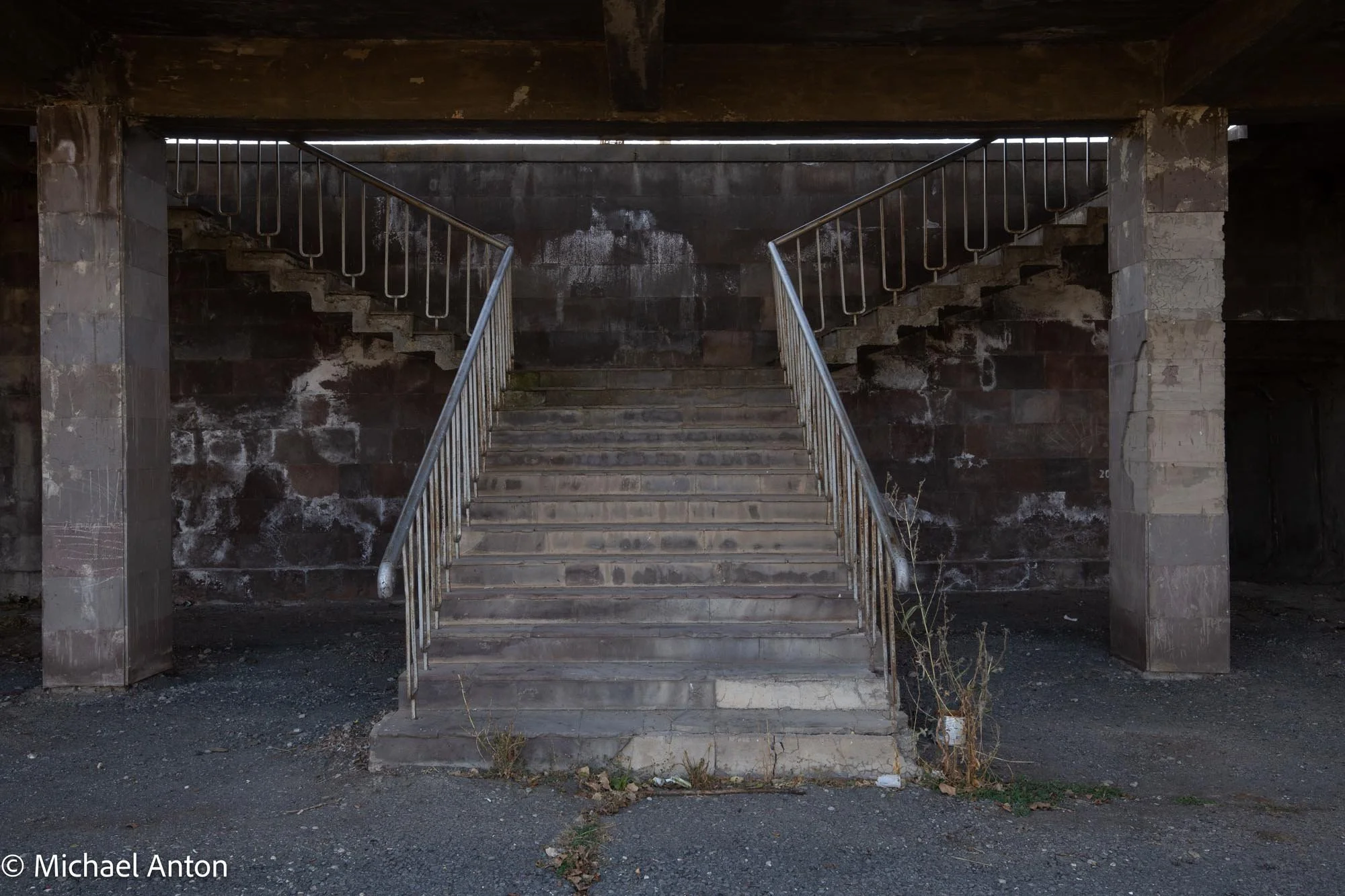
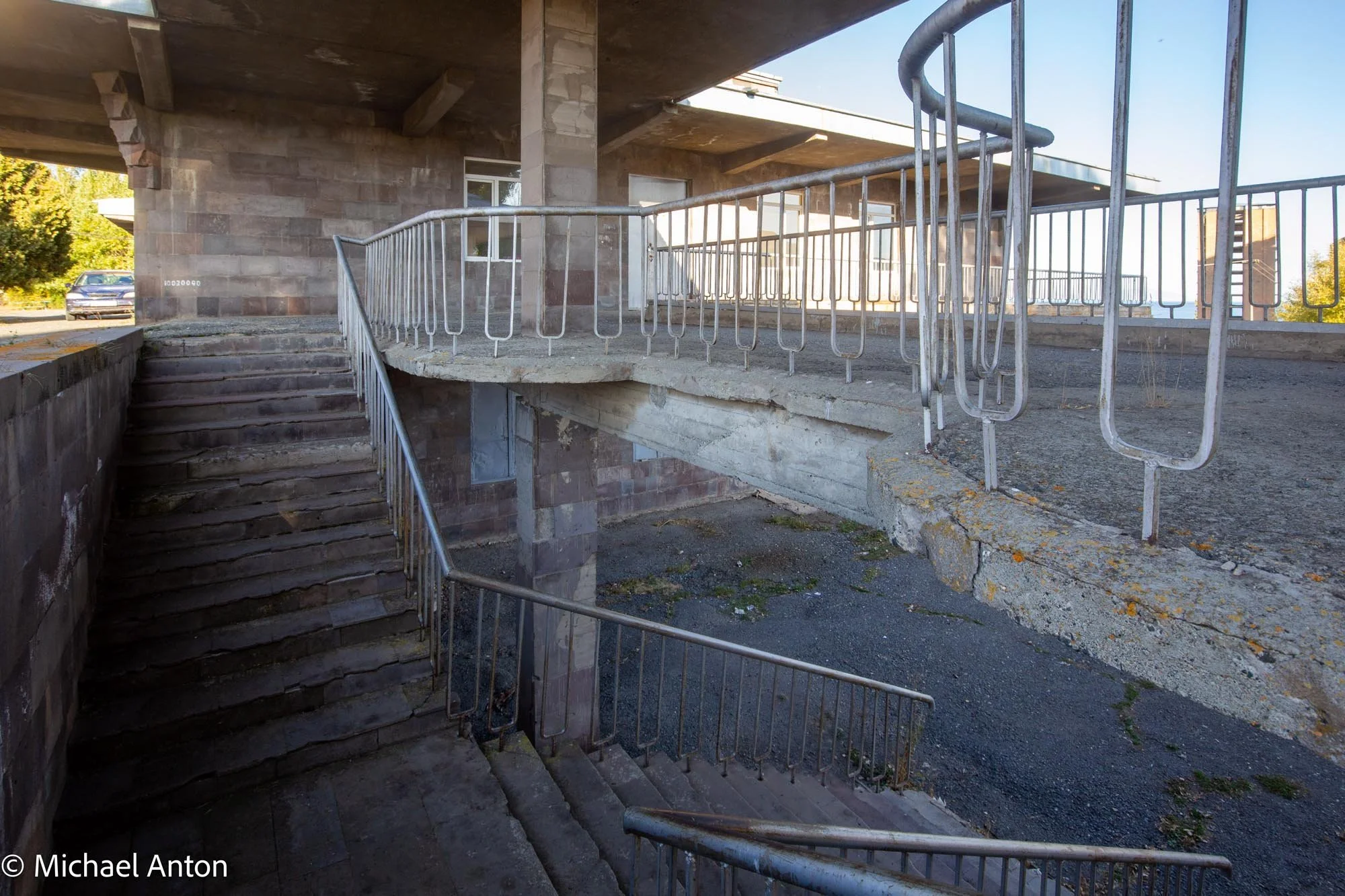
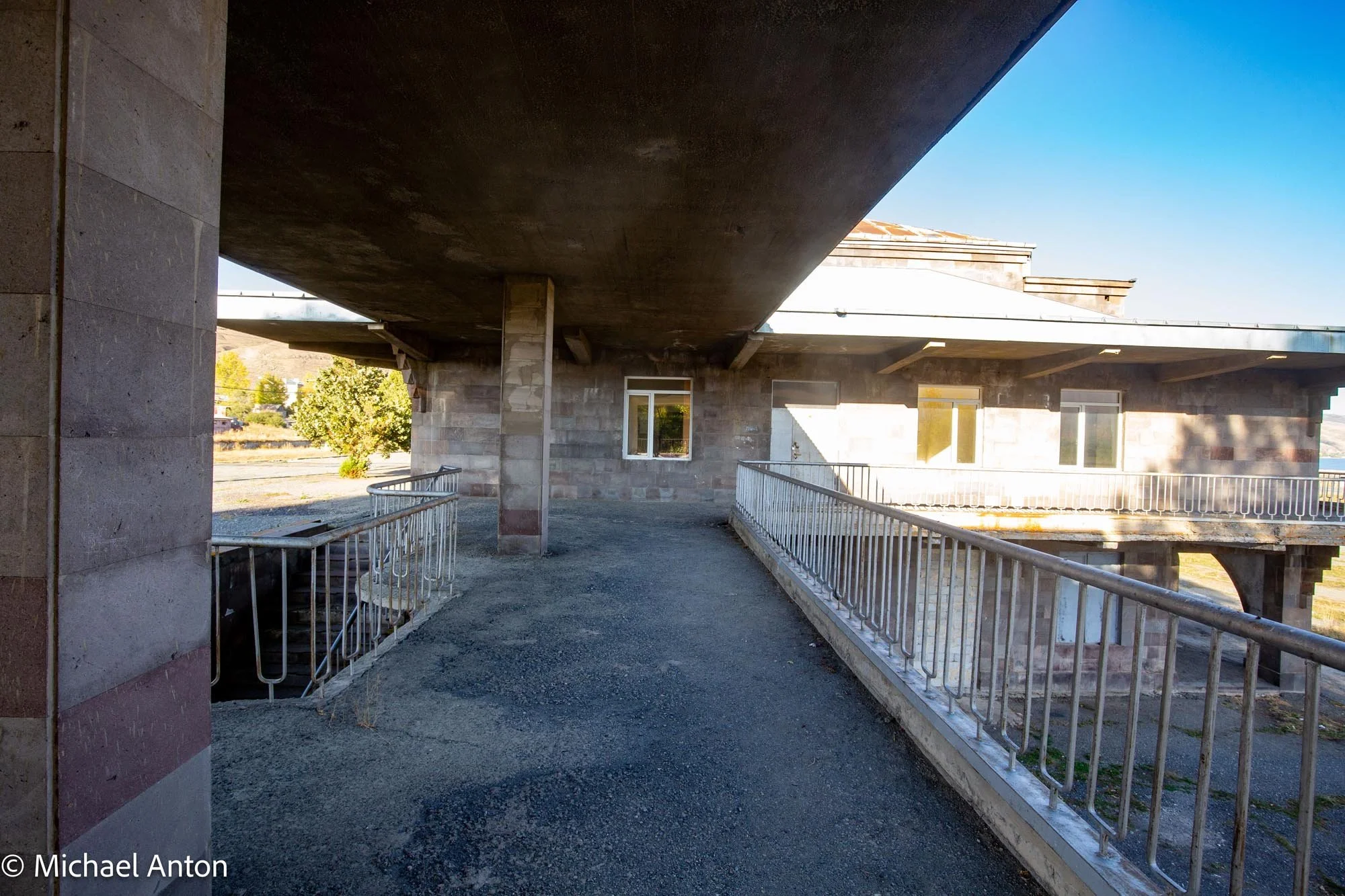
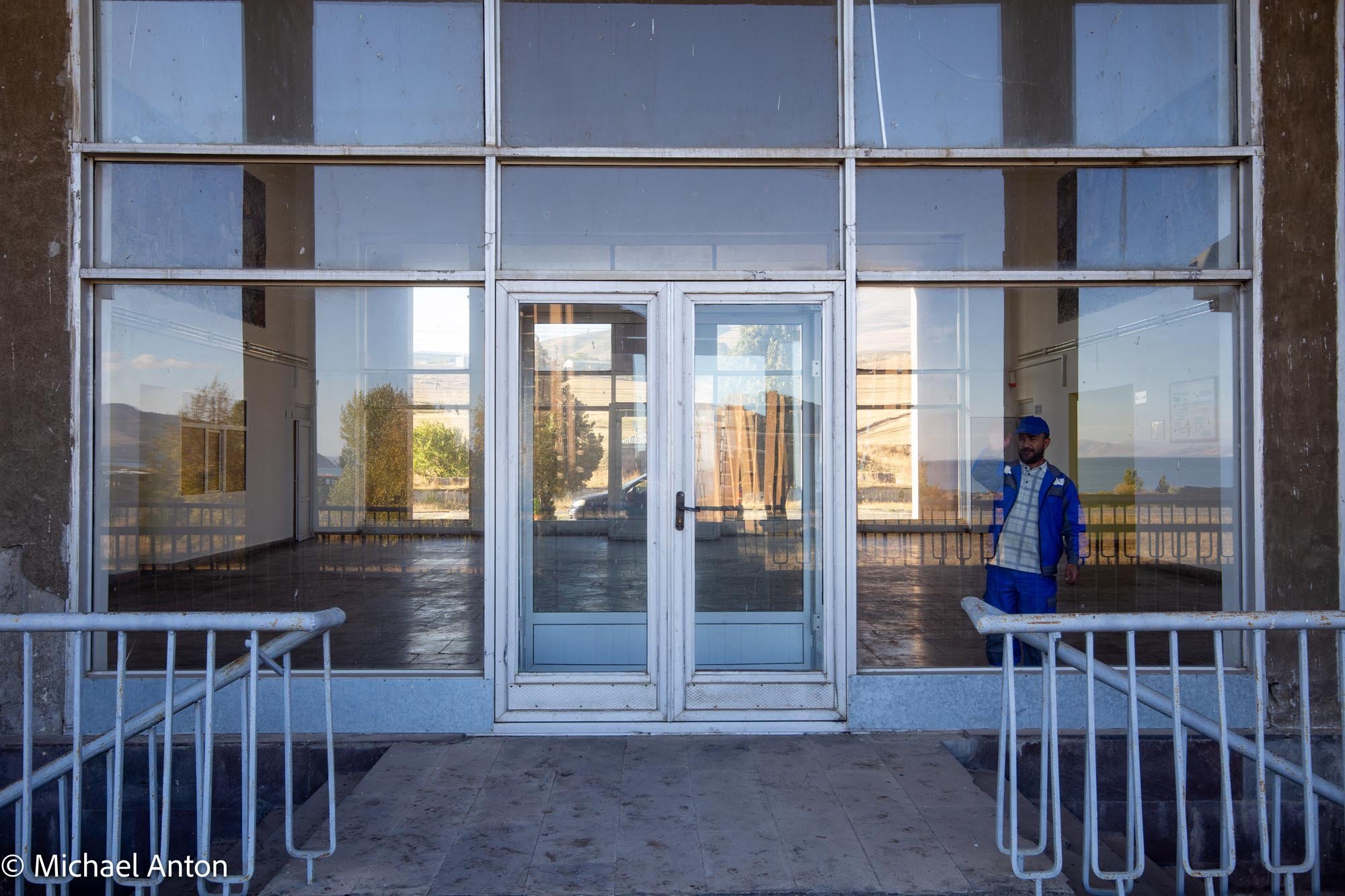
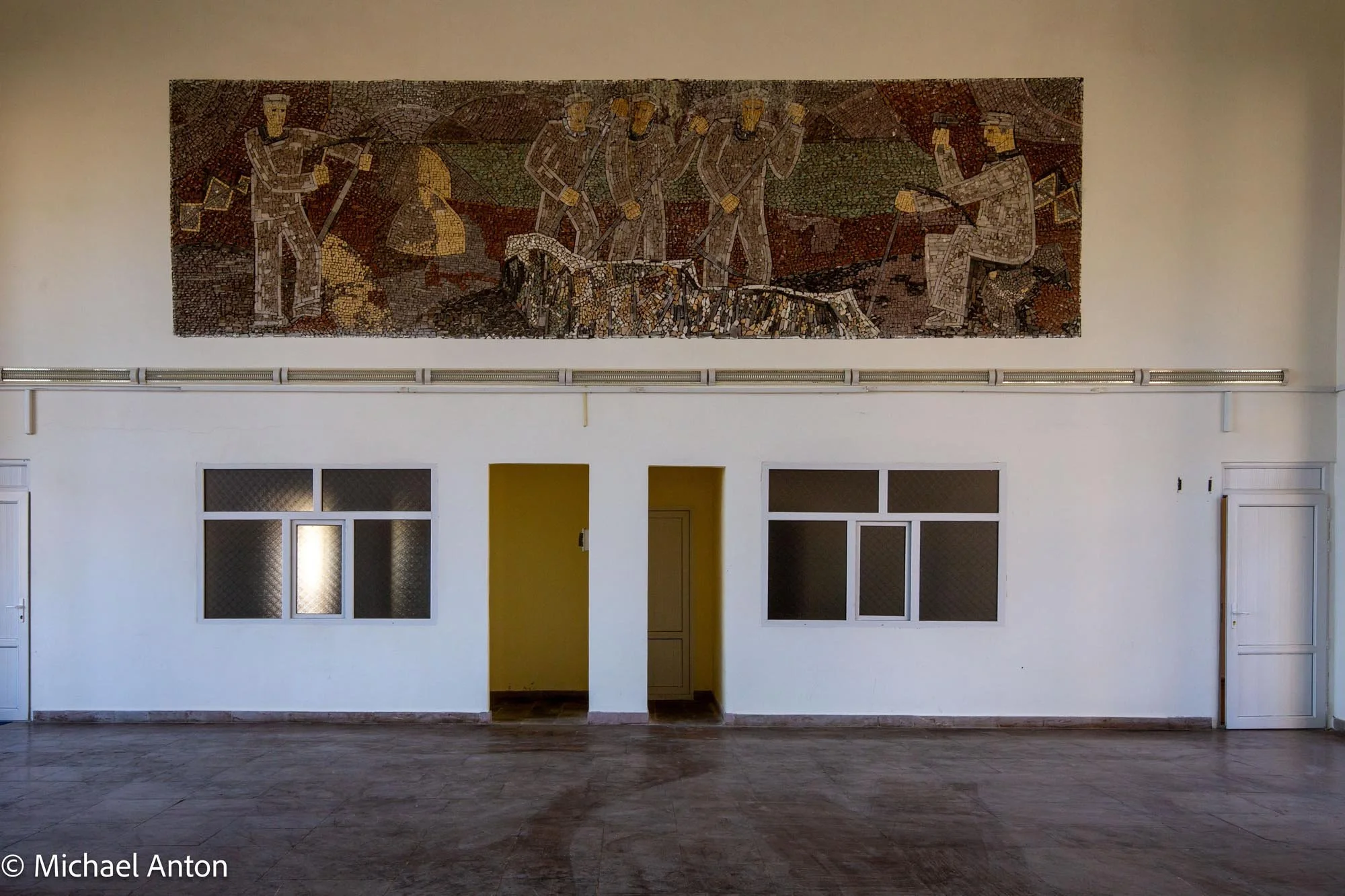
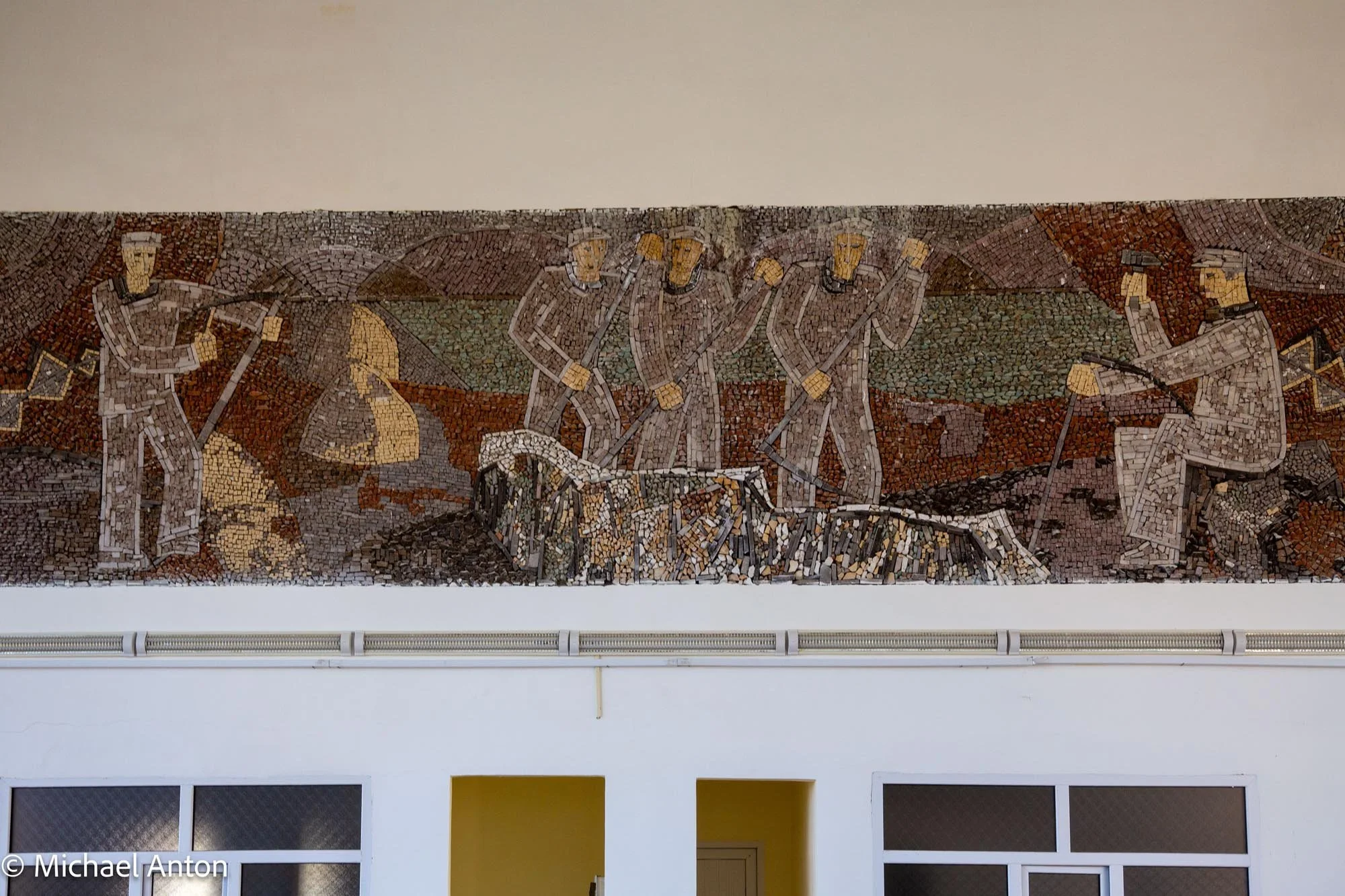
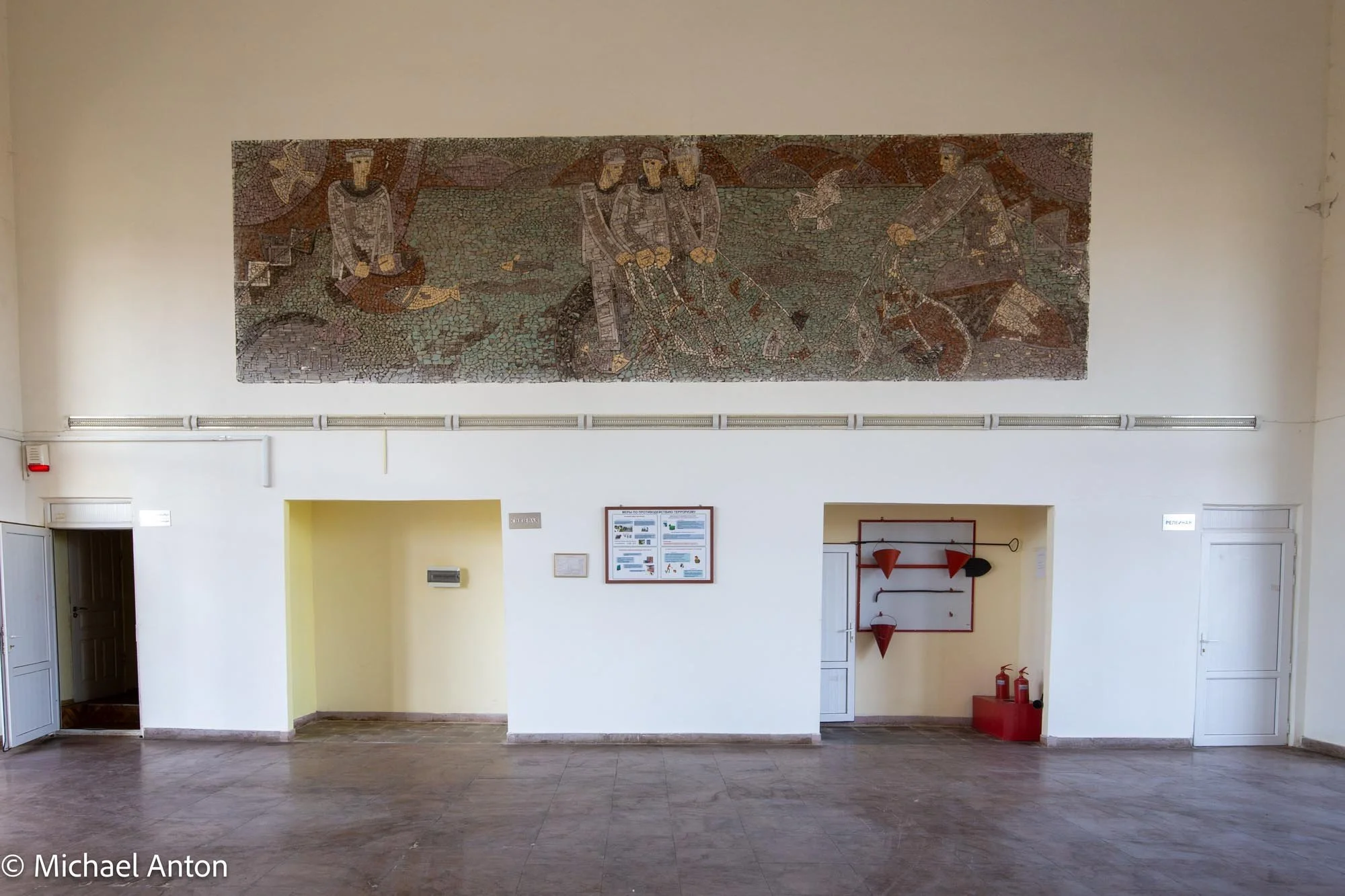
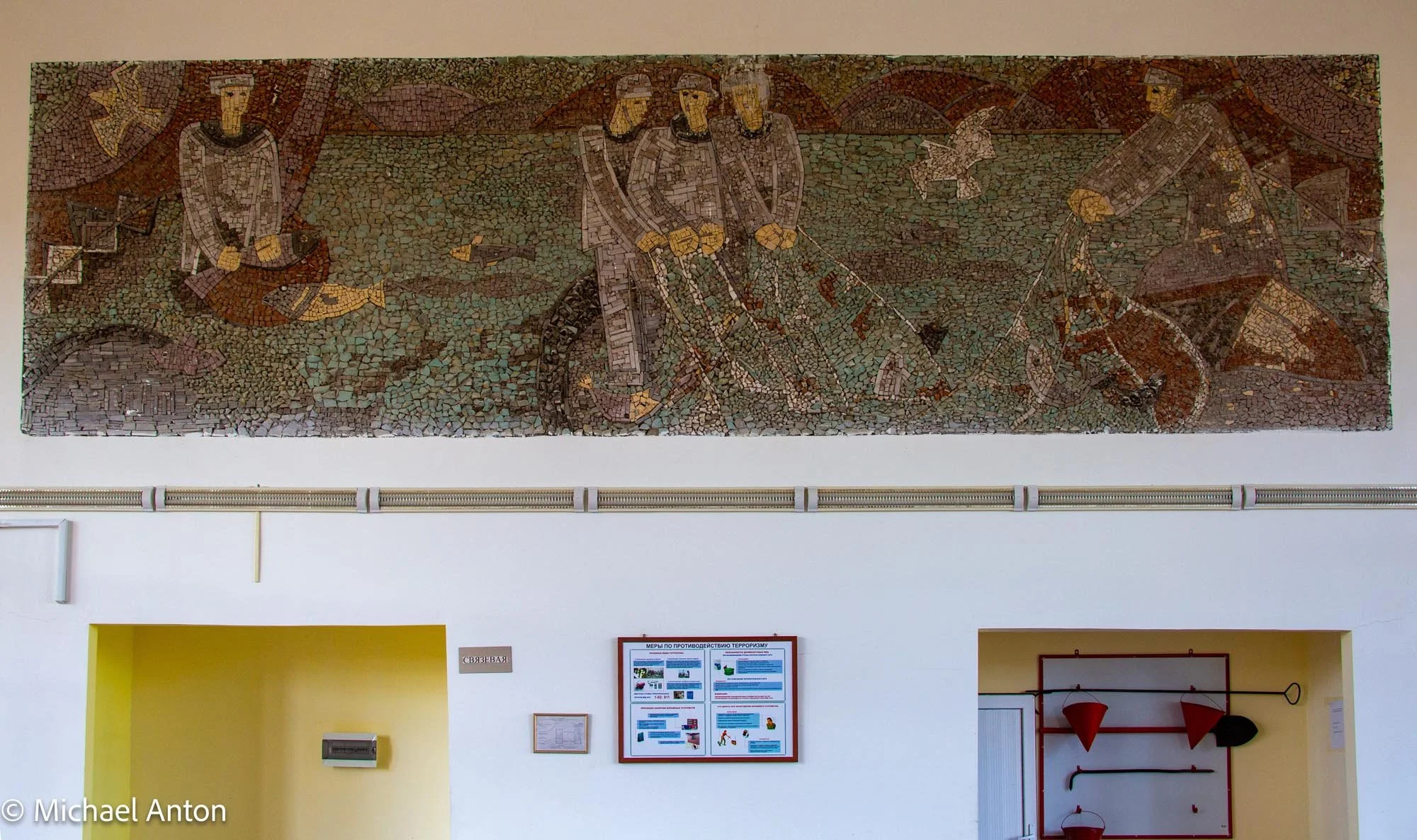
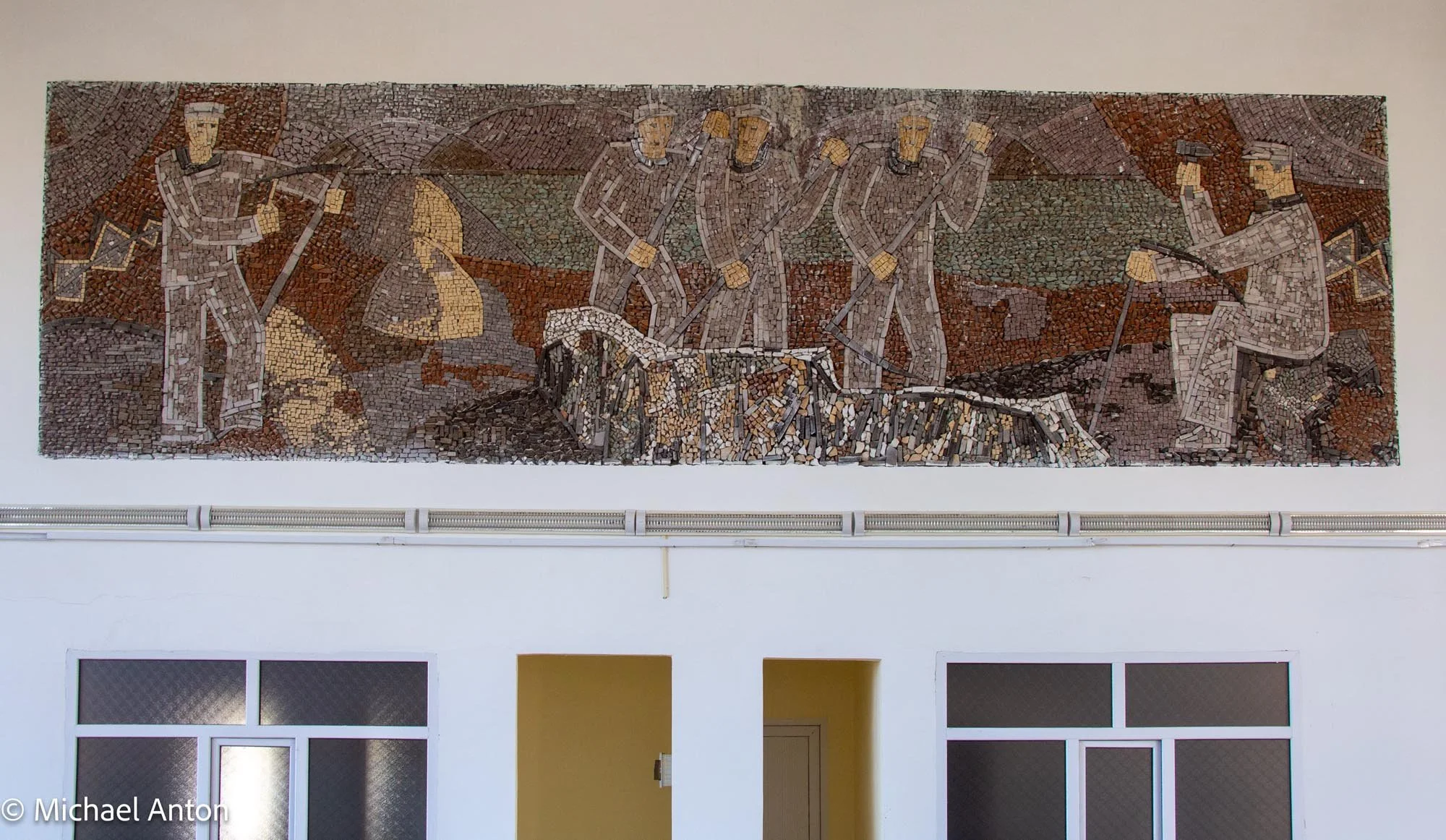
The next 18 images are of another abandoned rail station, topped by a large sculpture of a fish. The station is/was located near Lake Sevan, Armenia’s largest source of fresh water and fish. The nearest village is Tsovagyugh (translation “village by the lake”), which is also the name of the station. When I got to the second level, a security guard (tho’ I wondered what on earth he was guarding) appeared through the glass and indicated that photos weren’t allowed, then shrugged and unlocked the door. The interior was in excellent shape. Perhaps it’s being repurposed? The mosaics depict scenes of gathering the harvest and hauling in the catch of the day.
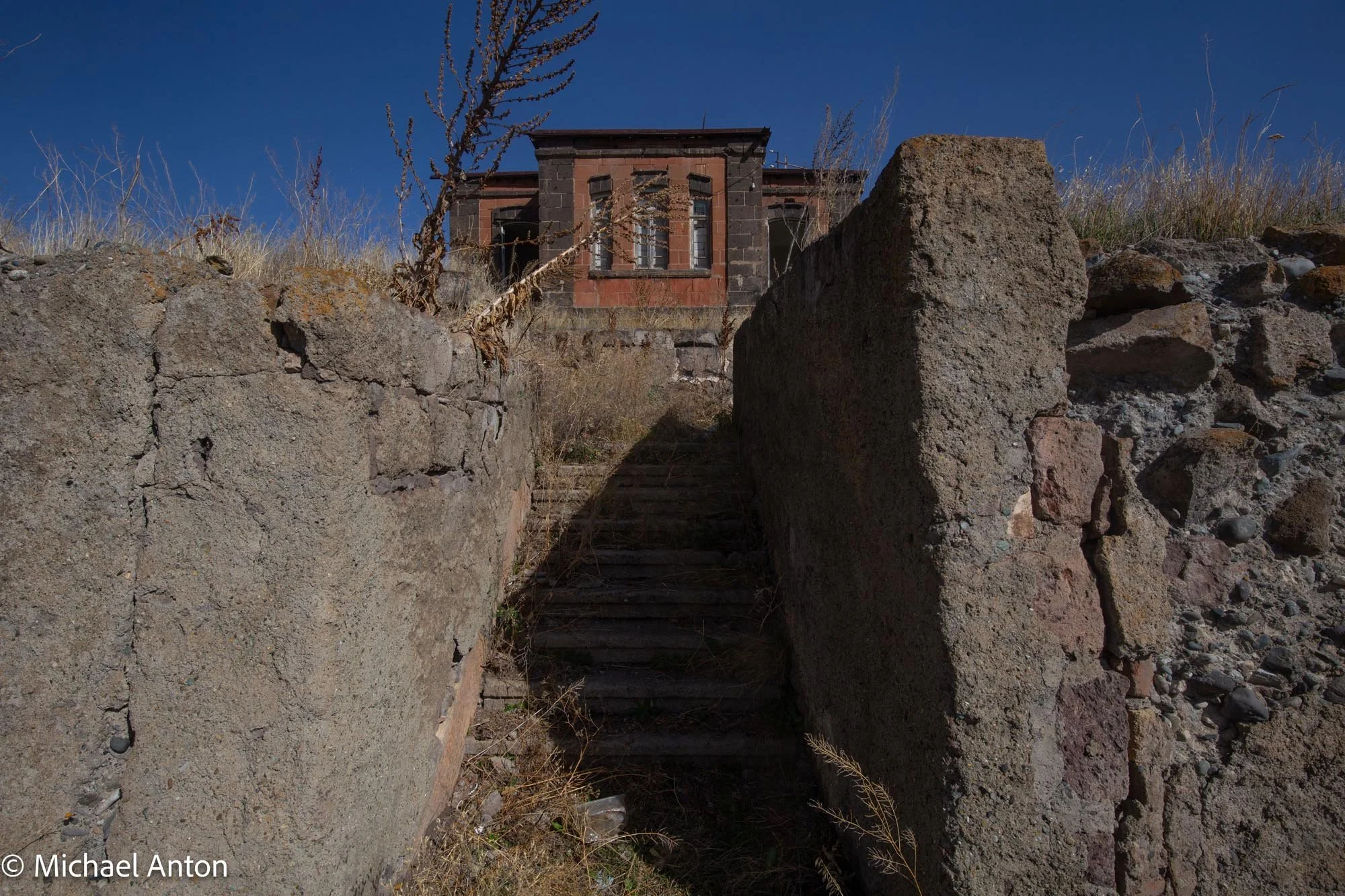
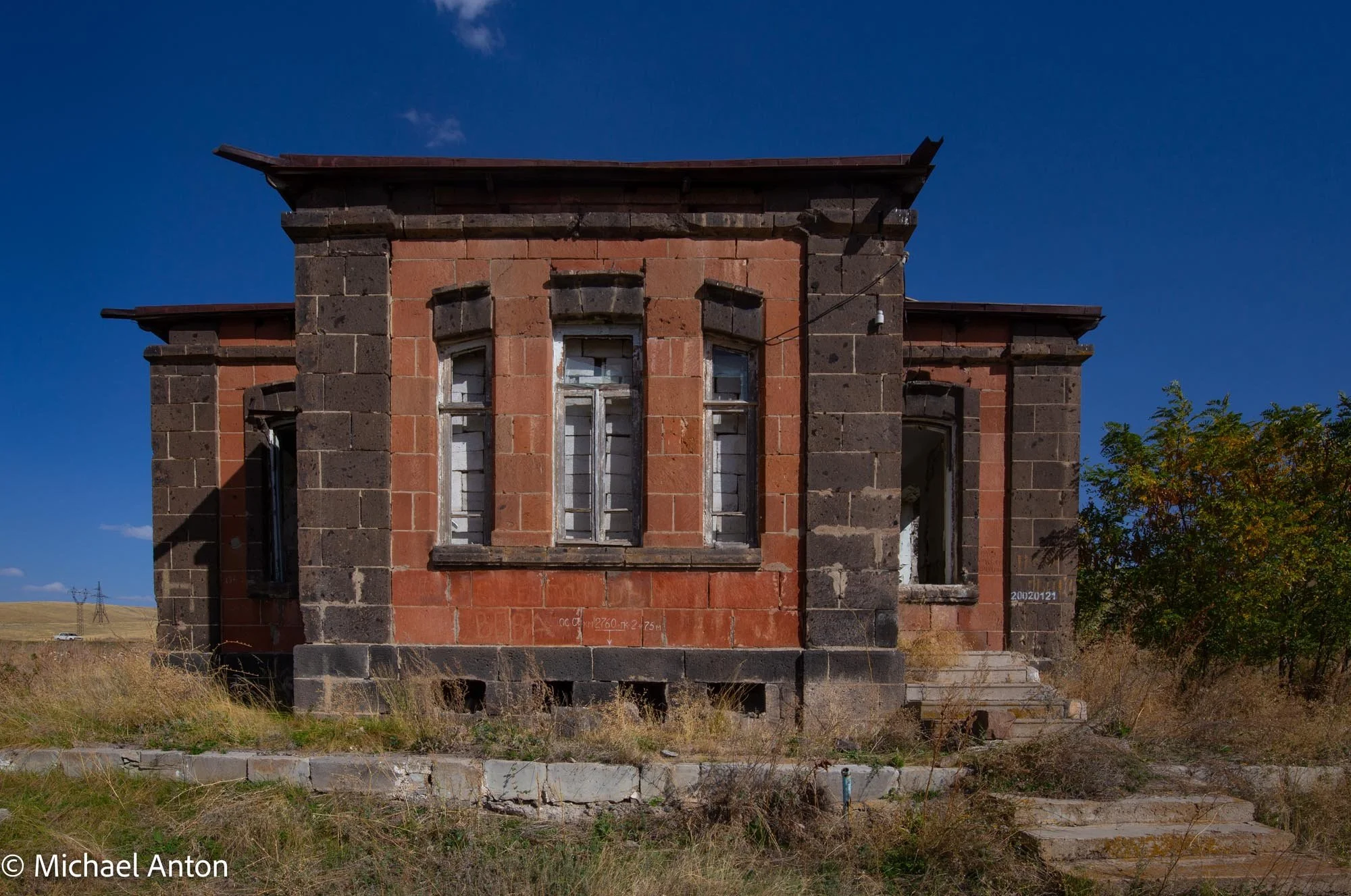
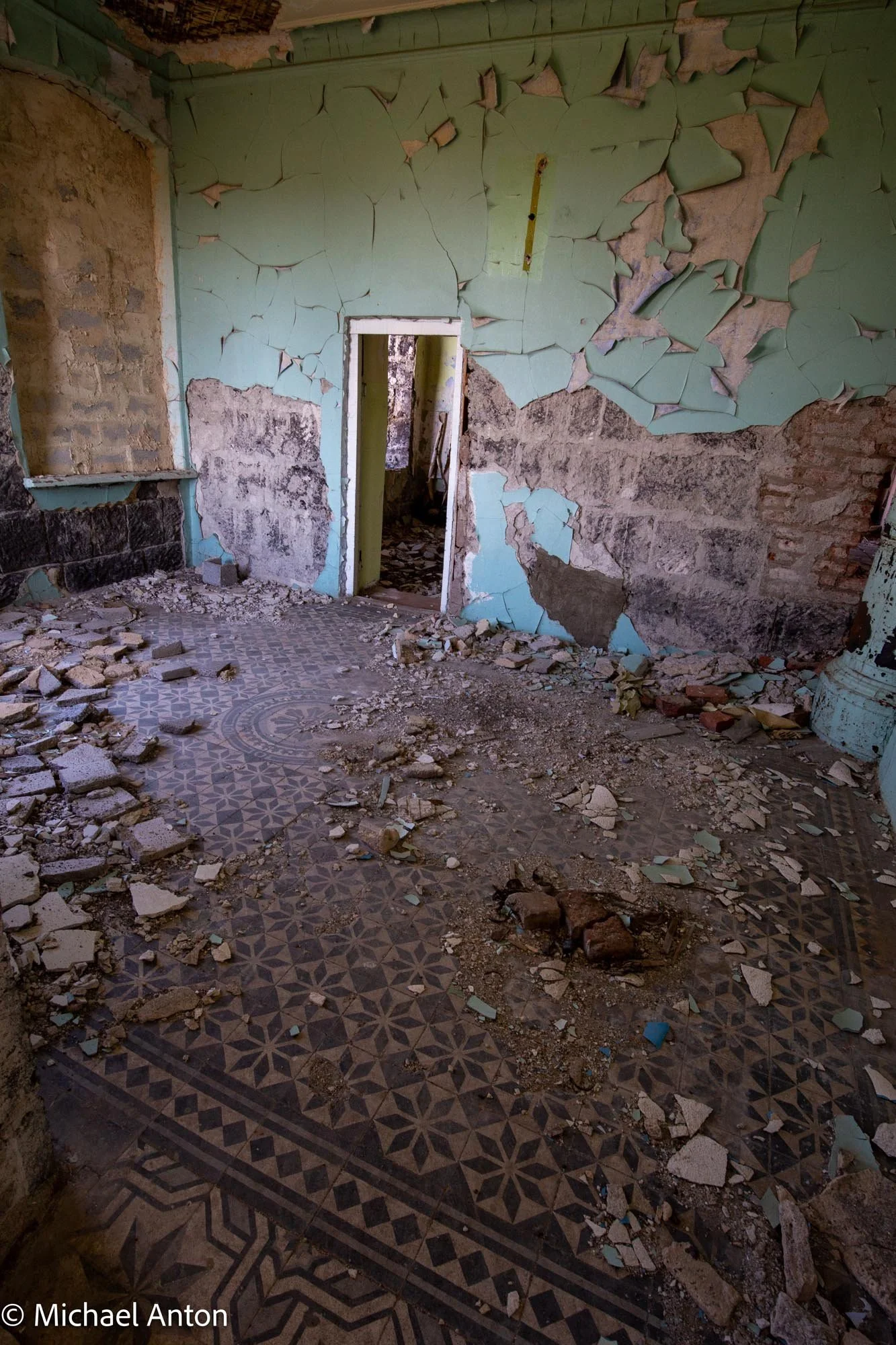
And finally, the last three photos are of a now abandoned small station, with the intricate flooring giving the only testimony to its former glory.
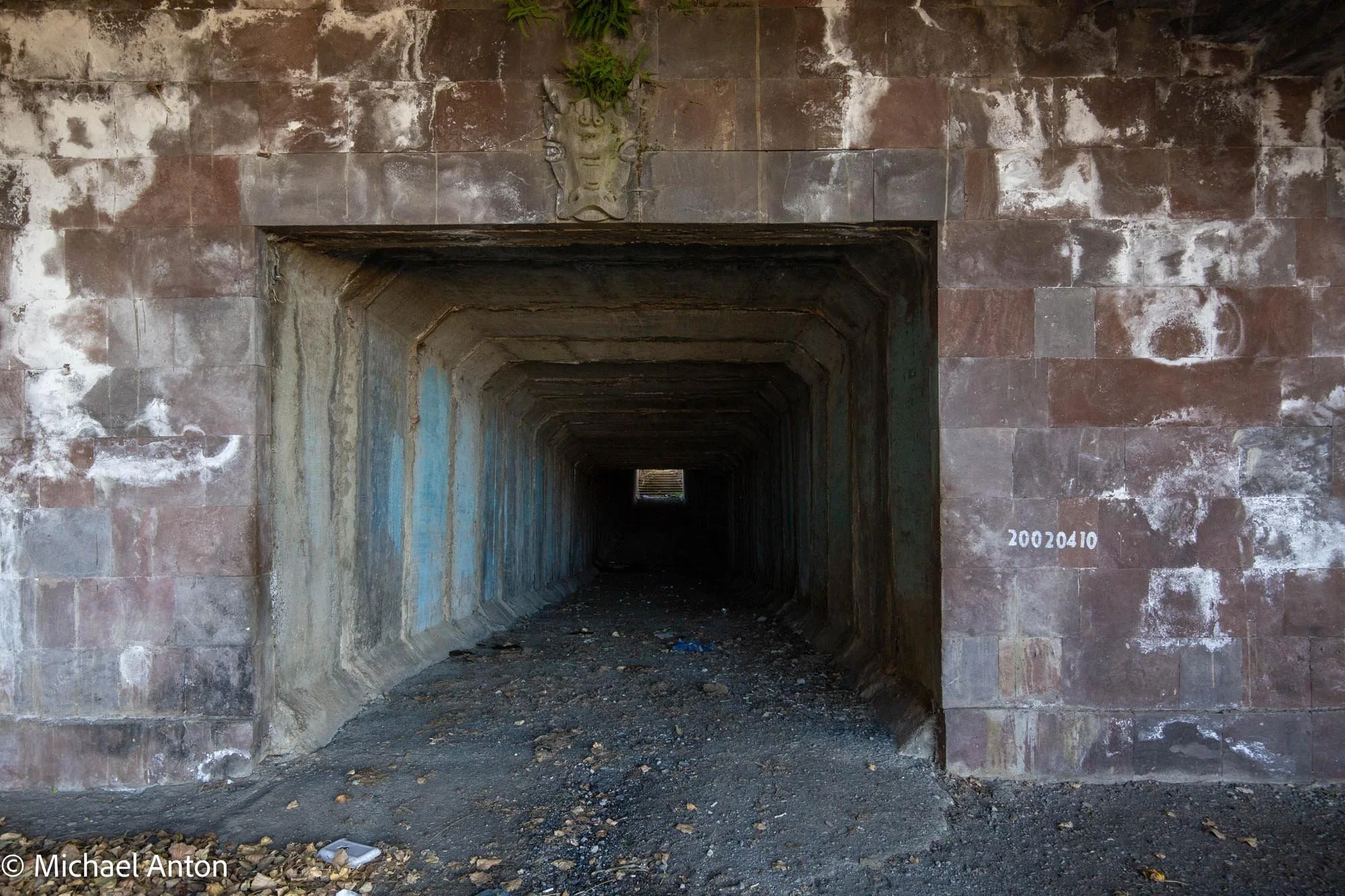
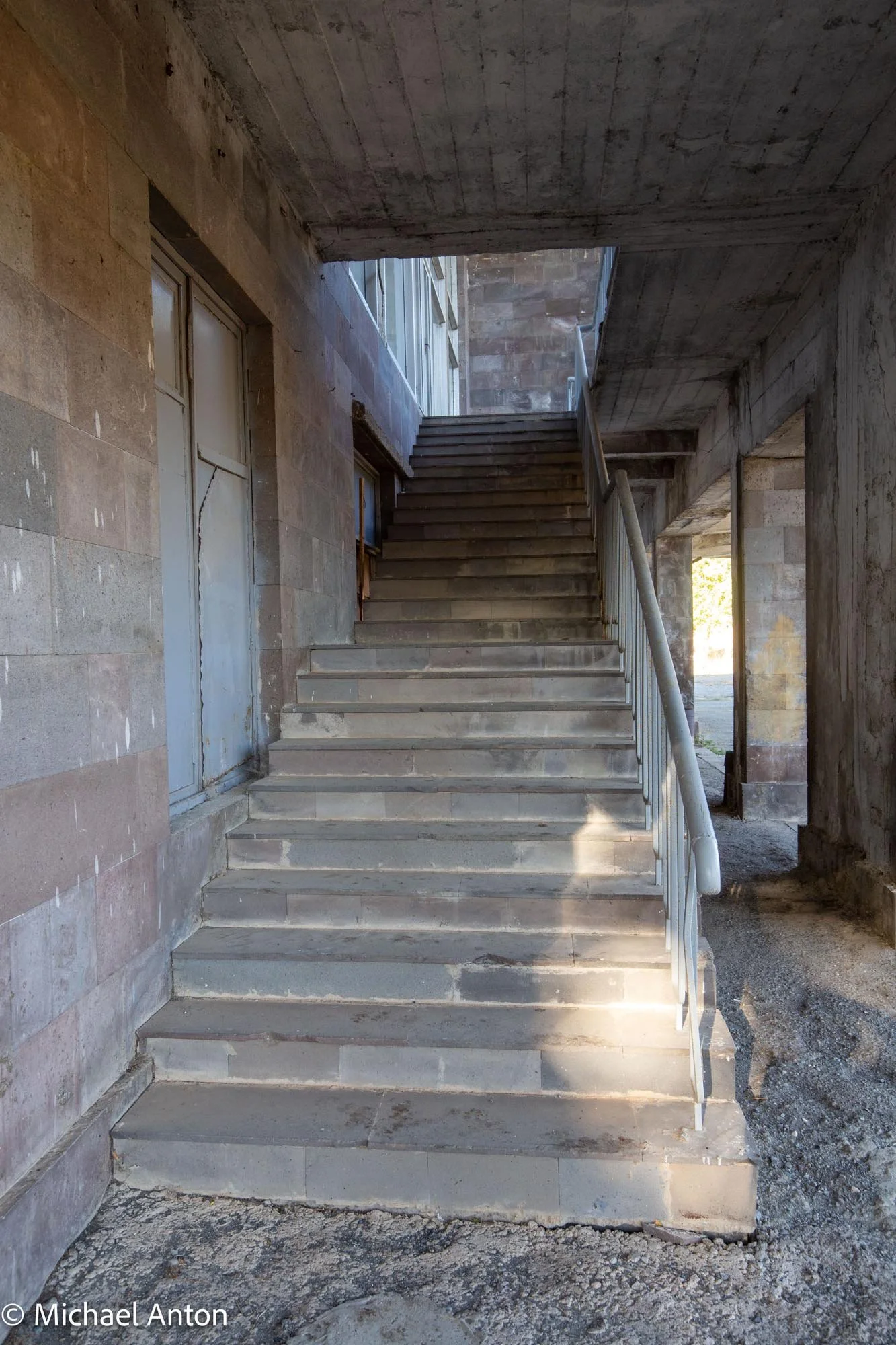
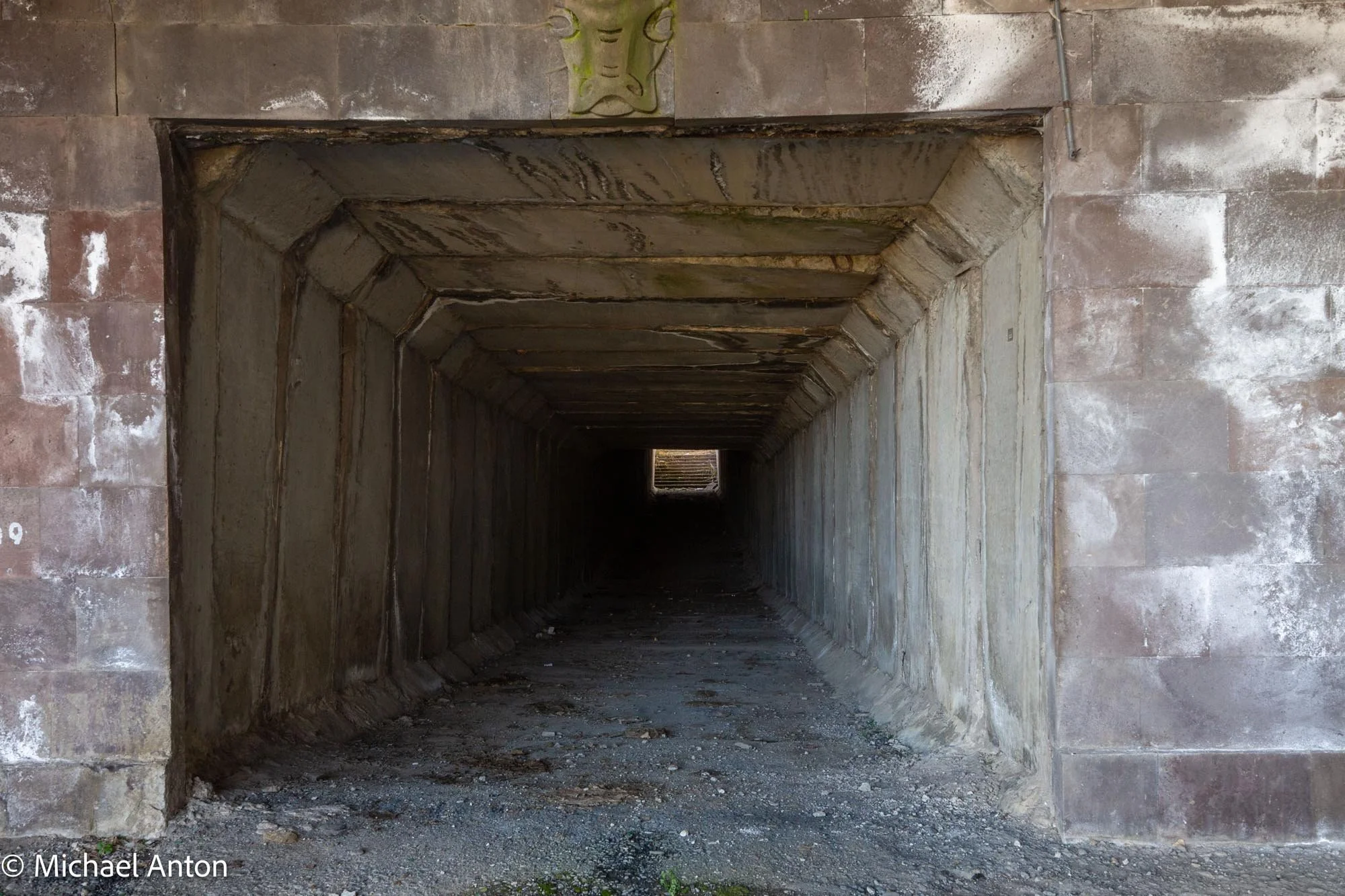
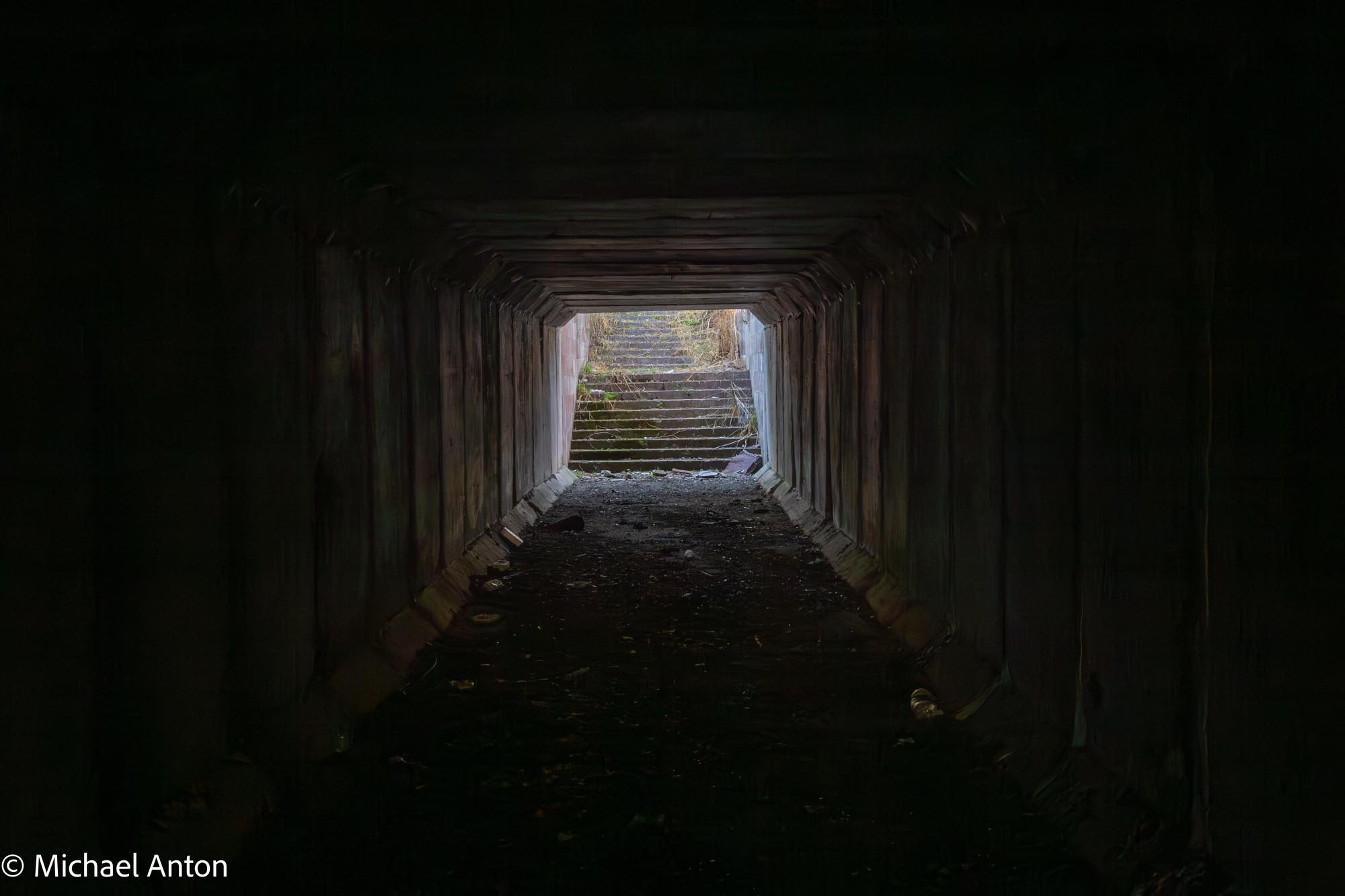
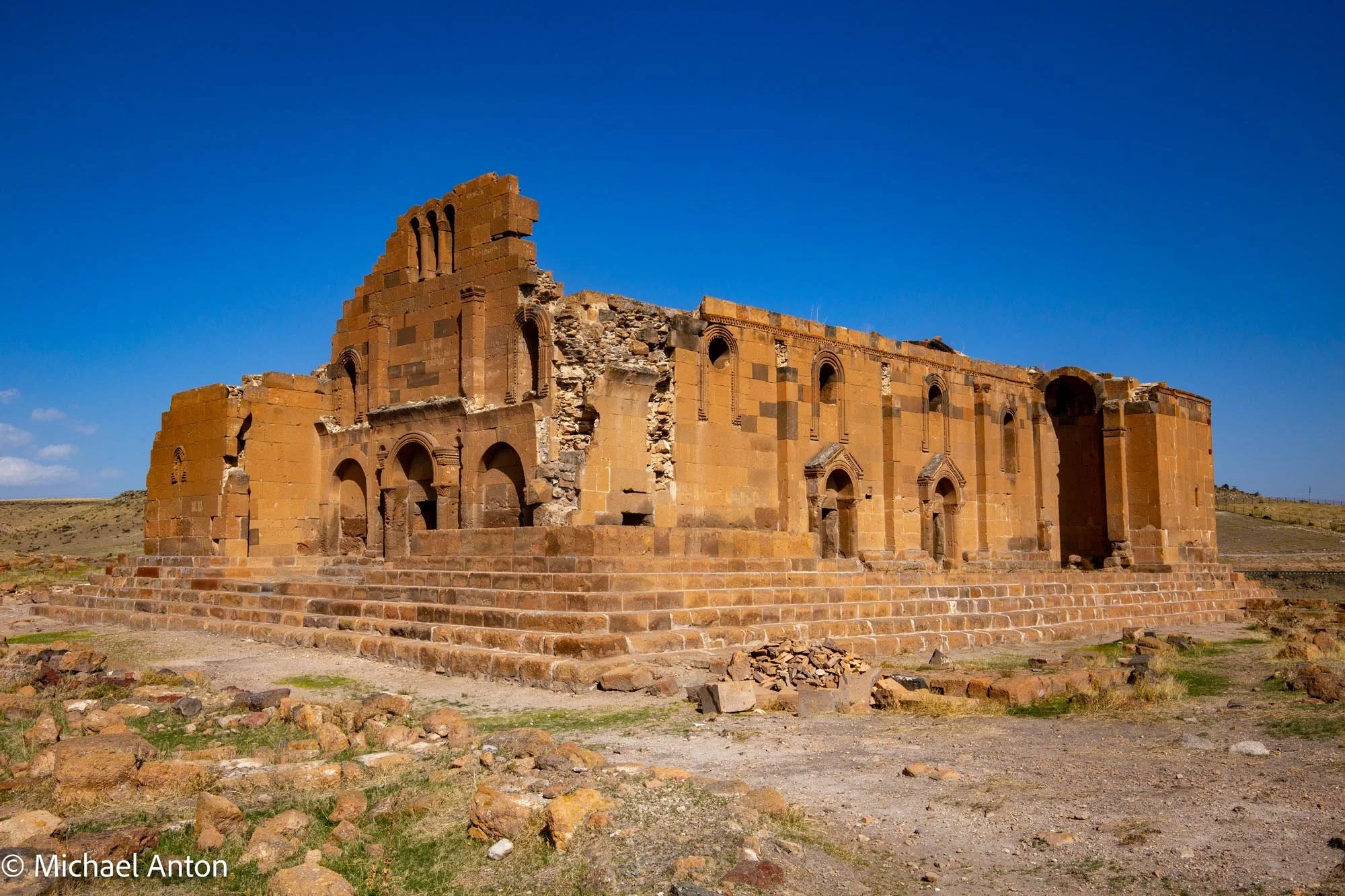
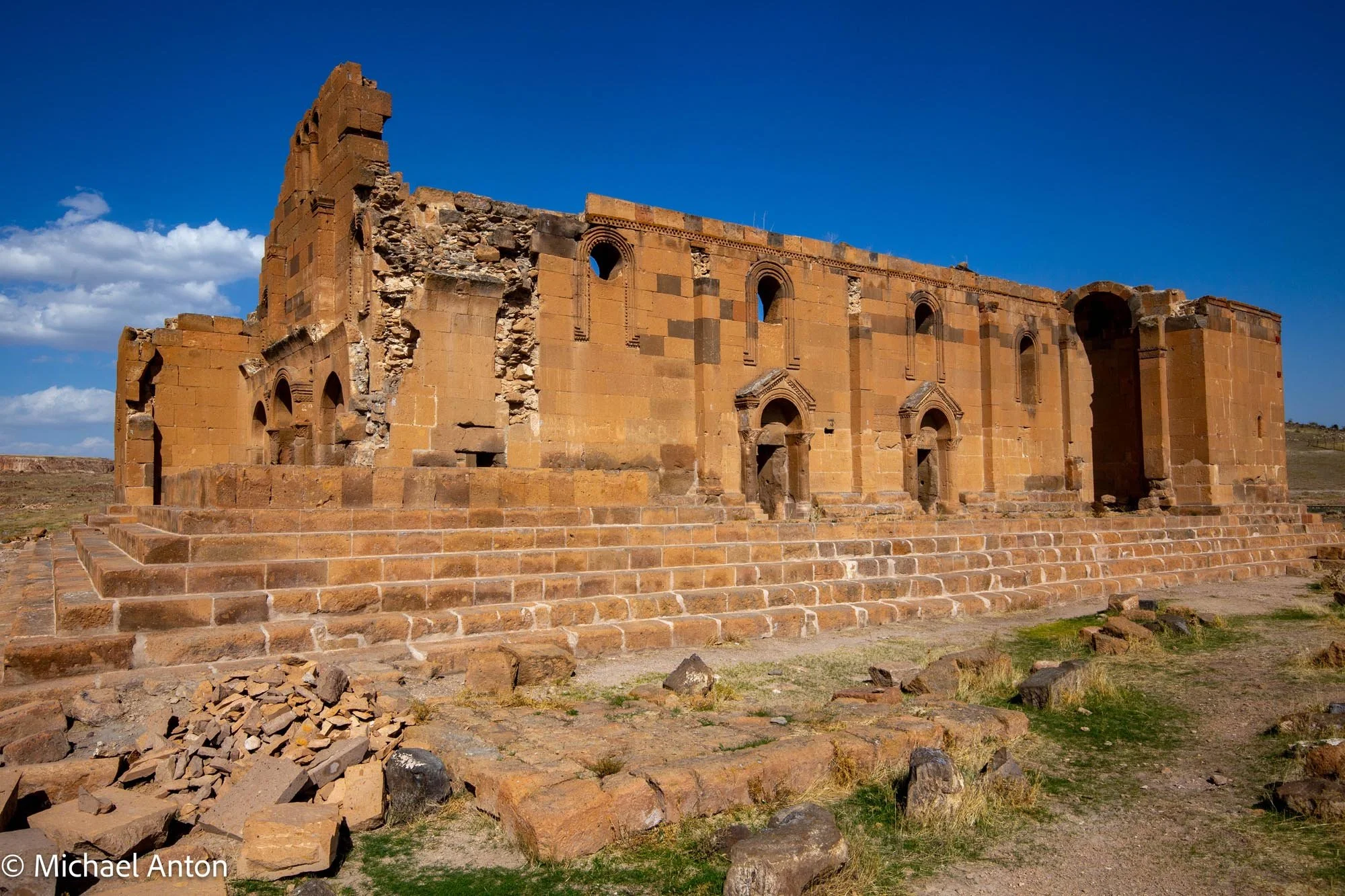
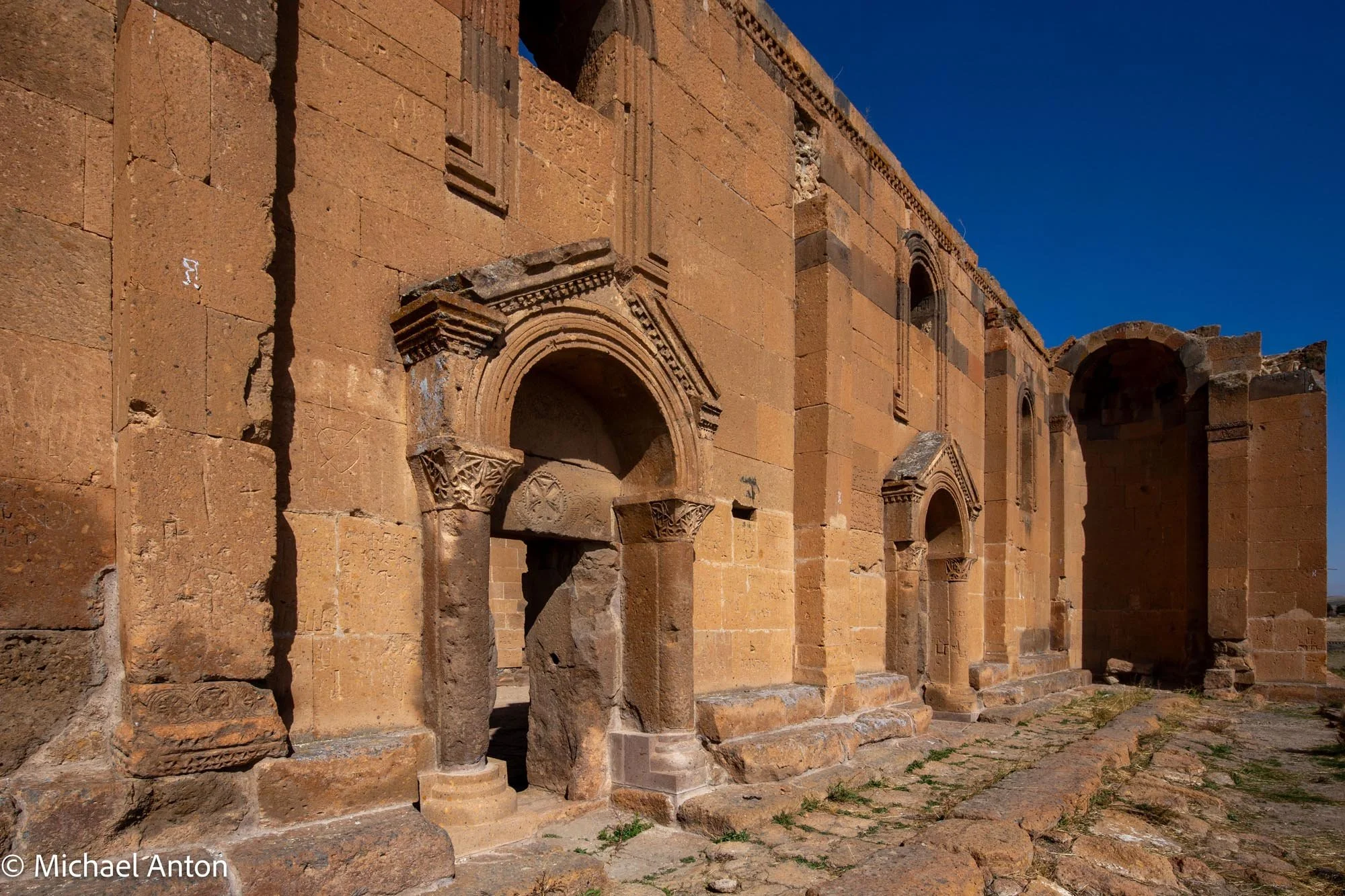
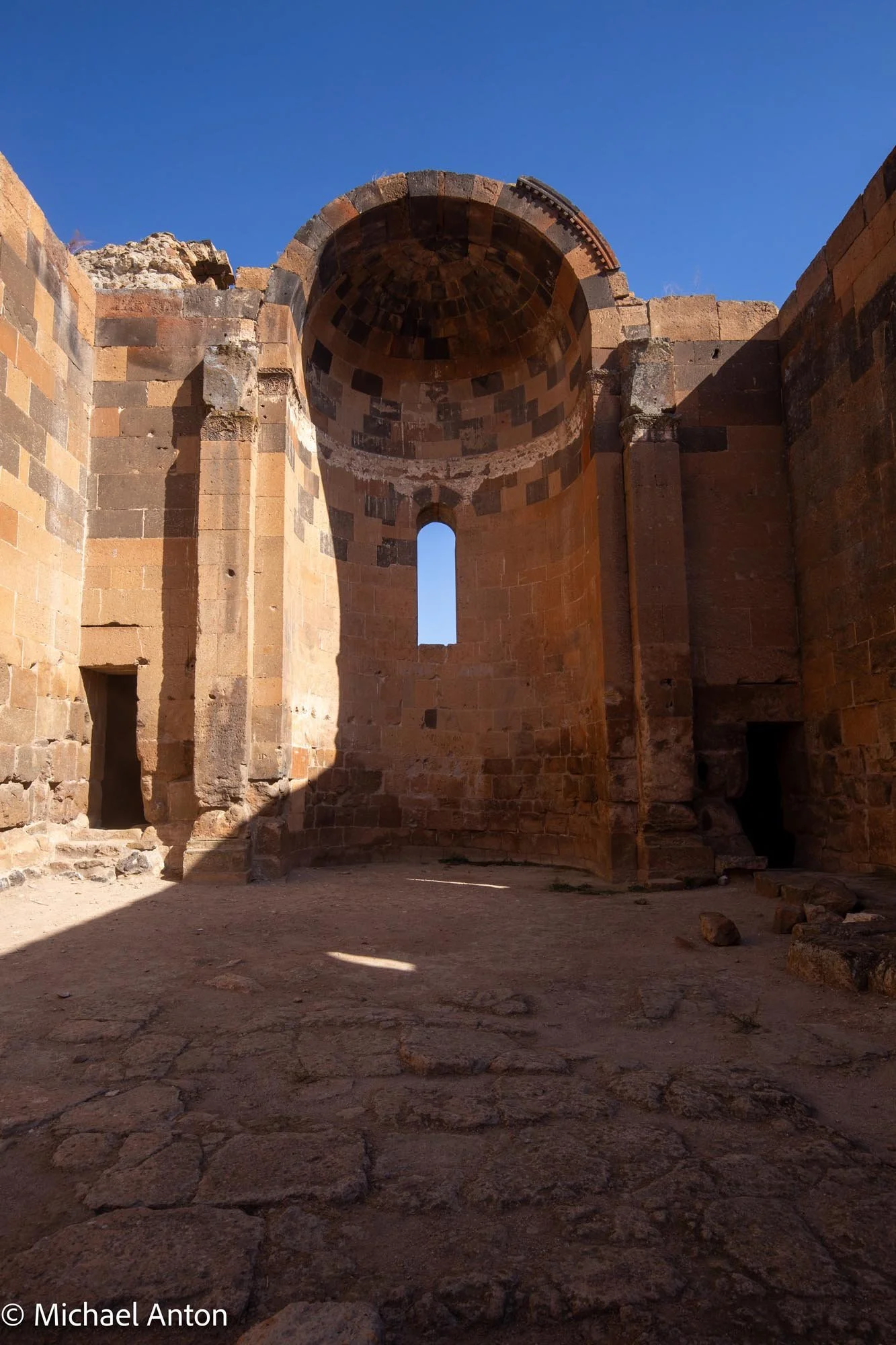
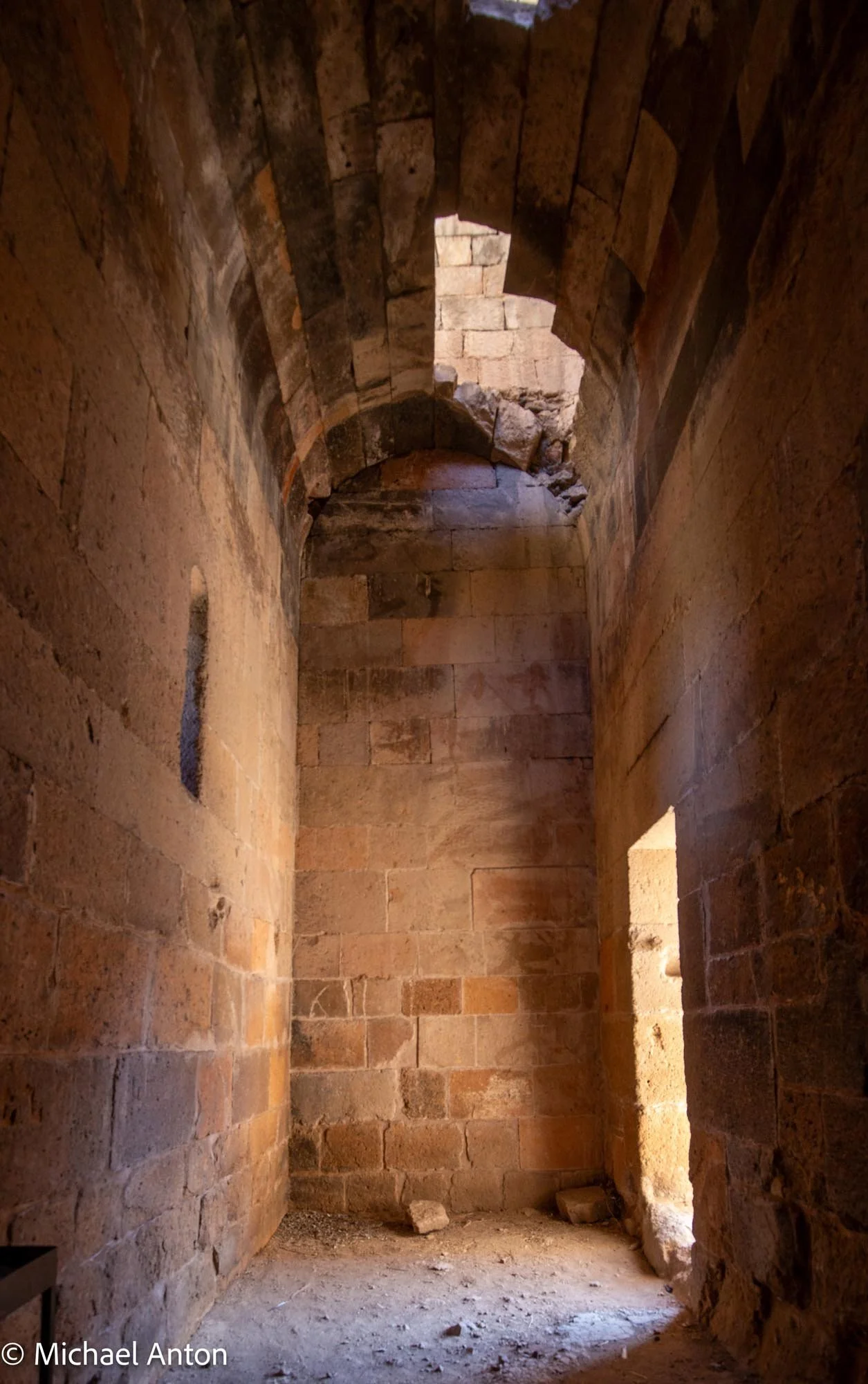
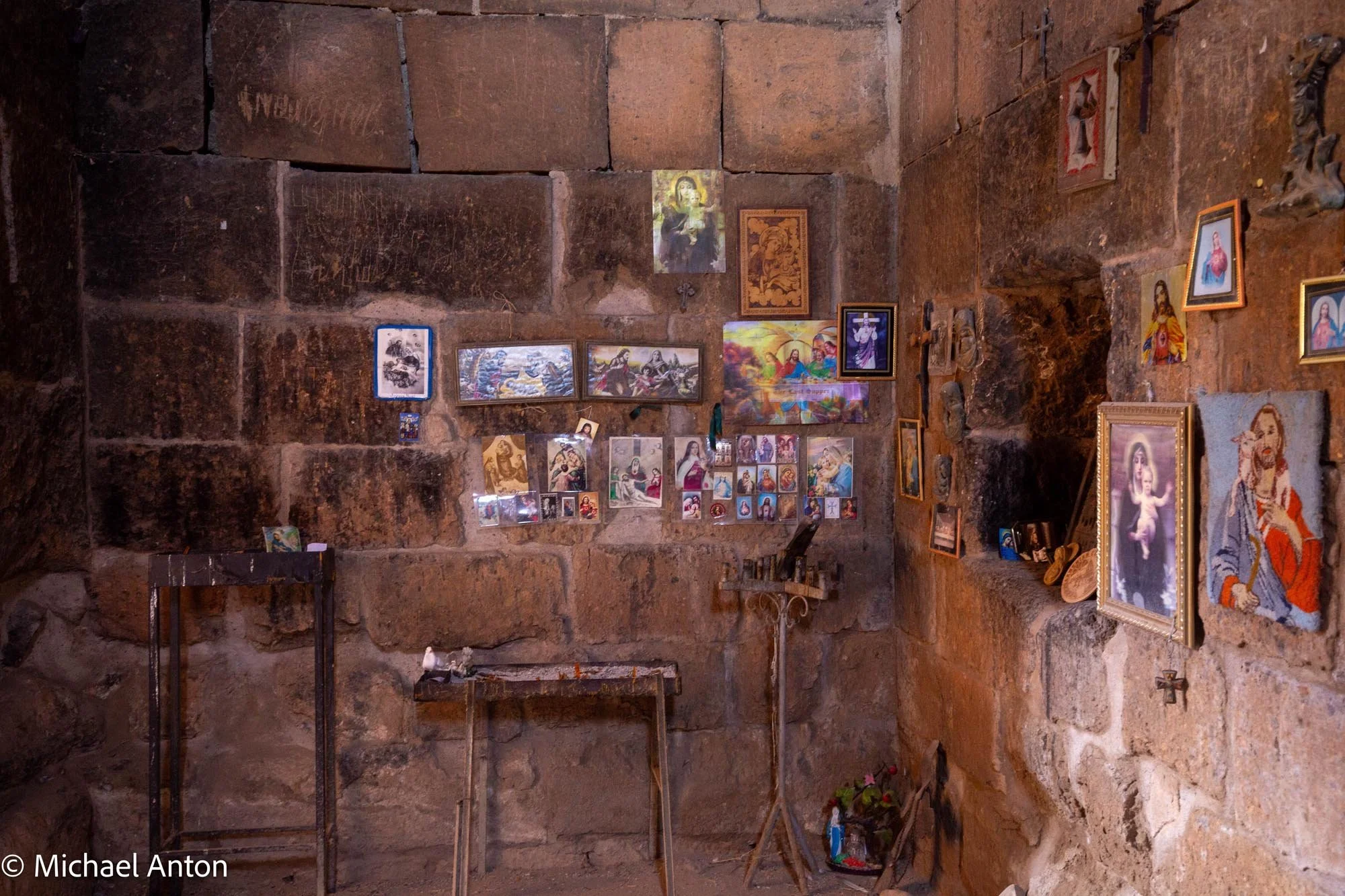
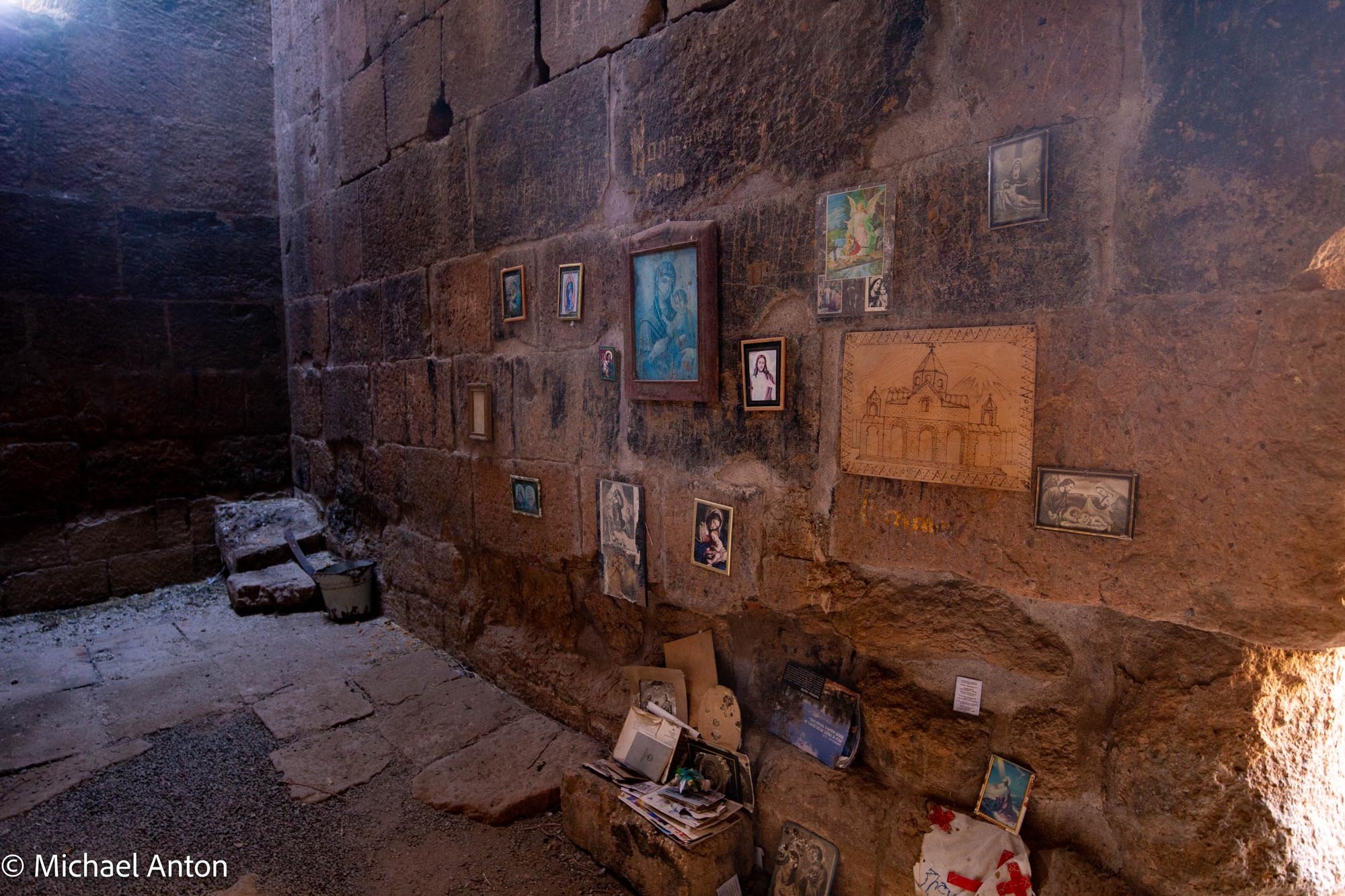
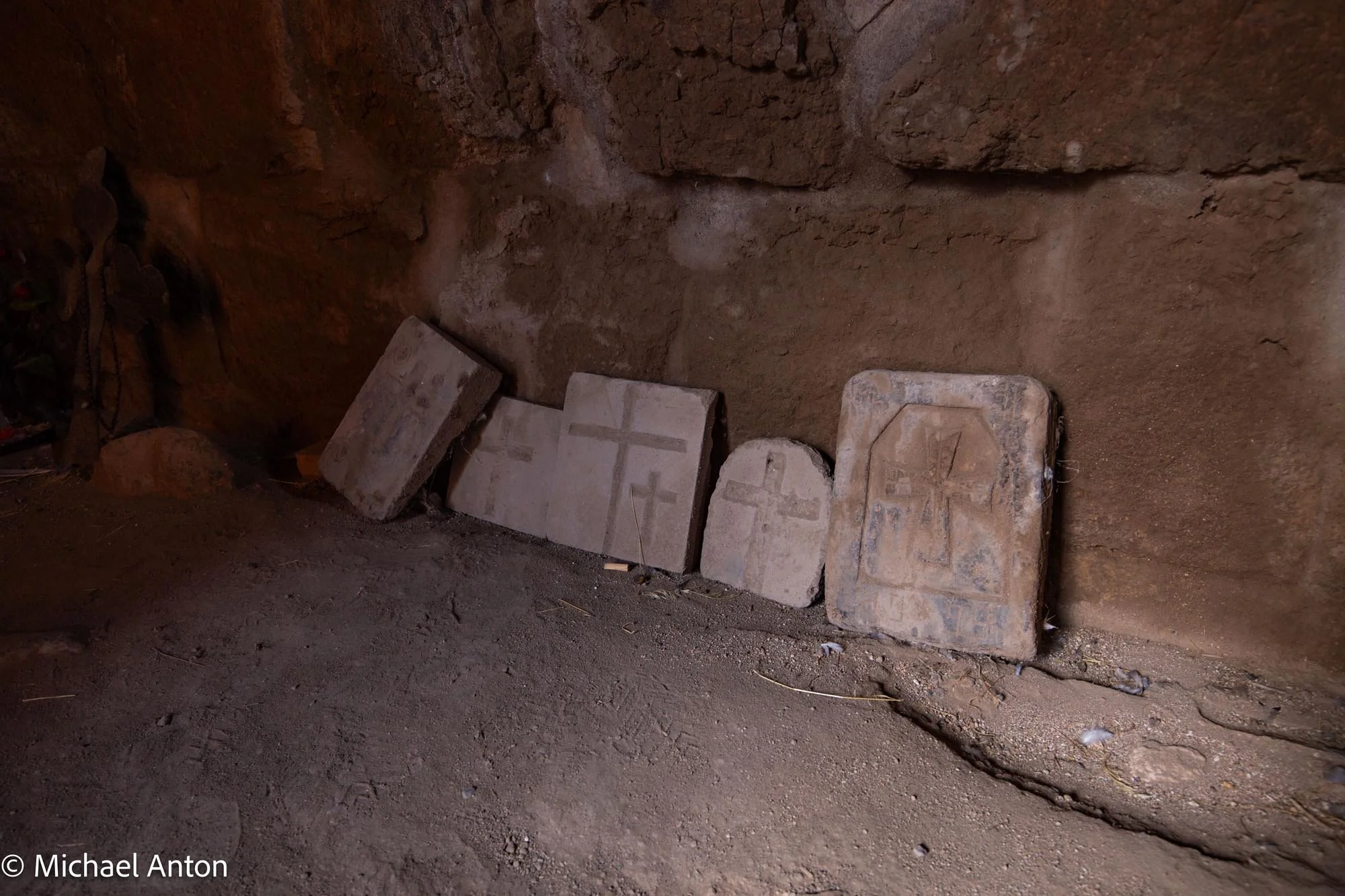
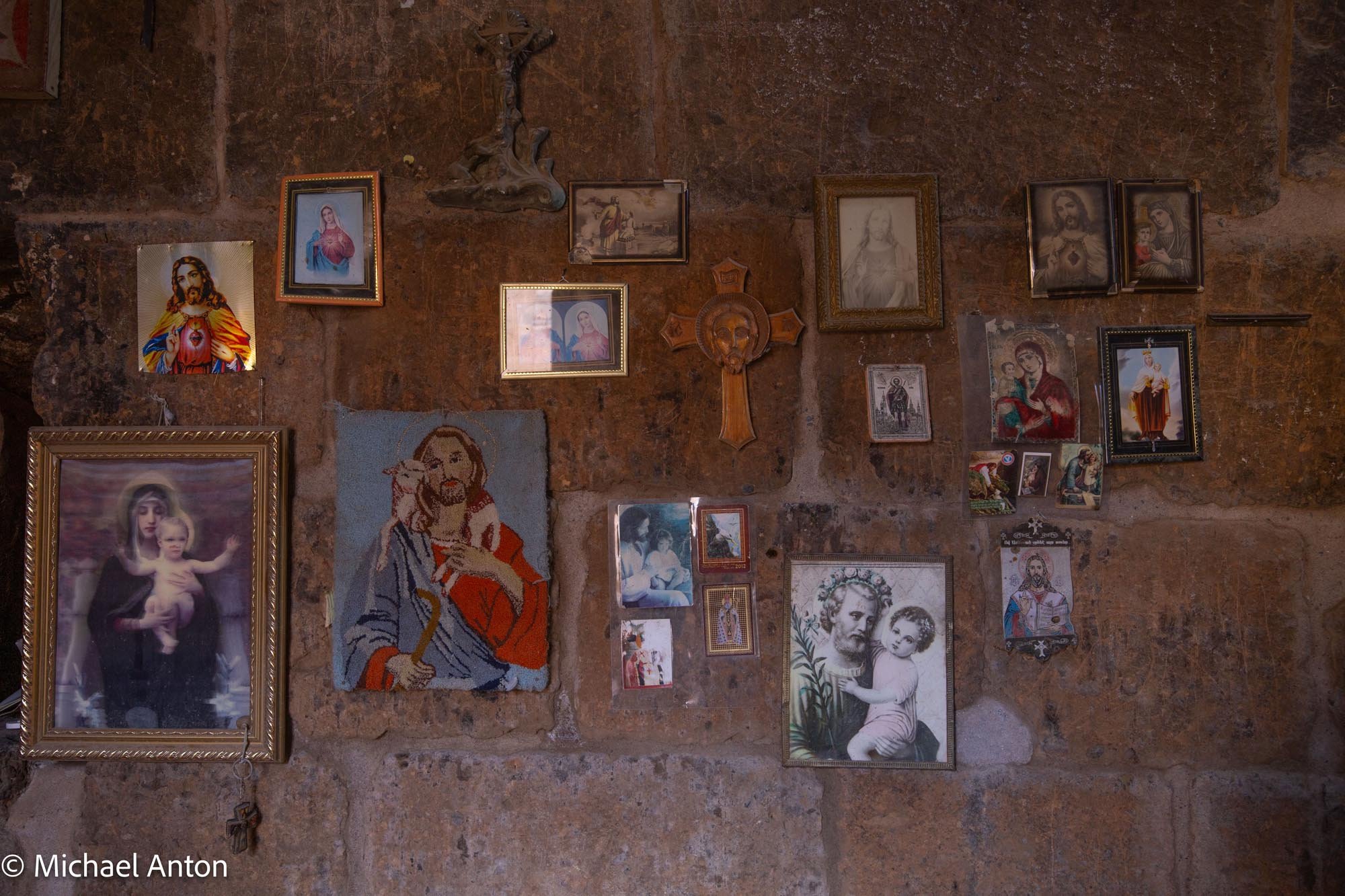
Yereruyk Temple
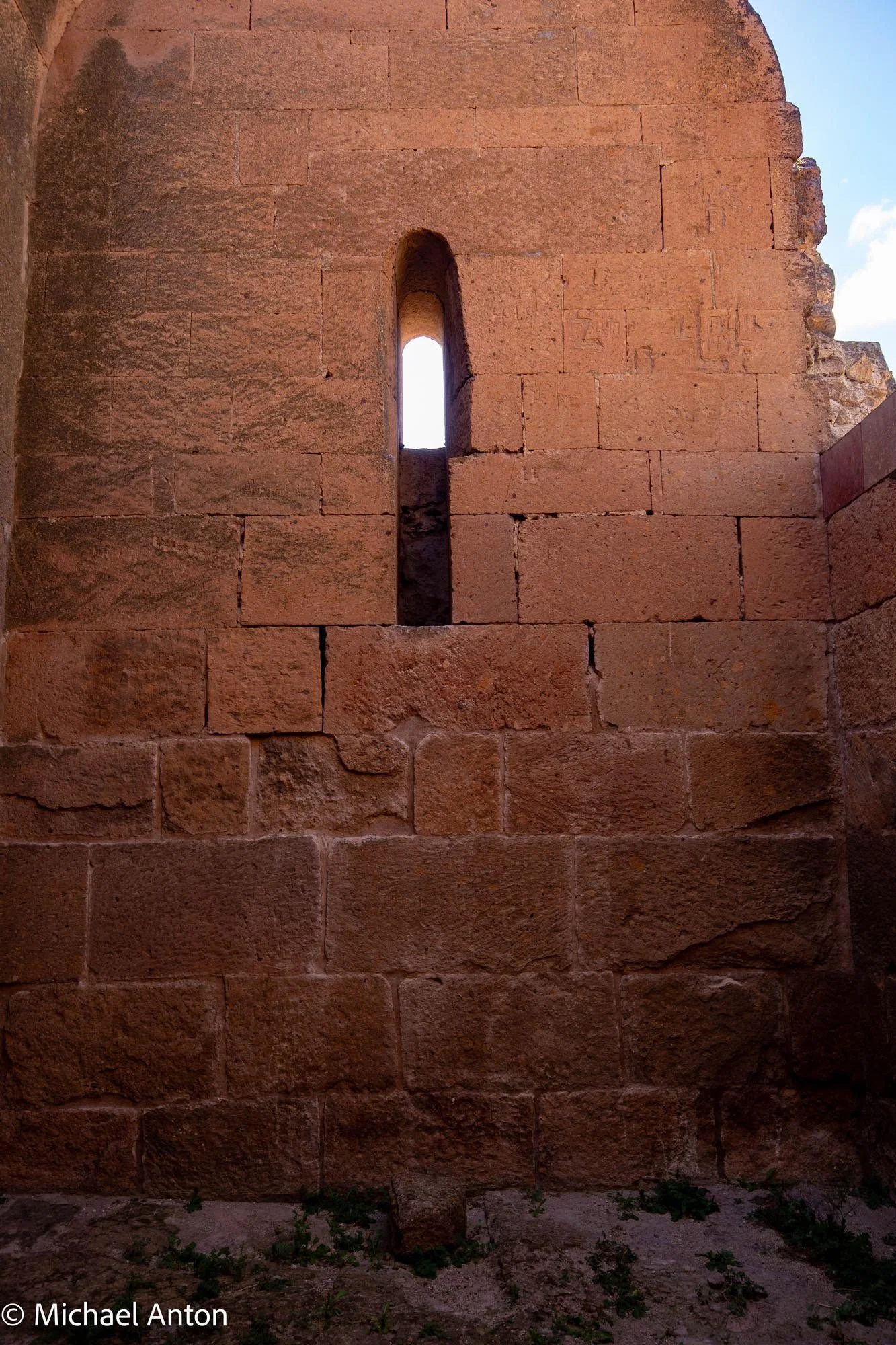
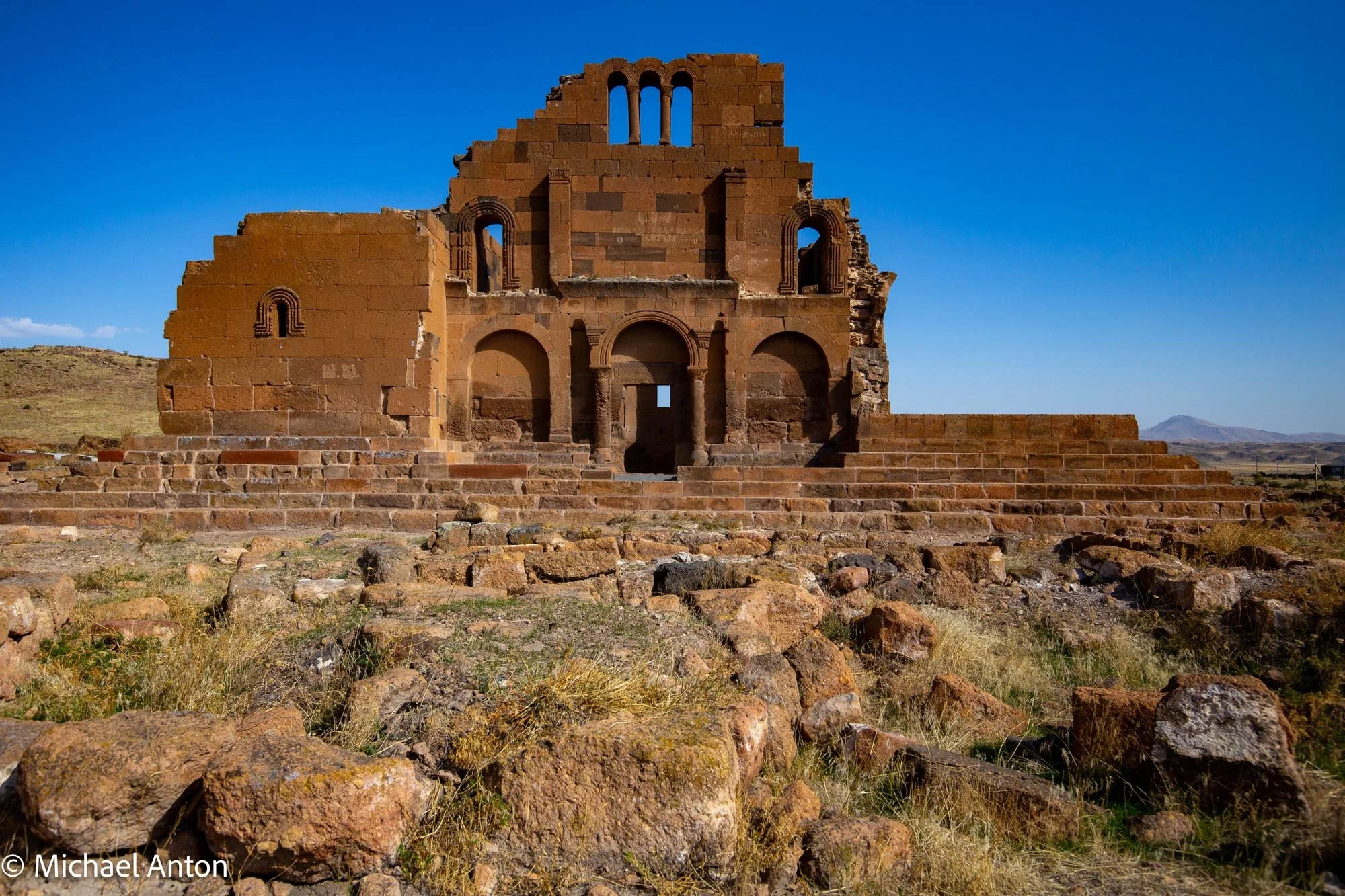
A pretty incredible site. Located near the town of Anipemza in the Shirak Province, it is close by the Turkish border.
Construction started in the 4th century, was abandoned in the 5th, and then completed in the 6th.
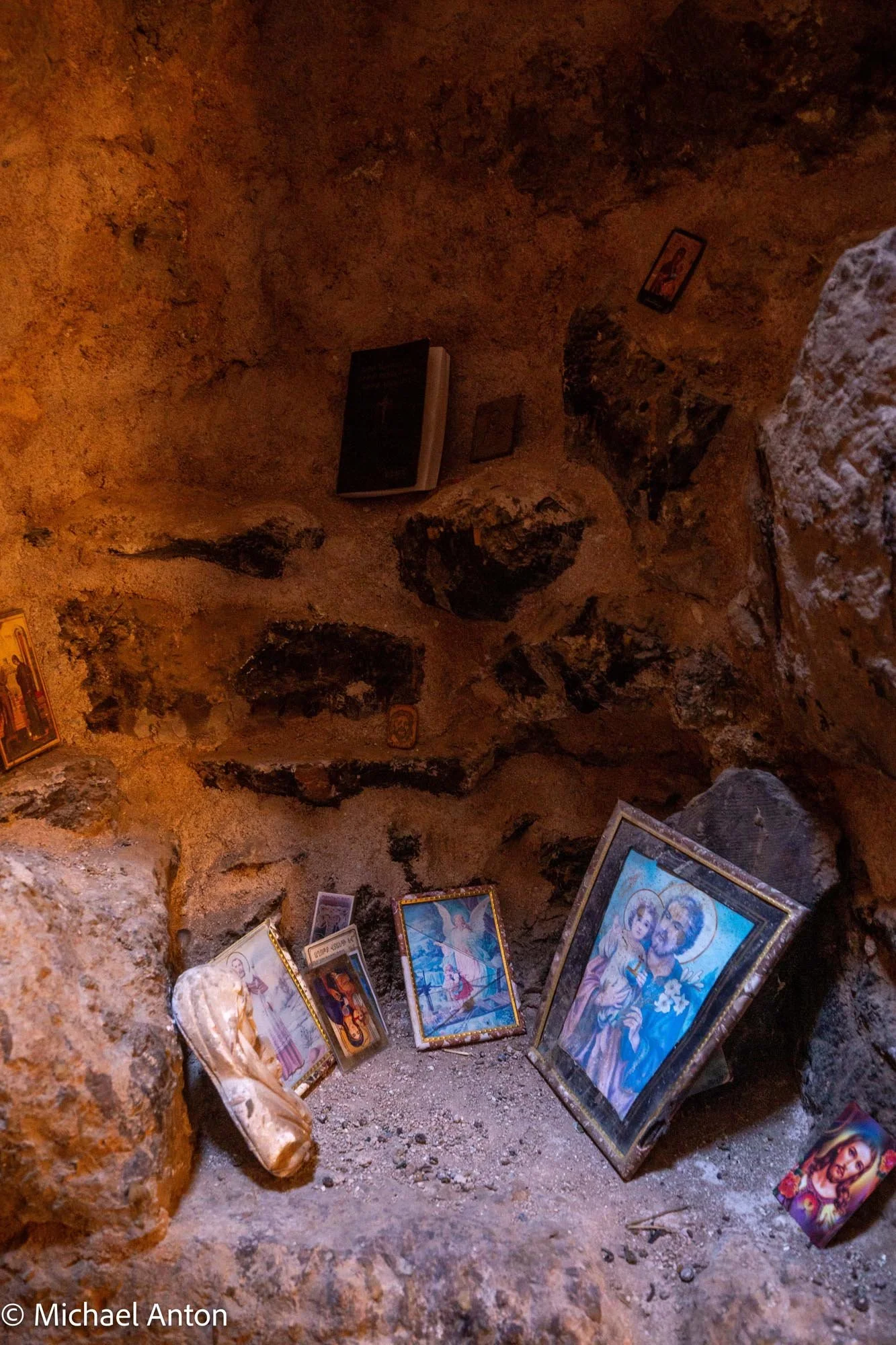
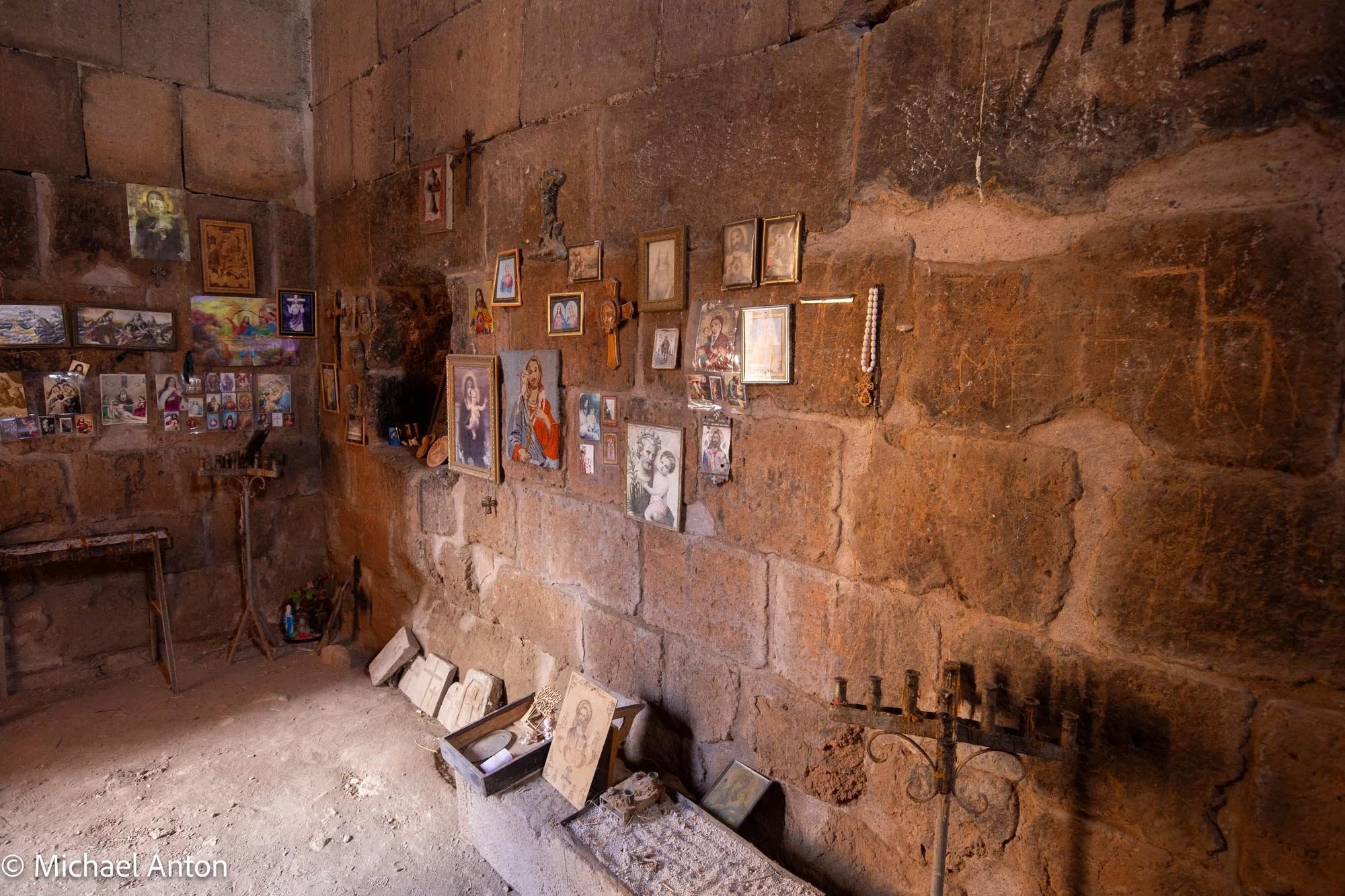
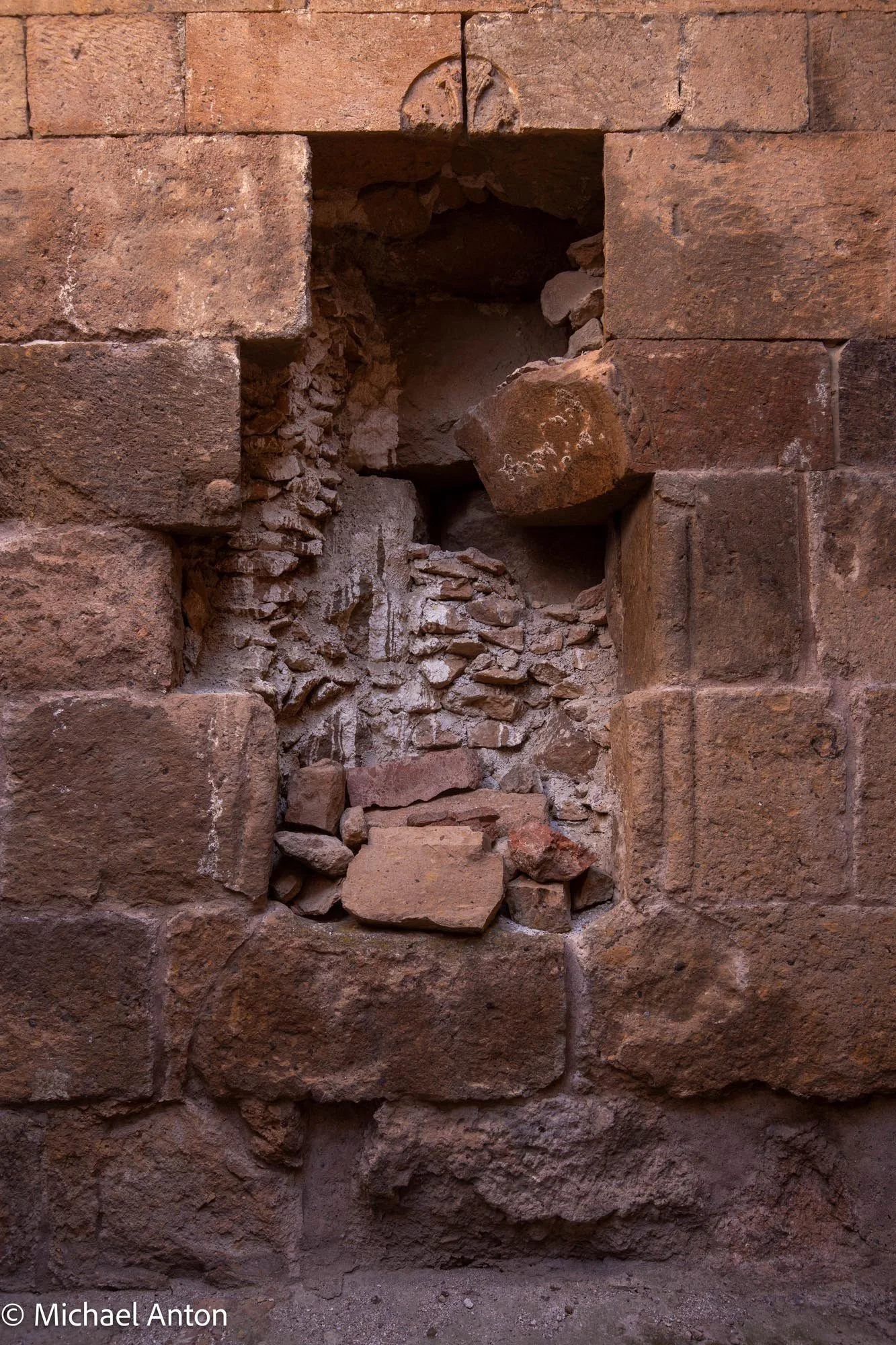
I wandered through what appeared to be alcoves, where people left various devotional items.
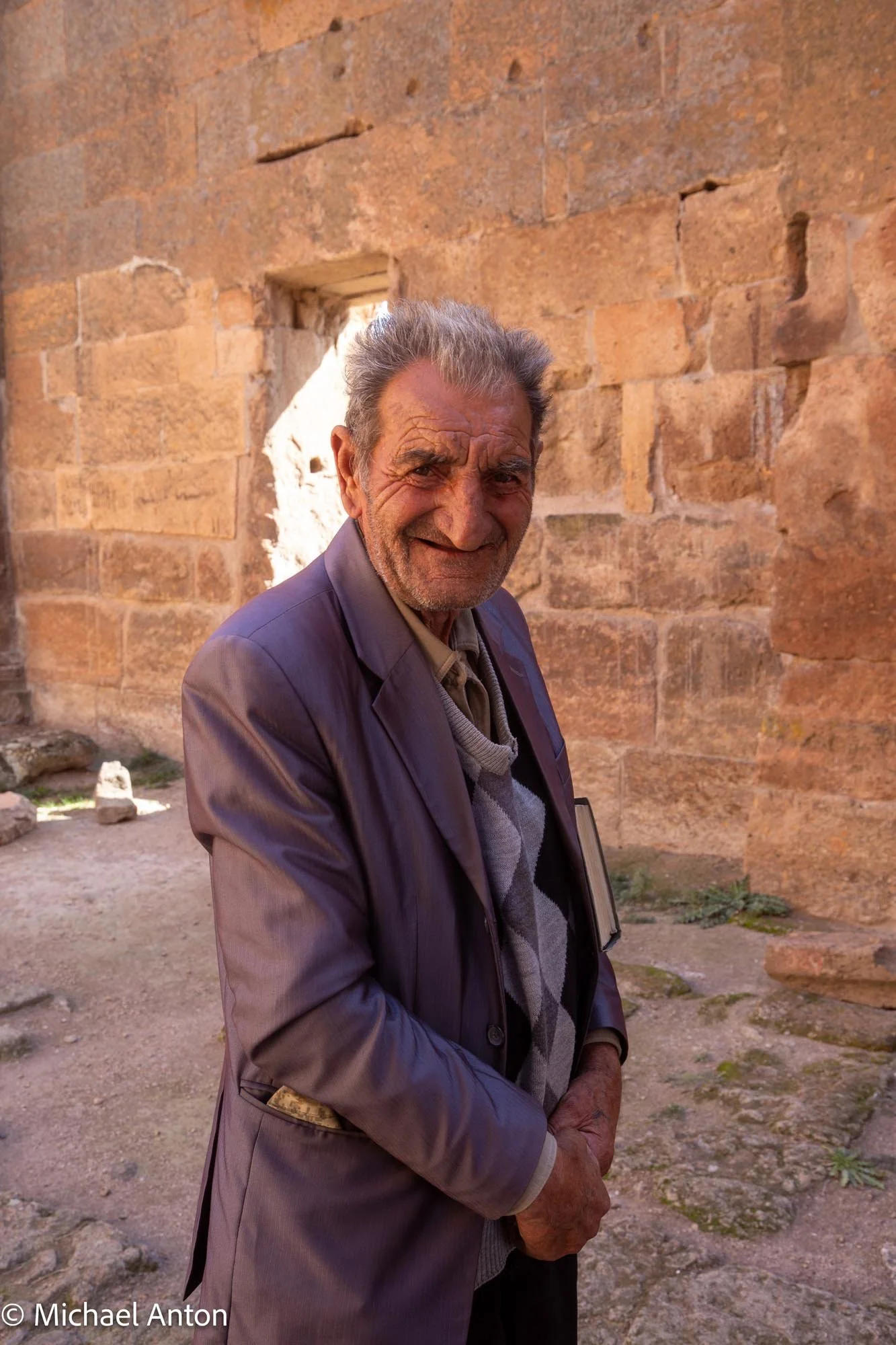
Thinking I was alone, I nearly jumped out of my skin when this fellow appeared.
He lived nearby, and often came to pray. He asked us for some beer money, which we gave him.
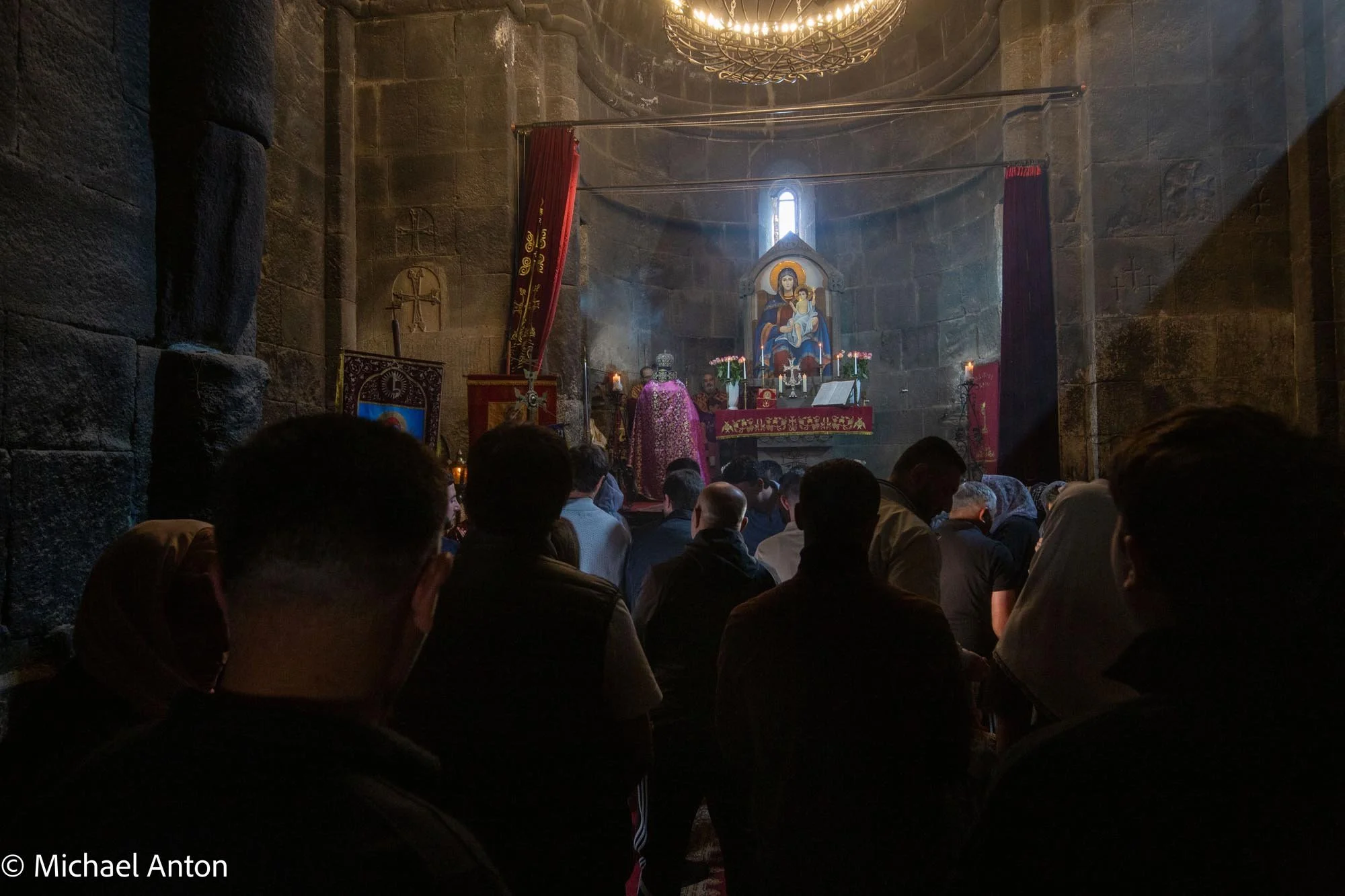
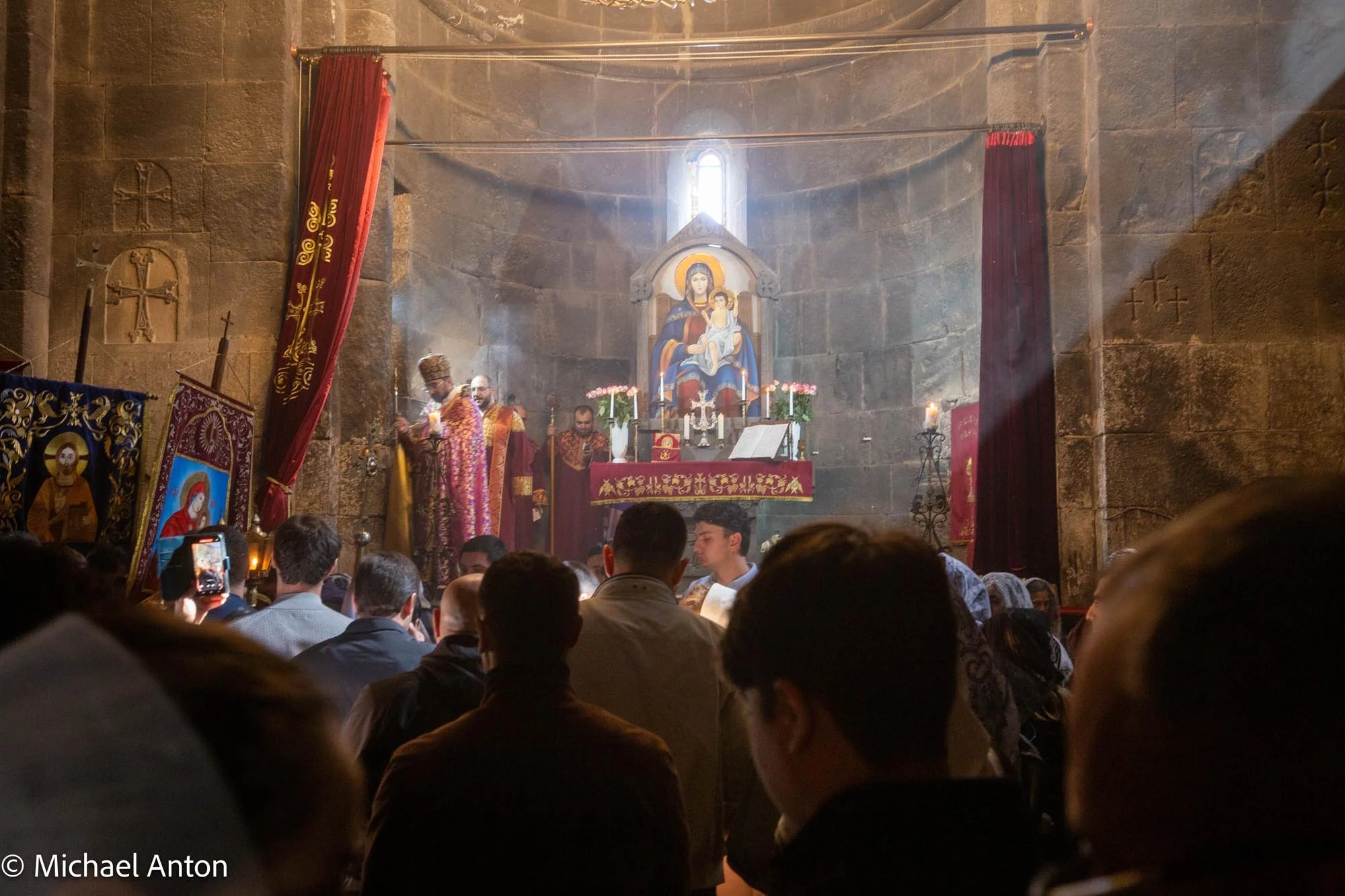
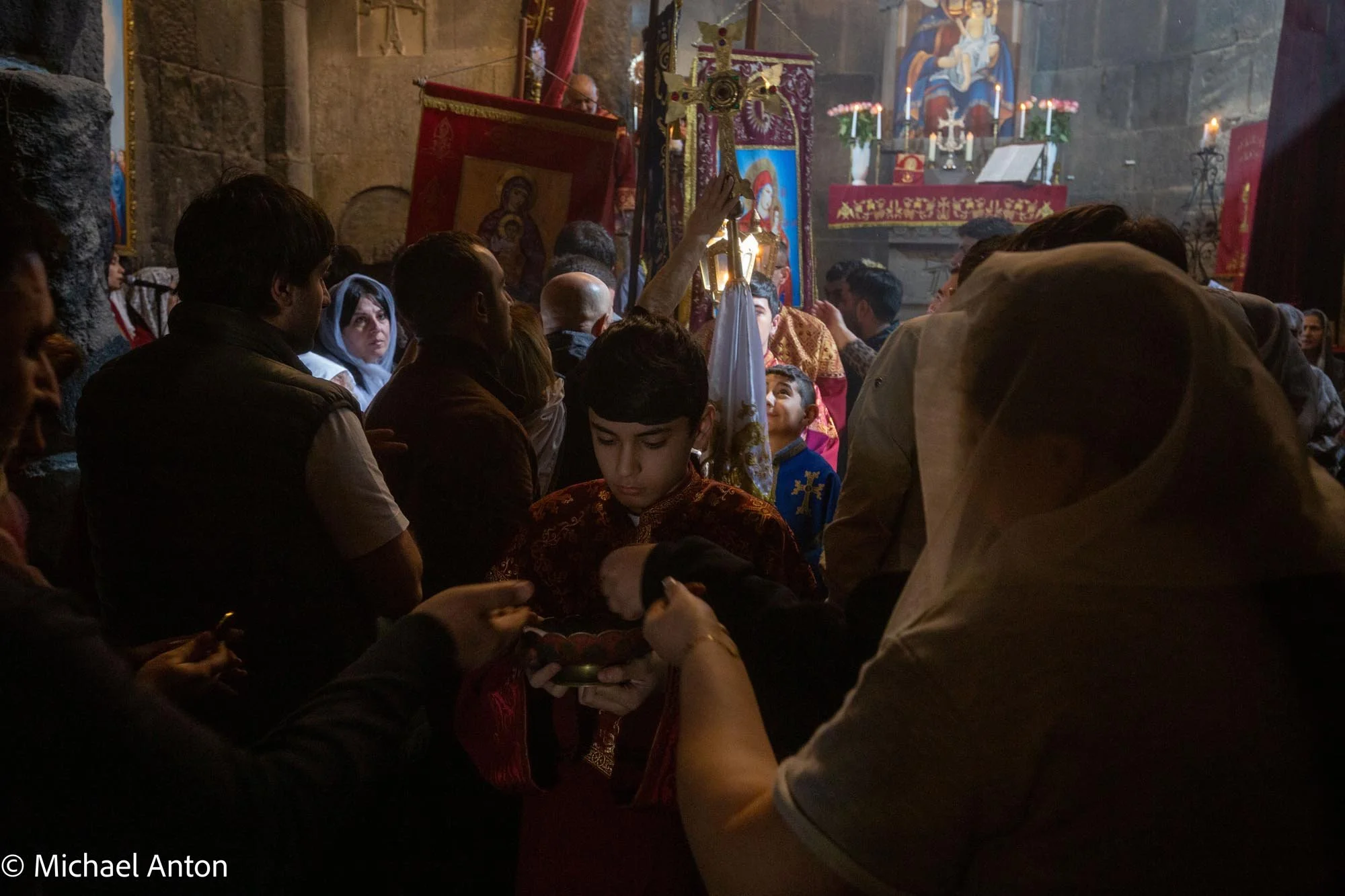
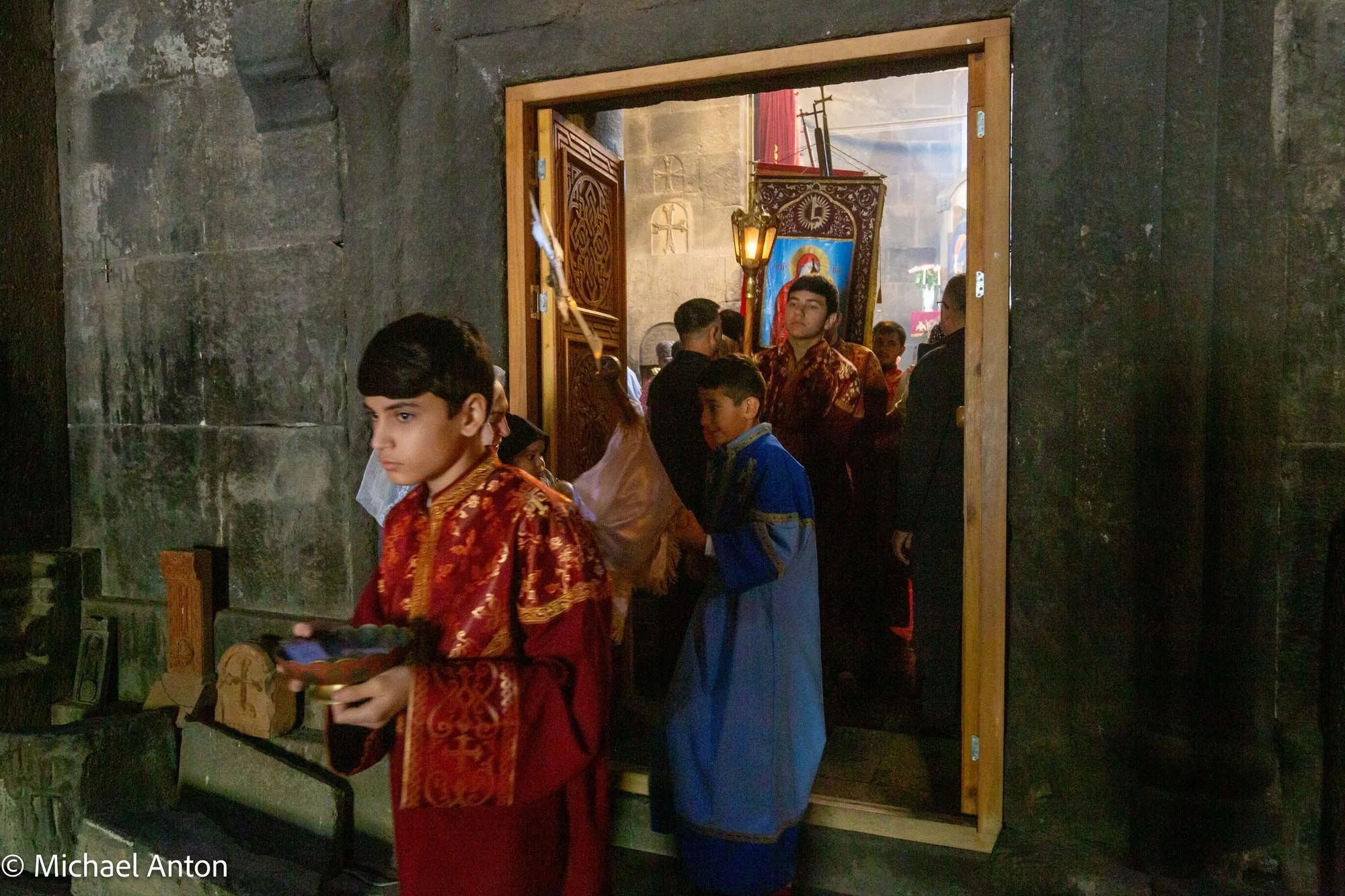
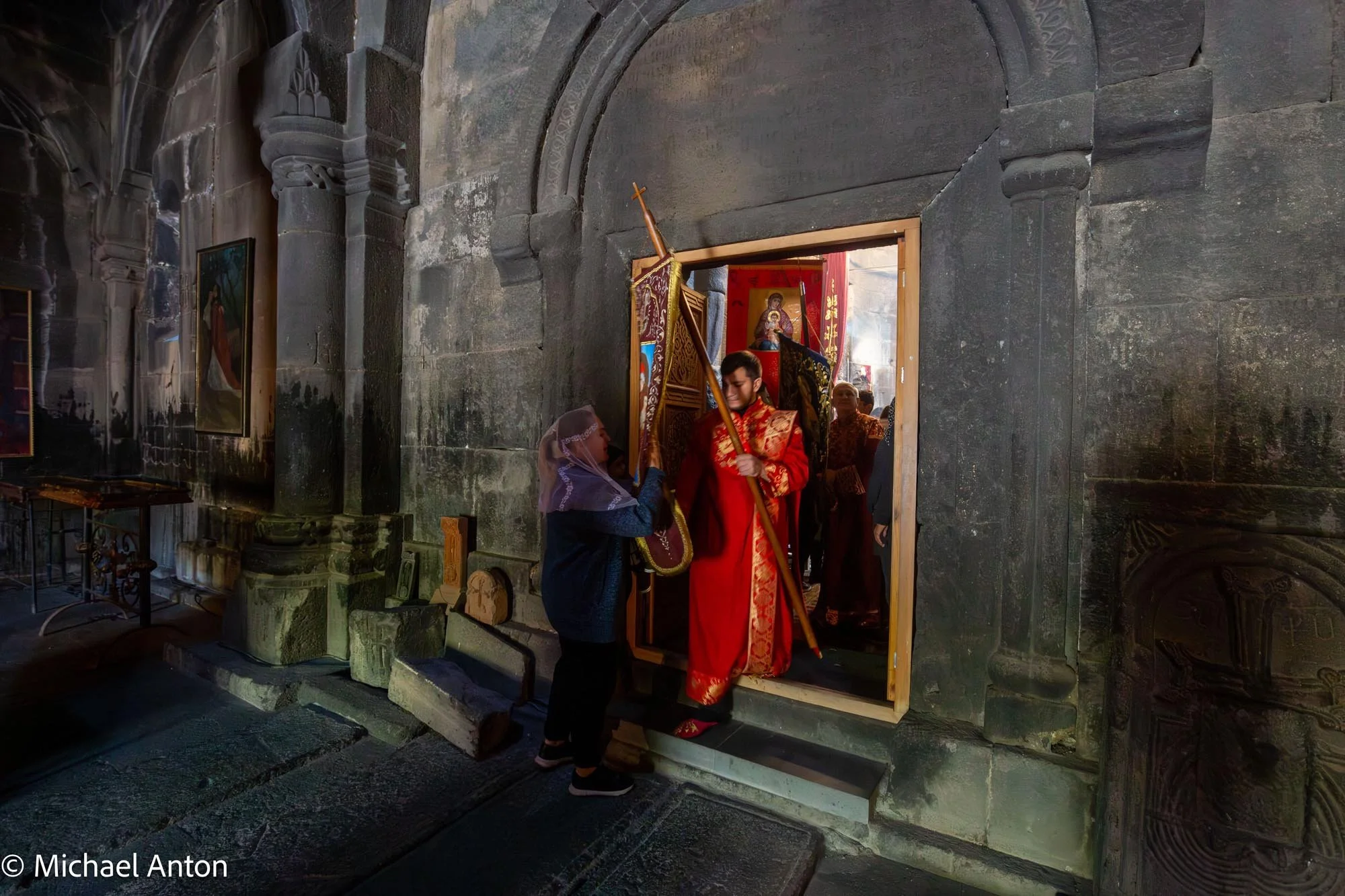
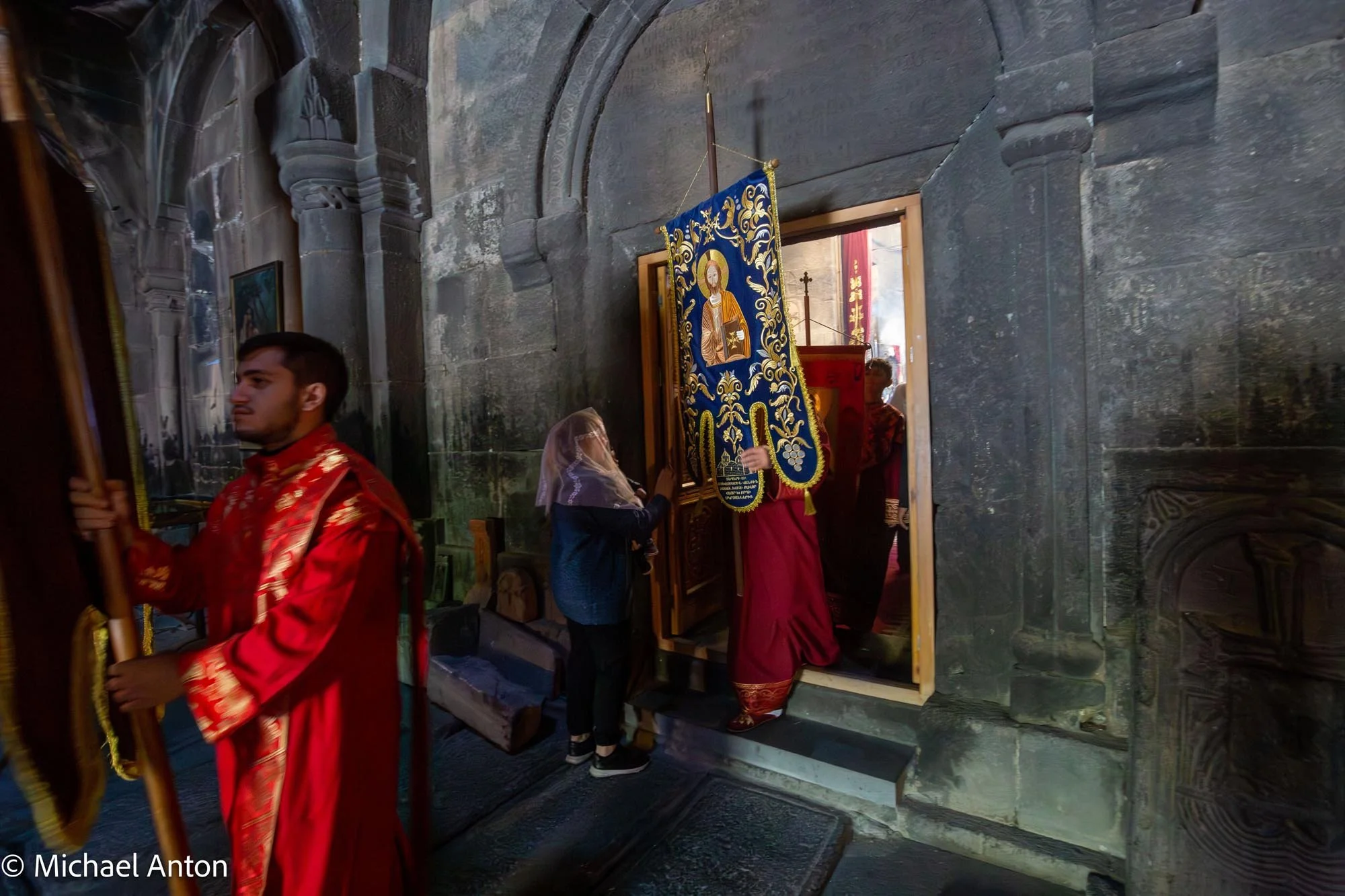
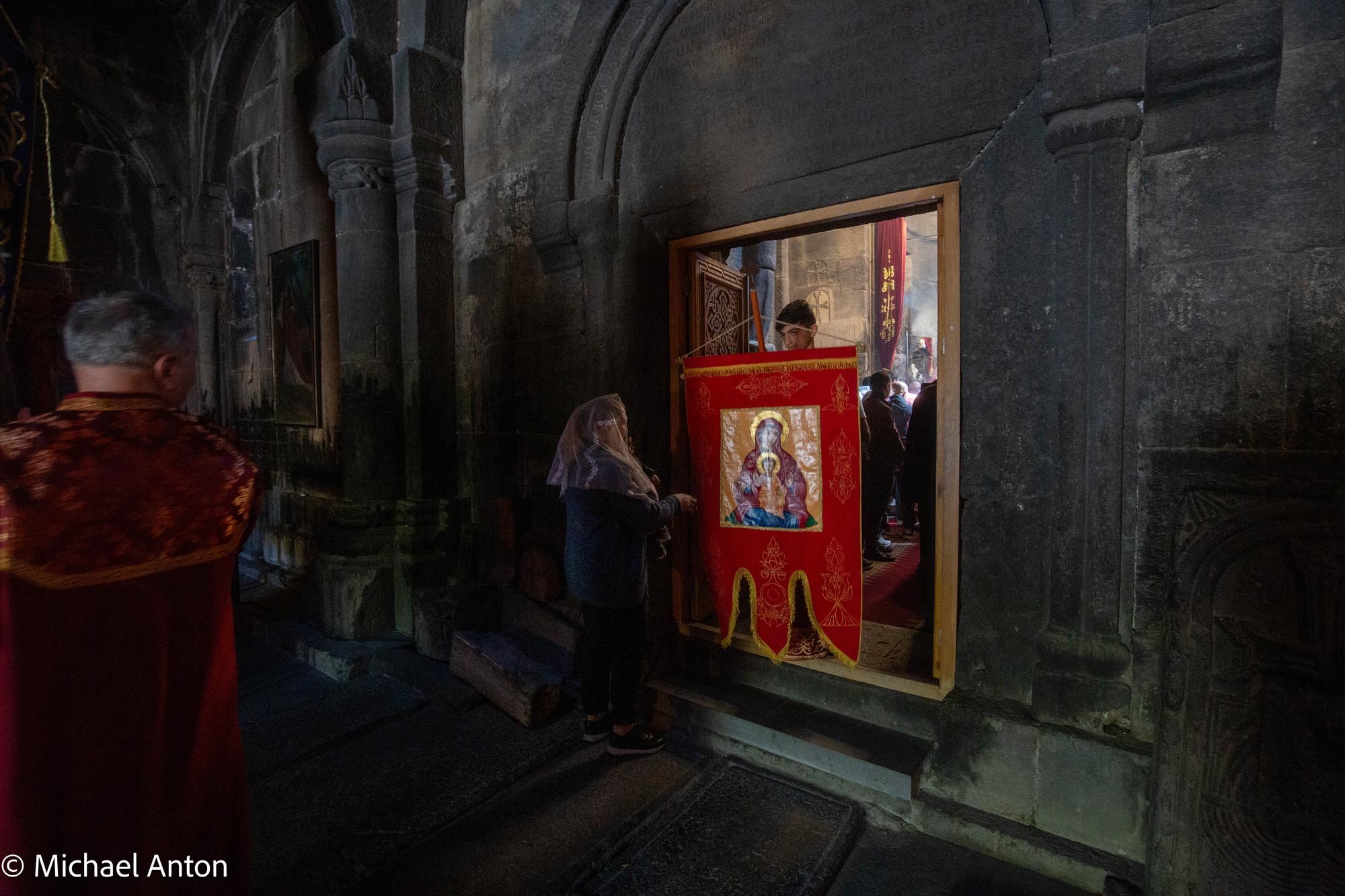
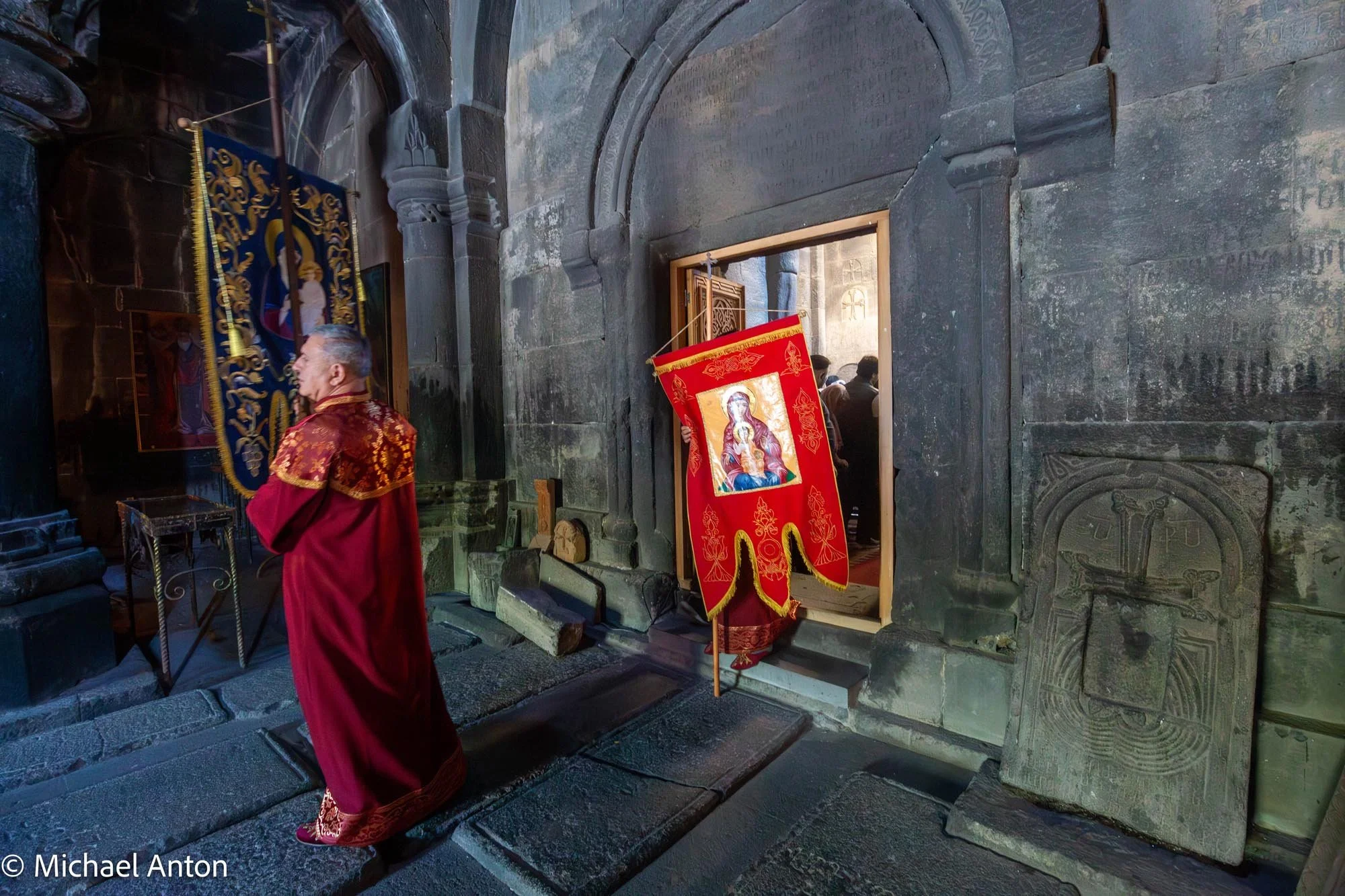
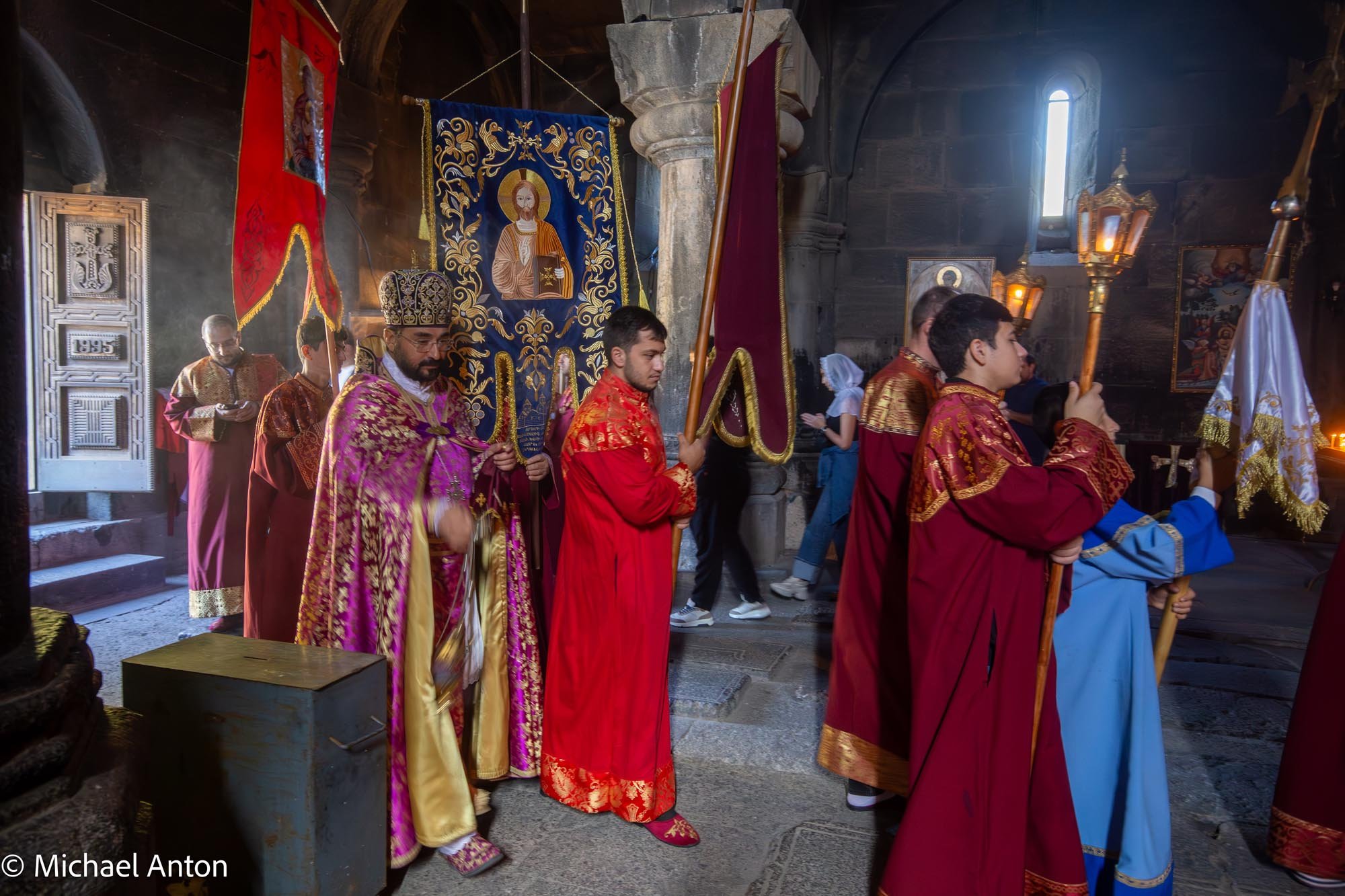
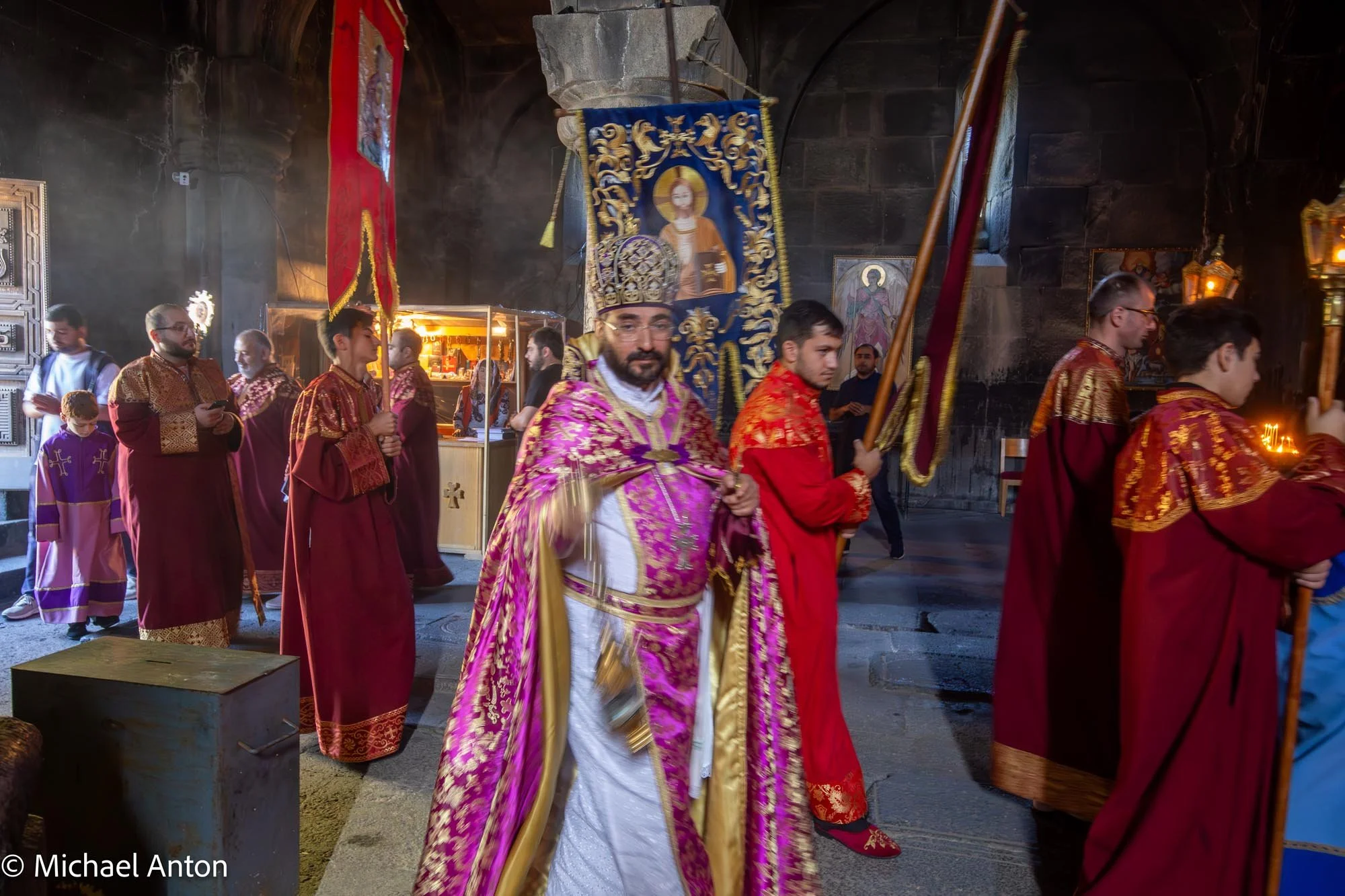
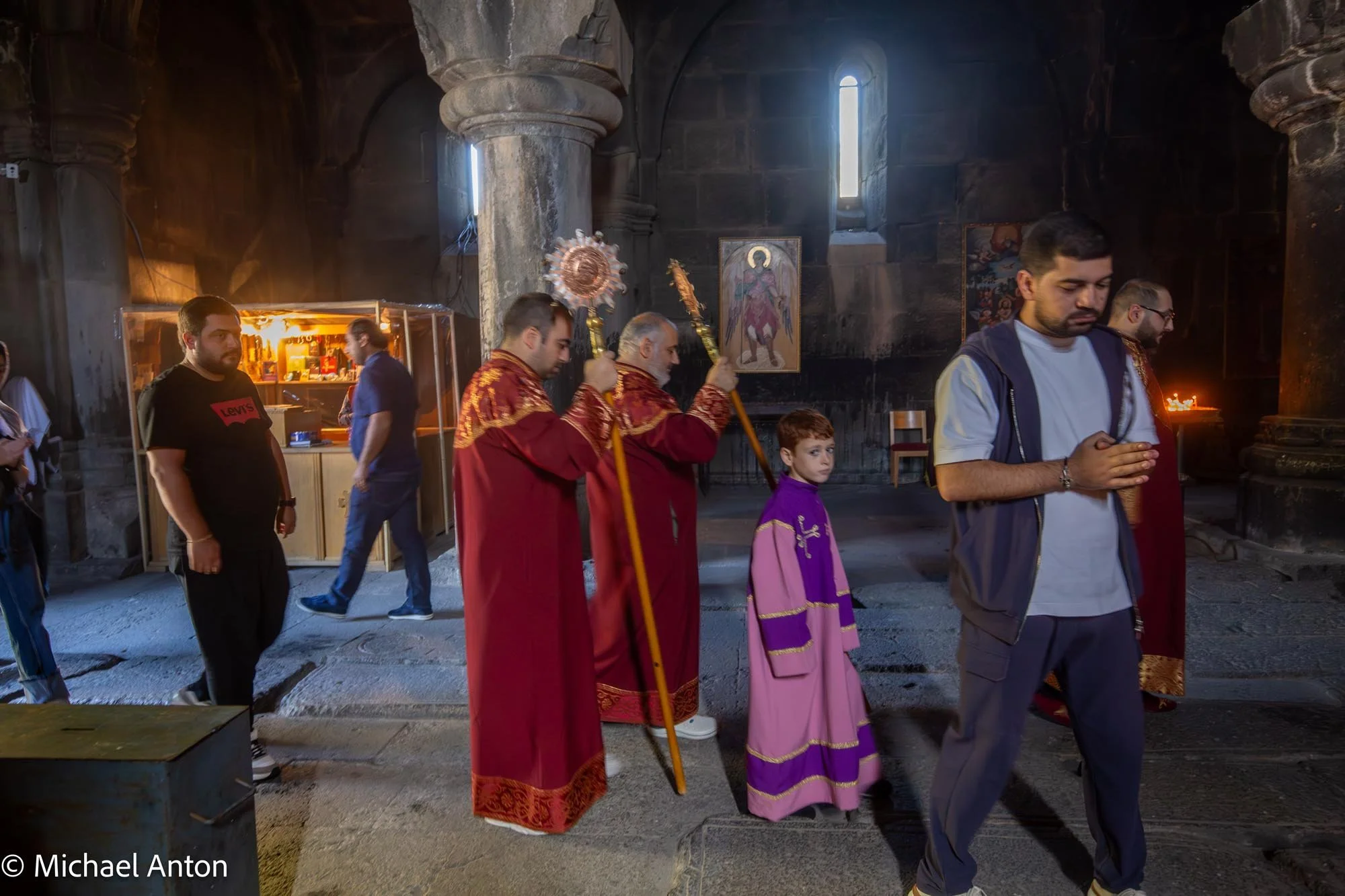
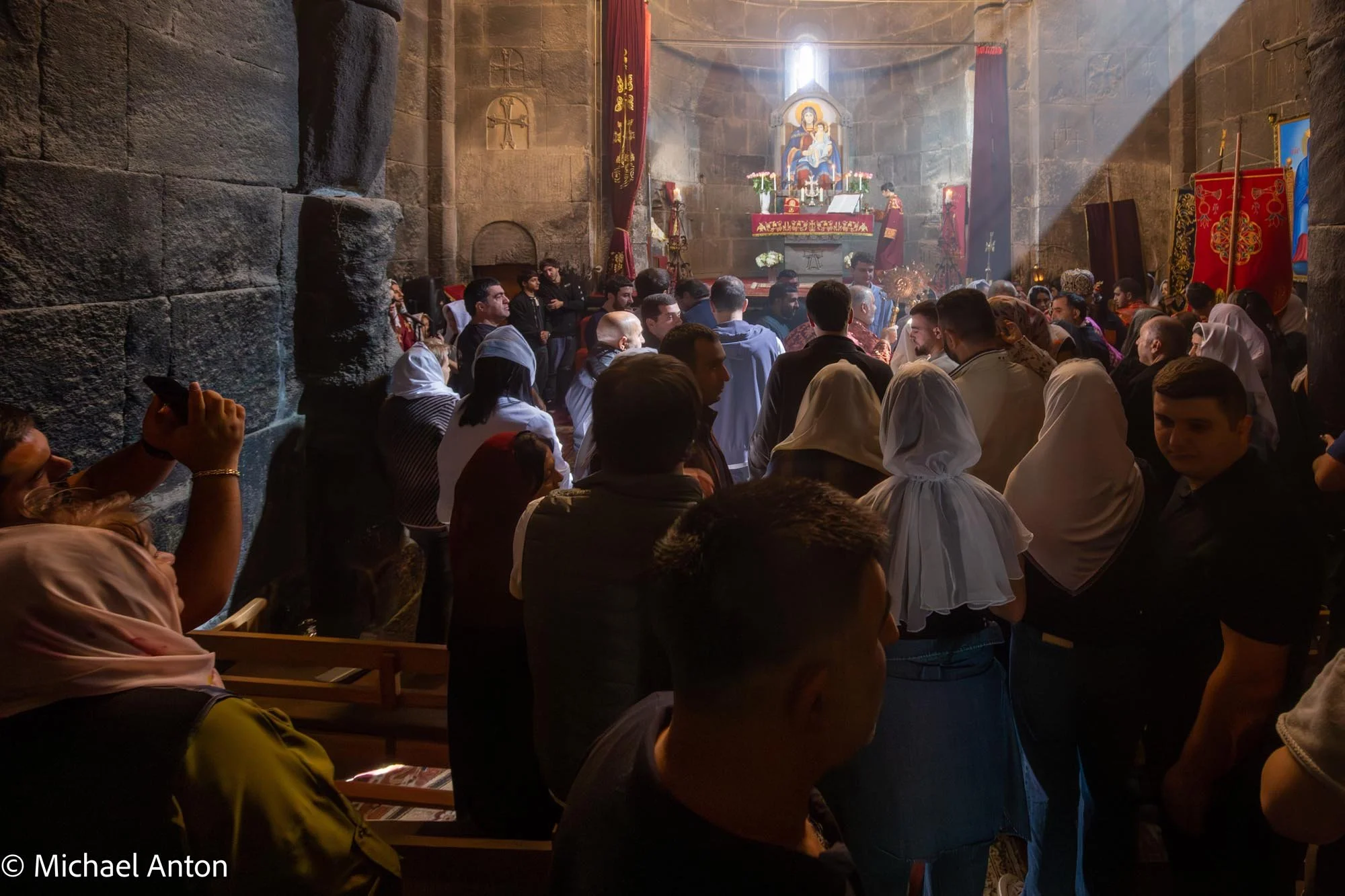
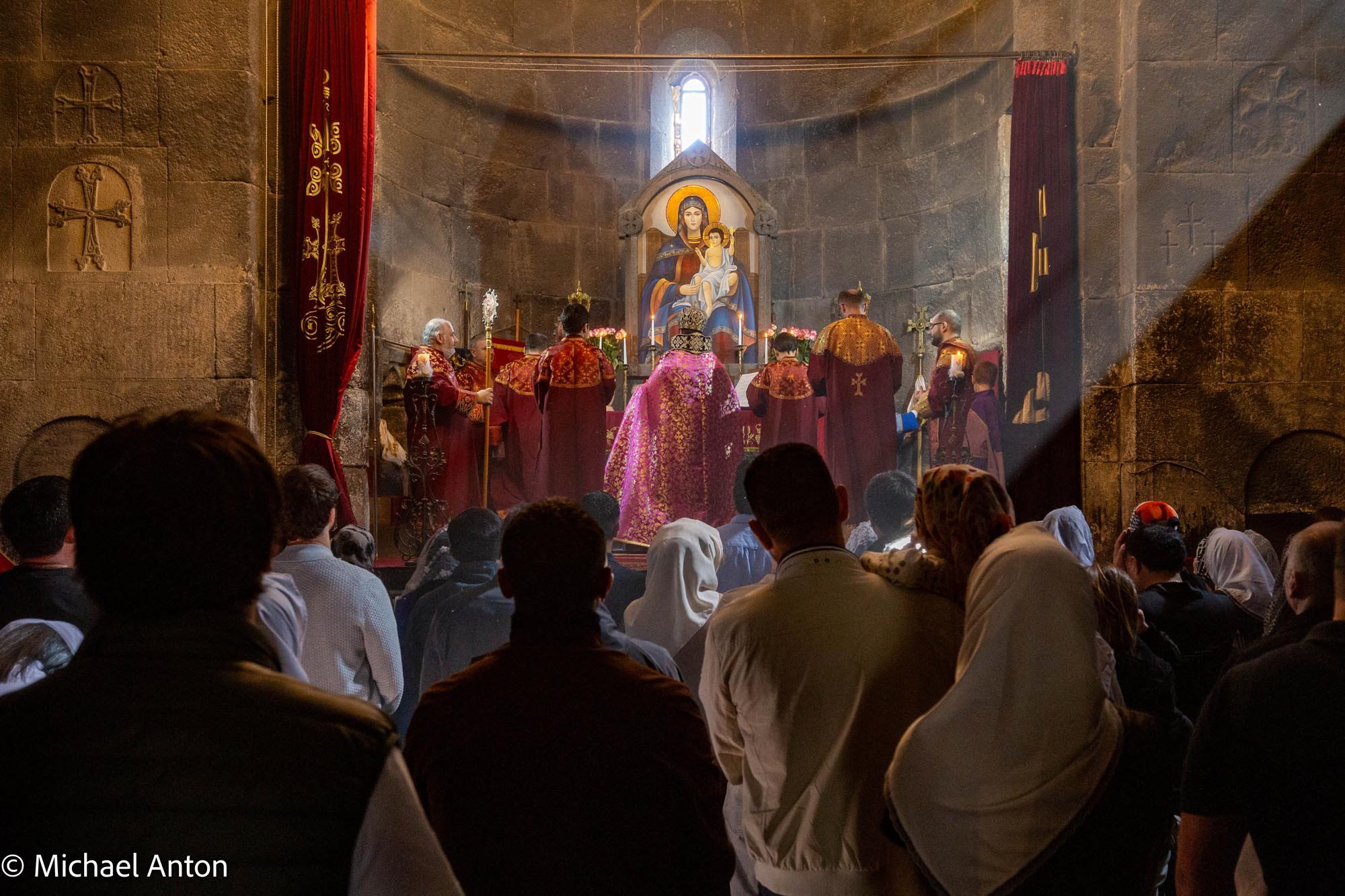
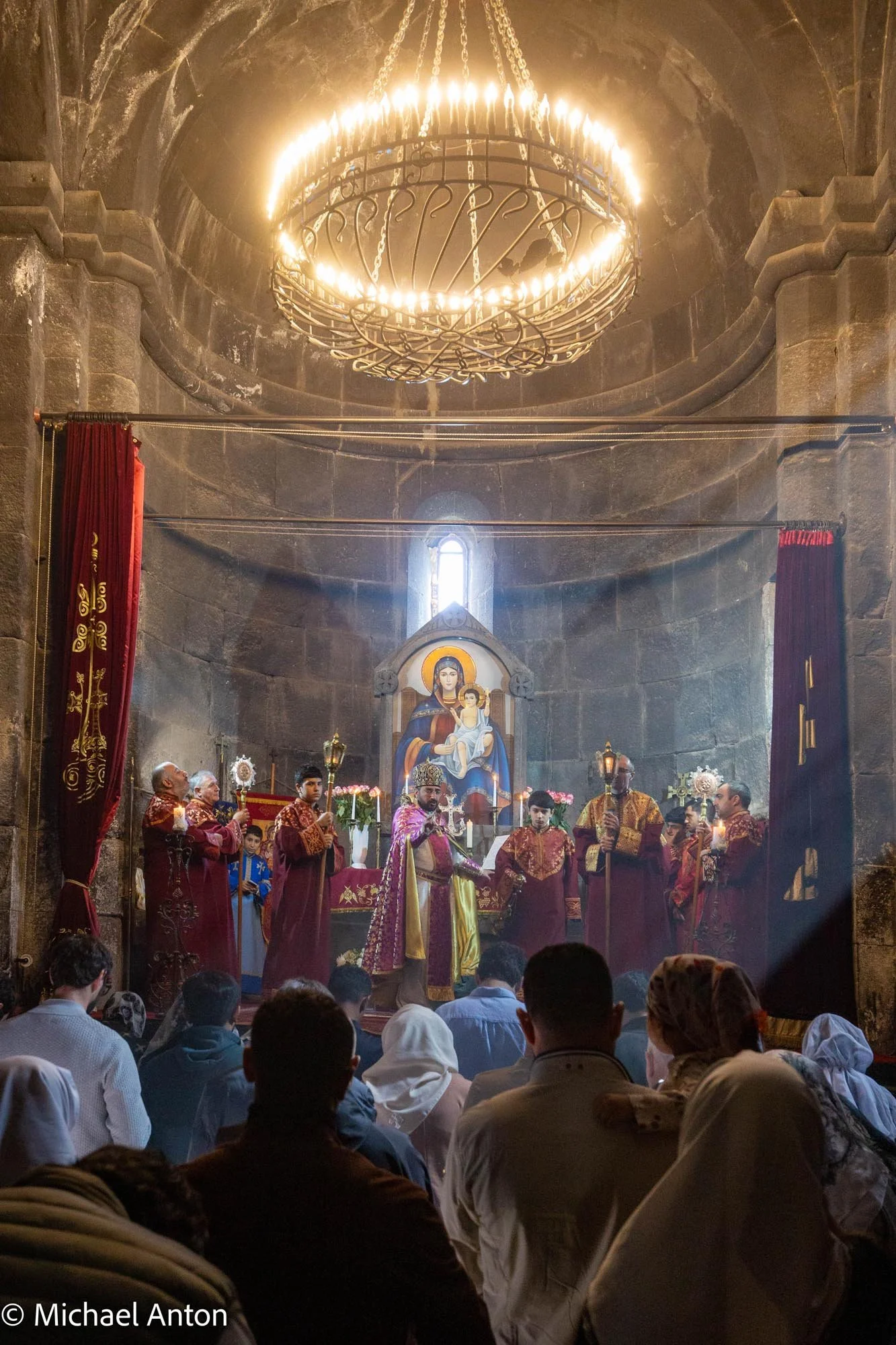
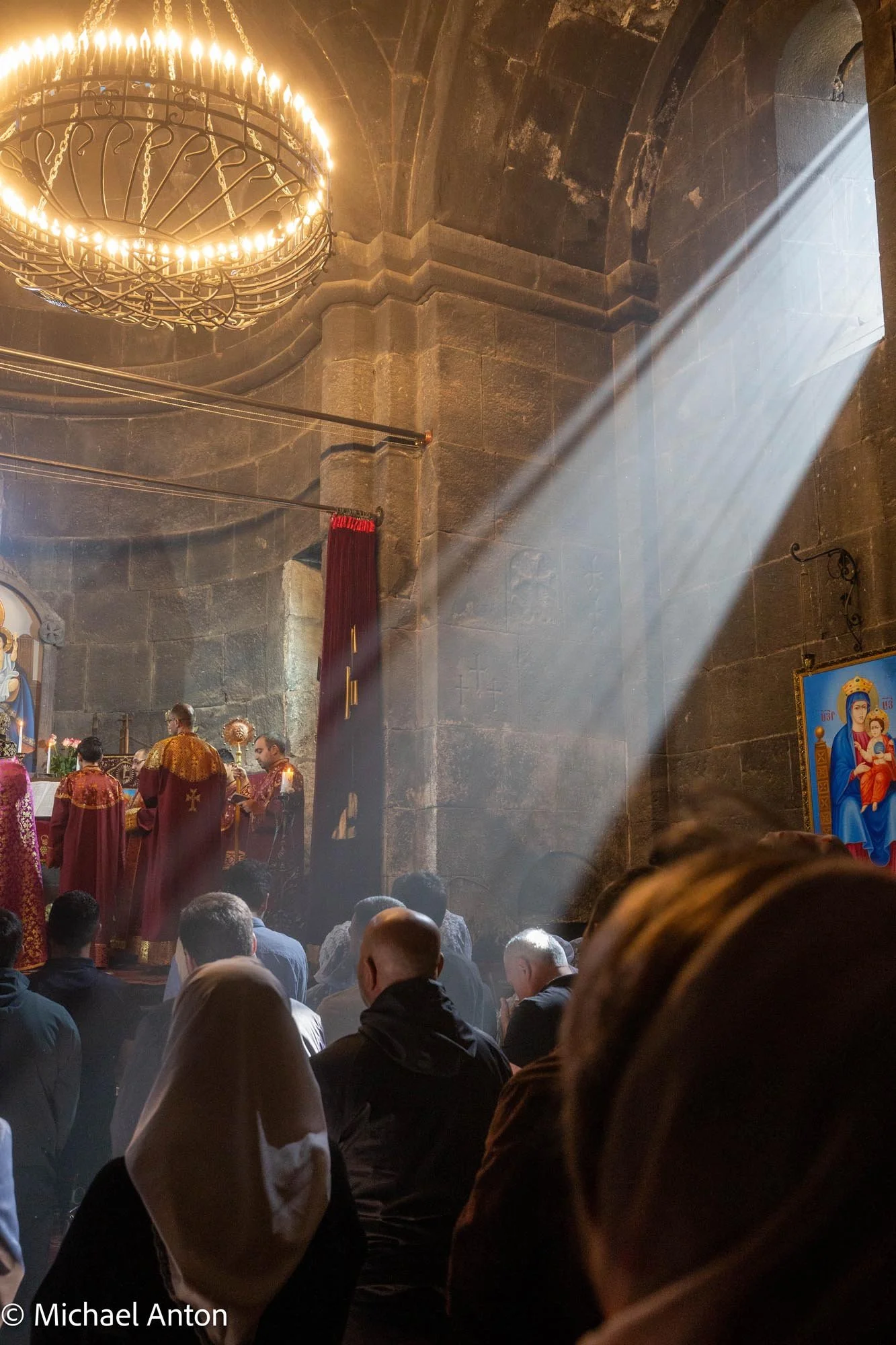
Church Service
The rites of the Armenian Apostolic Church were among the most spectacular Christian ceremonies I’ve ever witnessed.
Armenia was the first country to establish Christianity as a state religion in 301.
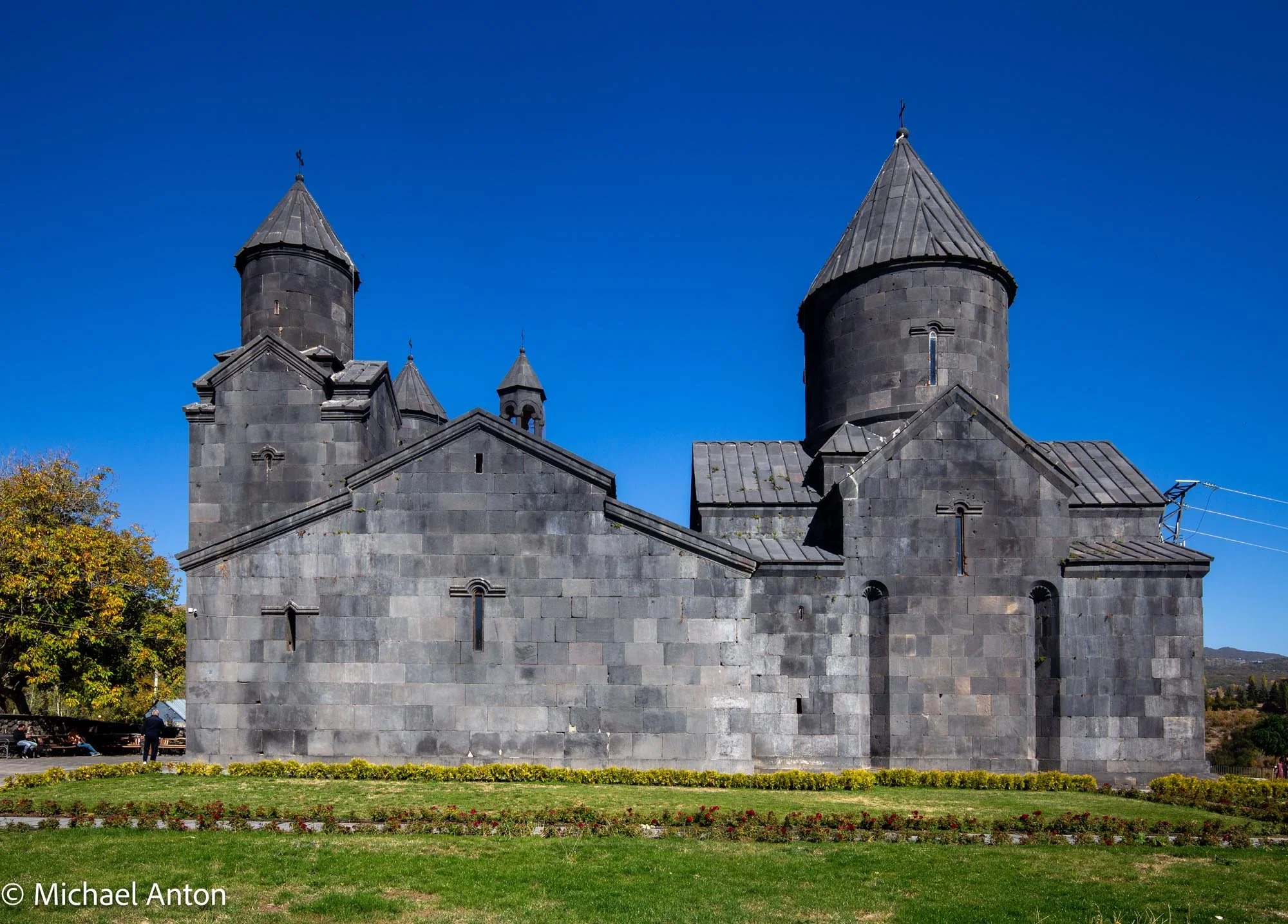
These images here were taken in the Tegher Monastery, built in the 13th century, but now used as a church.
In passing the priest blessed me by placing a cross on my forehead, then stopped, looked at me at and asked me the only question in Armenia I’ve ever understood.
“Are you Christian?”
I indicated that I was not, and he moved on.
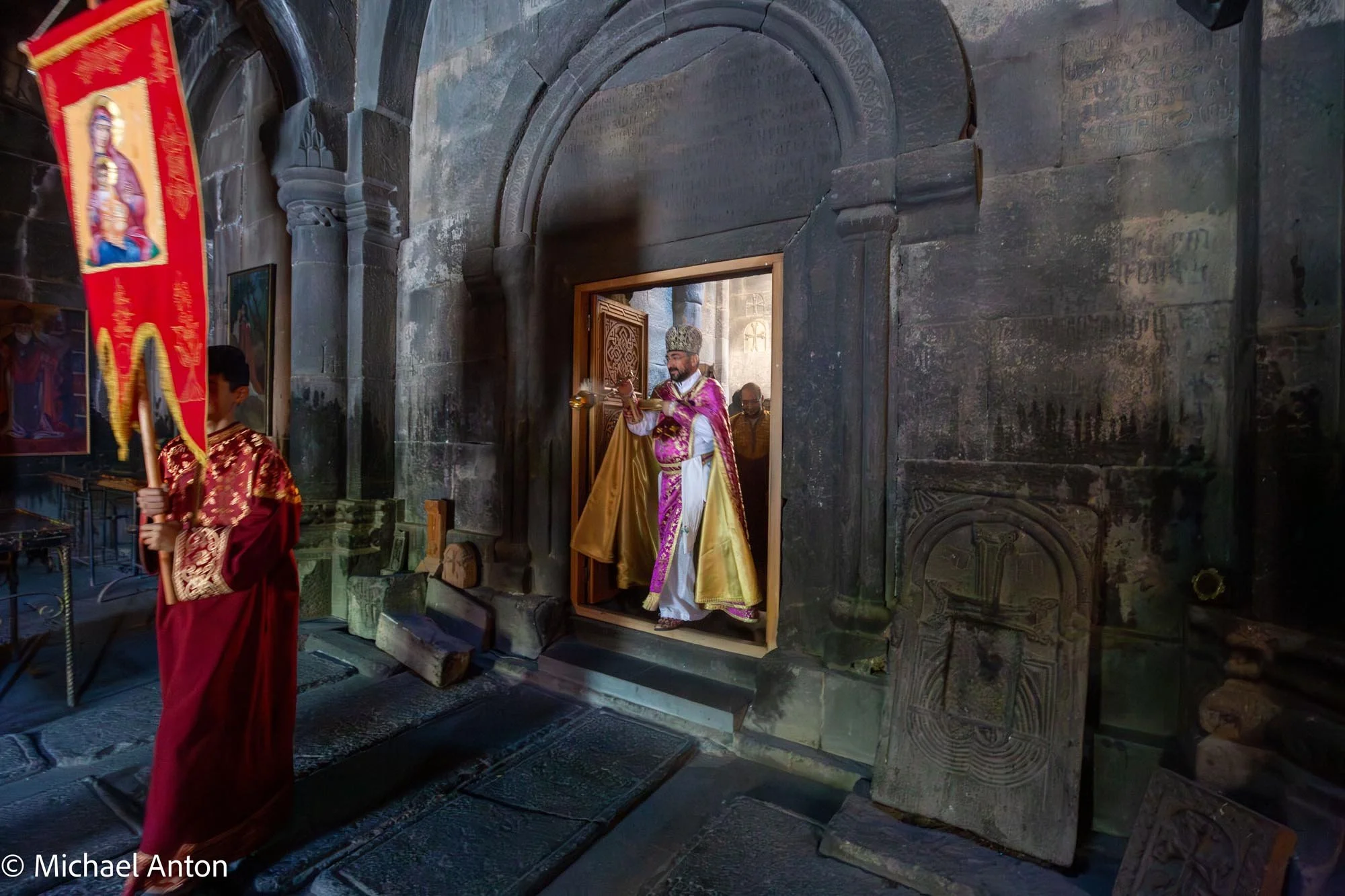
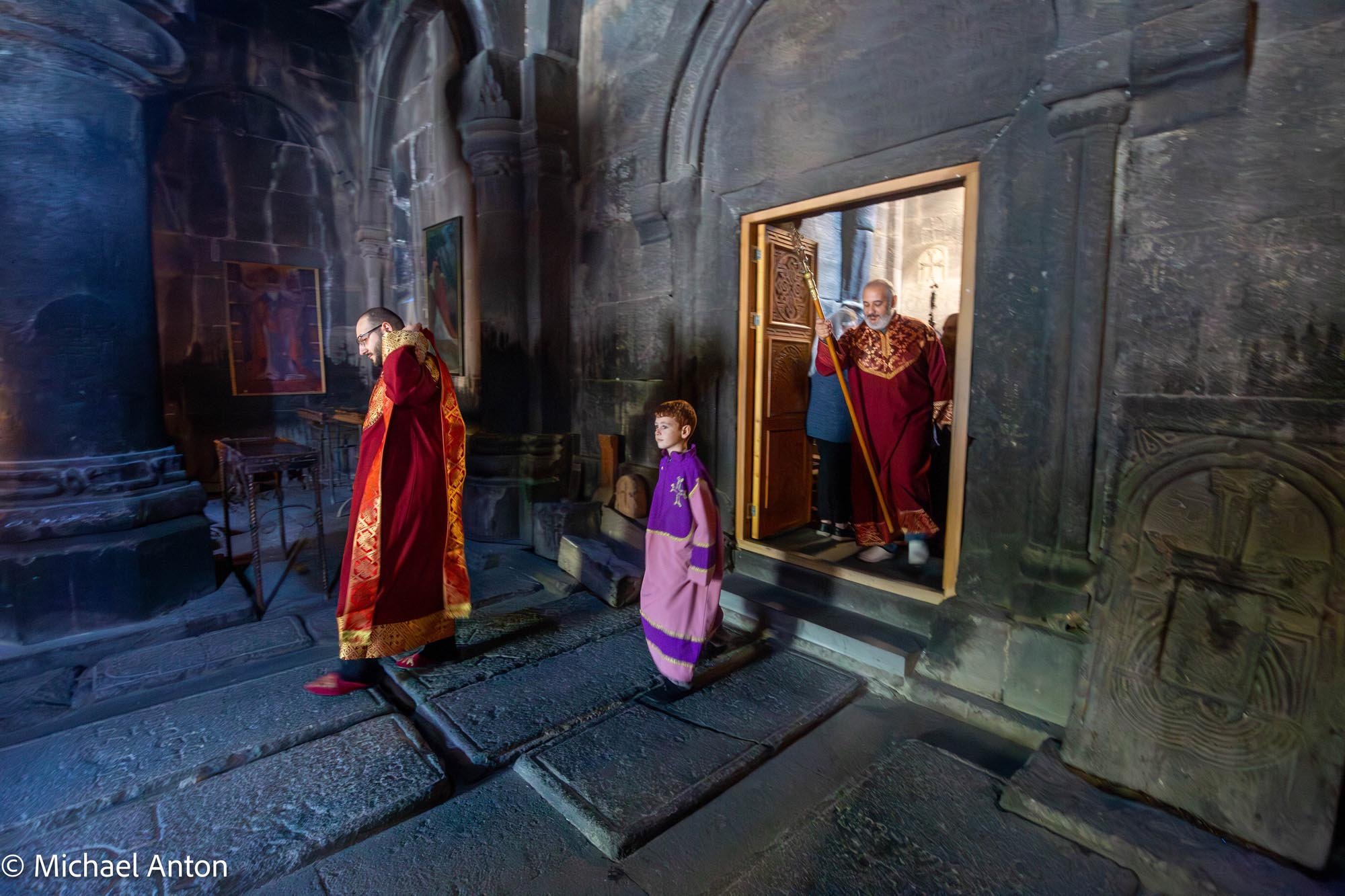
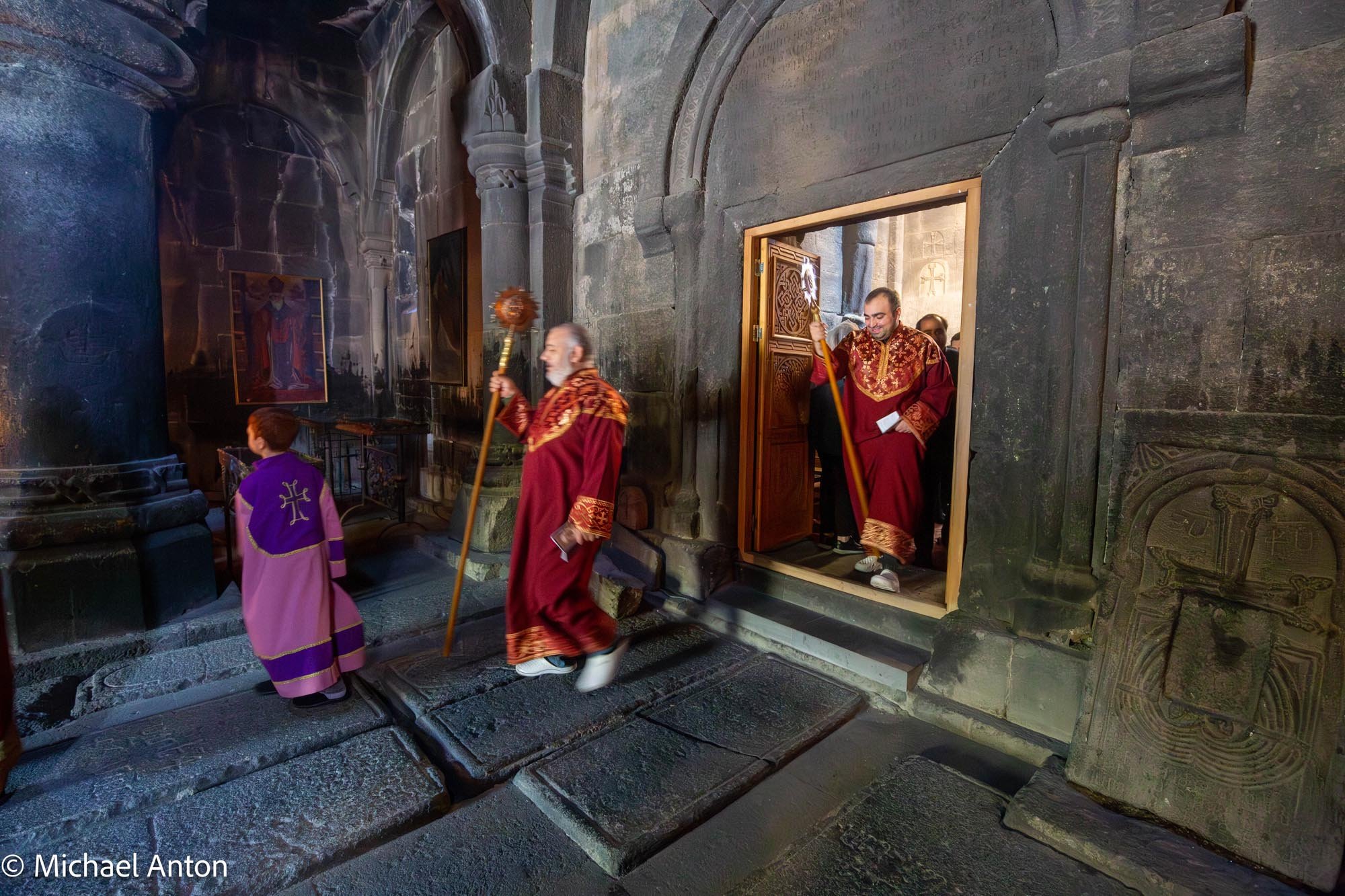
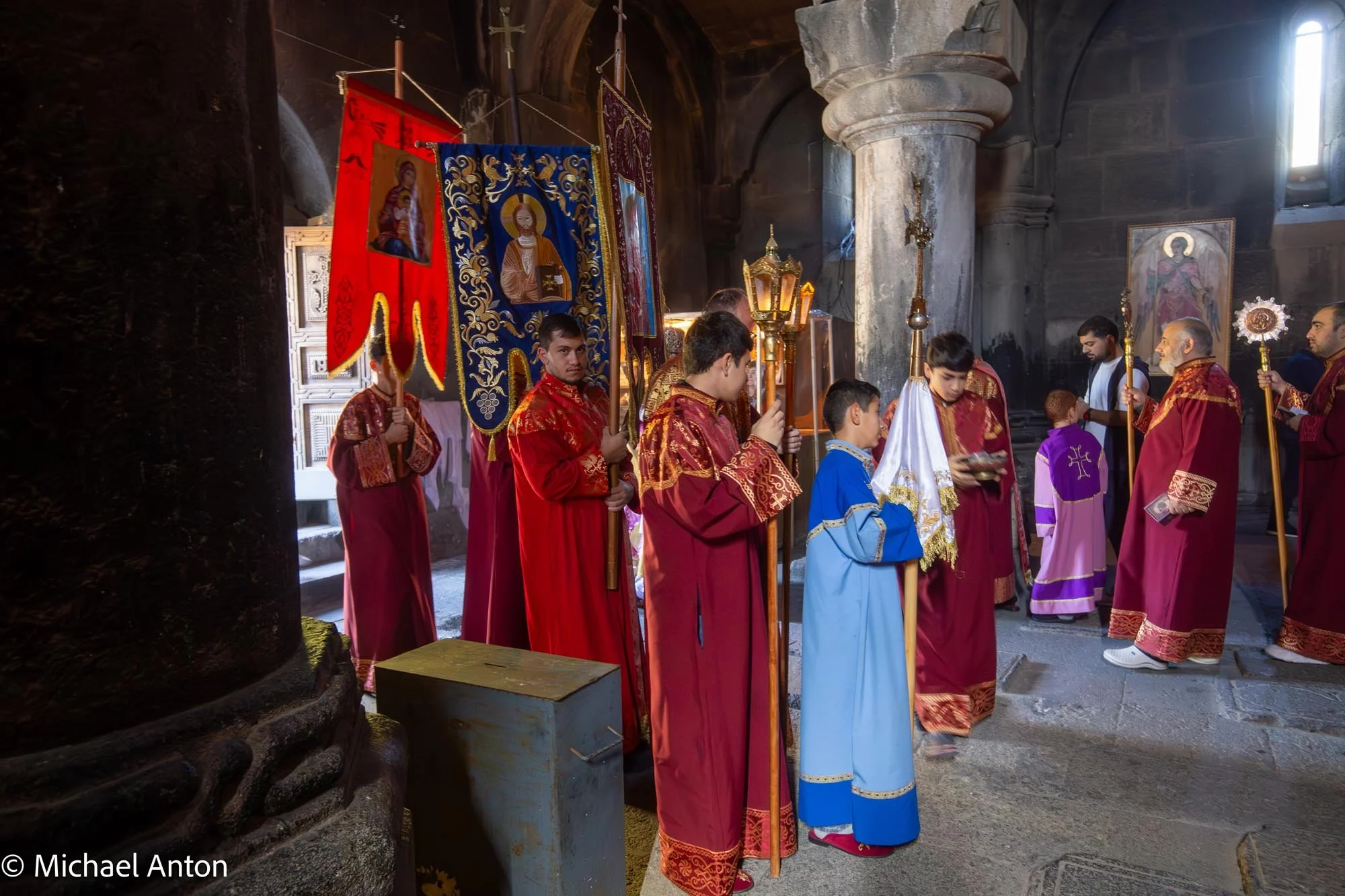
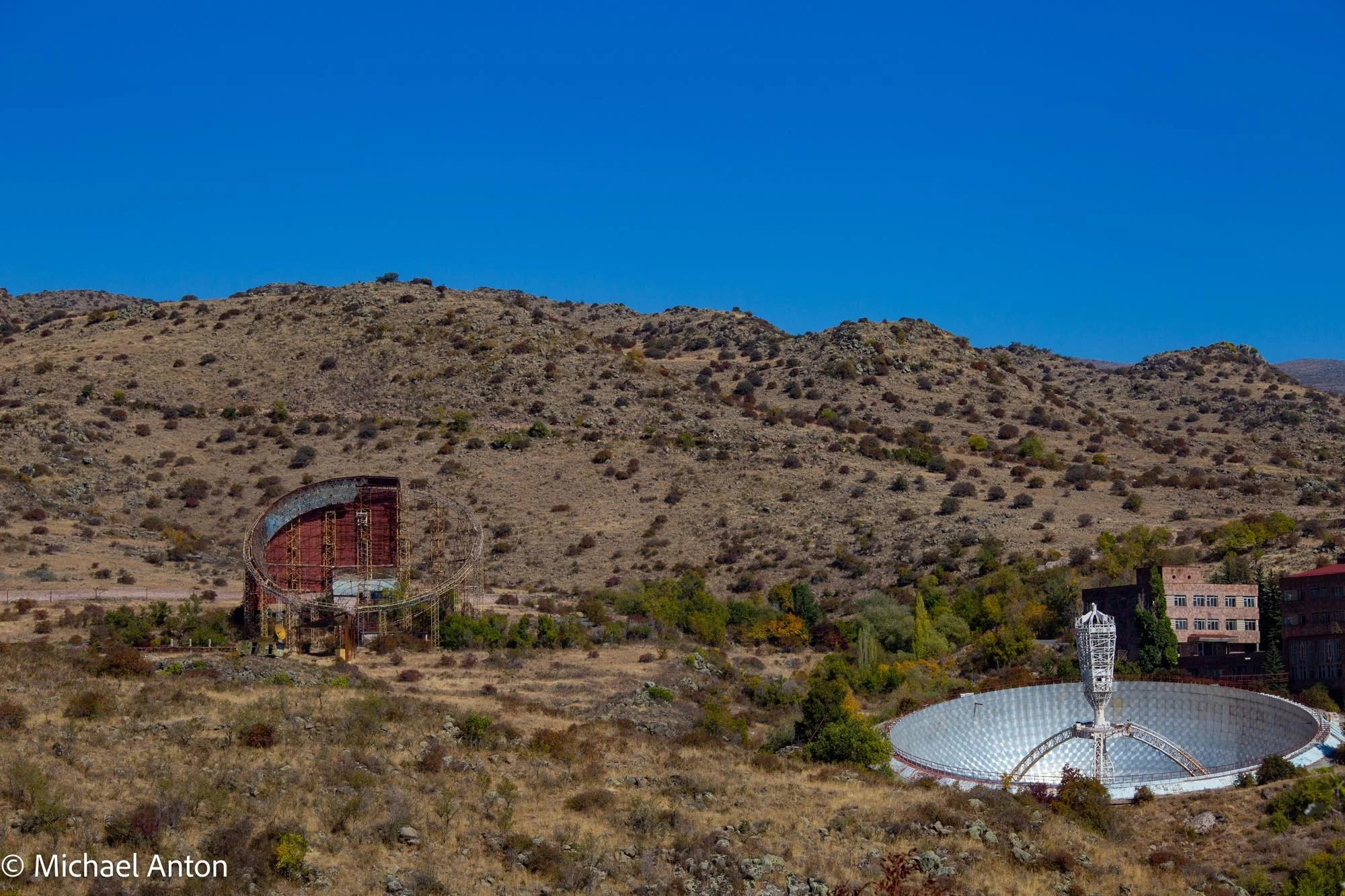
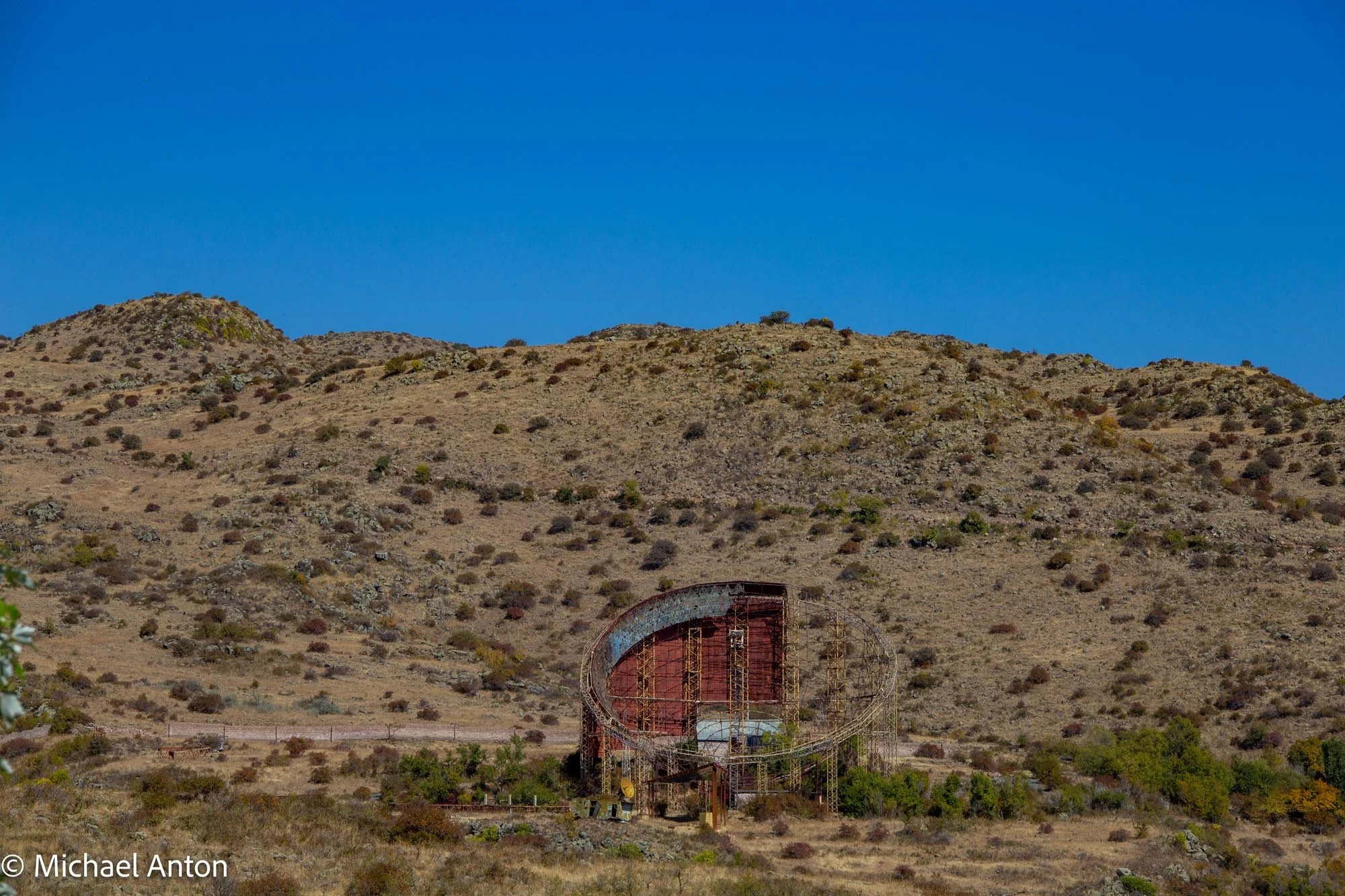
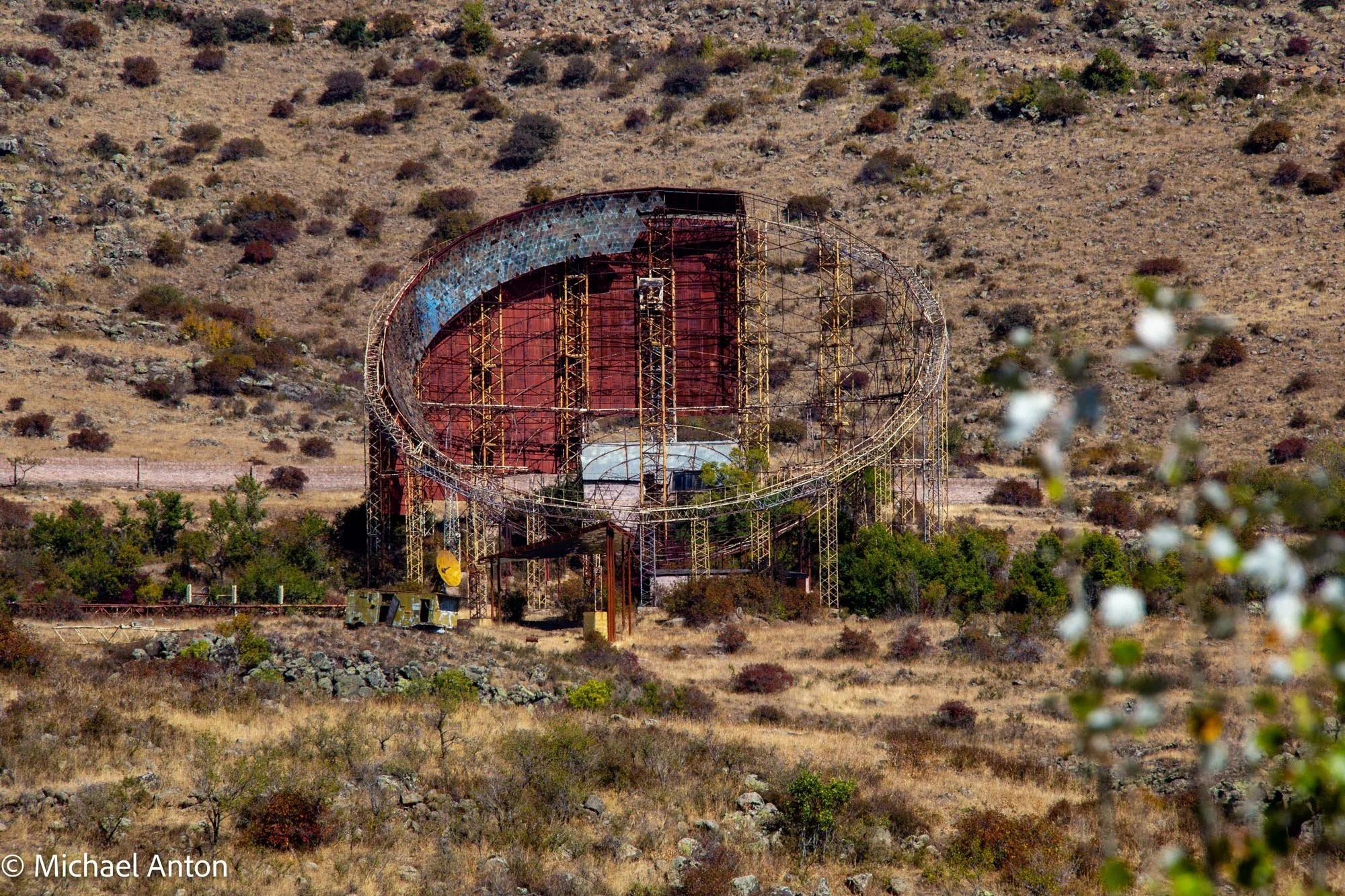
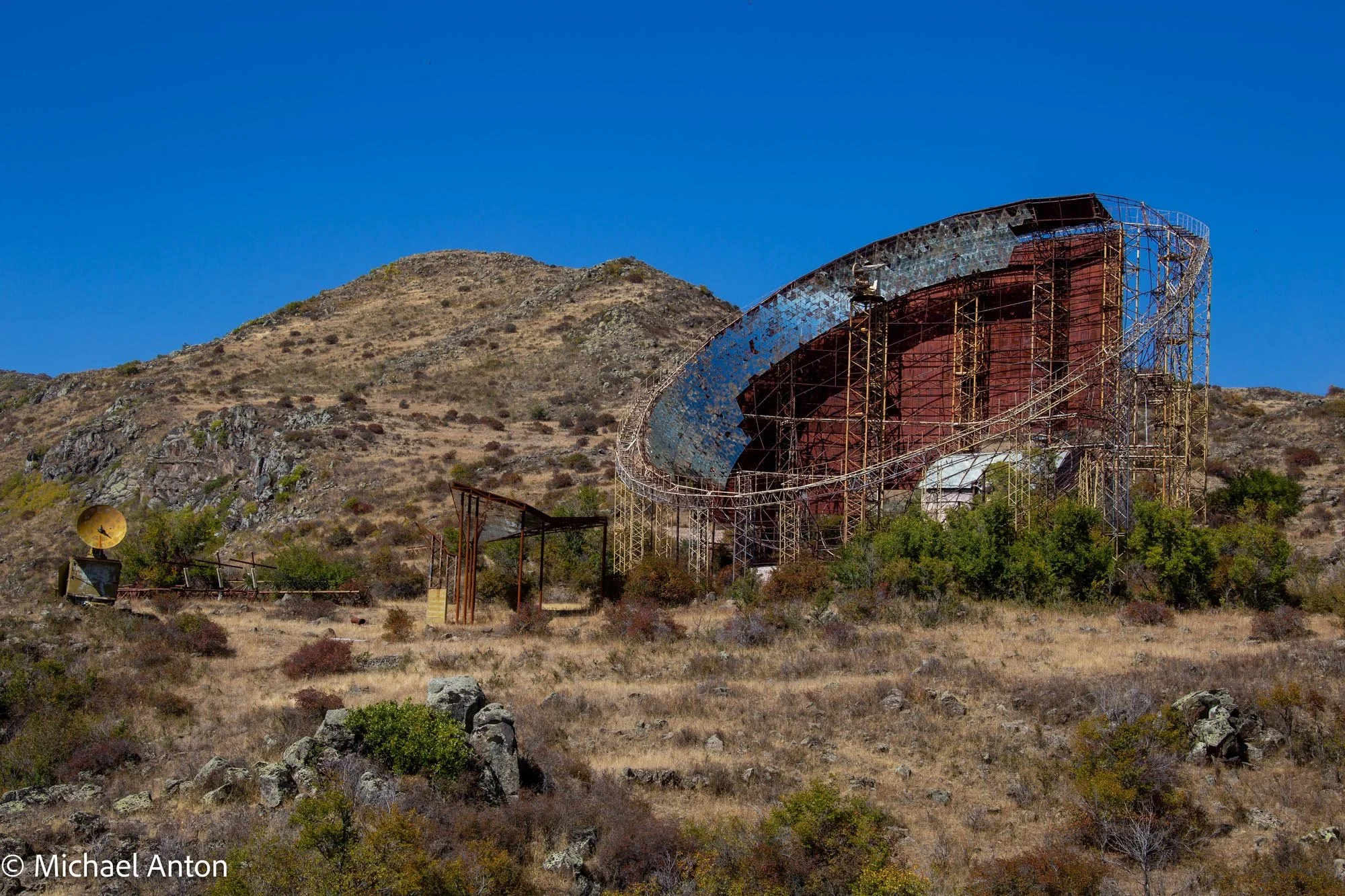
Radar Stations And Observatories
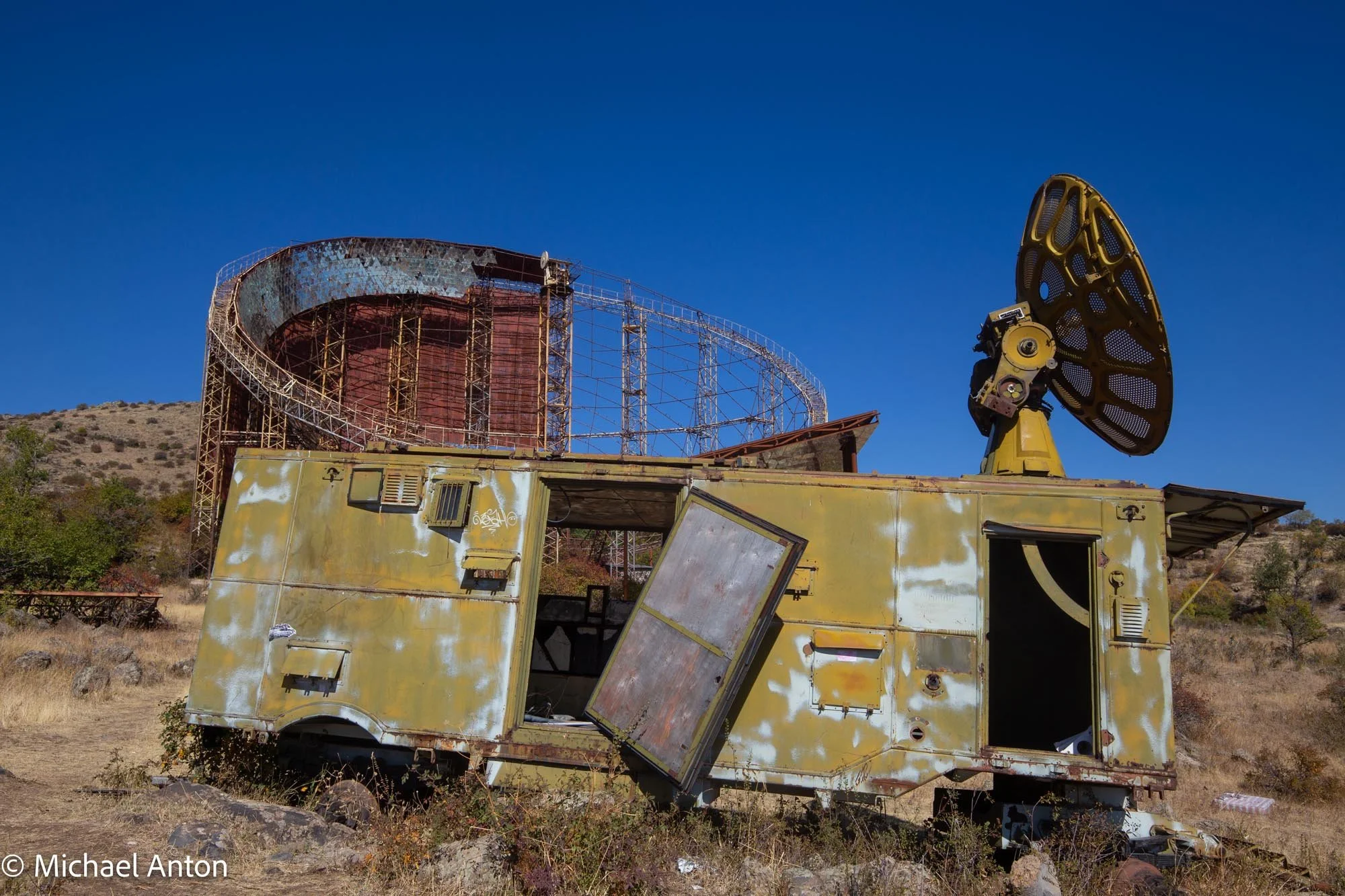
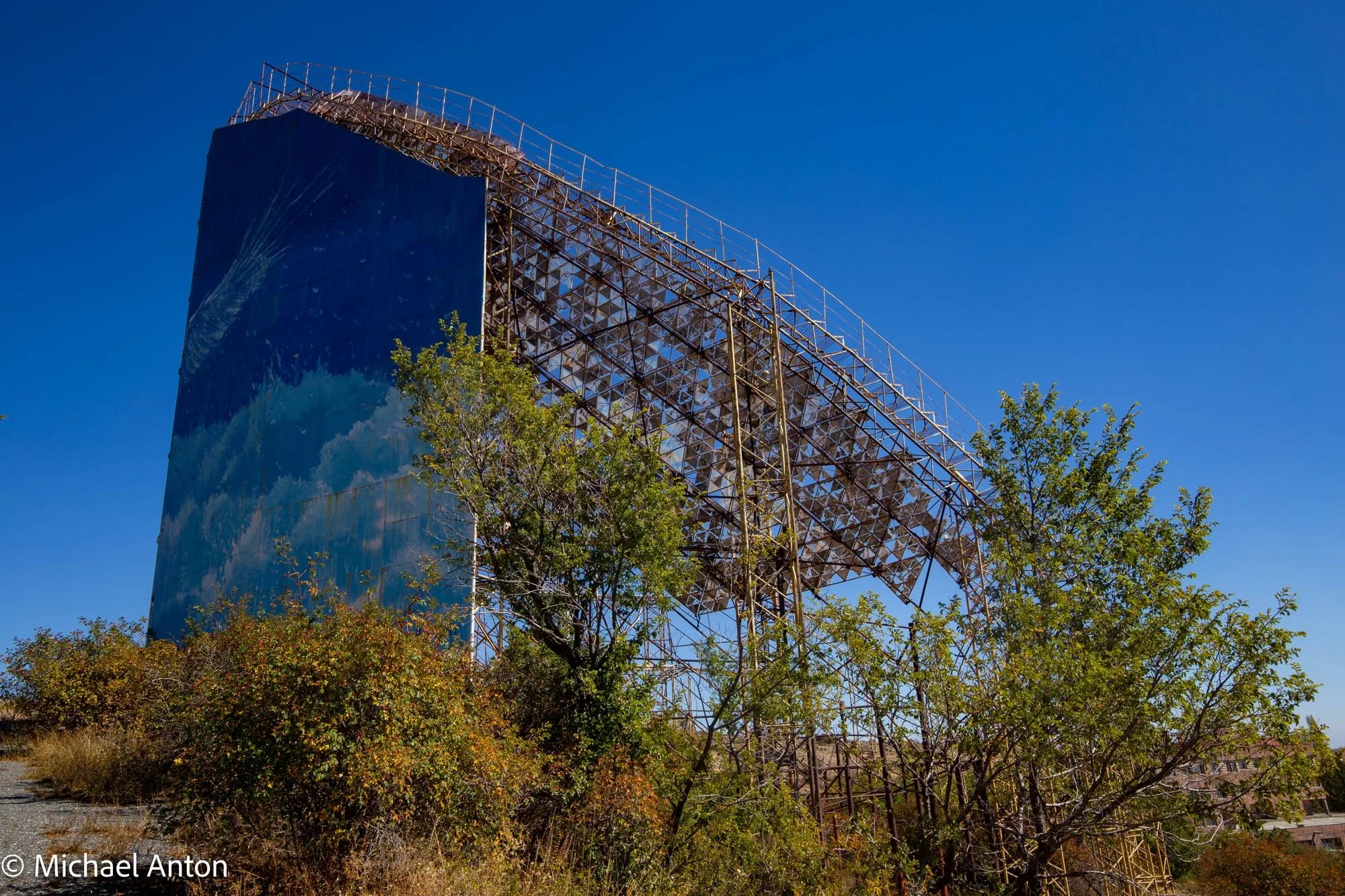
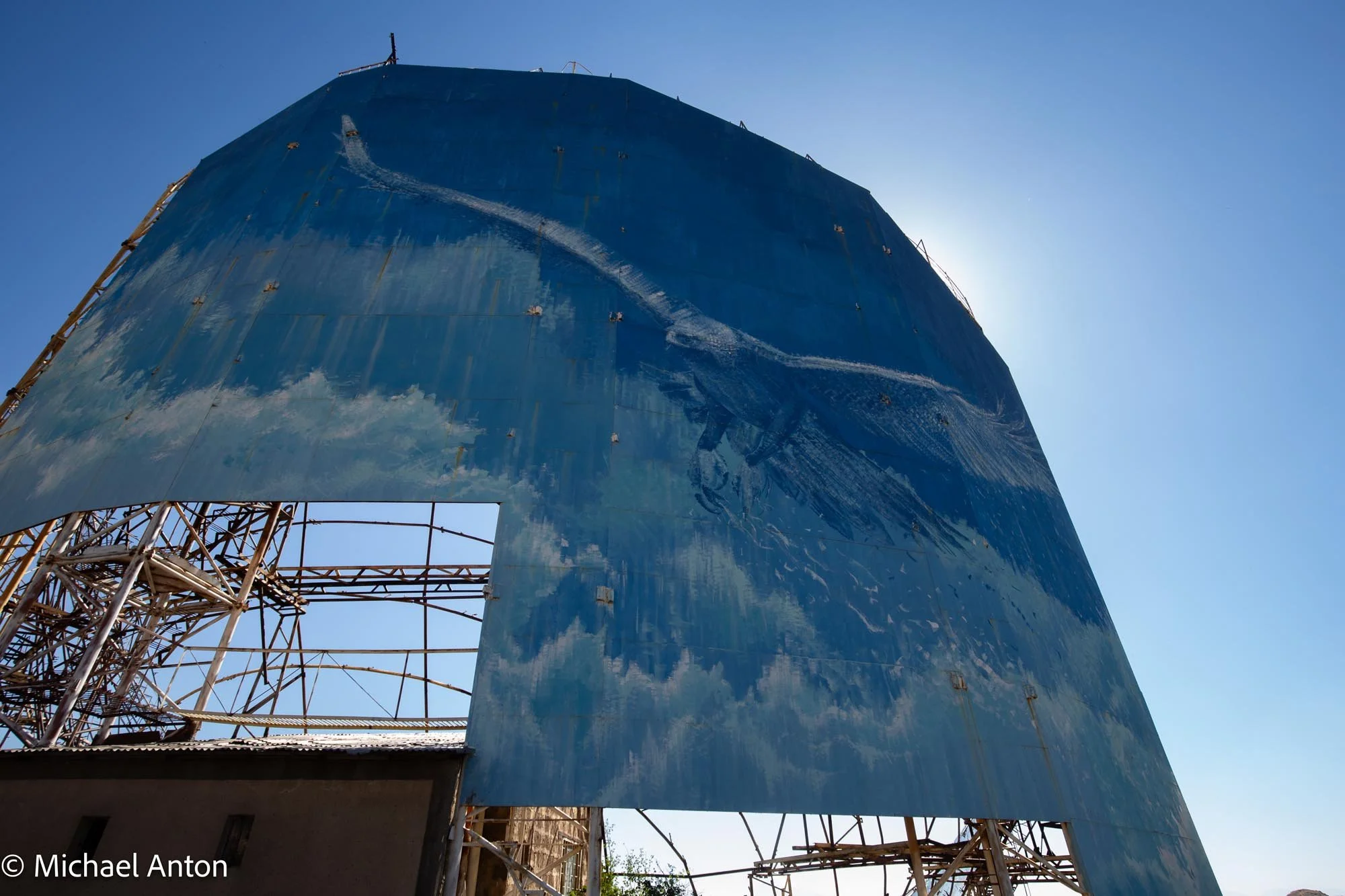
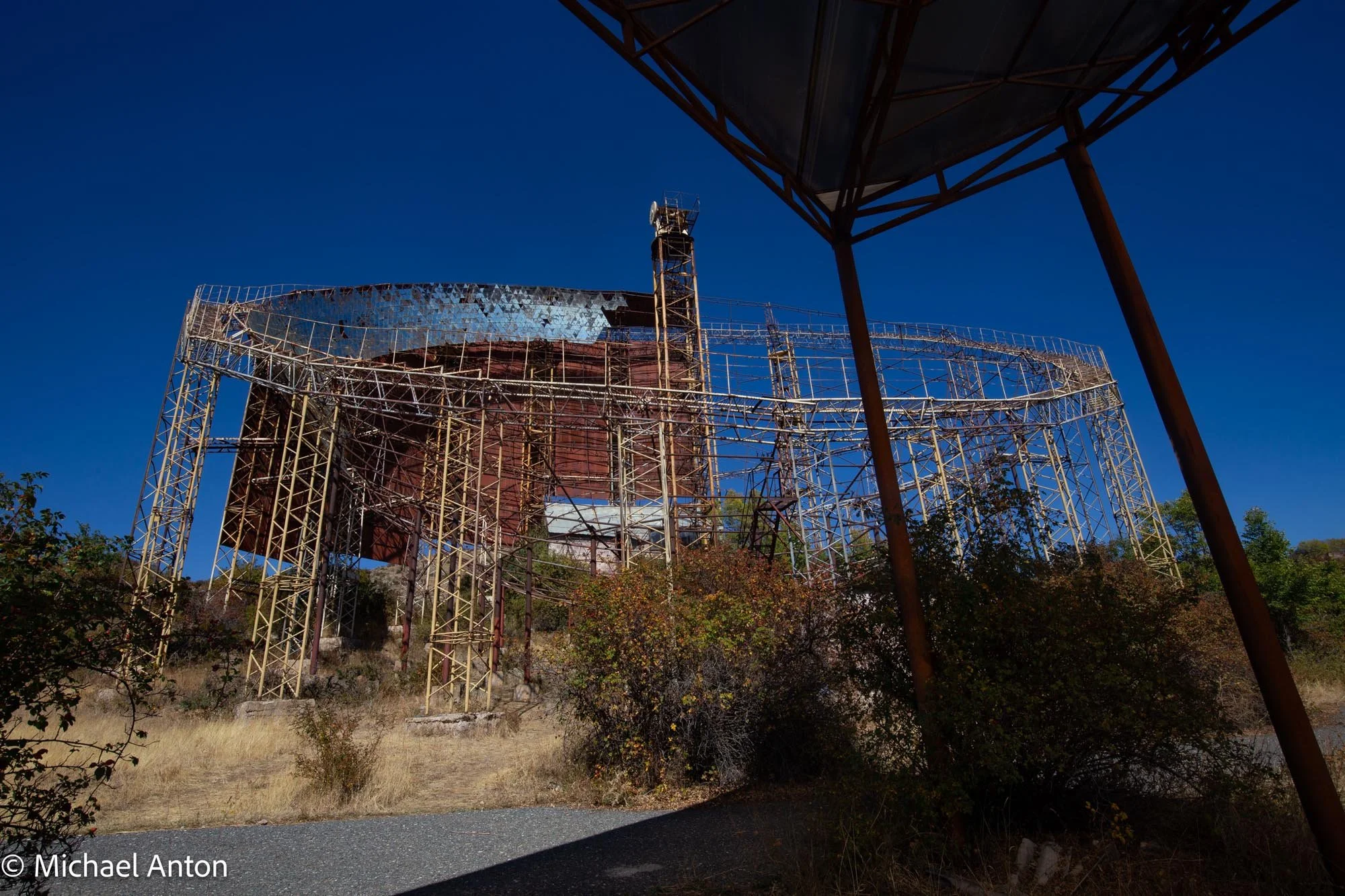
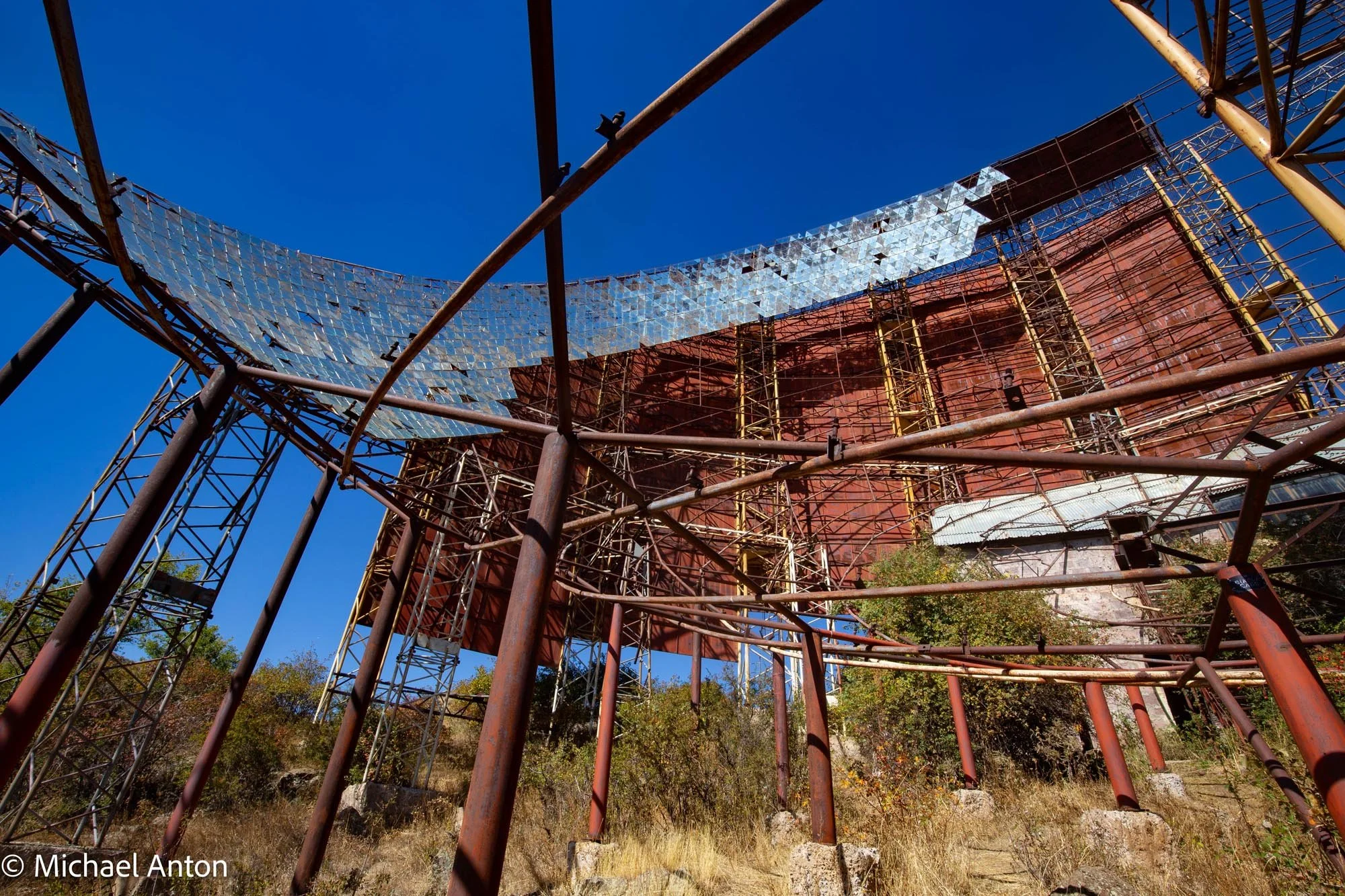
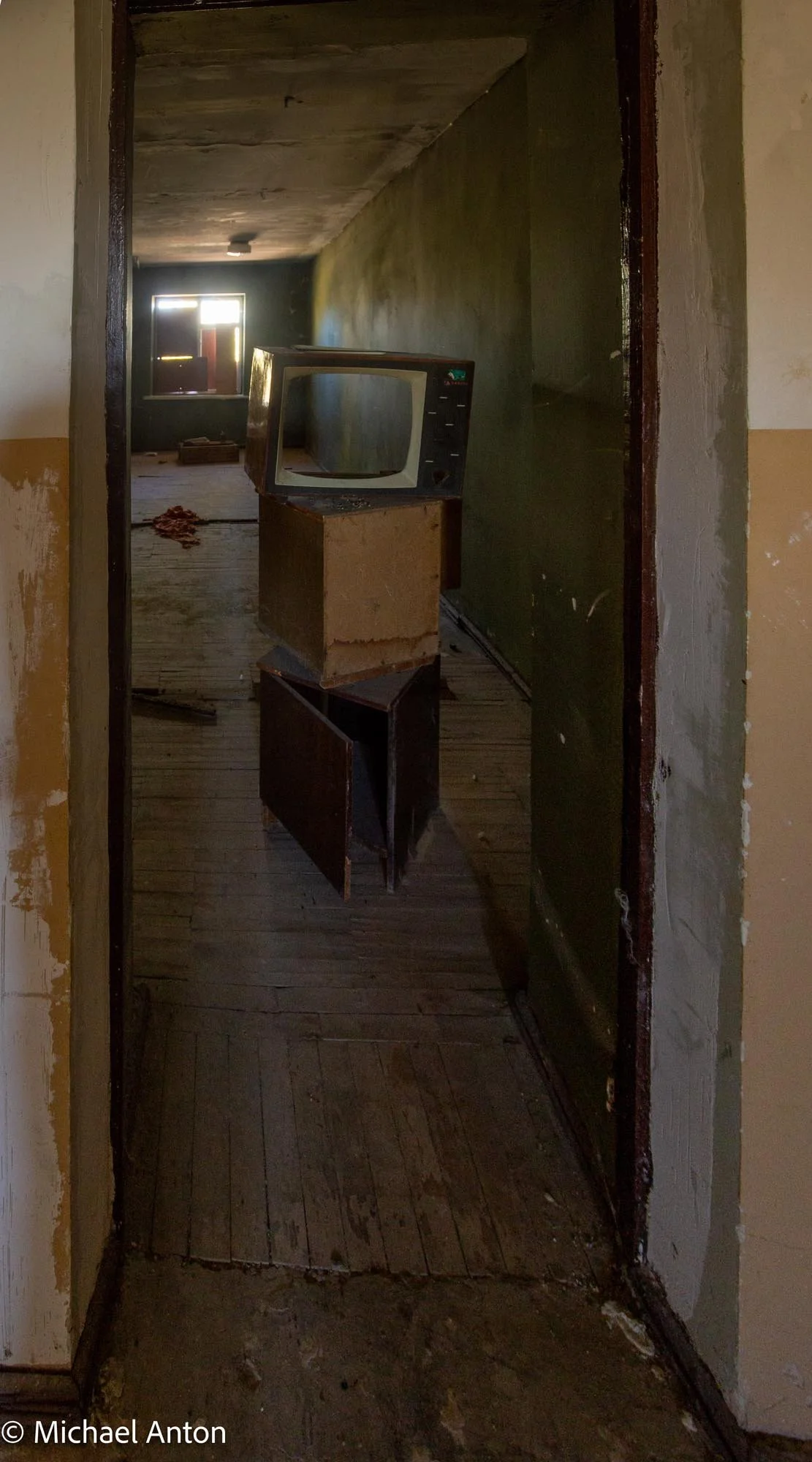
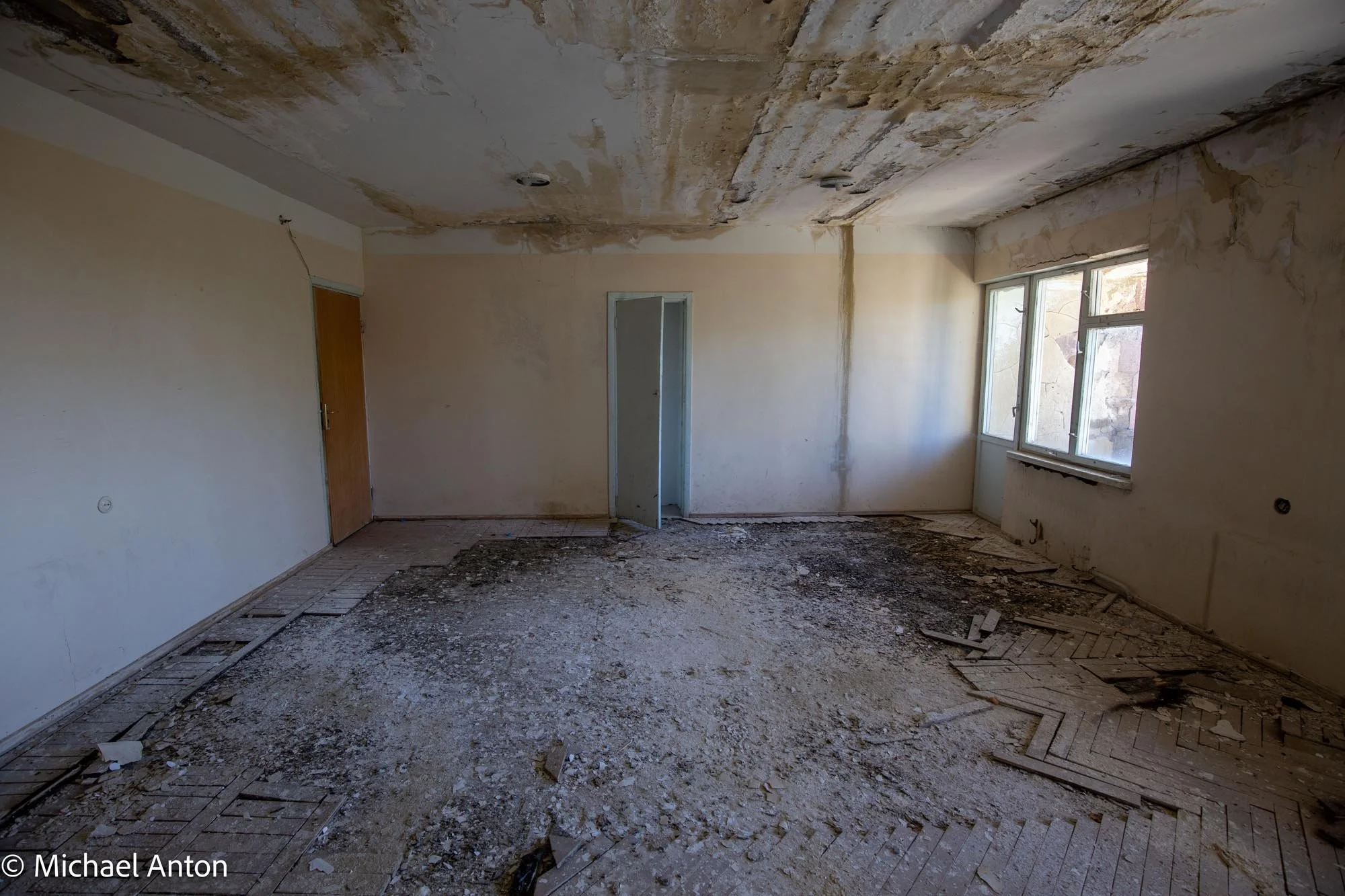
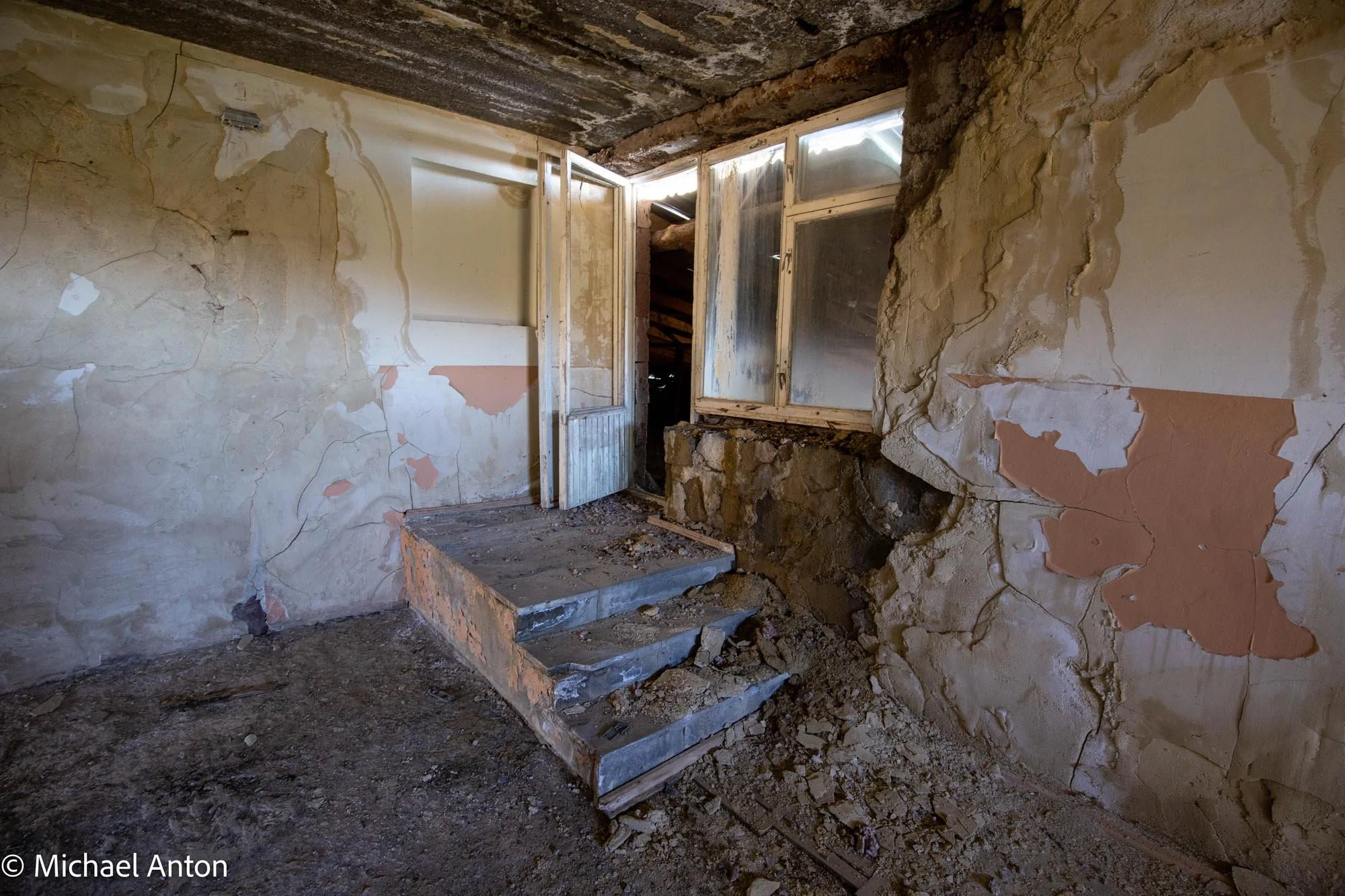
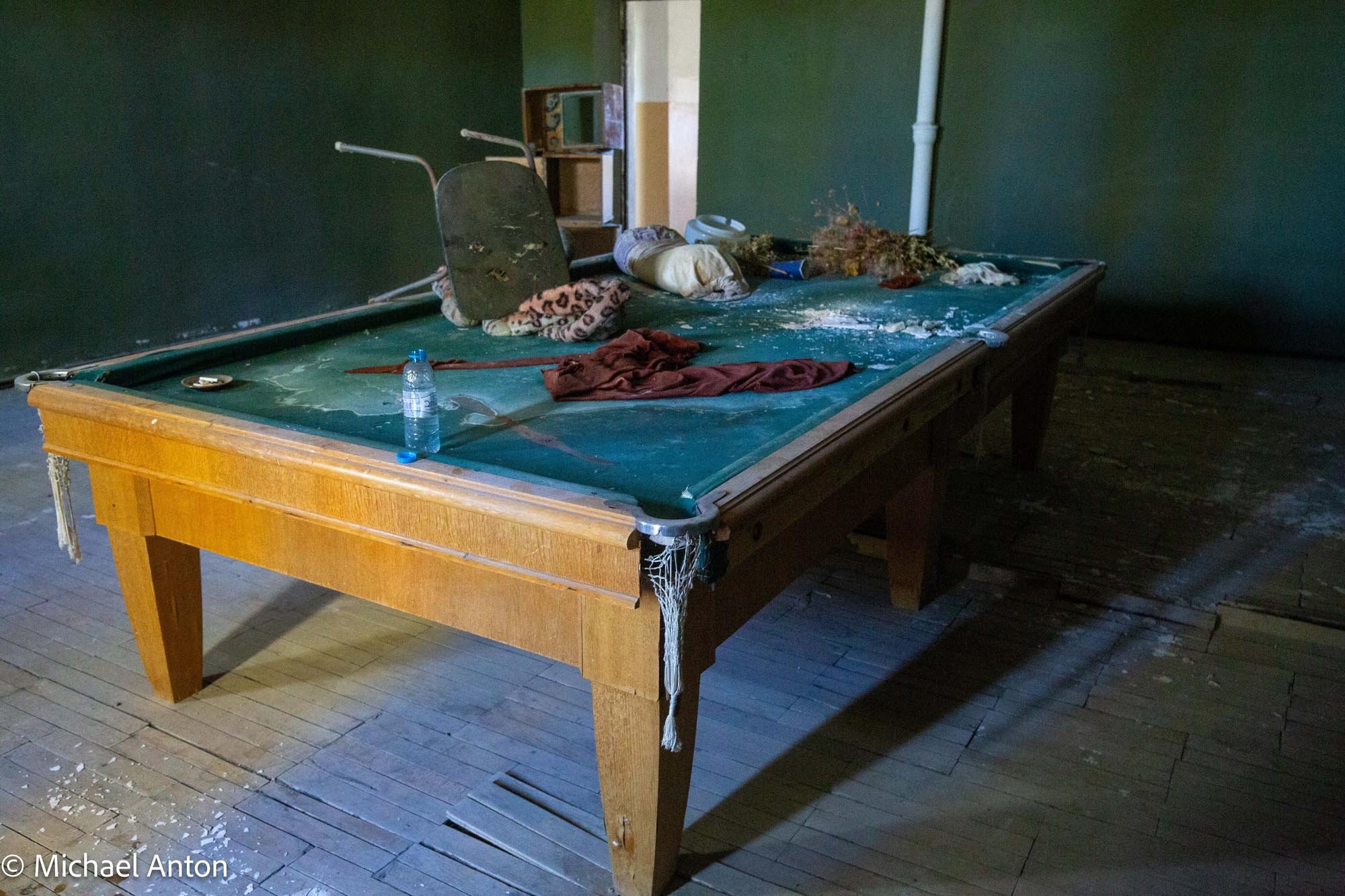
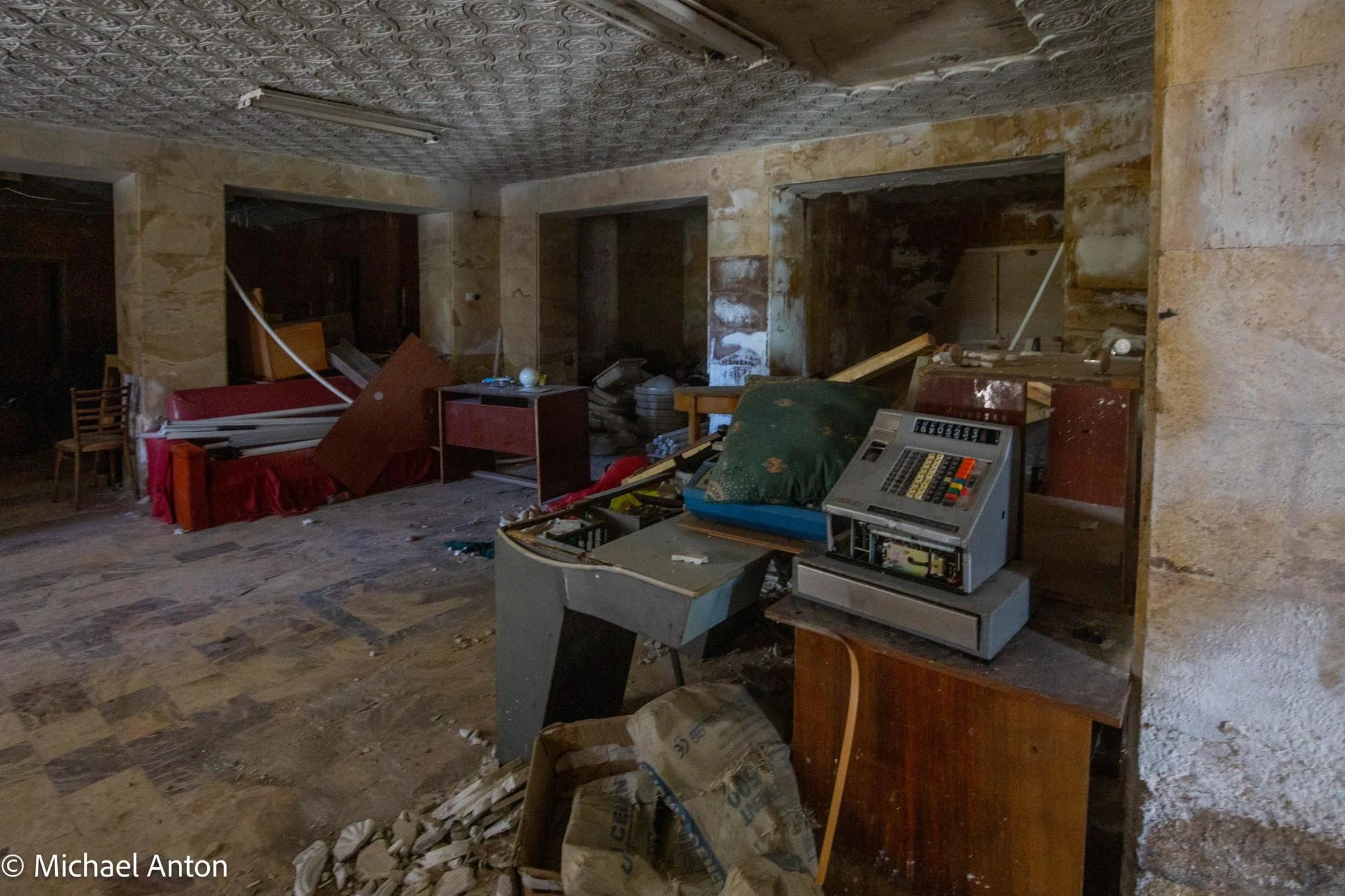
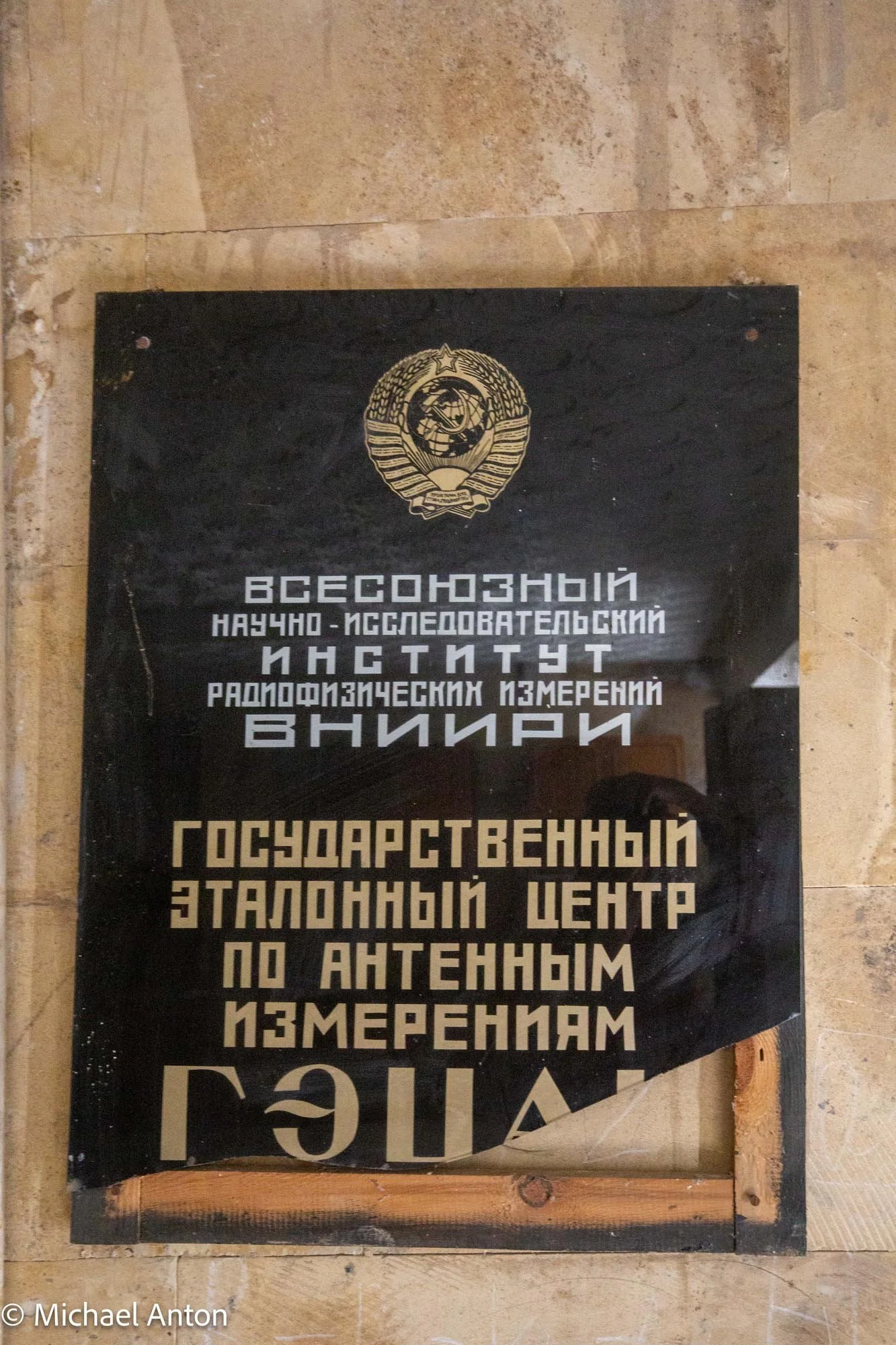
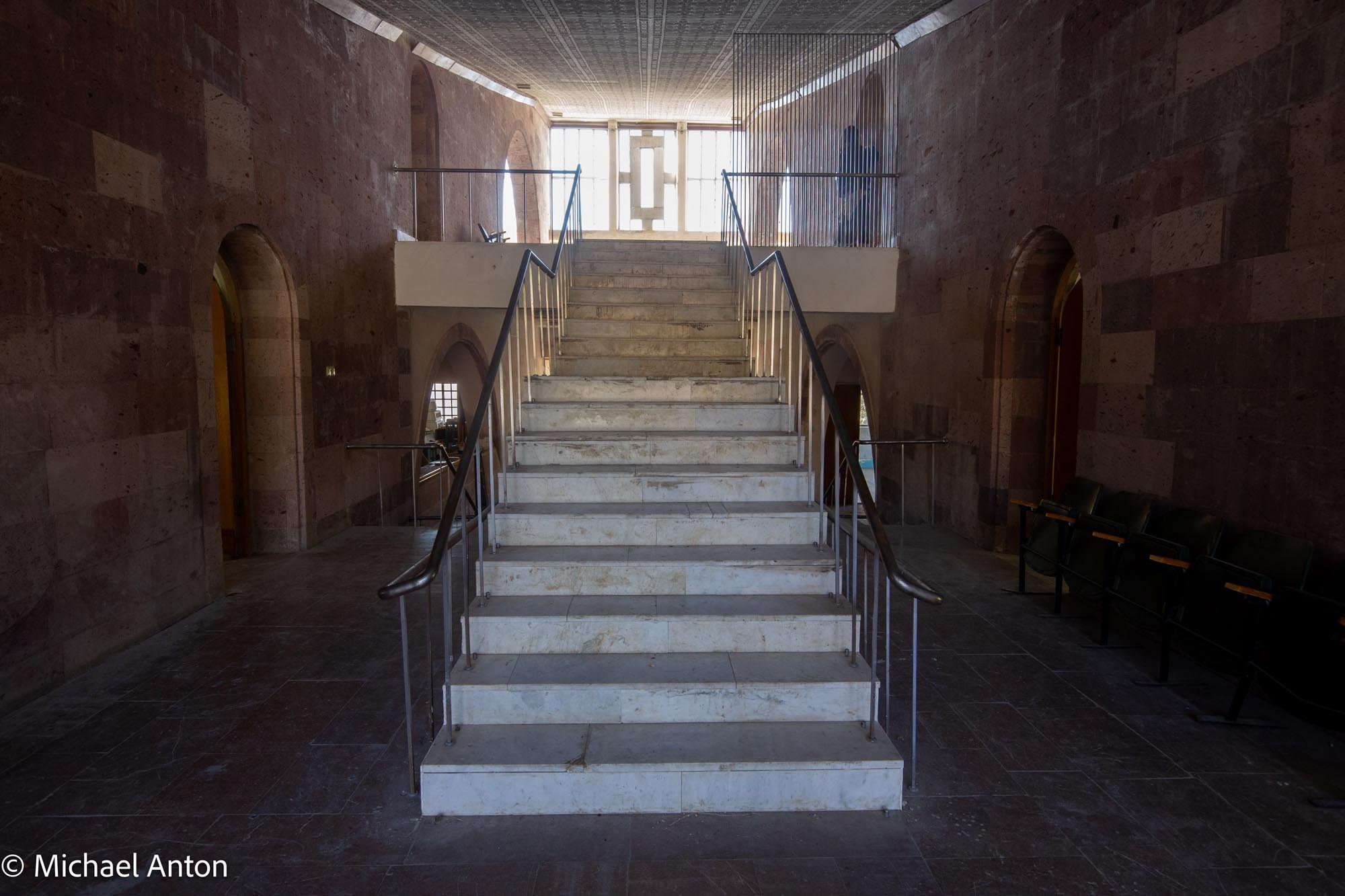
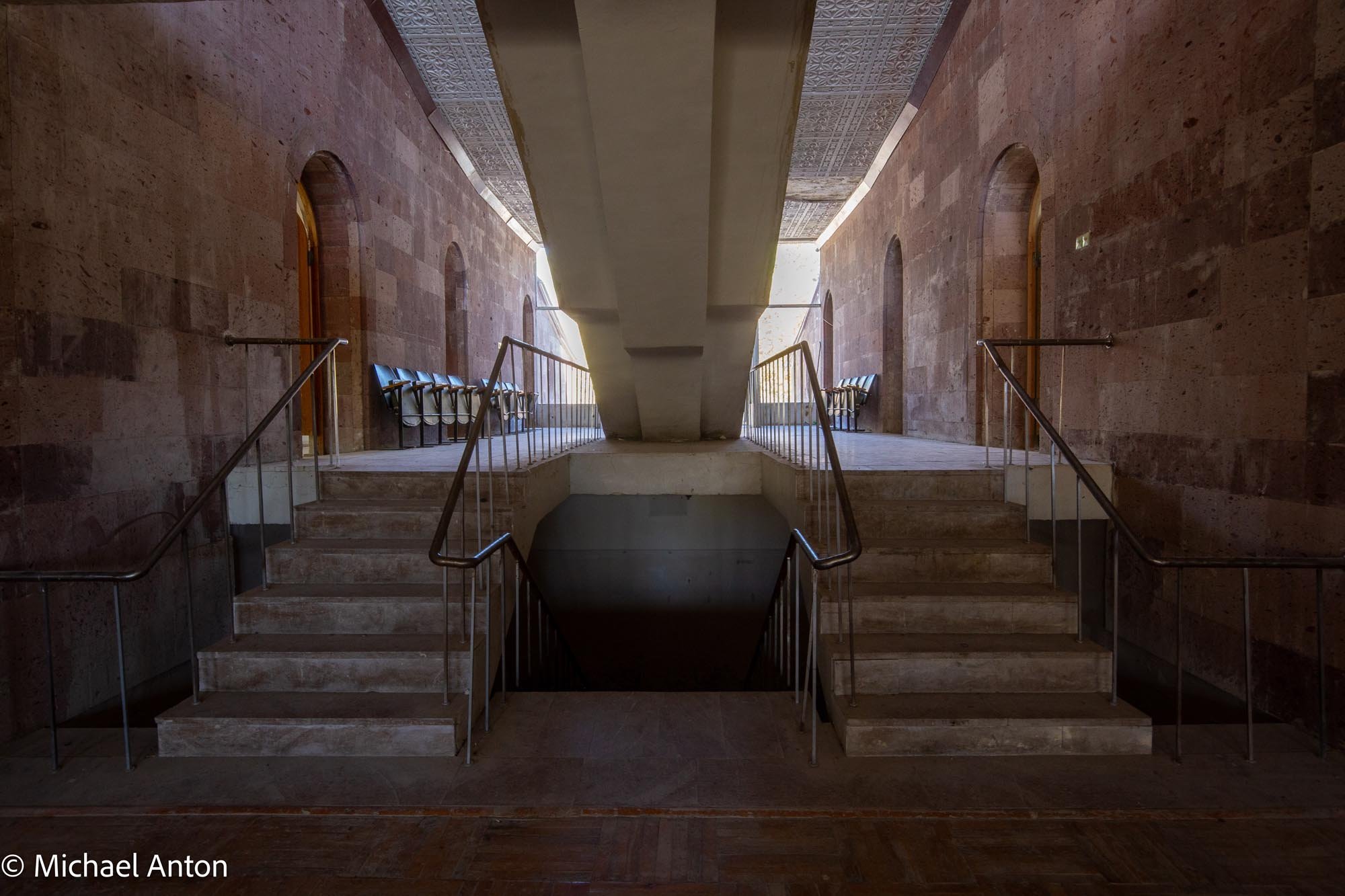
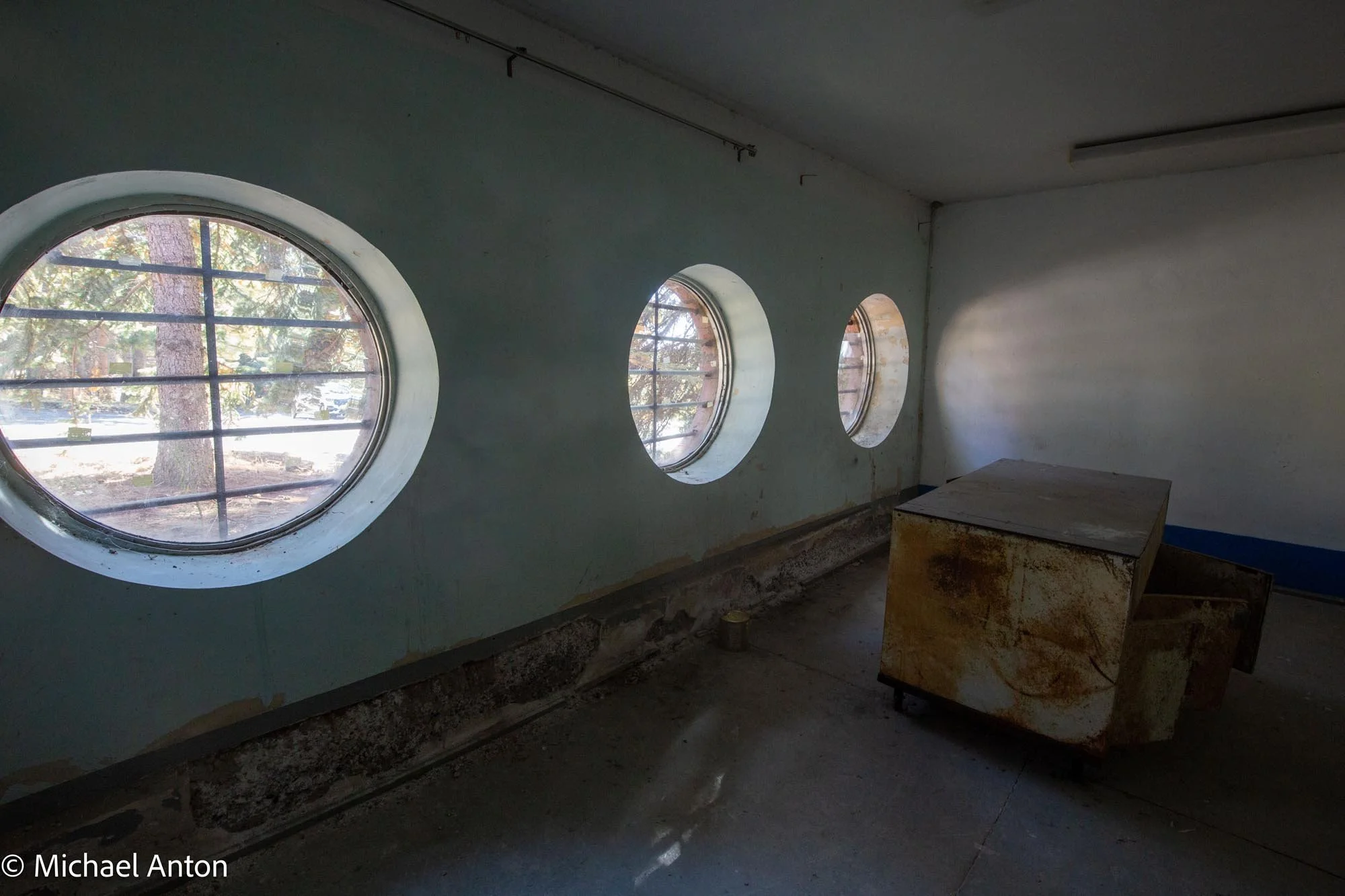
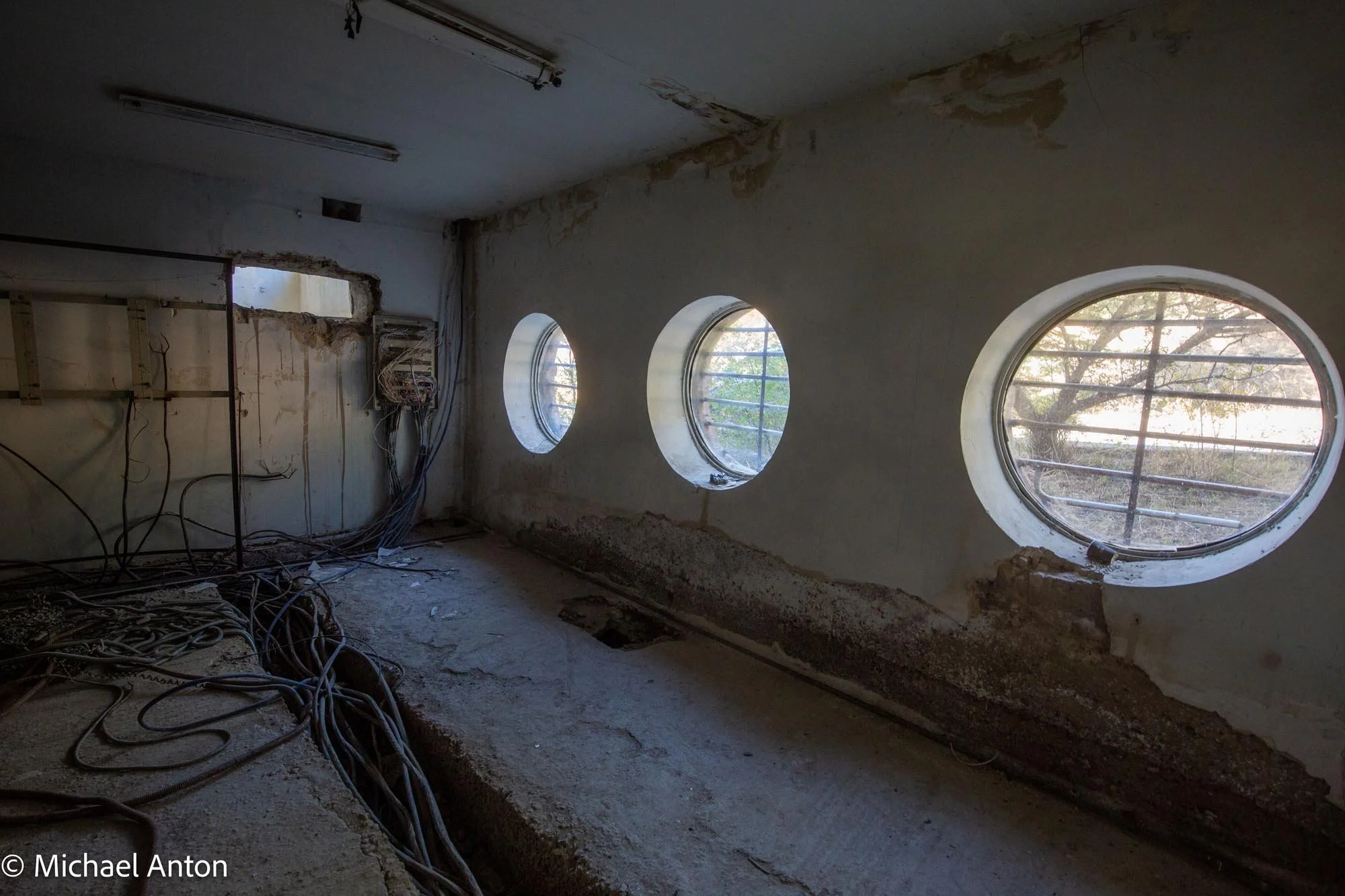
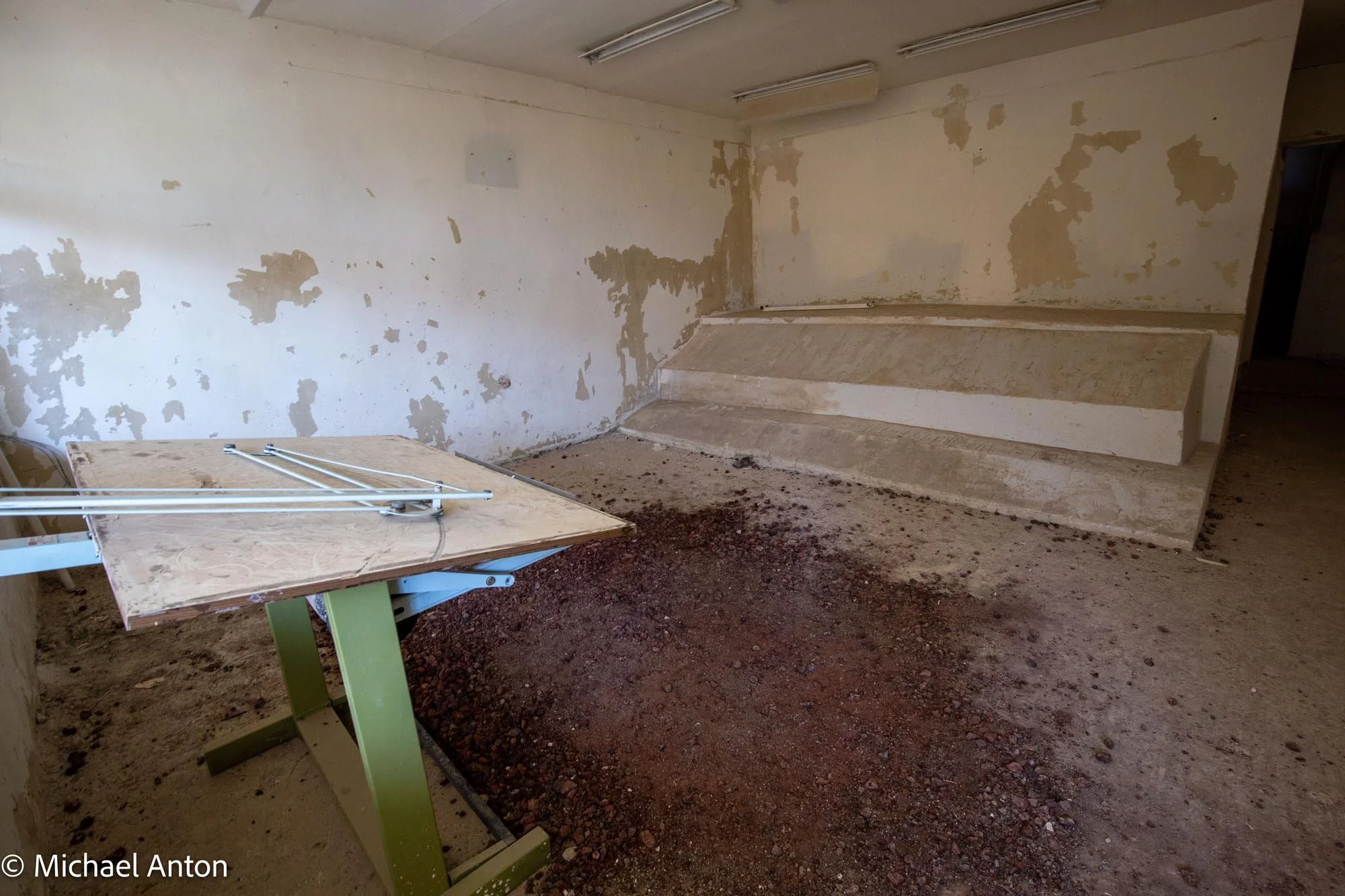
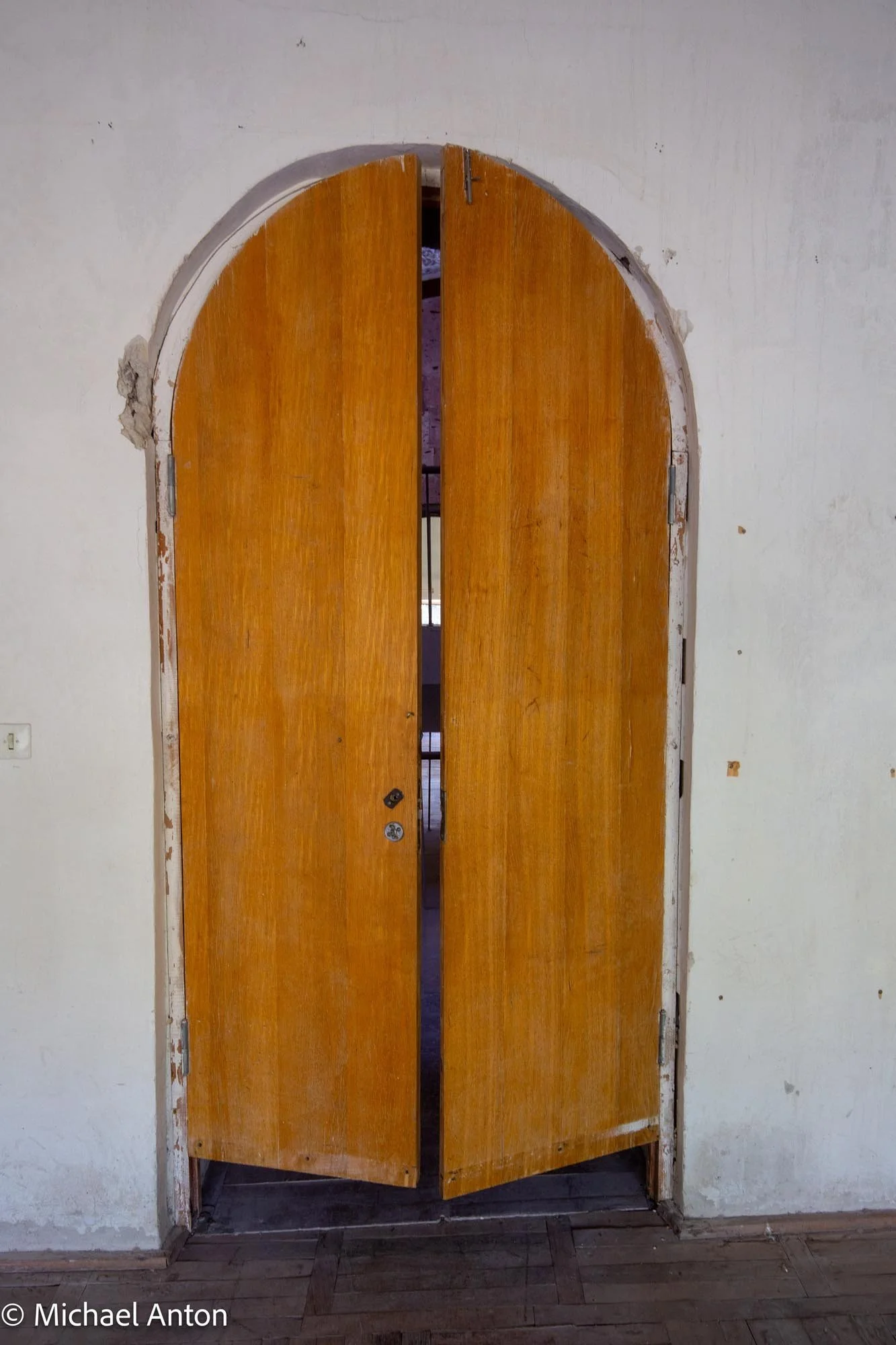
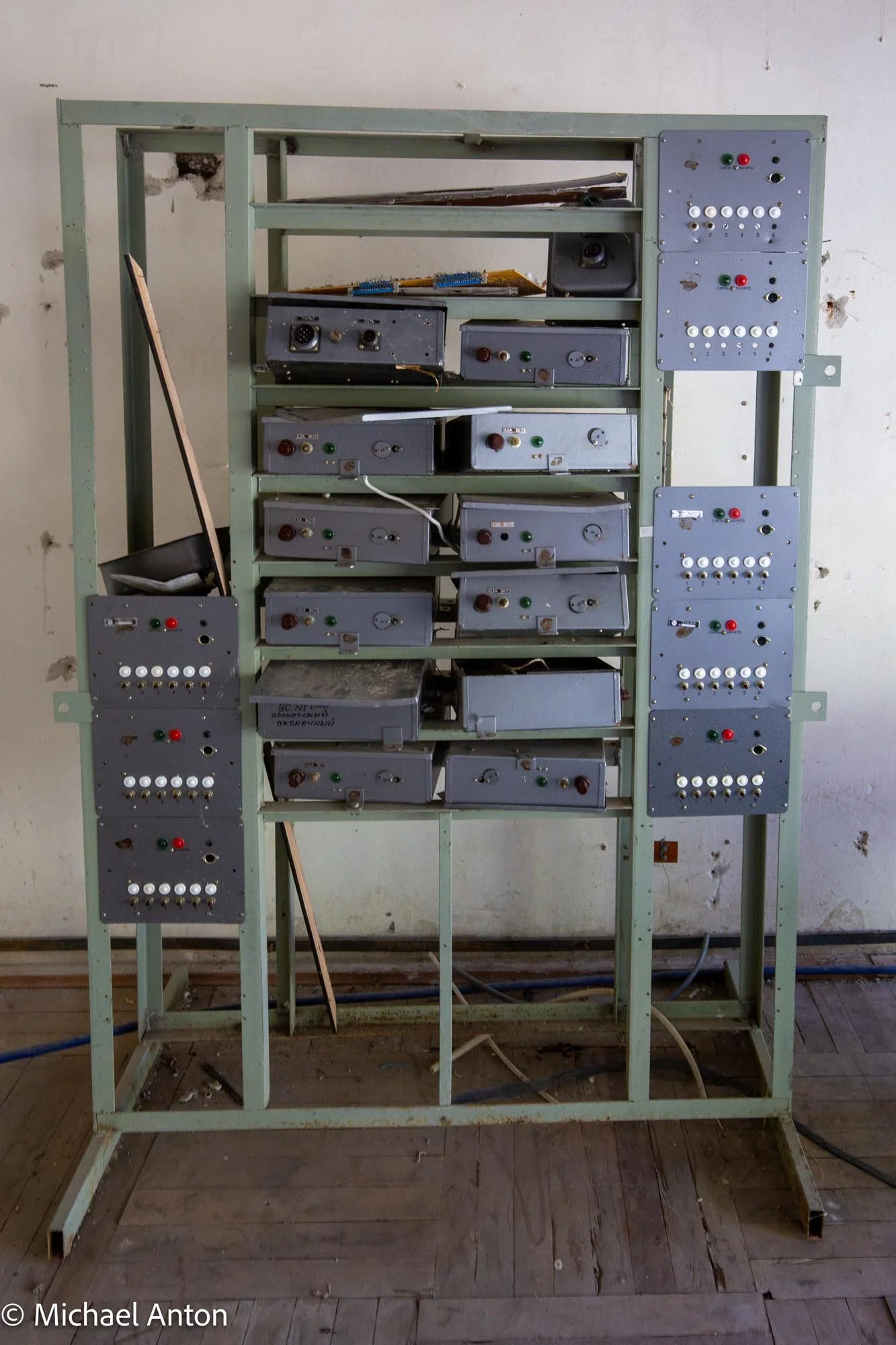
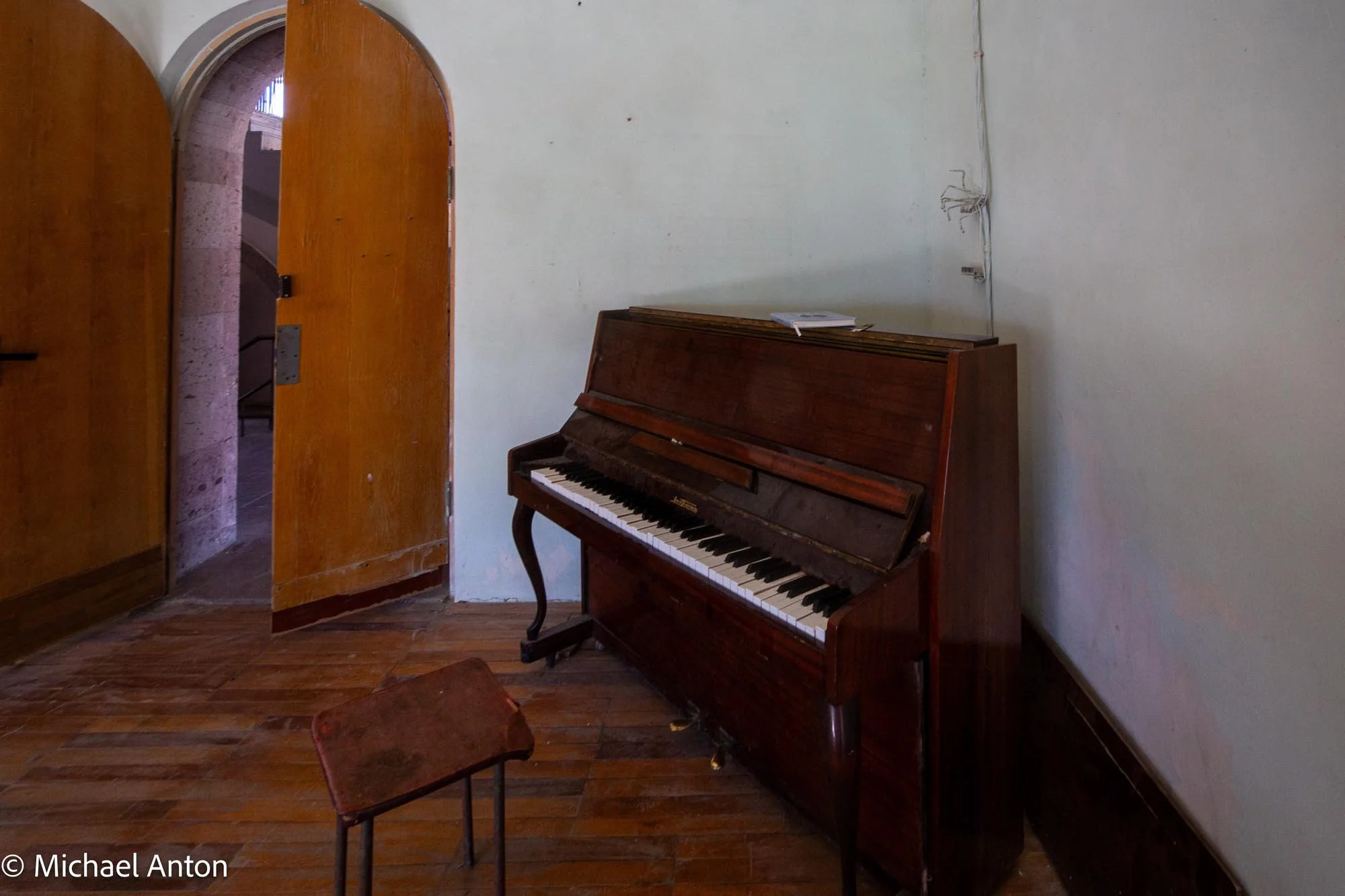
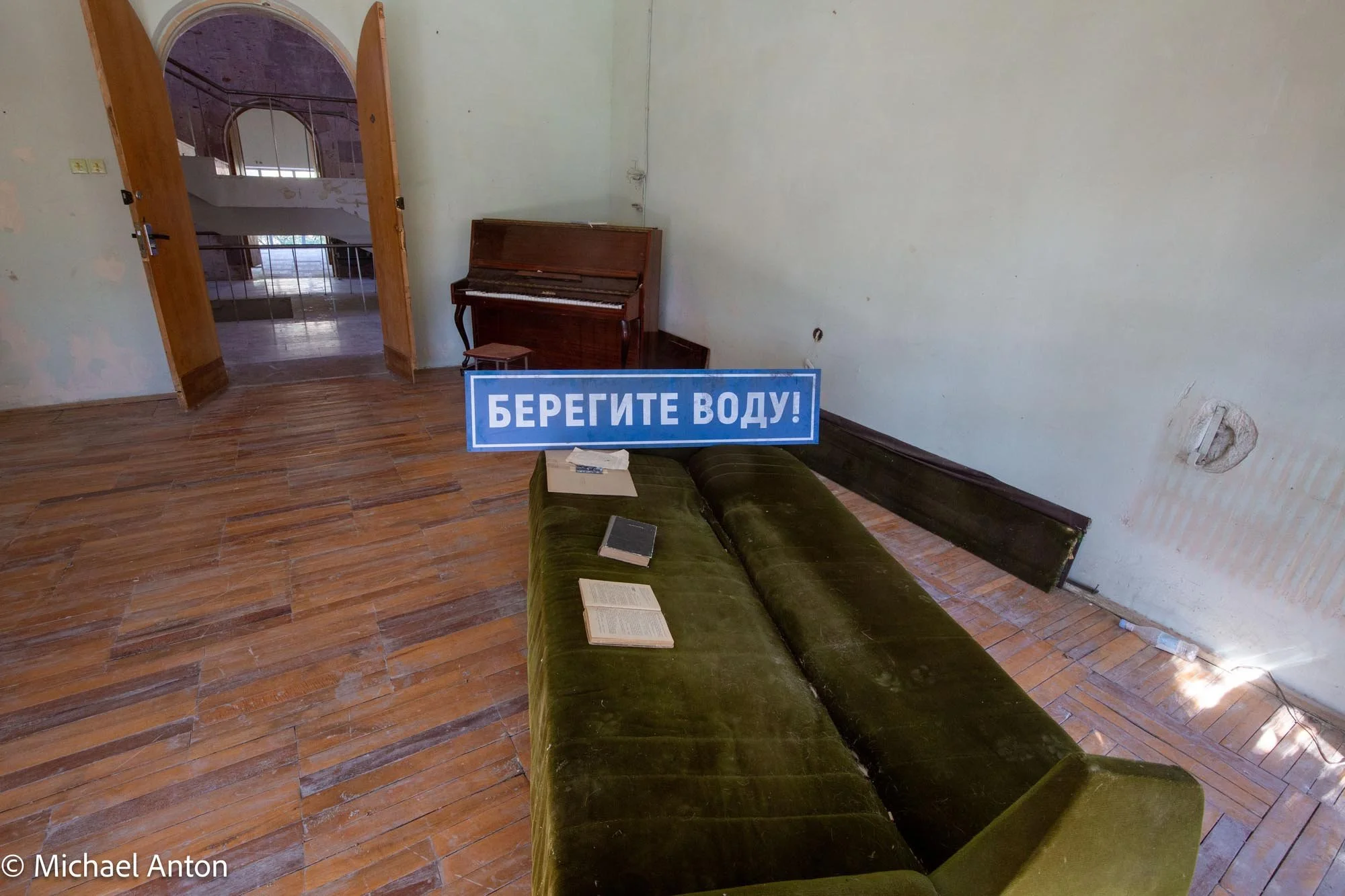
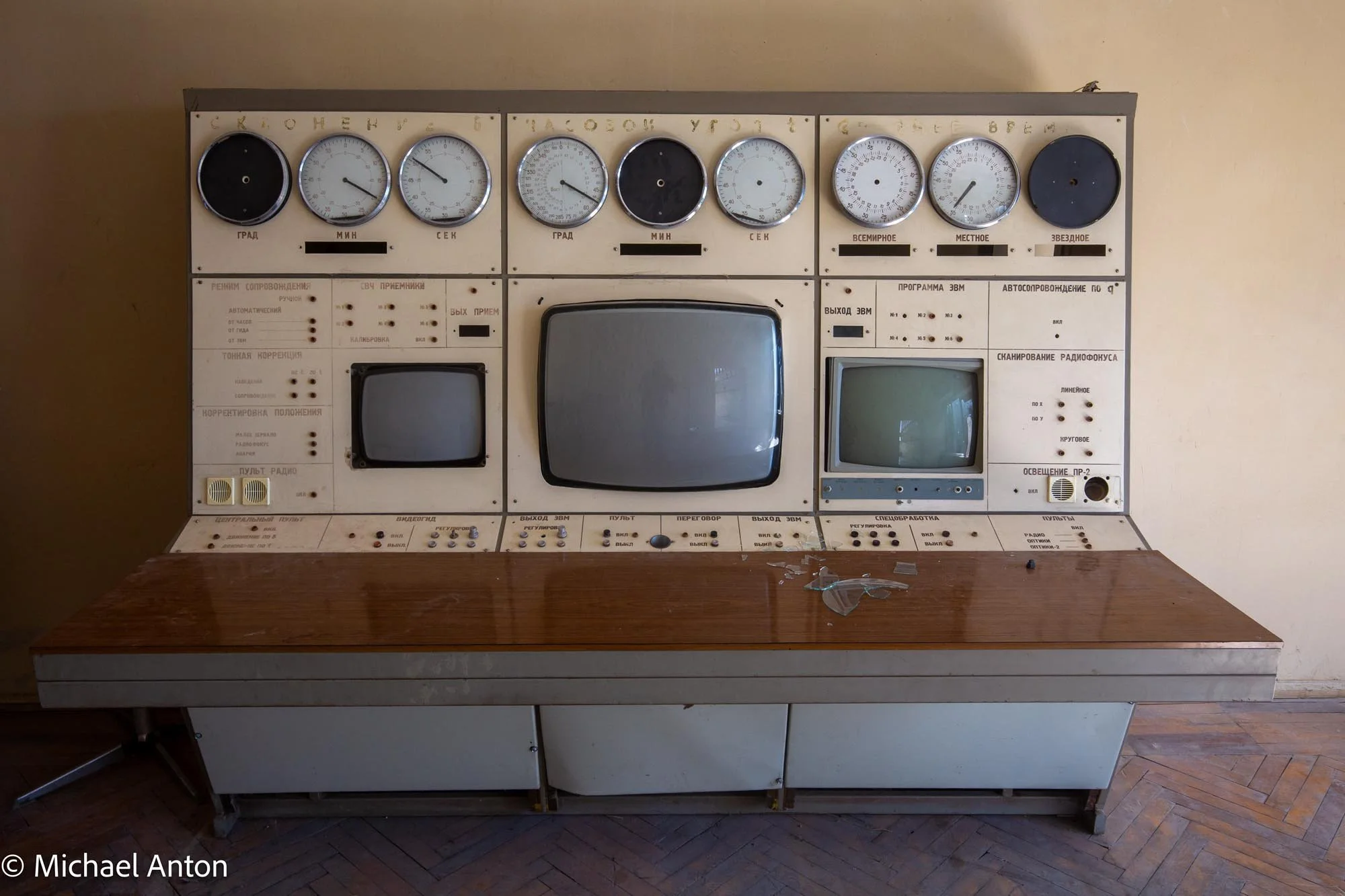
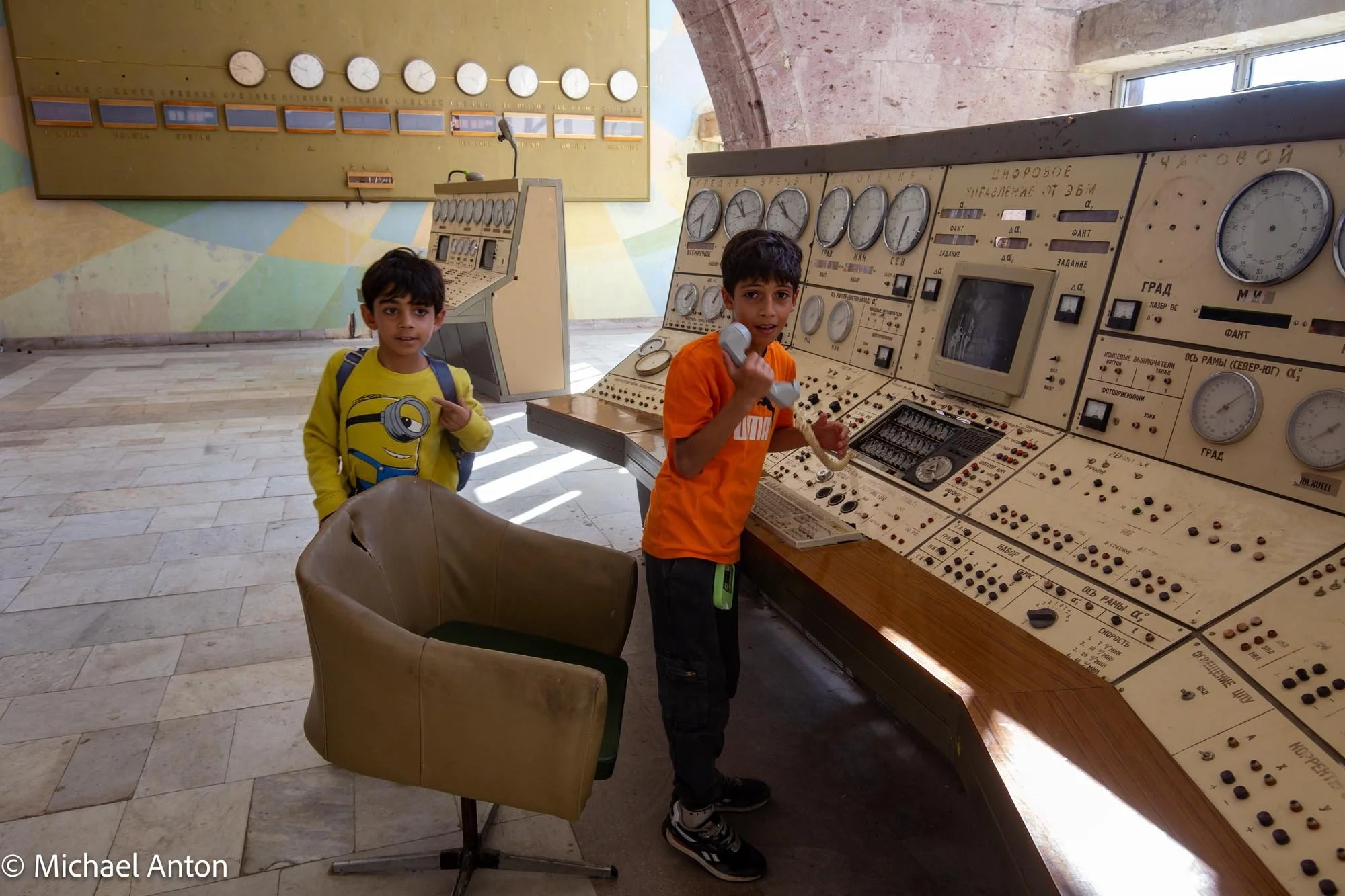
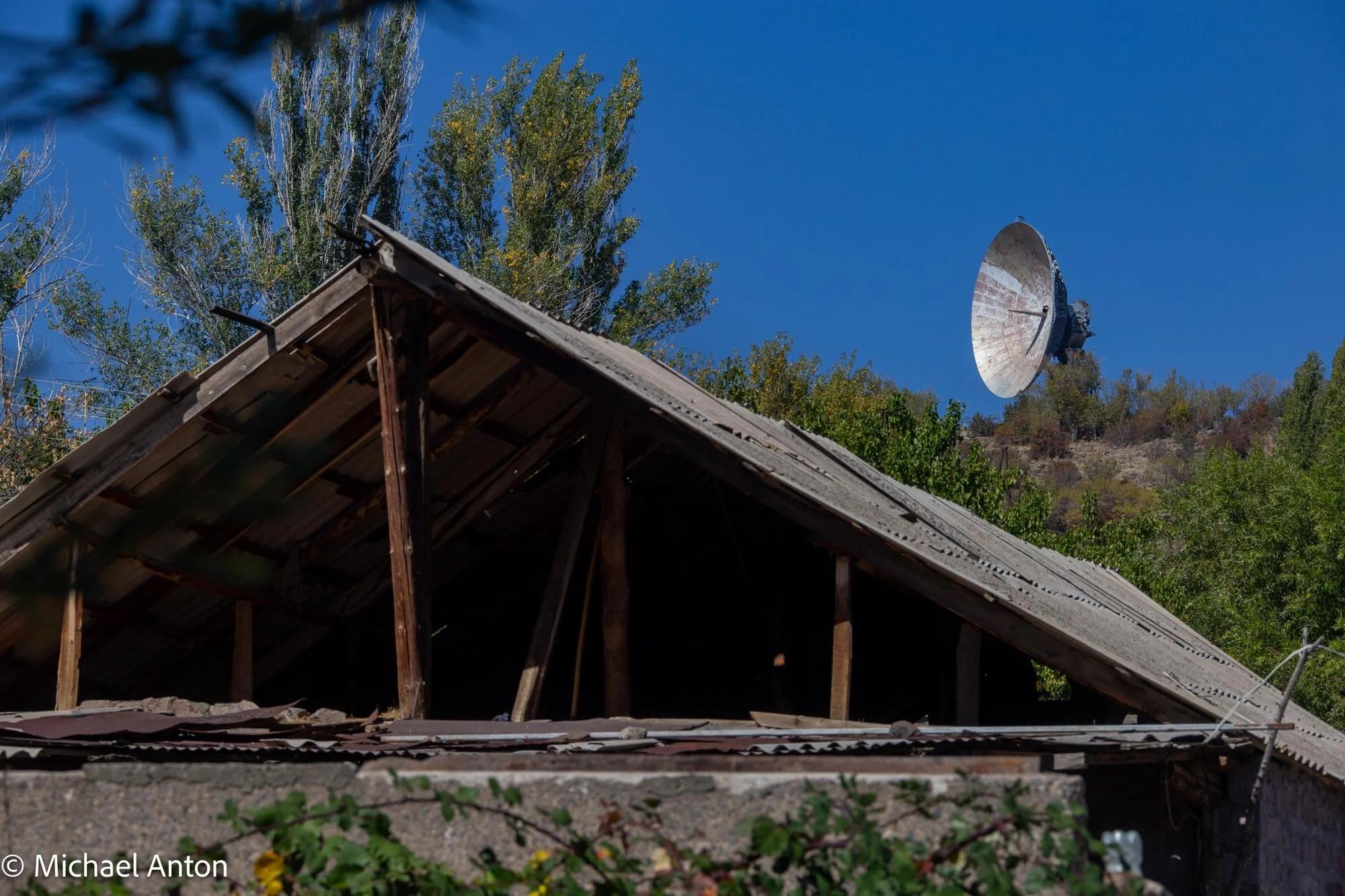
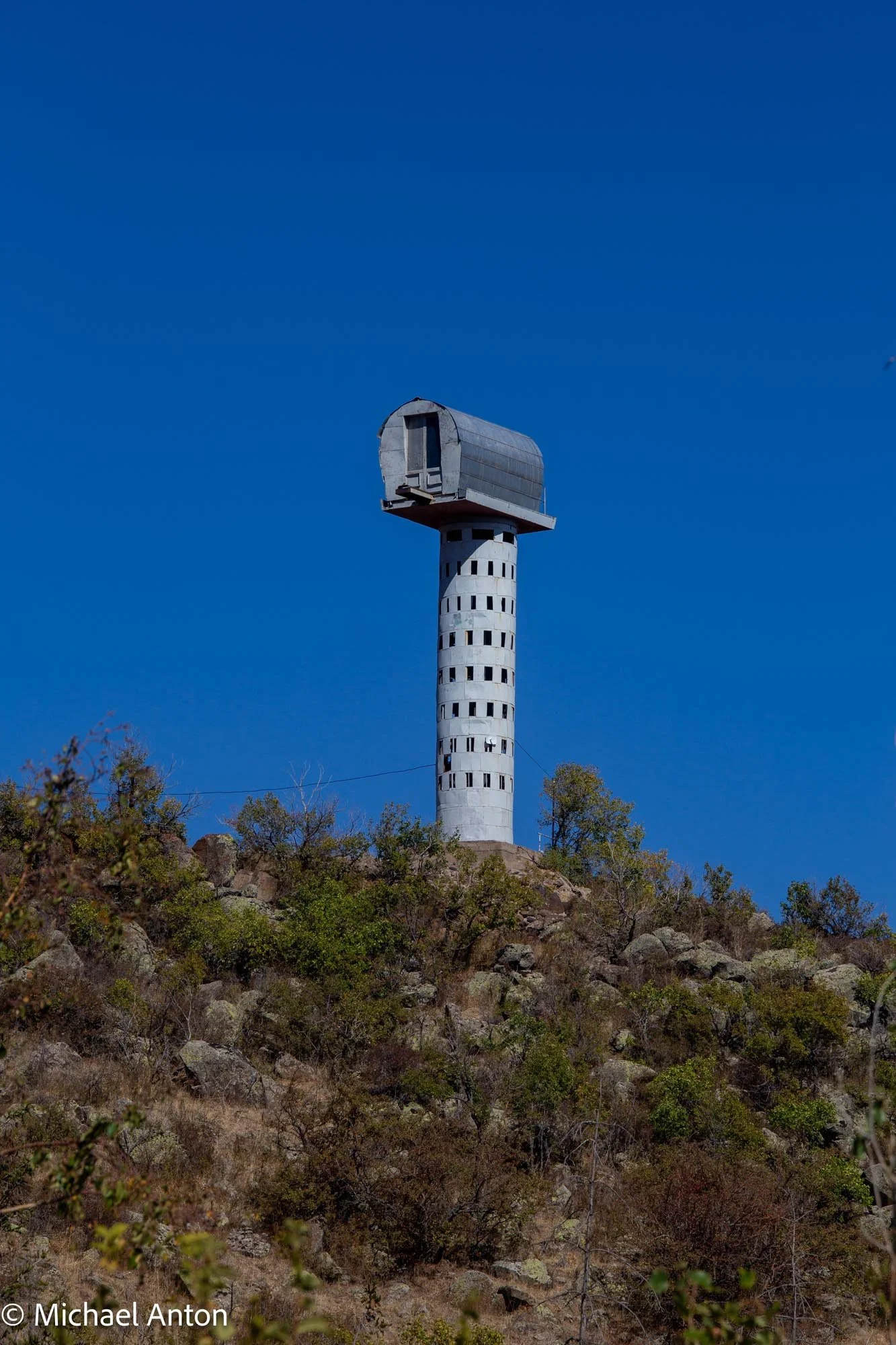
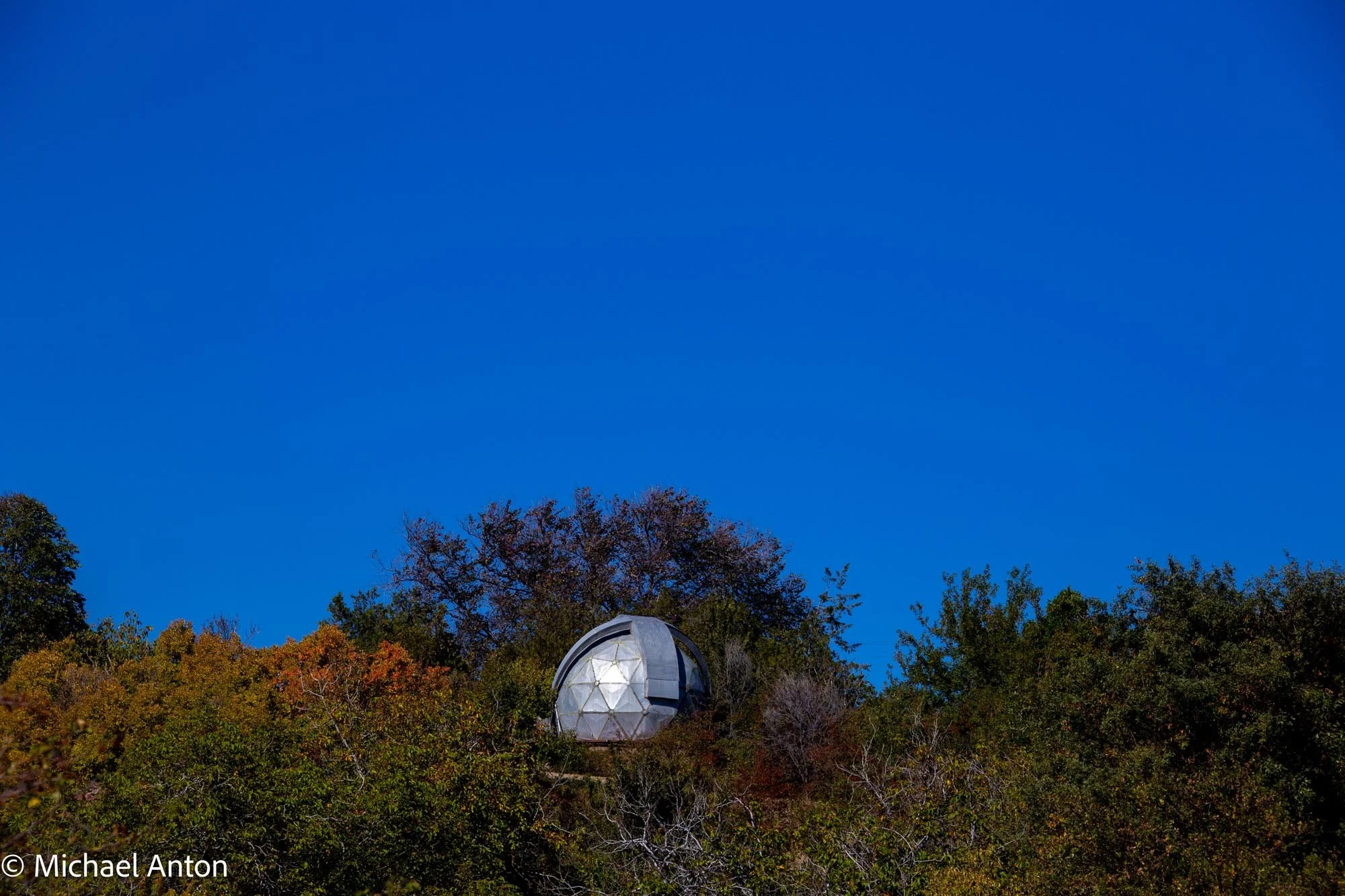
The long abandoned Orgov Radiooptic Observatory dish was at one time on the cutting edge of technology, but has been replaced by a newer and shinier dish.
The facility has two now decommissioned administration buildings, one open to the public and another sealed up tight.
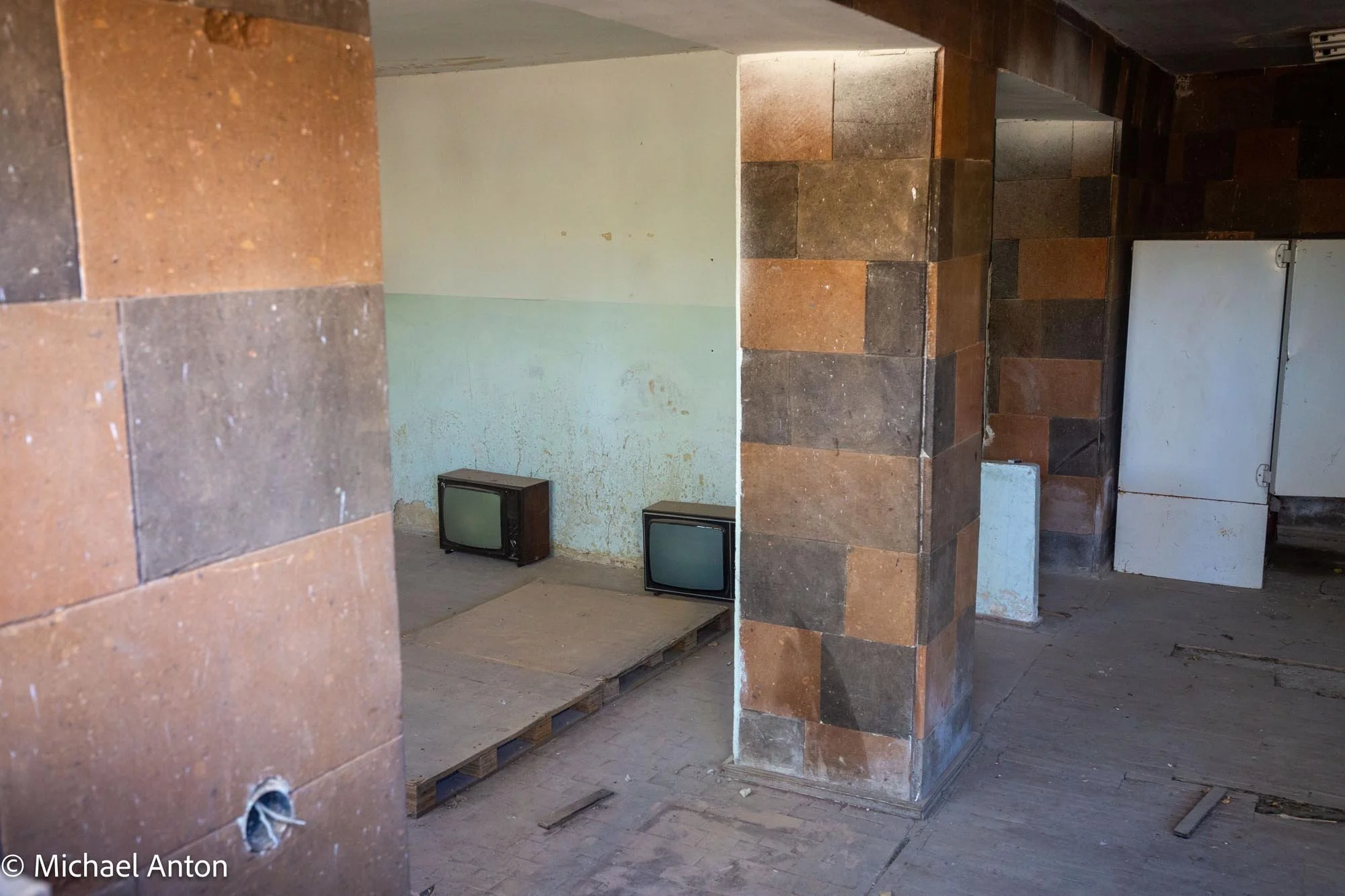
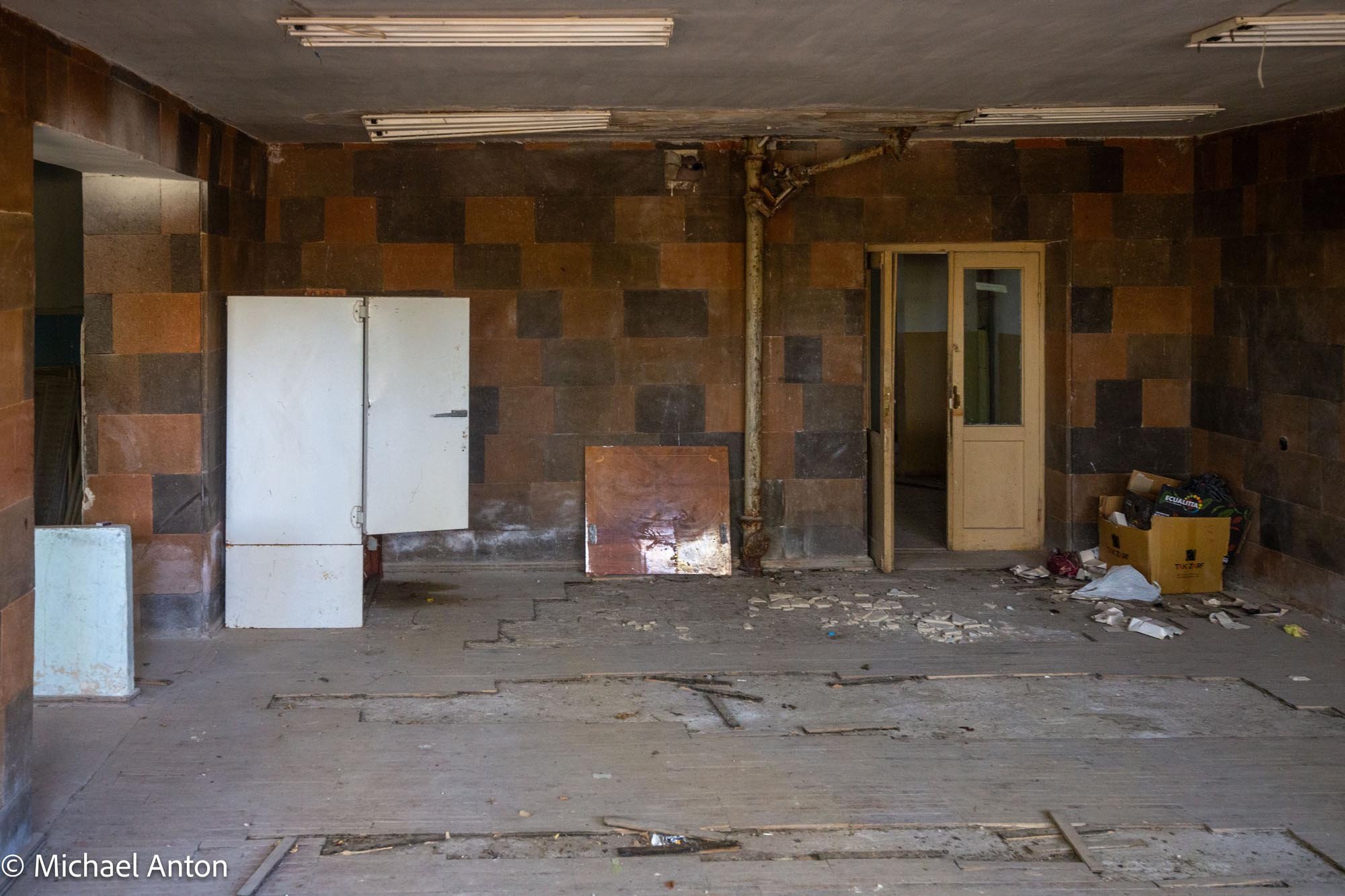
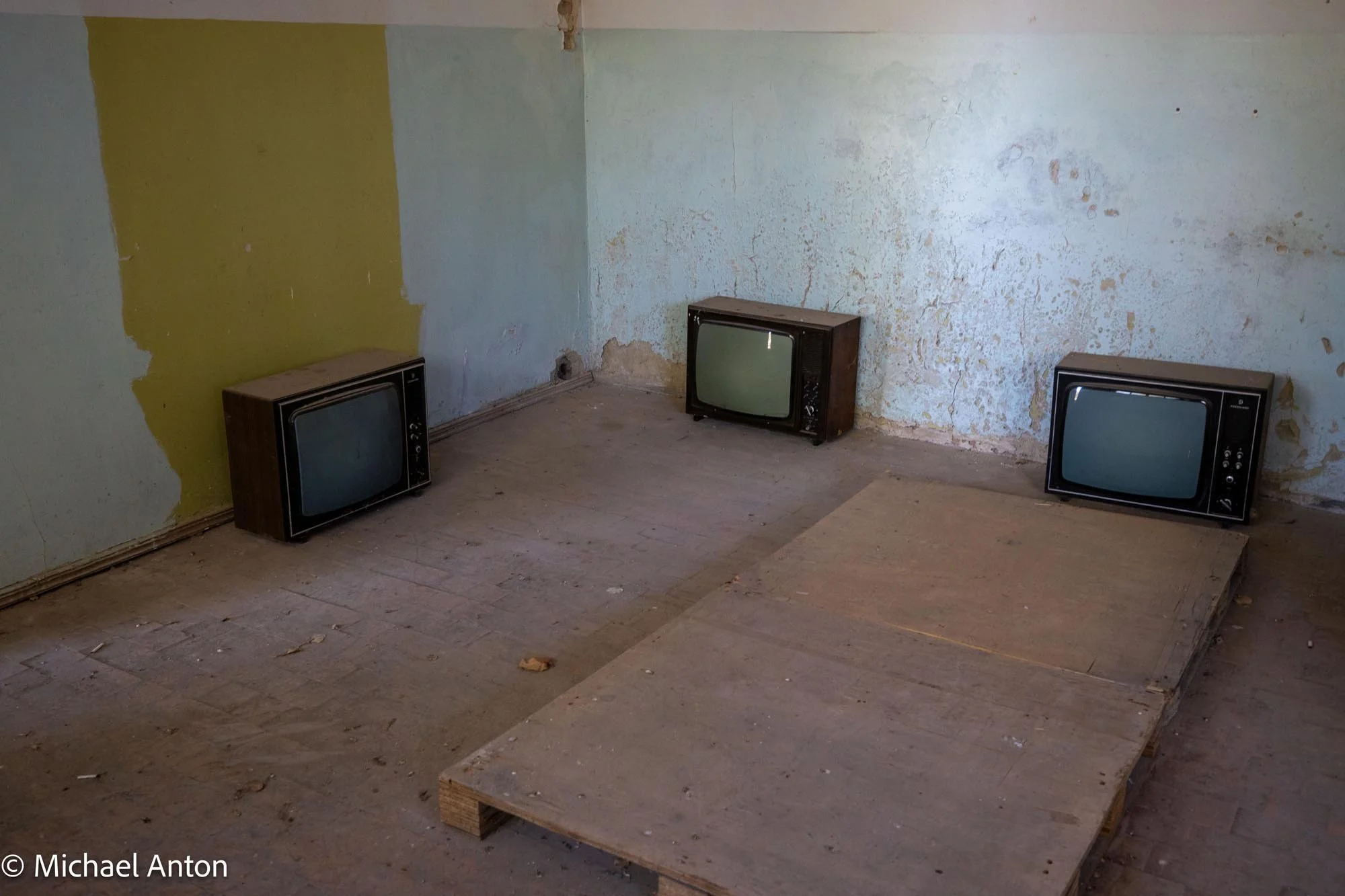
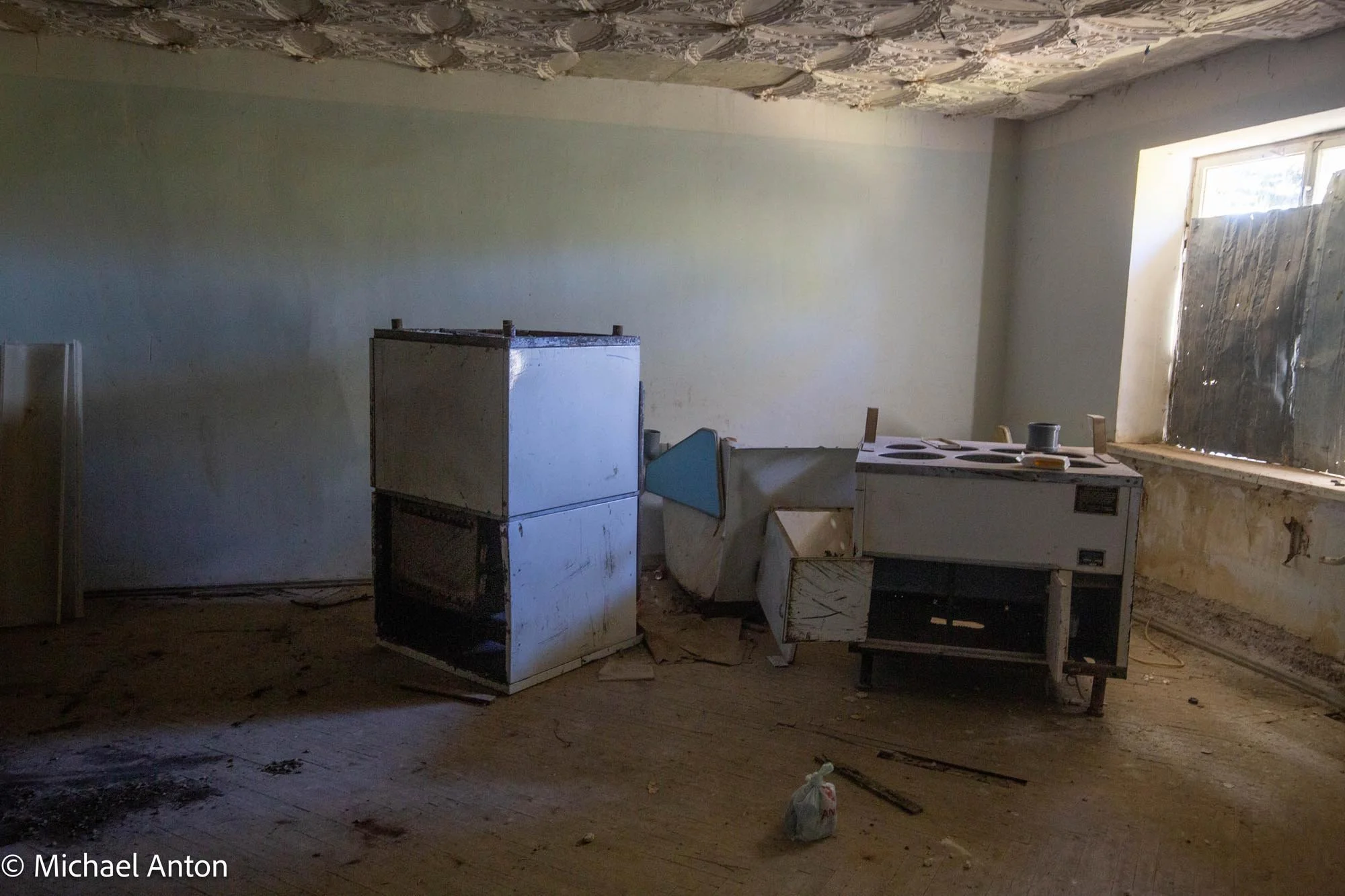
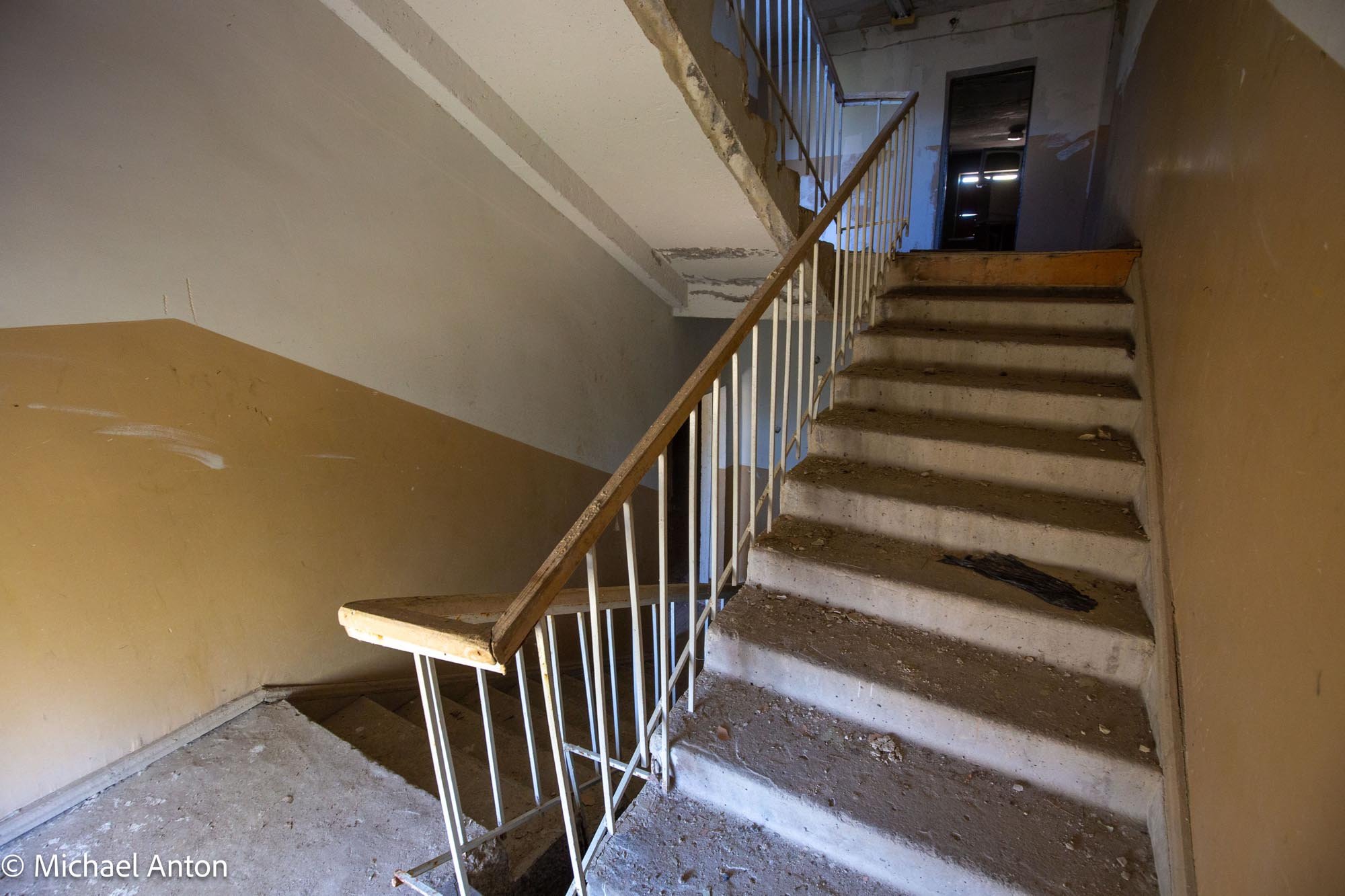
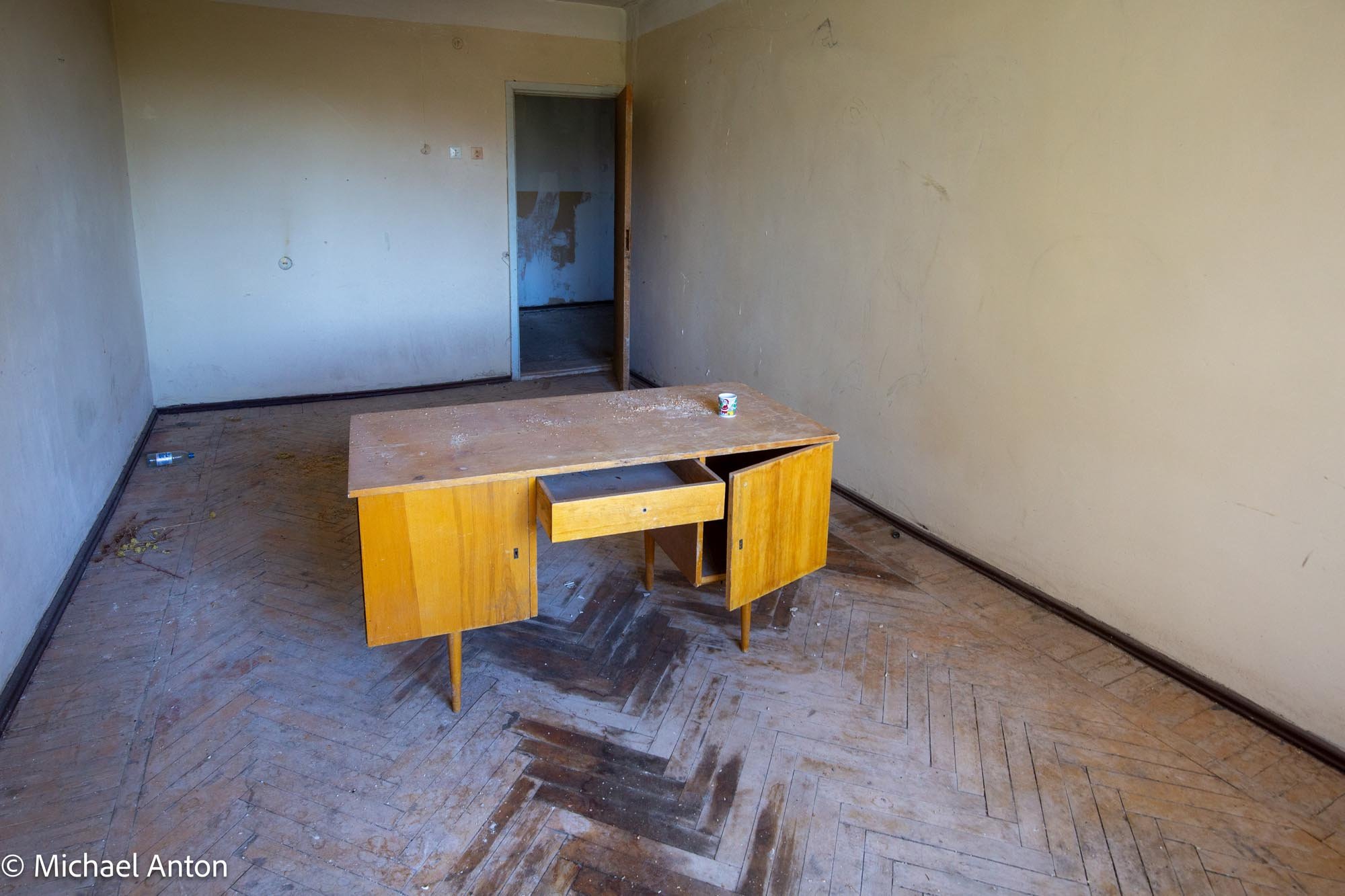
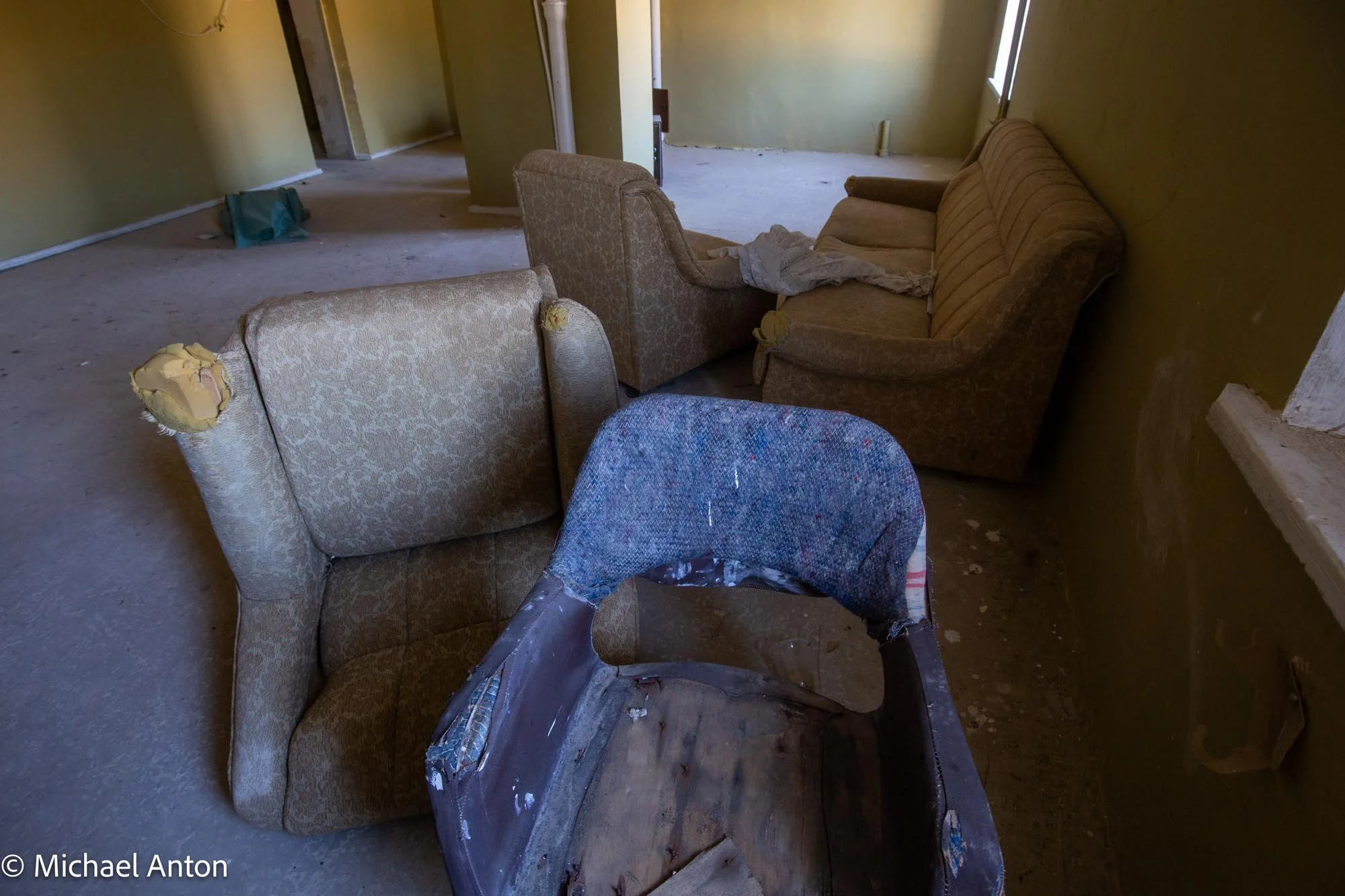
I was able to force my way into the latter and explored it floor by floor. I also had several minutes of near panic as I couldn’t find my way out. I was so excited to have gained entry that I didn’t mark which door I’d jimmied open, nor even what floor I’d come in on.
Eventually I did find my way out. Note: Always leave a trail of breadcrumbs in a situation like this.
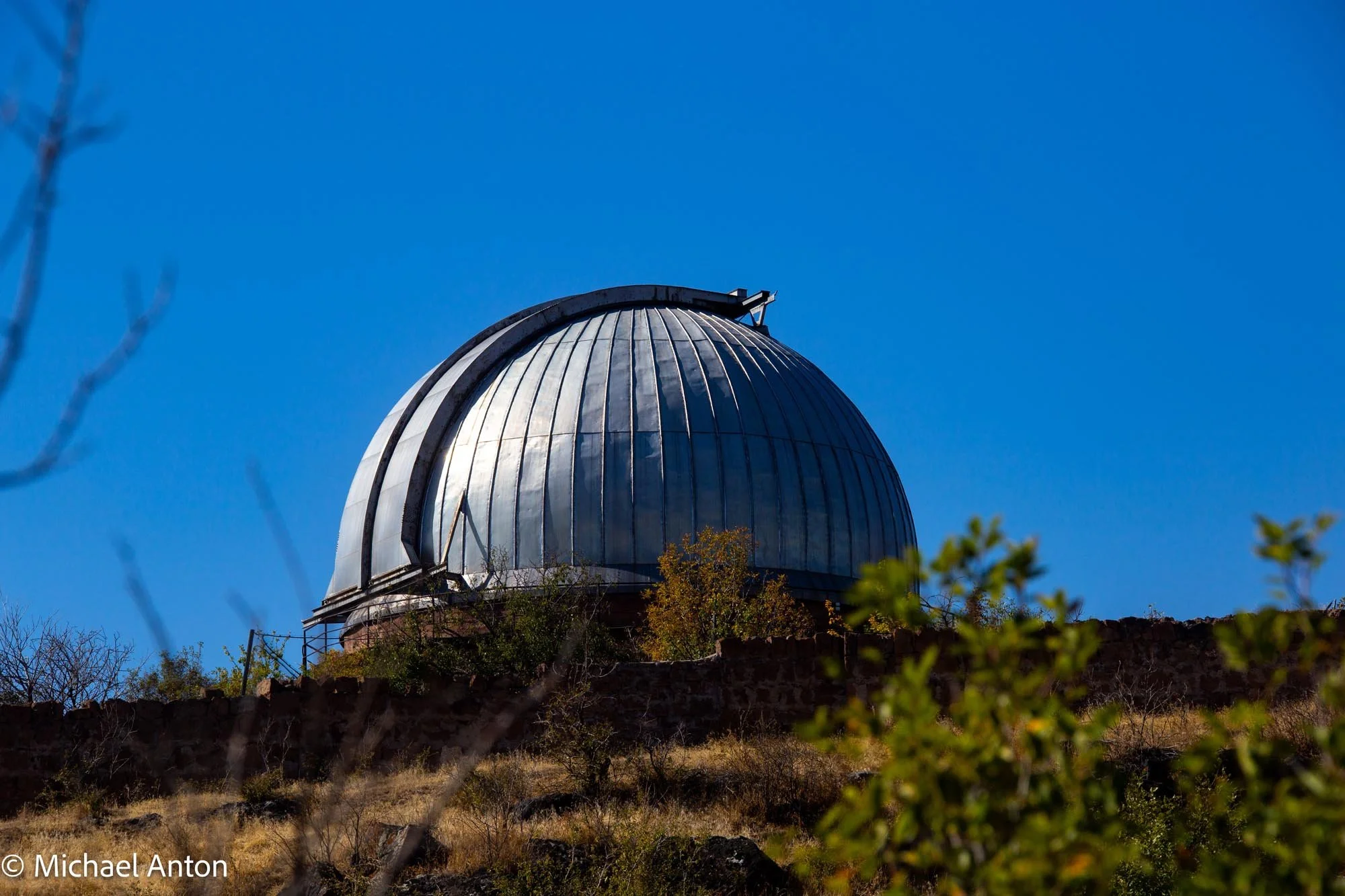
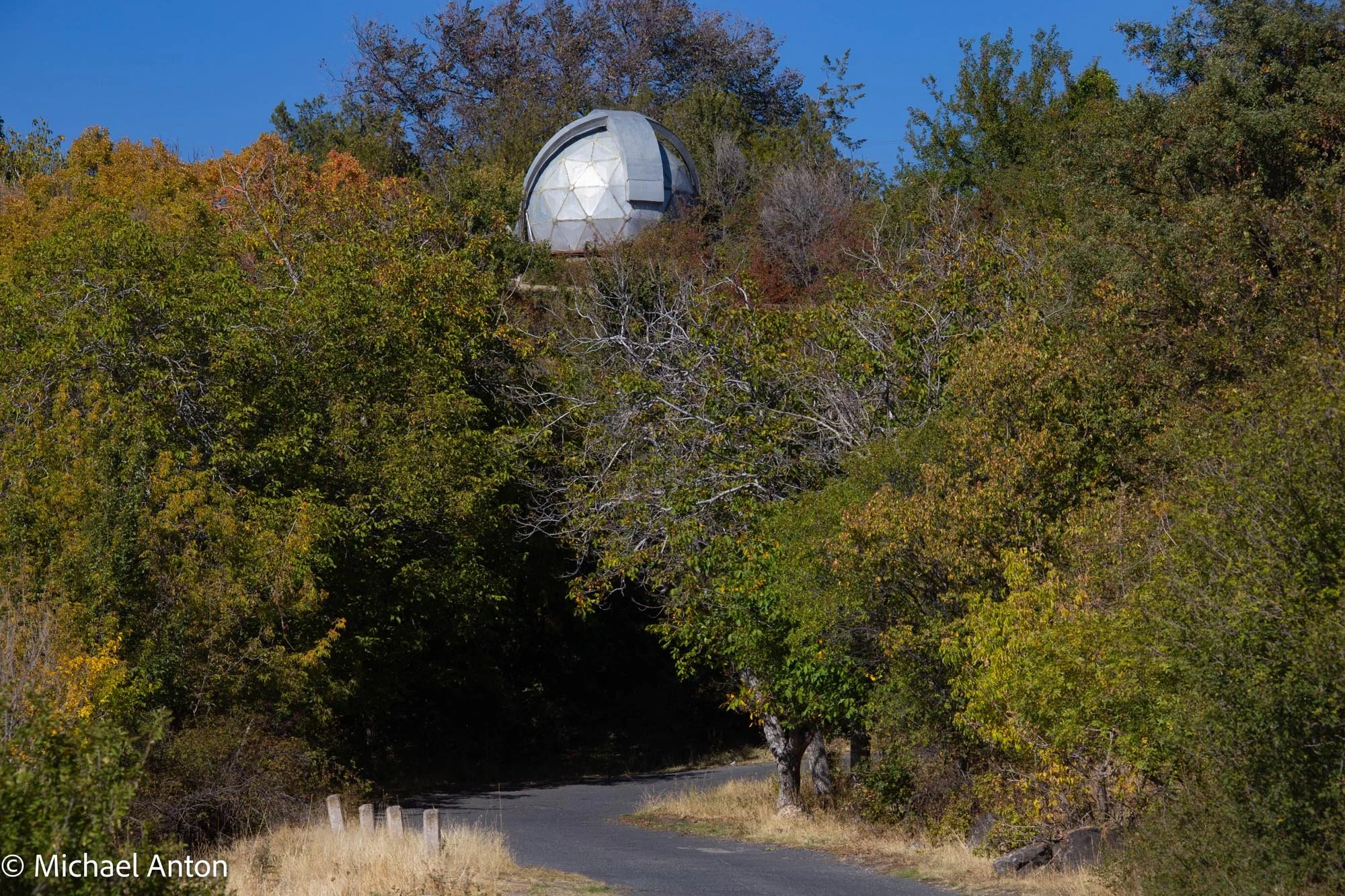
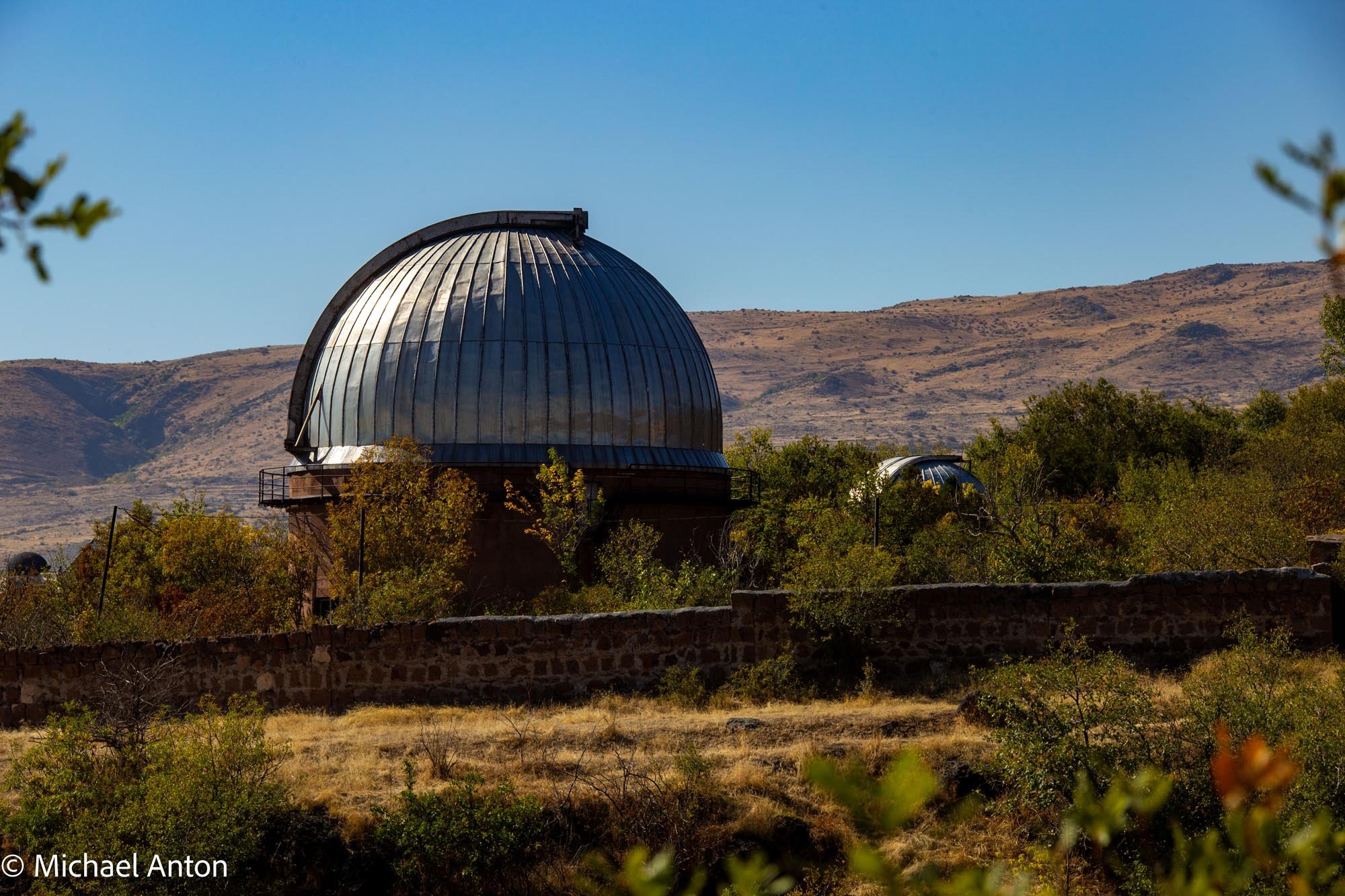
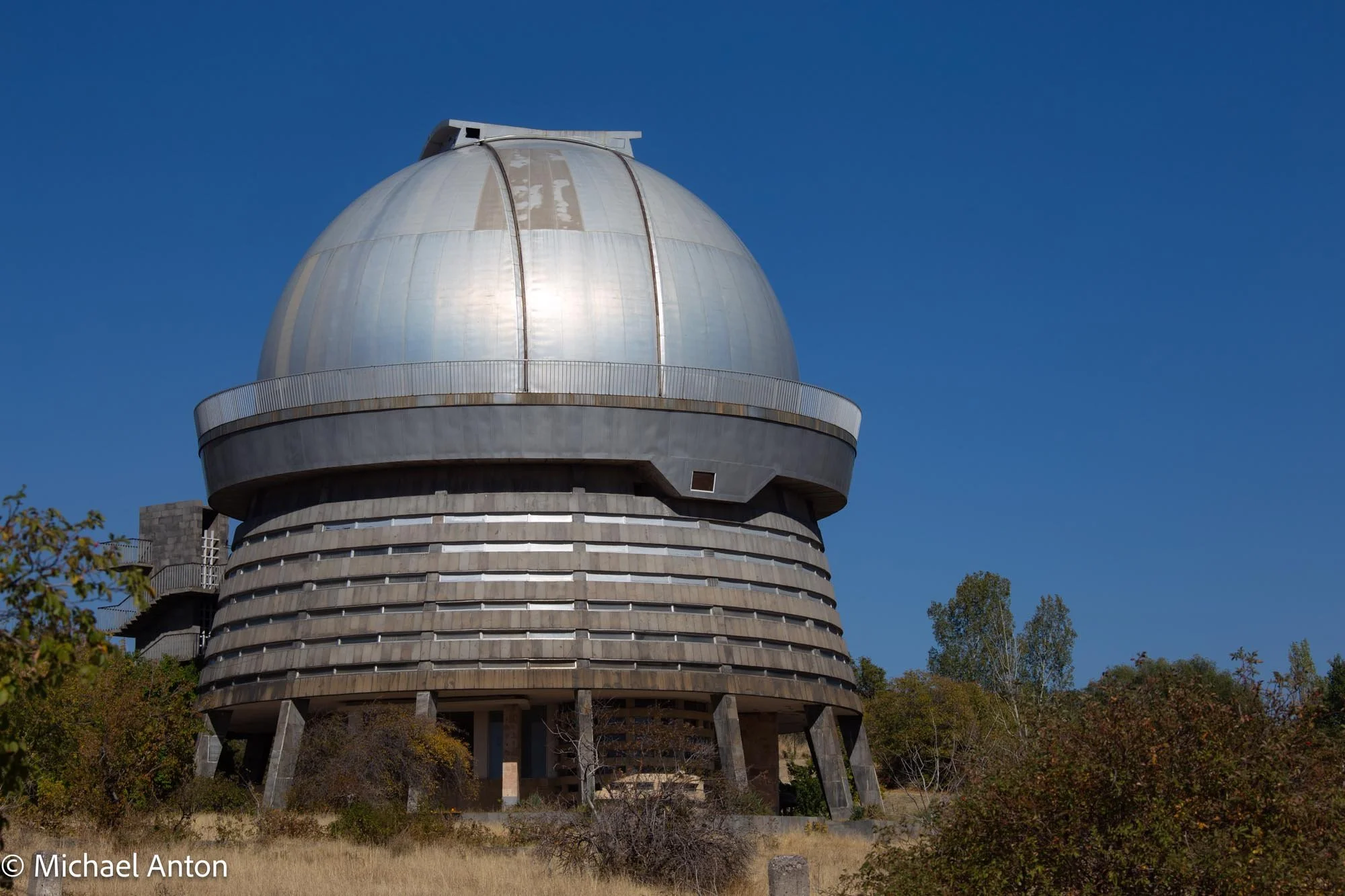
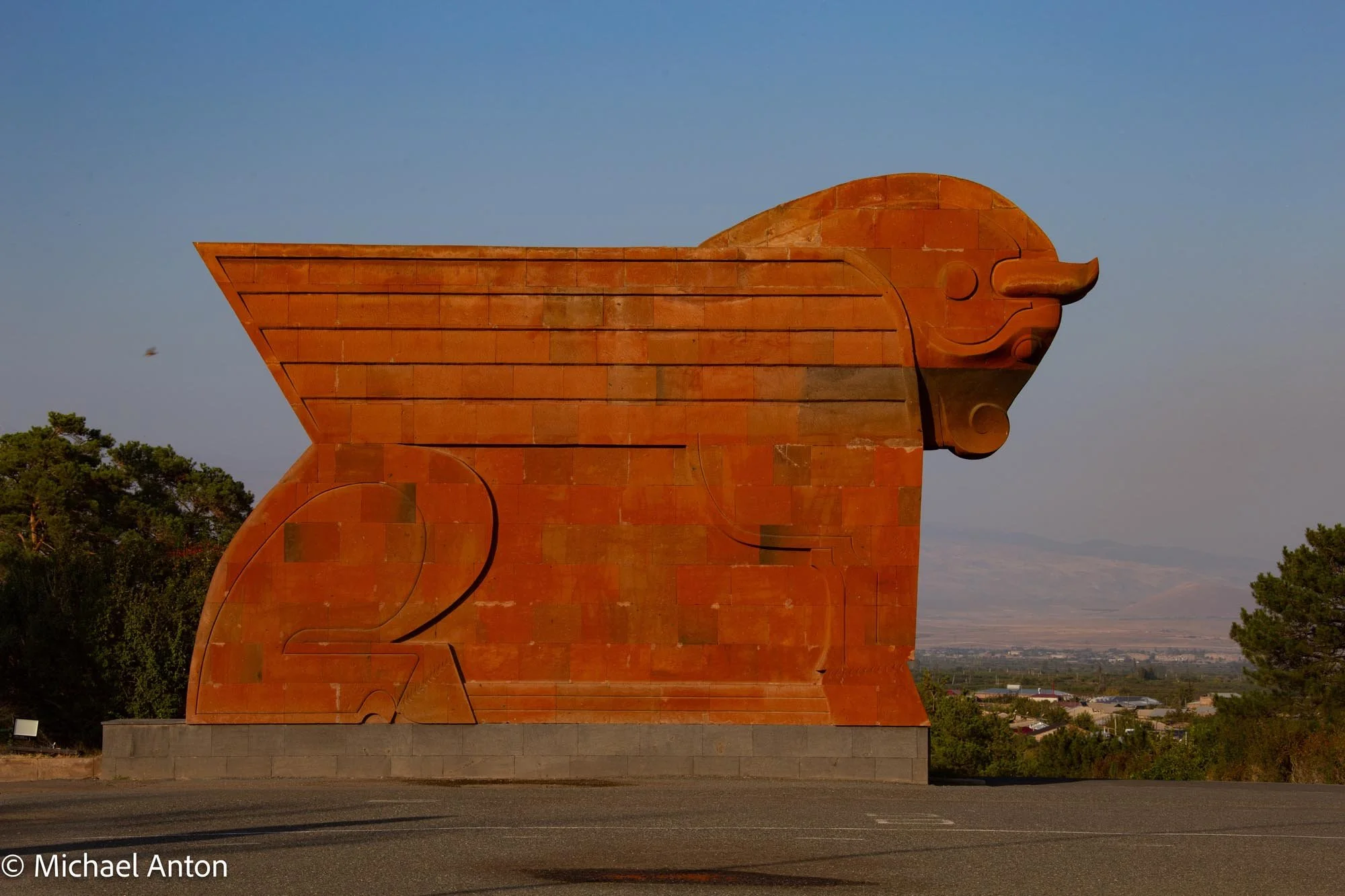
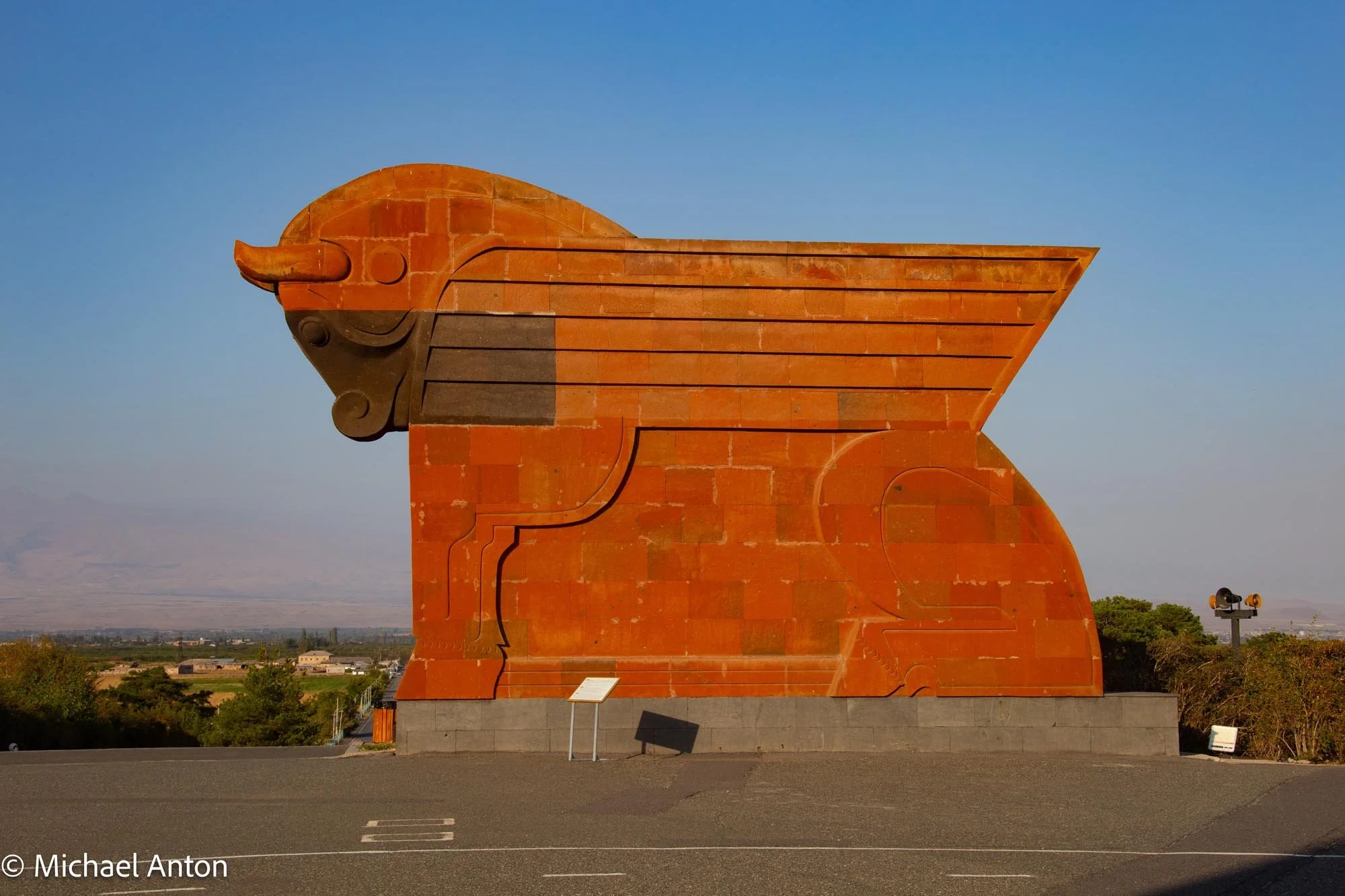
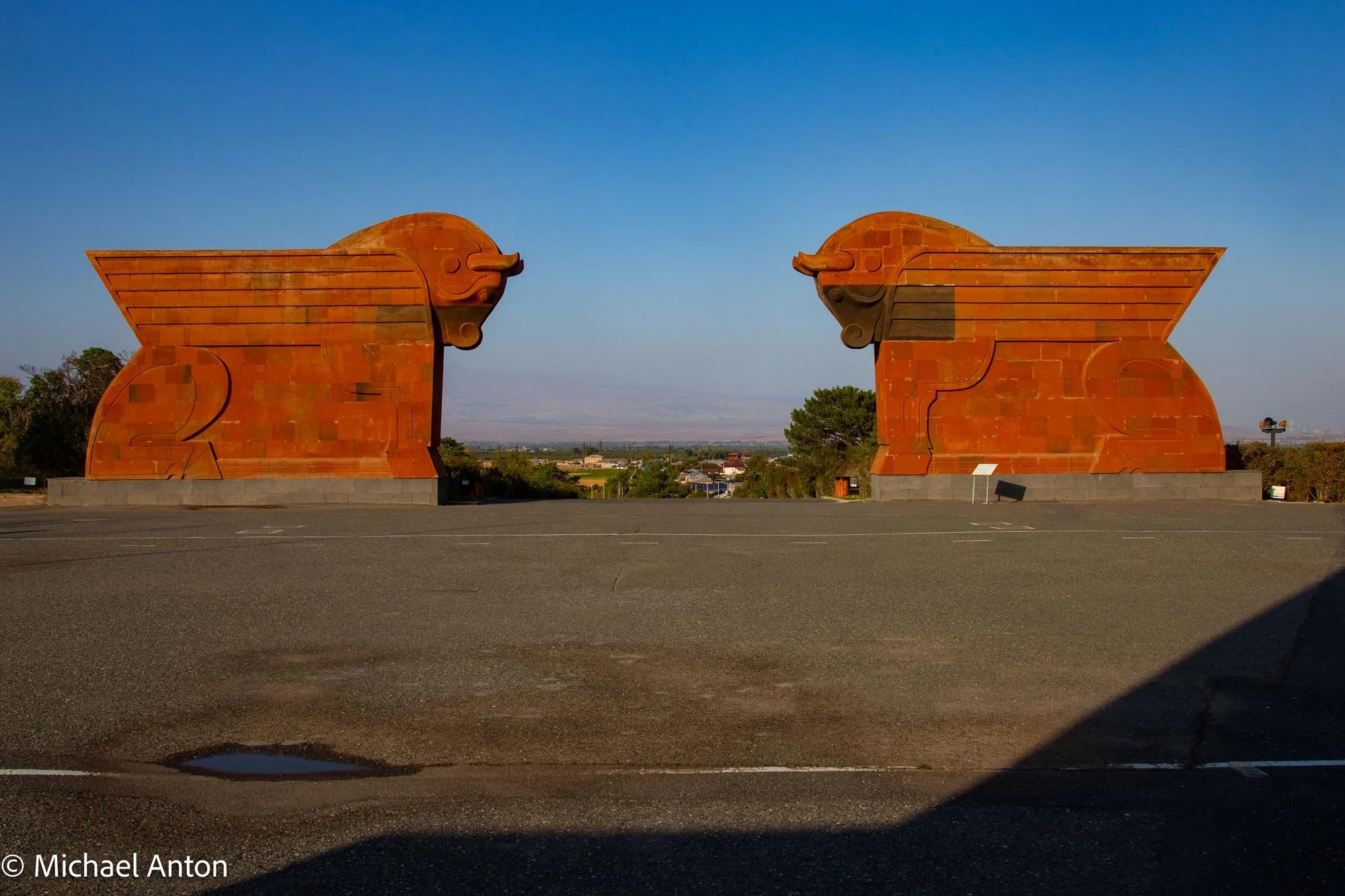
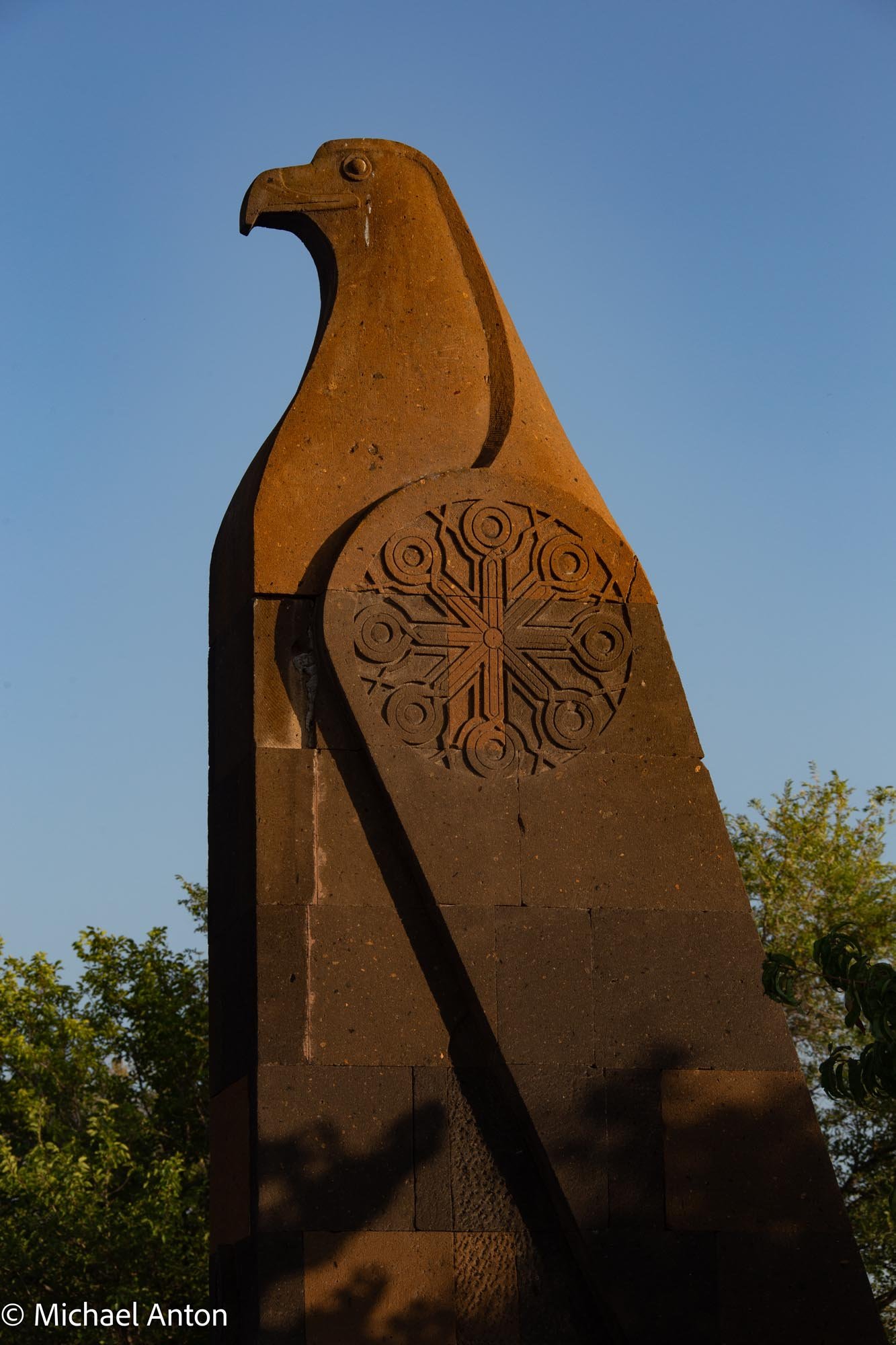
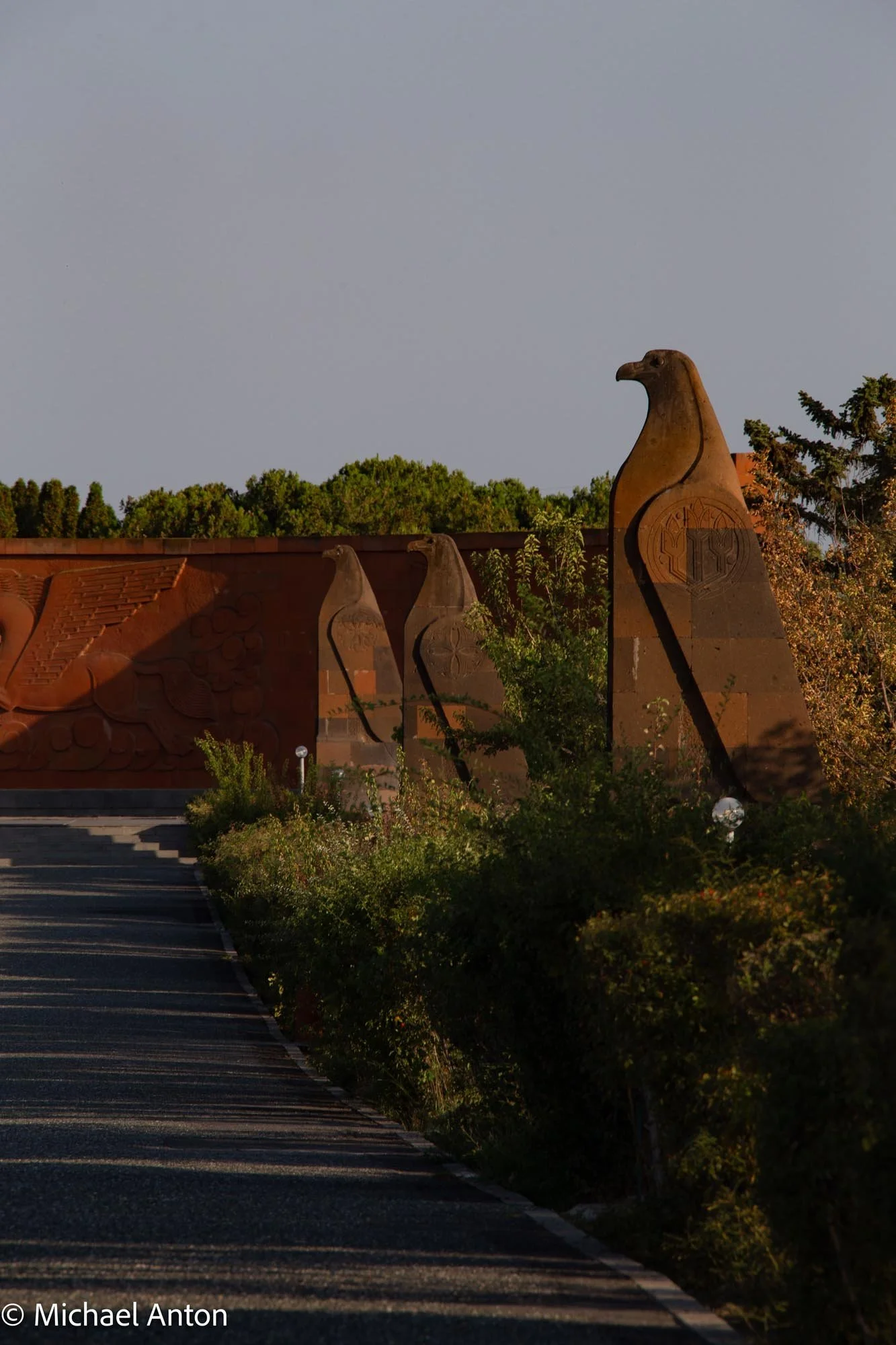
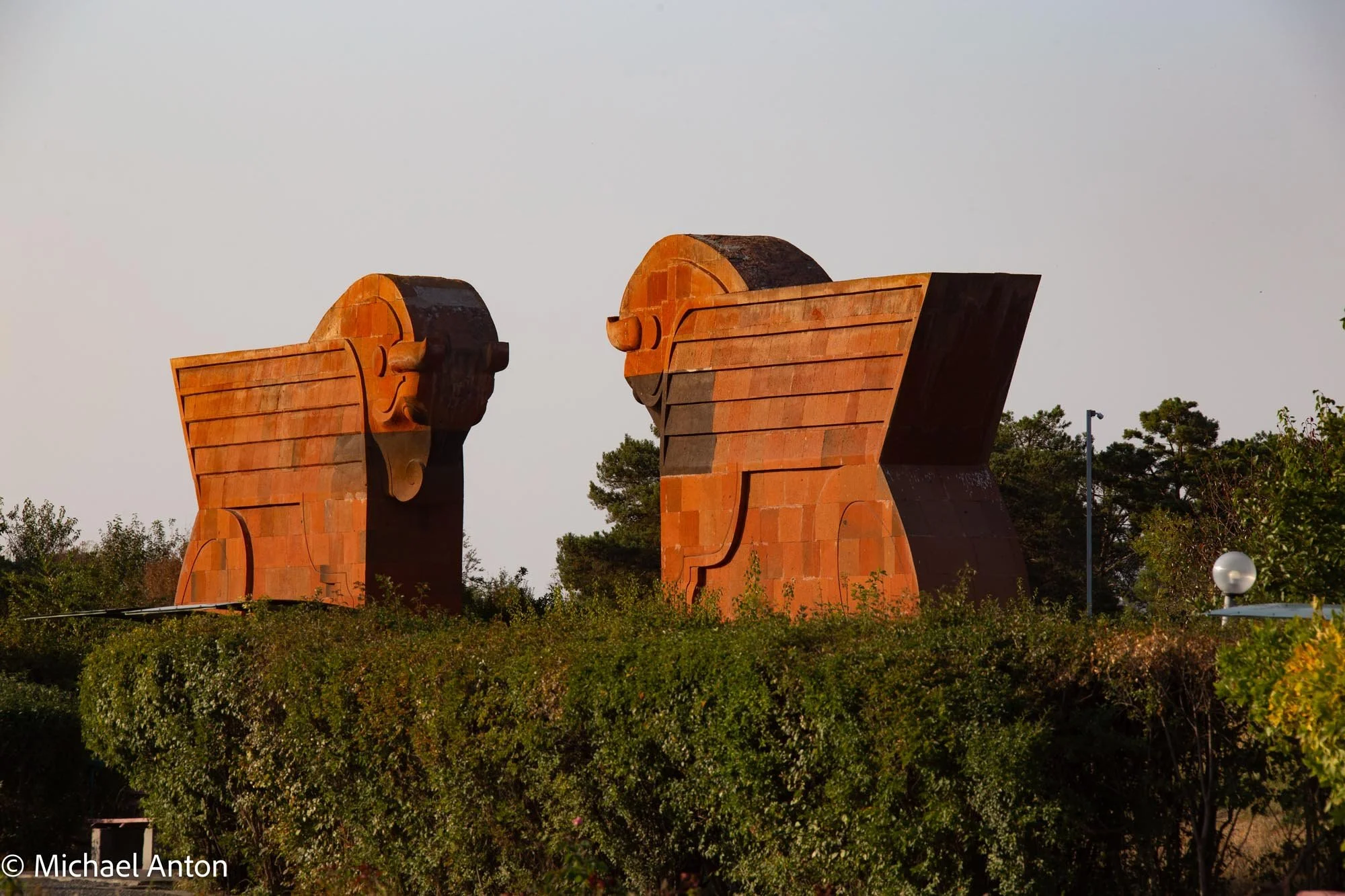
Sardarapat Memorial
Built in 1968 to commemorate the 50th anniversary of Armenia’s victory against the invading Turkish army, it also contains the graves now of the young soldiers who perished in the recent wars with neighboring Azerbaijan.
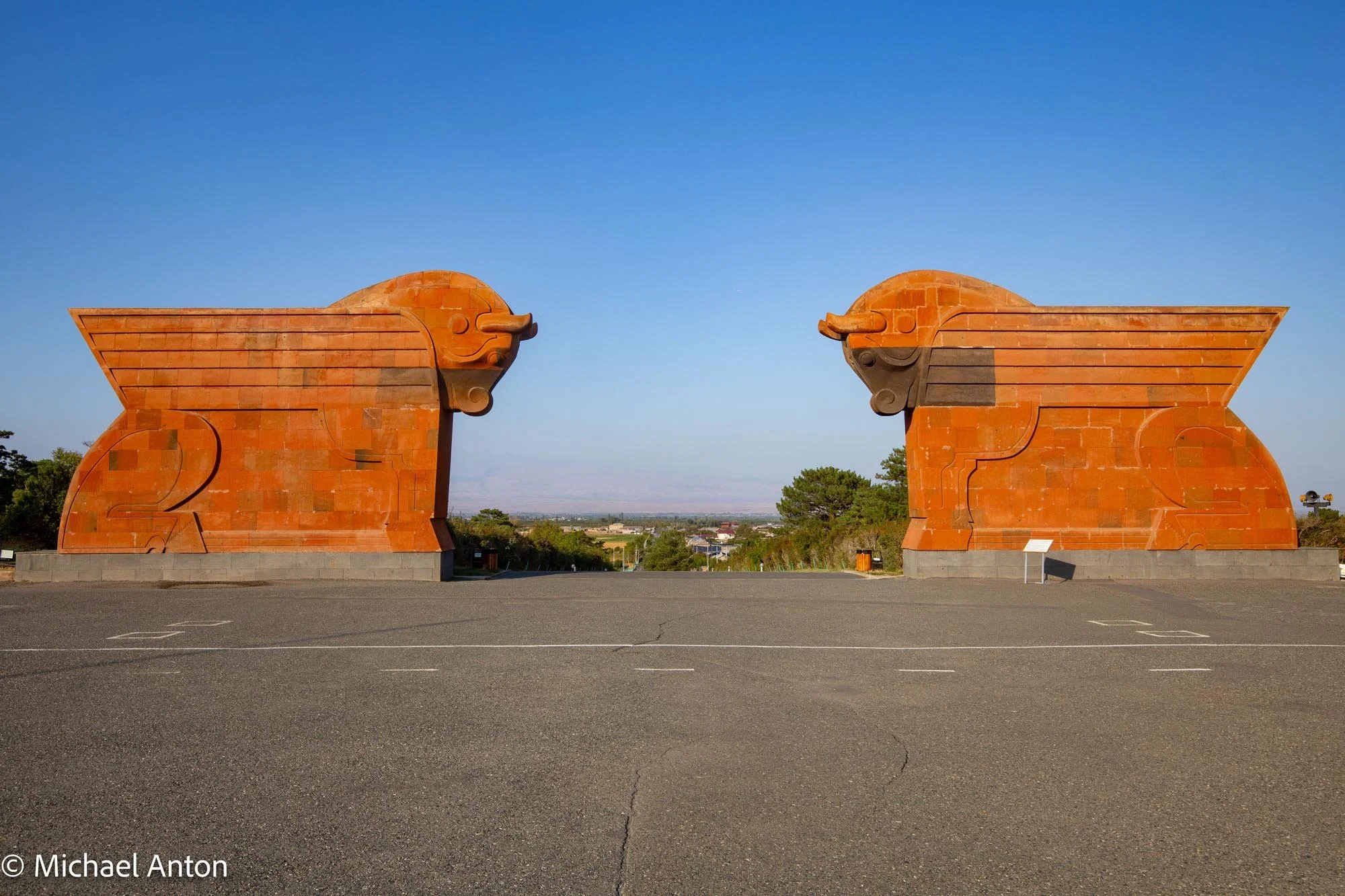
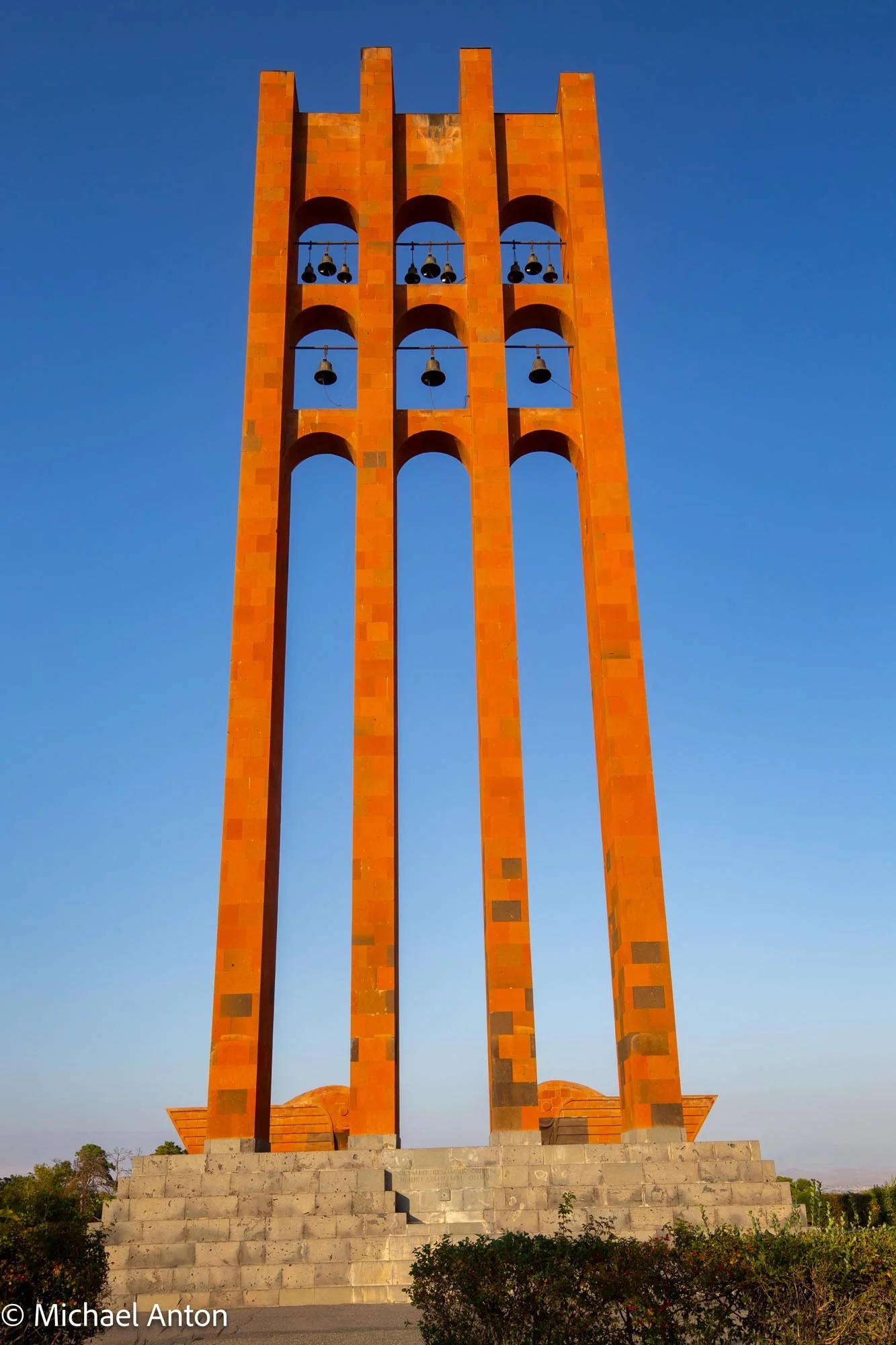
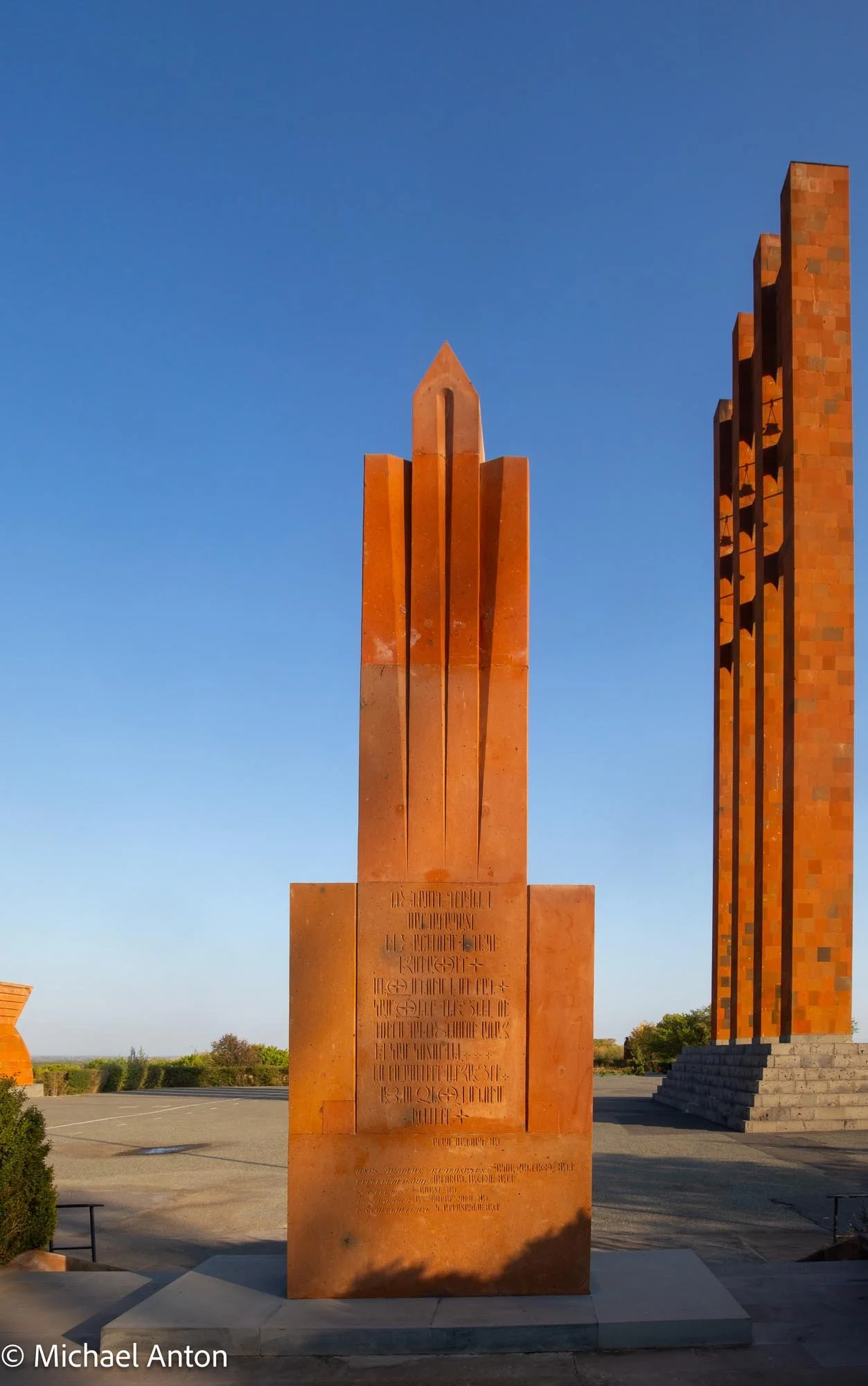
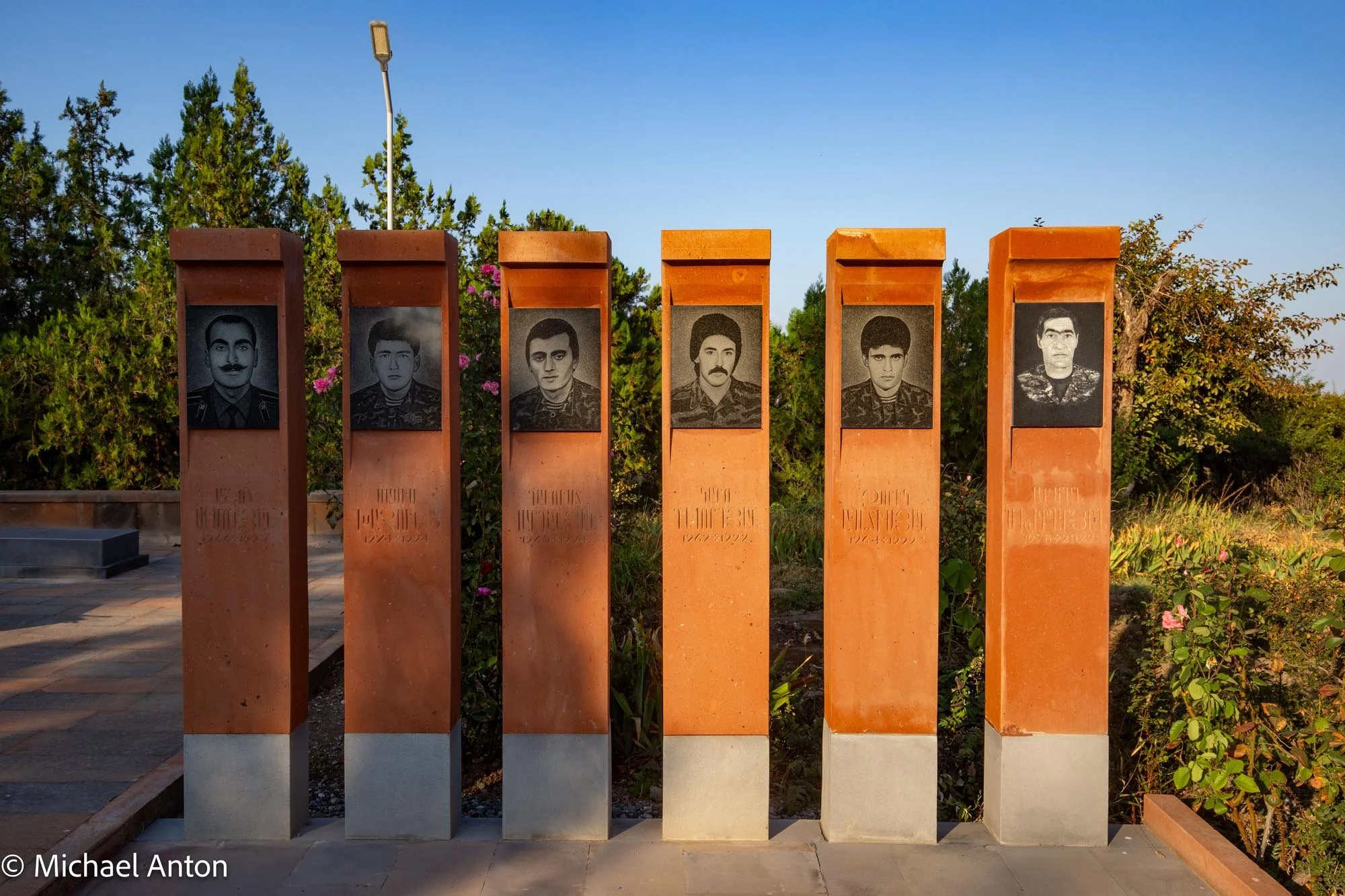
Writers House
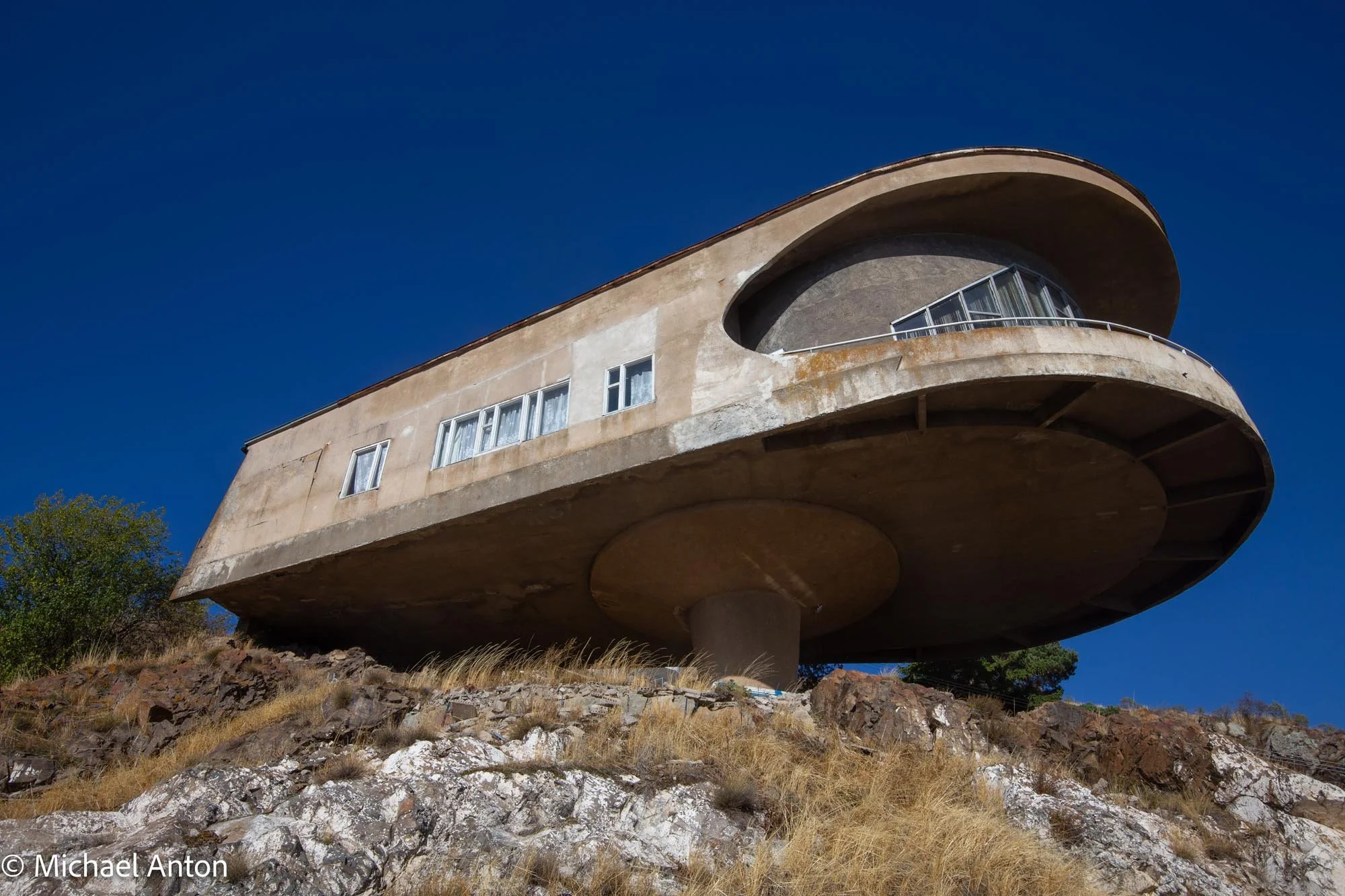
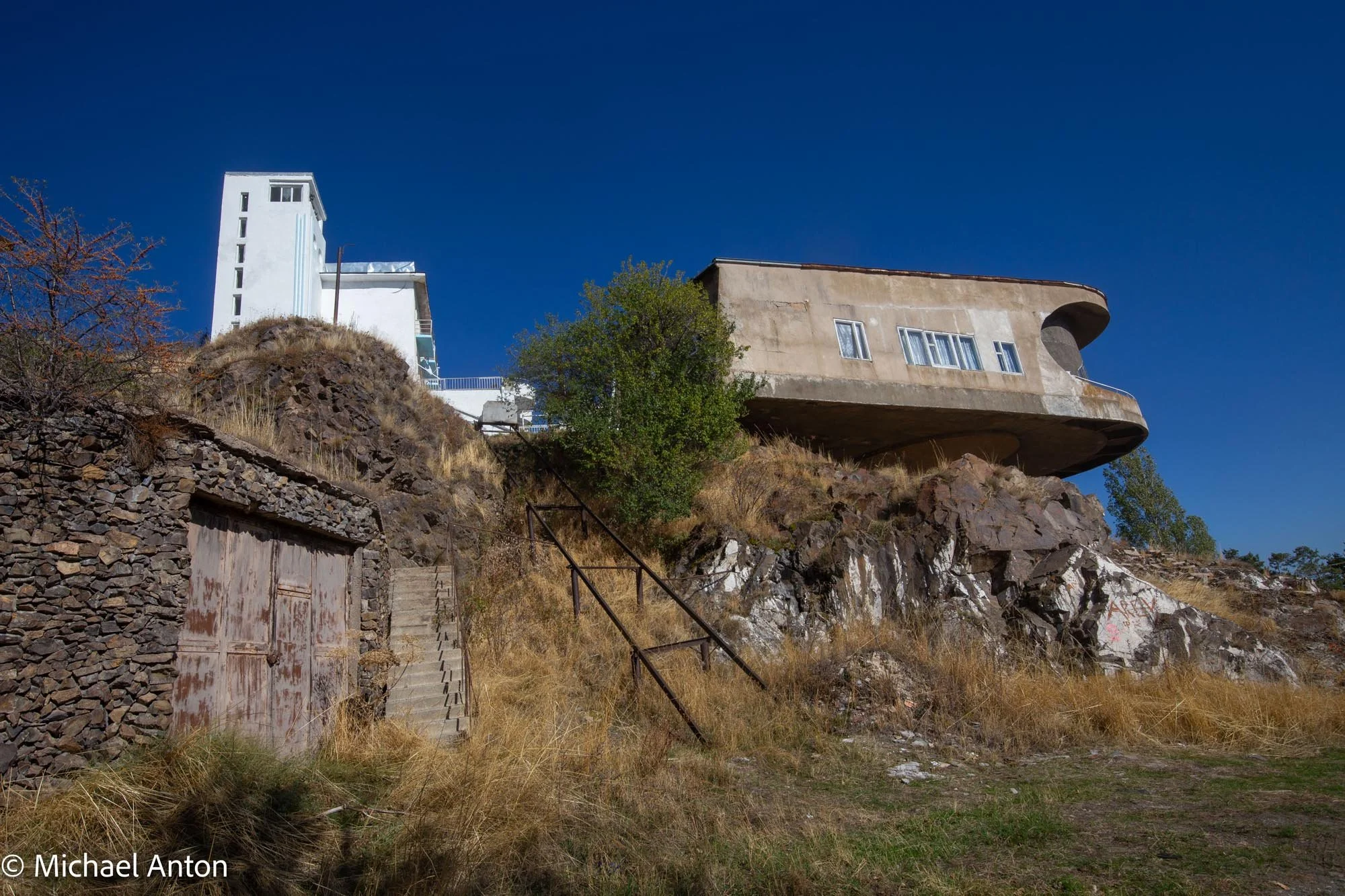
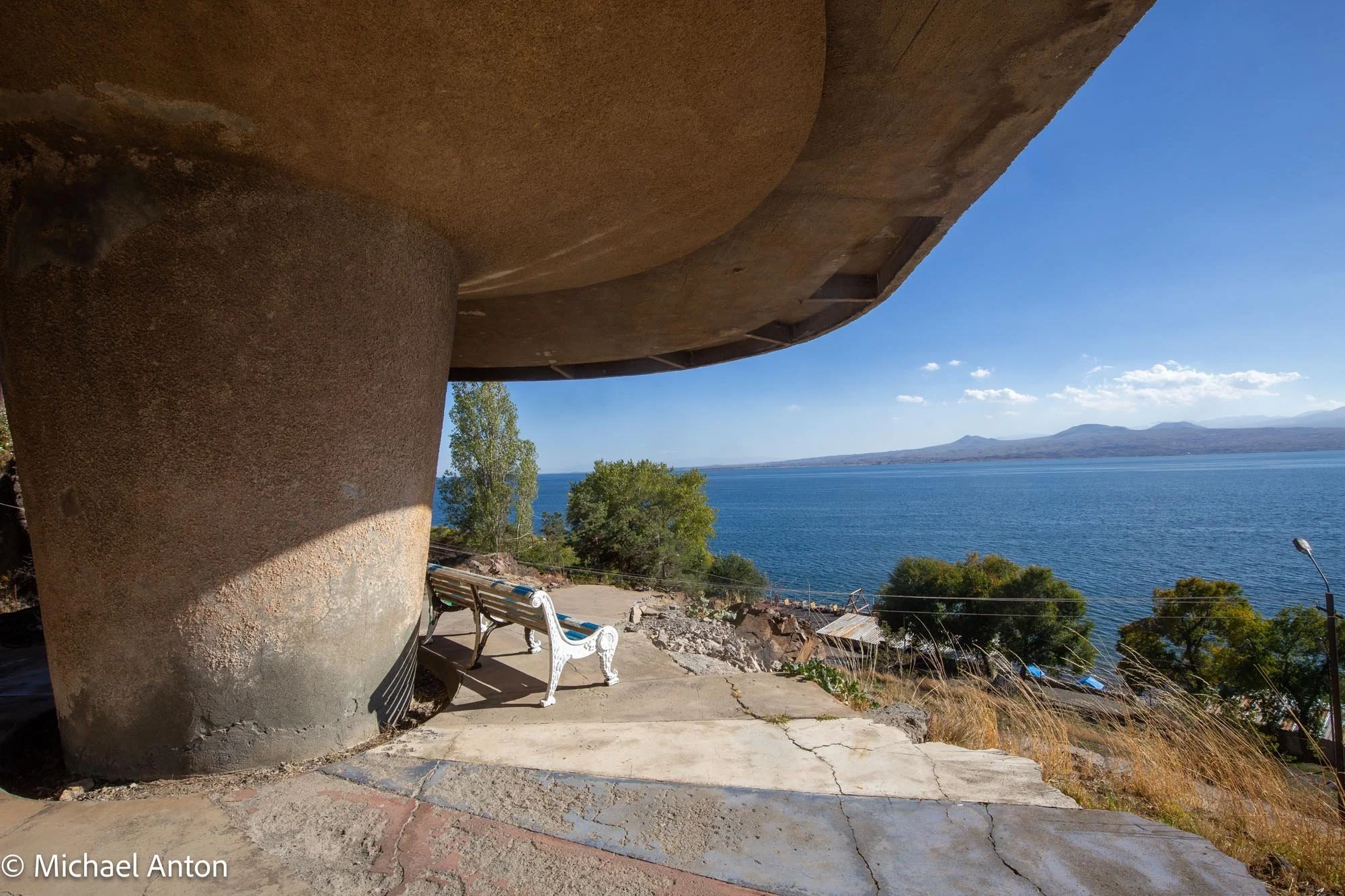
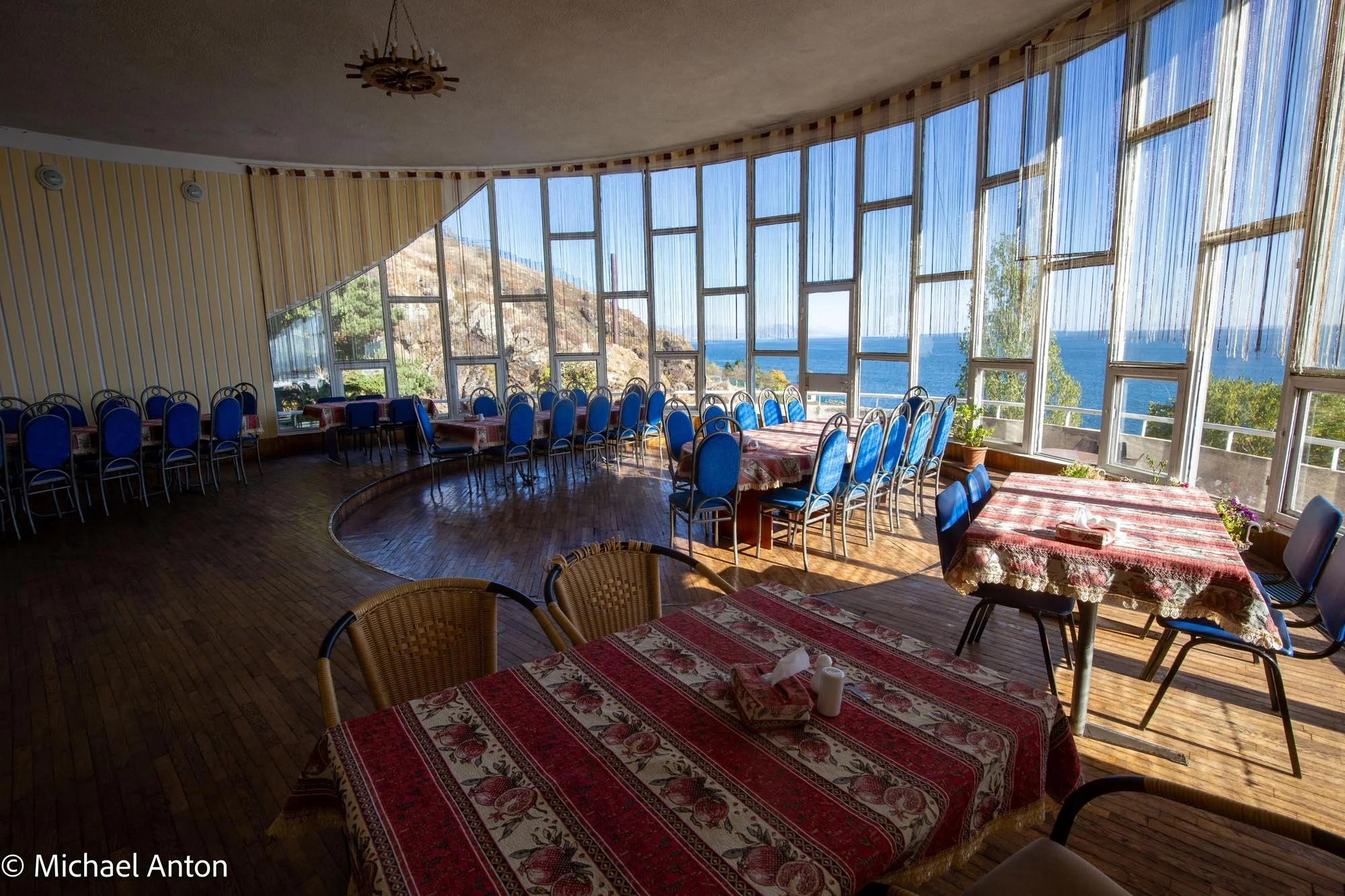
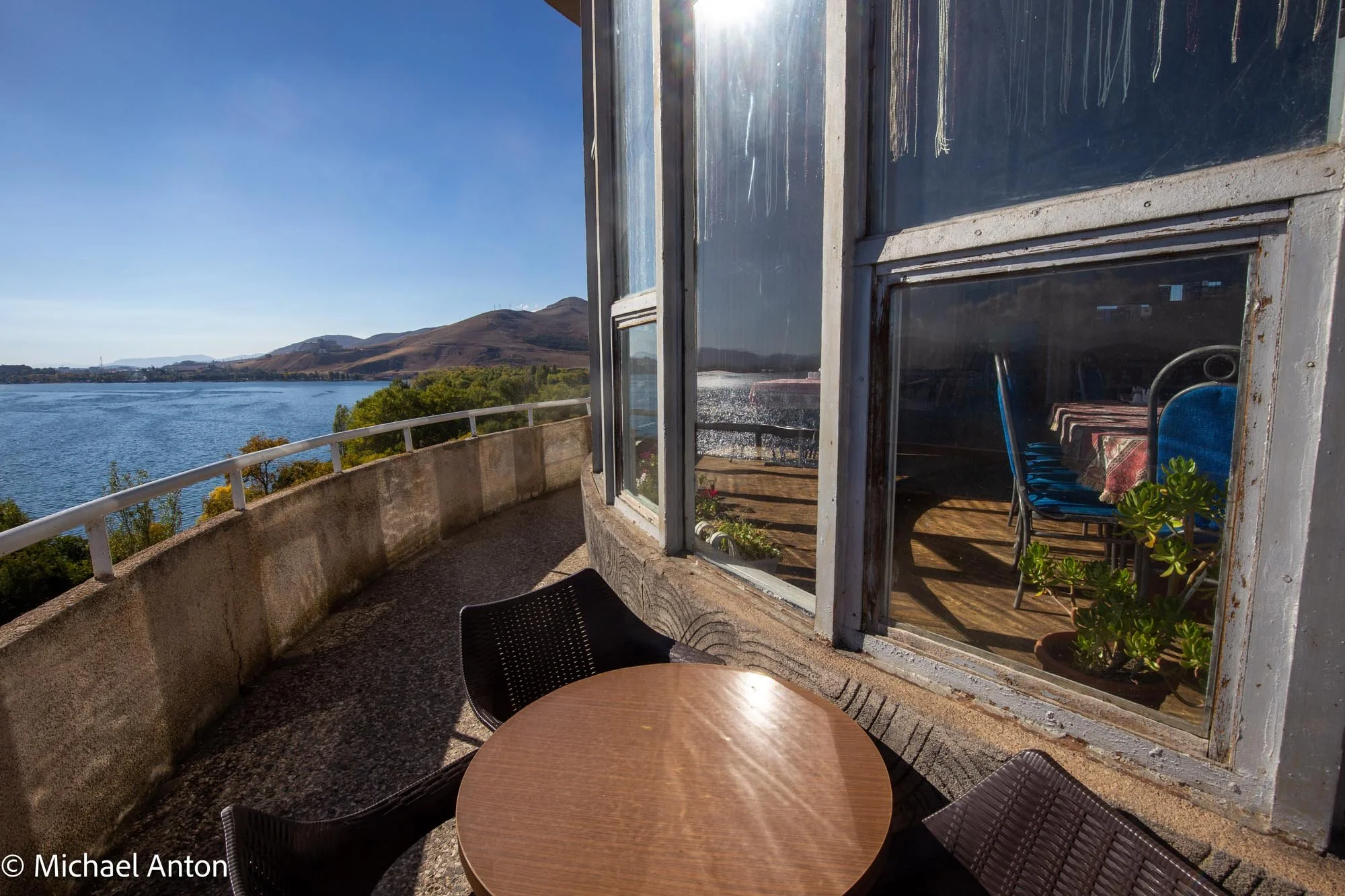
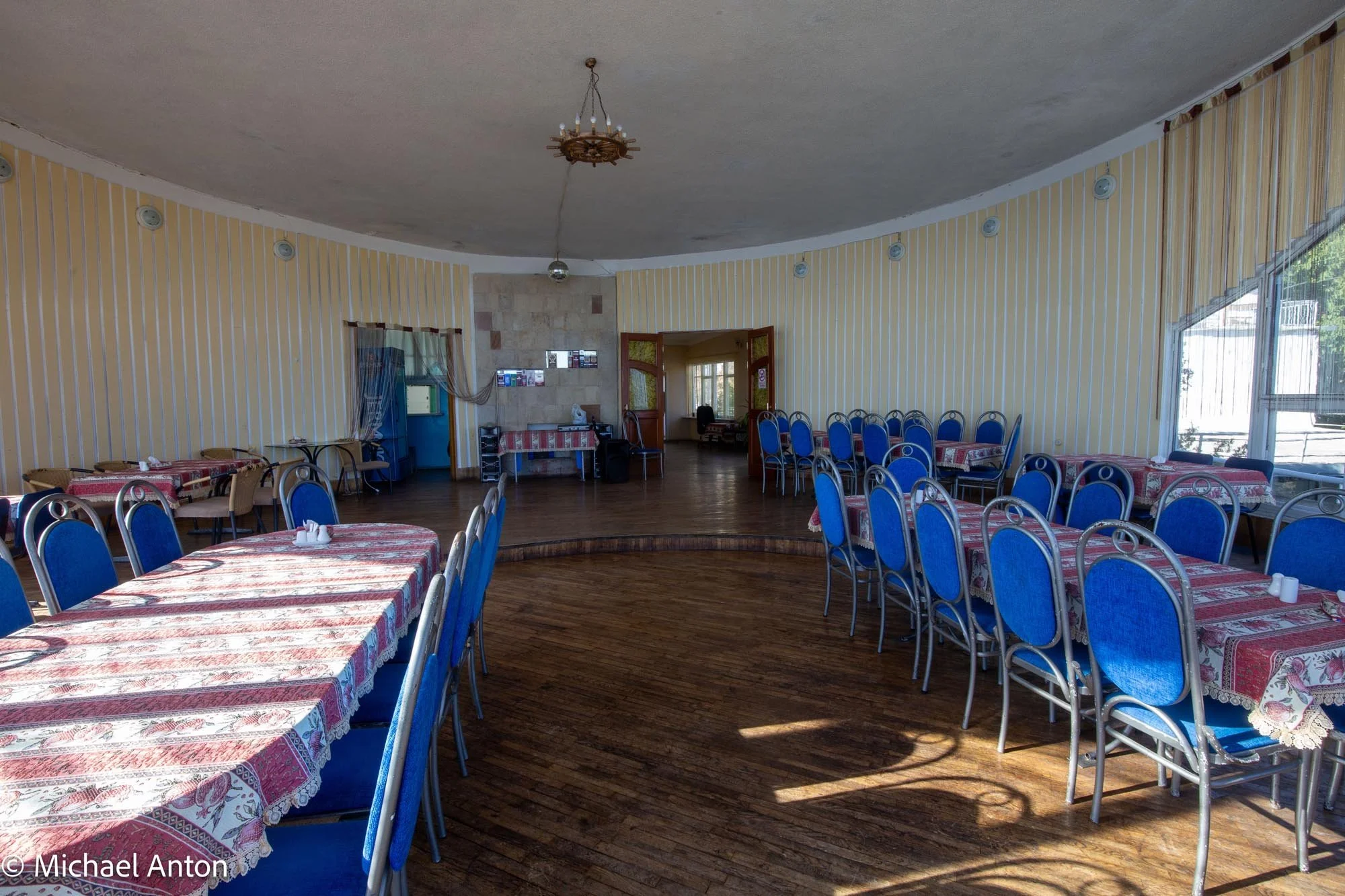
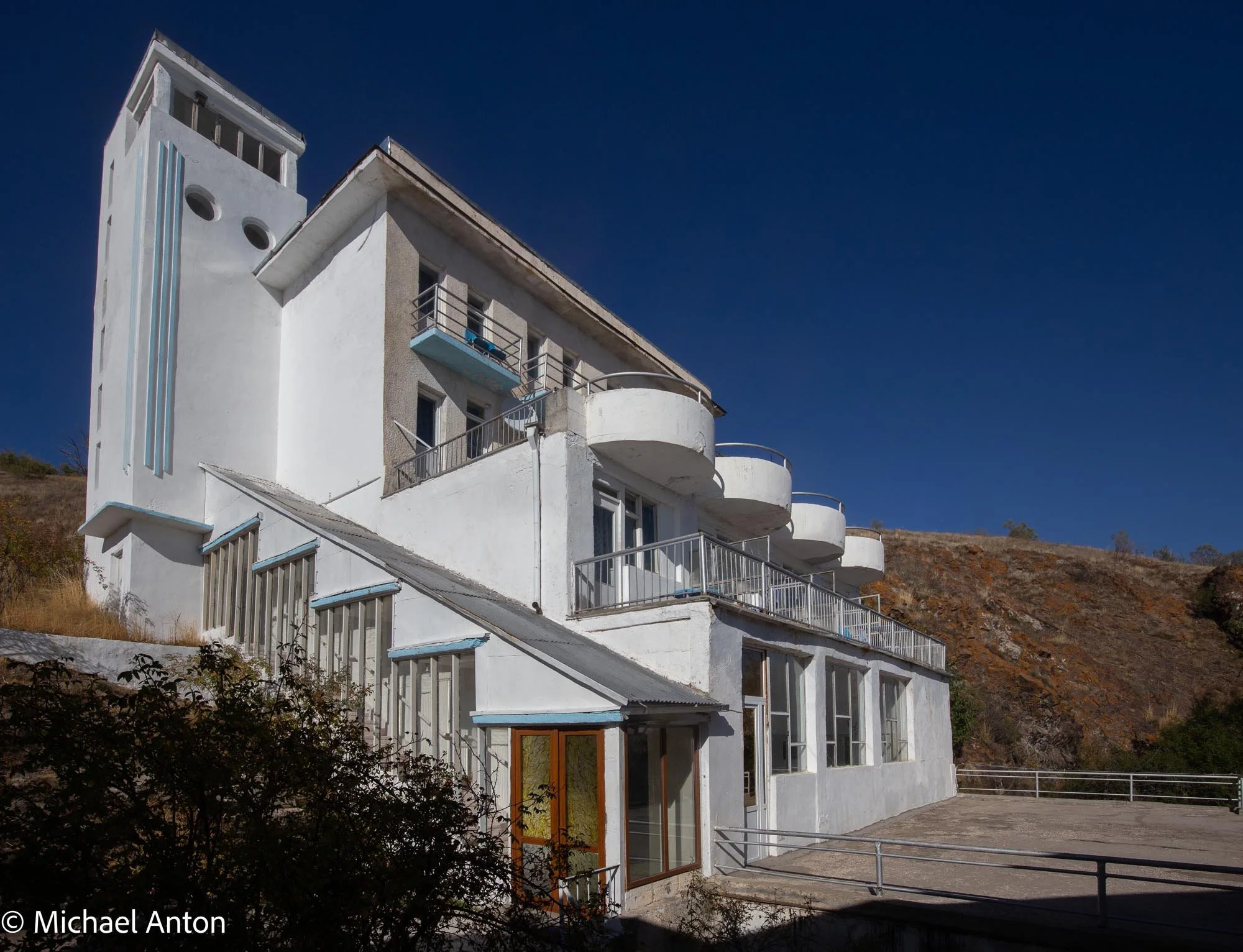
Officially named the Sevan Writers Resort, since it overlooks Lake Sevan, it was built originally from 1932-1935, and then added substantially to in 1963-1965.
Built in the Soviet “avant-garde” style, as are several other structures in this country (see Rail Stations-Active and Abandoned), it remains today a haven for writers from around the world.
Soviet Era Airports
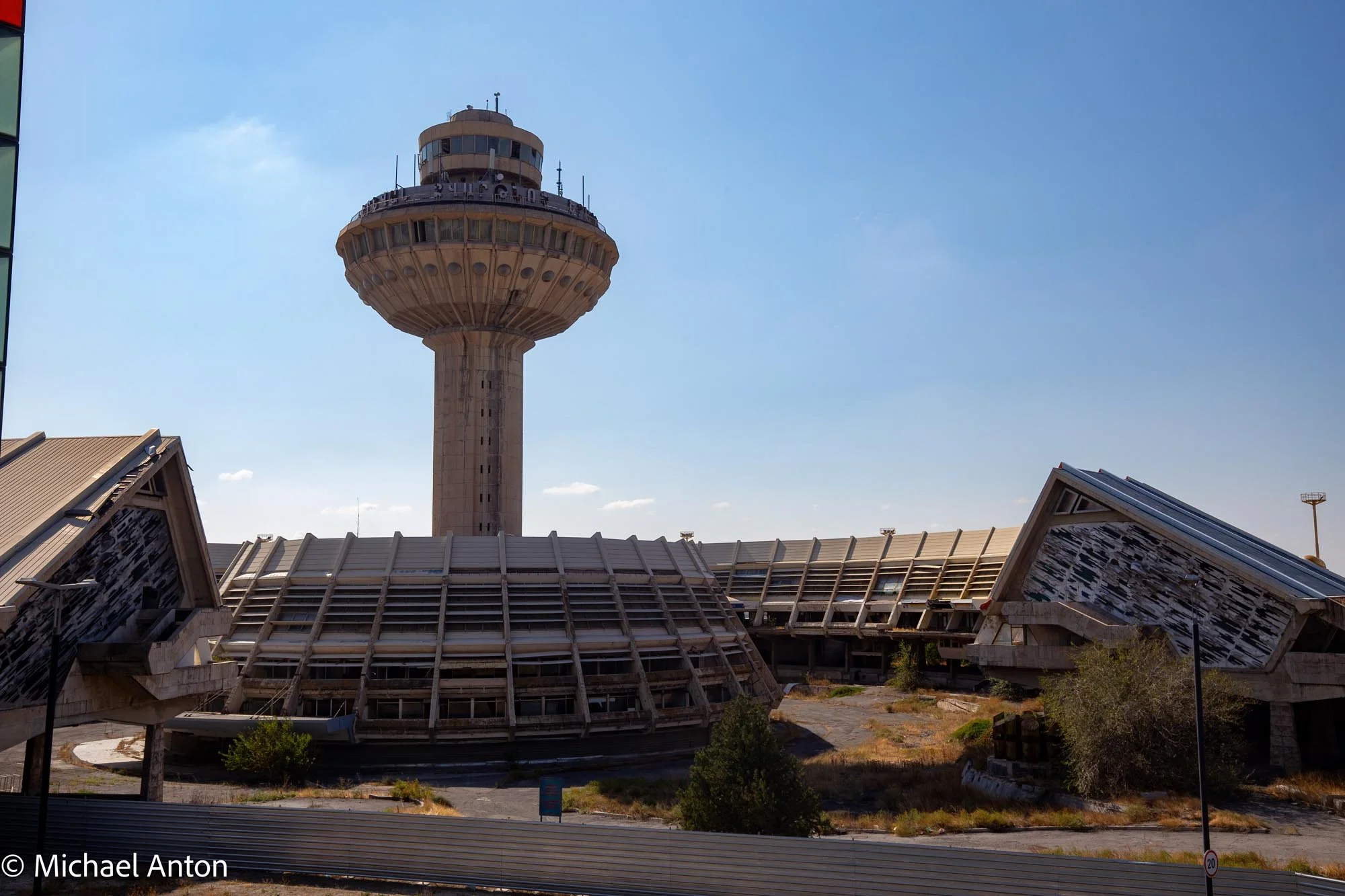
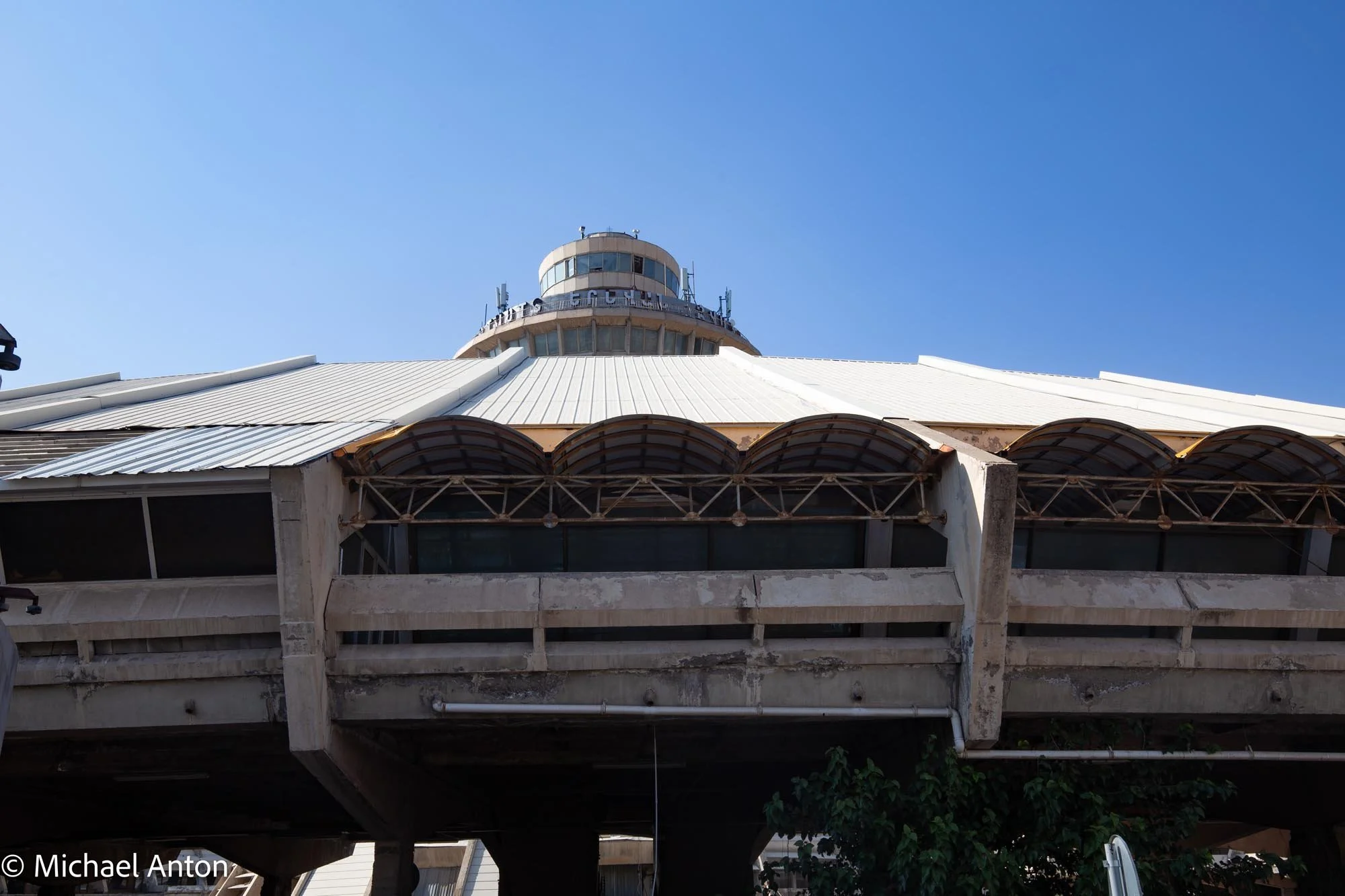
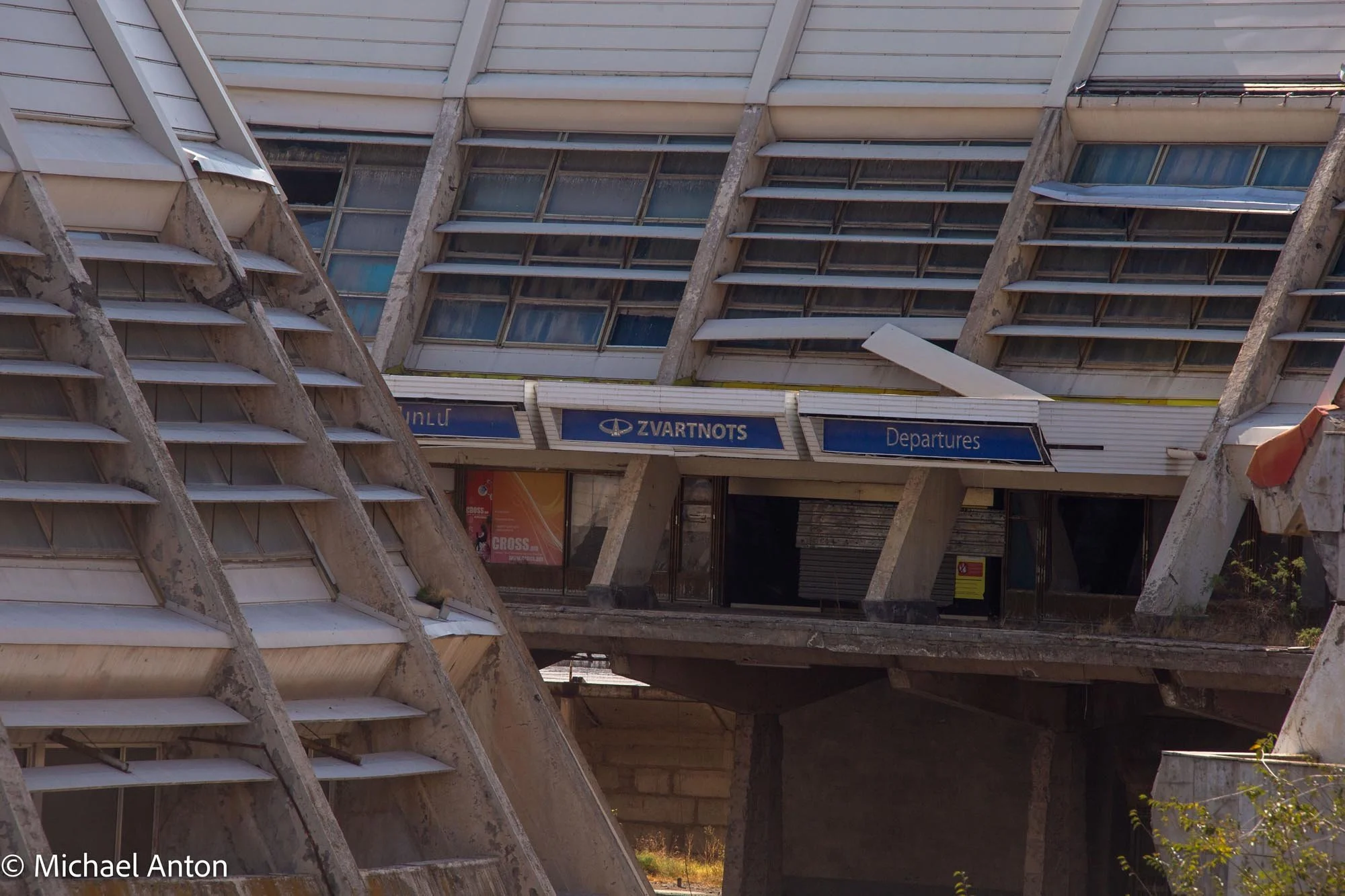
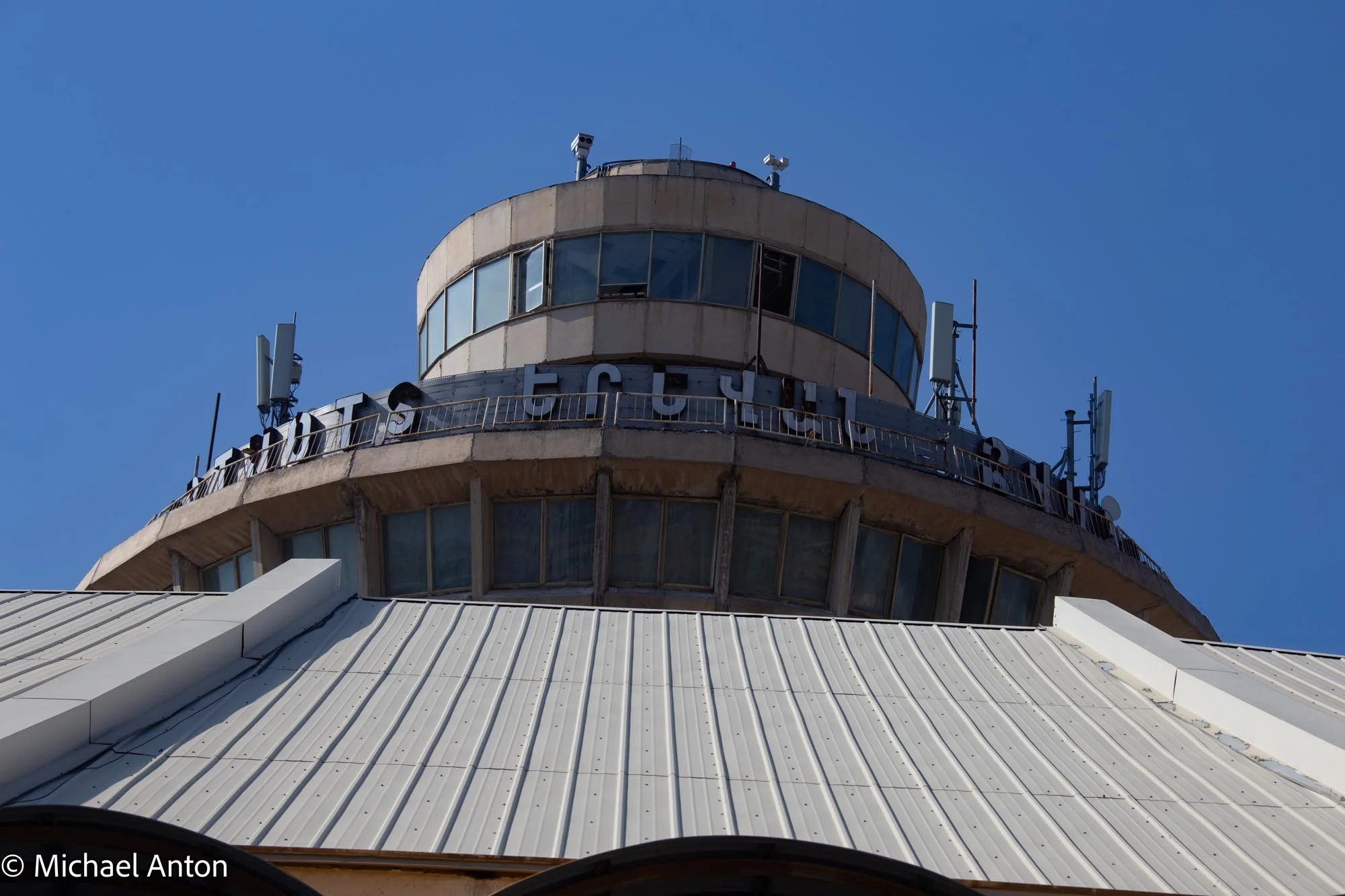
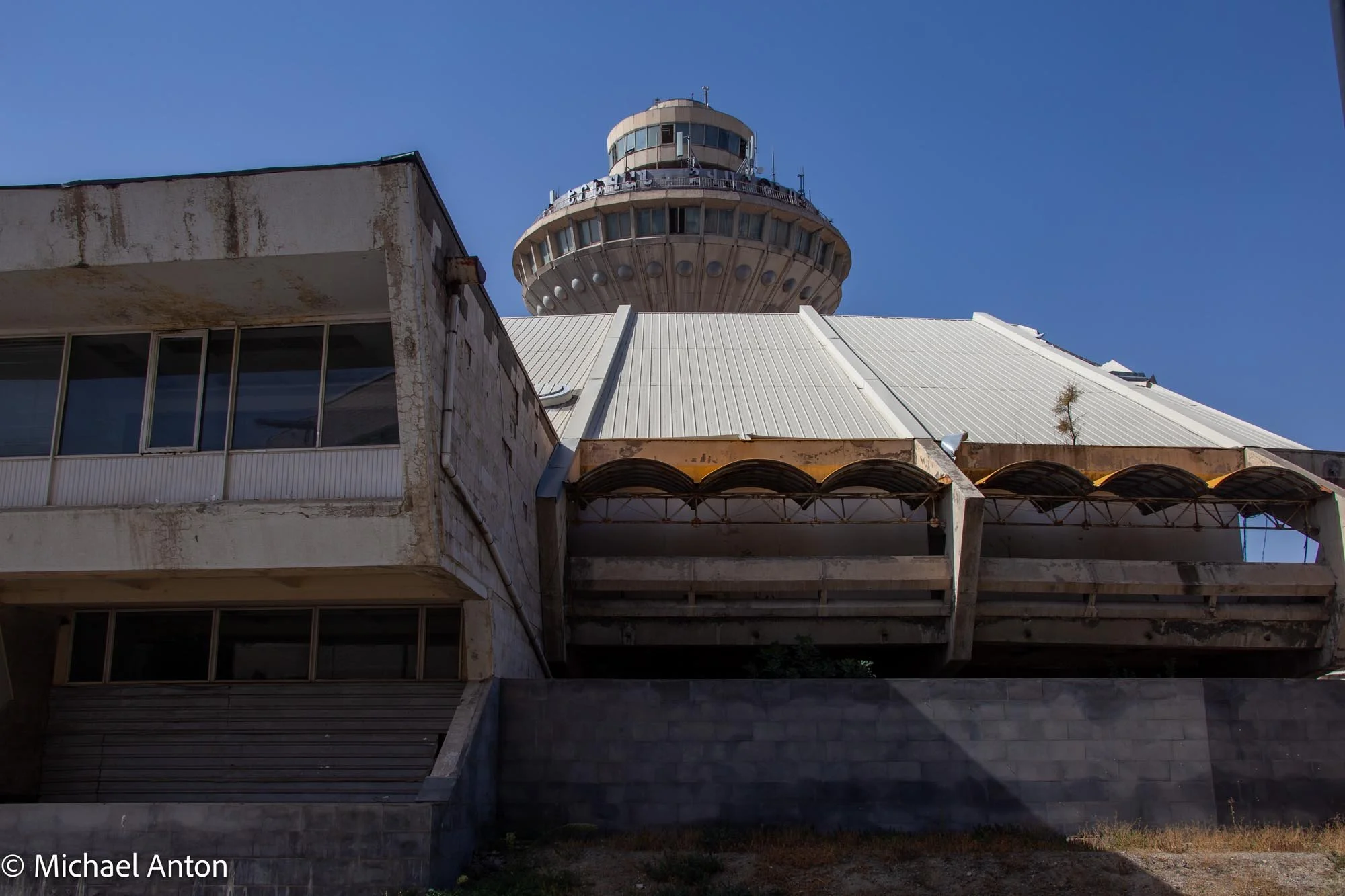
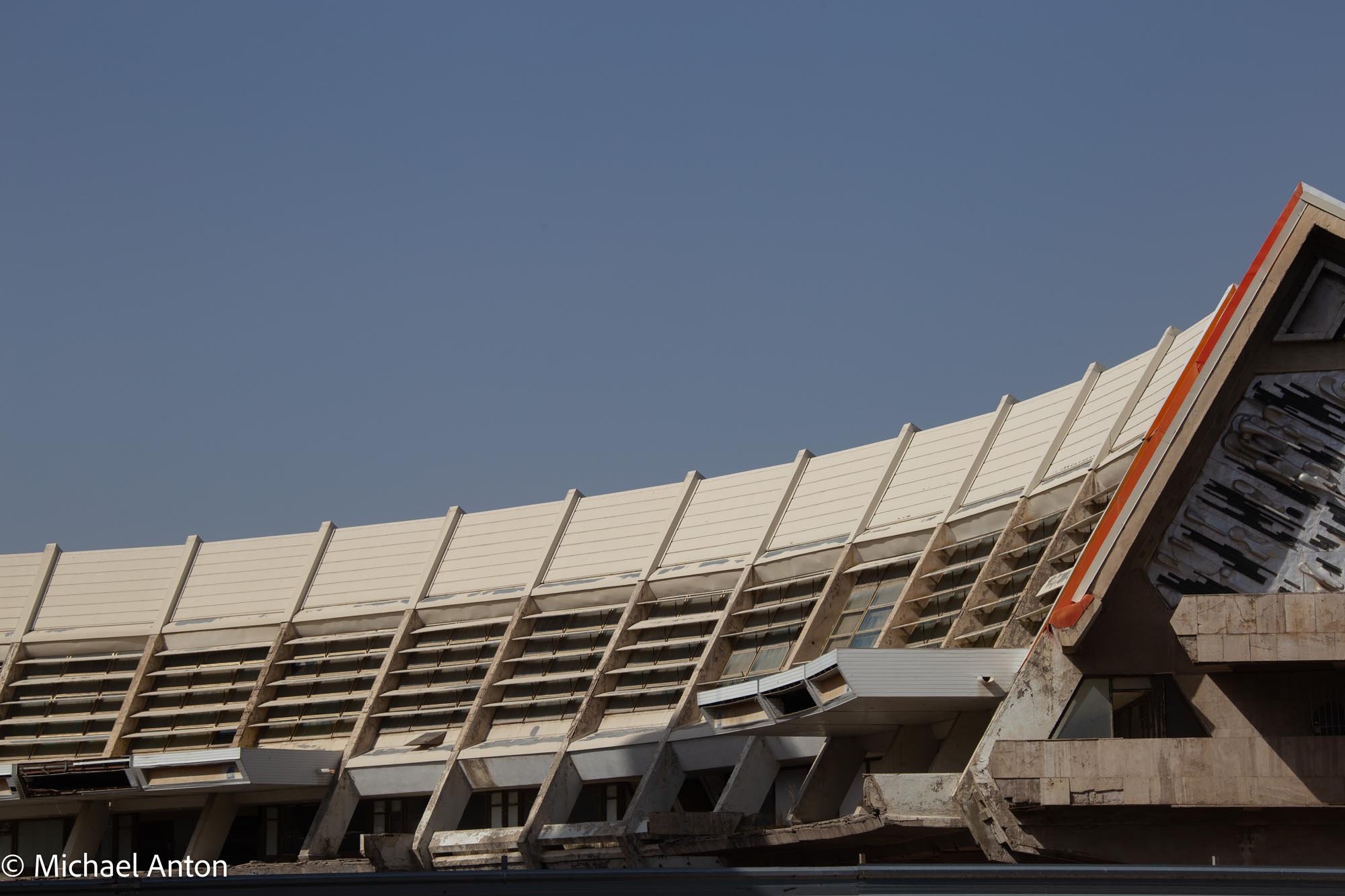
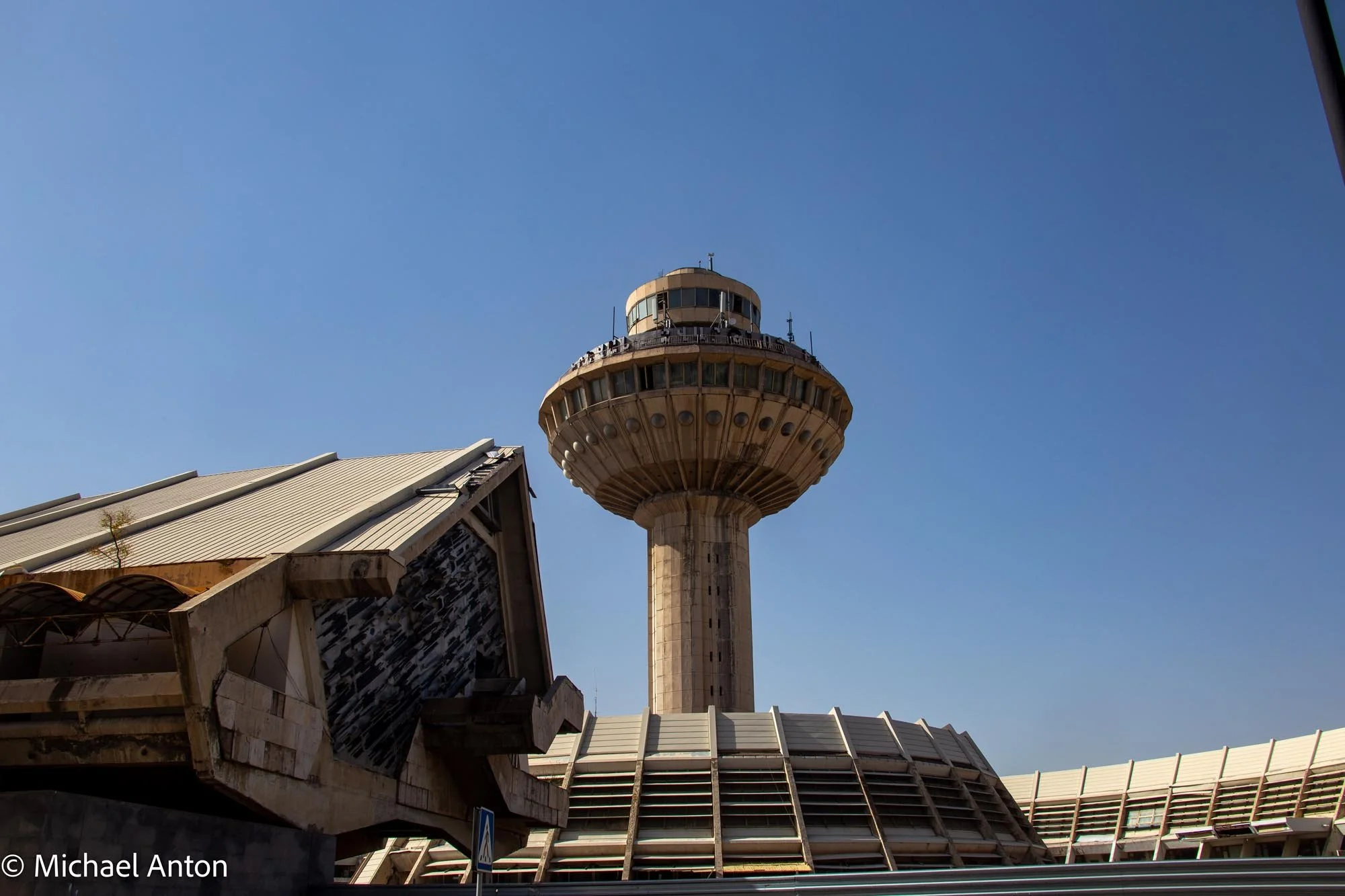
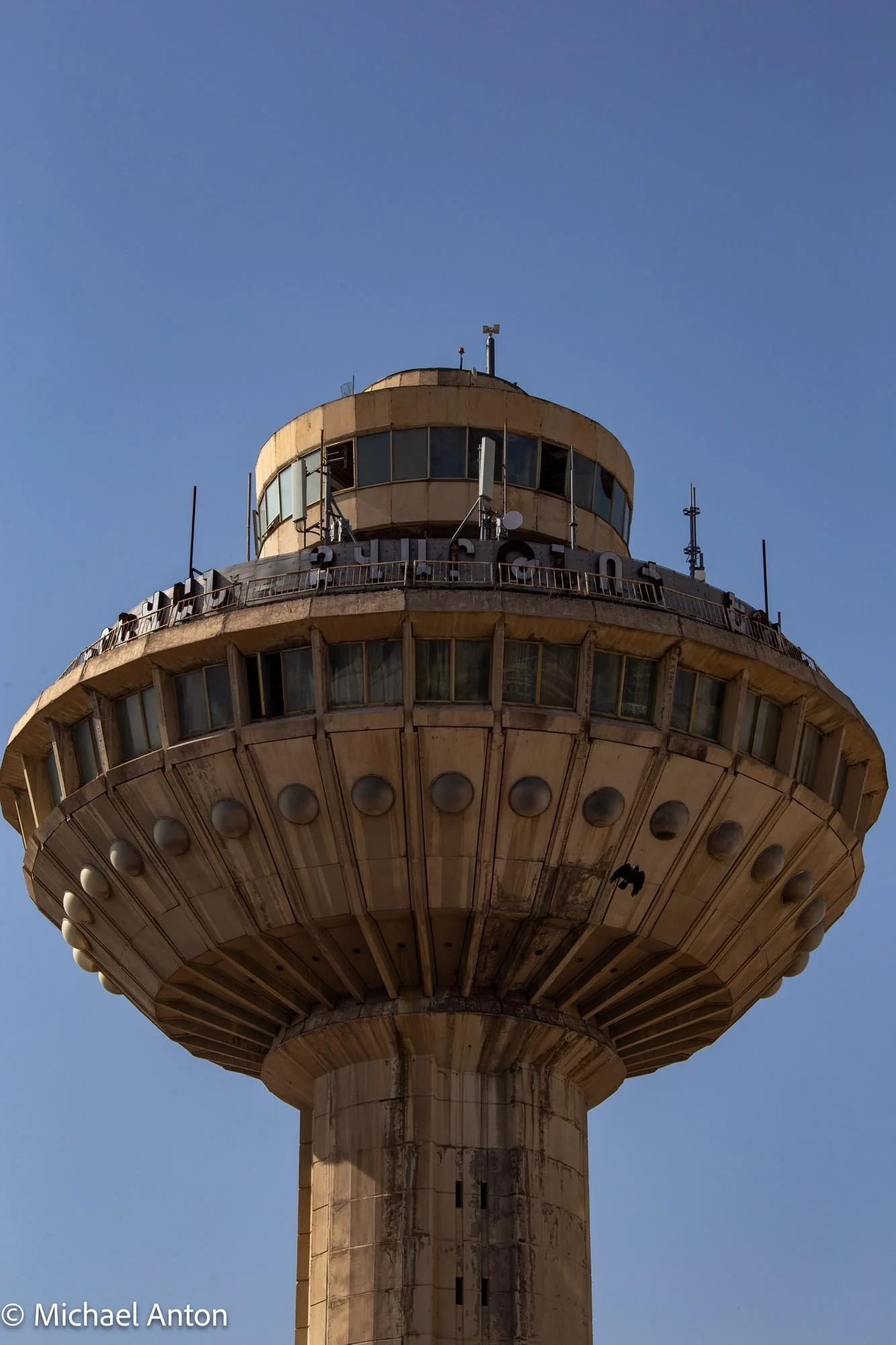
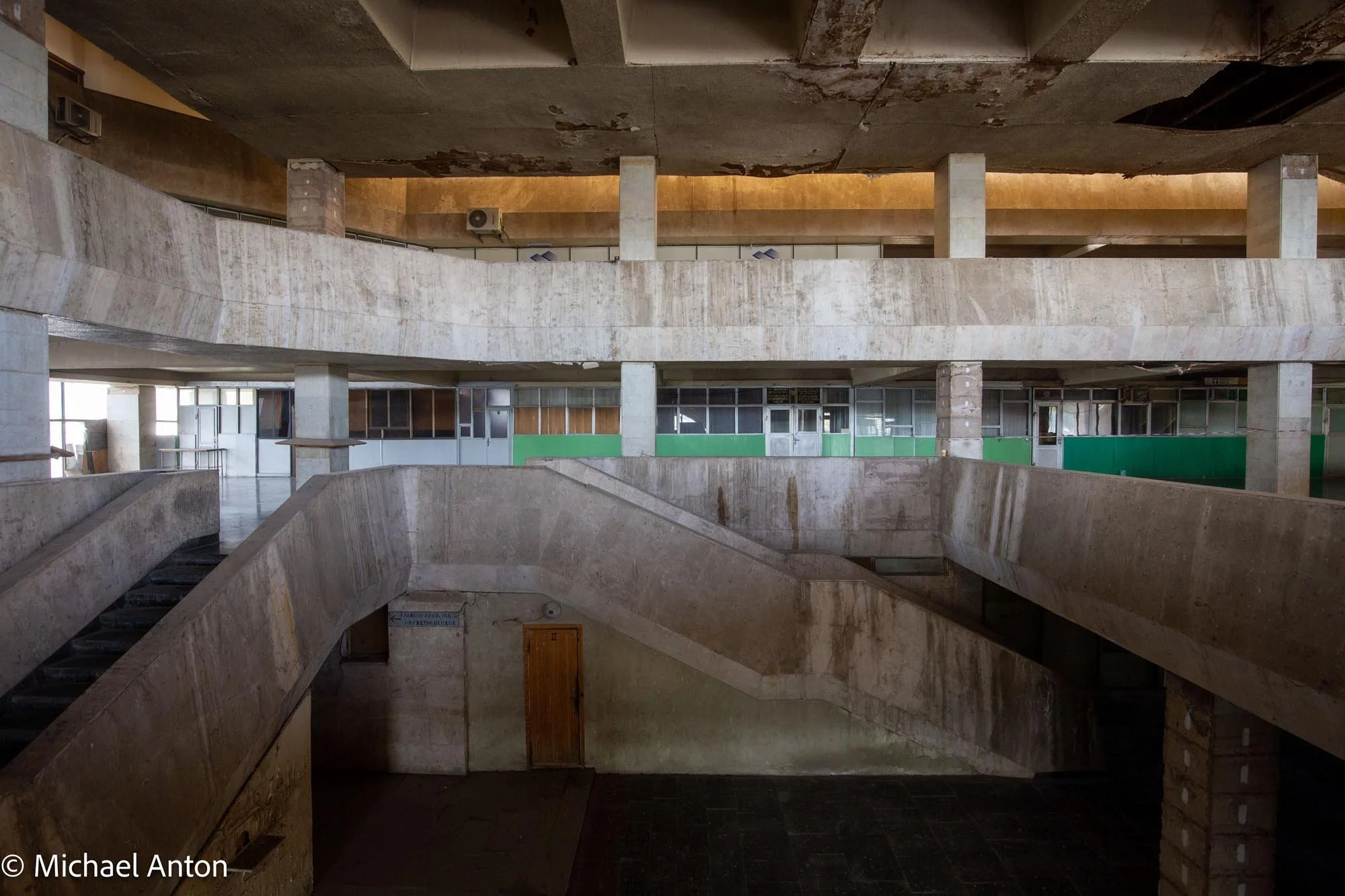
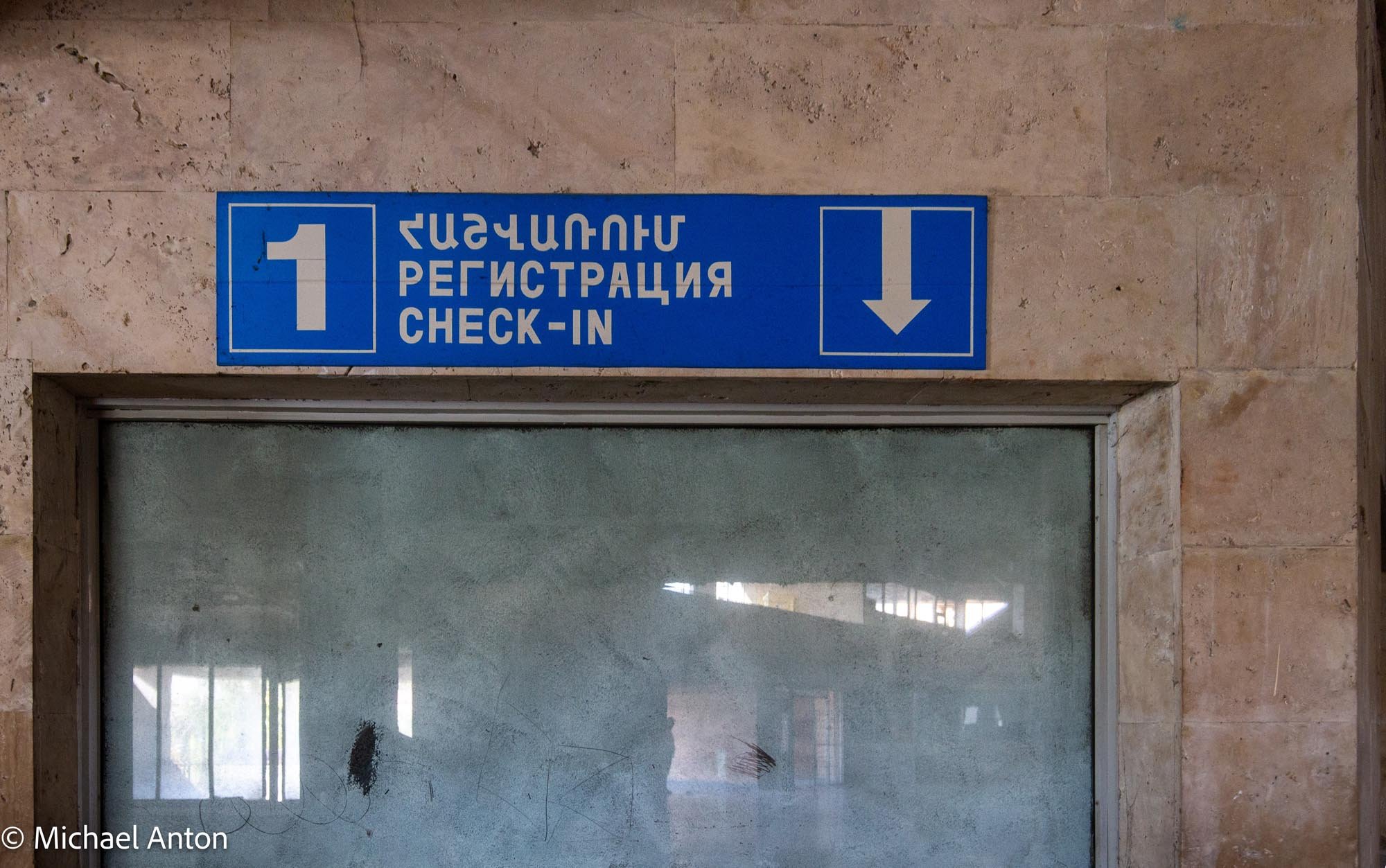
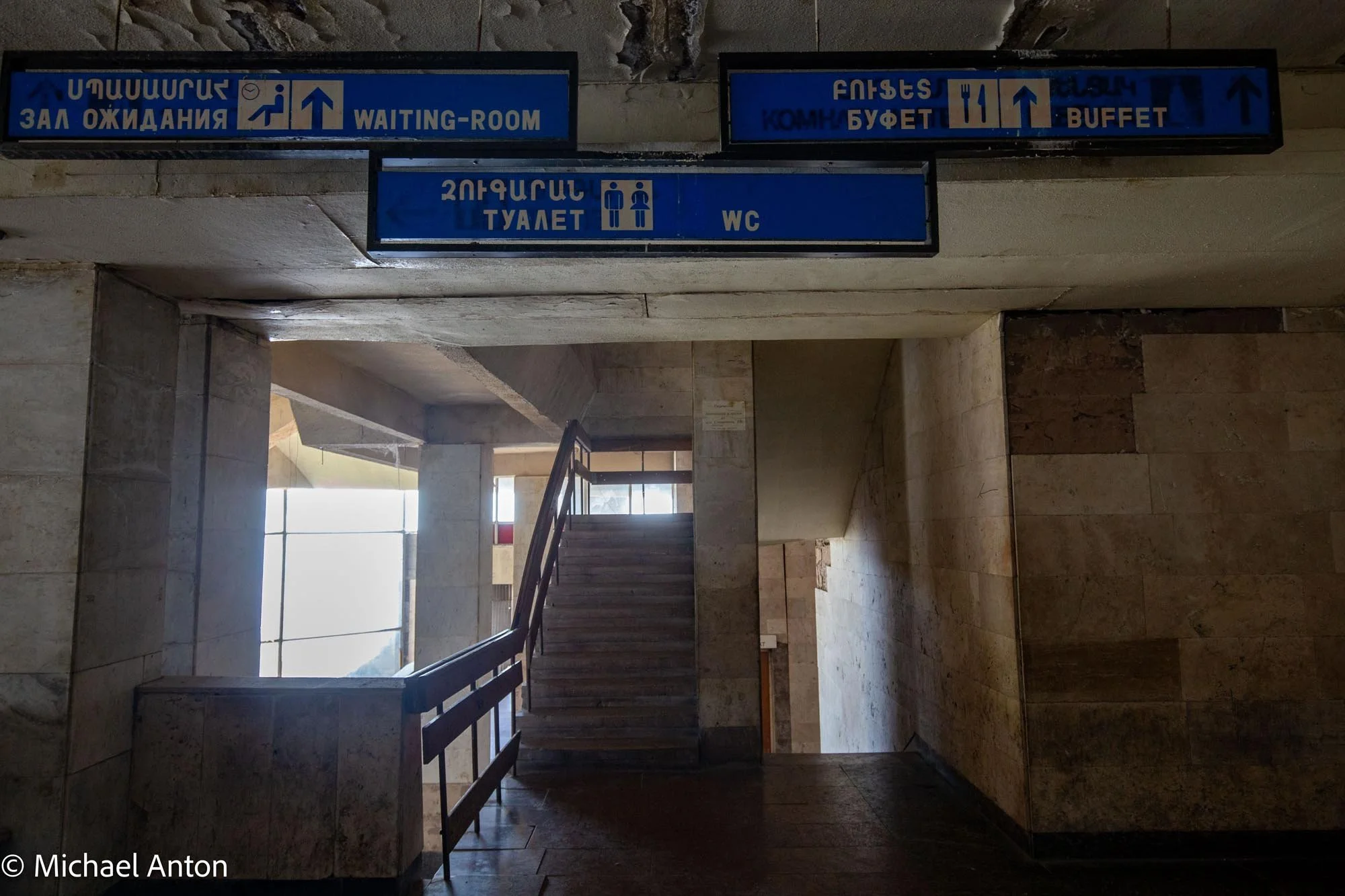
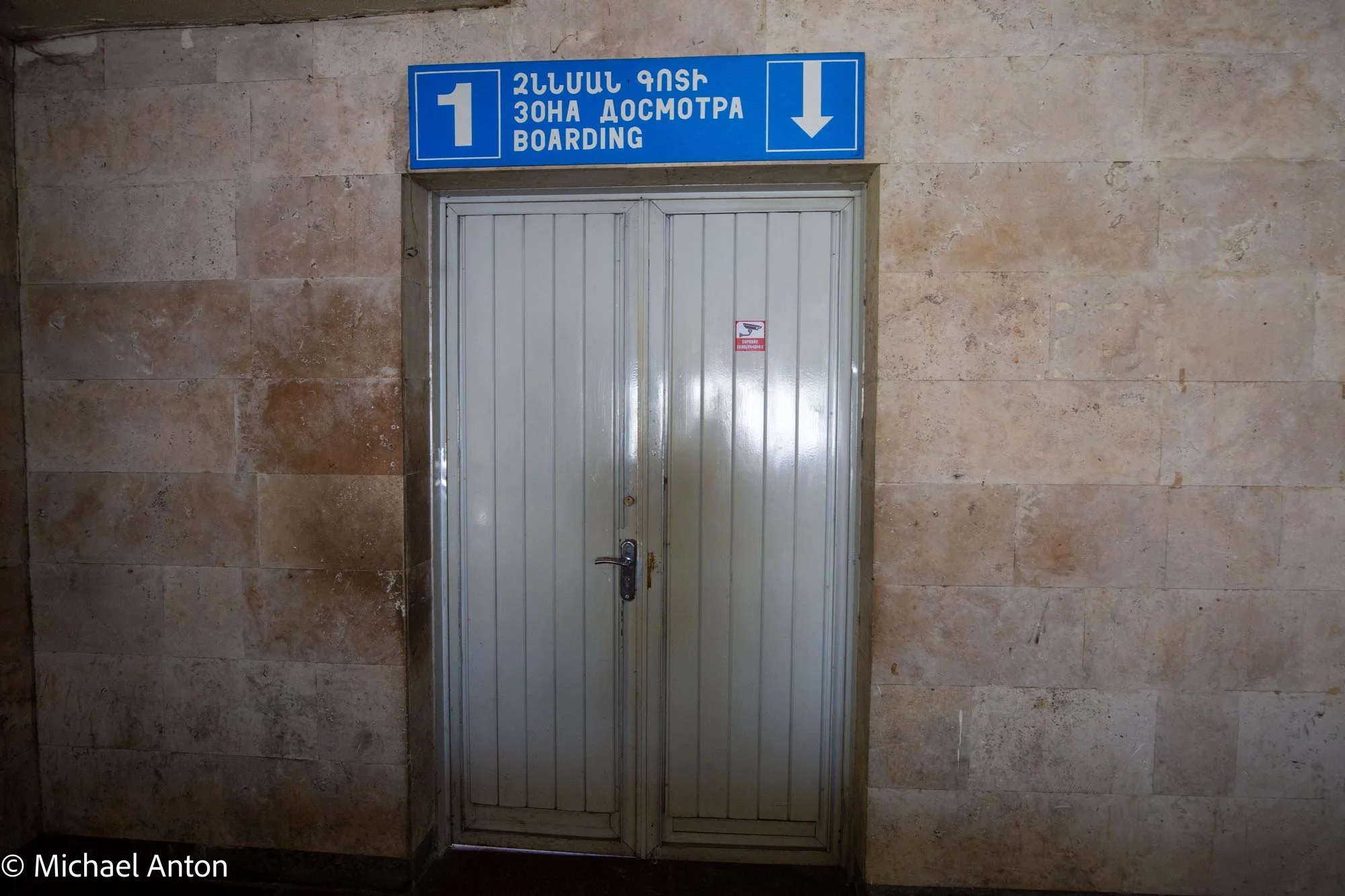
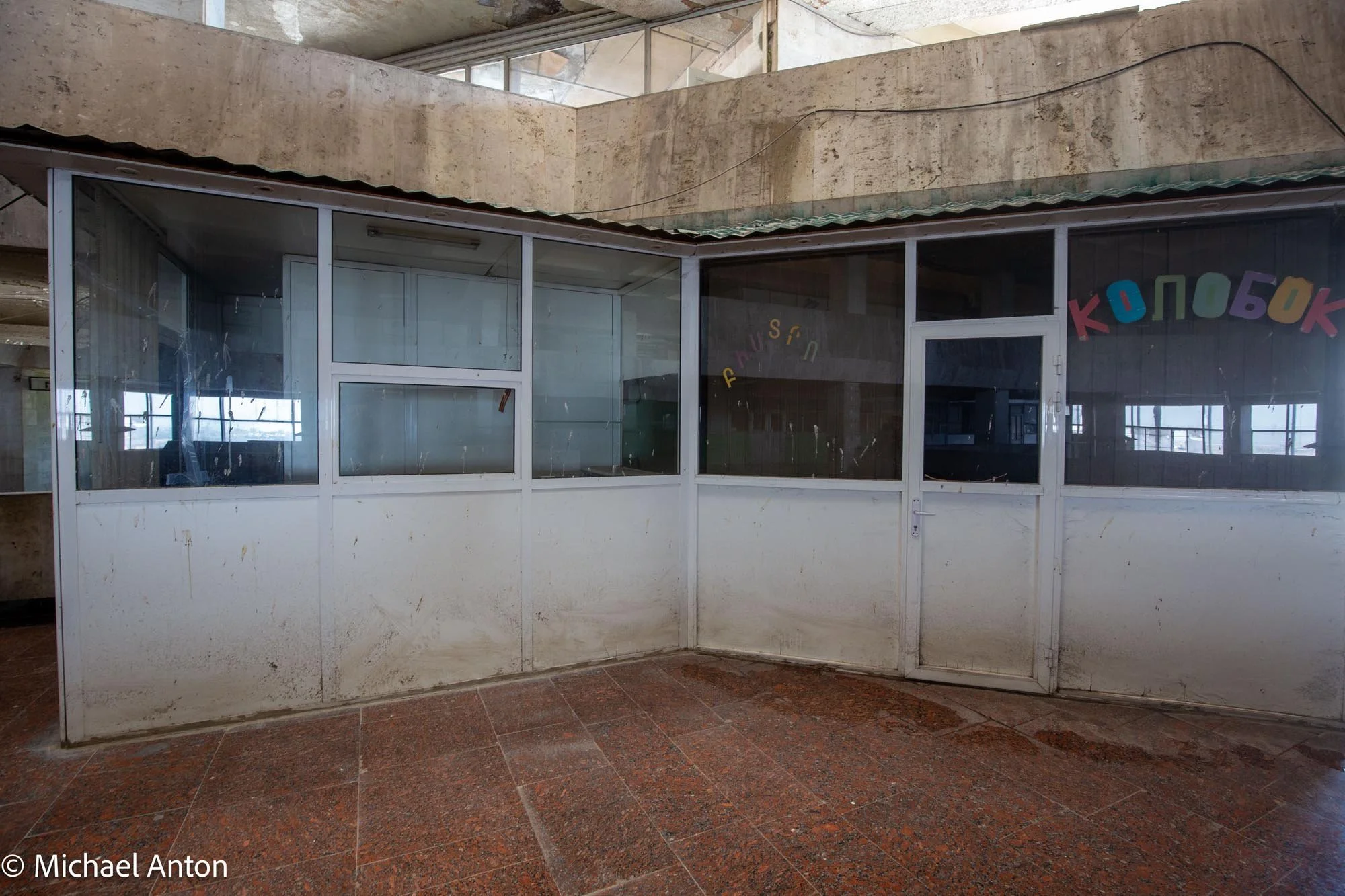
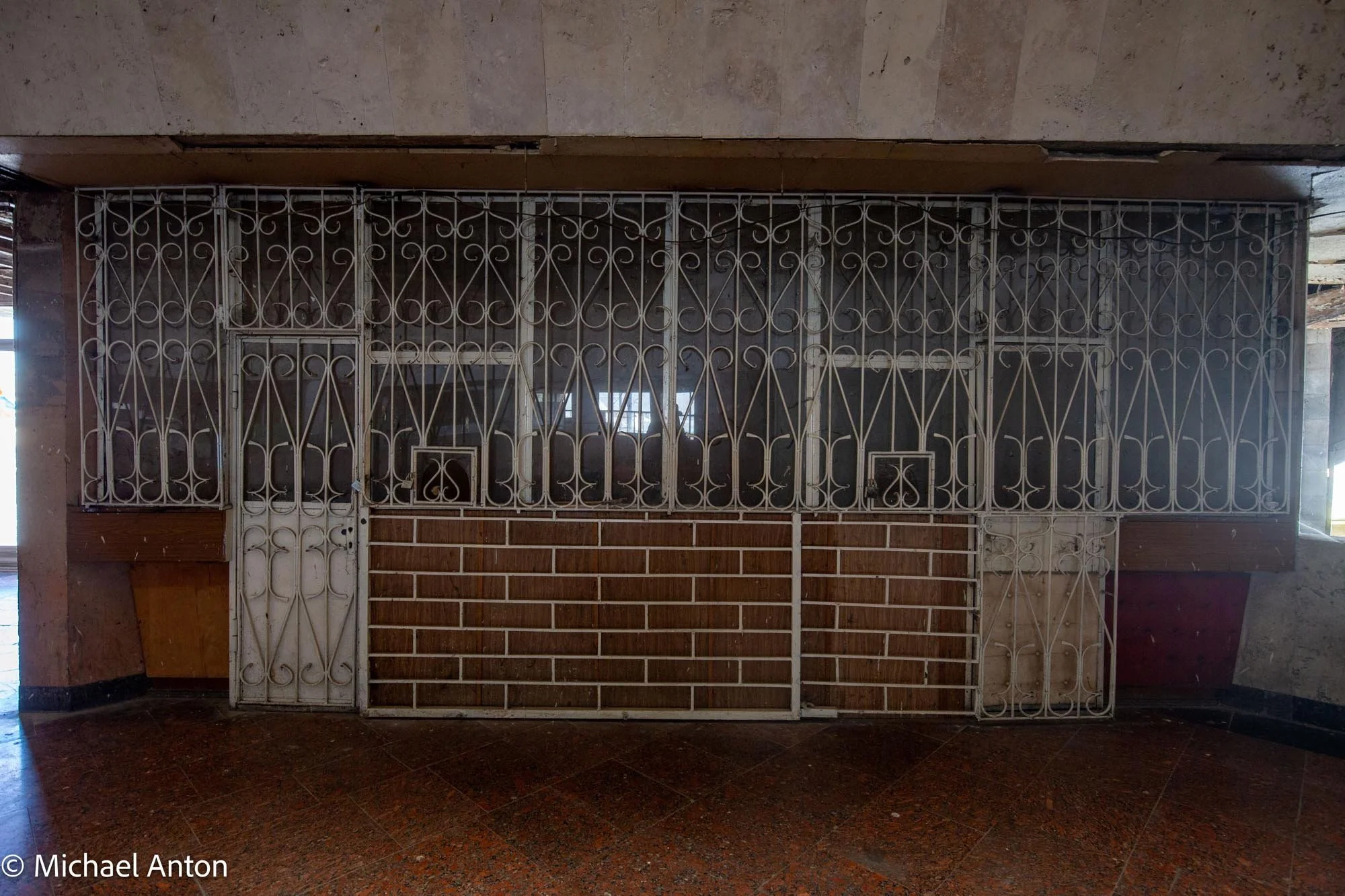
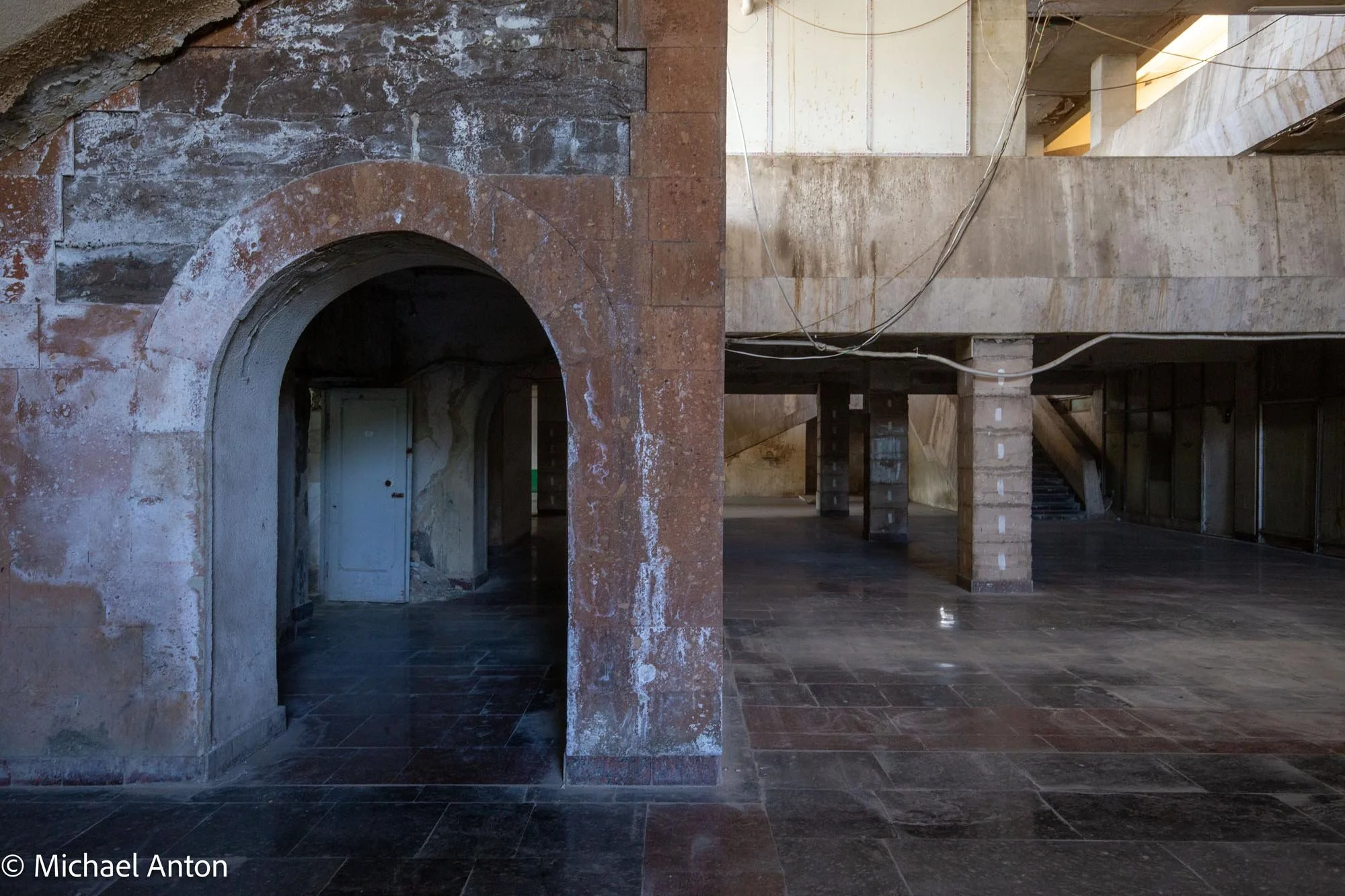
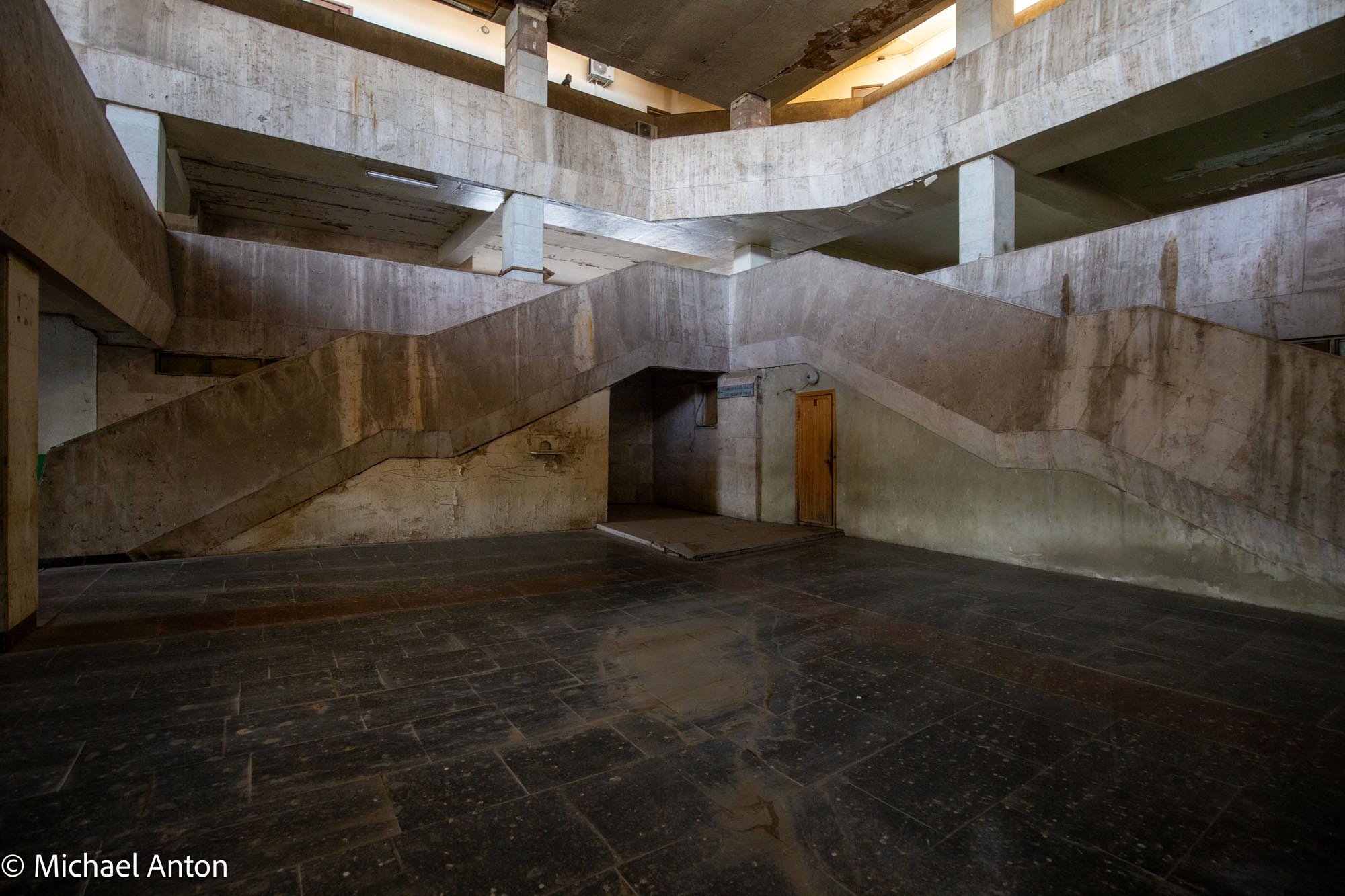
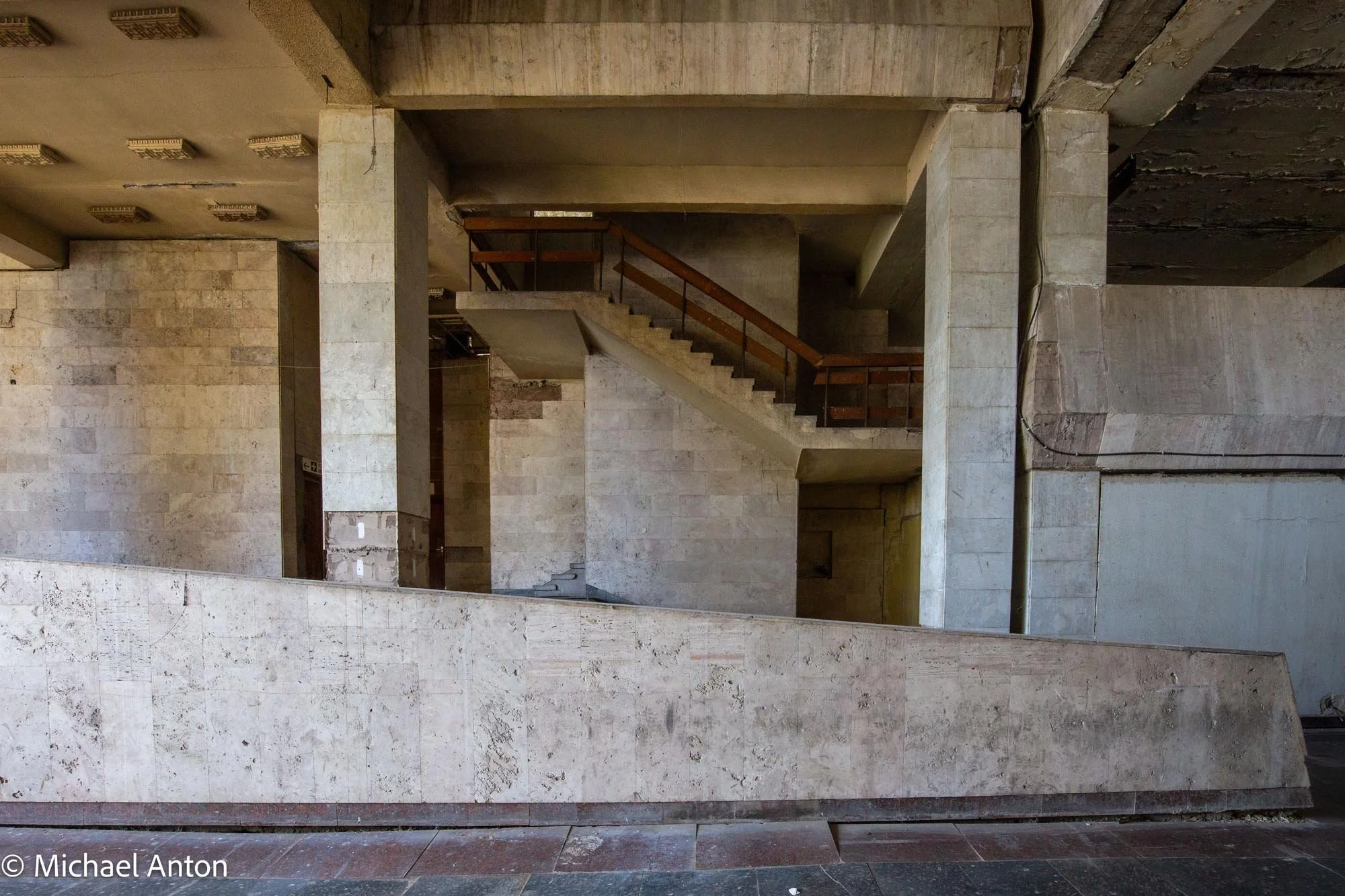
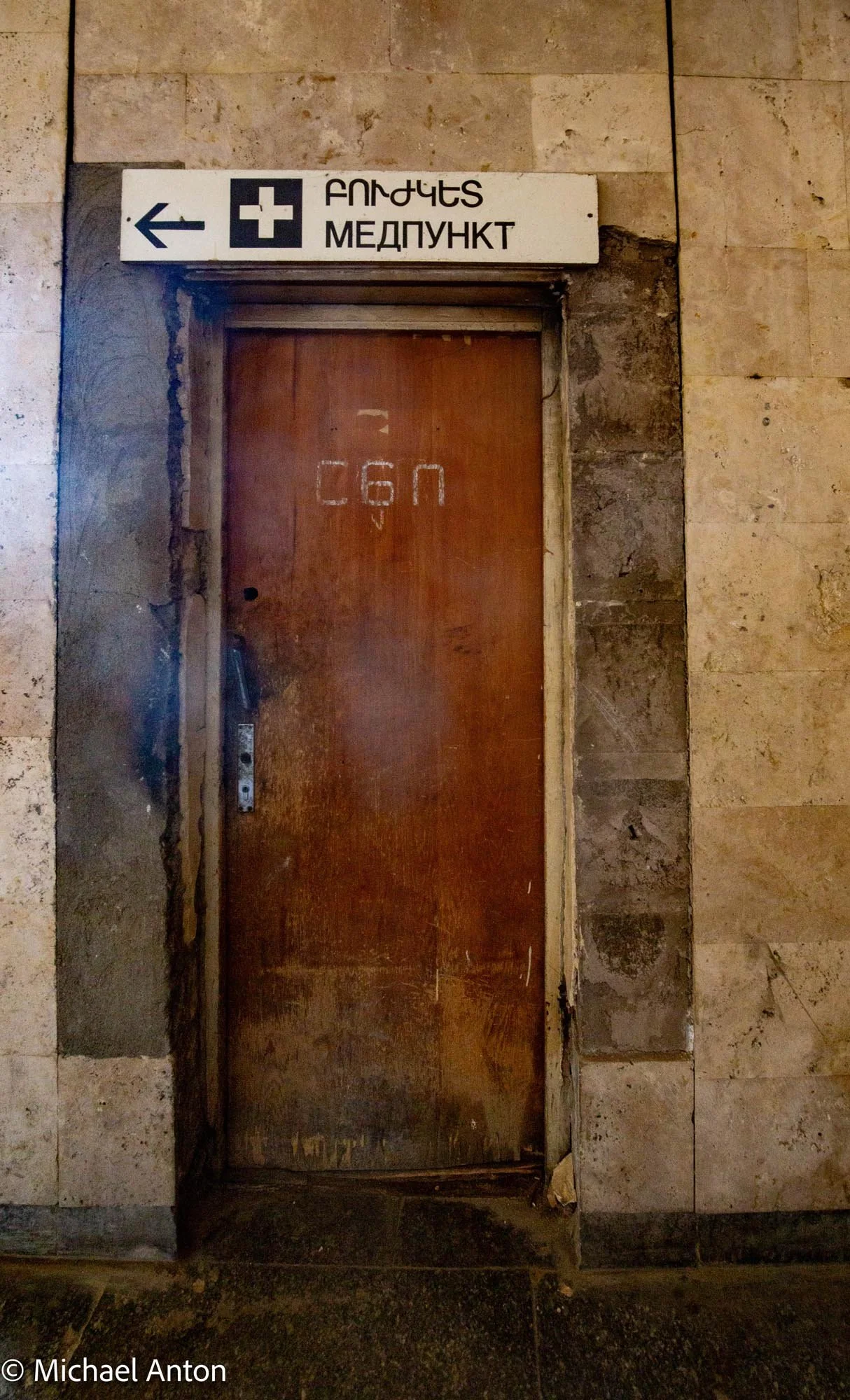
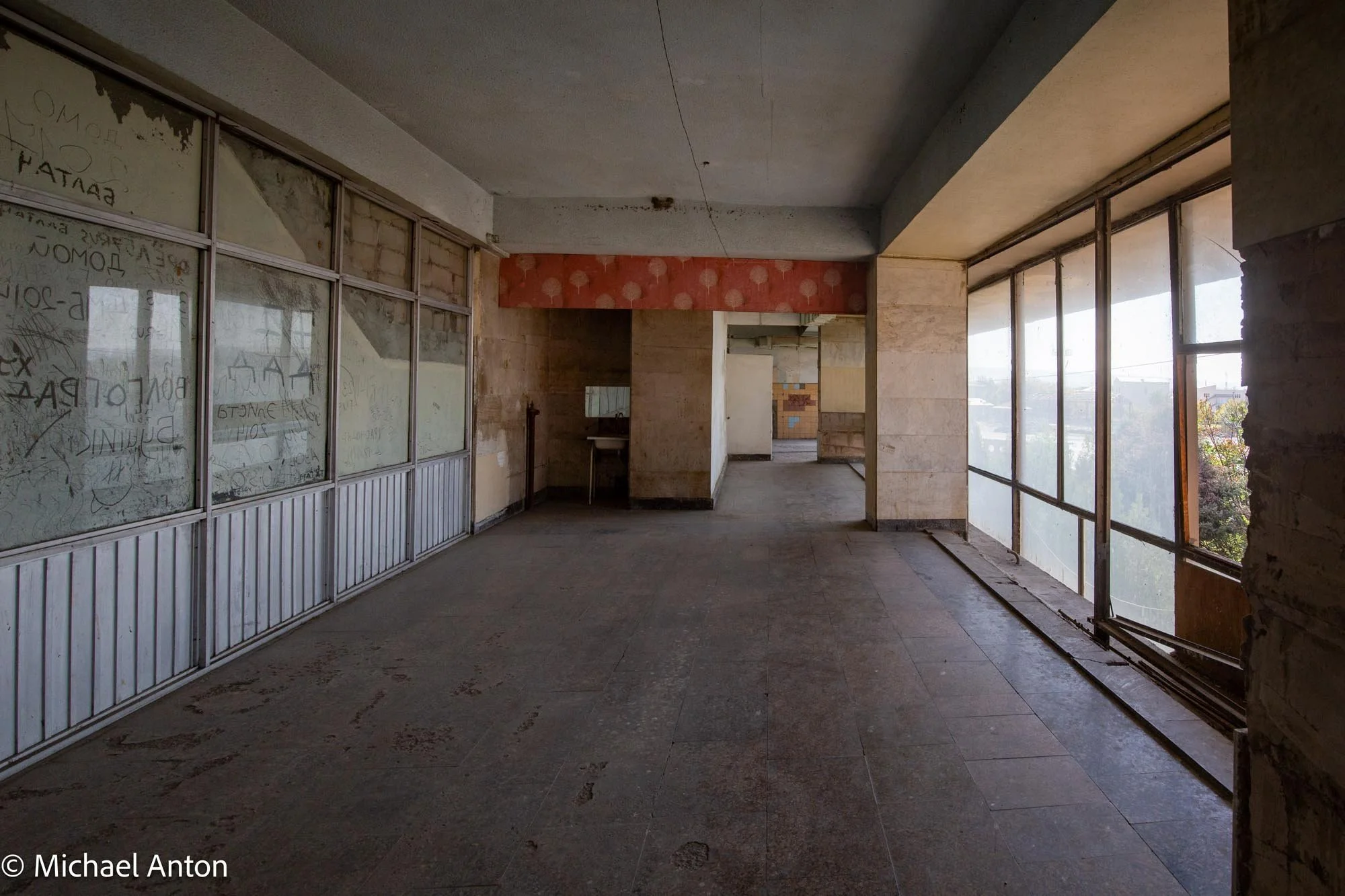
Built in the heady days of Sputnik and Yuri Gagarin when the Soviet Space Program was outstripping the American, the first images in this section are of the now abandoned and closed off Zvartnots Airport. It is a matter of debate in Armenia if it should be torn down, or repurposed as a hotel/restaurant. I hope the latter view prevails.
A model for this approach could be the wonderful new life of the old TWA Terminal at JFK in New York. The two were built at around the same time.
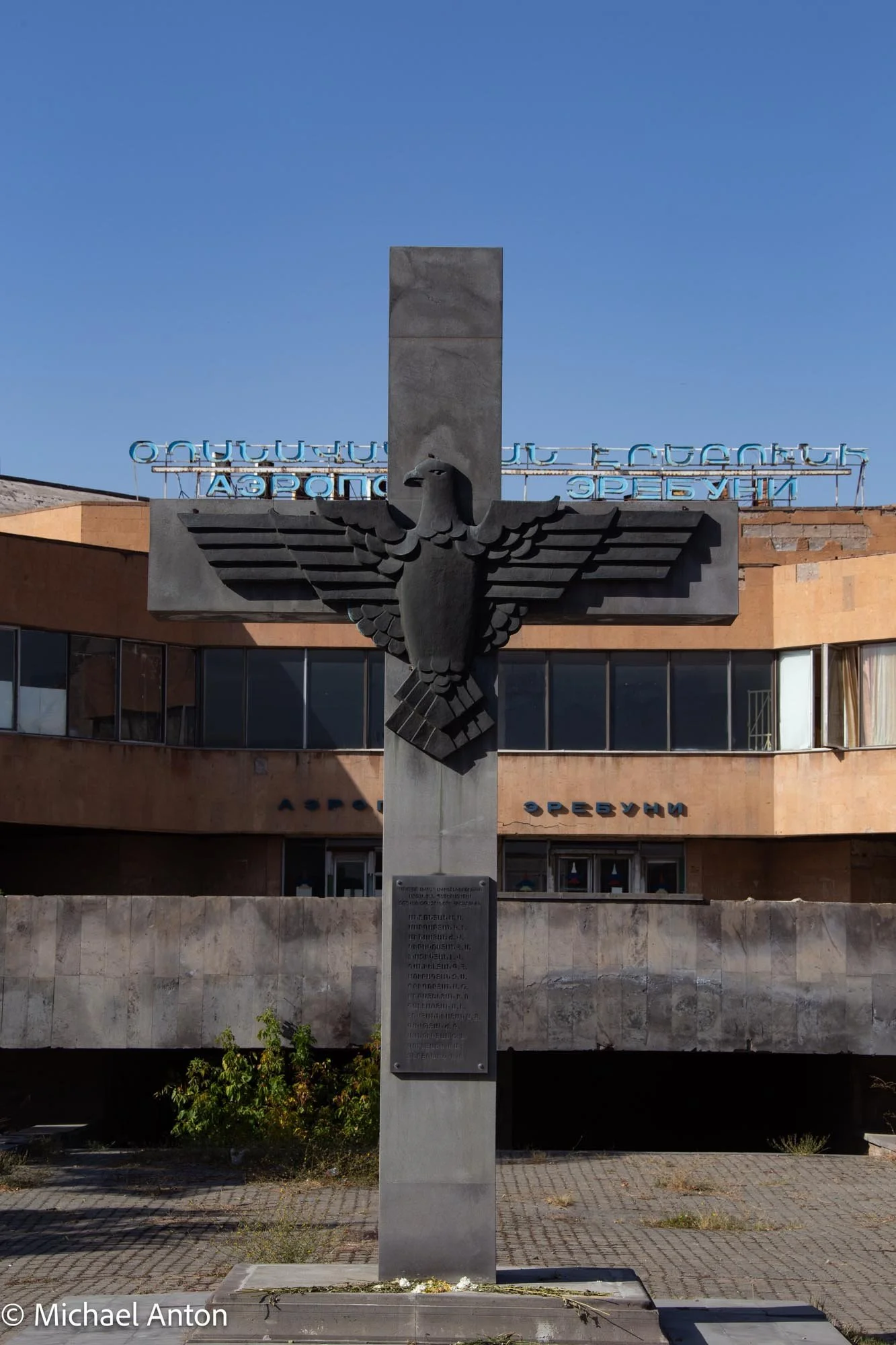
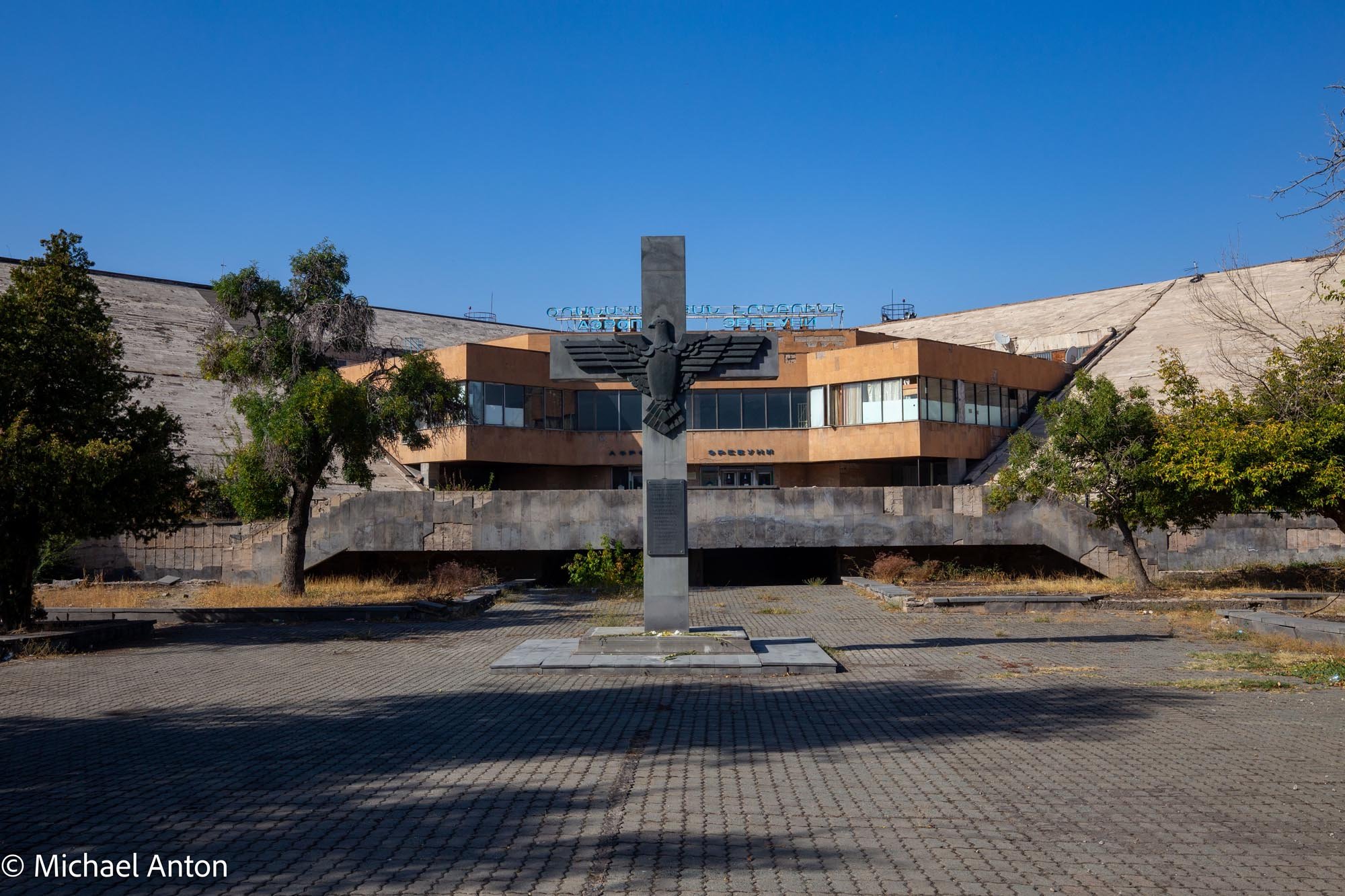
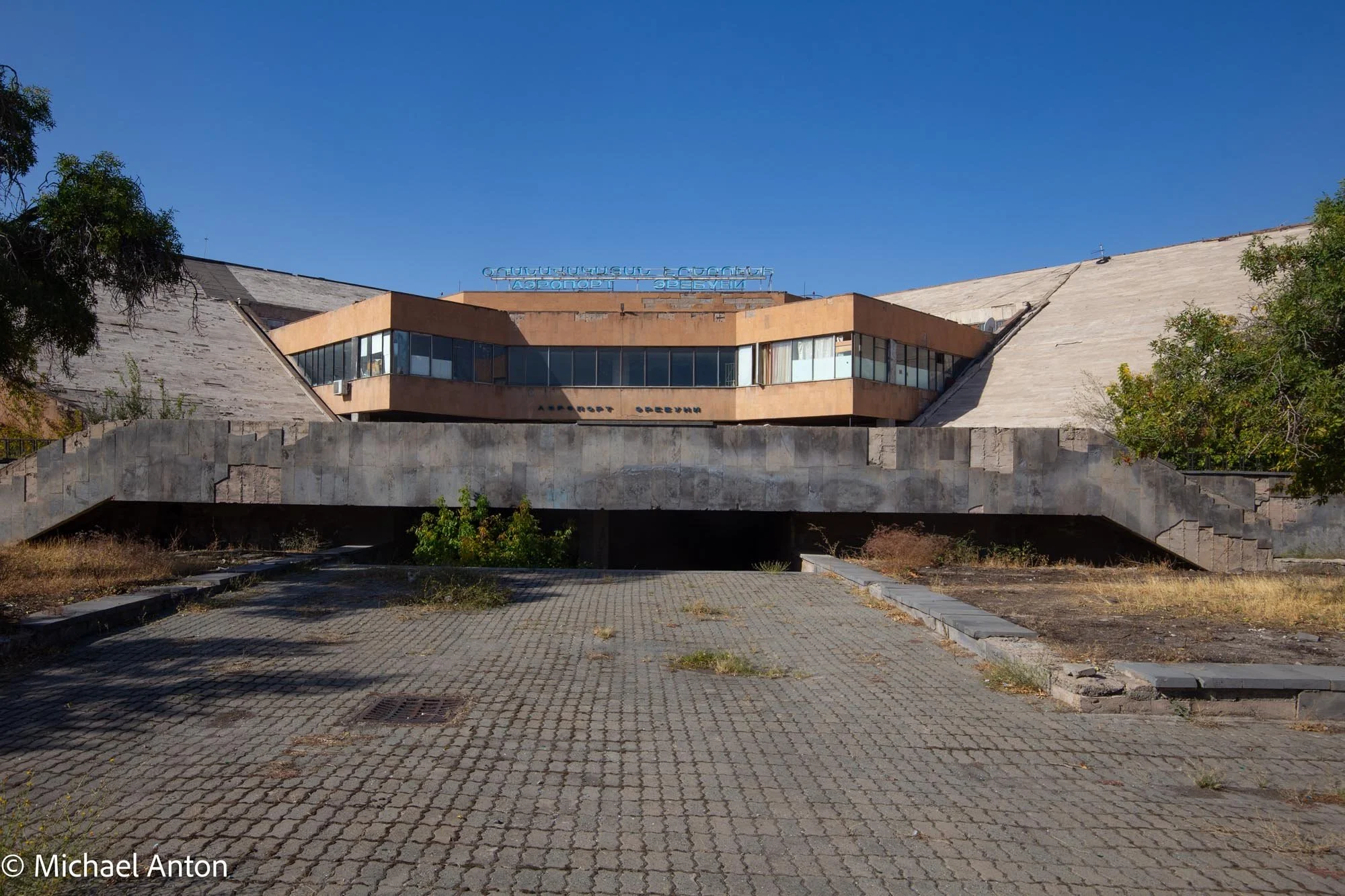
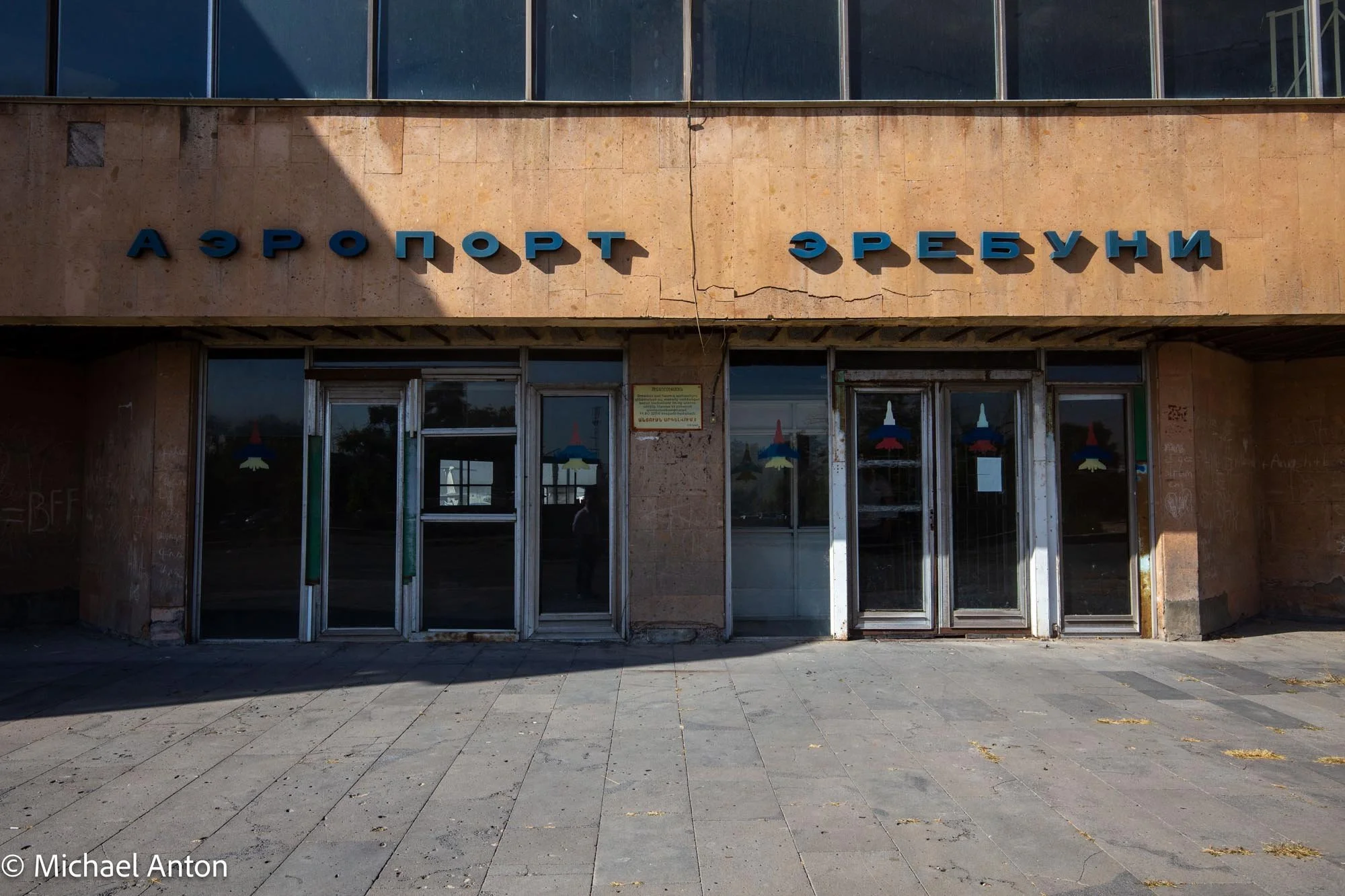
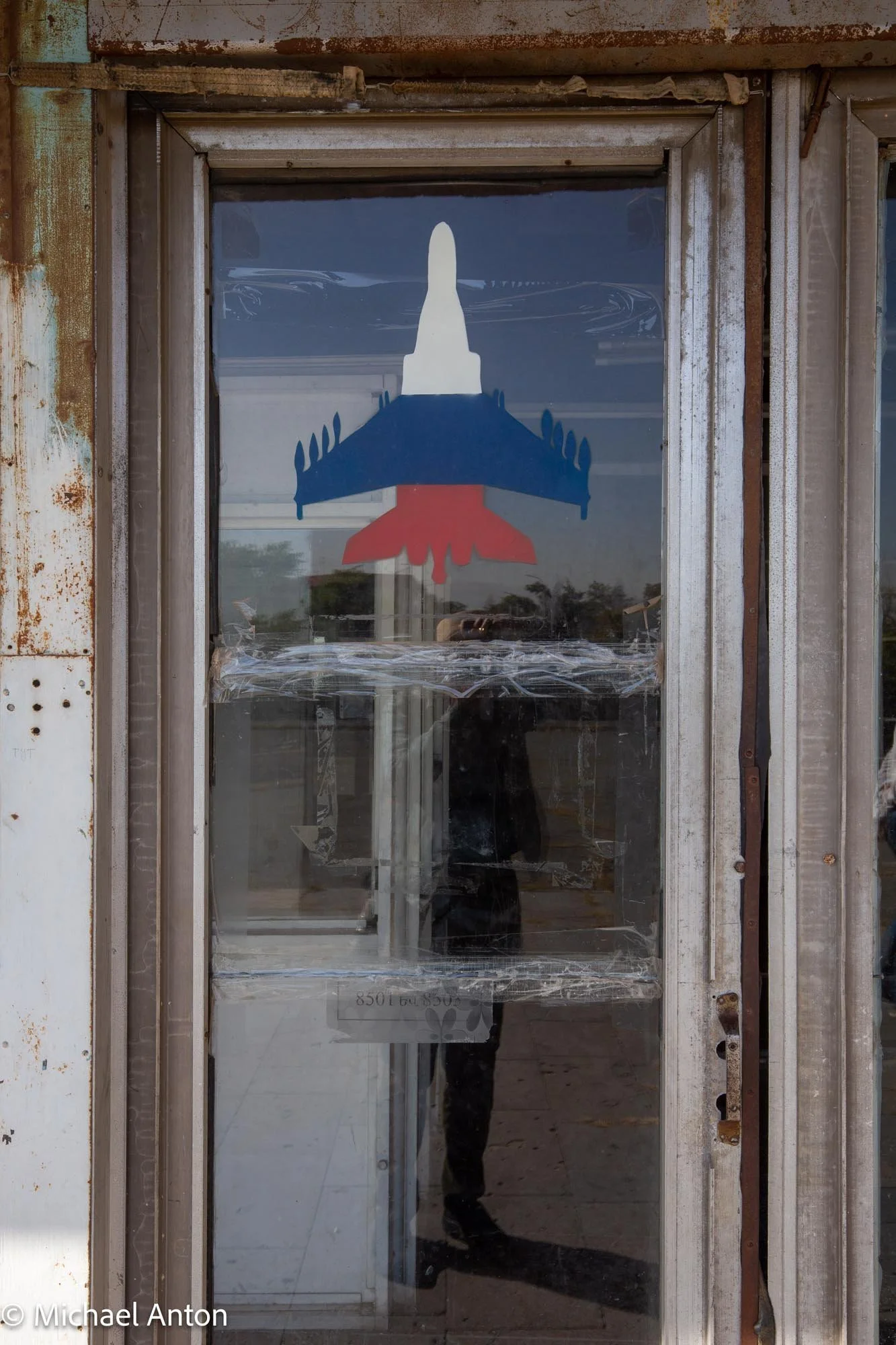
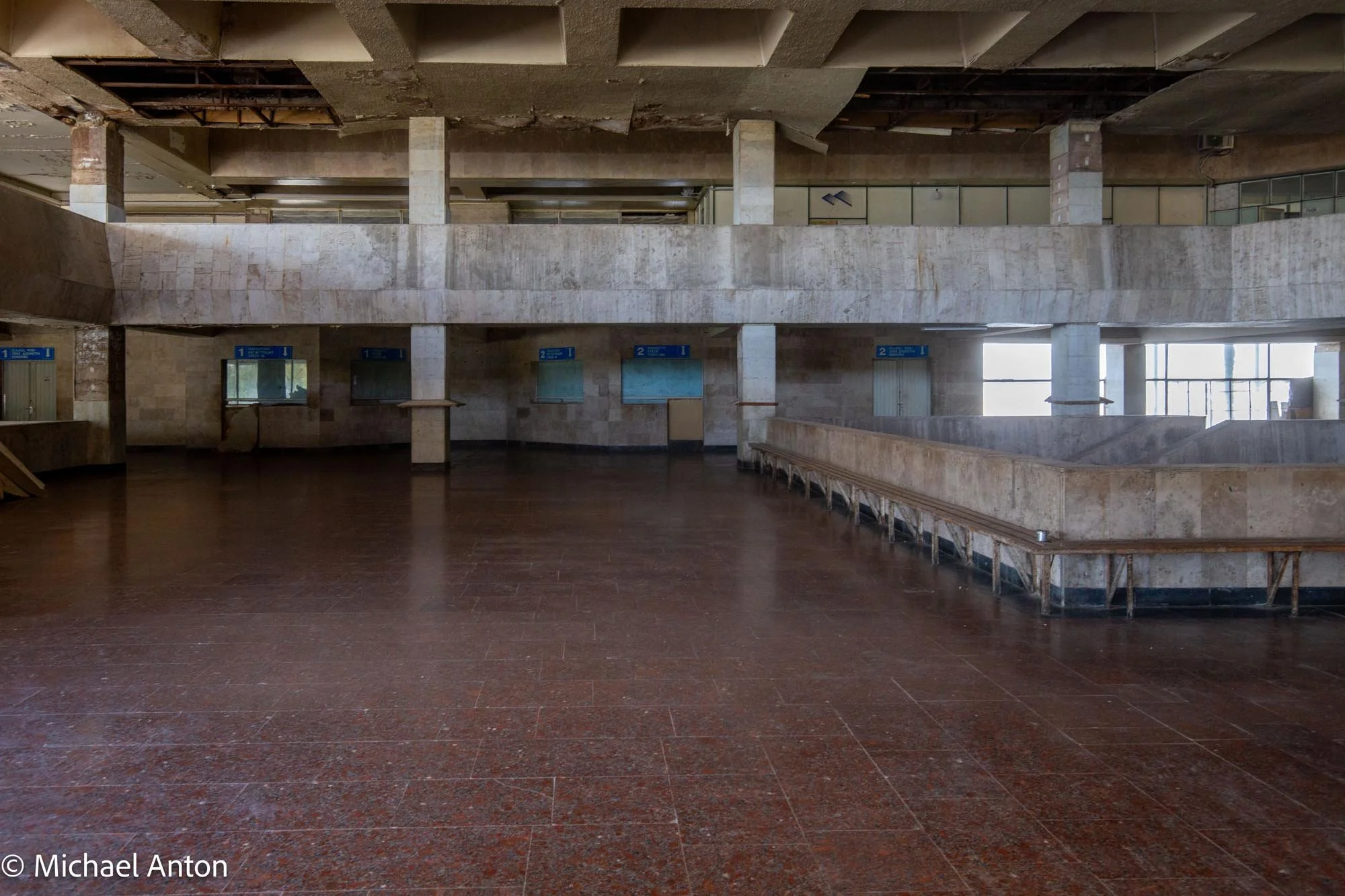
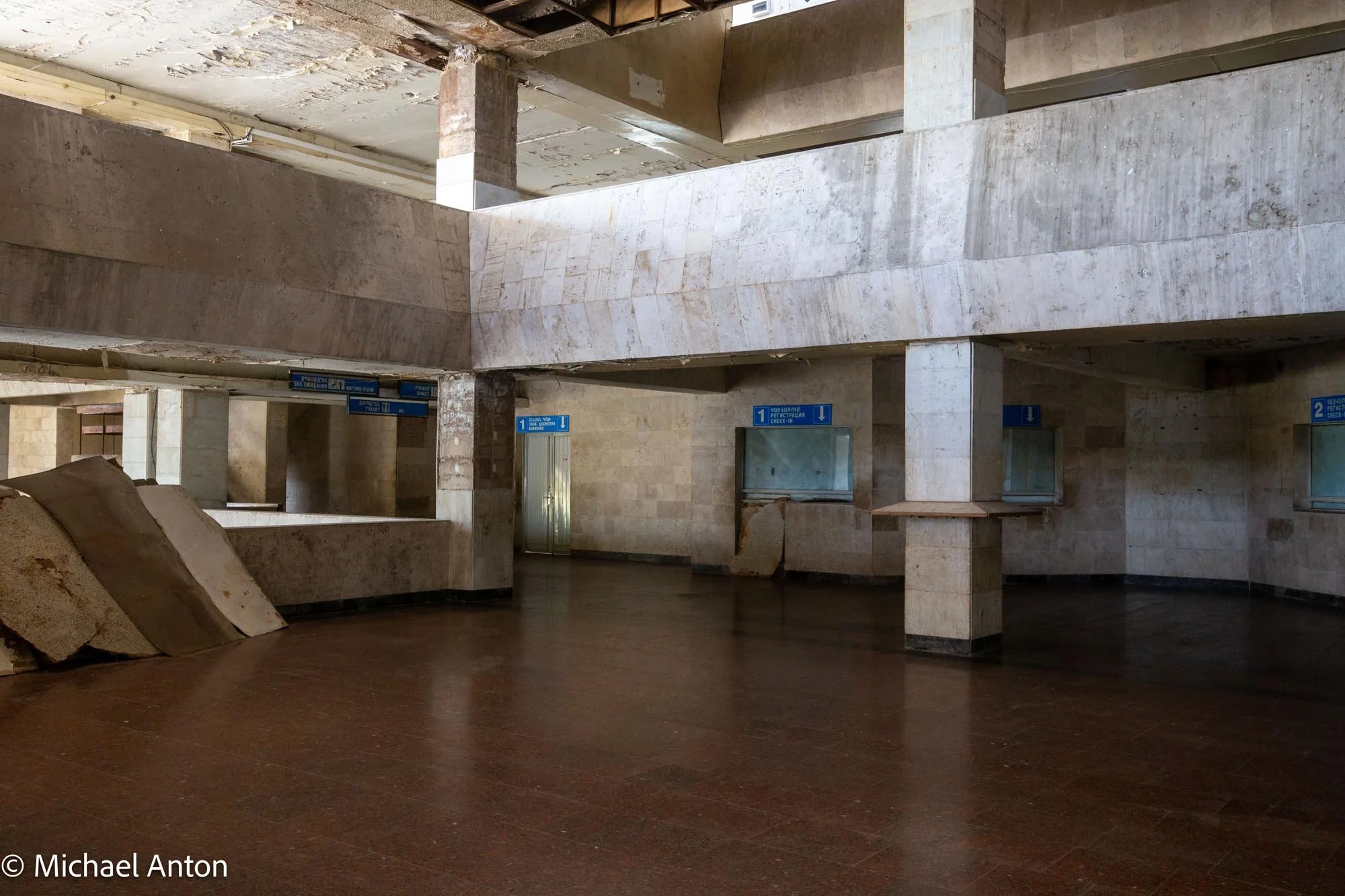
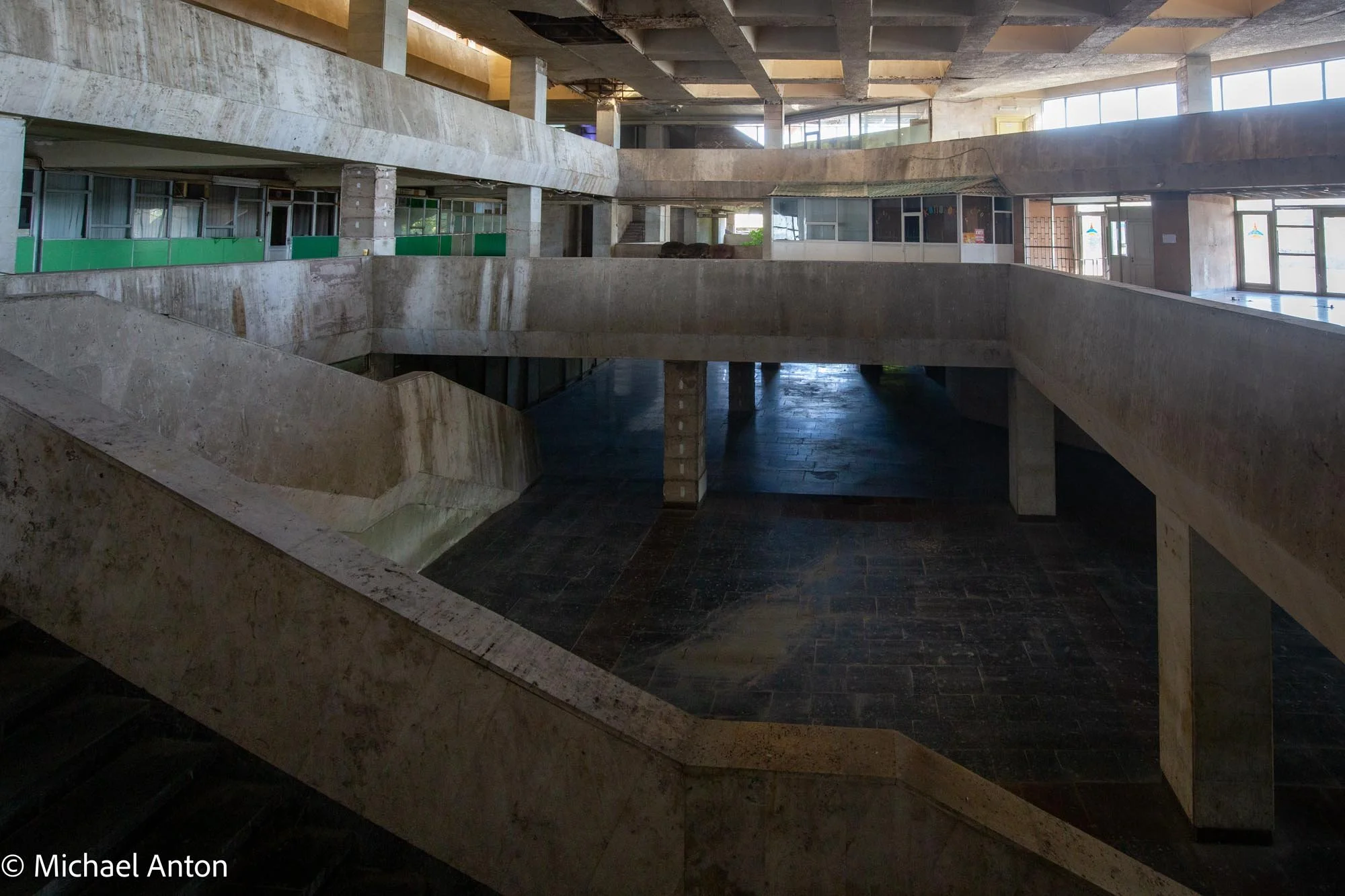
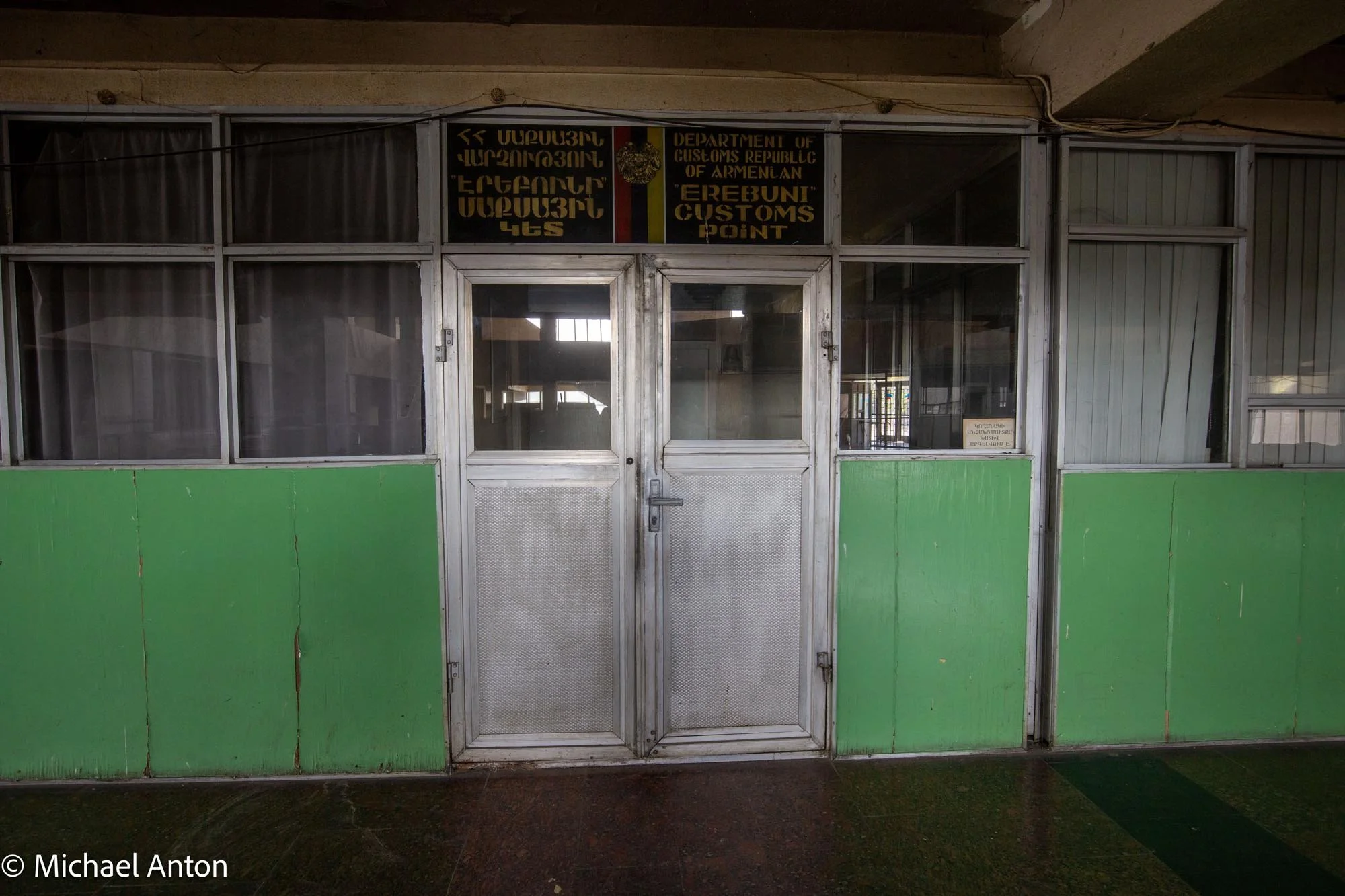
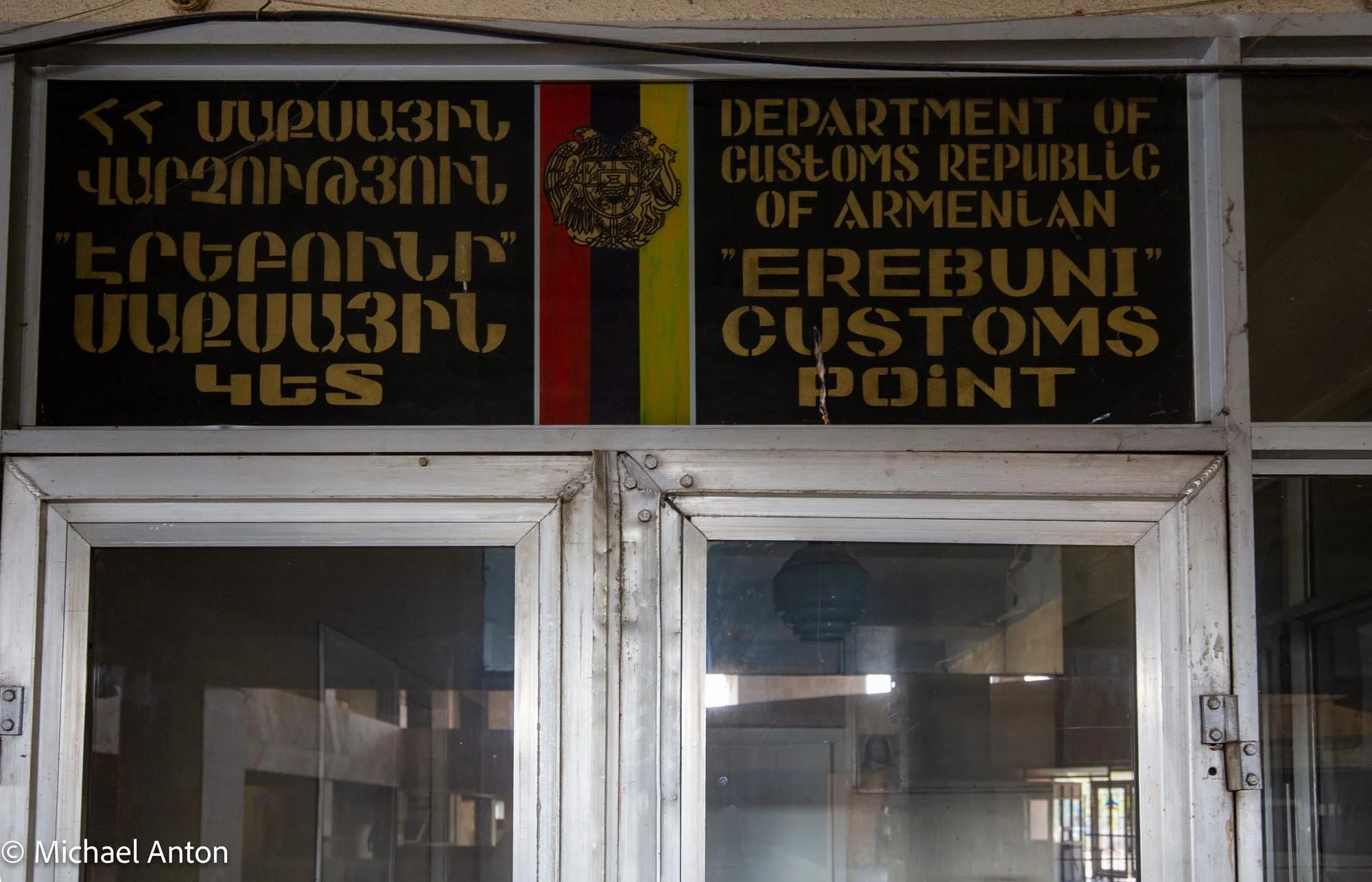
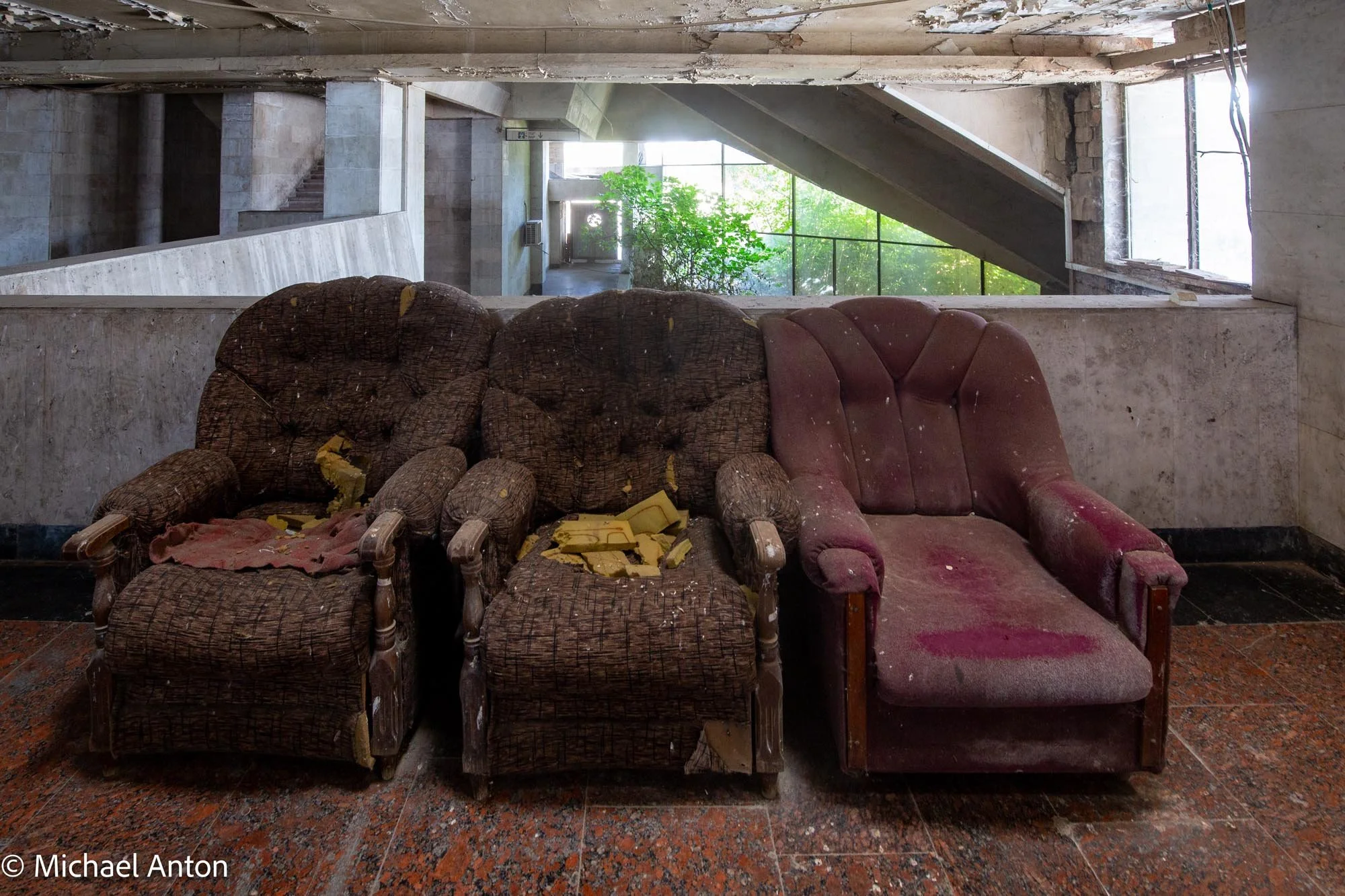
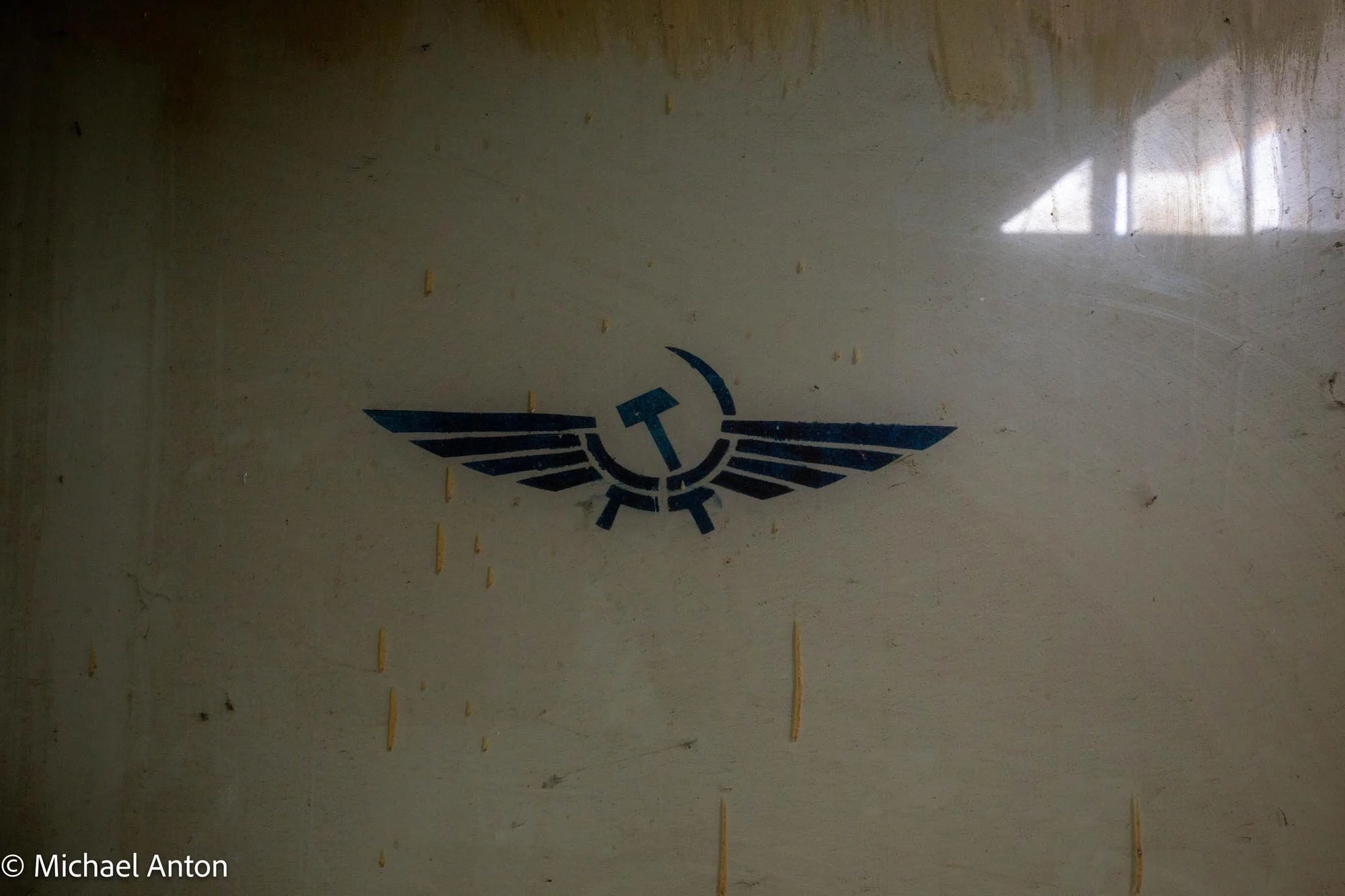
The second airport featured in this section is the Erubuni, originally built for the military, then converted to civilian use, and now once again in the control of the military. Signage of all uses are still visible. I wasn’t supposed to be in there, but the few soldiers who passed by didn’t seem interested in what I was doing.
Finally, a commanding officer ordered me out.

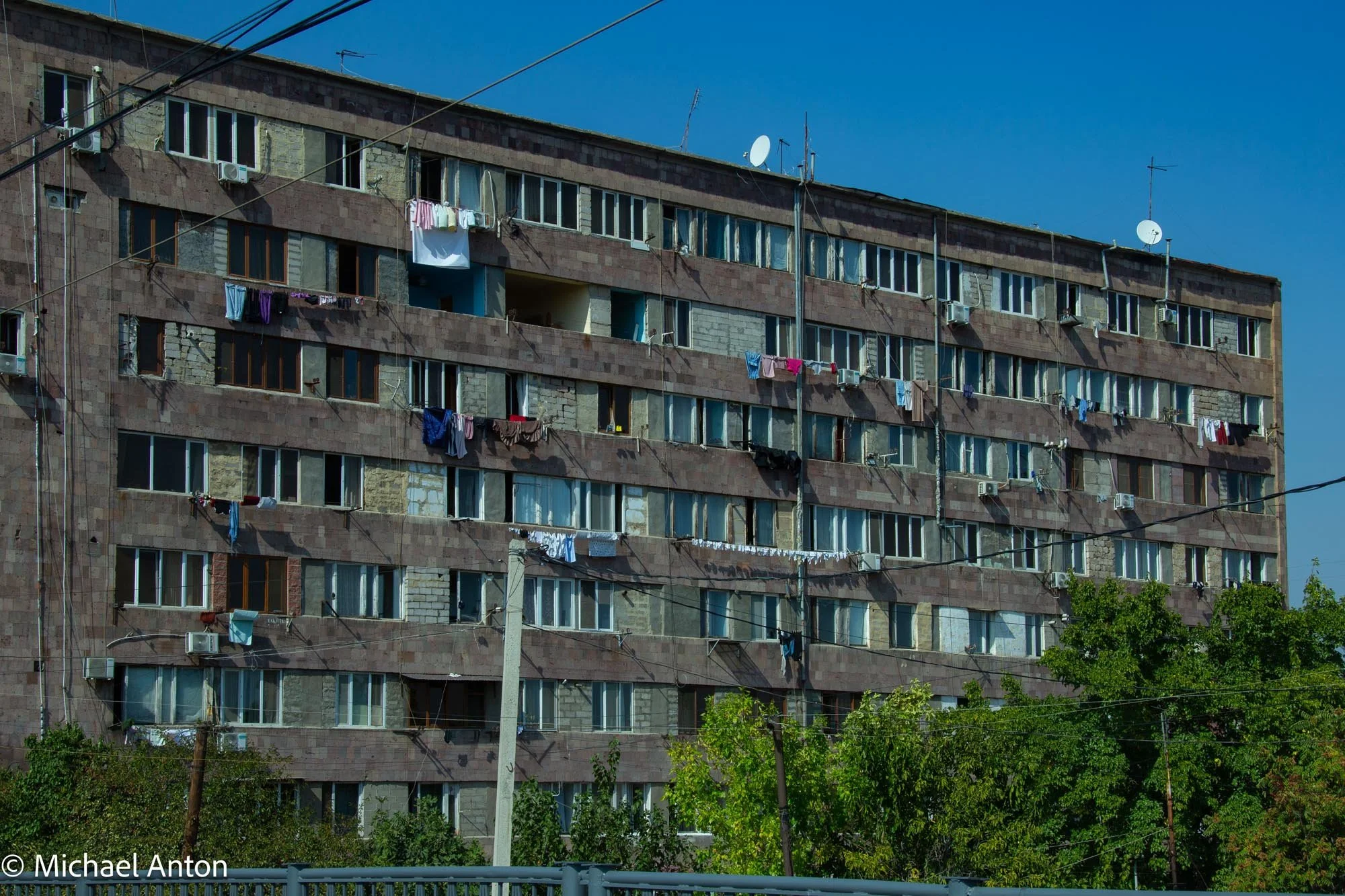
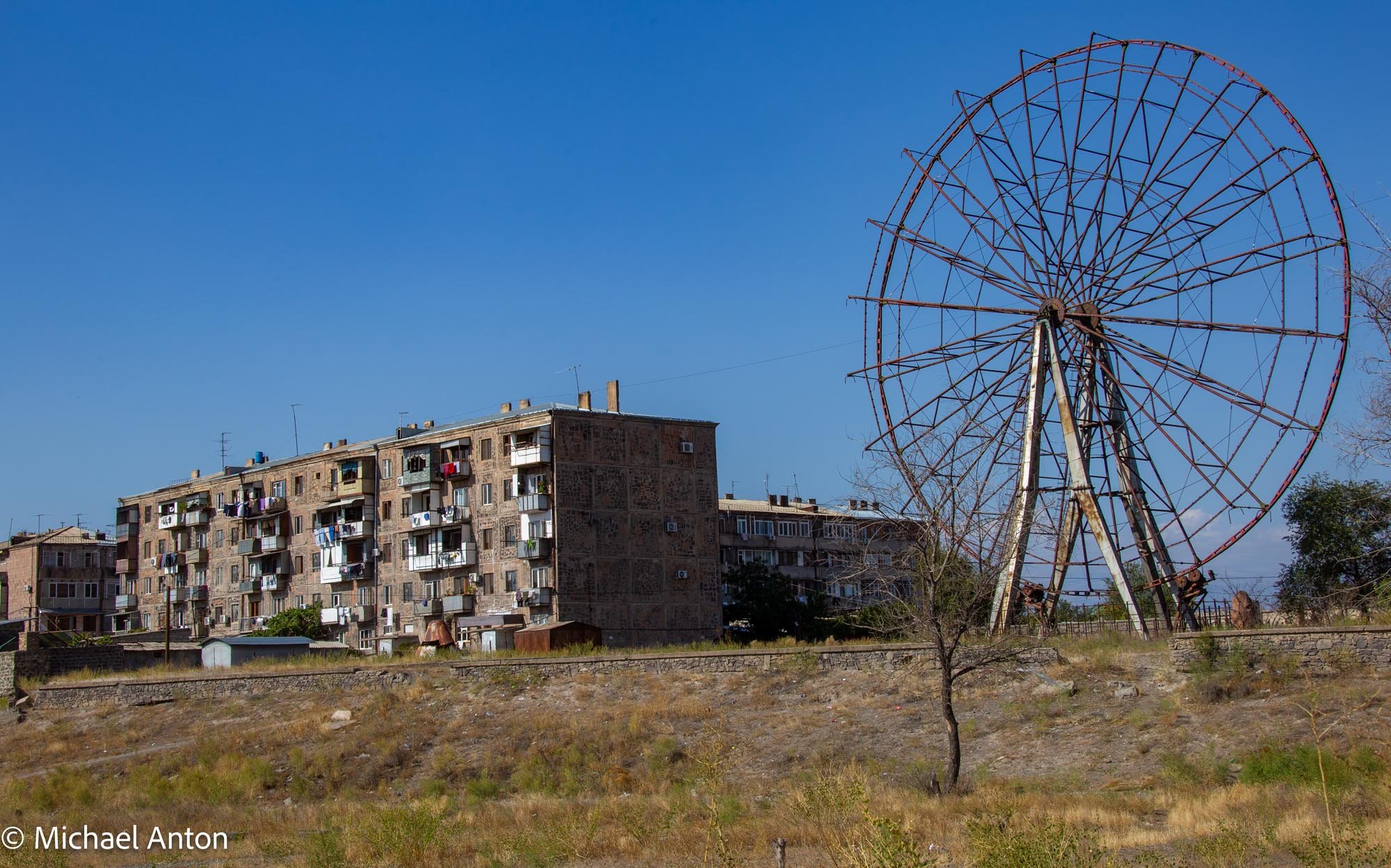
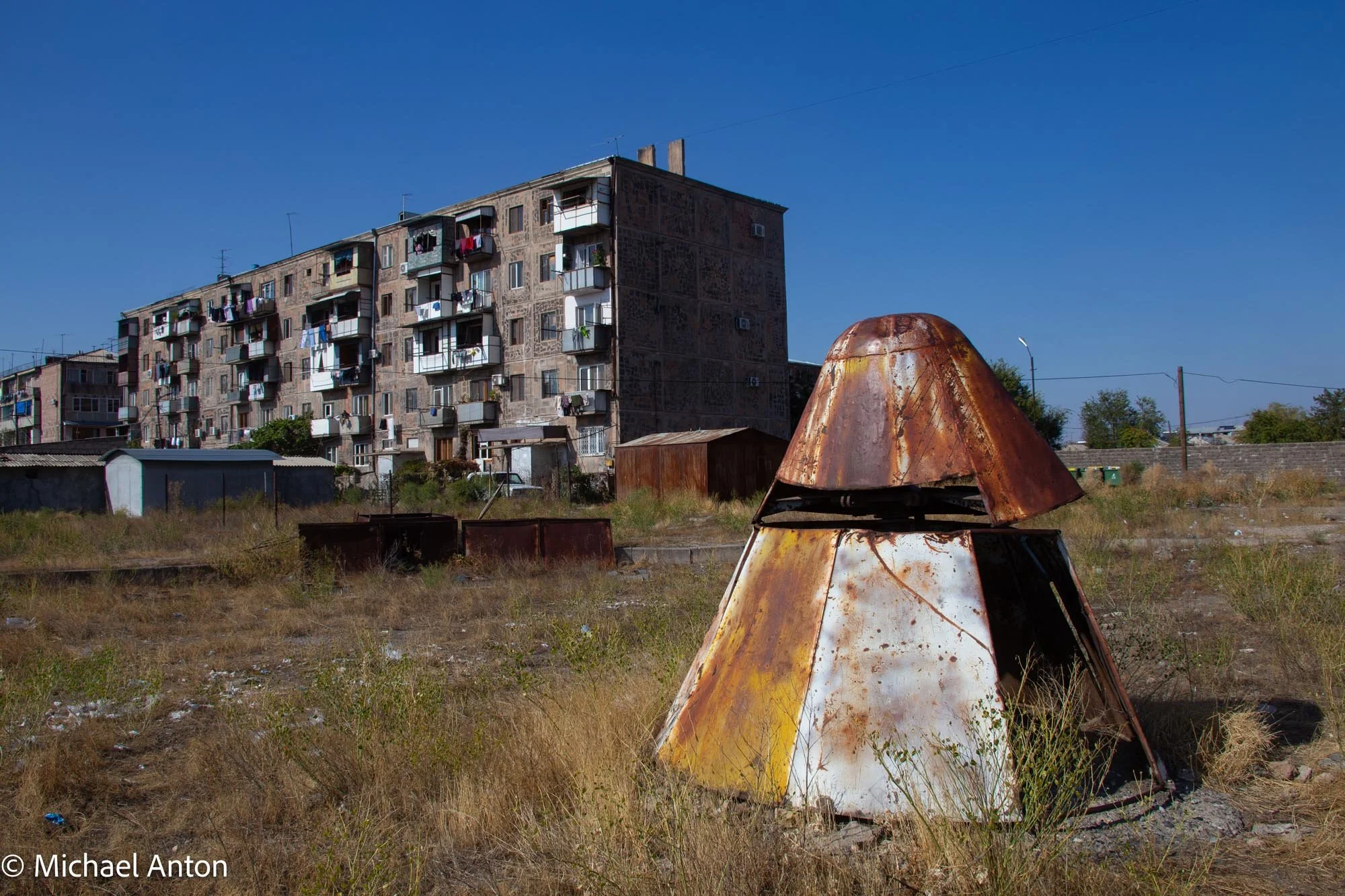
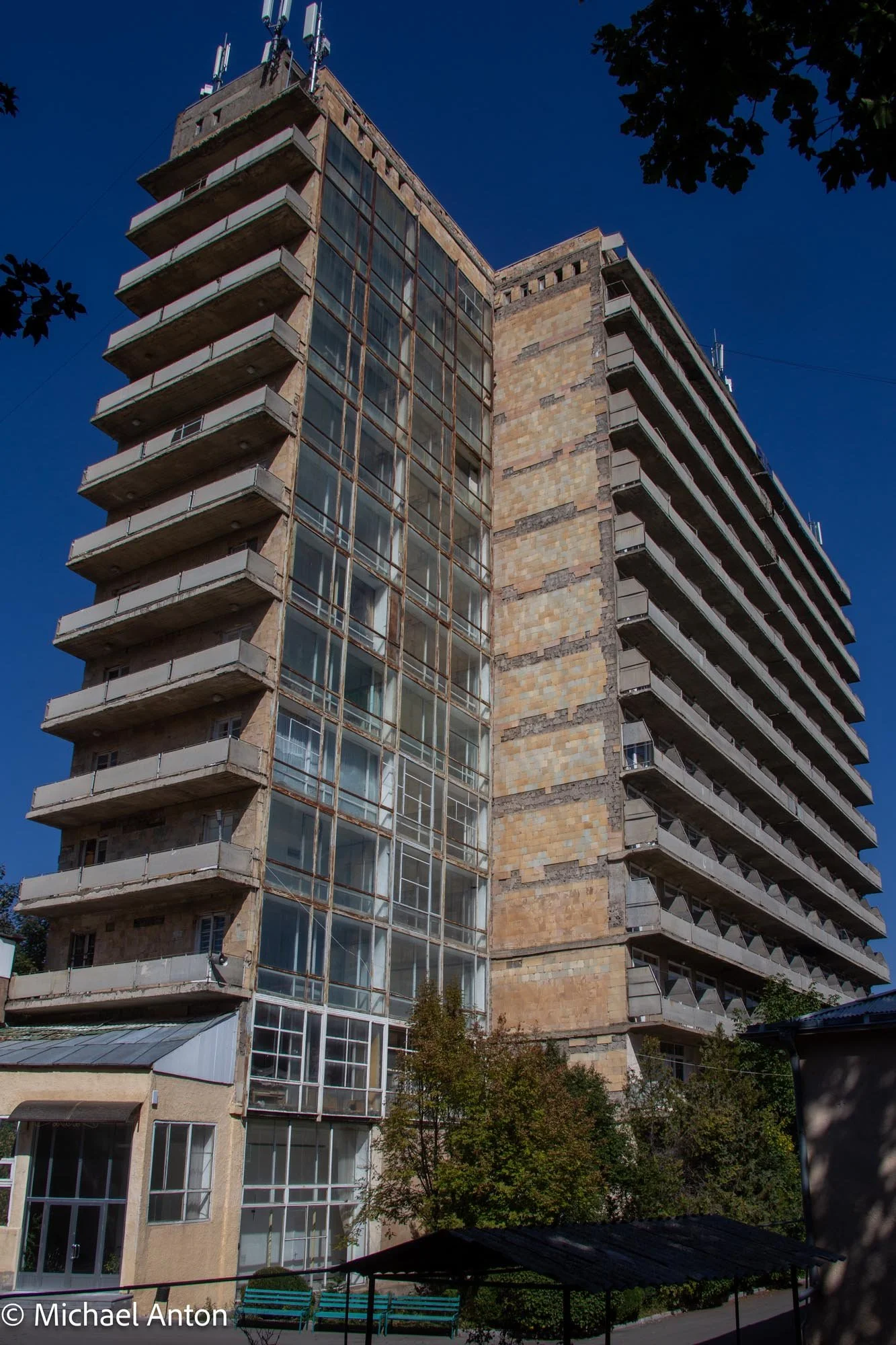
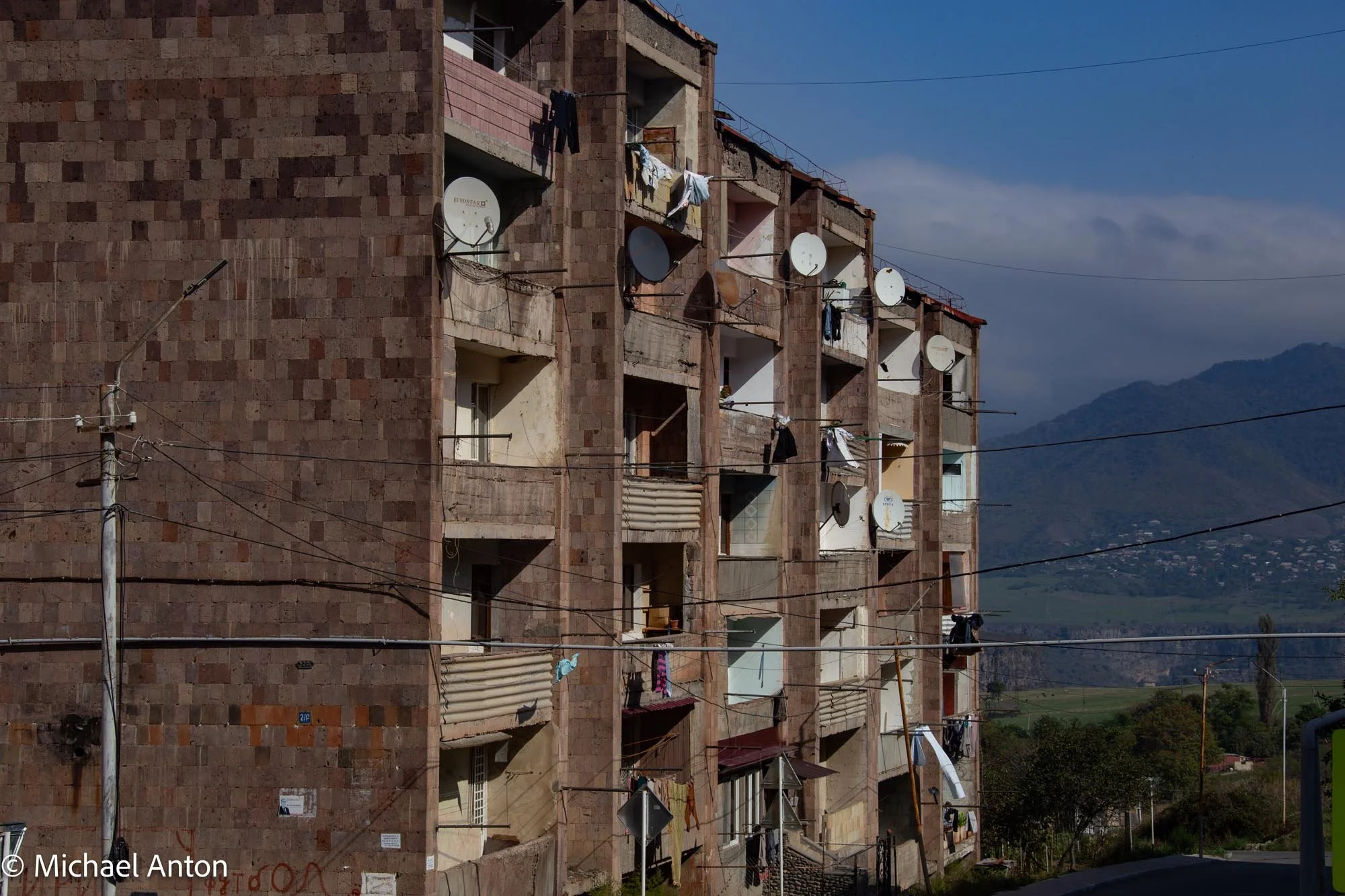
Soviet Housing Blocs
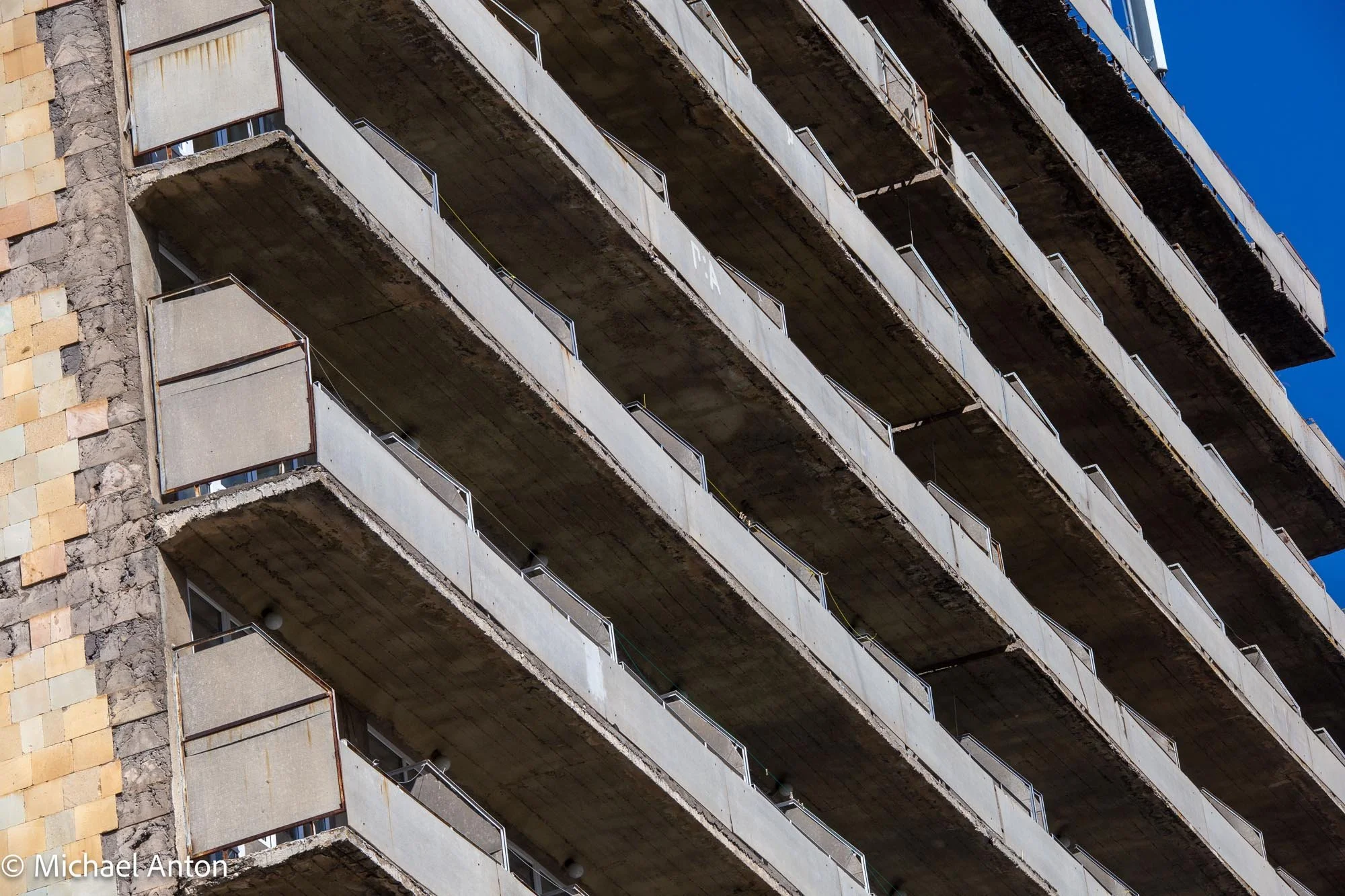
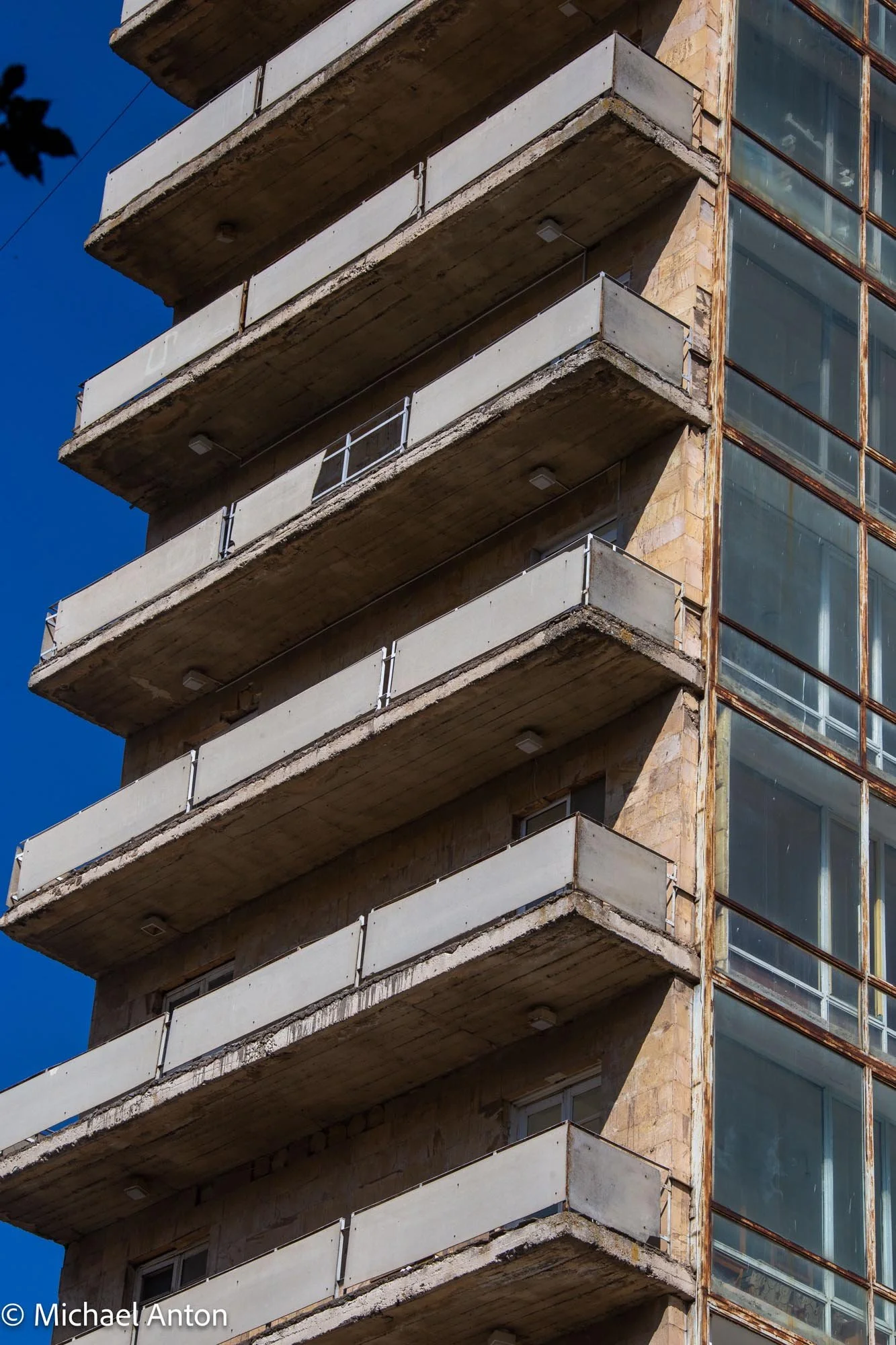
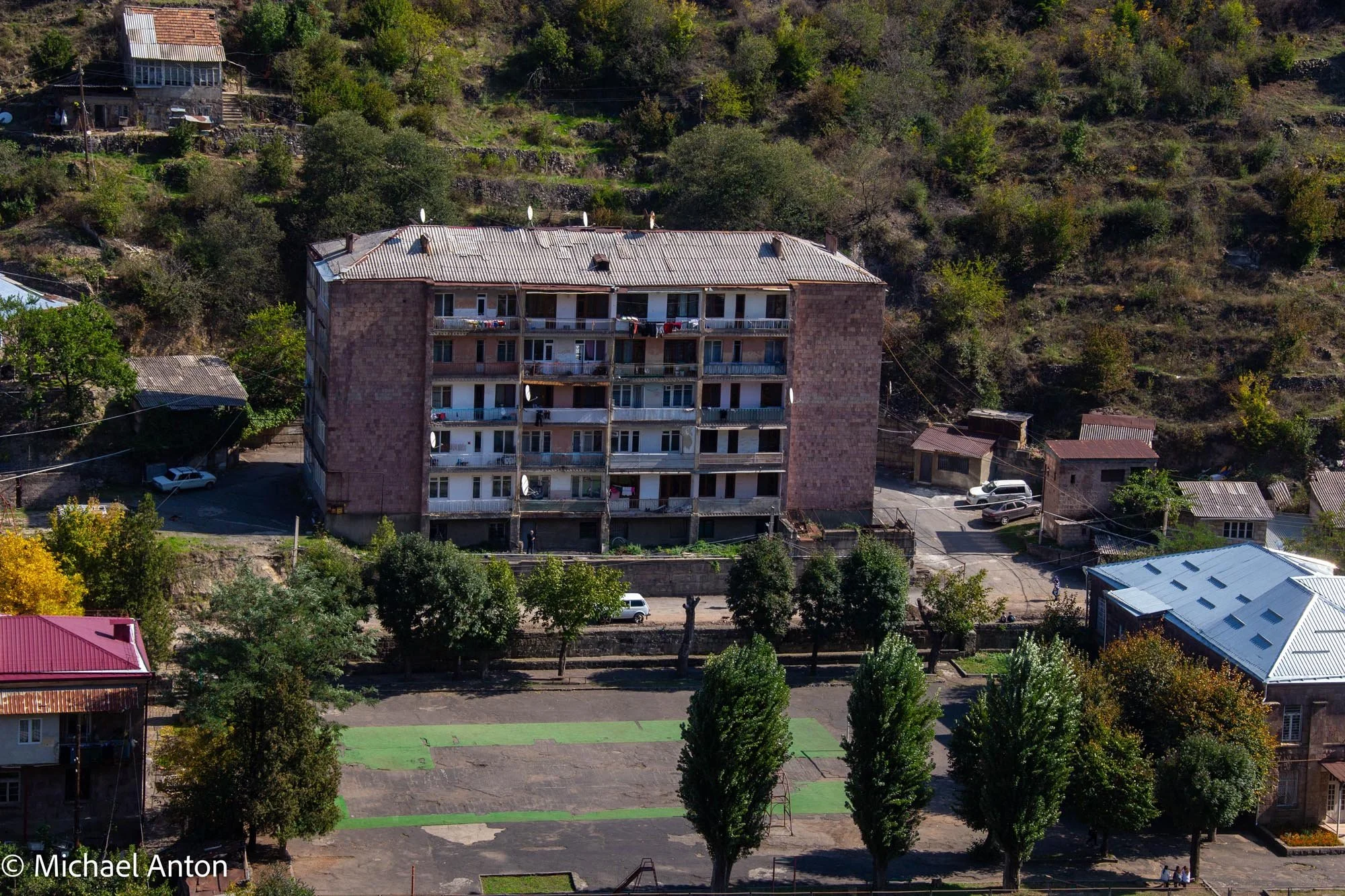
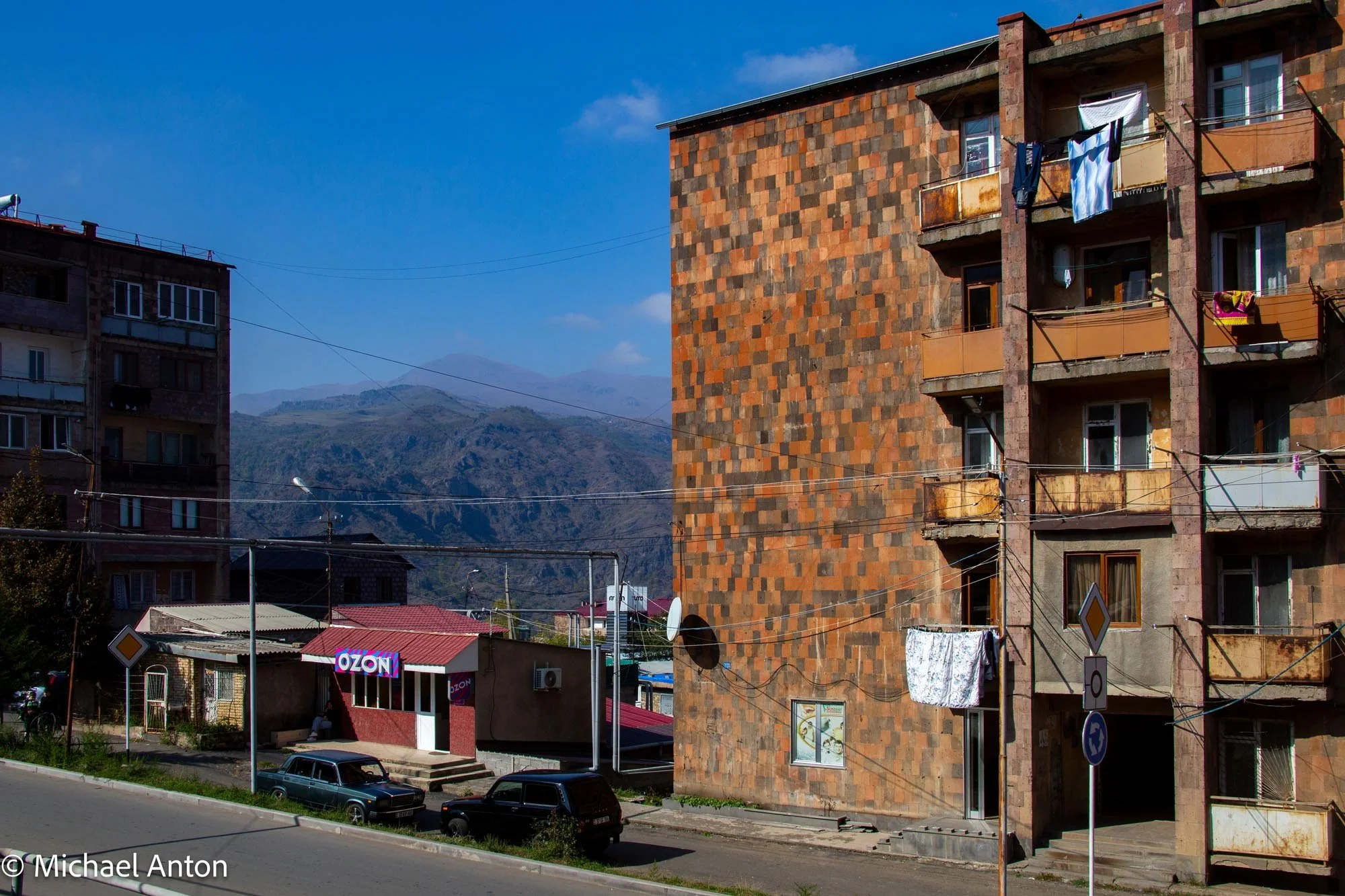
To the spoiled Western eye there is a drab sameness to the communist era housing blocs built in the 1950s and 60s. But after the devastation of war, and privations of central planning, these were probably a vast improvement over former living conditions.
Here at least there was electricity, running water and heat during harsh winters.
I can’t really claim that the aesthetics of American public housing built during the same period is much better.
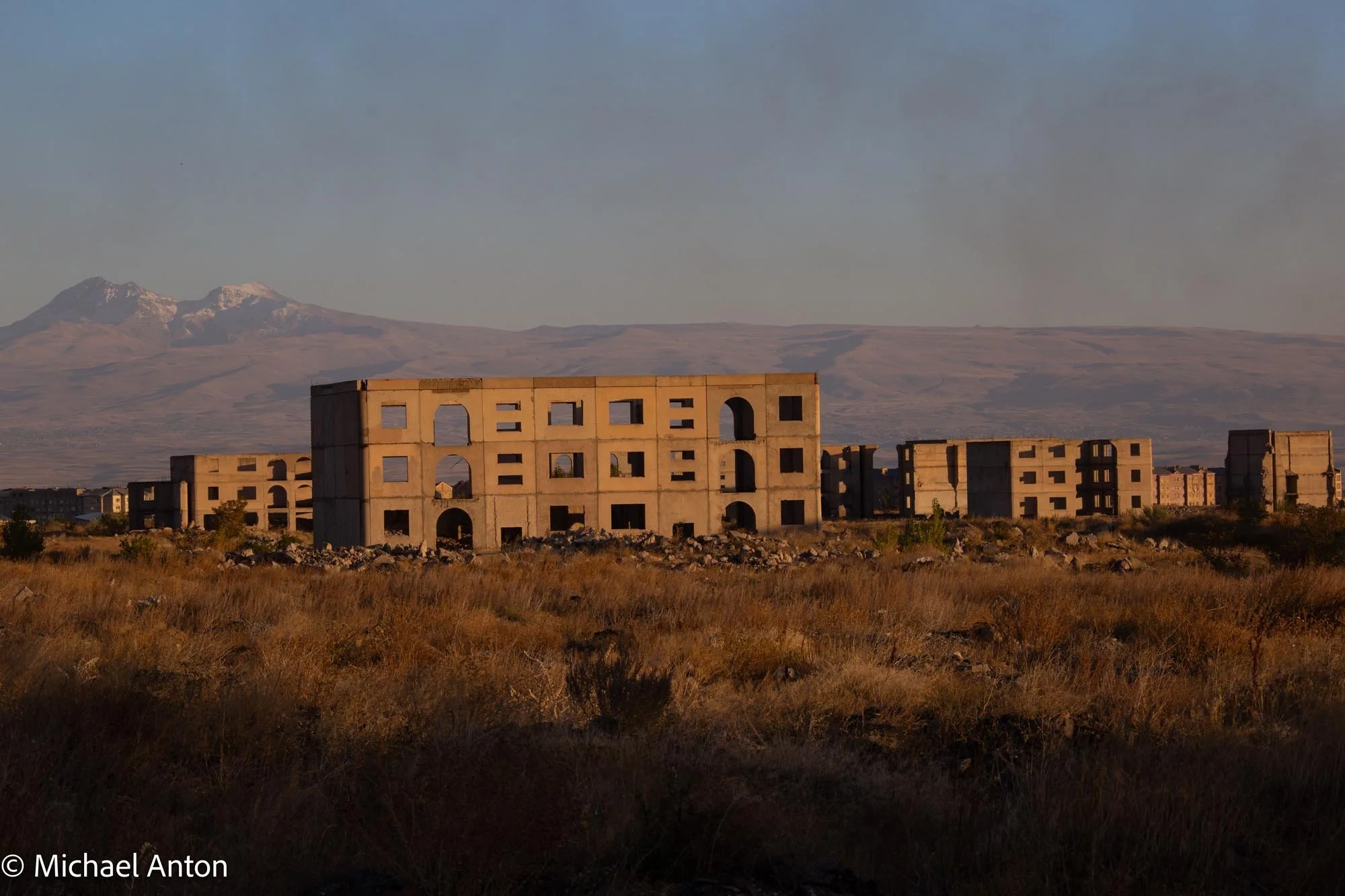
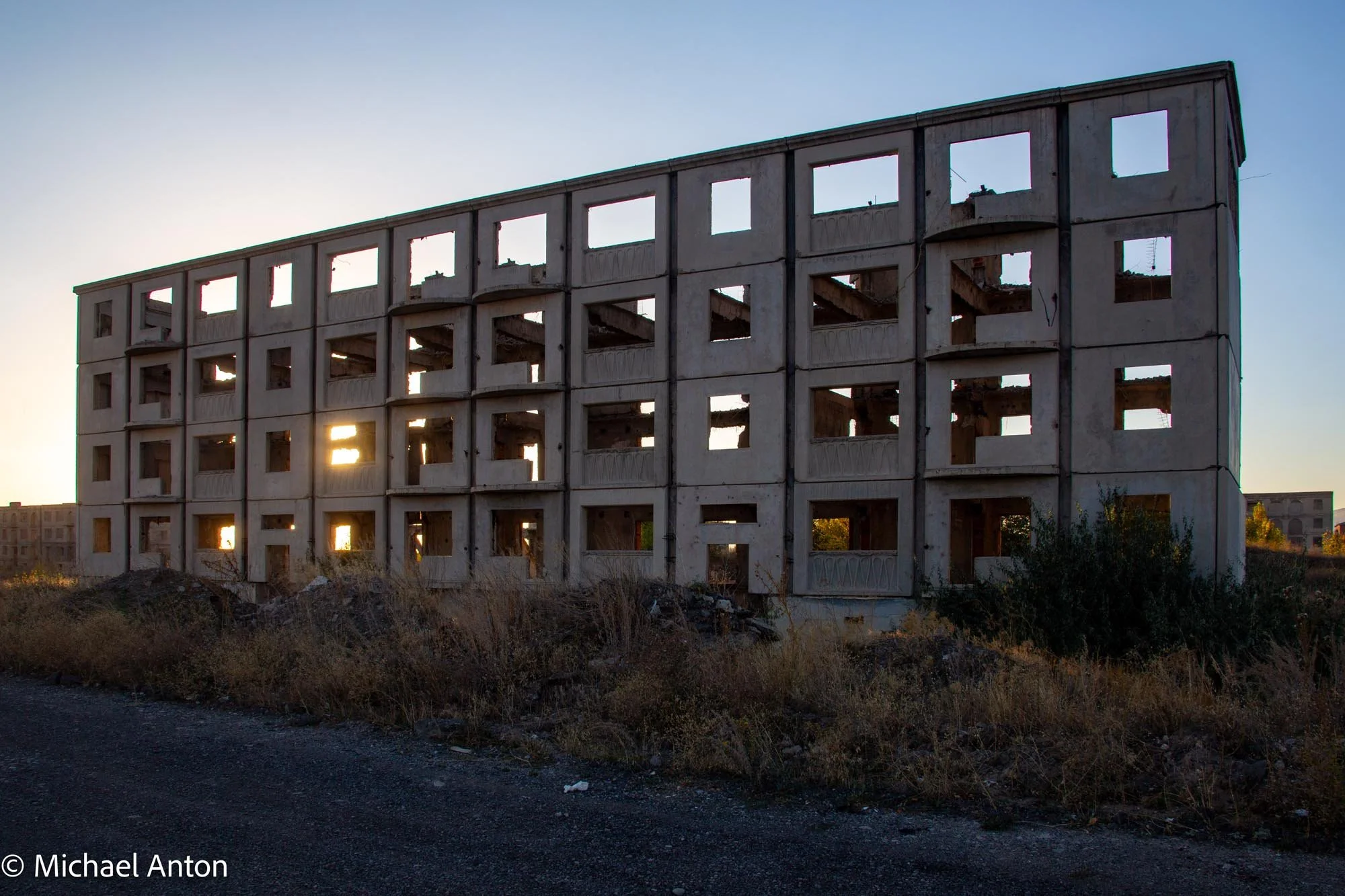
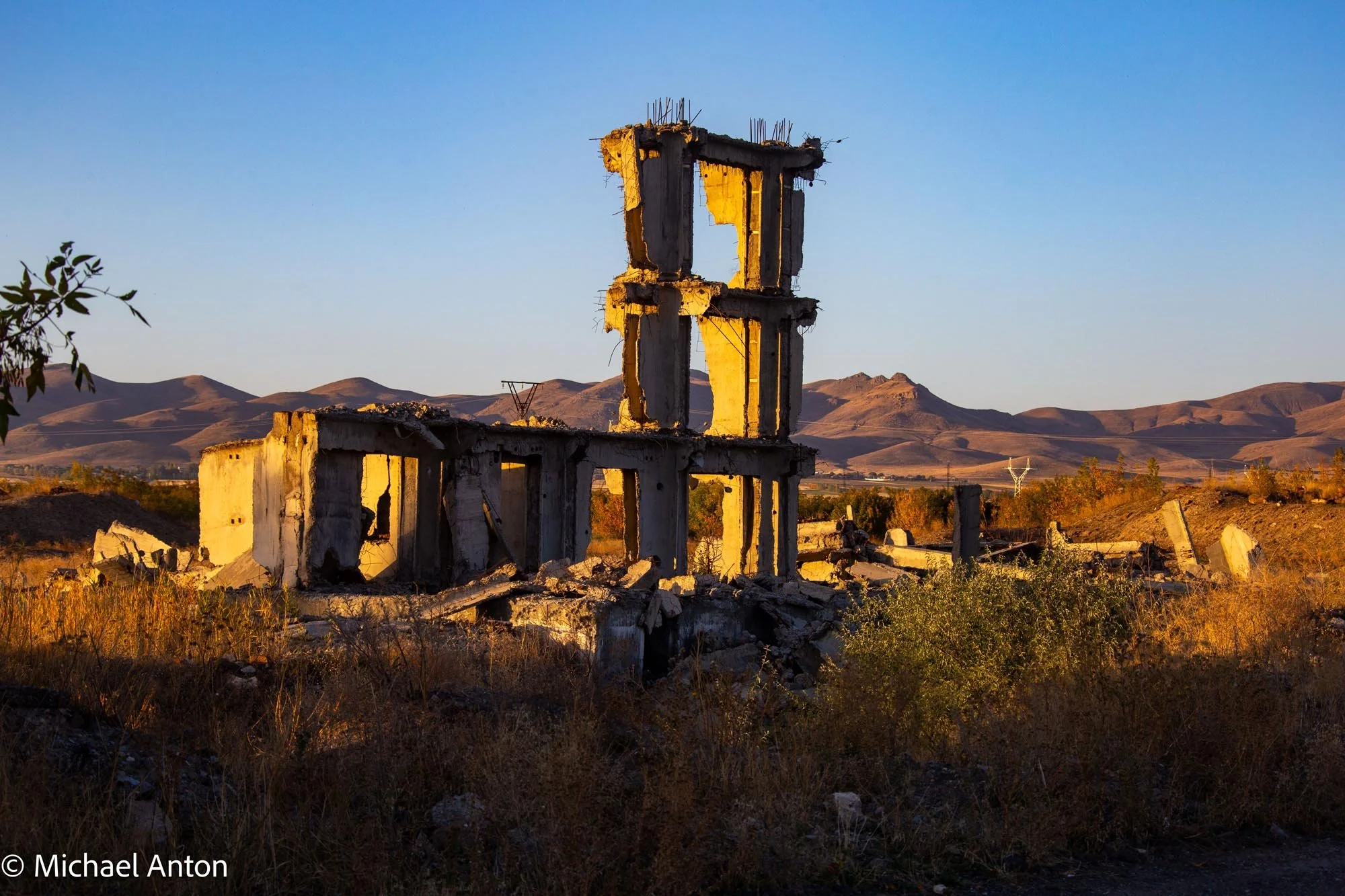
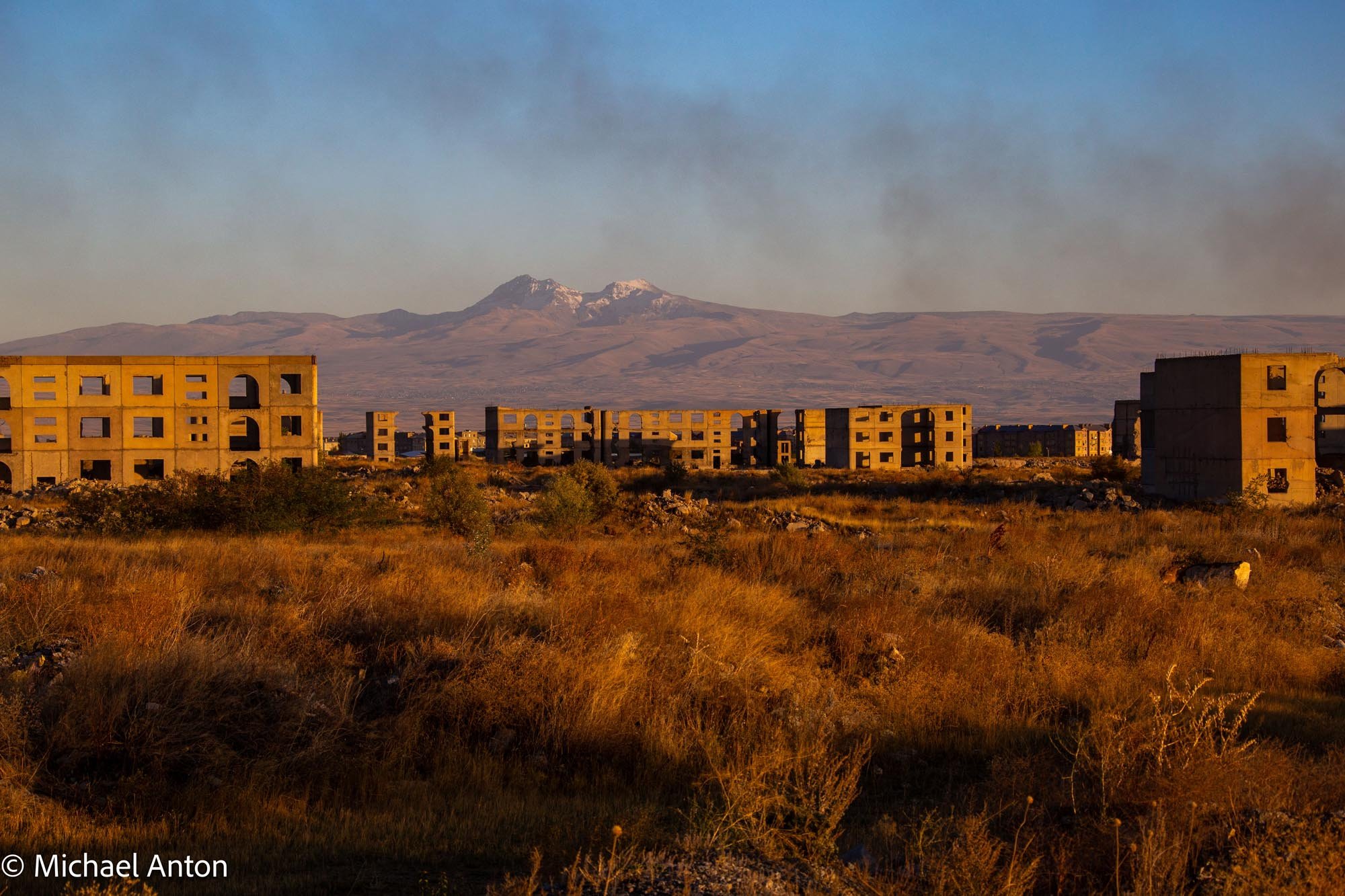
The last four images in this gallery are of incomplete housing starts following the 1988 earthquake. Mikhail Gorbachev came to Armenia and promised swift aid. Housing complexes were started, but by 1991 the Soviet Union disbanded, and these buildings were never completed.
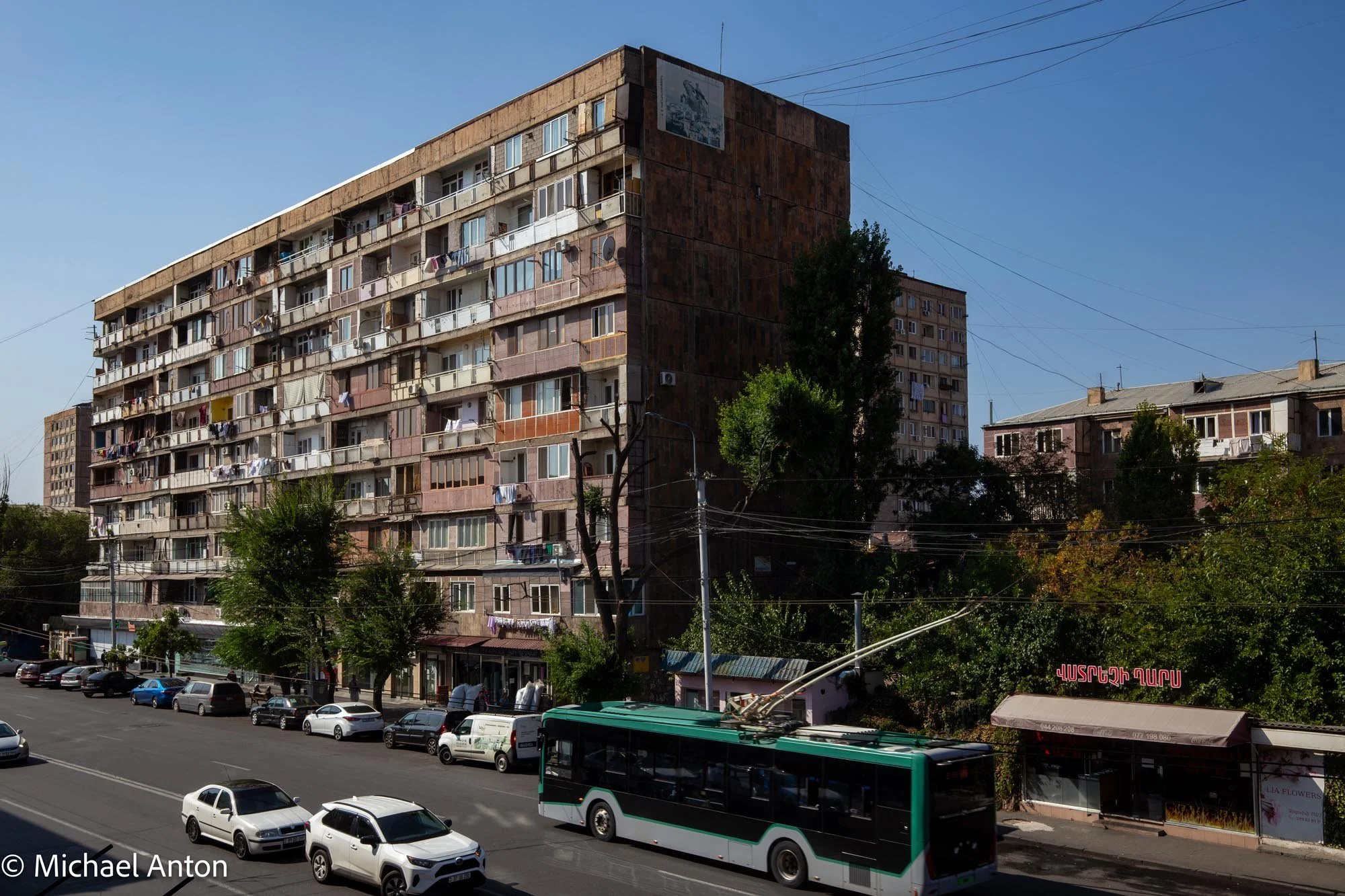
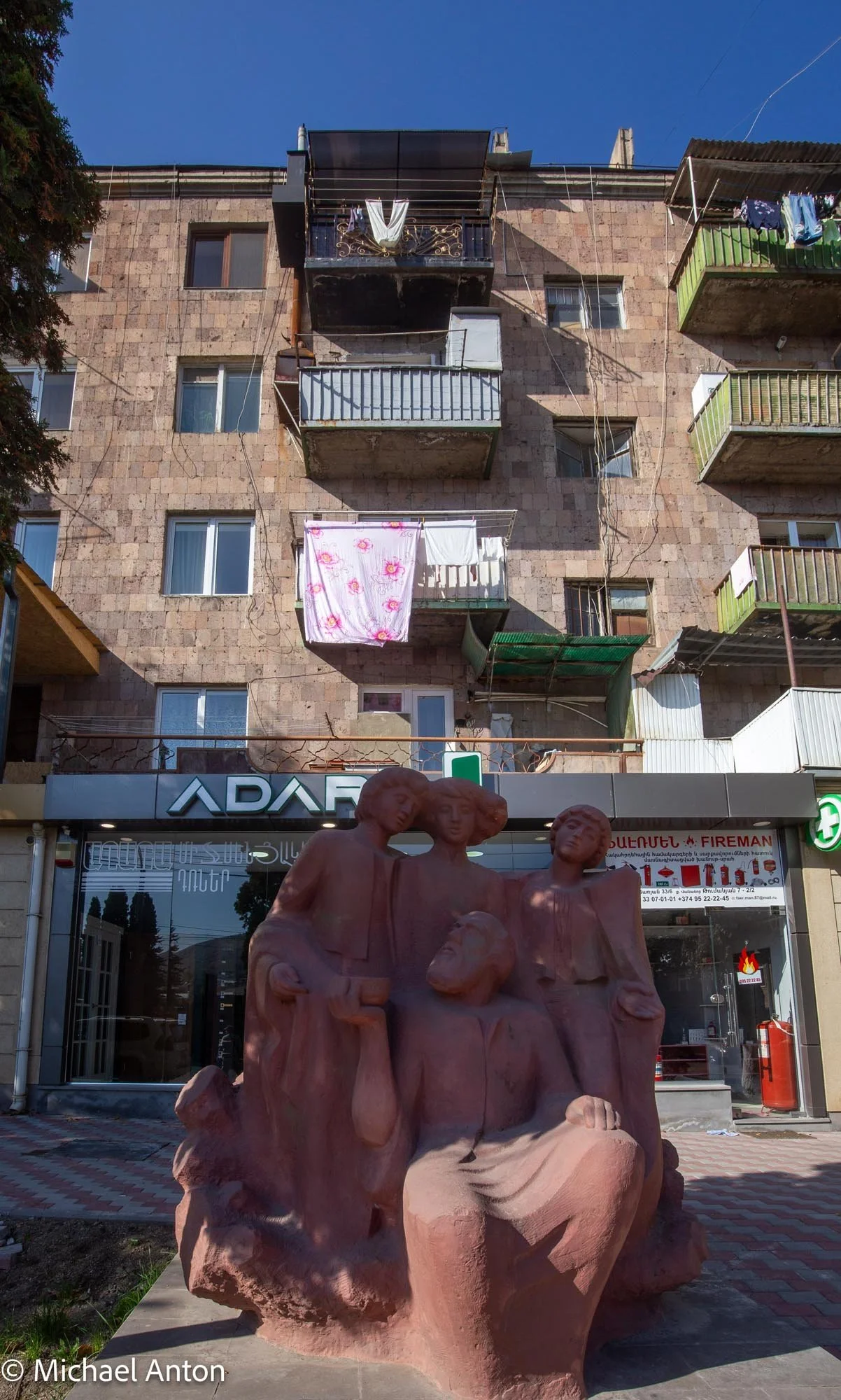
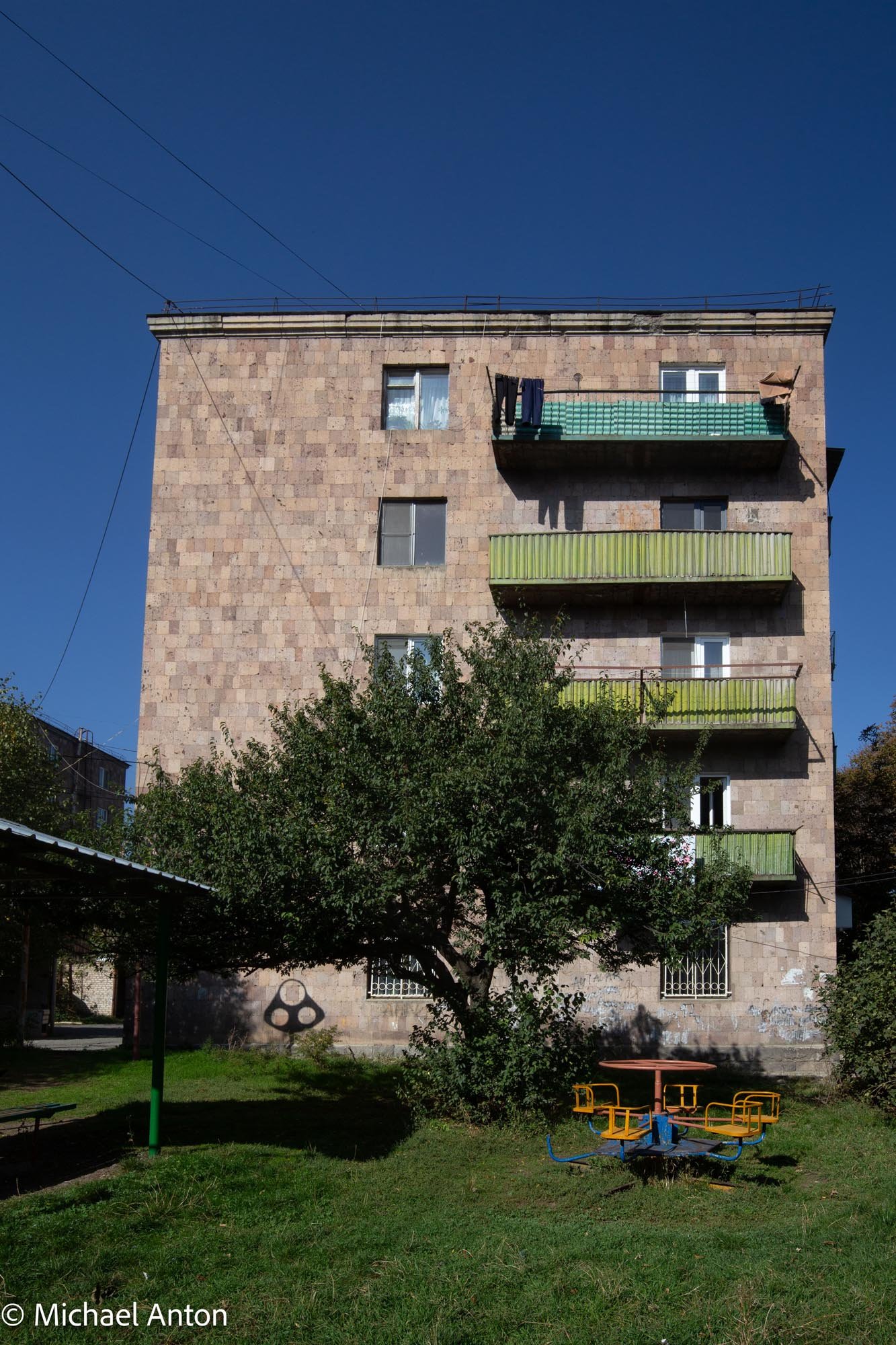
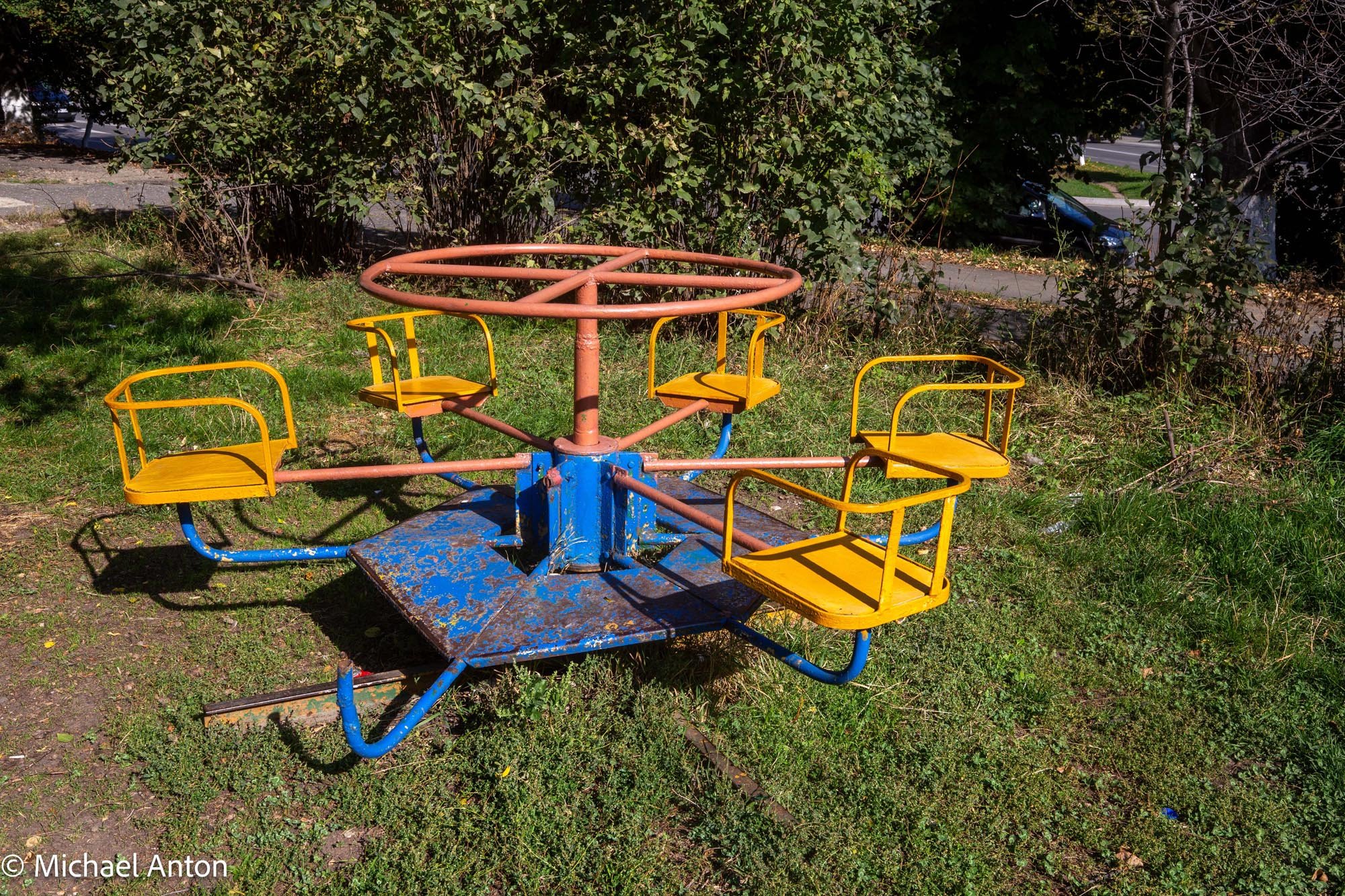
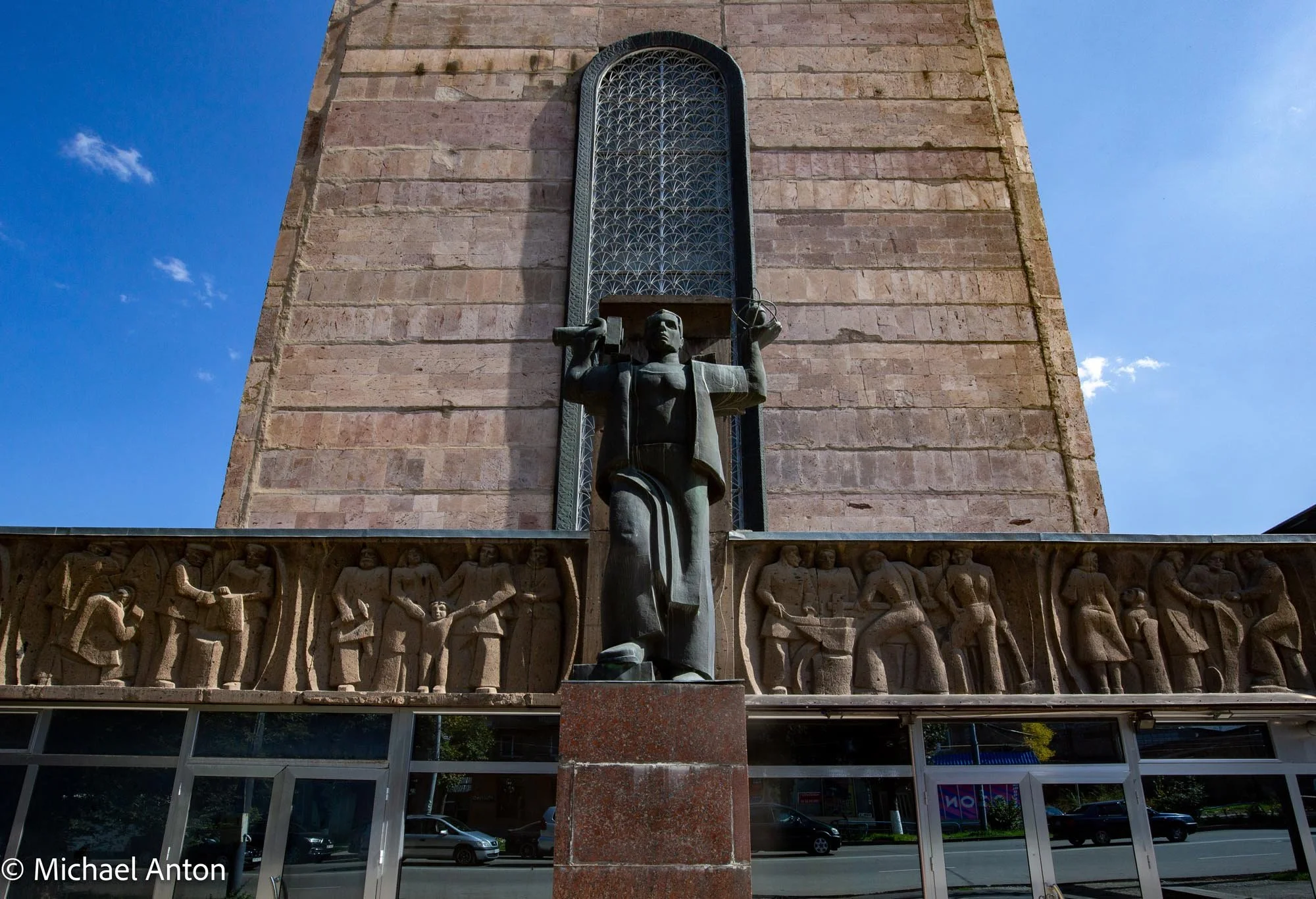
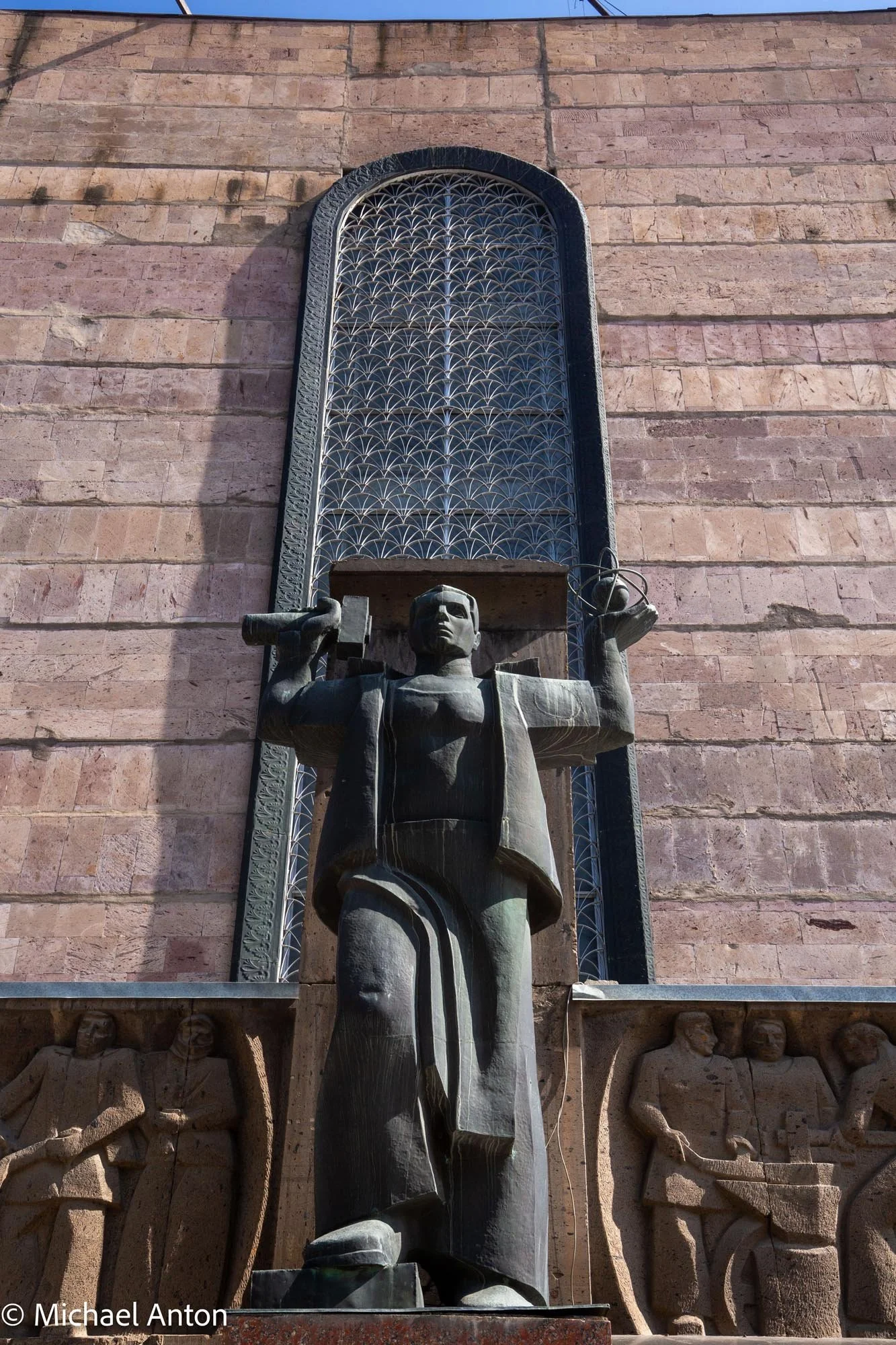
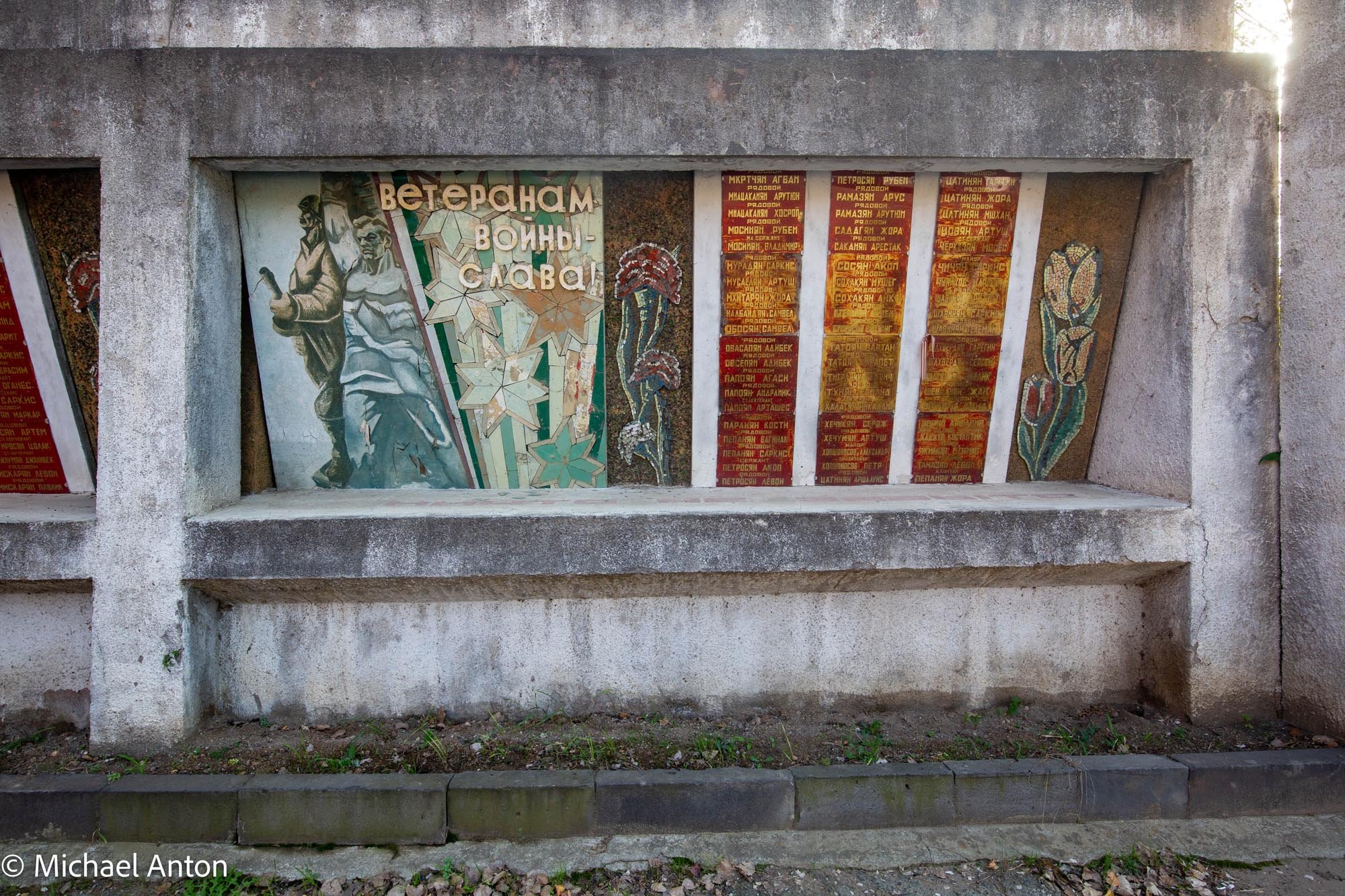
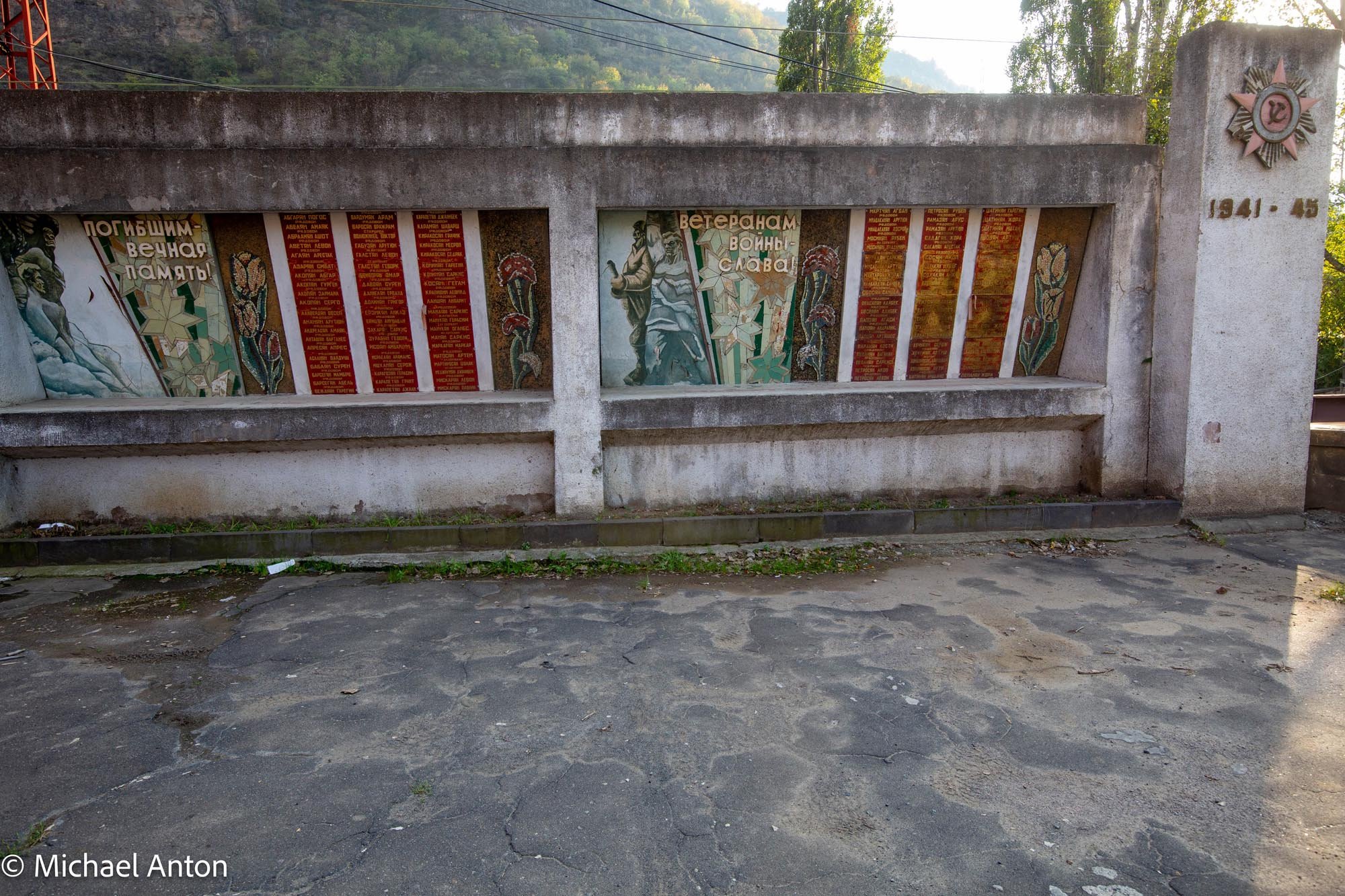
Soviet Iconography
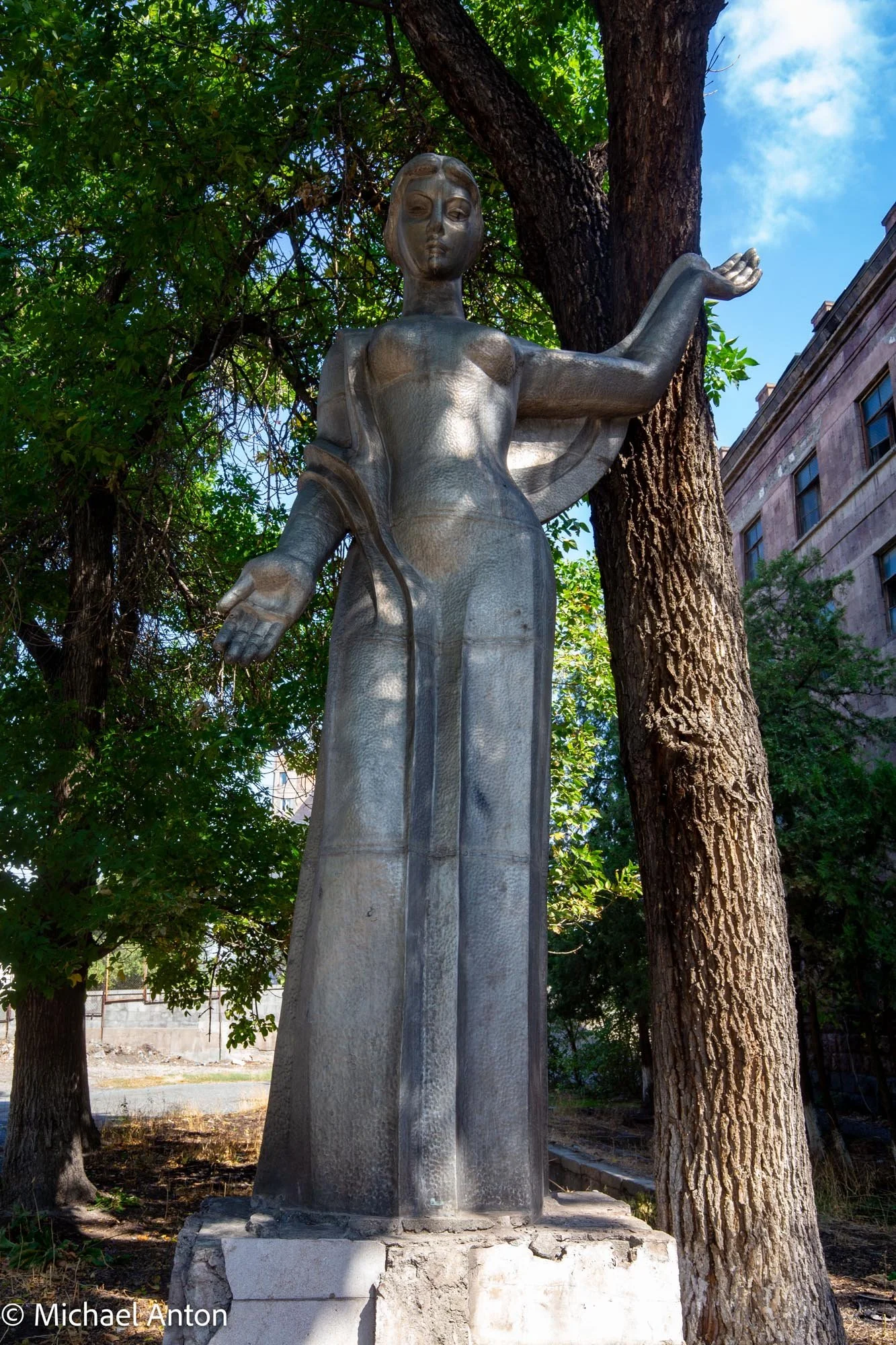
Tributes via statues and mosaics testify to the triumph of the proletariat and the egalitarian nature of socialism.
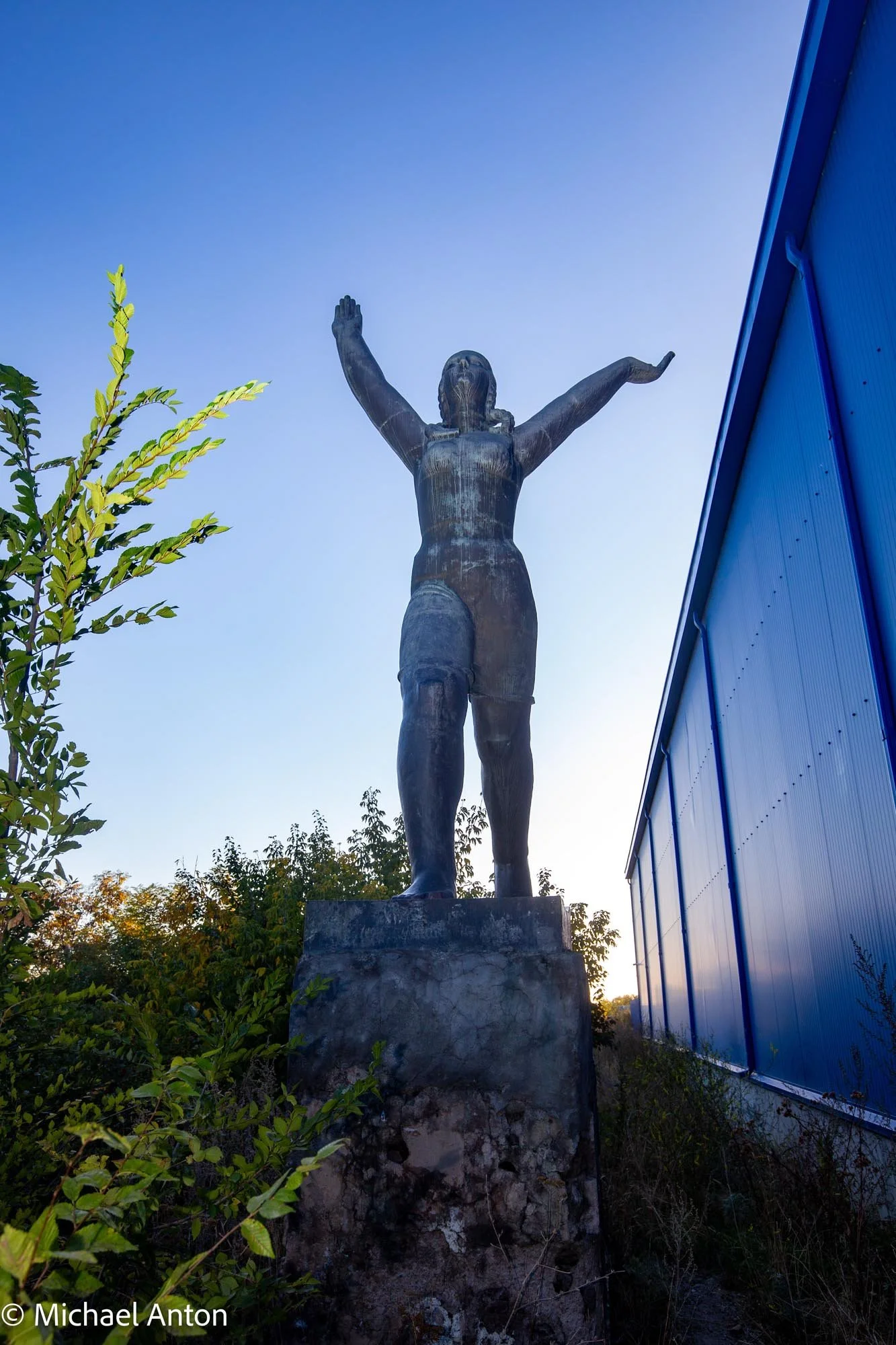
The second image in this section is of a victorious woman, with her arms raised. This had formerly been the central piece of a sculpture in a beautifully landscaped park. When I got to it I had to make my way through dense foliage, thorn bushes and weeds that wanted to trip me up.
She is now wedged between two enormous warehouse building supply stores in the town of Gyumri, formerly Leninakan.
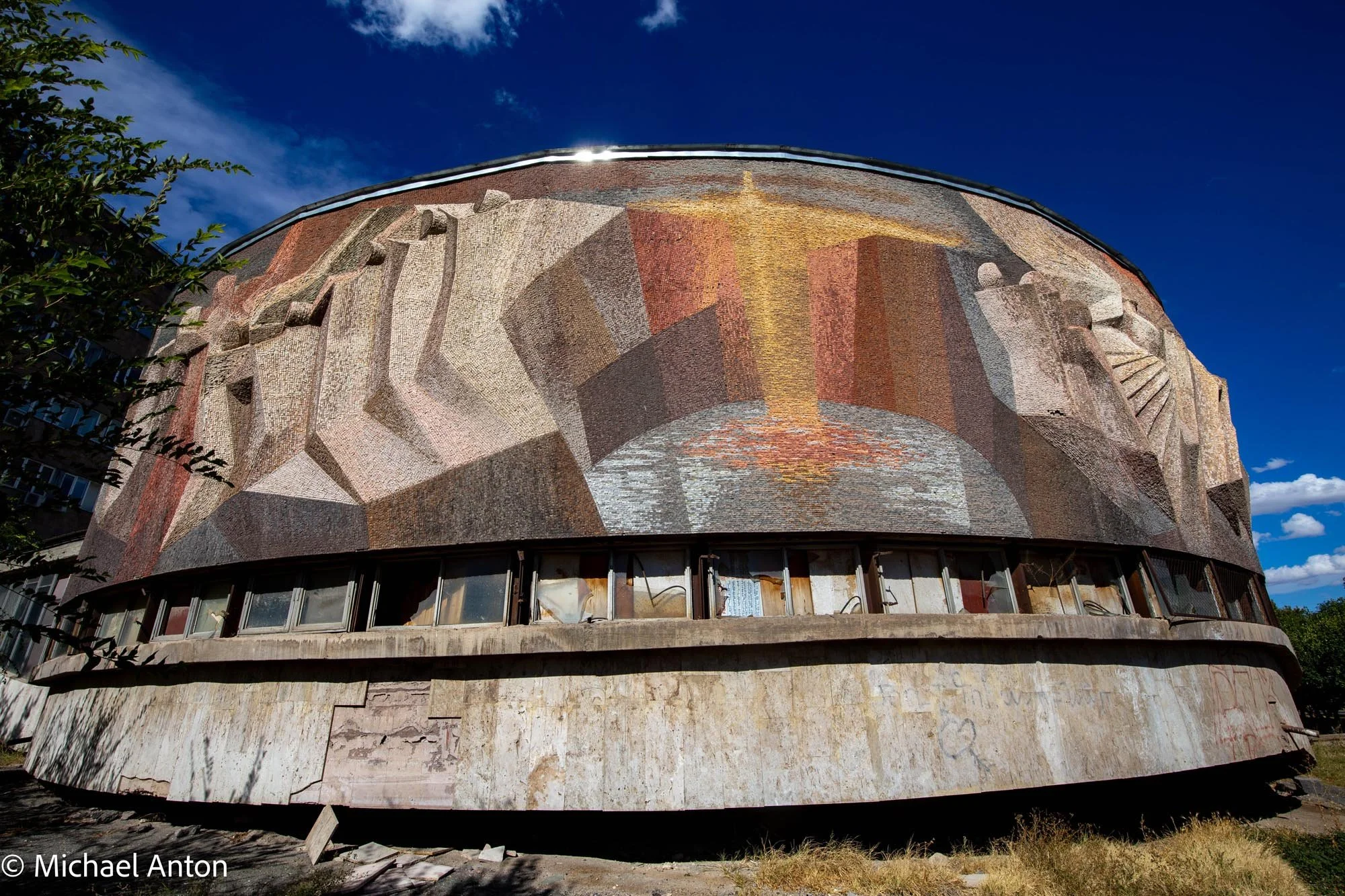
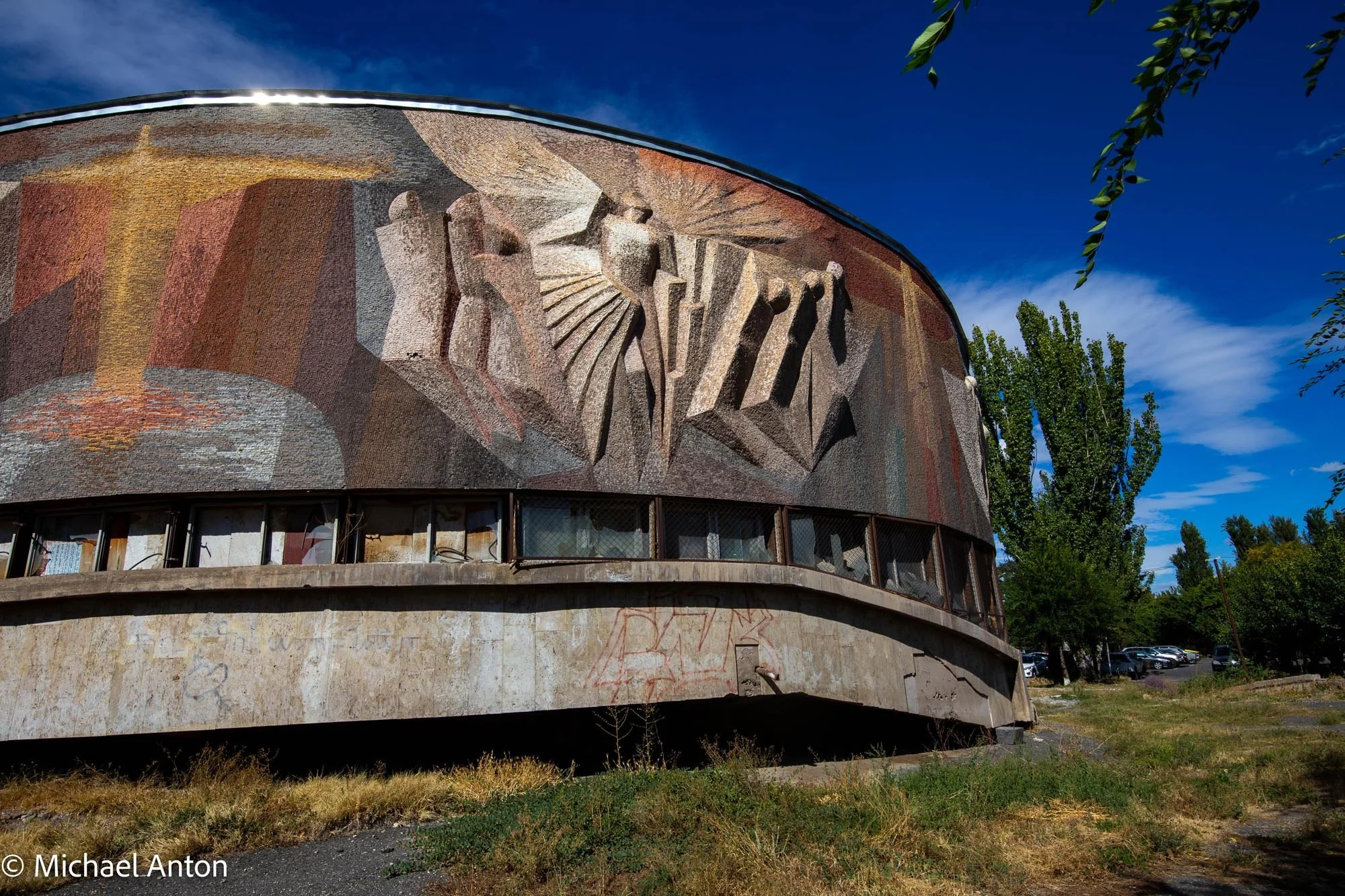
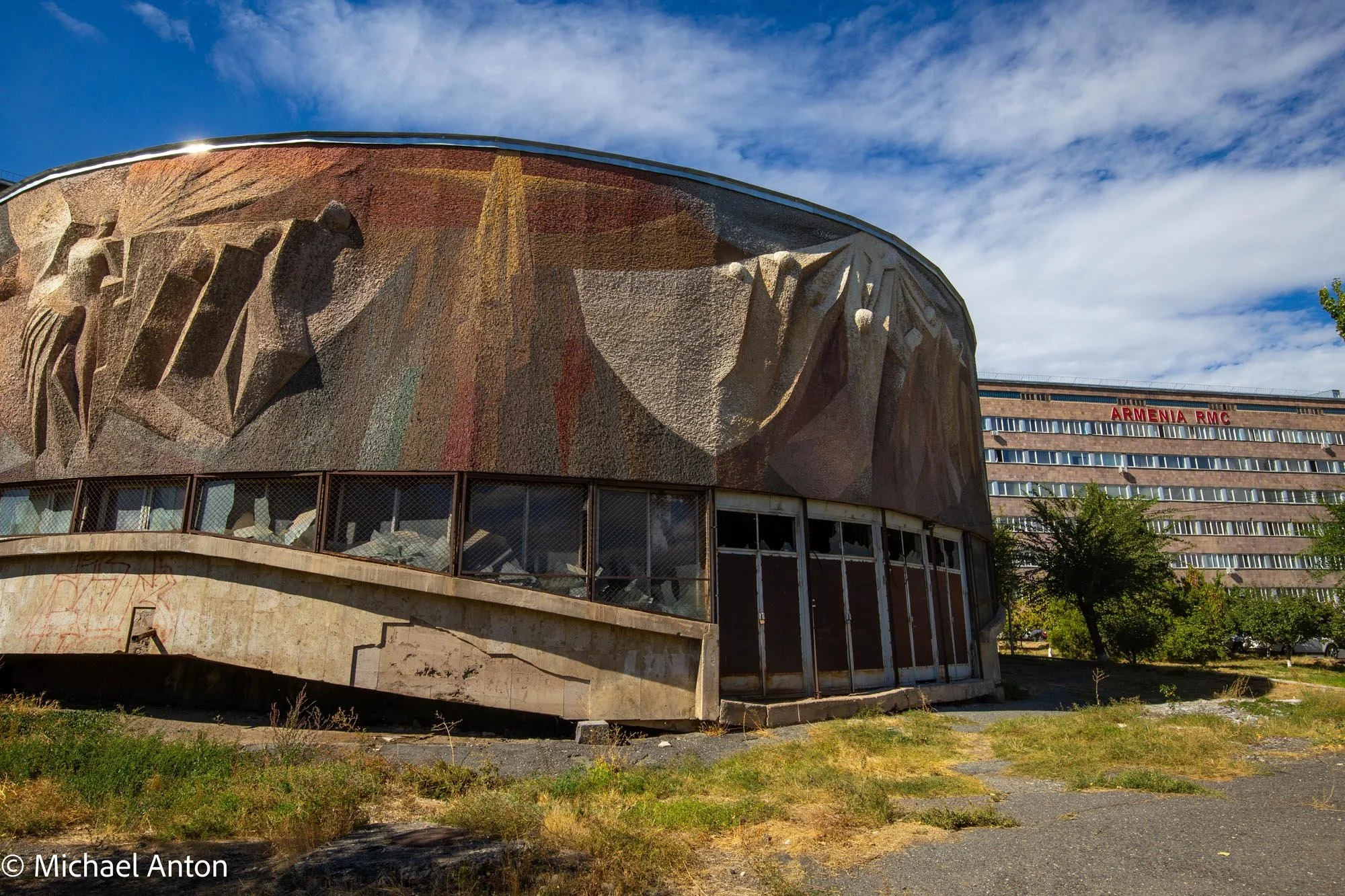
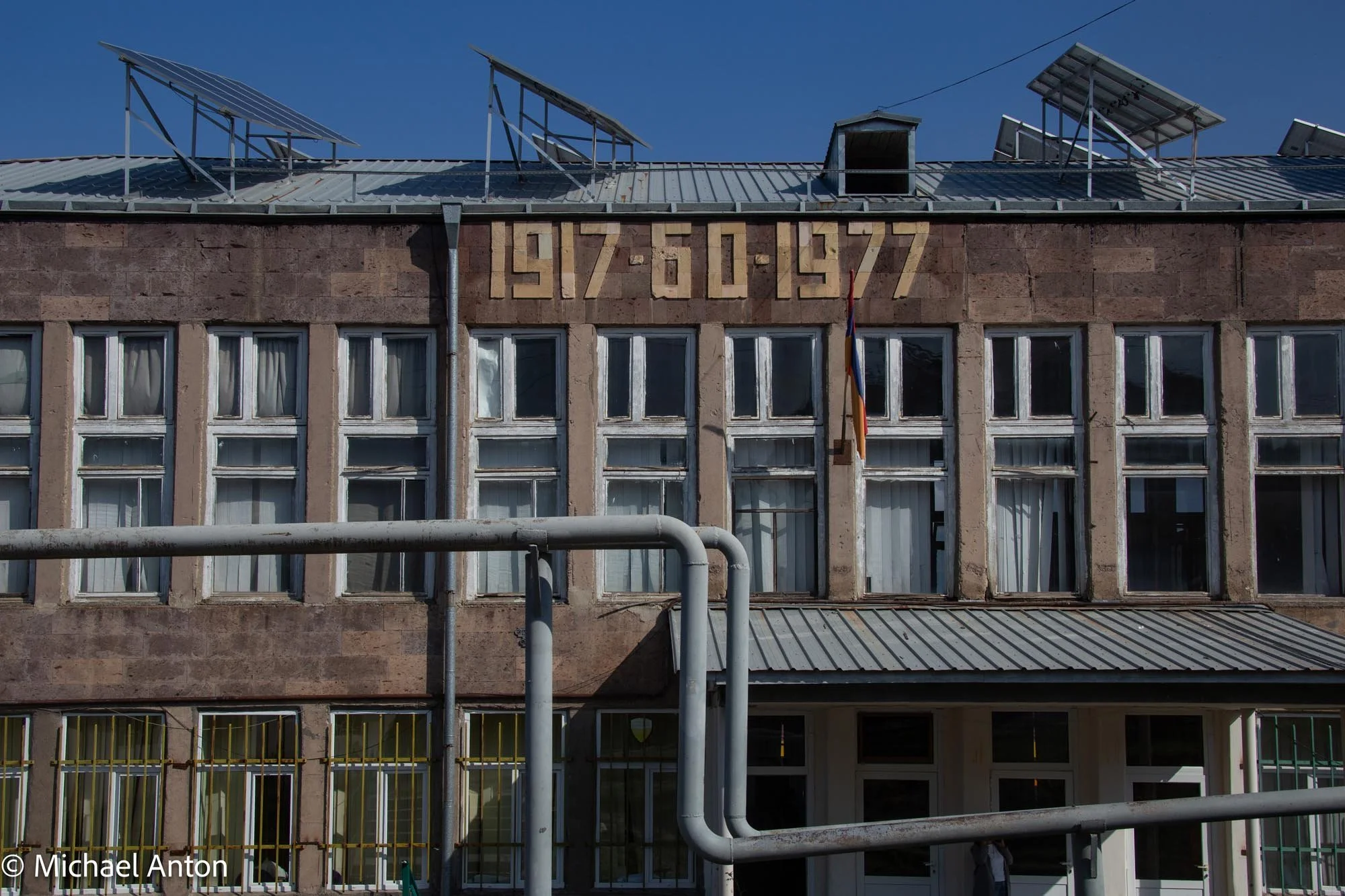
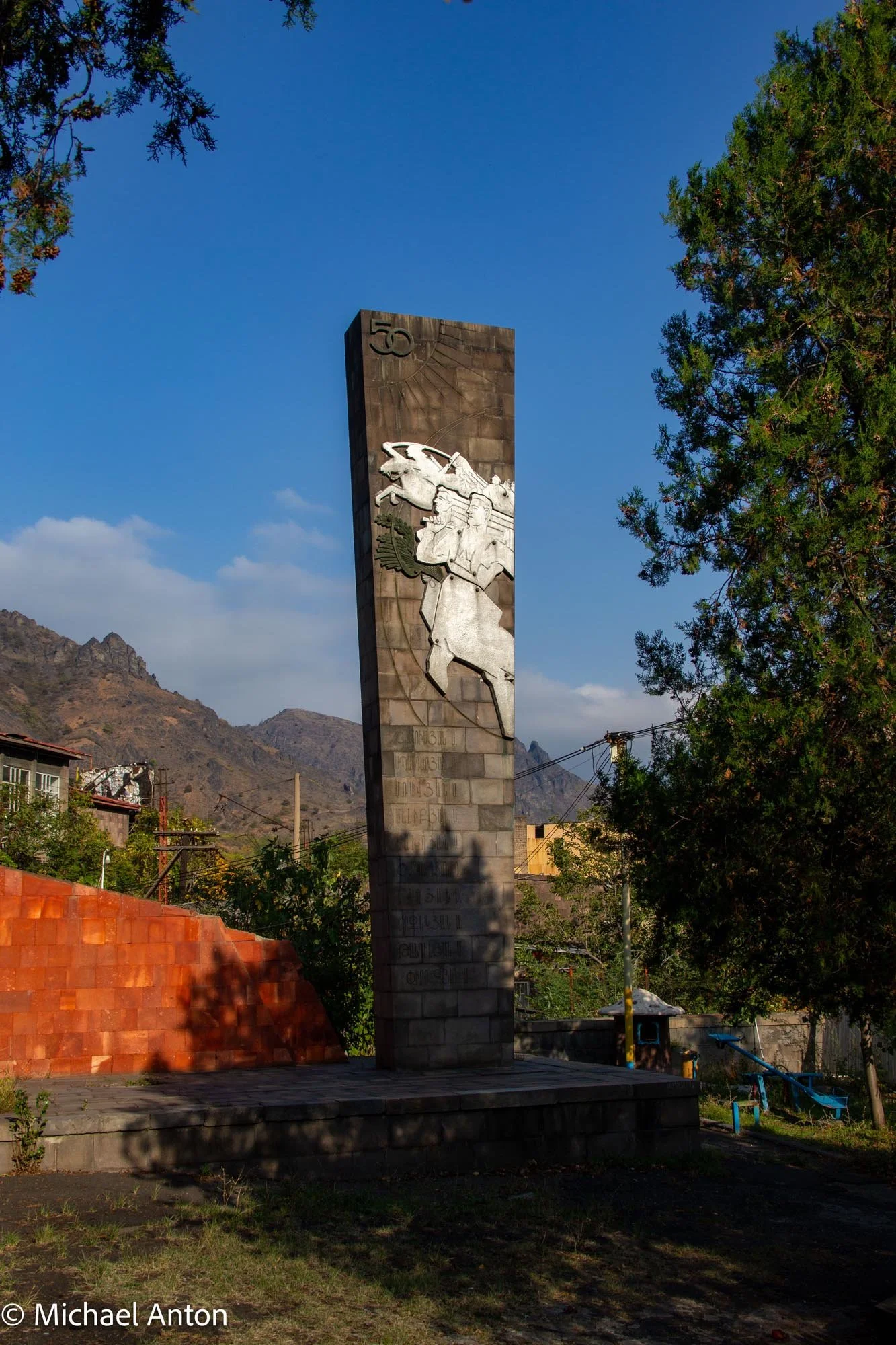
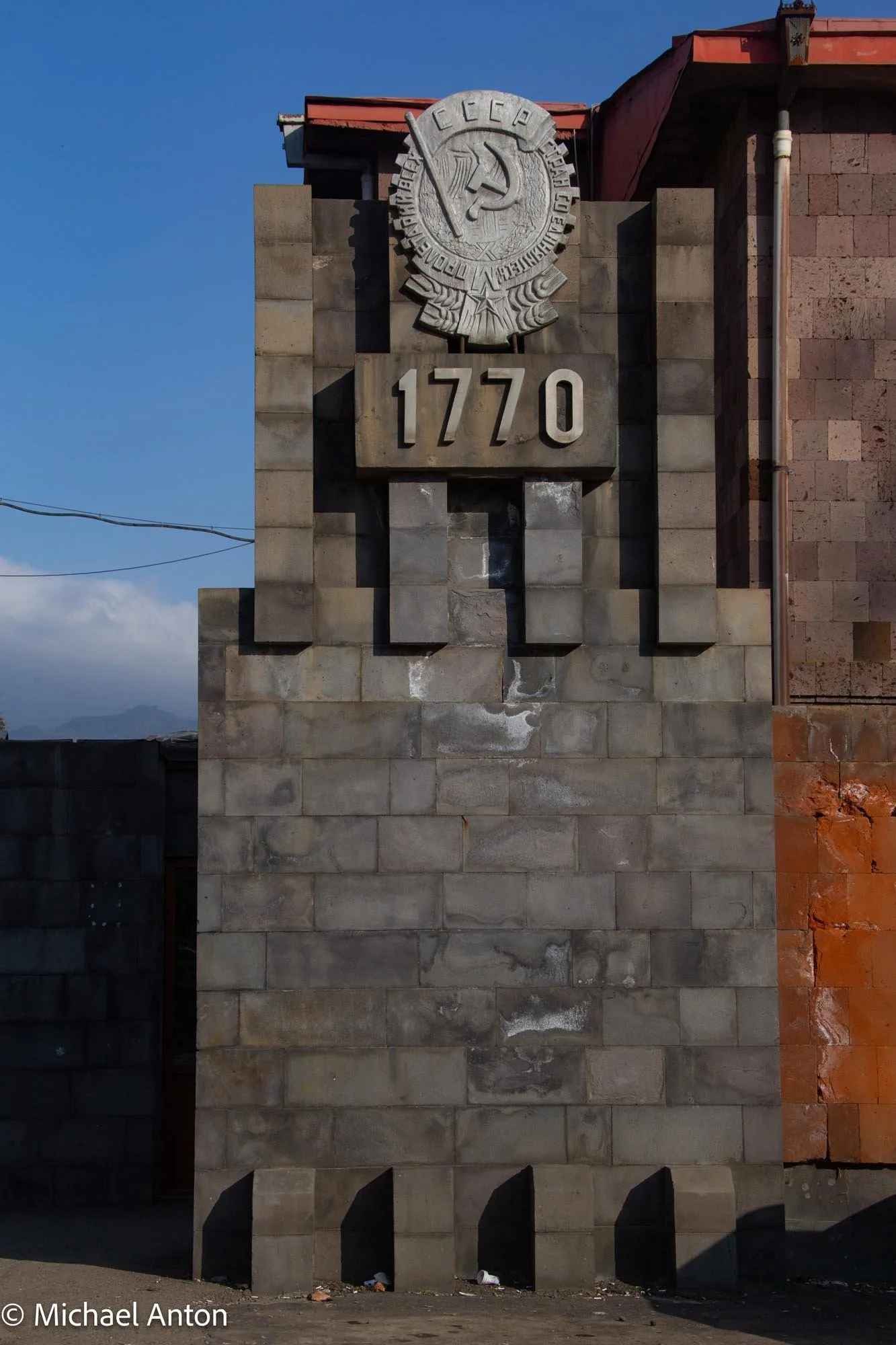
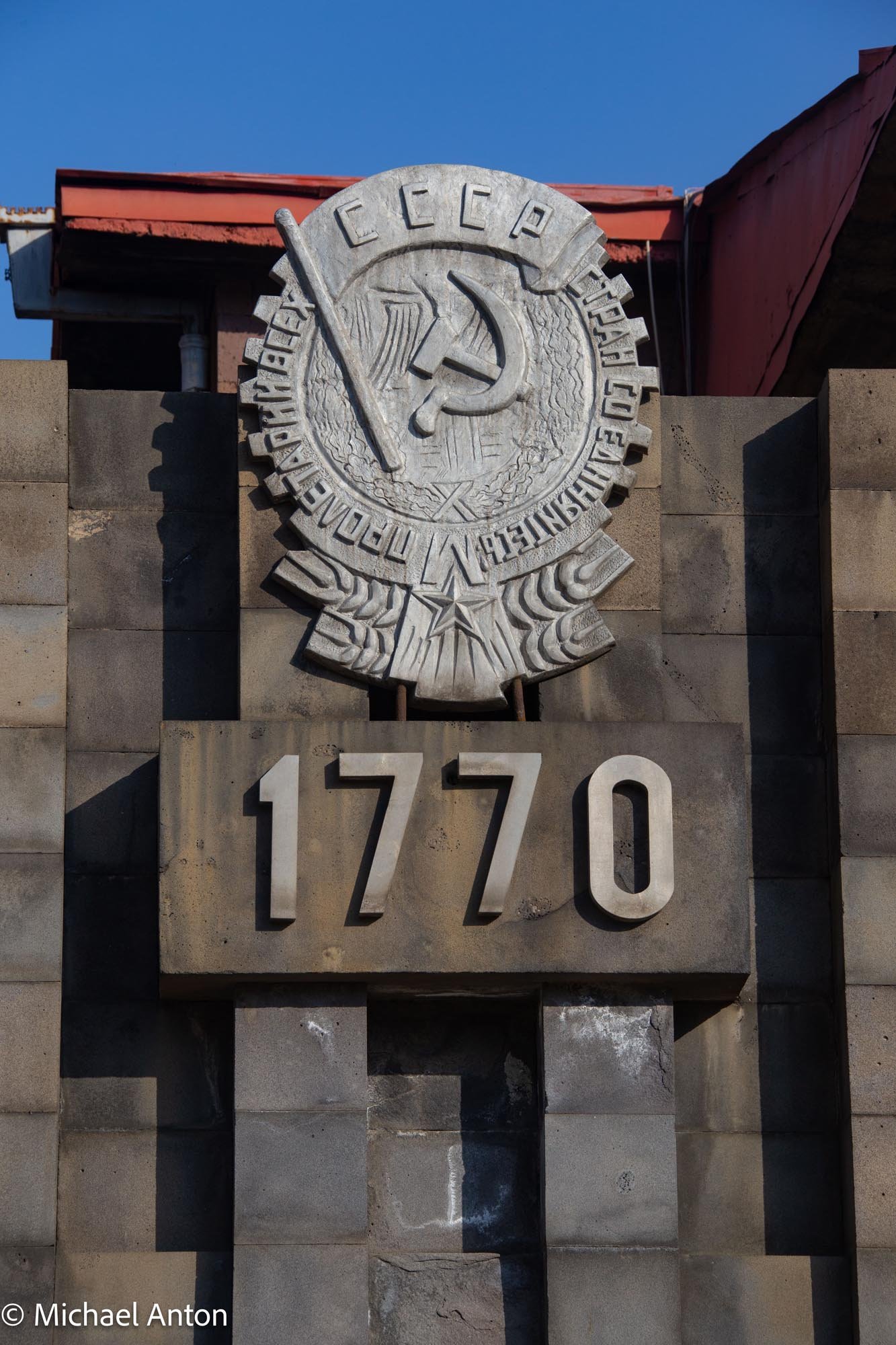
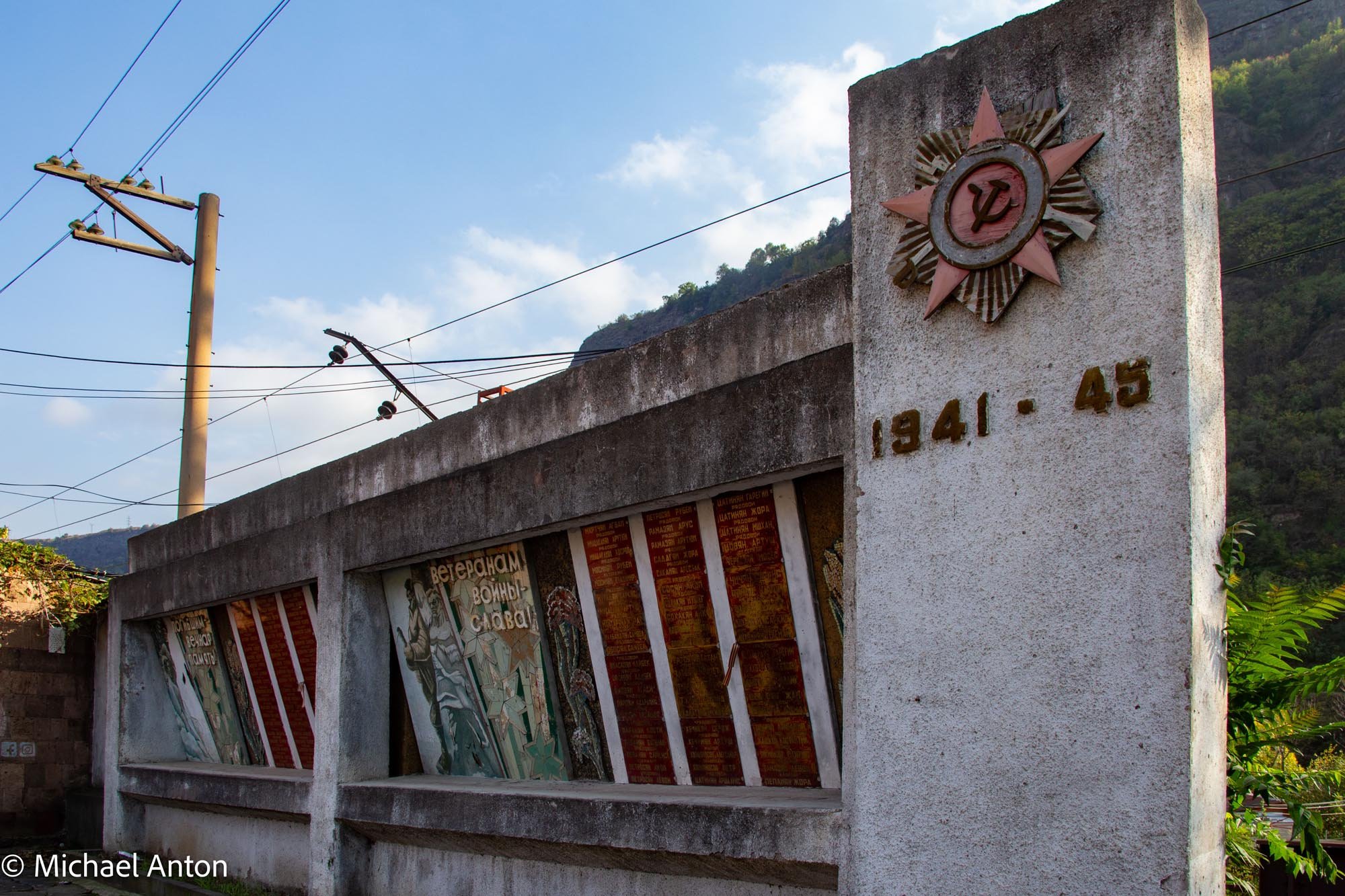
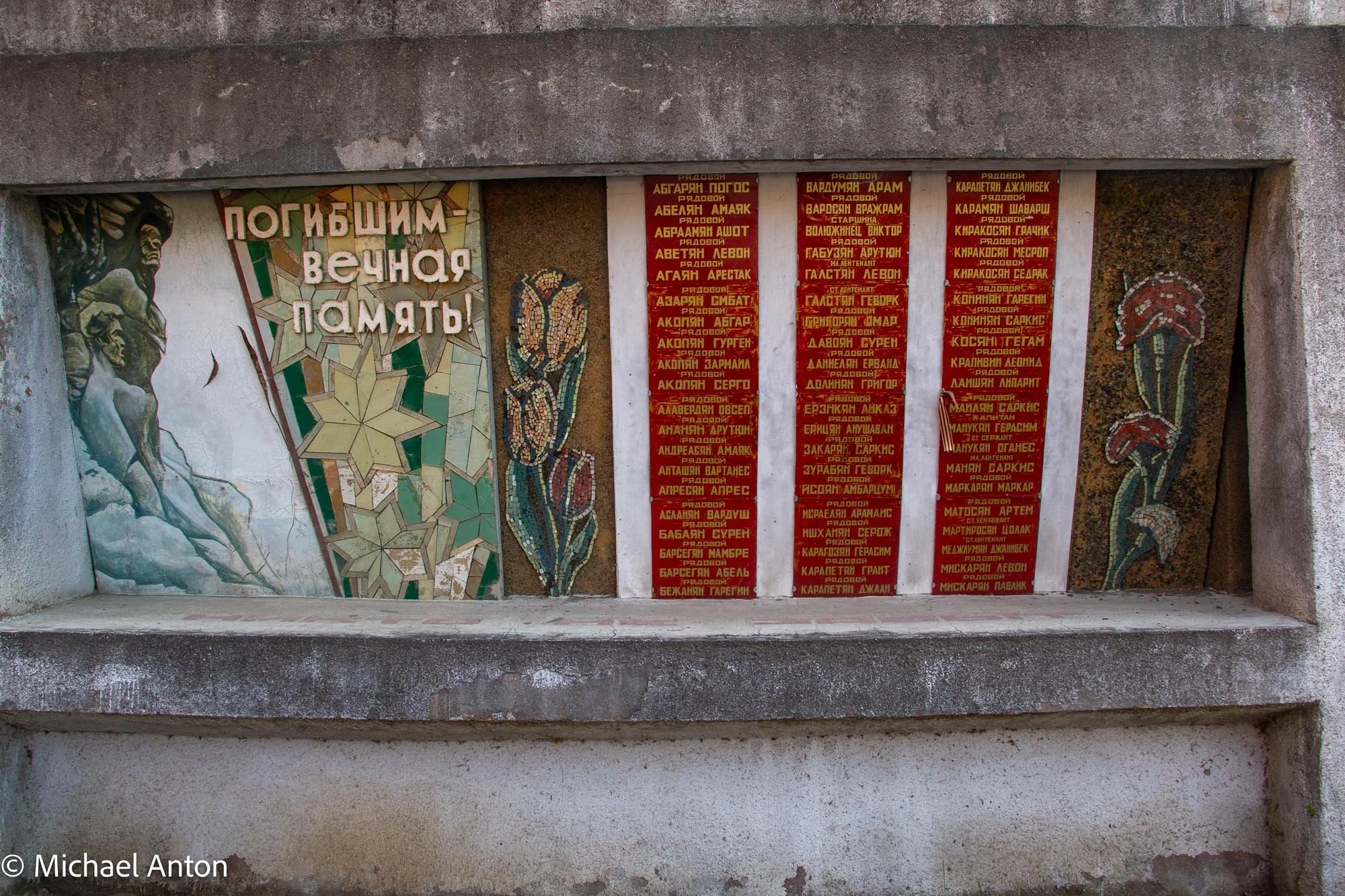
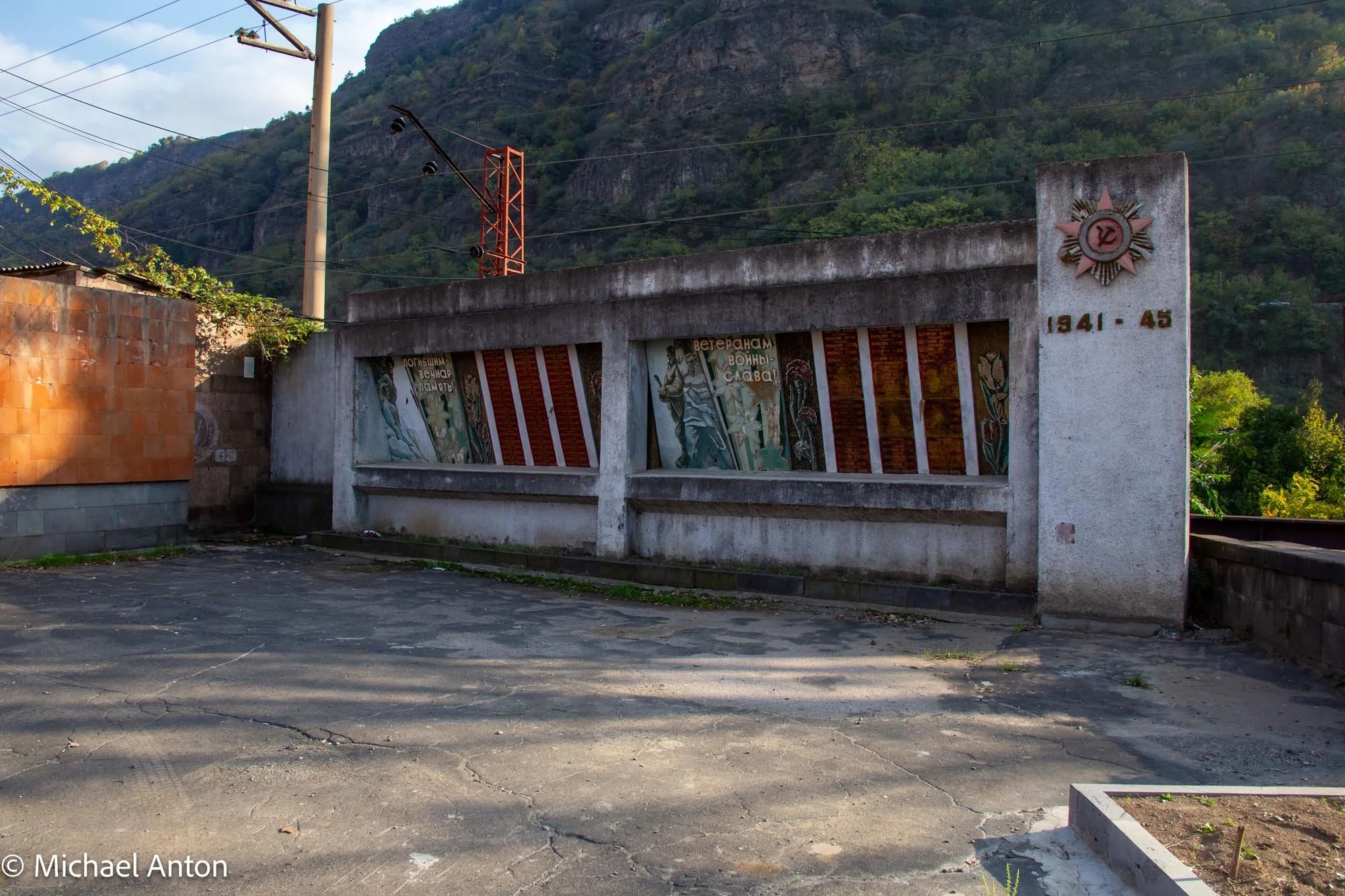
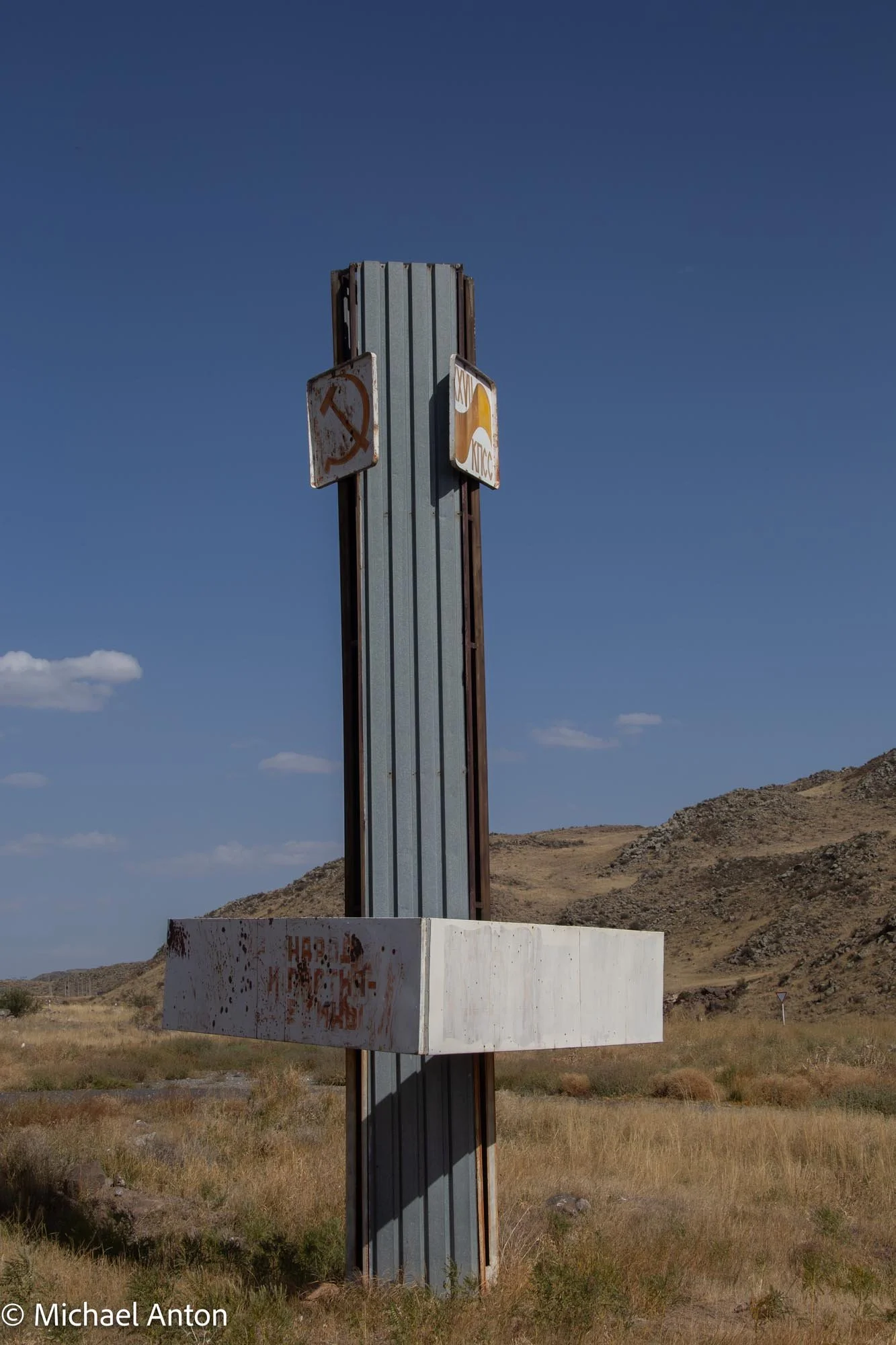
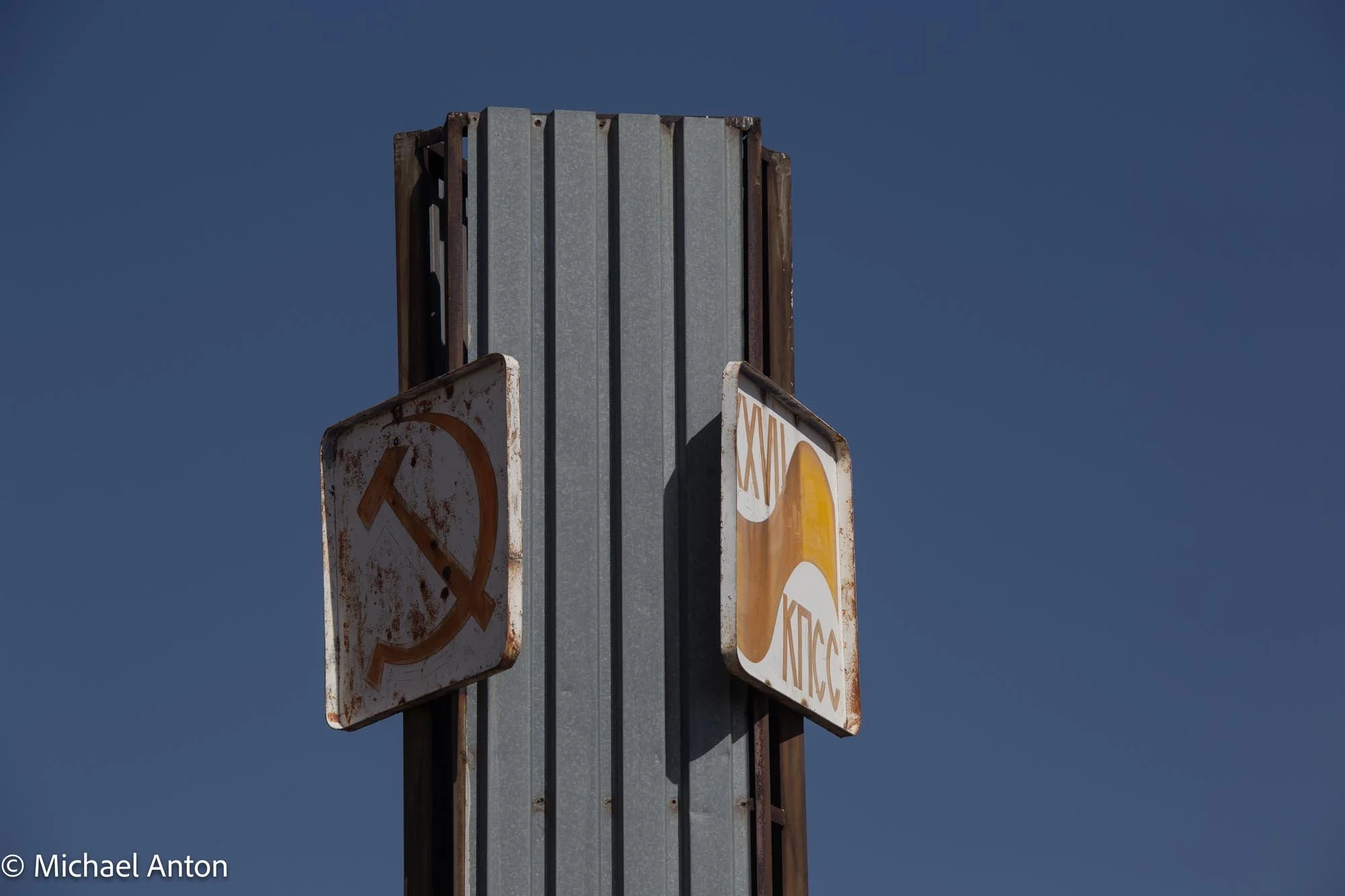
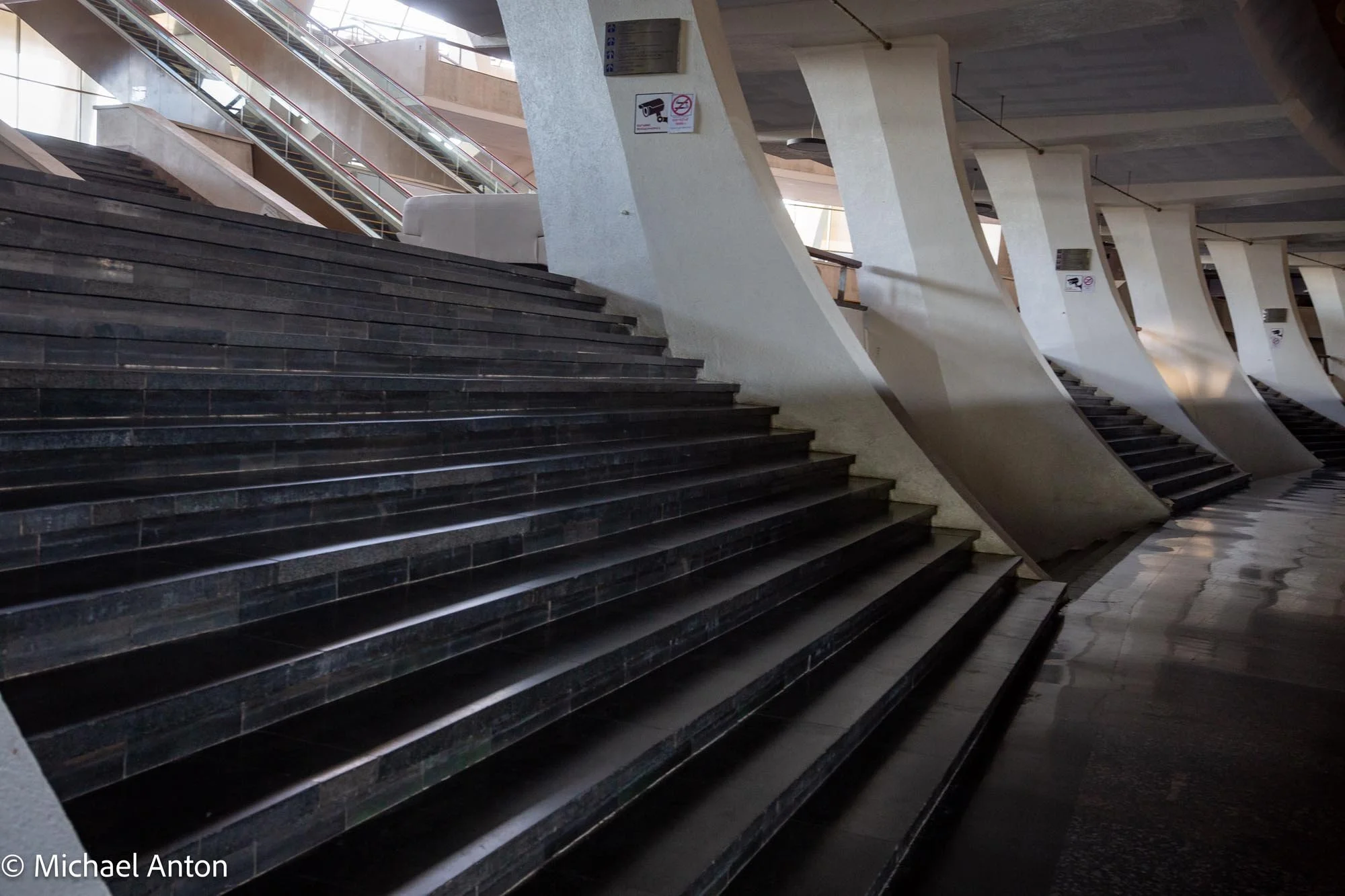
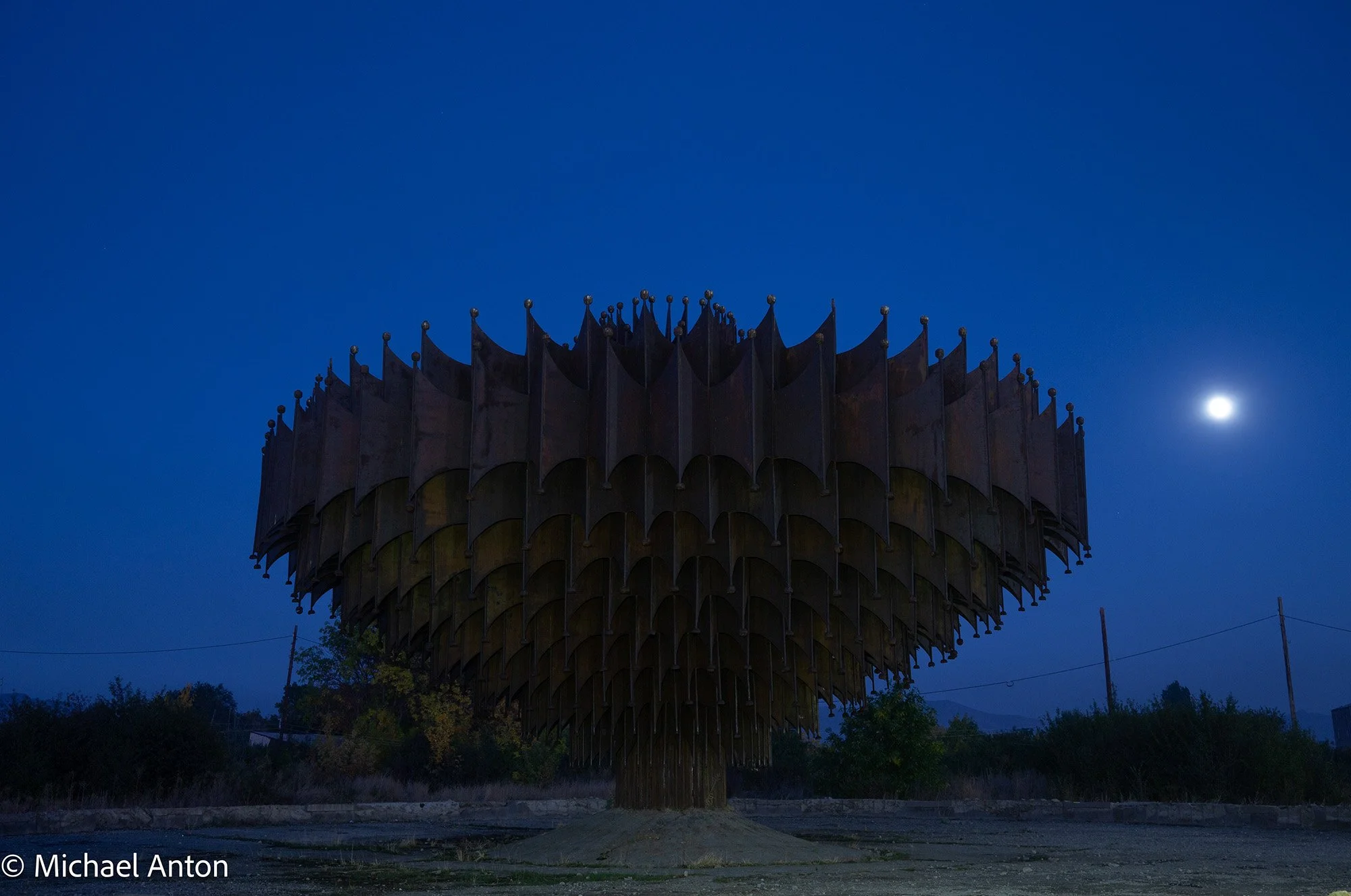
Soviet Modernist Design
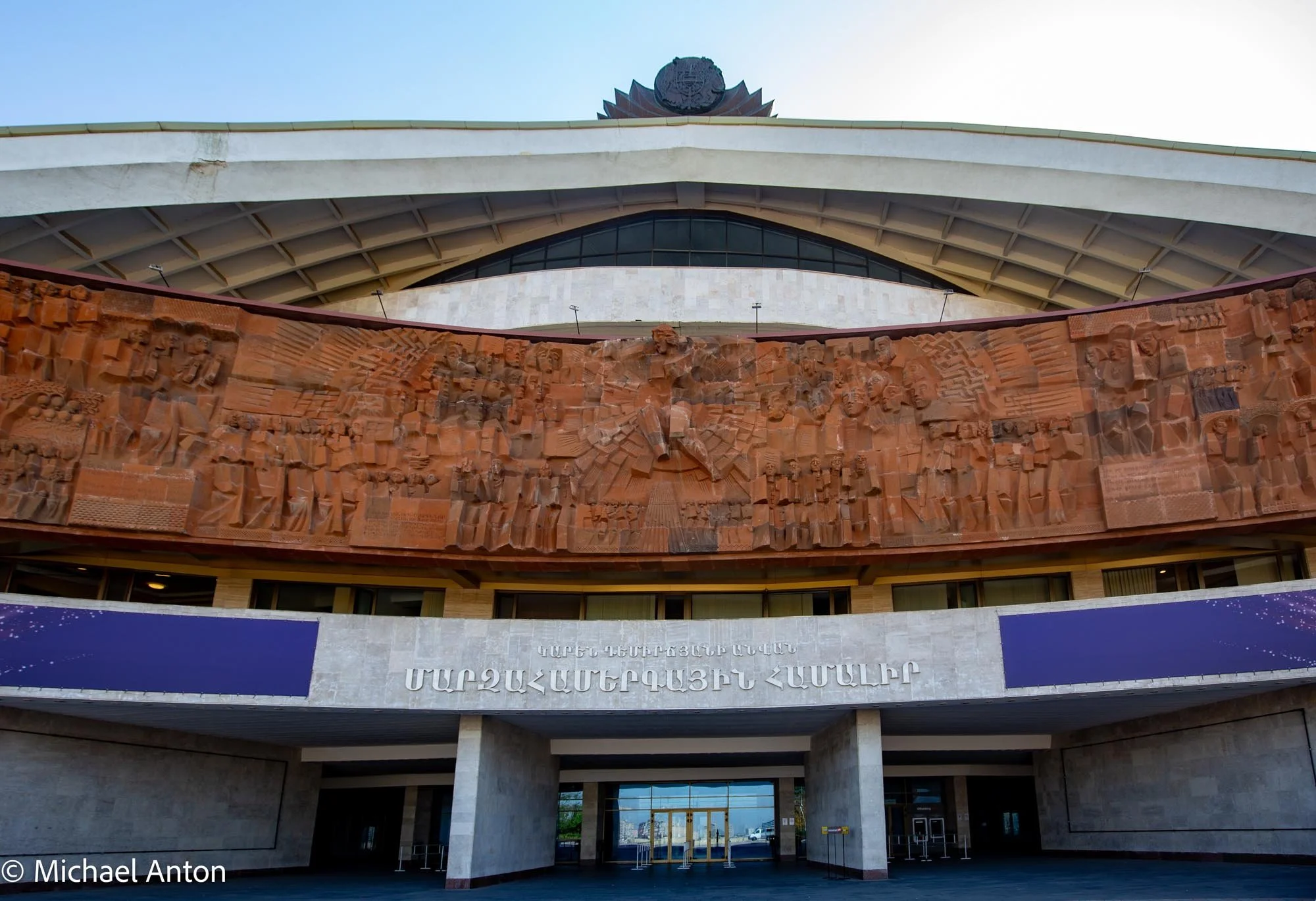
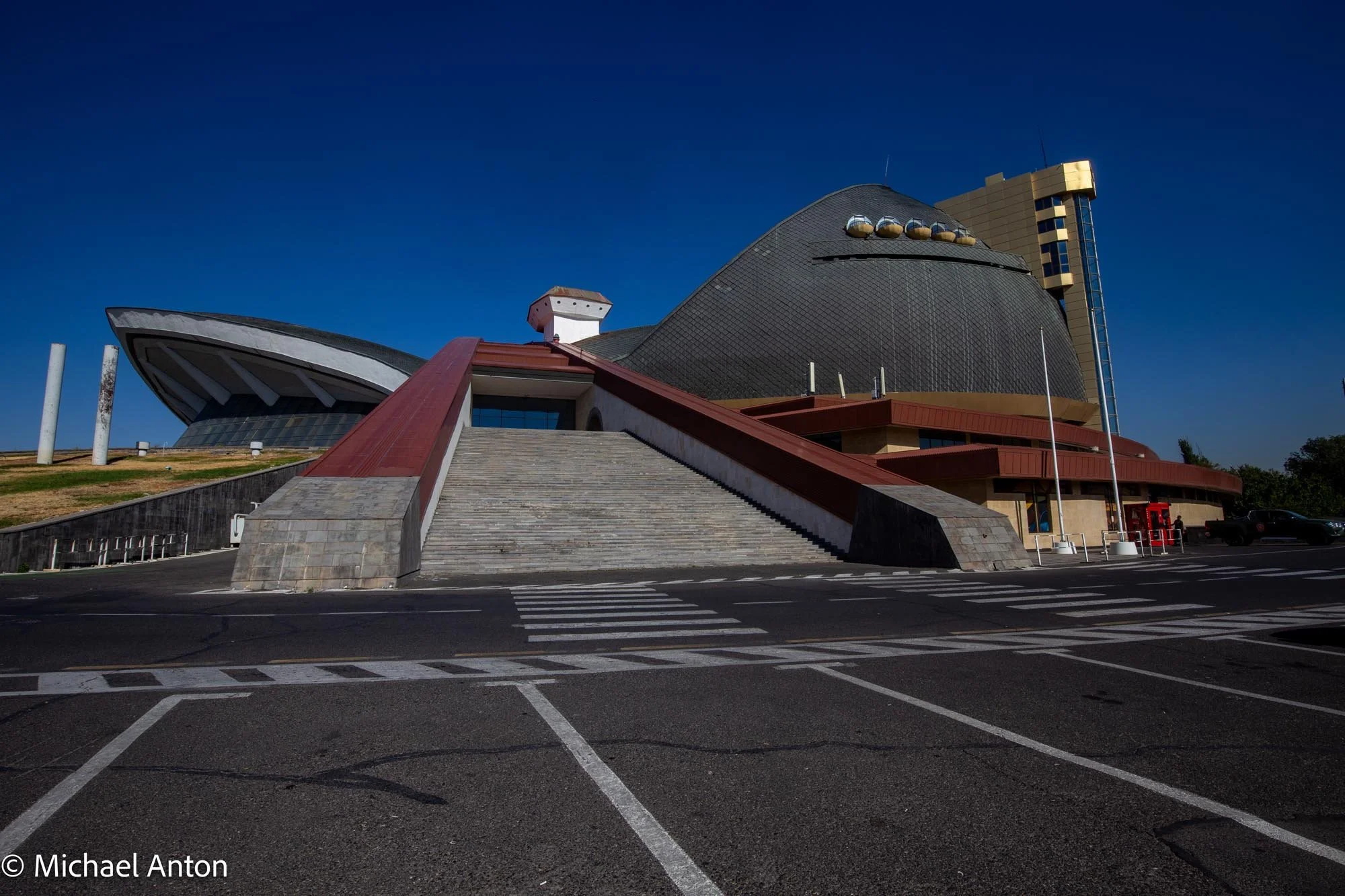
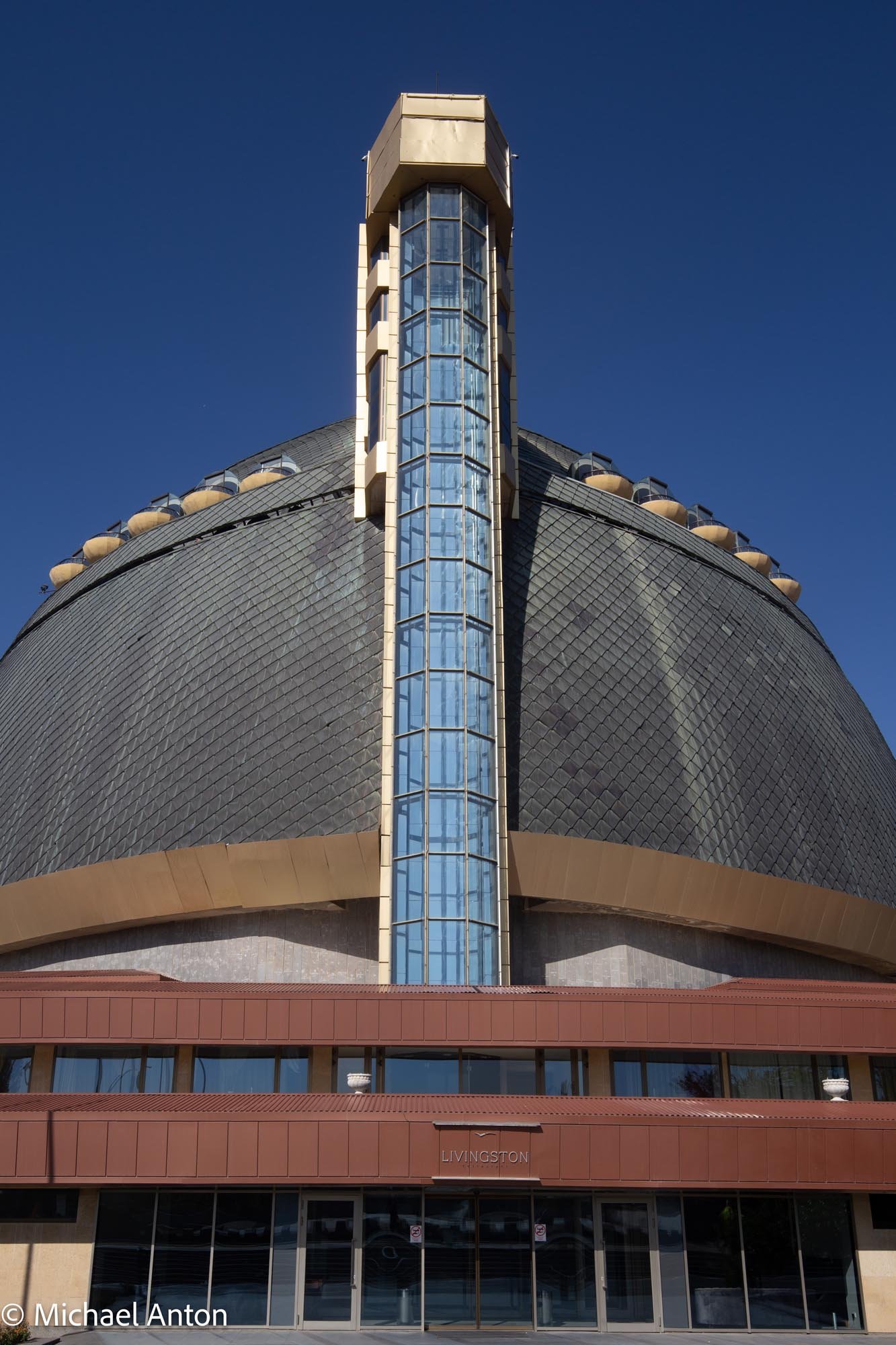
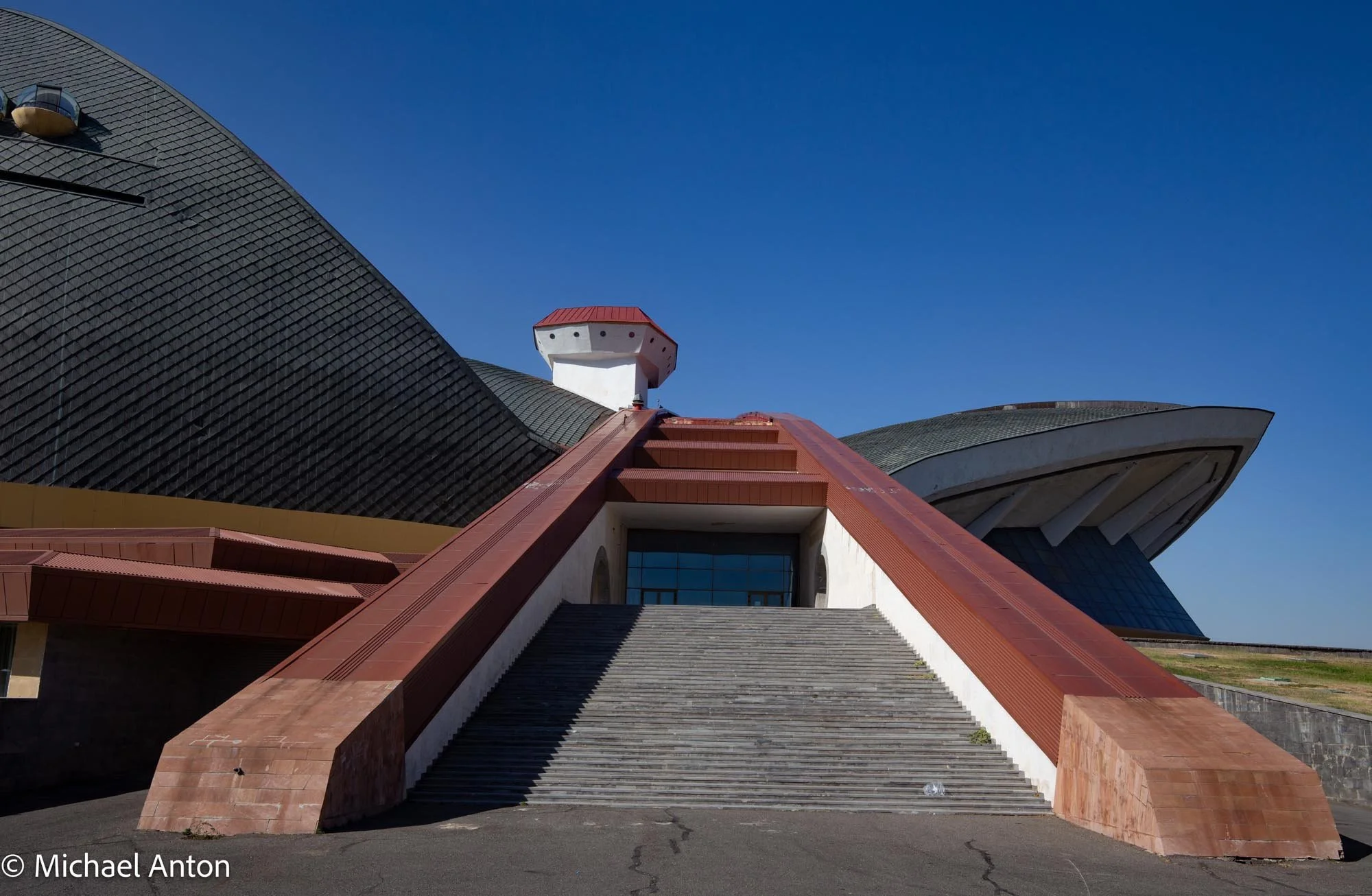
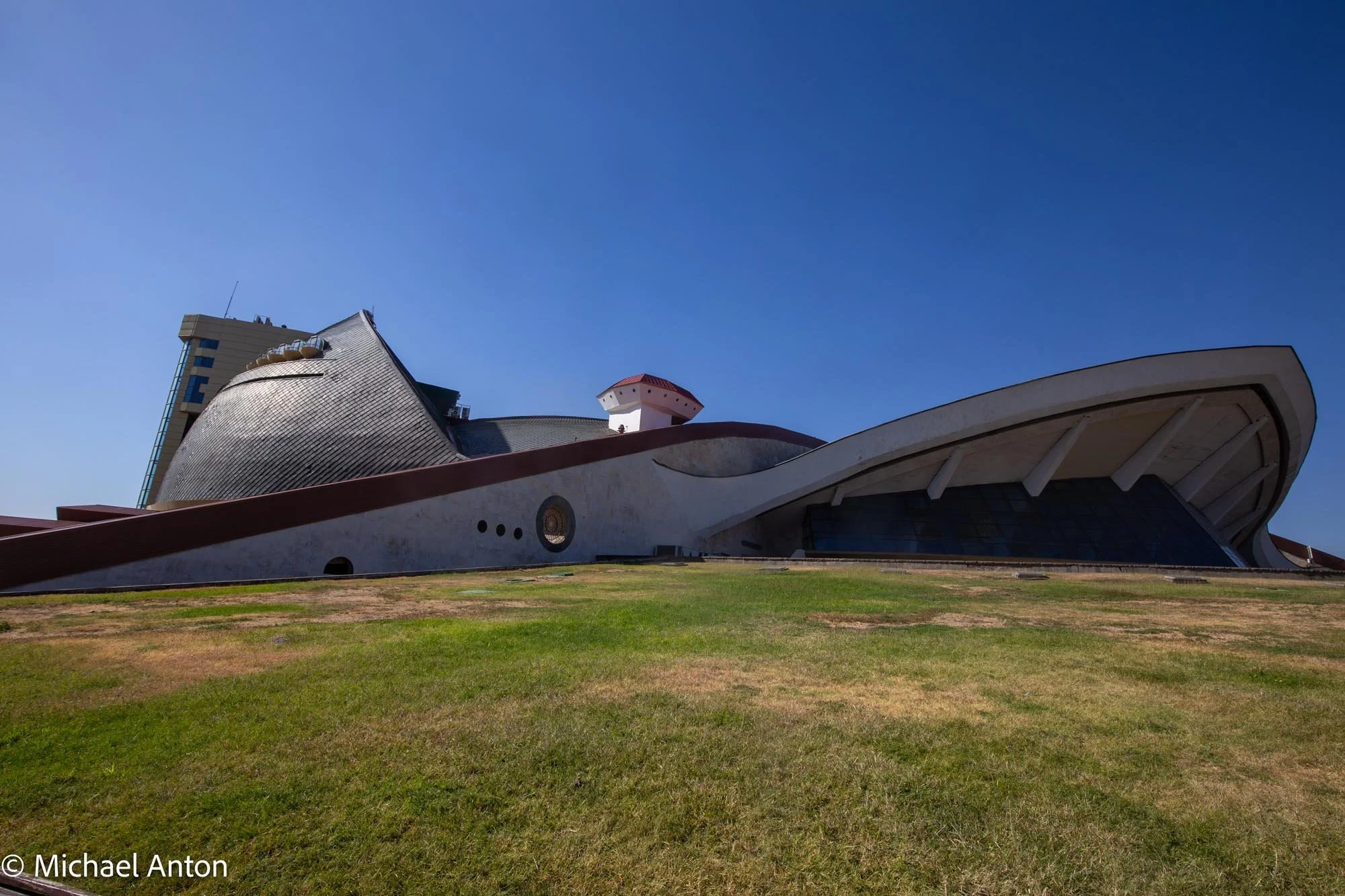
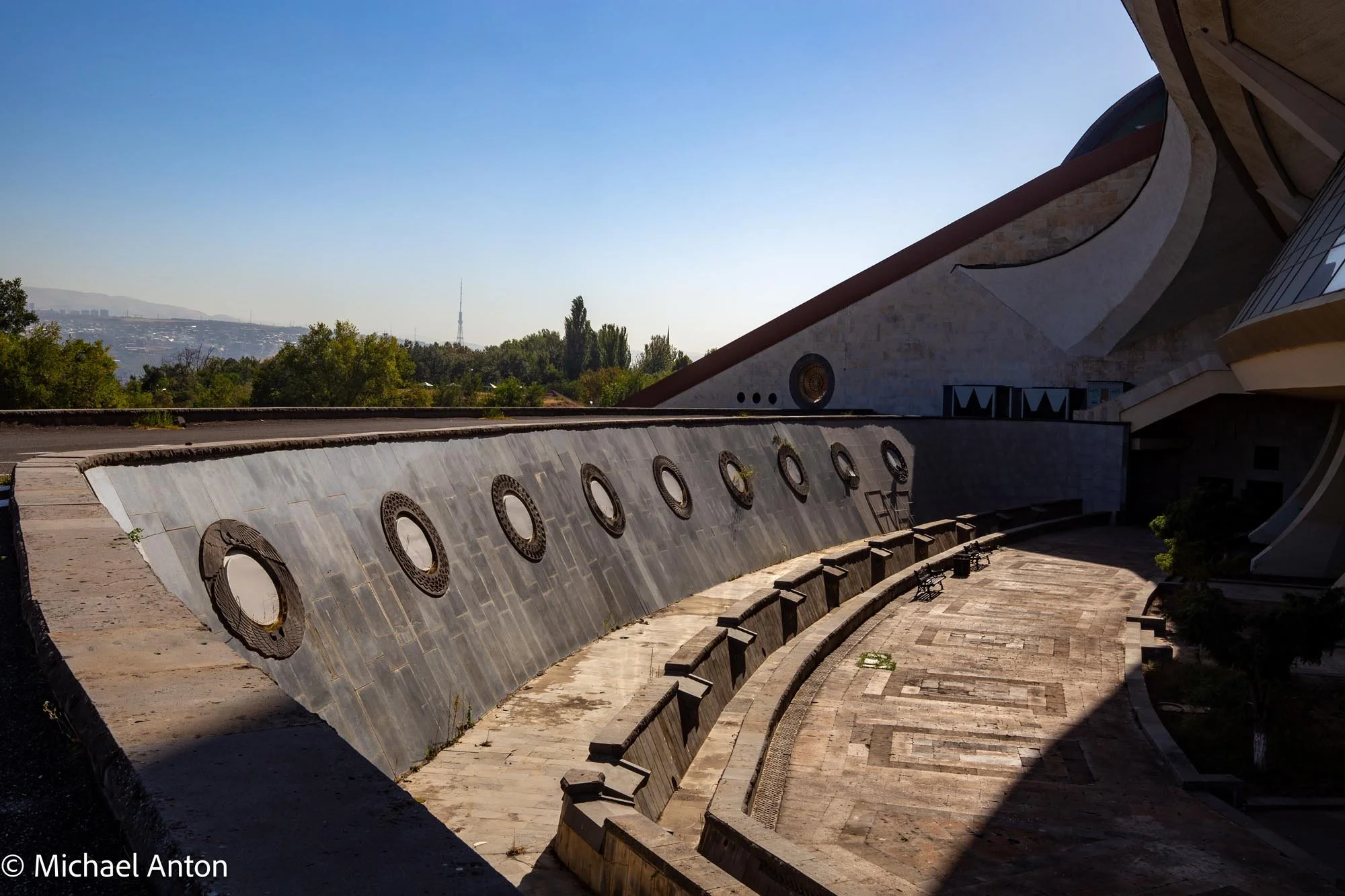
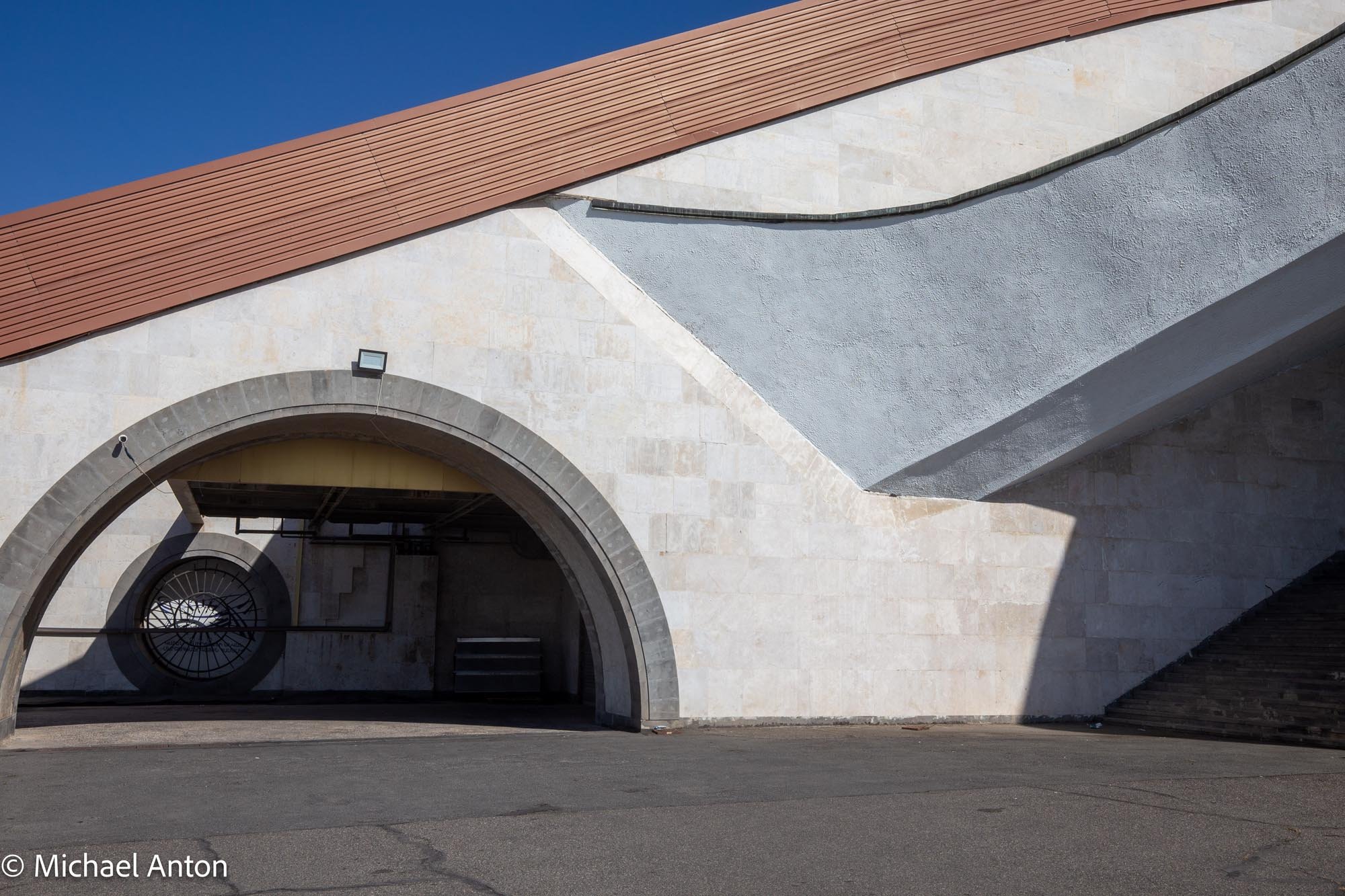
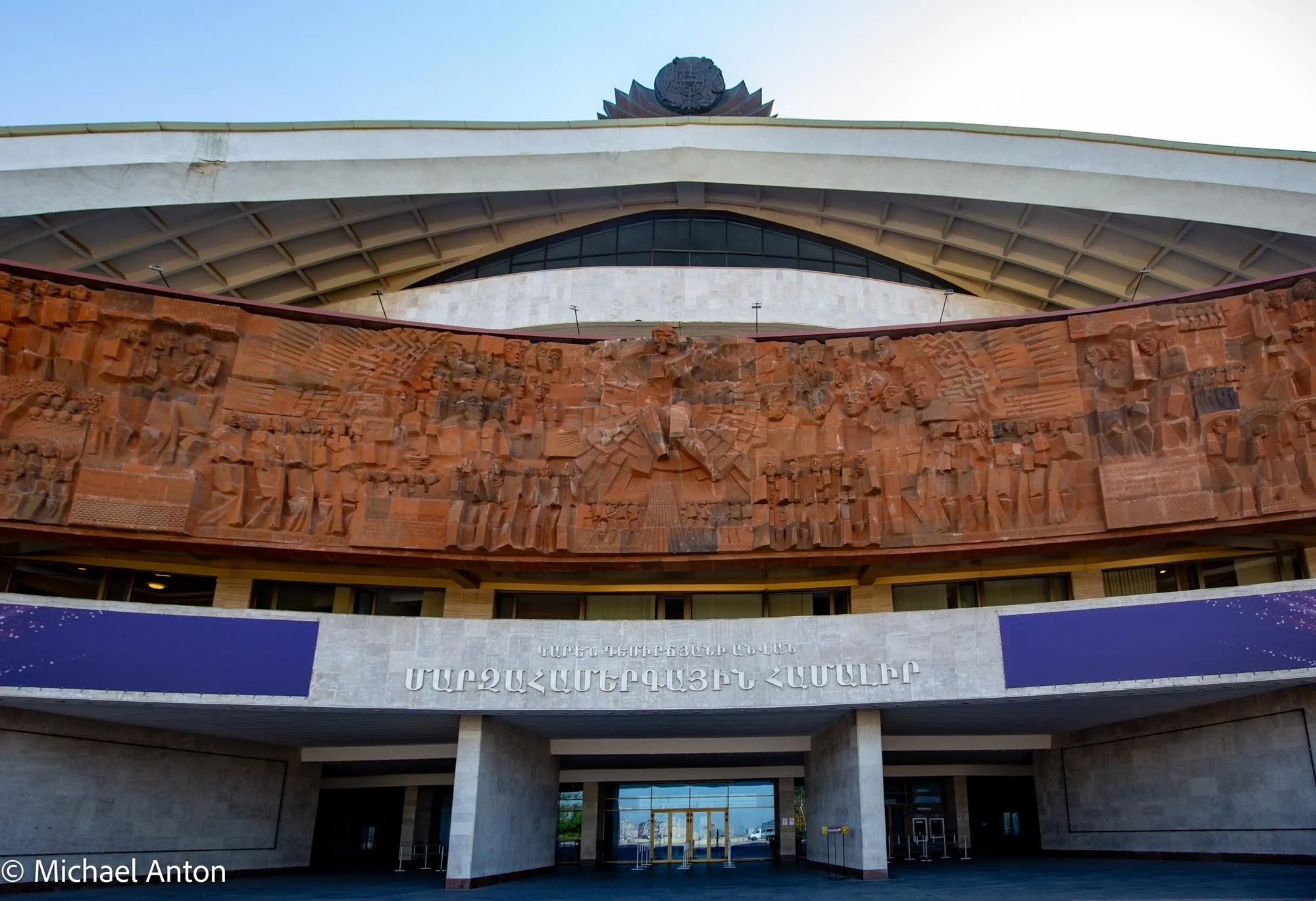
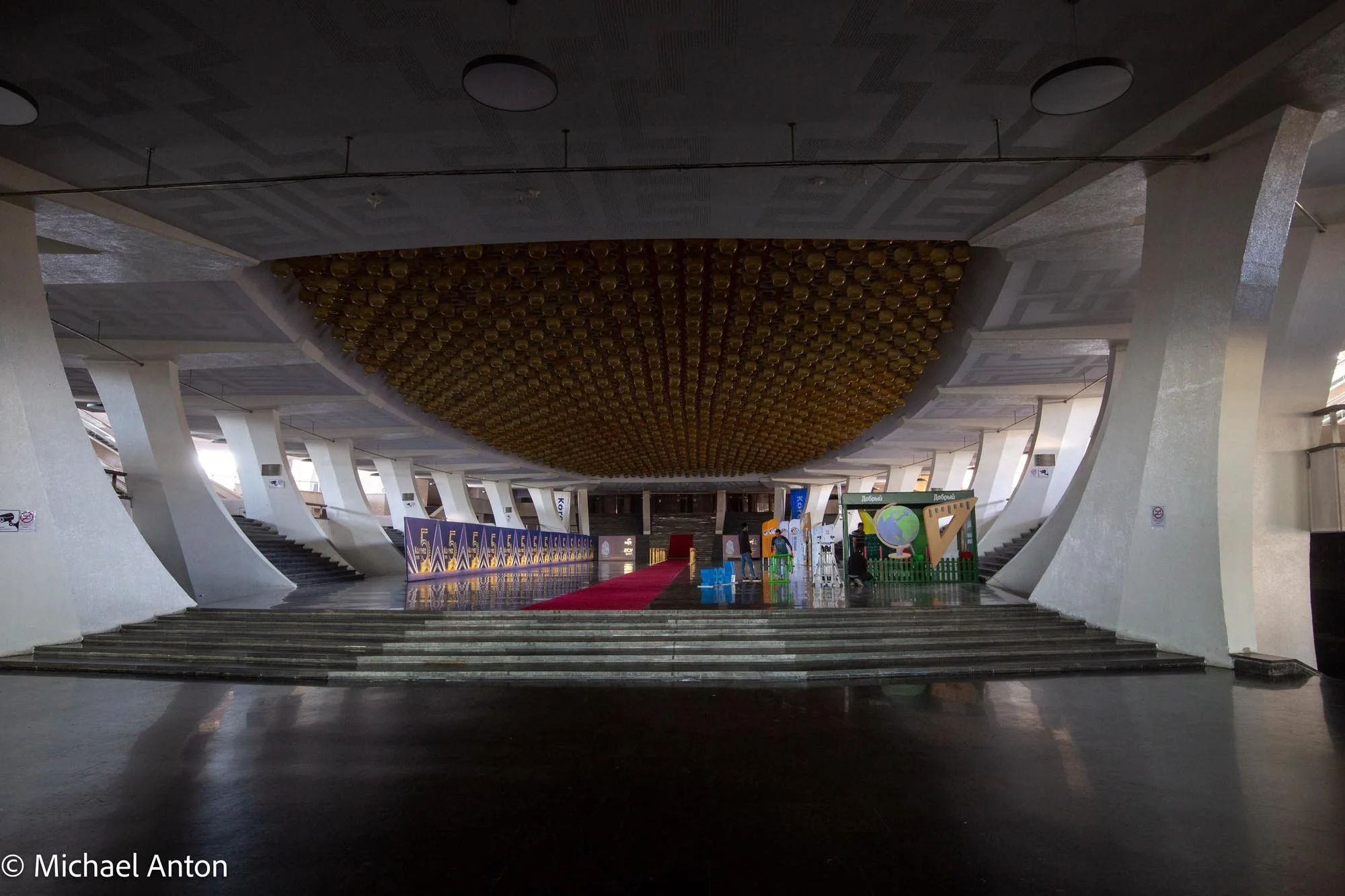
The Karen Demirchyan Sports and Concerts Complex was built in 1983, and later named for the assassinated former speaker of the Armenian Parlaiment.
Parts of it resemble the Starship Enterprise.
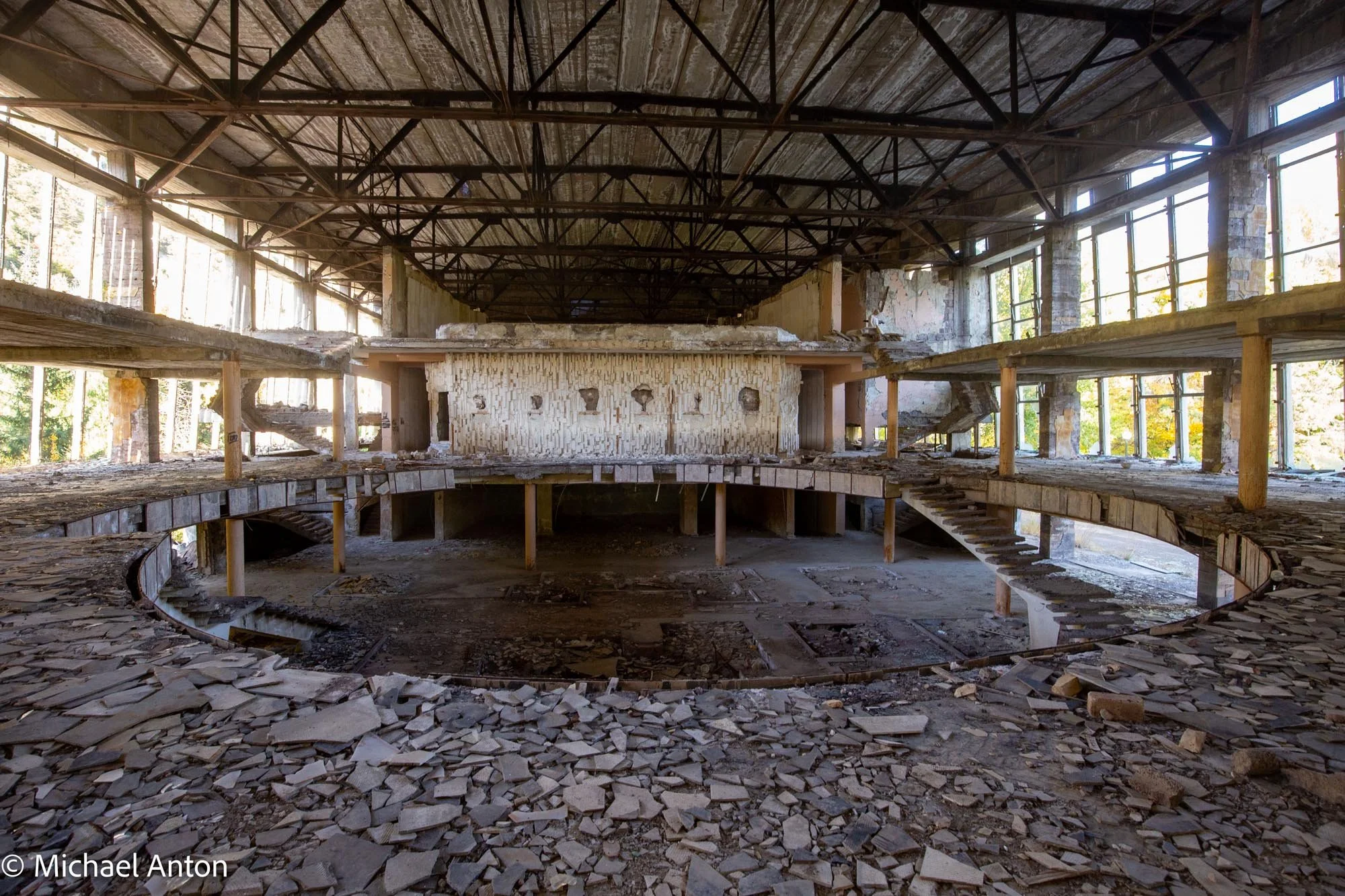
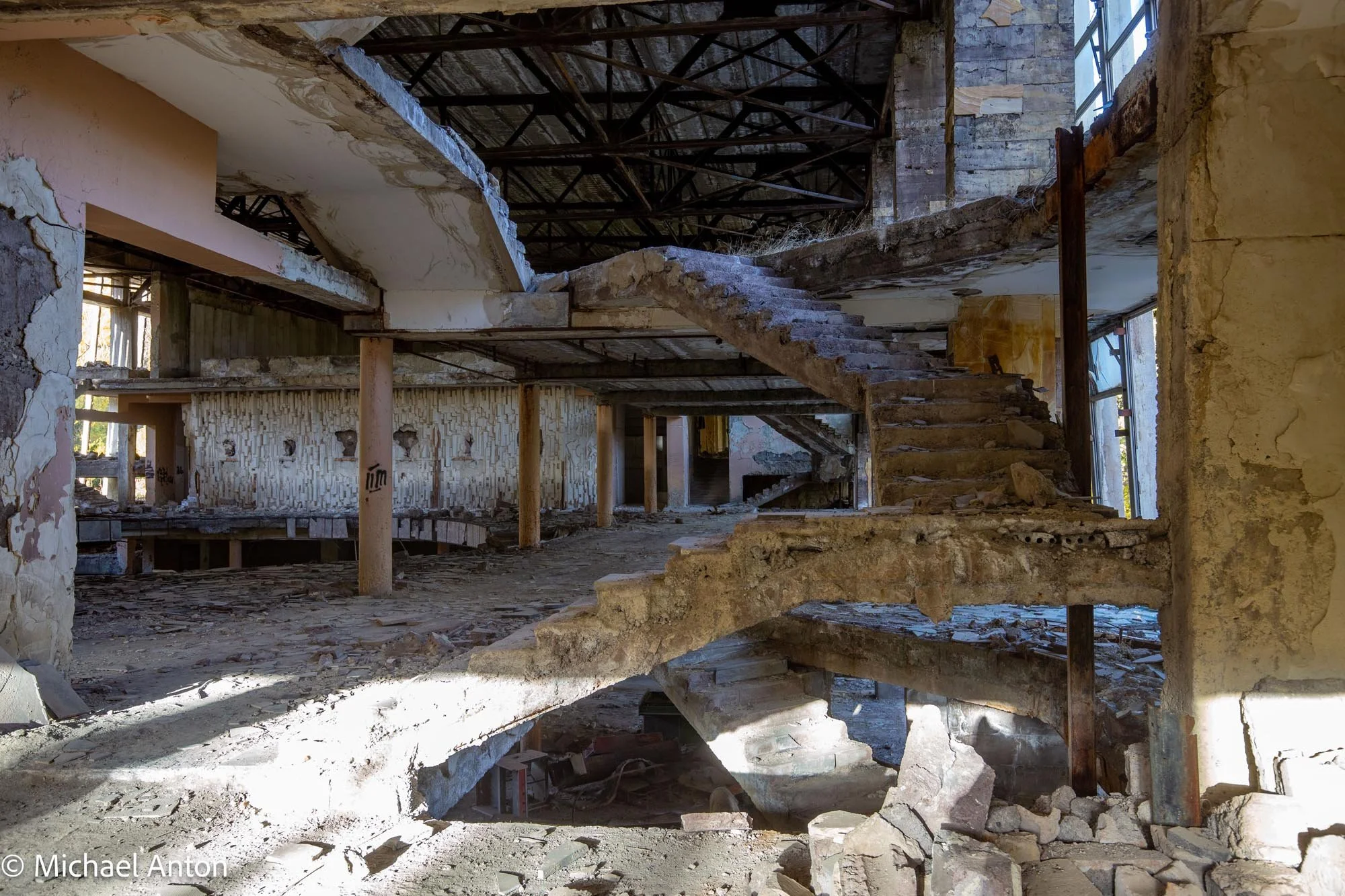
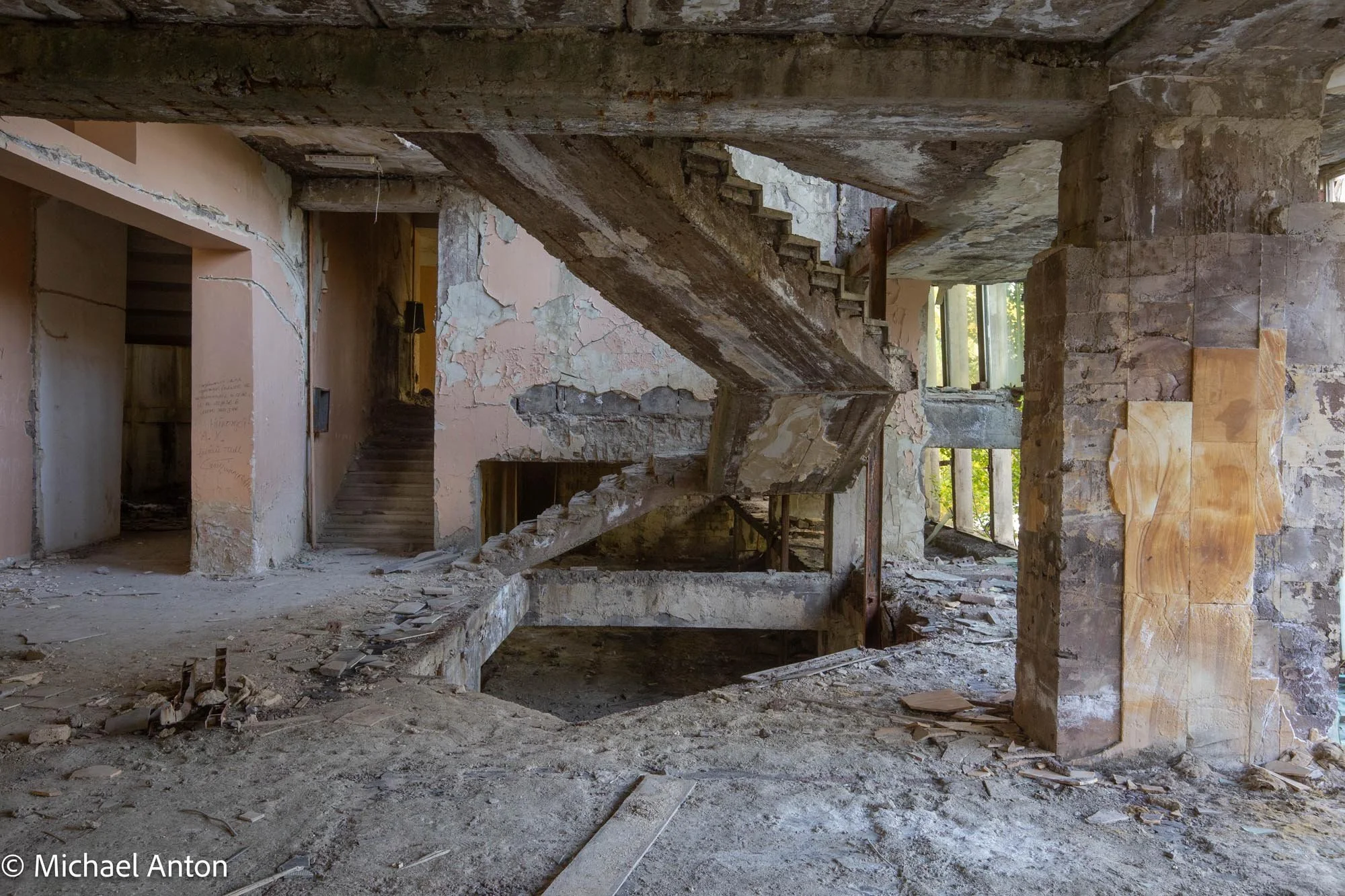
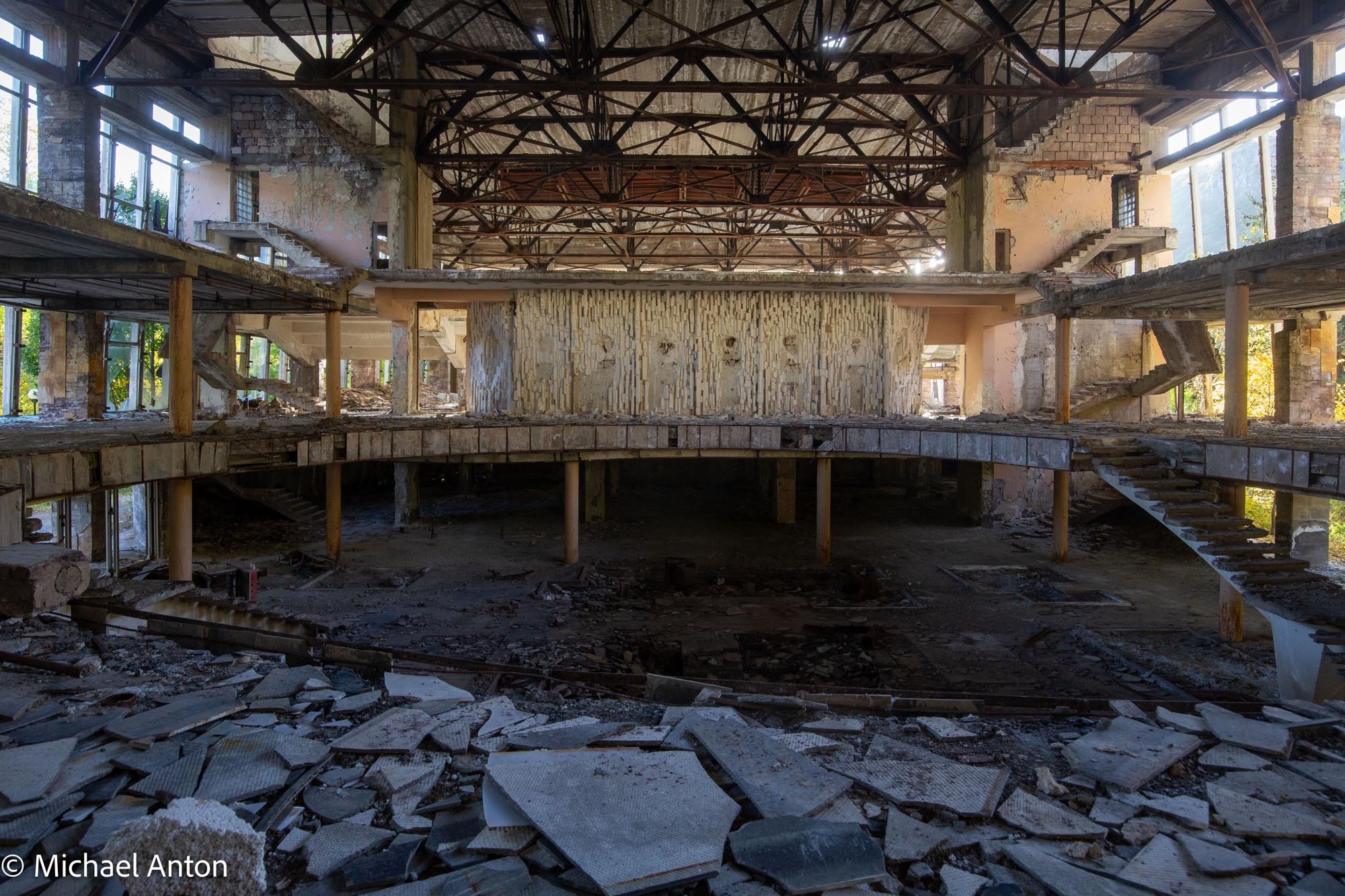
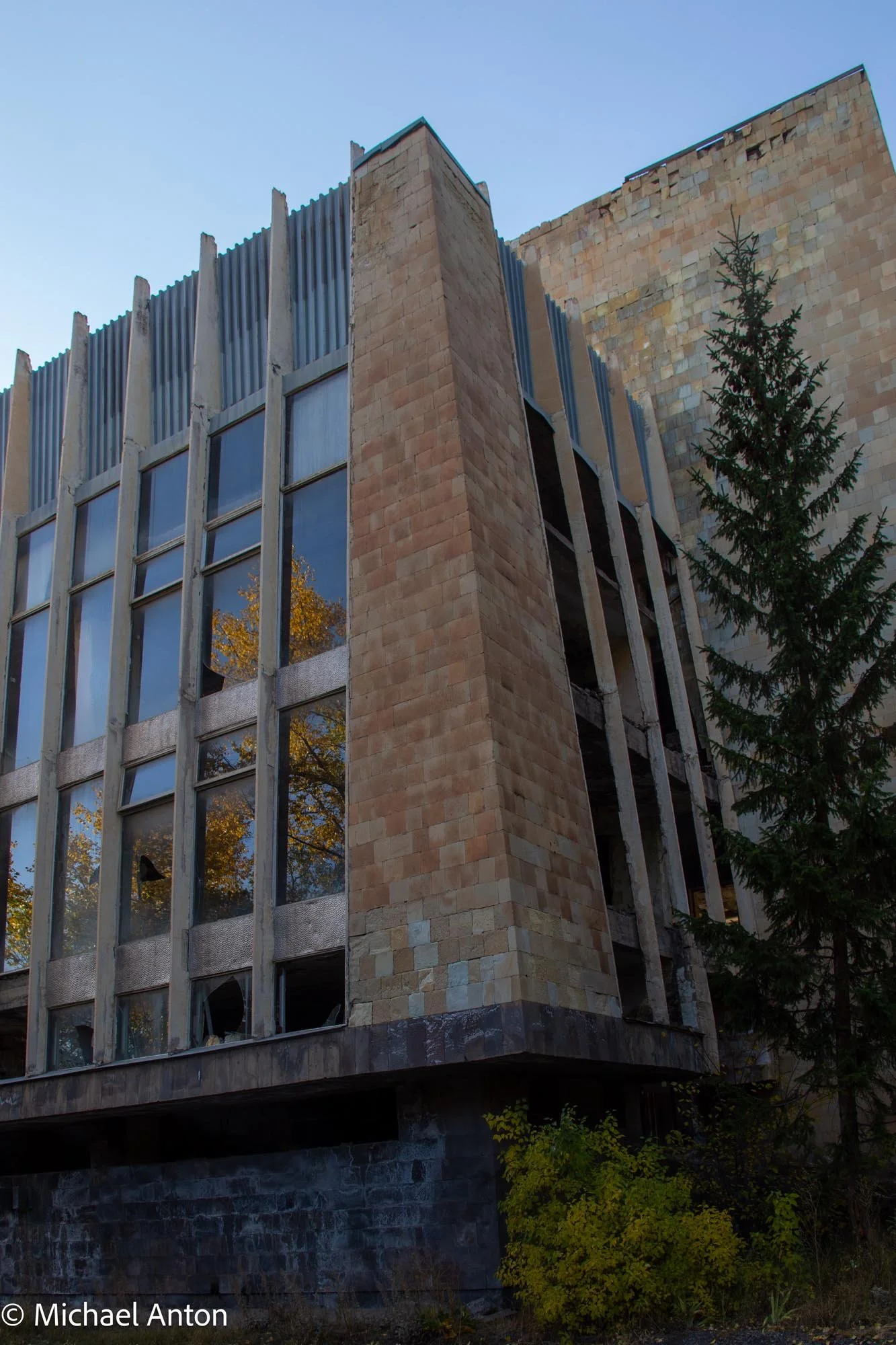
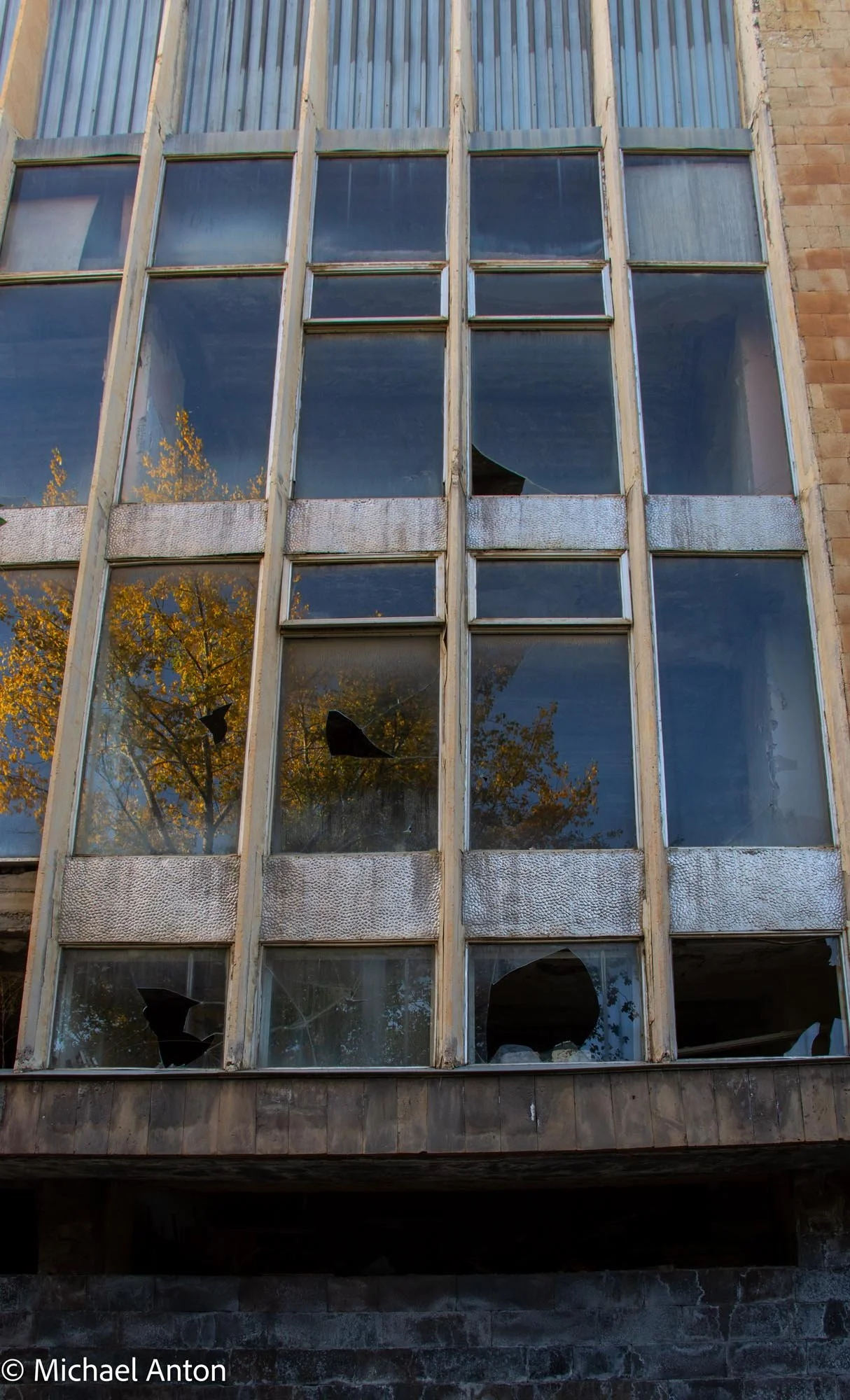
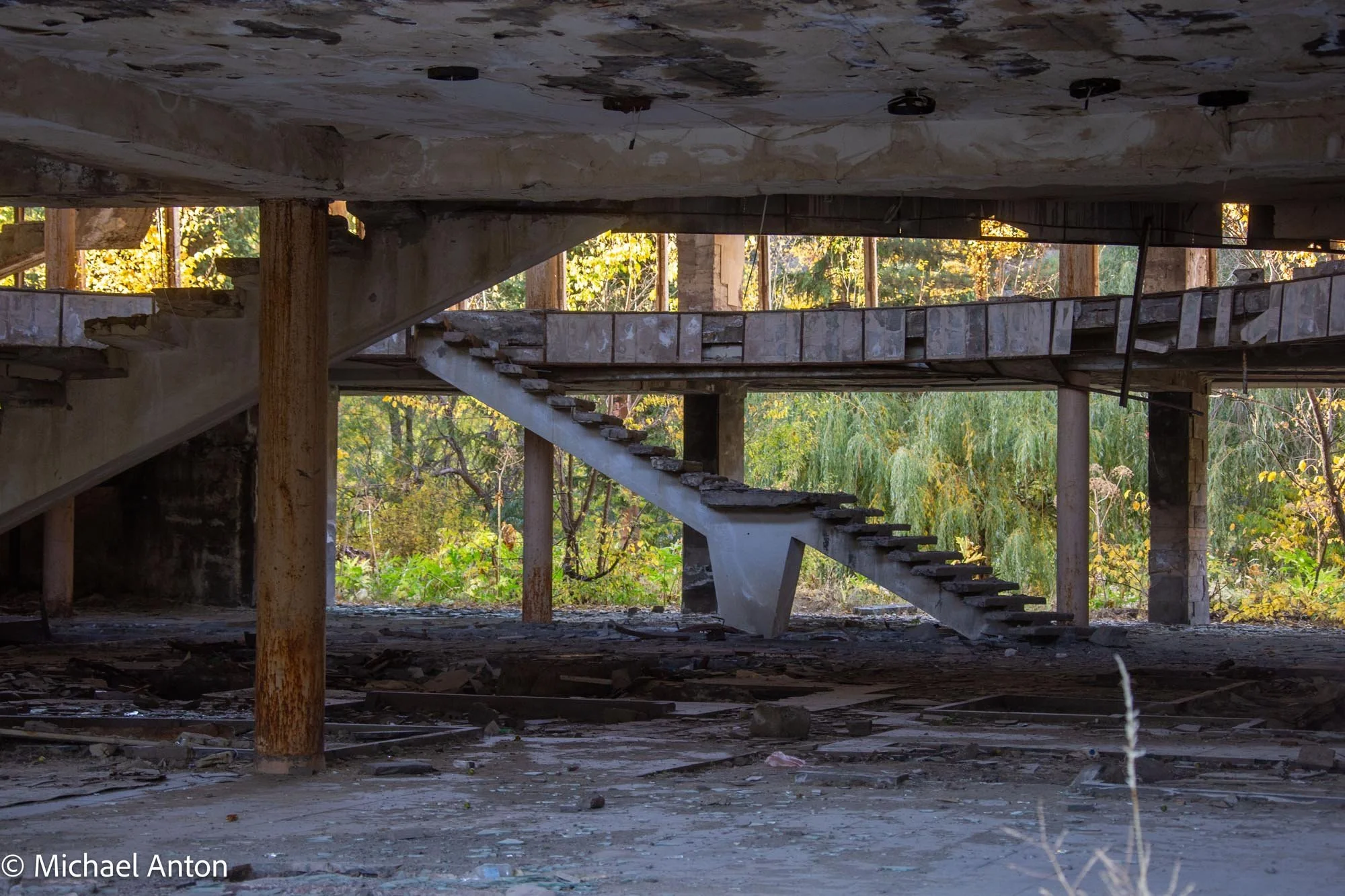
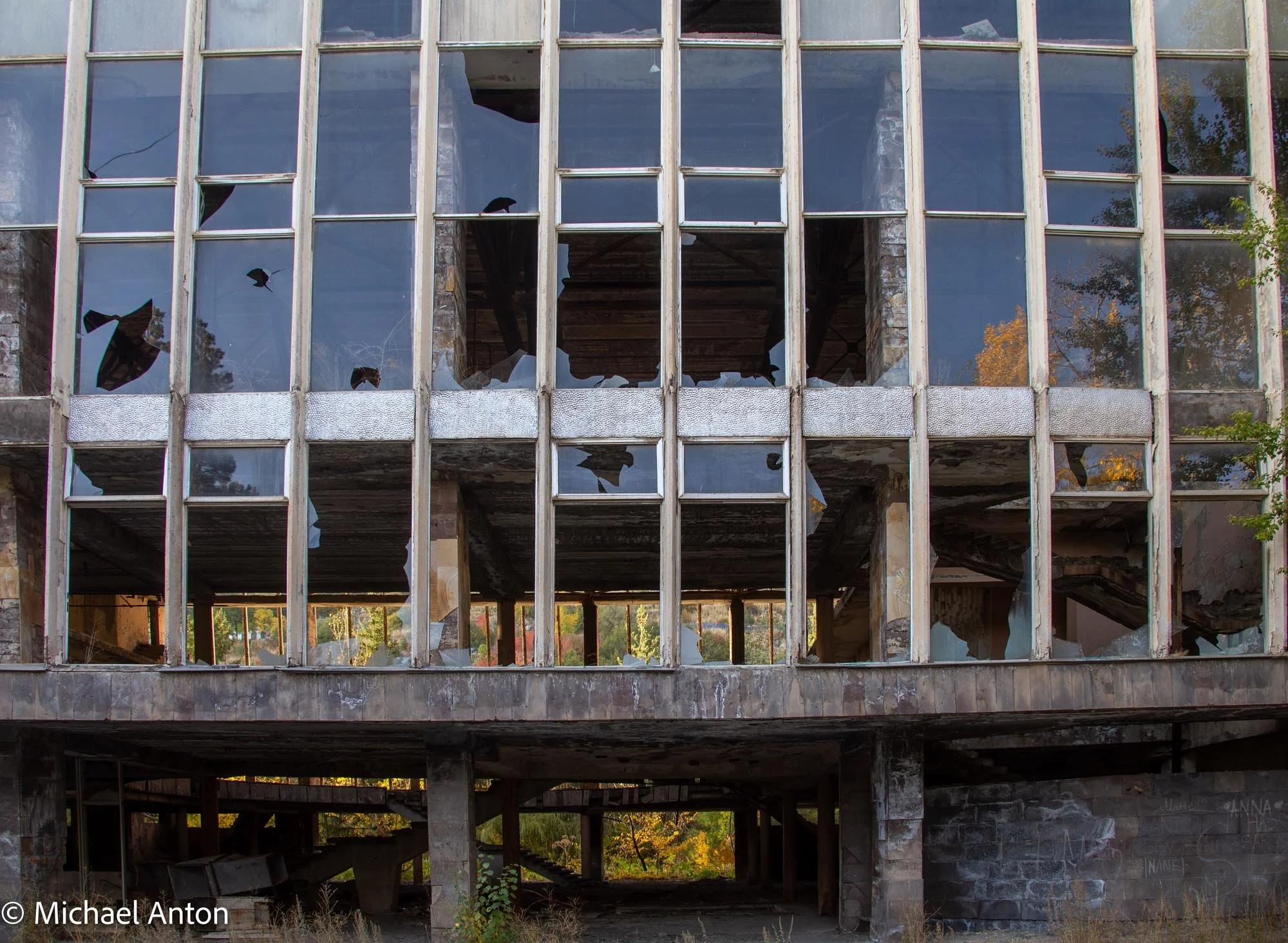
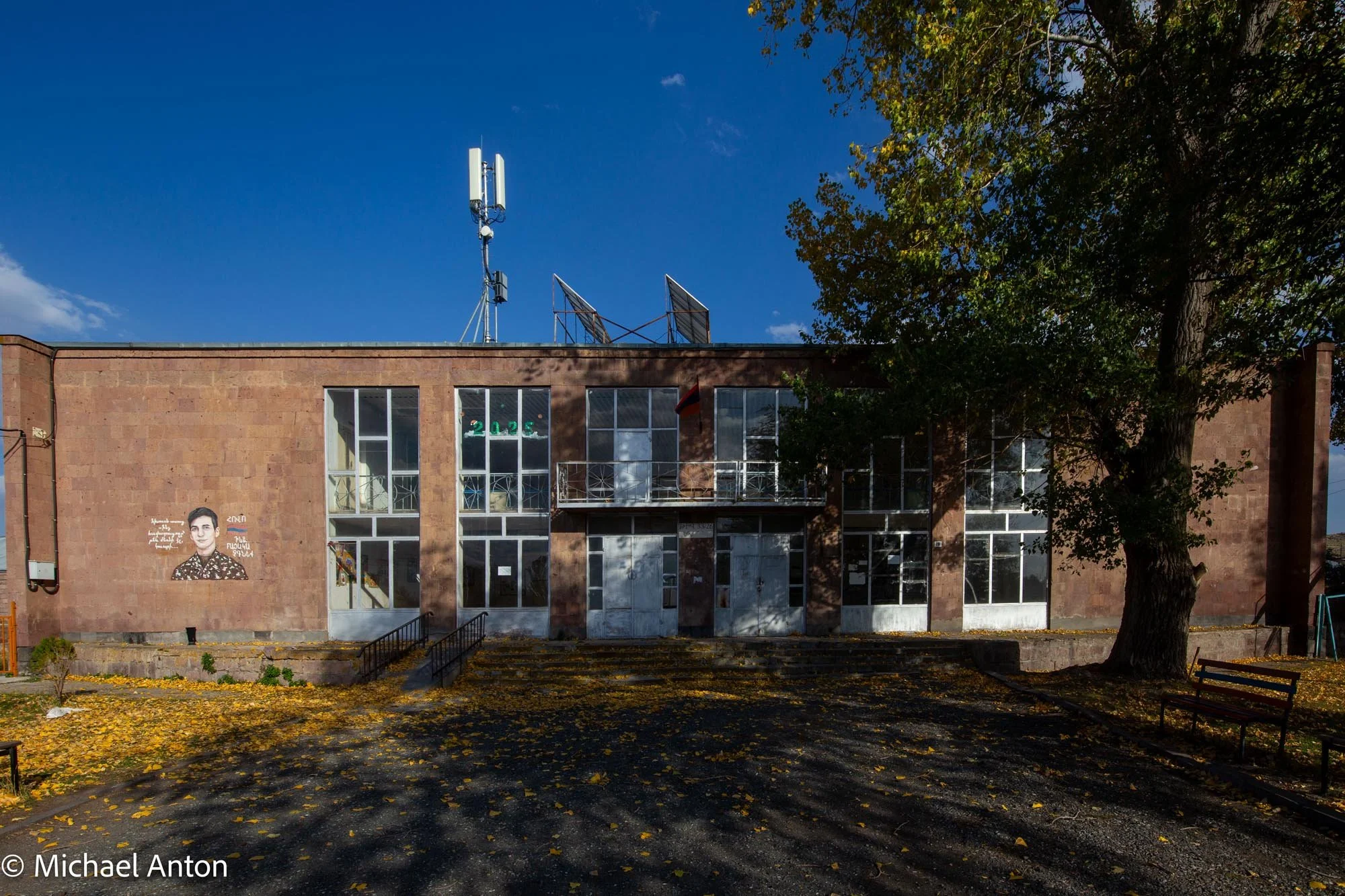
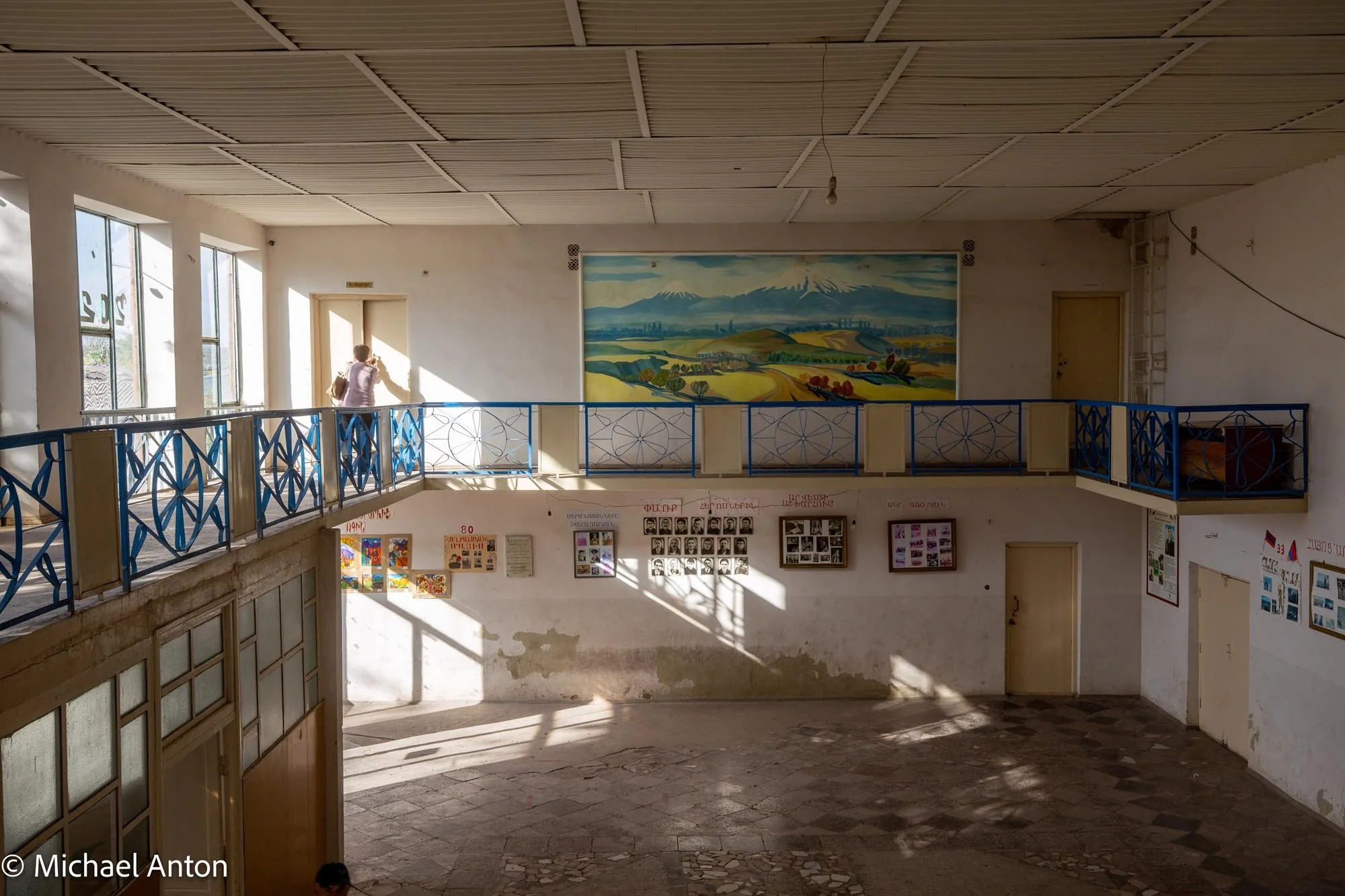
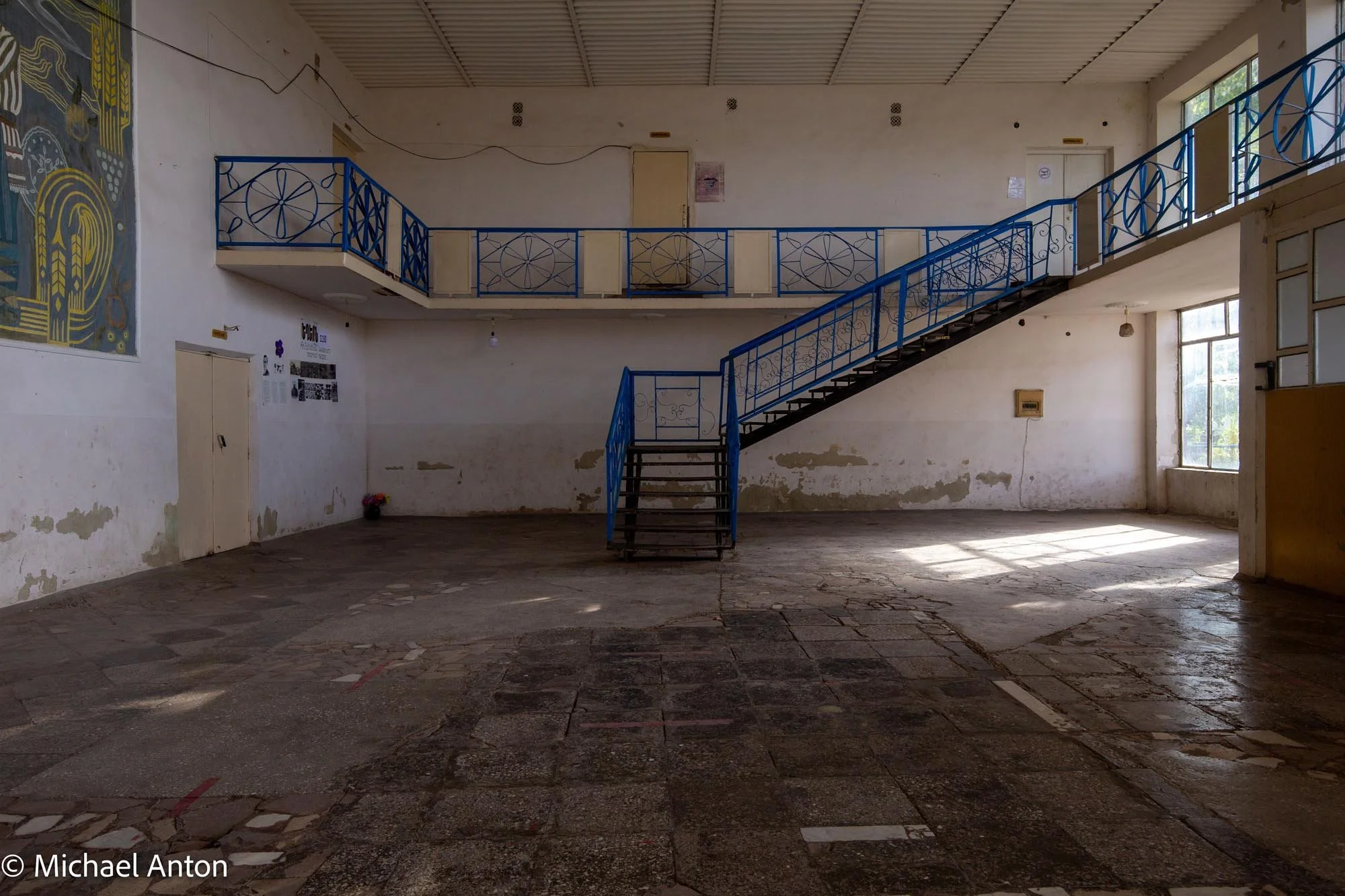
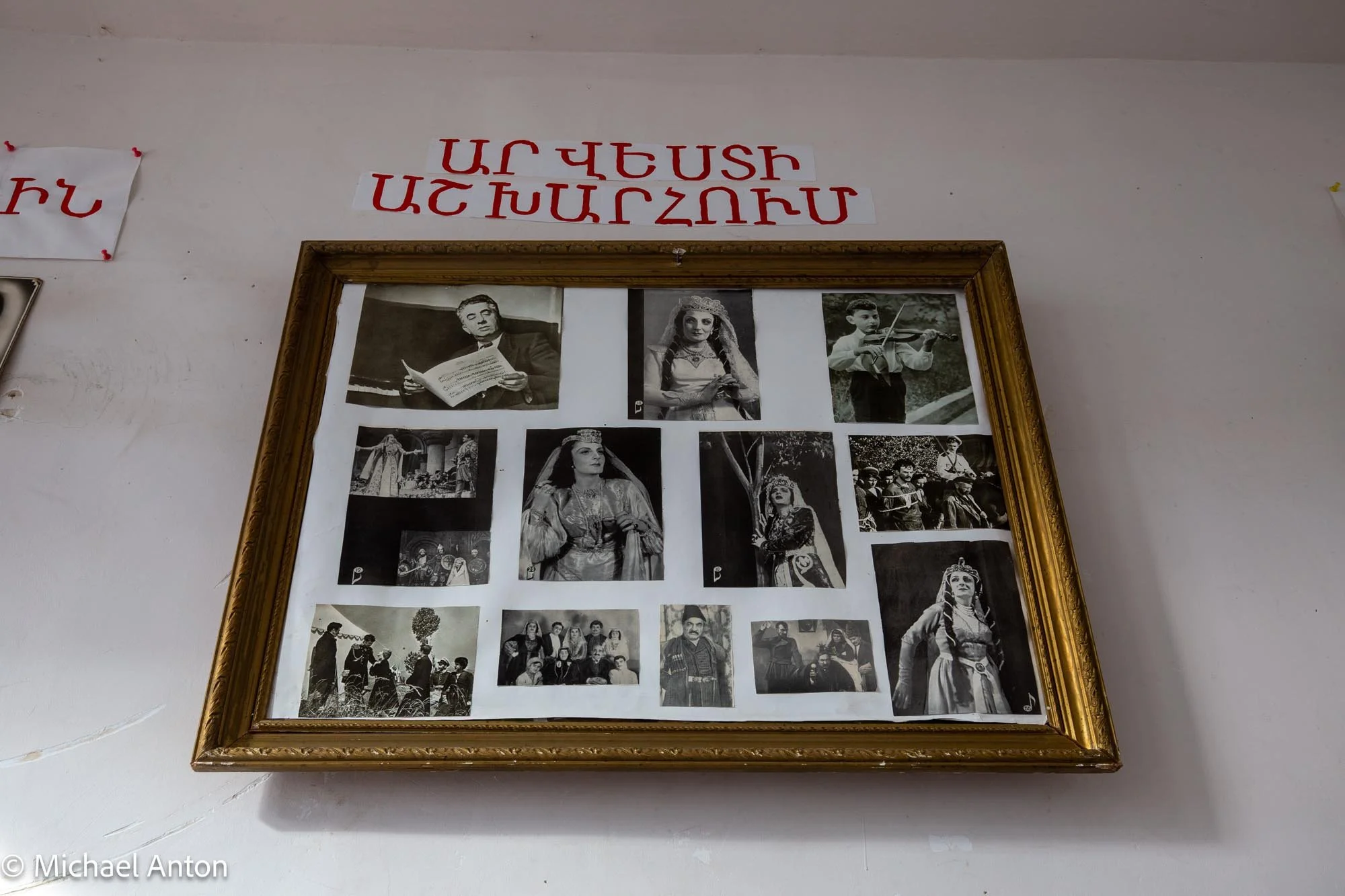
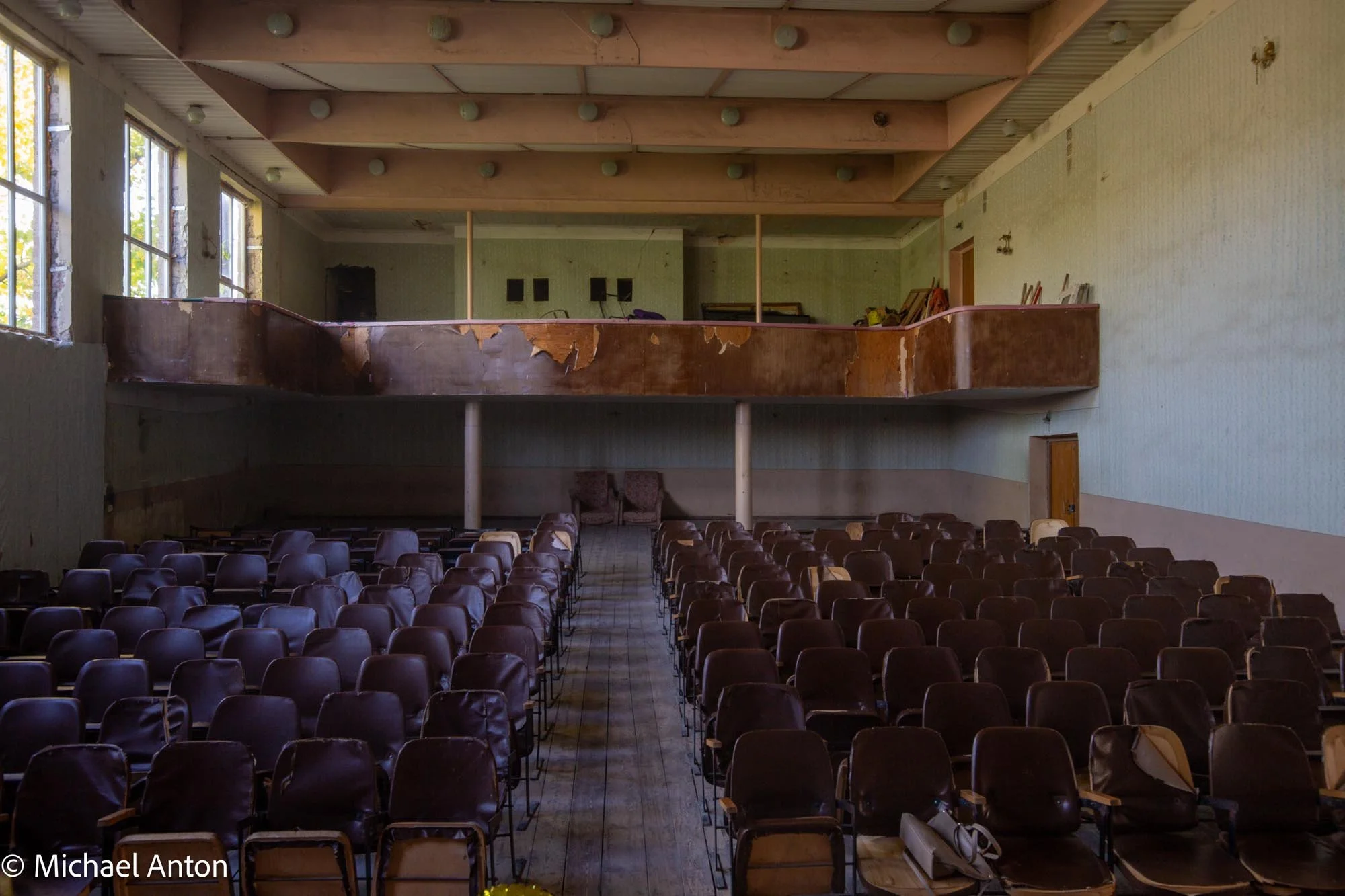
Soviet Palaces Of Culture
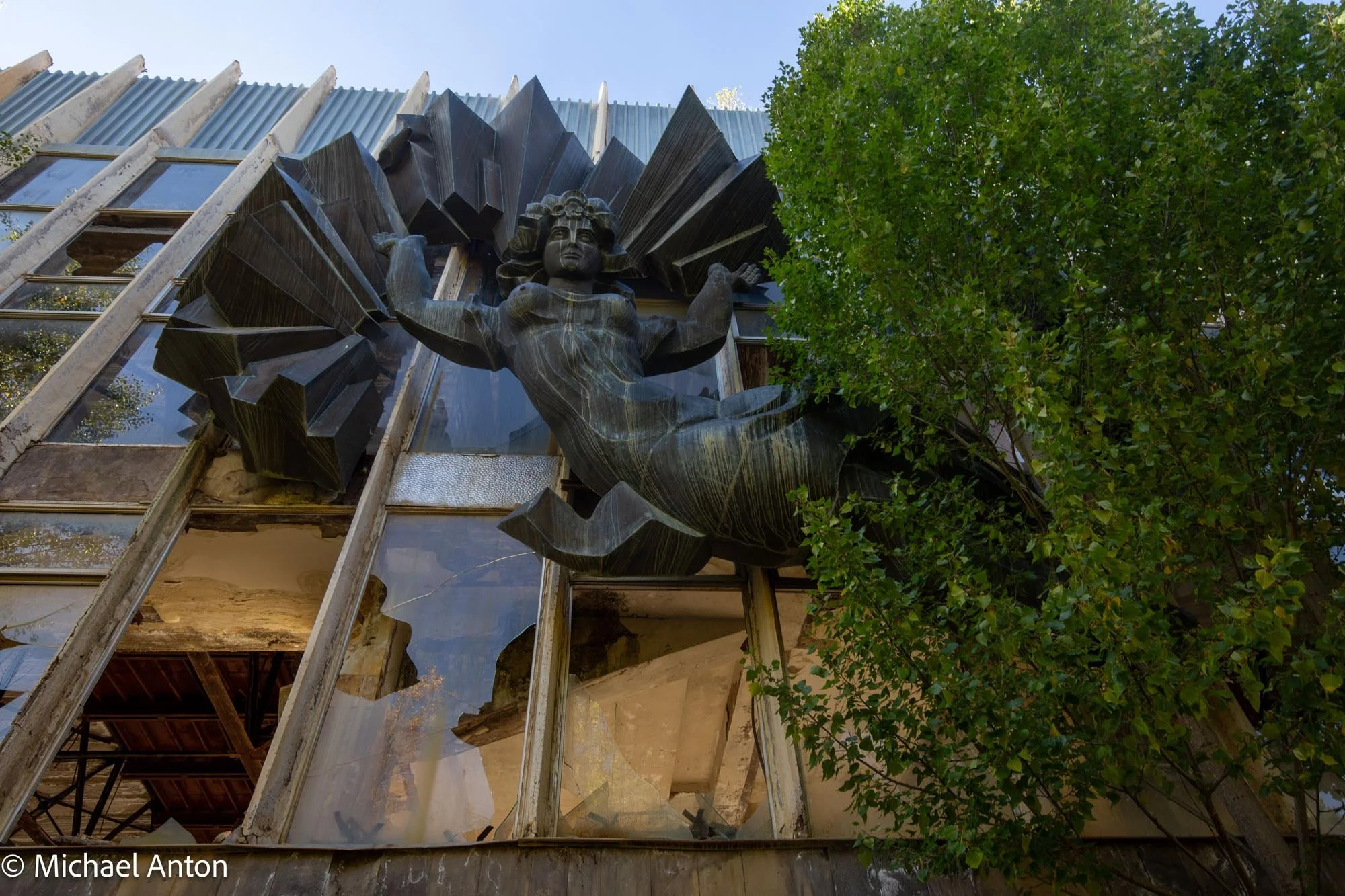
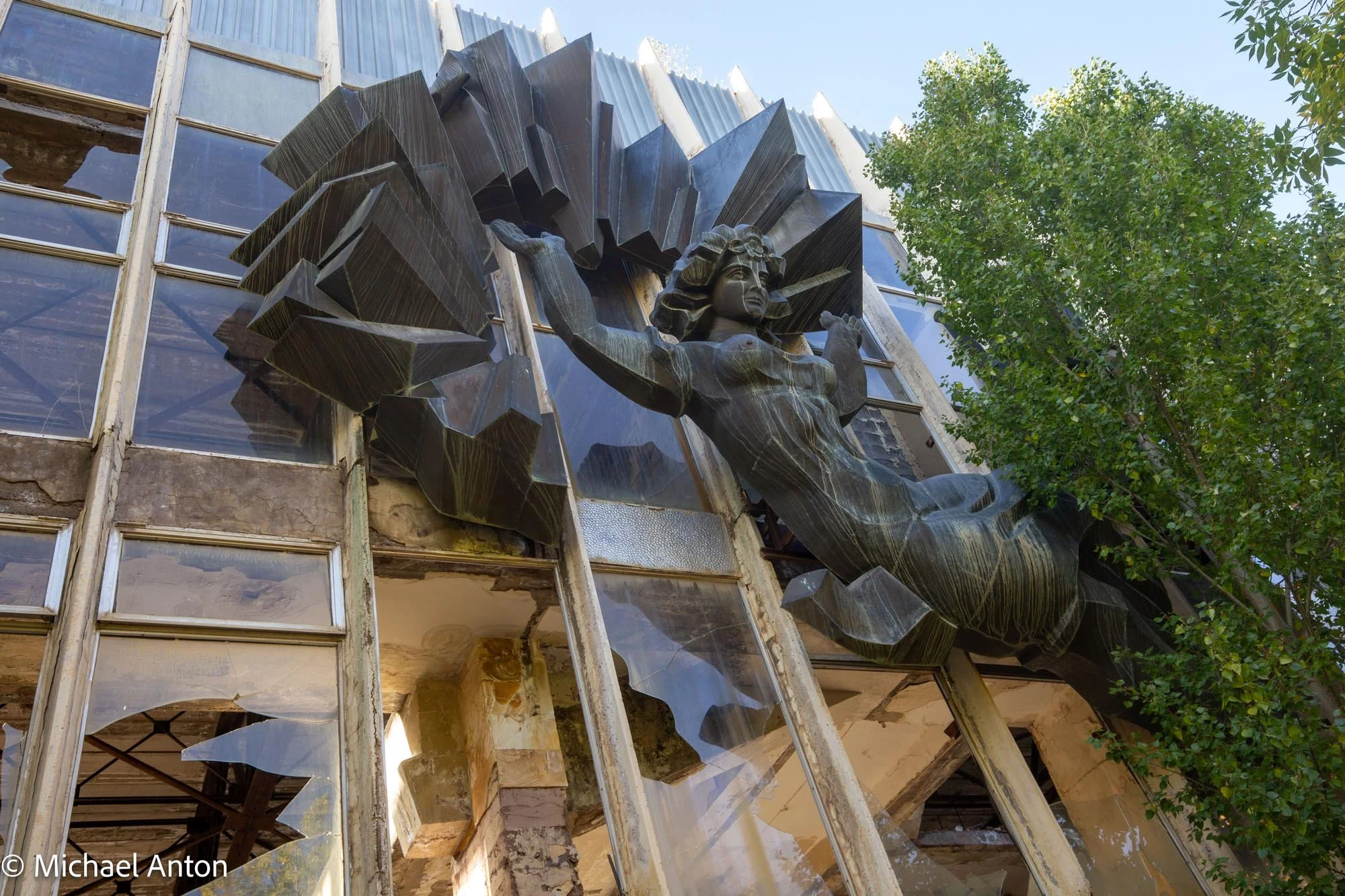
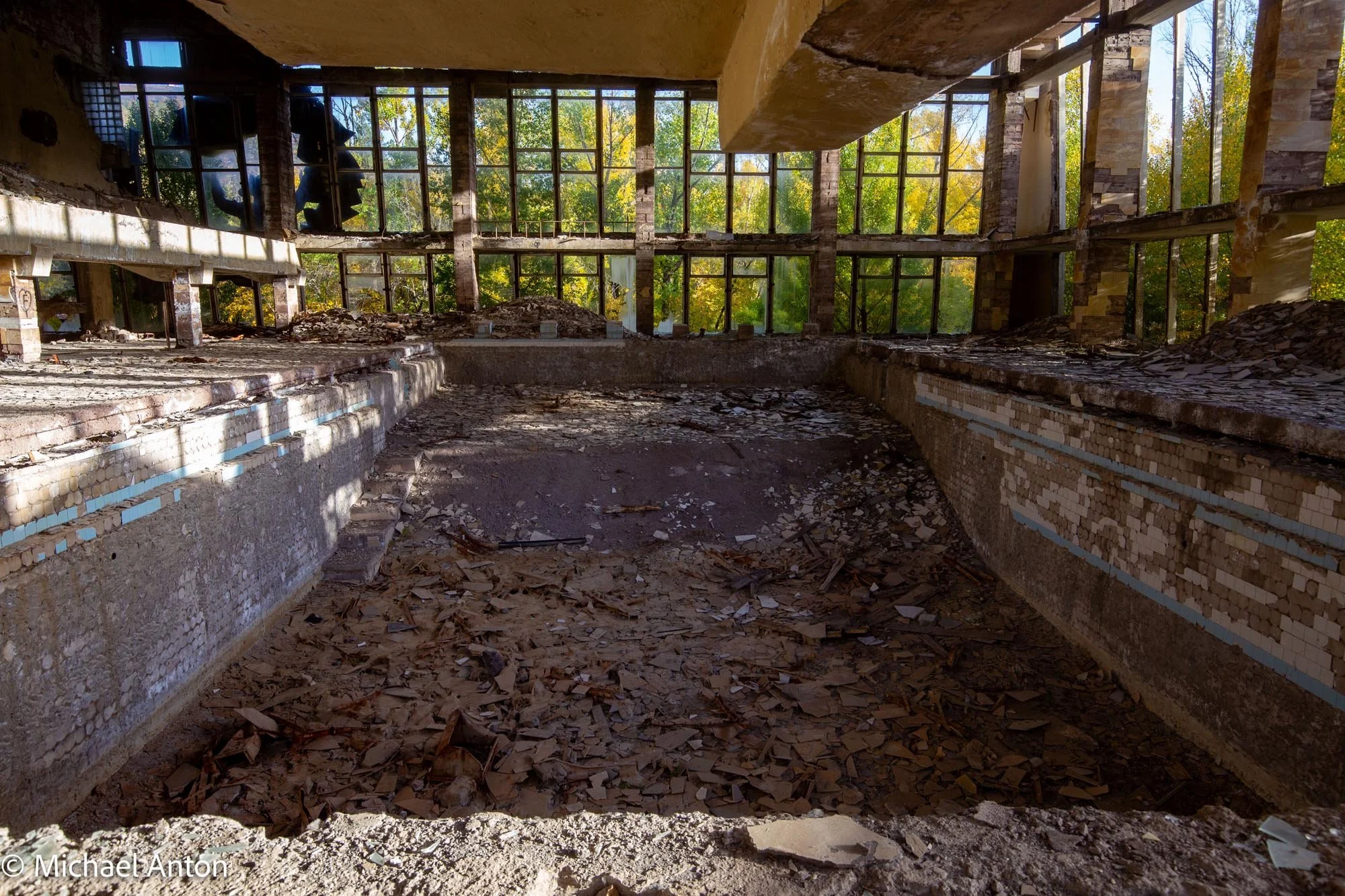
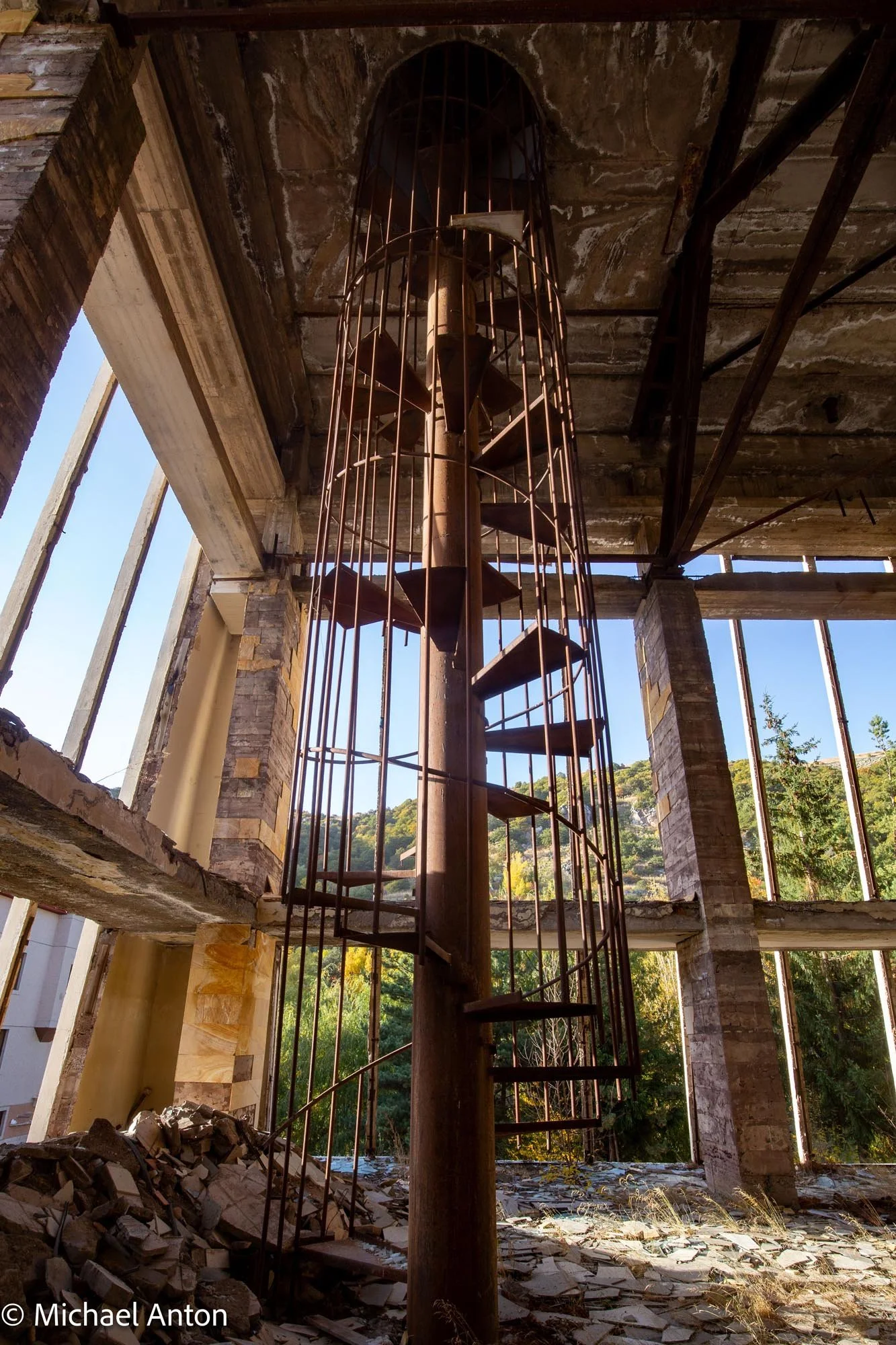
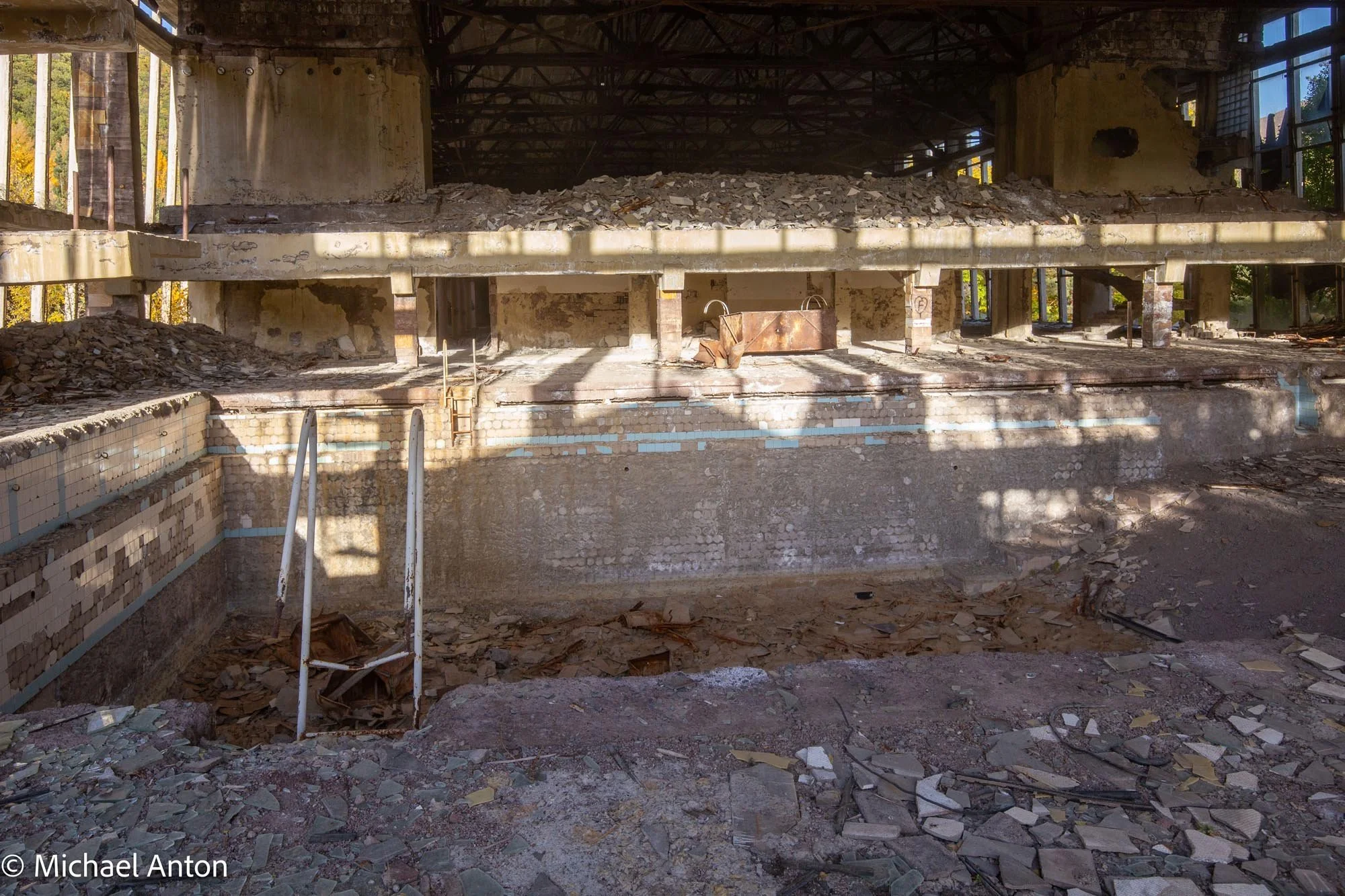
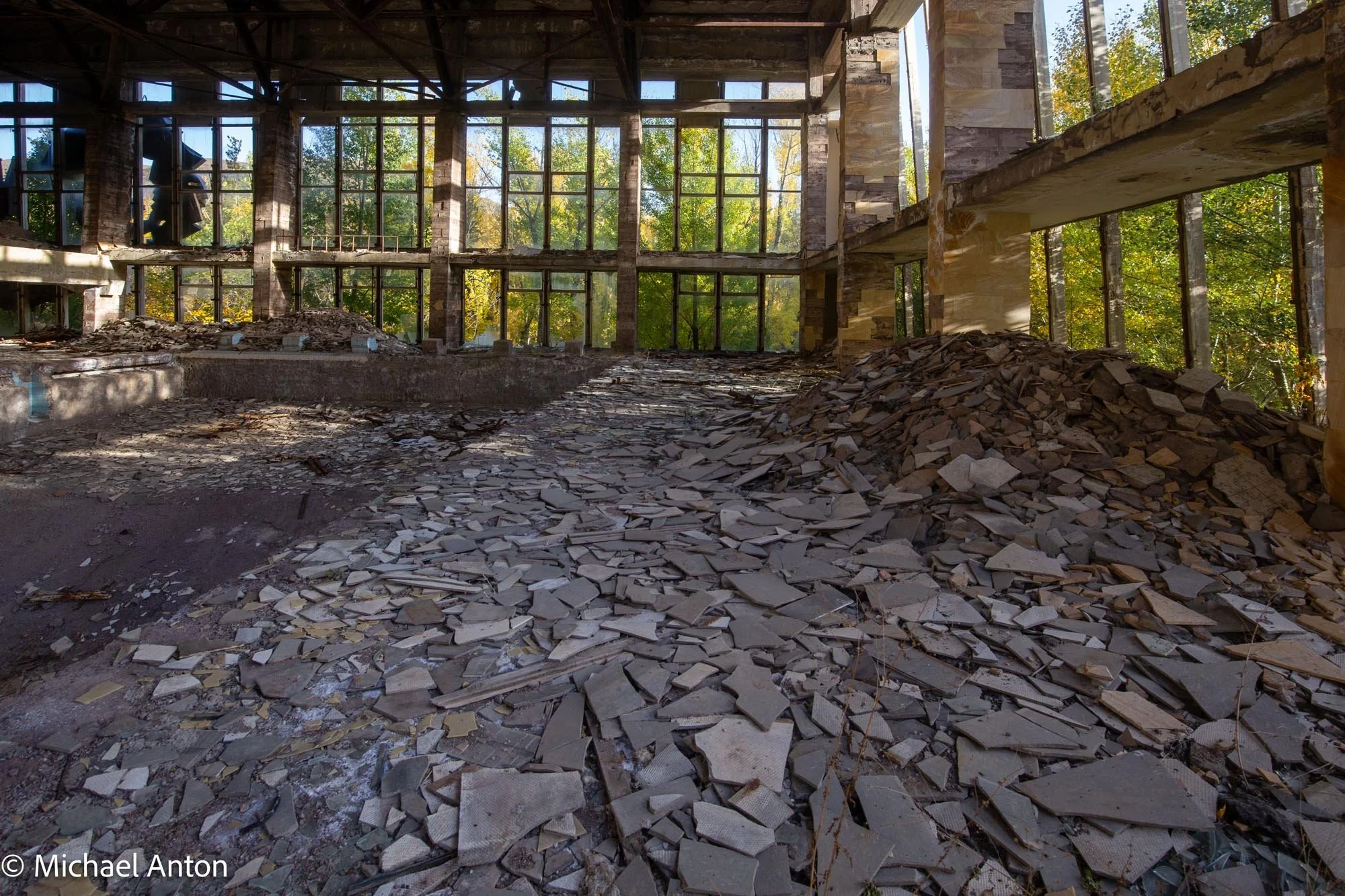
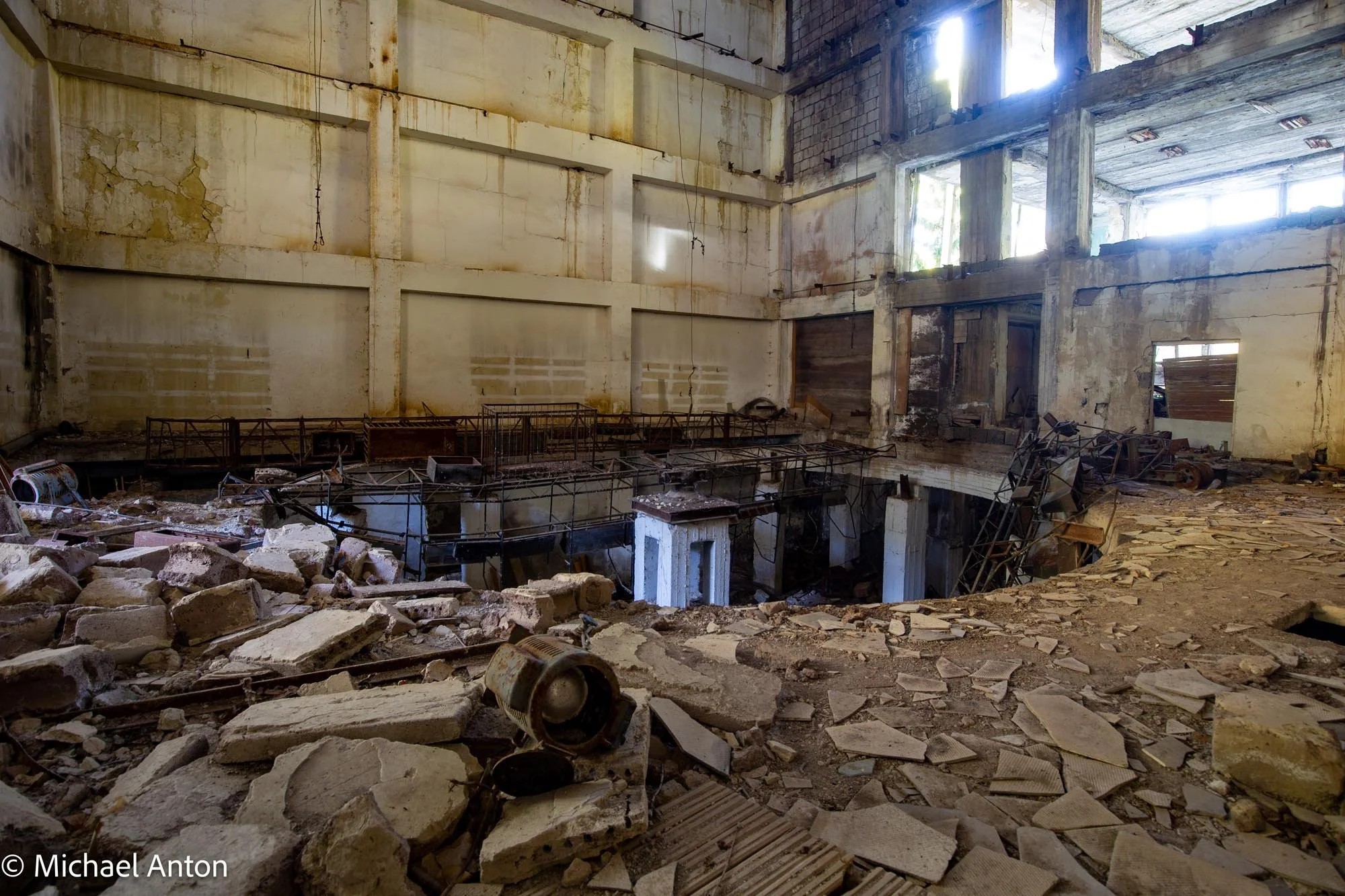
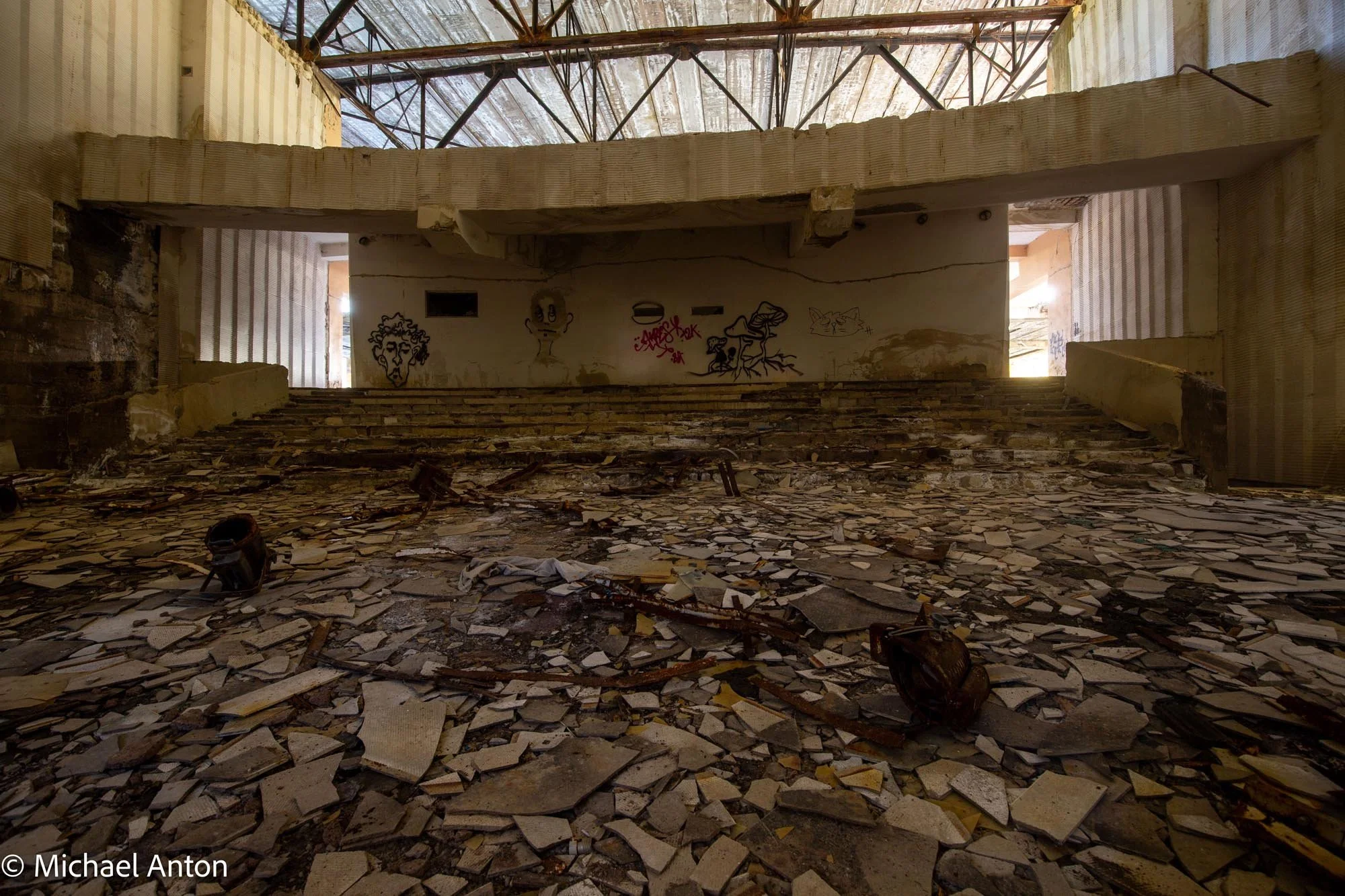
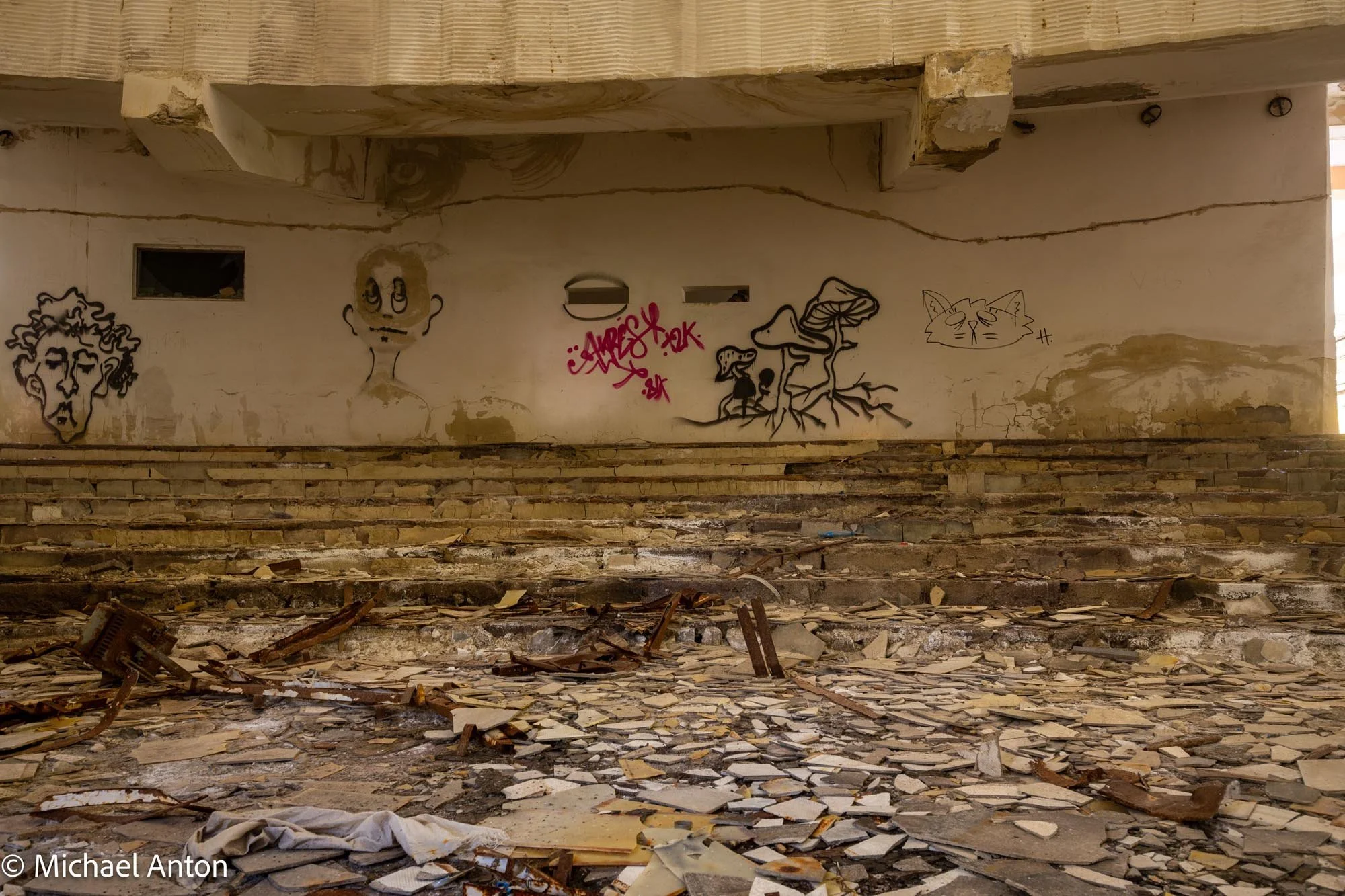
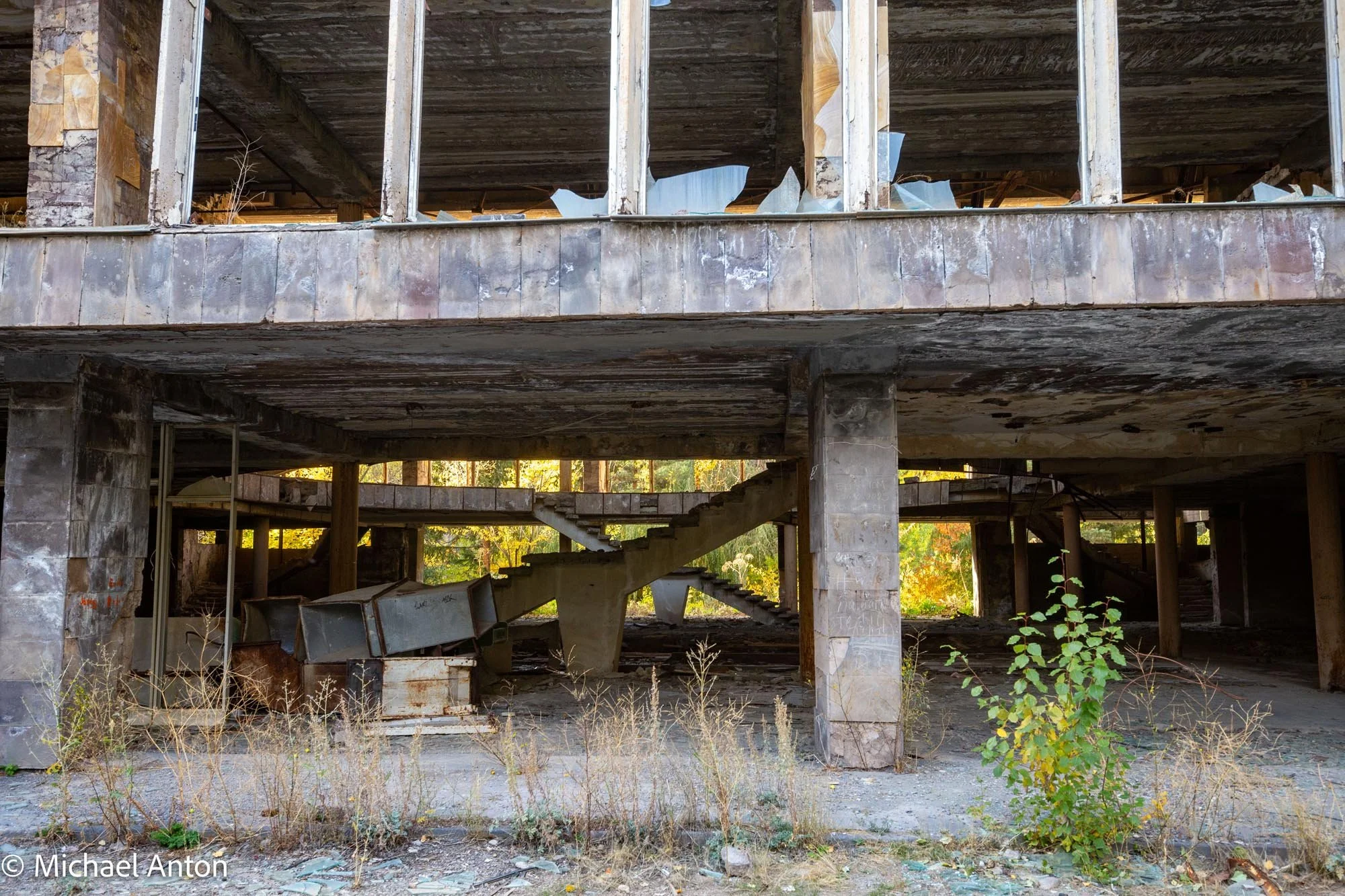
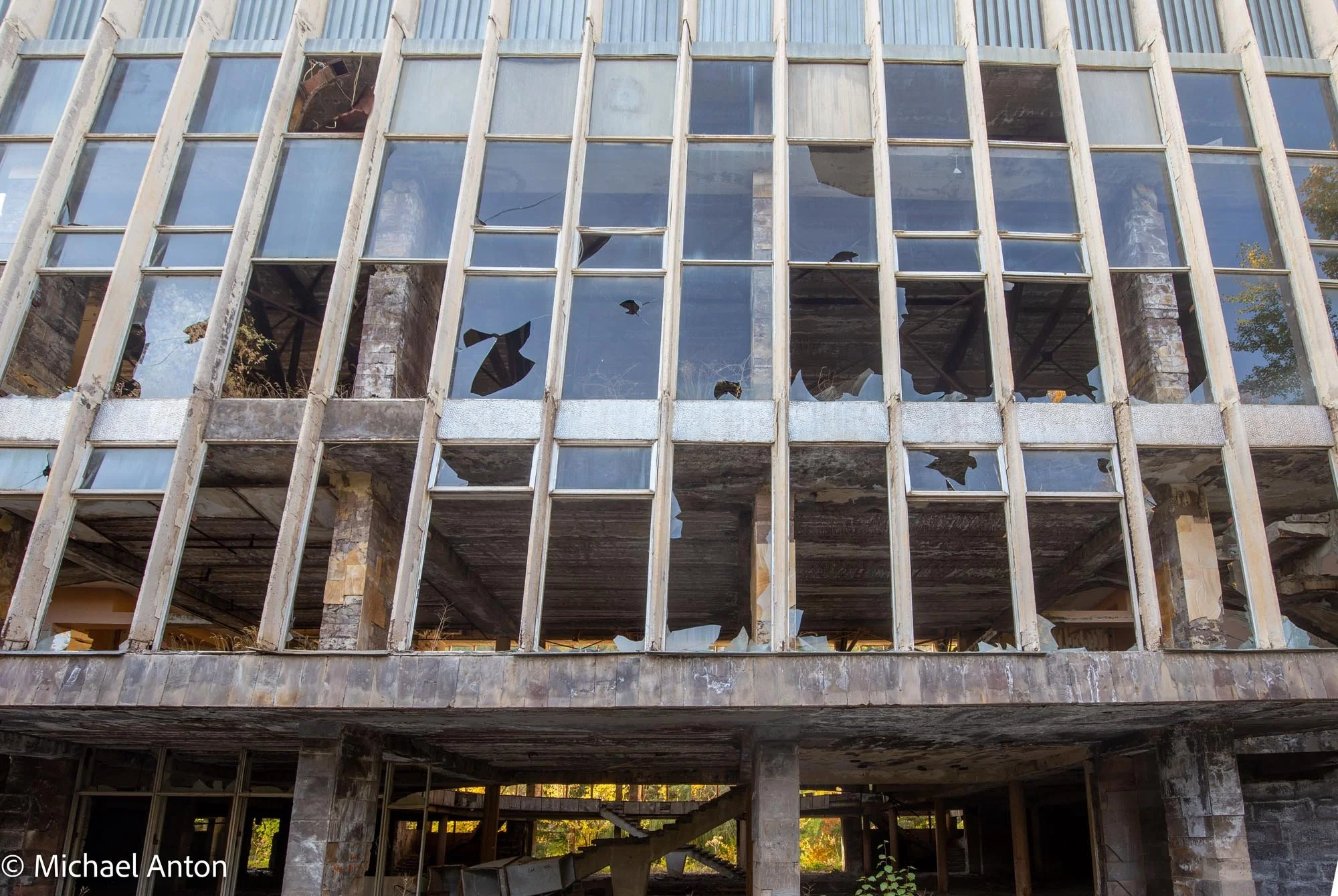
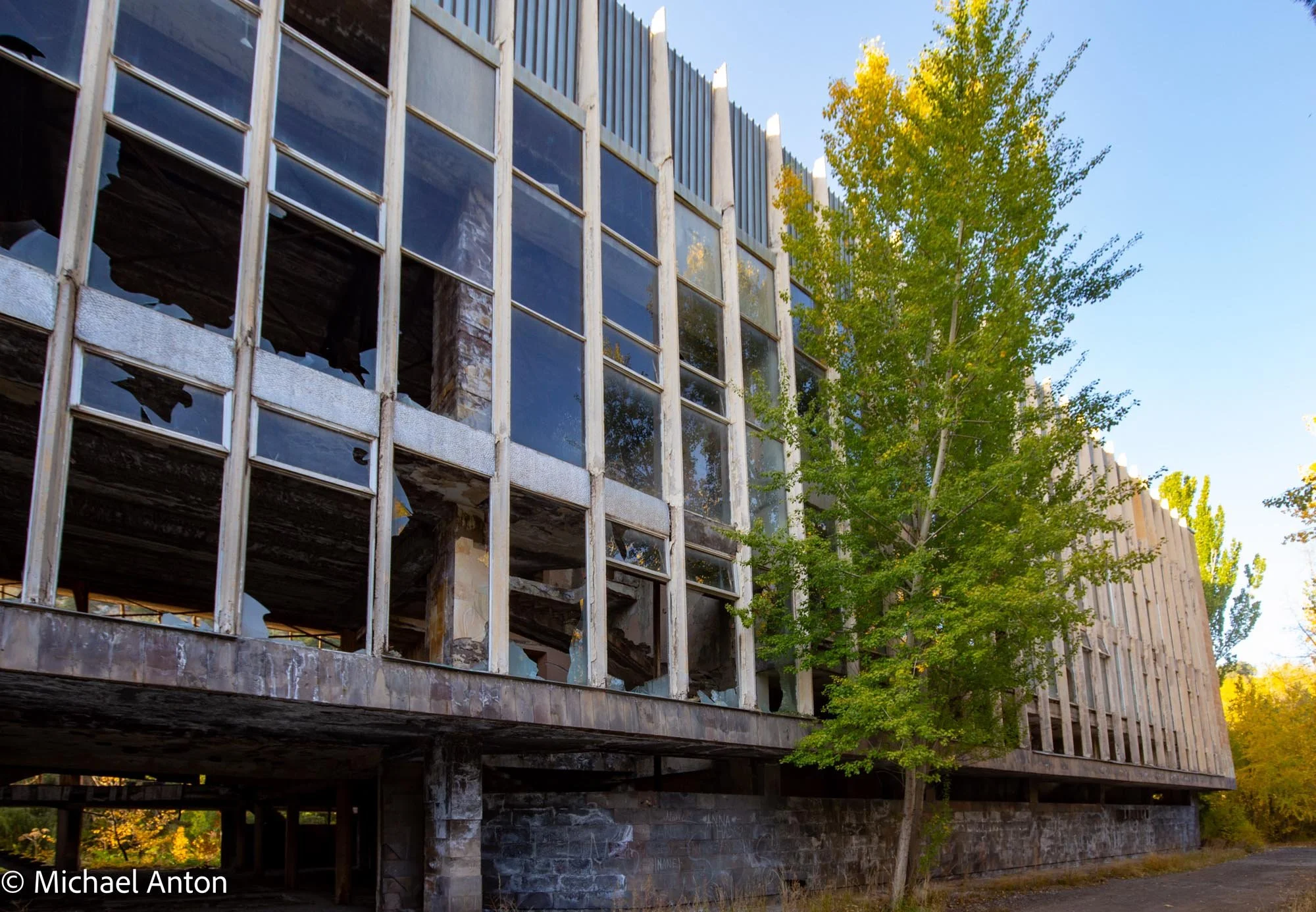
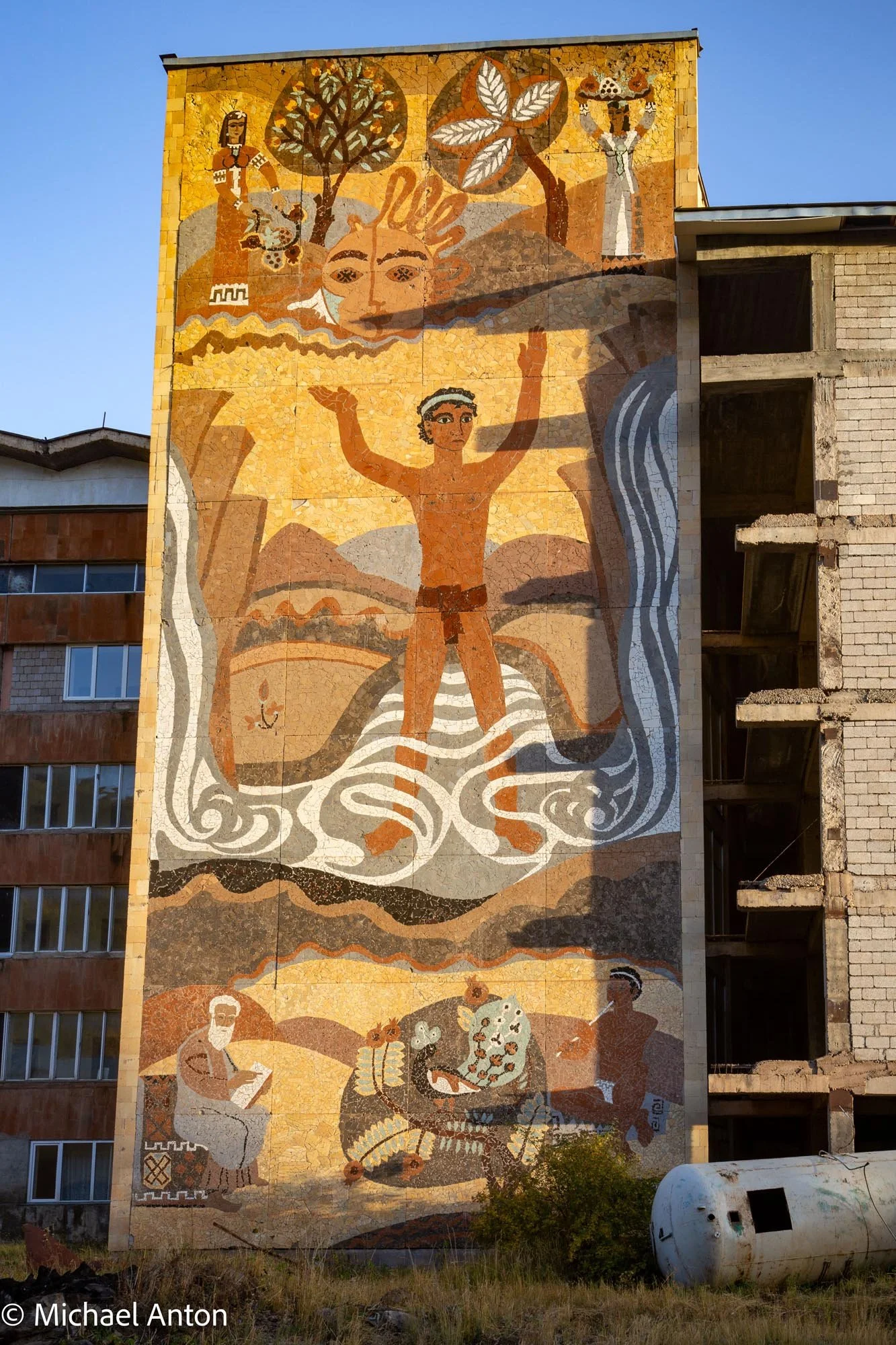
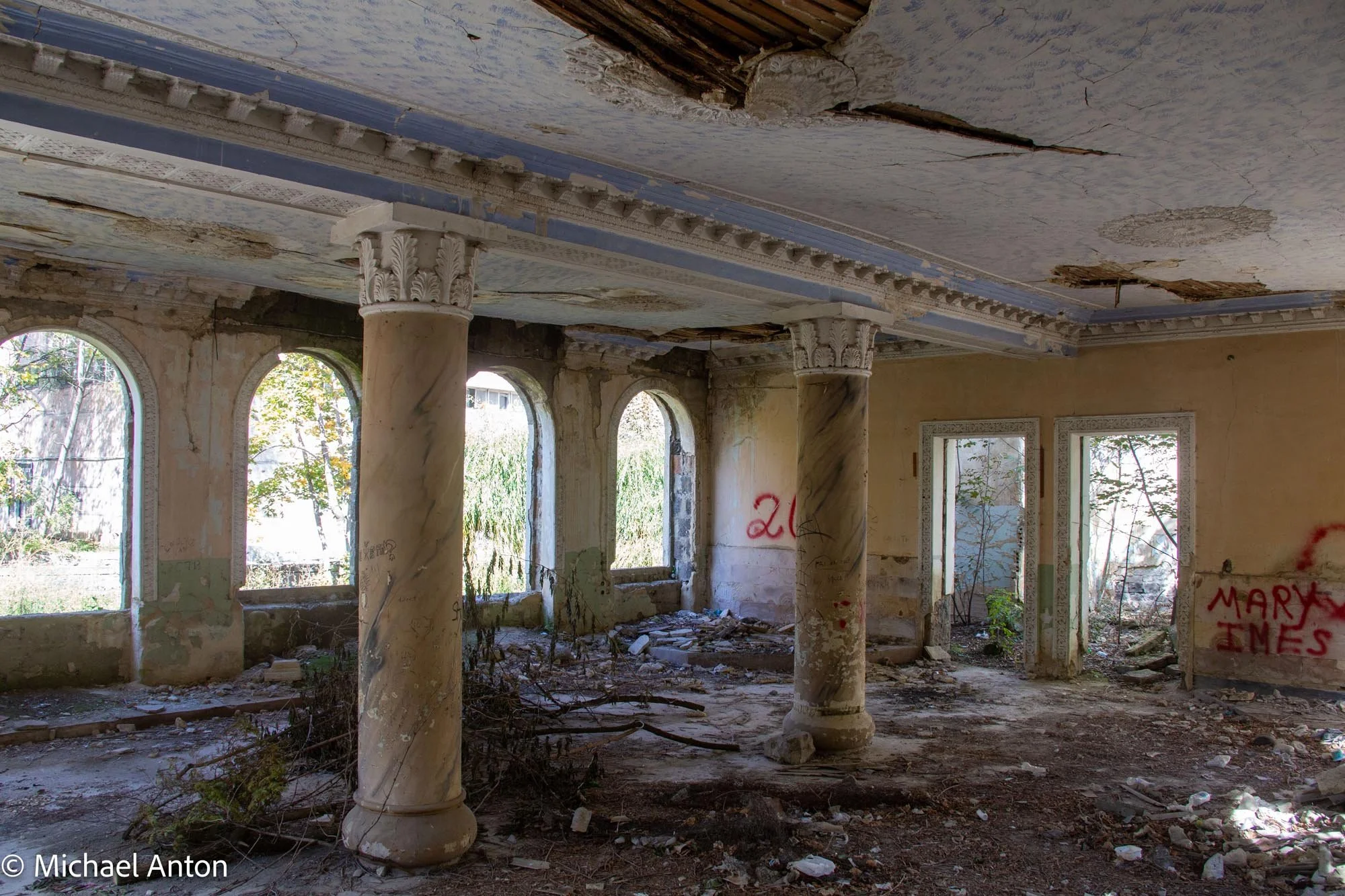
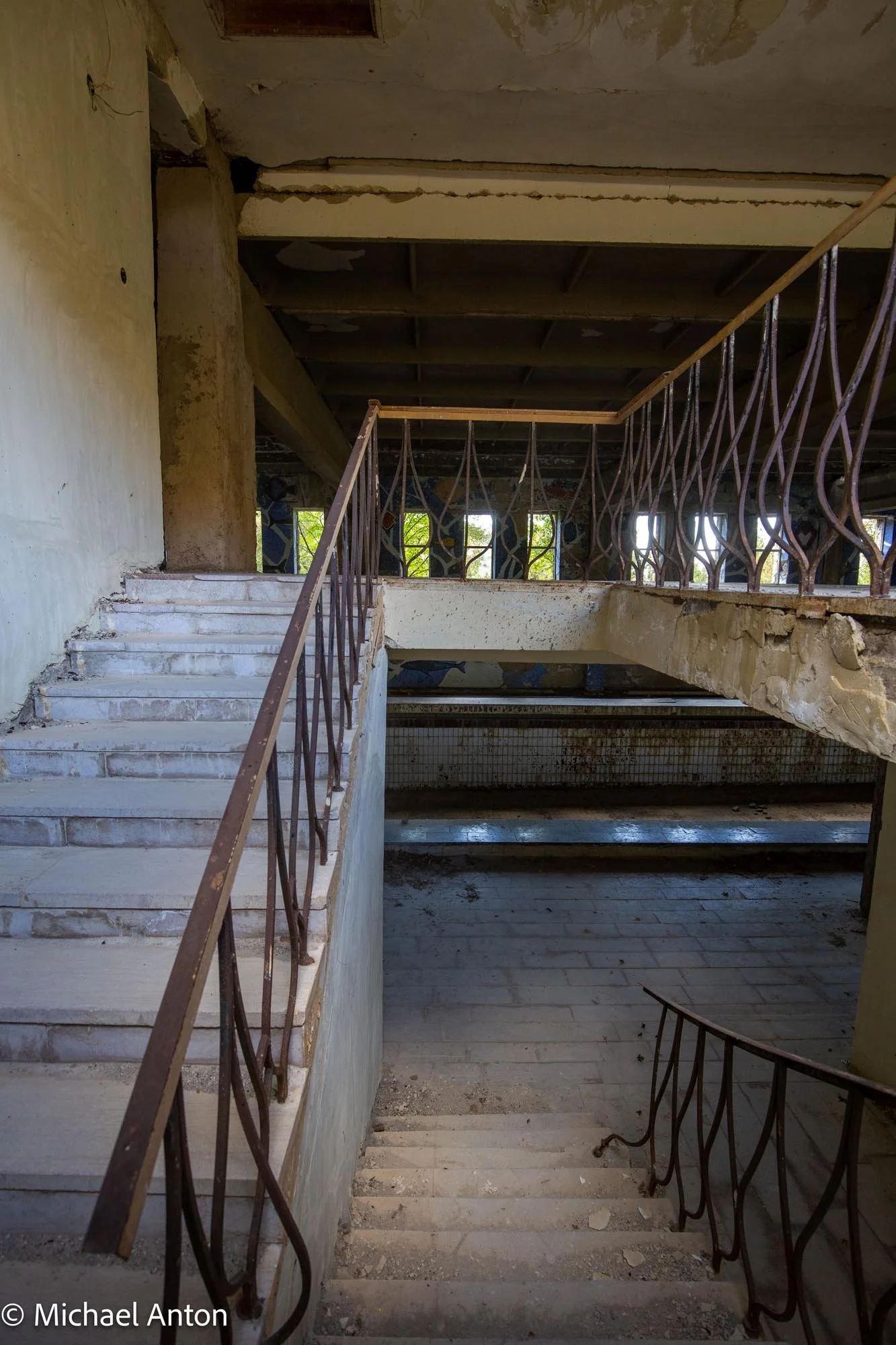
This one is probably Armenia’s largest and located closed by the Mineral Water Gallery in Jermuk.
They would contain artist’s work shops, swimming pools, cinemas, theaters etc.
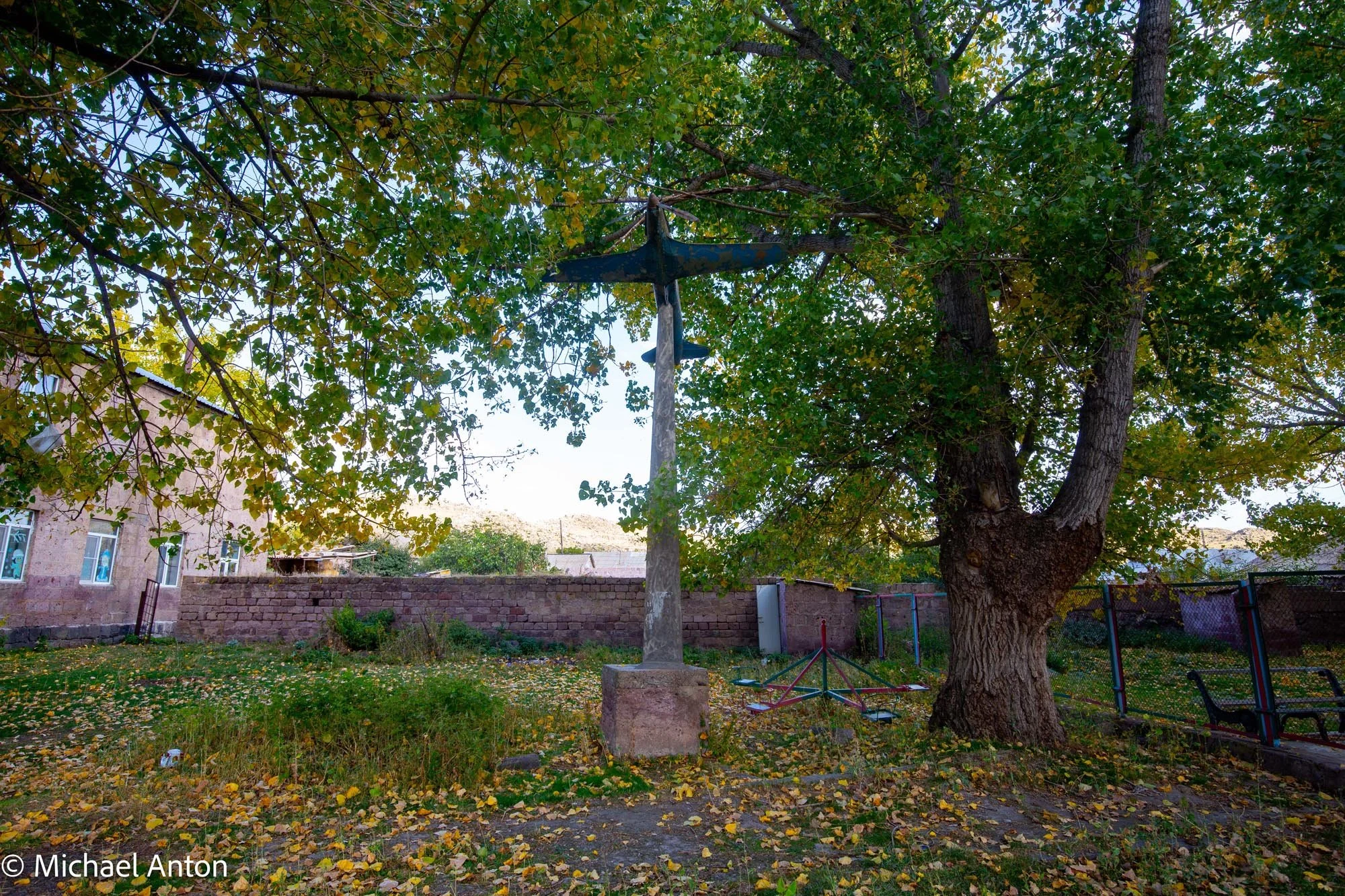
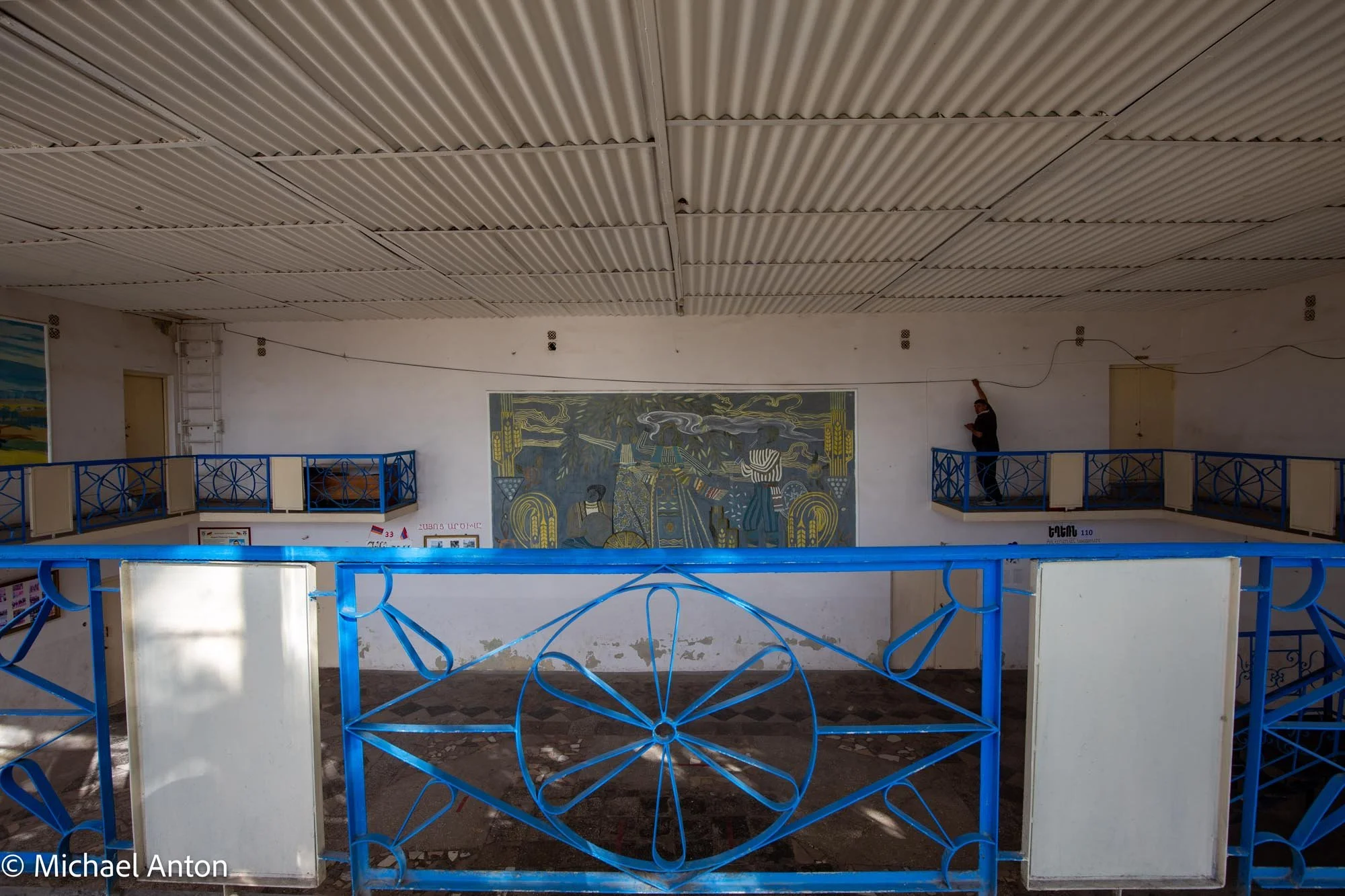
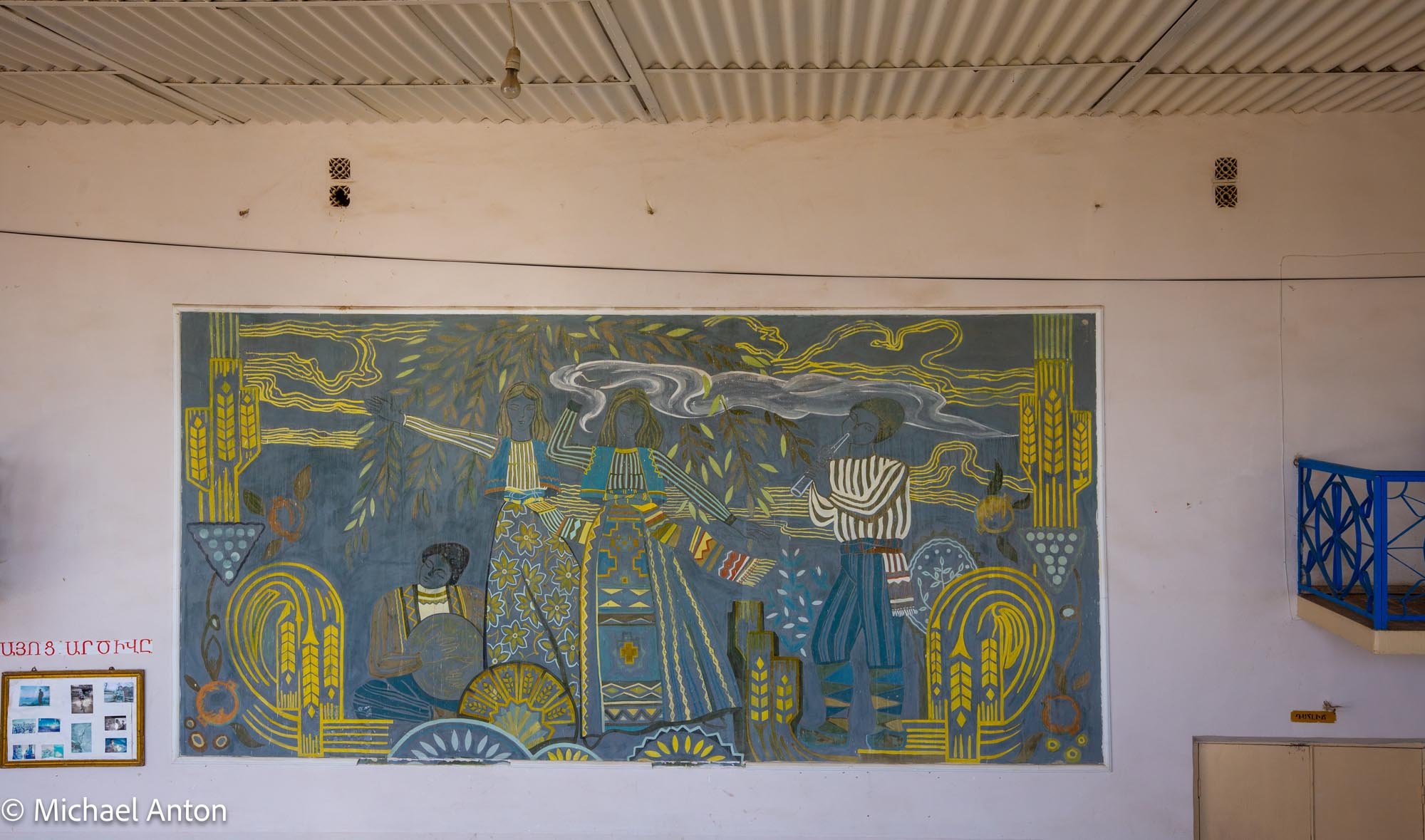
The last few images are of a well preserved one simply because half the building has been re-purposed as a kindergarten, though the other half has fallen into disuse.
The mayor of Horom opened it up for me, and I’m grateful to her.
Soviet Youth Camps
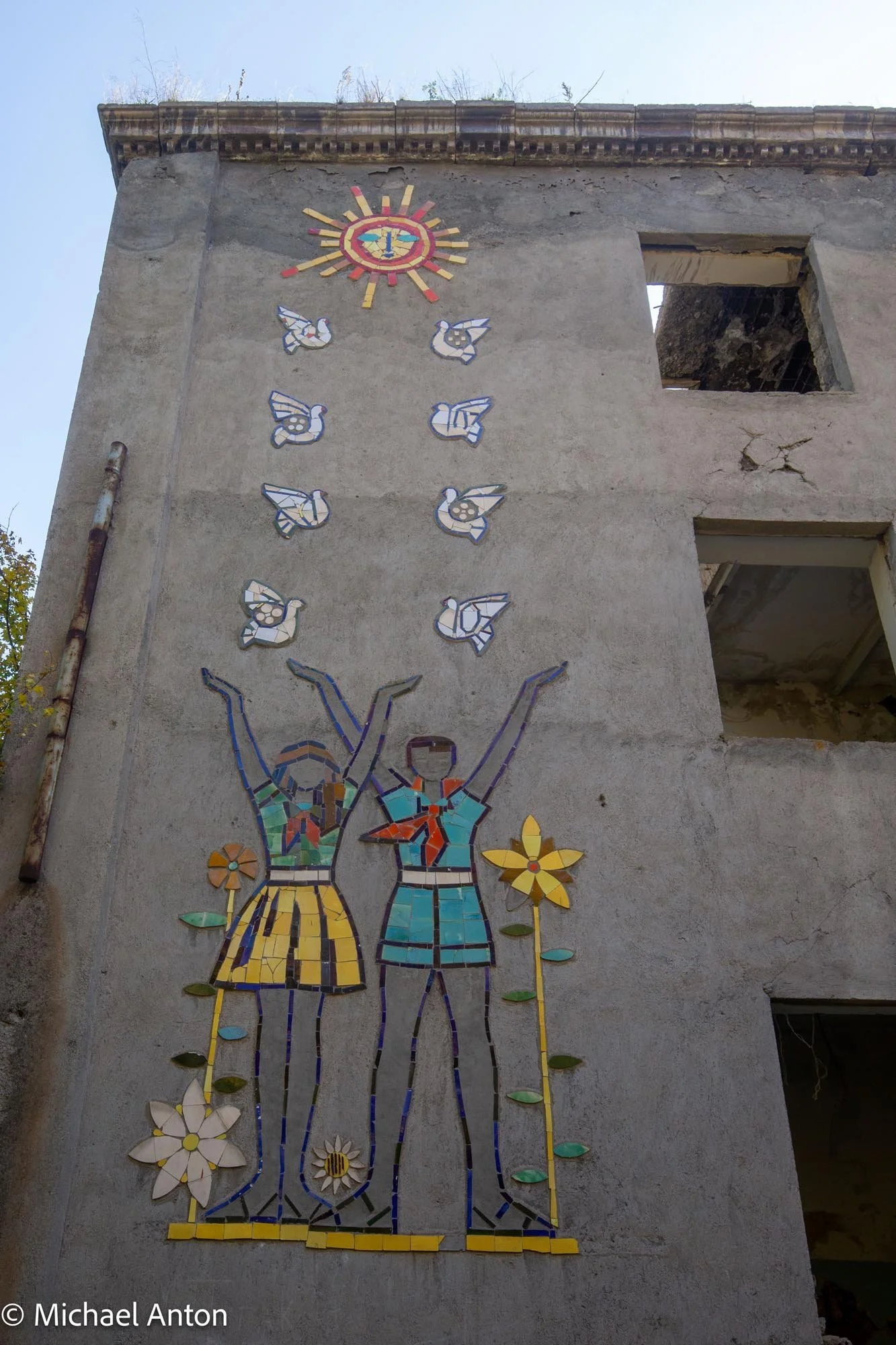
The Soviet Union, of which Armenia was one of 15 “republics” had three youth organizations.
The “Little Octobrists” for the very young, the Pioneers (The All-Union Lenin Pioneer Organization) for ages 9-14, and then for ages 14-28, Komsomol.
In addition to recreational activities there was also a strong emphasis on political education.
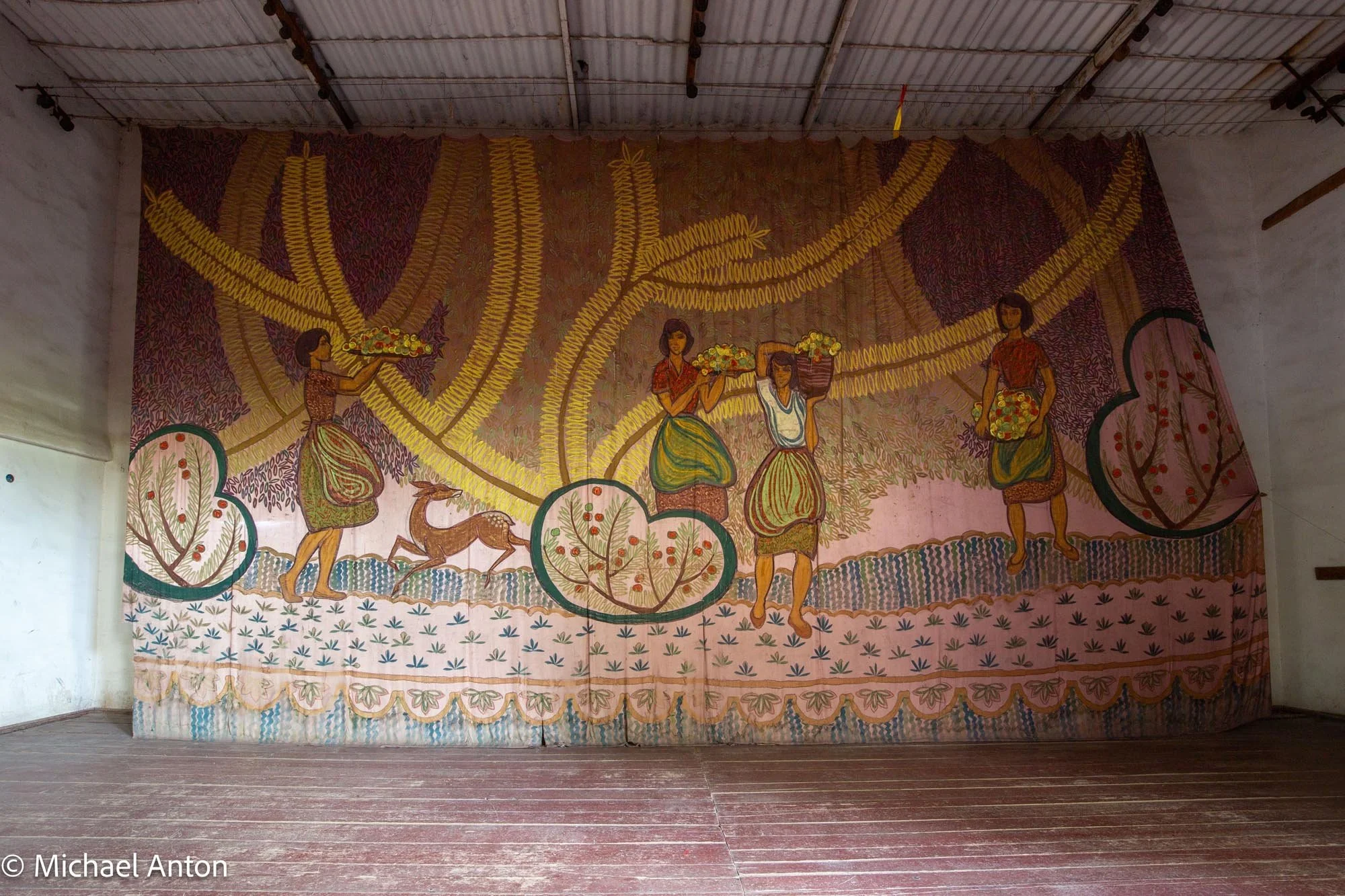
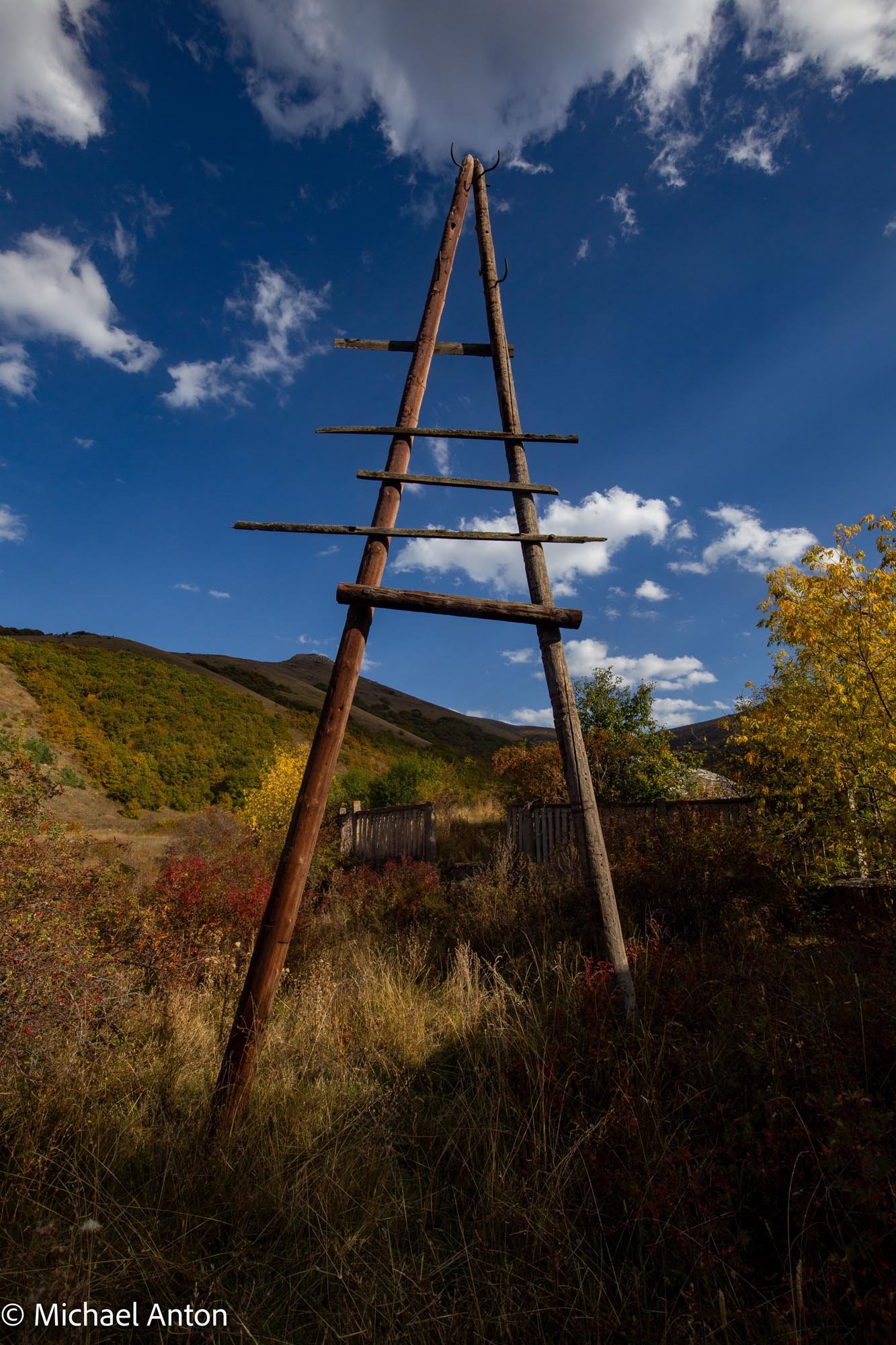
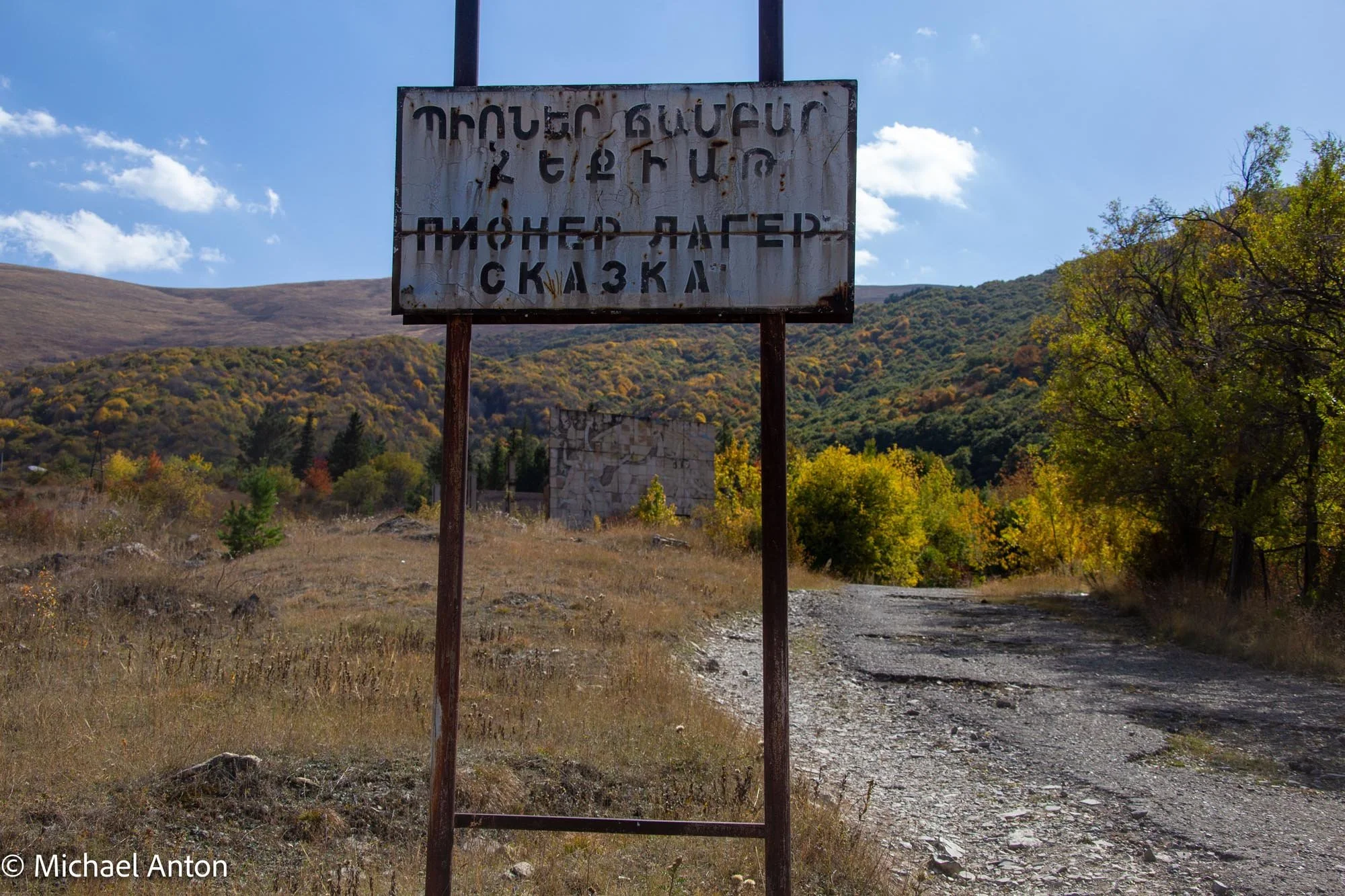
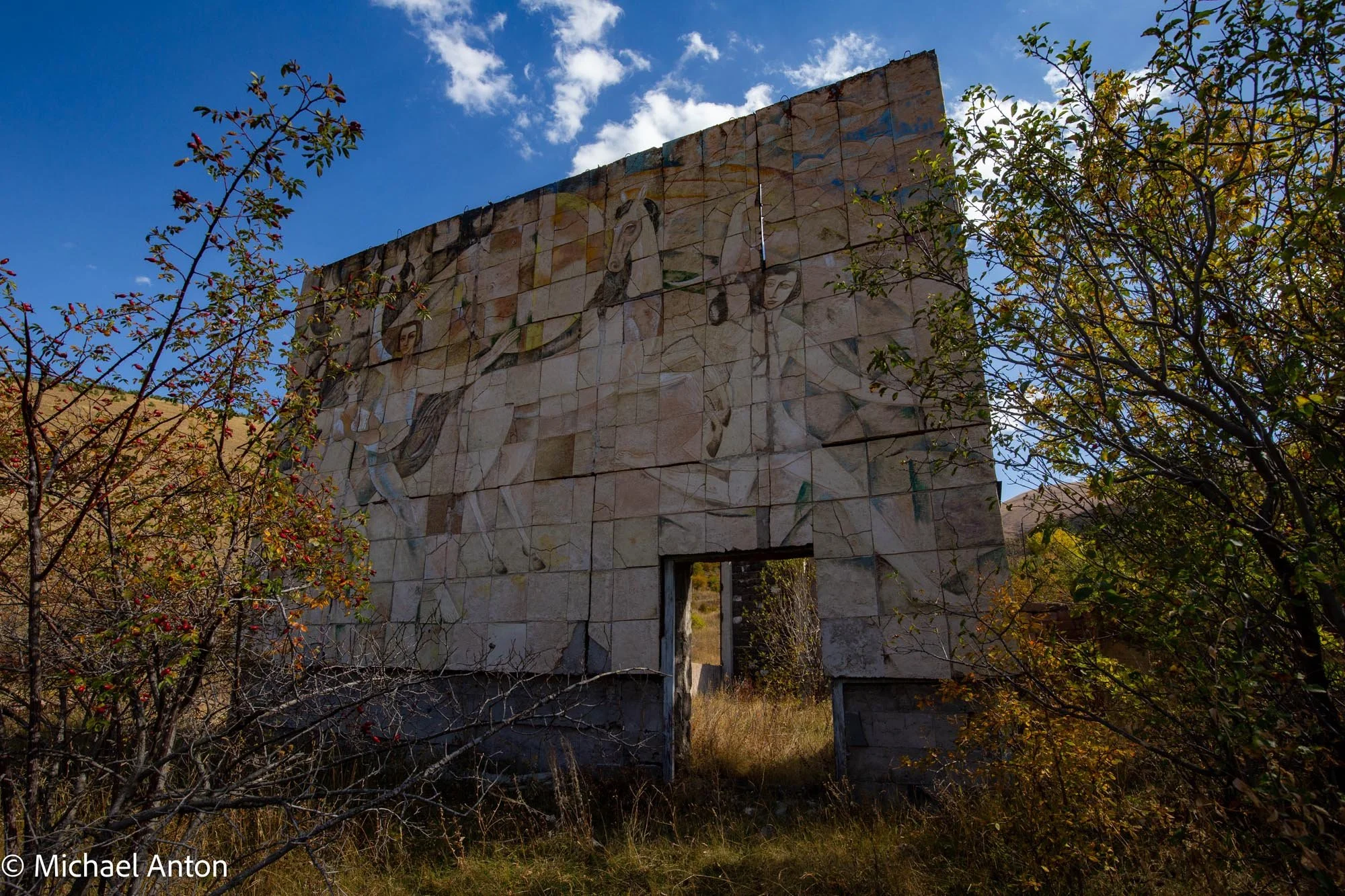
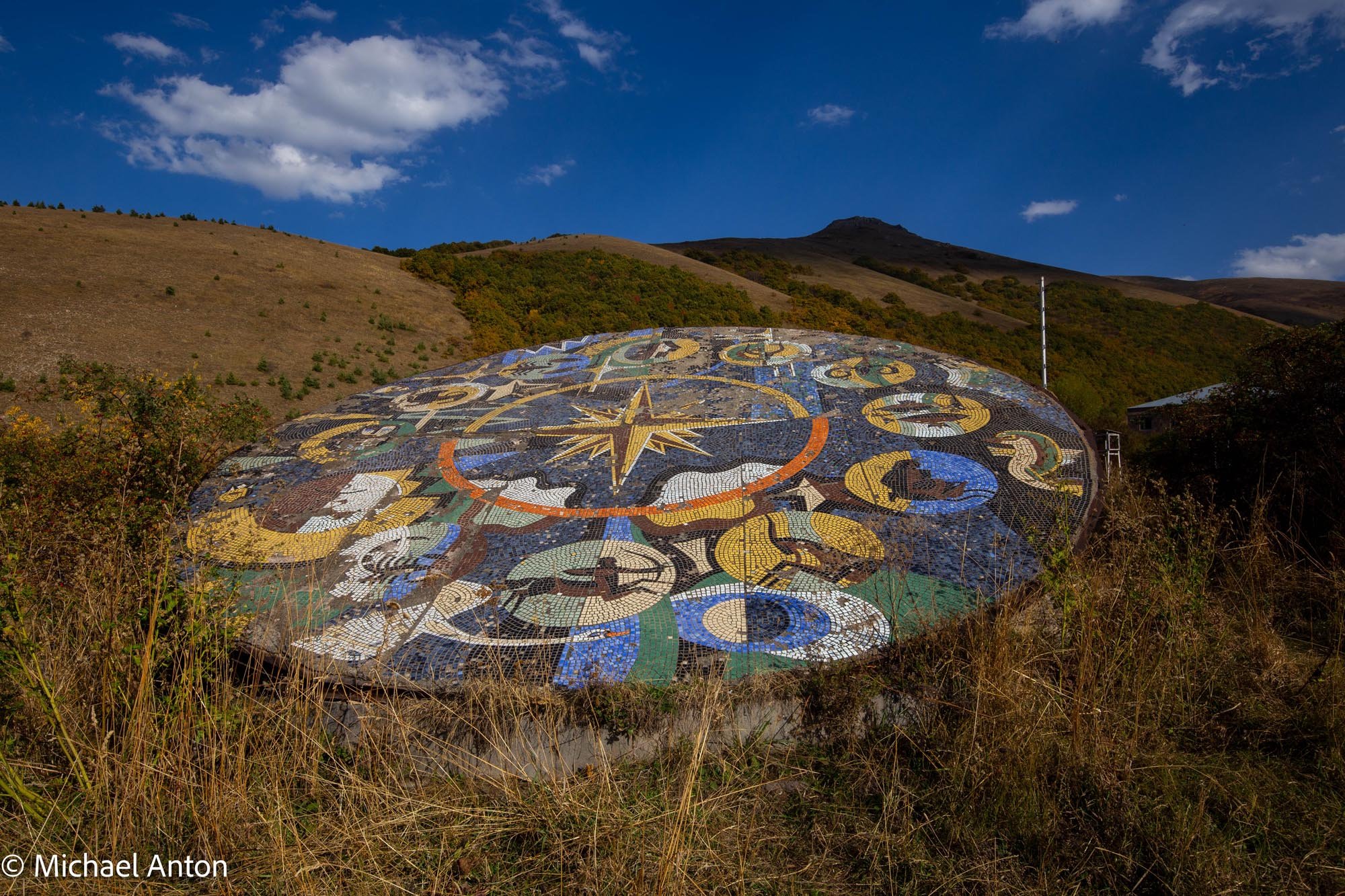
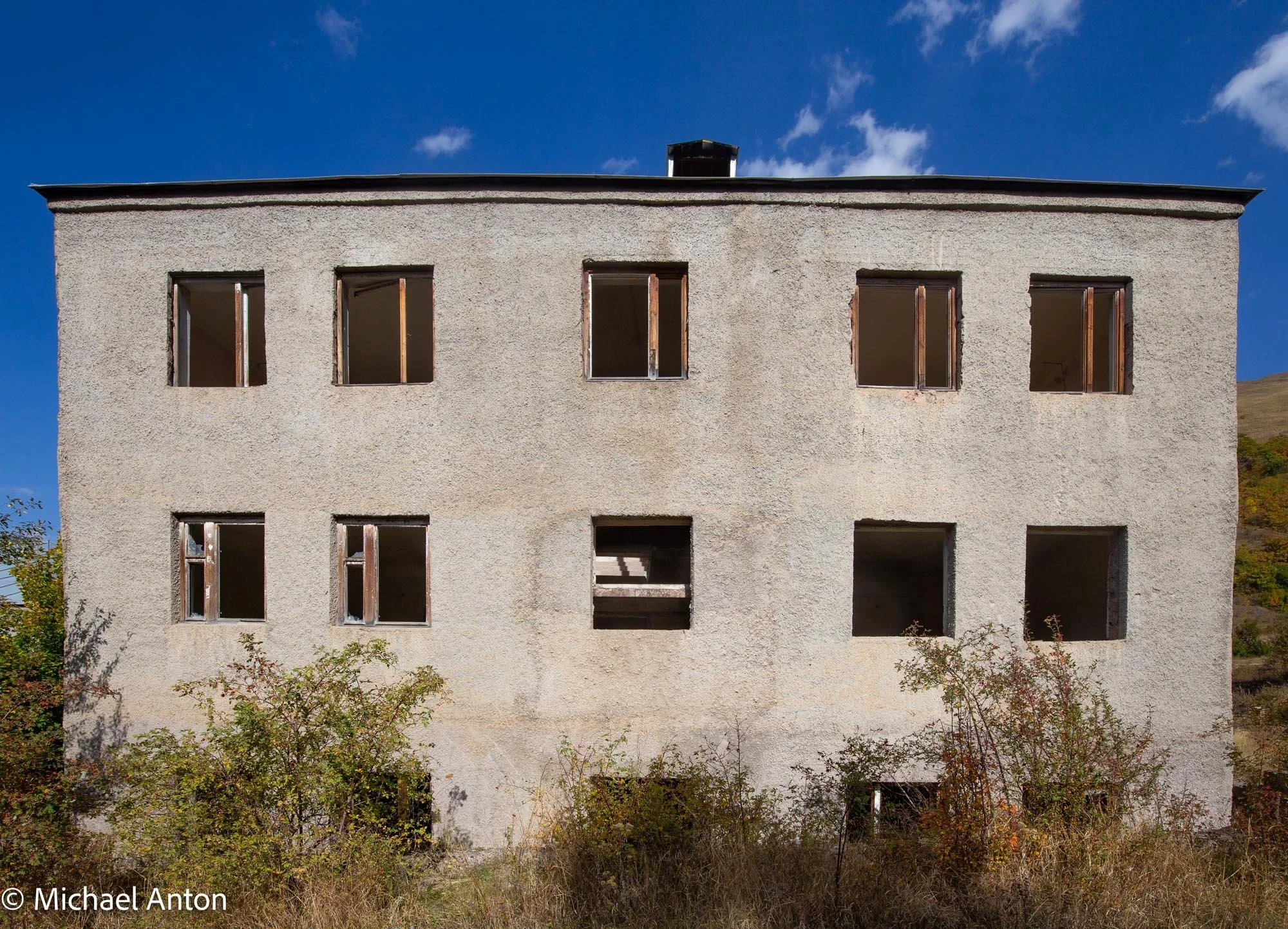
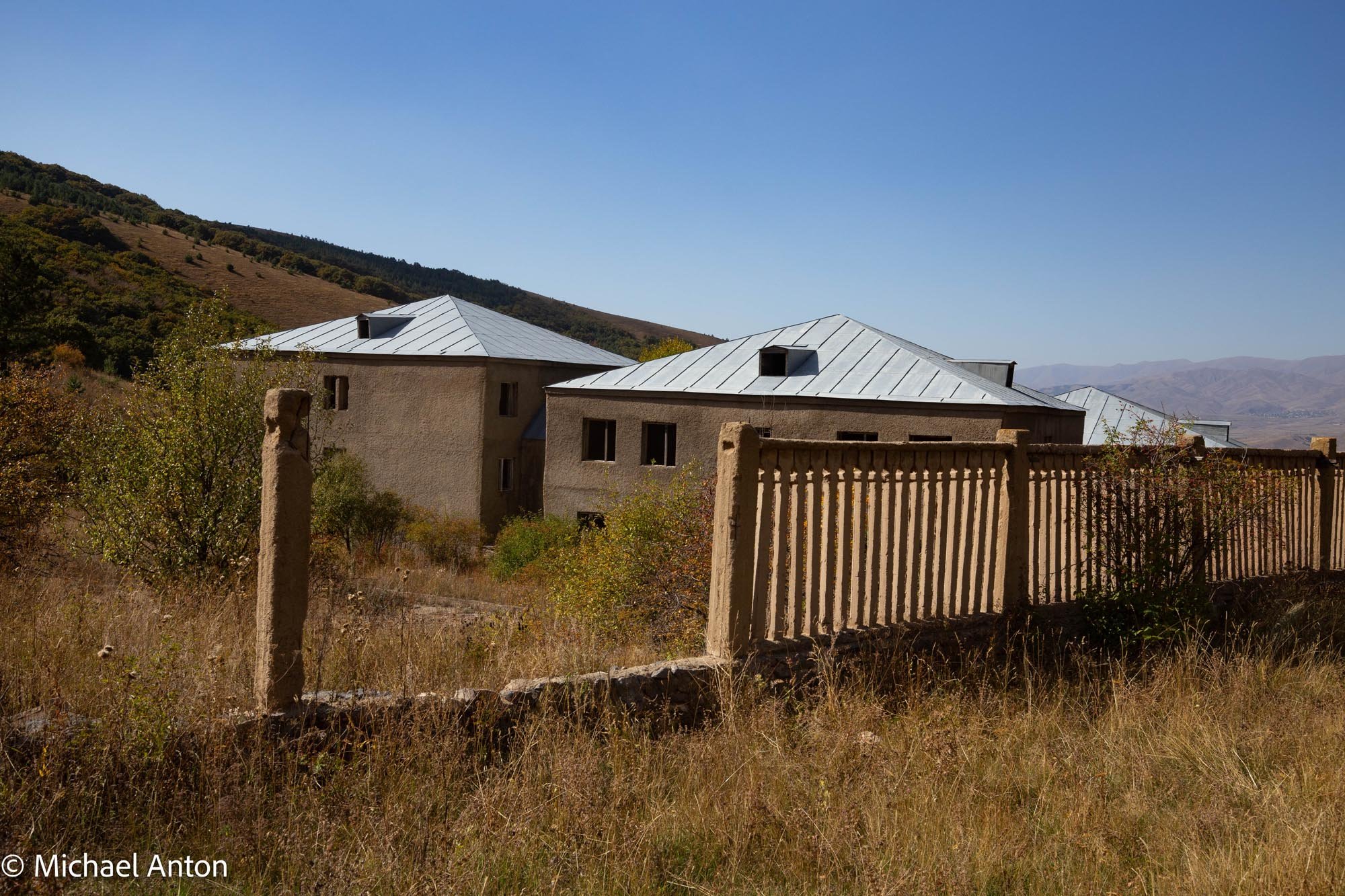
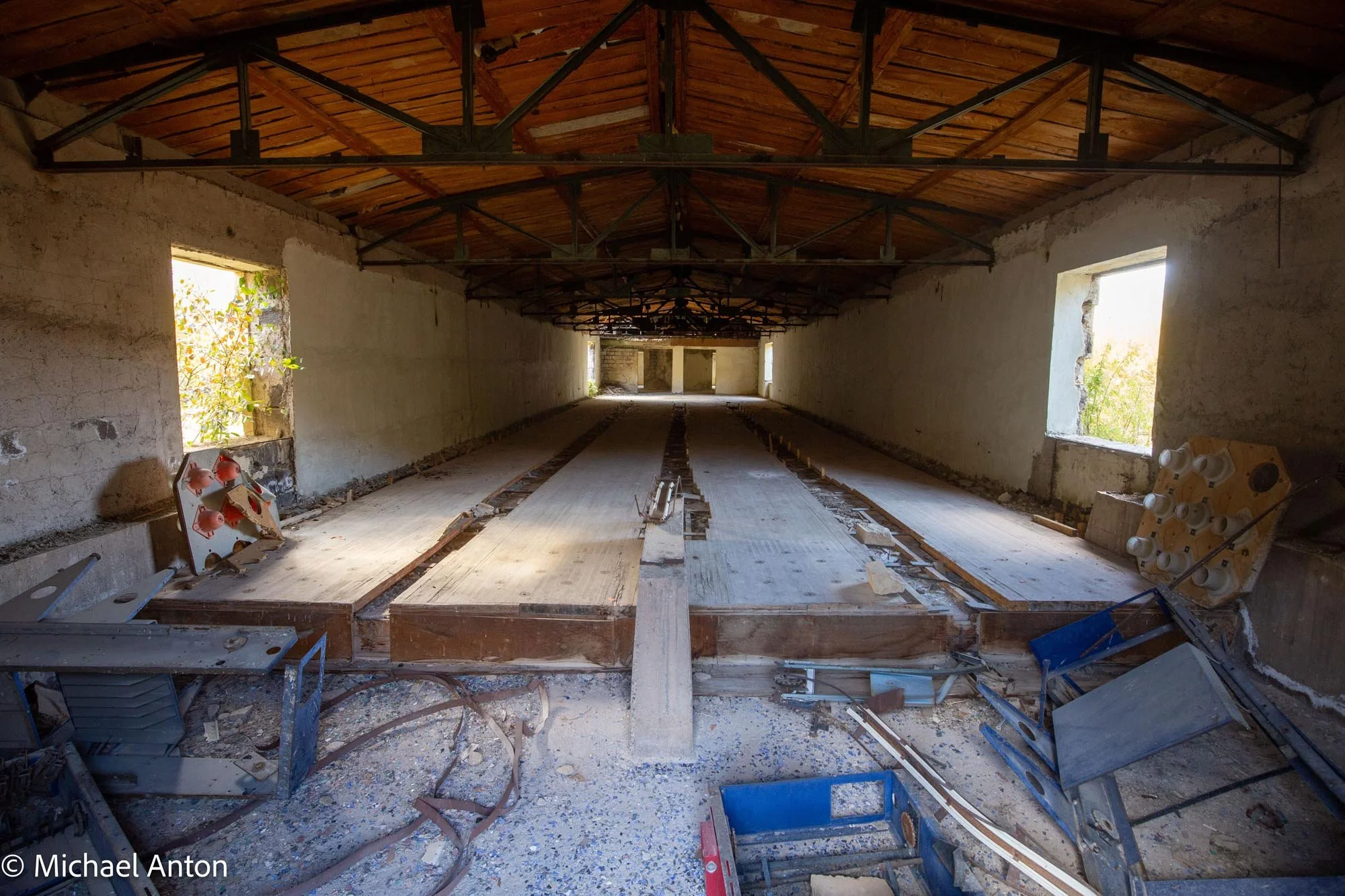
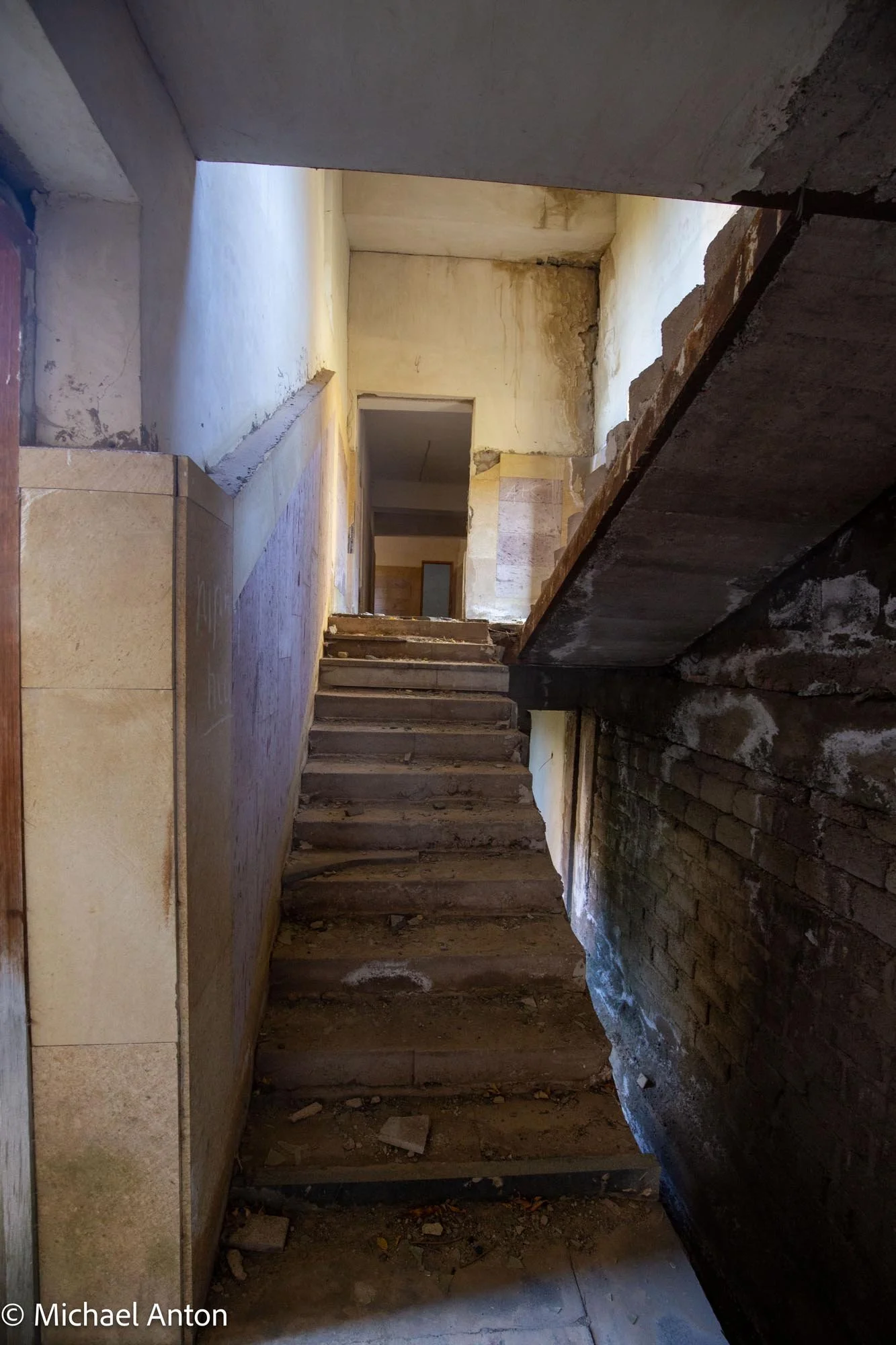
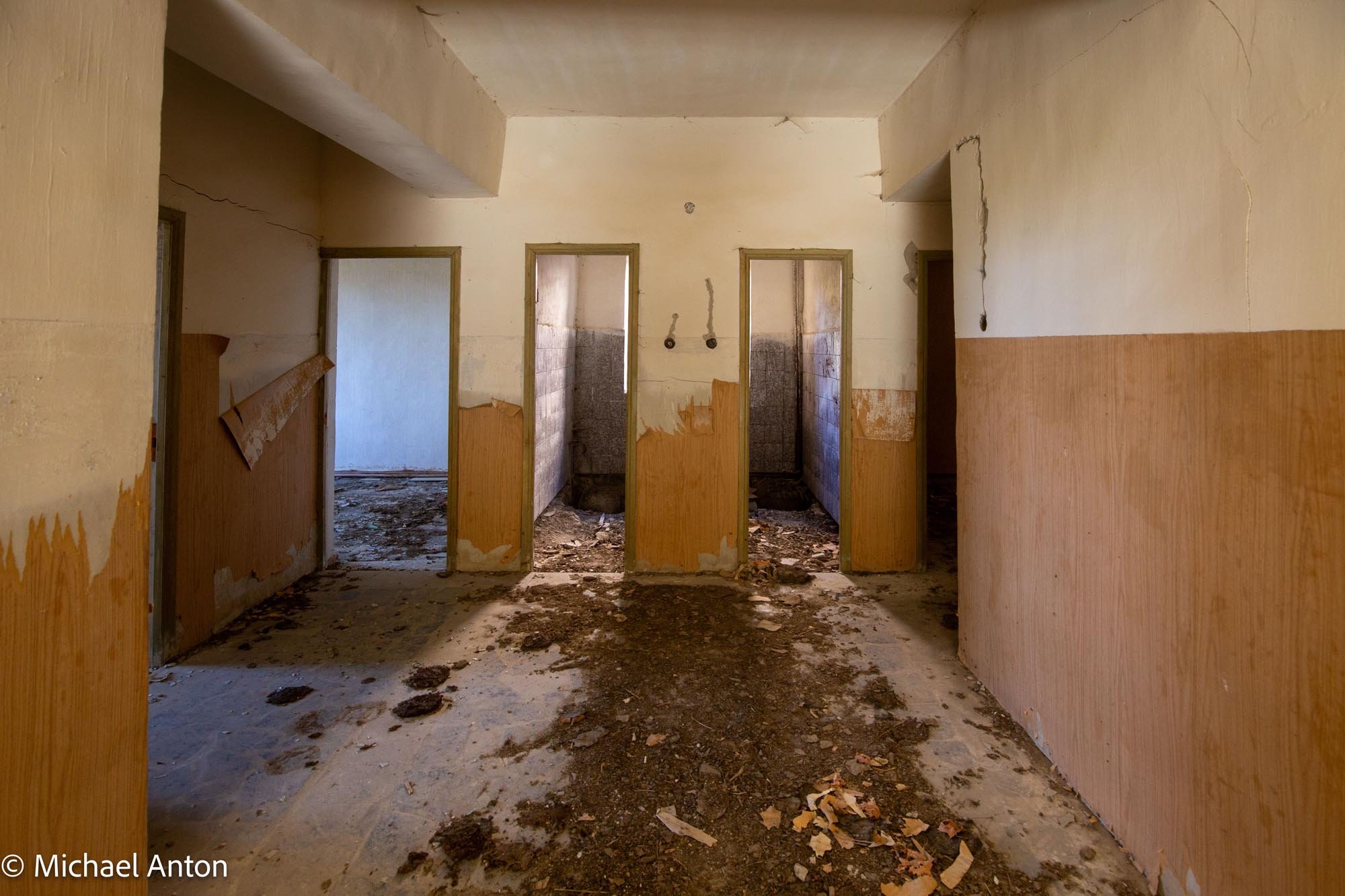
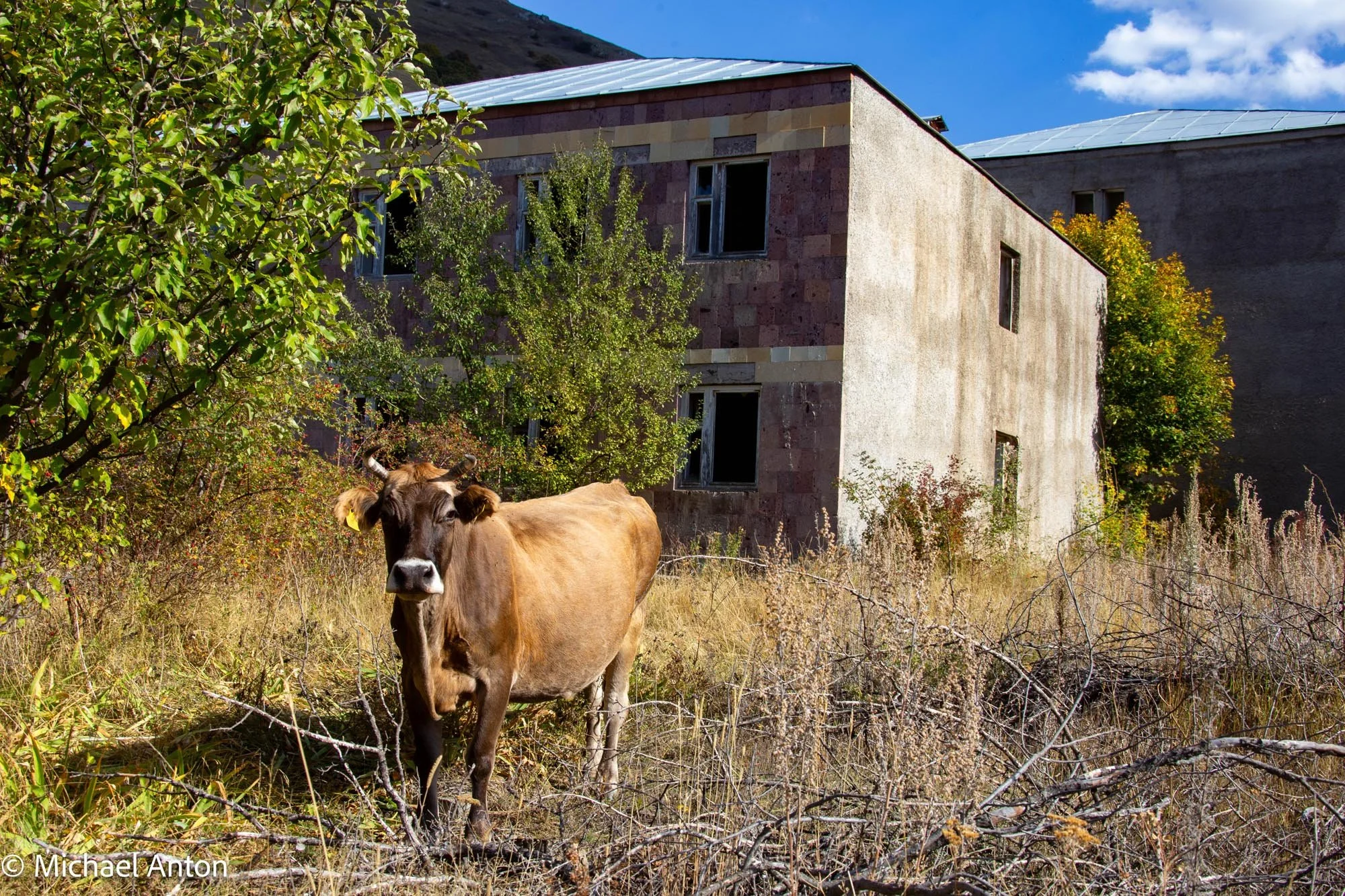
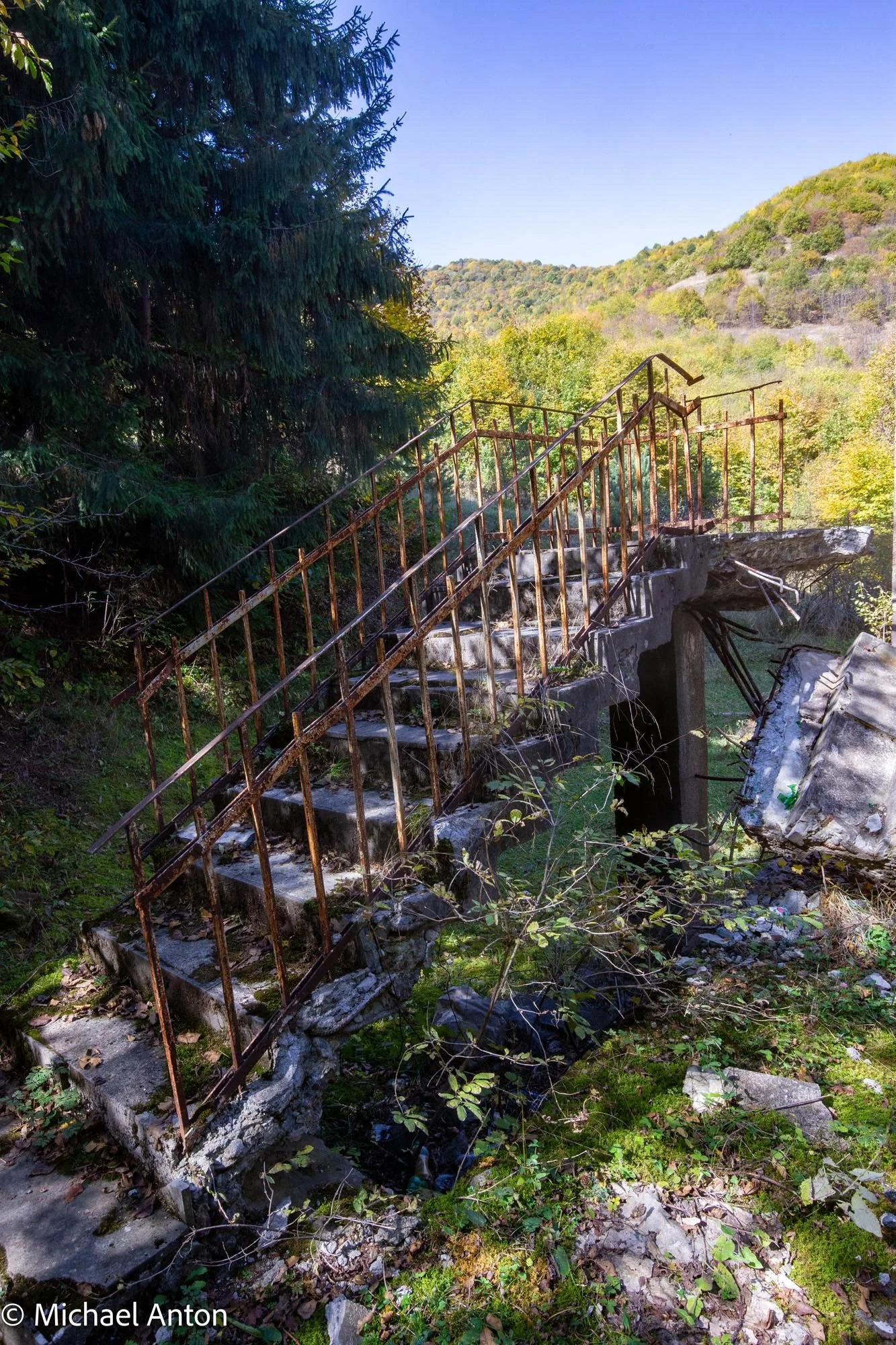
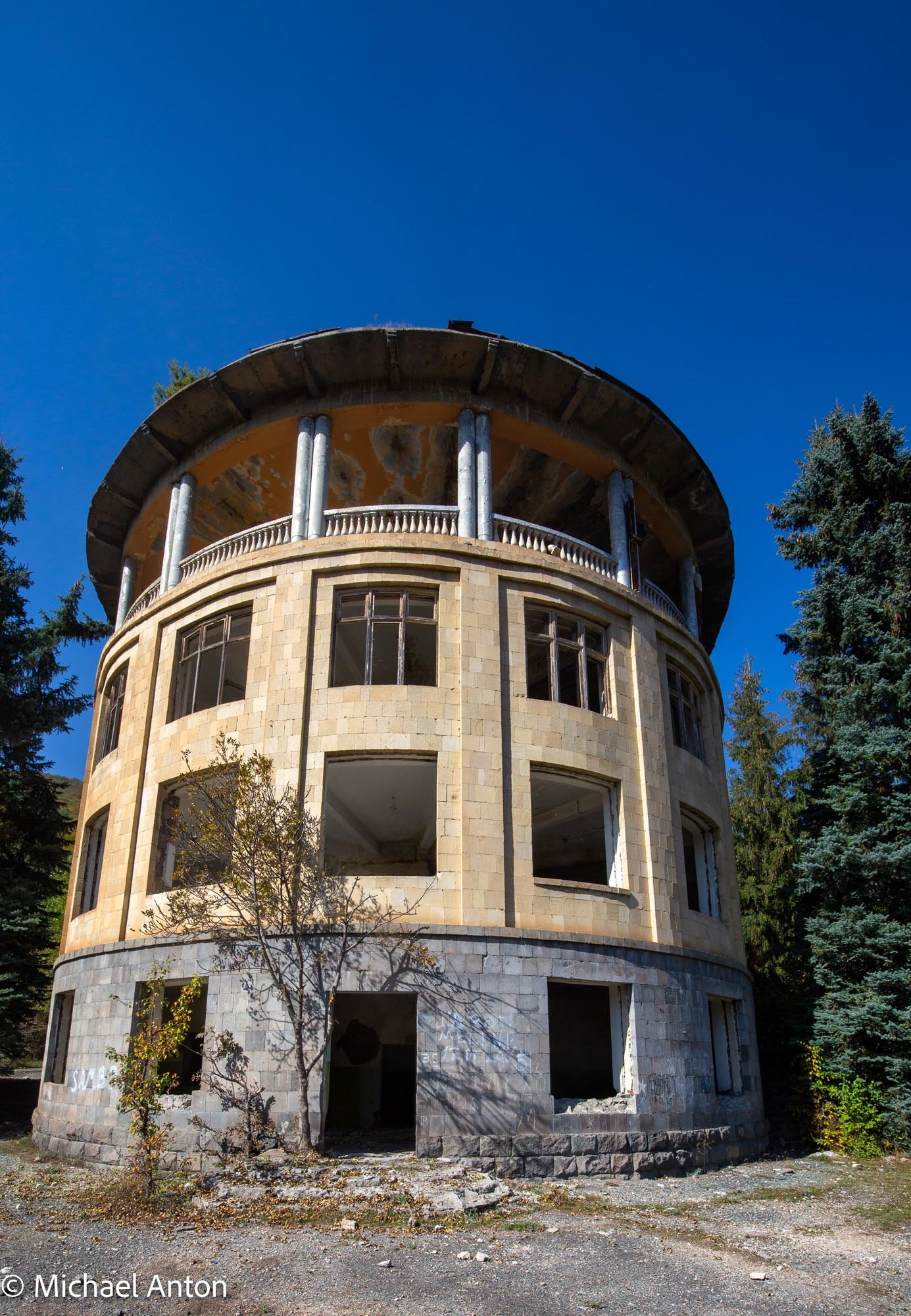
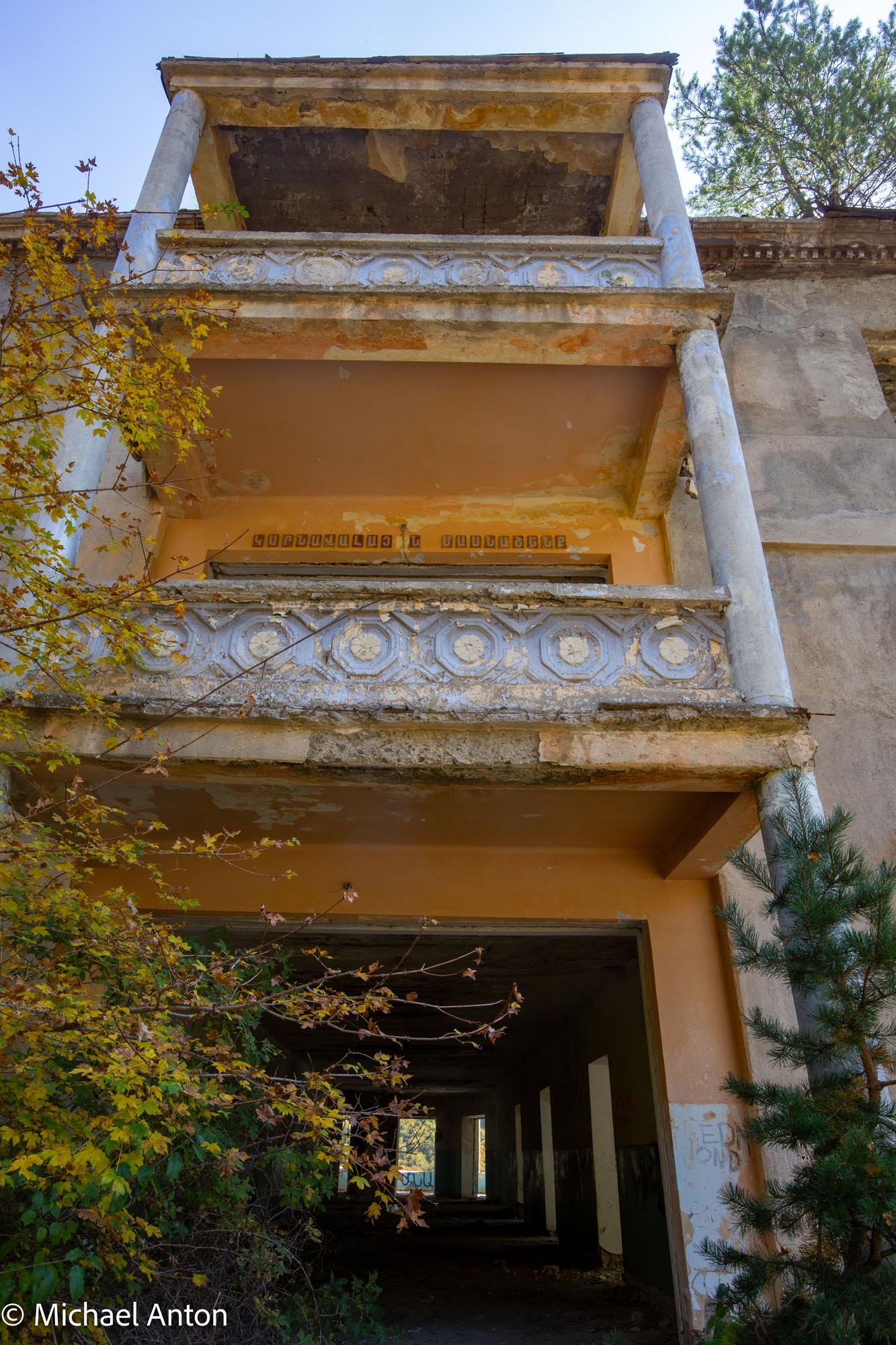
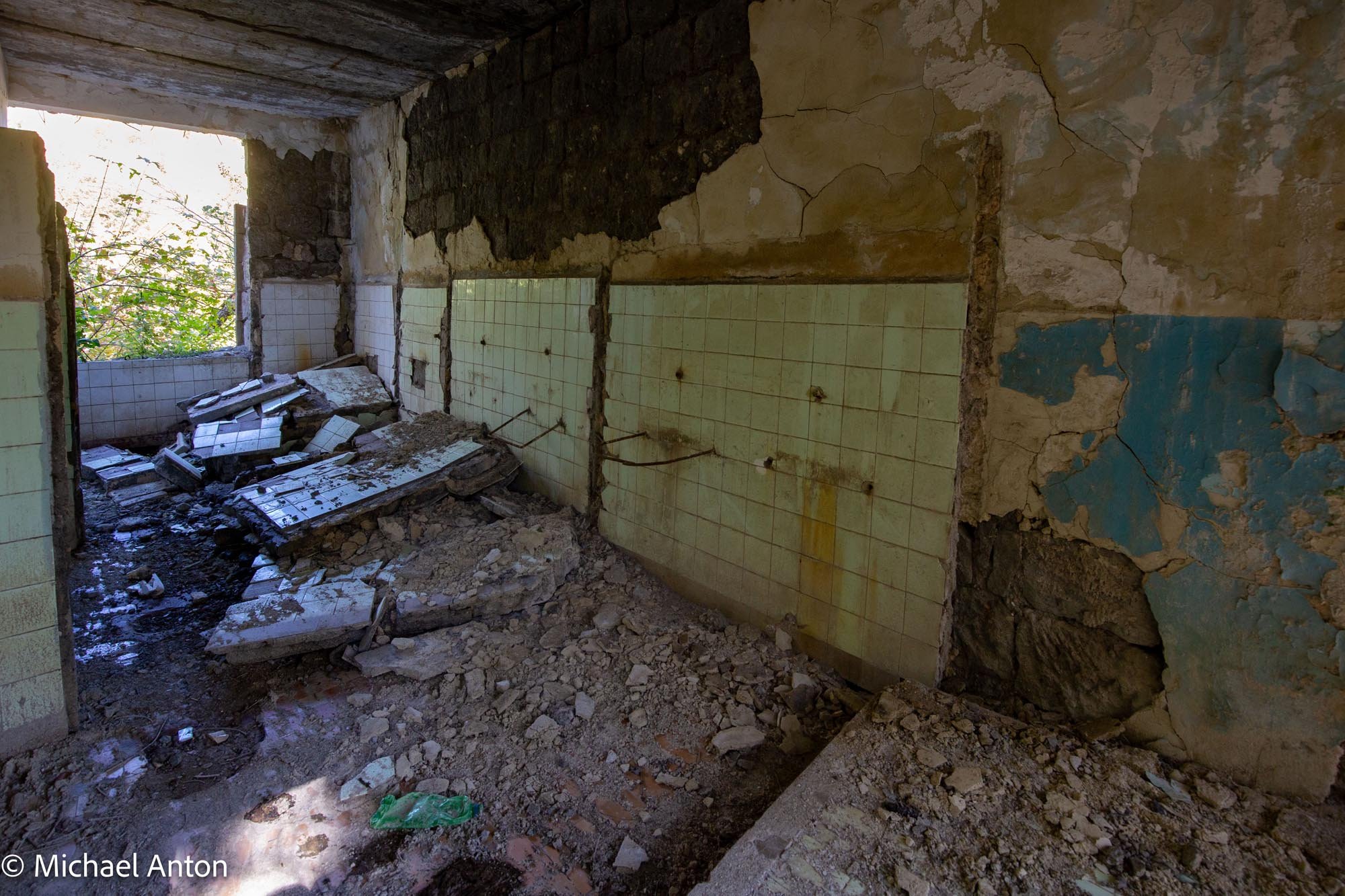
The first 30 images in this series are of the Fairy Tale Pioneer Camp near the town of Spitak. A little hard to find, but with some local (and often conflicting) knowledge we found it.
The last six images are of an “Artek”, youth camps for the children of the party elite, and each country had just one. The most well known and most desired to get into was in Crimea, in present day Ukraine. Mr. Mkrtich Tonayan, who worked with me during this trip remembers one of his classmates being awarded this honor, and his entire school class seeing her off at the train station.
This Artek was next to the town of Vanadzor.
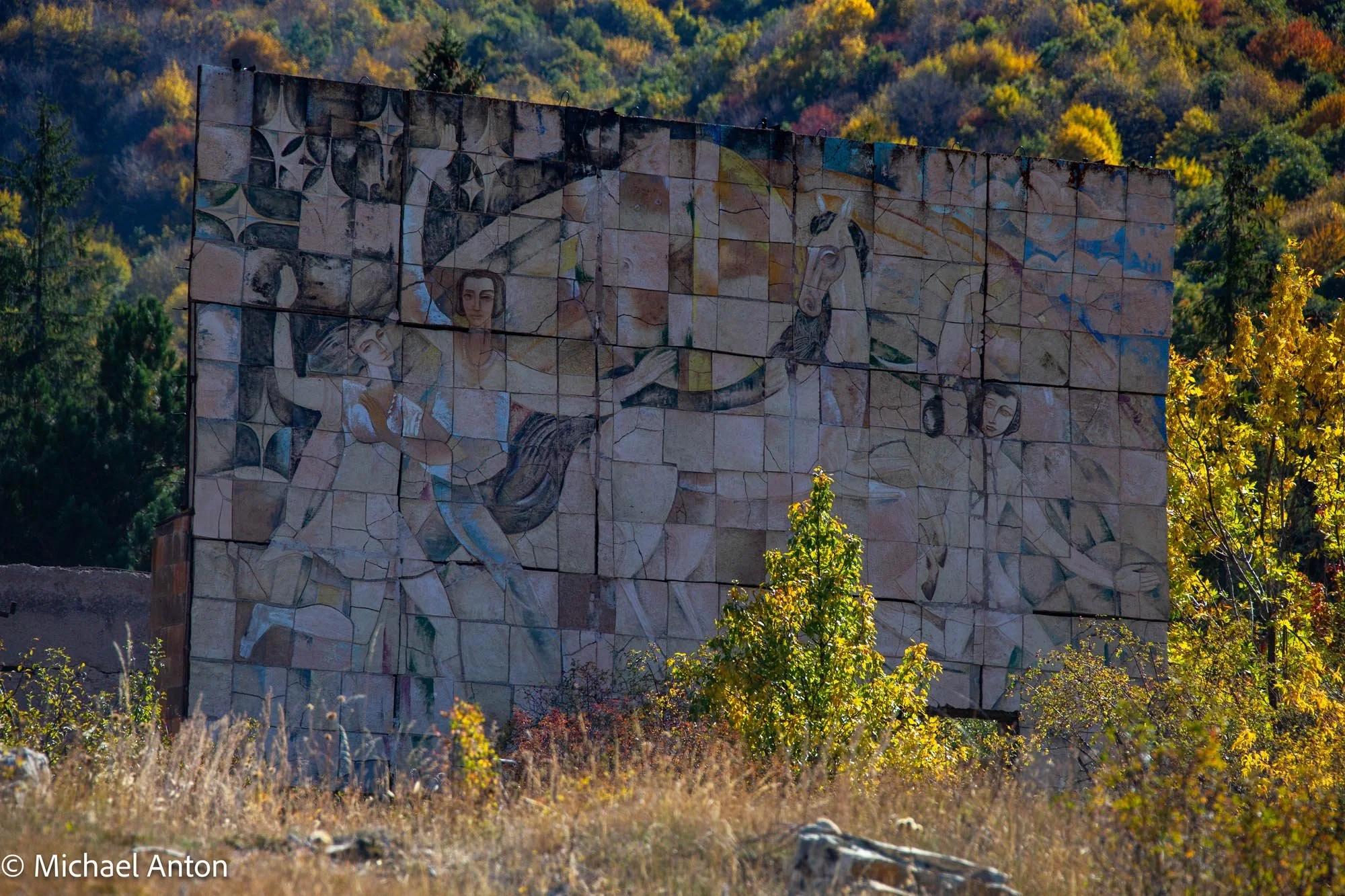
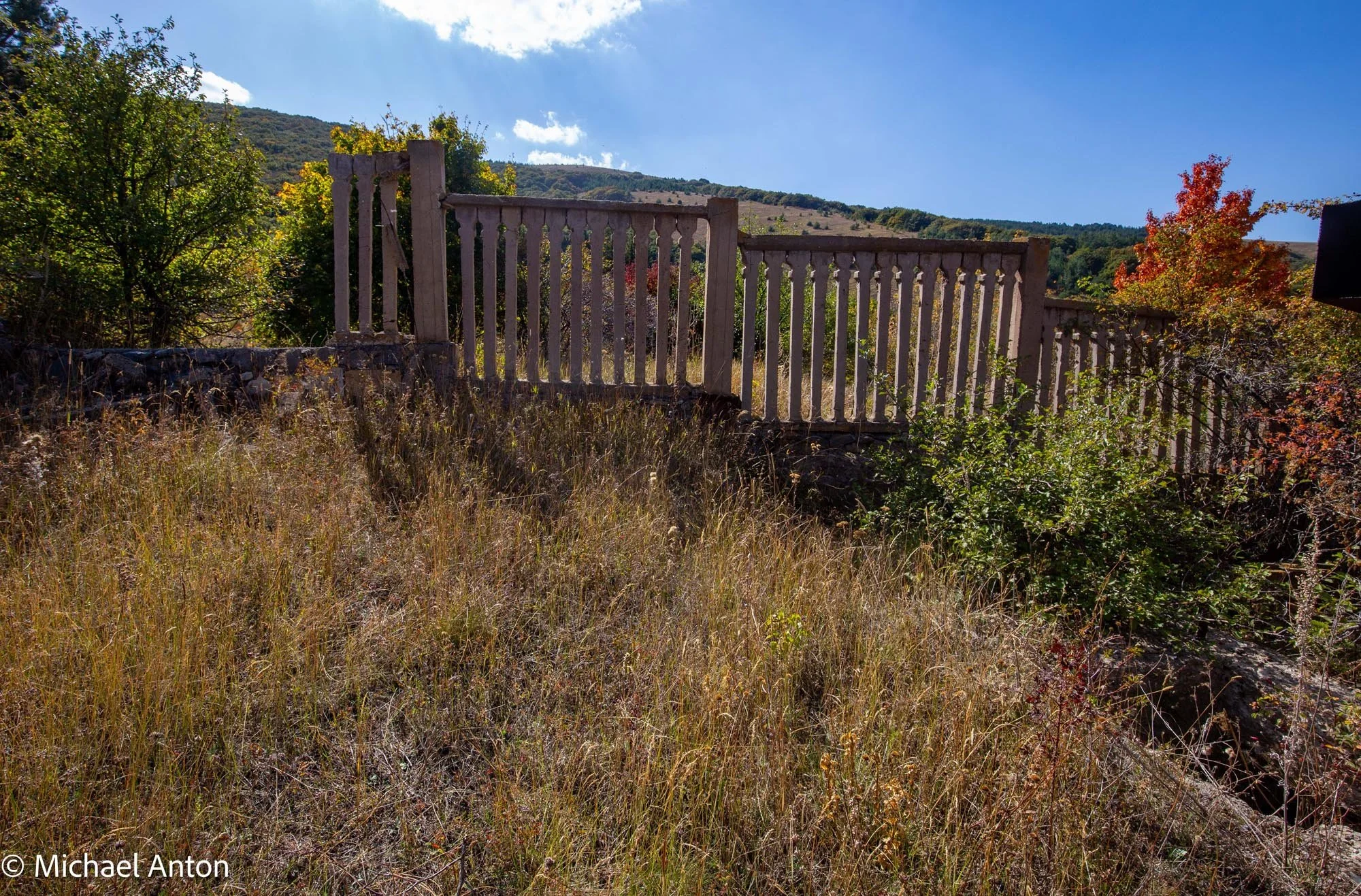
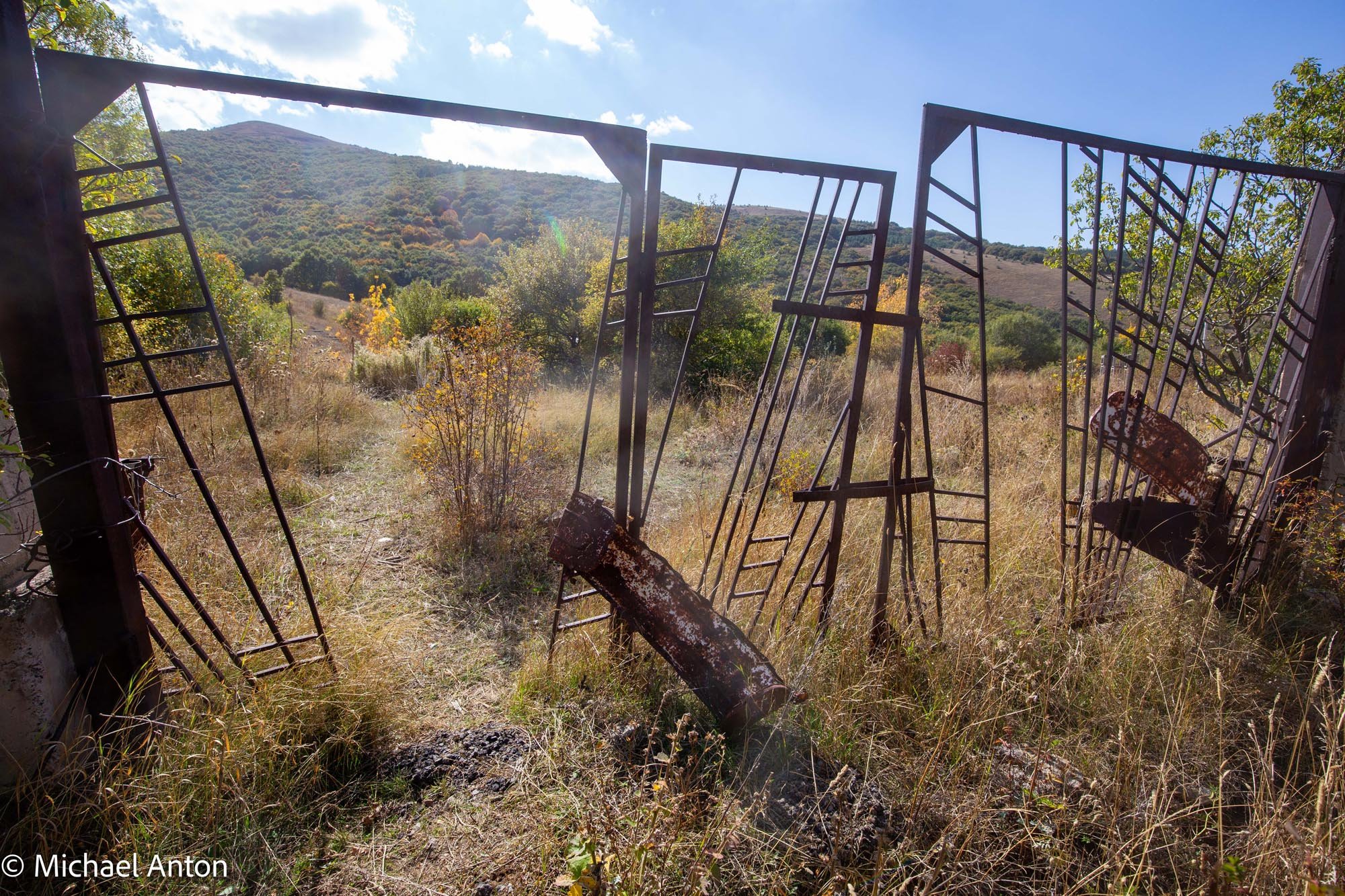
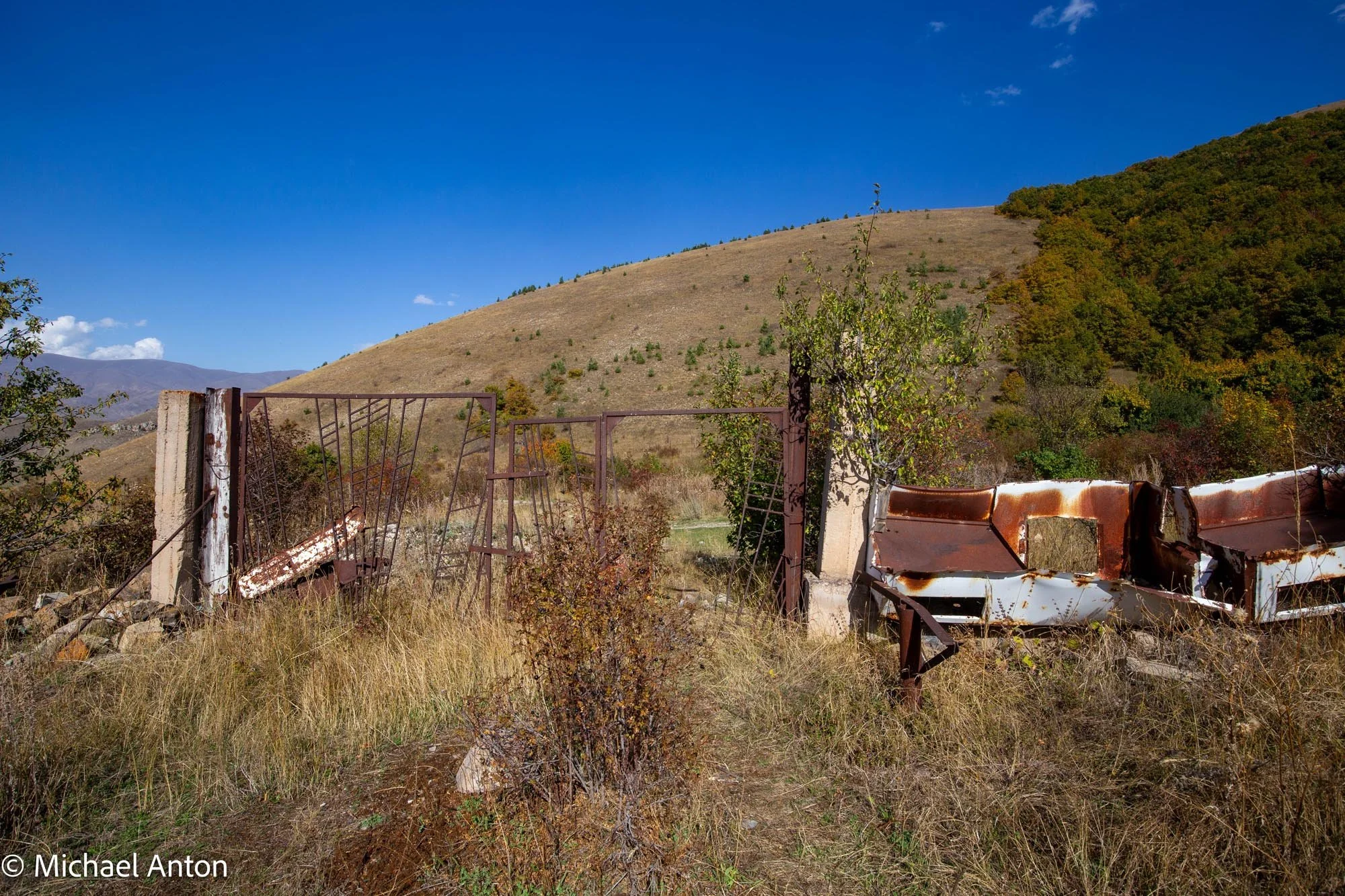
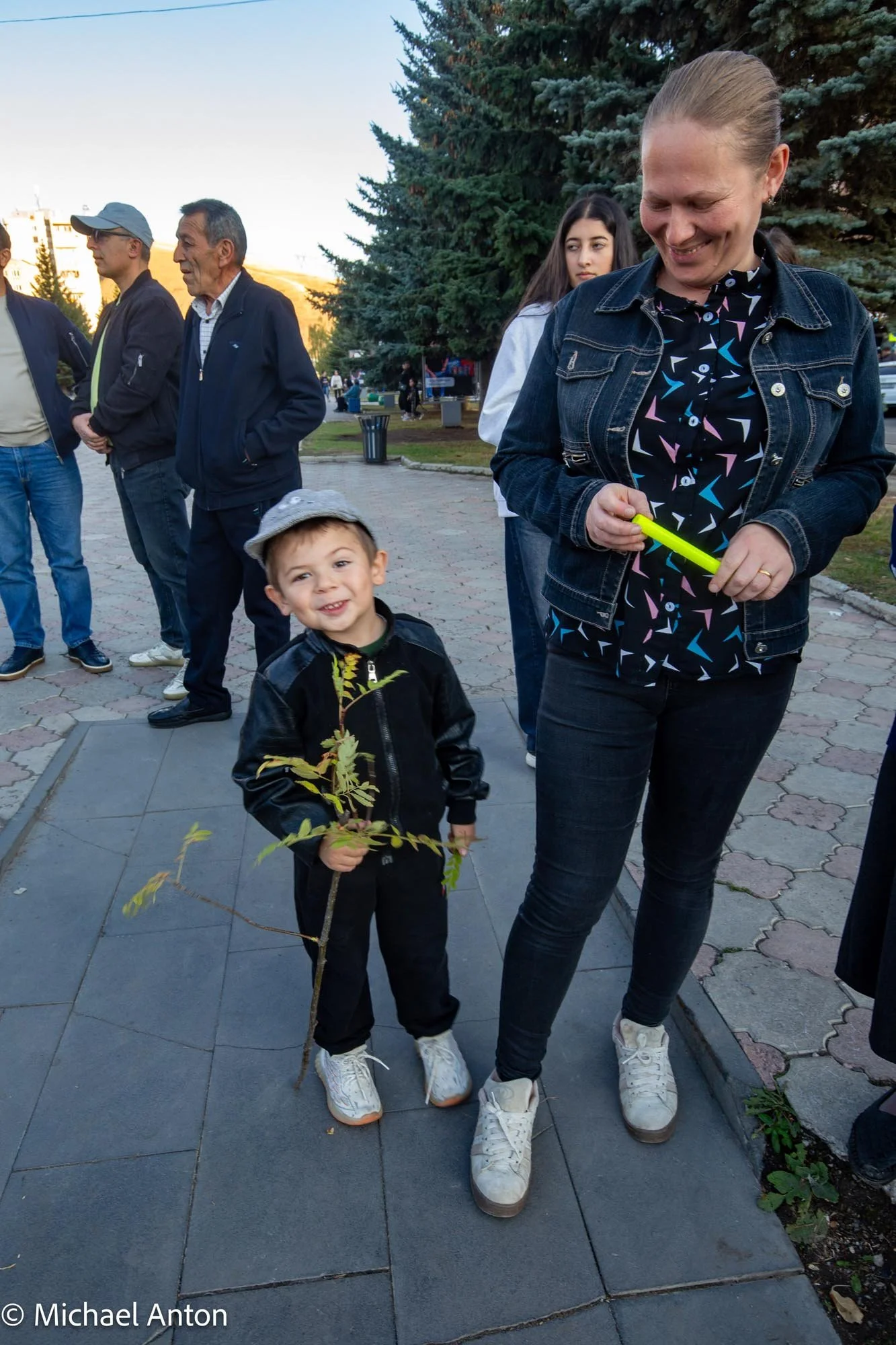
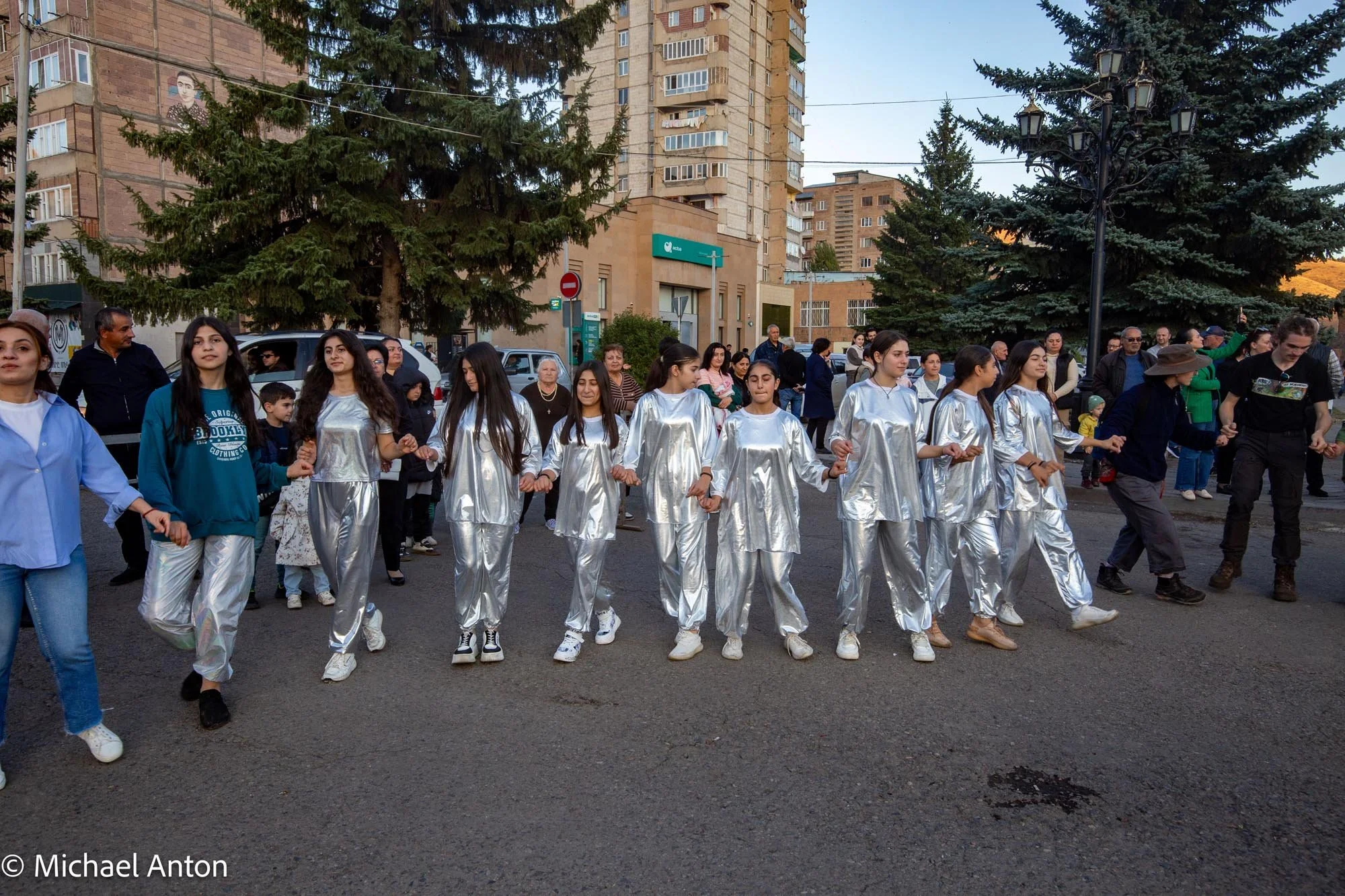
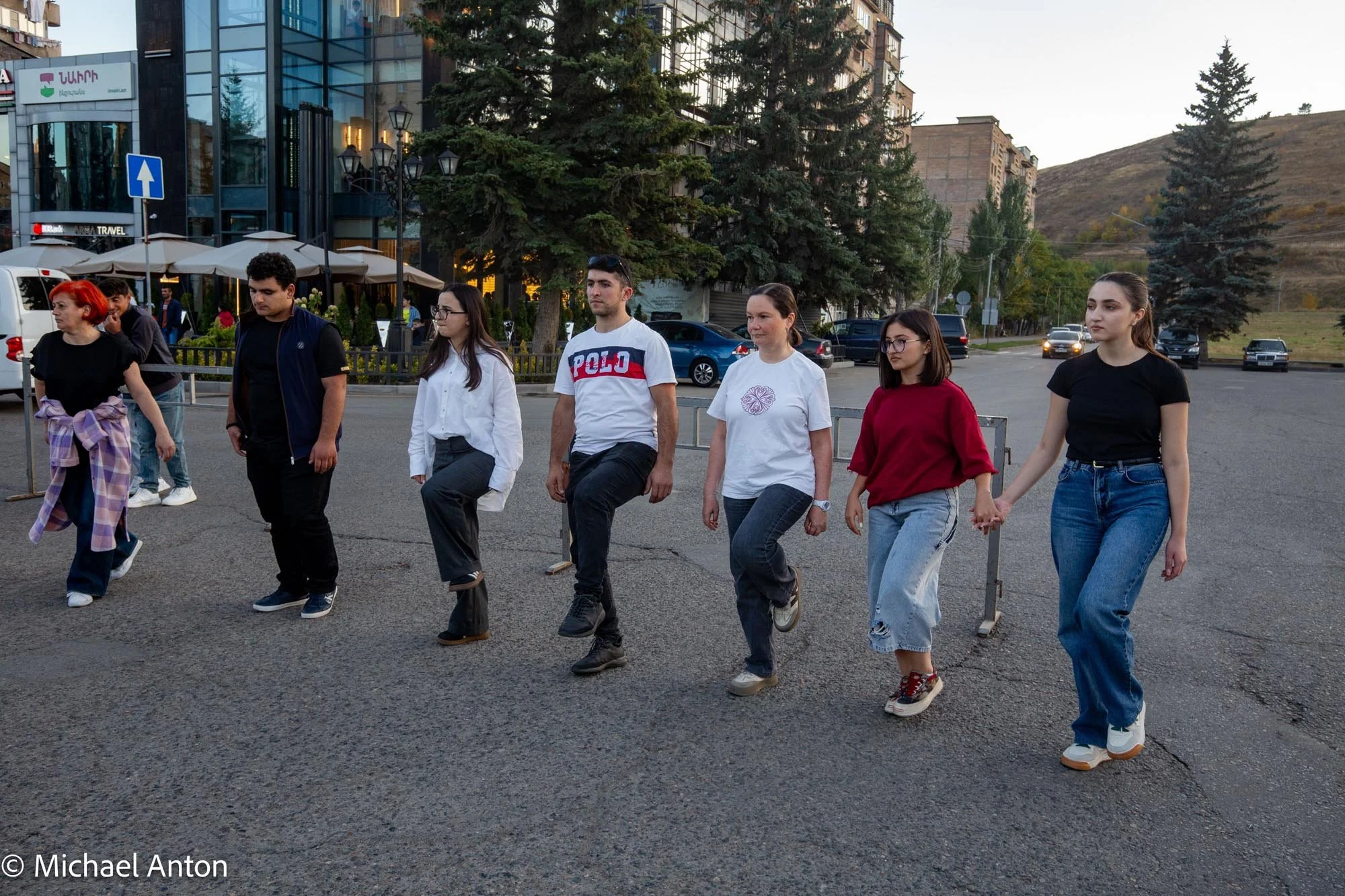
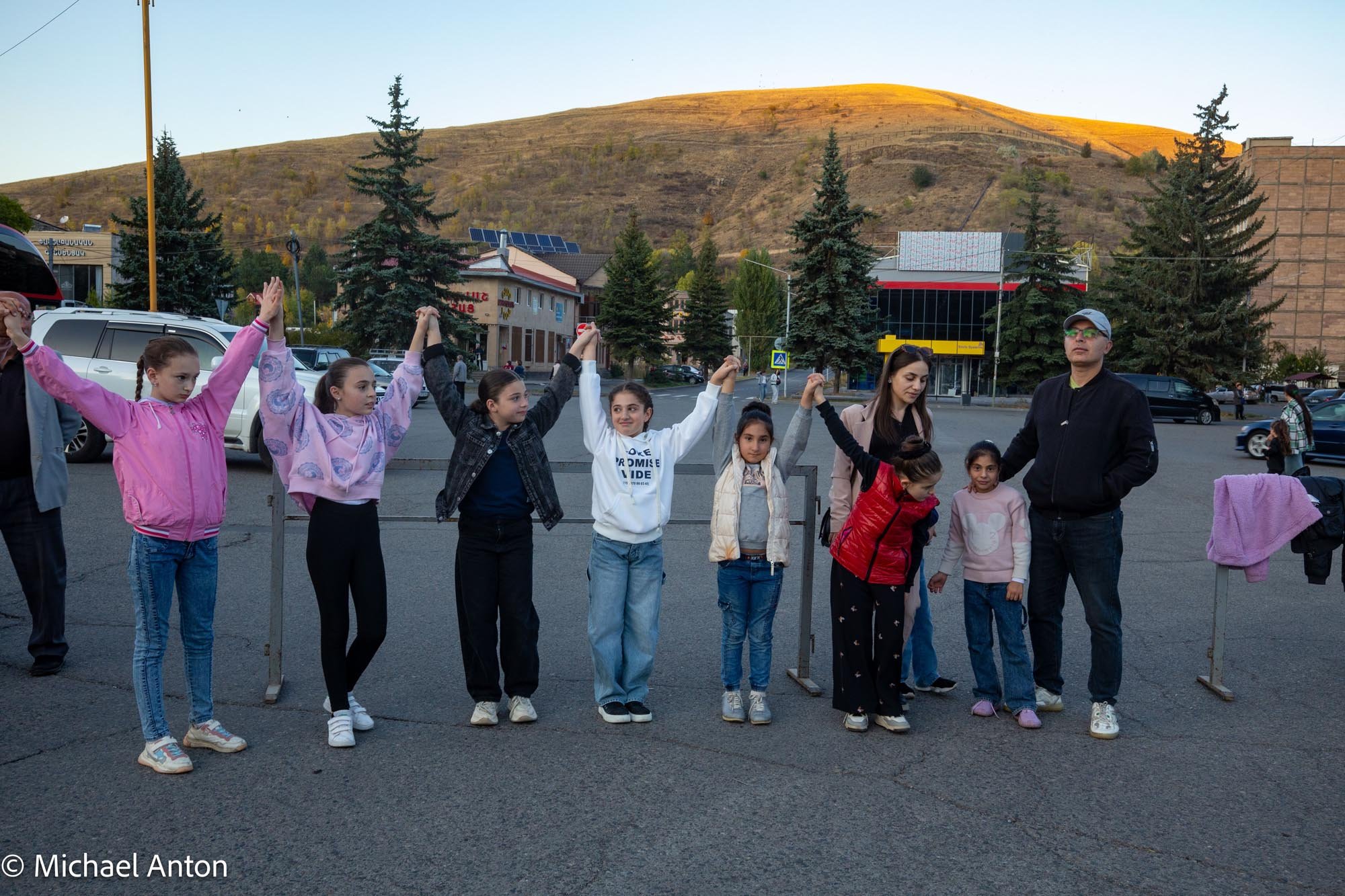
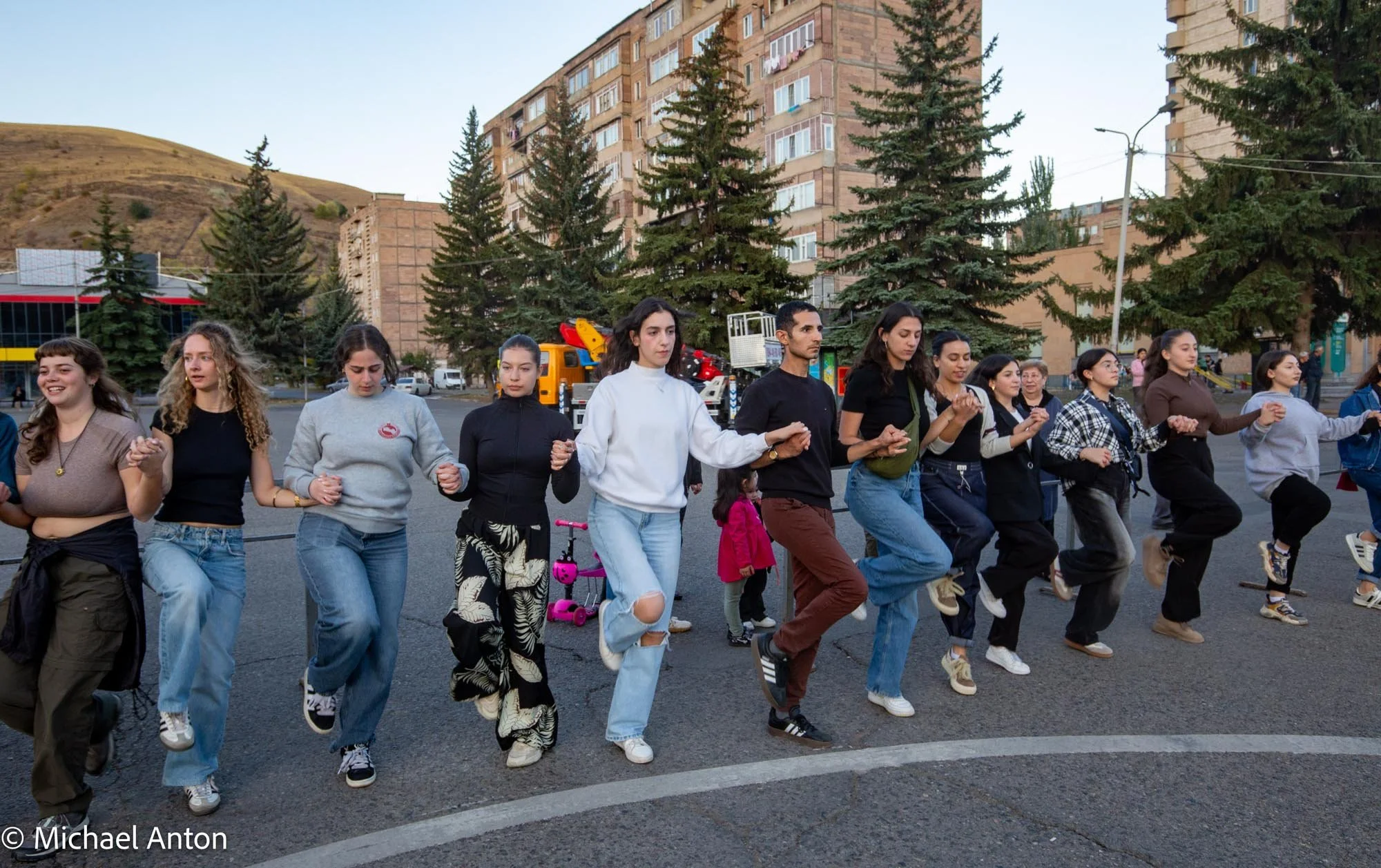
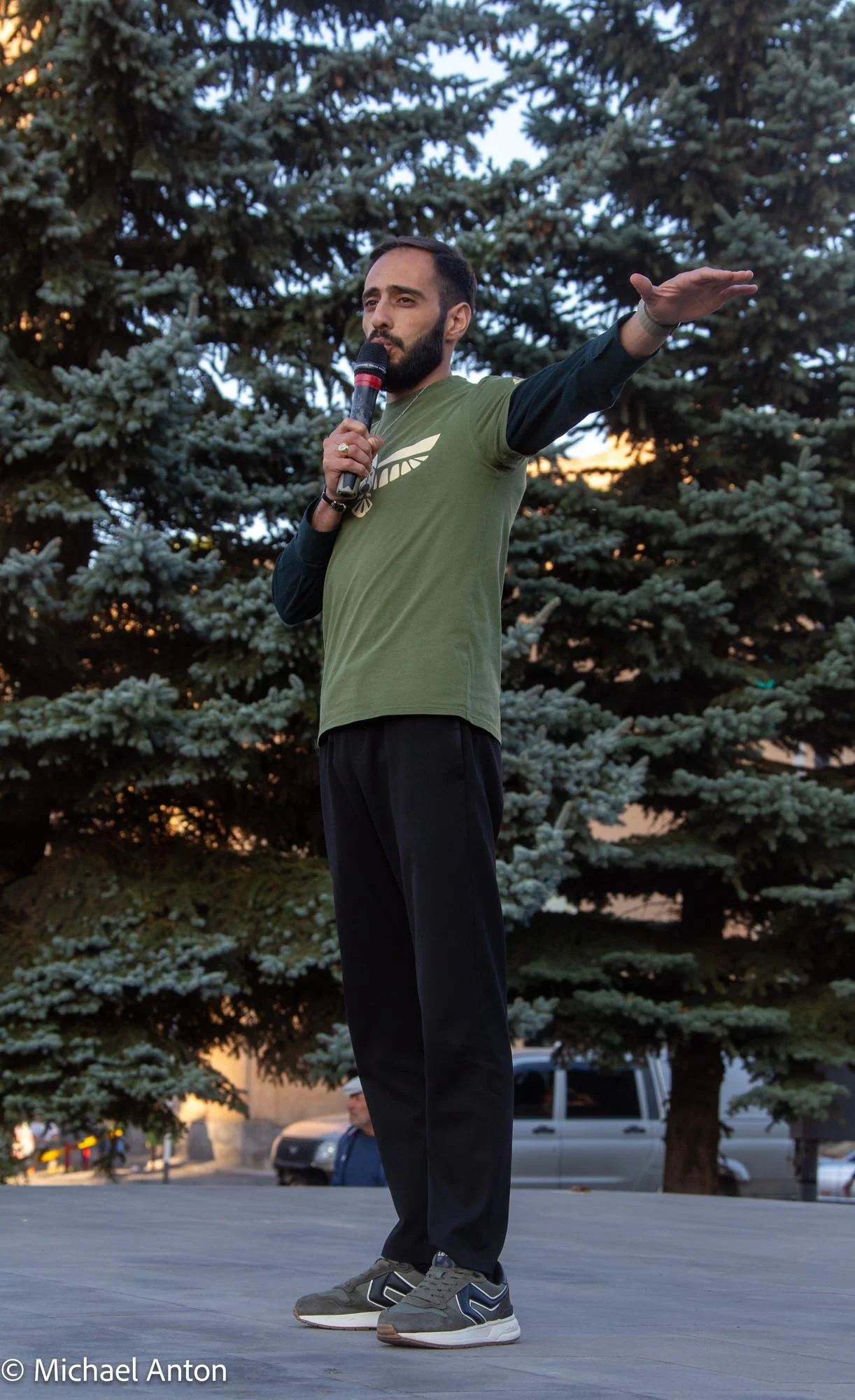
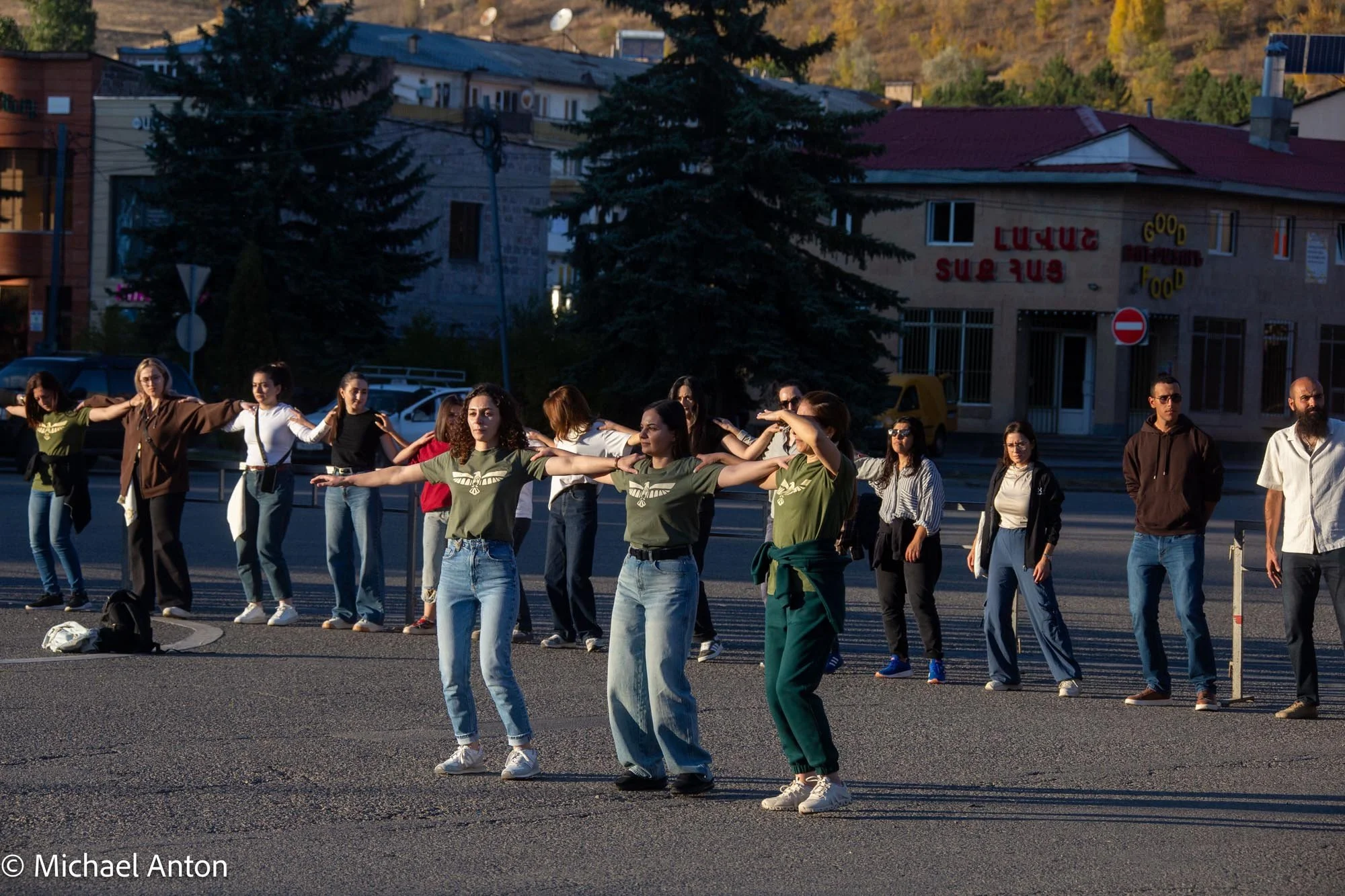
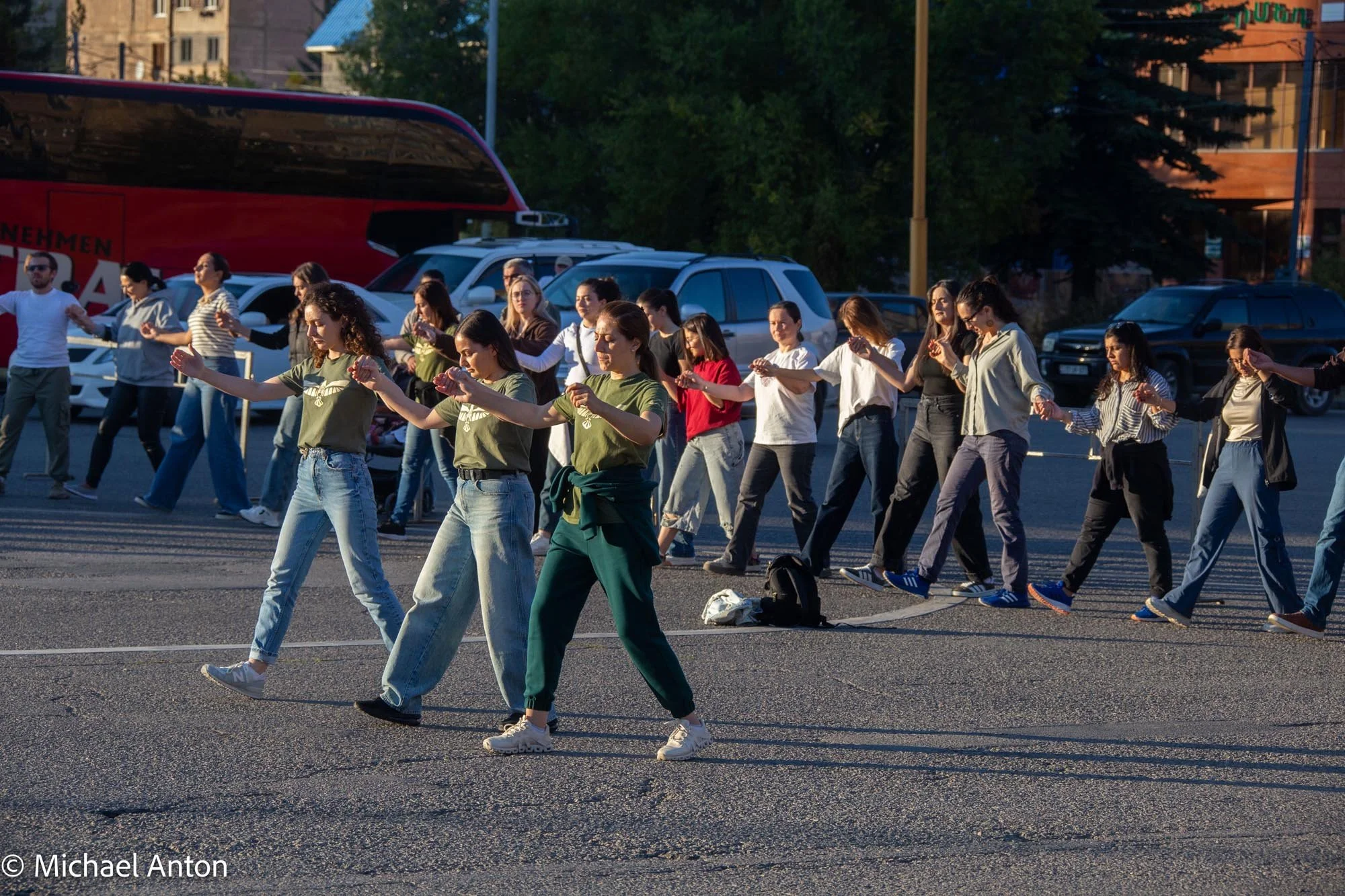
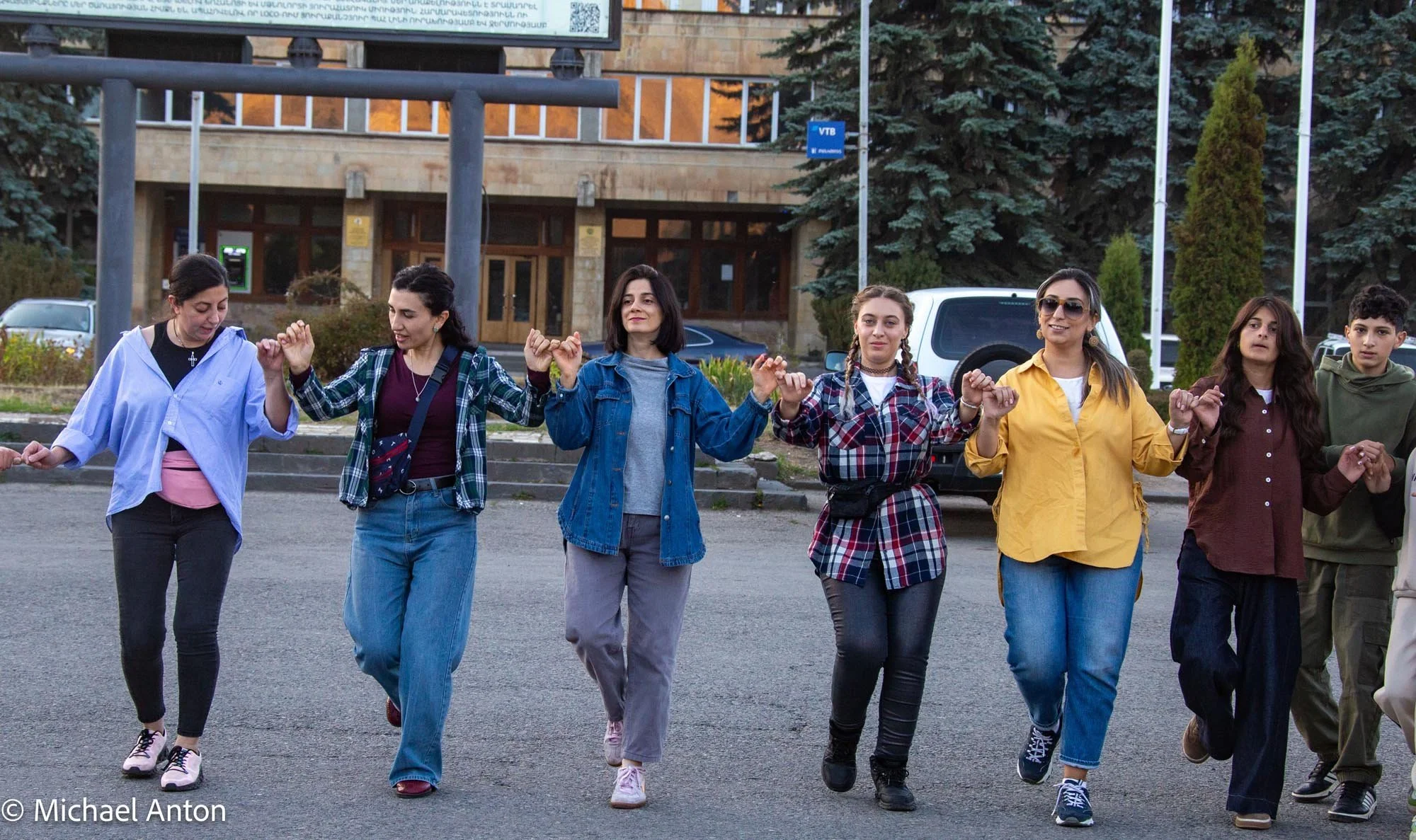
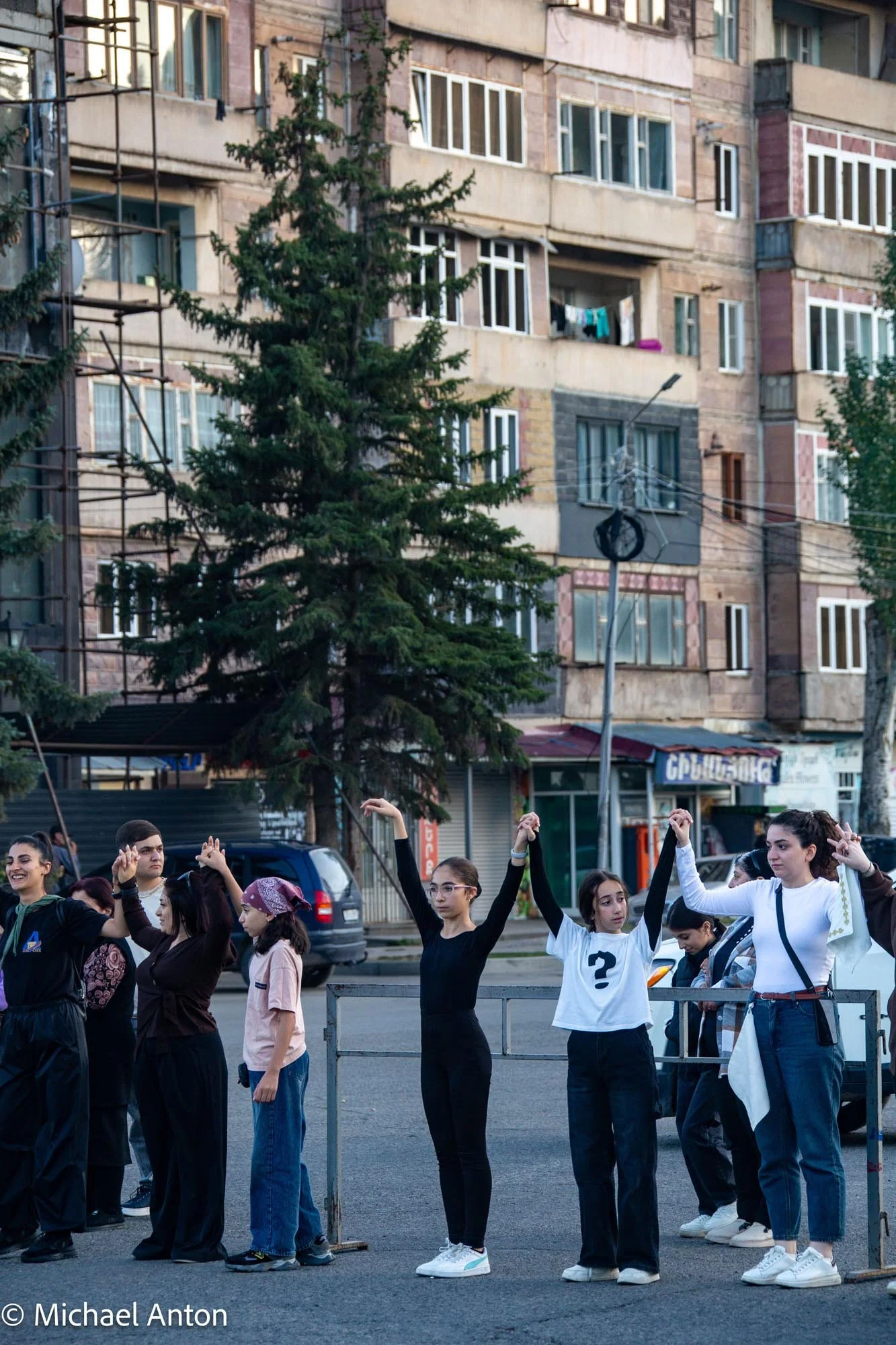
Dancing In Hrazdan
One of the many things that gave me hope for Armenia’s future is the public dancing, under instruction in towns like Hrazdan.
On stage was the facilitator, and on the ground were the instructors showing the moves. Everyone joined in as best they could.
The organization travels from town to town reviving traditional dance.
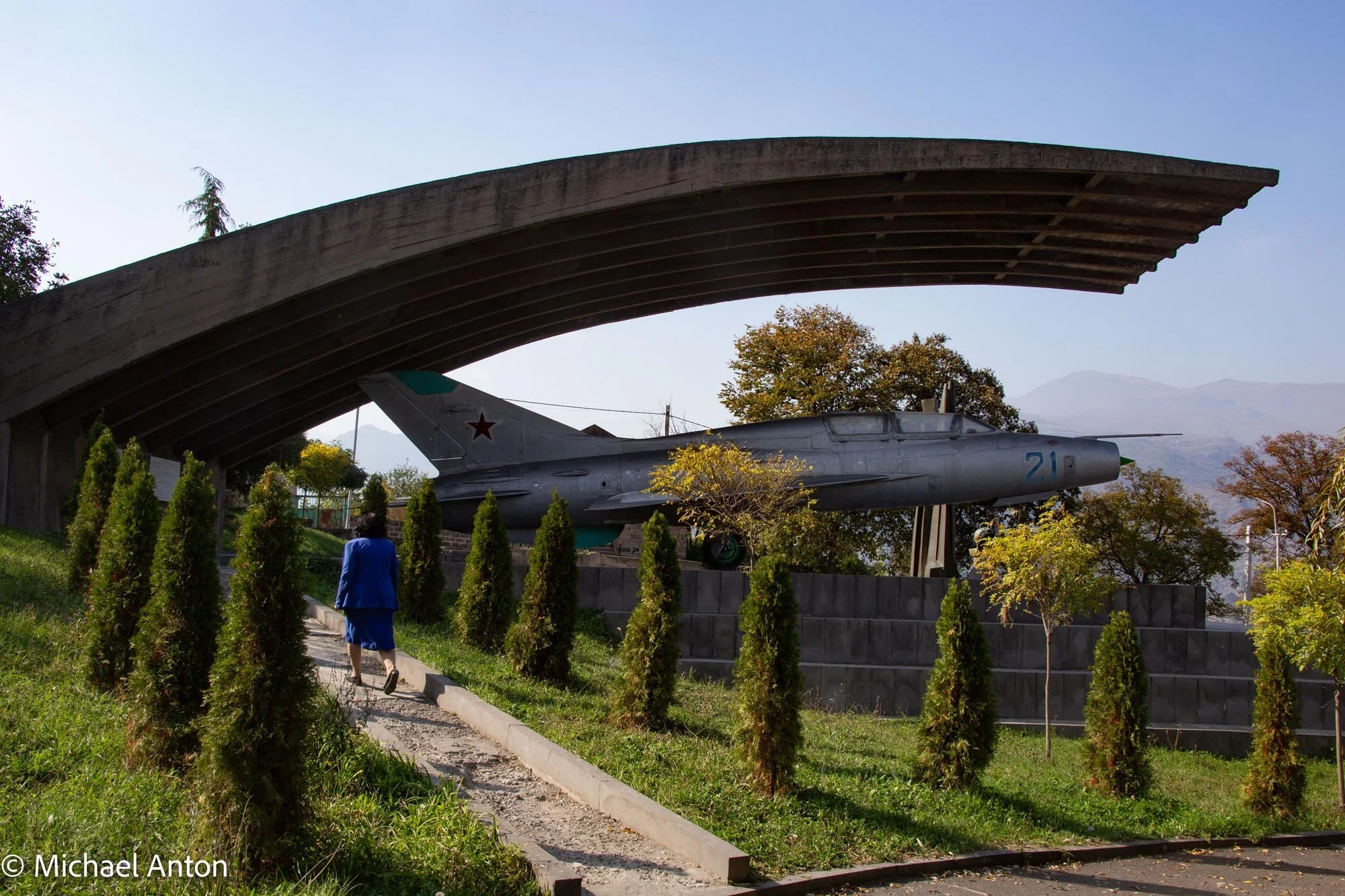
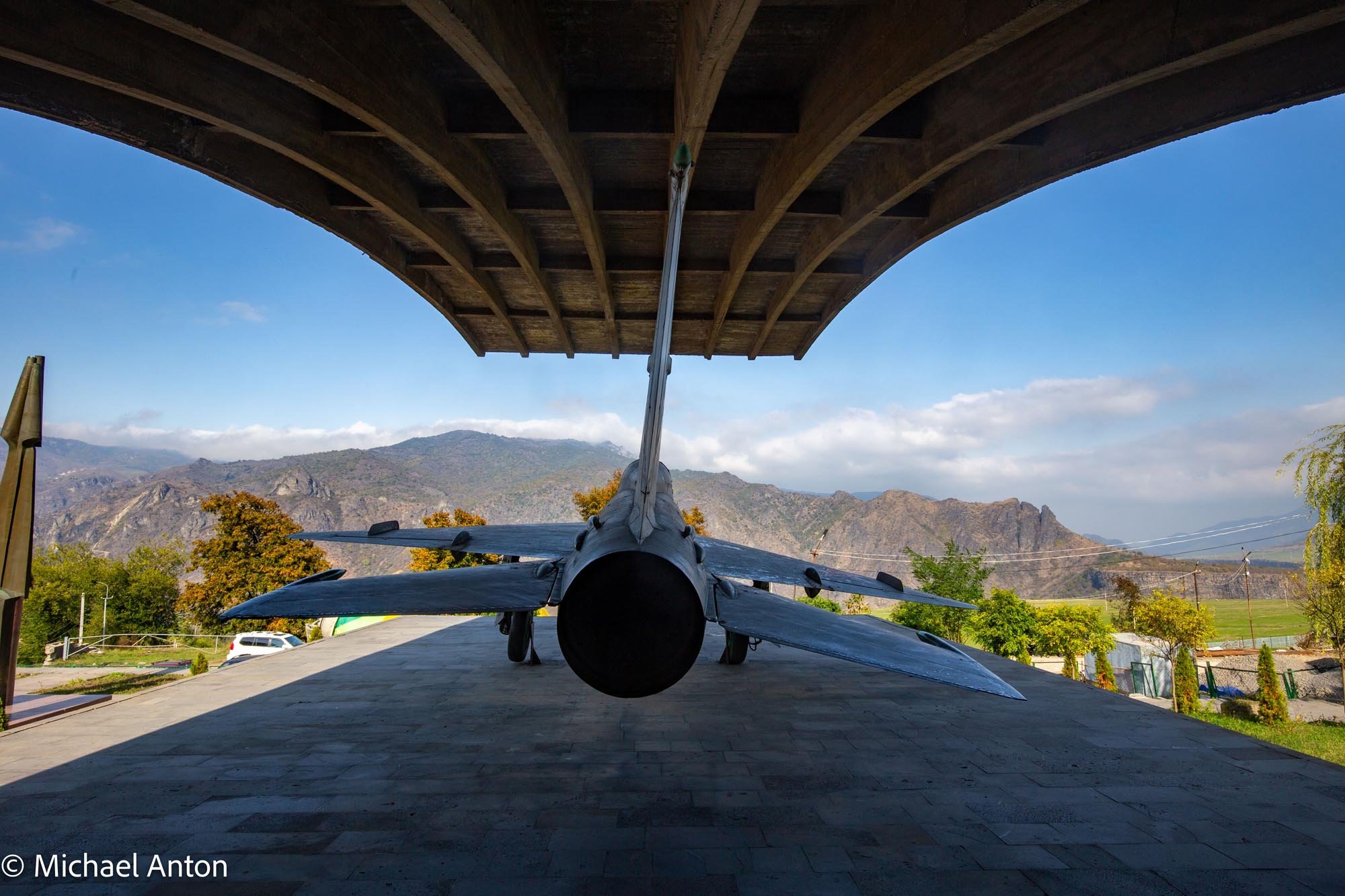
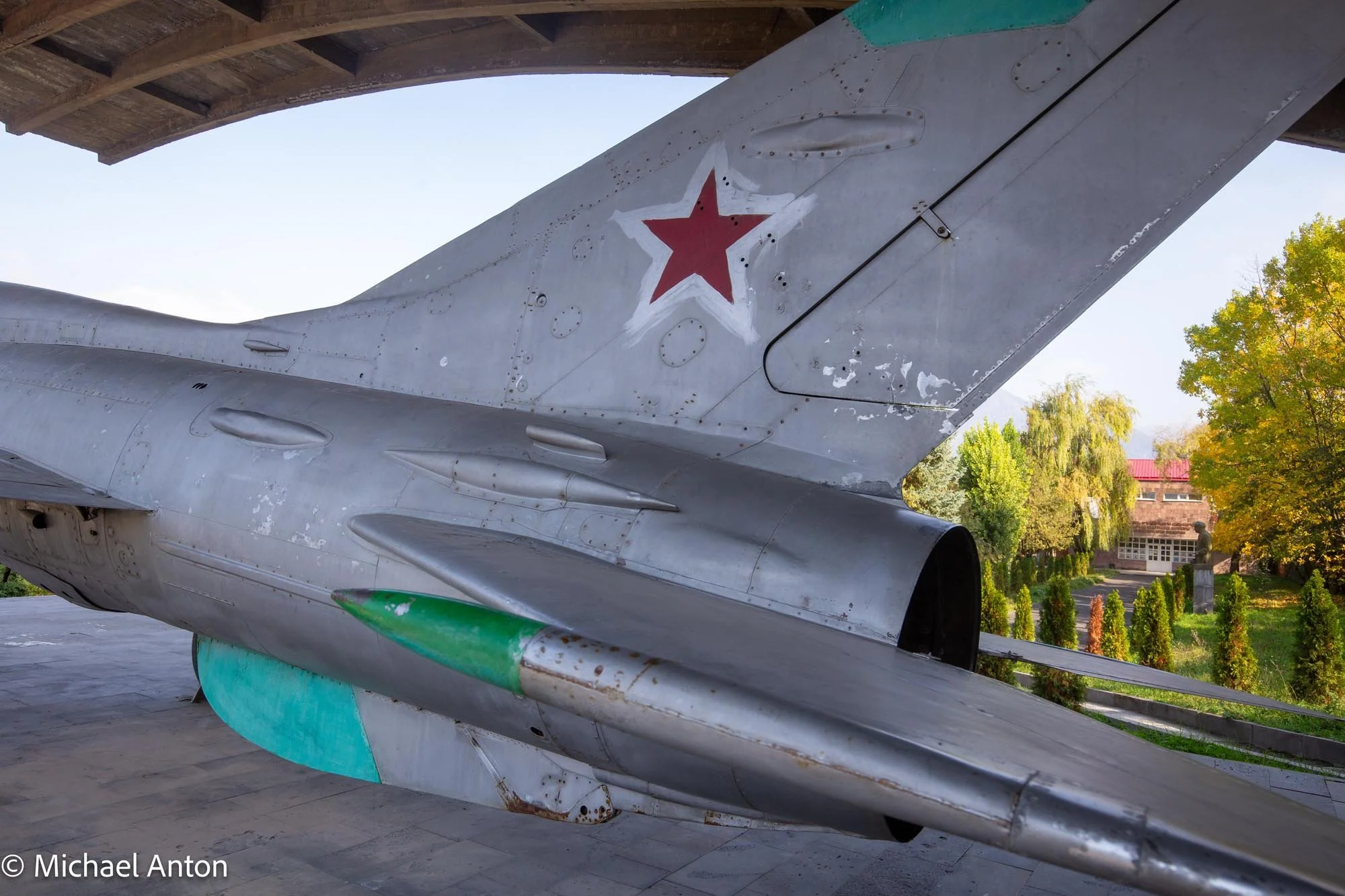
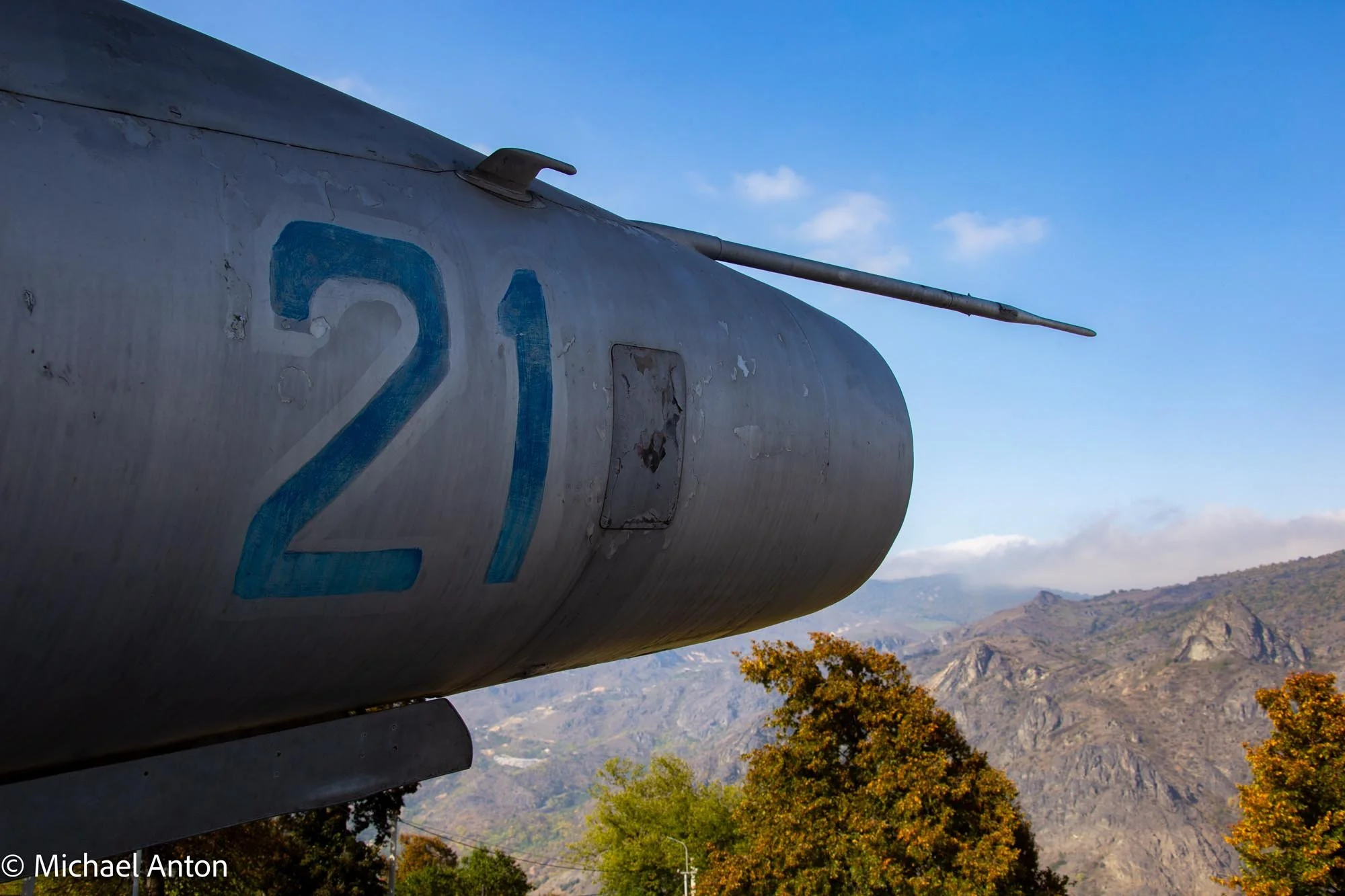
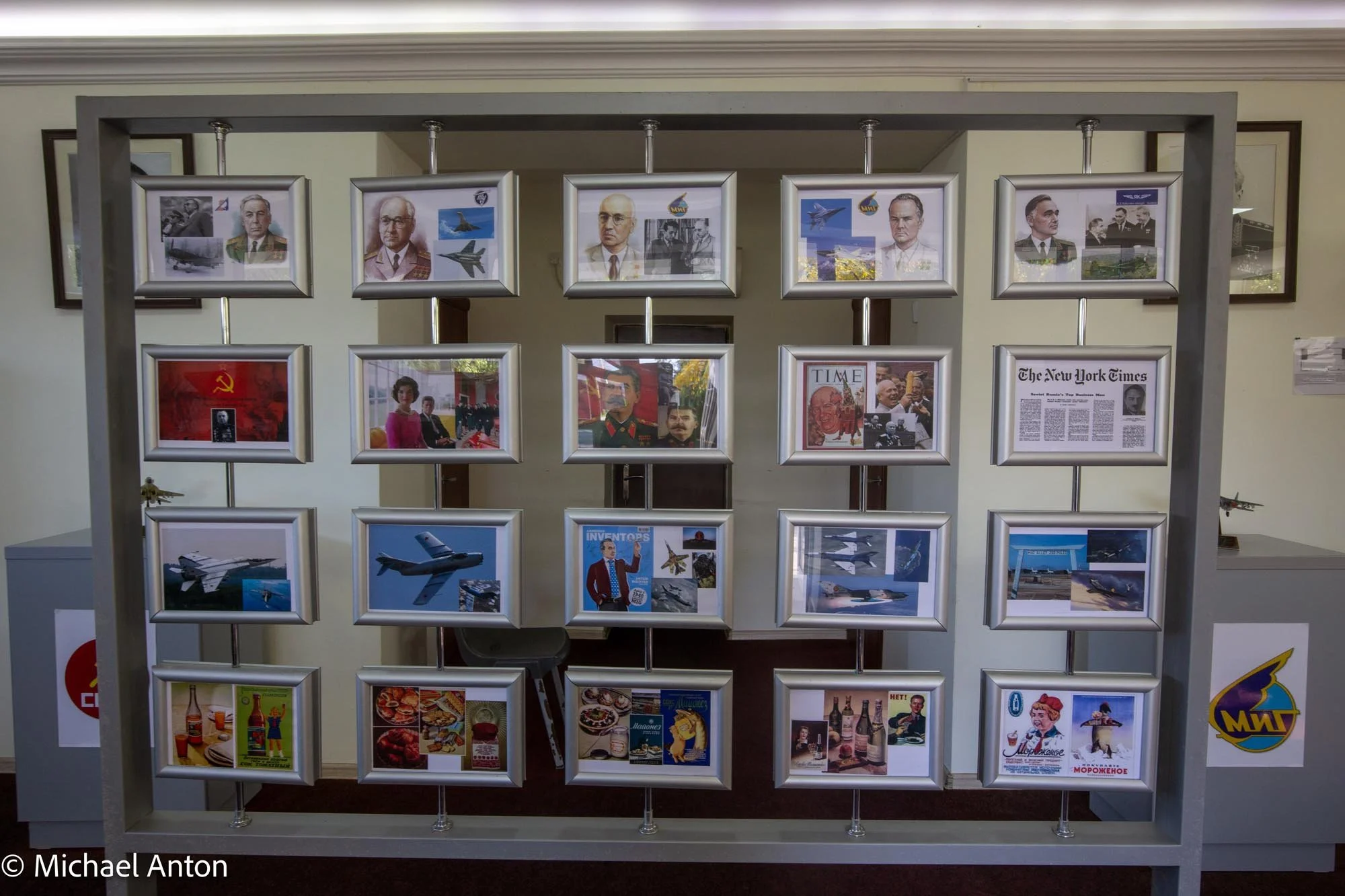
Mikoyan Brothers Museum
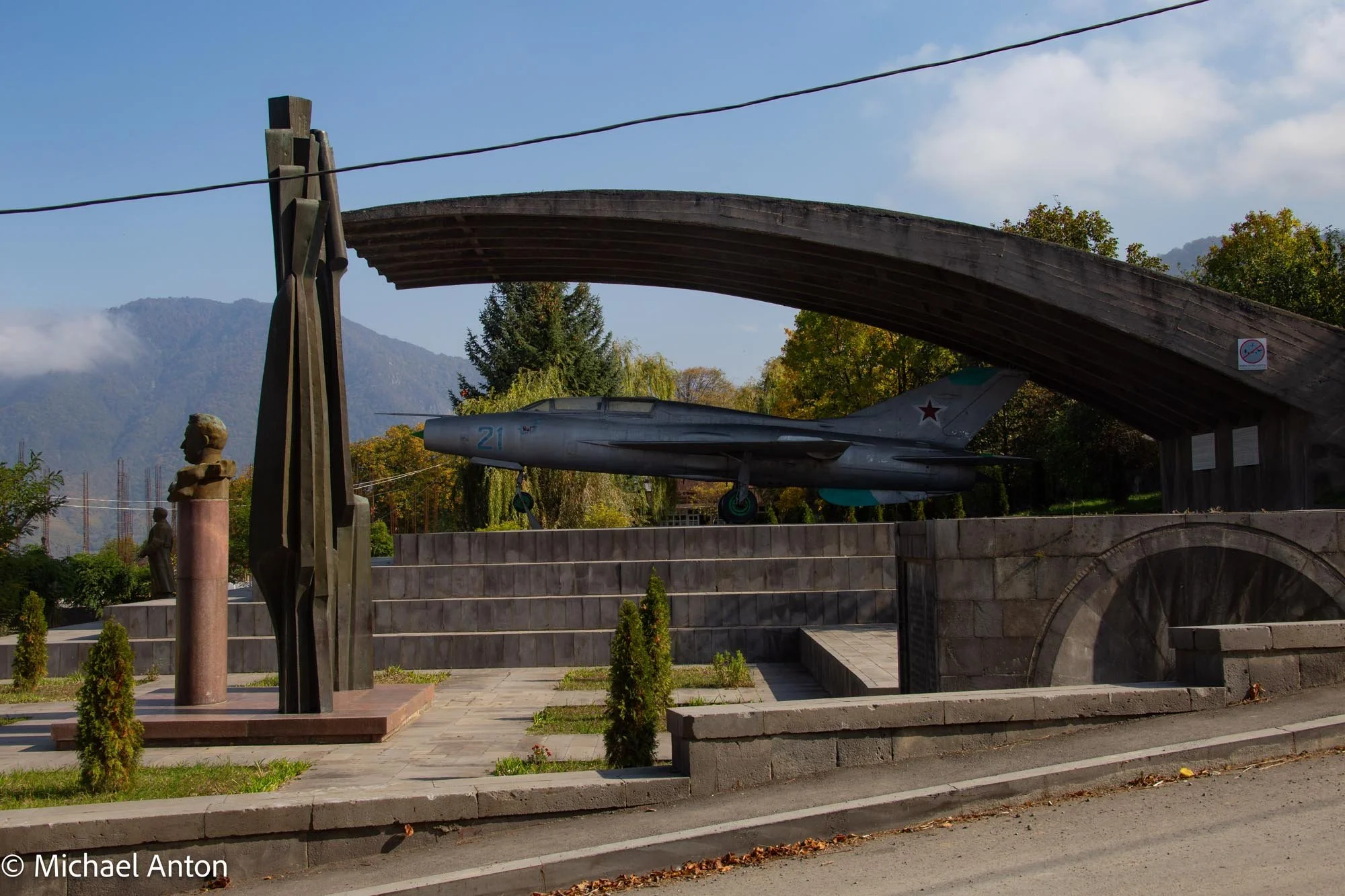
That is the official name for what I’d come to think of as the MiG Museum.
Artem Mikoyan and Mikhail Gurevich were co-founders of the Mikoyan-Gurevich Design Bureau, designers of the Soviet Union’s first jet fighters, that bore the appropriate name MiG.
While they were brilliant aircraft designers, what they lacked were engines powerful enough for jet propulsion.
This was solved when post war Britain, desperate to increase exports, agreed to sell “neme” engines manufactured by Rolls Royce to the U.S.S.R..
When told of this development, Soviet leader Joseph Stalin commented that, “if they are stupid enough to sell us these engines, let’s buy them.”
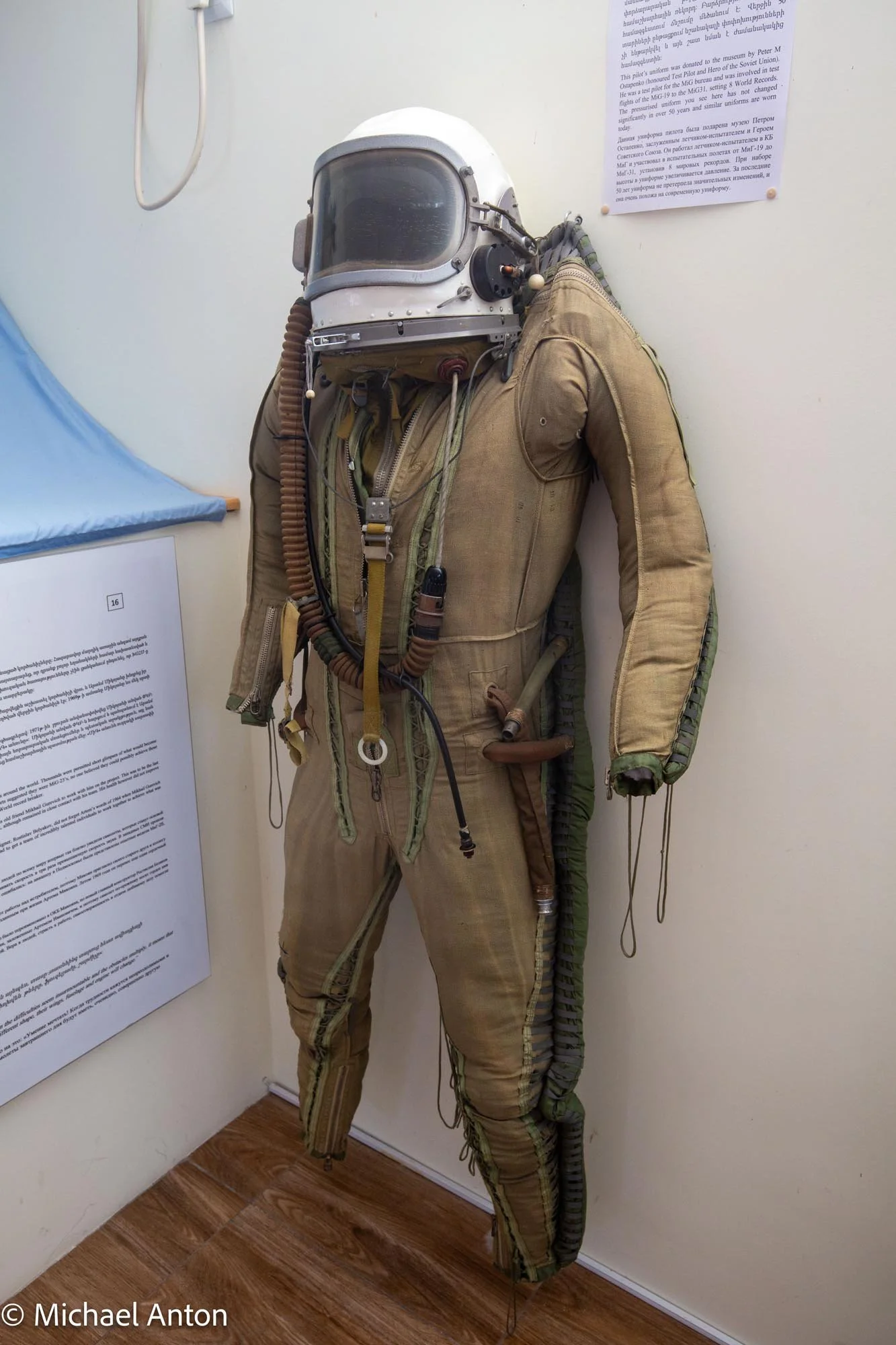
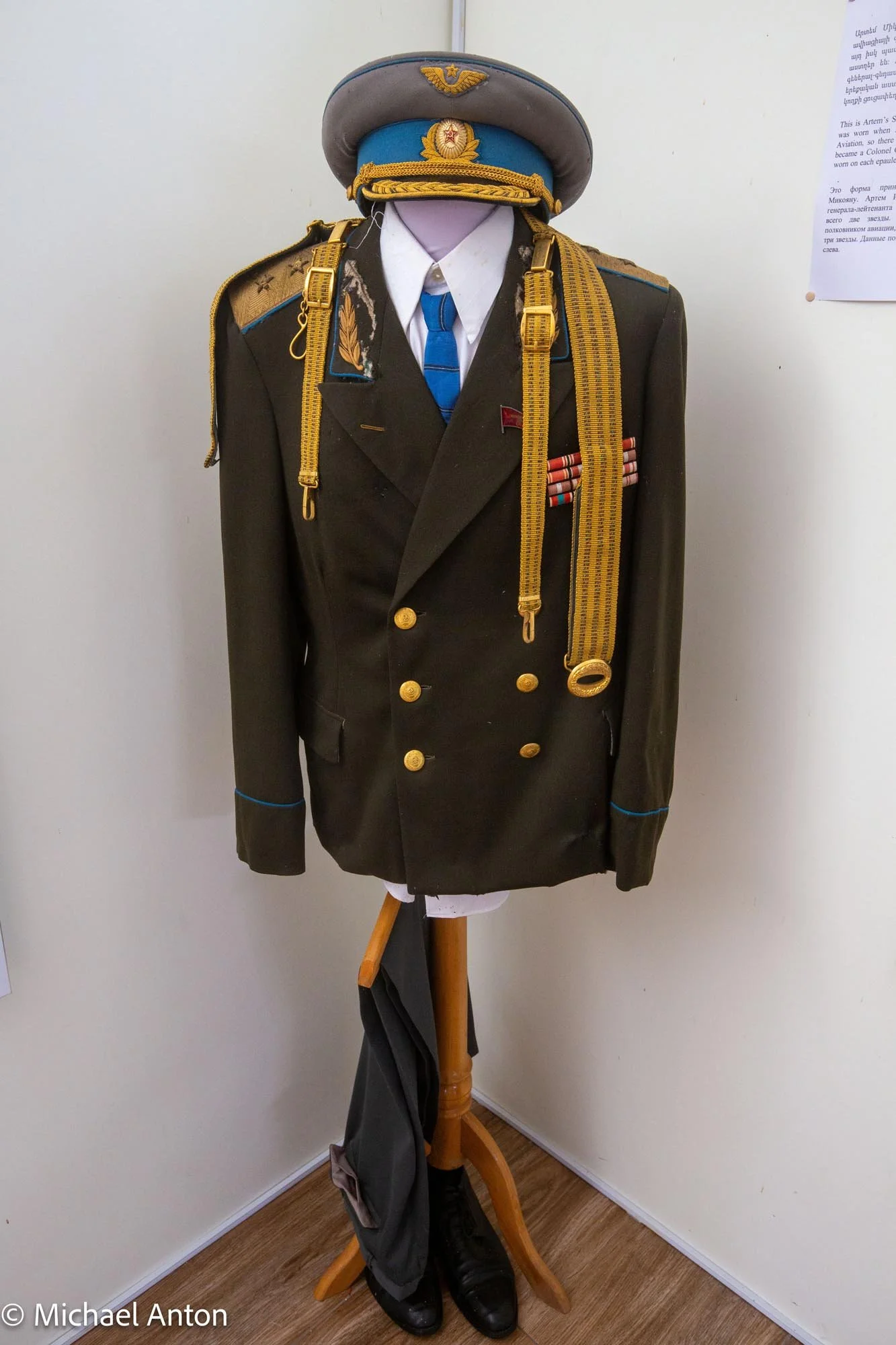
Also featured are a MiG pilot’s flight suit, and official uniform.
The museum is located in Sanahin, Artem’s birthplace.
Mineral Water Gallery
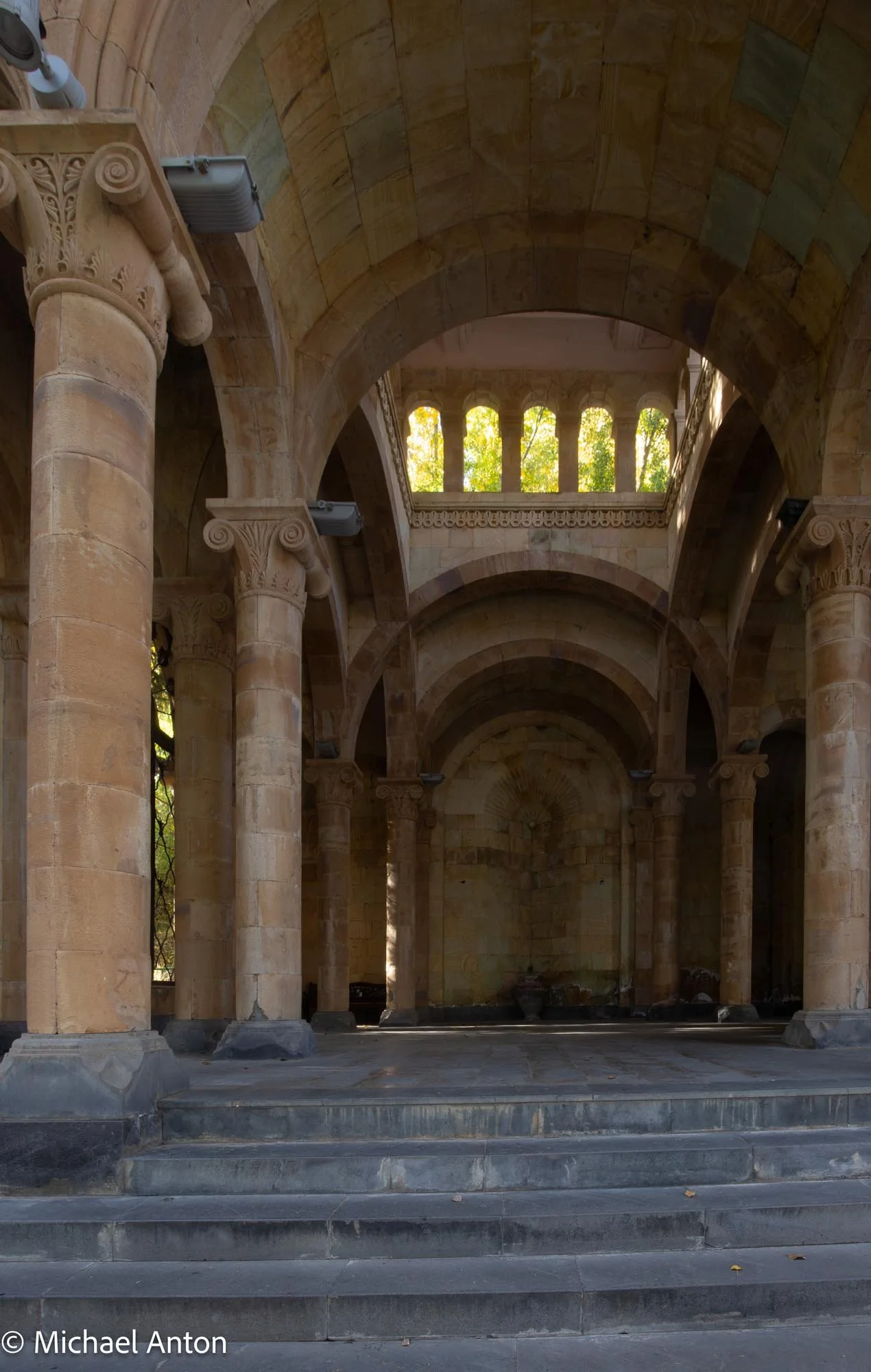
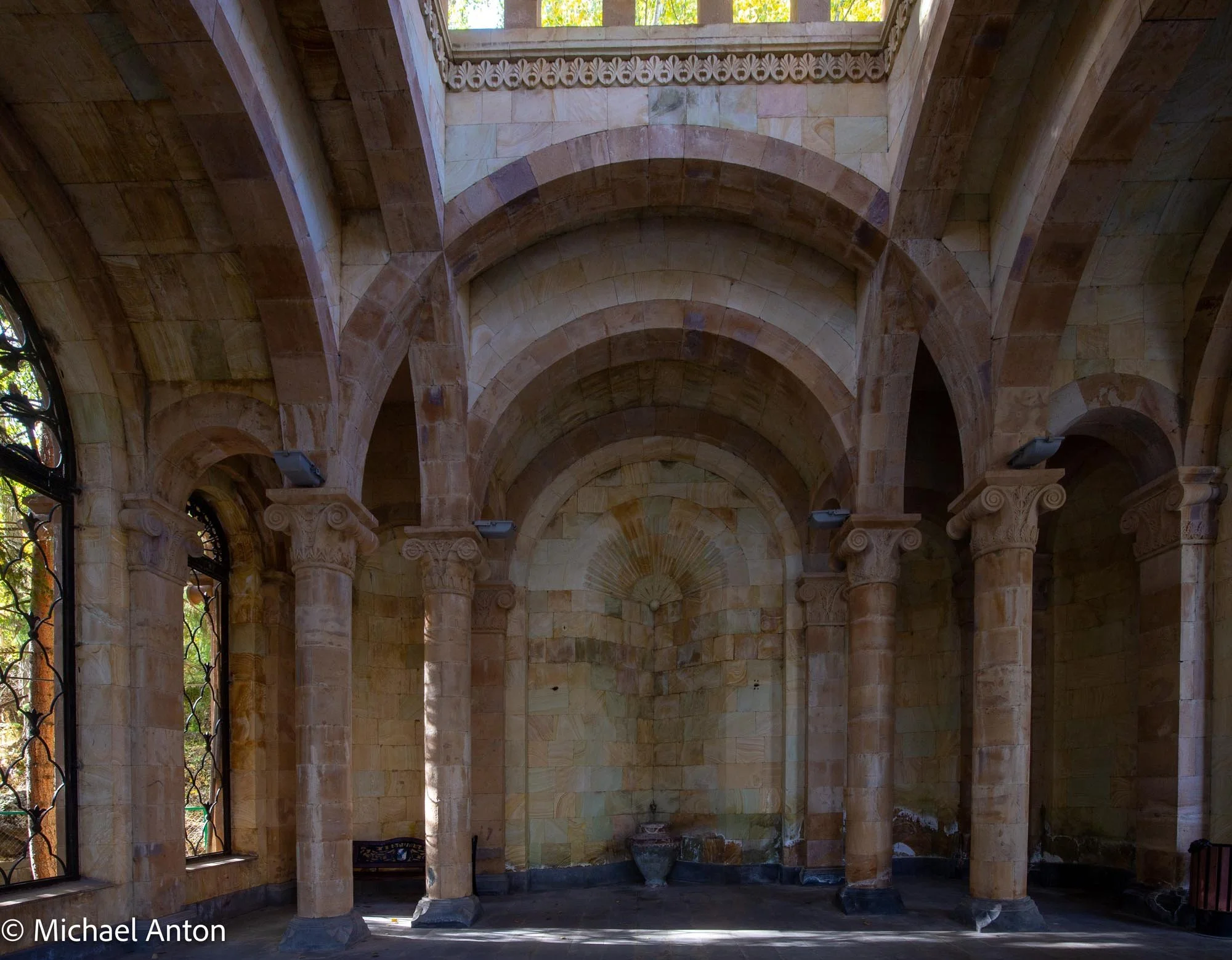
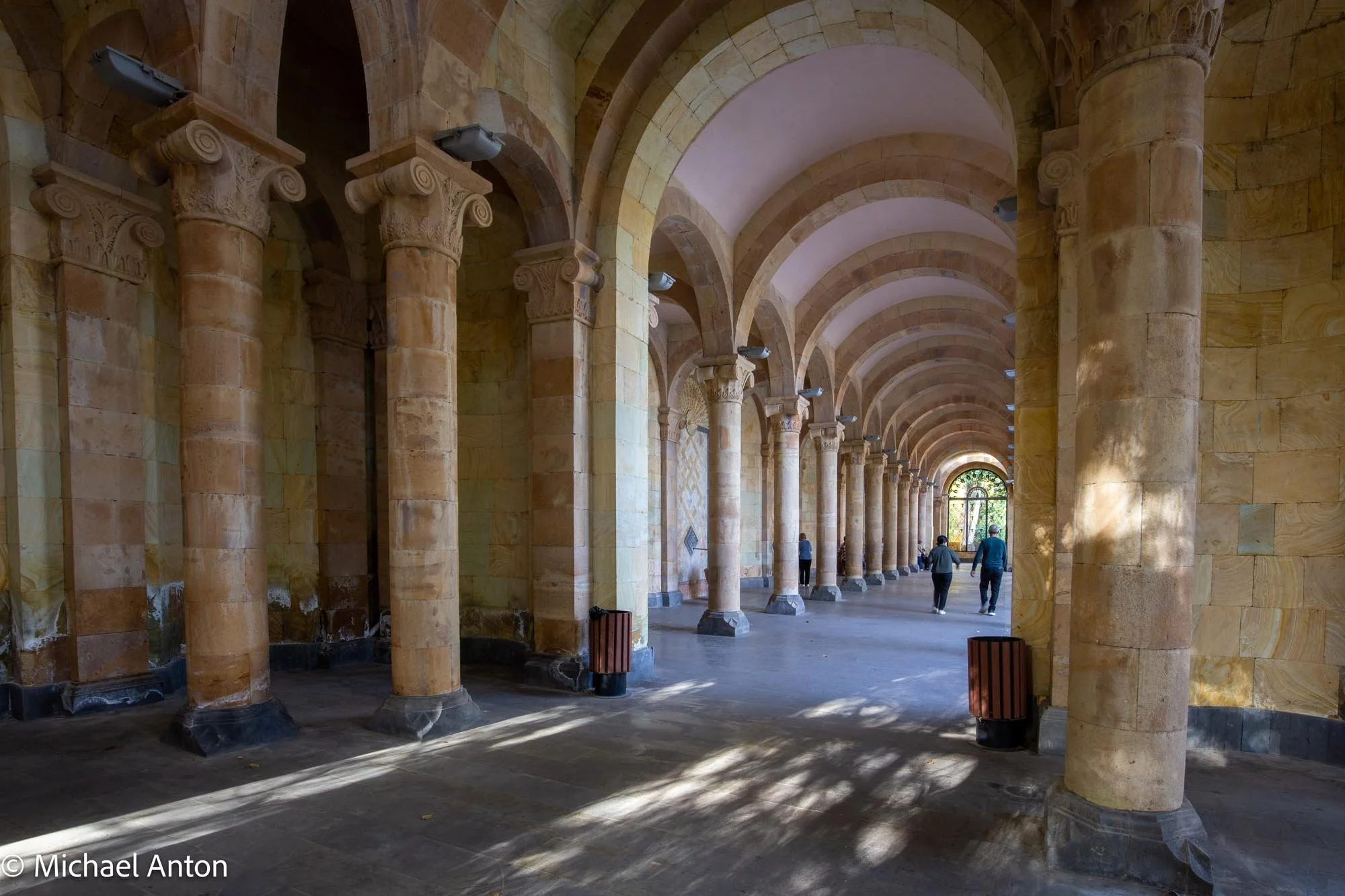
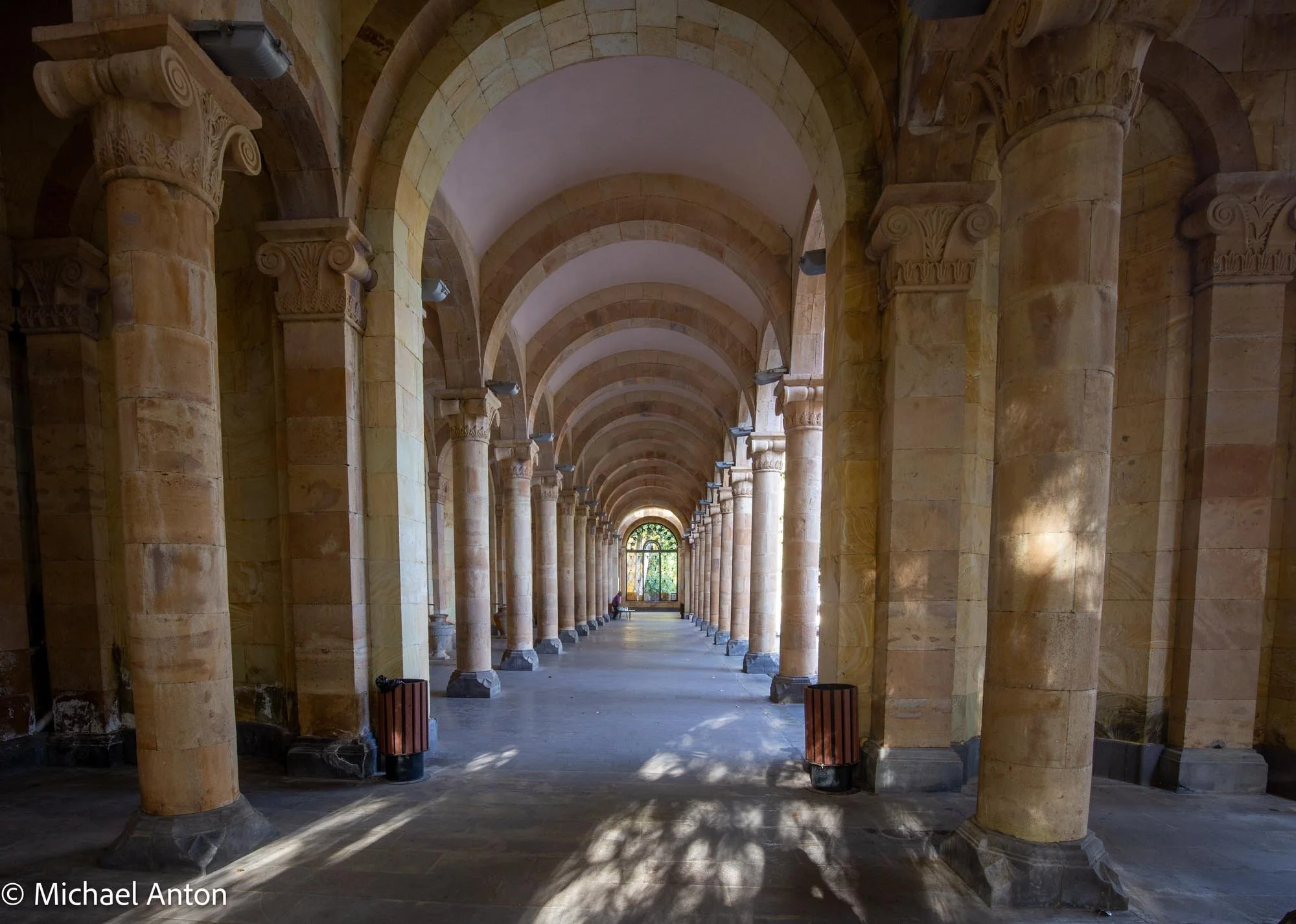
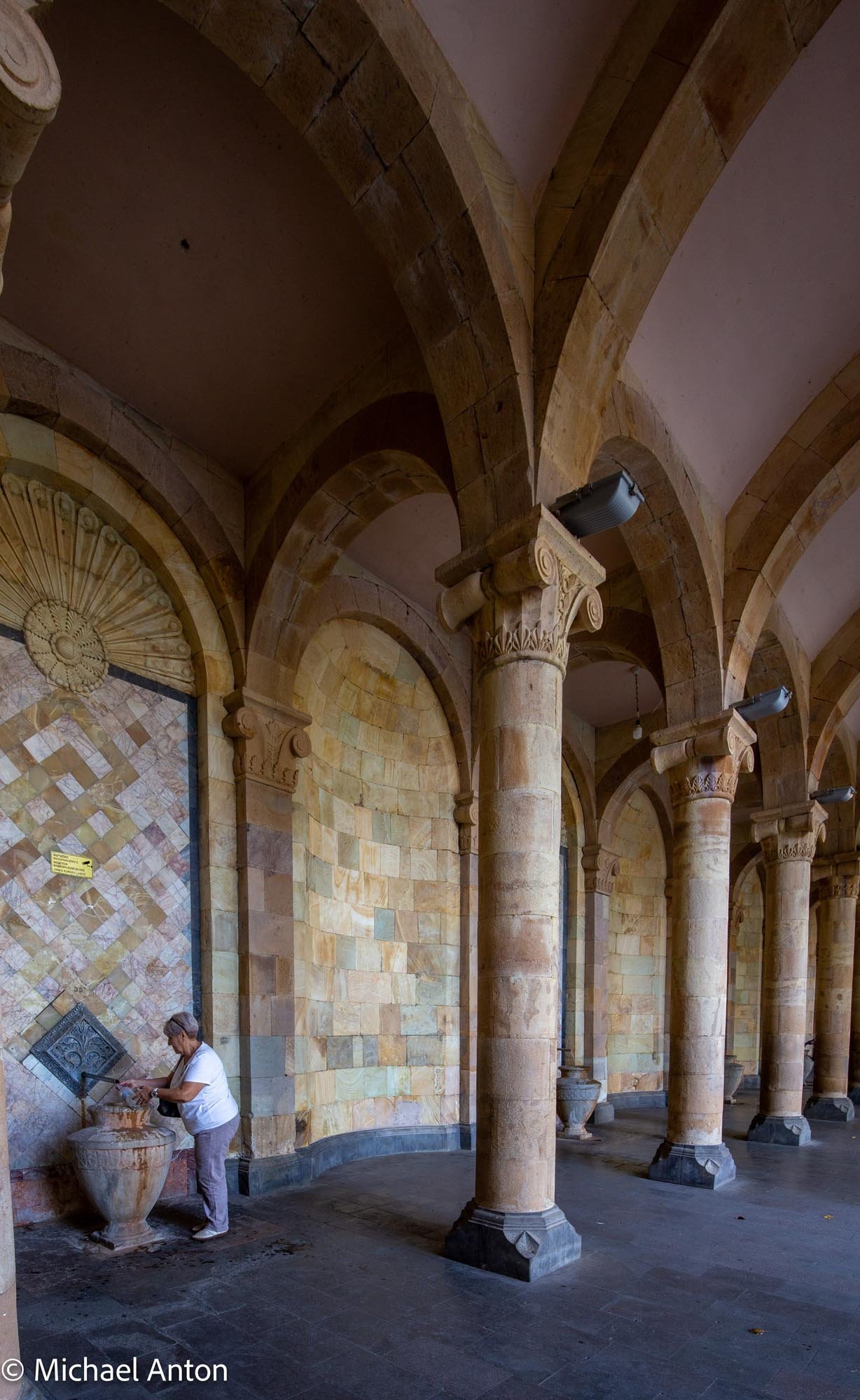
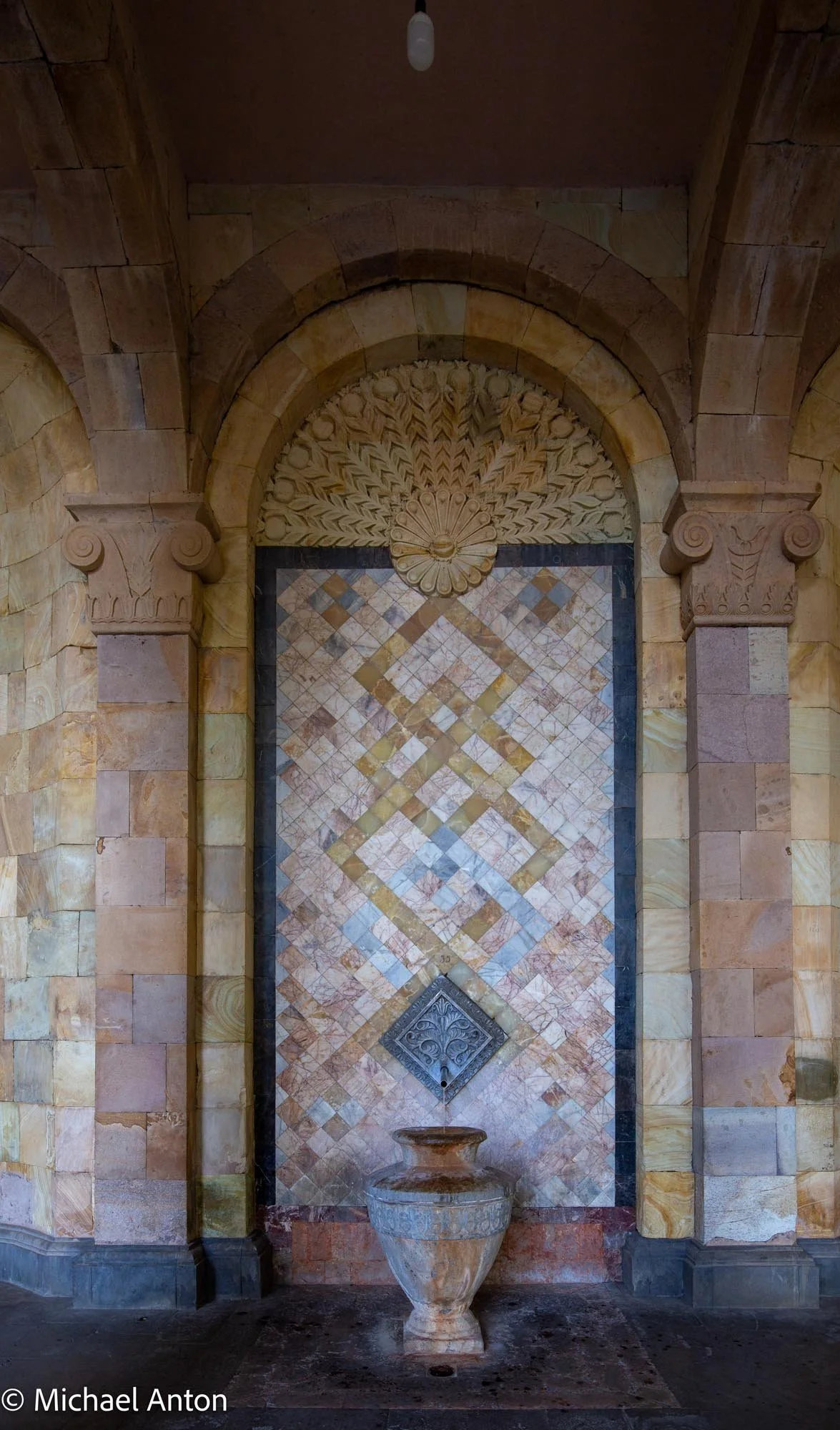
Located in the town of Jermuk, people come from all around to fill their bottles with this fresh mineral water, piped up from beneath their feet.
I believe that if I drank more of it on a regular basis, my hair would grow back.
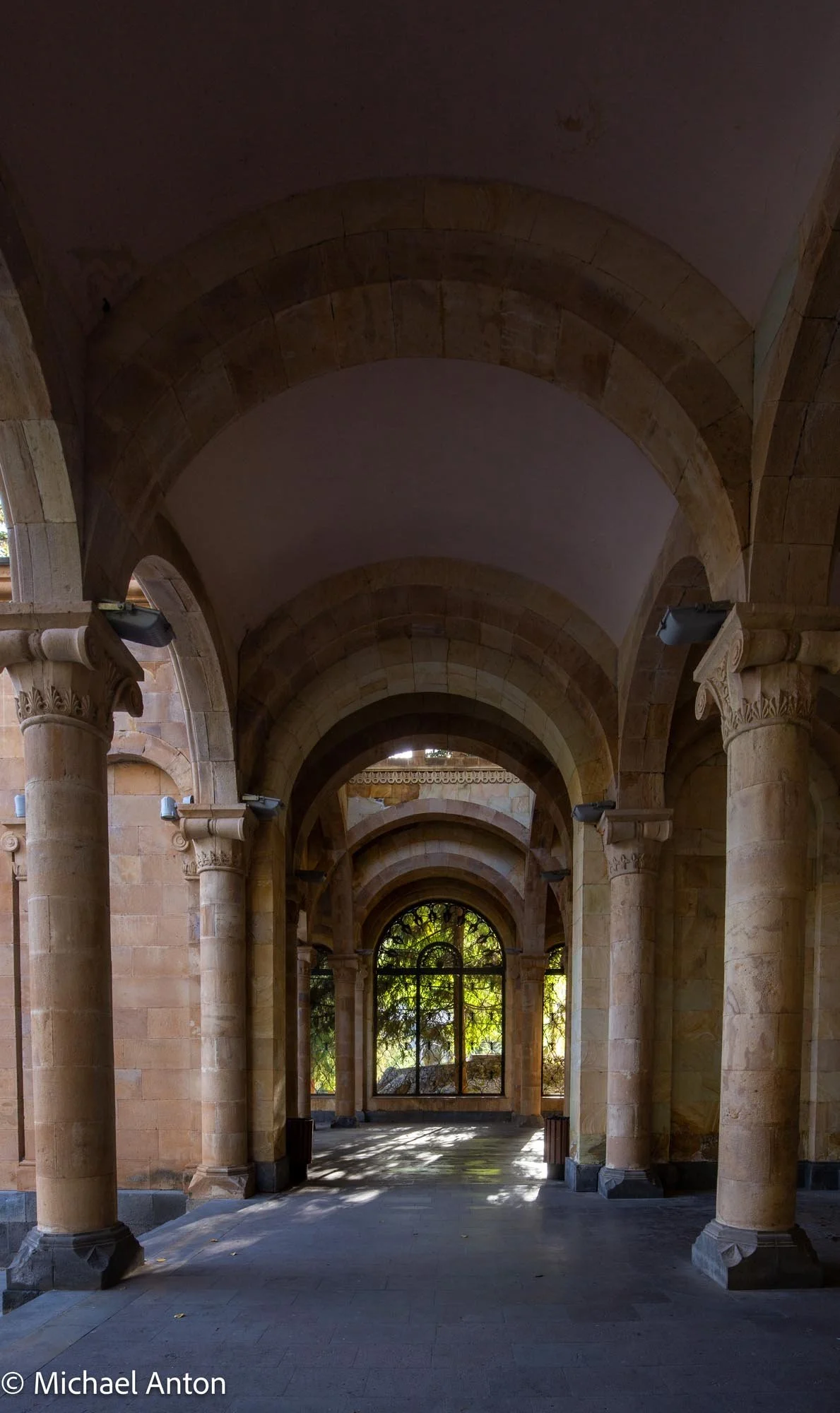
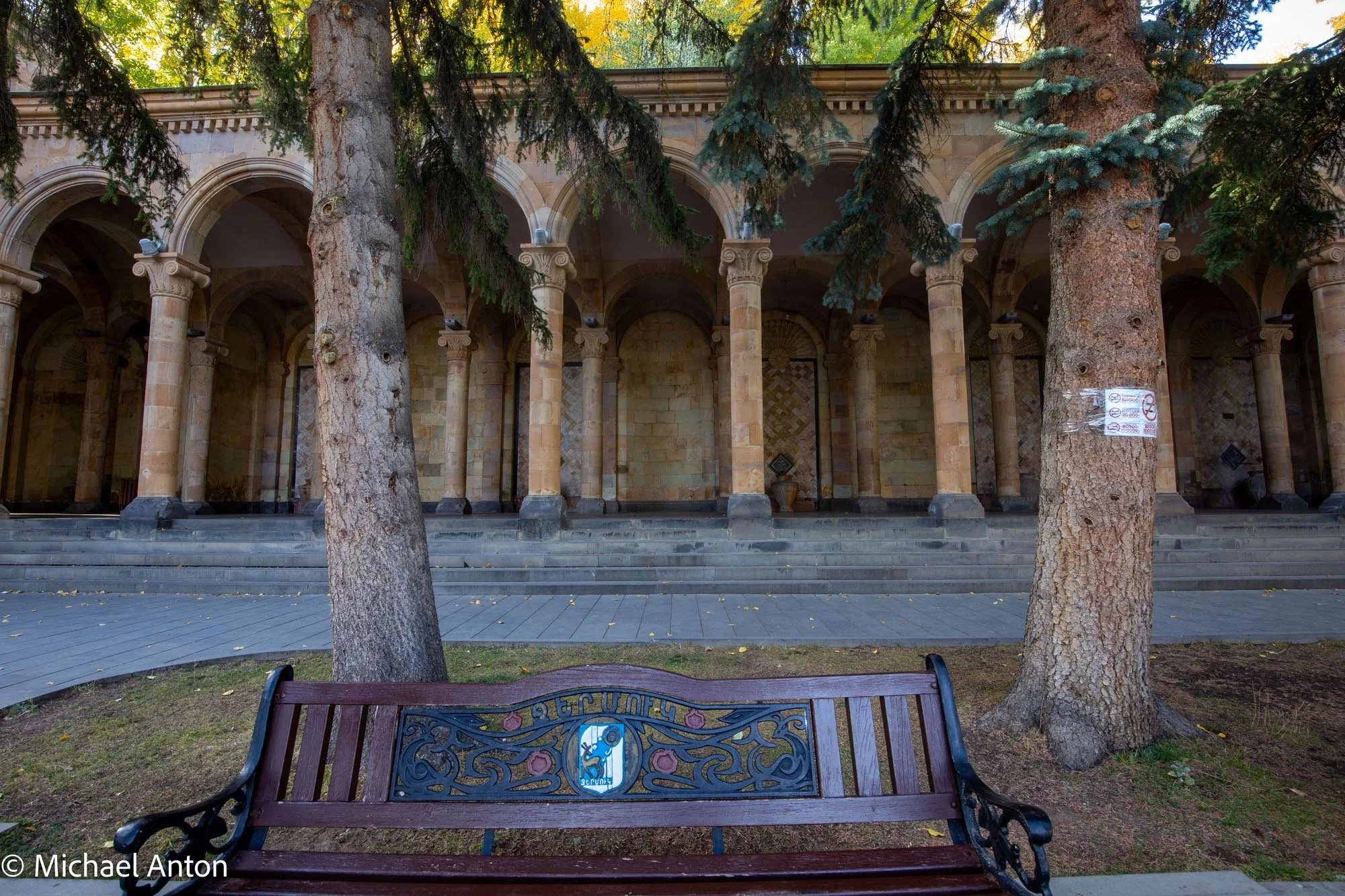
While there are other spigots around the country, this one is a true tribute to one of Armenia’s natural treasures.
Markets
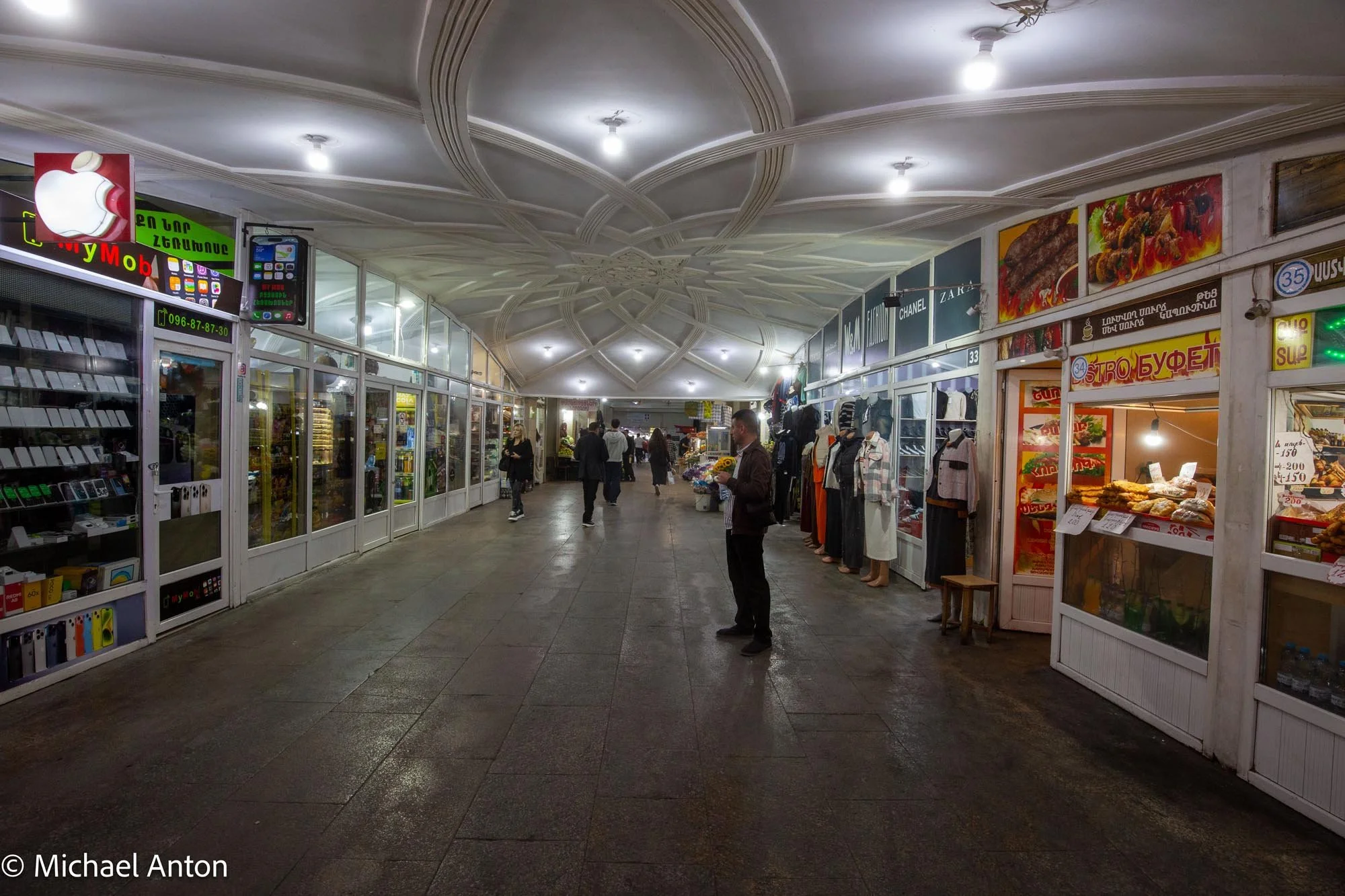
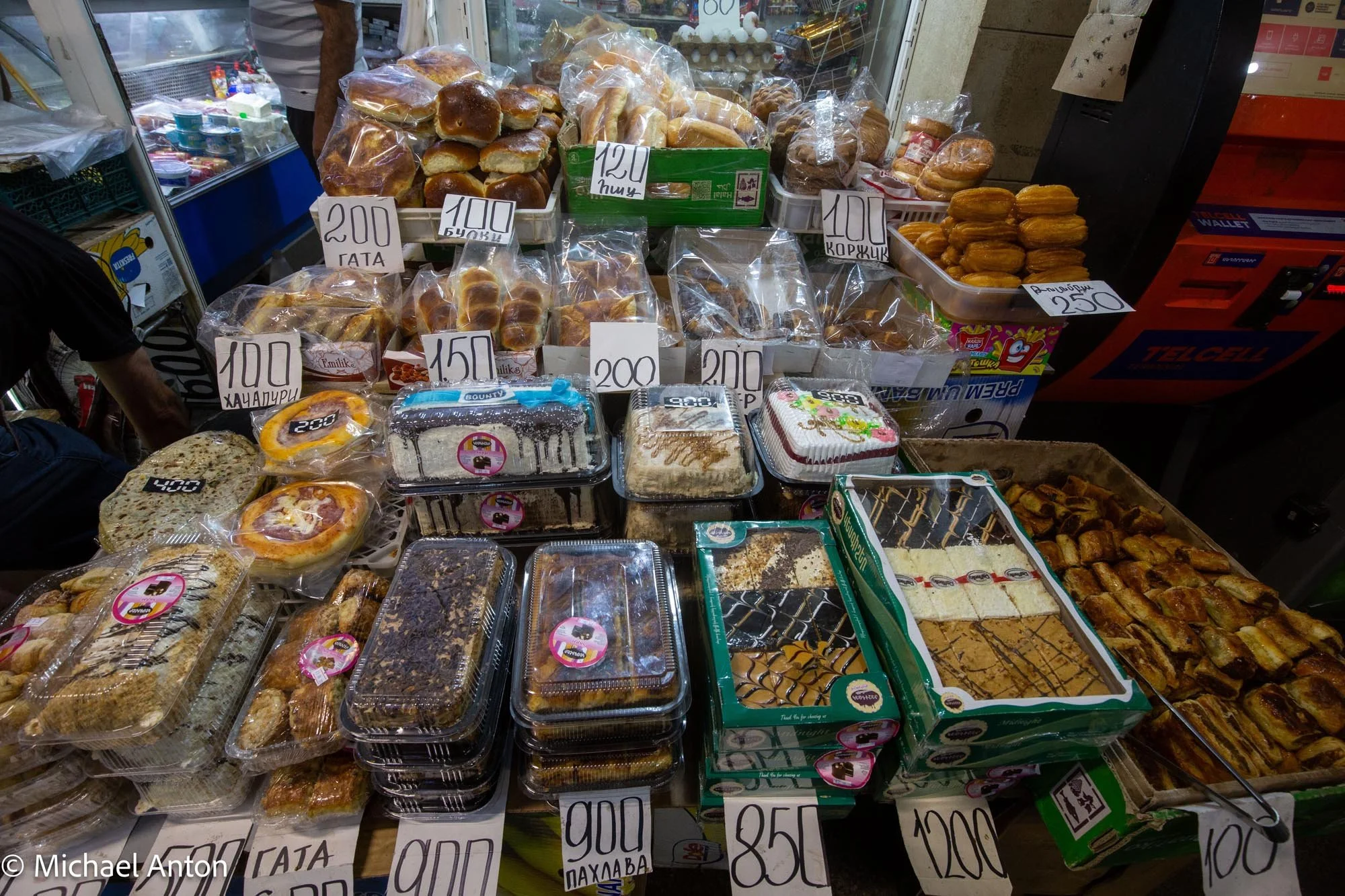
The interior of Yerevan’s train station is a market, somewhat reminiscent to me of the shopping concourse of Grand Central Station.
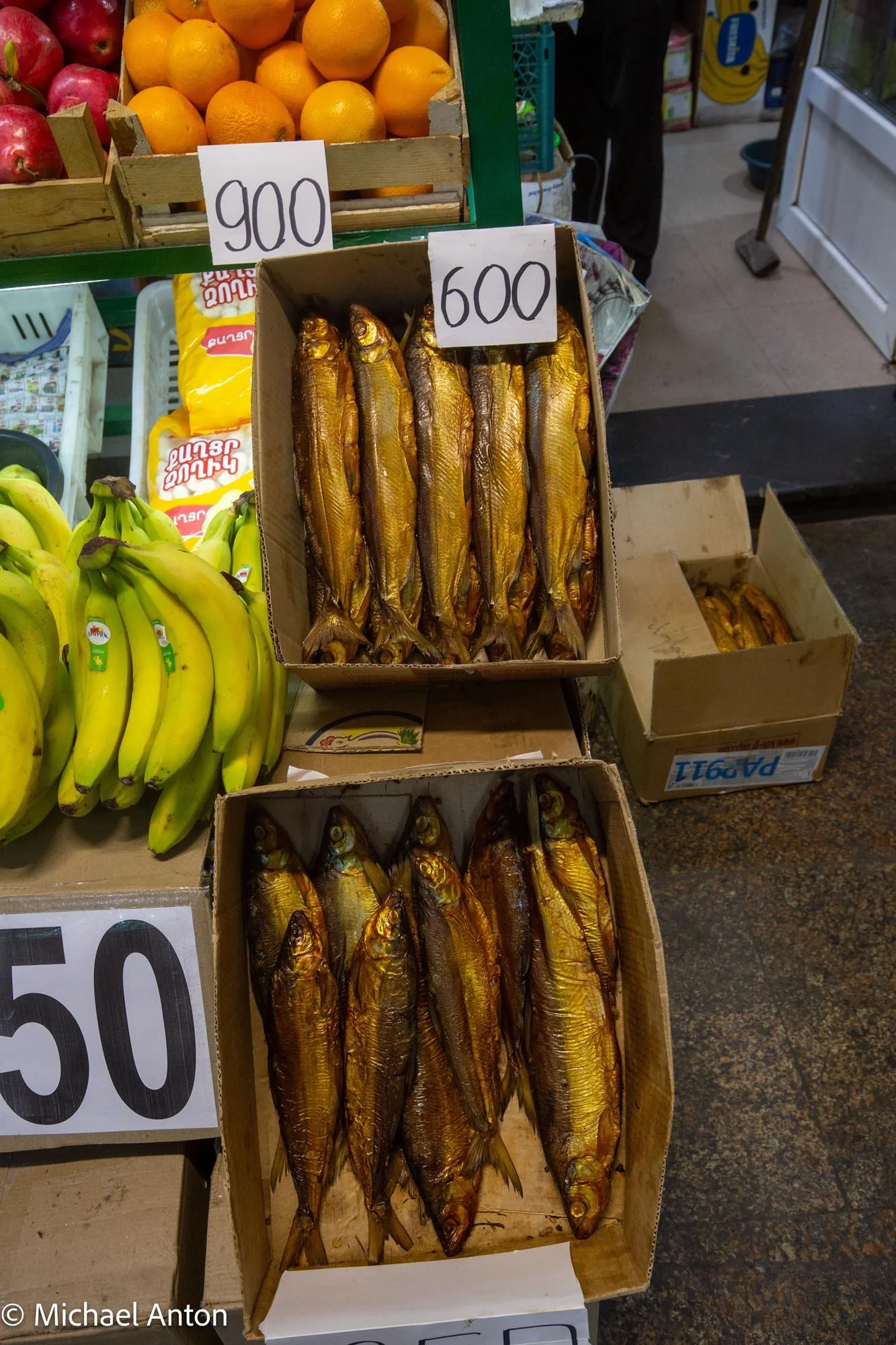
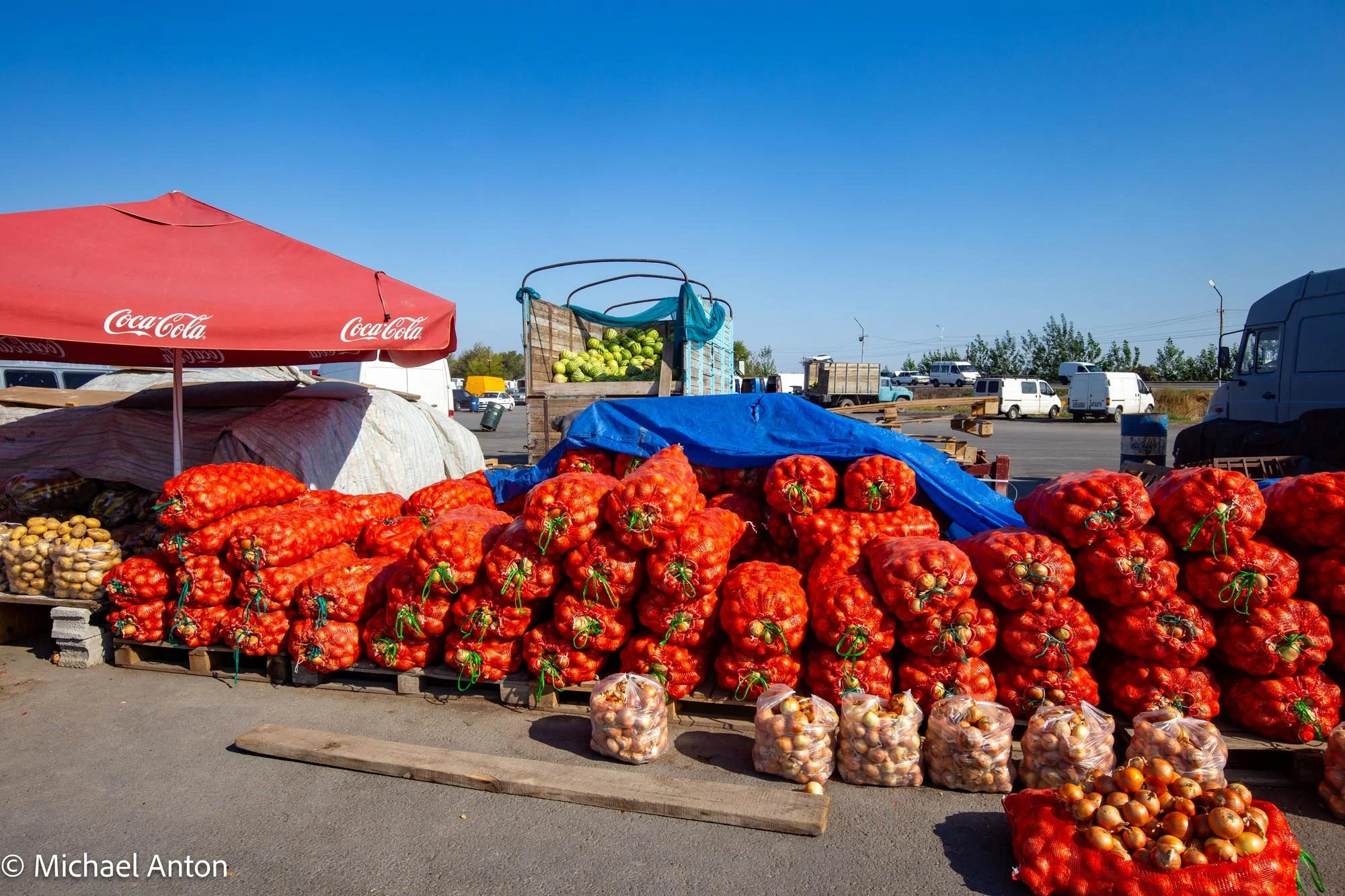
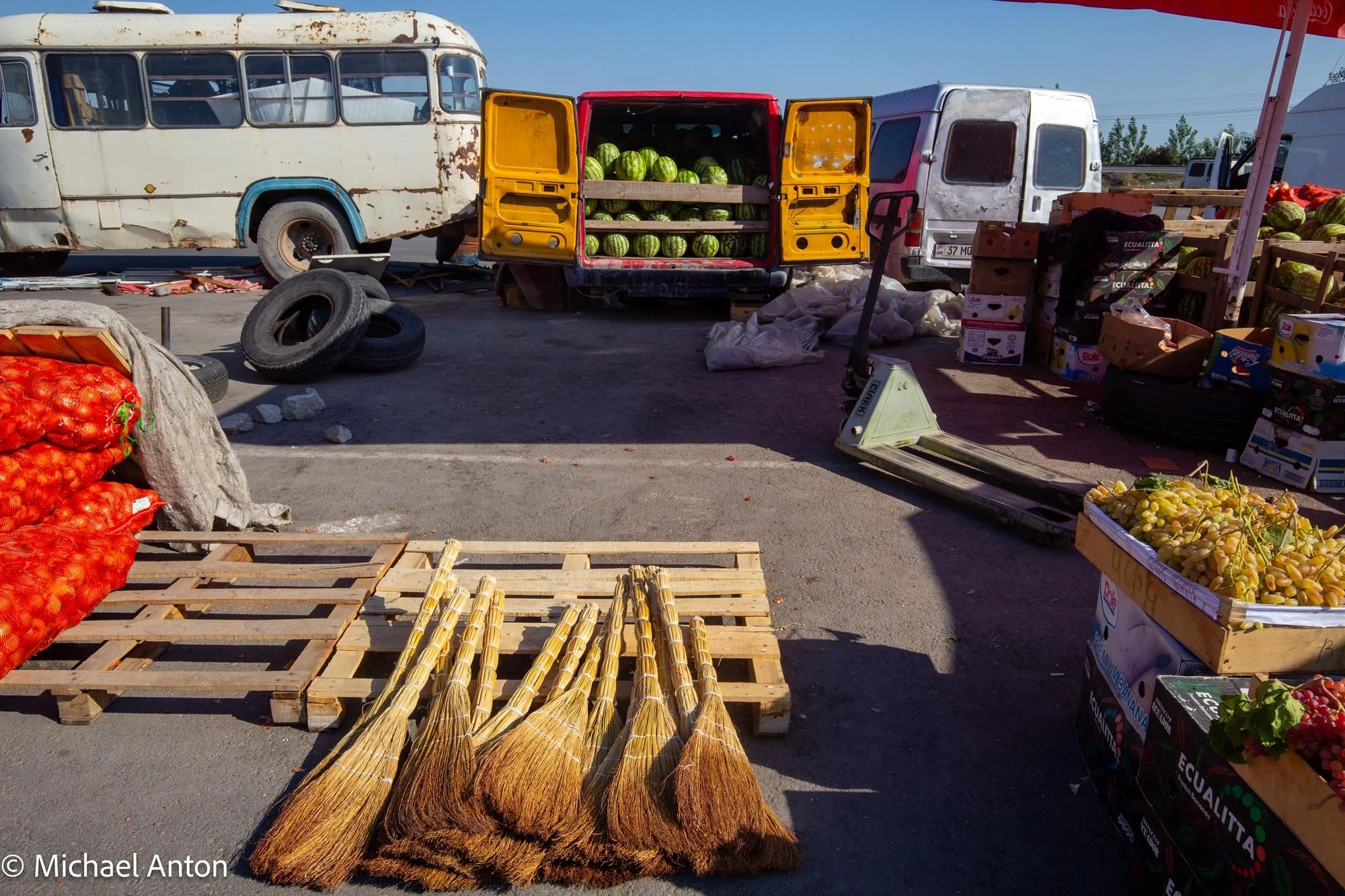
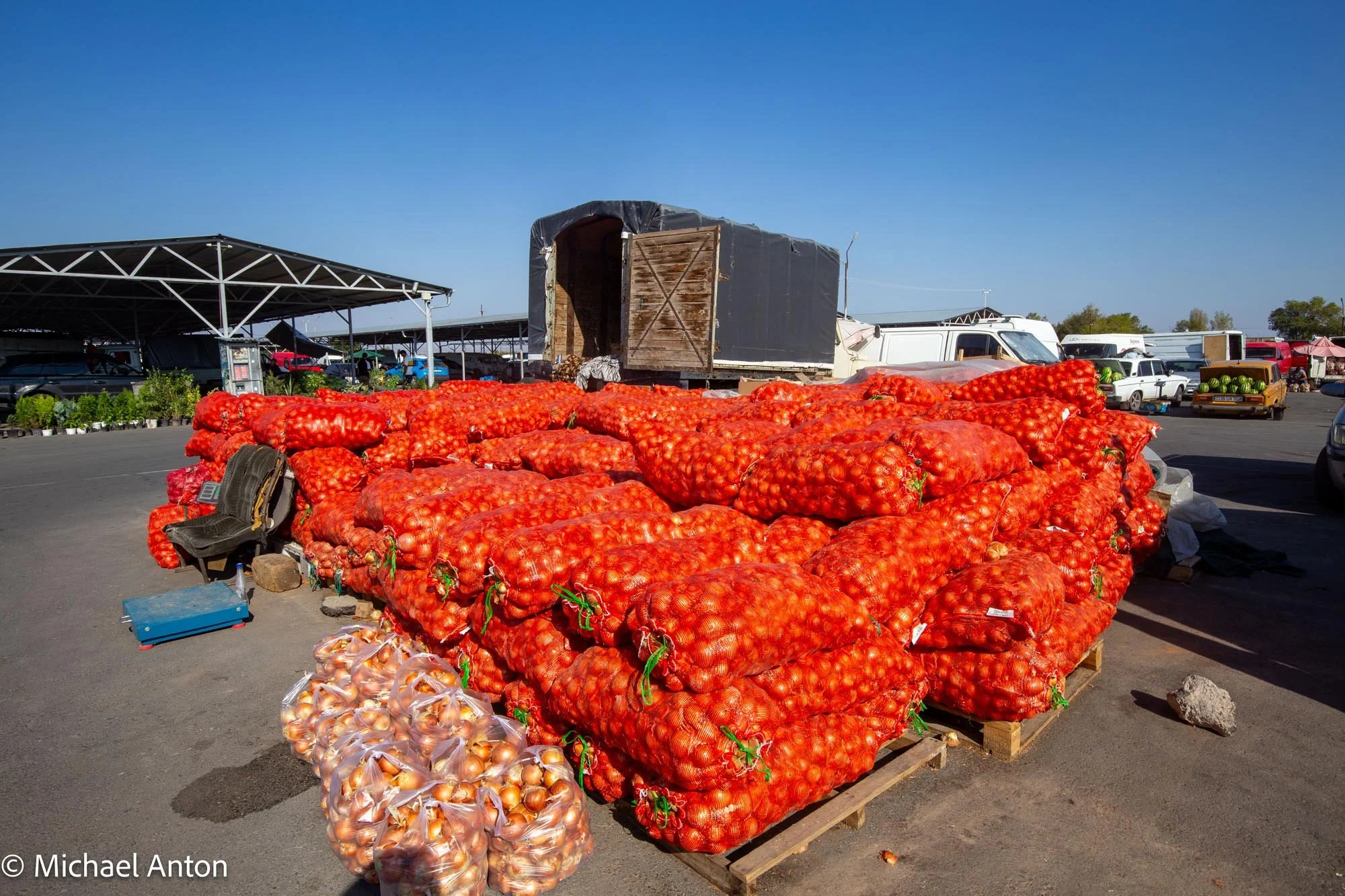
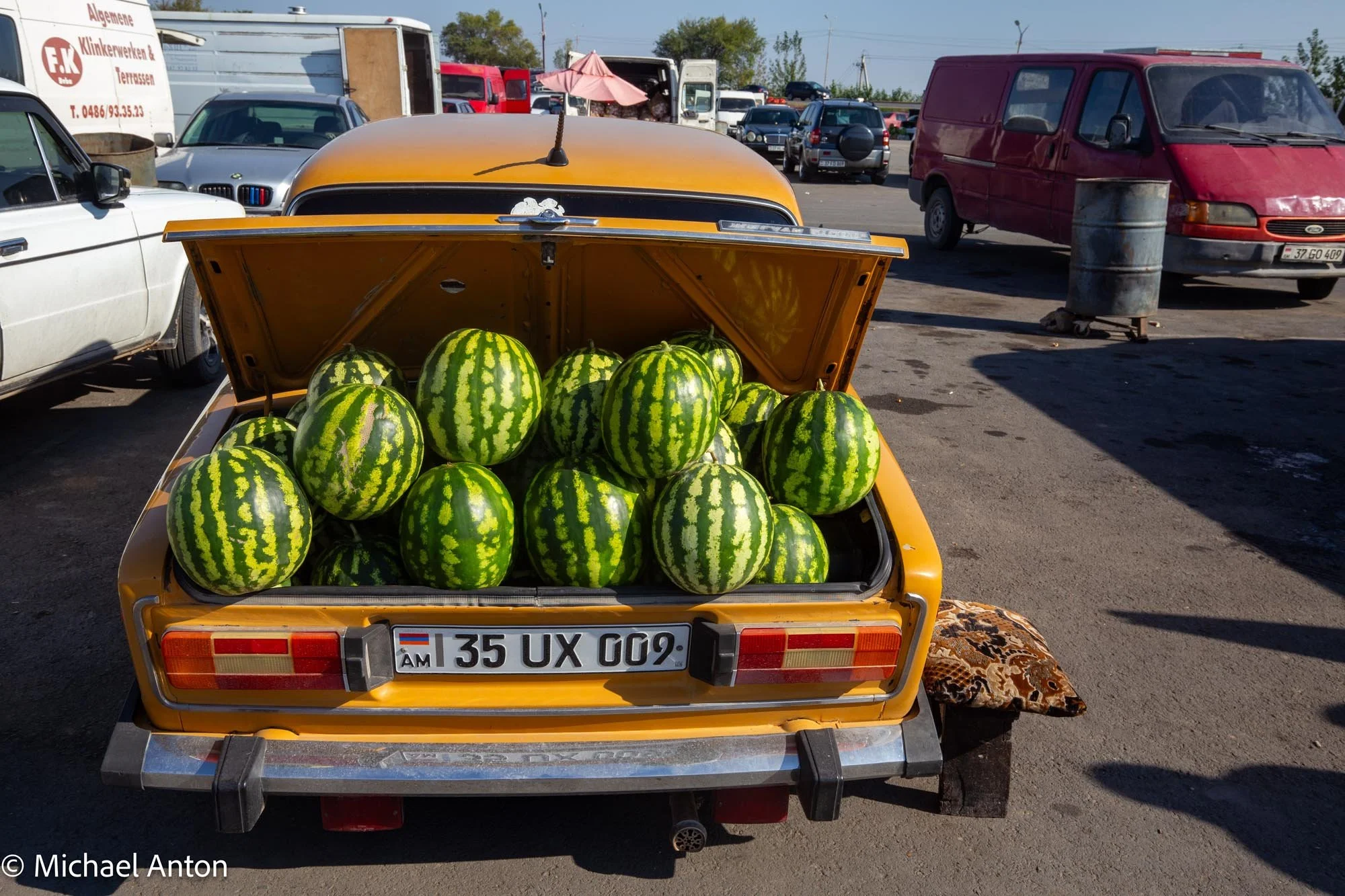
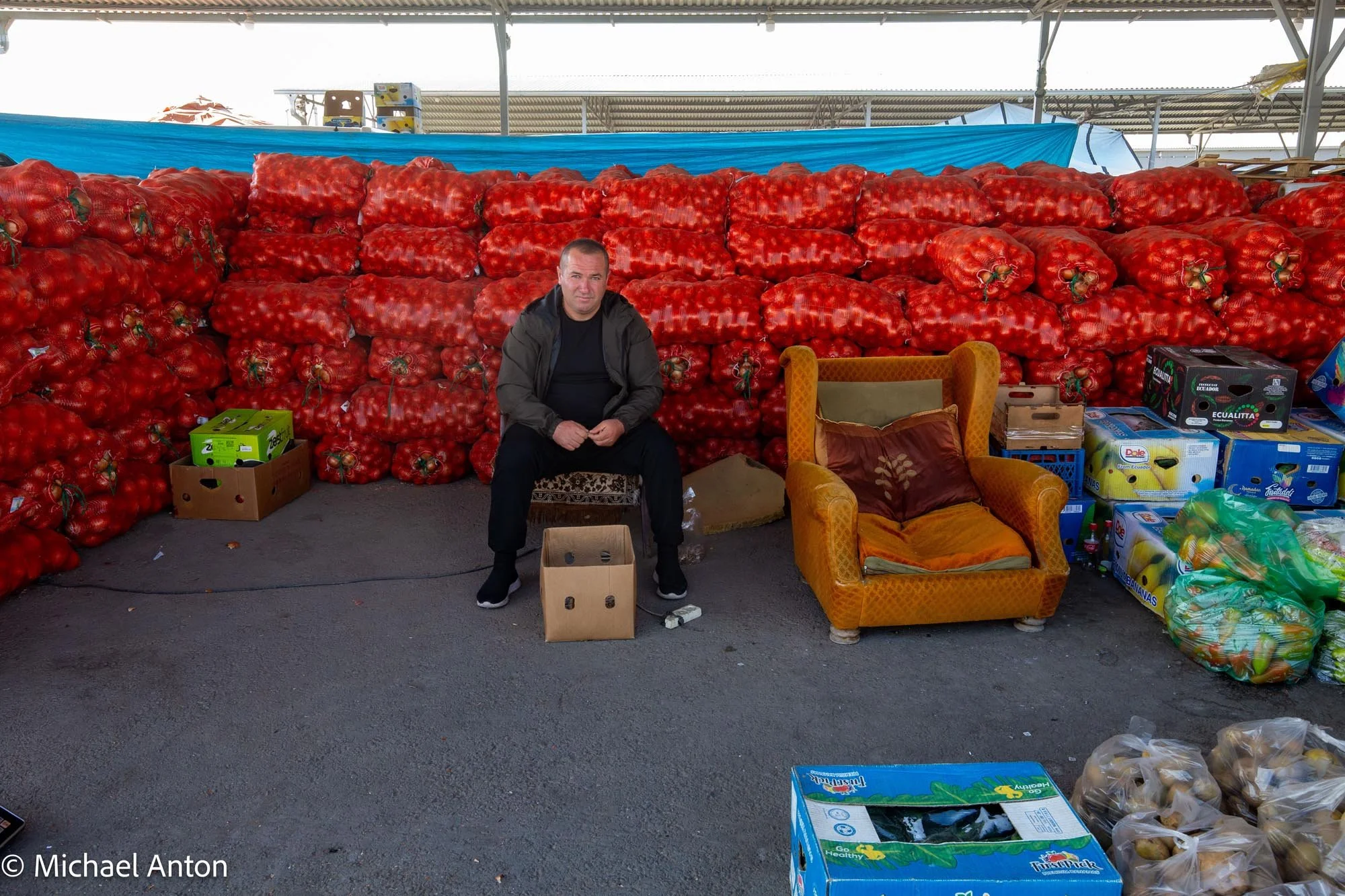
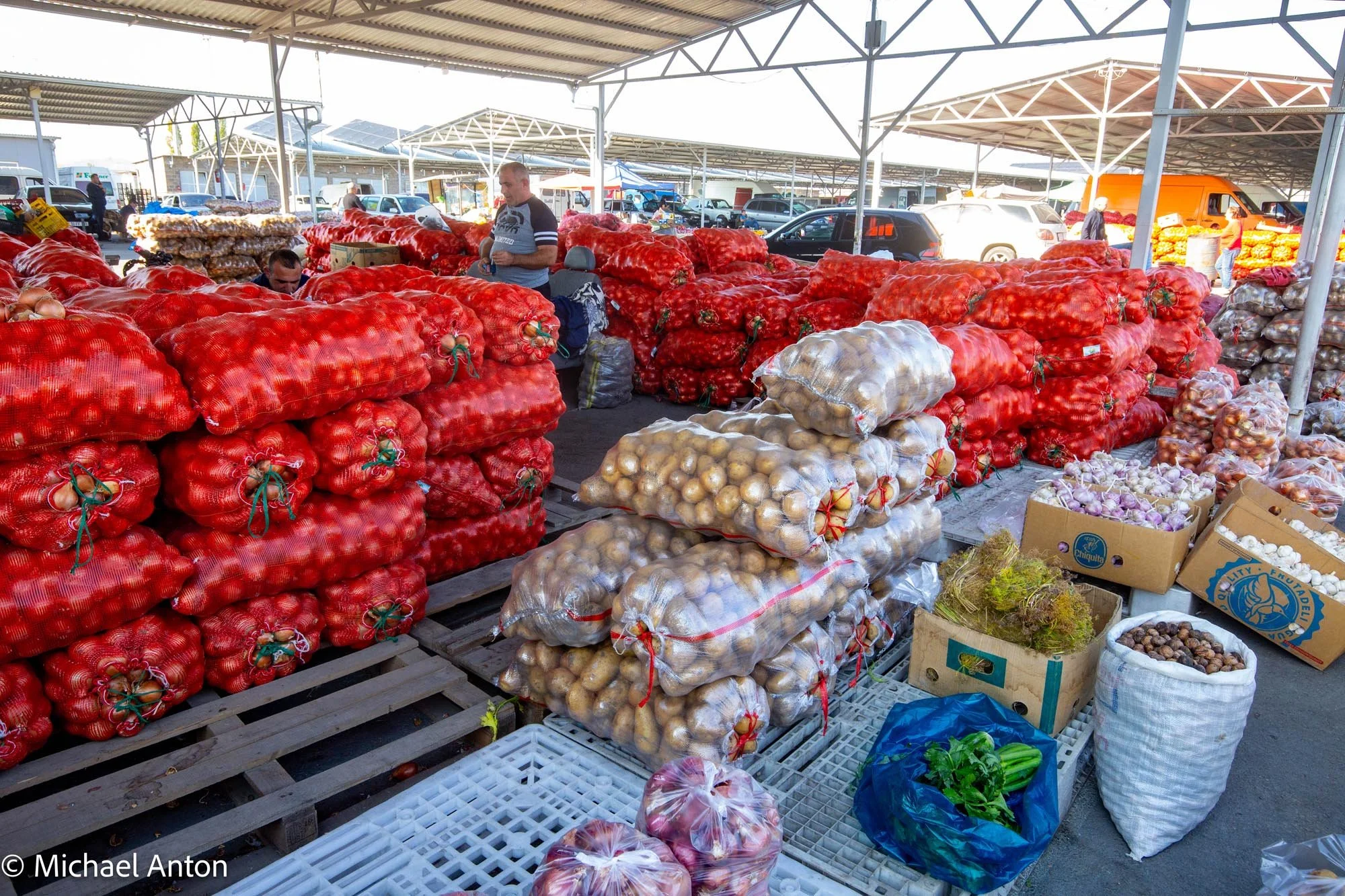
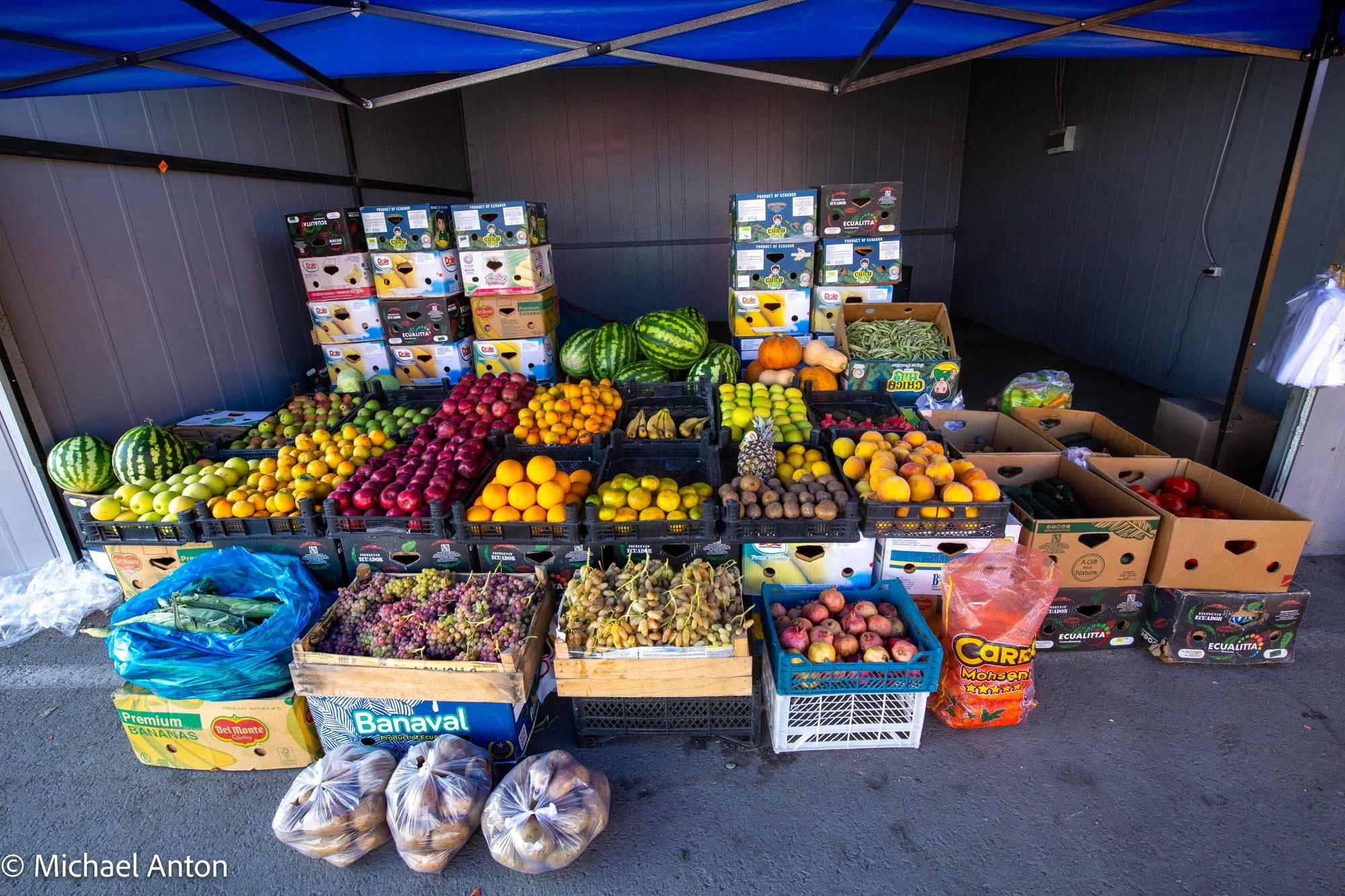
The other photos are of Armenia’s largest produce market.

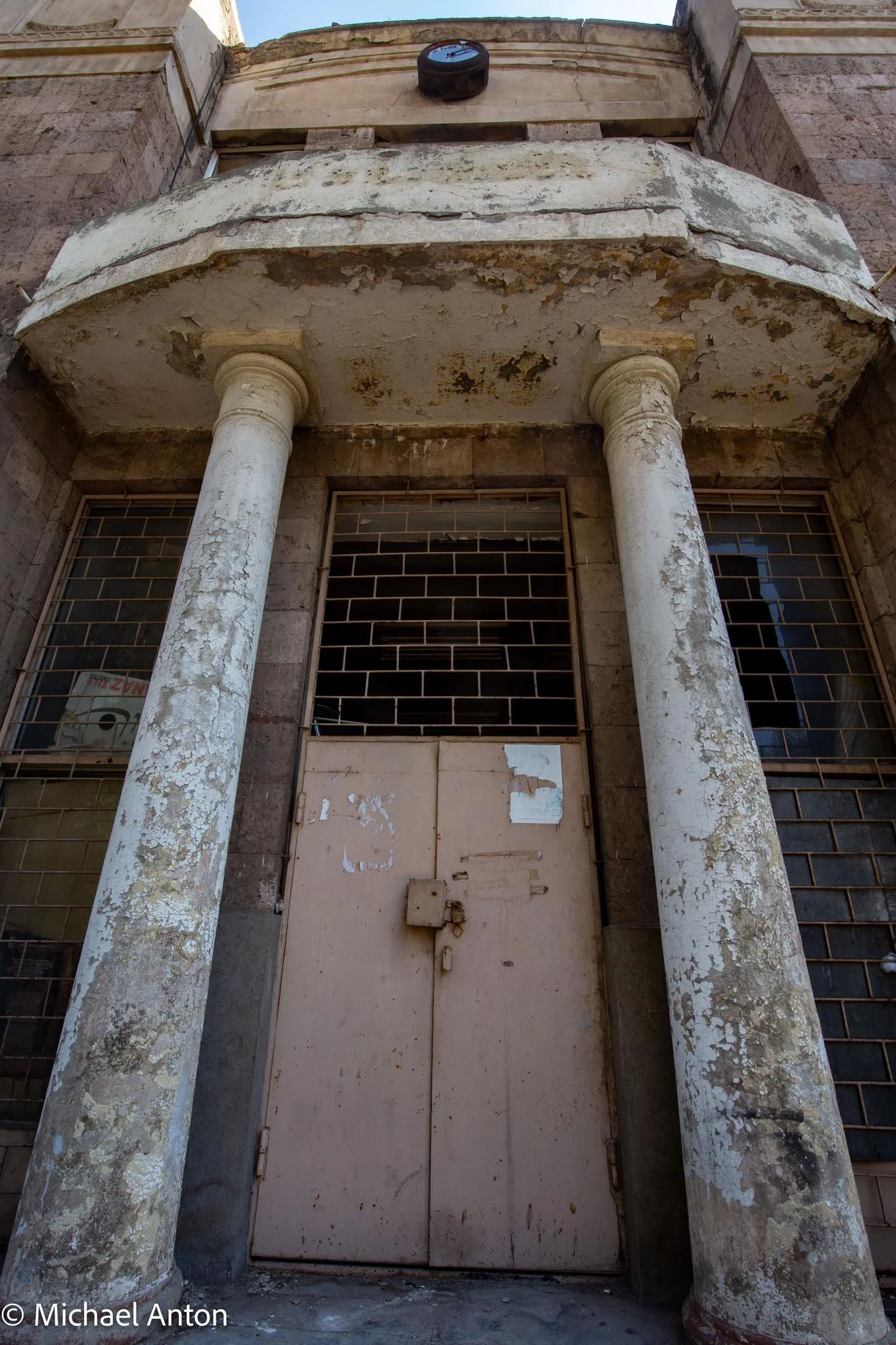
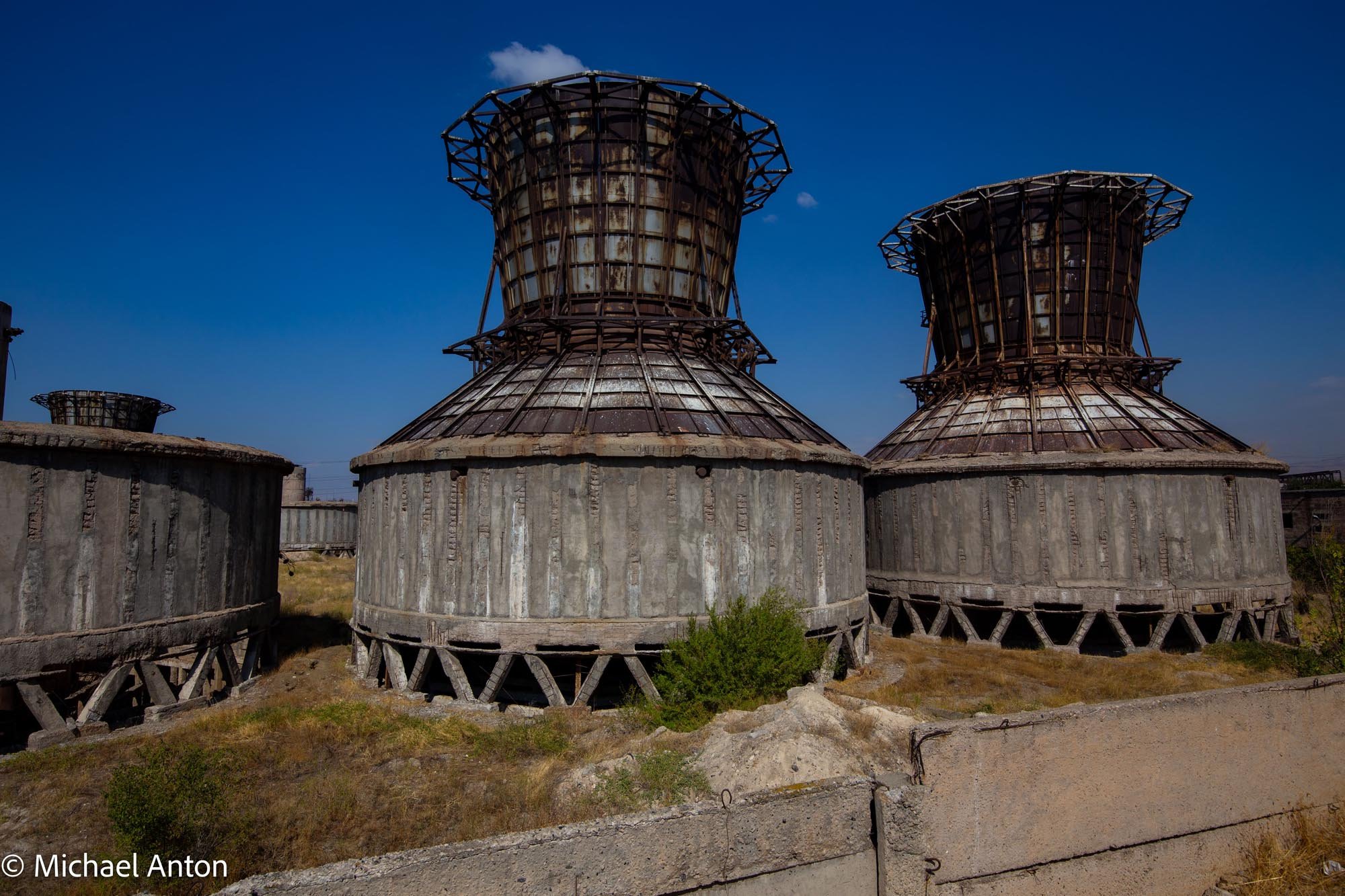
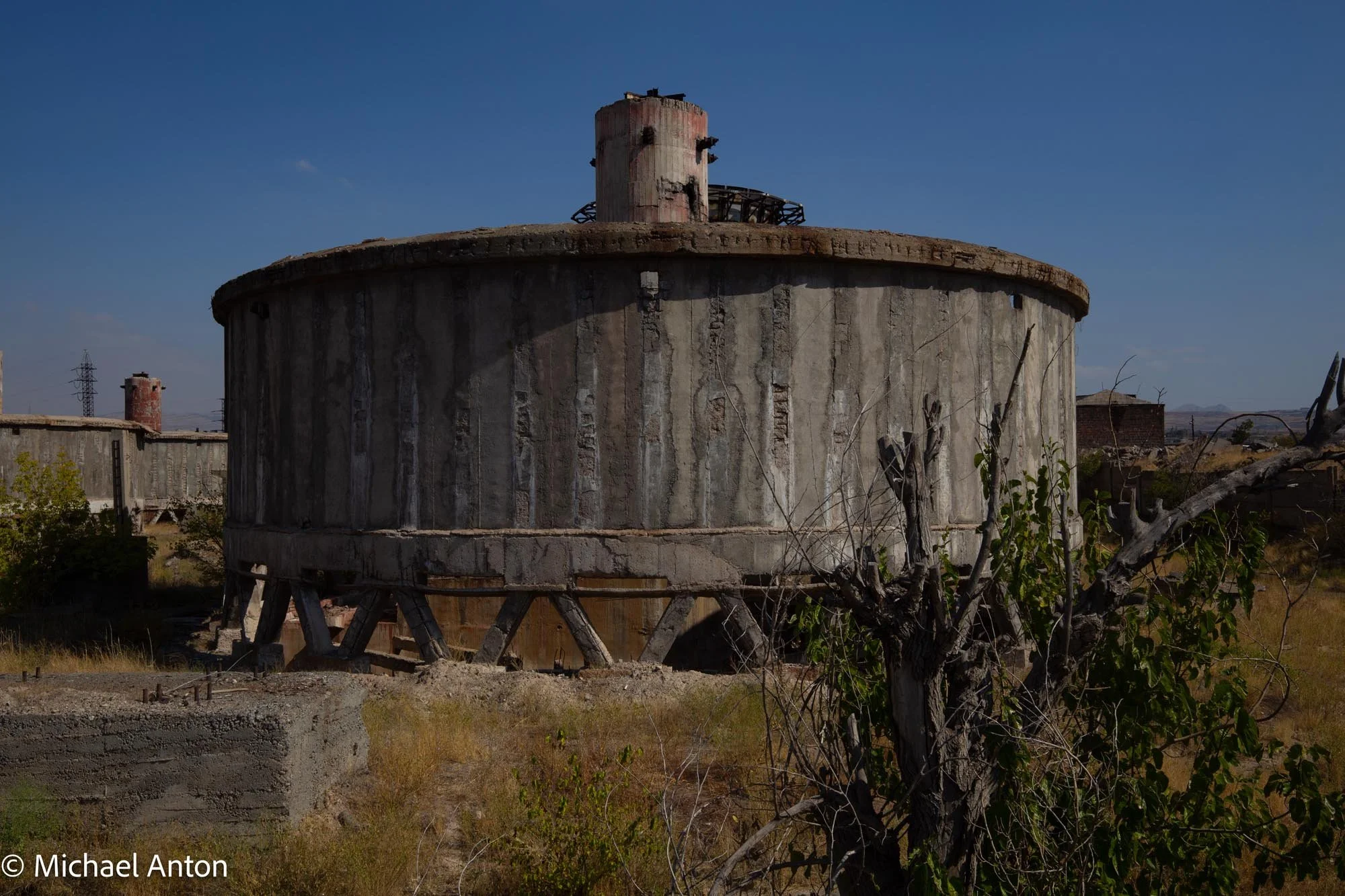
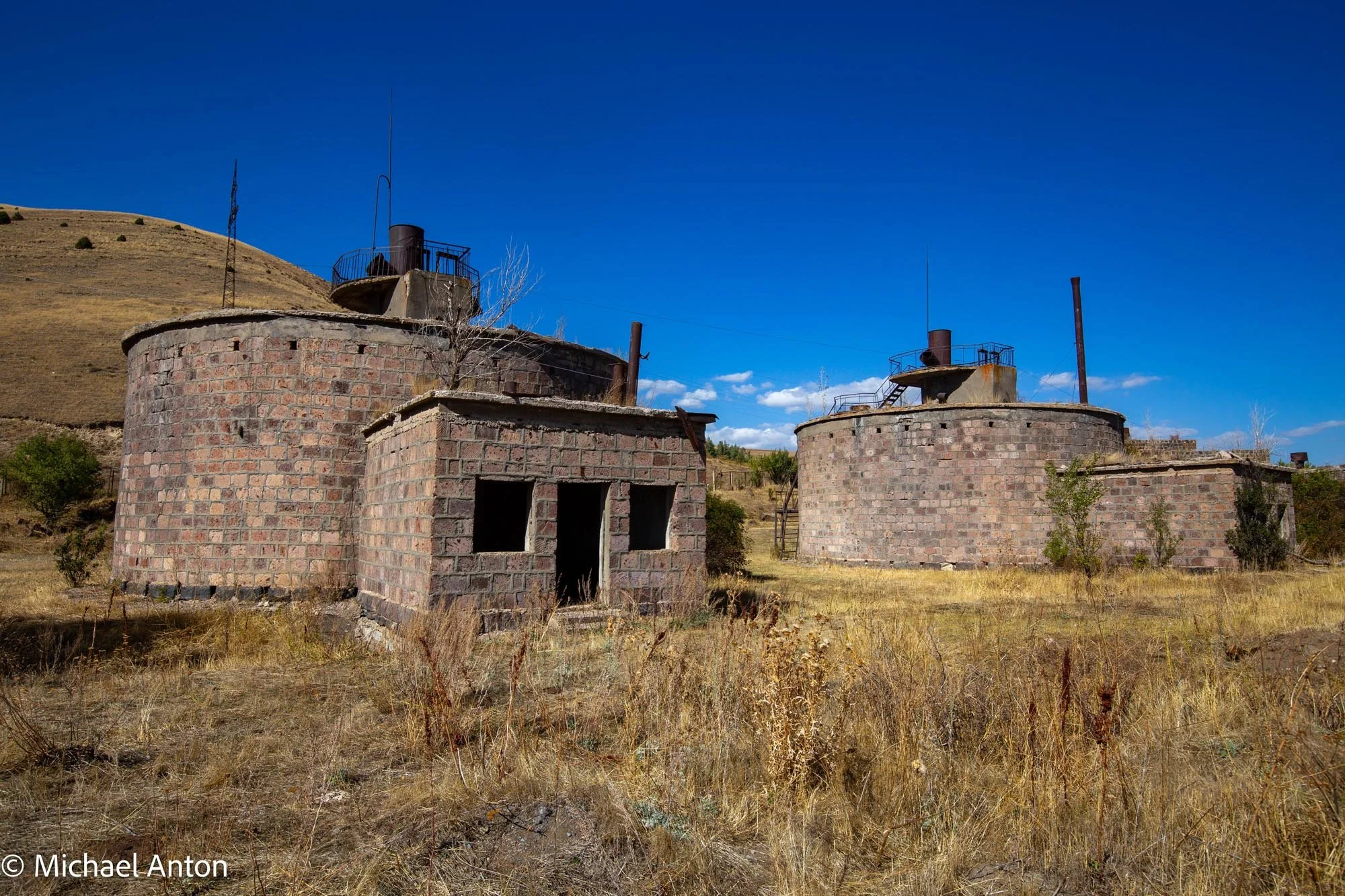
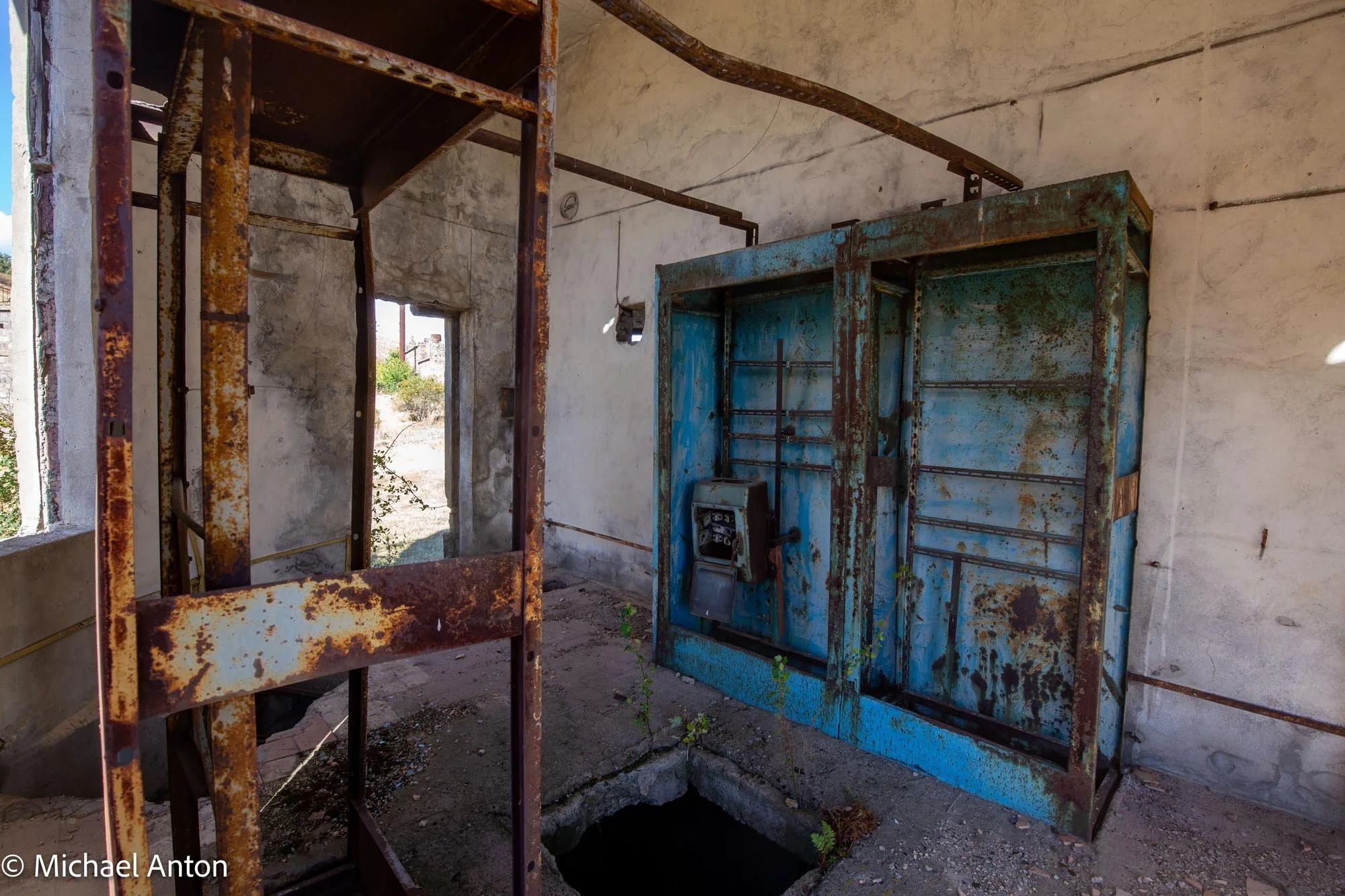
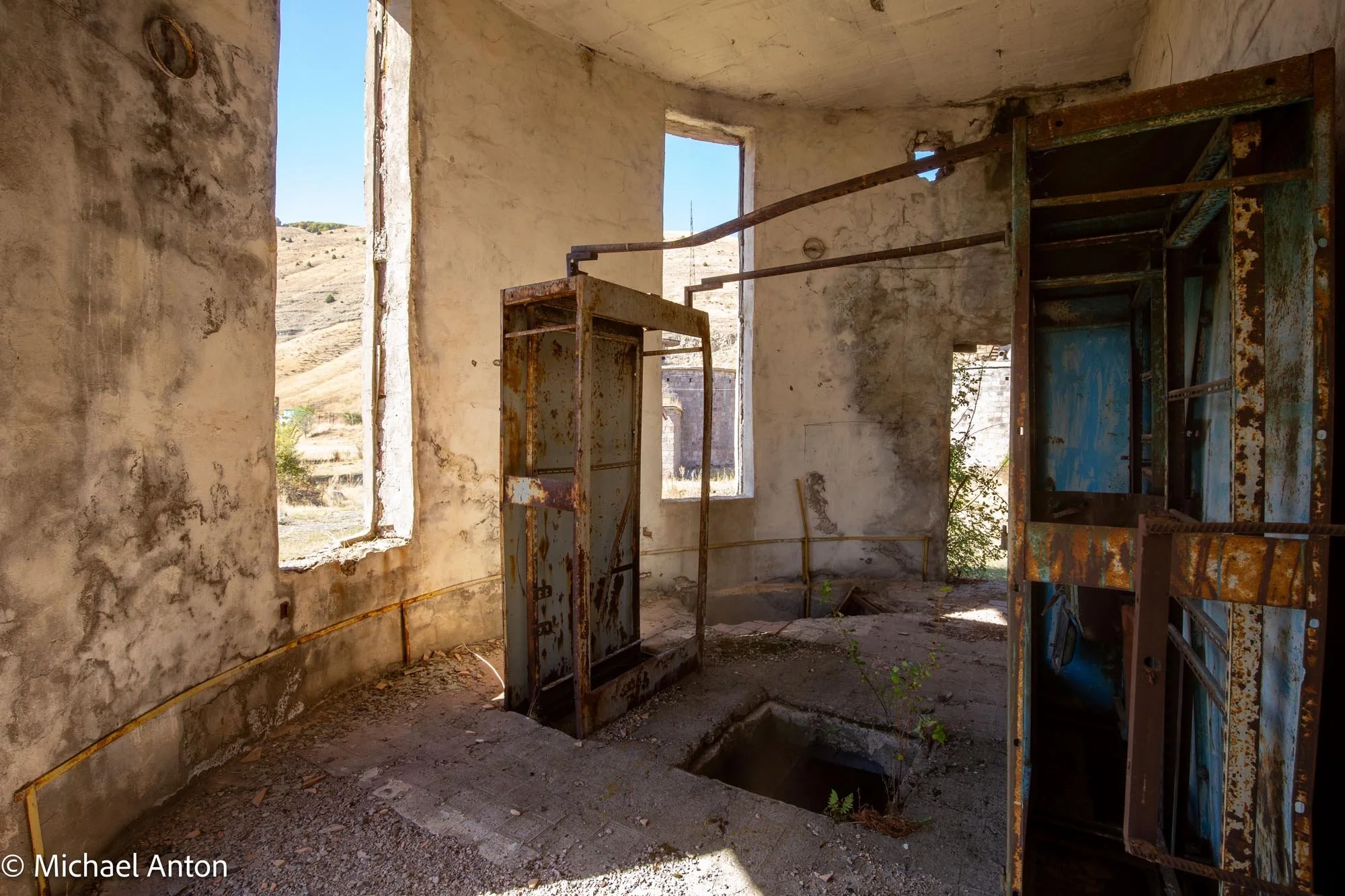
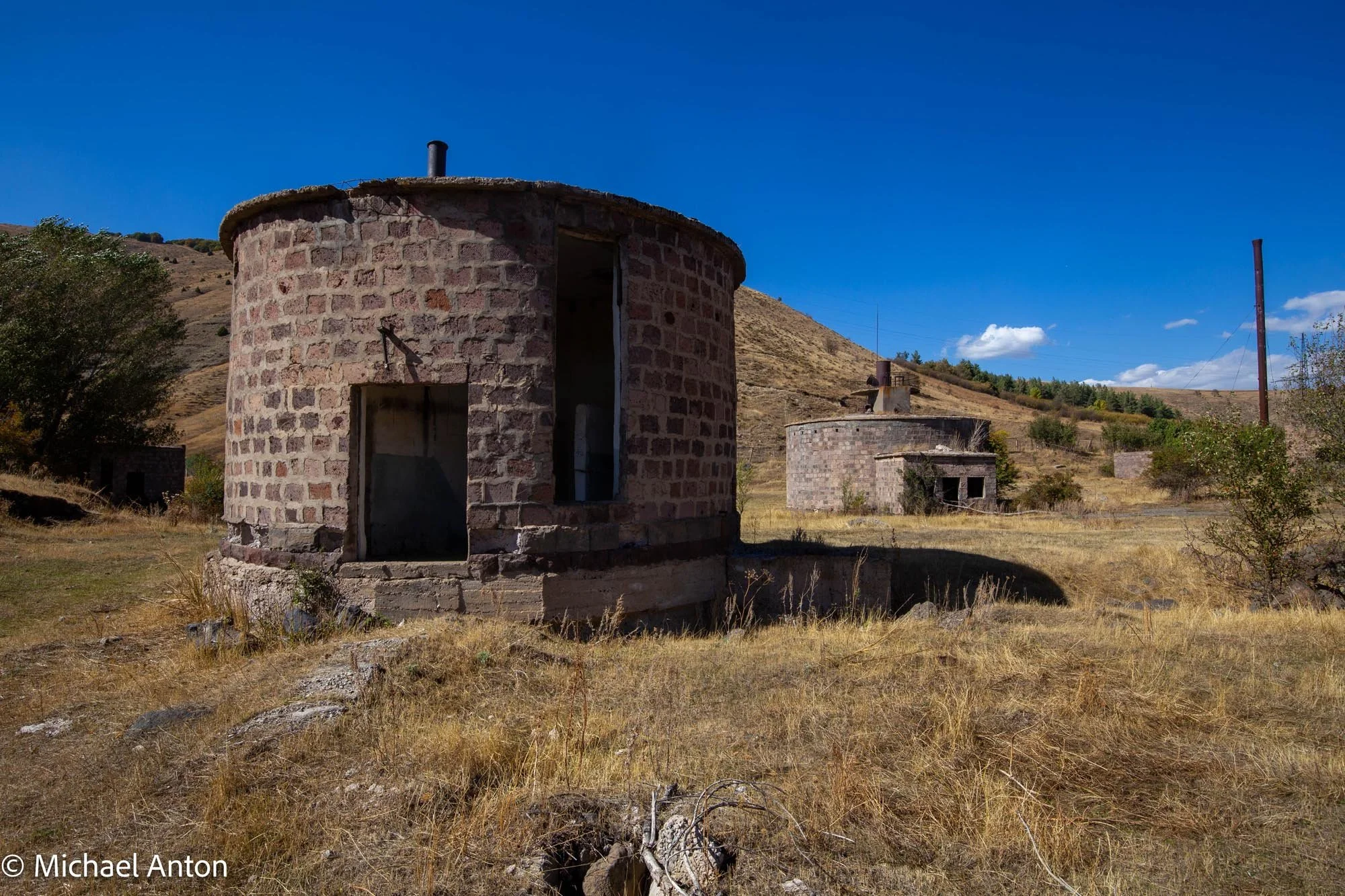
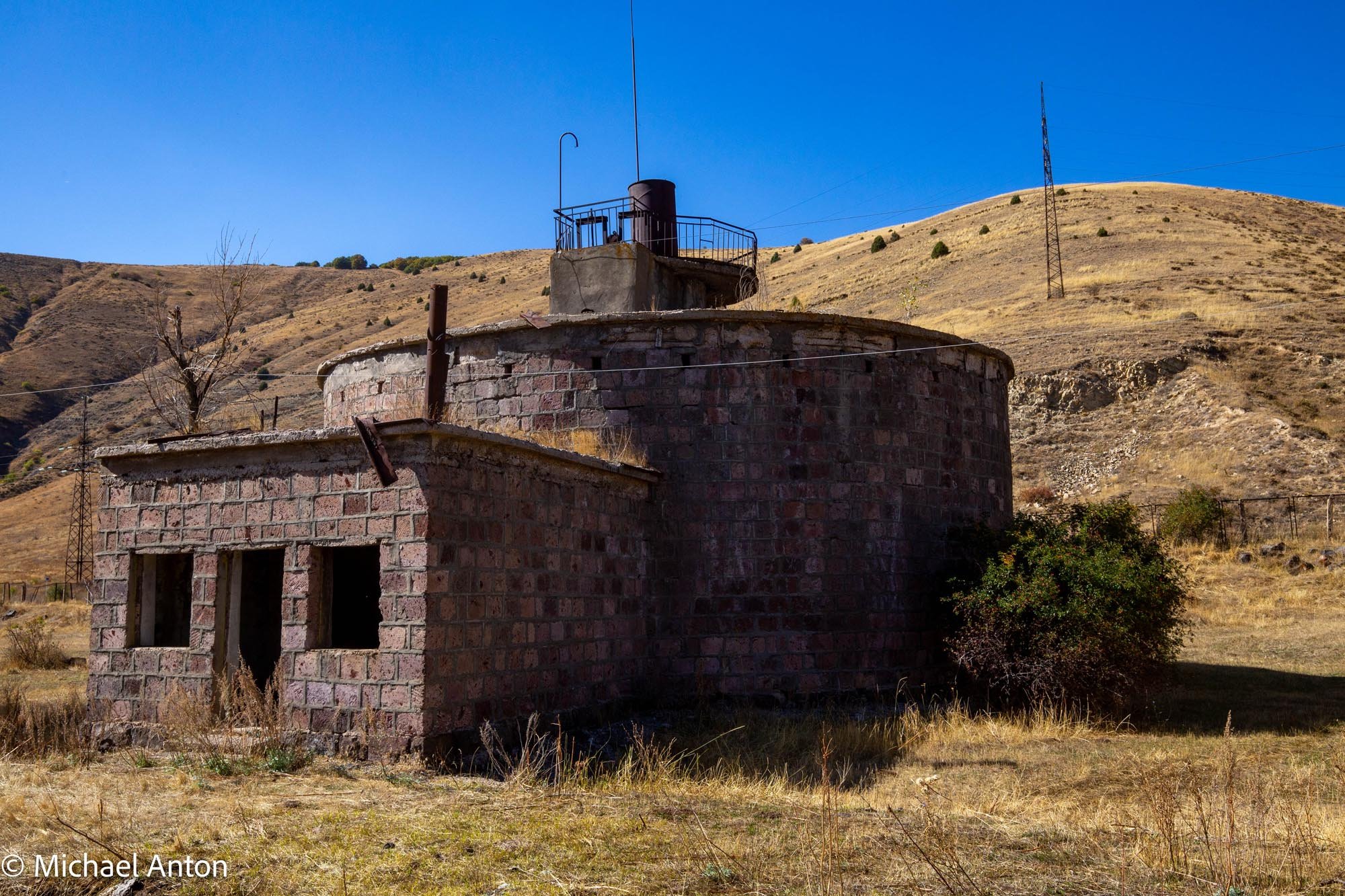
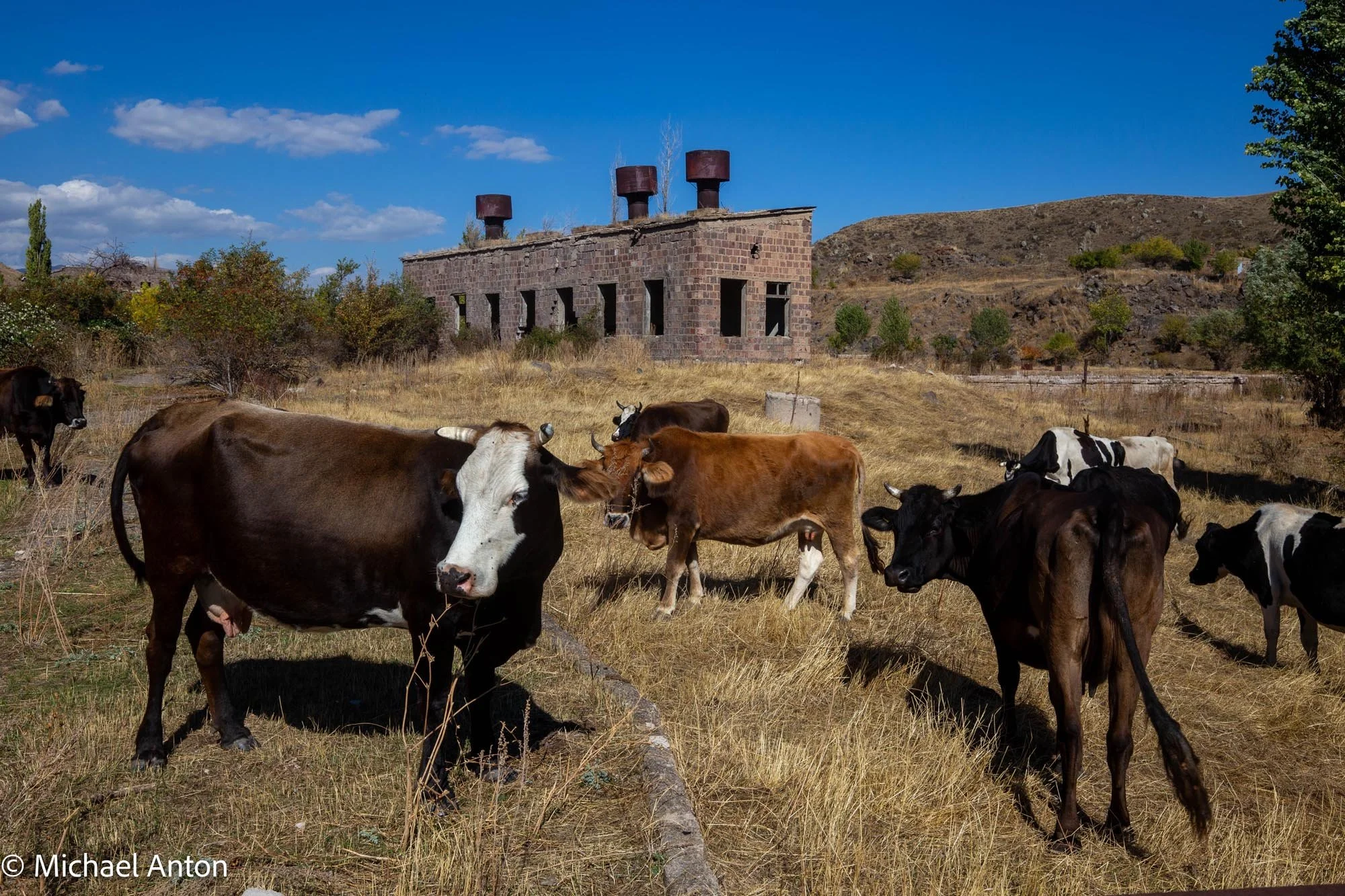
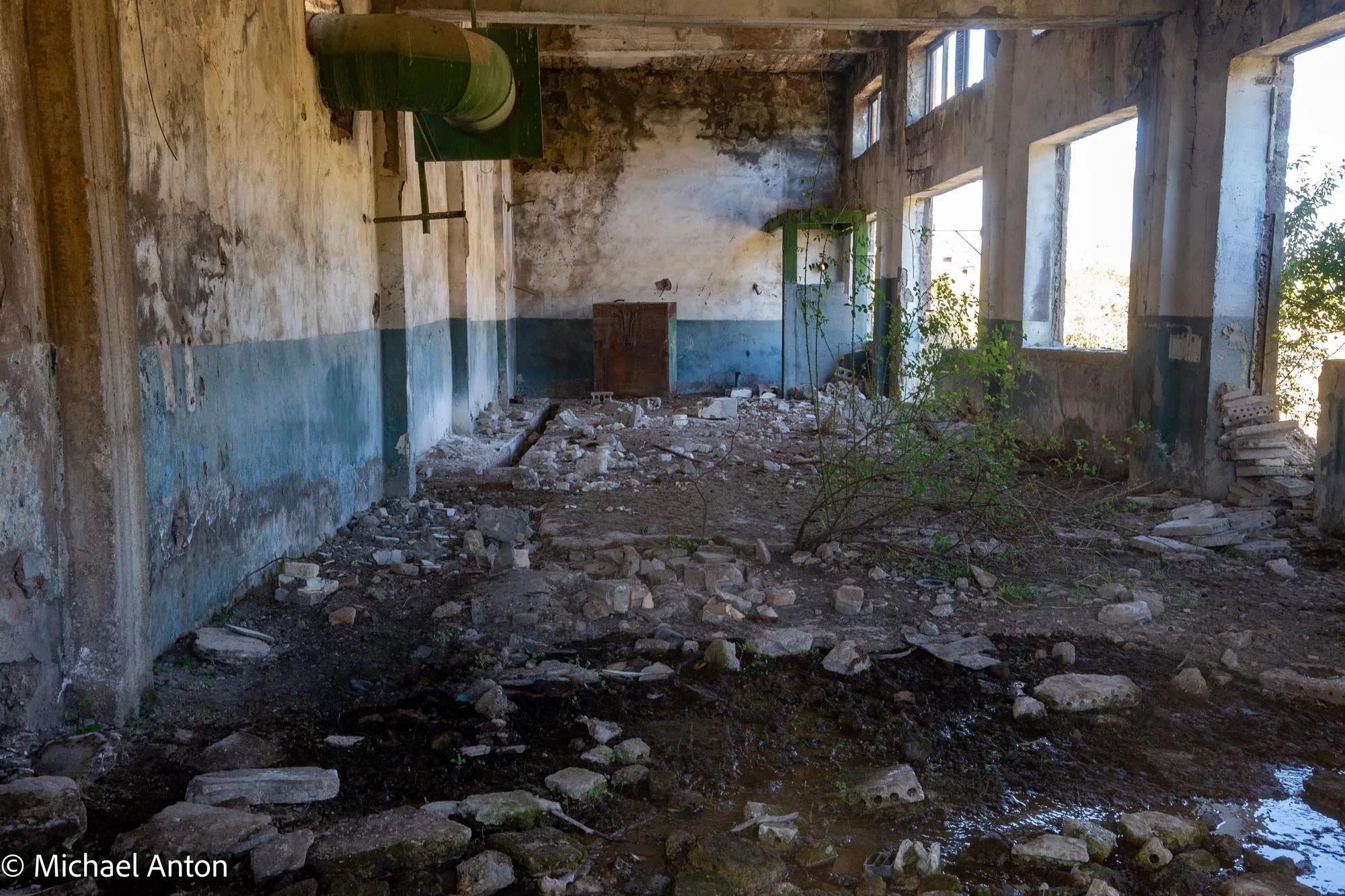
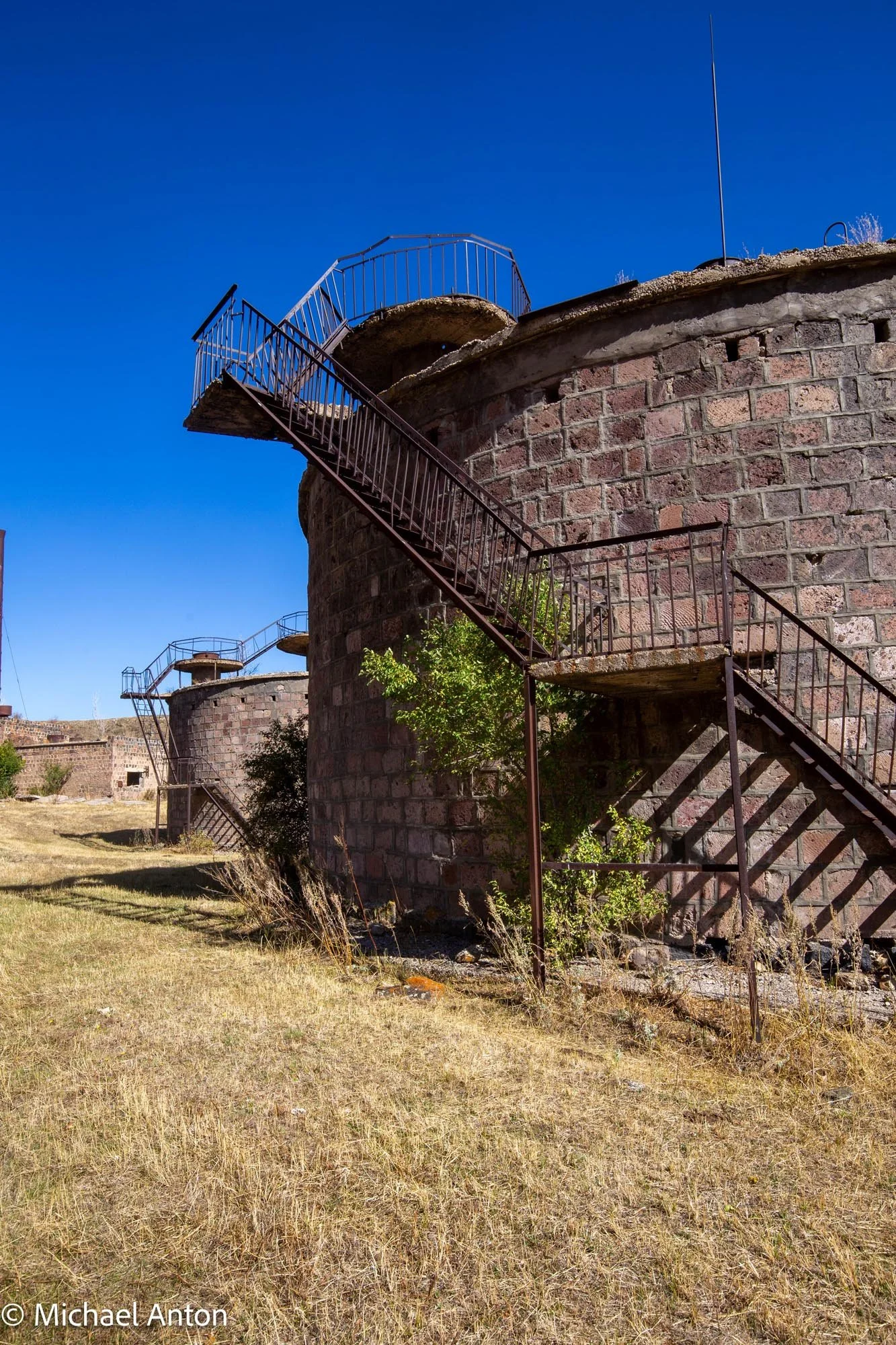
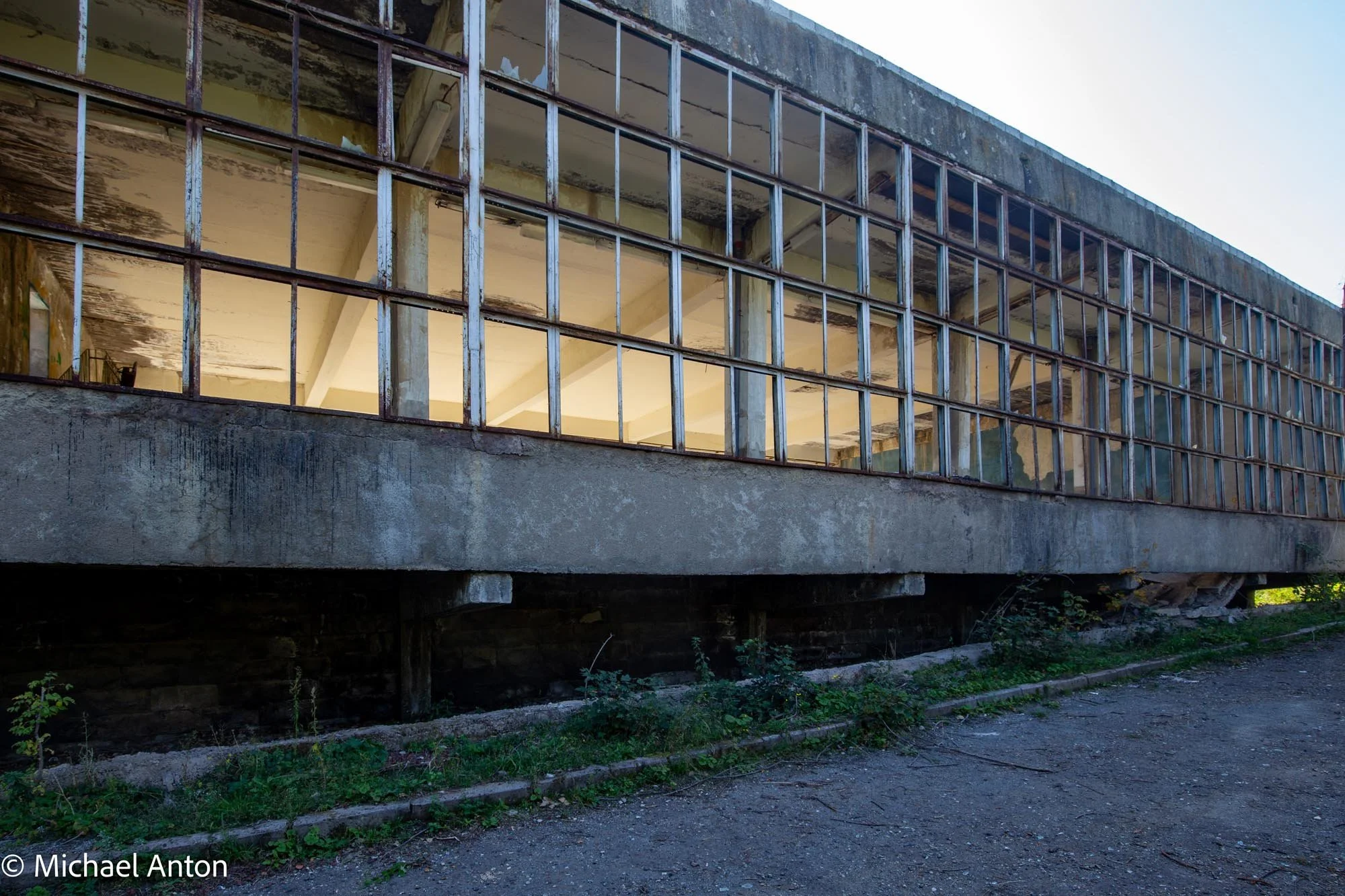
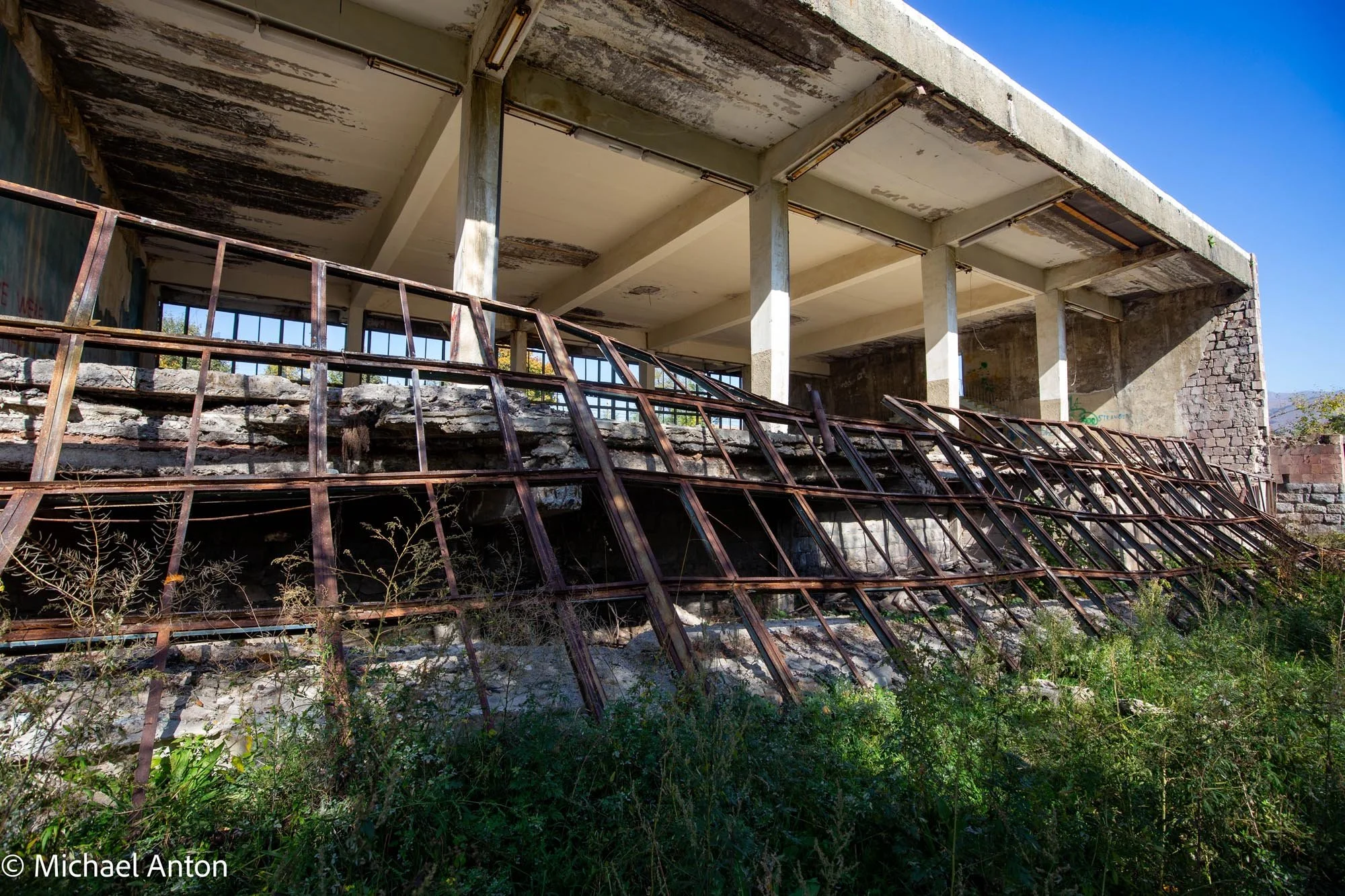
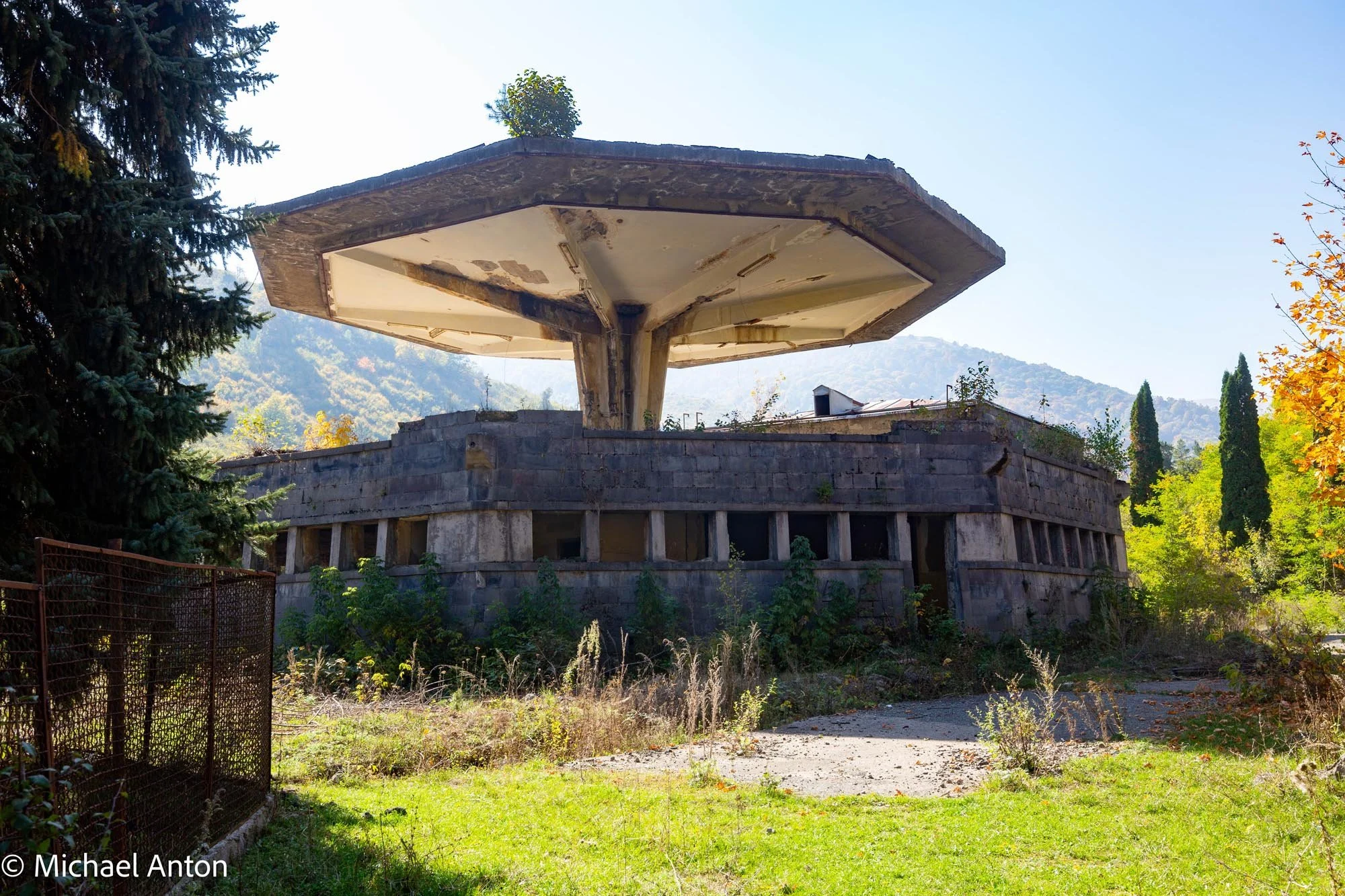
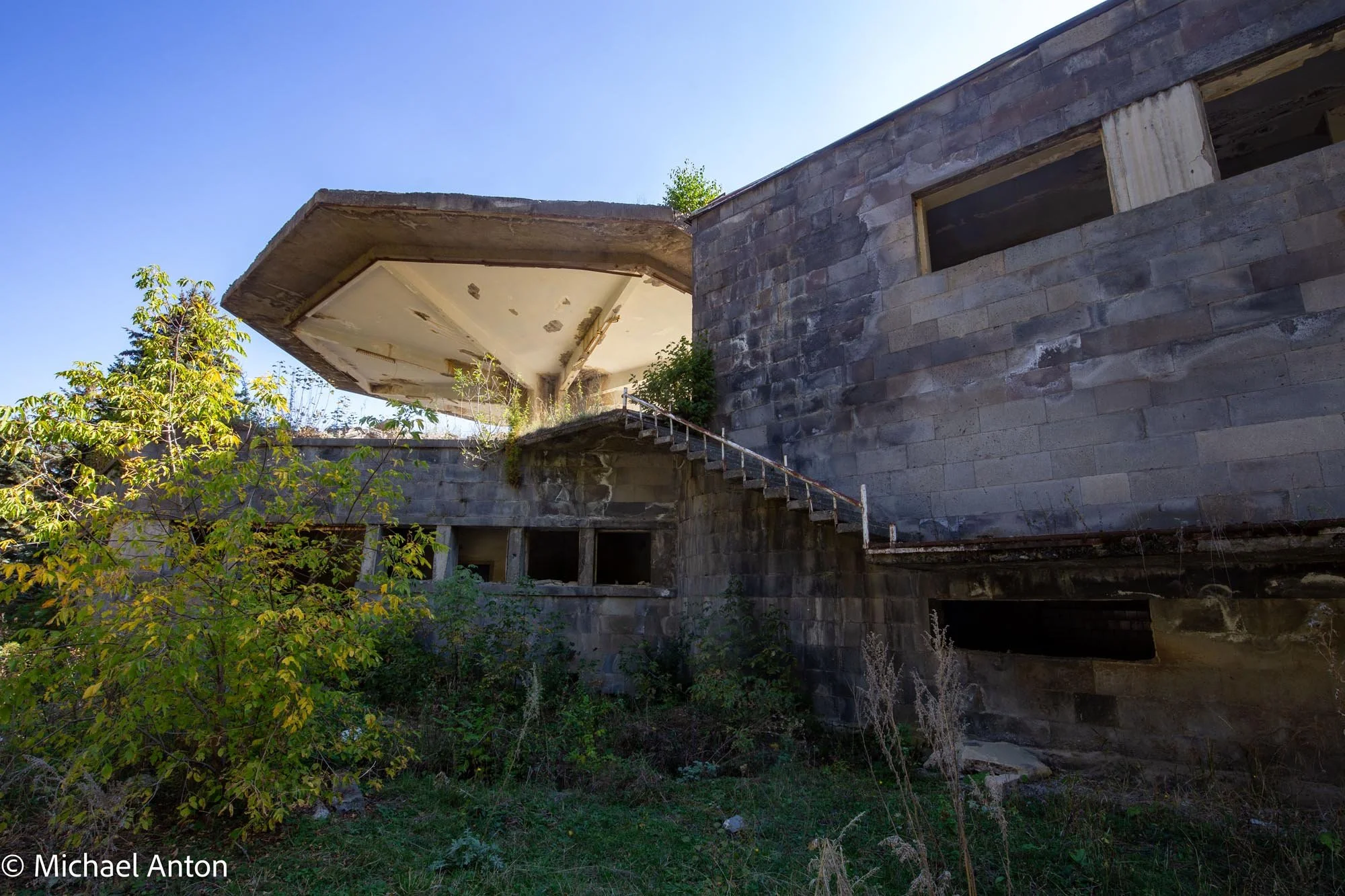
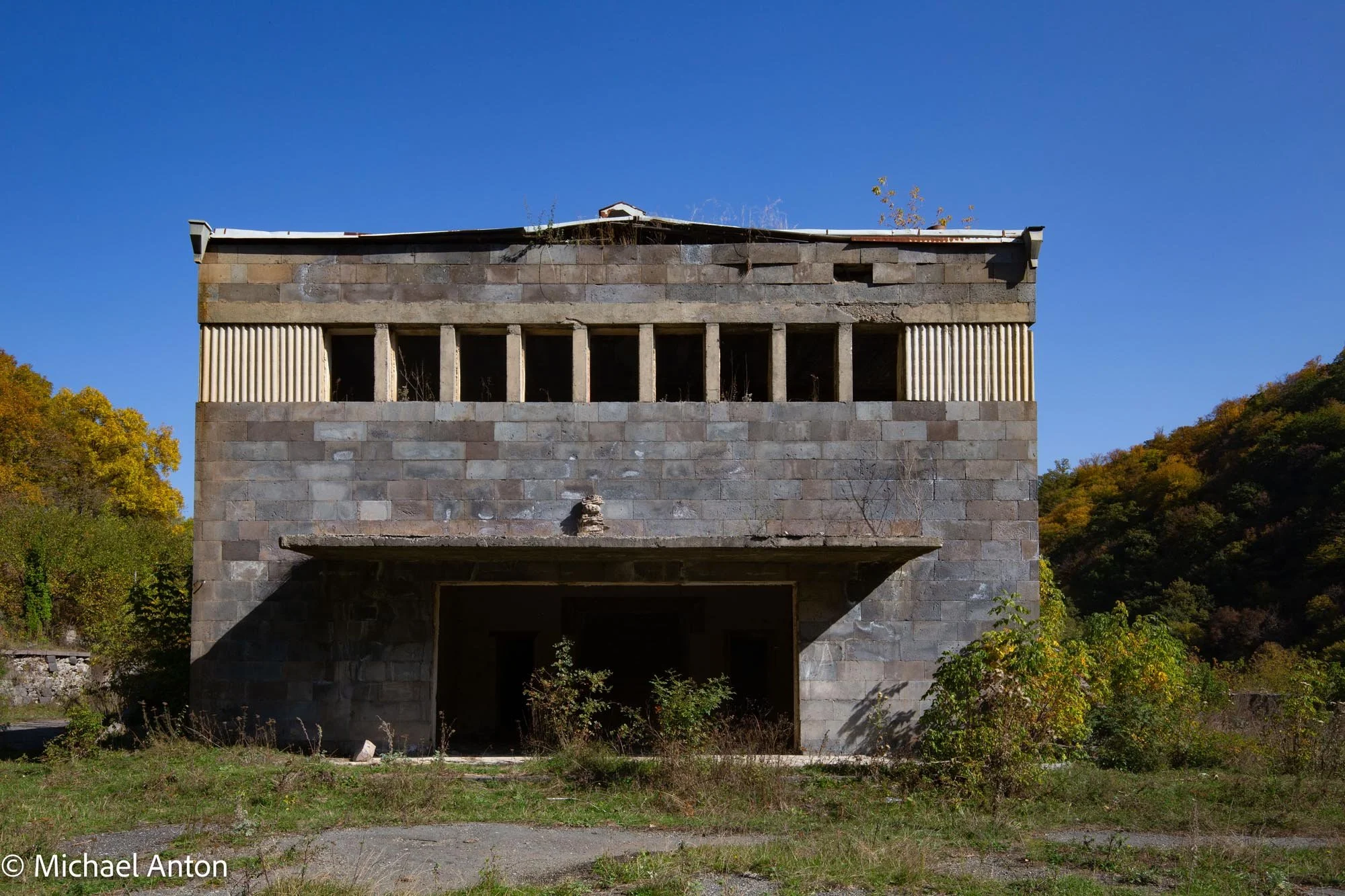
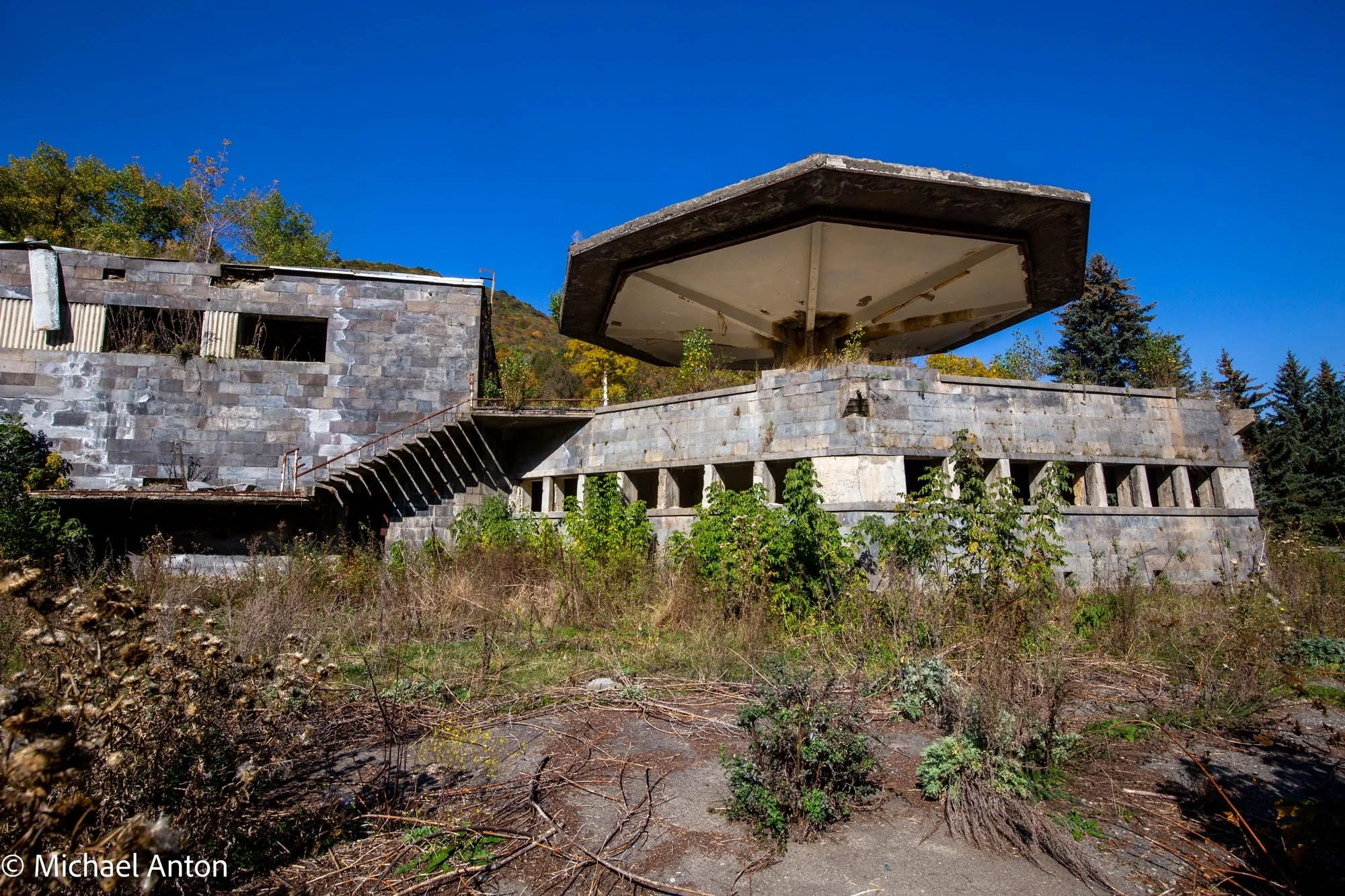
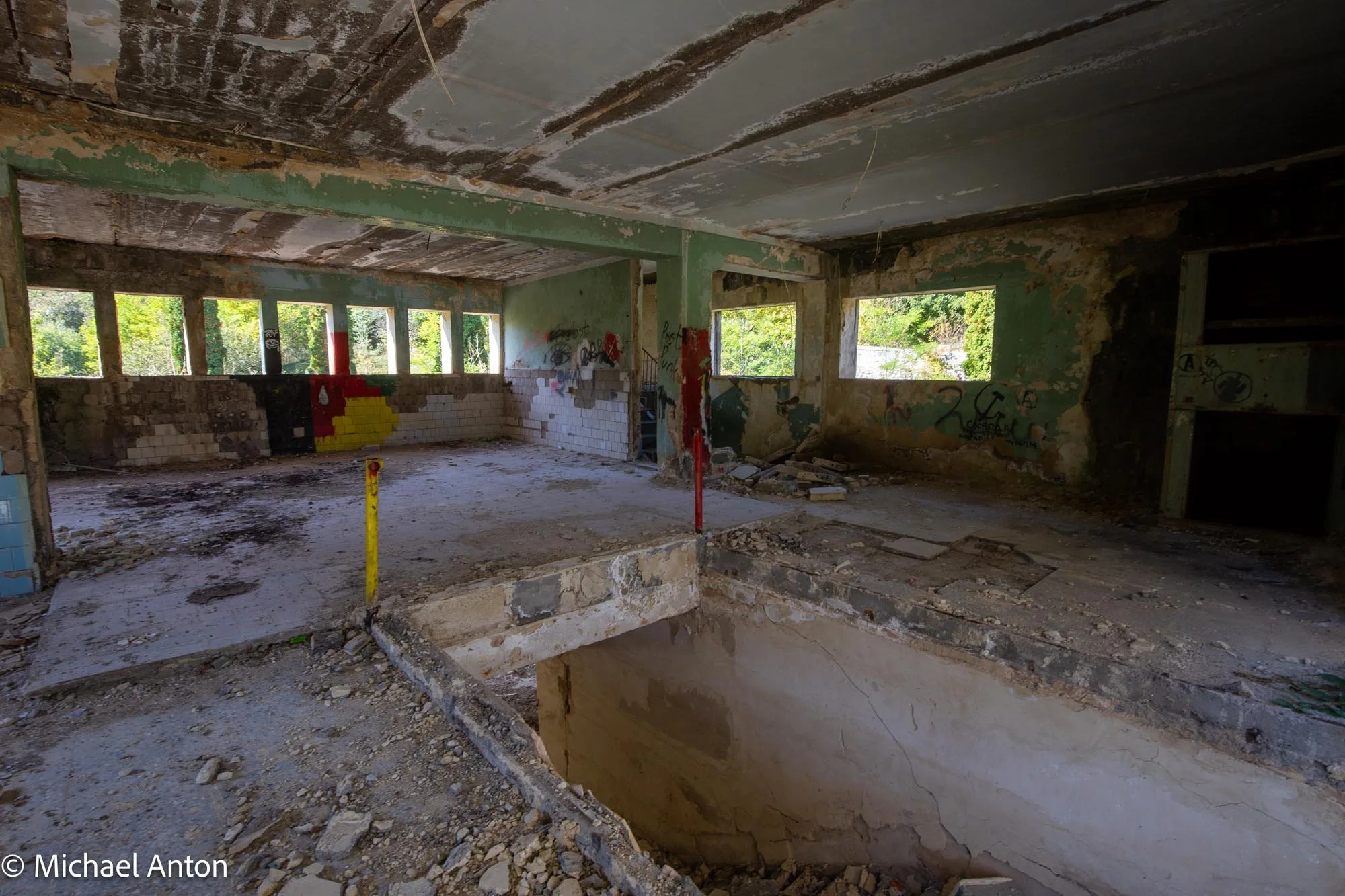
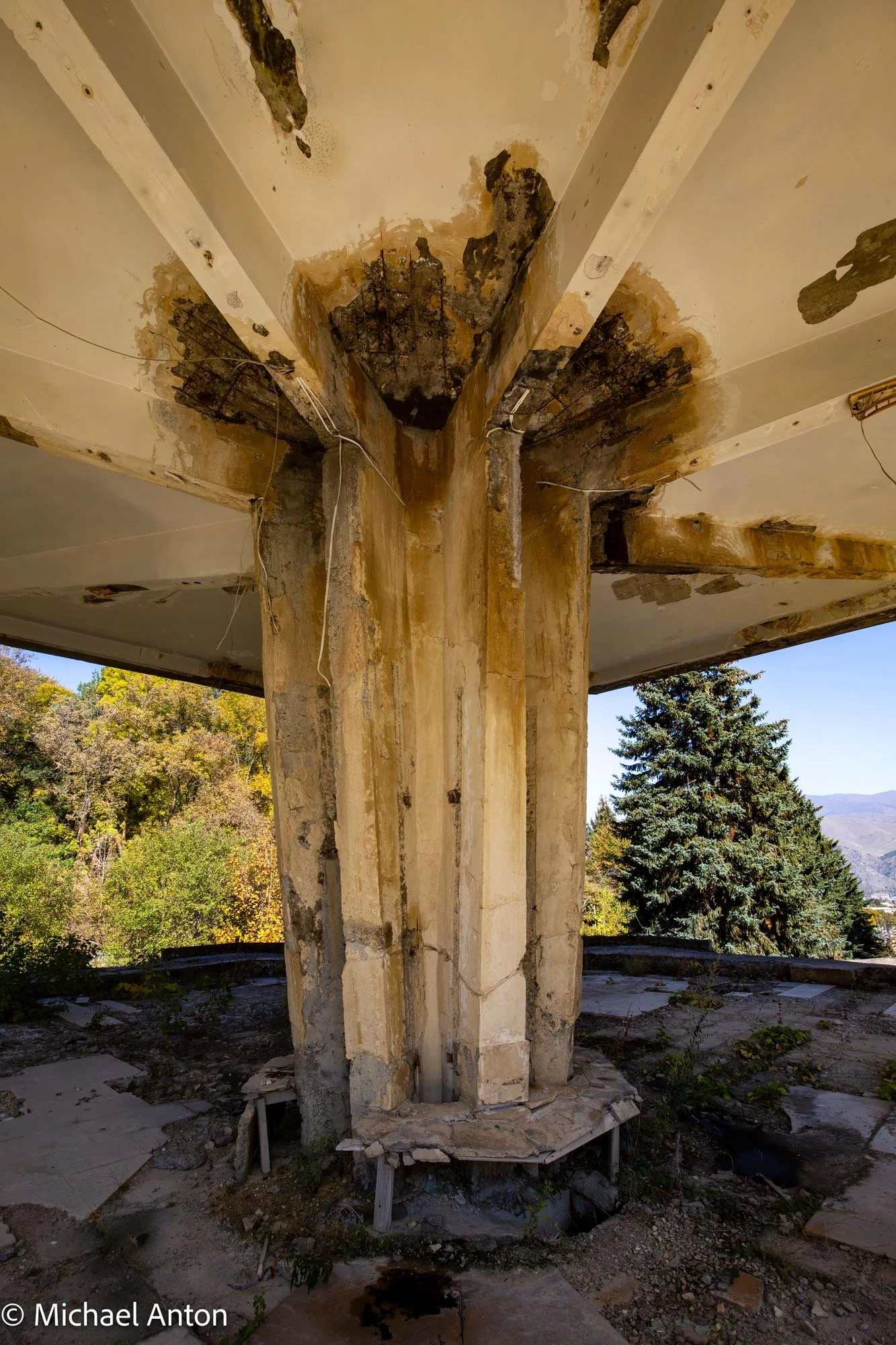
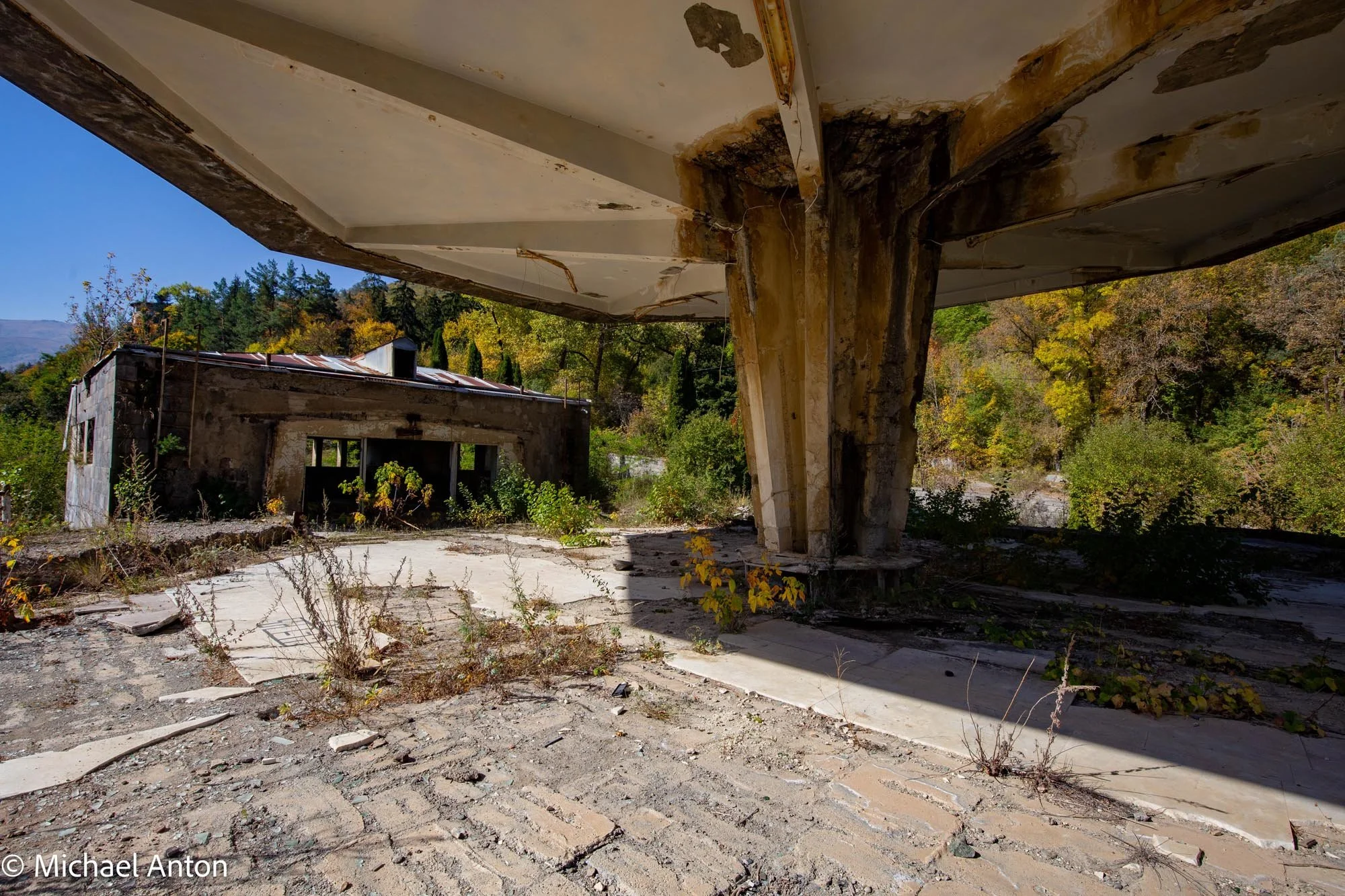
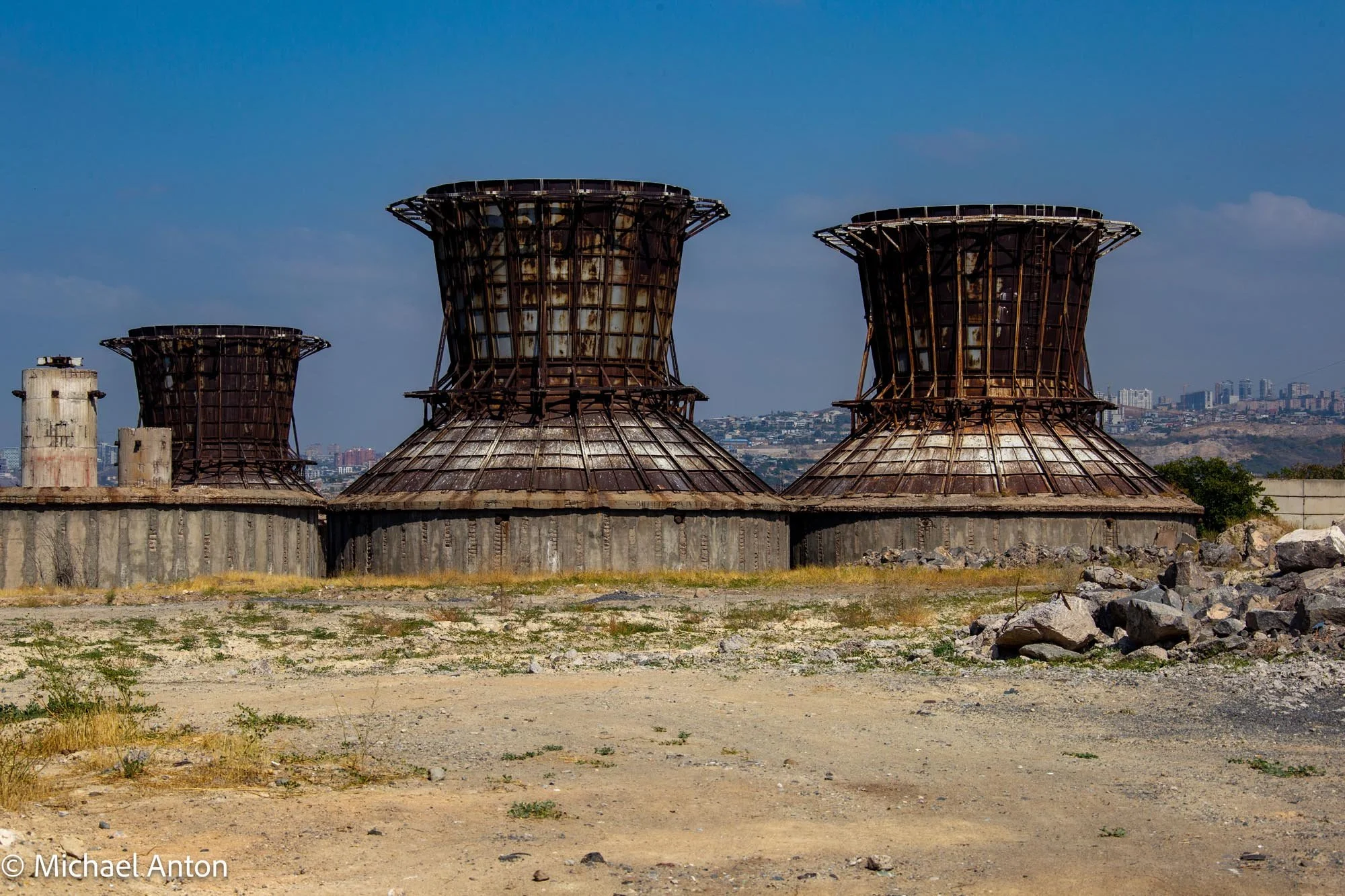
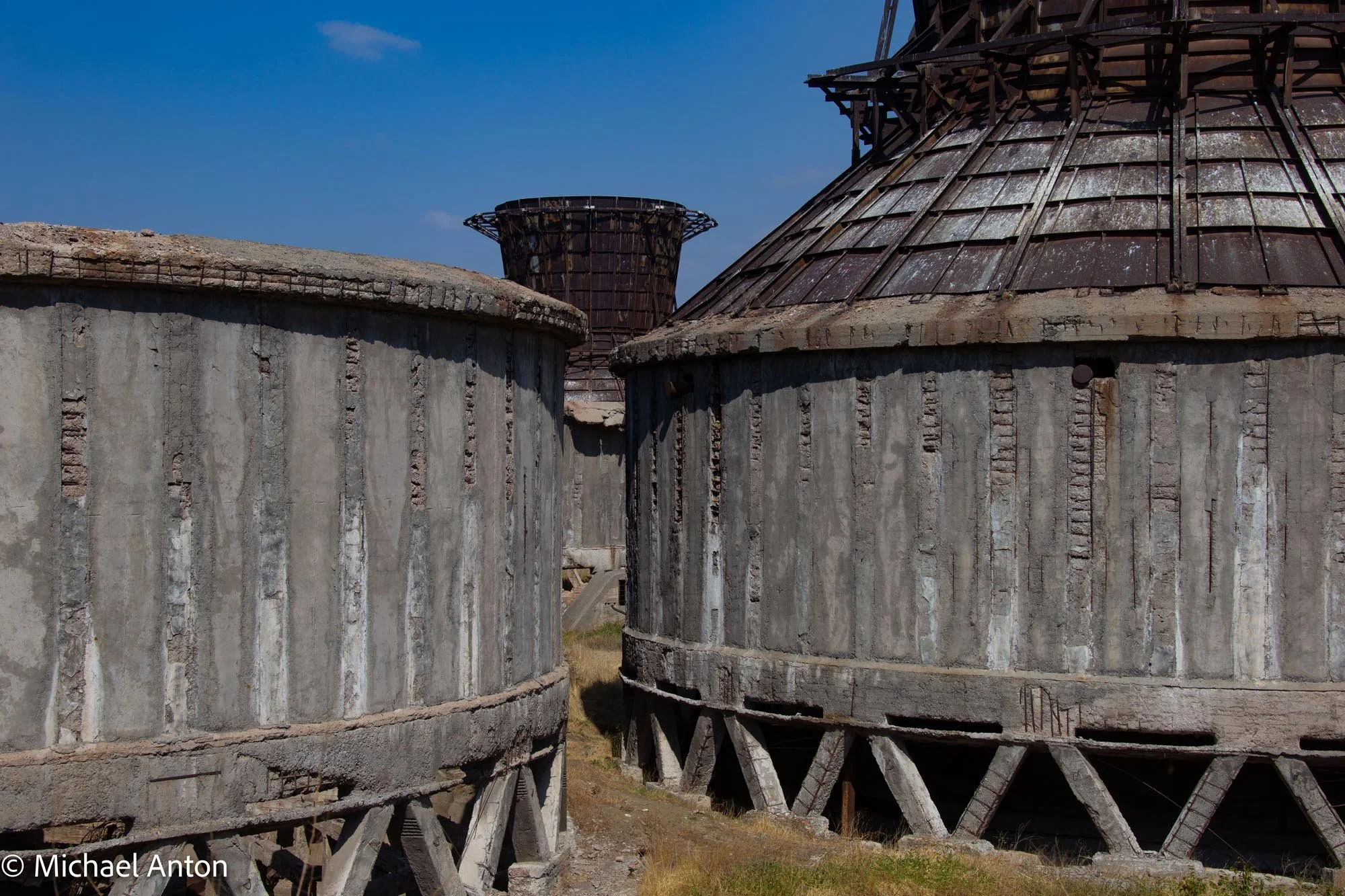
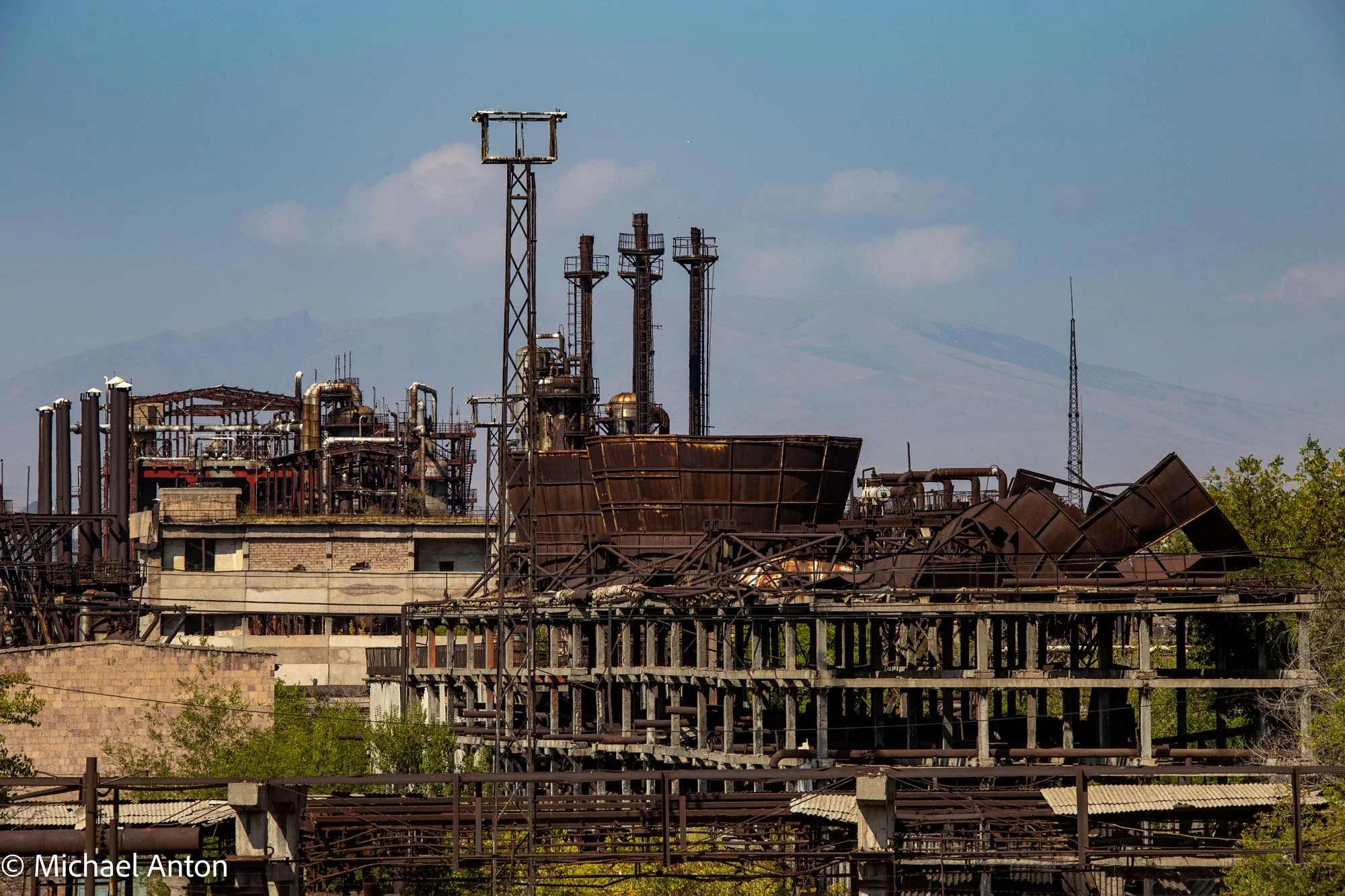
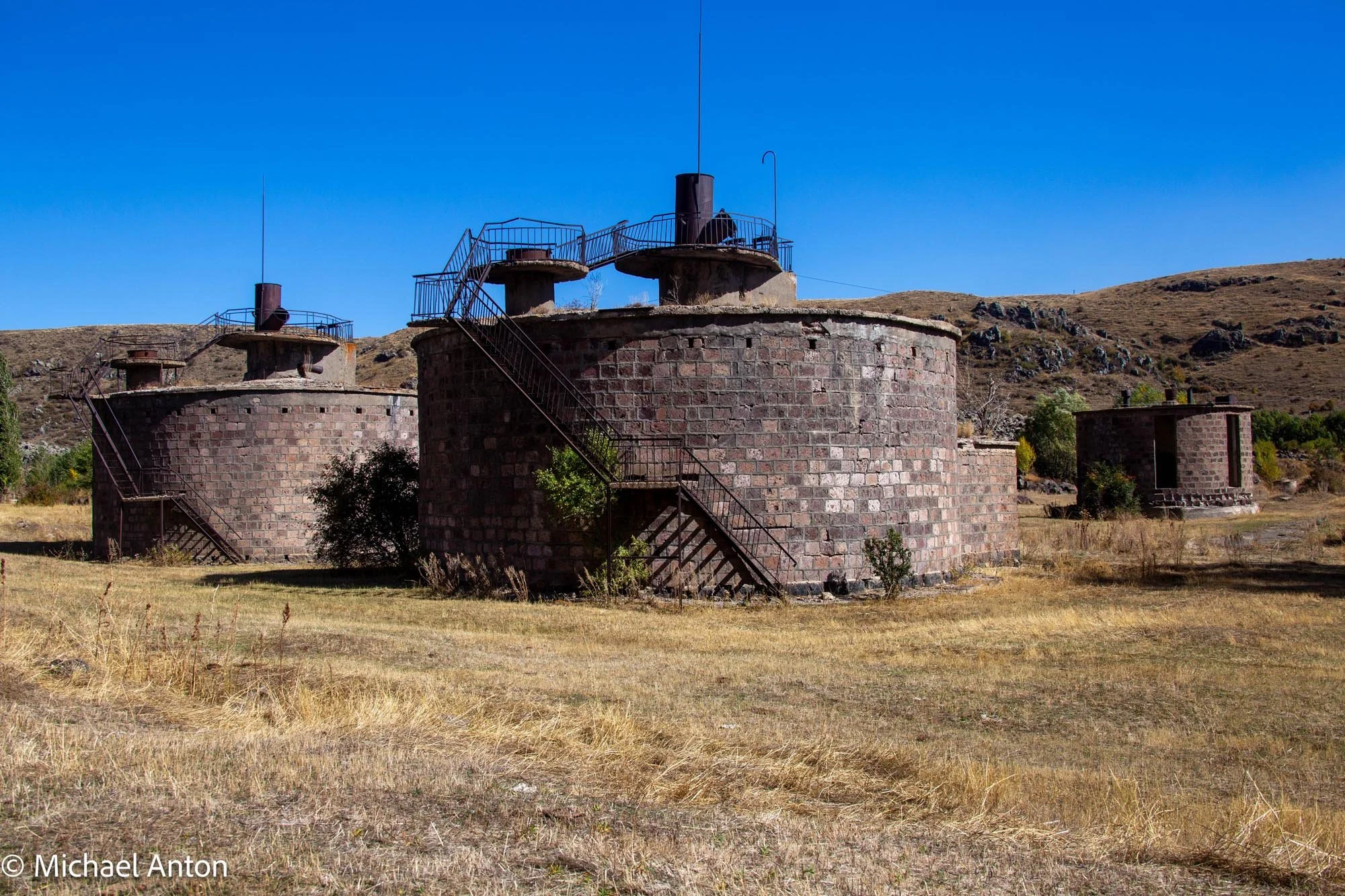
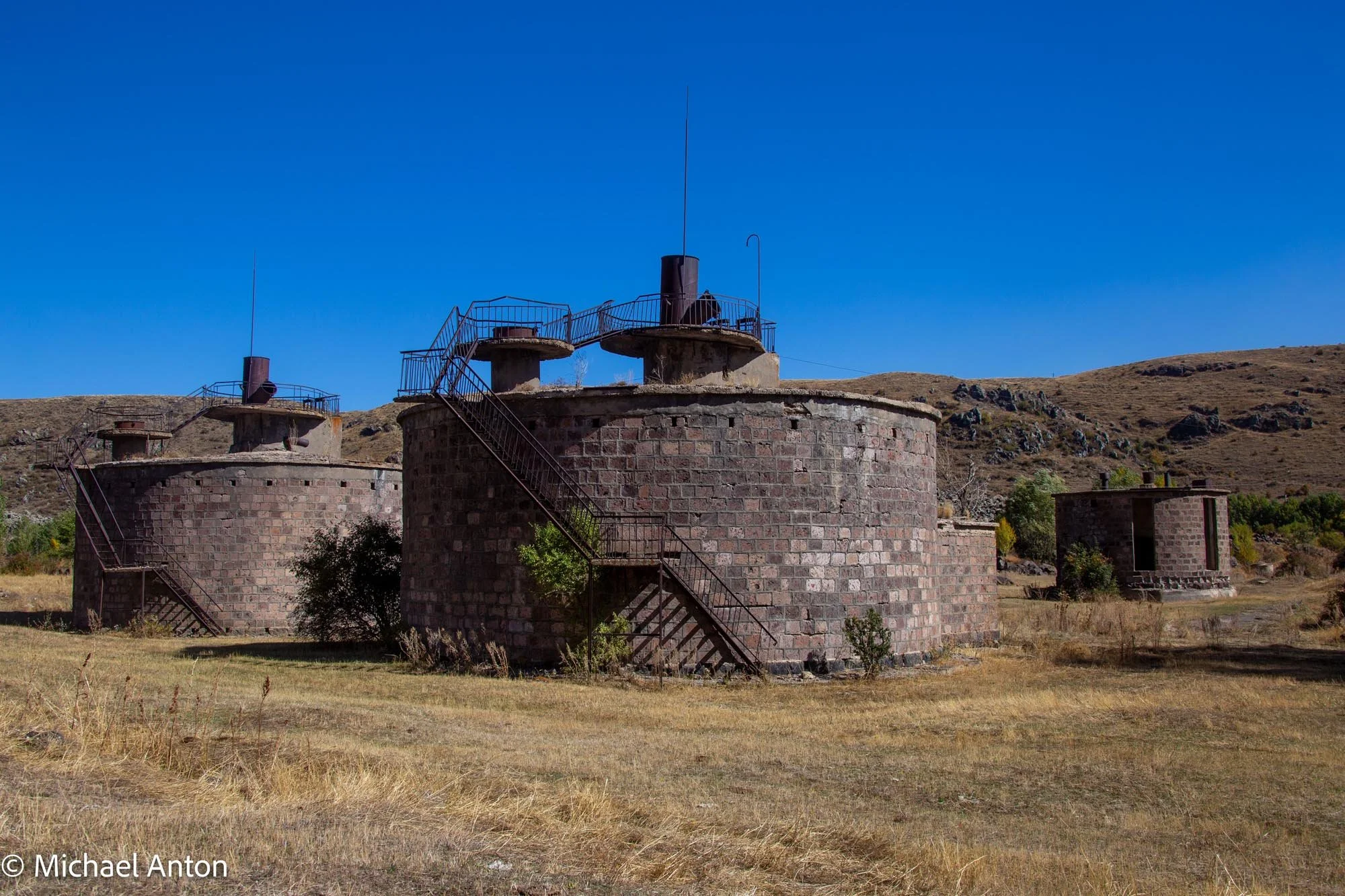
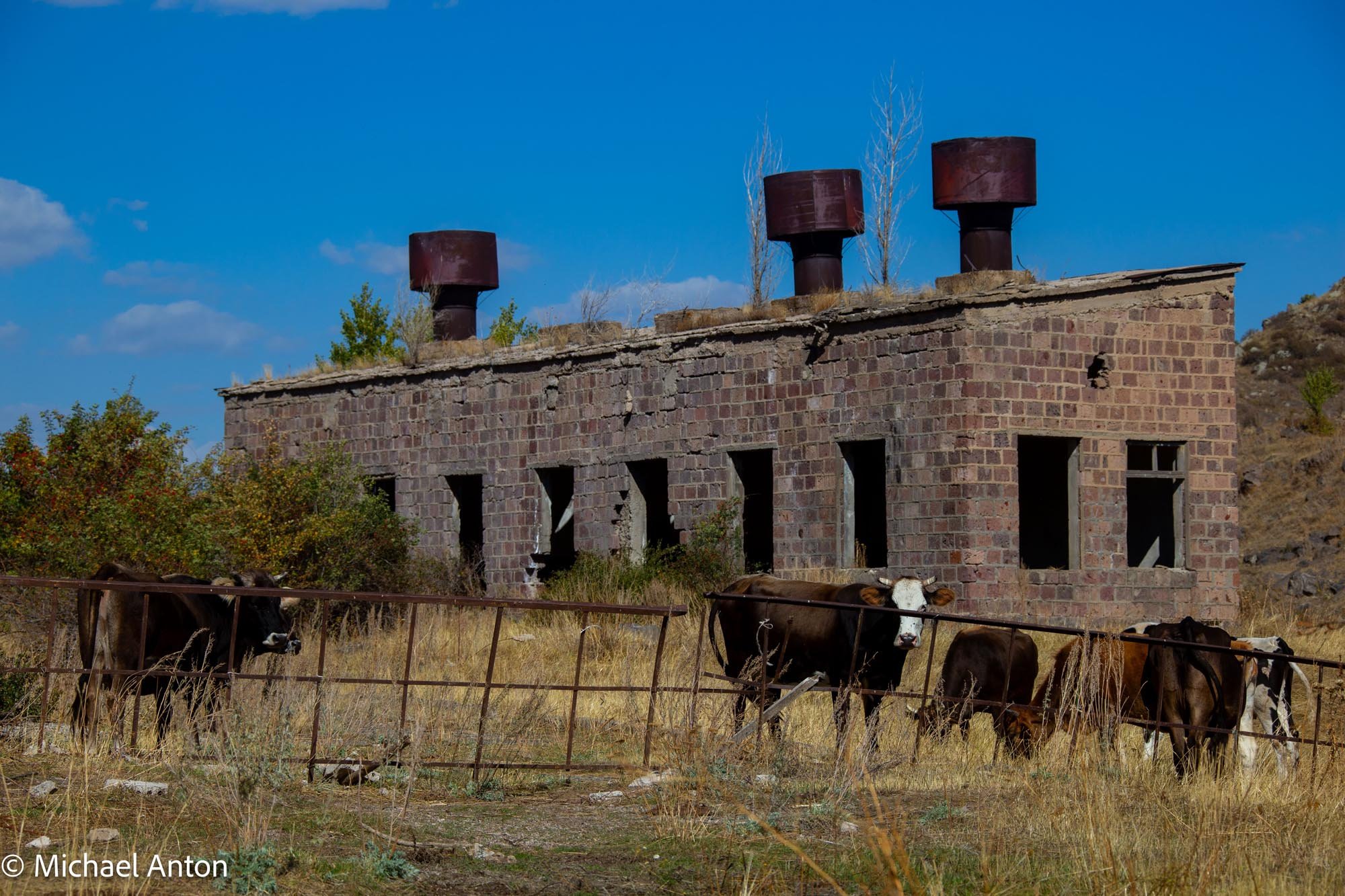
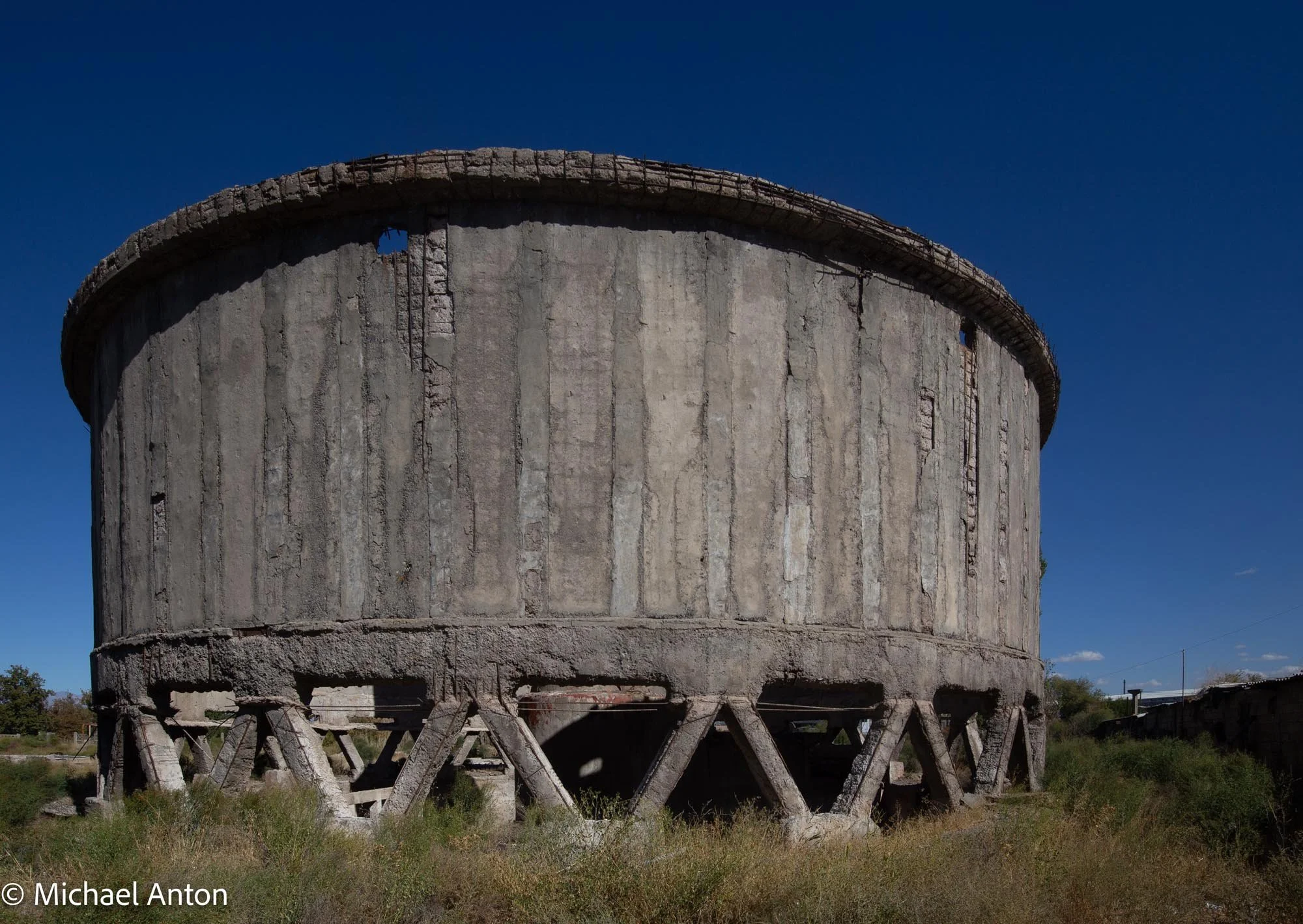
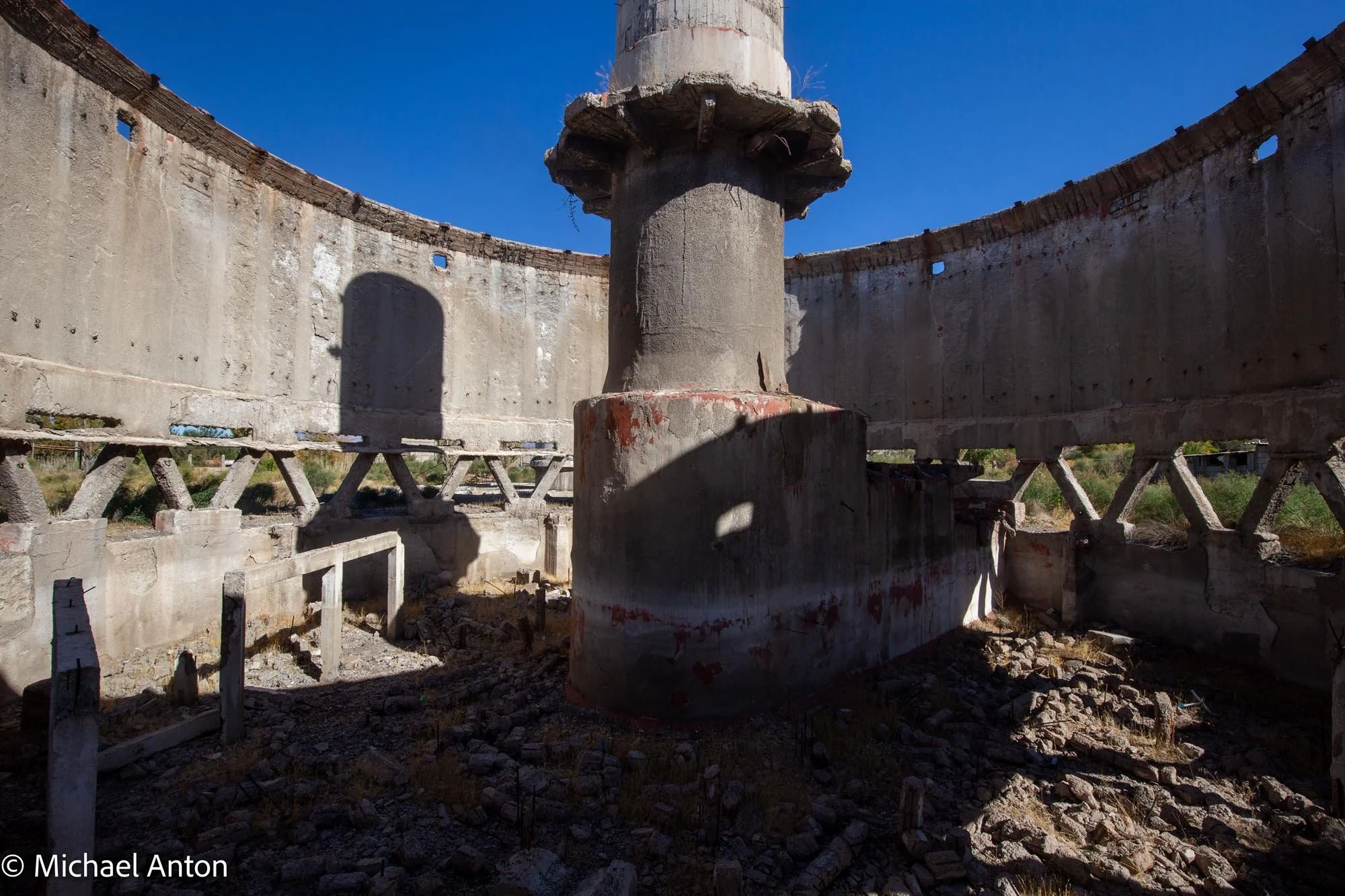
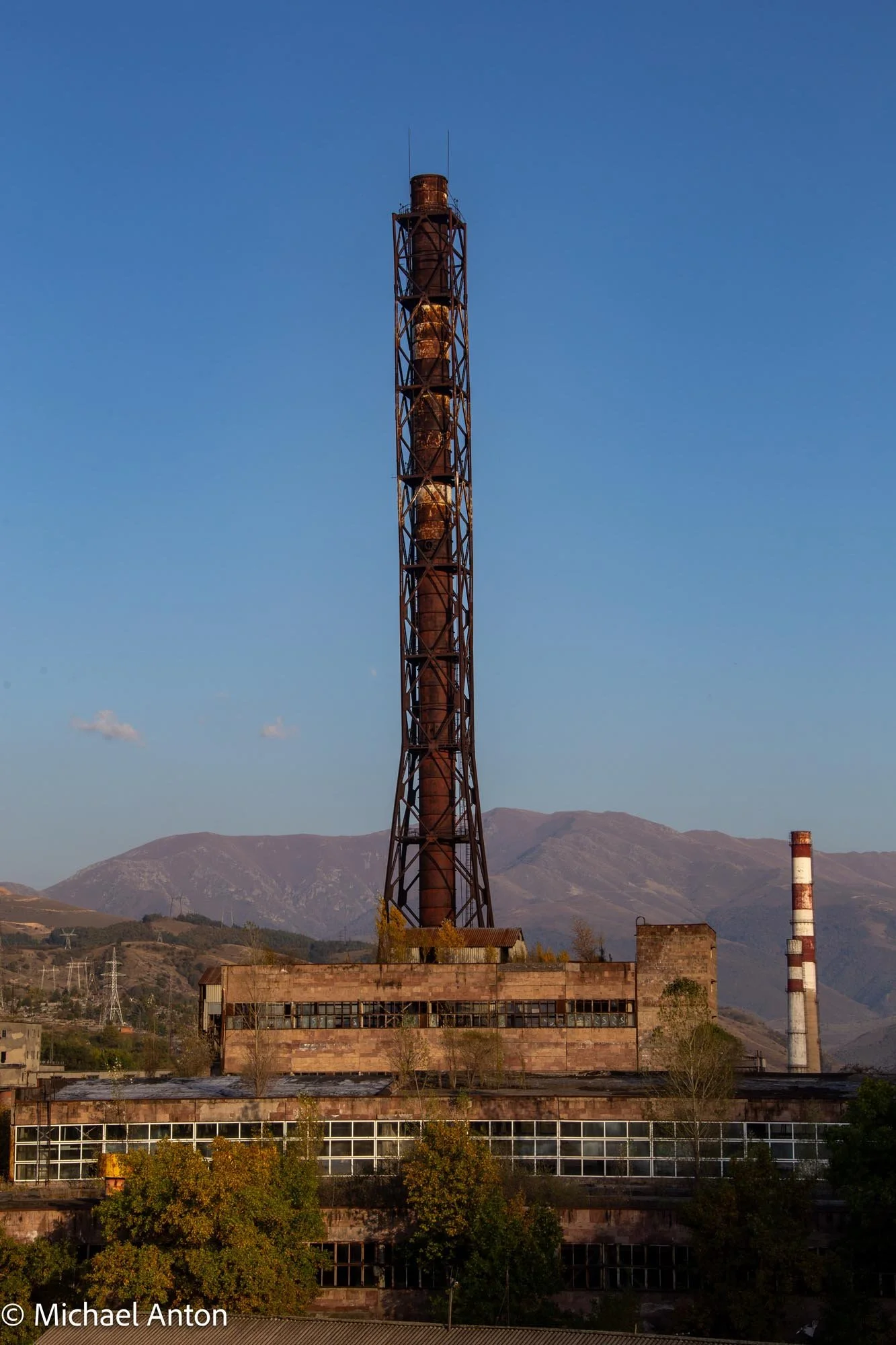
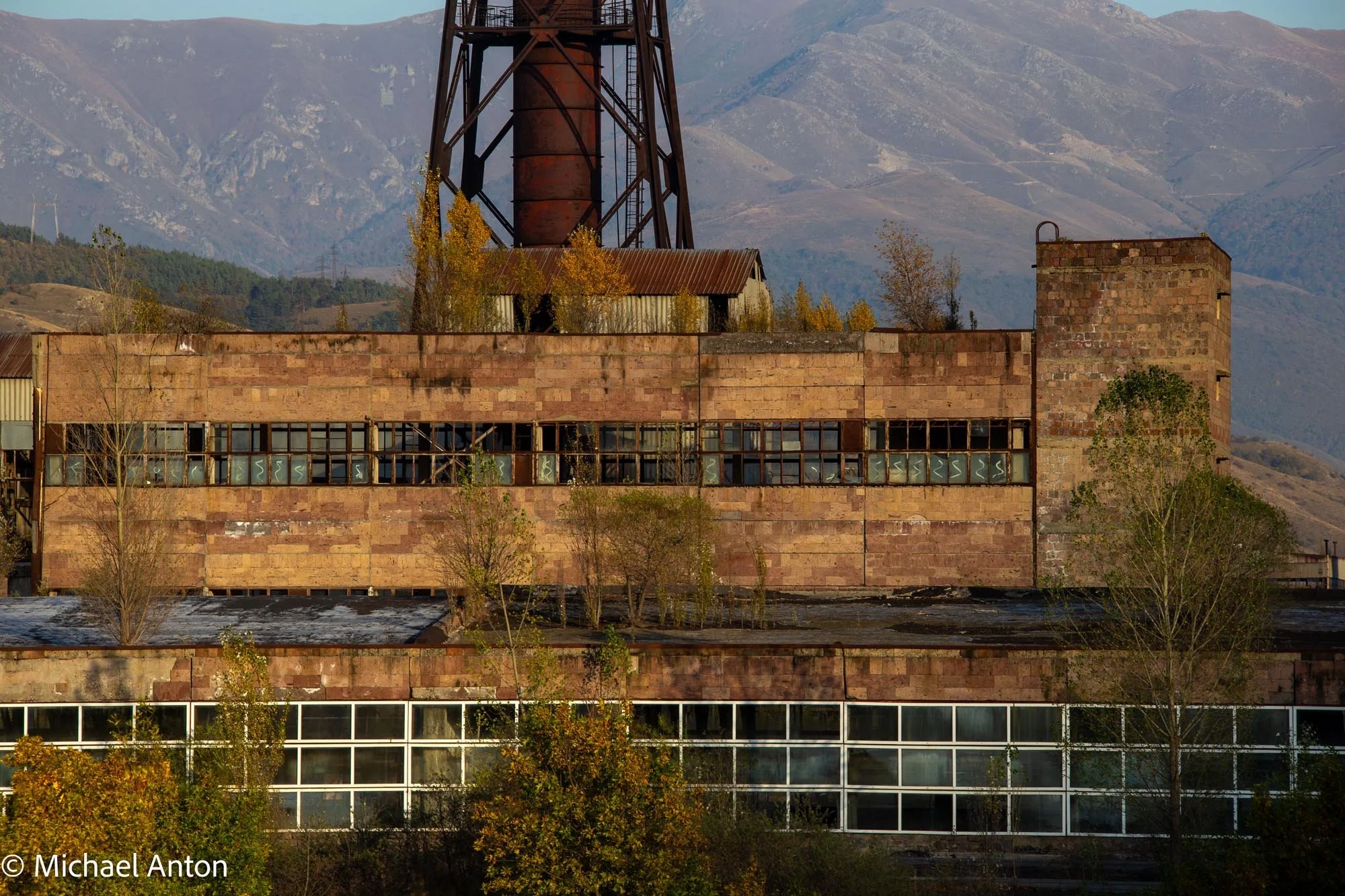
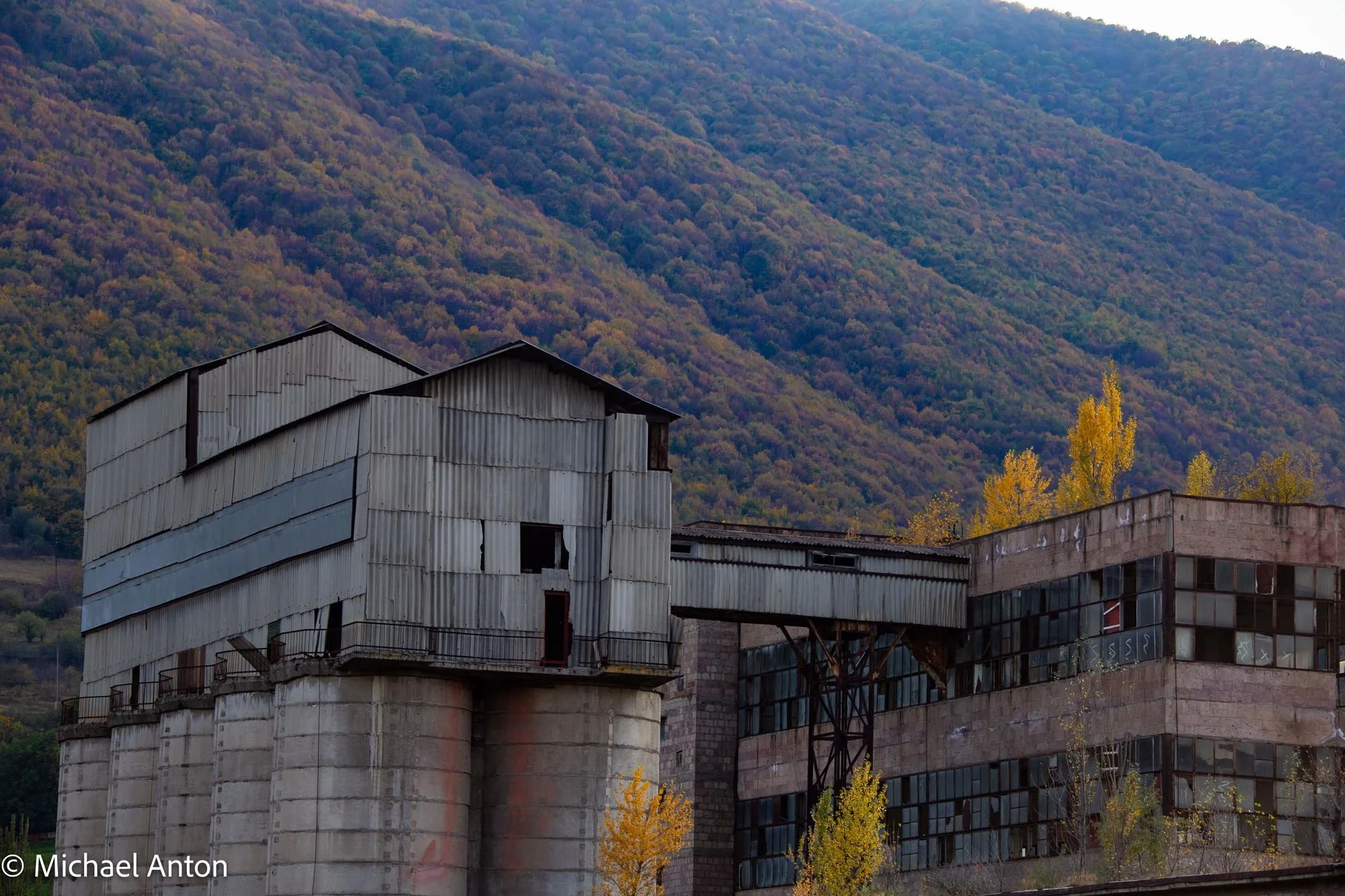
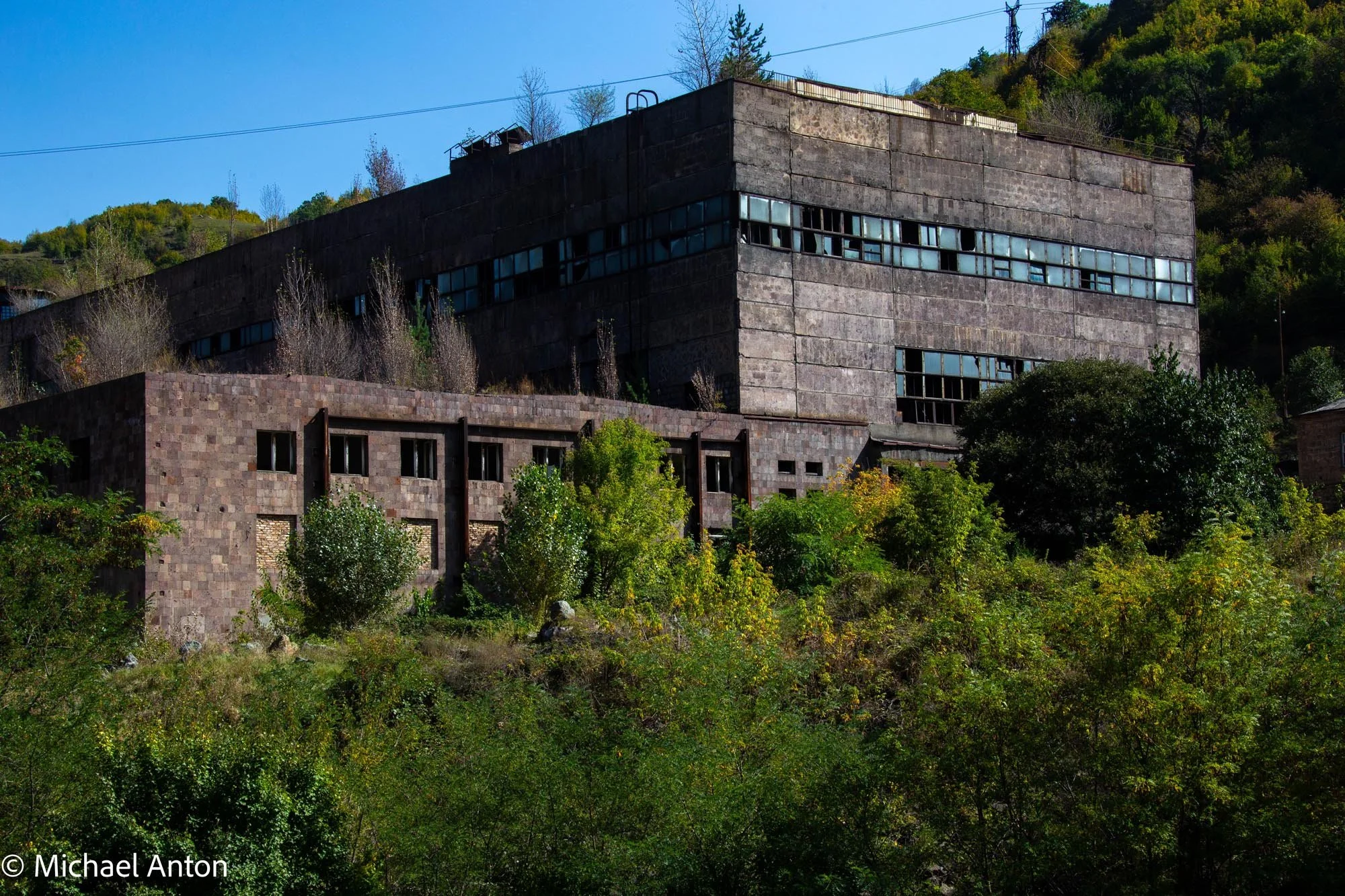
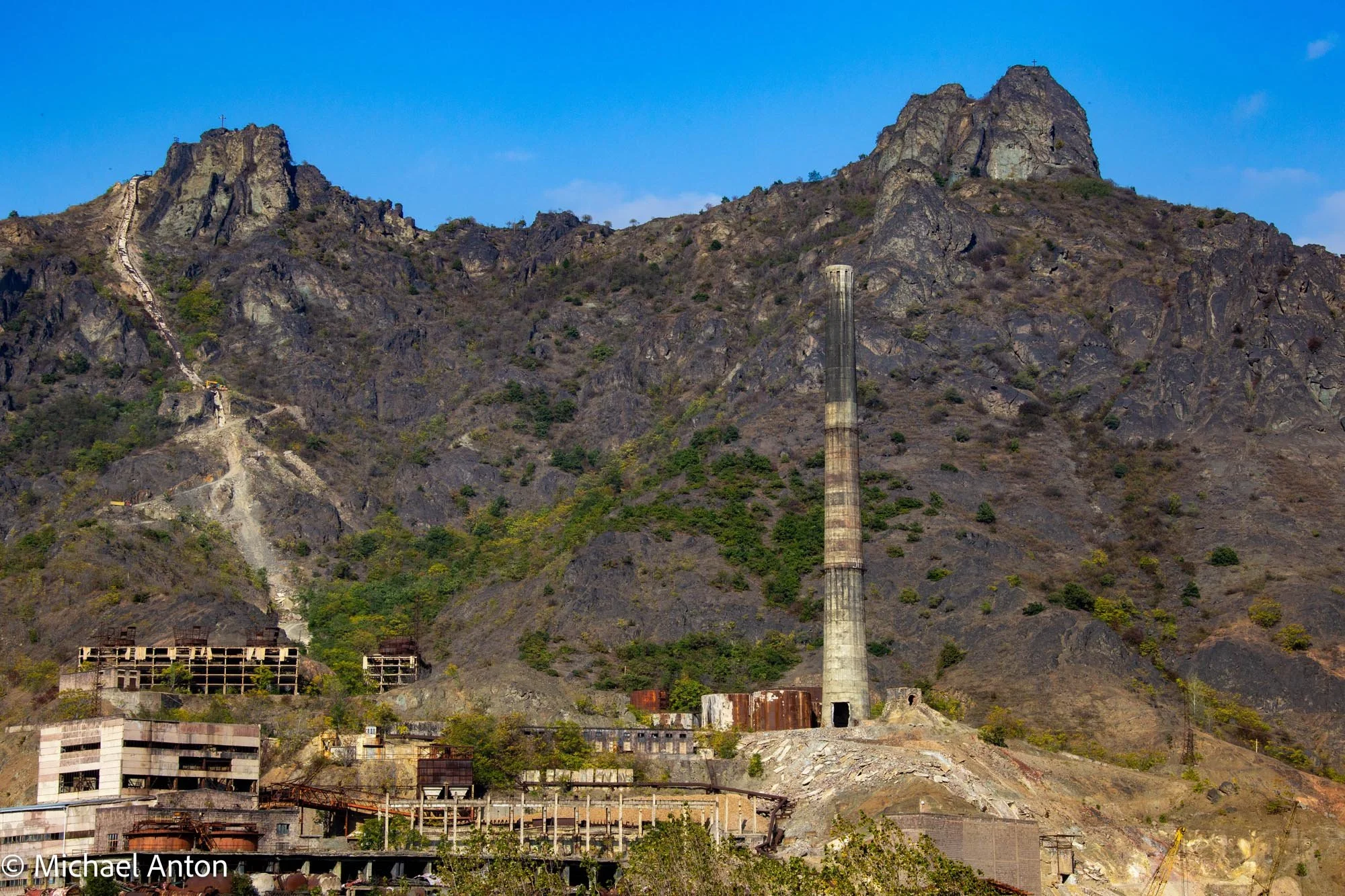
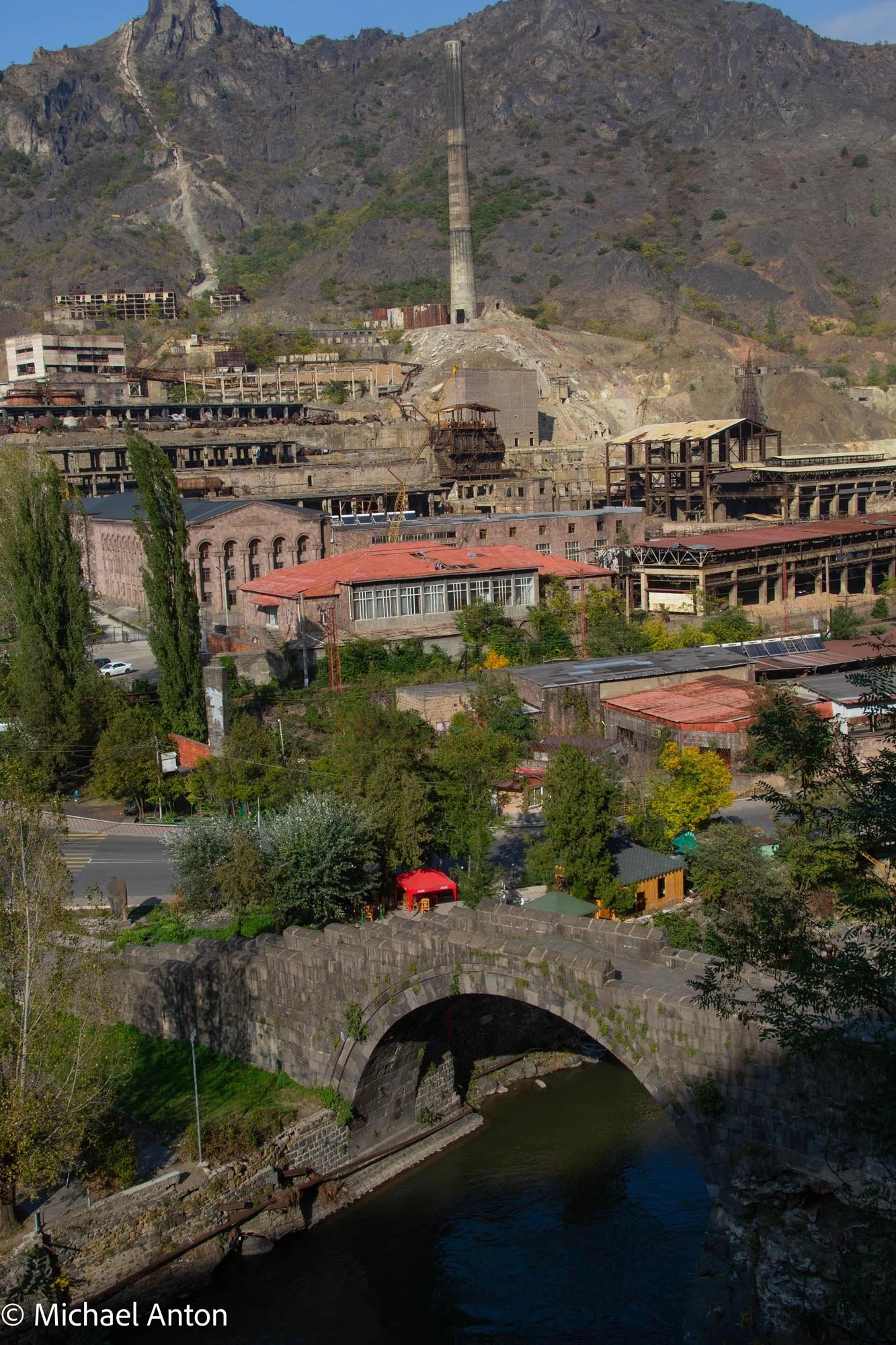
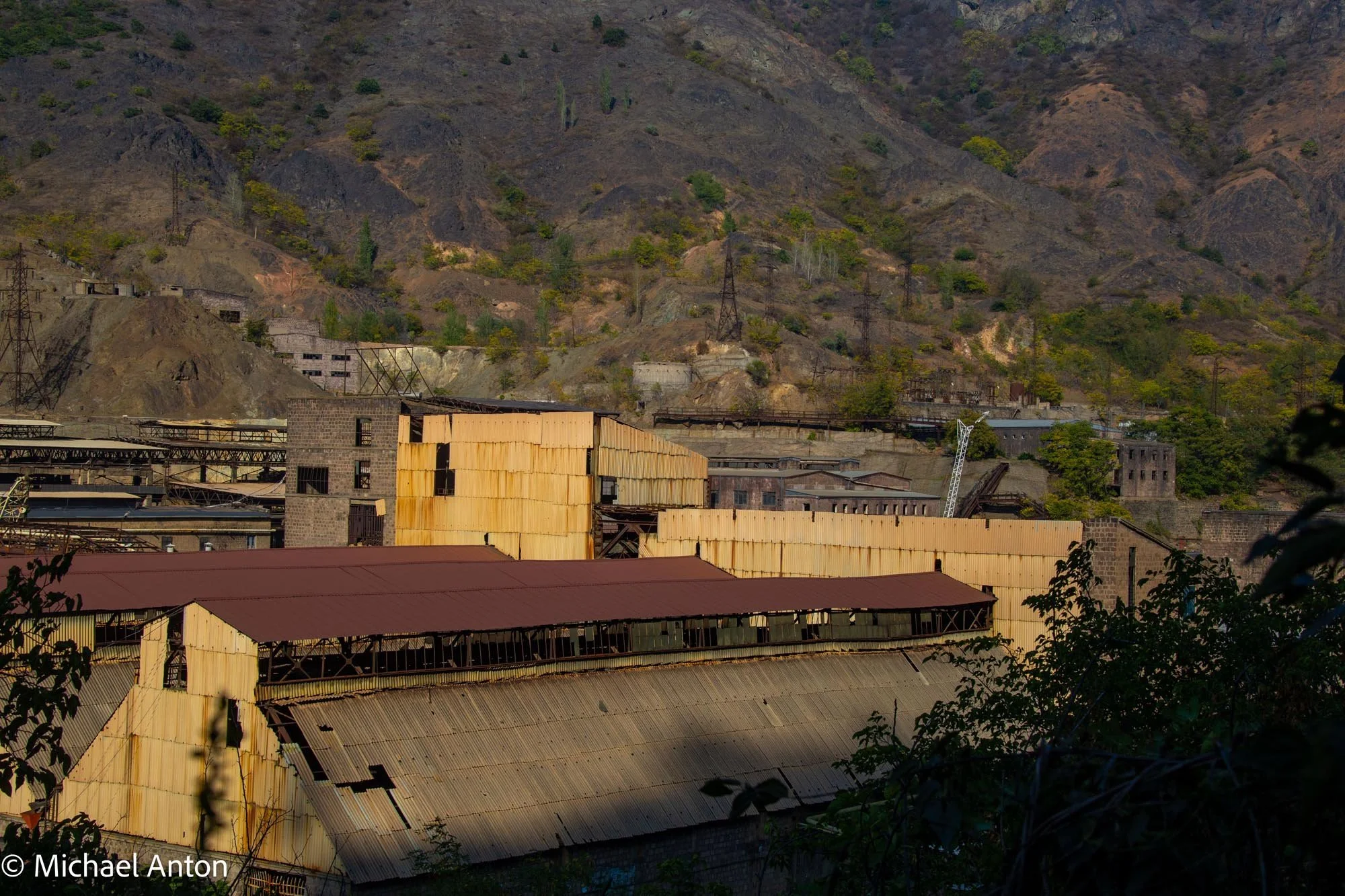
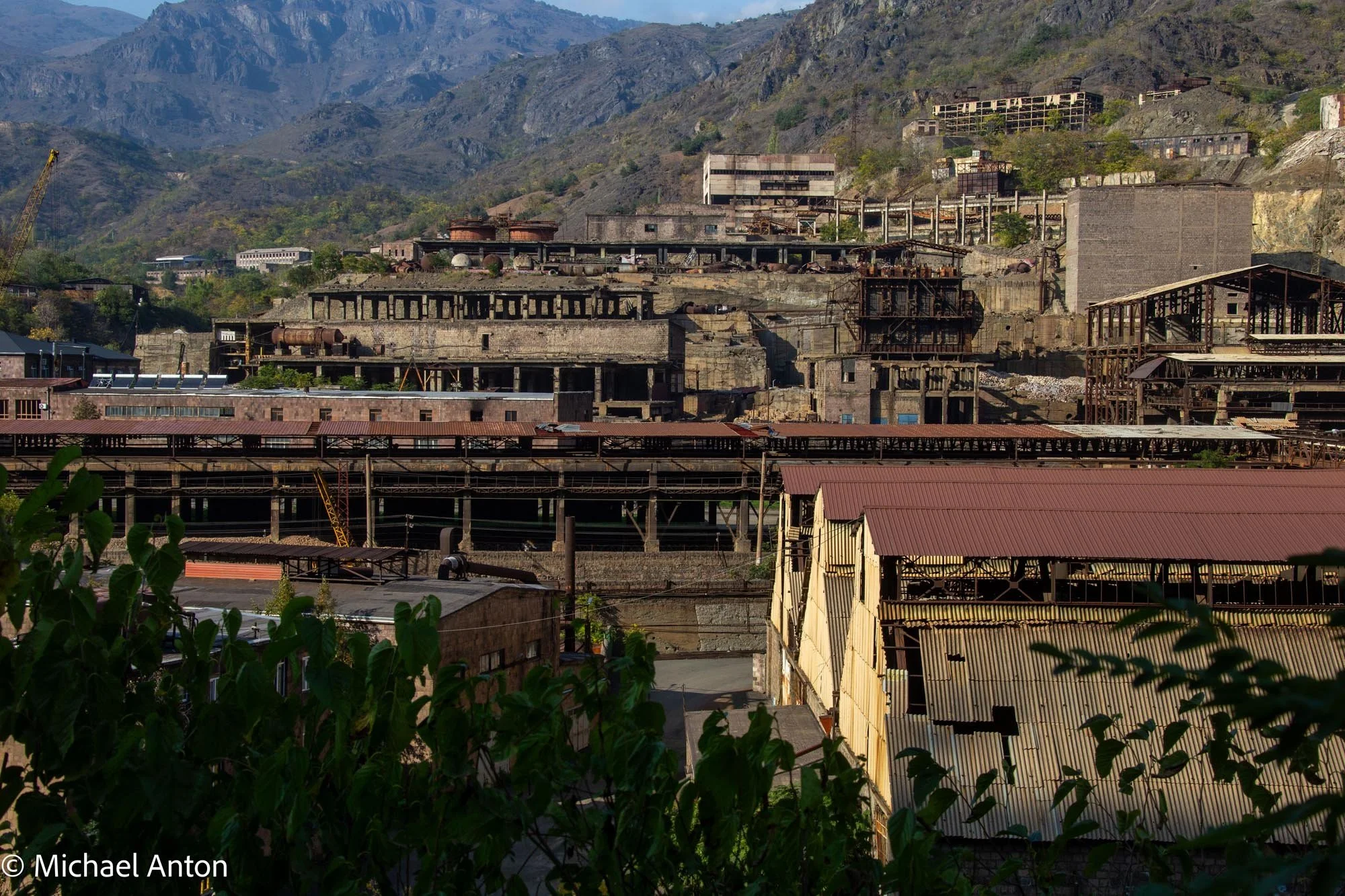
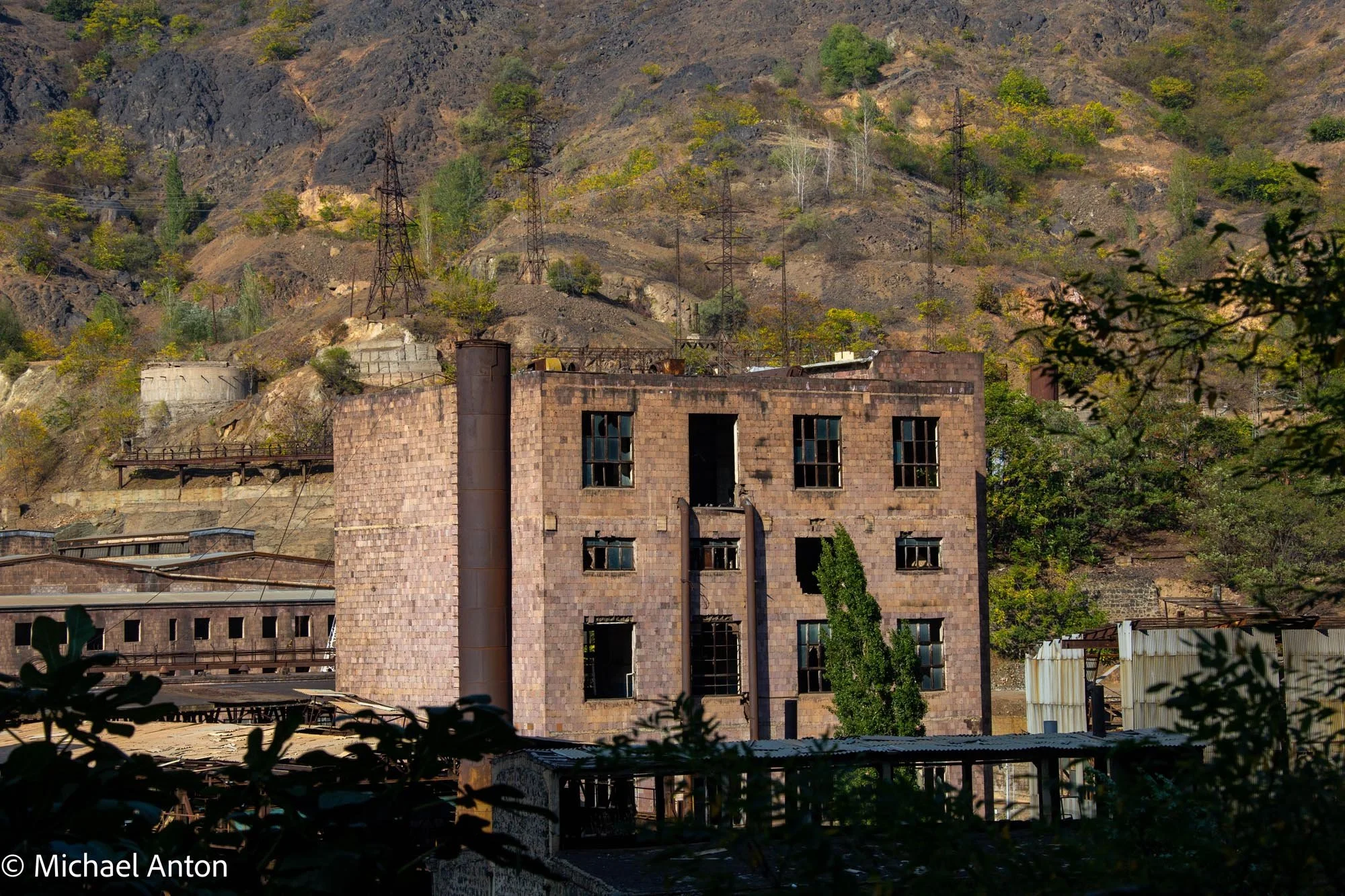
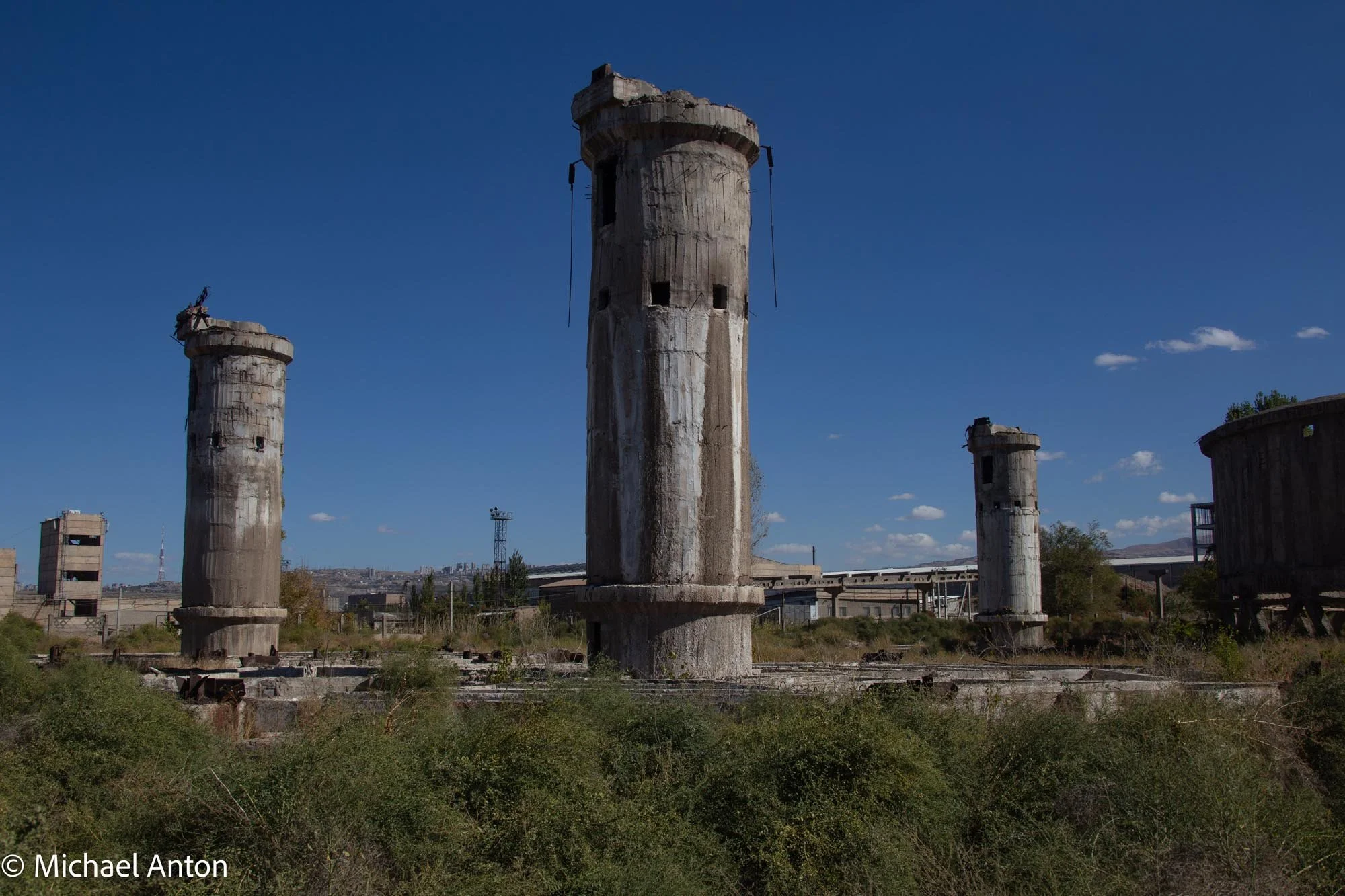
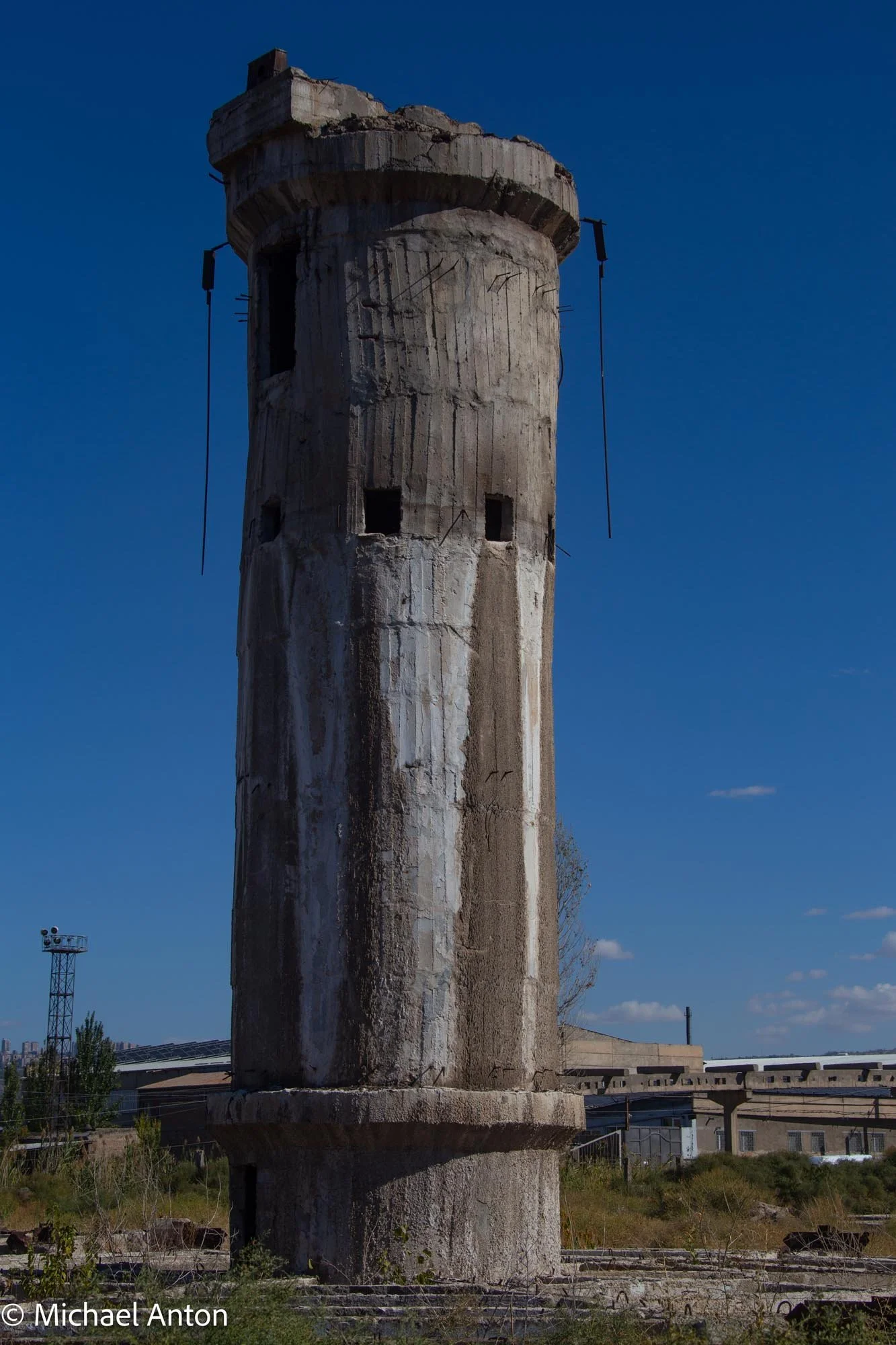
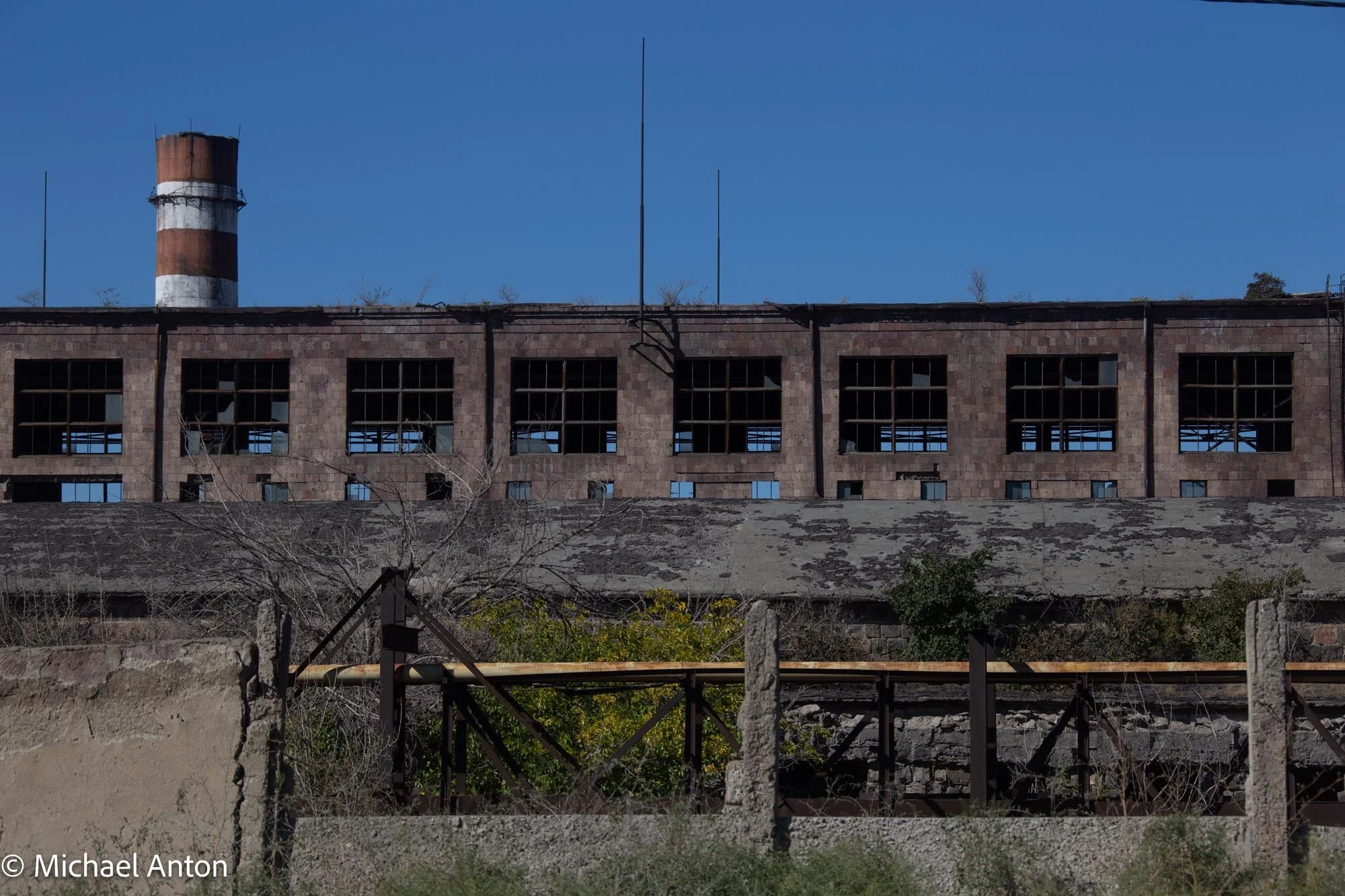
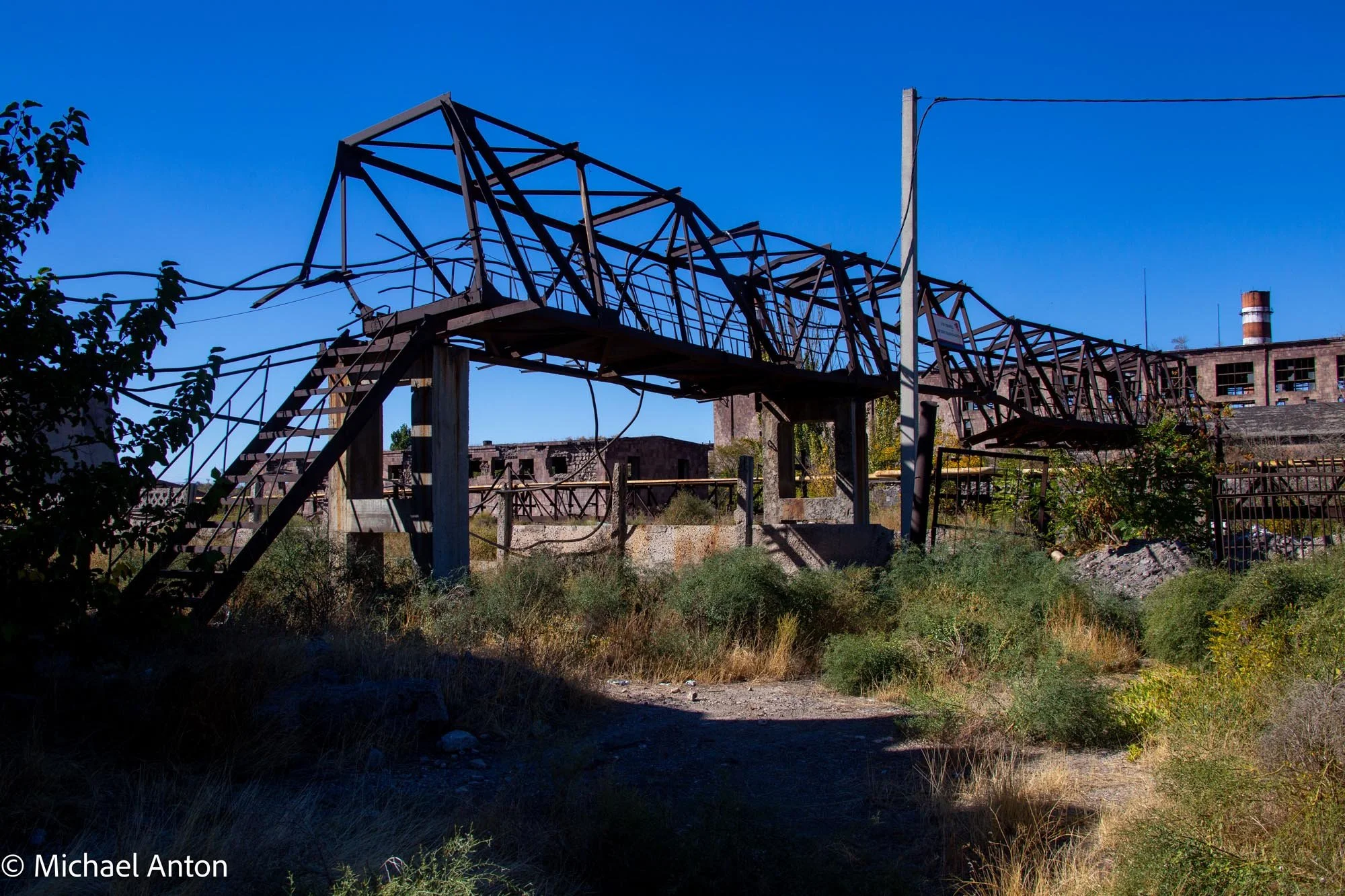
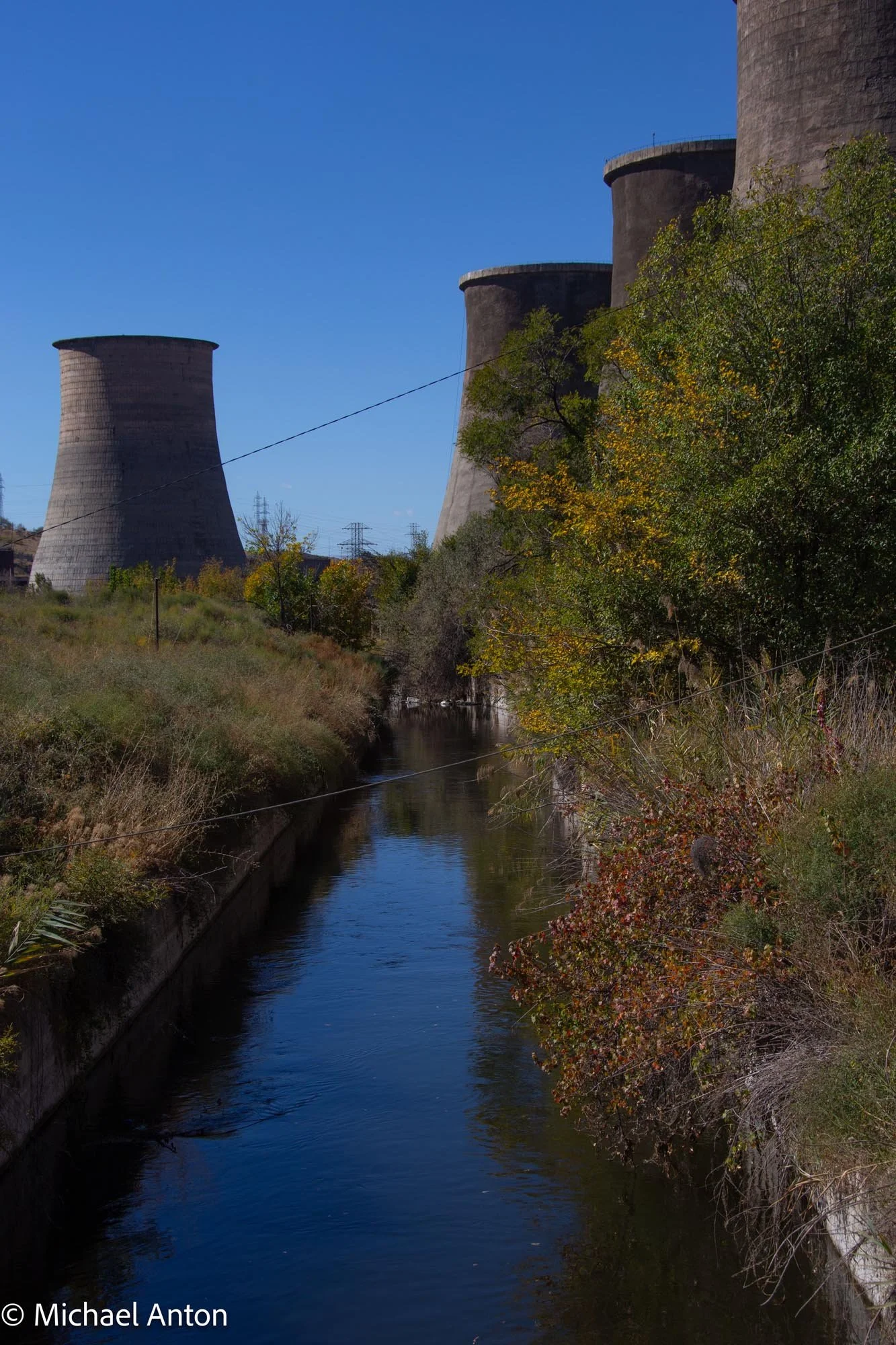
Abandoned Soviet Era Industria
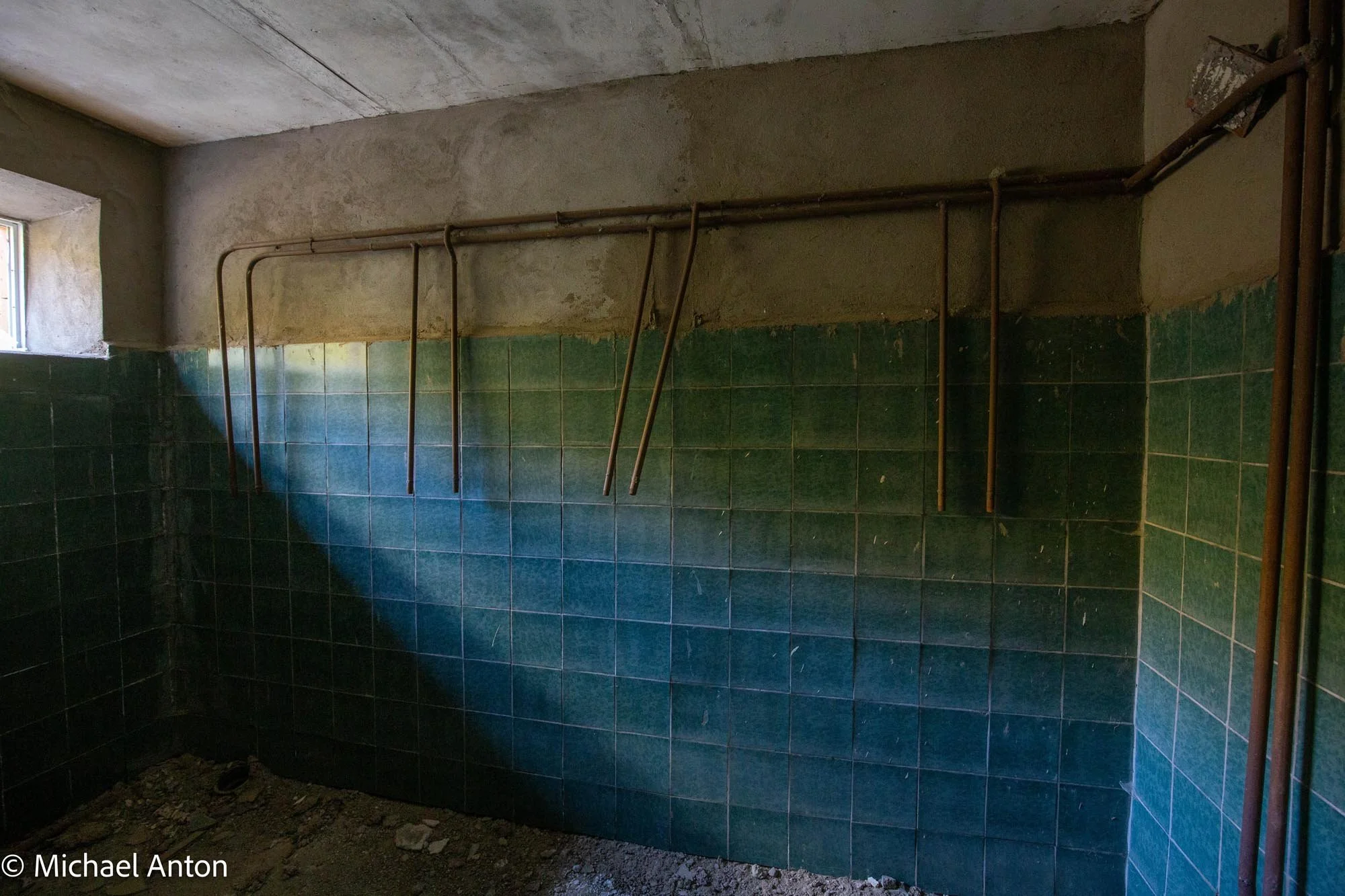
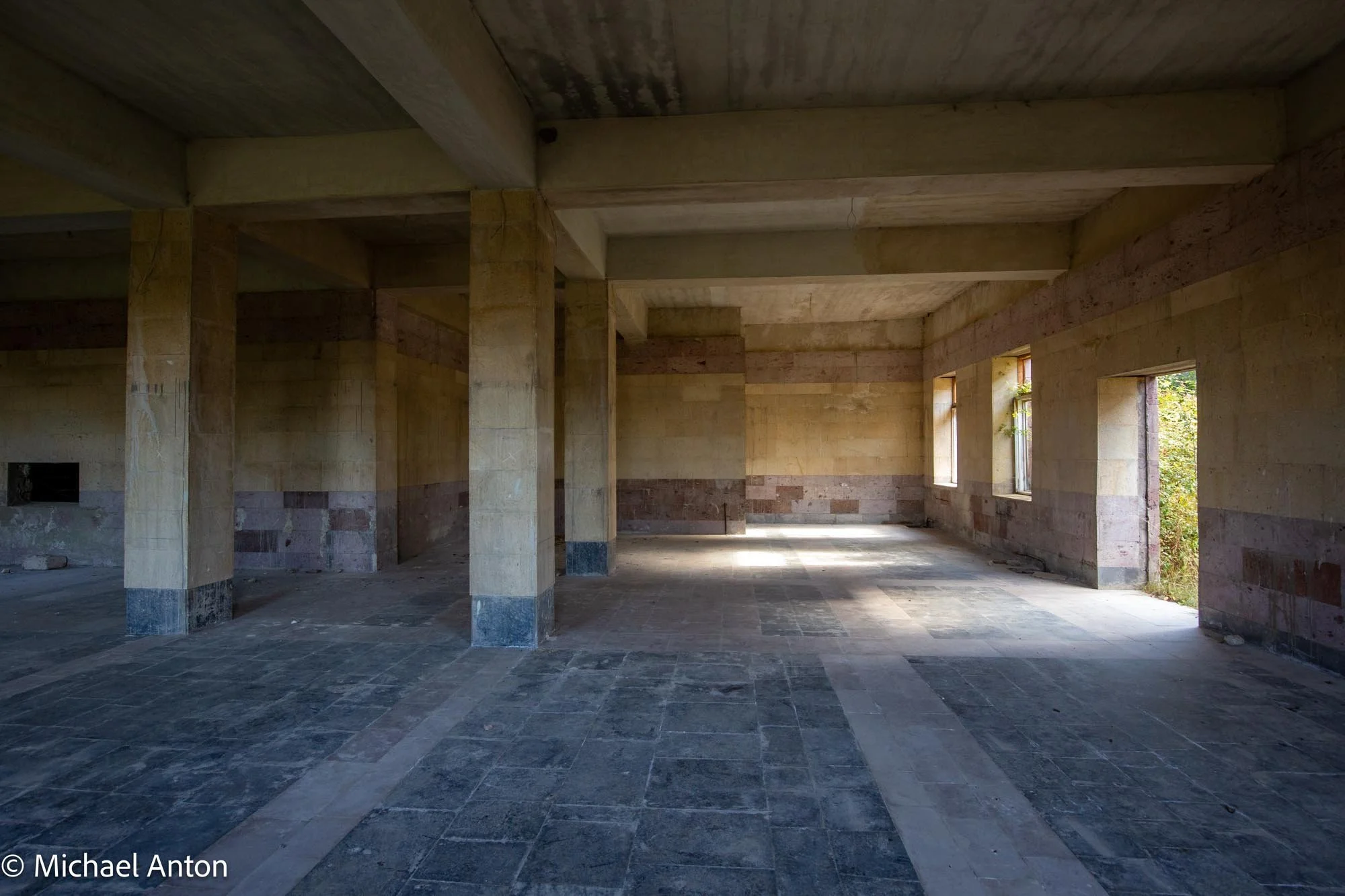
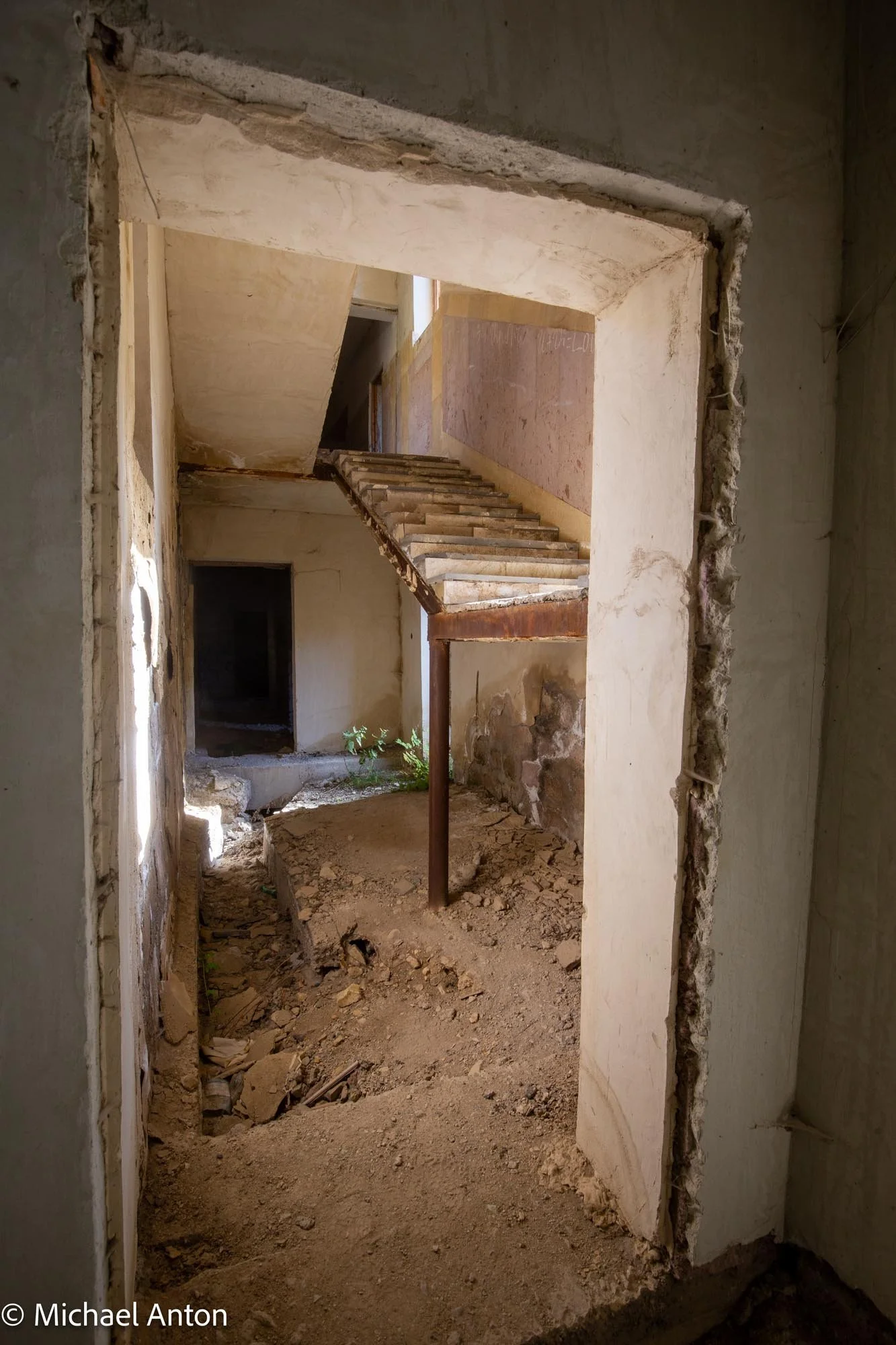
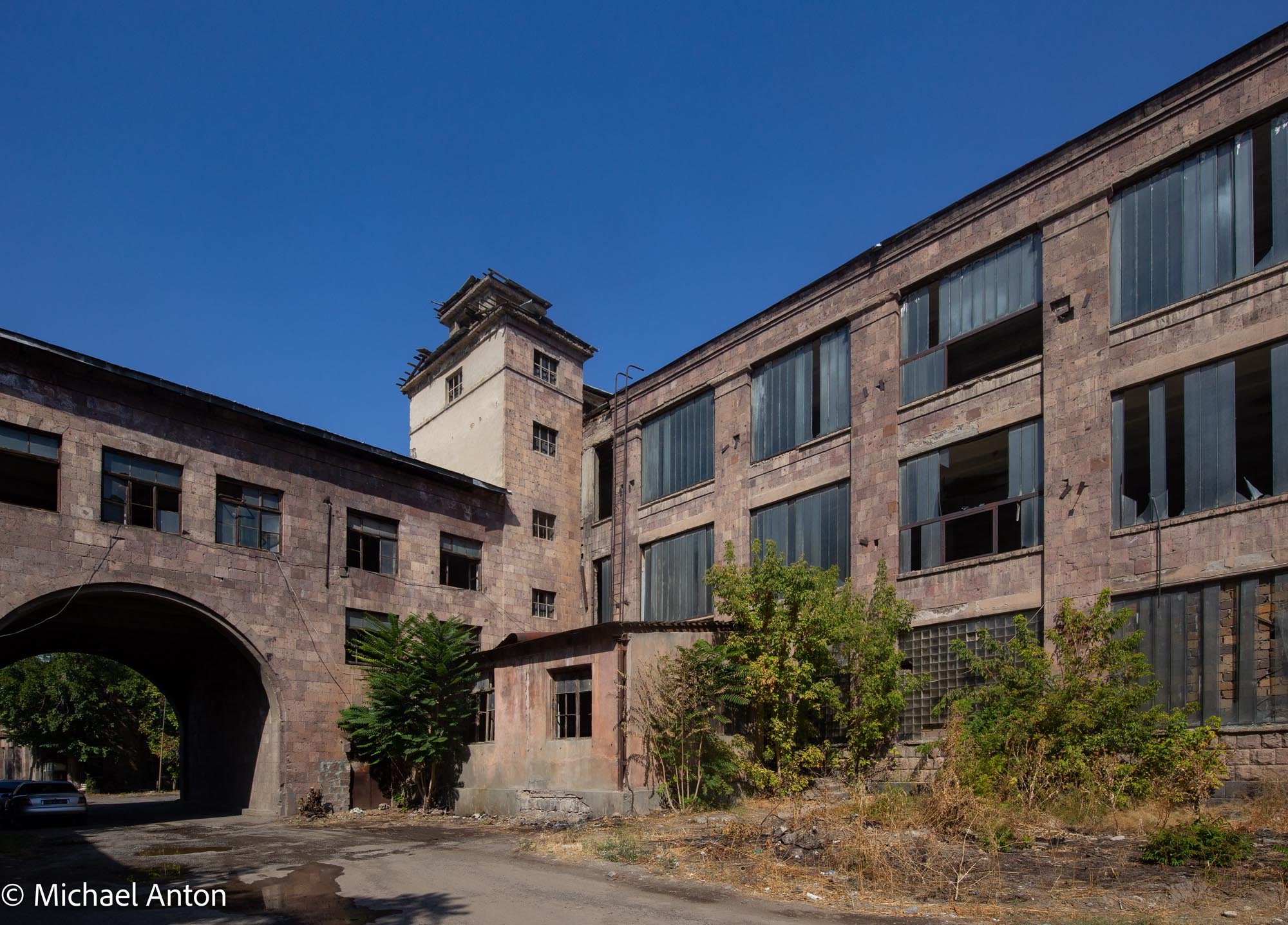
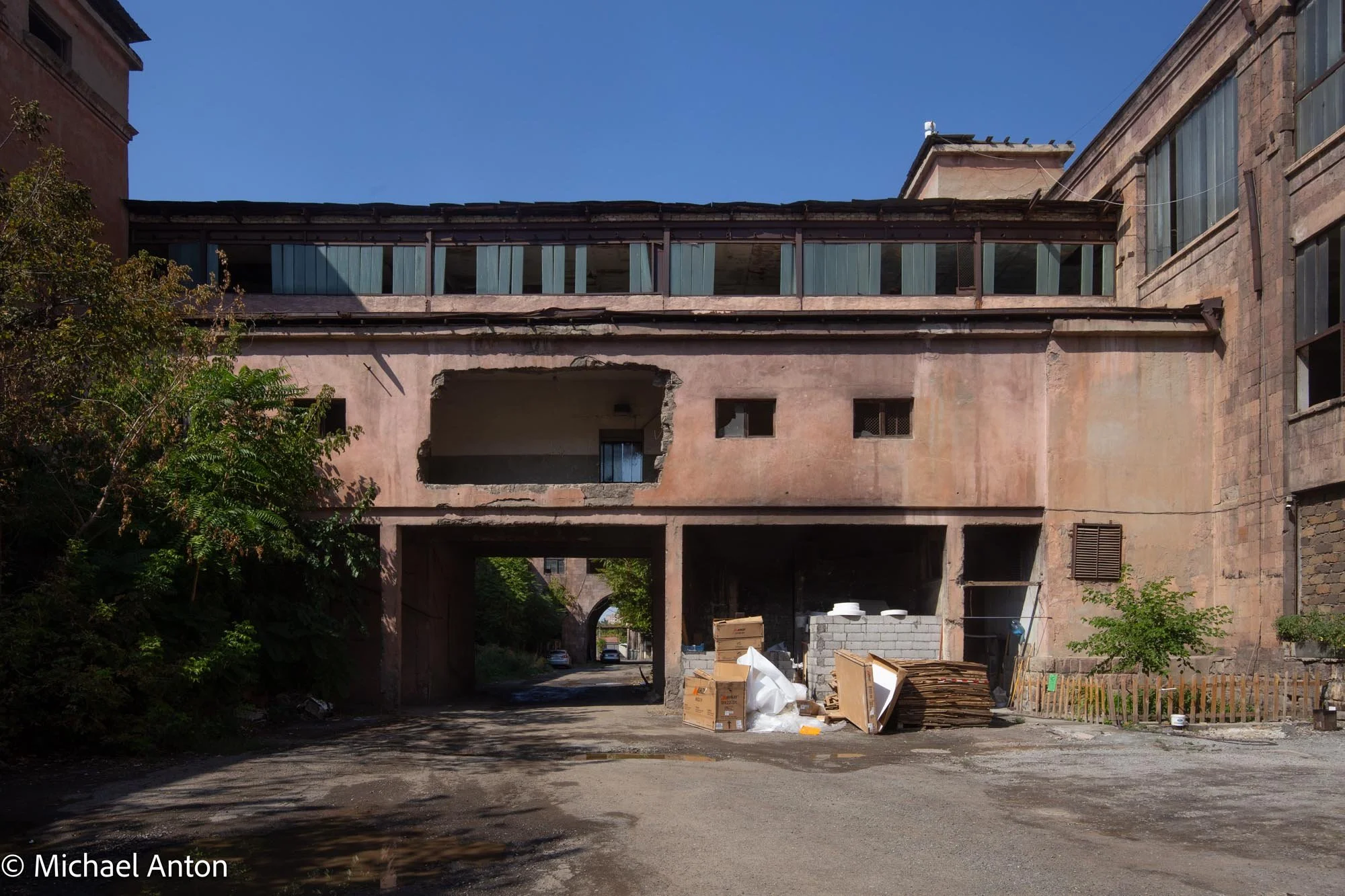
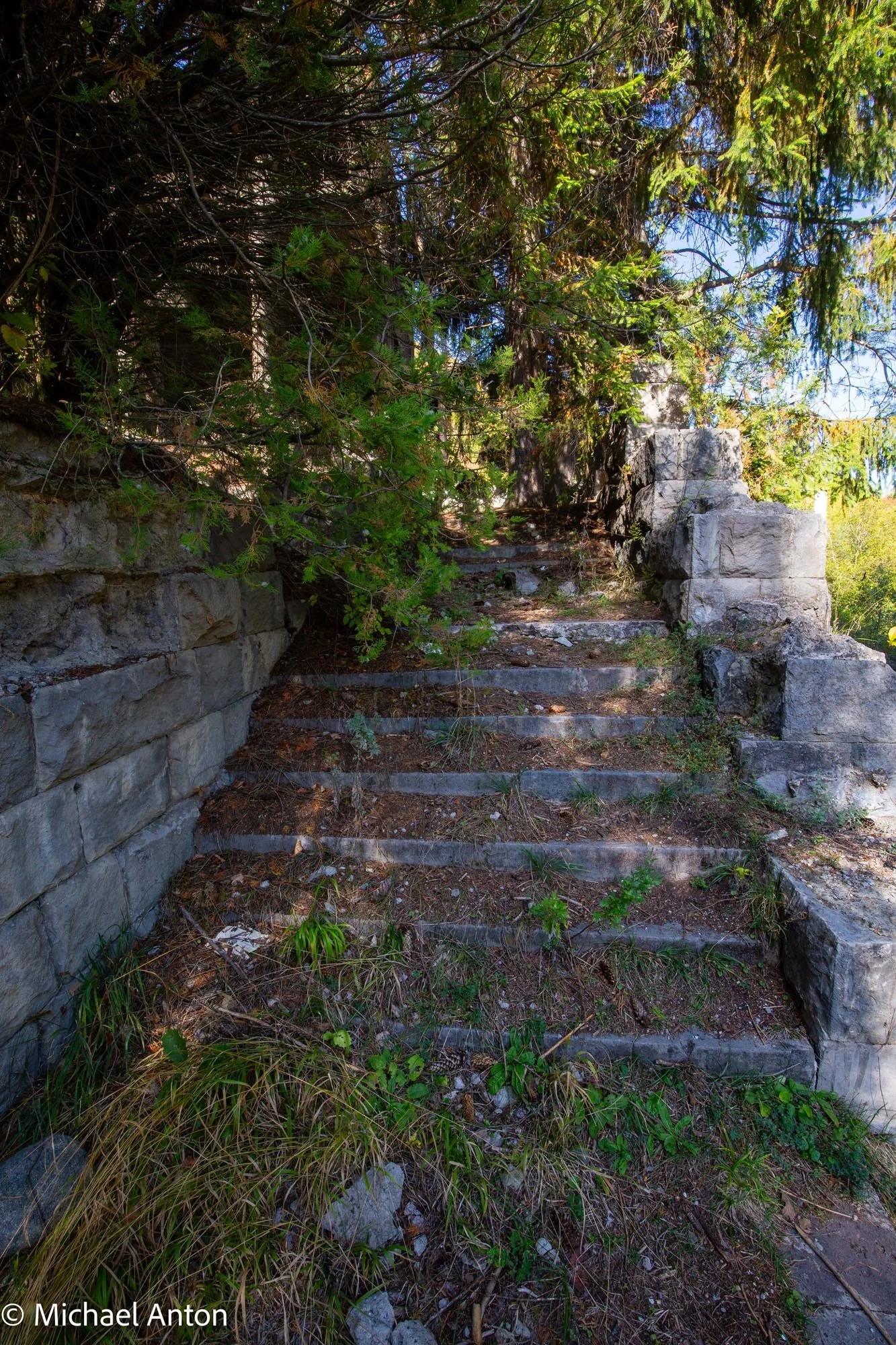
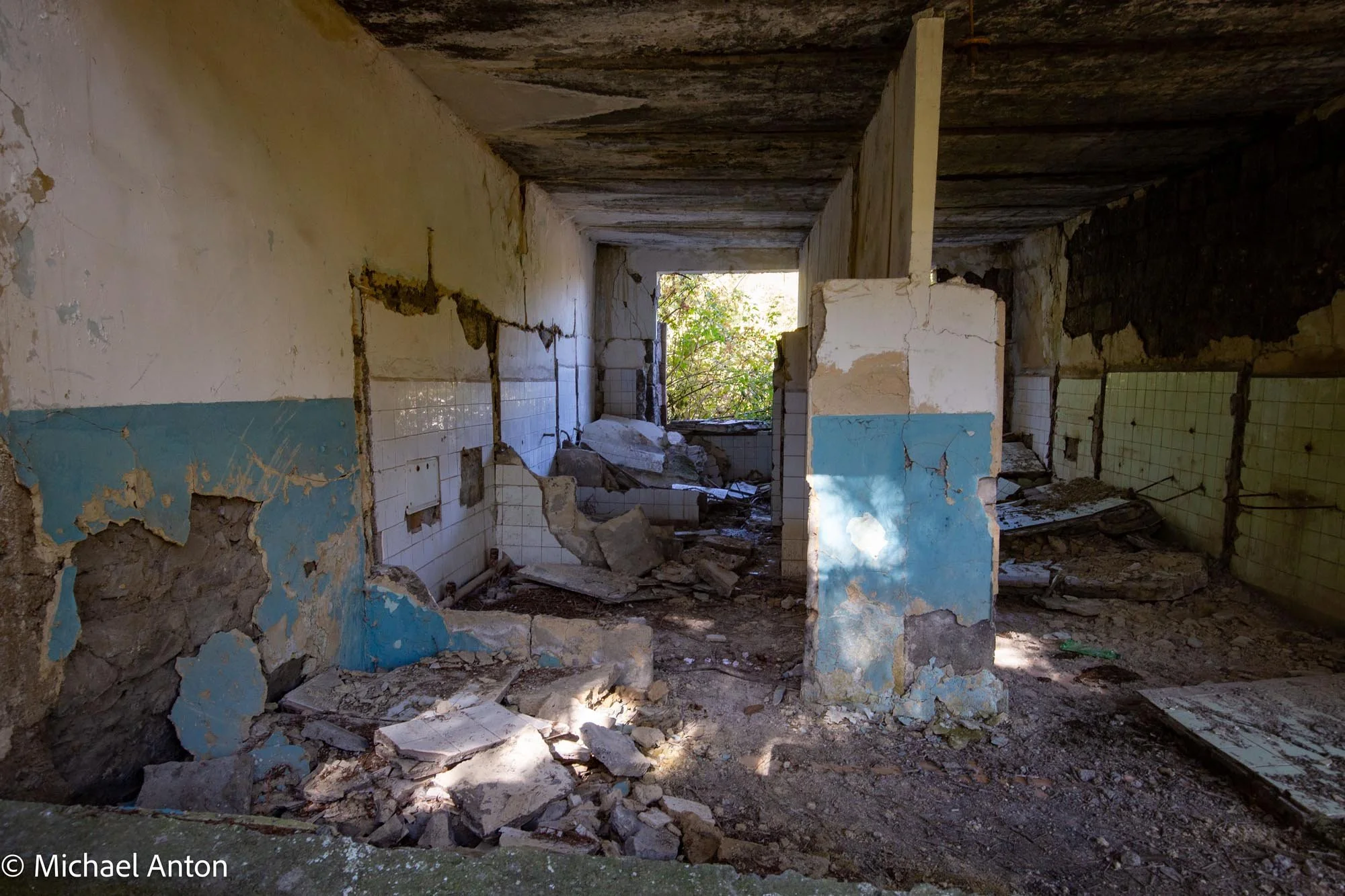
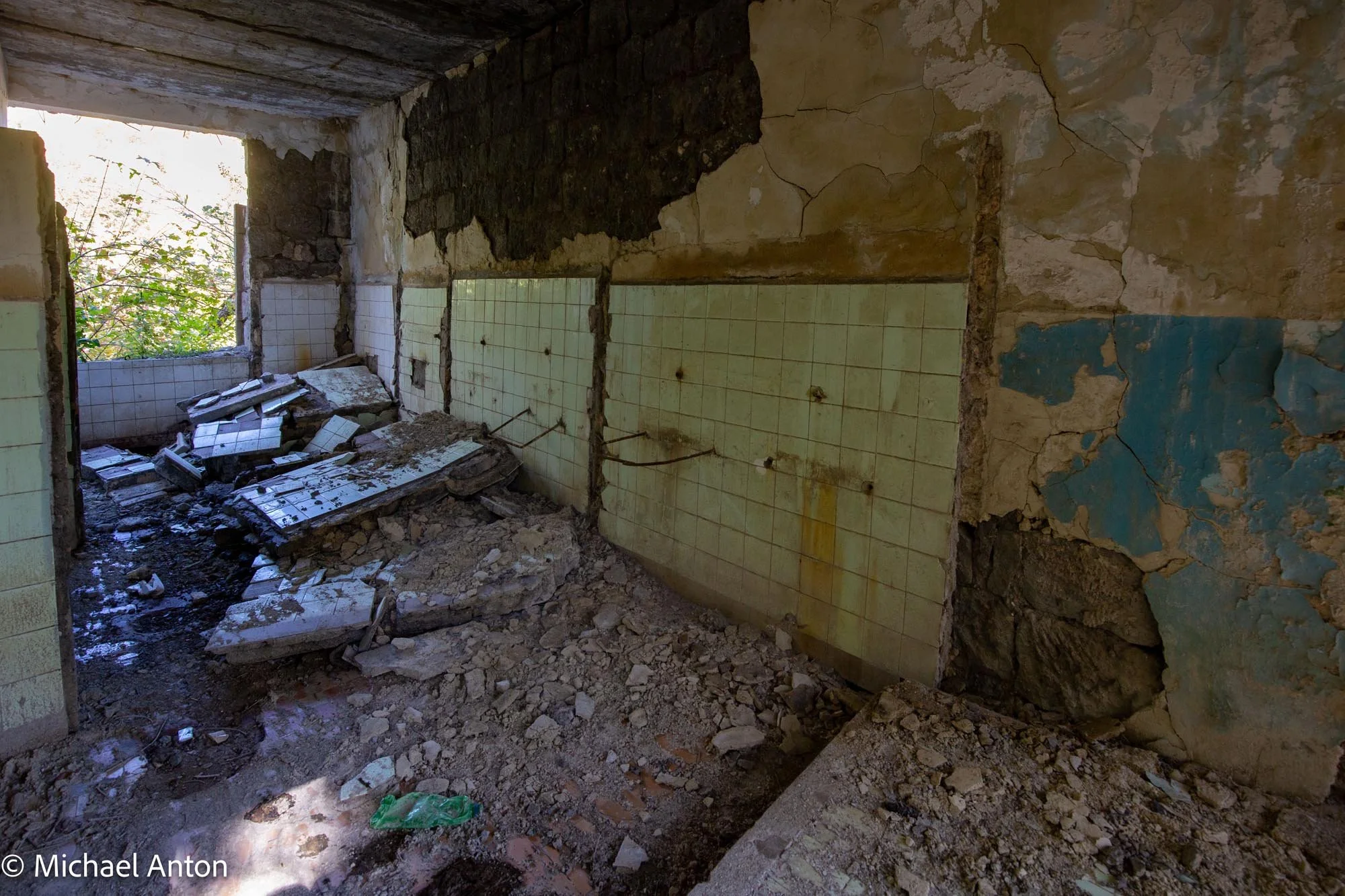
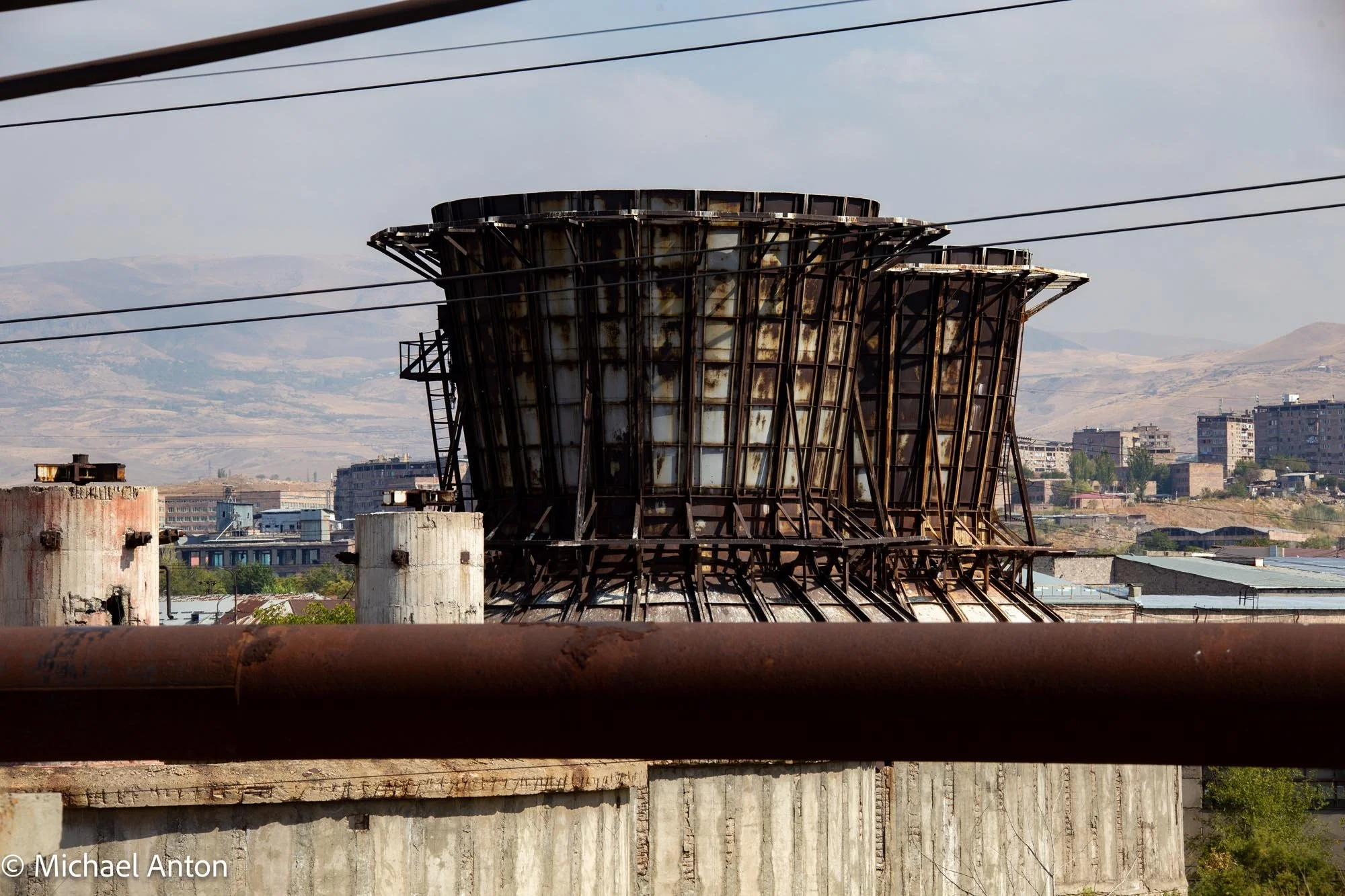
There were some structures Mkrtich knew the purpose of, and others that stumped even him.
He was 17 when Armenia became independent and was no longer one of the 15 republics that comprised the Union of Soviet Socialist Republics.
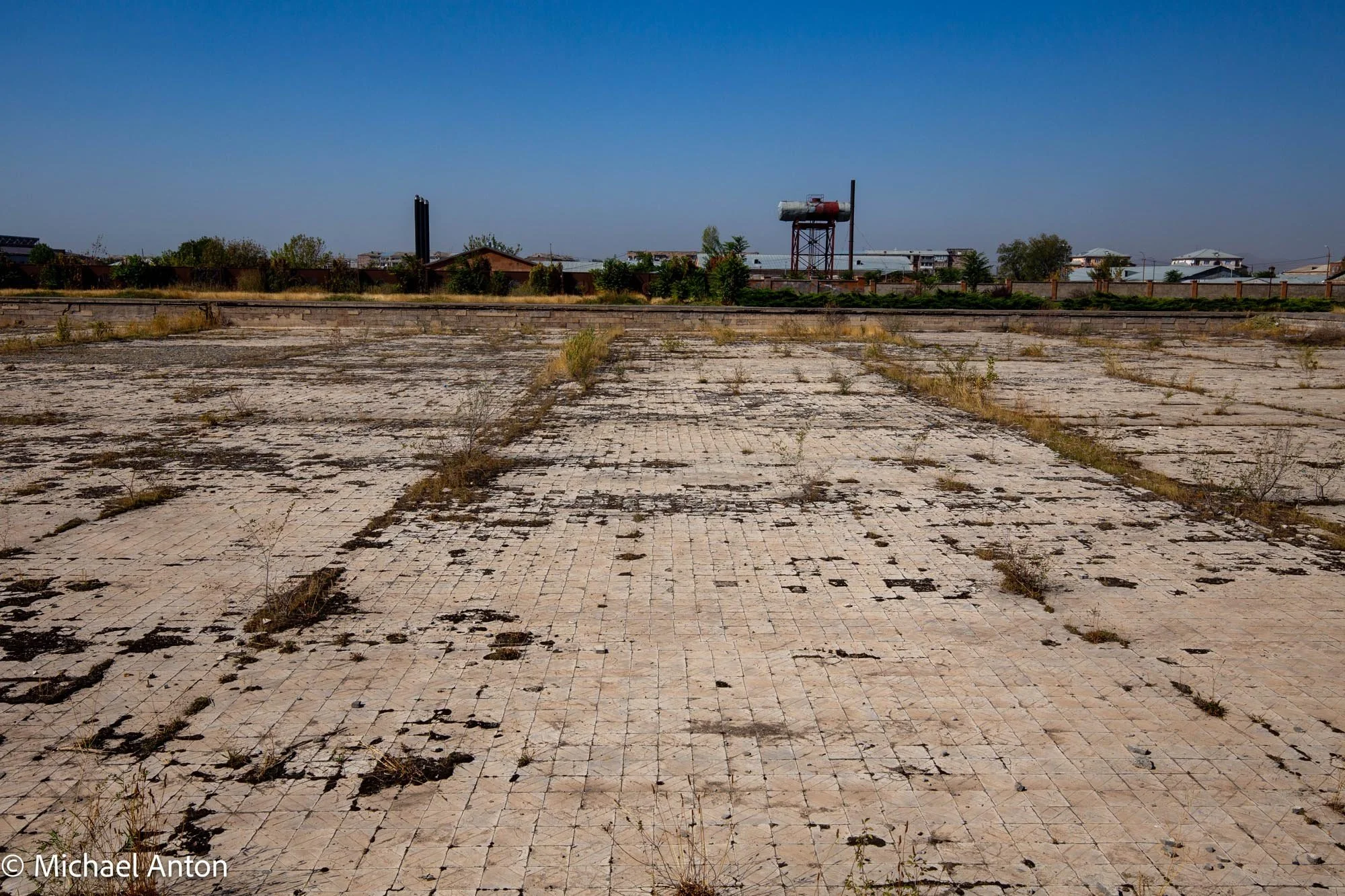
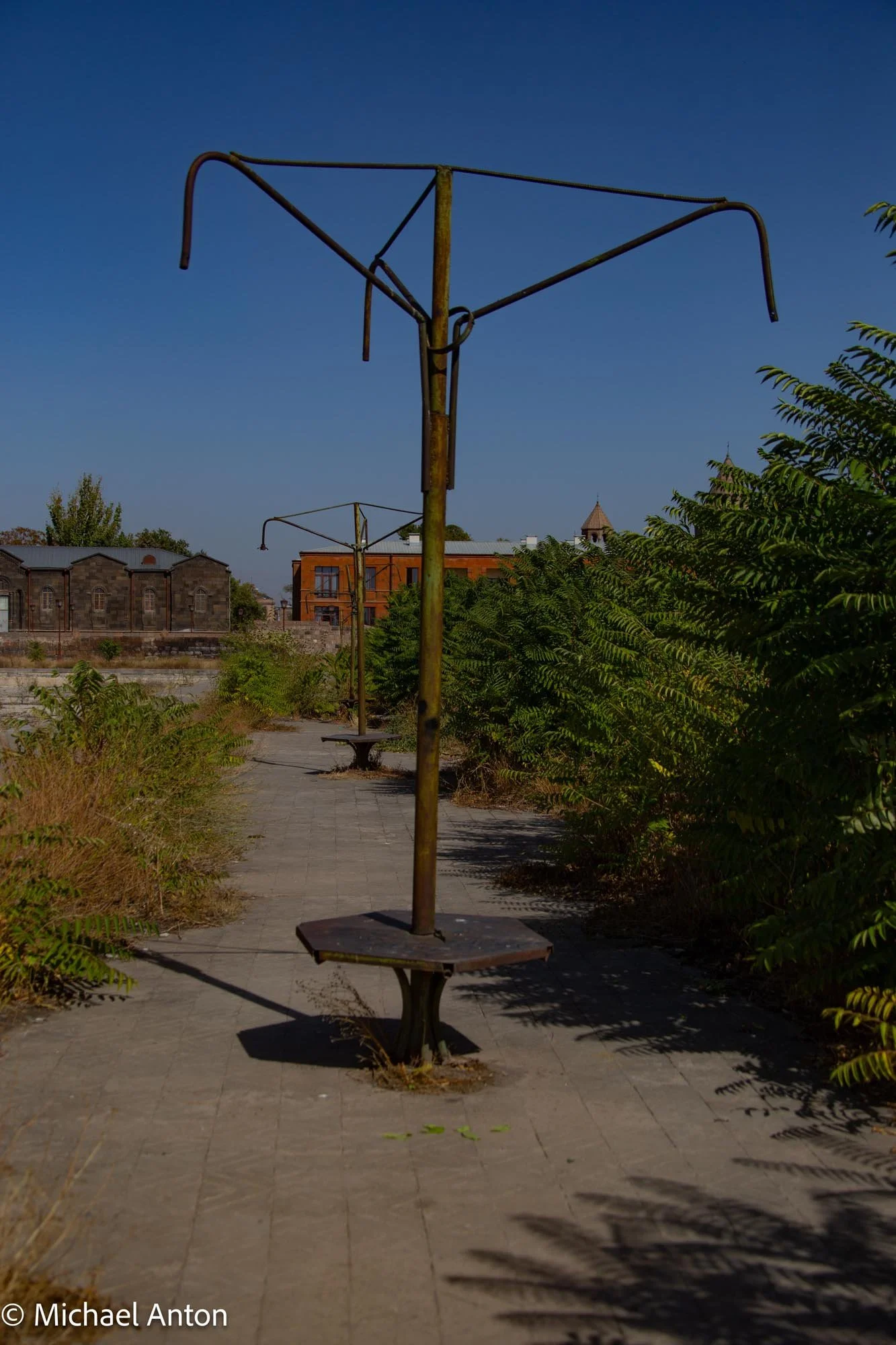
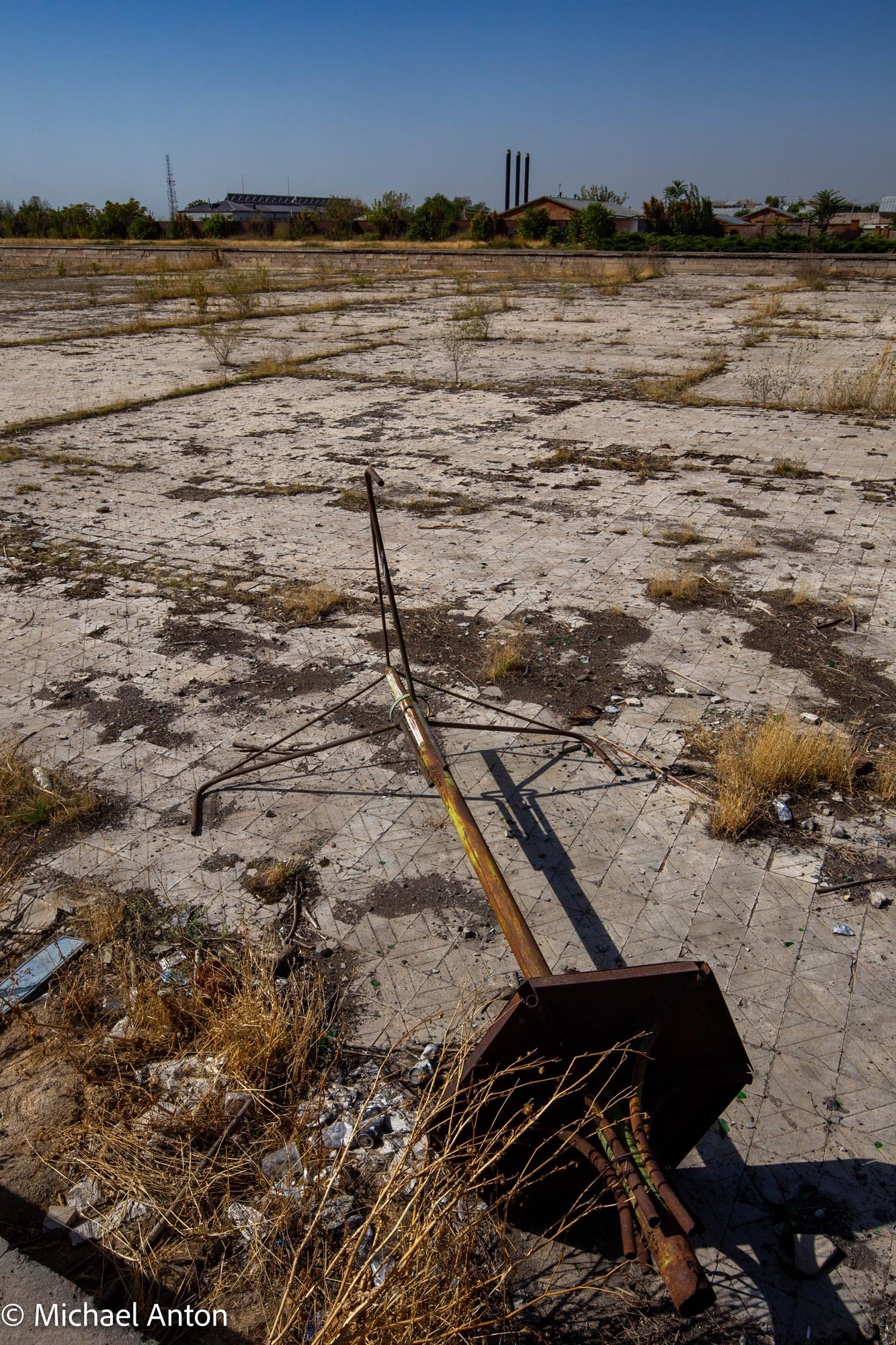
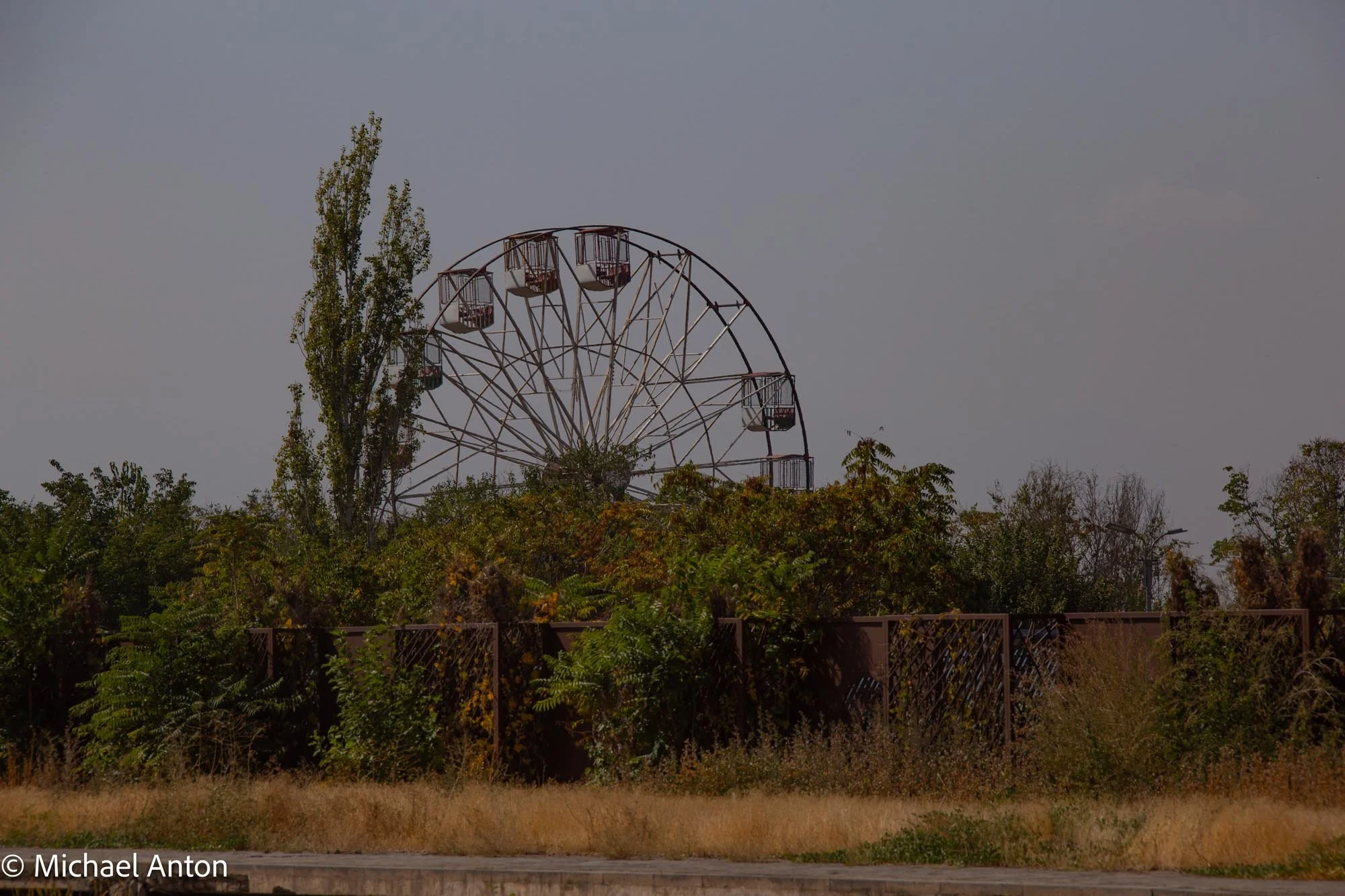
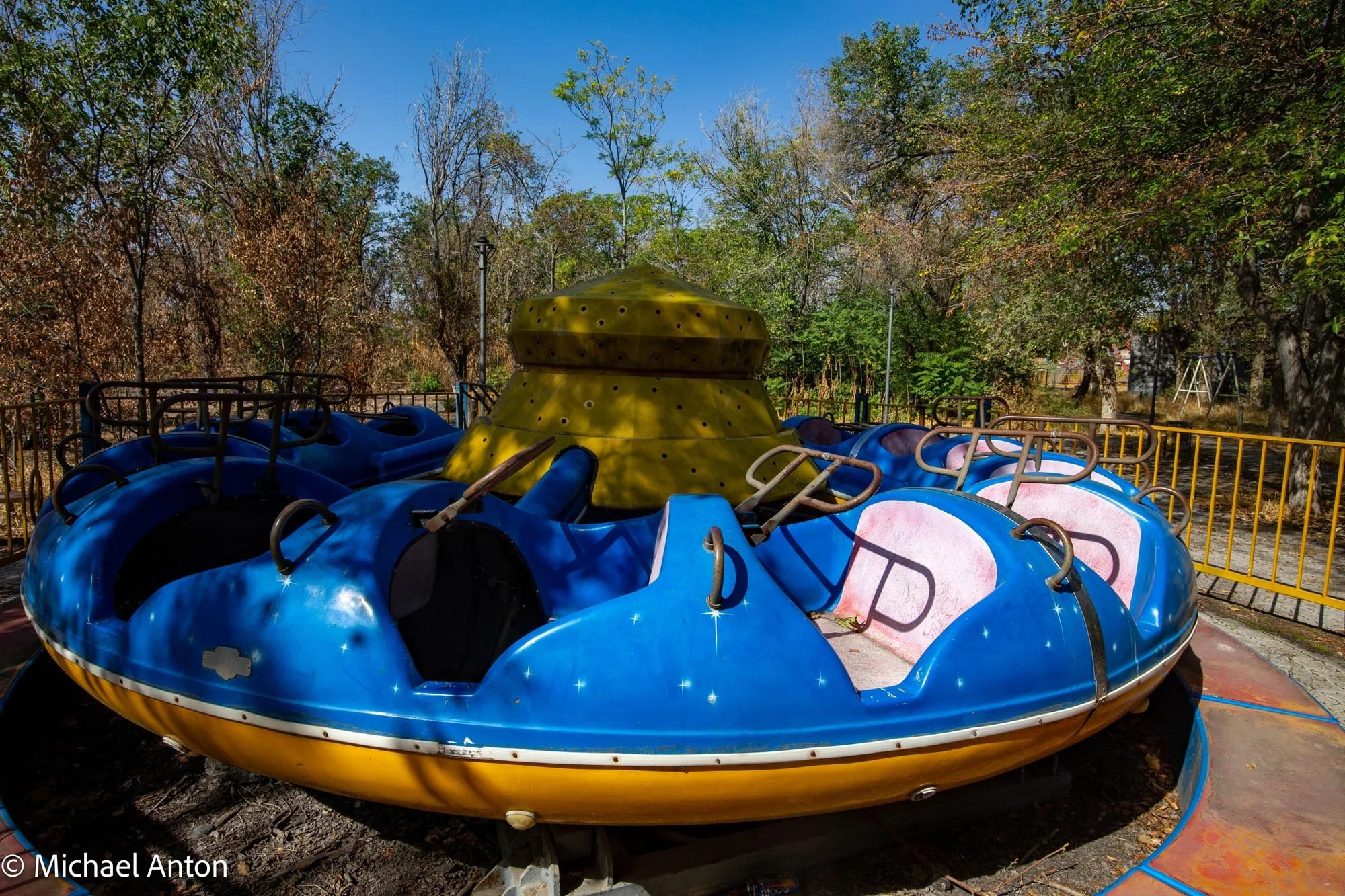
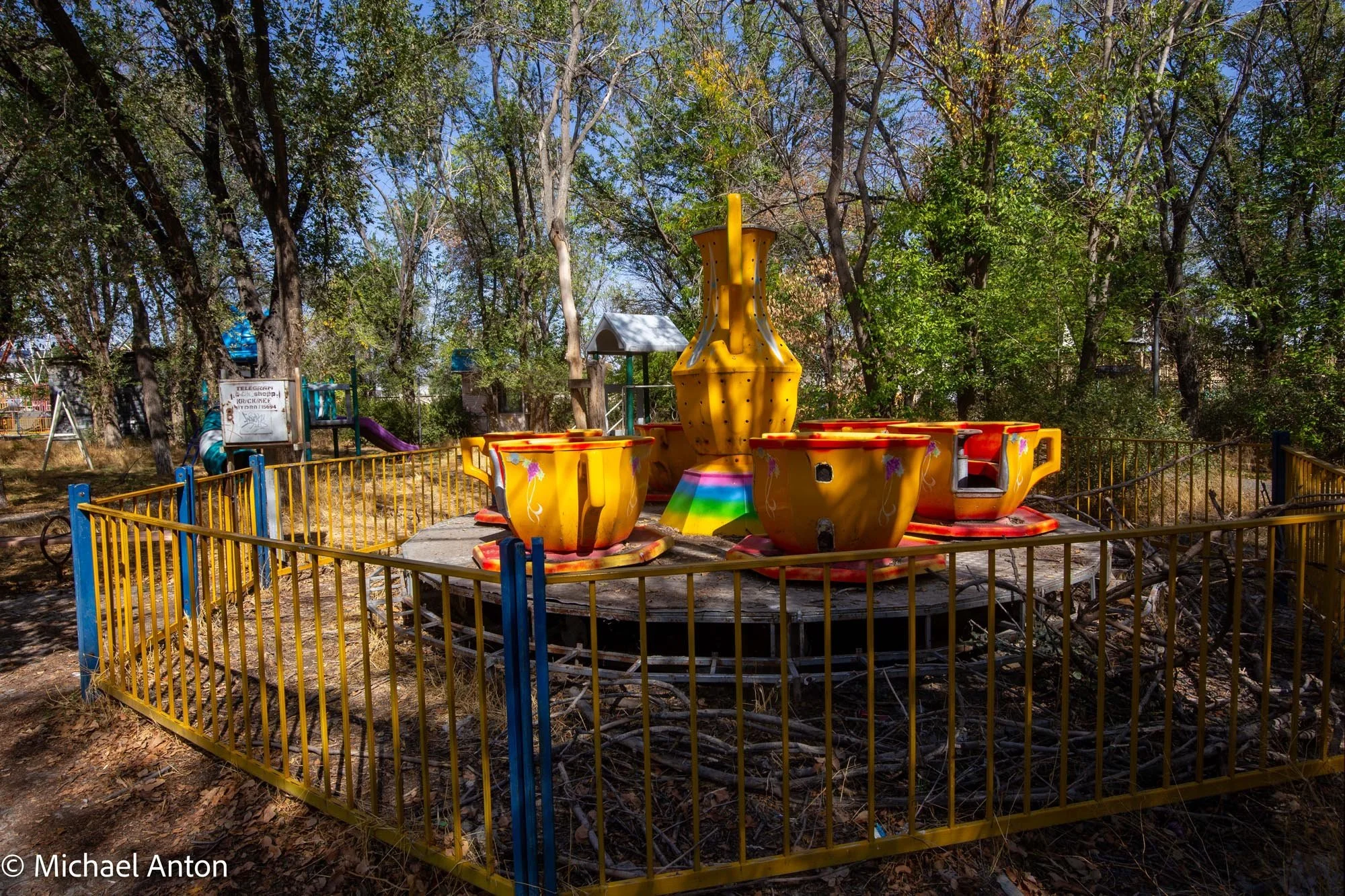
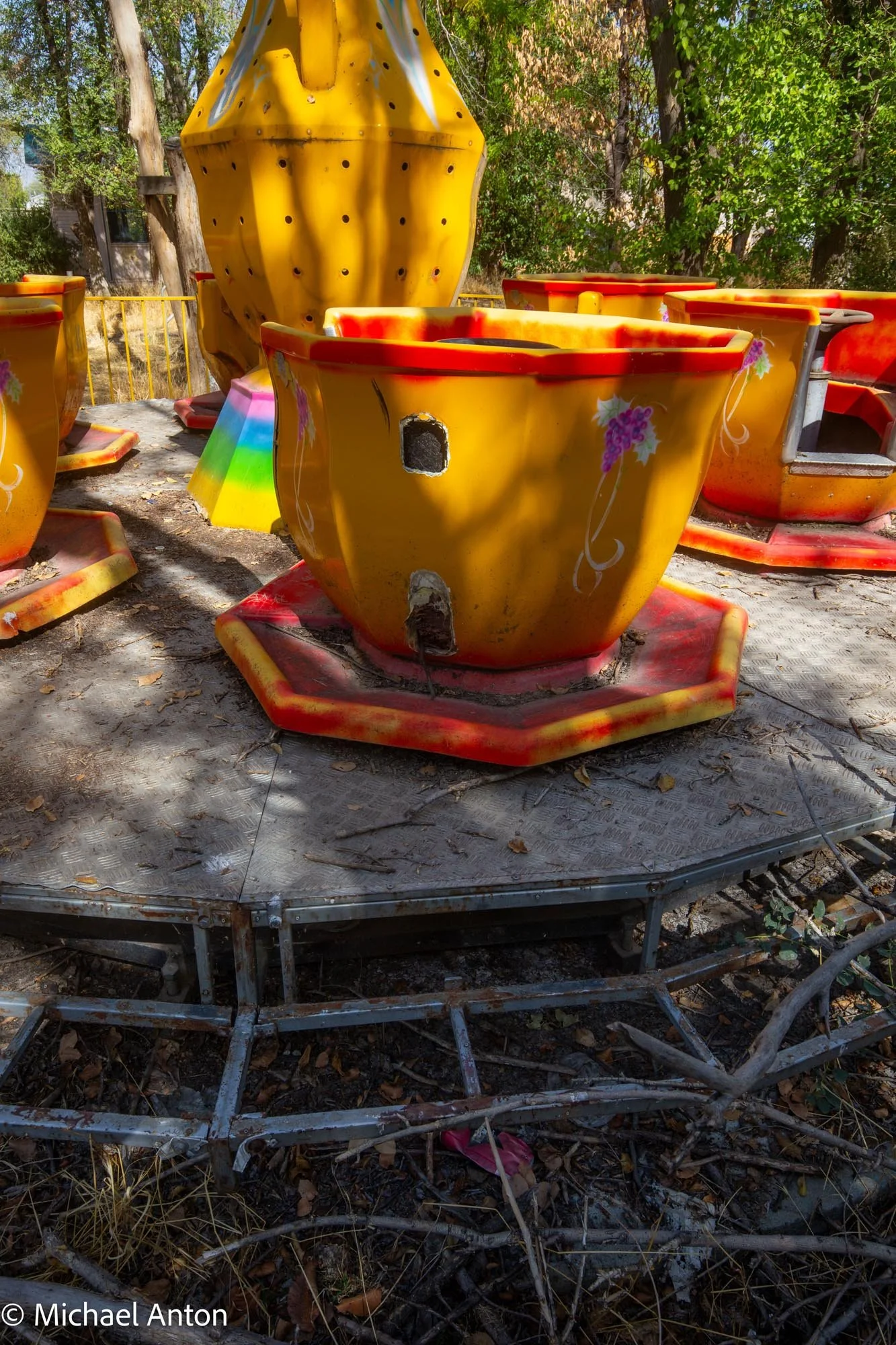
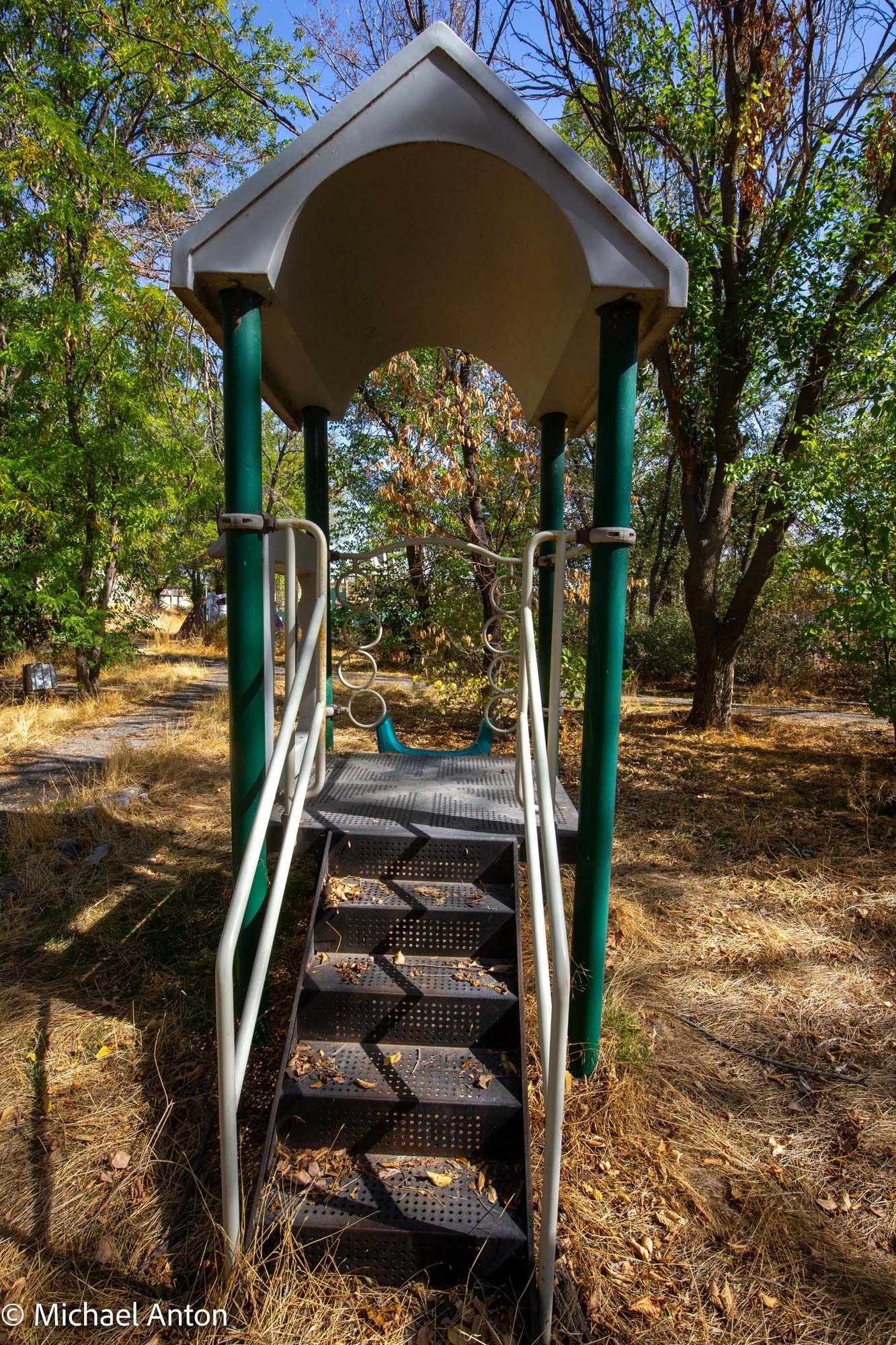
Abandoned Soviet Sports And Amusement Park
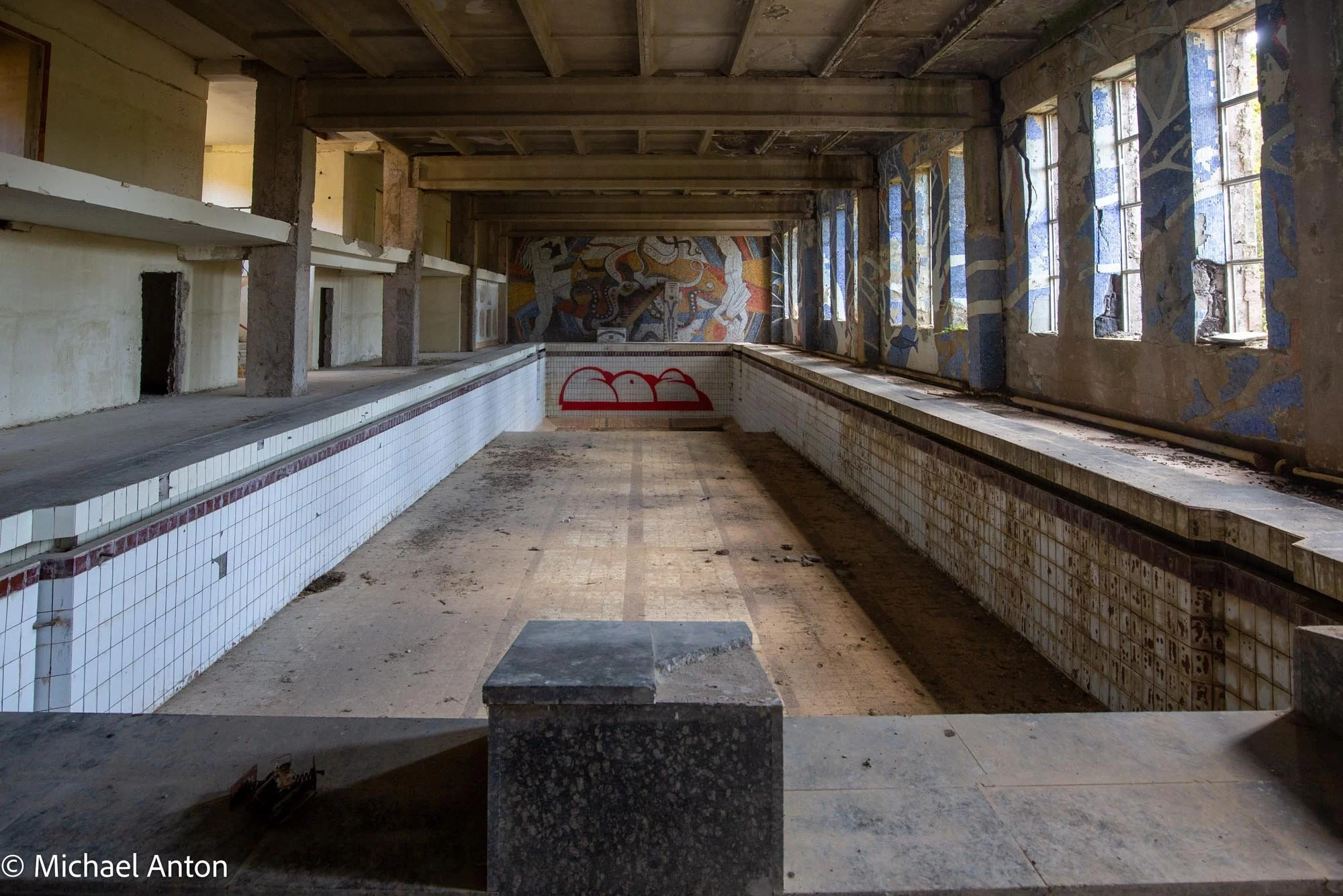
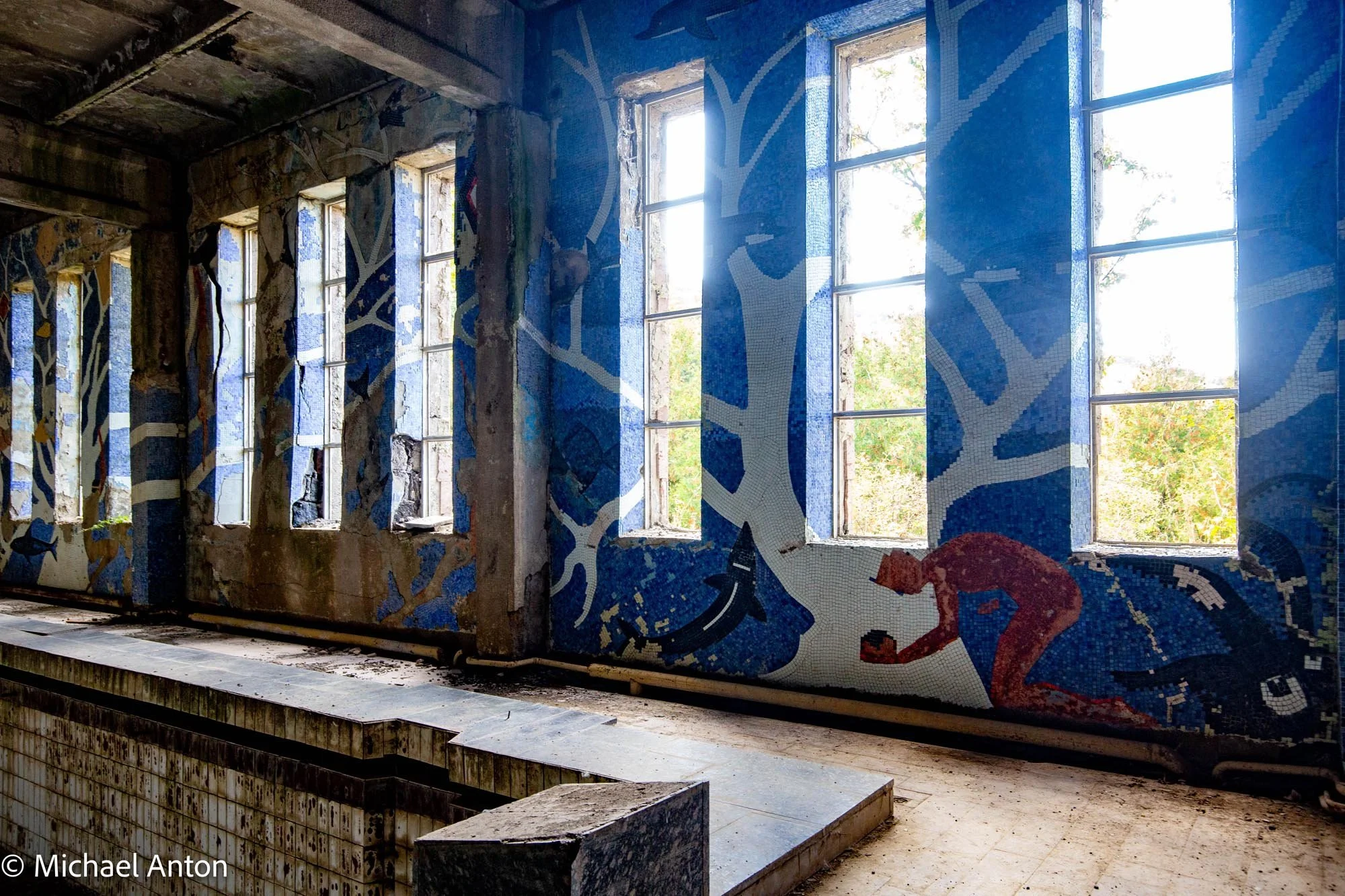
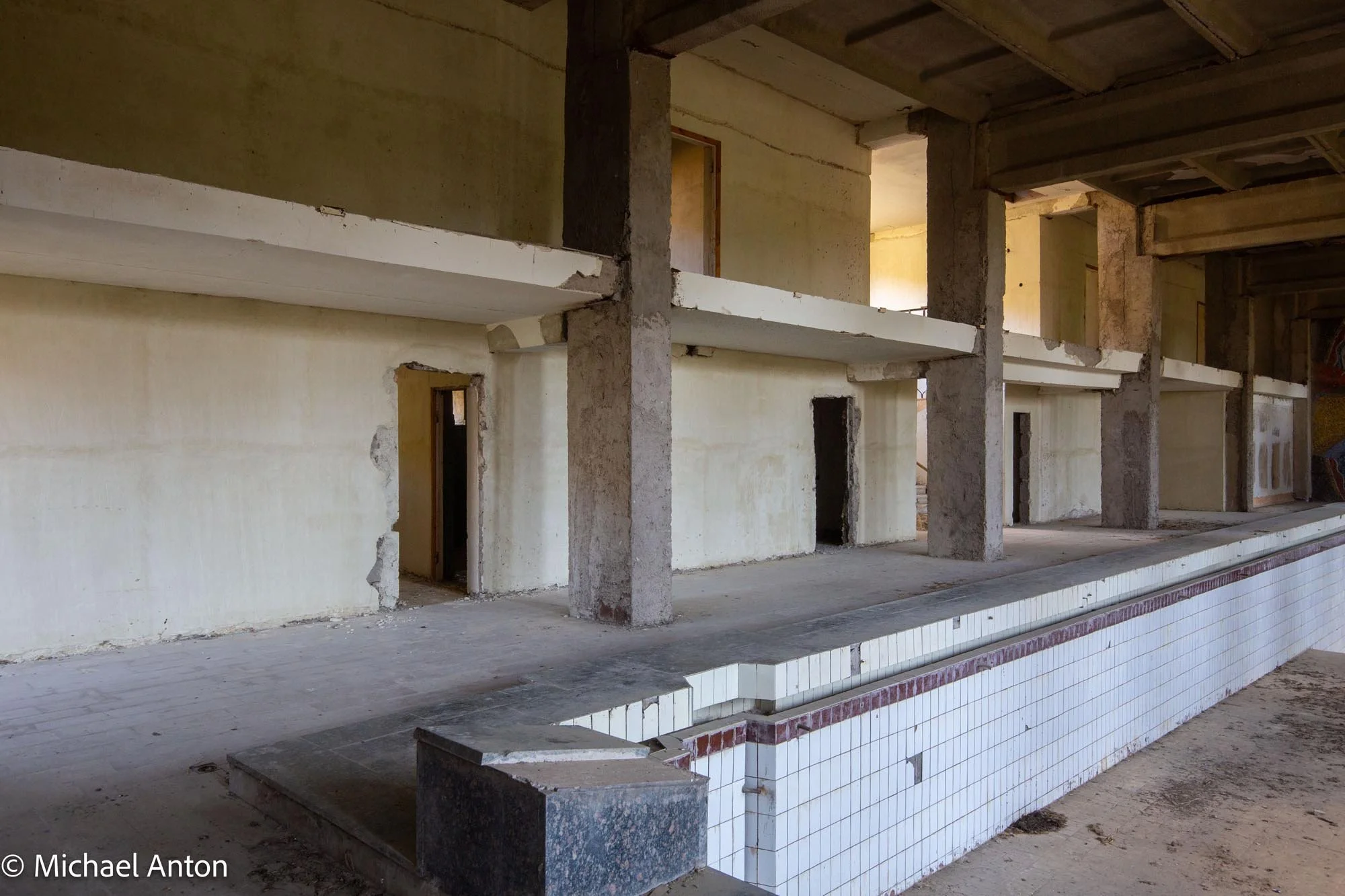
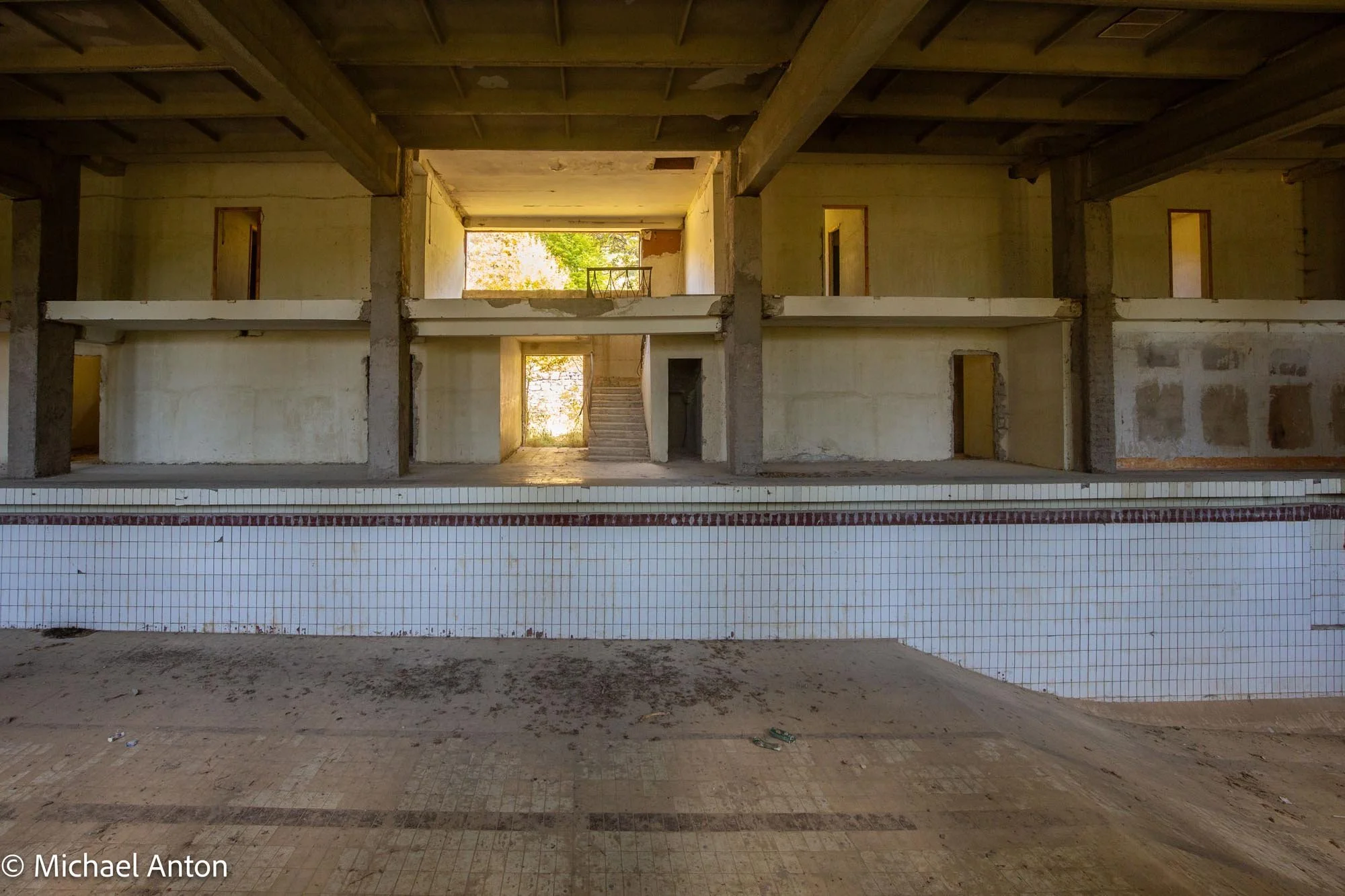
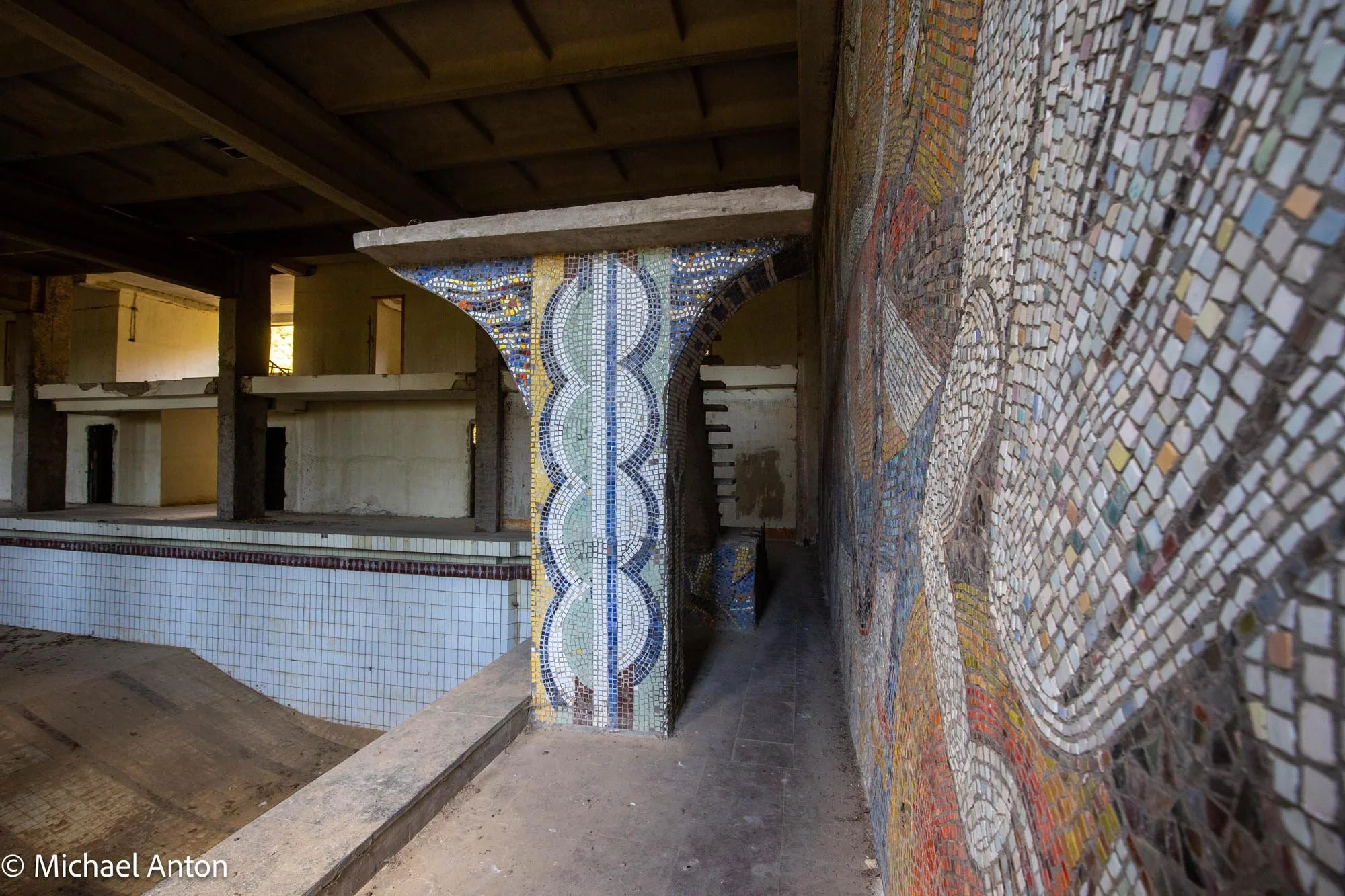
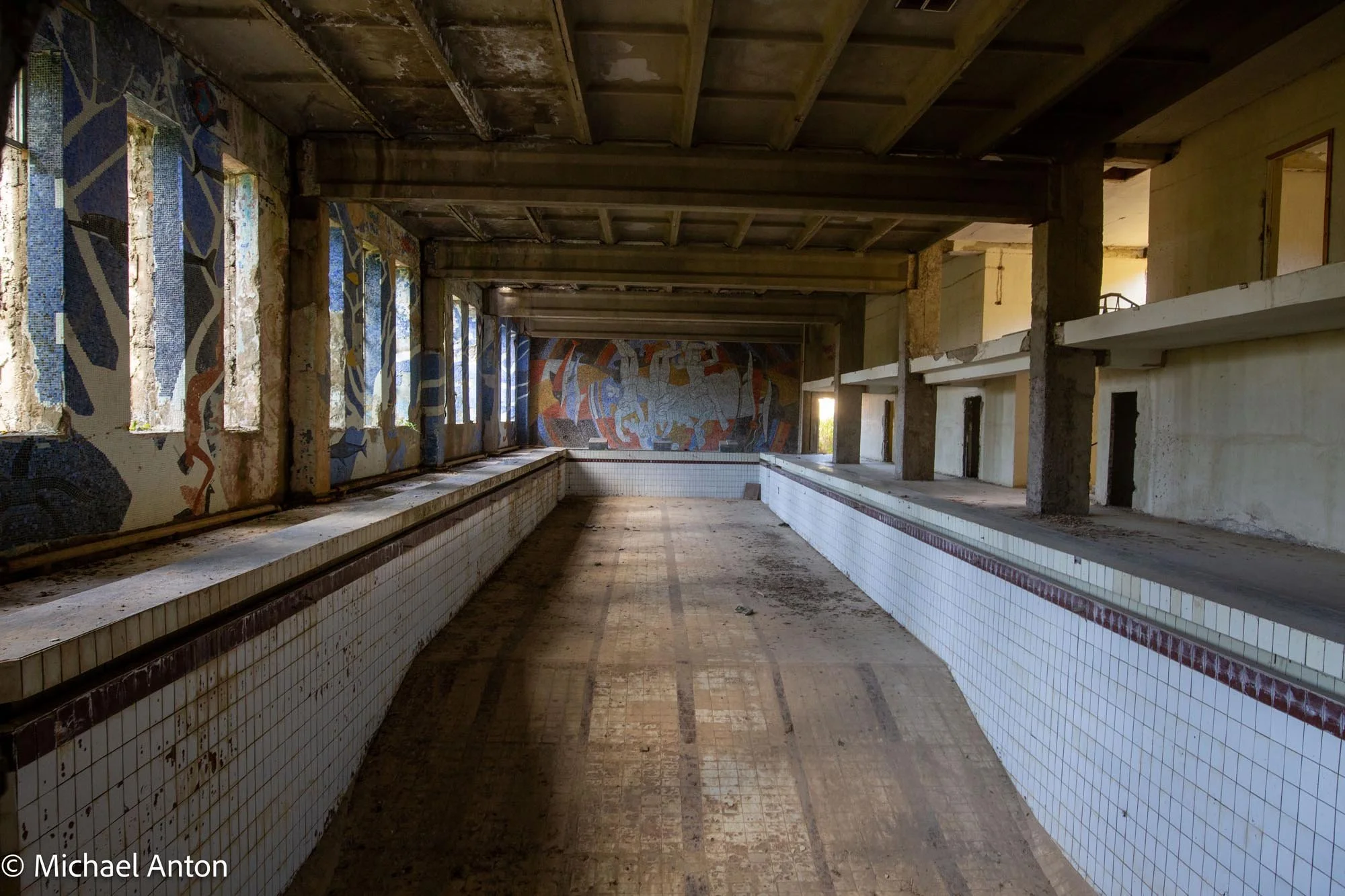
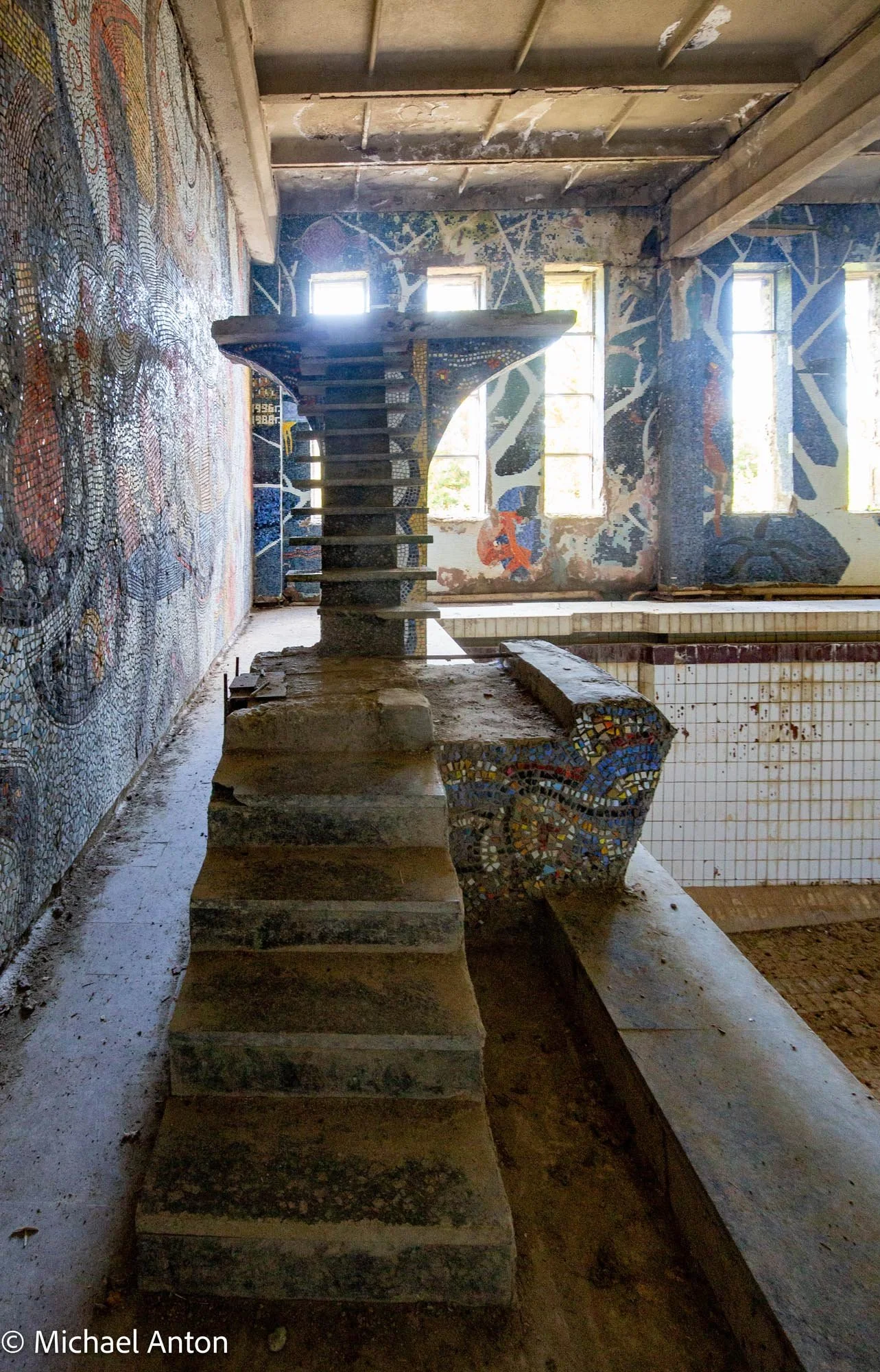
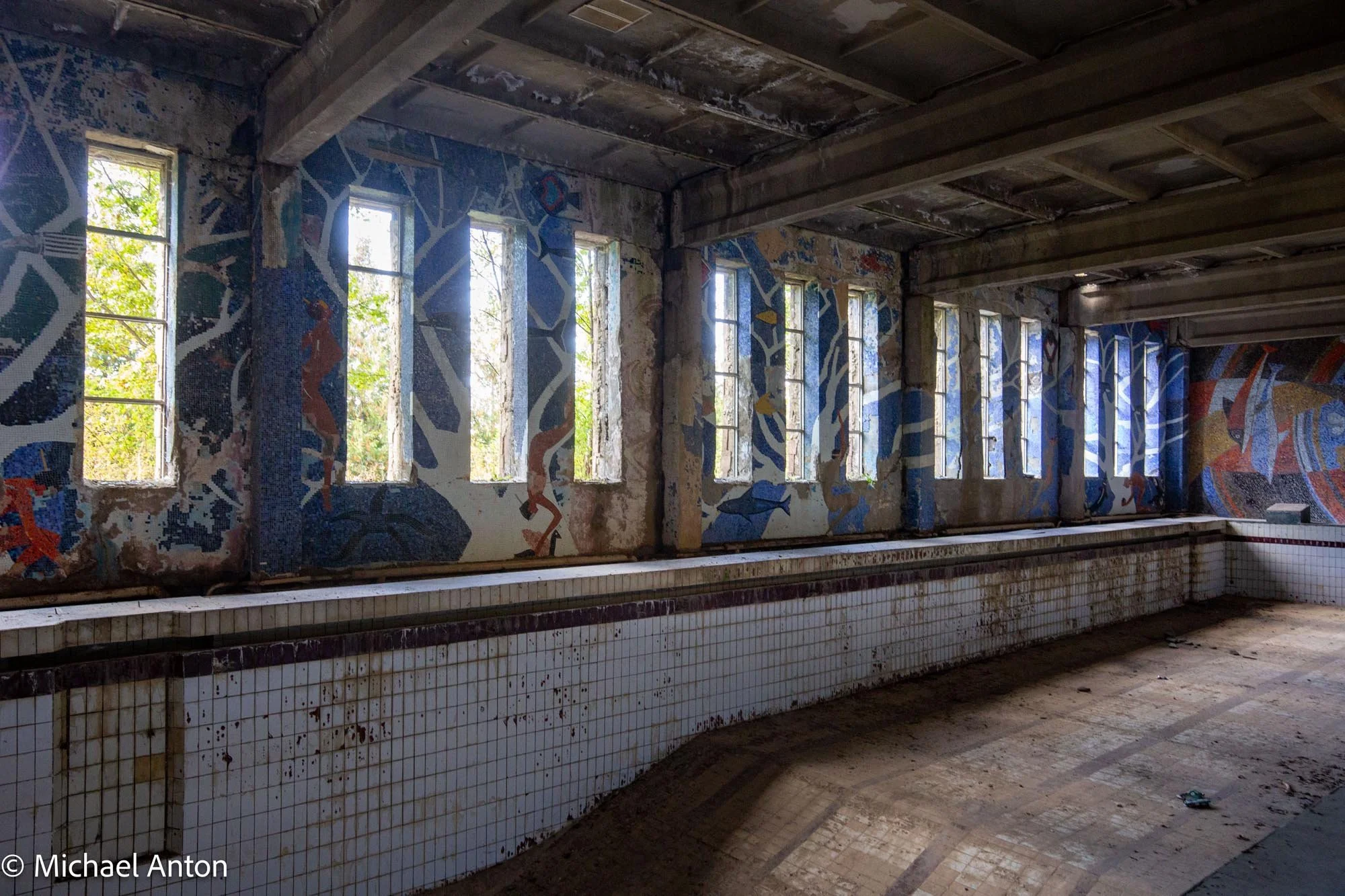
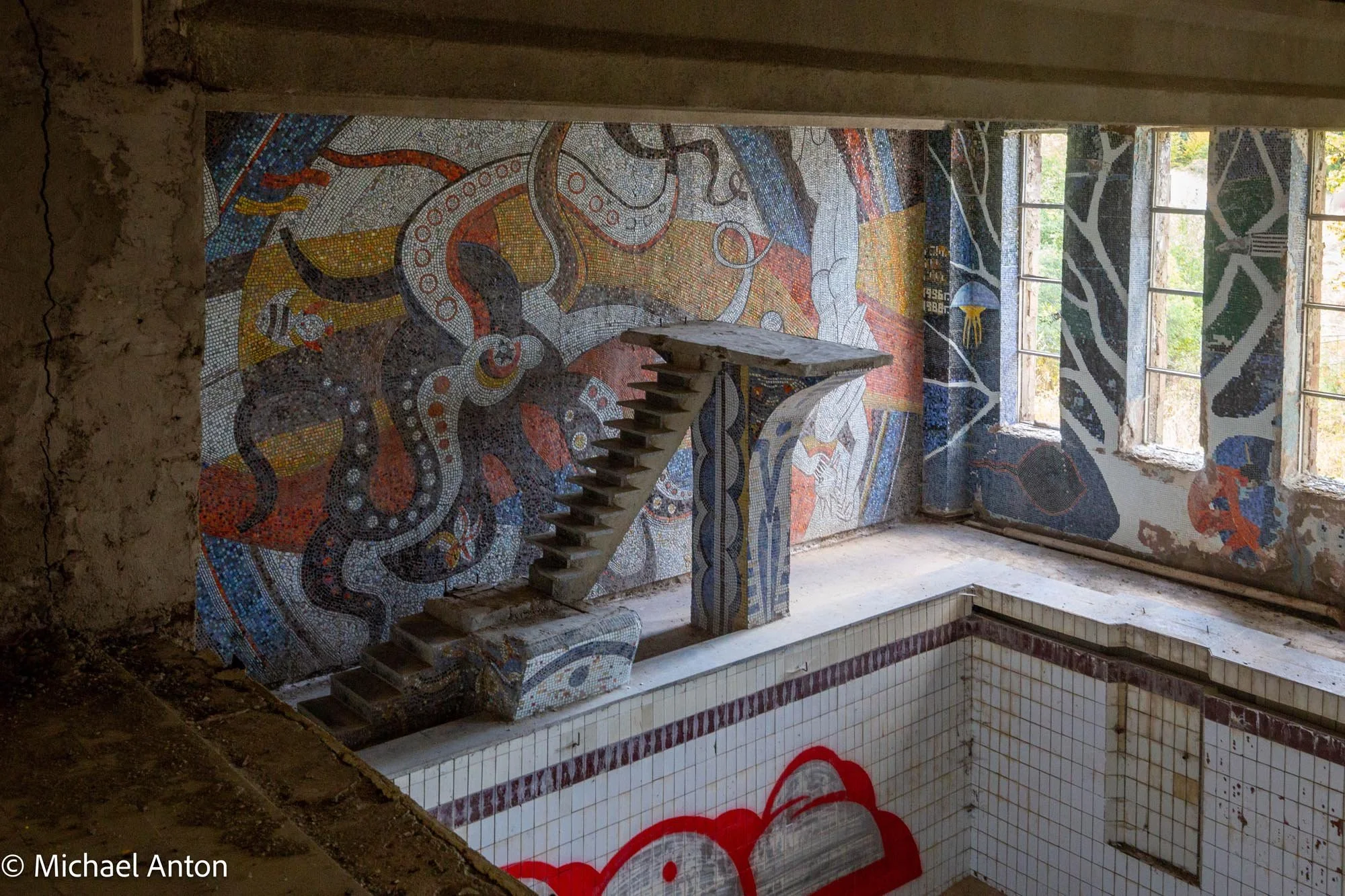
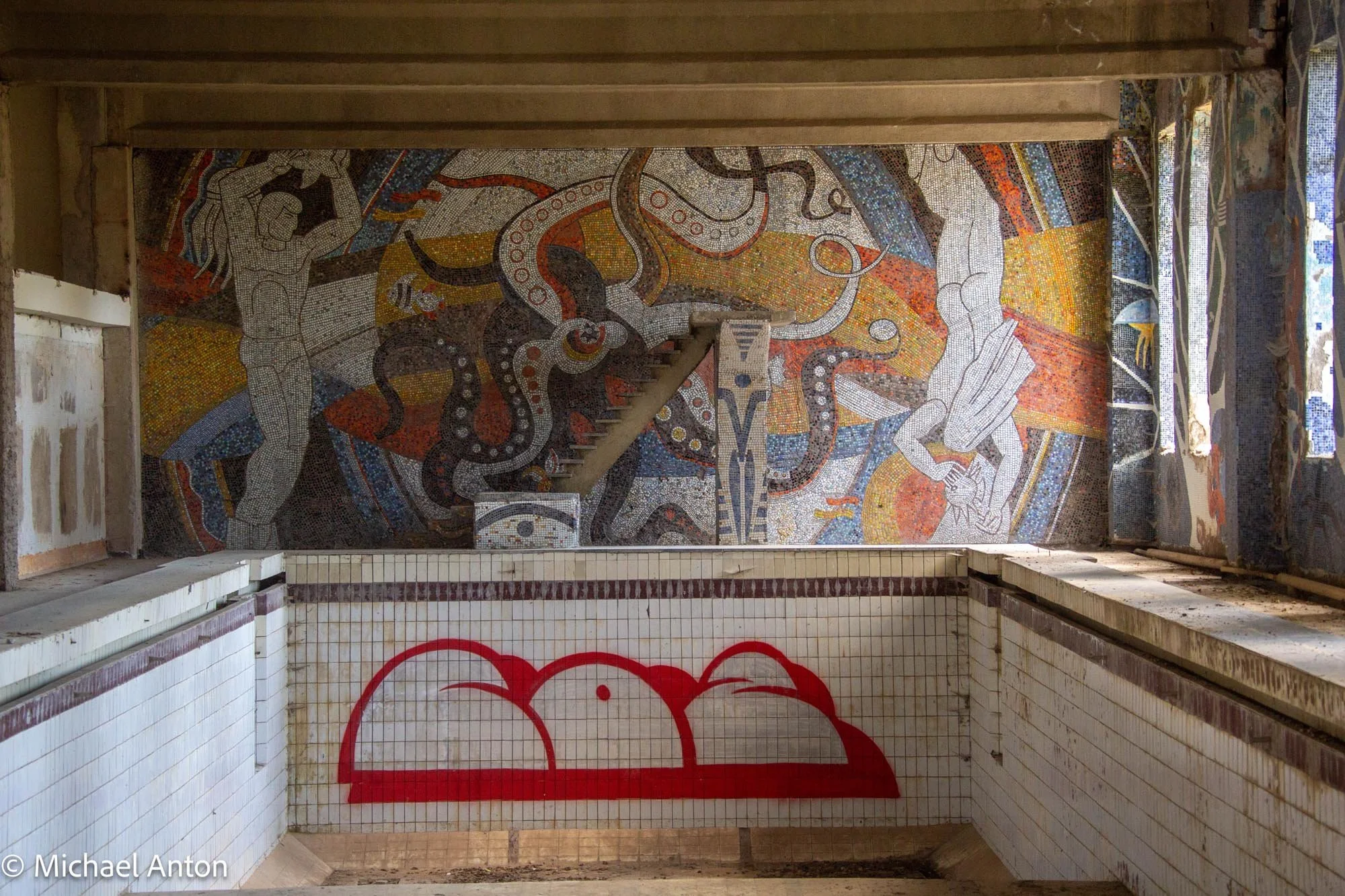
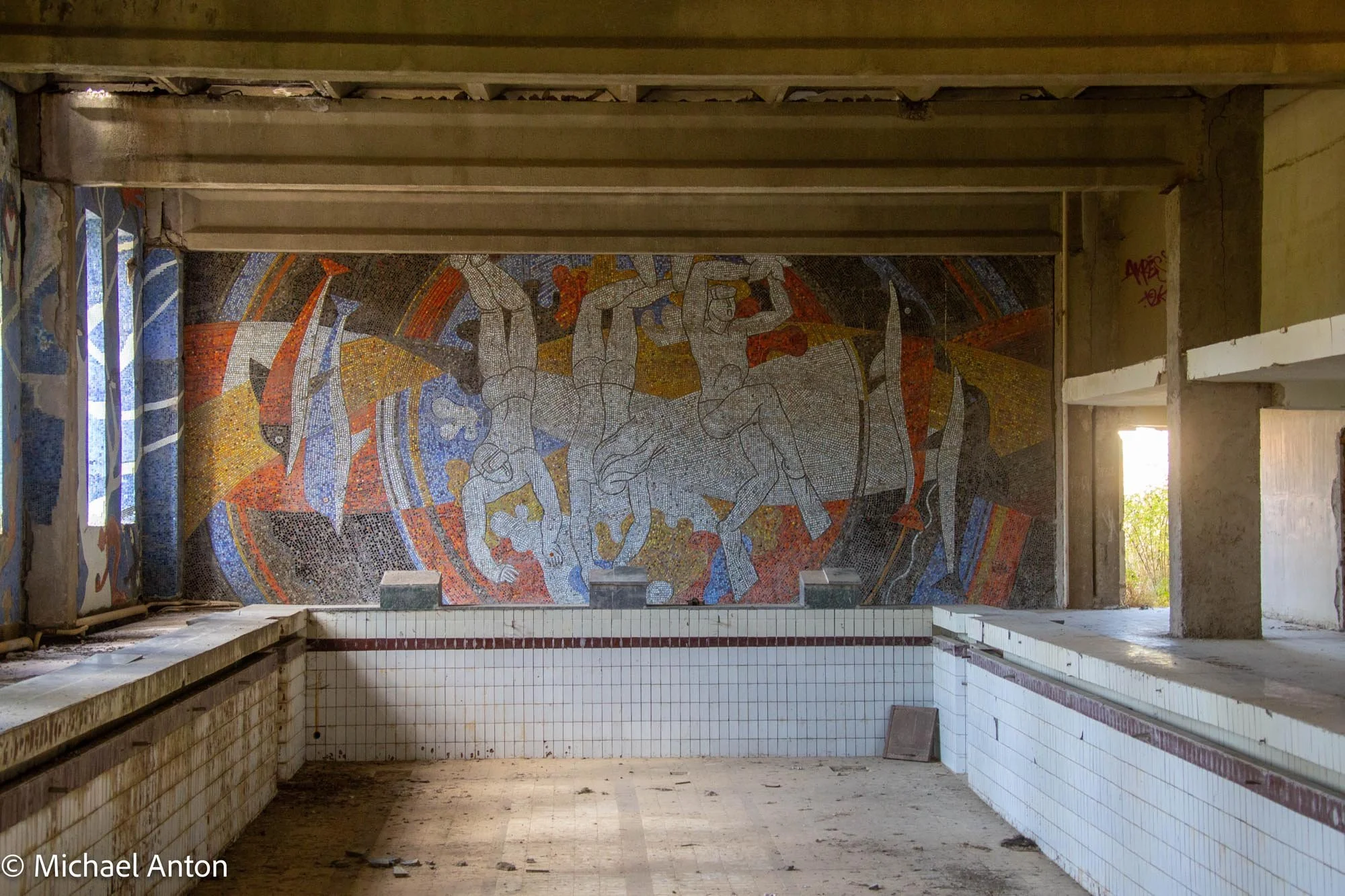
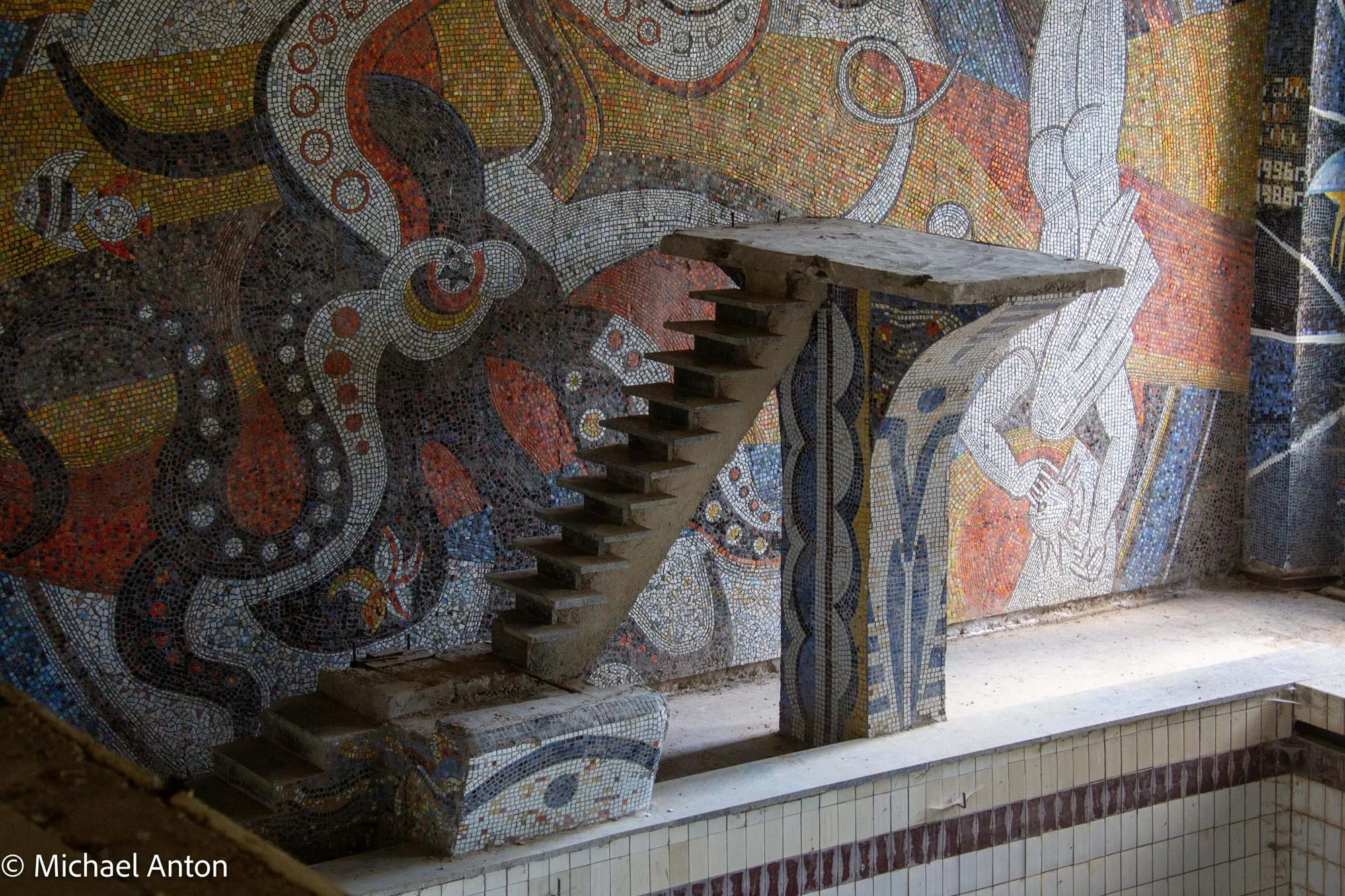
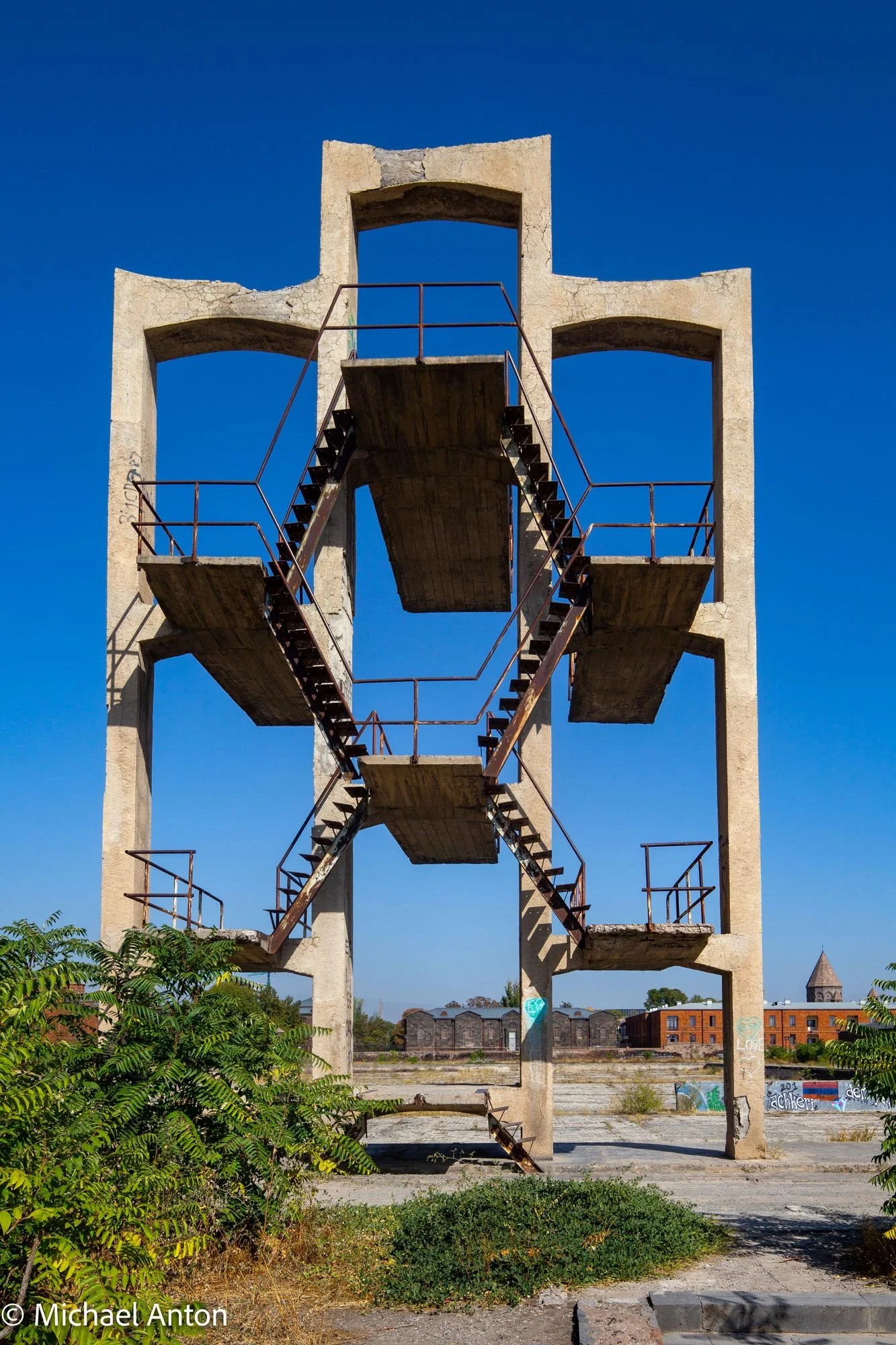
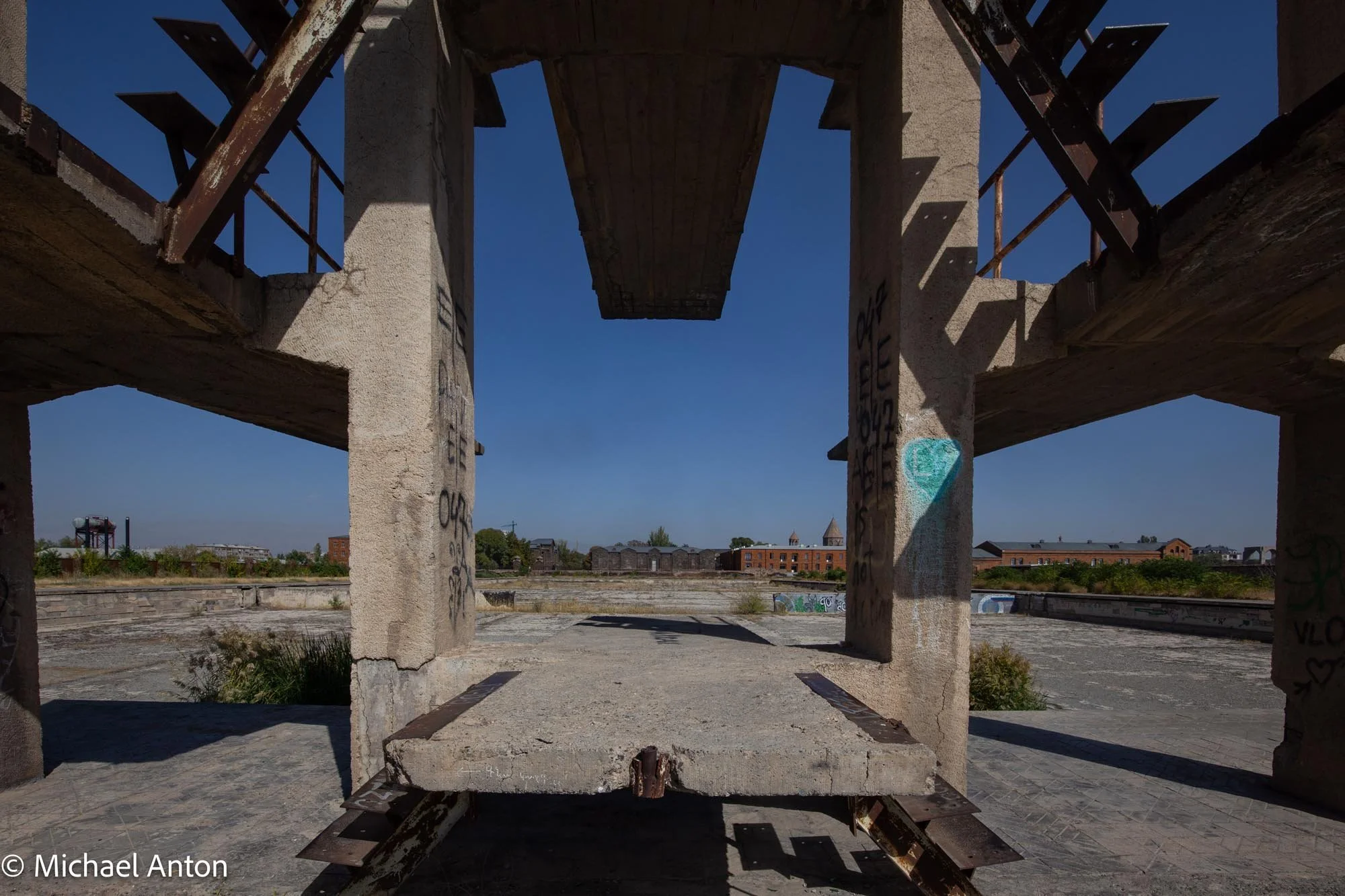
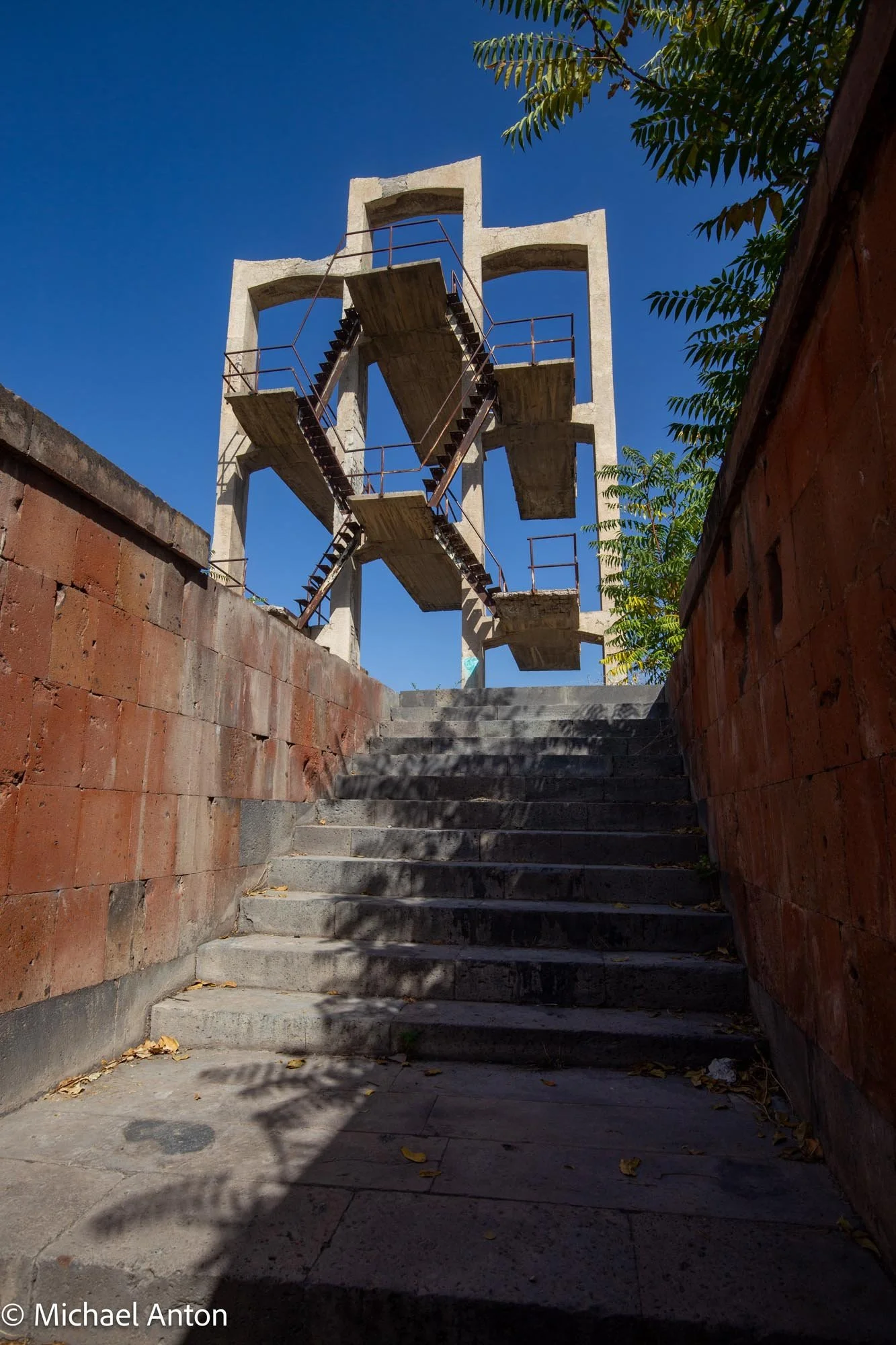
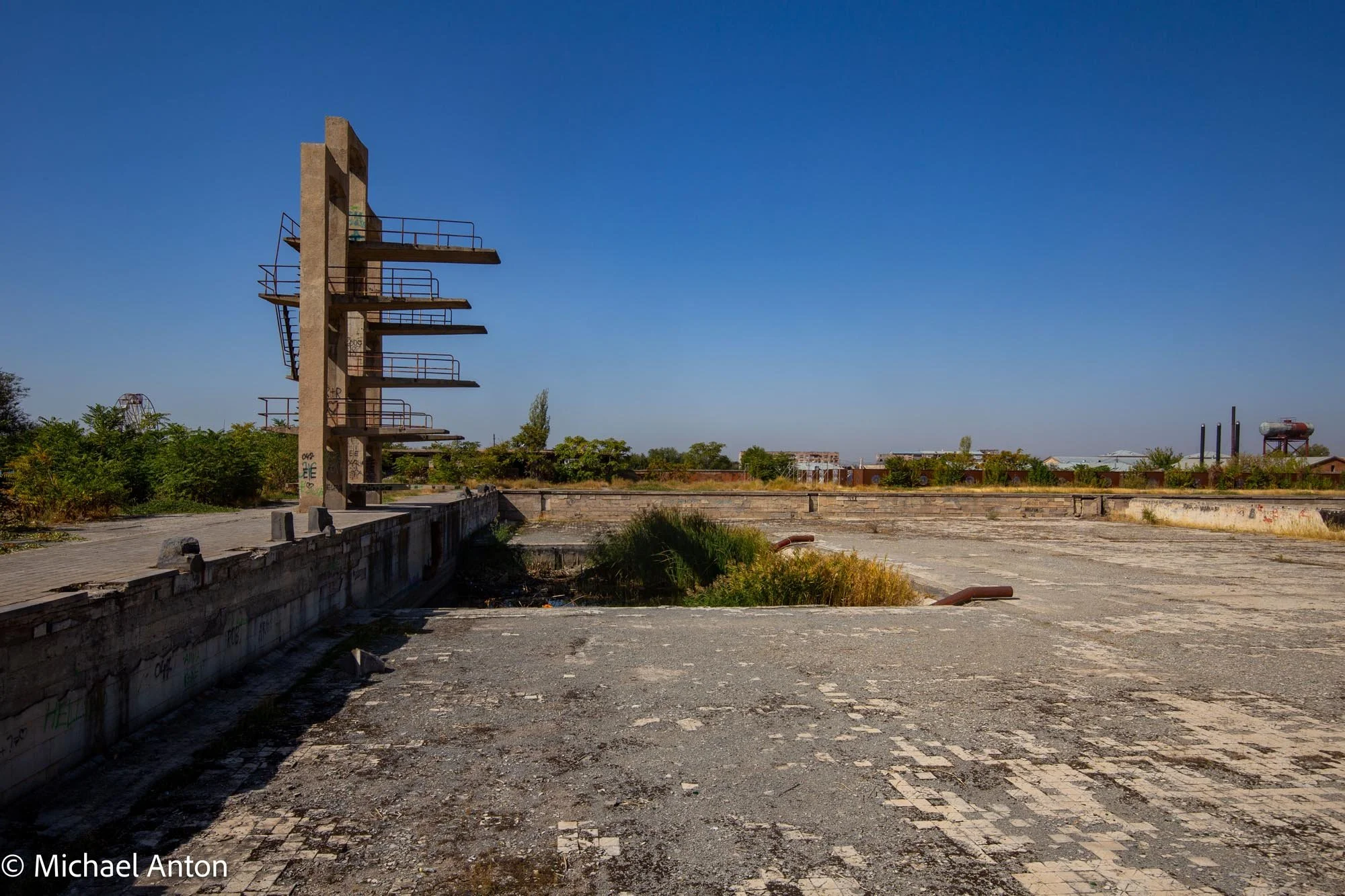
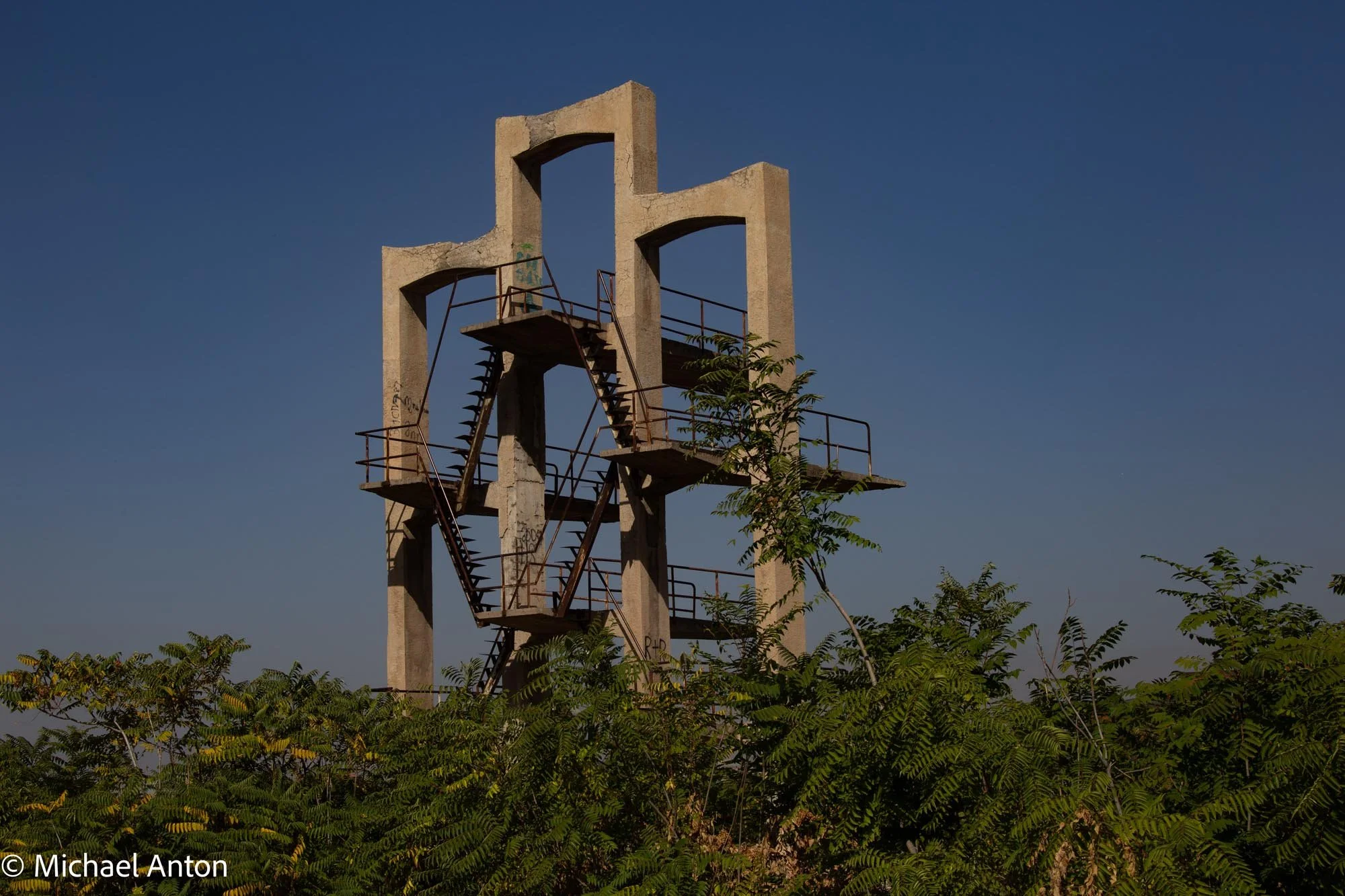
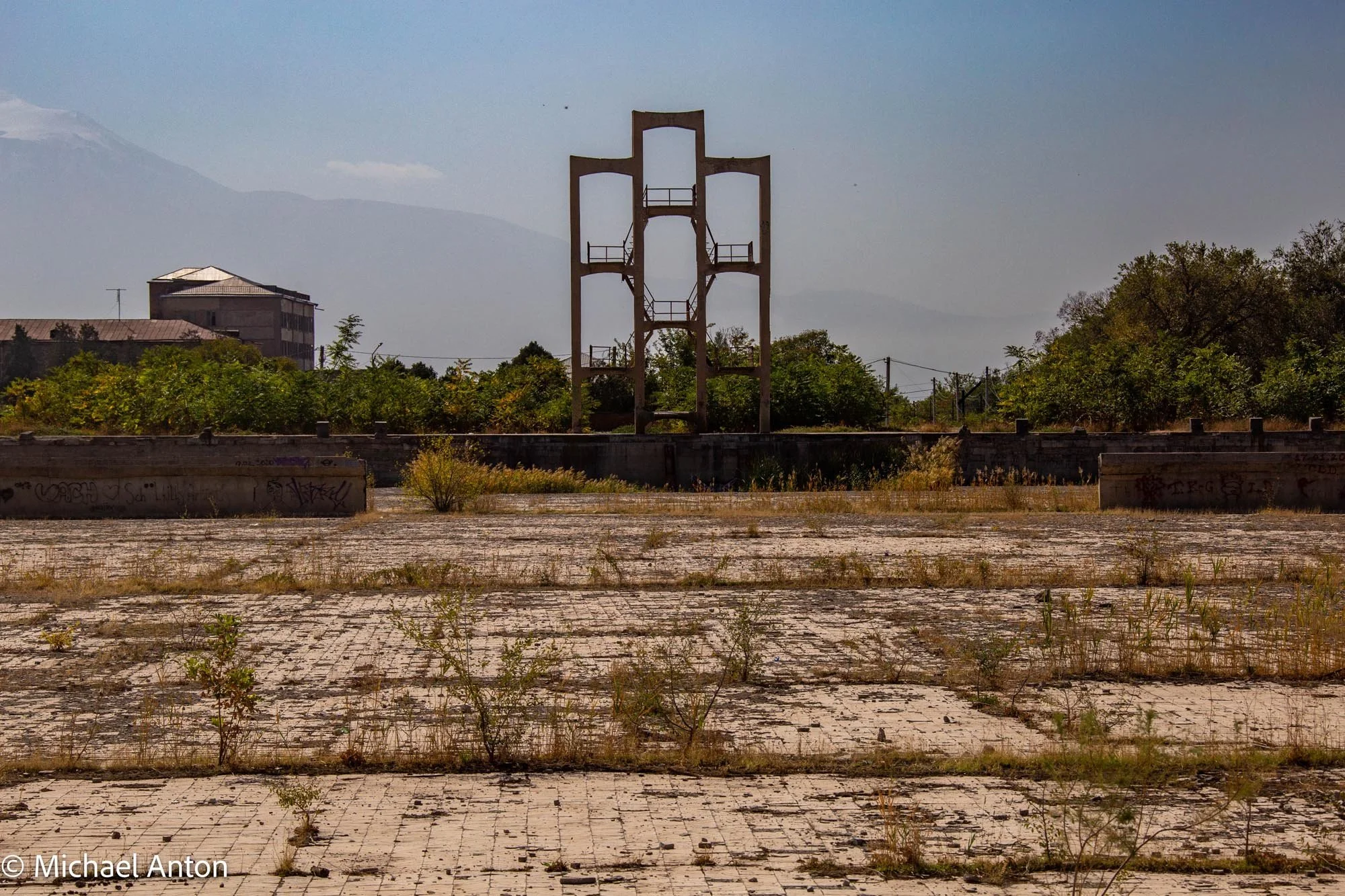
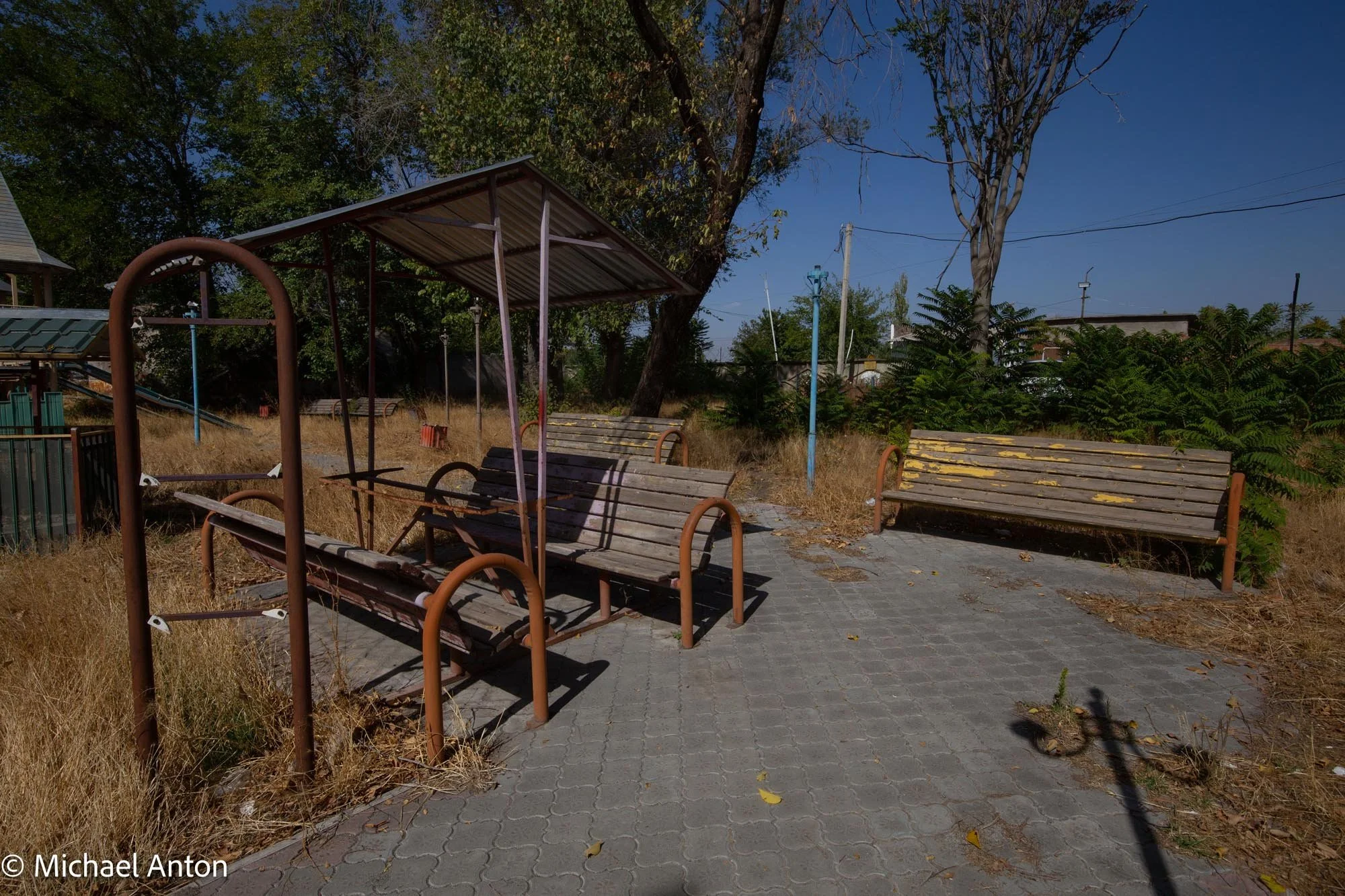
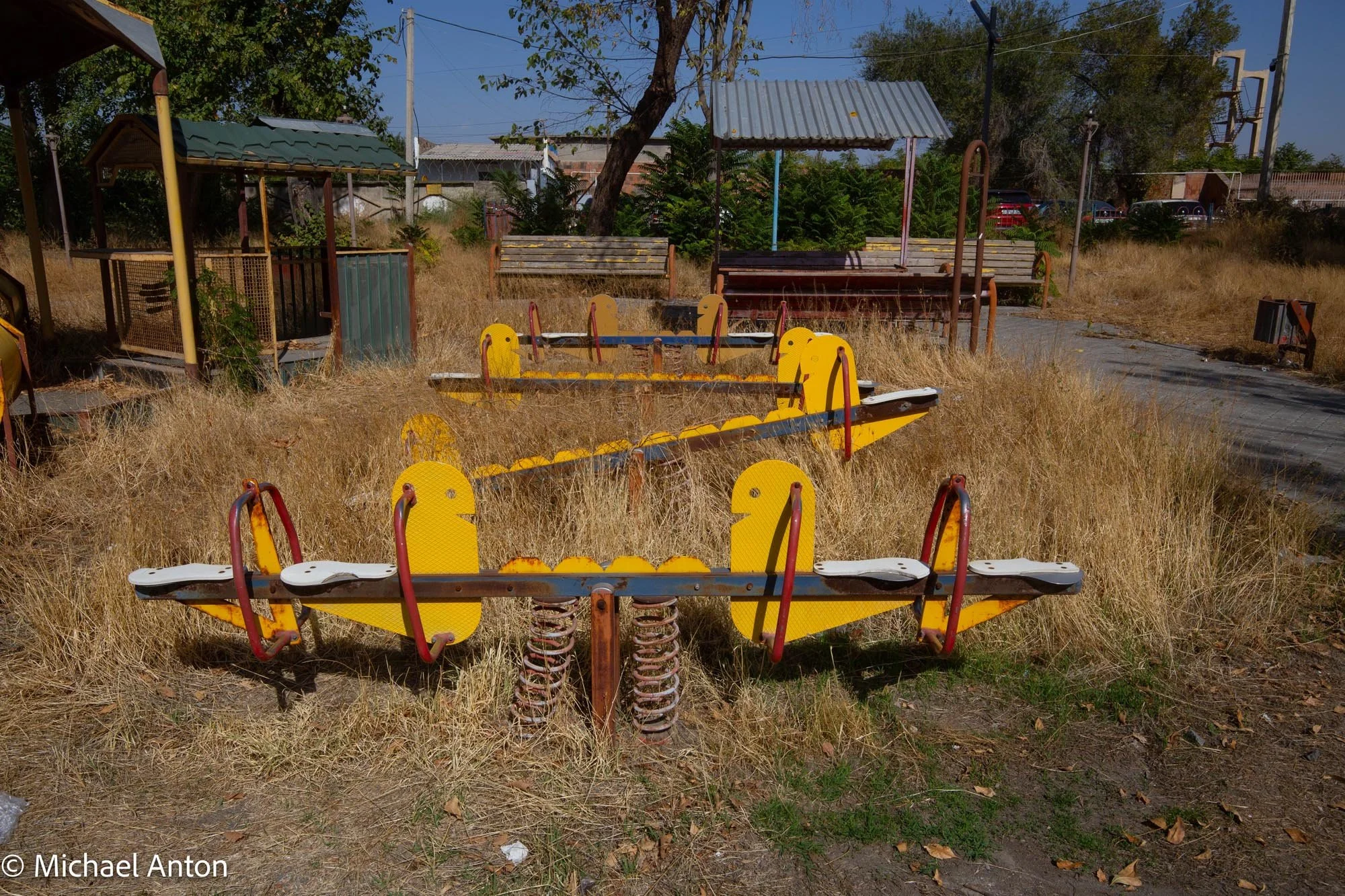
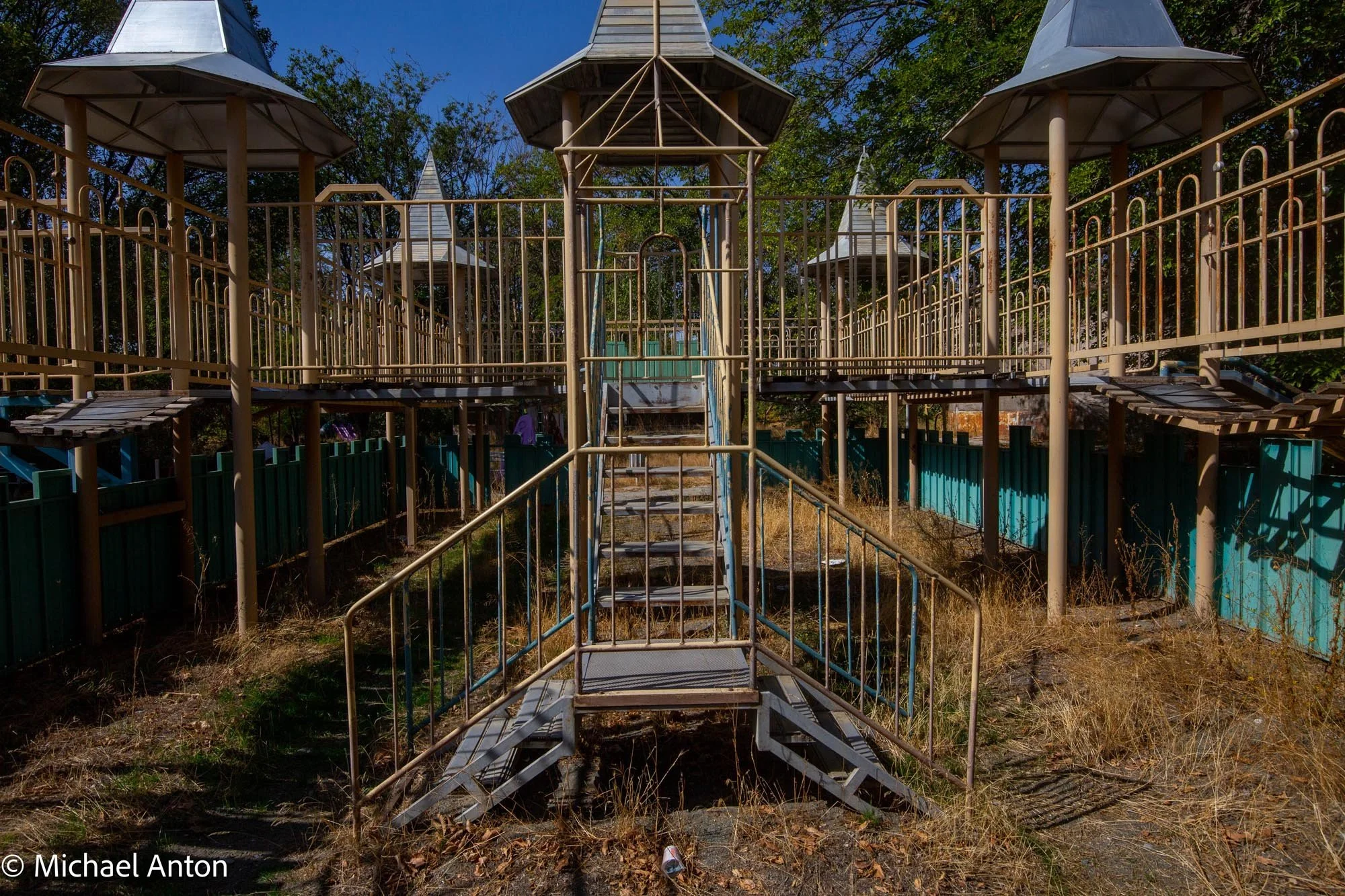
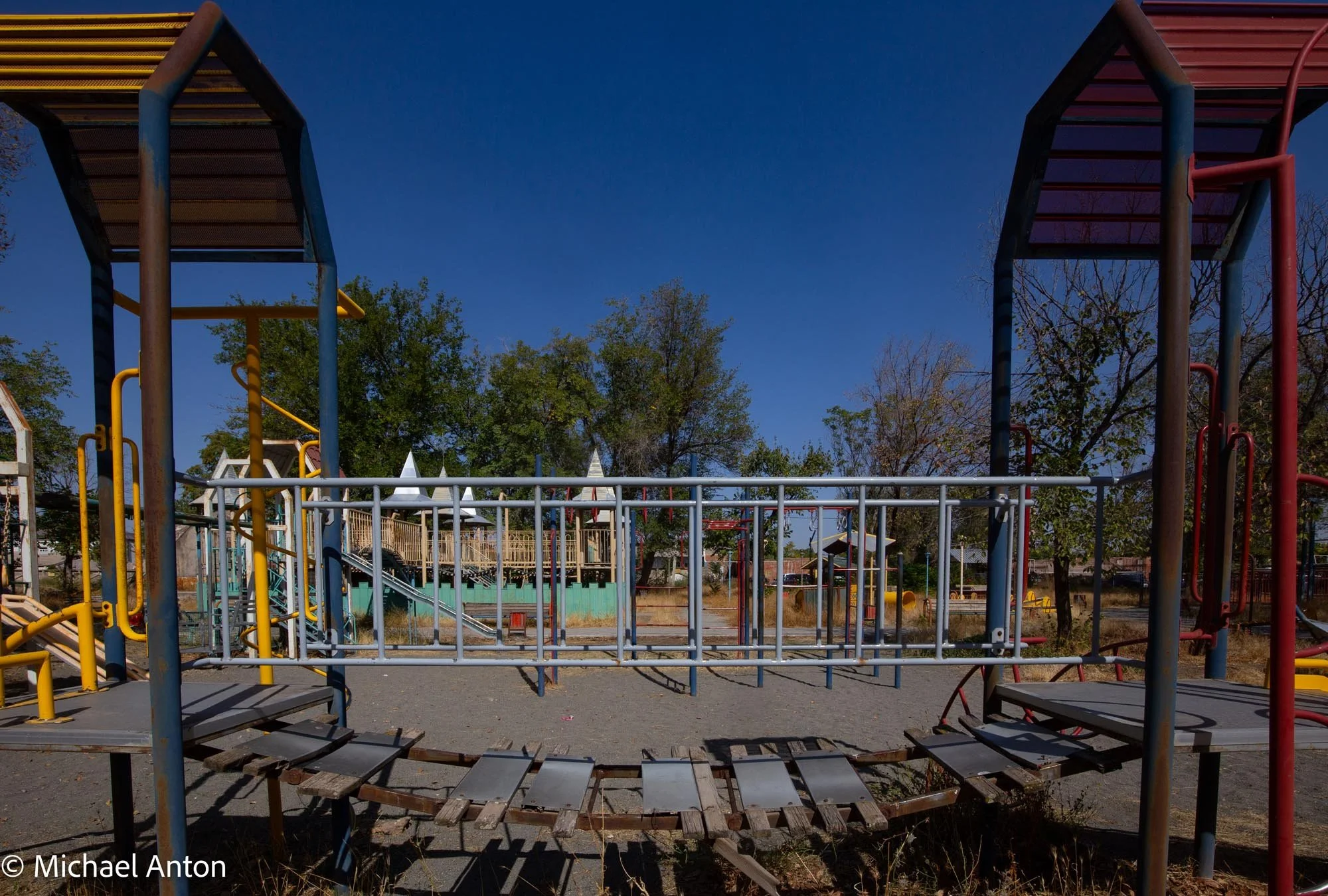
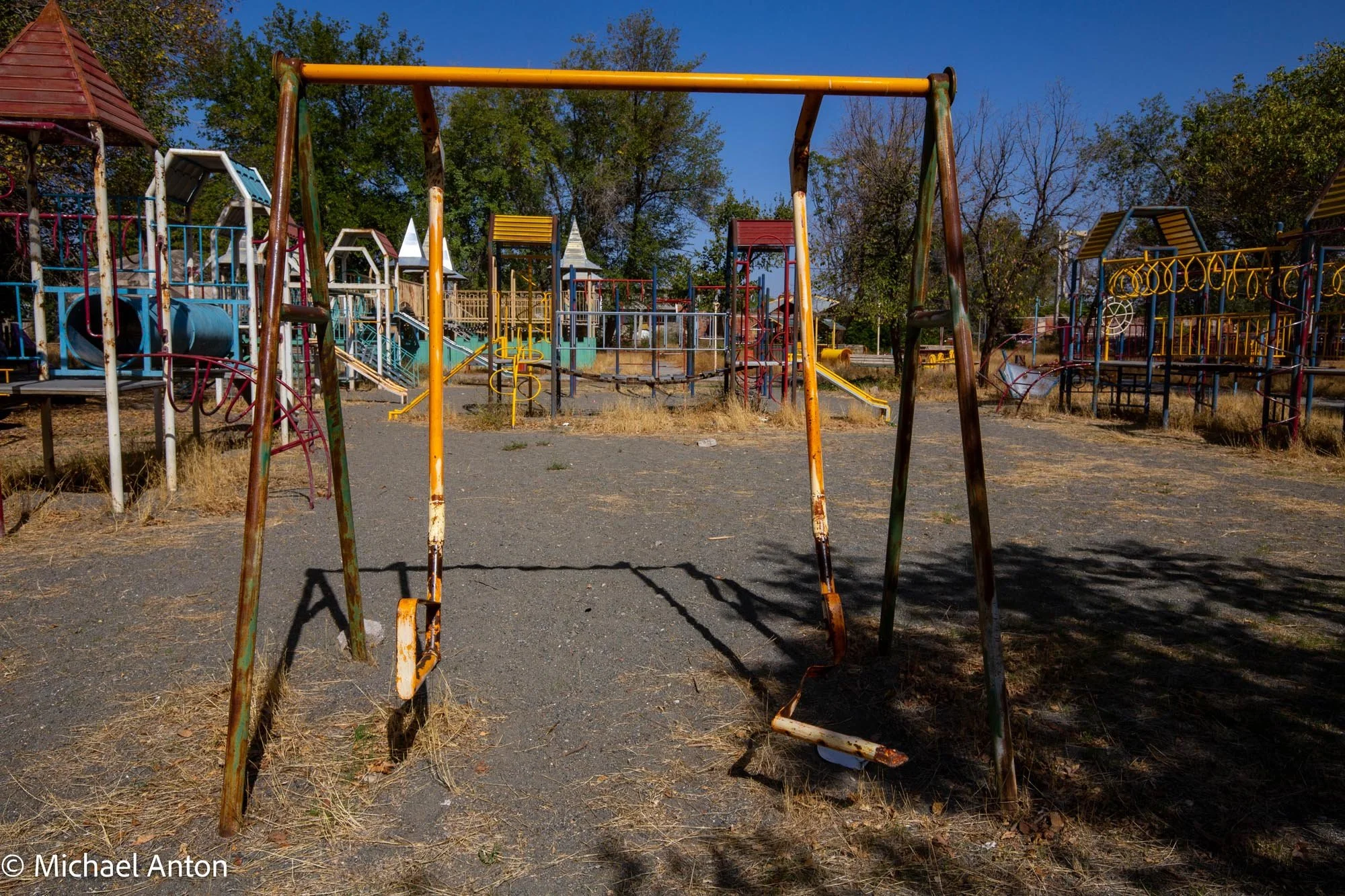
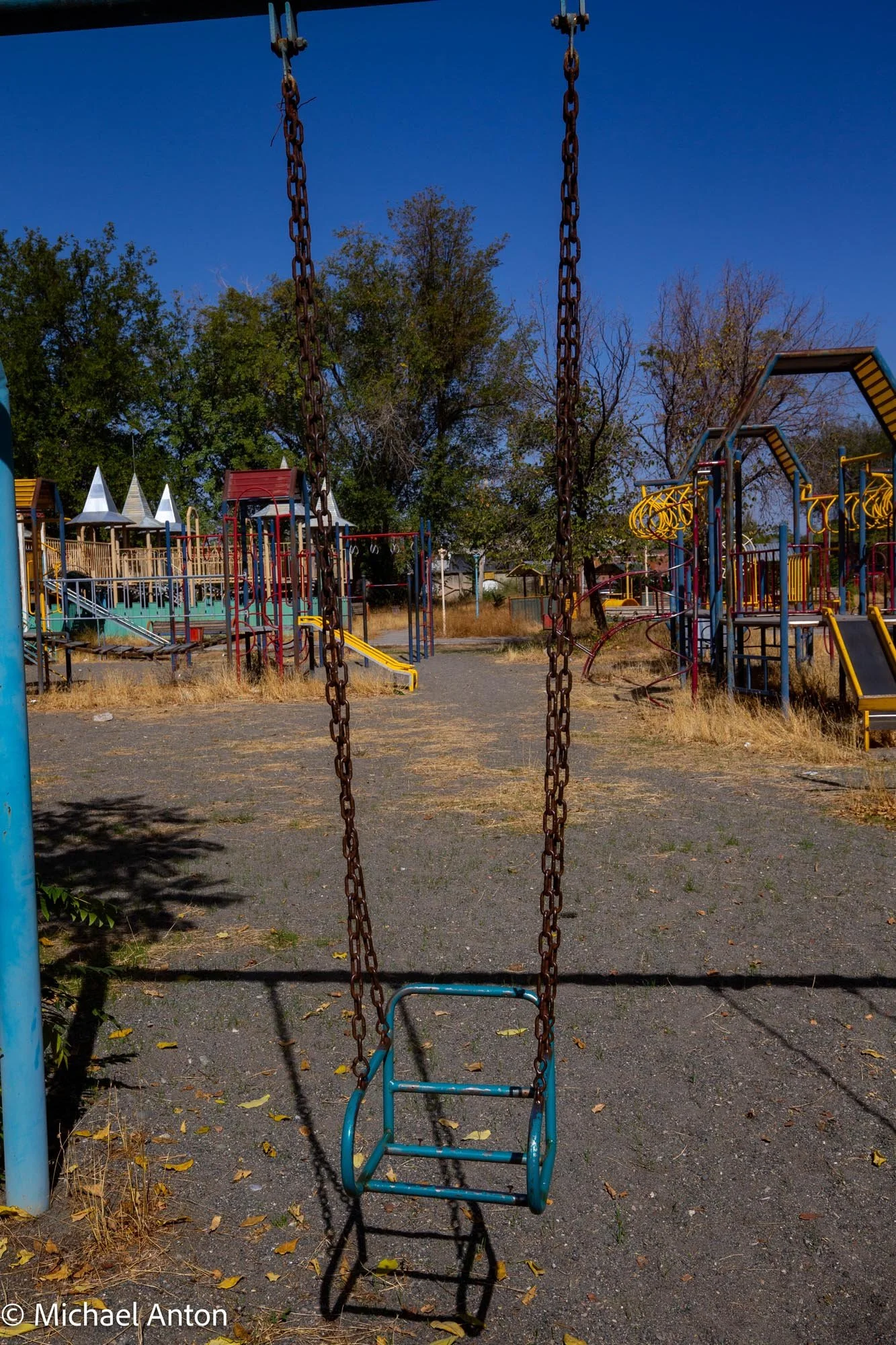
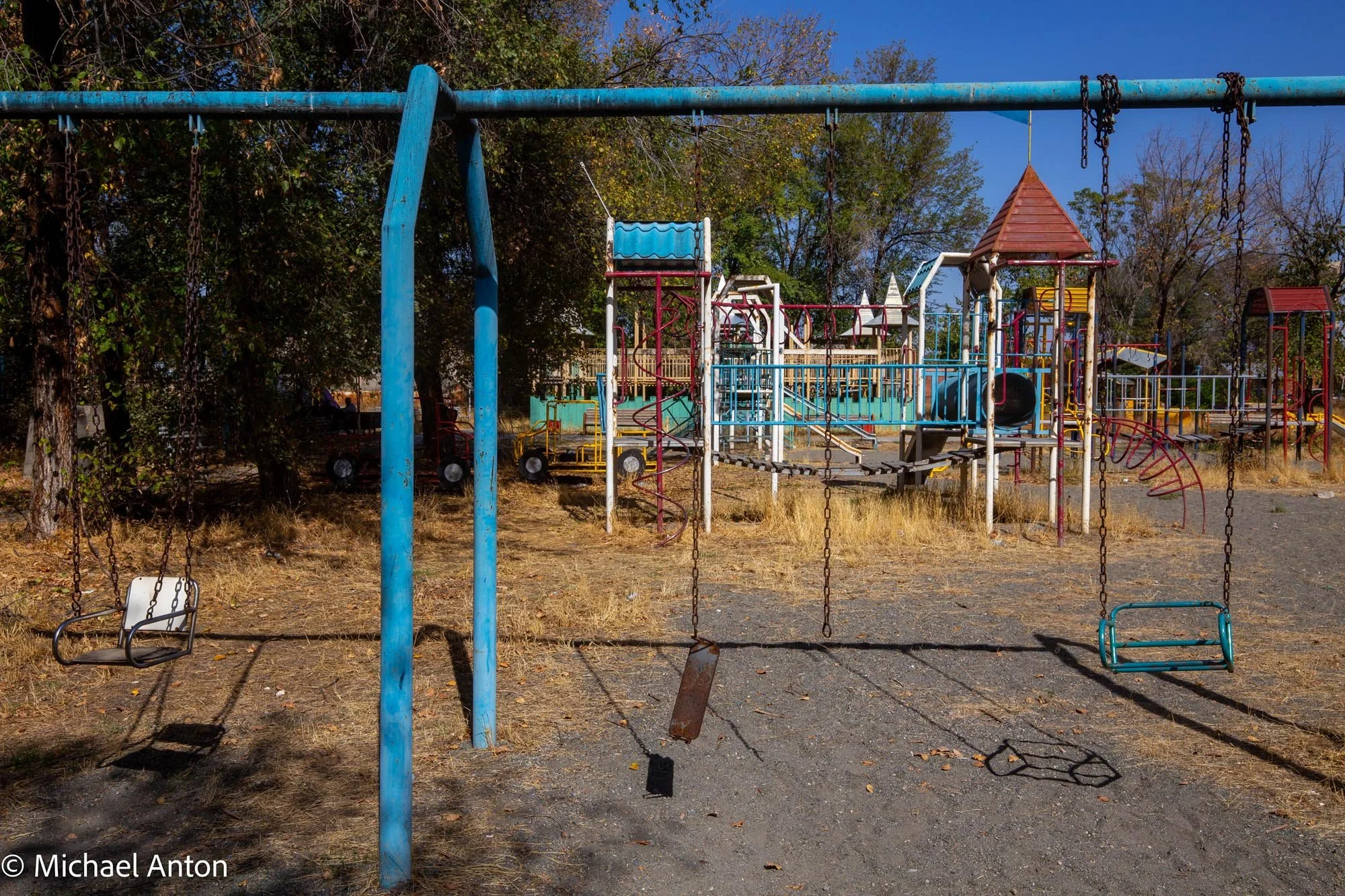
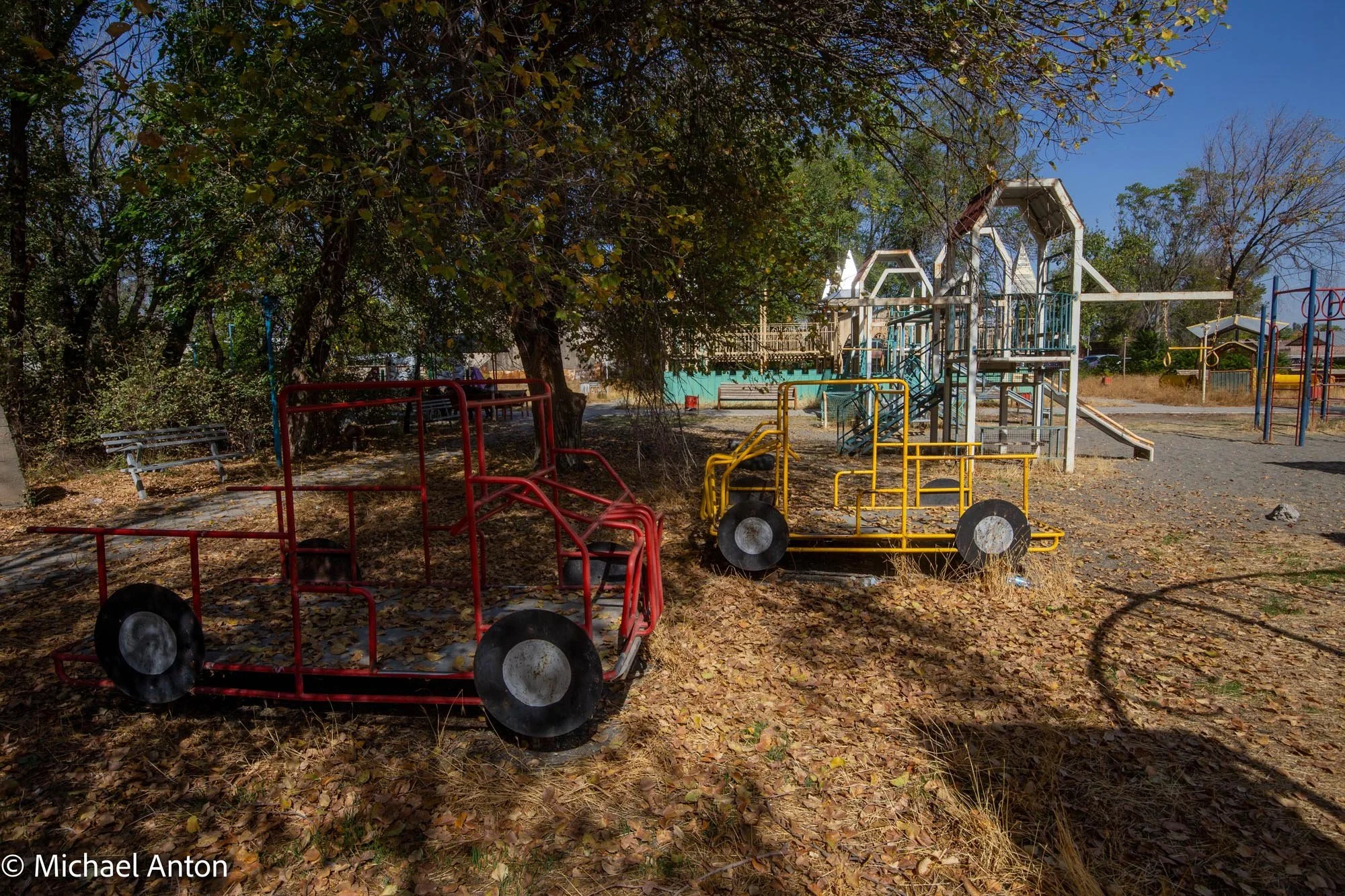
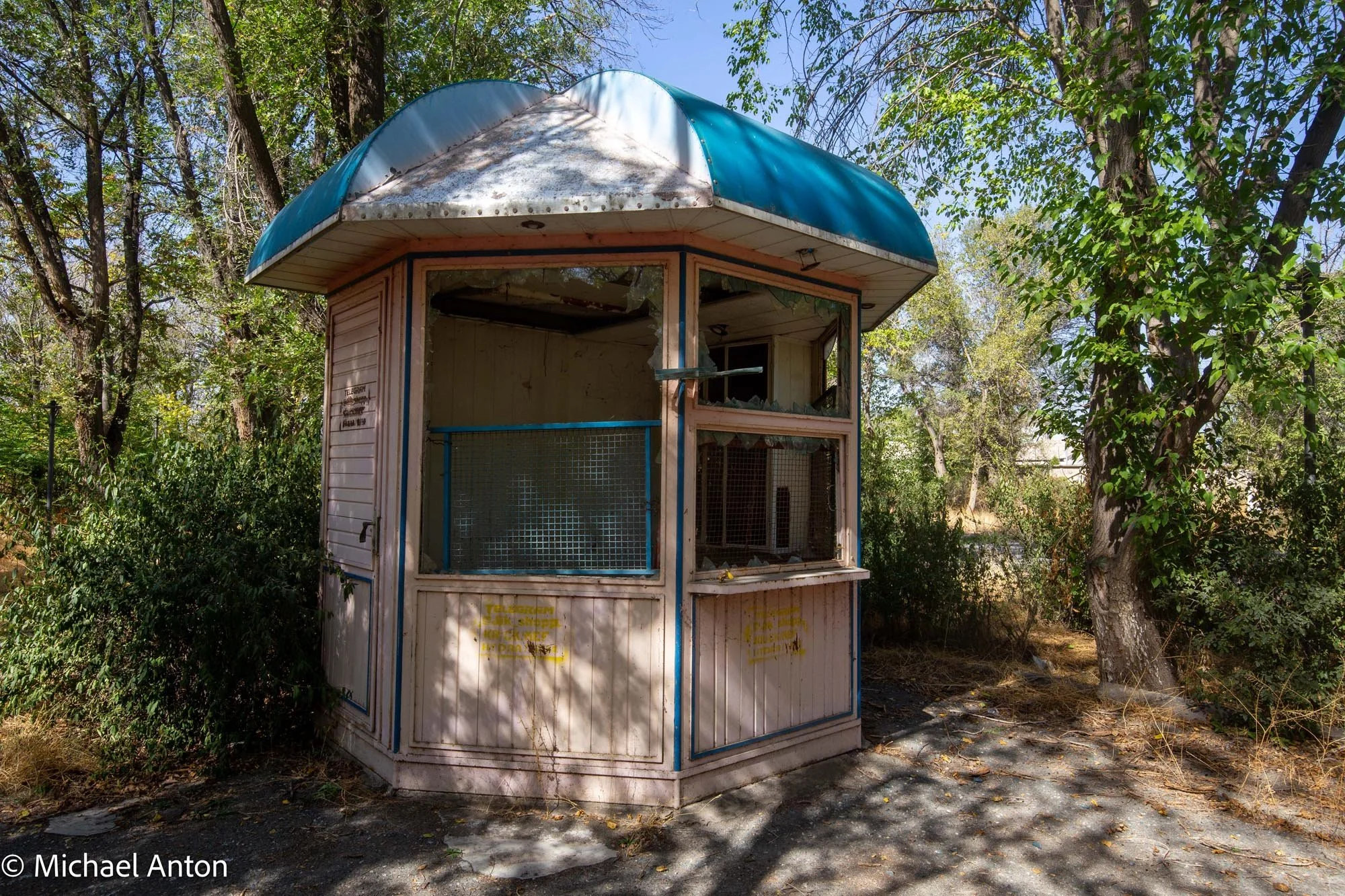
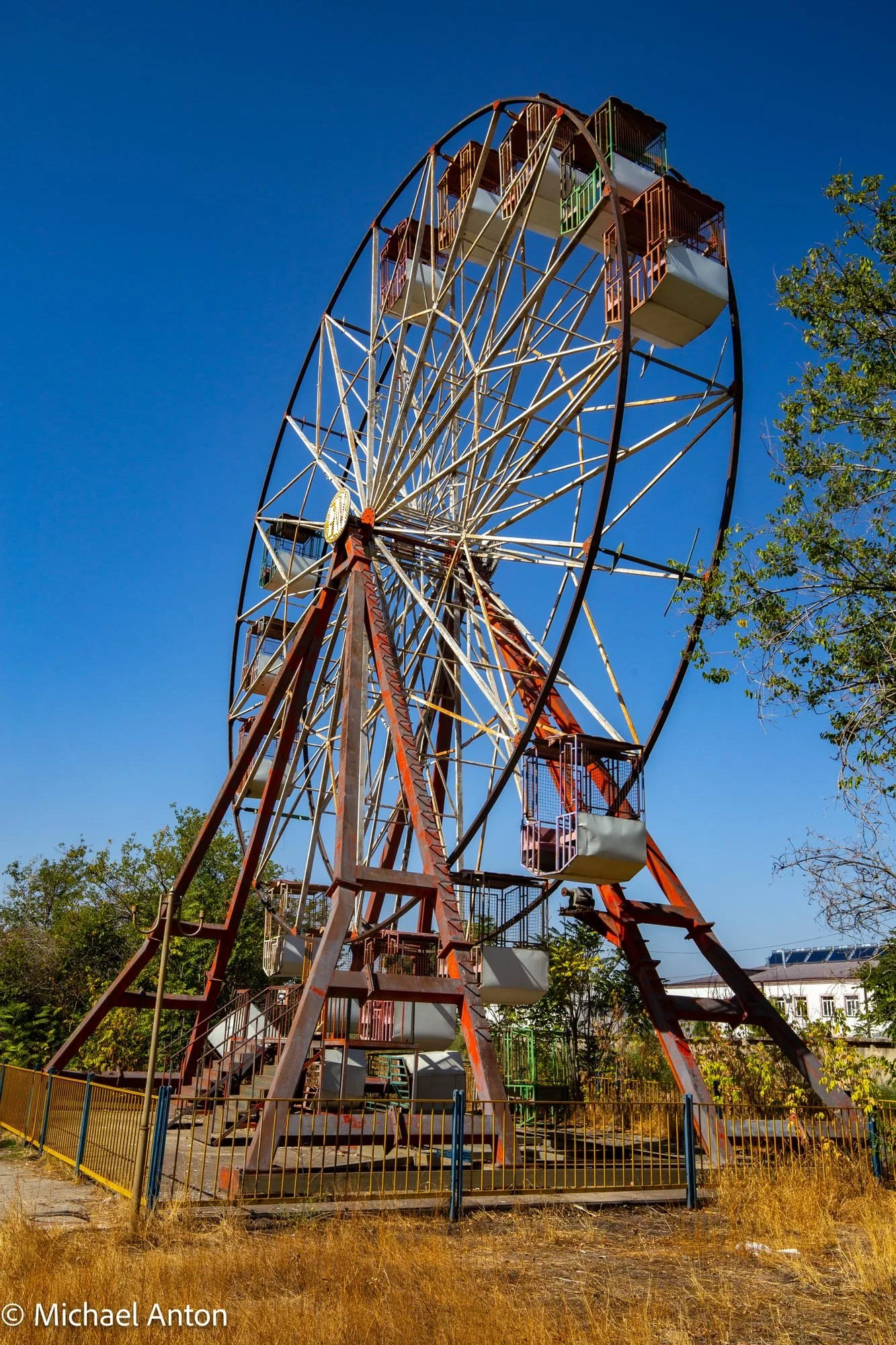
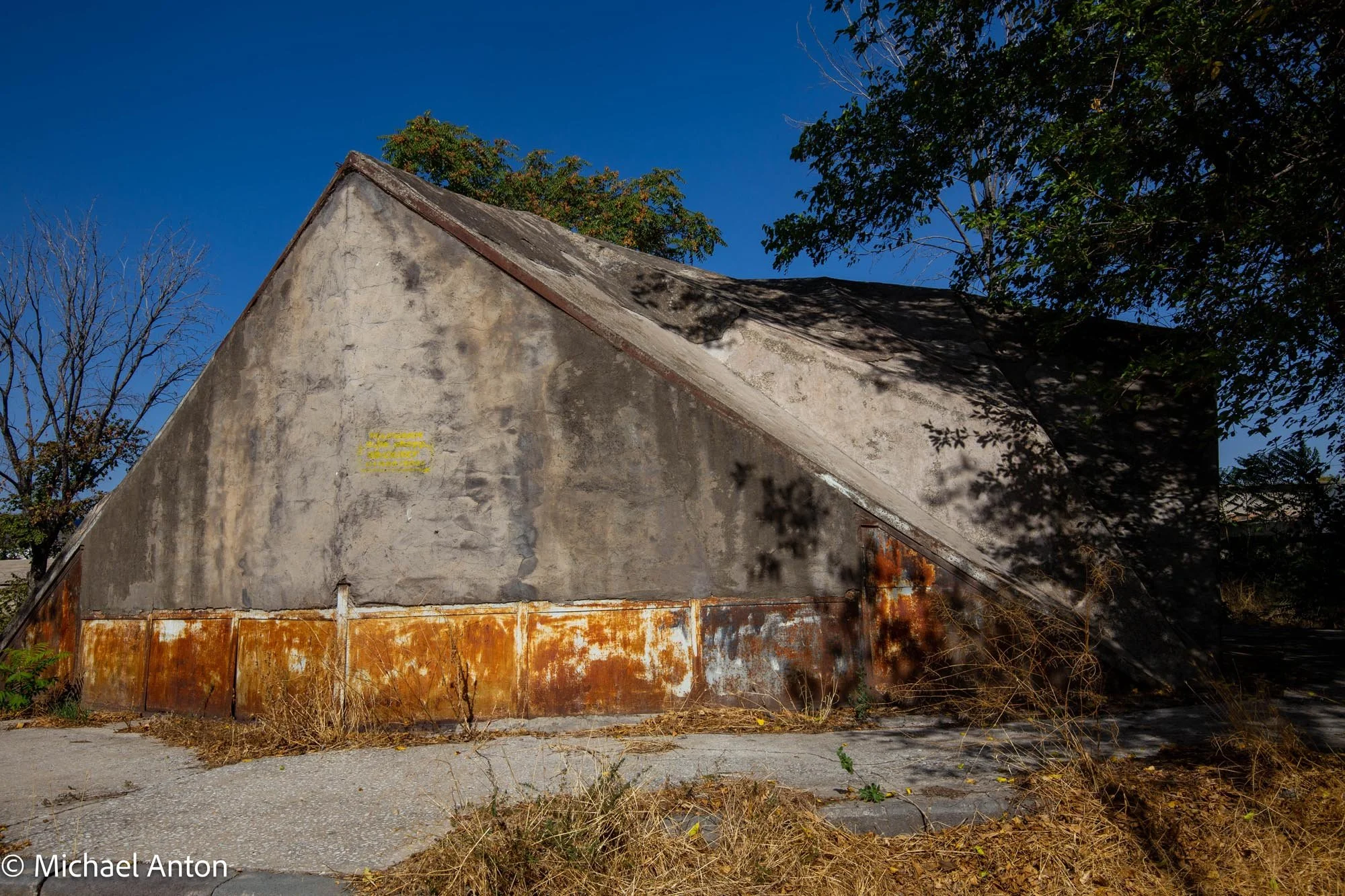
Located in the own of Ejmiastsin is the country’s former Olympic sized swimming pool, and a nearby playground and amusement park.
If I closed my eyes, I could almost hear the splash of swimmers diving from the highest diving board I’ve ever seen, as well as the delighted squeals of children enjoying what was once an active place.
Landscapes
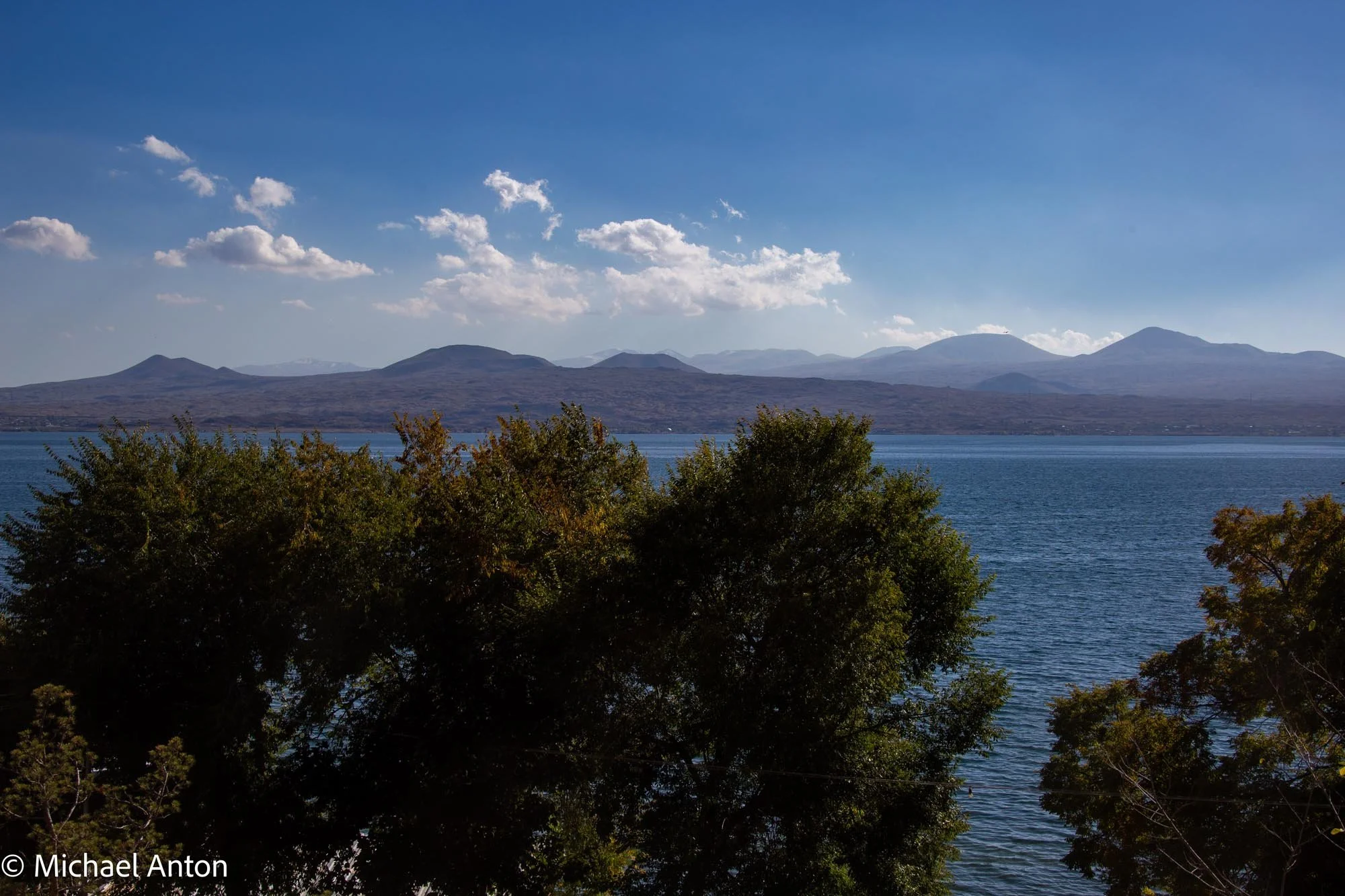
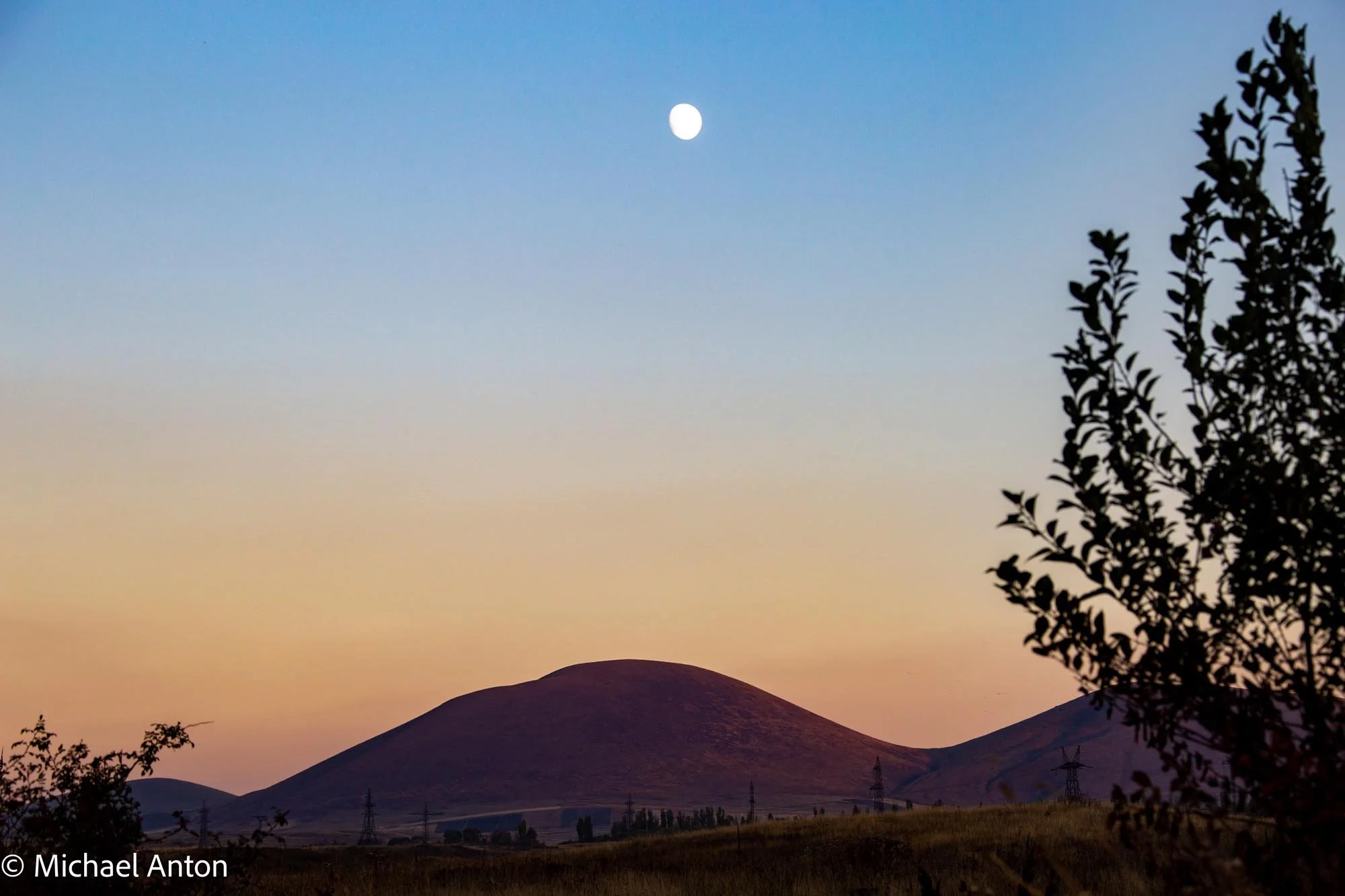
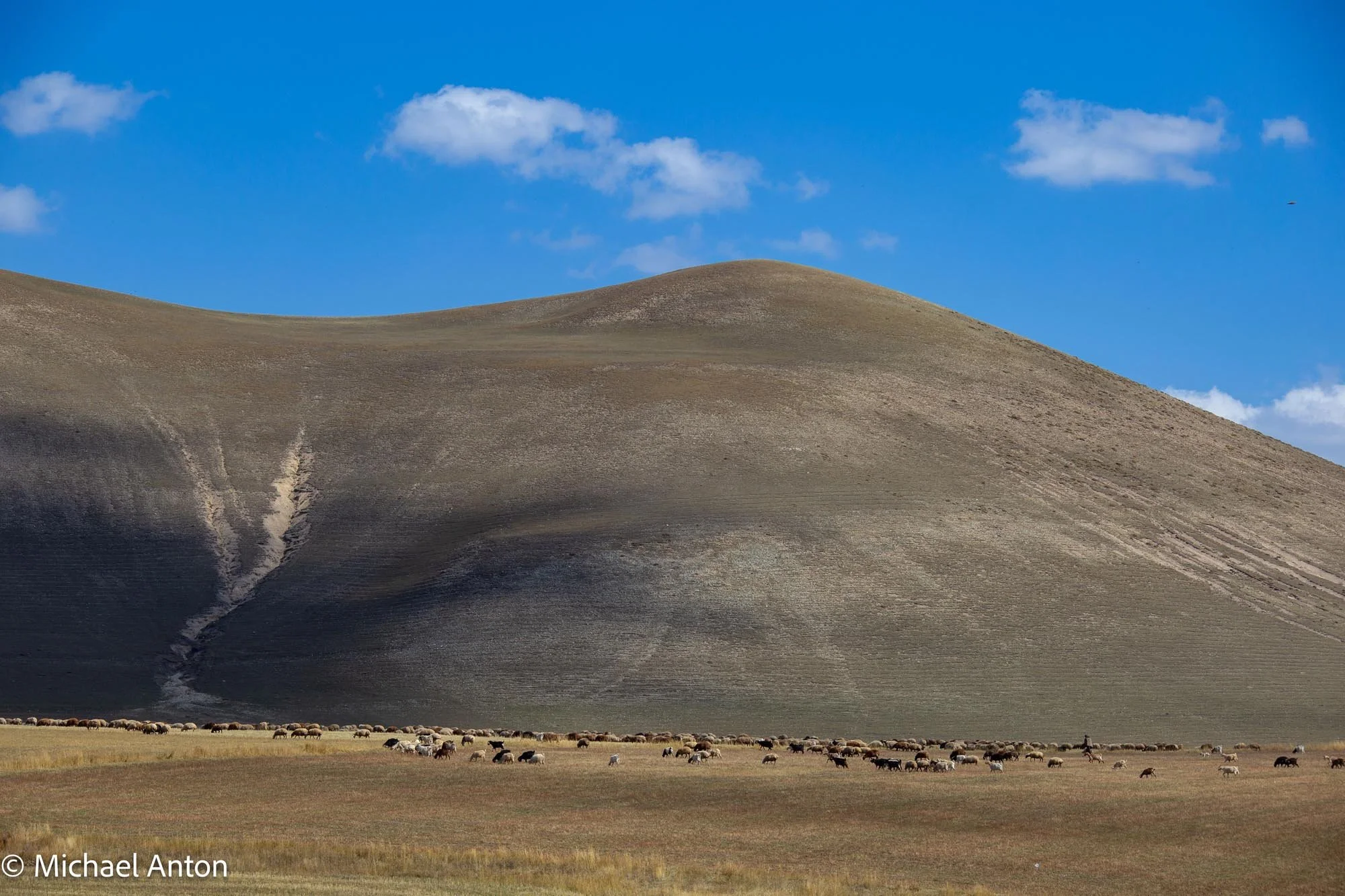
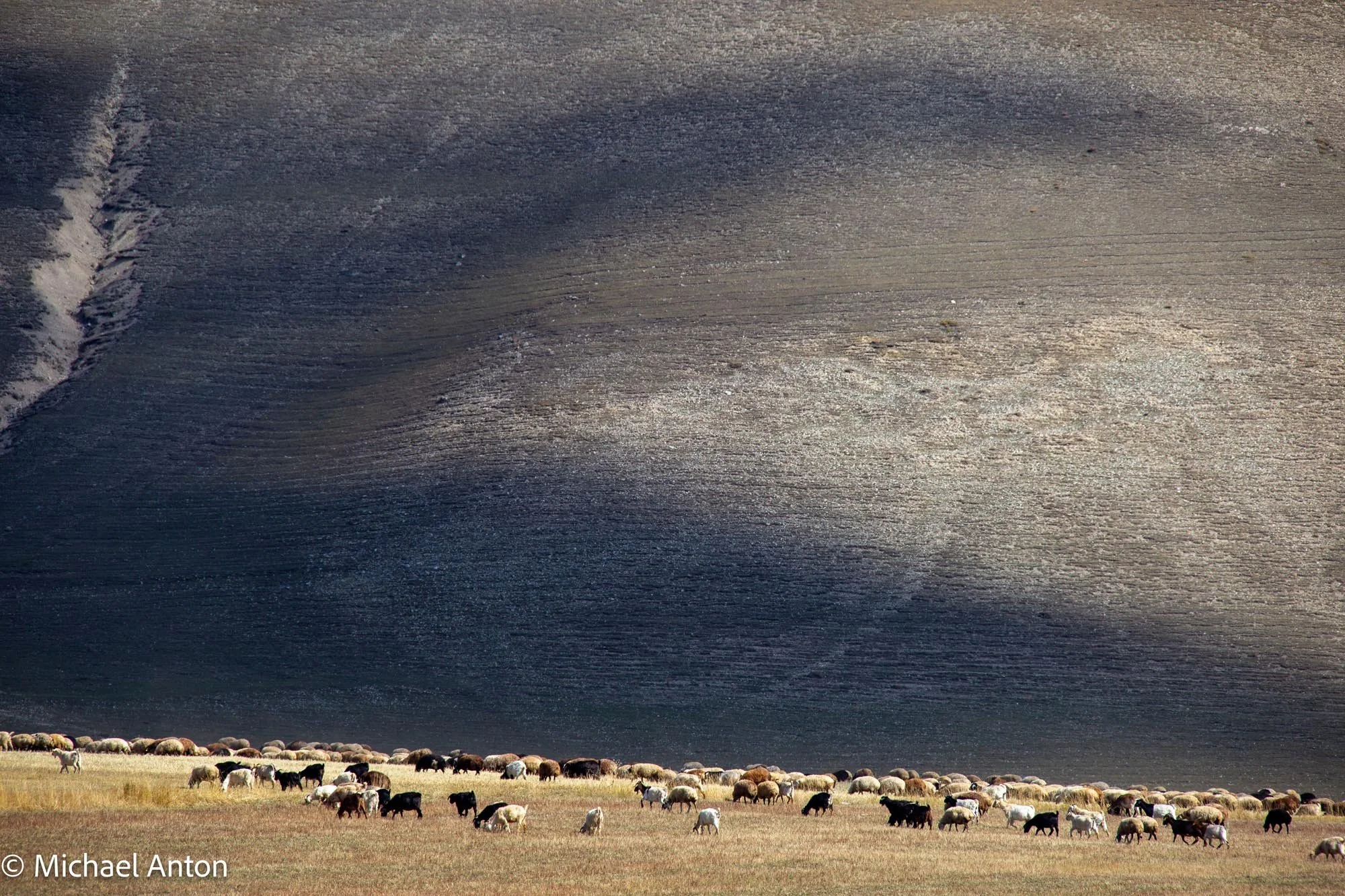
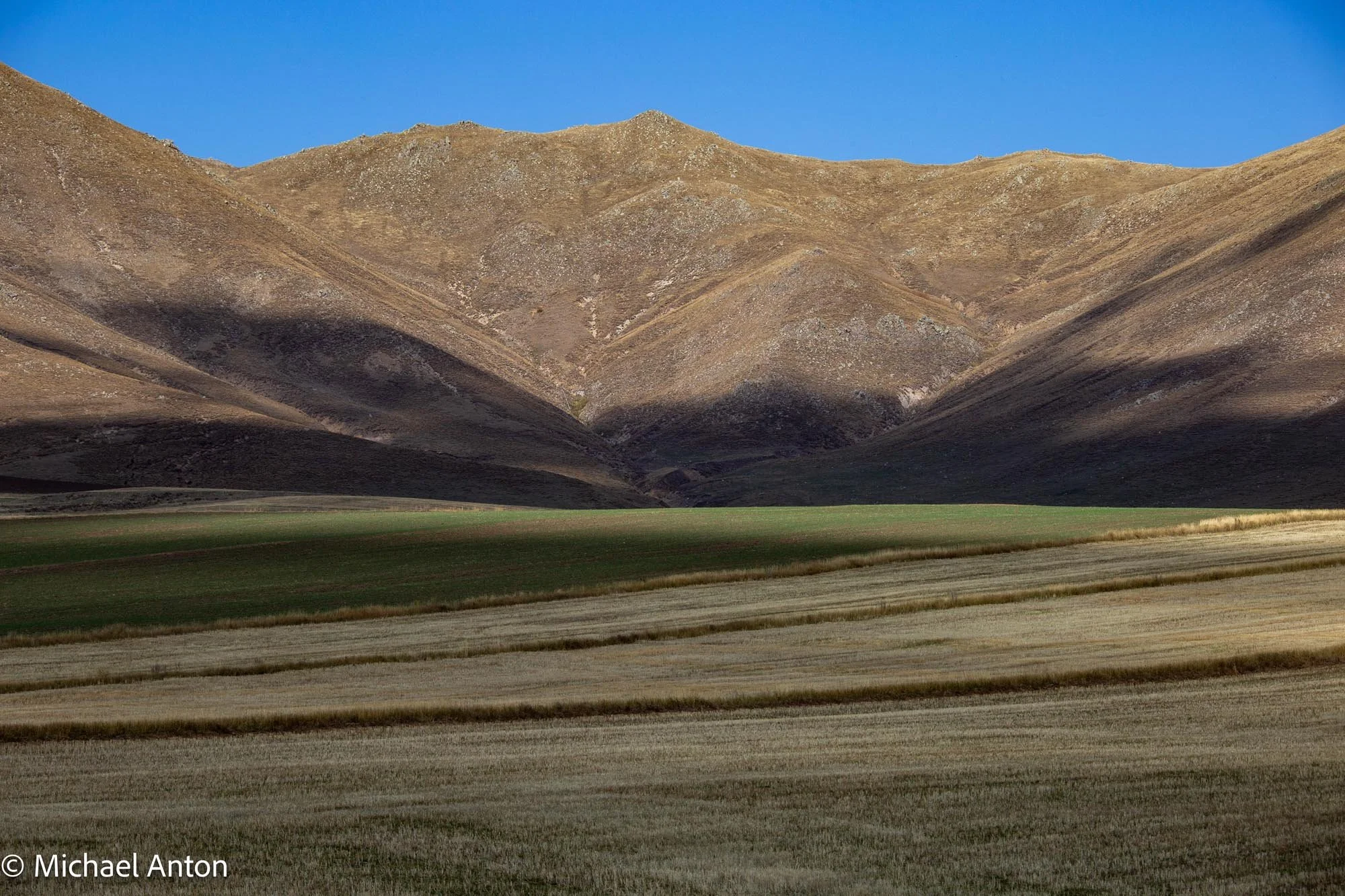
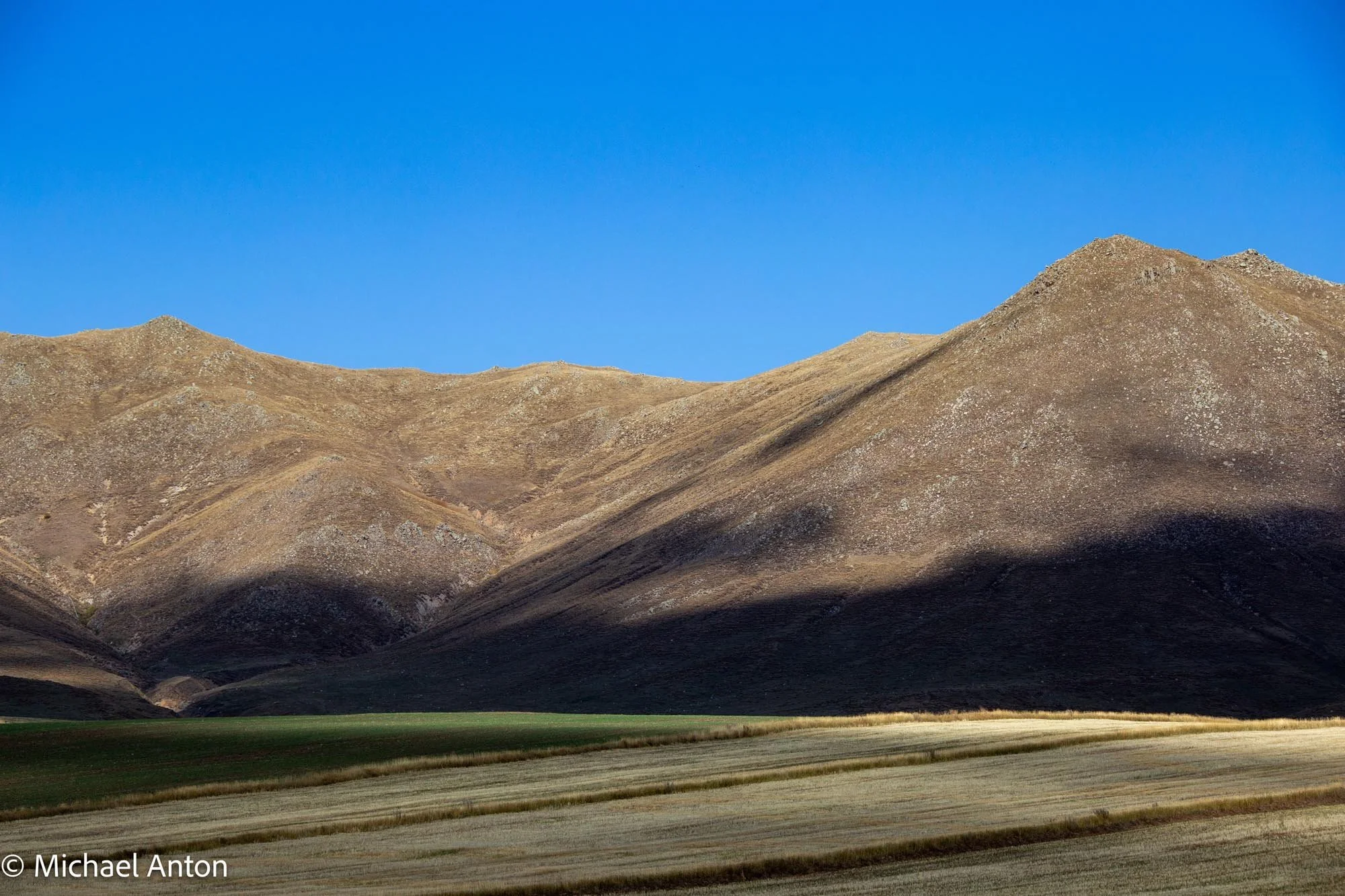
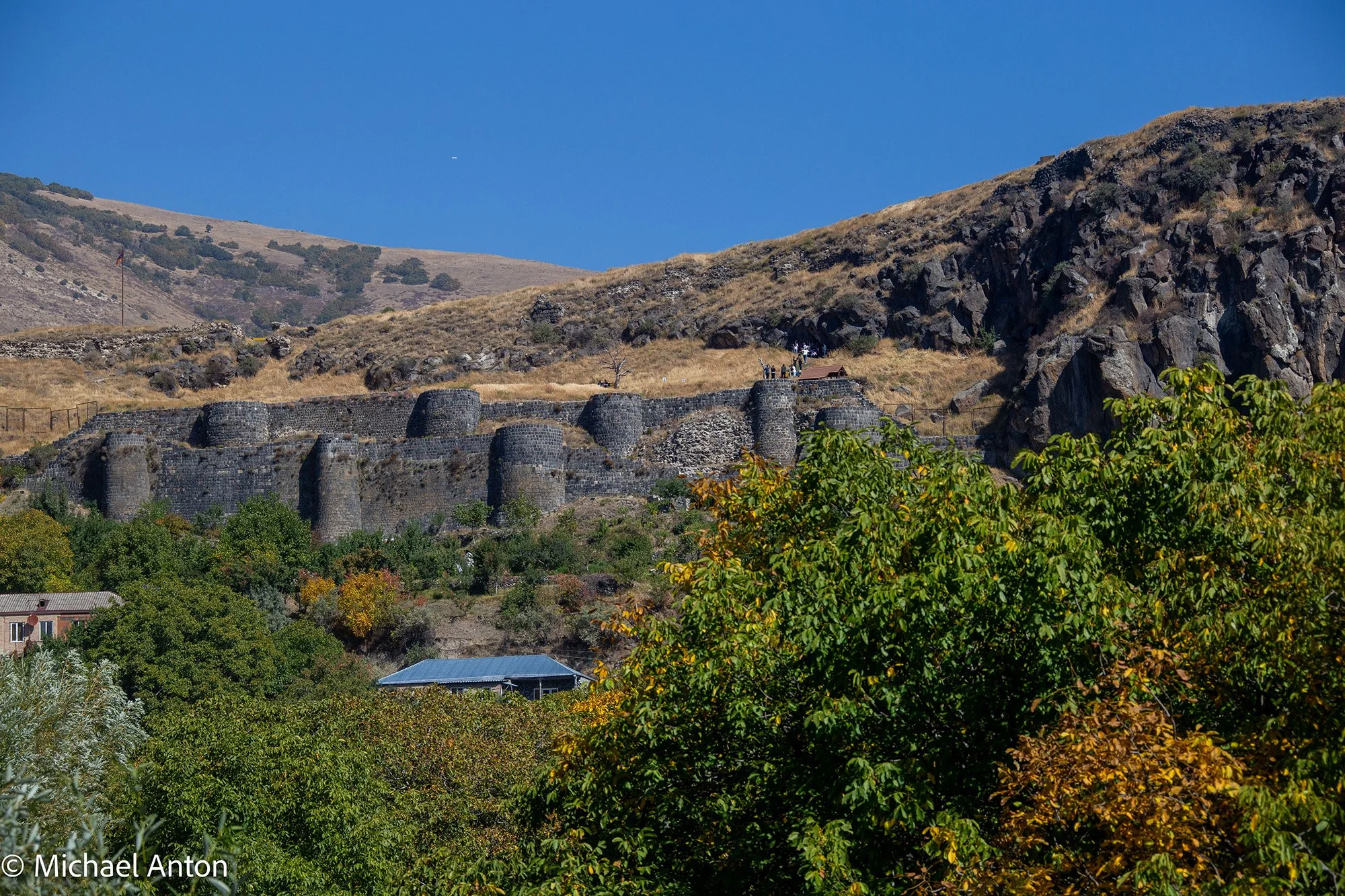
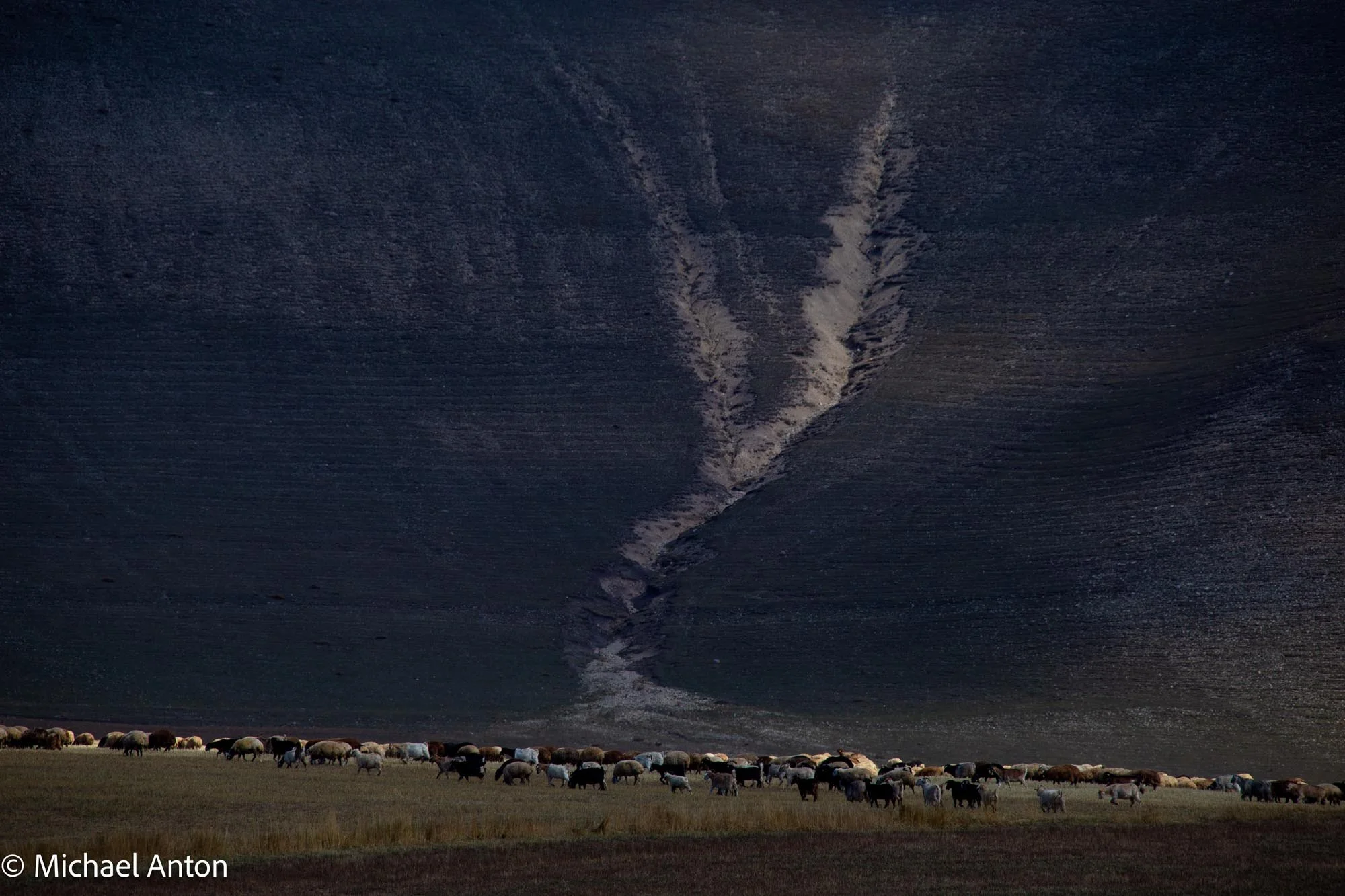
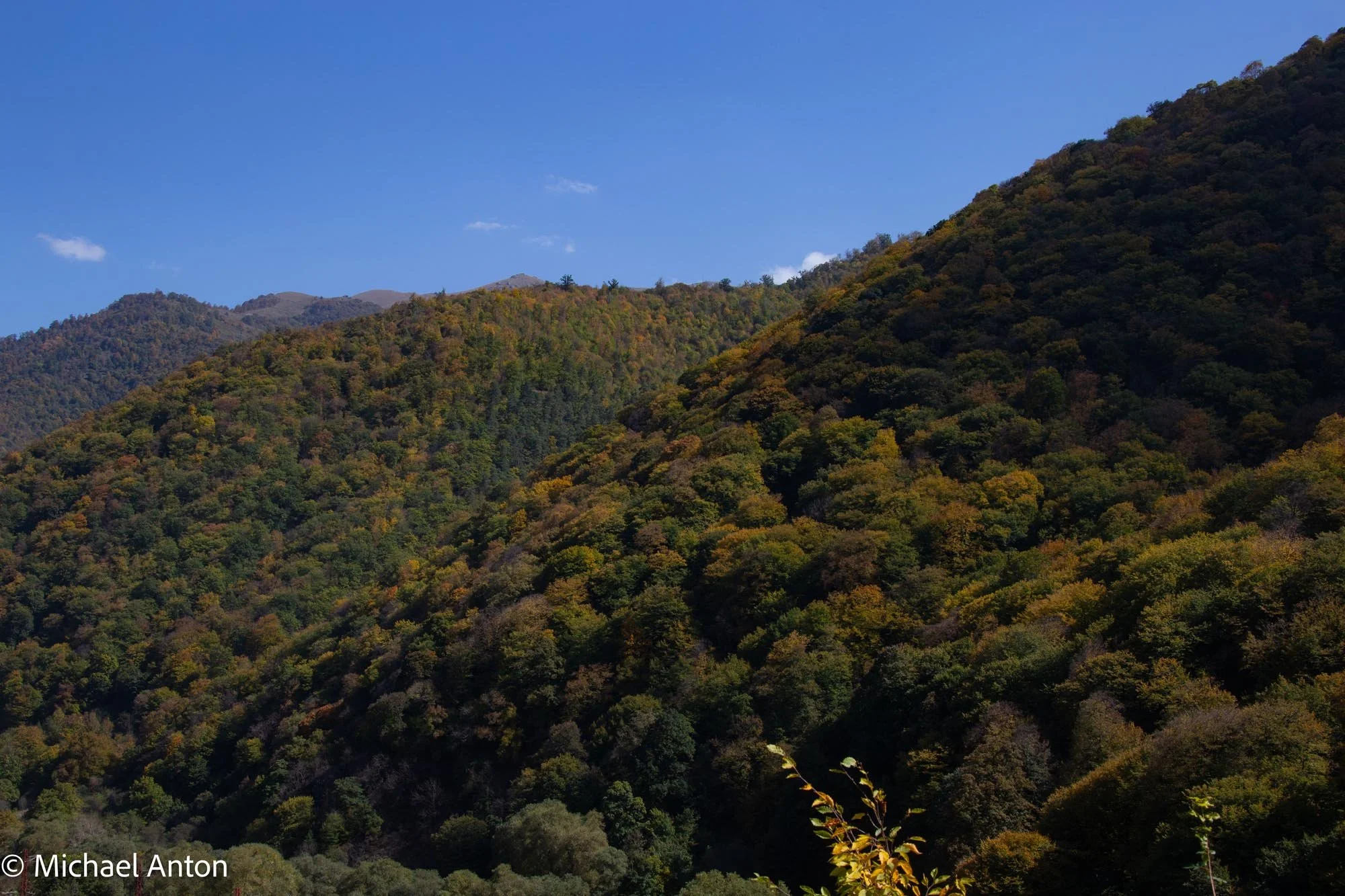
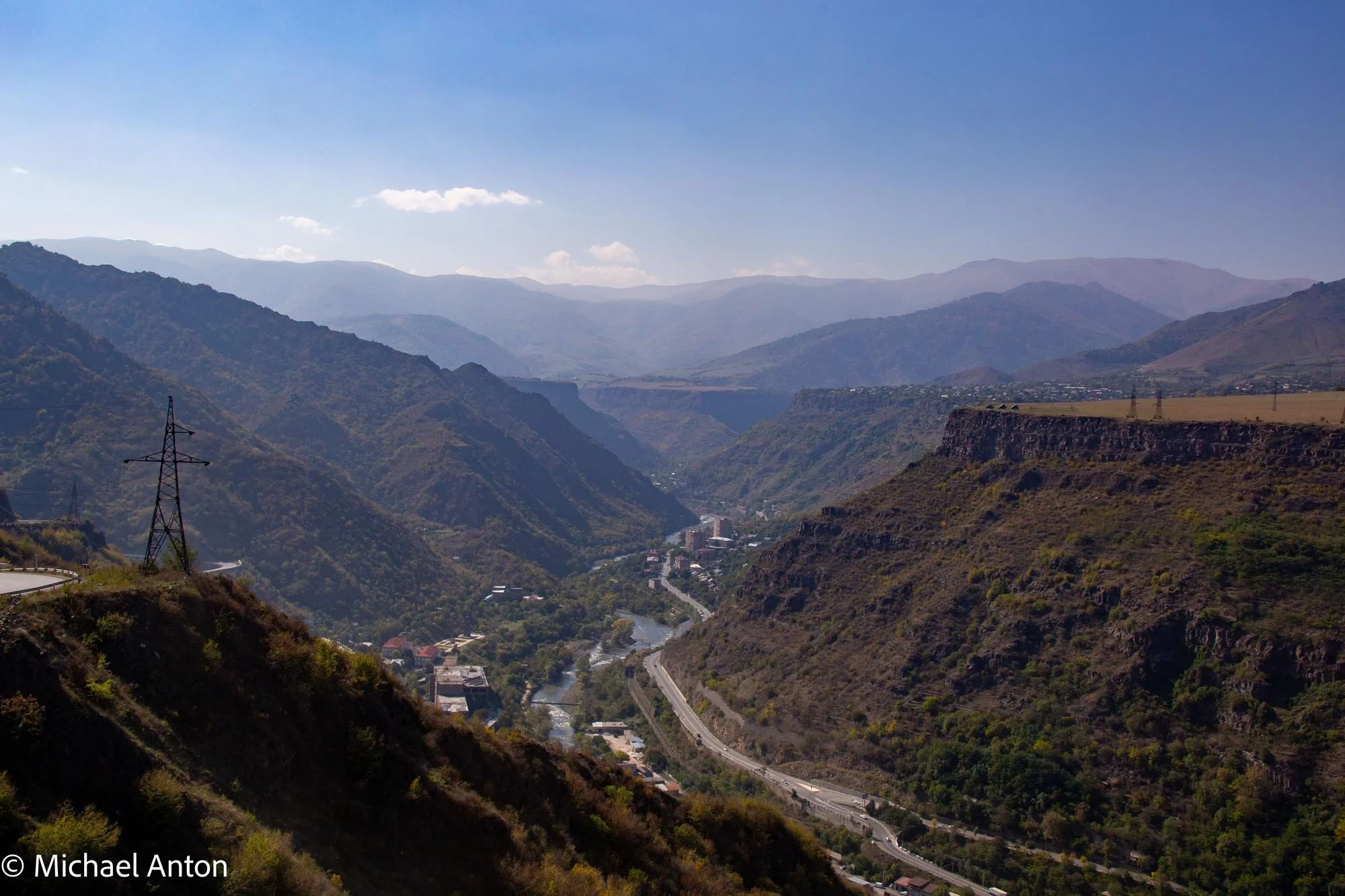
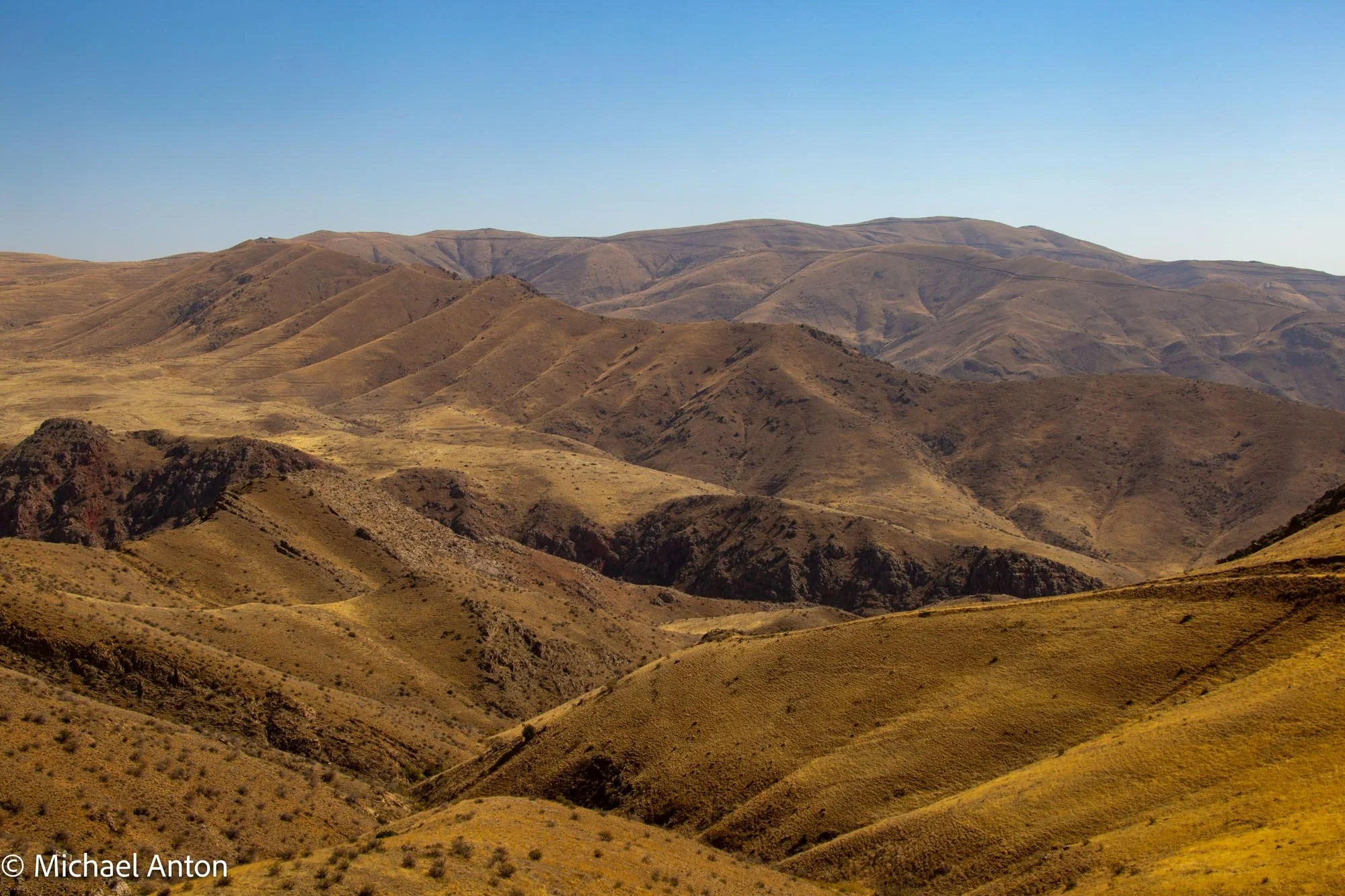
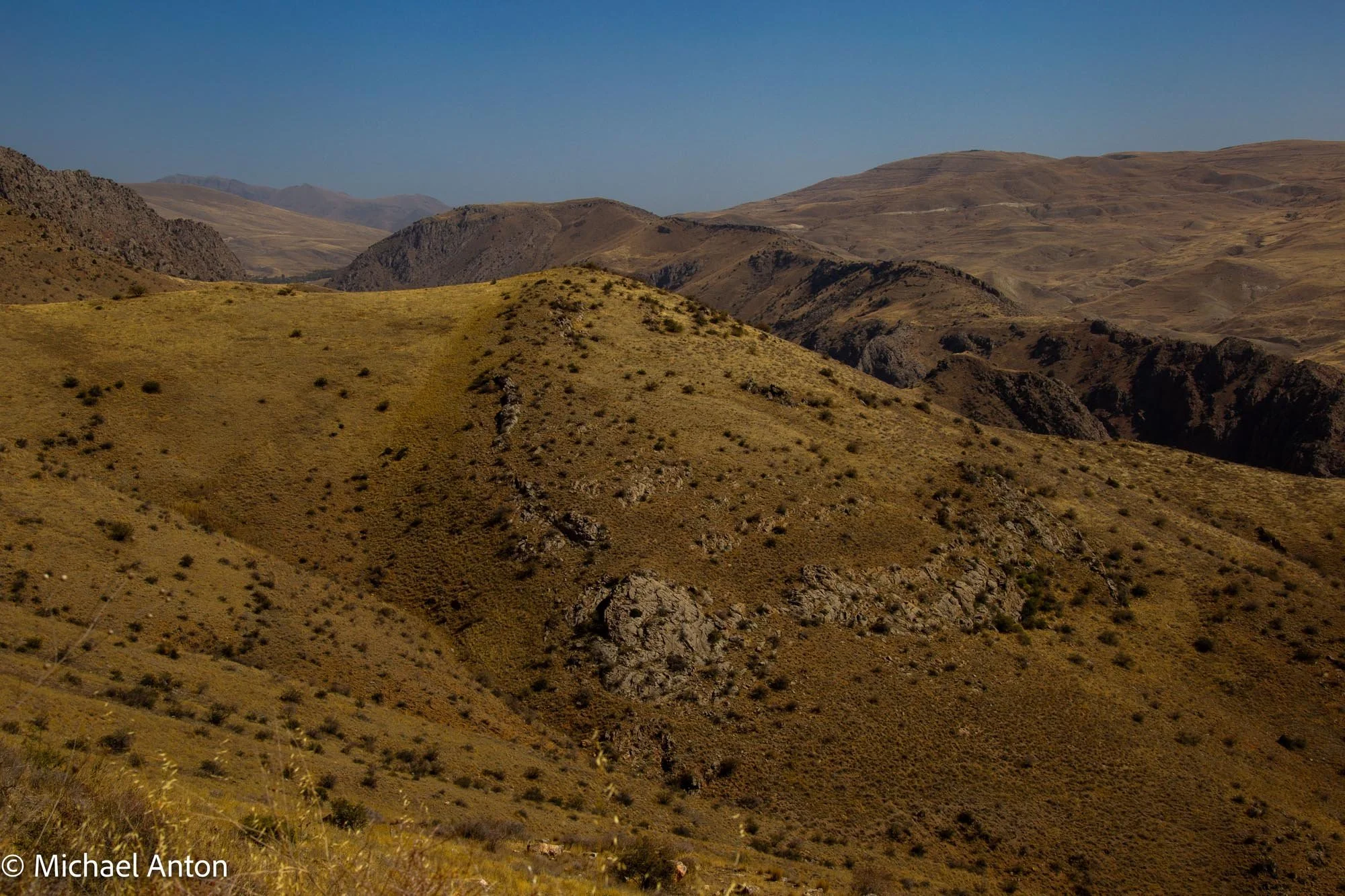
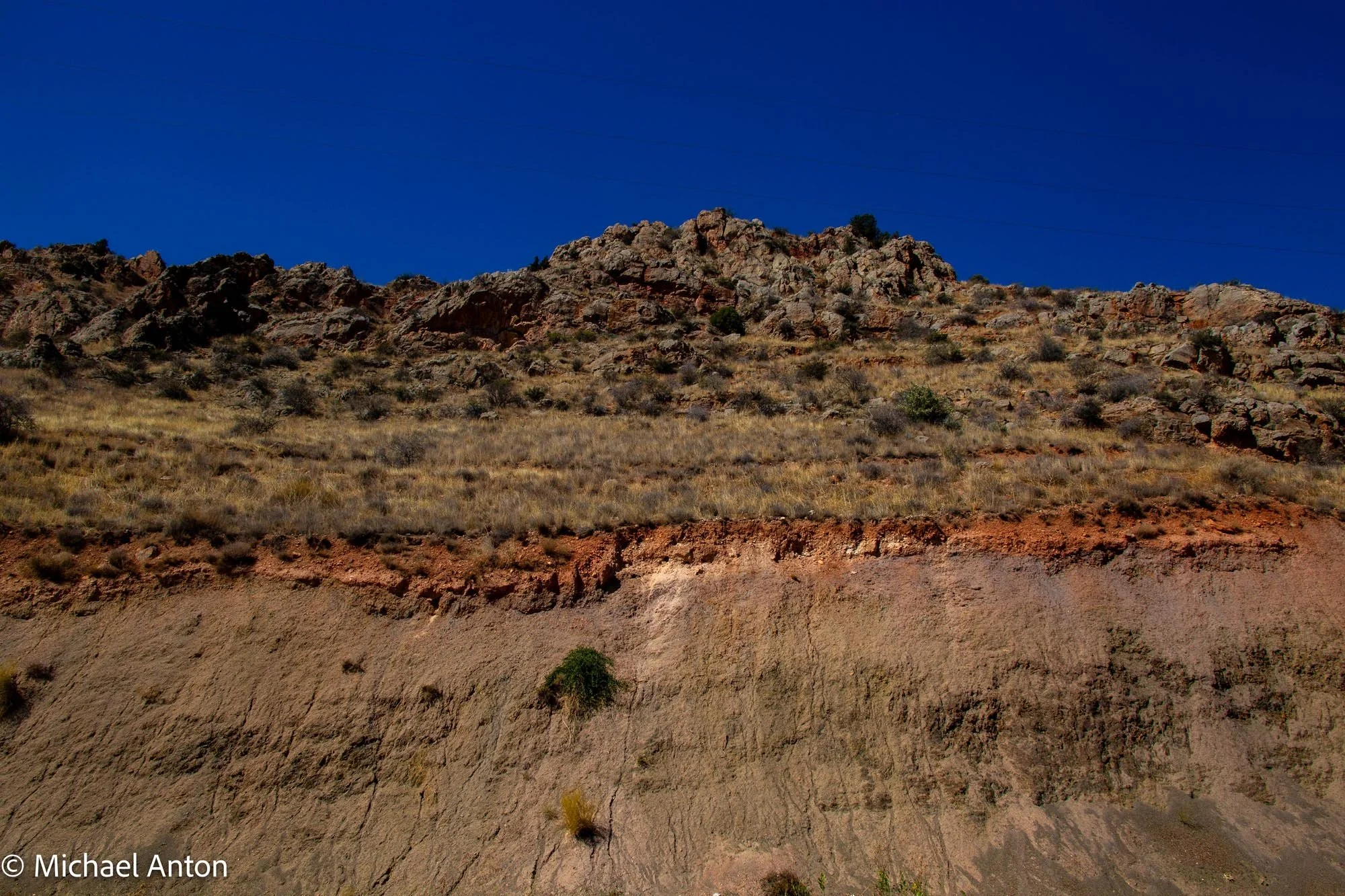
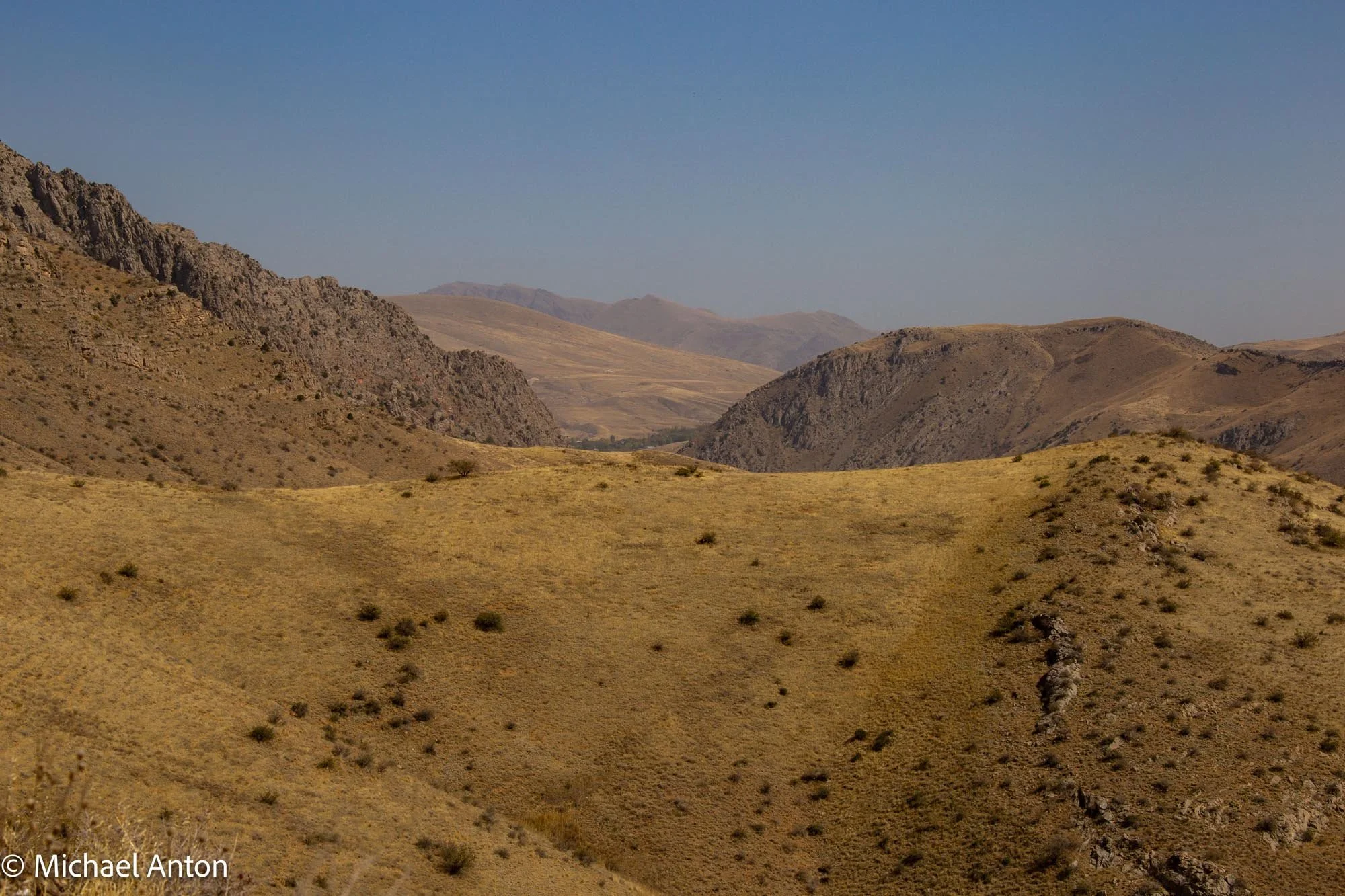
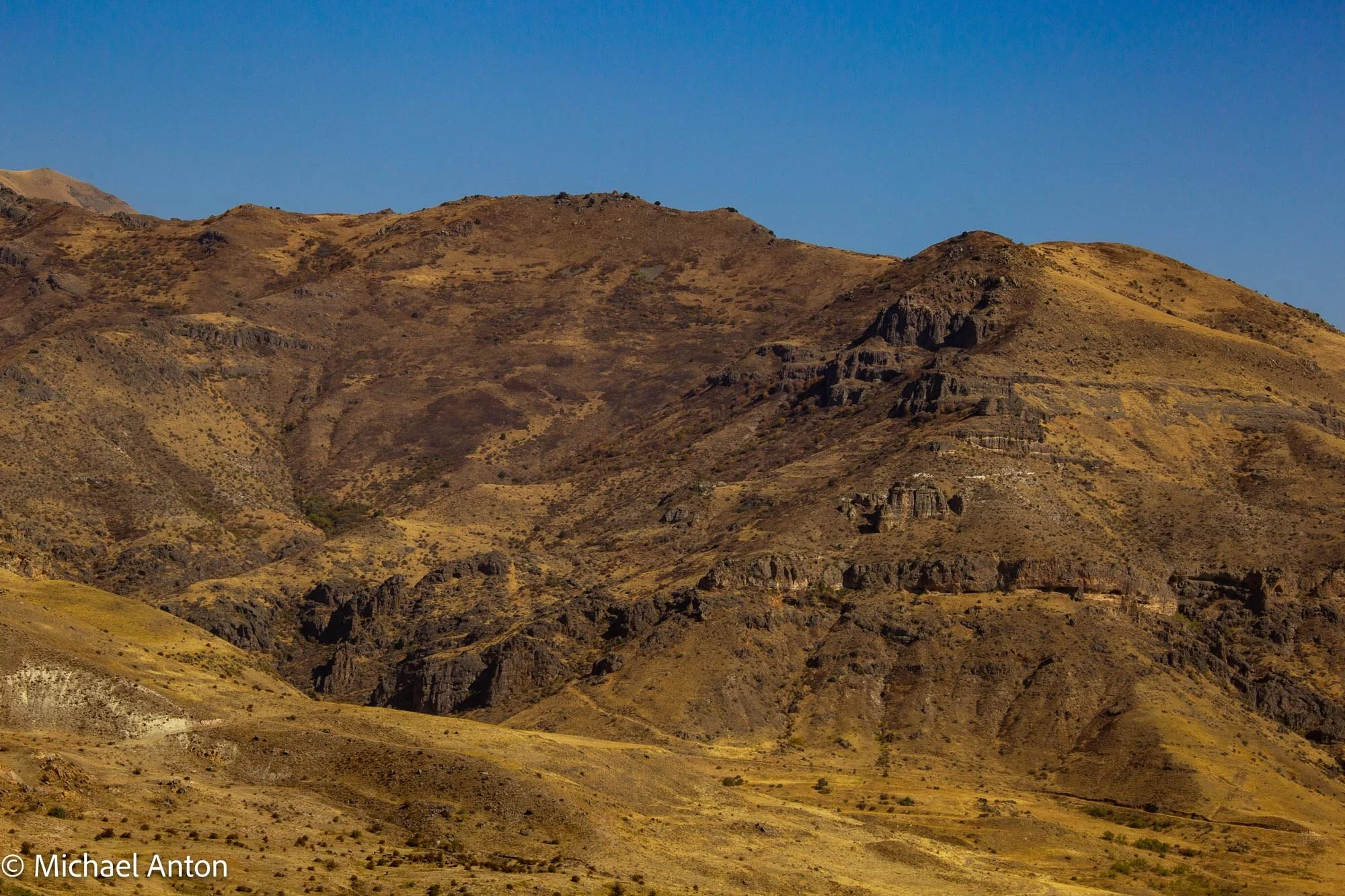
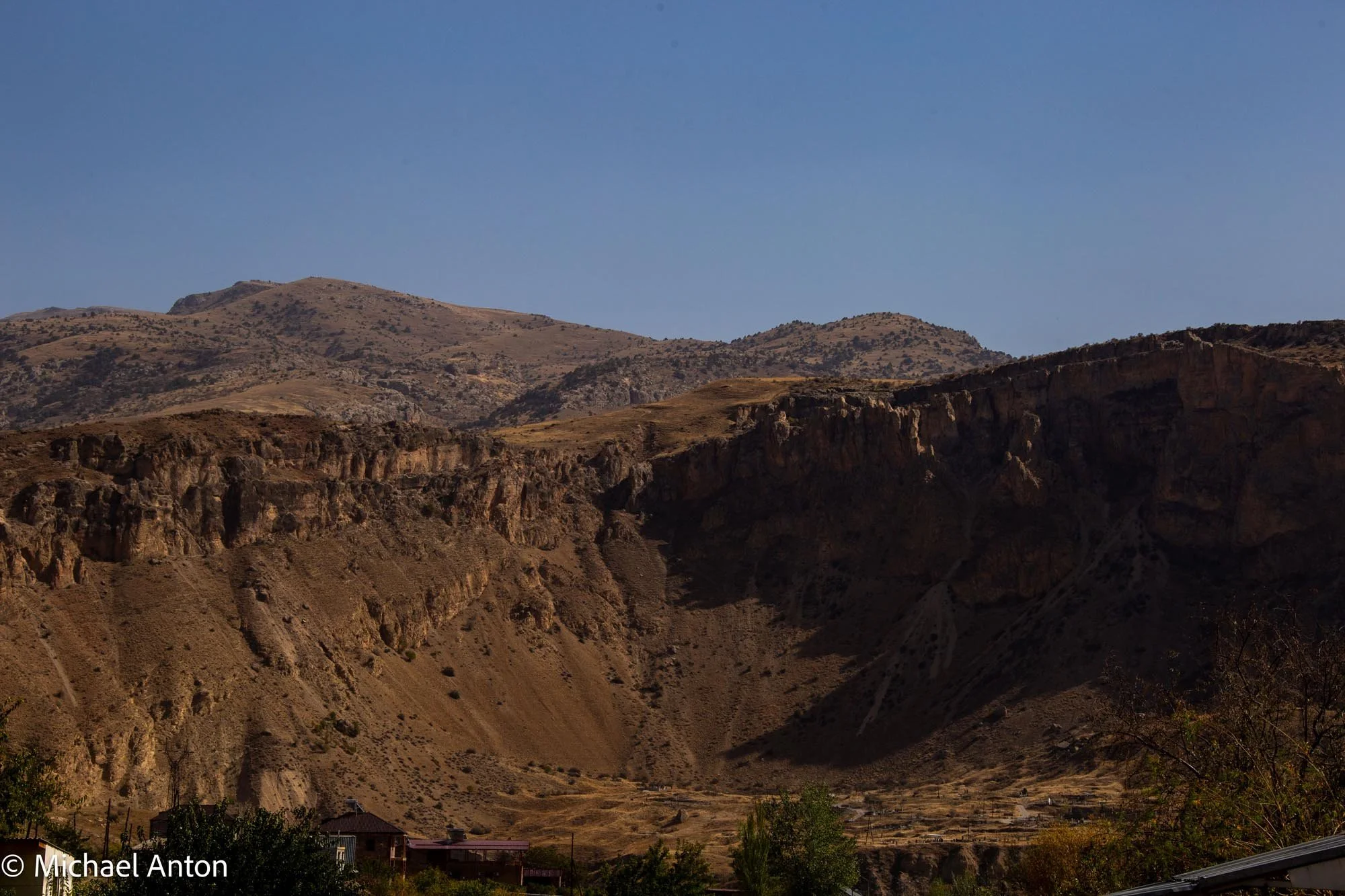
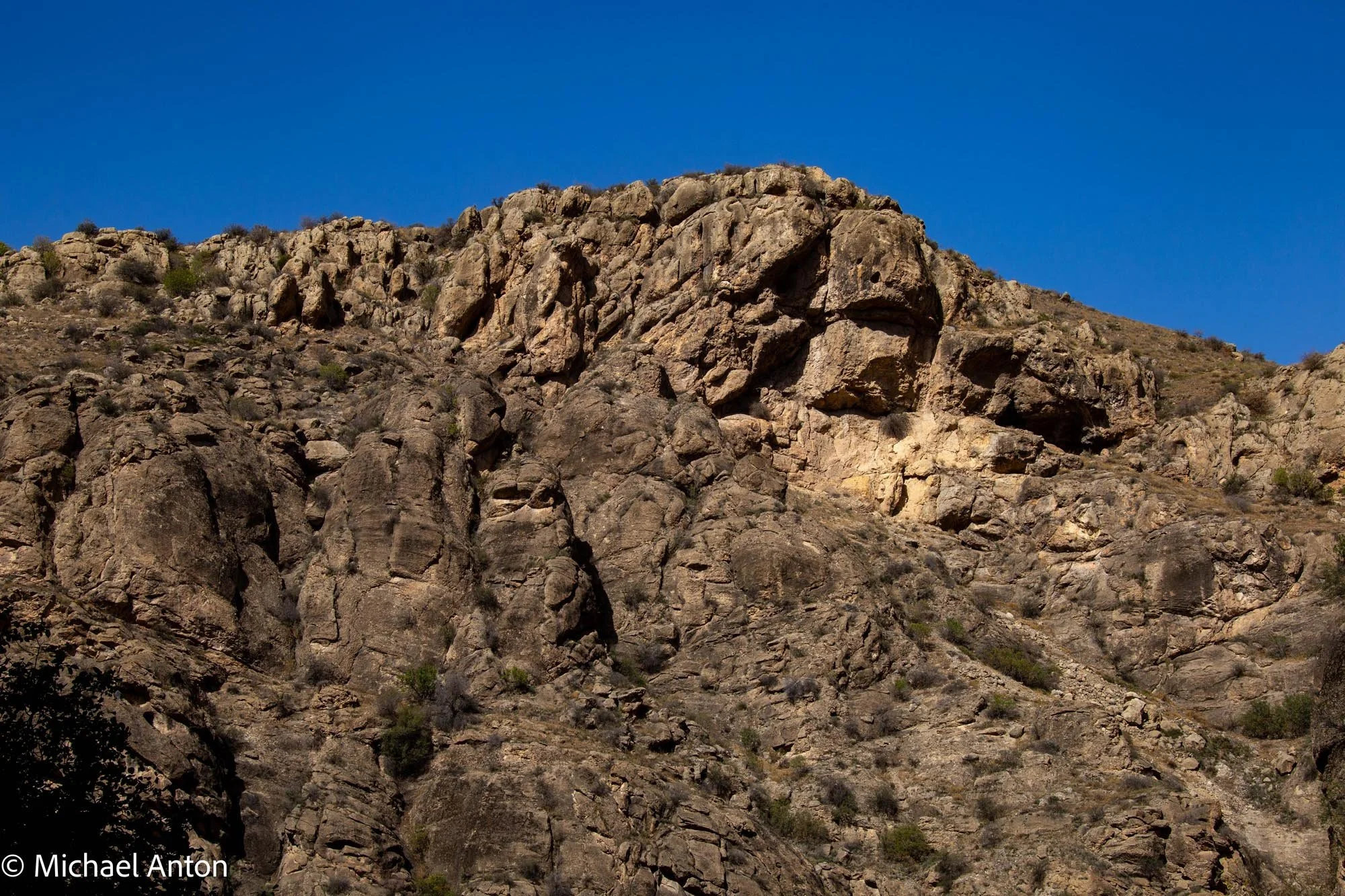
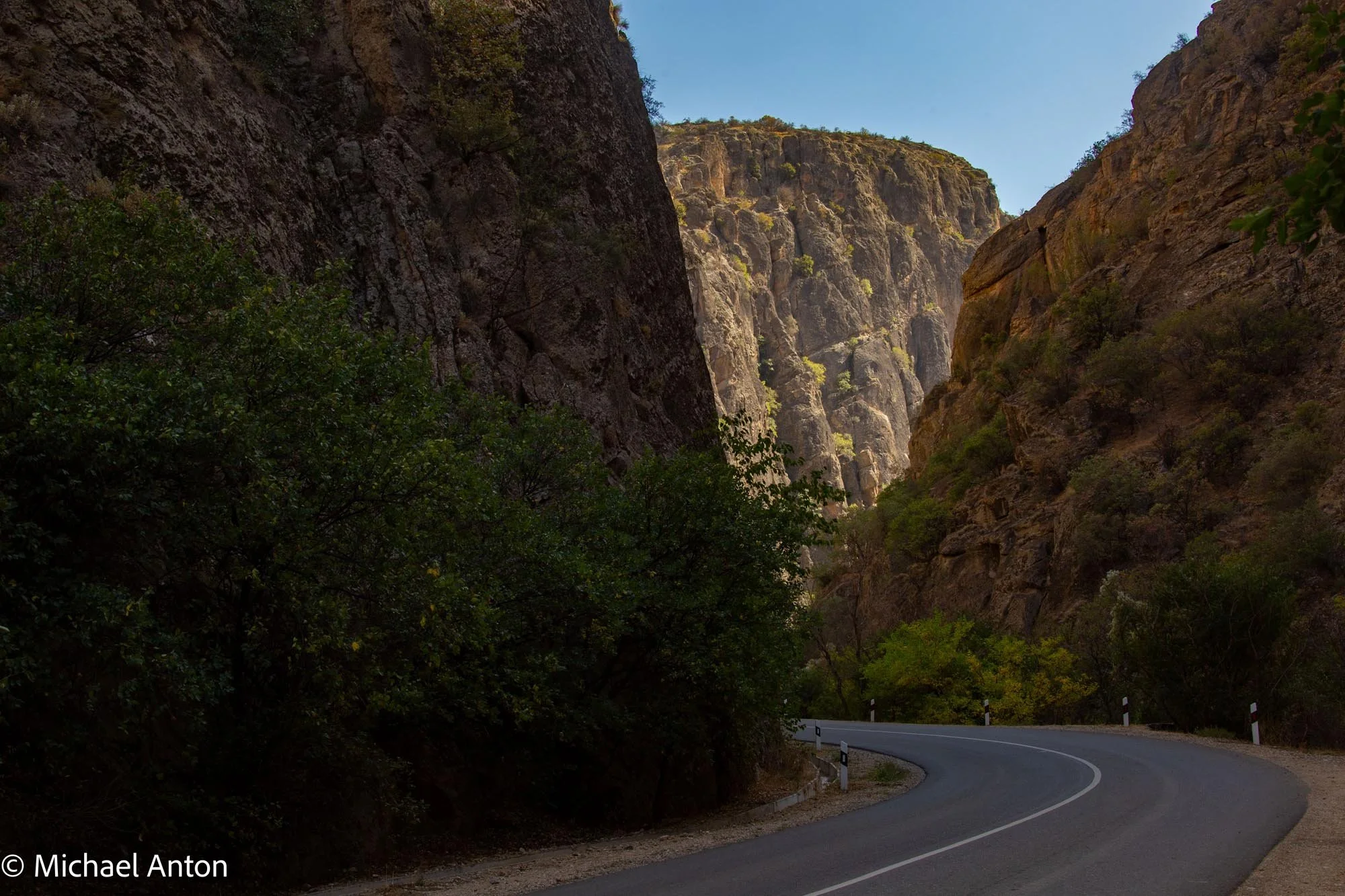
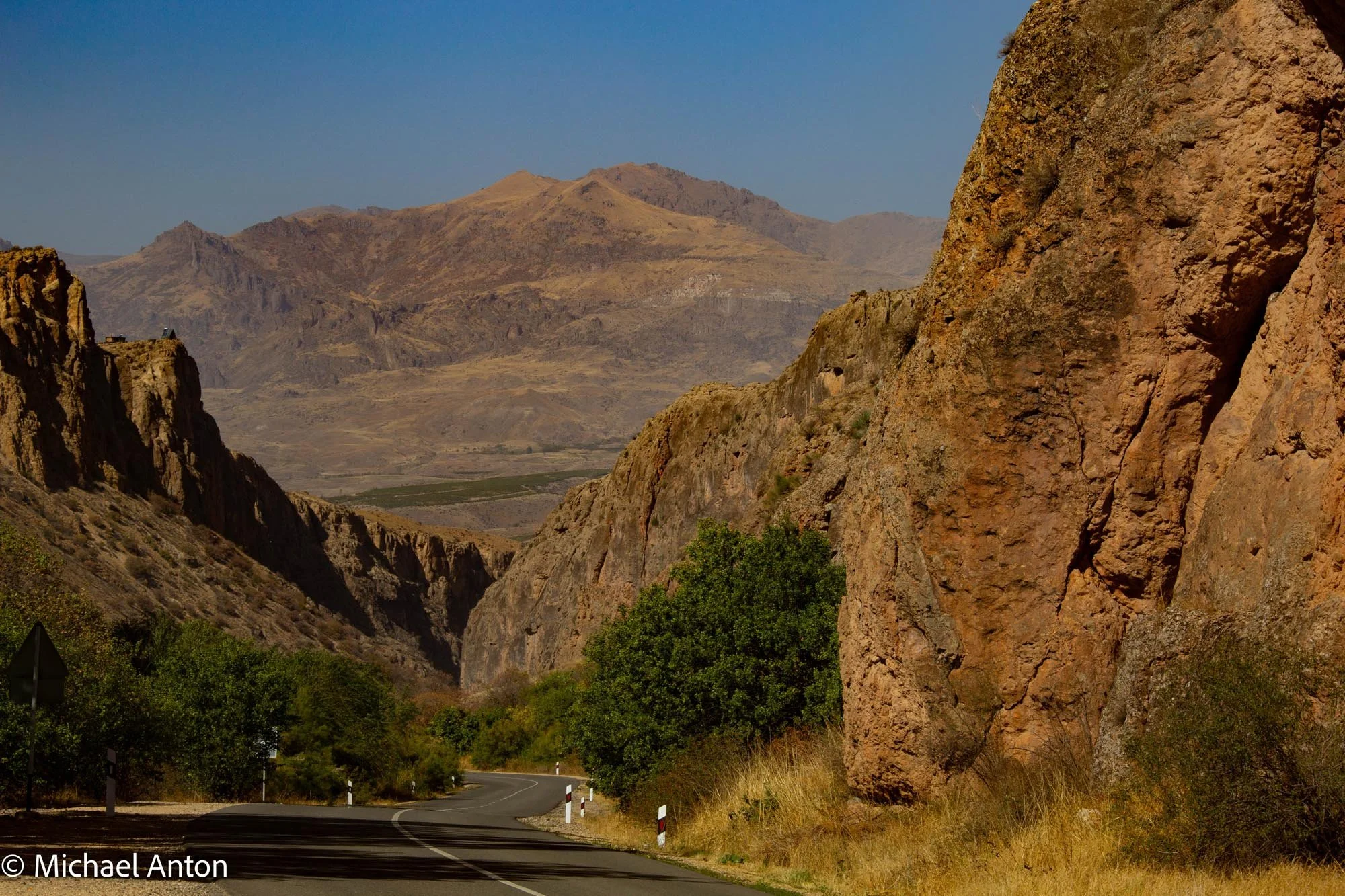
While I don’t ordinarily consider myself a landscape photographer Armenia’s topography often insisted I get out of the car and shoot.
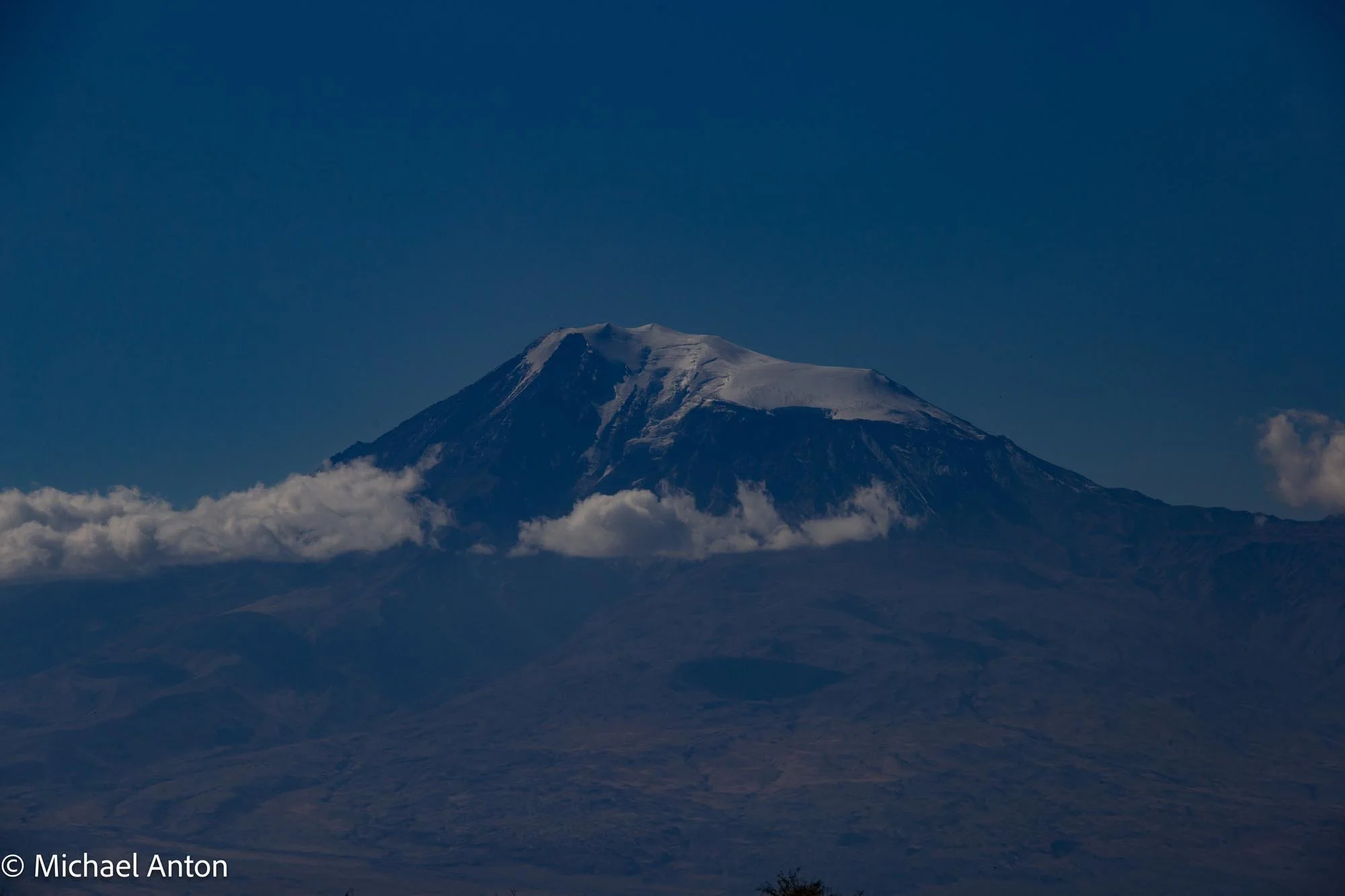
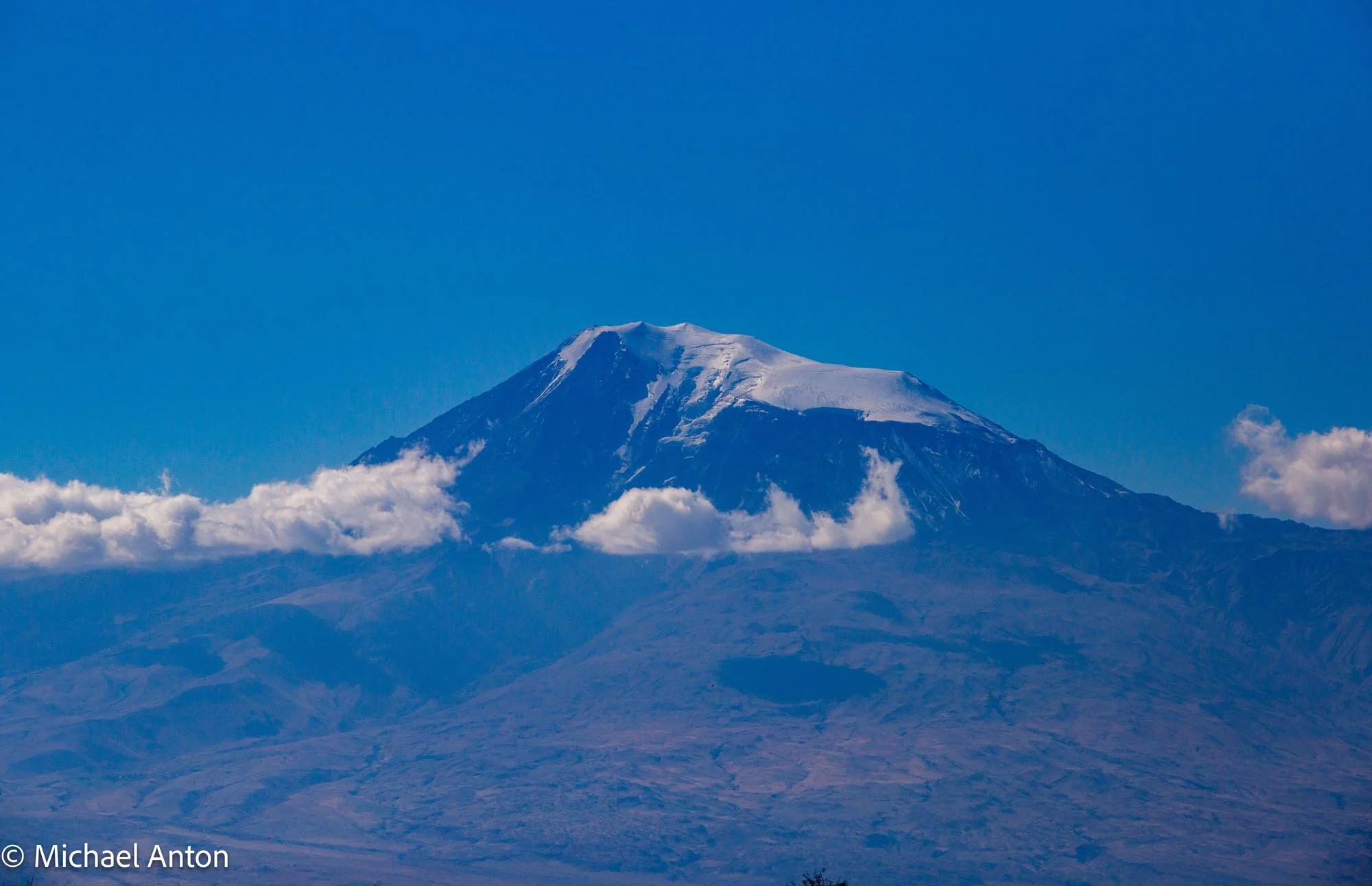
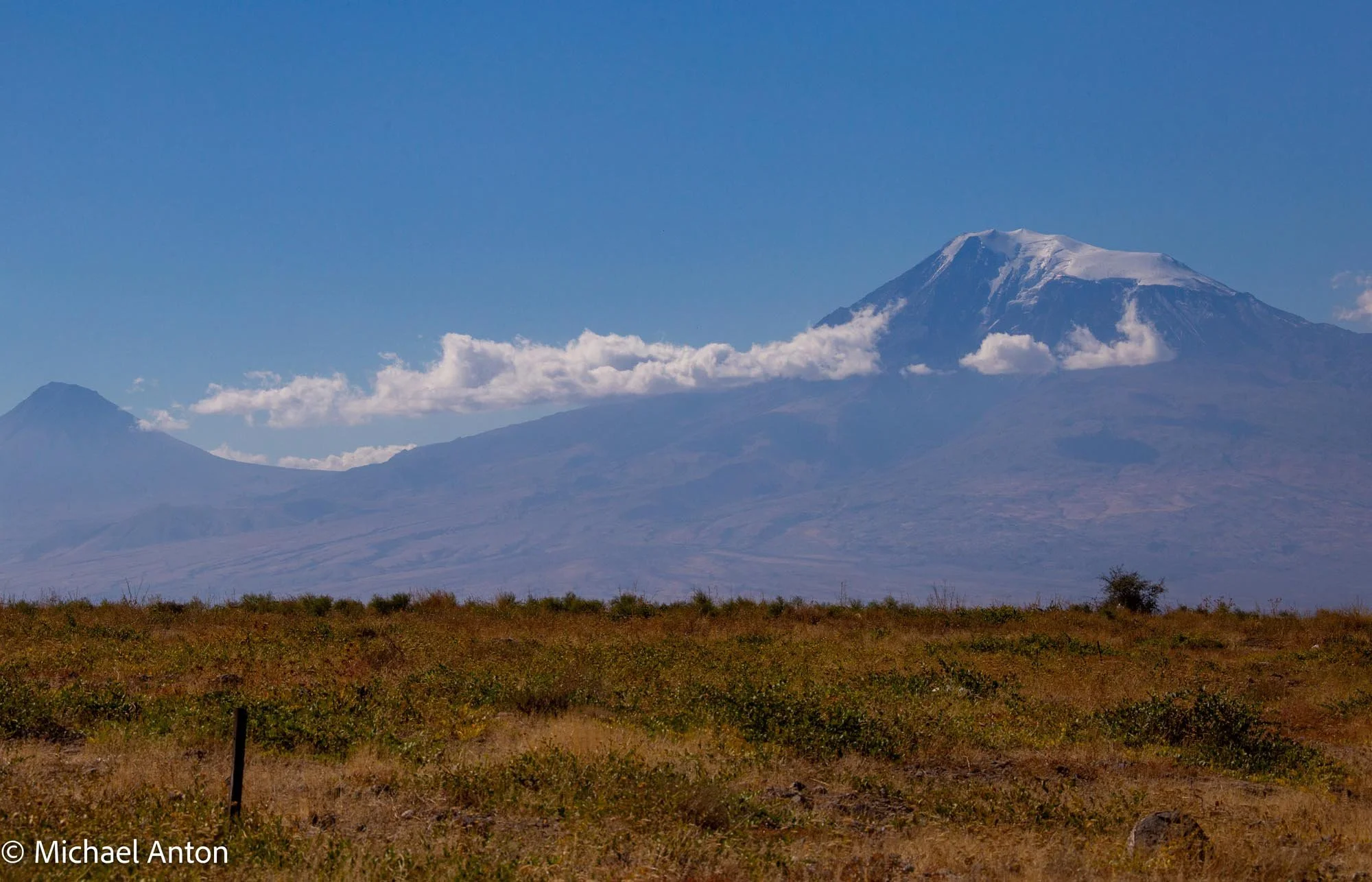
The last three images are of Mt. Ararat, located in Turkey and believed by people of the Judeo-Christian faith to be the landing place of Noah’s Ark.